Weekly tips, affirmations, and small actions to feel your best.

10 Things That Make Your Nails Healthier

Fingernails can serve as a visual indicator of our health, says the American Academy of Dermatology (AAD). It behooves us, then, to care for our nails, and if need be, make our nails healthier.

Do you know why we have nails? No, it isn’t to serve as a backscratcher or homemade guitar pick (trim those things before you hurt someone!)

“Well, to protect our precious fingers and toes!” you may say. While certainly a good guess, it’s not the correct one. But you do bring up an excellent point. Keratin, a hardened protein that constitutes multiple layers inside of the nails, helps protect our (and other primates’) soft tissues of the fingers and toes.

In fact, we have nails because of the biological order, primates, to which we belong. Other primates include apes, lemurs, and monkeys. Something else you’ll notice about primates is that they all have five fingers and opposing thumbs, as well.

So, evolutionary anthropologists and biologists, along with other experts, posit that our fingernails and toenails are essentially claws. “Most mammals have claws,” says biological anthropologist John Hawks, adding that most mammals use these special features to “grab onto … climb … scratch … (and) to dig holes.”

Scientists believe that we primates adopted flatter, broader fingertips to aid movement. We can see this in our primate brethren, who are able to traverse rainforest canopies effortlessly; something they would have much more trouble doing with long claws.

There is one other reason why we developed fingernails: to serve as a visual indicator of our health, says the American Academy of Dermatology (AAD).  It behooves us, then, to care for our nails and keep them healthy.

If you’ve been doing a subpar job caring for your fingernails, or need someone to show you how, you’ve come to the right place! We’ll focus our attention here on things that will make your nails healthier.  We’ll also discuss why you may want to reconsider a seriously unhealthy splurge.

Things that Make Your Nails Healthier
health-fingernails

Here are ten things that make your nails healthier:

  1. Biotin

Biotin, also known as coenzyme R, vitamin B7, and vitamin H, helps promote healthy skin growth while aiding in the metabolization of amino acids necessary for protein synthesis.

Research indicates that biotin may help to strengthen brittle nails. In a study of 35 people, participants who consumed 2.5 milligrams (mg) of biotin over a 1 ½- to 7-month period experienced a 63 percent reduction in the number of symptoms associated with brittle nails.

The recommended daily allowance (RDA) for biotin is 30 micrograms (mcg) per day. Biotin-rich foods include liver and other meats, egg yolk, yeast, nuts and seeds, salmon, dairy, avocado, and sweet potato.

  1. Petroleum jelly

Per the American Academy of Dermatology, petroleum jelly is excellent for rehydrating your nails. As we’ll discuss later, the products often used in nail salons are counterproductive to nail health. One reason for this is that many professional nail products will dehydrate the nails. If you frequent nail salons, consider applying petroleum jelly to the nails and cuticles regularly.

Besides providing hydration to the nails, petroleum jelly will also help to prevent nail chipping and brittleness. You should not apply petroleum jelly to dry nails. For the best results, apply the product when your nails are damp.

  1. B vitamins

Vitamin B12 helps the body absorb iron, which in turn ensures the proper delivery of nutrients to the nails. Another B vitamin important for making your nails healthier is folate (B9), which aids with nail growth. The RDA for both B vitamins is 2.4 mcg for B12 and 400 mcg for B9.

Folate is found in beans, citrus fruits, lentils, avocado, nuts, peas, and seeds. B12 is primarily found in meat, fish, poultry, dairy, and eggs. Vegetarians may wish to supplement B12.

  1. Iron

As mentioned, iron is critical for the delivery of oxygen and, therefore, nutrients, to the nails. The RDA for iron varies considerably depending on age, gender, and other conditions. Most people should take between 8 to 18 mg.

Foods rich in iron include shellfish, spinach, legumes, and pumpkin seeds.

  1. No polish

As we’ll get to shortly, nail salons are a dirty business – both in terms of actual business practices and the toxic fumes wafting around. We’ll focus on the latter here.

Nail polish is slathered on in salons. While the product may look pretty, polishes are rife with harmful chemicals like acetone. Acrylics, nail polishes, and nail polish removers all contain substances that can dehydrate and damage your nails.

  1. A good nail file

First things first, you want to trim your nails before filing. Trim each nail in a straight line before curving the tips.

Next, use a nail file with the appropriate file grade. The exact file that you use doesn’t matter too much, provided that it doesn’t rough up the skin around your nails. A medium-grit file (180 to 220 grit) is preferred by many manicurists for general smoothing and shaping.

Finally, make sure that you file unidirectionally. That is, don’t saw back and forth as this can weaken both the nail and the surrounding areas.

  1. Magnesium

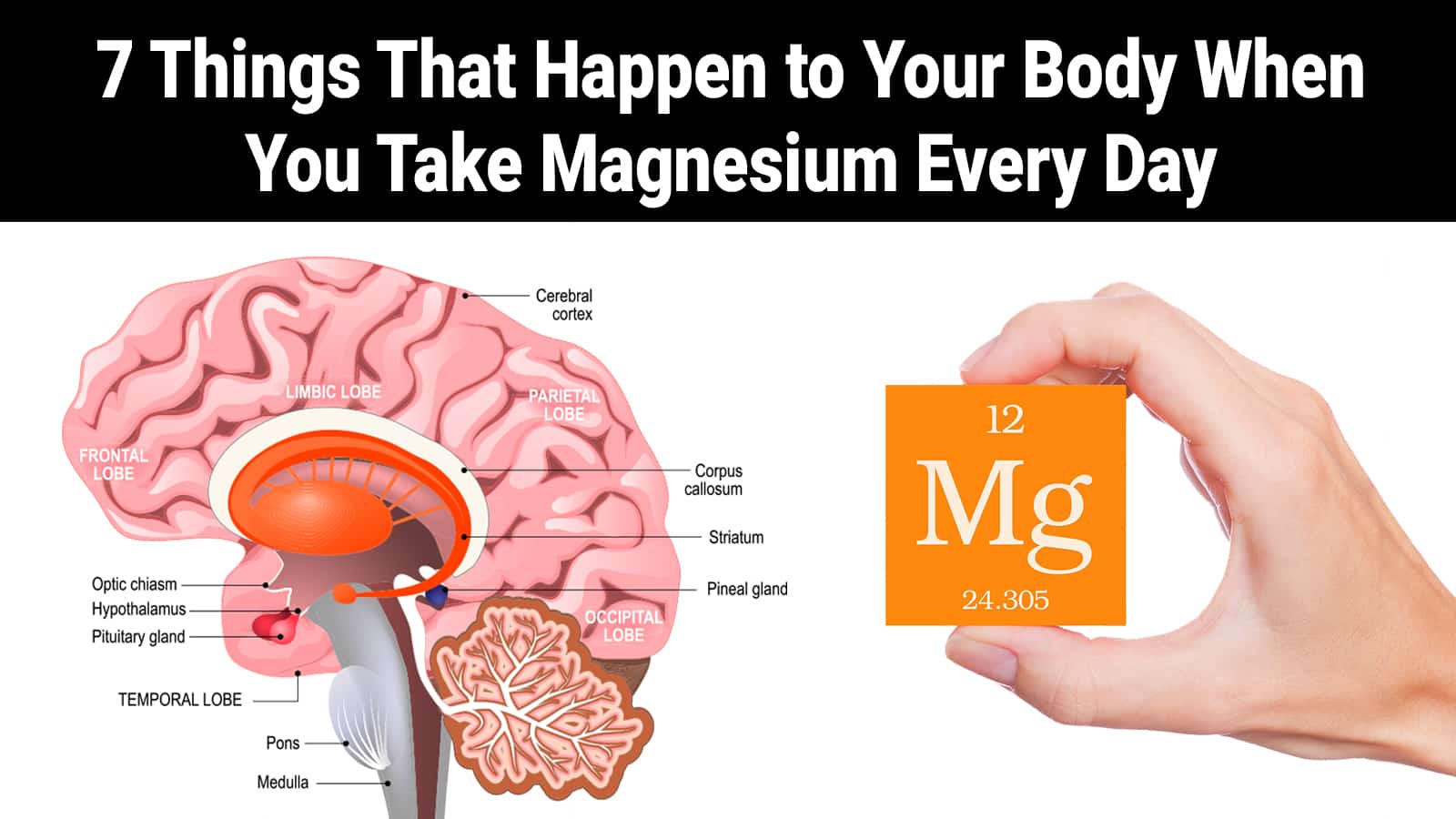
Magnesium, “Mg” on the periodic table, is involved in over 300 reactions in the body, including protein synthesis, which is needed for proper nail growth. Not getting enough magnesium can lead to ridging of the nails as well.

The World Health Organization (WHO) estimates that up to 4o percent of the U.S. population is deficient in magnesium. The RDA for magnesium is 310 to 320 mg for women and 400 to 420 mg for men, respectively.

Food sources of magnesium include almonds, cashews, dark leafy greens, edamame, and black beans.

  1. No nail hardeners

This article hasn’t exactly been unsparing to the nail products industry, so why not add another “no-no” to the list? Nail hardeners.

Don’t buy them. Nail hardeners, like most nail “care” products, haven’t been studied in a laboratory and scientifically validated. Would you put something in your body that you knew hasn’t been appropriately tested?

  1. Protein

As mentioned, the substance that gives nails their firmness is keratin, which is a structural protein. Without it, our nails would be susceptible to all kinds of damage. As such, consuming adequate protein is critical for increasing keratin production and creating strong nails.

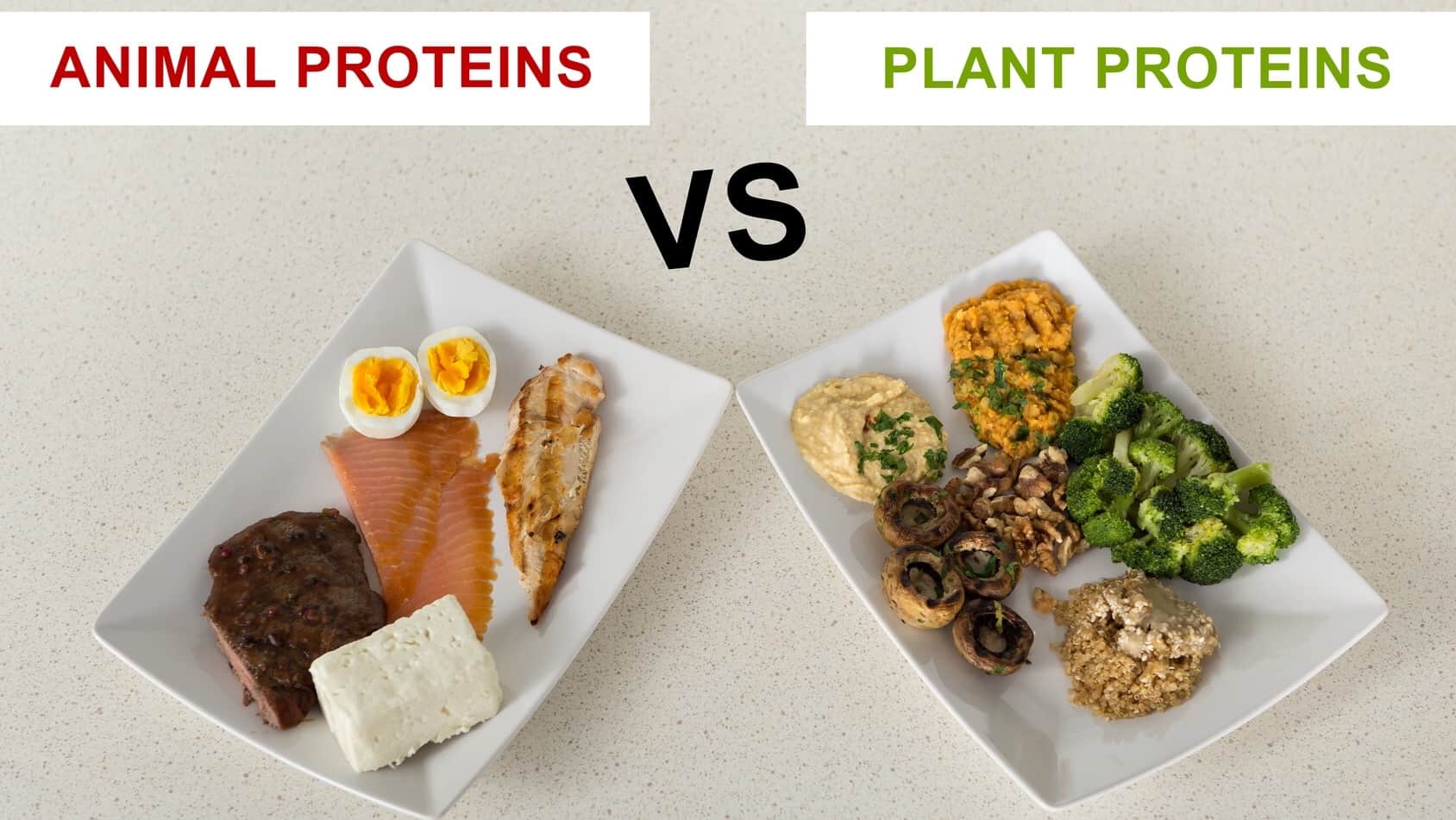
The RDA for protein is 0.36 grams per pound or 0.8 grams per kilogram (kg) of body weight. Foods rich in protein include animal products like eggs, dairy, fish, meat, and poultry, and the plant foods beans, legumes, lentils, nuts, seeds, soy, and whole grains.
nails

  1. Vitamin C

Vitamin C drives the production of collagen, a protein critical to the formation of elongated fibers that make up connective tissue. Collagen is crucial to nail formation, shape, and strength.

The RDA for vitamin C is 75 and 90 mg for women and men, respectively. The best sources of vitamin C are citrus fruits like grapefruit, lemons, and oranges. Other good sources of “C” include bell peppers, green vegetables, and tomatoes.

Final Thoughts: Avoid Nail Salons and Other Nailcare Tips

“The study provides some of the first hard evidence that these environments are dangerous for workers and that better policies need to be enacted to protect them.” – Lupita Montoya, lead author/Research Associate at the University of Colorado (source)

Besides most nail polishes being toxic, it turns out that nail salons are one of the most noxious places that you can visit.

In a study titled “Occupational exposure to volatile organic compounds and health risks in Colorado nail salons,” published in the journal Environmental Pollution, researchers observe the following:

“Nail salon technicians face chronic exposure to volatile organic compounds (VOCs), which can lead to adverse health outcomes including cancer.”

The research team performed three key measurements:

(1) The indoor levels of VOCs – benzene, ethylbenzene, formaldehyde, toluene, and xylene

(2) Estimated VOC exposure levels of nail salon technicians

(3) A VOC measurement and healthy questionnaire administered to 20 nail salon workers

After analyzing the data, the research team found the following:

  • Approximately 70 percent of all nail salon workers experience at least one health issue directly resulting from their vocation.
  • Elevated concentrations of formaldehyde in all six salons studied. Formaldehyde exposure is linked to an increased risk of multiple cancers and leukemia.
  • Workers are up to 38 times more likely to develop cancers of the nose and throat, and up to 135 times more likely to develop leukemia.

Let’s be clear about one thing: these findings aren’t written here to dissuade anyone from visiting their favorite nail salon. As far as health risks go, the study doesn’t mention patrons, just those who work in nail salons.

But the study should warrant a bit of concern. If not for health reasons, then perhaps for the rampant economic exploitation.

To wrap things up, here are some tips to make your nails healthier:

Keep ‘em clean and dry: Thoroughly clean and dry the surface of and underneath your nails. This helps to prevent bacterial growth and troublesome conditions like split nails.

Moisturize: Skin is prone to dryness, particularly in less humid environments. Use lotion to counteract this drying effect. Exposure to cold, heat, harsh soaps, and the sun can also contribute to dry skin.

Practice good nail hygiene: Use only sharpened manicure clippers or scissors. Trim your nails straight across and gently curve the tips.

Science Explains 5 Ways to Heal Adrenal Fatigue

Science and the medical community don’t always agree, and such is the case regarding adrenal fatigue. Did you know that millions of Americans are suffering from disabling fatigue, depression, anxiety, carbohydrate cravings, and brain fog, due to adrenal fatigue? Unfortunately, their cries for help are falling on deaf ears?

Although the medical community does not recognize their problem, it’s gaining more attention as Eastern Medicine is treating people with excellent results.

What is Adrenal Fatigue?

Though there is no clinical diagnosis for adrenal fatigue, it’s used to describe a myriad of symptoms for which there is no other medical explanation. Though it’s considered alternative medicine, most physicians and those within the medical community deny its existence. Before you can truly understand this condition, you must understand the adrenal glands and their role in the body.

The adrenal glands produce hormones that are necessary for your survival. When a person suffers from an insufficiency of the hormones they provide, the medical world calls it Addison’s disease. However, the adrenals can be sluggish and not producing enough of these vital hormones. These people might not have the clinical definition of Addison’s disease, yet at this stage, the “fatigue” of the adrenals comes into play.

Symptoms of Adrenal Fatigue

Exhaustion
•Widespread Pain and General Aches
•Mysterious Weight Loss
•Hypotension
•Dizziness/Feeling Faint
•Alopecia Areata
•Hyperpigmentation

Diagnosing Adrenal Fatigue

There are a couple of different ways that adrenal fatigue can be diagnosed. First, the hallmark testing procedure is the blood test. It will detect hormone levels to identify how well the adrenal glands are working.

The second test used is called a stimulation examination. It too can show lackluster levels that could be contributing to symptoms. The number one cause of this condition is chronic stress.

The theory behind this insufficiency is that when the body is in a state of angst, cortisol is released in abundant amounts. The body goes into fight-or-flight mode, and it quickly depletes this vital hormone. The body is unable to make adequate amounts of the hormones needed, so even the smallest decline in these levels can send someone into a tailspin.

The Ongoing Debate

Why does the medical community fight the diagnosis of adrenal fatigue? Well, two things bother them. First, there is no real proof that stress can cause the adrenal hormones to be off, so according to them, there is no concrete evidence. Second, they can’t prove that this imbalance that occurs is the reason a person is feeling malaise and other fatigue-related symptoms.

What can be proved is that the body is full of hormones that control many functions. Numerous studies have used imaging to verify that a brain under duress looks totally different than one that is not. When a person is under stress, the adrenal glands are stimulated. These glands are responsible for making cortisol and adrenaline.

Take, for instance, a person with panic disorder. When their body feels under attack, the cortisol levels increase, causing a fight-or-flight response. So if the body can overproduce this hormone, why can’t a person feel sluggish when there is not enough of the hormone being made?

When the hormone levels rise to uncomfortable ranges, the body feels panic, anxiety, and other mental health symptoms. Is it so unreasonable to think that low levels cannot affect the body negatively also?

How To Tell If You Have Sluggish Adrenal Glands

If you are tired and run down all the time, you shouldn’t automatically assume that you have an adrenal issue. There are hundreds of medical diagnoses that can affect a person’s energy levels. Even a common cold can put you down for a few days.

The real issue with a sluggish adrenal gland is that it’s an ongoing problem. It’s not something that sleep resolves or medication can help. It’s a chronic condition that won’t go away.

The first place you need to go is to your doctor. They will need to do a series of tests to rule out other issues. If there is nothing else that is standing out as a possible cause, then it’s advantageous to explore adrenal deficiency.

Now, remember that your local family doctor is probably not going to go in this direction or encourage you to research this “holistic” diagnosis. However, thousands of people have found that by stimulating their adrenal glands, they have changed their lives. Find a person that practices in alternative medicine, and they can help you with this medical issue.

Don’t be too disappointed when the medical community doesn’t side with you. It wasn’t too long ago that conditions like Chronic Fatigue Syndrome and Fibromyalgia were considered “made-up” illness also. Now, they are deemed auto-immune conditions and official diagnoses given by doctors across the world.

Treating Your Adrenals

There are many ways that you can reverse adrenal fatigue. First and foremost, you must change what you eat. Your diet has everything to do with your whole-body health. If you eat foods high in sugar, carbohydrates, sodium, and cholesterol, then you are asking for trouble. A plant-based diet is always best, though it’s difficult to do.

90-Day Diet Reset

You can boost your adrenals when you do a 90-day rehab on your diet. Think of food as the equivalent of medication. Gluten is one of the biggest components of adrenal fatigue, so cut out gluten and switch to a gluten-free diet.

Isn’t it ironic that those that have Celiac disease, irritable bowel syndrome, and other digestive issues almost always have sluggish adrenals? A 90-day plan will give you more energy as well as improve your sleep. You will feel so much better in such a short period. You may want to stay on this path indefinitely.

Consume Proteins Packed With Nutrients

You may need to branch outside your comfort zone and consume things that you wouldn’t normally. Oysters are a big component of healing sluggish adrenals. They are so full of nutrients, and the copper and zinc content will help your body to combat stress. No wonder they are dubbed the super-food of the sea.

Fill Up On Organ Meats

Your grandmother probably made big plates of liver and onions, and you may or may not have turned your nose up. It turns out, that plate of food was packed with things your body needs. For instance, the liver has amazing minerals that are known to beat fatigue. They have zinc, Vitamins B and D, and we cannot forget the massive amount of choline that is in each bite. It is a powerhouse meat that you need in your diet.

Go Green

You already know that eating leafy greens are great for your body, but you need to branch out beyond broccoli and lettuce. Try adding Swiss chard, asparagus, and avocados to your daily regimen. These foods can help to boost neurotransmitter production, and they are packed full of vitamins and minerals.

Adrenal Fatigue recovery - veggies

Swiss chard, for instance, is full of magnesium. This vital mineral is known for giving you instant calm. Taking a magnesium supplement might help you to combat the feelings of fatigue and boost your mental health too.

Fatty Fish for The Win

You’ve probably heard a great deal about Omega 3s. Fatty fish, like salmon and mackerel, are packed full of these minerals. You don’t need to consume fish oil pills if you simply consume these fish at least two or three times a week. Talk about an instant boost for your adrenals! Plus, they help reduce inflammation in the body drastically.

Learn the Power of the Word “No”

More than one million Americans are dealing with chronic stress. The biggest part of the problem is that you can’t say no. You are overcommitting yourself to things that you cannot possibly do with your already hectic schedule.

Learn your limits, and know when to say no. Don’t be fearful of hurting someone’s feelings. You must set healthy boundaries to protect your health. Part of the healing process is changing your eating habits, but the other part of the road to recovery is learning a new way to manage stress.

You need adequate sleep, lower stress levels, and the ability to calm yourself no matter what’s going on around you. These are the best ways to boost your adrenals.

The Road to Recovery

It’s important to start this journey with knowledge. Know where your adrenal levels are before you begin, and monitor your hormone levels throughout the process. If things are not working, then you need to change your strategy.

You should start to feel better as you change your diet and lifestyle. It’s also essential to work with someone knowledgeable regarding this condition. Alternative medication is receptive to this diagnosis while your family doctor probably won’t be. Know your body and do what’s best for you.


Scientists Explain 21 Amazing Benefits of Apple Cider Vinegar

Editor’s Note: Previous references to ACV being a possible preventive for cancer have been removed from this story. While ACV has been shown to impact stomach cancer cells when applied directly, there is no current delivery method for ACV to be applied directly to the Cancer, and further research is required to make the claim that ACV can be a possible preventative for cancer.

Apple cider vinegar is often celebrated for its wonderful benefits, but most people aren’t sure what those benefits are exactly. Apart from being an effective cleaner with a pungent odor, most people don’t know what to use ACV for.

About Apple Cider Vinegar Benefits

While you may have never considered adding ACV to your diet, after reading, you might. Though it certainly has an off-putting taste, apple cider vinegar is one of the oldest remedies in the world.

While it is undeniably harsh thanks to its acidic content, ACV offers a wide variety of benefits to those that use it. Wondering how to use ACV in your own life? Keep reading.

1. Regulate Your Blood Sugar

We all need to regulate our blood sugar. Depending on the foods and beverages we consume, our body has to metabolize this glucose to produce more insulin in order to convert this into energy.

Individuals that have the second kind of diabetes either are resistant to insulin or don’t produce an adequate amount to maintain healthy glucose levels. WIth ACV, diabetic individuals can lower their blood sugars as this aids in the digestion of starch.

2. Lower Blood Pressure

Hypertension and high blood pressure are recorded to affect more than 80 million people in America. This blood pressure can cause heart failure and coronary disease.

Thankfully, ACV’s acetic acid can be used to lower one’s cholesterol levels as well as eliminate triglycerides inside blood vessels. This helps to prevent the narrowing, hardening, or thickening of artery walls.

3. Support Weight Loss

Want to lose weight faster? Start using ACV to boost your body’s ability to stabilize your glucose. Additionally, this will help to prevent. your body from producing too much insulin, as this will otherwise leave you craving foods high in sugar that can lead to further weight gain.

Additionally, ACV can make you feel fuller faster. When used in tandem with a steady fitness routine, you’ll find it easier to lose weight and maintain the weight loss.

4. Aid in Detoxification

The human body is incredibly effective in eliminating any toxic waste that may make one sick.

This natural detoxification process focuses on removing impurities in the blood via the lungs, skin, kidneys, and the lymphatic system. Rich in enzymes that stimulate liver function as well a lymphatic drainage, ACV can help your body with its natural detoxification process. The acetic acid can bind toxins to itself, aiding your liver in this detoxification process.

5. Prevent Osteoporosis

ACV can be used to prevent osteoporosis as it helps the body absorb certain essential minerals that are used to grow stronger bones.

Use ACV to increase your body’s ability to absorb calcium and you’ll be able to enjoy the apple cider vinegar benefits of increased bone density.

6. Balance pH Levels

The body has a delicate ecosystem that is maintained through the process of homeostasis. As healthy pH levels are between 7.35 and 7.45, most people’s balances tend to be slightly more alkaline rather than acidic.

The acetic acid in ACV ironically exhibits alkaline properties within the body. Individuals that consume a more acidic diet tend to benefit the most from adding ACV to their diet in this respect.

7. Prevent Acid Reflux

Anyone that’s experienced the inconvenient feeling of heartburn and acid reflux knows how unnerving these conditions feel.

While the taste of ACV may be initially off-putting, taking it regularly can help your body brace its pH levels with the naturally occurring probiotics and enzymes that help to reset your acid balance. Essentially, the apple cider vinegar will help improve your stomach’s alkalinity.

Additionally, heartburn that occurs as a result of lower stomach acid can be treated with ACV. This helps to prevent heartburn and bloating.

8. Kill Candida

Candida is the culprit behind most yeast infections found in mucous membranes like the nails, skin, vagina, and mouth.

Candida can present itself in the form of fatigue, sugar cravings, joint pain, as well as chronic sinus issues.

WIth ACV, you can kill the yeast caused by candida. The ACV will work to bring your body to more alkaline levels, making the environment less favorable for this bacterial infection.

9. Combat the Common Cold

ACV is also used to boost immunity.

Suffering from the common cold? Dealing with massive amounts of congestion? Start drinking diluted apple cider vinegar to benefit from these immunity-boosting abilities.

As this vinegar is rich with probiotics, you’ll be actively working to eliminate these viruses and bacteria that are making you sick.

10. Improve Your Hair Health

Ever learn about the acidic film covering your skin to protect it from viruses and bacteria? This is known as the acid mantle. With your hair, this acid mantle helps to keep your hair shiny and moisturized.

Since many hair products tend to be higher in alkalinity, they can inadvertently remove this acid mantle on your scalp. Use an ACV rinse to restore your hair’s pH levels. This will almost immediately improve the feel and look of your hair, in addition to preventing itchiness and dandruff.

11. Ingest Healthy Bacteria

The bacteria in ACV is good bacteria. We all need good bacteria to be healthy.

Encourage the growth of good bacteria in your body by making ACV part of your meals. Whether you drink ACV as part of a cocktail or cook your meals with a splash of ACV, you’ll be working to cultivate more good bacteria in your body.

12. Improve Your Mood

Believe it or not, you can take ACV to help improve your mood. Strangely enough, the more healthy bacteria you consume, the more neurotransmitters this will produce.

These neurotransmitters are rather similar to hormones, except for the fact that they specifically target the brain. These neurotransmitters are directly responsible for mood regulation, wakefulness, and focus.

Increase your good bacteria with ACV and watch your mood improve as well.

13. Monitor Your Energy Levels

Feeling weak and lacking energy lately? Before reaching for that second cup of coffee, try to focus on the bacteria you are consuming.

Just as you can boost your mood with good bacteria in the gut, you can raise your energy levels as well. Making ACV a regular part of your diet will help keep you energized and motivated.

14. Improve Nutrient Absorption

It isn’t uncommon for most people to have several deficiencies when it comes to certain nutrients. This happens as a result of a particular diet as well as genetics.

Failing to take care of these deficiencies can result in lower energy levels, as well as poor health.

Instead of living life with lower nutrients, you can consume more ACV to improve your body’s abilities to absorb nutrients. 

15. Improve Your Cholesterol

Reduce your levels of bad cholesterol with ACV. As ACV works to reduce unwanted LDL cholesterol, making a habit of consuming this vinegar will help to boost your good cholesterol levels.

This good cholesterol is called high-density lipoprotein or HDL.

Use this good cholesterol to improve circulation and reduce the chance of developing serious conditions and heart disease.

16. Keep Your Skin Looking Young

The antioxidant properties of ACV make it a perfect all-natural remedy to fight the effects of aging.

Use ACV to fight the effects of free radicals. These free radicals are highly reactive compounds that will otherwise damage your cell walls. This damage can lead to visible aging signs like wrinkles and sagging skin.

With ACV, you can improve your circulation and help to balance the tone of your skin. Do this by applying a diluted amount to your skin on a regular basis.

17. Take Advantage of Free Radical Fighting Apple Cider Vinegar Benefits

As ACV is an antioxidant, you can use it to fight off free radicals.

As these free radicals work to accelerate the aging process, they can also damage one’s DNA. This DNA damage can even lead to the development of cancer cells.

18. Improve Your Manganese Intake

There are a few ways to improve your intake of manganese, and ACV is one of them. Consuming ACV regularly will allow you 30% of your recommended intake of manganese.

Apple cider vinegar improves magnesium intake

This nutrient helps to maintain your bone structure while preventing damage. Additionally, it aids in metabolic activity.

19. Use a Zero-Fat Seasoning

Trying to lose weight or maintain weight loss?

While it can be difficult to stick to a low-fat diet, ACV makes it easy to season your food without adding on additional amounts of fat. Though ACV is acidic by itself, it can be a tasty addition to any meal.

20. Benefit from Antibacterial Properties in Apple Cider Vinegar

Just as you can use ACV to fight bacteria inside your body, it is an effective treatment for topical purposes as well.

If you’re in a pinch and you need to sanitize your hands or any other part of your skin, use ACV as its antibacterial properties will work to kill any harmful germs.

21. Ease a Sore Throat

Dealing with a sore throat? If you’re feeling a sickness coming on, try swishing down some diluted ACV to help head off any incoming infection.

These germs won’t be fond of such an acidic environment.

Final Thoughts on Apple Cider Vinegar Benefits

There are essentially a countless amount of apple cider benefits. Whether you use it for its health benefits or for beauty purposes, you’ll find that there’s practically nothing you can’t do with apple cider vinegar.

As you work to live a more holistic life, keep these apple cider vinegar tips in mind. With a bottle of this magic elixir, you’ll find that you feel better and are living healthier than ever.


How Does A Man Show He’s In Love, According to His Zodiac Sign?

Have you met someone special? A man who makes you feel all soft and giggly? Does your heart beat extra fast when he calls? Do you count to 10 before answering because you are so excited to hear from him that you need to catch your breath?

Whether you have been in a relationship for a while or you’ve just made sparks with someone new, trying to figure out if he feels that extra tingle for you can be exhilarating yet frightening. You can analyze every text message, interpret every little thing he says, swoon over every romantic date … but still not be certain. You want to believe he does feel the same as you. What if you are wrong?

Hopefully, at this point, you’ve discovered what his birthday is. If not, find out. Knowing his zodiac sign can aid you in discovering what the man of your dreams may be like when he is in love. It may even give a hint of how to help things along.

How does a man show he is in love according to his Zodiac sign?

The Aries Man: (March 21 – April 19)

An Aries man leaves no room for doubt if he is in love with you. As the first sign of the zodiac, he is a man of action and great devotion if you meet his specific requirements. Therein lies part of the problem. He has a rather idealistic expectation toward the woman he will spend the rest of his life with. You might be in for a fun, but short fling if he hasn’t chosen you as a life partner – or a very affectionate, romantic, and generous partnership if he has.

True to his sign of the Ram, he loves his freedom and knows what he wants. If that is you, then prepare yourself to be swept off your feet with compliments and affection. He will proudly show his love for you to the world!

The Taurus Man: (April 20 – May 20)

Looking for that man who wants to commit, is loyal, and wants a family? A Taurus is your guy! A Taurus man likes the nicer things in life: good food, drink, and music. With those traits, he also tends to stay within his comfort zone unless pushed to go after something (or someone). He is the man that wants to chase after you. In his mind, if he finds you important and special enough to break out of his routine, then you must be the one.

Once he has caught you though, be prepared for a bit of jealousy. He tends to be on the possessive side. If you can reign that in though, he is an extremely loyal and devoted husband who will shower you with more gifts, trips, utter comfort, and security.

The Gemini Man: (May 21 – June 20)

One of the thinkers and intellectuals of the zodiac group, the Gemini man is hard to pin down. He tends to be on the moody side, never quite sure if he wants to stay or go. He is very social and loves to flirt and tell jokes. He is the man who will make you laugh and smile.

He is not the man who will show he loves you through how he is with his friends (or even with your friends and family). It is how he is with his family that will demonstrate his love. Is he bragging about you to his mom and taking you to family events? Then, he is in love with you. Once he is comfortable with you and the dynamics of the relationship, he will be committed.

The Cancer Man: (June 21 – July 22)

He is tender, safe, and loving. Those are the best descriptions of a Cancer man. He tends to be emotional, empathetic, and compassionate. Sometimes, however, you may have to wait a while to know what all his intense emotions hold. He tends to be very protective of his own feelings and lives with a guard up.

When he has fallen in love with you, he is among the most romantic men. He will watch romantic movies with you, take you on more dates than most other guys, go for walks at the beach, and lie out with you under the stars. His goal is to hold you in his arms and keep you there. He does have a weakness for powerful women.

The Leo Man (July 23 – Aug. 22)

This “king of the zodiac” is a modern woman’s dream! The Leo man likes to live and love large. He wants the moon and the stars in his kind of romance and relationship. Give him your spotlight of compliments and attention and he will return it three-fold through gifts, romantic gestures, and attention.

He loves to share that spotlight with you as well. He wants the two of you to be the “couple of the year” forever and he will do everything in his power to make this happen.

The Virgo Man (Aug. 23 – Sept. 22)

The Virgo man is a bit more complex. They tend to be on the quiet side, a bit more serious and analytical. These zodiac members want all the information and details so they can analyze it before reaching a solid conclusion.

Their best traits lie in their honesty, efficiency, supportiveness, and caring nature. You may need to read a little between the lines, however, when it comes to their feelings. Virgo men prefer to show their emotions rather than talk about them. However, in the beginning, he won’t leave you guessing. He will tell you if he loves you. He is not typically a “player.”

The Libra Man (Sept. 23 – Oct. 22)

“Complete me, balance me,” is the Libra man’s mantra. He is looking for an independent woman who doesn’t depend upon him for her own happiness, yet wants you to balance his shortcomings or quirks. In this case, opposites may definitely attract.

He loves to flirt and be charming and ever so romantic. Until he is 150% sure, your relationship may be a bit of a roller coaster ride. If he loves you, he will be extremely happy to tell you time and time again. He loves to have fun and affectionately tease. His teasing is one of the ways he shows he loves you, so make sure you have a great sense of humor.

The Scorpio Man (Oct. 23 – Nov. 21)

Ahhh … the Zeus of the Zodiac. A highly sexual alpha male looking for his soulmate who will not settle for less in his ultimate partner. He is seeking a woman who is just as powerful as himself yet also his soulmate. He will value your independence, career, or any of your feminist desires. He will completely support you each being your ultimate self.

His partner must make him feel and look like a god. If you can inspire this within him, he will cherish you as his equal goddess in your kingdom. He shows his love through sex and is a very jealous and protective partner.

The Sagittarius Man (Nov. 22 – Dec. 21)

The ultimate adventurer who will need to experience all that life has to offer before finally choosing to settle down, he is not only a man of travel and adventures but one who also seeks out knowledge. When he has finally exhausted himself and begins to feel lonely in life, then he will seek a partner. Suddenly, he will put forth all that same zest for life into finding a partner. That relationship will become his next adventure with all the same intensity as his travels. He will love to use his multitude of experiences to help nurture and guide the relationship.

You will see a Sagittarius man full of wisdom, generosity, and empathy. You had best be willing to still allow him his freedom. He will not tolerate neediness or a controlling nature from his partner. Respect each other as individuals with your own interests and desires and he will be happy. If you are not sure if he loves you, then just ask. They will answer you honestly. These members of the zodiac do tend to have high extremes of showing their romantic and caring sides when in love.

The Capricorn Man (Dec. 22 – Jan. 19)

The Capricorn man has charted out his life and the milestones he wishes to reach. His high intelligence, self-control, and analytical skills lend toward leadership. He will only settle down once he has acquired the milestones in his life that he feels he must accomplish first. After all, these things must be done in order.

This is a testament to the seriousness he places on relationships and family. This, along with his tendency toward dominance, may require making sure you are able to set boundaries down so as to not allow him to take over. You must be able to feed his ego while also submitting control in some, but not all, areas of your life.

He has difficulty expressing his emotions. He could have feelings for you and just assume that you know. He will not stay in a relationship long if he cannot thoroughly commit. He tends to gravitate toward women who are introduced to him from his circle of friends, family, or a place he is comfortable with.

The Aquarius Man (Jan. 20 – Feb. 18)

This introverted sign will only share his emotions with you if he has strong feelings toward you. He desires a strong romantic and sexual relationship. In the beginning, due to being introverted, he may be awkward, aloof, and hesitant to commit. He has a difficult time sorting through his emotions but once he has chosen you, he is 100% invested. This investment can make him even more intense and his feelings overly sensitive.

He needs to feel he fulfills a purpose in your relationship and is fully trusted. When he has finally decided to settle down, his aloof nature sheds its skin and he becomes a very physically affectionate person. He is very intuitive and will figure out what makes you tick and how to make you the happiest without you necessarily telling him.

The Pisces Man (Feb. 19 – Mar. 20)

pisces

This moody member of the zodiac might make a relationship feel a bit like a tug-of-war contest. In the beginning, they will try to win you through creative romantic mediums while also behaving even more erratically than usual. He does not like for the woman to take control in the beginning. If you are too clingy or play mind games, he will turn cold. The best way to keep his attention is for you to just “do you.” Have your own life; if he is interested, he will come to you.

Once he decides you are the one to rule his heart, he is all about gifts, flowers, and romantic dates. He becomes more sentimental and tender. Make him feel safe in the relationship as well as with himself and he will blossom into the great love you so desire.

10 Breathing Exercises That Give You More Energy (In 10 Minutes Or Less)

When we’re looking to get a boost in the morning or throughout our day, coffee and energy drinks may be the go-to before we consider breathing exercises. Because caffeinated drinks can be hard on your kidneys and adrenal glands, a natural alternative should be considered.

A few factors come into play when we choose solutions for fatigue. The top concern is often time. What can we do quickly to boost energy levels that doesn’t take us away from whatever task we are currently working on?

Breathing exercises offer an easily accessible solution to energy slumps. Stress and poor cardiovascular health contribute to low energy levels. One of the reasons athletes abound in energy is due to frequent exercise that increases stamina, improves heart health, and lowers stress.

Let’s take a look at ten breathing exercises that can give you more energy. Each exercise can be done in ten minutes or less. There are enough options that you’ll have no issue finding the best breathing exercise for you. Whether you’re at home, commuting, or work, you can use these steps to invigorate your day.

1 Alternate Nostril Breathing

Also known by its ancient San Skrit name Nadi Shodhana, alternate nostril breathing involves breathing in using both nostrils and alternating nostrils on the exhale. A six-week study of participants using alternate nostril breathing revealed a significant improvement in heart rate and blood pressure.

How To:

  • Find a comfortable seat.
  • Rest your left palm on your lap or knee.
  • Close your eyes and take a couple of deep breaths through both nostrils.
  • With your thumb close the right nostril and inhale through the opposite nostril slowly.
  • With your ring finger close the left nostril and hold for one second.
  • Remove your thumb from your right nostril and exhale, breathing through the right nostril.
  • Inhale slowly through the right nostril.
  • Hold both nostrils closed for one second again.
  • Remove your ring finger from the left nostril and exhale.
  • Repeat this cycle up to ten times.

2 Relaxing Breath

Relaxing Breath, or 4-7-8 Breathing, is the best breathing exercise for those looking for something fast and simple. Developed by Dr. Andrew Weil, this technique involves breathing in for a set amount of time, holding that breath, then releasing with control exhaling.

How To:

  • Sit up straight in comfortable seating.
  • Fully exhale through your mouth.
  • Close your mouth and inhale through your nose while counting to four.
  • Hold your breath for seven seconds.
  • Lastly, exhale through your mouth for a count of eight seconds.

3 Pursed Lip Breathing

This technique not only increases oxygen intake but also is helpful with slowing down breathing for those experiencing an asthma attack. Just as the name suggests, pursed lip breathing involves exhaling through pursed lips to promote deep breathing.

How To:

  • Can be done in any position.
  • Inhale slowly through your nose.
  • Exhale through your mouth as you purse your lips as if you’re blowing out a candle.
  • Repeat this cycle for up to ten minutes.

4 Laughter Yoga

You may be surprised to read that laughter is one of the best breathing exercises. Laughter yoga, or Hasyayoga, involves prolonged voluntary laughter to receive the same benefits as spontaneous laughter.

A 2012 study showed that this breathing exercise can improve mood as well as heart rate variability. We will look at one of the ways you can perform this exercise.

How To:

  • Warm up by standing while pushing your hands down and saying ‘ho ho’.
  • Next, push your hands forward from your chest and say ‘haha’.
  • Increase speed until you have a rhythmic chant (You can clap instead of using the arm movements).
  • Raise your arms above your head.
  • Inhale and hold for three to five seconds.
  • Bend from the waist, relaxing your arms.
  • Exhale and laugh or say ‘haha’ to induce laughing.
  • Repeat for five to ten minutes.

5 Humming Bee Breath

A breathing exercise traditionally practiced by yogis, humming bee breath is also known as Bhramari Pranayama. The benefits include improving memory and concentration and relieving tension and anxiety which can give you a boost in energy levels.

How To:

  • Sit straight in a comfortable seat.
  • Relax your face and close your eyes.
  • Inhale through your nose.
  • Exhale while making a humming sound like a bee (the sound of the letter M).
  • Keep making the sound until your next inhale through your nose.
  • Repeat the cycle for several minutes.

6 Breath Counting

Breath counting is a form of meditation that involves mindfully counting each breath in order to improve concentration and settle the mind. Unlike the other breathing exercises mentioned, this technique doesn’t require you to breathe at a certain pace or position.

How To:

  • Start from any comfortable position.
  • Inhale through your mouth or nose.
  • Exhale and say ‘one’ or count quietly.
  • Upon each exhale continue to count, going no higher than five.
  • Once you reach five begin counting from one again.
  • Repeat this cycle for up to ten minutes.

7 Diaphragmatic Breathing

Diaphragmatic breathing also called abdominal or deep breathing, involves contracting the diaphragm, a dome-shaped muscle at the base of the lungs. This technique is used in many of the yogi breathing exercises. This is the best breathing exercise to strengthen the diaphragm, which means you’ll need less energy to breathe.

How To:

  • Lie on a flat surface with knees bent.
  • Place one hand on your stomach just below rib cage and the other hand on your upper chest.
  • Inhale through your nose deeply, inflating your stomach.
  • Focus on keeping the hand on your chest still as you inhale.
  • Exhale through pursed lips, tightening your stomach muscles and drawing inward.
  • Repeat this cycle for five to ten minutes.

8 Skull Shining Breath

If you’re looking for the best breathing exercise to give you an energy boost, this advanced technique should not be overlooked. Skull Shining breath, or Kapalabhati Pranayama, improves circulation which will energize your total body. Like other yogi breathing exercises, this technique can improve concentration and help alleviate stress.

How To:

  • Sit upright in a comfortable seat.
  • Rest your hands on your stomach.
  • Take a few deep breaths, inhaling through the nose and exhaling from the mouth.
  • Quickly and forcefully expel all the air from your lungs while drawing your navel in towards the spine.
  • Take a regular relaxed breath, allowing your stomach to expand naturally.
  • Repeat this cycle for five to ten minutes.

9 Conquer Breath

Ujjayi Pranayama, also known as Victorious Breath or Conquer Breath, is a yoga breathing technique that helps to regulate blood pressure and boost energy by increasing oxygen. This exercise can be a little tricky for beginners because it involves contracting the throat to control air flow.

How To:

  • Find a comfortable seat, sitting upright with relaxed shoulders.
  • Close your eyes.
  • Inhale through the nose while gently contracting the back of your throat (this makes a soft snoring sounding).
  • Exhale slowly through the nose while keeping your throat contracted.
  • Repeat this cycle for several minutes.

breathing exercises

10 Three-Part Breath

The last of our breathing exercises is the Three-Part Breath, also known as Dirga Pranayama. This is the best breathing exercise for those who are not in tune with the different ways their body can move breath. It focuses breath first in the diaphragm, then the abdomen, and lastly the chest to increase oxygen in the blood and stimulate the body.

How To:

  • Sit up straight in a comfortable seat.
  • Relax your shoulders.
  • Place one hand over your stomach and inhale deeply, feeling your stomach rise as it inflates.
  • Exhale and feel your stomach deflate.
  • Repeat five times.
  • Now move your hand higher to your rib cage.
  • Inhale and feel your rib cage expand, exhale and feel it deflate.
  • Repeat five times.
  • Finally place your hand on your chest, just at the collarbone and inhale feeling it rise.
  • Exhale and feel your collarbone lowering.
  • Repeat five times.

Final Thoughts 

At first, you may have thought that breathing exercises would not give you the results you desired. Multiple studies show these exercises can improve blood pressure, concentration, stress tolerance, oxygen levels, and so much more.

Now that you see that adopting a breathing exercise can be beneficial to your energy levels, start a breathing exercise practice today. Try a few of the techniques listed until you find the best breathing exercise that fits your needs.

10 Healthy Foods That Boost Your Mood

You are what you eat. According to scientific evidence, theory, and nutrition, it’s not just a saying. You will find a strong correlation between foods you eat and their ability to boost your mood.

Your daily food choices can be a powerful arsenal to your natural healing regimen and overall wellbeing. In some cases, if you are deficient in certain vitamins or minerals, increasing your intake can stabilize your mood.

Children and teens are also susceptible to feeling the effects of dietary deficiencies. In other words, anyone can benefit from a well-rounded diet that promotes cognitive health and hormonal regulation.

Whether your doldrums are seasonal, deficiency caused, or related to a mental health condition, you can see additional benefits by reducing the amount of foods that trigger bad moods and upping the ones that will lift it.

Plus, don’t forget about sunshine, exercise, and other uplifting habits that help to bust a bad mood.

How Does Food Boost Your Mood?

First of all, foods can affect your mood in either a positive way or a negative way. When you eat certain foods, your brain releases chemicals. These chemicals induce a variety of sensations that are powerful enough to alter your mood.

Hormonal fluctuations can also cause a sour mood. The same applies to the weather, stress, and other outside depressive factors. Since you can’t control some of these factors, concentrate on what you can control. Use alternative therapies and treatments, like exercise and sunshine, to combat what you cannot. (12)

Brain Chemicals that Influence Your Mood

• Serotonin: can lessen depressive moods
• Dopamine: provides energy
• Norepinephrine: provides energy
• Acetylcholine: enhances mood and memory

There is power in the nutrients you consume. Aim for a good balance of quality protein, essential minerals and vitamins, and fibrous complex carbohydrates in your meals.

Mood Boosting Vitamins and Minerals

• Chromium
• Calcium
• Folate
• Iron
• Magnesium
• Omega-3 fatty acids
• Vitamins B6 & B12
• Vitamin D
• Zinc
• Protein
Vitamin C

What Foods Should You Avoid if You Hope to Boost Your Mood?

We are glad you asked because some foods can reverse your mood, even if they provide a temporary high-like feeling. They can also wreak havoc on dieting efforts and cause other health issues when consumed on a regular basis. These foods make it easy to overindulge, so you need to exercise strict moderation.

Sugar

Sugar is much like a drug. It offers you a short-lived, mood-boosting high, but the crash-and-burn effect follows it. It does not stop there. Strong urges and cravings to eat or drink more latch into your brain too. (34)

Do your best to avoid added sugars, but do not replace them with the fake stuff. They are mood killers too. Opt for less if you cannot quit sugar cold turkey, and if you must use an artificial sweetener, use a natural one like pure stevia or monk fruit. (5)

Highly Processed foods

We all know by now that processed foods are not good for our bodies. Like sugar, they can offer a temporary mood enhancement. It will not last long.

After eating highly processes foods, you will only feel worse. You might also be laden with guilt, which will not prevent you from eating more of the wrong foods. That is from a mood perspective. It does not even begin to peel back the layers of pseudo foods and chemicals inside processed foods that can damage your body.

Gluten

Excess wheat diets and psychiatric illness share a link. Wheat germ agglutinin (WGA) is the culprit. You can find concentrations is whole wheat and sprouted varieties.

One study found a negative link between the mental health of elderly participants without celiac disease. Other studies have discovered a prevalence of gluten sensitivity in schizophrenia patients. (6789)

You will not need to become gluten free, but you might wish to limit your intake for a while or try a temporary removal of wheat gluten from your diet. Remember, you can still enjoy carbohydrates. If you notice a huge change in your mood, then you can consider if a gluten free lifestyle is right for you.

Does Your Meal Frequency Matter?

Science is on the fence with countless opinions that vary between intermittent fasting, smaller meals more frequently, or the standard three meals a day. Each one provides some semblance of studies to back their claims.

Use what method works for you and maintains your blood sugar at a healthy level without crashing. One day you might need smaller, more frequent meals. On another day, you might require three meals to achieve stability. Boost your mood by altering the frequency of your meals to your body’s needs.

10 Healthy Foods That Boost Your Mood

Keep in mind that, unlike sugar and processed junk food, healthy foods might not make you feel an instant high. Give your body a few weeks to adjust before ruling out changes. This is especially true if you are also overhauling your diet and ditching a sugar addiction.

1.Broccoli

Chromium gives broccoli a giant boost that has a direct correlation to your mood, according to studies. The nutrient enhances production of serotonin, melatonin, and norepinephrine. Broccoli is also low in calories, and you can eat it in a variety of ways. (10)

2. Black-eyed Peas

Folate provides your brain with the support it needs to create serotonin. Depression and mood changes can signal a folate deficiency too. Folate enhances antidepressant use, so if you are already taking medication for your mood, you might consider adding more folate-rich foods like black-eyed peas.

3. Lentils

Did you know you could experience moodiness, depression, and other mental symptoms if you are not consuming enough iron? Even if your iron levels are normal, lentils provide healthful benefits and plant protein. They also serve as an excellent source of folate.

4. Almonds

Nuts like almonds, peanuts, and cashews assist your body in producing serotonin. This is due to their magnesium content, which aids drug resistant depression. Allergic to nuts? Spinach packs the same amount of mood lifting magnesium.

5. Chia Seeds

Omega-3 fatty acids have a direct correlation to brain health. Studies show a decreased risk of depression and suicide when you consume a diet rich in the nutrient too. Chia seeds are so simple to add to any diet, and the nutrient rich “super food” belongs on everyone’s plate.

6. Garbanzo Beans

Garbanzo beans (chickpeas) are a versatile food that packs a punch of vitamin B6, which boosts your mood and regulates brain function. In addition to B6, they contain folate, protein, and magnesium too.

A B6 deficiency can cause depression, weakened immune system, and confusion.

7. Nutritional Yeast

Vitamin B12 is difficult for vegans and vegetarians to receive through their diet. Supplements can help, but many people would rather obtain their nutrients from their food. Nutritional yeast offers you a complete B-vitamin complex in a seasoning form.

Sprinkle it on air-popped popcorn. Add it to a traditional salad. Zest up your mashed potatoes with it. Its slightly-salty cheese flavor pairs well with nearly any dish.

8. Raw or Dried Mushrooms

The vitamin D in mushrooms is an important nutrient for mood stability and warding off depression. It is also one of the better natural sources for vegetarian and vegan lifestyles, next to fortified non-dairy milk and orange juice. Juice, however, contains a lot of sugar that can spike blood sugar and create a crash.

Different mushroom varieties contain varied amounts of vitamin D, but avoid white button mushrooms as a source, since they contain none.

9. Roasted Pumpkin Seeds

A diet rich in zinc offers multiple benefits to your body, immune system, and your mood. Like other nutrients, your mood can change when you are deficient. However, plant-based sources can have lower absorption levels that leads to deficiencies in vegans and vegetarians.

Roasted pumpkin seeds and cashews are two plant-based sources you can add to your diet. Chickpeas and fortified cereals and milks are other choices for a zinc boost.

10. Dark Leafy Greens

The calcium in kale, spinach, and collard greens offer a boost to your mood and provide a punch of powerful nutrients and antioxidants. Calcium and vitamin D pair well together to tackle depression and depressive symptoms.

boost your mood

One additional benefit for premenopausal women is that calcium intake can balance PMS related moods. Scientists remain unclear on why calcium seems to stabilize the mood. Of course, you have plenty of other reasons to nosh on your greens. They are a good source of fiber and folate too.

Final Thoughts on How to Boost Your Mood with Food

Moderation is still a key factor when you are using food to boost your mood, but you can generally consume these healthier choices without too much fear of going overboard because of the healthy fats, fiber, and protein.

Eating a diet rich in the essential minerals and vitamins for brain and mood health might prevent seasonal depression and improve depressive mood disorders and anxiety too. However, they are not a replacement for your medication or therapy. Nutrition, medication, and therapy can work together.

If you are currently addicted to sugar and processed foods, you might have side effects and cravings for the unhealthy foods for a week or two. It does get better once you break the cycle, so be kind to your body and mind.

Scientists Explain What Happens To Your Body When You Walk Every Day

Exercise is crucial to one’s physical and mental health. But what if you have no time? Well, good exercise doesn’t have to involve intense, long sessions at the gym. All you need to do is take a walk every day. In fact, just half an hour of walking daily can help you feel much better and make positive changes to your health.

Don’t think you need this? Well, ponder this: how much physical activity to you fit into your day? For one-third of all people, the answer is “not nearly enough” on a weekly basis – and for 95% of people, exercise of any kind isn’t even a daily endeavor. Yikes!

Don’t fret, though! As we’ve said, you don’t have to perform serious strength training or expend all your energy running on a treadmill to enjoy benefits. Here’s how scientists explain what happens to your body when you walk every day.

Scientists Explain What Happens To Your Body When You Walk Every Day

walk

1.    Improved Vision

Yes, it’s surprising, but did you know that regular walks can do wonders for your vision? Though exercise isn’t necessarily closely linked to your eyes, your vision can still benefit from walking daily, according to the American Academy of Ophthalmology.

One condition that is greatly assisted by regular walks is glaucoma. This condition occurs partially due to pressure placed on the eyes, and walking can help to reduce this pressure. Blood pressure surrounding the eyes needs to be at a healthy level to avoid the disease.

Considering the severity of glaucoma and the steadily increasing number of cases – estimated to hit 111.8 million individuals between 40 and 80 years of age by the time we reach 2040 – it’s no surprise that you’d want to take precautions against it. Walking is a great way to do so.

Walking can lower the overall risk of developing this eye condition by 73%. As such, it’s safe to say that eyes functioning positively and with good vision can result from regular physical activity.

2.    Better Heart Health

As an exercise, walking provides countless benefits for various reasons. One of its most apparent and enticing positive sides is its ability to lower the risk of developing various cardiovascular conditions.

Walking every day can improve your heart health. Studies have revealed several links between walking as an exercise and the condition of one’s cardiovascular system. Here are a few heart-related areas that enjoy positive benefits from daily walks:

  • Lowered blood pressure
  • Better blood circulation
  • Stronger heart rate
  • Better cholesterol balance
  • Better fat balance
  • Improved oxygen circulation
  • Stronger organs
  • Lowered risk of stroke
  • Reduced risk of coronary issues
  • Lowered risk of heart disease and failure

3.    Better Bone and Joint Strength

Age is the most significant factor in degenerating bones and joints, but it can also affect people of all ages. Besides, one of the best ways to prevent age-related degeneration is by making sure you’re constantly adding to the strength of these regions. Walking every day can do just that. Here’s how:

a)    Bone Density

Many of us lose bone density as we age. This makes you more susceptible to damage or disease development. Regular physical activity can help to keep the bones strong as they support your weight.

b)    Lower Back

Suffering from lower back pain can lead to decreased focus, an inability to perform daily tasks, and lowered positive thinking. Unfortunately, it’s not a good idea to do intense exercise. Running and weight-lifting are likely off the list, and so is jogging.

This leaves you with walking – and thankfully, it’s a very positive form of physical activity, even for those with this pain. Walking daily can help provide some degree of pain relief from chronic back pain, helping you to manage the discomfort more productively.

c)    Spine

This is linked to our previous point on lower back pain. Walking helps increase healthy blood circulation, allowing you to enjoy flexibility around your lower back area. This is because blood flow around the spine tends to increase greatly with exercise.

d)    Legs

Technically, this isn’t necessarily just about joint and bone strength. But your legs get stronger and build up muscle and endurance when you regularly walk – especially if you walk uphill. This, in turn, reduces your issues with joint pain around the legs.

e)    Stiffness

Do you tend to deal with stiff joints that make it hard to move around? Actively walking for half an hour daily can help loosen up your joints. Although this cannot cure severe diseases like arthritis, it can undoubtedly alleviate symptoms.

f)     Lower Fracture Risk

If your joints, bones, and muscles are stronger, you are less likely to develop injuries. Fractures can put you out of commission for months, so lowering your chances of getting one can be a big motivator to get walking.

walk

4.    Positive Mental Change

We all seek better mental health and want freedom from negative thoughts and disorders. Walking is a great way to increase this benefit. Believe it or not, walking can hugely affect your mental health. Here’s how:

a)    Depression

Studies indicate that those who often walk during the week – even with just 200 minutes of physical activity – experience an alleviation of some symptoms of diagnosed clinical depression. Over three years, the positive benefits remained as long as this habit was continued.

It is worth noting that the study in question was explicitly conducted on women and may not be entirely accurate for some. However, research does suggest that all sexes benefit to some degree from regular walking.

b)    Stress

If you don’t enjoy power-walking for fitness purposes, a low-intensity stroll through a park is more than enough to help you. Being outdoors and surrounded by greenery can help you feel more relaxed.

According to a Journal of Physiological Anthropology study, being around nature and walking for as little as 20 minutes can bring down the levels of cortisol present in the brain. Cortisol is a stress neurotransmitter, and excess production can lead to anxiety, decreased positive thinking, and other issues.

Walking can also bring the brain into a relaxed and calm state. It does so by stimulating specific nerve cells that help calm the senses.

c)    Mood

When you walk, positive hormones known as endorphins are produced more and more. This helps you to feel happier and energized during the rest of the day. Even office staff find that half-hour walks make them more eager to continue their work!

d)    Cognitive Decline

Dementia and Alzheimer’s are frightening diseases faced by many senior individuals. The risk of developing these degenerative disorders increases as you age. Luckily, daily walking can help reduce that risk. Studies have also found that it can do the same for other brain-related diseases, such as strokes.

In general, walking is also simply good for overall cognitive function. It helps your concentration and memory and keeps your head clear so you can make better decisions and think critically.

5.    Weight Loss

If you’ve researched ways to lose weight, you’re probably not surprised to hear that a little daily walking can go a long way in helping you shed those extra pounds. Although it’s a simple exercise, it packs a powerful calorie-burning punch! Here’s how that happens:

a)    Metabolism

When you walk, your body needs more energy to keep you going. If you walk at a quick enough pace, your body’s metabolism will go up to help your body use its energy stores. You can then enjoy faster metabolic rates for a few hours after.

The best way to get this positive effect is to walk at a moderate pace or, even better, to stride uphill briskly.

b)    Fat

Fat isn’t necessarily a bad component on its own, but excess fat storage within the body is mainly responsible for weight gain. It can be potentially dangerous to the body.

In addition, many people feel uncomfortable with their bellies and seek to lose belly fat. All you need to do to begin this effort is to start walking! Do note, though, that you need to walk at a fast enough rate so that your heart rate increases and your breathing becomes more profound.

c)    Digestion

After a meal, go for a slow but purposeful walk to help stimulate digestion in your body. This allows your body to begin correctly and efficiently digesting what you have eaten, in a positive way, instead of retaining the whole meal as fat.

Studies found that walking increases the speed of food movement through the body and stomach, and multiple other pieces of research support this concept.

d)    Muscle Building

Despite being a very low-intensity exercise, walking successfully engages various muscles, allowing for a full-body workout. Of course, it’s not as effective as strength training or more high-intensity workouts, but it certainly suffices if you’re interested in getting a bit stronger!

e)    Blood Sugar

blood sugar

Blood sugar, or blood glucose, must be balanced reasonably to prevent issues such as insulin resistance and type 2 diabetes. Too much blood sugar can also lead to potential weight gain.

Walking after you have consumed food has successfully lowered glucose levels in the blood, making for a healthier body overall.

Of course, remember that daily walks work best with other weight loss methods, such as a balanced, healthy diet and perhaps some additional forms of exercise. However, walking daily is undoubtedly a good practice to start you off on the right foot.

Final Thoughts On What Happens To Your Body When You Walk Every Day

Not everyone has time to hit the gym. But for just 30 minutes a day, you can significantly improve your health by walking. You can do so during your lunch break, after a meal, or even to pass the time. You’d be amazed at how much even simple physical activity can do for you!

25 Hidden Signs You Have Kidney Problems

We hear a lot about the dangers of breast cancer – and rightfully so. But did you know that kidney problems and disease kills more people than breast cancer and prostate cancer combined?

According to the National Institutes of Health, well over 660,000 Americans have kidney failure. The primary causes of kidney failure are diabetes and high blood pressure (hypertension). Kidney failure and other kidney conditions trigger waste buildup in the body, which can turn into more serious problems.

In this article, we are going to go into a bit more detail about the kidneys, including their location and function, as well as 25 hidden signs that you may have kidney problems. To wrap things up, we’ll elucidate on some ways that you can keep your kidneys healthy and – to the extent it is possible – “reverse” sustained kidney damage.

Let’s do this!

Introduction to Your Kidneys

Your kidneys are a pair of bean-shaped organs located just below the rib cage, one on each side. Roughly the size of a fist, your kidneys serve many critical bodily functions.

Properly-functioning kidneys filter about a half-cup of blood every 60 seconds. This filtering blood allows the passage of urine while removing waste byproducts. Urine travels to the ureters, a pair of narrow tubes on each side of your bladder. The ureters store urine until it is passed.

Other functions of the kidneys include:

  • Producing red blood cells
  • Maintaining bone strength
  • Producing blood pressure-regulating hormones
  • Balancing electrolyte (e.g. phosphate, potassium) levels
  • Preventing fluid and waste buildup in the body

chronic kidney disease

How the Kidneys Work

(Please note: To minimize potential confusion, the writer is placing complex medical terms – usually components of organs – in italics.)

While we don’t talk too much about our kidneys, they’re remarkably intricate, efficient, and versatile.

Nephrons are the filtering units within the kidneys, and there are about one million of them. Each of the million nephrons contains two filtering components – the glomerulus and a tubule.

Nephrons are constantly performing a twofold process:

(1) Nephron’s glomerulus actively filters the blood.

(2) The tubule transports the required elements to the blood while removing waste.

The glomerulus consists of remarkably thin walls, allowing it to pass fluids, tiny molecules, and wastes to the tubule. The tubule transfers the remaining fluids and wastes to the ureters to be excreted in the form of urine.

The kidneys are part of the body’s urinary tract (i.e. renal system or urinary system), along with the bladder, ureters, and urethra. The urinary tract’s primary jobs are to:

  • Balance electrolyte and metabolite levels
  • Eliminate blood waste products
  • Regulate blood pressure and volume
  • Regulate blood pH (acidity)

Common Kidney Problems

As with every other body organ, our kidneys are subject to problems. Here are the four most commonly experienced kidney issues:

Kidney cysts: Kidney cysts are small sacs of fluid that grow either on the surface or inside of the kidneys. The most common kidney cysts are “simple” or noncancerous. Simple kidney cysts rarely cause problems.

Kidney infection: Kidney infections occur when bacteria in the bladder or urethra spreads. It can reach the kidneys and cause infection.

Kidney injury: Acute kidney injury, or AKI, is a relatively sudden episode of kidney damage or kidney failure. It occurs over the course of a few hours to a few days.

Kidney stones: Kidney stones form when the urine contains abnormally high concentrations of crystal-forming substances than can be diluted. The most common cause of kidney stones is calcium oxalate buildup.

Risk Factors

“One way to reduce the economic burden of chronic kidney disease would be early intervention. In order to achieve this, we should … identify (those) with increased risk of renal disease … Factors such as race, gender, age, and family history are highly important.” – Kazancioglu, R., “Risk factors for chronic kidney disease: an update” (source)

Certain demographics are more at risk for kidney problems, including serious medical conditions (e.g. kidney disease and kidney failure). Certain lifestyle choices can drastically increase the risk of developing kidney problems as well.

In 2013, a Turkish researcher by the name of Rumeyza Kazancioglu published an excellent article in the journal Kidney International Supplements. Dr. Kazancioglu identifies all known risk factors for developing chronic kidney disease (CKD) and, one can deduce, many other identifiable kidney issues.

Here are all known risk factors by category – age, ethnicity, family history, gender, lifestyle factors, and others.

Age: Per Dr. Kazancioglu, “renal function decreases with age” in both sexes. Among the elderly, up to one-half of those screened for CKD tested positive for the condition.

Ethnicity: In the United States, African-Americans acquire end-stage renal disease (ESRD) at a rate that is three to four times higher than Caucasians. The risk of hypertensive ESRD is five times higher.

Gender: Many studies indicate the men are at a higher risk than women for developing kidney problems. Some experts point to the “damaging effects” of testosterone as the potential reason.

Family history: It is estimated that approximately 25 percent (1-in-4) of patients with ESRD have a family member with the same.

Lifestyle: Smoking and obesity increase the risk for CKD, as does excessive alcohol consumption, heavy metal exposure, and the use of analgesic medication (i.e. painkillers).

Medical co-conditions: A history of cardiovascular disease, hepatitis C, HIV infection, hyperlipidemia, and metabolic syndrome are additional risk factors.

25 “Hidden” Signs of Kidney Problems

If your kidney has something wrong with it, detecting any noticeable sign or symptom can be quite difficult. Hence, why such signs and symptoms are referred to as “hidden.” Here are 25 potential hidden warning signs of kidney troubles:

1. Fatigue:

Kidney problems may cause a shortage of red blood cells, which can quickly exhaust the brain and muscles.

2. Dizziness:

Feeling dizzy could be a sign that your brain isn’t getting enough oxygen due to anemia, or a shortage of red blood cells.

3. Feeling faint:

Similar to dizziness, feelings of faintness are not uncommon when kidney problems are present.

4. Weakness:

Most people with kidney conditions complain of muscle weakness. This most likely happens due to a shortage of blood oxygen.

5. Brain fog:

Brain fog is an umbrella term used to describe problems with alertness, concentration, learning, and memory. It is common among those with kidney troubles.

6. Shortness of breath:

Anemia can leave the body with a lack of available oxygen, as can extra fluid buildup in the lungs. Both are potentially triggered by kidney problems.

7. Itchiness:

As the kidneys as responsible for removing waste from the blood, kidney damage (or failure) can cause a buildup. One common symptom is itchy of this fluid accumulation is itchy skin.

8. Swelling of the hands and feet:

Kidney issues impair your body’s ability to get rid of excess fluid; as a result, the hands and feet may swell.

9. Swelling of the neck and face:

The same issue described in (8) applies here as well.

10. Metallic taste in the mouth:

Uremia, or waste buildup in the blood, may manifest as a metal-like taste in the mouth.

pop quote

11. Bad breath:

When the body can’t effectively rid itself of waste byproducts, bad breath may result.

12. Nausea:

Uremia may also cause nausea.

13. Upset stomach:

An upset stomach is often a co-symptom of nausea in those with kidney problems.

14. Vomiting:

Certain kidney issues, including kidney infection, may cause vomiting.

15. Weight loss:

Weight loss may result from poor appetite or excessive vomiting among those with kidney issues. The former being more common than the latter.

16. Feeling cold often:

Anemia may cause feelings of being cold all the time.

17. Frequent urination:

Damage to the kidney’s nephrons may lead to more frequent urination, especially at night.

18. Feelings of pressure during urination:

Kidney troubles may cause feelings of pressure during urination.

19. Changes in urine appearance:

Foamy urine or urine of a strange coloration (usually brown, purple, or red) is usually indicative of more serious kidney problems.

20. Trouble sleeping:

Researchers have linked poor sleep duration and quality to CKD.

21. Poor appetite:

Lack of appetite is common among those with kidney troubles. Poor appetite may accompany a metallic taste in the mouth.

22. Abdominal swelling:

If the kidneys are not properly filtering fluid, the effects may show up as a swollen belly.

23. Blood in the urine:

This is almost always a serious sign that something is amiss internally, sometimes with the kidneys.

24. Muscle cramps:

This may be caused by kidney troubles due to imbalances of electrolytes and fluids, blood flow problems, or nerve damage.

25. Twitching:

Fluid imbalances cause by kidney troubles may also cause twitching of the muscles.

it will pass

Final Thoughts: Maintaining Kidney Health

As is apparent, the proper functioning of the kidneys is vital for good health – and vice-versa. The good news is that there are many proactive steps that we can take to keep our kidneys healthy while significantly lowering the risk of kidney troubles. Here are five:

  1. Maintain a proper weight: There is a strong connection between obesity and kidney disorders, especially CKD. Make sure to take the precautions you need to and maintain a healthy weight.
  2. Drink water: There is no better way to detoxify your kidneys – and the rest of your body – than by regularly drinking the recommended amount of water. Most scientists seem to agree that eight, 8-ounce glasses of H2O daily is just about right.
  3. Get regular exercise: Physical activity helps maintain a healthy weight. It also staves off hypertension, another leading cause of kidney disorders. Aim for a minimum of 30 minutes of light-to-moderate exercise every day.
  4. Watch your OTCs: Over-the-counter medicines like ibuprofen and other NSAIDs may cause kidney damage if taken over a prolonged period.
  5. Stop smoking: Smoking constricts the blood vessels, in turn decreasing blood flow to the kidneys. This lack of blood makes it harder for kidneys to function properly. Smoking also increases the risk of high blood pressure and kidney cancer.

10 Photos Guaranteed to Pull at Your Heartstrings

What is life if we aren’t sharing a piece of ourselves with others? It may be tempting to shut ourselves off from the world to avoid pain, but doing that keeps love out of our hearts as well. We’re emotional creatures, seeking things that pull at our heartstrings, and we need human contact and connection to survive.

Without this intimate bond with our fellow humans, we would be nothing more than robots. Our emotions give life meaning; without them, we couldn’t comprehend anything happening in our lives.

With that said, the photos below capture the essence of what it means to be human, and they remind us that we can all afford to give a little bit more of ourselves.

10 Photos Guaranteed to Pull At Your Heartstrings

1. The emotions in this picture are powerful. Imagine if you were in his shoes!

Gabriel Nobre, 19, with his mom and sister right after he found out he’d passed Brazil’s famously difficult university entrance exam. The young man had cut a deal with a prep course to clean the building in exchange for free classes to help him prepare for the exam.
byu/ThatDIYCouple inMadeMeSmile

2. Wow, that’s a lot of hair! Luckily, those locks went to a great cause.

She donated 30 inches of her hair to make wigs for children with cancer. (Post Credit-u/BlondeAussieGirl1990)
byu/NazmulHossainRana inMadeMeSmile

3. Coolest Uber driver ever! I’ll bet that girl was so thankful she had someone to share such an amazing experience with.

4. Some soccer fans decided to give toys to sick children visiting from a local hospital. These children wanted to show support for their favorite team, so imagine their surprise at the unexpected gifts.

5. This teacher should win an award! If this doesn’t pull at your heartstrings, we don’t know what will.

https://twitter.com/hnhys/status/996847454862573568

6. This man delivers 10,000 liters of water every day to animals who would otherwise perish in the dry conditions.

https://www.facebook.com/photo.php?fbid=10154516821833635&set=pb.584963634.-2207520000.1558344880.&type=3&theater

7. Callum had the best birthday ever thanks to acts of kindness from strangers. What a dream come true!

My son, Callum, suffers from a very rare muscle disease. He LOVES supercars! Recently, for his bday, 30+ guys who own supercars (Lamborghinis, Ferraris etc.) spent an afternoon driving Callum & mates in their amazing cars! Most were strangers who wanted to help. I was so humbled.
byu/jbu230971 inrandomactsofkindness

8. Some people might have just taken the wallet, but luckily, a few kind people found and returned it.

My sister left her wallet on top of her car like a dingus, and then drove home 2 states away. She got a package with this note a few days later.

9. Are your heartstrings sore yet? Maybe this seems like a small act of kindness, but it probably made this woman’s day.

My wife's grandpa died yesterday, and she hired a babysitter for the day so she could get things done. The sitter sent this to my wife using the money we paid her. (x-post from /r/pics)
by inrandomactsofkindness

10. Sometimes, it’s nice to give more than what’s required. You never know who might need it!

Our waiter at IHOP had a nasty table and seemed to be having a bad day, so my girlfriend and I decided to leave this tip on a $30 meal.
byu/jhw549 inrandomactsofkindness

We truly hope these photos tugged at your heartstrings and inspired you to give more of yourself away. We all have the ability to love and care for one another, but we often hold back because of fear of rejection or embarrassment.

However, someone out there could really use your kindness and attention. Think about how one small act of compassion can turn someone’s whole day, even their life, around.

More than ever, we need to open ourselves up and shed our layers. Break down walls and build communities. Forget our differences and remember what unites us.

What do you have to lose by reaching out to someone who looks like they might need your help? If they don’t return your kindness, just remember, that’s on them, not you. Let’s all love a little bit louder. 🙂

(C)Power of Positivity, LLC. All rights reserved
Skip to content