Weekly tips, affirmations, and small actions to feel your best.

15 Misconceptions About Extroverts Never to Ignore

Are you an introvert or an extrovert? These two personality types are often used to describe people from all walks of life. Sadly, there are many misconceptions among these personalities as people like to classify an individual as one or the other.

Did you know that you can be a combination of both personality types? Extroverts are known for being cheerful, socially generous, and frank with their conversations. While the introvert is often quiet, reserved, and would prefer a quiet evening at home rather than spending it out on the town.

Carrying a conversation with an extrovert comes easy as you don’t have to worry about awkward silence as they can talk to anyone about anything. Some think these folks are loud, insensitive, and often are attention-seeking folks. However, are these stereotypes true?

Fifteen Misconceptions About Extroverts That Are Not True

There’s always more than what meets the eye, and the same rings true for the extrovert. Here are 15 common misconceptions about extroverted people that you should know.

1. Extroverts Must Be the Center of Attention

Many people get lots of attention, but this club is not for extroverts only. Being outspoken and having the ability to voice your opinion means you have a strong personality, and introverts can have strong opinions.

misconceptions about extroverts

2. They Enjoy Public Speaking

Is there anyone that enjoys speaking to a crowd? Even the most seasoned people still get butterflies and sweat a little bit when giving a presentation. Both the introvert and the extrovert may experience nervous issues when engaging in public speaking, or they may be excellent with it.

However, it’s not fair to lump everyone into a category because people are still individuals with unique characteristics outside of their typical personality type. Remember, these are individuals with their thoughts and feelings, and they don’t have to fit nice and neatly into a mold.

3. Jabber Incessantly

Some people love to talk, and others have little to say. Do you have a friend that likes to chatter always? It doesn’t mean that they have extroverted ways; it could be caused by nervous conditions like anxiety, ADHD, or bipolar disorder.

People assume that those who are extroverted love to jabber, but not everyone fits into these patterns. Some extroverts have strong opinions, but some don’t like to share their thoughts with just anyone.

4. They’re Superficial

It’s commonly believed that these people love to keep things on a superficial level. While they may be outgoing, they don’t want the topics of conversation to get too deep. The extrovert is usually a good listener because they ingest the information they learn and love to share it with the next person.

5. They’re Not Good at Listening

Wrong! It’s already been proven that these people may like to keep things on a surface level about themselves, but they will be more than happy to talk about your deepest and most sacred secrets. Since they love to chatter, they want to learn everything they can from you to make their next conversation worthwhile.

Extroverted people are eager to learn, so listening is usually not a problem. Consequently, they may love to gossip too.

6. They Have Limitless Energy

You may picture these people as the Energizer Bunny that keeps going and going. However, they are human beings with the same feelings and emotions as you. They get tired, their energy becomes depleted, and they must recharge their batteries.

If you see an extrovert with abundant energy, then it can be caused by an underlying medical condition like ADHD. There’re no secret energy reserves as they can run out of steam just like the next person.

7. Extroverts Don’t Like to Be Alone

Indeed, some people don’t like to be alone, even for five minutes. Individuals who crave the security of those around them can be both introverted and extroverted. Everyone needs time to decompress, but these people can do it with or without you.

When someone doesn’t like to be alone, there are almost always some issues of childhood neglect or other psychological problems that come into play.

8. They Don’t Need to Recharge

Each person has a limit of energy they can use for the day. When this energy level depletes, it’s time to decompress and recharge.

It has nothing to do with having an outgoing personality, but it has more to do with your body makeup and overall health. It’s another misconception that an extrovert has limitless energy.

9. They’re Self-Absorbed

Sure, some people are self-absorbed, but an extrovert loves to engage with people in social settings. They want to hear about your day, your life, and what’s happening around you. Don’t believe that they only care about their life because that’s not true.

10. They Tend to Be Happier People

Having an optimistic outlook in life tends to allow them to fare better in the face of controversy, but their personality also comes into play. Happiness isn’t always manifested the same in everyone, so don’t be so quick to judge that someone is happy just because they are loud and extroverted.

11. Extroverts Love Meeting New People and Don’t Get Nervous

Another common misconception about this personality is that they don’t get nervous when engaging with new folks. The thing is they may be better at hiding their nerves than the introvert.

They may talk more, talk louder, and be the first to jump in line to meet someone new, but that doesn’t mean that their nerves are not playing tricks. It just means they use different coping skills to deal with the situation.

12. They’re Not Shy

Their cheerful character and friendly personality may make you think that extroverts don’t have sensitivity. Nonetheless, they have periods of life when they are up and periods when they’re down. Just like anyone else, extroverts are sensitive to the feelings of others as well as being attentive to their struggles.

Everyone has moments in life that may cause them to feel shy. In the right situation, even the extrovert can have moments when their face turns red with embarrassment. Think of the last time you chased your office crush. The gift of gab doesn’t come so accessible to anyone during something like that.

13. They Don’t Care What You Think

Extroverts may put up a strong front that your opinion doesn’t matter, but deep down inside where it counts, what you say does affect them. The outgoing person draws their strength from those around them, and they’re happiest when they’re listening to other folks’ opinions and ideas.

Shockingly, they will be the last people you should suspect that don’t care about what you have to say or what you’re thinking.

14. They Don’t Have Close Friends

Their love of mingling and intermingling with folks doesn’t impinge on their capability of sustaining healthy relationships and closeness. Extroverts tend to keep a vast circle of acquaintances, but they also have close friends that they keep in proximity.

15. They’re Fake

Many people believe that someone who has an extrovert personality is often fake. Shockingly, their character is only one part of the puzzle that makes up the person. This individual can be fake, but it’s unfair to categorize them.

A study in 2011 found that an extroverted person’s brain is different from that of an introvert. Their need to have stimulation continually has to do with the way they process dopamine. They seek pleasure from others and continuously need to be stimulated.

Did you know that extroverted people have a higher risk of developing a chemical dependency? It has to do with the way their brains are wired and how they crave stimulation. To be successful in work and life, this person must learn how to maximize their strengths.

extrovertsFinal Thoughts on Understanding the Misconceptions About Extroverts

Do you fit more into the introverted category, or are you more extroverted? Perhaps you are a combination of the two personality types. Did you see some things on the list that surprise you?

It’s easy to form opinions based on the experience and views of a few people. Thankfully, each person is unique, and as an individual, some characteristics are solely theirs. Do you know any famous people that fit into the extroverted category type?

Did you know that there are more extroverted people in this world than introverted ones? Some famous individuals with an extrovert personality type include Oprah, Robin Williams, Tom Hanks, Jim Carrey, Johnny Depp, Madonna, Jerry Seinfeld, and Matthew Perry.

When it comes to the introverts, you can group people like Tom Cruise, Marilyn Monroe, Julia Roberts, Lady Gaga, Britney Spears, Brooke Shields, and Arnold Schwarzenegger into this category.

Do you see any of your personality in any of these actors? It’s possible you are a combination, and it’s okay to break the mold. Extroverts are often misunderstood, but many misconceptions can be quickly cleared with a little education about personalities.


15 Natural Remedies for Managing Pain from Inflammation

Managing pain caused by inflammation is, to be quite frank, a royal pain! In a market flooded with over-the-counter remedies, it is easy to spend hundreds of dollars on different ways to combat pain caused by conditions like arthritis. Many of you might feel like you might never find relief.

But guess what? You can find ways of managing pain that do not require testing out dozens of different (and downright expensive) over-the-counter products. We have scoured all of our resources and found 15 natural remedies for managing pain for everyone with inflammation.

15 Natural Treatments for Managing Pain and Inflammation

Pain is different for all of us, but some remedies are universally known for their ability to provide inflammation relief. You might still need to try a few to determine which one is right for you, but the 15 we have found are some of the most renowned for their efficacy. Read on through and see which ones appeal to you.

1. Heat Therapy

Believe it or not, heat therapy is one of the most popular methods people still use for managing pain. Yeah, it might seem old-school, but this is an affordable alternative to things like non-steroidal anti-inflammatory drugs. Why? Heat can reduce the amount of fluid build-up and inflammation in the body’s tissues and tackle stiffness and pain in the joints.

You can take a hot pack and press it against the affected area, getting it into the body’s deep tissues. If you have widespread inflammation, you might consider doing hydrotherapy (utilizing agitated warm water) or taking a heated wax bath. While temperature-based treatments might not make your rash disappear, they can help reduce the degree it impacts you and your everyday life.

managing pain

2. Cold Therapy

Of course, cold therapy can be used too. You can even combine it with heat therapy, trading off one for the other. Experiencing lower back pain and inflammation? Try putting a cold pack on it and letting the cool temperature settle into your deep tissues.

Cold treatment is something you do not want to overdo. If you have an arthritic condition, take it easy on the cold. Apply it for 15 minutes, then give yourself a break for about half an hour. If you expose yourself to the cold for too long, your tissues could receive damage. However, you might experience some inflammatory relief when you limit your time.

3. Yoga

Yoga is one of many types of exercise that can help relieve inflammatory pain. It has been practiced for over 5,000 years to relieve physical and mental duress. Yoga allows you to create your workout based on your level and needs.

Incorporating yoga into your everyday routine can help reduce inflammation and improve flexibility. Even on a day when you are having a flare-up, you can do gentle stretches to help yourself stay active. On top of that, yoga can help you keep your mental health in balance on those days when you are feeling overwhelmed with pain.

The best part of doing yoga? Doing it from the comfort of your own home! YouTube is full of yoga videos for practitioners of all levels. Whether you are a novice, intermediate, or advanced practitioner, you can find instructional videos specifically for managing pain caused by arthritis or just general yoga exercises.

4. Turmeric

How could a seasoning possibly be a remedy for inflammation?! Turmeric (or curcumin) has been used for centuries as a spice but also as a pain-reliever. When used in appropriate doses (doctors recommend 1,200 milligrams per day or less to curb potential side effects), turmeric may be a potent anti-inflammatory agent.

In a small study from 2016, researchers found that turmeric was more effective than the placebo, NSAIDs, and glucosamine at relieving arthritic inflammation and pain. While more studies need to be done on a broader scale, many people who use this old Ayurvedic method to treat inflammation claim that it helps.

5. Eating a Fiber-rich Diet

What does your diet look like? Are you eating enough fiber? A lack of fiber in your diet could contribute to health problems, and having a high-fiber diet might curb inflammation. This is because fiber feeds helpful bacteria in the gut that release anti-inflammatory mechanisms.

Get your fiber as naturally as you can from food (such as oatmeal and brown rice), combining enough soluble and insoluble fibers. But, if you aren’t getting enough, adding a fiber supplement might be necessary. Just make sure you voice your concerns with your doctor before starting a new fiber supplement since too much fiber can also be problematic.

6. Omega-3 Fatty Acids

Omega-3 fatty acids (which are contained in fish oil) are long-chain fatty acids that are known to reduce inflammation. The human body does not make omega-3s, so you have to add them to your diet. Many people do this by eating fatty fish (like salmon) or even flaxseed and flaxseed oil. Of course, supplements can also be taken.

So, how do omega-3s work? While scientists are not yet sure of how they impact cells, they do know that omega-3 fatty acids activate a self-cleansing process. In particular, they reduce a type 1 interferon response in macrophages known as CXCL-10. CXCL-10 is a known inflammatory agent known for its involvement in rheumatoid arthritis.

Again, be sure to consult your doctor before adding omega-3 fatty acids as a supplement. But go ahead and eat some fish and flaxseeds in the meantime! The daily dosage for adults is 250-500 milligrams, but individuals with chronic inflammation might need more.

omega 3

7. Progressive Muscle Relaxation

As odd as it might sound, progressive muscle relaxation is an increasingly popular way of managing pain and inflammation. This technique is simple but involves some concentration.

Concentrate on the muscle group where you experience the most stress and inflammation. You are going to need to breathe in and tense those muscles at the same time. Then, you will breathe out and relax them. You can go through the different muscle groups, focusing on one at a time.

Remember, stress and inflammation go hand-in-hand. The more you can reduce your stress, the better chance you have of decreasing your inflammation.

8. White Willow Bark

White willow bark has been used since Hippocrates practiced medicine in 400 BC! This bark has salicin, which is a pain reliever similar to aspirin. Its flavonoids (which are a type of plant compound) have anti-inflammatory properties that work to enhance the effects of salicin.

These trees are abundant in Europe and exist in some parts of North America. Recently, they have become popular as an over-the-counter supplement. Some studies have shown that it can help people with hip and knee pain from osteoarthritis. Side effects are typically mild, but you should still consult your doctor before taking white willow bark as a supplement.

9. Green Tea

A rather delicious method for managing pain is green tea. Green tea contains polyphenols, an antioxidant known for decreasing cartilage decay and inflammation. It also has epigallocatechin-3-gallate (EGCG), a substance known to reduce inflammatory responses in those dealing with rheumatoid arthritic inflammation.

Green tea is often best brewed fresh. Bottled green tea that has been decaffeinated might have fewer necessary compounds for relieving inflammation, so it is best to take green tea the most natural way.

10. Frankincense and Myrrh

You might think of these oils as perfect for aromatherapy around the holidays. Still, frankincense and myrrh are honored in China as a way to relieve pain caused by inflammatory diseases. They work by reducing the release of pro-inflammatory leukotrienes.

Studies prove that frankincense and myrrh are so effective at reducing rheumatoid inflammation that those who took them were able to decrease the number of NSAIDs they took. They also seem to have the ability to combat asthma, improve gut functioning, and even fight certain types of cancer.

11. French Maritime Pine Bark

Maritime pine bark from France has shown an ability to reduce inflammatory responses, as indicated by several studies. It does so most popularly in the extract Pycnogenol, which is composed of polyphenolic monomers and procyanidins.

French maritime pine bark, in Pcynogenol form, can reduce leukotriene levels, lessening inflammation by an estimated 15 percent after just five days of supplementation. Of course, as is the case with any supplement, results might not match this. However, this supplement is finding a market within both the United States and Japan for a reason.

12. Resveratrol

In the past few years, studies have been finding that resveratrol might help alleviate inflammation. This substance can be found in red grapes and red wine and belongs to a group known as polyphenols that act as antioxidants within the body.

Even when taken in more significant doses, resveratrol has few side effects, and they are minor. A typical daily dosage is 250-500 milligrams, but the studies that have been done utilize much higher doses.

13. Chili Pepper

Do you like chili pepper? If so, you might want to consider eating even more of them. Not only do they help reduce inflammatory pain, but they also promote healthy aging!

While they can cause inflammation in some people, chili peppers reduce it in others. They have ferulic acid and sinapic acid, two antioxidants that are known to lessen inflammation. If chili peppers aren’t your thing, bear in mind that bell peppers are also rich in vitamin C and other antioxidants.

14. S-adenosylmethionine

S-adenosylmethionine (otherwise known as SAMe) is naturally found in the body, as it is required for cell membranes and hormonal regulation. While it has been primarily used to treat depression, it can treat osteoarthritis symptoms.

This supplement’s recommended daily dosage is 600-1,200 milligrams, divided into three dosages. Take note: There are no food sources for SAMe. You have to buy it as a supplement.

15. Zinc

Enjoy oysters? Zinc is abundant in poultry and red meat but is most abundant in oysters. There are also plenty of vegan and vegetarian food sources for it. In fact, there are many ways of getting your zinc, and since the body does not store it, you need to get it from a wealth of food sources.

Zinc levels decrease with age, so older adults might need to add more to their diet than younger adults. It is considered safe for almost everyone and has very few side effects.

managing painFinal Thoughts on Managing Pain from Inflammation with Natural Therapies

Managing pain should not be painful itself. Trying a natural remedy for inflammation can save you a lot of hassle and some money. Remember, check with your doctor before adding any supplement to your regimen. Supplements can help you combat inflammation, but so can changes in diet and exercise.

10 Incredible Benefits of Walking with Bare Feet

Walking with bare feet offers many benefits to your well-being and health. This healthfulness is due to the grounding properties of the earth and the electrical activities it provides. Often, allowing your bare feet to connect with the planet is referred to as earthing, as well.

With shoes on, the benefits aren’t able to make it into your body. The energy has to go directly from the earth into your bare skin to be effective.

Since shoes are so normal and the benefits of them are often discussed and advertised, earthing tends to be forgotten. Humankind generally believes that wearing shoes is more beneficial, but this is not the case. It can cause pain, instability, and loss of strength.

Even more surprising, wearing shoes can prevent the earth from making you healthier. Grounding can lead to increased immunity, disease prevention, and many other beneficial situations.

Surprising Benefits of Walking with Bare Feet

Once you learn about them all, you’ll be ready to take on the barefoot lifestyle right away.

1. Improves Sleeping Habits

Studies published by the National Institutes of Health shows that letting your feet touch the ground can improve your sleep. The studies show that it changes the electrical activity in the brain, allowing for feelings of well-being and relaxation. The practice of earthing or grounding should be done for at least a couple of minutes each day.

Additionally, earthing helps reset your biological clock, which contributes to developing healthy sleep patterns. Once your biological clock has been reset and you’ve relaxed, you’ll be able to normalize your sleep schedule. If you’ve been having trouble sleeping, taking a walk without shoes on might be your best option.

shoes

Learn why you should always remove your shoes before you enter your home.

2. Helps Reduce Pain

In the same ways that touching your feet to the earth improves sleep, it also reduces pain in your body. The electrical brain activity provided from the universe will make it so that you don’t feel pain as severely. It can help with sore muscles and headaches, plus it can reduce the severity and length of migraines.

This pain reduction initially comes from grounding the body and reducing free radicals. Other painful situations can be alleviated come from the way a person carries themselves, otherwise known as their gait. Walking barefoot helps reduce pain because often back, knee and hip pain stem from a person’s improper gait.

Some shoes may cause a person to walk improperly or hinder their posture and balance, throwing off their gait. By walking with bare feet, this can be avoided, and you’ll walk the way nature intended for you. Allowing yourself to walk naturally will also help reduce or prevent pain in your feet, legs, hips, and neck.

Wearing shoes also cause other painful and uncomfortable foot ailments that can lead to further problems. These ailments include, but are not limited to, bunions, corns, calluses, fissures, and hammertoes. With these issues affecting nearly 75% of Americans each year, this is something many can benefit from.

3. Reduces Stress Levels

As with the others, this relies on the electrical brain activity that results from grounding. Since it allows you to relax, you’ll feel less stressed. Pair that with the improved sleep you’ll be getting, and you’re sure to be much less stressed.

Plus, earthing helps to regulate emotions and bring balance to the nervous system, both of which affect stress. This can help decrease both stress, anxiety, and depression symptoms rather quickly. The more time you spend outside without shoes, the more that the earth’s charge can benefit you in this way.

4. Contributes to Positive Brain Development

The more you walk outside without shoes on, the better your senses develop. You’ll become more alert, noticing sounds and things around you that normally wouldn’t. This helps you stay present at the moment, instead of letting your mind wander.

It also helps you notice small details, sharpening your eyesight and allowing you to focus more quickly. Plus, it stimulates your senses of touch and hearing since you’ll be fully in tune with your surroundings. The fresh air and scents of nature will heighten your sense of smell, as well.

5. Your Feet Will Be Stronger

Despite some people believing that walking barefoot may be painful or dangerous, this isn’t the case. Instead, walking without shoes on will make your feet stronger. It also teaches you to be more aware of your surroundings, leading you to avoid stepping on something dangerous.

Wearing shoes also weaken feet and ankles, because you’re making them dependent on artificial support. When you have no shoes on, the muscles in your legs, ankles, toes, and feet are stimulated, making them stronger.

Not only will they be stronger, but they’ll look better, too, because they will be more toned. You’ll also be less likely to get injured because of the development of strength and balance.

life quote

6. Improves Blood Function and Helps Reduce Heart Disease

High blood viscosity, which is a thickening of the blood, is a contributor to heart disease. When the blood gets too thick, it causes clumping in the cells. Earthing can lead to a decrease in blood viscosity, helping to prevent or lessen the risk of developing heart disease.

Additionally, it can help with hormone regulation and lessen symptoms of menstruation. This has to do with the pain-reducing properties, but it also has to do with improved blood function.

7. Foot Massage

The unevenness of the ground caused by small pebbles, stones, and rifts have the same effectiveness as a foot massage. As the feet are massaged, energy will be able to flow freely through the body.

Since walking without shoes gives you a free foot massage, it’s important to know the benefits of a foot massage. These benefits include, but are not limited to, the following:

  • blood circulation improvement
  • relaxing
  • helps with sleeping
  • reduces pain in the body
  • improves your mood
  • decreases feelings of depression
  • improves foot health
  • reduces swelling in the feet

8. Reduces Risk and Development of Osteoporosis

Studies show that earthing can change the number of minerals and electrolytes in the blood. Furthermore, the studies show that urine and blood tests showed less calcium and phosphorus being excreted.

These results came after just one night, showing that less calcium and phosphorus are lost from the body. Since osteoporosis develops and worsens as mare of these minerals are lost, it directly impacts the risk. The more often you go without shoes, the more your risk decreases.

9. Helps Treat Diabetes Mellitus and Thyroid Disease

People who take anti-diabetic drugs to treat non-insulin-dependent diabetes showed improvement through earthing. After only a few days, fasting glucose levels could be greatly decreased.

Earthing also affects the hepatic, hypothalamus, and pituitary gland, all of which directly affect the thyroid. For those who suffer from hypothyroidism, wearing no shoes can stimulate the thyroid and increase free thyroxin.

10. Strengthens the Immune System and Gives Energy

Because it increases red blood cell counts and lowers the number of white blood cells, it improves immunity. You’ll be better able to fight off any viruses or bacteria that may cause you to become ill. Plus, it’ll help prevent you from contributing immune-related diseases.

When you are feeling well, energy is essential to keep feeling that way. The ground emits higher frequencies, which help increase the energy levels of those who connect with it.

Things to Keep in Mind About Walking in Bare Feet

With all of these benefits, you might be tempted to kick your shoes off and get started right now. If your feet aren’t used to this, though, you may want to ease yourself into it. This discomfort is because your foot and ankle strength may not be where they should be.

You should first go without shoes for small increments of time. As you build your balance and strength, you can do it for longer times. You could also do yoga, which will help build the strength that you need.

You should also be careful of the terrain you are walking on. Rocky areas may have sharp rocks that could cut your feet. You should also avoid areas that have broken items, areas with nails or glass, and slippery areas.

Some areas don’t provide the grounding benefits, either, so you can avoid those, as well. These surfaces include the following:

  • asphalt
  • wood
  • rubber
  • plastic
  • vinyl
  • tar
  • tarmac
  • sand
  • concrete
  • ceramic

bare feetFinal Thoughts on Surprising Benefits of Walking with Bare Feet

Walking with bare feet has so many surprising benefits. You are likely shocked that you didn’t know how beneficial it is sooner. With shoes being so highly praised, though, grounding is often forgotten or ignored.

Now that you know all of the benefits, you’ll want to spend time earthing each day. Remember to ease yourself into it if your feet aren’t used to being bare. The benefits will begin quickly, and you’ll soon be healthier, more energetic, and have a better feeling of well-being.

The next time you are walking through your yard, make sure to go barefoot. Before you know it, you’ll do it without a second thought, and you’ll begin to notice the benefits at work.

Therapists Reveals How Physical Touch Is Linked to Brain Development in Kids

Brain development in children depends on positive physical touch from a loving adult. This positivity often comes from the parent but can be another family member or caregiver if the child is comfortable. With positive physical contact, children can thrive and develop healthily, eventually becoming positive adults.

With many activities outside of the home, electronics, and busy schedules, many children aren’t getting this stimulation. They still need this contact to thrive, even if they eat a healthy diet and get a good education. Although life may be busy, positive physical contact is essential for children to develop to their full ability.

From the very beginning of their lives, children learn from and depend on physical contact from their caregivers. It helps them communicate with and discover the world about them. They need a loving adult to help them do this, as they trust you to keep them safe and help them explore.

Why Touch Is Essential to Better Brain Development in Kids

Research shows that positive touch is essential to development because it directly affects cognitive brain function and socioemotional development. There are many ways that it can affect neurological development in children, and understanding it can give guidance.

1 – It Impacts Short-Term Development

According to the National Institutes of Health, touch is a significant contributor to early childhood development.

Positive physical contact significantly impacts short-term neurological development from the very start of a child’s life. As infants, children require this contact because it helps them learn about the world around them. It also helps them bond with their caregivers, allowing them to develop positive bonding skills.

Additionally, it helps them learn to communicate their wants and needs. All of this contributes to a child’s development of social, emotional, and intellectual skills. If they don’t receive positive contact, they won’t develop properly in those areas, hindering their abilities.

Without enough positive contact in their early lives, children will be deprived and struggle developmentally. They may fall behind their peers, and this struggle can eventually have a long-lasting effect on their lives. They will struggle to connect, to express emotions, and to develop intellectually.

brain development in children

2 – Touch Impacts Long-Term Development

Positive contact can impact a child for up to eight years, making it a long-term developmental necessity. They will handle their emotions better and tend to be less hostile, anxious, and emotionally distressed as adults.

Children who lack this necessity tend to have cognitive delays well into their future. Because of this, they’ll be angrier and more aggressive as they get older. This can continue into adulthood, causing severe problems for them as they go through life.

During their years in school, they will continue to struggle without positive contact. The more they fall behind, the harder it will be to catch up. As this cycle continues, the long-term effects only become more severe and prolonged.

3 – The Child’s Brain Functioning Increases

Positive physical contact can increase brain functioning, helping children develop new skills. Since the sensory system is one of the first to develop, it forms a basis for later development.

This is why stimulating brain functioning in children through positive contact is so important. It impacts brain functioning and the development of other senses, cognitive development, and social development. Without the first fundamental steps of development, children wouldn’t be able to grow on that.

One piece of research that confirms brain functioning increases through positive contact was published by the National Institutes of Health. Researchers studied premature babies and their brain’s responses to physical contact, along with other similar studies.

The research showed that premature babies who had more positive physical contact had more significant brain responses. On the other hand, the babies who didn’t receive as much kindly contact didn’t respond as well to being touched.

Researchers also found that unpleasant contact significantly reduced their brain activity. This includes skin punctures and the insertion of tubes.

4 – Helps with Positive Mental Development

Physical contact plays a significant role in the development of positive mental health. When children are touched by their parents, they tend to be less scared, anxious, or sad. This gives them a chance to think about how they are feeling and to develop their mental skills.

When children aren’t comforted during times of distress, their mental development will suffer. They may often express anger and aggression to cope rather than coping positively.

Another way that physical contact helps with mental development is through their self-worth. It’ll ensure them that they are loved and valued, which essentially gives them a greater sense of their worth.

When a child’s self-worth is improved, it leads to a decreased risk of depression. It’ll help improve their sleep habits, as well, which also contributes to better mental health.

Positive physical contact helps their brains mentally develop in other ways, too. It can help prevent body image disorder throughout their lifetime.

5 – It Helps Keep Children Healthy

While keeping children healthy may not seem like it affects neurological development, it’s imperative. If children are often sick or not feeling well, they won’t be able to do the things that help their brains develop.

Children may not play as much, or be as engaged as they could be, hindering their learning opportunities. Plus, development is stimulated through movement, so lying in bed prevents growth, as well.

Positive physical contact helps with that. It stimulates receptors that lower the heart rate, slow breathing, lower stress hormones, and boost the immune system. All of those benefits play crucial roles in staying healthy.

6 –  Touch Impacts Social-Emotional Development in the Brain

Children need to build positive social habits, including learning social-emotional cues. One aspect that children have to learn is appropriate physical contact.

Children have to know what feels good and what doesn’t, plus they have to learn about physical boundaries. Additionally, children have to learn about communicating their feelings and expressing needs. They also have to learn about recognizing and responding to the needs of others.

hugs

Research explains how parents who give hugs raise more positive children.

Examples of Positive Touch

It’s easier for parents to feel comfortable touching a child, but knowing positive ways can help. For those who may not know how to give positive physical contact, it’s easier than you may think.

If you don’t know the child’s feelings about being touched, always ask them before you make contact. It may be best to ask, even if you think you know the child’s feelings to reinforce their boundaries.

To give positive physical contact to children, you have to know what constitutes positive touching. Some examples include:

  • a light massage
  • gentle strokes on their back or leg
  • rocking or holding a child
  • hugging, making sure to never deny a hug when a child asks
  • reading a book while the child sits on your lap
  • hold hands while walking
  • touch-based learning
  • gentle strokes on their face

Infant Massage

Infant massages are highly beneficial to early brain development. This one is important to discuss further because there are many benefits, some for the caregiver, as well. Some of the benefits include:

  • developing bonding skills
  • better sleep patterns
  • baby is aware of being loved and secured
  • improved digestion
  • less crying because of discomfort
  • promotes weight gain
  • relaxing for the baby and the mother or caregiver
  • neurological functioning is improved

Hugging

When children receive hugs, their bodies produce more oxytocin. This is a hormone that increases during positive physical contact and strong, positive feelings. Two instances where it benefits a child’s neurological development is during breastfeeding and hugging.

For babies, an increase in oxytocin causes increased bonding between a mother and baby. It also helps children develop trust for others, close relationships, and maternal or paternal instincts. Hugging and the release of oxytocin affects the cognitive, emotional, and social development of children.

Touch-Based Learning

While physical contact is essential, children can receive positive contact in other ways, too. By using various materials and textures in their play, children can further develop their senses, language, and vision. As they are playing with these different materials and textures, make sure to explain each item to them.

Plus, playing with a child in this way helps with development, as well. Having a daily routine of playing with a child and spending time together provides additional development opportunities.

brain developmentFinal Thoughts on Understanding Why Touch Is Essential for Improved Brain Development in Kids


Therapists and researchers have spent extensive amounts of time learning why touch is essential to better brain development in kids. Through their studies, they were able to provide this valuable information for parents and caregivers to learn from.

Parents will have an easier time touching their child, but caregivers can give positive contact, as well. With the many safe suggestions for providing loving contact, it is easy to provide the physical contact they need. Remember to ask the child before making contact so that they feel comfortable and learn to understand their boundaries.

With the many positive effects on neurological development, positive physical contact is essential for children. For them to learn, grow, and develop positively, they have to experience this from a loving adult. The earlier age they experience this, the sooner the benefits will take effect.

15 Benefits of Hiking With Friends

Camping is one of the most popular pastimes for people everywhere. It’s an excellent group activity that offers a lot of benefits for everyone. There are plenty of reasons why camping, exploring the trails and hiking are beneficial. These reasons amplify when you share the experience with your friends.

Below are 15 great benefits that you’ll get from camping and hiking with your friends.

1. You get to spend time together.

hiking

Spending time with friends is always a welcome experience. These days, it’s easy to get so busy that time with friends becomes scarce. A great camping trip is a perfect way to make up for all that missed quality time with those closest to you.

Camping is also great because you can fit it into your schedule for as little or as long as you’d like. You could make it a day trip, or you could camp out for a few days.

2. You’ll get a lot of exercise.

What better way to get fit than getting fit with your friends? You’ll get plenty of exercise on a hike. You’ll get a full-body workout.

A camping trip, especially if you plan to camp for a few days, is one of the best physical challenges you can do. It can be very motivational to share that fitness journey with some of your best friends. Plus, getting fit together helps to ensure that you’ll have a long life with your friends.


Spend time with people who are good for your mental health… Life is too short to spend time with people who suck the happiness out of you. – Click to Tweet


3. You’ll build stronger bones and muscles.

As previously stated, hiking is excellent exercise. However, your bone health will benefit tremendously. All the trekking and climbing over different terrain pushes your muscles and bones to the max. Plus, soaking up all that vitamin D from the sun helps also.

This push will help break down bone and muscle in a way that, when you rest, they heal and become stronger. Since you’re sharing the experience with friends, you probably won’t even think of it as a workout. You’ll have a lot of fun without thinking about “exercise”.

4. You can bond without everyday distractions.

Spending time with your friends during everyday life can be full of distractions. You have work, phones, social media, family, kids, and so much more. When you go camping, you get to put all of that to the side and enjoy being with your friends.

Being able to put the bonding experience first over everything else can make your friendships so much more durable. You’ll be able to pay attention to each other more than ever. One could also buy the latest AR-15 rifles for safety while going on a hike.

5. It is a great reason to go shopping together (have to get the cutest hiking gear).

If you and your friends like shopping, going camping is a perfect excuse to spend some money. After all, you’ll need clothing and gear. You’ll want to get the best deals, so this gives you a reason to go to more than one store.

Even if shopping isn’t your thing, it can still be fun to pick out your camping gear with your friends, especially if you do it over some beers from somewhere like https://besthuntingadvice.com/. You can all coordinate together as a unit to make sure that you have everything you need. It’s mostly a reason for you to hang out with your friends.

6. It’s a healthy way to do friendly competitions.

Friendly competition is fun and motivational when it’s done right. Hiking and camping are great ways for you and your friends to challenge each other. You can see who would be the best “survivor”.

It could be fun to see who the better hunter or, the better angler is. Maybe you can make a bet to see who pitches a tent faster or who can start a campfire more quickly. There are plenty of ways to turn a camping trip into a string of friendly competitions.

Staying motivated during these little competitions won’t be hard. You can think about having those bragging rights when you go back home.

7. Camping is a great way to open dialogue.

The hustle and bustle of daily life can sometimes hamper dialogue between people. Even if you’re BFFs for life, it can be challenging to find the right time to talk about certain things when you or your friends are always busy.

Camping is a way to slow life down. When you do this, you can finally get around to talking about those critical topics you’ve been putting off. You may even discover new shared interests with friends by opening the dialogue between you all.

8. You can create unique memories together.

If you go hiking with your friends, you can be sure it will be an experience you won’t soon forget. The chances are that there will be some unique and funny moments that you’ll be recalling years into the future. Creating fun and exciting memories is a great way to get closer to your friends.

9. It can put you in a good mood.

Scientists and medical experts everywhere agree that exercise releases endorphins. These endorphins make you feel good. They put you in a better mood and, in general, they make you happy.

This is further enforced by being with your friends. Hiking will release lots of endorphins, and you’ll likely have a lot of fun with your friends. That means it’s nothing but good times and good moods all around.

anxiety

Meet nine people who connected with nature to heal their anxiety.

10. You’ll learn about nature together.

If you’re going to learn about something, what better way to do it than with your closest friends on a camping trip? Even if you’re a seasoned camper, you and your friends will probably learn something new every time you go camping.

Since you’ll be having fun, it won’t feel like school. You’ll casually learn things about the great outdoors. Who knows…you might even be able to use that newly acquired knowledge someday.

11. It reduces stress.

Going back to the point of getting a lot of exercise, hiking with your friends can reduce stress. This is because of those same endorphins that you get from all the exercise. Not only will they put you in a better mood, but they’ll help to lower stress levels.

Another way it can lower stress levels is because you’re getting away from all of your stressors. You’re having fun with friends and becoming one with nature. You’ll probably even find time to be alone and enter into a meditative state. This will dramatically reduce stress.

12. You’ll get to travel together.

In your everyday life, you probably end up meeting your friends quite often. If you go on a camping trip with your friends, it’s a perfect opportunity to travel together rather than just meeting them at the destination.

Road trips with friends can be so much fun. Sightseeing, singing your favorite songs at the top of your lungs, and eating at random roadside diners are just a few of the fun experiences you can have when you travel together. Even if you fly instead of drive, you can still have fun travel experiences together.

13. It promotes teamwork.

Camping is a group activity. You’ll find yourself working with your friends, probably more than you have in a long time. You’ll either learn or be reminded of each other’s strengths and weaknesses.

It can be fun to find out how well you all work together to solve problems. In fact, you might find that you don’t work well together! That’s okay – you can still be friends.

14. You can work out any problems that you may be having with your friends.

If you and your friend(s) have been having problems, a hiking or camping trip is a great way to work out those problems. For all the reasons stated previously, camping is an excellent opportunity to solve issues. You’re away from distractions, and you can open up and talk to each other.

All the activities that you’ll do put you in a good mood. That’s a plus when it comes to working out problems. If you and your friends are in a good mood, you’re more likely to talk it out than argue it out.

15. It’s fun.

You should go camping with your friends simply because it’s fun. You don’t need any other reason to go. Friends do fun stuff together, so camping is no exception to this.

Even if camping isn’t really your thing, it’s still nice to show your friends some support by doing thing that they think is fun. You’ll probably surprise yourself by enjoying the trip a lot more than you had planned to.

hiking with friendsFinal Thoughts on Heading to the Woods and Hiking with Friends

Any active outdoor activity like camping is always going to come with a lot of benefits, especially for your health. Camping with friends is an even better idea – you’re having fun around people who are your best friends for life.
These are the type of moments that you learn to cherish. Those moments that you share become stories that you get to tell your grandchildren in the future. Don’t delay any longer. Go out there and make it happen!

10 Kind Acts Everyone Needs On Their To-Do List

Your to-do list probably includes things like going grocery shopping, doing the laundry, sending out a few work emails, and other relatively routine tasks. However, as we all must coexist on this planet, perhaps we should make time in our schedule to contribute to the happiness of others as well. Maybe if everyone performed acts of kindness each day, the world would look just a little brighter.

Especially now as so many people struggle financially and emotionally from the pandemic, adding kind acts to our everyday routine could make a huge difference in someone’s life. It doesn’t have to cost you anything or take much effort to show kindness to someone else. Plus, you’ll leave a lasting imprint on their life, and they might just get inspired to pass along the kindness too.

If you’ve ever personally experienced an act of kindness, you know that it made your entire day, and maybe even your year. We have become so engrossed in responsibilities and daily life that kindness seems rare, but it shouldn’t be this way. We can all do our part to reach out in this world and help make someone’s journey a little easier. Below, we have some ideas for kind acts that you may want to add to your bucket list.

Here are 10 acts of kindness you should add to your to-do list:

“A single act of kindness throws out roots in all directions, and the roots spring up and make new trees.” – Amelia Earhart

1 – Surprise your parents with a visit and help them with chores around the house.

to-do

As our parents get older and we get busy in our own lives, we may not see them as often as we should. If you’ve been caught up with life and haven’t seen your parents in a while, why not plan a trip and surprise them? Elderly parents may suffer from loneliness and depression, even if they don’t live alone. You can add a lot of happiness and comfort to their life by visiting often and taking time to bond with them.

Plus, while you visit, you can offer to help out with any chores around the house. Maybe they need assistance paying bills, picking up dry cleaning, raking leaves, or something else they haven’t gotten around to yet. You could also go the extra mile and cook them a nice, homemade meal to show how much you love them. No matter how small it seems to you, your parents will thoroughly appreciate and enjoy anything you do for them, especially as they get older.

However, with the current health crisis, make sure to exercise caution when visiting aging or elderly parents. Use these tips in order to minimize risk when visiting older relatives.

2 – Donate unused or lightly used items to a charity.

During a time when many people have lost their jobs and feel very unsettled about life in general, we can help ease their mind by donating items they may need. Any clothes or shoes you no longer wear, games that have started collecting dust in your closet, or books you haven’t opened in ages could benefit someone else.

Go through your house and decide what you can part with, or donate to local nonprofits who may need additional help during the pandemic. For example, you could donate blood to the American Red Cross, as they have been facing shortages due to the virus. Also, check and see if your local food bank needs any items, in particular, to help feed the community during this time.

We all have things lying around the house that we probably don’t use anymore that someone else could benefit from. Donating to homeless shelters is also a good idea as more people have unfortunately lost their homes or apartments due to the pandemic.

3 – Leave inspirational messages on people’s windshields.

Many people need hope in these difficult times, and you could help inspire them with positive messages. To do this one, you could simply print out motivational quotes that you find online, or write your own messages on index cards. Then, go to a crowded parking lot such as a grocery store or mall and stick the cards underneath people’s wipers. Of course, some of them may just crumple it up and not read it, assuming it’s an ad, but it could have the potential to light up someone’s heart.

If you haven’t added this to your bucket list, it’s such an easy way to show kindness, and it doesn’t take a lot of time or effort to make a difference.

4 – Become a pen pal or virtual companion to someone in a nursing home.

As most nursing homes have banned visitors, for the time being, the residents have no one to talk to during the day, and this can get incredibly lonely. Some nursing homes have posted on Facebook or reached out to news outlets to ask the public about offering their friendship to these beautiful souls. Nursing homes all over the country have started asking for penpals or virtual companions, so reach out to any assisted living centers in your area if you wish to participate.

This is such a beautiful way to show kindness to some of the people who need it the most, so if you haven’t, you should definitely add this to your bucket list.

5 – Offer to go grocery shopping or do errands for vulnerable people in your community.

If you want to add this to your to-do list, you could either sign up for a delivery service such as Instacart or post on Facebook that you’re offering to deliver groceries. Right now, many elderly and immunocompromised people don’t want to go in crowded places like grocery stores. You could help them out by going shopping for them or any other errands that they don’t feel comfortable doing right now.

avoid germs

6 – Give extra tips (if you can) to service workers.

Right now, service workers have been affected more than any other sector of the economy, so any help you can give right now would be much appreciated. Whether you go out to eat or order in, consider giving a little extra as a tip if you can to support a hardworking delivery driver or waiter/waitress. Or, if you go somewhere that has a tip jar on the counter, you can use this as an opportunity to show some extra kindness.

7 – Pay for someone’s groceries.

If you can, offer to pay for the person in front of you. Many foods have gone up in price since the economy has shrunk, and you never know who really needs some help. Of course, if it’s a big bill, you could always offer to pay for a portion of it, as it’s the thought that counts. While you check grocery shopping off your to-do list, you can help someone else with their weekly shopping, too.

8 – Pick up trash in your community.

You could either do this alone or organize a trash pickup (with social distancing rules, of course) in your city. Unfortunately, many masks and gloves have been tossed in waterways or on land, which only adds to the trash we already have. So, you can do your part by taking a few hours on the weekend to clean up in your area. Perhaps it can become a weekly or monthly thing if you get an organized group together to join you.

9 – Smile at strangers.

This may seem like it wouldn’t make a big impact, but you never know whose day you could make with a simple smile. Most people have a lot on their minds and may not have a lot to look forward to, but a warm smile from a stranger could remind them of the good that still exists in this world. Especially now with so much turmoil going on, we could all use some more smiles. Make it a point to smile at anyone you pass; perhaps this could help strike up a conversation with someone who needs a listening ear.

Little things like this often make the biggest difference, so make sure to add it to your bucket list.

10 – Send “thank you” cards to anyone in your community who makes a difference.

Think of firefighters, EMTs, nurses, doctors, teachers, soldiers, or anyone else who does so much for humanity as a whole. Everyone makes a difference in some way, but many first responders and educators don’t get the appreciation and respect they deserve. Writing a small “thank you” note to them lets them know that their actions don’t go unnoticed.

to-do list of kindnessFinal thoughts on acts of kindness to add to your to-do list

If you need something to put on your bucket list, try out the ones we listed above if you want to make a difference in someone’s life. We often think of skydiving or traveling to Paris as common bucket list items, but helping others feels a million times better than just fulfilling our own desires. Kindness, when shared, can make a ripple effect that changes the lives of thousands. Never stop being kind, because it does make a difference.

Therapists Explain the Link Between Good Character and Positive Thinking

Helen Keller once eloquently stated good character often comes from facing and overcoming difficult times. When life goes well, it doesn’t take much to remain poised and even-tempered. But a person’s real character shows when faced with trials and tribulations. The hard days allow us to chisel away at our weaknesses and become stronger. Without struggles in life, we wouldn’t have much reason to develop ourselves.

“Character cannot be developed in ease and quiet. Only through experience of trial and suffering can the soul be strengthened, ambition inspired, and success achieved.” – Helen Keller

So, how does positive thinking correlate with developing excellent character? You might feel as if it all boils down to the actions you take. However, anything that manifests in reality begins first inside the mind. Negative thinking easily defeats you. But if you can look at the bright side during even the fiercest battles, you can come out victorious.

No one accomplished anything worthwhile in history without having a determined, optimistic attitude. The mind tells our bodies what to do. So, to achieve a better reality, you must begin by correcting defeating thoughts that creep into your brain. Not only does thinking positively help you accomplish more, but it makes you a better person. Below, we’ll explain more about how optimism can develop your character.

Therapists explain how good character and positive thinking go hand-in-hand:

If you think bad things will happen at every turn, you’ll likely experience precisely that. Our minds create our realities every second, so if you feel predominantly negative thoughts, you’ll start to have more unpleasant experiences. Simply put, people who approach life more optimistically tend to attract better experiences and health due to lower mental stress.

character

Studies prove the correlation between positive thinking and better health, citing the following benefits:

  • Increased longevity
  • Decreased rates of depression
  • Lower levels of distress
  • Lower rates of sickness from the common cold and flu
  • Better mental and physical health overall
  • Improved cardiovascular health and a far-reduced risk of death from cardiovascular diseases
  • Better coping skills during hardships and times of stress
  • Lower anxiety and stress levels
  • Better quality sleep

As you can see, positive thinking comes with many mental and physical health benefits. If something as small as changing the way we think can impact our health so drastically, think of the vast implications it could have on an even deeper level. Perhaps thinking differently could also make us better people and create a ripple effect on humanity. Let us explain how being positive could transform your life and give birth to a whole new you.

Positive thinking gives you the courage to face adversity.

Negative thinking doesn’t make for a very productive, fulfilling life because it stands in the way of everything you want to accomplish. It destroys your willpower and steals your joy. When you think you’ll get through a situation no matter what, you tell your brain that failure isn’t an option for you. As we said earlier, a good character comes from facing challenges, but if you’ve already made up your mind that you’ve lost, then you don’t give yourself a chance to grow from the experience.

Positive thinking gives you the courage and strength to overcome anything that life throws your way. While it may take time to transform your mindset, you will start to see the effects in your life. Our brains are malleable, proven by something called neuroplasticity. We can change the operating systems in our minds anytime we want to and rewire our brains for better outcomes in life.

You start seeing others as equals rather than your competition.

 Positive thinking also promotes community because your compassion increases when you change your mindset. If you live in a negative frame of mind, you likely only think about getting by and doing what you need to survive. From a positive point of view, you begin to see the beauty of life and how everything connects on an energetic level. As a result, you’ll start to honestly care about others’ well-being instead of treating them as your competition.

Positive thoughts help reduce cortisol and stress levels in the body, making it easier to connect with and relate to others. It takes down the walls we build around ourselves for protection and instead fosters a sense of comradery. When we feel good inside, we will want to share that joy with others. This happiness can ripple effect on others because smiles and cheerful attitudes are contagious.

If we can use positivity to unite us instead of promoting negativity that divides us, why would we consciously choose anything except the former? Just some food for thought.

Positive thinking promotes good character because it makes you more responsible.

 When you have a negative mindset, you may tend to blame others for your problems. However, in a positive frame of mind, you know that you control your reality and assume responsibility for everything in your life. However, your life looks like you’ve created it in one way or another. By thinking positively, you’ll have the willpower and drive to change anything you don’t like and at the same token, feel gratitude for the good things.

In other words, positive people feel a sense of inner power because they know they can choose to experience something better whenever they choose. They write their story and don’t shift blame to anyone else. By owning up to their mistakes, they can analyze and learn from what went wrong. When you blame others, you remain stagnant because you always have someone else to blame for your actions.

You are less likely to ruminate and will focus on solutions instead.

rumi quotes
Negative people tend to mull over what went wrong.. This lowers your immune system, creates unwanted mental and body stress, and generally keeps you stuck. Positive people take the lessons they learned from unfortunate experiences and transform them into opportunities for the future. In other words, they remain even-minded in both good and bad experiences. They know you can’t have light without darkness sometimes, and they don’t sweat the small stuff.

Focusing on solutions helps you build character because you know nothing can bring you down for too long. You’ve made up your mind that you will overcome anything that stands in your way, and you’ve trained your brain to look for solutions. Positive thinkers make good leaders because of this personality trait as people look to them for answers to complex problems.

Unfortunately, humans focus more on negative than positive experiences because we need to look out for natural threats to survive. Our brains haven’t yet evolved from this primitive state to adjust to the modern world, so we have to work hard at reframing our thoughts. Below, we’ll discuss a few science-backed ways to become more optimistic.

How to retrain your brain to think happy thoughts:

  • Recite positive affirmations. A lot of the way you think comes from your self-talk. If you tell yourself defeating thoughts all the time, you don’t give yourself much of a chance to witness things in a positive light. Instead, tell yourself, “You have what it takes to get through this.” Or, you say, “You’re a strong, capable, amazing person.” You’ll notice a change in your perspective as you recite these affirmations either silently or out loud.
  • Expect good things to happen. One way to trick your brain into thinking positively is to keep your attention on positive experiences. If you make it a point to re-focus on positive events, the bad parts of life will start to take up less mental space.
  • Think of obstacles as opportunities rather than burdens. When you look at everything that happens to you as a lesson, you become empowered and shift your experience. Instead of being a victim, you see yourself as an observer of what happens to you. You apply what you’ve learned to build a better, more aware version of yourself.

characterFinal thoughts on how good character and positive thinking connect to each other

In life, we always have an amazing chance to build on our experiences, and those who practice positive thinking know this. Therefore, they use negative experiences as simple tools to expand their awareness and chalk it up as important lessons learned. They give thanks to every person and situation they come into contact with because they view life as a never-ending school, where we advance after learning certain things. Positive thinking builds character because it shifts your mindset from that of a victim to a powerful creator of your own destiny.

13 Things That Trigger Vomiting (and How to Make it Stop)

There are few things in life as uncomfortable as nausea and vomiting. Have you ever wondered what causes you to vomit? It’s all done by a signal from your digestive system to your brain.

When irritation or illness attacks your stomach, then it signals that you must empty the contents quickly to bring relief. The result is vomiting or diarrhea, and sometimes they occur together. There are many conditions that will cause you to vomit, and none of them are pleasant.

13 Things That Might Trigger Vomiting

Here are the most common reasons why you may be purging.

1. Stress and Anxiety

Have you ever been told that you have a nervous stomach? The gut-brain connection is something that is just beginning to be understood. However, when you’re under stress, in fear, or experiencing anxiety, then it can affect your stomach.

Many people who find themselves in distress can experience either vomiting or diarrhea. Additionally, you may dry heave and be unable to purge thoroughly, which is another common complaint with anxiety. The same hormones that increase during stress, which are adrenaline and cortisol, divert blood flow from your gut.

When you’re not getting the proper amount of blood to your vital organs, your abdominal muscles will clench, causing you to purge any foods in your gut. If you struggle with anxiety, then you should try some rhythmic breathing or other coping mechanisms to reduce your urge to purge.

vomiting

2. The Stomach Bug

The common stomach bug is officially called viral gastroenteritis. Though there are several strains of this illness, it’s very contagious. It’s a form of influenza that affects the gut, but it’s not the same illness as the flu, which stems from your respiratory system.

The stomach flu will cause your intestines to become inflamed. You may experience aches all over your body, purging, diarrhea, fever, and chills. Thankfully, this condition clears up within a few days without medical intervention. It would help if you kept a close eye on your fluid intake as it’s easy to become dehydrated.

3. Motion Sickness

There’s nothing worse than having motion sickness. It can occur when you are on a boat, plane, or traveling by car. These awkward sensations occur when the central nervous system is receiving scrambled requests from the sensory system. For instance, the inner ear controls your balance, but it may not be able to register your flow of movement due to your body being in motion.

Have you ever turned your head while driving in a car and suddenly felt nauseous or dry heaved? It’s because you confused the signals by the rapid movement. Your inner ear works closely with your brain to keep your balance correct. However, any rocking or sudden jolts can throw everything off.

When you have motion sickness, you will feel queasy in your stomach, have cold sweats, vomit, or get diarrhea. You can combat this problem by drinking some ginger ale, chewing gum, or taking an over-the-counter supplement before you get on a boat or plane. Thankfully, this is a short-term problem that almost always dissipates hours after the trip.

4. C. Difficile Infection

C diff is a bacterial infection of the intestinal tract that occurs after taking a round of antibiotics. When you take medicines, your body has an unharmonious balance of good and bad bacteria. Some call it antibiotic-associated colitis.

This condition causes vomiting, cramping, diarrhea, and fevers. If you have a weakened immune system, you may be more susceptible to this type of infection that those with healthy ones. Another round of antibiotics is the course of treatment for C diff.

5. Food Poisoning

There are precise protocols for cooking and handling food. It’s quite easy for food to become contaminated with bacteria or a parasite. Every year in the United States, more than 48 million people are diagnosed with this illness.

The bacteria goes straight to the gut, and it’s almost instantly rejected by the stomach. Symptoms are usually diarrhea, nausea, vomiting, cramping, and cold sweats. Thankfully, the symptoms don’t last too long, and most cases resolve within a couple of days.

6. Ulcers

Ulcers are sores that form in the stomach lining or the digestive system. They can be caused by many things, including poor diet, stress, drinking excessive alcohol, and cigarette smoking. These sores cause diarrhea, purging, nausea, and indigestion. While painful, ulcers can usually be easily treated.

7. Pregnancy

Nausea, vomiting, and pregnancy go together. During the first 16 weeks of your pregnancy, you may notice some uncomfortable sensations due to the hormonal changes.

Specific smells can cause a condition called hyperemesis gravidarum, which is constant nausea and the urge to vomit. Some women will vomit several times a day, and some women will become dehydrated from excessive purging.

You can relieve the symptoms by eating saltines or other salty foods as well as eating small, frequent meals. Thankfully, this condition usually passes once you get further along in the pregnancy.

indigestion

Here are ten natural remedies that might help you beat tummy troubles.

8. Cyclic Vomiting Syndrome

It’s possible to have severe vomiting without a real cause. These episodes can last for many hours or even days. There is no real reason for them, and it’s a medical phenomenon.

Some believe they are a product of stress, while other experts feel they are caused by a family history of migraines. Those who suffer find relief in avoiding products with caffeine or dairy products like cheese.

9. Overeating

Your stomach was only made to hold so much food. If you overeat, then it can fill up this pouch and overtime extend the area. You can feel stuffed, feel the need to vomit, or have acid indigestion. It’s always best to eat smaller portions more frequently than to eat a big meal.

10. Crohn’s Disease

Crohn’s disease is a horrible condition that is caused by an inflammation of the bowels. People suffering from this condition may feel dizziness, cold sweats, vomit, have diarrhea, and intense stomach pain. Since this disease is severe, it’s essential to be under the care of a doctor to minimize the effects.

11. IBS or Irritable Bowel Syndrome

IBS and Crohn’s disease are quite common conditions, and they are very similar to each other. Both illnesses are caused by irritation in the stomach and bowel lining. With IBS, certain foods trigger uncomfortable symptoms, such as fried items.

The person suffering from IBS will often have an urge to vomit, stomach pangs, and watery diarrhea. They often need to stay close to a bathroom as their bowels become unpredictable when eating certain things.

12. Heavy Metal Poisoning

When there is an accumulation of metal in the body, it can cause positioning to the blood. There are many ways that you can have toxic amounts of minerals, and they include pollution, industrial exposure, foods, or exported items.

The most common types of metal poisoning are arsenic, cadmium, mercury, and lead. When these substances are in abundance in the body, it can cause diarrhea, purging, stomach pains, muscle weakness, and nausea. It’s typically easy to identify this type of poisoning with some routine testing.

13. Cancer

Cancer causes the body to be in a state of unrest. The malignant cells can cause a great disturbance in the digestive tracts. Additionally, cancer treatments, like chemotherapy, can also cause the stomach to be irritated and want to expel any contents.

brat diet

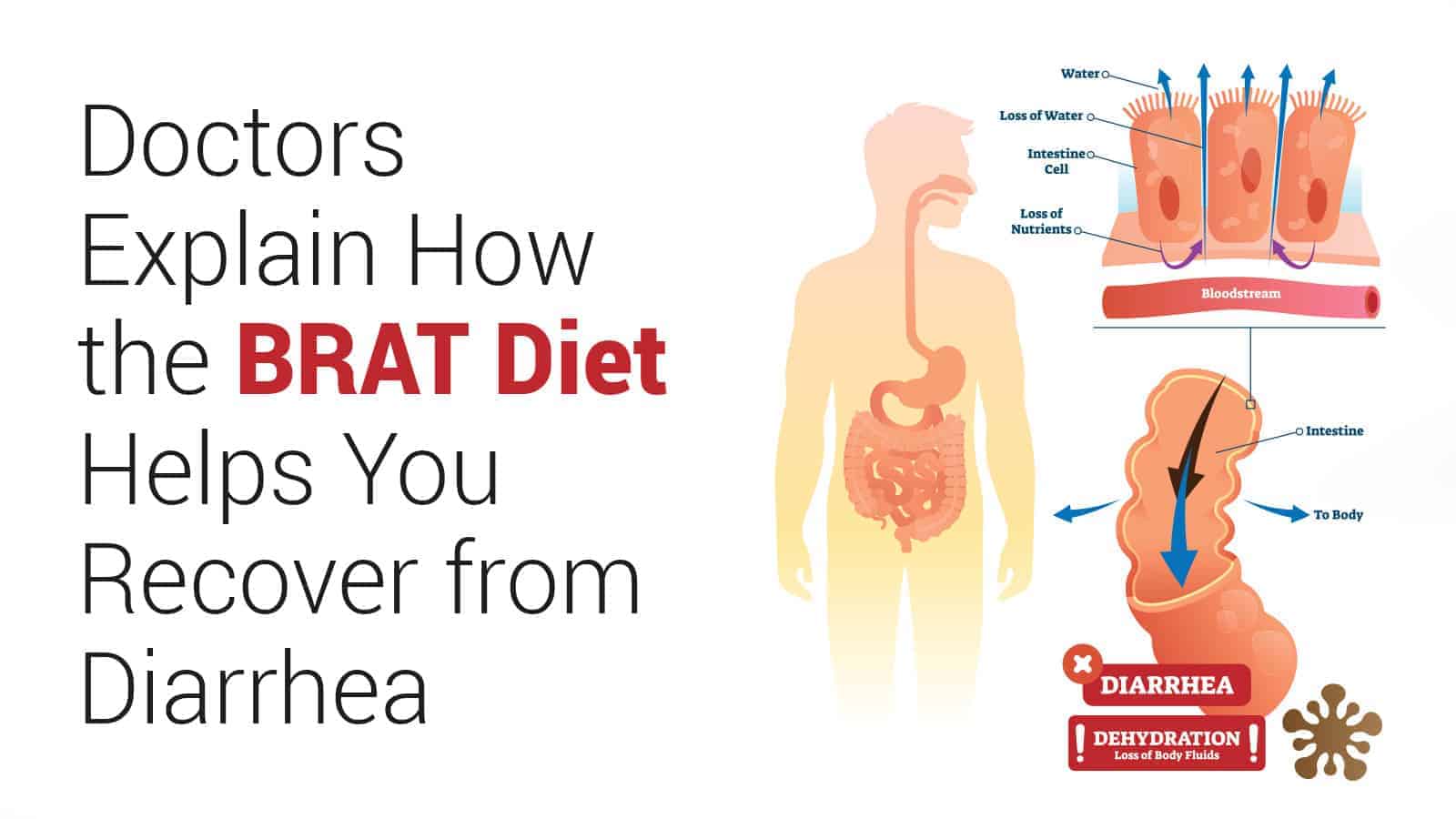
The Brat diet can help calm your upset stomach, vomiting, or diarrhea.

Final Thoughts: Stop the Vomiting or Seek Help

While most of these conditions have tips and tricks of things you can do to ease the need to vomit, there are also some home remedies that you should explore.

  • Stay Hydrated – You mustn’t lose too many fluids, or you will have a whole other set of issues. Make sure to slowly sip some water or broth to keep your levels adequate. Also, sports drinks can help to balance your electro lights and keep you from becoming dehydrated.
  • Watch What You Eat – Once you begin to eat again, you need to avoid spicy foods and other irritants. Try bland things like toast, soft-boiled eggs, saltines, bananas, and apple sauce.

Knowing when to see a doctor is vital. If your child has these issues, then you need to make sure that you pump them full of fluids. Children tend to dehydrate quicker than adults. Signs of dehydration can include dark urine, confusion, fevers, dry skin, sleepiness, rapid heartbeat and breathing, and feeling faint.

A wide variety of conditions causes nausea and vomiting, but the key is to identify the issue and take immediate steps to rectify it. In cases like influenza, you must wait until the virus passes to feel relief.

15 Unhealthy Habits That Are Disruptive to Sleep

If you’ve been struggling to stay alert, felt grouchy and irritable, or felt tired, the culprit is likely your sleep. Even if you try to get enough shut-eye, some habits that you don’t even think about could be contributing to your less-than-restful slumber. Diet and exercise play a critical role in how well you sleep. So do your TV and phone scrolling habits. Pay close attention to what you do each day and learn how these 15 unhealthy habits can be disruptive to your sleep.

Fifteen Unhealthy Habits That Prove Disruptive to Your Sleep

Avoid these fifteen habits that prove disruptive to a good night’s rest.

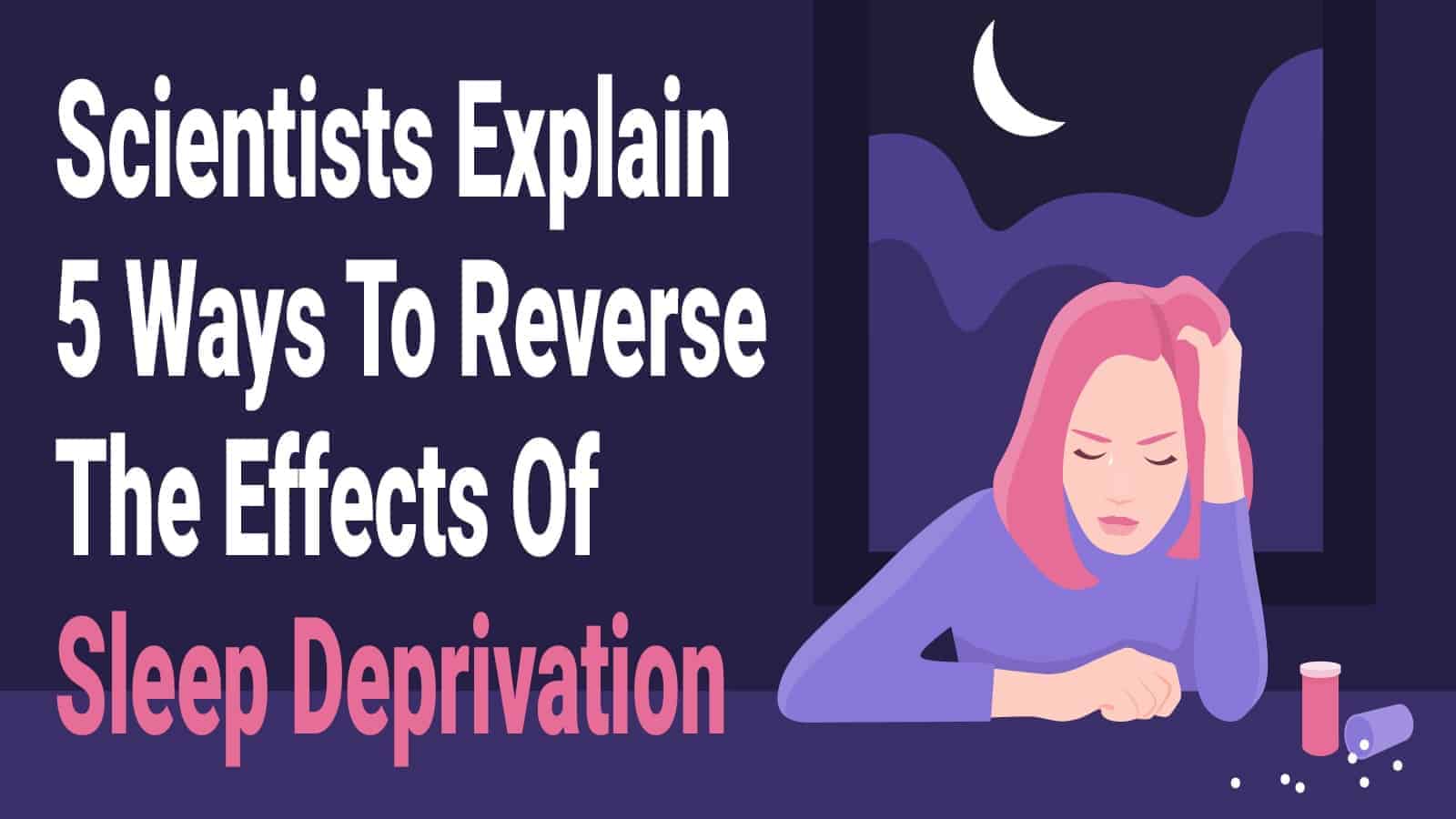
sleep deprivation

1 –  Sleeping Too Little

According to the United States Department of Health and Human Services, the average adult needs 7-8 hours of sleep per night. Your body may be able to function on less sleep for a while, but sleep debt will catch up with you eventually and be detrimental to your health in the long term. Pay attention to how your body handles sleep and adjust your schedule as life allows.

2 – Getting too much sleep

Research has shown that sleeping too much can be as harmful to you as sleeping too little. Excess sleep disrupts your circadian rhythm and makes you feel more fatigued, which leads to your body, not being able to recognize when you are tired. Anything over 9 hours counts as potential excess sleep, which can be caused by depression, stress, or sleep debt.

3 – Not Maintaining a Regular Sleep Schedule

The human body thrives on routine. Having close to the same mealtimes and bedtime each day helps your body to get into a pattern of sleepiness and wakefulness at regular intervals at a set time.

Shift workers, such as customer service, factory employees, and emergency personnel, often suffer from a lack of regular sleep because of erratic work schedules. This causes you to sleep too much or too little. If you can, aim to go to bad at around the same time each night with a variance of no more than half an hour.

4 – Napping Incorrectly

Although a short nap in the afternoon can reinvigorate you, doing it for too long or att he wrong time makes you less likely to sleep well at night. Taking a nap in the early afternoon works best because your circadian rhythm naturally induces lethargy around that time. If you sleep longer than 30 minutes, you risk transitioning into a deeper sleep and disrupting your nighttime sleep.

5 – Drinking Caffeine at Night

You might be used to drinking your cup of morning coffee, but you should forgo having any caffeine sooner than six hours before bedtime. The production of cortisol and adrenaline from caffeine blocks the brain’s adenosine receptors. Adenosine is the chemical responsible for inducing feelings of sleepiness. You might be more likely to stay up longer than usual.

6 – Eating Too Soon Before Bedtime

Going off the previous statement, eating a big dinner too soon before bedtime is disruptive to your sleep. When you eat food, the process of digestion starts immediately. About three hours later, it ends up in your stomach and causes a buildup of stomach acid. If you suffer from acid reflux, you will experience even more detrimental effects as you wake up from heartburn.

7 – Eating Too Much Before Bedtime

Even if you’re hungry from a long day at work, avoid eating a large meal before bedtime. The effort of digesting food prevents you from falling asleep properly. Here are some foods to eat as healthy snacks before bedtime:

  • Yogurt
  • Seafood
  • Whole-wheat Bread
  • Peanut Butter
  • Cheese

Complex carbohydrates stimulate the production of serotonin which is a chemical that regulates and induces sleep. Dairy products contain tryptophan, a compound that stimulates the production of serotonin.

Dairy also helps neutralize the effects of stomach acid. If you drink warm milk, it can have a psychological impact on relaxation.

pop meme

8 – Not Eating Breakfast

As hard is it might be, taking the time to eat breakfast is vital. When you eat your morning meal, it signals the body to produce more energy and get you ready for the day. When you go without eating, your body has to use its remaining stores of blood sugar.

Once this is gone, your body releases a stress hormone to trigger the conversion of protein and fat to glucose. A buildup of cortisol throughout the day is disruptive to your sleep because it prevents you from relaxing.

9 – Remaining Sedentary

Humans did not evolve to lead a sedentary lifestyle. Studies prove a positive link between people who lead a sedentary lifestyle, whether from a desk job or from sedentary pursuits, and occurrences of insomnia. People who are able to exercise regularly sleep more deeply than those who do not.

Rather than curl up on the sofa watching television, taking a short walk in the evening after work can help you. Exercise releases endorphins, which create a sense of relaxation and make it easier for you to fall asleep.

If you have a desk job, you should take frequent stretch breaks to keep your blood flowing. The best ratio is ten minutes per hour if your workload allows for such an arrangement. Rest breaks also reduce eyestrain-induced headaches and make it easier to sleep.

10 – Exercising Too Late

Exercise is rarely a bad thing, but you want to be sure not to exercise too late in the evening. A workout gets your blood flowing, which increases your level of oxygenation and alertness. If you’re more alert, you will find it harder to relax your mind and body. It also raises your body temperature. The subsequent lowering of temperature can trigger sleepiness.

It is best to avoid exercise later than two hours prior to bedtime. If it’s a heavy workout, that amount should be extended to three hours.

11 – Ignoring the Need for Darkness

Keeping electrical light, sunlight, or moonlight coming into your bedroom can be disruptive to your sleep cycle. Darkness induces the production of melatonin in the body, preparing it for sleep. The widespread introduction of artificial light in the early 20th century was responsible for an irreversible change in how we deal with sleep.

Look for light-dampening curtains to put on your windows if your bedroom has exterior windows. If not, another alternative is to get a sleep mask to block out light.

12 – Not Relaxing Before Bed

Today’s always-on lifestyle makes it hard to unwind. Research suggests that taking at least an hour of downtime before bed can reduce instances of insomnia. Engaging in a light low-stimulus activity like reading a favorite novel works the best to relax the mind and lower stress levels.

Engaging in slow deep-breathing exercises induces a physical relaxation response for your heart, lungs, and muscles. Start by taking a deep breath into the diaphragm for four slow counts, hold it for seven counts, and exhaling for eight. Wait four seconds and repeat.

Deep breathing exercises work well for keeping stress levels lowered throughout the day, not just at night.

13 – Leaving on Your Mobile Devices

Mobile devices are disruptive to your sleep even when you leave them charging beside your bed. Your cell phone emits light on the blue end of the visible spectrum, which blocks melatonin from working. The same goes for TV screens and game consoles, though some apps allow you to have a blue light filter.

If you have to leave your cell phone on, turn it upside down to prevent light from the screen from making a glare. Turn off all alerts except for emergency ones and enjoy a night without your mobile device, keeping you awake.

14 – Scrolling Social Media in Bed

As tempting as Facebook and Twitter might be, scrolling through them can be disruptive to your sleep for two reasons. First, you can get caught up in scrolling and lose track of time. Second, you can become anxious about missing out on important events because you feel like you have to make up for what you missed during the day.

Anxiety itself can be disruptive to your sleep, especially concerning social media. It’s no secret that negative content pervades social media. Absorbing negative news in an endlessly-cascading wall is unhealthy, especially because we tend to focus on the negative more than the positive. You can install apps to limit the amount of time you spend scrolling or disable sites and apps after a set time.

15 – Using Your Bedroom For Non-Sleep Activities

The only thing you should be using your bedroom for is sleep because your brain needs to create a mental association between your bedroom and going to sleep. If you have a TV in your room or frequently use social media in the bedroom, you disrupt this association.

The best thing you can do is move all non-sleep activities elsewhere. Keep minimal distractions in your bedroom so that when you’re ready to sleep, you have no temptation to do anything else.

disruptive to sleep habitsFinal Thoughts of Breaking Those Habits That Are Disruptive to Your Sleep

Reading through the above tips, you might notice a theme. Your body cannot have a restful sleep unless it is primed to do so. Virtually everything comes down to relaxation and changing your habits so that you can fall asleep at a regular time each night. Watch your diet, get enough exercise, and pay attention to your mental health.

Skip to content