Weekly tips, affirmations, and small actions to feel your best.

7 Things to Remember When You’re Dealing with Grief

Dealing with grief can turn your world upside down as you work to overcome a significant loss. You might not feel like getting out of bed or doing things you once enjoyed. Remembering that the grief will ease eventually can help you find hope, even if it takes time or looks different than the grieving process of others.

Grief impacts you in many ways and can affect your emotional, behavioral, physical, social, cognitive, and spiritual processes. The emotions that accompany grief can be all-consuming, but there are things you can do when you feel overwhelmed. This experience is normal in life, and it might require some adjustment to learn to live without someone or something you love.

Loss doesn’t only happen through death, as the loss of a friendship, job, or romantic relationship can be lost, too. Plus, you might grieve over the diagnosis of an illness in you or someone you love. Dealing with grief and loss might seem impossible sometimes, but you can get through the intense feelings.

As you grieve, you will experience things like feeling disassociated, numb, or checked out. These feelings will gradually subside as you begin to understand and make changes to adjust. As you work towards healing, there are things to remember when you’re dealing with grief.

Seven Things to Remember When You’re Dealing with Grief

At some point in life, we all need to learn how to deal with loss. But what is the best way to deal with grief? Unfortunately, it’s not a one-size-fits-all solution. But you can try these strategies for coping with grief.

dealing with grief1. The Feeling Is Temporary

Even when it feels as if the feelings will never ease and you can’t handle it, remember that you can. The negative emotions are only temporary, and while they may never entirely disappear, they will lessen over time. Experts explain that the only way to work through it is by continually moving through grief.

If you try to avoid the feelings, you only extend the timeframe. Plus, when they do come up, they will be stronger and more upsetting. Allow yourself to feel the grief because this is your way through, and the feeling will ease eventually.

Remember that your feelings will change, no matter how intense it seems right now. You might not ever fully get over what happened, but your emotions will morph and managing grief will become less challenging. If it helps, think back to other hard times you’ve experienced in the path as a reminder that you will be okay.

No matter what life changes humans experience, most can return to a stable happiness level. It’s all about riding out the waves of grief and allowing your feelings to change over time.

2. Look on The Bright Side of Things

Since you can’t control devastating events, try to find a way to make the most of them. If you are grieving the loss of a loved one, find a way to celebrate their life and keep their memory alive. On anniversaries and holidays, spend time remembering your happy moments with your loved one.

You can also use your grief as a way to reflect on what matters most to you. Since it is a natural response to losing something or someone you love, use those intense feelings for something beneficial. Filling your life with meaningful things helps with your healing process.

Finding positive ways to express your feelings through the process will give you a reason to get out of bed each day. Even on the hardest days, you will find a reason to get out the door.

Looking on the bright side and finding positive outlets for your grief allows you to incorporate the loss into your life. This way, you won’t feel like you are forgetting about the love you had for the person, allowing you to use it as a way to grow.

3. Be Gentle to Yourself

Grief causes intensive stress and exhaustion, so taking care of yourself is more important than ever. Be gentle to yourself as you care for your body with nourishing foods and plenty of water. Make time for naps and avoid alcohol and sugar, too.

Avoid putting pressure on yourself during the grieving process, too. Grief comes in different forms for everyone, so your grief process might be different. Don’t make yourself uncomfortable as a way to conform to the expectations of others, but don’t let discomfort hold you back, either.

Your body works harder when you’re grieving, so don’t avoid resting more than usual. Practice self-compassion as you find your way through this personal journey. You can’t control the process, so be gentle with yourself as you go with the flow of emotions and life changes.

When anniversaries or special events are coming, plan for these moments. You will likely experience more sadness during these times, so anticipate how you will feel. Consider making plans with loved ones or doing something that will give you a chance to reflect.

During unexpected moments of intense grief, give yourself grief for your reactions. You might smell something that reminds you of a lost loved one or see something that triggers a memory. In these situations, go with the flow and be patient with yourself.

4. Learn to Accept the Grief and Loss

As you go through the grieving process, you must accept whatever it is that you lost. You can’t change what happened, so accepting it is the key to healing. Having a ceremony to acknowledge the loss and honor the memories you have can help you.

While a funeral can help you accept the death of a loved one, there are other ways to accept grief and loss in your life. Some grieving rituals that help with acceptance include the following:

  • plant a garden or tree in their memory
  • go for quiet walks and reflect on your grief
  • write in a journal
  • share your feelings with friends and family
  • keep a photo or other item that reminds you of what you have lost

dealing with grief5. Let Your Emotions Out When You Are Overcoming Grief

While many people think that crying or showing emotions makes you weak, it isn’t true. Letting your feelings out will help you let the negativity out. Otherwise, the emotions and negativity build up and make you feel worse.

When you feel like crying, let it out. If you aren’t around anyone you trust or feel comfortable with, cry in the bathroom if you have to. As you let the tears flow, think of your favorite memories to help give meaning to your grief.

Don’t try to push away thoughts of what you lost, either. You can experience feelings of love and appreciation for the time that you had by letting your emotions out and allowing yourself to think about your loss.

Even when it seems like you will never feel better, keep letting your emotions out. Before you know it, you will experience less negativity, and you’ll cry less. You have to allow yourself the time and energy to let it all out now, though.

Try to understand where your emotions are coming from, too. With understanding, you can address specific areas of your life that influence your grieving. Remember that some days will be easier than others and that it is normal to feel fluctuating emotions.

6. Find Support

Don’t go through this life change alone. Reach out to someone you trust and feel comfortable with, such as friends, loved ones, or a professional therapist. You can even look for a support group to find other people going through the same thing.

If you feel like no one is reaching out to you, don’t assume they don’t want to help you. Sometimes, people keep their distance so that they don’t overwhelm you. They will be more than happy to step in and offer support if you let them know that you need it.

Never feel weak for needing support. You aren’t alone in the grieving process, and many people have already been through it. Finding support is a beneficial tool to help you move forward positively while still keeping memories alive.

7. Allow Yourself to Laugh

When you’re dealing with grief, you might not feel like it is appropriate to laugh. Some people think that it is a sign they are over the loss, even though that will never truly happen. The truth is that laughter is okay, and it is beneficial to the healing process.

When you laugh, please don’t feel bad about it, but let the positive feelings in. Try to find funny things to laugh about throughout your day. If you can smile even a little, you will feel better.

Some things that might make you laugh include these activities when as you learn how to process grief:

  • watch a comedy
  • read a funny book
  • watch funny videos
  • spend time with friends

dealing with griefFinal Thoughts on Things to Remember When You’re Dealing with Grief

Loss is an unfortunate but unavoidable part of life. It can be hard to recognize that you will find happiness again when you’re dealing with grief. If you remember these things, though, you can begin dealing with your grief.

Learning how to cope with grief is a unique process for everyone. Don’t feel like you aren’t doing something right. Express your emotions and handle things as they come while giving yourself some grace along the way.


15 Inspiring Quotes About Life with Young Children

Children give a wholly new meaning to life, and life will never be the same one they are here. They change everything and are the greatest blessings you could be trusted with. Needless to say, there are plenty of inspiring quotes about life with young children.

These inspiring quotes about life can help you remember how special children are in your life. They can help you be more patient and understanding of kids, too. Since children are the future of our world, it’s essential to treat them as such and raise them appropriately.

Fifteen Inspiring Quotes About Life with Young Children

If you need a reminder or feel yourself becoming overwhelmed, read these inspiring quotes about life with young children. They will help you remember why you are working so hard to help kids develop.

1. “Listen earnestly to anything your children want to tell you.  No matter what.  If you don’t listen eagerly to the little stuff when they are little, they won’t tell you the big stuff when they are big because to them, all of it has always been big stuff.” – Catherine M. Wallace

While you may not think everything that a child has to say is necessary, they believe that it is. If you teach them what they want to say isn’t necessary, you may silence them forever. They will grow up believing that they should keep things to themselves.

If you want a child to come to you when it’s essential, you have to be there all the time. They want to be listened to, and they want you to be engaged in their life. Don’t teach them otherwise so that you can be there for the big stuff.

inspiring quotes about life

2. “Remember you are not managing an inconvenience. You are raising a human being.” – Kittie Franz

Life with children can be stressful and overwhelming, and it takes constant patience and dedication. Even still, you can’t think of it as an inconvenience to your life.

You are raising a person who will contribute to the world in unimaginable ways. Remember how important that is, and embrace the human you were blessed with.

3. “Every child needs at least one adult who is irrationally crazy about him or her.” – Uri Bronfenbrenner

Children need to be secure, and they need to know they are loved all the time. Make sure they know you are that person for them so that they can feel safe, secure, and unconditionally loved. This security will allow them to explore, develop, and be true to themselves. As Bronfenbrenner explains, children need someone who is crazy about them.

4. “To love someone is to strive to accept that person exactly the way he or she is.” – Fred Rogers

Children shouldn’t constantly be corrected and nagged. Love the person they already are and work towards accepting them just as they are. Providing this environment is one of the best things you can do for a child because it allows their self-esteem to grow.

5. “You can’t teach children to behave better by making them feel worse.  When children feel better, they behave better.” – Pam Leo

If you make a child feel worse, they will show it in their behavior. While you may think that it’ll improve the behavior, it will just lead to more destruction and negativity. Instead, make them feel better about themselves, and their behavior will change for the better, too.

6. “By loving them for more than their abilities, we show our children that they are much more than the sum of their accomplishments.” – Eileen Kennedy-Moore

Show children that it is alright to fail or face setbacks. Then, teach them to try again, no matter what.

Please don’t belittle them or make them feel bad about their abilities when things don’t go right. Love them even when things don’t go well. This way, they will know they are more than their accomplishments, as Kennedy-Moore explains.

7. “There is no single effort more radical in its potential for saving the world than a transformation of the way we raise our children.” – Marianne Williamson

Raise kids in a way that will benefit the entire world. Teach them peace, kindness, acceptance, and love. If you can do this, you have done your part in saving the world.

8. “It’s not only children who grow. Parents do, too. As much as we watch to see what our children do with their lives, they are watching us to see what we do with ours. I can’t tell my children to reach for the sun. All I can do is reach for it myself.” – Joyce Maynard

There is no age limit to growing, learning, and reaching for success. Since kids watch adults to learn how to grow, you have to set an example of what you want for them. So, keep working toward your own goals and striving for achievement so that your kids will do the same.

parenting quote9. “Children do well if they can; if they can’t, we need to figure out why so we can help.” – Ross Greene

Kids want to do well, and they will do it if they can. Even if they are capable of doing it but seem not to try, there is a reason for that, too. Figure out the reason they can’t do well, and you will be able to help change the course.

10. “Parents are often quick to judge whether or not behavior warrants a punishment, but when we pause to listen to what the behavior is saying about our child’s feelings and experience, a whole new world opens up to us and our children.” – Rebecca Eanes

Punishment may be the first thing that comes to mind when your child messes up. Hold off before you jump to that answer, however. This statement isn’t to say that children should go unpunished, because that is not the case. What Eanes is saying is that you need to consider why your child is behaving in that way.

If you can help your child overcome the negative feelings they may be having, you can help their behavior, too. This insight can be life-changing for a child and beneficial to all those around them.

11. “I’m always amazed when adults say that children ‘just did that to get attention.’ Naturally, children who need attention will do all kinds of things to get it. Why not just give it to them?” -Lawrence J Cohen

Children indeed do things for attention. They need attention, and if they are doing something to get it, it usually means they aren’t getting enough. Give them positive attention when you see that they need it, and they won’t feel the need to act out for it.

12. “If you want your children to turn out well, spend twice as much time with them, and half as much money.” – Abigail Van Buren

Your kids don’t need half of what you buy for them, even if they are excited about receiving it. What they truly need is time with you. Spend time going for walks, playing with their toys, or just hanging out with them doing their favorite things.

13. “One hundred years from now it will not matter what my bank account was, the sort of house I lived in, or the kind of car I drove, but the world may be different because I was important in the life of a child.” – Forest E Witcraft

The material things you possessed are meaningless in the future. What is important is helping a child learn and grow. Children are the future, so treating them well will make the world a different place for the generations to come.

14. “The example we set for our kids – how to act when things don’t go our way- is much, much more important than the rules we set for them.” – Leo Babauta

You can say anything you want, but children pay closer attention to the way you behave. If you’re going to teach them appropriate behavior, show them how they should behave. This means you have to keep it together when you don’t get what you want and follow the rules. You are setting an example, so make sure it’s a good one.

15. “Nothing that grieves us can be called little. By the eternal law of proportions, a child’s loss of a doll and a king’s loss of his crown are events of the same size.” -Mark Twain

If a child is upset, let them be upset. Show empathy and try to understand that what may seem small to you is enormous to them.

Their emotions are more significant than they can handle sometimes, and even little things are important to them. Remember this the next time a child is upset over a toy or something else that seems insignificant to you.

inspiring quotes about lifeFinal Thoughts on Inspiring Quotes About Life with Young Children

Life with young children can be like a roller coaster. You never know what to expect, and there are many highs and lows. This is one of the most crucial tasks in the world, however, because kids are the future.

Remember these inspiring quotes about life with young kids to remind you of the blessing they are. Children are humans who have feelings and thoughts, just like the rest of us. Help them to grow positively by continuing to be generous with them.

New Drone Technology Could Mean Next Day Amazon Delivery

Just a few decades ago, virtually no human imagined drone technology would advance to this point. Today, we are looking at how new technology could provide unmanned package delivery. But here we are, if you feel interested in this topic, check out the latest blog posts at Droneuncover.

The recreational, commercial, and military industries use drones in many applications. They make life easier and more efficient in many ways. According to the Federal Aviation Administration, 1,692,700 drones are currently registered, with 489,062 of those being commercial and 1,200,136 being recreational. 191,570 remote pilots have a certification to fly a drone.

Some important facts about drones

  • The FAA requires owners of recreational and commercial drones weighing more than 0.55 pounds but less than 55 pounds to register and also mark them with the registration number. You must carry proof of registration with you when you fly the drone. Official paperwork calls these Unmanned Aerial Vehicles, or UAVs.
  • Larger unmanned aircraft systems weighing more than 55 pounds have to register with the FAA’s aircraft registry.
  • The market for commercial drones might triple between now and 2023, and the FAA expects around 823,000 commercial drones to be registered.
  • More than 900,000 owners of non-commercial drones had registered by September 2018.
  • Drones are banned in all United States national parks, except with a special permit.
  • Photography and real estate are the top commercial uses of drones.
  • Drone technology was first used in the military to examine war zones from the air. They saw the benefit of using unmanned aircraft systems to reach otherwise inaccessible areas and also bring in supplies if necessary.
  • Law enforcement uses drones to track down criminals or to get a bird’ s-eye view of a crime scene. Police don’t need a warrant if they fly the drone below 400 ft. Plus, they can use any footage collected, provided it’s in an unrestricted area.

How commercial entities use drone technology

Governments and businesses have realized that drone technology can be used in multiple ways, some of the trendiest of which include the following:

drone

  • Aerial photography for journalism and recreational purposes
  • Express shipping and delivery
  • Gathering information or carrying supplies into disaster zones
  • Thermal sensor drones for tough search and rescue operations
  • Geographic mapping of inaccessible terrain and locations
  • Building safety inspections
  • Precision crop monitoring for farmers
  • Unmanned cargo transport
  • Law enforcement and border control surveillance
  • Storm tracking and forecasting hurricanes and tornadoes

As you can see, UAVs have plenty of valuable uses in the fields of business and law enforcement. Companies have started to see how employing drones for deliveries can get their products to customers in record time. Below, we’ll go into further detail about how drone technology could allow for next day Amazon delivery.

Drone technology approved by the FAA could mean next day Amazon delivery.

Do you think that Amazon Prime is fast? Then you’ll be even more impressed with Amazon’s drone delivery service currently being tested by the company. Recently, Amazon got approval by the Federal Aviation Administration to use its fleet of drones for Prime Air deliveries.

This will allow the company to use unmanned aircraft systems to deliver packages. Thus, they will save time and money in the process.

The agency said that the approval would give Amazon the ability to “safely and efficiently deliver packages to customers.” Under Part 135 of FAA regulations, this certification gives Amazon the authority and permission to carry items on small drones “beyond the visual sight” of the operator.

Amazon said that it will start testing customer deliveries now that the FAA gave them the go-ahead. Of course, the company had to submit to rigorous testing and show conclusive evidence that its drones could complete deliveries in a safe manner. Amazon had to demonstrate the drone technology for FAA inspectors before getting approved for business.

“This certification is an important step forward for Prime Air and indicates the FAA’s confidence in Amazon’s operating and safety procedures for an autonomous drone delivery service that will one day deliver packages to our customers around the world,” David Carbon, vice president of Prime Air, said in a statement.

“We will continue to develop and refine our technology to fully integrate delivery drones into the airspace, and work closely with the FAA and other regulators around the world to realize our vision of 30-minute delivery.” -David Carbon, Amazon

Amazon said that they have begun testing the technology on a small scale in hopes of launching their Prime Air fleet soon as part of regular business.

Last year, the company announced that they would offer free one-day shipping for Prime members instead of the standard two-day deliveries. They’ve invested billions of dollars since last year to get the new operations off the ground and will use drone technology to complete orders.

amazon family center and homeless shelter

Amazon builds a homeless shelter in Seattle.

Amazon’s been testing this delivery method since 2013

The company began doing test deliveries with drones back in 2013 to get packages to customers’ doors in less than 30 minutes. In August 2019, Amazon submitted a petition for FAA approval of its business plan. In the petition, Amazon explained that they would focus on deliveries of packages weighing 5 pounds or less in areas with low population density.

This means that not all Prime membership orders will have a guaranteed one-day delivery. However, for last-minute, small gift ideas, especially during the holiday season, this could be a game-changer.

Amazon debuted an electric delivery drone at the 2019 re: MARS conference that can carry packages under 5 pounds in 30 minutes or less and can fly up to 15 miles. At the time, Amazon’s CEO of the Worldwide Consumer business Jeff Wilke said that the company could have the drone ready within months to deliver packages to consumers.

While Amazon seems to be tweaking its drone technology for use on a mass scale, we can probably expect to see the drones in action in the next year or two.

Other companies have started to follow in Amazon’s footsteps as well. Last April, Wing became the first drone delivery company to gain the approval of the FAA for commercial deliveries in the U.S. Last October, UPS got permission from the FAA to operate a fleet of UAVs as an airline, which will speed up their delivery process as well.

Life-saving application of drones

It seems that drones have positively changed our world in various aspects, including the speed at which we receive consumer products. However, drones can also deliver life-saving medicines, food, and even organs, to people in need. In a fantastic story reported by NBC News, 44-year-old Trina Glipsy received a drone-delivered kidney after spending eight years on dialysis awaiting a kidney transplant. She said she feels very fortunate to have gotten a second chance at life, especially after watching so many people die while waiting for a transplant.

The UAV was the first in the world to deliver an organ. Some experts say that organ-delivering drones will one day become the norm in the U.S. The custom-made drone took off on a 2.8 mile, 10 minute trip in southwestern Baltimore to deliver an organ to a hospital for immediate transplant. Doctors say that, after being removed from donors’ bodies, the transplant must occur quickly to offer the best chance for success. Drones can significantly help with this. The technology can cut the time organs spend in transit by up to 70 percent, according to Joseph R. Scalea, a transplant surgeon at the University of Maryland School of Medicine. Dr. Scalea served as the team lead on the first successful organ drone delivery.

An idea for organ delivery takes flight.

The drone flight and delivery proved a great success. But drones capable of transporting organs on a large scale would have to fly at much higher speeds and be able to carry heavier loads. Scalea says that in the future, he sees drones moving at around 200 miles per hour and carrying loads of around 50-100 pounds. Moving items of that size, they’d still be able to land and take off vertically. The technology for that just doesn’t exist yet, though he sees the possibilities in the future.

The drone used for organ delivery was custom-made and much more sophisticated than recreational drones. Engineers, aviation experts, and researchers created a drone with two nested boxes to hold an organ. Also, they equipped it with backup batteries and powertrains to ensure it stays in the air despite possible mechanical issues. It has eight rotors and a parachute so that if a major malfunction occurs, the precious cargo would still make it to its destination.

droneFinal thoughts on drone technology approved by FAA and next day Amazon delivery

As you can see, unmanned aircraft systems have the potential to change the world. From Amazon delivery to and providing life-saving organs more efficiently, it’s on the rise. So drones can deliver medicines and even organs to patients in need. But they also can transform the consumer world and offer faster deliveries of products.

Additionally, we may see Amazon roll out its Prime Air service in the next year or two. This offering would provide free one-day delivery to Prime members. The world looks way different than it did even five years ago. However, you can’t deny the benefits and power of technology.

15 Signs of a Concussion Never to Overlook

Fortunately, the human skull is usually strong enough to protect your brain when you bump your head. You can still get a concussion, also called a mild traumatic brain injury, from being hit in the head or being violently shaken. Do you know the signs and symptoms to look for if you or a loved one has a concussion?

Concussions are one of the most common head injuries that doctors diagnose in the United States. They are typically caused by falling or being accidentally struck in the head while playing sports or other recreational activities. They can occur at any age, and children seem to recover from them quicker than teens and adults.

Know the Signs & Symptoms of a Concussion

You’ve probably banged your head countless times as you were growing up as a child. When you were running around on the playground or playing sports in school, head bumps were inevitable. Perhaps you saw stars for a couple of seconds and felt a little dizzy.

Most little bangs on the noggin aren’t severe and may result in a small knot that will go away. However, it would help if you always looked for signs and symptoms of a mild traumatic brain injury anyway. Some of the symptoms can go unnoticed and can lead to something more serious.

Since some of these overlap with less severe conditions, they are easy to ignore or confuse. Sometimes, a person with a mild traumatic brain injury will present with only a few symptoms. If you or your loved one gets hit in the head or receives a severe jolt to the body, look for this 15 physical, mental, and emotional signs.

15 Red Flags That May Indicate a Concussion

concussion

  1. A dull or pounding headache
  2. Dizziness
  3. Blurry eyesight or slurred words
  4. Nausea or vomiting
  5. Problems with balance or walking
  6. Sensitivity to noise or light
  7. Unusual tiredness or lack of energy
  8. Feeling tired or having no energy
  9. Difficulty with thought patterns
  10. Thought processes slowed down
  11. Difficulty concentrating
  12. Difficulty with memory, especially new information
  13. Irritability and being argumentative
  14. Sadness and depression
  15. Unstable emotions and moods such as nervousness, anxiety, depression, anger

Many of these symptoms may be apparent right after the injury. However, some may not appear for days or months afterward. An emergent danger of a mild traumatic brain injury is the brain bleeding or a blot clot forming. These can cause pressure on the brain that can lead to death.

What You Must Do if You Suspect This Injury

If you or a loved one experiences any of these symptoms immediately or soon after a blow to the head or a severe body jolt, seek emergency care at once:

  • A headache that gets worse and won’t ease
  • Weakness, numbness, dizziness, or clumsy coordination
  • Constant vomiting or nausea
  • Slurred words and blurry eyesight
  • Oversleeping or not sleeping enough
  • Very drowsy or cannot wake-up
  • One pupil appears more massive than the other
  • Sudden seizures or convulsions
  • Inability to recognize people or places
  • Increased confusion, restlessness, or agitation
  • Exhibiting behavior that’s bizarre or out of character
  • Loss of consciousness

A Note on the Symptoms of a Concussion in Young Children

Of course, younger children lack the language skills to express what ails them.

So if you suspect that your infant or young child has a mild traumatic brain injury, you should look for refusal to eat or non-stop crying. Rather than the second guess, your child needs medical intervention immediately.

healthy brains

How Do Doctors Diagnose This Brain Injury?

When you or a loved one gets a head injury due to falls, a blow to the head, or a severe jolt to the body, it’s recommended that you get to an emergency room right away. The medical providers can usually diagnose a mild traumatic brain injury right in the emergency room. If you notice symptoms hours, days, or weeks afterward, they can still make an accurate diagnosis in the emergency room.

While accurate diagnosis for a mild traumatic brain injury can be made by emergency medical providers, it takes more than a simple test. Here are some of the steps that will happen in the diagnosis process.

The emergency medical providers will ask the injured patient to describe the incident that led to the head trauma. It’s always a good idea to have a friend or family member there to help if the patient has memory problems. The provider will ask a series of questions to gather medical history and to list signs and symptoms to diagnose a concussion.

• SCAT-5

After the provider has listed all the patient’s signs and symptoms, she must determine their range and severity. The Sideline Concussion Assessment Tool (SCAT-5) is the standard assessments that healthcare providers use. It helps them evaluate a patient’s recent events, attention span, memory, balance, and coordination.

• Neurological Testing

Next, the provider will examine the patient for a mild traumatic brain injury’s neurological signs and symptoms. These include tests for reflexes, strength, sensation, mental status, coordination, nerve functions, and other normal neurological functions. The conclusion of these tests can determine how severe the brain injury is.

• CT-Scan

If the patient presents with seizures, severe headaches, vomiting, or other worsening symptoms, the healthcare provider may order a computerized cranial tomography or CT scan. This high-tech machine uses computer imagery to show the severity of the head injury and swelling or bleeding in the brain.

• Possible Blood Test Diagnostics

You may have the ability to diagnose a concussion with a simple blood test that highlights certain markers in the future. Some pharmaceutical companies are working on a prototype, but more research is needed. As of now, this technology isn’t ready to be used for the public, but scientists believe it may diagnose mild traumatic brain injuries earlier and prevent possible complications.

Treatment of a Mild Traumatic Brain Injury

If you’ve been diagnosed with a mild traumatic brain injury, the treatment will depend on its severity. If the head trauma is mild, and no brain swelling or bleeding is present, your healthcare provider will probably give you some tips for at-home care.

  • Get plenty of rest.
  • Don’t return to work, school, or sports until released from your healthcare provider.
  • Try to give your mind a rest from things that require mental focus.
  • Never take medications without medical advice. Also, please note that some pain relievers can thin your blood and increase brain bleeding risks.

Tips That Can Help to Prevent a Concussion

  • Even better than successfully treating a concussion is to prevent one from happening in the first place. Learn ways to protect your head from harm and share them with your family. Here are some safety measures to always keep in mind.
  • A helmet that fits right is your first defense against head injuries. You and your family should wear one when riding a bike, motorcycle, or horse. It will also protect your head when you are skiing, skating, or playing any contact sport.
  • Legislators created and enforce seatbelt laws for a reason. Not only should you and your children buckle up when you enter a vehicle, but you should also insist that all passengers do the same. Secure infants and toddlers in a safety seat right for their age, weight, and height.
  • One of the leading causes of falls and mild traumatic head injury is falling downstairs. Prevent these injuries by installing secure handrails on inside and outside stairs.
  • It’s easy for young children to fall down the stairs or off porches, so install safety gates on all stairs to protect them. Be sure the lock is high enough that your children can’t reach it.
  • Another common cause of falls and concussion is slipping in the bathroom, especially for seniors. Use nonslip mats in the tub, shower, and on the bathroom floors. Install strong grab bars in the tub and beside the commode.
  • It’s disturbing to realize how many people fall in and around their homes each year because of low lighting. To prevent this from happening at your house, install proper lighting in stairways, hallways, and along outside paths.
  • Your stairs are for climbing from one floor to another, not a storage area. Don’t allow your children to leave shoes, toys, or other tripping hazards on any stairs in the house or outside. Save your decorations for tables and walls, not stacked on the stairs.
  • Windows are an ideal source of natural light, but it can be a fall hazard for young children. Keep child-proof locks on all windows to prevent your children from opening them and falling out.
  • Did you know that your neck can absorb some of the shock when you bump your head or something hits it? Consider doing exercises to strengthen your neck muscles as an extra precaution against a concussion.
  • If you have an outdoor play area, layer the ground with a soft material like sand or mulch. It’s much easier to take a fall on these than on a rigid basis.

concussionFinal Thoughts on Avoiding a Concussion

Most concussions are preventable when you use the right precautions. Learn how to recognize the signs and symptoms of mild traumatic brain injuries, when to seek medical attention, and how to follow at-home care plans. Follow these tips to keep your brain healthy, happy, and trauma-free.

Harvard Physicists and Astronomers Reveal a “Second Sun” May Have Existed In Our Solar System

The study of astronomy reveals new information all the time, and recently, scientists have discovered that a second sun may have once existed. Astronomers stumbled upon this second sun theory when attempting to uncover the mystery of how the solar system formed. In the most distant regions of the solar system, scientists have observed a ton of debris floating around. This phenomenon exists beyond the realm of the gases that formed the planets. So it does not match with current models of how the solar system came into being.

Therefore, they’ve come up with the theory that perhaps a second sun existed at one point in time. They posit that the stars spent time collecting some of the debris floating in outer space. Eventually, they pushed the rest into an area past all the gases and dust.

We can’t see this second sun. Scientists believe that if it did exist, it moved away from its orbit with our sun billions of years ago. Studies of astronomy indicate that the two suns would have circled the Milky Way over a dozen times since then. After the second sun broke away, it may have ended up in a different area of outer space. However, the Oort cloud – a hollow sphere of debris that includes space rocks and comets in the outer section of the sun’s orbit – could hold clues about this mysterious sun twin.

Astronomers explain the “Oort cloud”

The planets and asteroids in the inner solar system lie on a single flat disk around the sun. However, the Oort cloud forms a giant sphere of debris that surrounds the solar system. Also, while gravity strongly influences the inner planets, the rocks and other debris in the Oort cloud don’t experience much of the sun’s gravity. All of these objects could quite easily drift farther out into space because of this. Scientists have found that the most distant objects in the Oort cloud are 100,000 times farther away from the sun than Earth.

Study co-author Dr. Avi Loeb, a Harvard astrophysicist, said that this distance measures halfway to the nearest star, Alpha Centauri. He went on to say that if this star and all the others have Oort clouds, then they’re all connected, and space is full of them.

While our Oort cloud doesn’t have as many large objects as the inner solar system, it still contains about 100 billion individual items. Most of them consist of rock and ice that sits in the cloud of debris. If you fly through it, you probably wouldn’t come across anything at all due to the size of the objects, Loeb said. We can’t see the debris with our own eyes. However, the evidence for them lies in the comets coming from the Oort cloud that move into the inner solar system quite frequently.

What’s inside the Oort cloud?

Some bigger objects also exist within the cloud, though not as many as the inner solar system. Scientists who have been studying the Oort cloud beyond Neptune have theorized that a planet may exist there, pulling the debris into a specific formation. Planet 9, as they call it, would weigh up to 10 times more than Earth, if it exists. However, Loeb said that in astronomy, this causes problems since the Oort cloud forms a sphere, unlike planets and asteroids that form from a flat disk of gas and dust.

Loeb questions how the Oort cloud came to exist in the first place. In astronomy, many scientists believe that the debris is scattered from the disk of gaseous materials that formed the planets. Our Oort cloud makes up the vastest part of our solar system. And, it extends far beyond the customary reach of asteroids and planets. Billions of comets exist within this cloud of debris.

While some objects in the cloud came from the inner solar system, the large items in this dense area account for only about 1/50th of the total amount of large objects beyond Neptune. This issue stumps researchers. That’s because simulations of the Oort cloud formation show that it should have around one-third and one-tenth of the number of large objects coming from the inner solar system. If a big planet exists somewhere beyond Neptune, the mystery deepens even further. This disparity wouldn’t explain a large amount of Oort cloud objects, Loeb said.

Astronomers explain where the ‘second sun’ comes into play

9th planet edge solar system

Astronomers find the potential existence of a ninth planet.

Along with colleague Amir Siraj, a Harvard undergraduate, Loeb suggests that the sun may have worked with the second sun long ago to capture objects passing by in space. In astronomy, it’s already well-accepted that the sun and other stars formed from dust and gas. Most likely, they came from the same small cluster. In this galactic soup were comets and even planets. But with the sun’s gravity alone, it wouldn’t have been able to pull so many objects into the Oort orbits. However, if a second sun existed and orbited around ours, this may explain why so many objects exist in the Oort cloud.

Suppose the two suns were around the same size and orbited one another at 1,000 times the distance between the sun and Earth. That distance equals 1.5% of a light-year. Their conjoined gravity could have taken pieces of rock and ice from inner space. As the sun and its twin drifted further apart, each would be encircled by Oort clouds with a much greater density than what the stars could’ve captured on their own. Scientists believe that a third massive star likely broke up the orbit of the two suns.

Loeb says this theory would explain the number of objects within the Oort cloud. Also, it would define the shape of the cloud. If the suns captured objects randomly from deep space, they would’ve formed spheres around the sun and not disks, as planets and asteroids are constructed from. So if Loeb and Siraj’s theory holds true, astronomers have probably grossly underestimated how many large objects the Oort cloud is hiding. If a second sun existed at one point, both suns should’ve picked up the possible Planet 9 from a cluster of objects as well as other dwarf planets.

The LSST scan

Of course, right now, they have no evidence of the existence of these planets. But Loeb says they can test their theory in the near future. When the Large Synoptic Survey Telescope (LSST) completes its scan of space in Chile in 2021, astronomers will have a much clearer idea of what objects exist within the Oort cloud. Right now, it’s shrouded in mystery. That’s simply because of the distance of it from Earth and the difficulty in collecting data.

LSST’s first detailed look into space could find that Planet 9 and other dwarf planets exist in the Oort cloud. This data will provide further credibility into the ‘second sun theory,’ Loeb said. However, he went on to lament that they would never find this twin sun again if it ever did exist. The sun moved away from its original cluster in space 4.5 billion years ago. Since then, the Milky Way has undergone a plethora of changes. Therefore, the other sun could be anywhere by now, if it exists any more at all.

It probably would’ve looked like a very bright planet moving slowly across the sky, still pretty distant from our sun. But it sat close enough to affect the gravitational pull of objects in the Oort cloud.

“Previous models have had difficulty producing the expected ratio between scattered disk objects and outer Oort cloud objects. The binary capture model offers significant improvement and refinement, which is seemingly obvious in retrospect: most Sun-like stars are born with binary companions,” said lead study author and astronomer Amir Siraj in a statement.

The existence of a second sun could explain facts about life on Earth. It could answer questions about the formation of our solar system, as well.

“Objects in the outer Oort Cloud may have played important roles in Earth’s history, such as possibly delivering water to Earth and causing the extinction of the dinosaurs. Understanding their origins is important.”  ~Amir Siraj, Astronomer

astronomersFinal thoughts on how astronomers believe a second sun may have existed at one time

 If the sun had a companion at one time, it would explain why the Oort cloud contains so many large objects. It would also explain why it’s shaped like a sphere rather than flat disk-like other planets and asteroids. Astronomy always unearths new information about how the universe works and what may exist out there beyond our solar system. If researchers find evidence of a Planet 9 and other dwarf planets, this means a second sun likely existed.

 “The puzzle is not only regarding the Oort clouds, but also extreme trans-Neptunian objects, like the potential Planet Nine,” said Loeb. “It is unclear where they came from, and our new model predicts that there should be more objects with a similar orbital orientation to Planet Nine.”

 The second sun theory was published on August 18. 2020 in The Astrophysical Journal Letters by physicists and astronomers from Harvard University.

Ear Specialists Reveal the Symptoms and Causes of Tinnitus

Did you know that 32% of the adult population in the United States suffers from an ailment called tinnitus? That’s a whopping 50 million Americans who experience a  debilitating but typically preventable condition. So what causes tinnitus? And what symptoms should you look for?

All about tinnitus

Tinnitus is ringing, clicking, humming, hissing, or buzzing sounds in your ears. These distracting noises can show up in one or both ears lasting for just seconds or hours. Researchers say that tinnitus is not a condition, but a sign of an underlying health problem such as a nervous system problem, an ear injury, or the early stages of hearing loss. Studies by ear specialists note that although you hear a noise in your ears, the source of this noise is from the network of your brain cells that help you make sense of sounds your ears hear. Researchers aren’t sure what’s going on in your brain to create these fake sounds.

How does tinnitus develop?

Tinnitus may develop slowly over time or happen suddenly. It can show up within weeks. At times, tinnitus goes away for a while, only to return. If you experience tinnitus for more than two weeks, contact an ear, nose, and throat doctor for a check-up.

tinnitus

What causes tinnitus?

There are many reasons why people get tinnitus. Here are some common reasons you should know about, so you avoid getting tinnitus.

1 – Infections

Tinnitus can occur from an ear infection. Ear infections arise from bacteria or a virus inside your middle ear. Sometimes you get an ear infection because of a cold or sinus infection. Swelling and congestion build up inside your nasal passages, your throat, and Eustachian tubes, which can result in infection. You can also get an ear virus from cleaning your ears with a cotton swab. Your ears are self-cleaning, so avoid putting anything inside your them.

2 – Medications

There are over 200 medications that might cause tinnitus or make it worse. Here are just some of the medicines that may cause tinnitus.

  • Antibiotics
  • Cancer medications
  • Diuretics
  • Quinine medications
  • Anti-depressants
  • Aspirin (if you take too much)

3 – Loud noises

Your ears have tiny hairs inside the inner ear that move or vibrate when sound waves hit them.  As the hairs move around, your cells send an electrical signal via a nerve from your ear to your brain, causing your mind to tell you what you just heard. Loud noises can break or bend these little hairs causing wrong signals to get sent to your brain, which then causes tinnitus.

It’s essential for you to guard your ears against loud noises. Here are a few suggestions on the best way to protect your ears.

  • Wear ear muffs or noise-reducing ear headphones in noisy areas
  • Keep the volume down while listening to music on earbuds or earplugs.
  • If you work in a noisy environment such as a factory, construction, road work, or a musician, try to protective muffs for your ears.

4 – Anxiety and Stress

Hearing and ear researchers explain that sometimes tinnitus occurs due to high levels of anxiety or stress. Because stress can cause other health problems, it’s hard to know if the tinnitus is a direct result of anxiety and stress or a byproduct of other health issues caused by stress. But they do know that if you’re struggling with stress, you’re at a greater risk of developing tinnitus. How do you know if you’re stressed? If you’re stressed, you’ll feel some or all of these symptoms.

  • Fast heartbeat
  • Nausea or stomach feeling tight
  • Lack of focus
  • Feel tense
  • Irritable
  • Bowels or bladder irritability
  • Insomnia
  • Feeling fatigued
  • Headaches

5 – Neck or head injuries

If you’ve been in an accident that affected your neck or head, you can get tinnitus. This is because the nerves related to your ears may get damaged. If the nerves heal, the tinnitus may go away. You may wish to see a chiropractor for neck adjustments. This is a natural way to restore your necks muscles, tissue, and nerves to normal.

6 – Tumors

Some people develop tumors along the cranial nerve that controls the inner ear. This mass can cause tinnitus. These are usually benign tumors, and when they’re removed, the tinnitus will go away.

7 – Muscles spasms

Suppose the muscles in your inner ear tighten up, causing tinnitus and hearing loss. It can be due to multiple sclerosis or other neurological diseases.

8 – Coronary artery disease

As you age, cholesterol can build up in your arteries. This may cause blockages near your inner ear areas, taking away the area’s ability to move around and blocks proper blood flow. Thus, you get a roaring sound in your ears. It’s essential to incorporate healthy eating and exercise habits throughout your life, so you don’t end up with these artery diseases later in life.

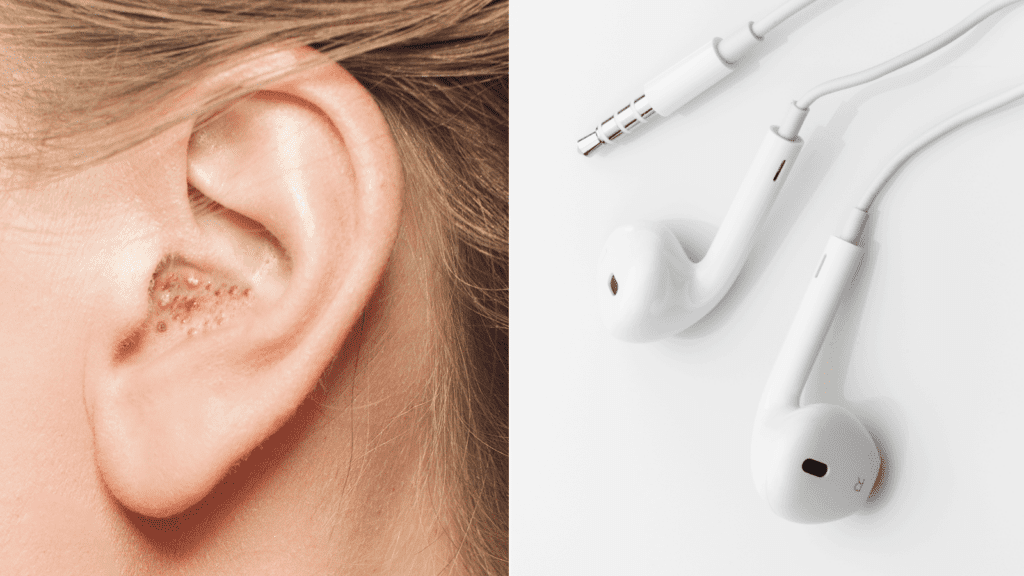
wear headphones

Doctors explain what happens to your ears if you wear headphones too long.

What are the symptoms of tinnitus?

So, how do you know if you have tinnitus? Typically you’ll hear a sound that you know isn’t there. Tinnitus sounds have been described as a roaring, clicking, rushing, or chirping sound.  Some people say it’s like listening to ocean waves. You may hear a heartbeat. It may be constant or once in a while. You may have it in one or both ears.

Having tinnitus can also be a constant ringing in your ears. It can be a distraction unless you learn to ignore it. Tinnitus can interrupt your sleep, concentration, and may even cause emotional problems in some people. Surprisingly, one way to deal with the fake noise of tinnitus is to mask it with real noise from a fan, a white noise machine, or music.

Treatments for tinnitus

There is not a hard-and-fast cure for tinnitus, but you will find effective treatments that can help you cope with it. You may feel like you can deal with it yourself, and that’s fine. But if at any point, if you feel like it’s impacting your life too much, you may need to consider getting medical help. Ask yourself these five questions to assess if you need some possible treatments.

  • Does having tinnitus limit my lifestyle?
  • Am I enjoying life despite the tinnitus?
  • Am I having a hard time relaxing with the tinnitus?
  • Does the tinnitus make me feel irritated a lot?
  • What percentage of my day is bothered by tinnitus? 10%, 25% or 50%?

Once you decide to get help, here are some possible treatments that may help you.

Hearing aids

Did all those concerts you attended in college finally catch up with you? If so, it could be time to get hearing aids. These aids not only deal with your hearing loss but can help you get rid of annoying tinnitus.

Counseling

Learning to cope with tinnitus is essential. Talking with a counselor may help you adjust to your new normal. Plus, seeing a counselor gives you some good coping strategies.

Wearable sound machines

It sounds incredible, but there are small devices that you can fit into your ear that will give off a soft sound that masks the tinnitus roar. This device can be adjusted to cover up all types of tinnitus noise.

Portable sound generators

These devices do the same as the wearable ones, but they’re portable so you can move them around wherever you go. You can choose waterfalls, waves, rain, or other sounds to distract you from the tinnitus.

Cochlear implants

This procedure is usually done when you have hearing loss as well as tinnitus. The implant bypasses all the damaged parts of your inner ear. It then sends an electrical signal to your auditory nerve, so your brain gets the proper signal. It also hides tinnitus.

Beware of false claims of cures that are not realistic.

Be aware that many scams are claiming to cure tinnitus. It would be great if eating certain foods or taking a concoction of herbs could heal tinnitus. But this isn’t reality. Don’t fall for these claims. As challenging as it is to cope with living with tinnitus, spending vast amounts of money on fake remedies will only make you feel worse.

tinnitusFinal Thoughts on Understanding Tinnitus

Tinnitus is becoming more common in young adults. Earplug and headphones cause wearers to turn up the volume to the point where they damage their hearing. Teach your children to keep the volume low on these devices. Train yourself to listen to music at a lower volume. At first, you’ll feel like you can’t hear, but over time your ears will adapt to the softer sounds.

Tinnitus is a real problem. It’s worth understanding the causes and how to prevent it. Nothing is worth losing your hearing, so reconsider your job if it might cause you hearing loss down the road. Protect your ears from loud noises by keeping a pair of ear muffs handy. Don’t clean your ears with cotton swabs or put things in your ears. If you get a sinus infection or a cold, treat it according to your doctor’s instructions by taking your medication for the right length of time. Eat healthy food and exercise to avoid coronary diseases that could result in hearing loss. Hearing tomorrow is worth the extra effort it may take today to protect your ears.

10 Things You Can Do to Prevent Loss of Hearing

When people are young, loss of hearing isn’t one of their biggest concerns. However, as people age, they begin to realize that they should have paid more attention to their ear health. Ears are a sensitive body part and should be treated with care to prevent hearing loss in later years. It doesn’t take much to keep ears healthy, and these ten tips are a great starting point.

Quick Hearing Facts

*These hearing facts were published by the World Health Organization (WHO) in March of 2020

  • Over 466 million people around the world have disabling loss of hearing.
  • At least 60% of the loss of hearing that occurs in children is preventable.
  • Only 17% of people who need a hearing aid uses one.
  • Of people ages 12 to 35 years old, 1.1 billion are at risk of loss of hearing due to recreational activities.
  • These statistics include mild to a severe loss of hearing.

Ten Things You Can Do to Prevent Loss of Hearing

Adopt these habits early in life to keep your ears healthy for a lifetime.

1. Get regular hearing checkups.

The American Speech-Language-Hearing Association (ASHA) recommends that healthy adults with no known hearing problems up to age 49 years old should get their hearing tested at least once every ten years. When you turn 50, you should get it tested every three years. This isn’t a significant burden, so it’s relatively easy to keep up with these hearing tests. Unfortunately, most people don’t get tested until they recognize a problem.

Otolaryngology is the name for an ear doctor, but they are more commonly referred to as ear, nose, and throat doctors (ENTs). They are trained and licensed to treat ear diseases. You can get a test from an ENT, but you may be better going to an audiologist.

An audiologist is a trained and licensed healthcare professional that primarily focuses on hearing loss and hearing aids. No matter which type of ear specialist you choose, they can both give you the exams you need.

2. Avoid loud noises, if possible.

noise pollution

Here’s how noise pollution harms you.

Unfortunately, noise is all around you. There is little you can do to stop all that noise outside of your home, but you can control it inside of your home or specific environments in your life. Doing so can benefit you when you get older.

Organizations such as WHO, the U.S. Environmental Protection Agency (EPA), and the Centers for Disease Control (CDC) all agree that keeping noises at an average of 70 decibels (dBA) during a day or less than 75dBA in 8 hours is the best way to prevent loss of hearing.

You may not know how to measure dBAs, so here is a reference list that can give you an idea of noise levels:

  • Normal breathing – 10 dBA
  • Soft whisper – 30 dBA
  • Refrigerator hum – 40 dBA
  • Normal conversation – 60 dBA
  • City Traffic – 80 to 85 dBA
  • Motorcycle – 95 dBA
  • Max volume of personal listening devices – 105 to 110
  • Fire Truck Sirens – 120 dBA
  • Fireworks – 140 to 150 dBA

3. If you can’t avoid loud noises, protect your hearing.

You can’t control most of the noise you encounter each day. Outside noise, noise at work, and noise in public places can be random – and loud. That’s why you must protect your hearing.

You can do this by wearing personal ear protection. There are different types of ear protectors suited for other purposes.

Earmuffs completely enclose the ears and provide the most protection, but they aren’t practical for day to day use. They’re usually used in places like construction sites or gun ranges. It’s recommended that these are used with a safety helmet.

Earplugs are the more practical choice for day to day use. They can come in a range of quality levels depending on the use. Inexpensive ones would be for the average user for activities such as blocking out city noises, dampening the sound of loud music, or for swimming. There are “industrial” earplugs, sometimes designated as personal protective equipment (PPE), that work better.

No matter which one you prefer, take steps to protect your hearing while you’re young.

4. Be sensible when using headphones.

A lot of hearing damage comes from people turning the volume up to the maximum level on the personal devices while using headphones. Headphones direct the noise straight into your ear, so the capacity for ear damage is immense. As you can see from the earlier chart, the maximum level on a personal device is over 100 dBA, but the safe listening level is 70 dBA or less.

The simple solution to this is to turn the volume down. Don’t try to drown out other noise with your headphones. Invest in noise-canceling headphones so you can keep the volume at a safe level while still being able to hear your device.

5. When shopping for appliances or other machines, try to get quiet items.

You may not realize the combined noise that all your appliances, electronics, and other machines make in your home. Individually they’re simply a low hum. You may be so used to hearing this hum that you don’t even notice it anymore. Collectively, they can produce a lot of low-level noise, which means your ears are never getting a break.

Manufacturers have been using a new magnetic motor technology to make these machines quieter. While vacuum cleaners are still super loud, many other household machines can run almost silently. It’s due to the fact that these types of motors don’t have parts rubbing against each other, so there is no friction, which means no noise. Investing in these types of machines can save your ears some frustration.

loss of hearing

6. Stop smoking and avoid second-hand smoke.

It may be hard to believe that smoking affects your hearing, but it’s true. In fact, smoking negatively affects almost all your body’s functions.

During a study published in the Journal of Clinical & Diagnostic Research, it was found that over 77 percent of the damage done from smoking was a sensorineural hearing loss or inner ear damage. This is the most common type of injury leading to permanent hearing loss. In most cases, medicine or surgery can’t correct sensorineural hearing loss.

7. Remove earwax properly.

Most people have been told since they were a child not to stick things in their ears. Yet an alarming number of adults clean their ears with cotton swabs. Even worse, people may use other random objects to clean out their ears.

Doing this can cause severe ear injuries. These injuries can include cuts to the ear canal, poking a hole in the eardrum, or even damaging the delicate bones in your ear. This damage can lead to a partial or full loss of hearing. The best thing you can do is buy an earwax removal kit or get it removed professionally.

8. Check your medication.

Some medications can interfere with your hearing or even permanently damage it. If it’s a prescription medication, it’s likely that your doctor is aware of this and should have pointed out this risk. However, it doesn’t hurt to do your research.

Taking too many over the counter medicines at once can also cause hearing problems. While these may be mild, such as ringing in your ears, long-term mild damage can lead to permanent damage.
Common medicines (prescribed and OTC) that can do this include aspirin, ibuprofen, naproxen, antibiotics, loop diuretics, and more.

9. Control diseases like diabetes or heart disease.

These types of diseases are like smoking. They can negatively affect almost every function in your body, including hearing. While they may not directly damage your ears, they can damage body parts like blood vessels, which can lead to less blood flow and oxygen to your ears. This can cause your ears to not work correctly, causing temporary hearing problems. If the problem isn’t taken care of, it may turn into permanent damage.

The best way to prevent any of this from happening is to lead a healthy lifestyle in the first place. In many cases, diabetes, heart disease, and other diseases are preventable. This leads to the last tip.

10. Eat a healthy and balanced diet.

It shouldn’t be shocking that what you eat can impact your hearing. After all, your diet impacts just about everything else in your body. Your ears need nutrients to function, just like everything else in your body. Too much bad stuff and not enough nutrients can cause hearing problems.

More importantly, some foods can boost your ear health. It’s no surprise that it’s healthy foods such as vegetables, fruit, and fibrous foods. If you simply eat a healthy, balanced diet, you’ll not only be taking steps to prevent hearing damage, but you’ll be taking steps to improve your hearing.

loss of hearingFinal Thoughts on Preventing Loss of Hearing

When you realize that most loss of hearing is self-inflicted, it should make you want to do everything you can to prevent this from happening to you. Most of the tips provided are relatively easy to implement and would only require a few minor lifestyle changes.

The main takeaways from this article are to limit your exposure to loud noise, use ear protection, and stay healthy. Start there and work on the other tips as you can. You’ll be glad you did as you hit the golden years.

12 Symptoms of a Hormonal Imbalance Women Should Never Ignore

Are you suffering from a hormonal imbalance? When you mention hormones, people automatically think of a teenager with acne that they can’t control. Another thought that comes to mind is a pregnant woman with mood swings and cravings that drive her to tears.

While those things are examples of hormonal problems, things take a dramatic shift during menopause that is not so kind. Dealing with zits and pregnancy problems can be severe, but nothing prepares a lady for hormonal fluctuations during menopause.

You might be tempted to take some hormonal replacement that can help you through this challenging time, but it’s not advisable as these are known to increase your chance of cancer.

These Twelve Symptoms Indicate a Potential Hormonal Imbalance in Women

How do you know if you’re having hormone problems, and can you combat these issues naturally? Here are some signs of a hormonal imbalance and your body is reeling from the fluctuations.

1. Hot Flashes

Perhaps the most famous hallmark of a hormonal imbalance is hot flashes. Do you feel like one minute you could stand on an iceberg and still be hot, and the next, you’re under a pile of covers? These are signs that your hormones are fluctuating.

When your estrogen level drops, it signals to activate the brain’s region that controls temperature, the hypothalamus. Your body quickly tries to step in and accommodate for the loss of these vital hormones, but all it does is make you feel uncomfortable.

2. Unable to Focus

focus

Science reveals how you can have laser-sharp focus again.

You have several neurotransmitters in your brain that help you regulate your body. Estrogen is one hormone that allows you to control your serotonin, dopamine, and norepinephrine. When estrogen is low, your hormonal imbalance is more noticeable as your neurotransmitter supply depletes.

3. Skin Pigment Issues

No one wants to deal with pigment issues, also called liver spots. Yet, these unsightly issues appear in the 40s and 50s.

Hyperpigmentation is caused by the body not repairing damage from the sun and other factors as quickly as in the past. It’s best to wear high-strength sunscreen to prevent these spots from forming.

4. Weight Gain

When your hormones are out of whack, your weight can fluctuate. Most women notice they get what is known as “middle-age spread” as the weight gain takes hold. Your hormones control your metabolism, so an imbalance can cause it to be sluggish.

Your metabolism naturally slows as you age, so you must be careful about bingeing a box of cookies, as your body can’t get rid of those calories as quickly as before.

5. Excessive Sweating

A woman’s body seems like a pop song, “You’re hot, then you’re cold.” It’s because your internal thermostat is on the fritz. Not only will you experience hot bursts, but you will also wake up in a puddle of sweat.

Keeping a fan on you at night can help combat the excessive heat your body is trying to eliminate. Don’t get too frustrated with yourself; if you dress to accommodate your sweat, you will be freezing and need a blanket.

6. Facial Hair

As if life isn’t cruel enough during menopause, you now have hairs popping up in places where they don’t belong. Hirsutism is male-like hair growth that appears on a woman’s body and is a pain. You may notice you can grow a beard or mustache like your husband.

Don’t panic when you see these extra hairs and don’t shave them off either. Shaving only makes them coarser and blunter, which feels awful to the touch. Many methods exist to remove these hairs permanently and without using a razor.

Do you want to walk around with a five o’clock shadow? This is one time when you need lasers to remove these hairs to live your life without embarrassment.

7. Moodiness

Do you ever get so cranky that you can’t stand being around yourself? It happens to all women as they go through “The Change.” You feel like your body is giving out on you and doing things you never thought possible.

The hormonal imbalances can get the best of you, and it will display in your mood. Try to go easy on your family, as they need you. If you notice that your attitude is off and you feel like you could snap at someone who even looks at you, consider herbal mood stabilization treatments.

When your hormones are shifting, and all over the place. But you don’t want to take it out on your family. Many natural remedies can help you with this issue, such as St. John’s Wort.

hormonal imbalance

8. Menstrual Cycles are Erratic

Not only are you unable to focus, moody, and having hot flashes, but you will also notice that your periods are erratic. You might even feel you’re pregnant when you start missing your periods.

Never rule out pregnancy in the late 40s and even into the early 50s because the change of life babies will pop up. If you’ve always been regular, you may find it hard to track your cycle when it never comes when it should, is heavier or lighter than usual, and seems to have a mind of its own. Many women have a procedure called an ablation that burns away the uterus’ lining when their periods become too heavy to manage.

It’s the luck of the draw as to what your cycle will do. It may just go away peacefully, and you will never have to deal with it again, or it may go out with a vengeance. Just don’t make any plans to set your calendar by each month due to all the hormonal imbalances in your body.

9. Hair Starts to Fall Out

The one thing you thought you could always count on is your gorgeous locks, and now you see a pile of hair in the shower drain after you bathe. It’s terrifying to see your hair get thinner as it falls out. It’s yet another problem caused by your hormones.

You should know that many things can change your hair, including your thyroid. So, if you see bald patches and thinning, it might not be because of menopause entirely. Alopecia areata is a common problem that affects both men and women.

Though you may find it embarrassing, most stylists know how to cut your hair to hide the thinning or bald spots. A new hairdo may be just what you need. When the areas become too large or the thinning too great, you can try hairpieces or wigs to help cover them.

Treatment options that treat the scalp directly are available, but most find that as soon as they stop using them, the hair they gained quickly falls out.

10. Pimples and Skin Blemishes

You thought you were done with pimples and facial blemishes, but you are going through menopause and dealing with adult acne. You must ensure you don’t have rosacea, a form of blemish that can look like regular acne.

If it’s not rosacea, you see an outward manifestation of an inner hormonal imbalance. There are many things that you can do to combat this problem. Tea tree oil is among the best if you want an all-natural treatment. Mix a few drops of this essential oil into a mask and apply it to your face.

Tea tree oil is known for its antibacterial and antifungal-fighting properties. Each of those can contribute to the formation of a blemish. It’s by far the most used natural remedy because it works. There’s no use in wasting money on over-the-counter creams that care for the blemishes and dry the skin horribly.

11. Headaches

All these changes in your body can cause headaches. There are many types of head pains, and various things cause them. You may experience stress and tension from muscle aches and discomforts, causing neck and back aches.

When your back or neck is out of alignment, it can cause severe headaches. Just note that these are common occurrences that will probably stick around during these times of fluctuation. Headaches may indicate many health issues, so see a doctor if they persist.

12. Digestive Issues

Another problem you might notice is digestive issues. You may experience gas, bloating, and other problems like diarrhea or constipation. So you must monitor the foods you eat to combat your problems. Additionally, you may need to boost your fiber intake and decrease your carbohydrate and fat intake. This adjustment might take a touch of trial and error, but it will offer you tremendous relief.

hormonal imbalanceFinal Thoughts on Identifying a Hormonal Imbalance

Menopause can be an exceedingly difficult time in a woman’s life, but it’s nothing that you can’t overcome. Try something natural to calm your hormonal imbalance before going to your doctor to get estrogen replacements. Many foods and spices high in estrogen can help with the fluctuations. There are many ways to combat this difficult time in life. But this phase pass –  your body will soon level out, and you will experience a new normal.

How to Make a Baking Soda Foot Soak That Helps Heal Calluses in Just Ten Minutes

Do you battle unsightly and painful calluses on your feet and toes? How would you like to get rid of them naturally at home? All you need is a little bit of bicarbonate soda and milk for a refreshing and healing baking soda foot soak.

The Many Steps of a Single Lifetime

Imagine all the heavy work and abuse your feet have taken your entire life. They bear at least 120 percent of your body weight while standing. Plus they take you most places you need to go. Statistics say that if you live to be 80 years old, you’ve probably walked at least 110,000 miles in your lifetime.

If you do the math, that means your feet will have carried you the distance around the earth’s equator five times. No wonder your humble feet and toes develop painful conditions like calluses, bunions, and corns. How do they stand up to such a workout?

Anatomy of Your Foot

Your foot looks basic with the heel, ankle, arch, ball, and toes. However, they are a complicated body part containing 100 muscles combined with ligaments, tendons, 30 joints, and 26 bones. The five toes on each foot help with balance and mobility.

Did you know that the skin on the soles of your feet is the thickest on your body? It has no oil glands nor hair follicles. However, your feet have your body’s greatest concentration of sweat glands to keep them cool while walking. As you get older and from years of walking, your soles tend to get thicker skin.

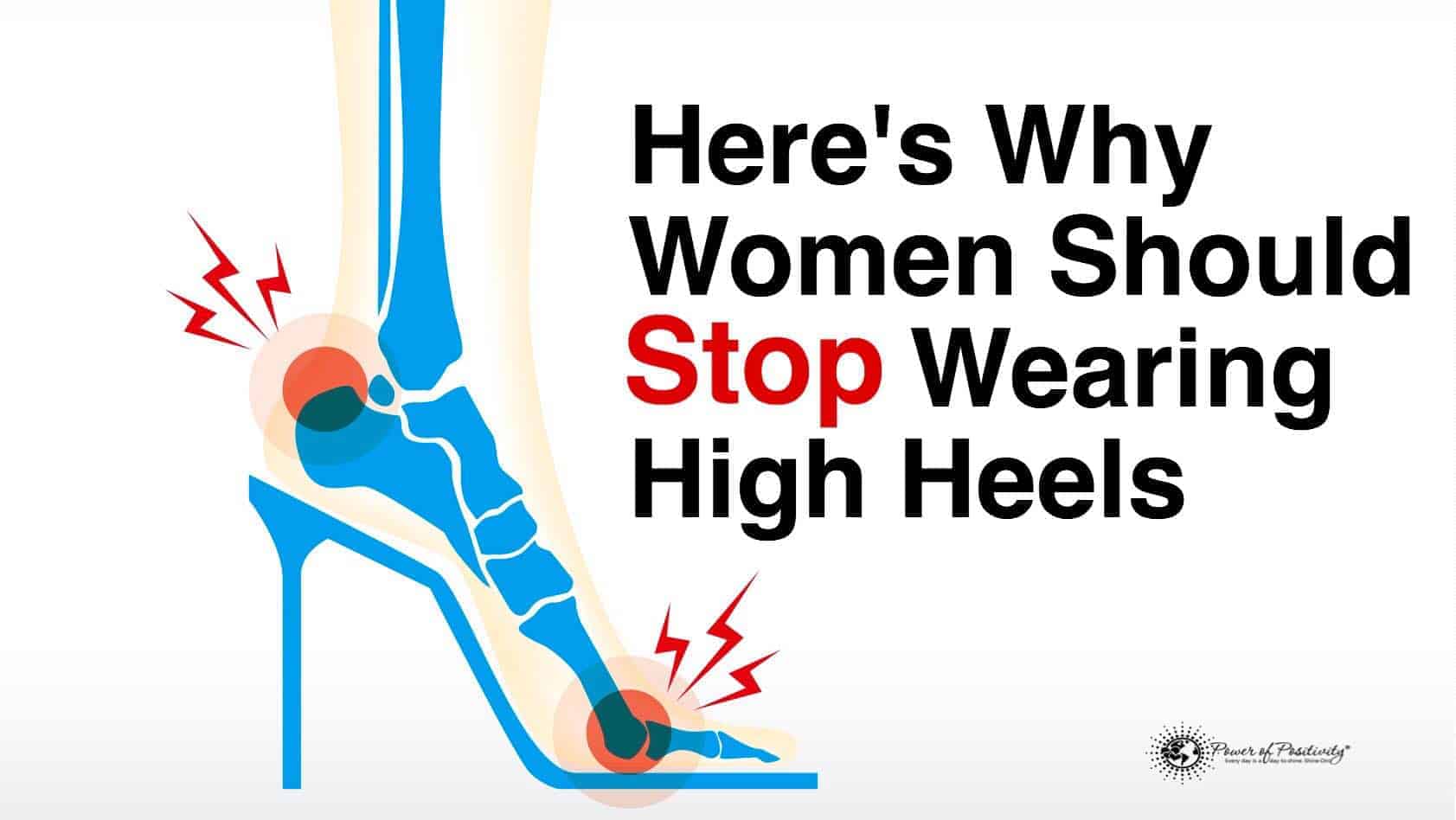
heelsHow Calluses Form

Like other skin areas on your body, your foot is constantly shedding dead skin cells and replacing them. You don’t have oil glands at the bottom of your feet, so it can often get dry, itchy, and produce painful cracks. Since feet can sweat a lot, they are prone to fungal and bacterial infections unless they are kept clean and dry.

Your skin has a unique way of defending itself, especially on your feet. When a spot on your skin is continuously rubbed and irritated, it produces extra skin cells to create a rigid, protective barrier. These are commonly called calluses.

Why are your feet more apt to develop calluses? Consider the shoes you wear for the answer. If you wear tight-fitting shoes that pinch and rub, it’s no wonder that you have painful calluses. If you do a lot of walking and don’t keep your feet moisturized, you can also see more calluses than usual.

How to Treat Calluses at Home

Calluses are layers of dead skin that have no feeling and build up to protect living skin. However, they often pressure the underlying skin, causing pain and irritation. You can get them on any areas where there is pressure from walking, specifically the heels, the balls of your feet, and the sides of your toes.

It’s normal to get calluses. In fact, at least 5 percent of Americans develop them each year. Calluses are usually treated with home remedies like a baking soda foot soak. Pampering yourself and taking care of your toes regularly at home saves a trip to the podiatrist.

Of course, prevention is the key to keeping your feet healthy. Wear shoes that fit correctly and take extra care when walking barefoot, especially on heated surfaces or in water. Slather on the moisturizer and gently remove unwanted calluses with a baking soda foot soak.

Baking Soda: A Natural Wonder

Baking soda, also called sodium bicarbonate, is found naturally and can be manufactured. It’s a compound found in a salt called nahcolite. Baking soda’s leavening properties were discovered in 18th-century France by a chemist named Nicholas LeBlanc.

It wasn’t until later in the 19th century that sodium bicarbonate was manufactured in the United States and used extensively to cook, bake, and for medicinal purposes. Scientists later found that it has antimicrobial and antifungal properties, making it an effective natural cleaner and sanitizer.

Using Baking Soda at Home

Who could imagine that the box of baking soda in the pantry could be so handy? Not only is baking soda a staple for baked goods, but you probably keep a box of it in your refrigerator and freezer to eliminate odors.

It’s a gentle abrasive that makes it perfect for cleaning surfaces in your home without scratching them. Here are some other wonderful uses of baking soda.

1. Nature’s Toothpaste

Did you know that many of the products you use for pampering yourself contain baking soda? For years, people used it to brush their teeth and freshen their breath, so it’s often found in commercial toothpaste. It fights the germs that cause tooth decay and gently whitens your teeth without damaging the enamel.

2. Heartburn and Indigestion Relief

When your grandparents got heartburn, they probably mixed a teaspoon of baking soda in a glass of water and drank it for instant relief. Sodium bicarbonate is a salt that quickly neutralizes acid, so you’ll often see it as the main ingredient in tablet and liquid heartburn remedies.

3. Effective Skin Treatment

Baking soda is an inexpensive ingredient to add to your DIY skincare routine. If you have acne, you can dilute a bit of baking soda and use it to treat blemishes. Its mild abrasives can gently exfoliate dead skin cells that clog your pores. It can also absorb excess skin oils that contribute to acne.

baking soda foot soak

4. Feminine Hygiene

A little bit of sodium bicarbonate can be a woman’s best friend. You can add a couple of tablespoons of it to your tub and have a healing soak for feminine hygiene. It helps destroy harmful bacteria that cause itchiness and odor and supports your natural feminine flora.

Baking soda is an antifungal that can soothe and heal yeast infections. Some alternative healthcare providers recommend sodium bicarbonate vaginal suppositories to patients with chronic yeast infections. It works as well or even better than many commercial varieties.

5. Scrub-A-Dub-Dub

Since it has antibacterial properties, baking soda is excellent for bathing water and pampering yourself. It gently cleans and softens your skin without harsh chemicals. A foot soak with baking soda and a splash of milk is just what you need to treat your toes and feet.

6. Milk Baths: Tribute to Cleopatra

According to Ancient Egyptian records, the legendary Queen of the Nile bathed regularly in warm tubs of milk for her self-care. Throughout history, others followed Cleopatra’s lead and discovered how soft and supple milk baths made their skin. When you add it to a foot soak with baking soda, your feet will get double benefits.

The lactic acid found in milk acts as a mild exfoliant, softening rough calluses and dead skin on your feet. It’s also an effective way to hydrate you for smooth, soft, touchable feet. Milk is a cosmetic secret that history’s iconic beauty was glad to share.

How to Make and Use a Baking Soda Foot Soak

Baking soda is a mild base that most people can use safely on their skin. However, you should always dilute the compound with water and never rub it on your skin full-strength. To be on the safe side, try a little diluted solution on a small spot of skin to see if you have any allergic reactions.

• Baking Soda & Milk Foot Bath

You can have too much of a good thing; a baking soda foot soak is one. Limit your soaks to a couple of times a week to avoid skin irritation. Be sure to use baking soda and not washing soda in this solution.

What You Need:

A large plastic or metal basin large enough to soak your feet comfortably

  • Enough warm water to fill the basin at least ¾ full
  • 1 C. warm milk, or ½ cup powdered milk
  • 3 Tbsp. soda

How To:

Mix all ingredients in the foot basin until the soda is dissolved. Put both feet into the mixture and let them soak for at least 20 minutes.

Use a soft, clean towel to dry your feet thoroughly, especially between the toes. Apply a rich moisturizer on both feet and put on a pair of clean cotton socks. Sleep with the socks on overnight for optimal benefits. Doesn’t self-care for your feet feel amazing?

• Treating Calluses with a Baking Soda Foot Soak

After your first baking soda foot soaks, you will notice that your calluses are softer and less painful. Smaller calluses can often be gently peeled by using your fingernails. More extensive, thicker calluses may take a little longer to soften enough to peel.

When you’ve dried your feet after a good soak, you can use a fine pumice stone to sand dry spots gently and calluses. Follow up with a soothing moisturizer, like organic shea butter or coconut oil. Never use a razor blade to cut away a callous; you can damage living skin underneath and cause infection.

baking soda foot soakFinal Thoughts on Treating Your Feet to a Baking Soda Foot Soak

Learn how to love your feet and treat your toes to a baking soda foot soak twice weekly. It will help eliminate irritating calluses and make your feet soft and beautiful. Natural foot care is a fine step in the right direction.

Skip to content