Weekly tips, affirmations, and small actions to feel your best.

10 Signals That Reveal Someone is Flirting With You

How can you tell if someone is flirting with you? It’s not always easy to see if a person is being friendly and trying to send you signals, or if they’re trying to play it cool. Many people flirt because they don’t have the self-confidence they need to ask you out, and they want to make sure you’re interested.

Do they have feelings for you? You try to read their body language and look for signs, but is your mind playing tricks on you? Is that person across the room trying to get your attention, and how can you know for sure?

Well, if they are displaying any of these ten signs below, then chances are good that they’re interested.

10 Signals That Someone is Flirting with You

You think they are interested, but you want to be sure before you reciprocate. Here are the signs.

1. They Constantly Make Eye Contact

Have you ever had that feeling that someone is watching you? Whenever you look up, do their eyes meet yours? Making direct eye contact can be very flirty, but it’s often misread. If someone is staring at you longer than usual, it could be a signal they’re interested in you. If you catch them gazing into your eyes and smiling, then you have an admirer.

signals of flirting2. They’re Giving You Backhanded Compliments

Is this person teasing you? Are they dishing out compliments about your hair or outfit, yet they seem to be backhanded? It’s apparent that they don’t know how to flirt. When they hand out these insincere compliments, it’s a way for them to see how you will respond.

It’s often been said that there’s a fine line between love and hate. Some people are horrible at flirting and sending signals. The only way that they know how to communicate with you is by giving snide accolades.

They want to test the waters and see how you respond. Sure, it’s not the best way to flirt, but it’s quite common for people who aren’t sure how to make their intentions clear. They may comment on your hair and say something like, “I love that new style, but didn’t it go out in the 1980s?”

The person may be sending the wrong signals, but it’s the only way they feel comfortable telling you how much they like your hair.

3. Their Behavior Changes When You’re Around

If someone is really into you, their signals might not scream what their heart feels, but it can be evident to others around you. Have you noticed a behavior change when you walk into the room?

Do they want to talk more or start telling jokes? When the heart is involved, many individuals will do anything they can to make sure they’re noticed. Some people are just so blatant about their feelings that it’s like a two-year-old in a playpen begging for attention.

They may not be the obvious type, so they will clam up when you enter their presence. Behavior changes can be for the good or bad, but you just must be observant.

4. They Show They Care

You’ve had a hard day, and you’re trying to vent about all your frustrations. Rather than listening without comment, this person is mirroring your feelings. What is mirroring?

Well, they are empathetic to how your day went. They may offer tips on how to make things better, or they may listen and show that they care. If life is beating you down and someone is listening intently and trying to help, then don’t let this person go.

5. They’re Always First to “Like” Your Stuff on Social Media

Social media has changed everything when it comes to sending signals that you’re into someone. It’s easy to flirt when you’re behind a computer or cell phone, but flirting in person takes real skill. How can you tell if someone is into you physically when they’re using virtual means?

One of the first things that you will notice is that they comment on everything that you put on your wall. If you post a picture of what you had for dinner last night, they would be the first one to like your post. If they seem to be cyberstalking you and “liking” all your stuff, then it’s a sign that they are attentively waiting for anything you have to say.

Some posts are hits on social media channels, and some are misses. However, see how many of your posts they comment on and how quickly they make these comments. They probably have you set as a favorite, so they will be alerted whenever you post anything.

75 quotes that capture falling in love6. They Fidget Around You

Excessive anxiety is not uncommon when dealing with matters of the heart. You may notice that this person stumbles over their words, doesn’t know what to say, and finds themselves socially awkward.

They may be antsy and have a hard time sitting still in their seat. They may pace around the room or bury themselves in their phone. Sometimes, when your heart beats out of your chest with feelings for another person, you lack the confidence you need to make a move.

You can ease this person’s burden by merely starting a conversation with them and finding common ground. You don’t want anyone to feel anxious around you anyway.

7. They Can’t Stop Giggling

Some people can’t help but giggle when they are around someone they like. Did you know that excessive giggling can be a sign of anxiety? They may be anxious about making the first step with you, and they don’t know how to send the right signals.

What comes out is a giggle that can be quite annoying. If you notice that they are nervously giggling and laughing at everything you say, then it’s probably a sign that they’re into you.

8. They Accidentally Touch You

One of the biggest give-a-ways that they are into you is finding reasons to touch you accidentally. They may brush your arm or hand as they’re walking past you, or they may find a reason to pat you on the shoulder whenever possible.

It’s called dating communication as these little touches help signal the brain that they’re trying to hit on you. If the touches become more frequent or blatantly obvious, then you need to make a move.

9. They Always Point Out Their Weaknesses

Self-deprecating humor isn’t one of the classiest ways to get compliments, but it’s a useful tactic. When you’re around someone who is a crush, do they often want to point out all their weaknesses? They may joke about their lack of ability to save money, fix their hair, or keep their car clean.

The other side of this is that they put themselves down so that they can make you shine. They may say something like, “Wow, I wish I could grow hair as beautiful as yours. Mine is thin and lacks volume.” They are complimenting your hair while putting down theirs.

Some use these signals as a way of complimenting you without sounding too forward. It can also be a sign that they want your help with a flaw that they have with themselves.

10. They Move into Your Field of Vision

Body language doesn’t always work for everyone, so they will use other ways to get your attention. Do you ever feel like you have eyes following you? Every time you look up from your meal, there’s that one person that is staring at you.

This person is trying their best to keep you in their field of sight. They want you to notice them, and they are just waiting for the chance to make eye contact with you. It’s a subtle way to make themselves visible.

If you’re interested in them, then gaze into their eyes and acknowledge that you see them. A smile and come-hither look may also give them a reason to come over to talk to you.

signals of flirtingFinal Thoughts on Identifying the Flirting Signals Someone is Sending You

Why does flirting have to be so tricky when it seems like such a simple thing? When it comes down to it, if someone has a thing for you, they will do anything to show their appreciation and want to hear what you have to say. They want to be close to you, and perhaps they’re eager to brush up against you too.

Some hints are more subtle than others as everyone has a flirting style. For instance, someone who is always giggling at everything you say may be into you and trying to send you signals. However, a person who is being totally standoffish may be just as into you as the one that seems to always be in your field of vision.

No one ever said that making the first move was easy, but matters of the heart are never straightforward. Make sure you watch for those signals that someone is into you as you could miss out on something great if you don’t pay attention.

Pediatricians Discover a Promising Way to Reduce Celiac Disease in Kids

You’ve probably heard people talk about gluten-free diets at some point. Some people swear it’s the safest way to eat. For some people, this is true. People who have celiac disease have bad reactions when they eat foods that contain gluten. Some people may not be aware that they have the condition because it can show up at any age, so they deal with it for years, thinking that they are symptoms of something else. It’s a disease that can severely affect the quality of people’s lives.

Now, there is good news in the scientific community. Pediatricians have had a breakthrough in research that shows a way to possibly prevent people from developing the disease in the first place. Prevention would be the ideal solution – stopping the disease in infancy.

If you’re reading this, you probably already know all about celiac disease. However, just in case you don’t, the first section will tell you everything you need to know about it. Keep reading to find out more.

What is Celiac Disease?

This is an autoimmune disorder in which the body attacks the small intestine. This attack leads to damage to the villi in the small intestine. These thin, finger-like protrusions are responsible for trapping nutrients and aiding in the body’s absorption of them. The disease occurs in genetically predisposed people, which constitutes about 10% of the global population.

Celiac disease can develop in people of any age. Unfortunately, many people are undiagnosed and end up suffering long-term consequences, including the possibility of developing another autoimmune disease. Once a person acquires it, it’s a lifelong condition that is currently incurable.

Causes of Celiac Disease

celiac diseaseIf you ask most people what causes celiac disease, they’ll probably say a gluten allergy. This data isn’t exactly wrong. It’s just misinterpreted. Gluten triggers the disease, but it doesn’t cause it. Celiac disease stems from an inappropriate immune response to gliadin, a gluten protein.

In the body, specific protein complexes inside of immune system cells can attach to outside proteins such as gliadin. A variant of the two genes that make up the protein complex known as antigen-binding DQαβ heterodimer recognizes gliadin as a foreign substance (bacteria or virus). It prompts the immune system to attack it. This attack is what damages the small intestine.

Scientists discovered that everyone who has celiac disease has specific variants of the two genes. The genes are HLA-DQA1 and HLA-DQB1. However, not everyone who has the gene variants have celiac disease. Scientists are still working to pinpoint other factors that contribute to the disease.

Symptoms of the Disease

Diagnosing the disease can be challenging because a person might have one or two symptoms, all of them, or none of them. The symptoms are also symptoms of other diseases, so it takes a lot of work to distinguish the illness from something else. There is one distinguishing factor – children are more likely than adults to have digestive problems. However, the likelihood is not so high that it can be a rule.

*Symptoms provided by MayoClinic

Adult Symptoms – Digestive

  • Abdominal pain
  • Bloating
  • Nausea
  • Vomiting
  • Diarrhea
  • Constipation

Adult Symptoms – Non-Digestive

  • Fatigue
  • Anemia
  • Nausea
  • Skin rash
  • Ulcers
  • Nerve problems
  • Headaches
  • Balance/coordination problems
  • Hyposplenism
  • Bone disorders

Child Symptoms – (in addition to the ones above)

  • Chronic diarrhea
  • Gas
  • Pale stools that smell abnormally bad
  • Swollen belly

Foods That Contain Gluten

inflammationWheat, barley, rye, triticale, and oats are sources of gluten. Some foods have these ingredients in them, but you’d be surprised at other foods that contain these as “hidden” ingredients. That’s because they often go by different names that people aren’t familiar with.

Other Names for Wheat and Wheat Flours

  • Durum
  • Einkorn
  • Emmer
  • Kamut
  • Spelt
  • Enriched flour
  • Farina
  • Graham flour
  • Self-rising flour
  • Phosphate flour
  • Semolina

You must be careful to avoid anything with these ingredients in them. You can’t even cross-contaminate foods. For example, you need to use a separate toaster for gluten-free bread so that crumbs from regular bread don’t get on it.

Not all grains have gluten in them. You can still enjoy grains and food made from grains. You need to make sure you get the right ones.

Even medications can contain gluten. For prescription medication, your doctor should be aware of the disease, not to prescribe any gluten-containing medications. However, over the counter medications should be scrutinized before you take them.

Current Treatments

Currently, the only verified treatment for the disease is to avoid eating foods with gluten. The person’s diet must be completely gluten-free. Even minuscule amounts of gluten are enough to trigger an attack.

There may be treatment options to help manage the symptoms of the disease if they’re severe. However, this may be unnecessary because symptoms subside rather quickly when the person stops eating gluten. They can disappear in a few days to a few weeks.

Once a person stops eating gluten, the small intestine will heal as well, although this can take more time than it takes for the symptoms to disappear. It can take 3 to 6 months in children, and in adults, it could take years.

Pediatricians Discover a New Possible Prevention Method for Kids

Science Daily published an article on September 28, 2020, showing promise in preventing food allergies in the first place. Discovering a way to avoid food allergies in infants possibly is a huge scientific breakthrough. It’s especially significant because there is no way to cure the celiac disease once a child or adult has developed it. While there is still a lot of research to be done, the results of this discovery have the scientific community buzzing.

The Enquiring About Tolerance (EAT) Study was conducted by a group of pediatricians, scientists, and researchers in the United Kingdom. Led by Dr. Michael Perkin, Ph.D., a senior lecturer in pediatric allergies at St. Thomas’ Hospital and consultant in pediatric allergies at St. George’s Hospital, the final findings were published in 2016. Other key researchers in the study were Dr. Kristy Logan, Ph.D., Henry T. Bahnson, MPH, and Dr. Tom Marrs, Ph.D.

The goal of the study was to see if introducing allergen-related foods to high-risk infants at an early age would reduce the risk of infants developing food allergies. They used six common foods that parents are usually told to avoid when feeding a young infant. They are milk, peanut, sesame, fish, eggs, wheat.

How scientists conducted the research

The infants involved in the study were 3 to 6 months old at the time the study began. They enrolled 1,300 infants, and the selection of babies was representative of the UK population.

Breastfeeding for the first six months of the babies’ lives was a requirement for the study. The goal was to see if this early introduction of allergens, along with breastfeeding, worked out. They chose breastfed infants from England and Wales for the study. They did a skin prick test to ensure the infants were not already allergic to the six foods.

These infants were separated into two groups. The first group, named the Standard Introduction Group avoided the food allergens for six months. The second group, called the Early Introduction Group, gradually introduced six foods over six months.

The study lasted for three years. Parents completed online questionnaires every month for the first year of their lives, then every three months until the child was three years old. The babies all had clinic visits at 12 months old and three years old to determine if they were allergic to the six foods (they also tested for tree nuts and aeroallergens).

At the end of the three years, the results of the study were:

  • Peanut allergy development: 2.5% standard group, 0% early introduction group
  • Egg allergy development: 5.5% standard group, 1.4% early introduction group
  • None of the infants in either group suffered any type of anaphylactic shock from the six foods.

While peanuts and eggs are gluten-free, the study still shows that introducing allergy-related foods to infants early can reduce their chances of developing allergies. Pediatricians and scientists are hoping to use this newly discovered information to apply to foods that contain gluten in an effort to battle the disease. This study is a small step, but a step in the right direction.

celiac diseaseFinal Thoughts on Celiac Disease in Children

Indeed, this disease isn’t the worst disease on the planet. It’s just tough to have because so many foods contain gluten. Having this disease significantly cuts down your meal choices.

These days, manufacturers are more aware of the need for gluten-free foods. Many of them offer gluten-free versions of popular foods like bread, pancakes, snacks, and more. The selections are still limited – you may only have one or two brands to choose from – but it’s better than not being able to eat your favorite foods ever again.

As far as the research is concerned – pediatricians and scientists still have a long way to go in some prevention method or treatment of the disease. However, all scientific advances start somewhere, usually with a small breakthrough that opens doors to tons of possibilities. This breakthrough is pointing to a bright future for people who have Celiac Disease.

11 Reasons Why It’s Important To Ask Questions

It goes without saying that neither you nor any human being on the planet has all the answers. Everyone on earth is slowly learning and growing every single day. Each person picks up new knowledge and information every so often to add to their natural database of knowledge in their brains. To achieve this end, we must ask questions.

Since the dawn of time and the beginning of understanding knowledge and civilization, asking questions has been a part of the human canon. We all know that we’re capable of asking questions. Unfortunately, somewhere along the line, many begin to feel ashamed of doing this instead of pretending to know many things.

This kind of behavior is completely against natural human development. It’s also a toxic way to live your life, as you need others’ input to grow and change for the better. Still not convinced? Here are 11 reasons why it’s important to ask questions.

1.    It’s How Human Beings Naturally Learn

From the time you were a child, you learned by asking questions. You learned through a mix of positive and negative experiences – and a whole lot of curiosity.

That’s how human beings continue to operate well into adulthood. The only difference is that you lose your lack of shame and fear as you grow older. Eventually, you’re not sure if it’s okay to ask questions or not.

The good news? Most of the time, questions are totally welcome, so ask away! Bring back that childlike curiosity you once had. You’ll find that your brain adapts very well to learning by making queries.

2.    It Lets You Reflect

ask questionsQuestions don’t have to be asked to others. Sometimes, you can ask them of yourself. This comes in handy most during periods of self-reflection. Self-reflection is the act of pausing and taking some time out to think back on current or past situations. During self-reflection, you would typically:

  • Consider your behaviors, whether past or present, and determine if they are still suitable
  • Pinpoint the sources of mistakes or negative actions on your part
  • Determine what lessons you’ve learned from the time you’re reflecting on
  • Decide how you best handle similar situations in the future

Self-reflection is a very positive and highly crucial step for personal self-improvement. If you don’t question yourself, you can never truly reflect in this manner. Here are some examples of questions you might ask yourself during this reflection period:

  • How did I feel during the time of the incident?
  • Is there anything that bothered me over the week that I haven’t address?
  • How did I react when that event happened? Was it on reflex? If so, what triggered it?
  • How can I communicate this need in the future?
  • Do I feel fulfilled in my work? If not, why?
  • What can I do to improve my situation?
  • What is the takeaway from the mistake I made?
  • How can I better myself for the future?
  • What would be a wiser way to handle things if this issue arises again?

3.    It Helps You Understand What You Face

Life is full of challenges that come at you almost constantly, and chances are you’re facing one right now. Asking questions in that situation will allow you to skip the guesswork and get down to the nitty-gritty of the problem.

Often, you may spend a lot of energy simply trying to use inference to figure out what needs to be done. Asking questions, even if you don’t get a straight answer, will clearly indicate your areas of focus and provide additional insight.

4.    It Provides Gifts To Your Mind

When you ask questions, you’re gifting your brain numerous benefits that it can use later. Here are some things that are “gifted” to you from the simple act of asking questions:

·         Wisdom

Questioning the things around you makes your brain more flexible, allowing for better perception, more tolerance and understanding, and an increased ability to be unbiased in your life.

·         Flexibility

When you ask questions, new signals and patterns in the brain are formed, pinging back and forth. The more patterns the brain creates in this process, the more likely it is to become flexible. In this context, being flexible means accessing additional stored memories and information without returning to a previous, less-functional state.

·         Positive Thinking

Asking questions, especially if it’s difficult for you, gives you a better understanding of how much control you have over your life and actions. This can help you feel more at peace with yourself as you learn to regulate and manage your emotions for the future.

5.    It Gives You Better Answers

Trying to solve something based only on your insight or answer works only in cases of objective truth or fact – and that’s only if you know that fact, to begin with. But with more subjective dilemmas, asking for help or ideas from outside opinions can be very beneficial. This is because:

  • More perspectives give you more ideas to tackle the situation – and more combined years of experience behind it all
  • Your brain automatically jumps to the first solution it thinks of and can benefit from other ideas
  • Other people offer unbiased answers to your situations; you may be too close to your own situation to find a truly rational answer on your own

6.    It Makes You Learn Instead Of Judge

It’s easy for human beings to slip into the bad habit of judging others instead of seeking to learn their point of view. You can break this habit or pattern by learning to ask polite questions before you even think of judging someone. This is a clearly positive trait, as it:

  • Stops you from hurrying in
  • Gives you the chance to gather all needed information
  • Informs you whether a solution is needed
  • Keeps you trained on the big picture

pop meme

7.    It Encourages Cooperation

Asking questions is a good ice-breaker for many situations, but it also forces you to work with other people. This teaches you lessons in teamwork and/or leadership, depending on the role you happen to take on.

Collaboration comes with a lot of great power. For years, research has indicated more positive results from those working in cooperative groups than those working alone. As such, putting all your heads together is more likely to result in success than you attempting to go solo.

But you can’t fully cooperate if you act above everyone else! Asking questions shows the others on your team that you’re willing to listen to them, encouraging better collaboration and idea-sharing.

8.    People Will Like You More

Have you ever been in a situation where someone introduces themselves to you, then spends ages talking about just themselves? Chances are you wound up not liking that person very much. On the other hand, you may have noticed that you tend to get along more with people who ask you about yourself.

Studies show that you are more likely to make a positive impression on someone if you ask them questions first. This is for several reasons:

  • Human beings naturally reciprocate subconsciously perceived favors; after you listen to them, they are likely to want to listen to you in return.
  • Most people like talking about themselves and are appreciative of those who let them do that.
  • Letting others talk about themselves first gives you the chance to demonstrate your active listening skills, showing your conversation partner that you’re a good person to talk to
  • You have the chance to ask memorable and unusual questions that will leave a lasting memory of you in the other person’s mind.

9.    It Will Make You A Better Leader

There’s a saying that the best leaders are good followers. This is probably why high-and-mighty, know-it-all leaders are the kind, never of asking anyone any questions. Don’t be that kind of person!

A survey actually found a link between effectiveness in leadership and curiosity. Those who ask more questions of the people they work with tend to be viewed as better leaders. When you ask people questions, you’re showing them that you care while also collecting information that you as a leader may require.

10. When You Ask Questions It Can Influence Others

When you ask someone a question, you have the ability to ask it in a specific way that will lead them to the answer you want them to have. This is a prevalent tactic used in methods of persuasion.

While this isn’t something you’ll want to do with friends, family members, or even most colleagues, it’s a nifty trick that can work wonders in certain situations. Hone your ability to use it to your advantage, and you’ll be pretty impressed with the results!

11. It Forces You To Rethink

Sometimes, asking questions will net you an answer that you absolutely were not expecting. In that situation, you have to rethink your entire perspective and approach. It can be quite a shock at first, but maintain your positive thinking!

You need to look on the bright side of this kind of situation. Being unwittingly forced to rethink your stances is actually a fantastic thing. It shows that you’ve met an intellectual equal and gives you the chance to learn something completely new and unexpected.

This can open up the floor for more questions. Ask that the person elaborate on their point of view, or ask a quick clarifying question. You might soon find yourself in the middle of a fascinating discussion!

ask questionsFinal Thoughts On Some Reasons Why It’s Important To Ask Questions

It’s easy to fall into a habit of being a know-it-all but refrain. The act of asking questions is beautiful and ripe with possibility. The people around you have so many unique ideas and perspectives to share and know more about certain topics than you do. You truly have nothing to lose by asking these questions to those with more information.

We don’t need to maintain the tropes of never asking for directions, faking knowledge to look cool, or being too proud to request knowledge from those who have it. It’s time to take bravery and curiosity into your hands and ask questions to your heart’s content. Who knows what knowledge you’ll uncover in this manner?

Experts Reveal 7 Reasons Why You Don’t Feel Well Rested After A Break

If you’re someone who knows how to balance your schedule and time for relaxation, you probably take a decent number of breaks. Whether these breaks involve holidays, me-time, normal nocturnal sleep, or ten-minute intervals away from your desk, you know just how important rest is to your brain and body.

But what if you’re resting enough, but still feeling tired afterward? What do you do when you think you’ve slept well or taken enough of a break but can’t see any positive way it’s impacted you? Here’s how experts reveal seven reasons why you don’t feel rested after a break.

1.    You’re Dehydrated

Dehydration is a prevalent cause of tiredness. According to Texas Health Ben Hogan Sports Medicine dietitian Amy Goodson, RD, even as little as 2% fluid loss can affect the amount of energy you have. This is because:

  • A lack of hydration leads to reduced volume of the blood
  • Reduced volume of blood leads to thicker blood
  • Thicker blood causes less efficient pumping from the heart
  • Less efficient pumping of the heart means nutrients and oxygen take longer to travel through the body

Studies point out that dehydration can significantly affect professional sportsmen, impairing their performance and causing increased exhaustion during intense play. It’s also a known fact that dehydration can negatively impact mood and cognitive performance, leading to reduced focus, positive thinking, and efficiency.

Not sure how much water you should be drinking in a day? The consensus is eight glasses or 2 liters, but you can also calculate it, especially for you. Divide your weight in pounds in half and drink that many ounces of water daily.

2.    You Have Uncomfortable Sleeping Conditions

well restedIt isn’t easy to get a good night’s sleep if your bedroom isn’t suited to that possibility. You’ll want a bedroom that helps induce sleep and keep you well-rested, preventing any disturbances during the night. Here are some things to consider:

·         Brightness

The body only produces melatonin, the sleep hormone, when it’s dark. Even a small amount of brightness can disrupt this production, leading to more difficulty falling and staying asleep.

·         Family Disturbances

Do you sleep with a partner? If so, their kicking, snoring, fidgeting, space-stealing, or blanket hoarding can all disturb your ability to rest. Sharing a bed with pets can result in the same problem.

·         Mattress Comfort

A mattress that’s too hard or too soft, or bedding that is uncomfortable, can actually lead to disturbed sleep and difficulty getting proper rest, says Sleep Disorders Center medical director Robert Rosenberg, DO.

·         Sleeping Position

If you sleep in a certain position, you may unknowingly cause discomfort during the night that disturbs your sleep, says Rosenberg.

·         Temperature

Most people sleep hot. The body needs to cool down during sleep, but a warm room results in difficulty lowering your temperature. This can cause restlessness and disturbance. It’s best to sleep, therefore, in a cool environment, says sleep neurologist Aparajitha Verma, MD.

3.    You’re A Perfectionist

Perfectionism is often held up as a sign of responsibility and a positive work ethic, but is that really the case? Let’s face it – perfection isn’t actually possible, and being driven by perfectionism can actually lead to overworking yourself, says psychiatry professor Irene S. Levine, Ph.D. This outcome is because you might do the following:

  • Set goals that are almost impossible to achieve
  • Never feel satisfied with the work you do
  • Feel as though spending more time working on something could bring it closer to perfection
  • Become stressed out when you fail to meet your unreasonable expectations
  • Put in more effort for progressively worse results
  • Spend extra hours spent striving for perfection often won’t be much better than what you get from working hard at a more reasonable rate

It’s a good idea to set a strict deadline for projects and other personal endeavors. That way, you’re forced to declare the job done as soon as that deadline hits and can’t spend ages trying to “perfect” it.

4.    Your Office Or Living Environment Is Messy

Cluttered workspaces can feel homey or creative, but they can still negatively affect you at the end of the day. It limits how well your brain can process different kinds of information, exhausts you whether from stress or confusion, and all-around makes for a bad time for your brain function.

A study entitled “Interactions of top-down and bottom-up mechanisms in human visual cortex”, published in The Journal of Neuroscience, discussed how the brain responds to the things that we see. Essentially, the visual stimulus is capable of changing the way the brain reacts and responds to things, affecting productivity, positive thinking, and other crucial factors.

It’s highly advisable that you clear your work and personal items well every day in order to ensure that your environment is clean. If not, you risk falling into a cycle – the clutter will make you tired, and that tiredness will make it harder to clean up.

pop meme5.    You Drank Alcohol Before Bed

We all know the feeling of drowsiness that tends to come with alcohol consumption. But while it may knock you out faster, alcohol disrupts your deep sleep phase in your sleep cycle, namely the REM phase. Without that restorative sleep, you’re not going to feel good in the morning.

Initially, alcohol works by depressing the central nervous system, says New York Neurology & Sleep Medicine medical director Allen Towfigh, MD. Unfortunately, this backfires in the end, resulting in a rebound effect that leads to a leap upwards in adrenaline. This increases the risks of waking up late at night.

For most adults, drinking just a glass of alcoholic beverage doesn’t have significant negative effects on sleep every day. Still, most experts, including Towfigh, recommend that you stop drinking alcohol between three and four hours prior to calling it a night.

Numerous studies have found links between fatigue, cognitive ability, sleep, and alcohol consumption.

Here is some of the research in this field:

  • “Fatigue, alcohol and performance impairment” published in Nature (1997). This study examined the many ways that drinking alcohol could lead to fatigue, performance disturbance, and similar issues. It was fairly broad as an early study, but newer research has corroborated and built on it.
  • “Disturbed Sleep and Its Relationship to Alcohol Use” published in Substance Abuse (2005). This study primarily focused on alcohol use disorders but found a link between insomnia and those who drink an excess of alcohol. In fact, this level of abuse could lead to severe, chronic insomnia.
  • “Alcohol and sleep I: effects on normal sleep” published in Alcoholism: Clinical and Experimental Research (2013). This academic review took a look at a wide range of research papers and studies published about the effect on alcohol consumption and nighttime sleep in healthy individuals. The most evident consensus was that alcohol consumption affects and reduces REM sleep, removing the restorative deep sleep benefits it provides.
  • “The Effects of Alcohol on Quality of Sleep,” published in the Korean Journal of Family Medicine (2015). This study found direct and obvious links between sleep disorders and alcohol use disorders when both qualities were tested using objective, scientific methods. It also uncovered universal links to daytime dysfunction after the consumption of alcohol.

6.    You Rely On Caffeine

There’s nothing wrong with taking a big swig of caffeine every morning to get you alert. But the later in the day you consume caffeine, the more likely it is to make you more tired the next day.

According to Chandler, caffeine makes it difficult for your brain to gauge how long you’ve been awake properly. This is how it makes you feel alert after a period of grogginess, and studies have confirmed this side effect. And, unfortunately, very few people genuinely have caffeine tolerance they might believe they have. In most cases, caffeine still disrupts your brain’s track of your sleep-wake cycle, no matter how much of it you need to down to feel its effects.

The fix? Don’t drink any caffeine 5 hours before bedtime – or even 7 hours before bedtime, if you can manage it. You should stop consuming caffeine, whether from coffee, soda, desserts, or other sources, by mid-afternoon.

7.    You Have An Underlying Physical Or Mental Health Condition

Of course, as with all things, there is a worst-case scenario when you don’t feel rested after a break or after sleep. Underlying conditions can cause excessive tiredness, and you need to be aware of the ones to be wary of. Here are some disorders that may be leading to fatigue.

·         Sleep Apnea

Sleep apnea is a sleep disorder that involves someone’s breathing, stopping, and starting when they sleep. This results in disturbed sleep cycles and a night of very restless sleep at night, says Loma Linda University Health Sleep Disorder Center sleep medicine specialist Dr. Timothy P. Wong.

·         Depression

Neuropsychologist Sanam Hafeez, Ph.D., states that in general, individuals who have depression tend to experience higher levels of fatigue overall. This means that no matter how much sleep you get, being depressed can negate that rest and have you feeling tired all the time. It’s a worrying, destructive cycle – significantly since tiredness can worsen symptoms of depression.

·         Chronic Illness

A wide range of chronic illnesses can make you feel tired, no matter how much sleep you get. Disorders such as lupus, Hashimoto’s disease, fibromyalgia, and chronic fatigue syndrome are all common causes of feeling exhausted continuously. Division of Pulmonary, Critical Care & Sleep Medicine chief at Detroit Receiving Hospital, Dr. James. A. Rowley recommends speaking to a doctor if you are experiencing tiredness after a break, to rule out these disorders.

well restedFinal Thoughts On Some Reasons Why You Don’t Feel Rested After A Break

It’s important to take breaks, but those breaks don’t mean anything if they don’t give you the benefits you need from them. It’s essential to understand why your rests aren’t as efficient as they should be, so make sure you pay attention to these reasons that you may not feel rested after a break.

It can be frustrating to get the necessary rest as perceived but never truly feel better. If you suspect a serious issue, speak to a doctor or relevant medical professional as soon as possible! There’s never any harm in asking an expert about problems like this, especially if you haven’t been able to overcome those issues yourself.

Neuroscientists Explain How the Brain Balances Reasoning and Emotions

The human brain is incredibly effective at balancing all the thoughts and feelings that go through each day. It seems like it just happens – we process all this information instantly without effort. However, this is far from reality. The brain is a complex computer that is designed to balance reasoning and emotions perfectly. In this article, neuroscientists explain how the brain does this.

New research described in Science Daily in September of 2020 reveals how “area 32” of our brain helps us in making sound decisions.

The Middle Man

There is an area of the brain that is called the anterior cingulate cortex. Scientists nicknamed the region “middle man,” because it connects to both the limbic and prefrontal cortex. The limbic system deals with behaviors and emotions, while the prefrontal cortex deals with more cognitive functions like memory, planning, and control.

You’re probably well aware of how hard it can be to balance emotions with reason. You’re human, and emotions can be overpowering sometimes. However, it’s important to make sure you listen to both sides. In the words of David Caruso, an actor, and a producer, “it is very important to understand that emotional intelligence is not the opposite of intelligence, it is not the triumph of heart overhead–it is the unique intersection of both.” The anterior cingulate cortex is what causes this intersection.

Korbinian Brodmann, a 20th-century neurologist, discovered and mapped out 52 distinct areas of the cerebral cortex in 1909. Neurologists refer to these regaions as the Brodmann areas. The anterior cingulate cortex contains eight of these areas, divided into two categories: precingulate regions and postcingulate regions. Each category contains four Brodmann areas. The precingulate region contains areas 24, 25, 32, and 33. The postcingulate region contains areas 23, 29, 30, and 31.

The balancing act is done by area 32 of the anterior cingulate cortex, located in the precingulate region.

Human Emotions Are Strong

reasoning

You’re probably well aware that humans are emotional creatures. People face a wide range of situations that induce certain moods, and these moods invoke a multitude of emotions. Depending on the mood and given situation, emotions can easily win over reasoning.

Psychologists believe that emotions drive our life decisions and the moves we make. That’s more of an intangible theory (one that seems too often be proven correct). The tangible fact is that Area 32 balances emotional choice with reasoning, and it’s up to you to choose one. In fact, the balancing act is what gives you a choice in the first place.

Emotional expression is governed in another area of the anterior cingulate cortex area 25. This area can become overactive in times of extreme distress or happiness. Some neuroscientists suggest that these extreme distressed or happy times may be exacerbated by an overactive area 25. No matter which way it happens, when area 25 is overactive, you may be more likely to make an emotional decision over a reasonable one.

Connecting and Balancing the Two Sides

In normal circumstances, there is a weak connection between the cerebral cortex’s emotional side and the reasoning side of the cerebral cortex. For these sides to cooperate and offer you a fair choice, the middle man, area 32, must be strong. However, it doesn’t work alone.

There is a part of the brain called the dorsolateral prefrontal cortex (DLPFC). Think of it as the command center for area 32. It gives area 32 commands about balancing the emotional and logical sides of the brain.

At its core, the DLPFC leans more towards the reasoning side of the brain, but this balances off with the fact that area 32 is deeply connected to area 25. The DLPFC makes sure that area 25 doesn’t influence the decision too much. When the DLPFC malfunctions, this can cause you to lean one way or the other more.

For example, if the DLPFC is overactive, you could display obsessive-compulsive disorder (OCD) tendencies. If it’s underactive, you may be unreasonably emotional about everything all the time.

Gender-Specific Emotional Regulation

The brain is incredibly complicated, so we should not be surprised that gender is a key player in emotional regulation. You may hear people refer to this as women being more emotional than men. In society, that view may be a bit scathed, but scientifically speaking, it’s true.

Research in neurology has shown that women focus more on emotions when making decisions while under the influence of hormone-related and mood-affecting conditions. They may use maladaptive strategies like resignation, avoidance, or rumination. Examples of these conditions are premenstrual dysphoric disorder and pregnancy. It wouldn’t be fair to compare women to men in this situation since these are hormones and conditions that men don’t experience.

When you remove those conditions, neurologists have found that women are slightly better at balancing emotional responses with reasoning. This is because their frontal lobes are slightly bigger. Men have a slightly bigger amygdala, which is responsible for regulating negative emotions and the “fight or flight” reaction in stressful situations.

What does that mean?

If you ever want an example of this, imagine the man getting angry at another guy for checking out his girlfriend while the woman is trying to calm him down. This shows how the woman can balance both sides of the brain while the man’s larger amygdala sends signals of his territory being encroached on. However, if you put the woman in this situation while she is going through PMS, she is likely to cry or be angry rather than mediate, making the situation worse.

Keep in mind that this doesn’t mean the man will always go primitive and duel it out with the other guy. The same research suggests that men’s amygdalae have strong connections to the DLPFC so that a distraction could break that fight or flight response. In other words, the sight of his calming girlfriend is enough to kick in his reasonable thinking, so he’ll back off.

body positiveDiseases and Disorders That Affects the Brain’s Balance

Neurodegenerative diseases and many forms of psychopathology can harm the way the brain balances emotions and reasoning. Neurodegenerative diseases are a more effective model for neurologists to study regarding this because they usually have a more set pattern for how they affect the brain. Scientists can identify five behaviors/moods that can overwhelm the reasonable side of the brain:

  • Anxiety
  • Dysphoric mood
  • Apathy
  • Disinhibition
  • Euphoric mood

Alzheimer’s disease and frontotemporal dementia are two neurodegenerative diseases that directly affect the cingulate cortex. They cause early atrophy of the cingulate cortex, but research has shown that the anterior cingulate region’s degeneration is a strong indicator of behavioral variant frontotemporal dementia (bvFTD).

bvFTD and How It Affects the Balance Between Emotions and Reasoning

Most people are aware that dementia is a blanket term for a group of memory-loss related neurological disorders, including frontotemporal disorder. There are three types of frontotemporal disorders, and bvFTD happens to be the most common.

This type of dementia is more characterized by a change in personality, behavior, and judgment, and less memory loss. Their cognitive functioning may be impaired, and it may seem that they can’t remember things, but it’s more that they don’t have the mental capacity to be concerned with the things that are going on around them. This can include their basic biological needs.

Due to the degeneration of the anterior cingulate region, their ability to display emotional responses become severely compromised. They don’t recognize emotions, and although they may display a few emotions, they aren’t aware of it. In fact, they may display these emotions at completely inappropriate times. An example would be laughing at a funeral.

Proof of the Anterior Cingulate Cortex’s Balancing Role

There is plenty of research that shows the anterior cingulate cortex’s role in balancing emotions with reasoning. However, the diminished capacity of the anterior cingulate cortex and the inability to display appropriate emotions when a person has a neurodegenerative disease such as bvFTD is more evidence that supports the research. It’s clear that without the balance of the anterior cingulate cortex, area 32 in particular, there is no balance.

reasoningFinal Thoughts on How the Brain Balances Reasoning and Emotions

Humans may be emotional creatures, but our evolution has given us the gift of a strong brain area to help us make more logical decisions. Without it, we might be in trouble as a species. Even with the differences between genders, the anterior cingulate cortex paves the way for a healthy balance of emotions and reason in both men and women.

Although researchers have done many studies of the brain, neuroscientists will continue to explore this subject. The chances are that great discoveries are just around the corner. They may even discover a way to fix the imbalance in neurodegenerative diseases.

15 Reasons to Add Walnuts to Your Menu

Walnuts are of the best nuts you can eat. And we don’t mean just for its wonderfully nutty flavor. It’s packed with excellent health benefits, plus it tastes fantastic. It fights against many diseases such as heart disease, cognitive diseases, and even cancer.

While it’s true that walnuts have one of the highest fat contents of all nuts (about 65% of it is fat), this is nothing to worry about. The fat in walnut is heart-healthy alpha-linoleic acid (ALA), which is an omega-6 fatty acid. As long as you stay near the recommended daily amount of healthy fat, you’ll be okay eating these nuts.

Here are 15 reasons you should add walnuts to your menu.

Walnuts offer more value than just great taste–here’s what they can do for your body.

1. They contain more antioxidants than any other food.

Antioxidant is a term that people throw around quite often. These substances protect your cells from harm by free radicals (another word that people use without fully explaining). You can think of antioxidants as your cells’ bodyguards.

Free radicals are substances that come from harmful chemicals in the air, such as cigarettes’ smoke and other pollution. If free radicals build up in your body, they can do some severe damage, even as serious as death. You need as many antioxidants as you can get.

walnuts2. They have lots of folic acid.

Men and women need folic acid, but pregnant women need it the most. Pregnant women who have a folic acid deficiency can have babies with congenital disabilities. Eating them protects the mom’s and baby’s health.

Some studies have also shown that walnuts can increase the baby’s intelligence as it develops in the womb. While more research is needed on this topic, it still doesn’t hurt to give your baby the best chance possible.

3. They can improve your heart health.

Due to the high content of antioxidants and other nutrients, these nuts are a great cardiovascular booster. They can help to lower bad cholesterol, reduce inflammation, and improve blood circulation. In fact, the more you eat, the better.

It may seem contradictory that eating something with such a high-fat content is right for your heart. However, there has been significant research into omega-6 fatty acids, such as the one from study co-author Frank Hu of Harvard T.H. Chan School of Public Health. It shows that consuming fatty acids reduces the risk of heart disease.

4. They are easy to carry around.

For some people, carrying around a quick snack is necessary, so they don’t go too long without eating. People with strict work schedules, specific diet plans, hypoglycemic issues, and more can benefit from having a healthy snack available. They can put the nuts in a sipper-top bag or some other small container and place them in a purse, pocket, or backpack.

Walnuts are an excellent bridge from one meal to the next. That goes into the following reason.

5. They help you to feel full.

Walnuts are the perfect snack between meals because you can eat a small amount and feel satiated till your next meal. The reason for this is that they contain a high amount of fiber per serving. Fiber is what makes you feel full.

The American Heart Association (AHA) recommends that average adults eat around 25 grams of fiber each day. There are five grams of fiber per cup of these delicious nuts. To put this in perspective, there are only 1.9 grams of fiber per slice of wheat bread.

6. You can support local farmers.

Health benefits aren’t the only benefits of eating these nuts. This year, farms have been hit hard. Many farms have shut their doors for good because they didn’t have enough resources to survive the pandemic.

Buying goods from local farms will help boost the economy, not to mention the farmers! You’ll also be getting the freshest nuts you can get since they don’t have to go through the traveling process to make it to a store halfway across the country.

7. They can improve your memory.

Studies linking the nuts to memory improvement mostly focuses on the elderly. These studies show that foods that are rich in polyphenol improve verbal memory in older adults. This research indicates that the nuts can be used to fight off some effects from memory-related disorders. Walnuts have the most polyphenol of all nuts. They contain 1591.5 mg of polyphenol per 100 g of nuts.

There are a few studies done on the effects of the nuts on young adults’ cognitive performance. They show that the nuts have a small positive impact.

brain health

Research explains the many benefits of the Mediterranean Diet, including brain health.

8. They make a great addition to salads.

If you want to spruce up a salad, toss in half a cup of the nuts to give it a crunch and a buttery taste. Apple walnut salads are immensely popular. The apple and walnut chunks give you a healthy dose of fiber, so even though you ate a salad, you’ll feel full for a while.

You can make a walnut salad with any of your favorite berries. Strawberries, raspberries, and blueberries are all great choices. Top it off with some balsamic vinaigrette dressing, and you’ll have a healthy treat.

9. They improve fertility in men.

If you want your soldiers to march better or to keep marching strong, you should eat the nuts regularly. Sperm is made of polyunsaturated fatty acids, which can be damaged by a process called lipid peroxidation. The nuts have a lot of polyunsaturated fatty acids. They essentially protect sperm cells while also replenishing any lost polyunsaturated fatty acids.

If you’re trying to conceive, the nuts will protect the sperm and keep the baby healthy. The walnut seems to be a miracle food for reproduction.

10. They taste good.

What better reason to eat something besides a great taste? Sure, there may be a few people out there who don’t like walnuts, but the majority of people do. For nut lovers, the walnut tends to be a favorite.

In fact, the walnut is the third most consumed nut in the world. The taste can be described as rich, earthy, and a bit tangy. If nuts were comfort food, the walnut would be the ultimate comfort food.

11. They are a beauty enhancer.

The walnut has a ton of vitamins, and vitamin B7 is one of them. Also known as biotin, this vitamin is known to fight against hair loss, make hair grow longer and thicker, and give your hair and nails a beautiful shine. Consuming the nuts seem to work as well as many hair and skincare products on the market.

Biotin is sold as a supplement in many health foods stores. However, why spend money on a yucky pill when you can enjoy the occasional handful of nuts?

12. They can slow the growth of certain cancers.

The antioxidants are at it again. Antioxidants are known to be a defense against cancer growth. While they won’t completely prevent cancer from growing, they will impair it. Since the walnut is full of antioxidants, it’s no surprise that scientists say consuming them can slow cancer growth. It’s one of the best ways to get tons of antioxidants in your system fast.

13. They make your skin look fabulous.

Antioxidants have a number of benefits for your skin. They can help your skin look younger, feel softer, and appear smoother. They can fight against lines and wrinkles and reduce signs of sun damage.

Eating the nuts gives you a healthy dose of the antioxidants that your body can use for your skin. Walnut oil is another option. It’s great for dry skin.

14. They’ll help with weight management.

The nuts aren’t going to make you lose weight directly, but they will help you to stop overeating. All the antioxidants, fiber, protein, vitamins, and other nutrients contribute to the full feeling you get from the nuts. This will help stop cravings in its tracks. By keeping the nuts around you, you can grab them when you feel hungry and skip the unhealthy, sugary snacks.

15. They give you energy.

It seems everyone is in search of more energy these days. Energy supplements and drinks are popular, but they may have a terrible taste and a crazy crash later. Caffeine is popular but can leave you jittery. The walnut is the answer you’ve been looking for.

The nut is packed with B vitamins. These vitamins give you a lot of energy. In fact, B vitamins are sold as supplements in health food stores. However, eating walnuts can save you the expense of buying supplements and provide you with natural energy plus all the other benefits.

walnutsFinal Thoughts on Adding Walnuts to Your Diet

There are 15 benefits on this list, but you probably got excited after reading just a few of them. It’s incredible that such a small nut can do so much. They truly live up to the name superfood. The best part is that walnuts are affordable, and you can find them almost anywhere. This availability means you have no excuse about adding them to your menu. It’s an addition to your menu that you certainly won’t regret.

10 Ways to Ease a Nagging Cough at Home

There’s nothing worse than an awful cold–except perhaps a nagging cough that lasts for weeks afterward. It might seem easy to get over the initial sickness part of the virus, but what happens when you cannot get over the cough that lingers for weeks on end? It doesn’t matter how many times you tell people you’re not sick anymore, when they hear you hacking, they want to steer clear of you–understandably!

The average time for most cold symptoms to disappear is around ten days. Sadly, some annoying coughs can linger on past the 18-day mark. The reason for this annoying occurrence is that your immune system is fighting hard to return your airways to a normal state.

Just because your congestion is gone doesn’t mean that you won’t have some lingering postnasal drip. No, the annoying cough won’t last forever, though it will seem as such. A doctor should evaluate any cold that lingers for more than 30 days.

Not all nagging coughs are caused by a virus. You could have other medical ailments like GERD, allergies, asthma, or even a heart condition. Plus, you can’t rule out conditions such as COPD, either.

Top 10 Ways to Get Over a Nagging Cough at Home

nagging cough

If you’re tired of hacking and coughing fits, then here are ten ways to help you.

1. Use Honey

Dextromethorphan is a common ingredient used in most over-the-counter cough suppressants. However, one study found that using honey can be just as effective as these chemical suppressants. Manuka honey is a particular type of honey that is native to New Zealand, and it’s known for its extensive healing properties.

It can be found in most grocery stores, but it’s best to buy from a local dealer. Dealers in your area not only support bee conservation, but this homemade product is a blend of local pollen, which can be beneficial in all ways.

2. Try a Neti Pot

Did you know that the mucus inside your nose has infection-fighting white blood cells in it? You don’t want to wash too much of that away, but you also don’t want too much clogging your system either. A Neti pot is an excellent tool that can holistically help you to breathe and clear those airways.

Postnasal drip can cause a nagging cough that makes you want to scream, so washing away some of the mucus can help.

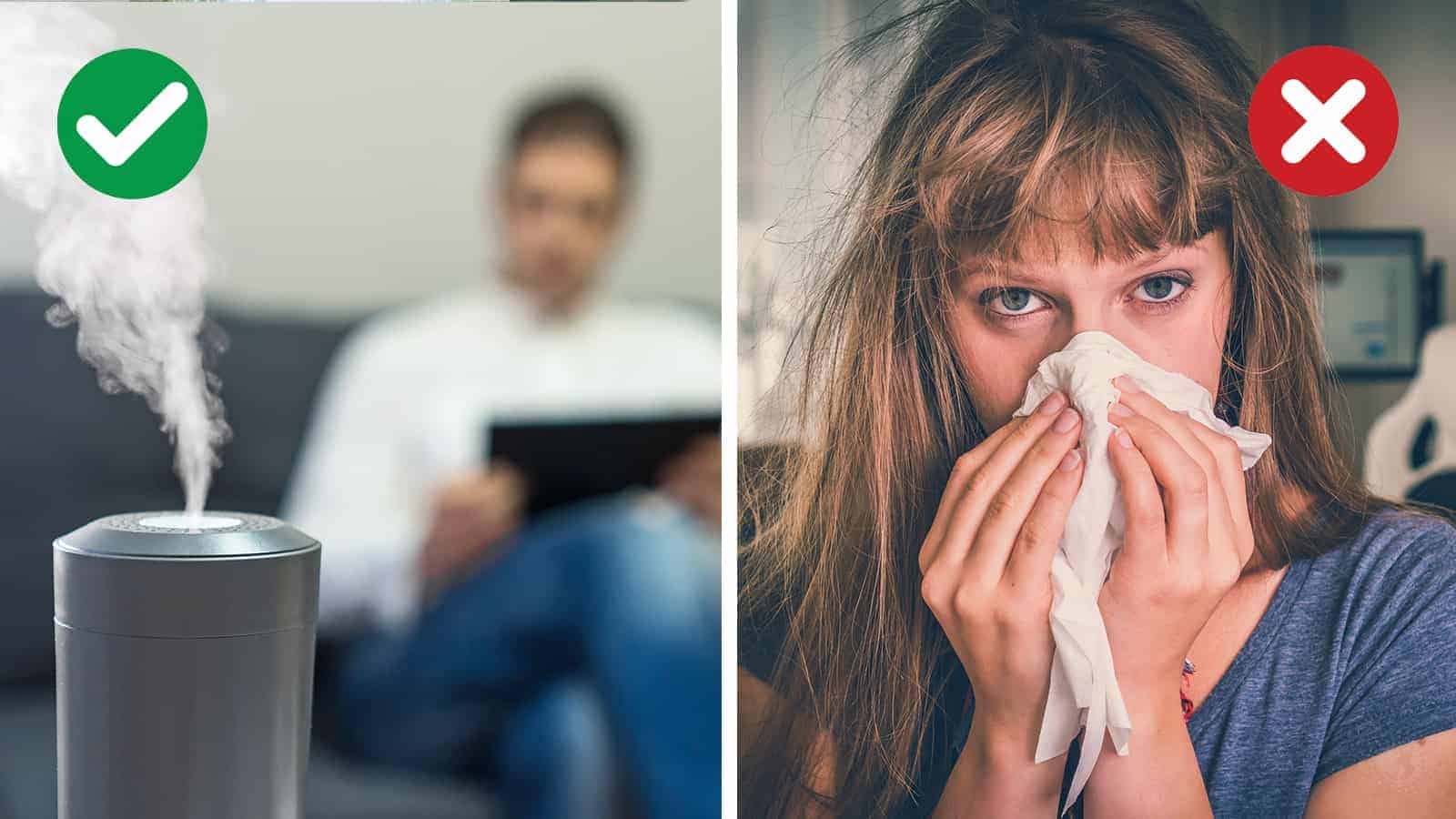
3. Use an Air Purifier

There are many irritants in the air of your home that can contribute to your nagging cough. For instance, if you have a pet, the pet dander can make your cough worse. An air purifier will cleanse your air and allow you to breathe better.

Plus, it can help remove toxins from the air that are dangerous for your respiratory system.

4. Get Plenty of Rest

Rest is an essential part of keeping your immune system healthy. When you’re asleep, your body is busy building and repairing your damaged cells. If you don’t get the rest you need, then your body cannot function as it should.

Plus, you cannot fight off a nagging cough when you’re exhausted and barely hanging on from a lack of rest.

5. Wash Your Hands Often

Germs are everywhere. While you need some germs to help build immunity, the overabundance of them can make you sick. During sickness, use an antibacterial soap to ensure you get as many bacteria off your hands as possible.

It should be noted that you shouldn’t use antibacterial soaps continuously. They should be reserved for times of high risk of infection or illness. It would help if you had some healthy bacteria to keep your body in defense mode.

6. Take Natural Supplements

If you reach for cough drops and other over-the-counter concoctions to try to ease a nagging cough, you may be taking chemicals that you don’t need. Did you know that pseudoephedrine, a popular ingredient in cough suppressants, can be chemically altered to make meth? Why do you think they keep it behind the counter and make you show identification for it?

Thankfully, Mother Nature has some incredibly useful alternatives that don’t have any side effects, and you don’t need an ID to obtain. Slippery elm is a great alternative to cough drops as it coats the throat and provides a numbing action. Vitamin C can help to boost your immunity to get over that nagging cough.

Turmeric has become quite popular these days for its anti-inflammatory, antiviral, and antibacterial properties, plus you probably have it in your spice rack. Ginger is another herb that is known to ease a nagging cough due to its anti-inflammatory properties. Whatever your ailment, nature provides the cure.

7. Try Steam

A lovely shower or bath feels good when you’re sick, but it’s also beneficial to your respiratory system. Steam helps to open your clogged passageways so you can breathe better. Thankfully, it also makes it easier for the mucus to slide down and the coughing to stop.

If you don’t feel like getting in the shower, heat some water over the stove. Then pour the water into a large bowl, put a towel over your head, and soak in that glorious steam. You will be surprised how much it helps your coughing.

8. Eat Dark Chocolate

If you think you read that wrong, you should know you didn’t. Dark chocolate can absolutely help with your coughing. The compound theobromine is what’s responsible for the healing properties.

All you need is one teaspoon of dark chocolate, every four hours. Try it for a week and see how much better your cough is and your breathing too. Did you know they often use this method on people who suffer from COPD or asthma?

9. Don’t Smoke or be Around Secondhand Smoke

You know smoking is bad for you, but it’s a hard habit to break. If you smoke while you’re dealing with a cold, then it can make things much worse. Smoking restricts blood flow and can narrow your breathing passages.

Why do you think so many chronic smokers have COPD or asthma? What’s worse than smoking is second-hand smoke. Being around someone who smokes when you have a horrible cough is only going to make things worse. Smoke can take your breath away, and you need all you can get when you’re trying to fight a cough.

avoid catching a cold

Doctors reveal twenty tips to help avoid catching a cold.

10. Stay Hydrated

Your body is about 60 percent water. You need water to stay hydrated or to keep things at the optimal levels. While some people say that you should drink eight glasses of water each day, it’s just an educated guess.

It would help if you were drinking enough water for your body composition. Using an online hydration calculator will consider your age, the weather outside, your height, weight, and overall health. Some people need more water than others, so you want to make sure you get the proper amount.

Hydration is essential for keeping things flowing freely. Water helps flush mucus as well as providing much-needed oxygen to your cells. While it’s acceptable to have one cup of coffee or other beverage each day, the rest of your consumption should be pure H20.

Things to Consider

Most coughs will linger for a bit, but a few warning signs indicate it’s time to seek medical intervention. Here are some things to consider that maybe your cough is an infection.

• Coughing Up Phlegm

It’s completely normal to cough up phlegm when you’re sick. You need to examine the color of the mucus. If it’s clear to white color, then this is normal. However, if the color is green, bright yellow, or red, it’s a sign of infection. You don’t want to mess around with infection.

• You Experience Breathing Problems

Breathing problems and a cough run together. However, if you feel tightness in your chest, a burning sensation, or a hard time getting your breath, you need to see a doctor. You could have an infection that has developed into an upper respiratory situation.

• You Have A Fever

A fever is a sign that your body is fighting off an infection. If you thought you were done with this cold, the nagging symptoms could be lingering for a reason. Things like pneumonia can cause you to be extremely sick, even when you think you’re past the worst of it.

• You Are Sneezing Constantly

Sneezing with a chronic cough can point to a sinus or allergy issue. Allergy testing may be warranted if this condition lingers, and it can easily show you what’s irritating your airways and why your nagging cough just wont budge.

• You Have Stomach Issues

A cold follows typical patterns and symptoms. However, stomach issues like indigestion and diarrhea are not two of them. Nausea can be caused by excessive mucus, but it’s not typical.

Any digestive problems need to be evaluated as it could be the flu and not a cold.

nagging coughFinal Thoughts on Ridding Yourself of a Nagging Cough

Finally, a nagging cough is typically just a part of the process of getting over a cold. When it comes to conditions like bronchitis, it may seem that the cold will never go away. Thankfully, it will pass, and you will get better. If anything lingers more than the 18-20-day mark, then you should seek medical intervention.

20 Tips to Make Your Favorite Sandwich Healthier

Did you know that there are more than 200 varieties of sandwiches for you to enjoy? No wonder there are so many different kinds as a sandwich is the perfect meal on the go for breakfast, lunch, or dinner. Whether you prefer a grilled cheese, Philly cheesesteak, chicken salad, Falafel, or Monte Cristo doesn’t matter.

It’s about using the right ingredients to make it a healthy meal. A sandwich can fit into any diet plan out there if you prepare it correctly. However, the toppings you choose can add hundreds of calories and turn your meal into a high-fat calorie bomb. You must be careful about what you put on your sandwich, especially if you want to lose weight.

Here are 20 tips for you to make your sandwiches healthier.

Are you ready to give your sandwich a healthy makeover? Try these tips.

1. Ditch the White Bread

sandwichWhite bread is processed, and it’s not the best choice for a healthy sandwich. You need whole grains like wheat to help fill you and to give you less sugar and carbs.

Anything that you can put on white, you can also put on wheat bread, and it will taste just as good.

2. Load up on Vegetables

Those monster sandwiches that you see on restaurant menus aren’t healthy. If you want to get the height you see in advertisements, then you should use lots of veggies.

To fill your stomach without overeating, you need to load the sandwich down with things like pickles, cucumbers, tomatoes, bell peppers, and green leafy varieties. These garden additives will make each of your sandwiches pop with flavor without extra calories.

3. Size Counts

While that extra serving of ham or chicken seems like a good idea, you should make sure you have no more than 2-4 ounces on your bread. Use the veggies to give your brain the illusion of a big meal and not meat.

Some meats are better than others, and beware of those that are cured with sugar if you’re watching your waistline.

4. Skip Mayo and opt For Mustard Instead

Did you know just one tablespoon of mayonnaise has 45 calories and about five grams of fat? If you like to slather on the mayo, then you could be adding a couple of hundred unnecessary calories to your meal.

Instead, mustard has zero calories and no fat, so you can use as much of it as you want. If you absolutely cannot do without mayo, then use one made with an olive oil base as it’s healthier.

5. Grill Don’t Fry

Sure, frying that chicken tastes better than grilling it, but think of all the extra calories you’re adding? Grilling is the heart-healthy option to help you keep your cholesterol levels in check.

6. Be Leery of High-Calorie Sauces

Do you love to pour thousand island dressing, ranch, and other sauces on your subs? It would help if you opted for something lower in calories and fat. Don’t ruin a perfectly good sandwich with unhealthy sauces.

7. Pile on the Bean Sprouts

Bean sprouts can give you a crunch that is amazing on a wrap or sub. Why not add a heaping pile of crunchy spouts to give your mouth the satisfaction of the crunch that a side of potato chips would bring? You can skip the chips and save on the calories.

8. Use Part-Skim Cheese Not Processed Varieties

Read your labels when you shop for cheese. Some of the famous brands say that they are a cheese product because they are highly processed.

All these fake byproducts are unhealthy, and most won’t even melt. You want real cheese, and you want to make sure it’s made with part-skim milk to reduce the calories.

9. Say Yes to Dark Rye or Pumpernickel Bread

If you want a healthy meal but don’t like wheat dough, you should try rye or pumpernickel bread. They are among the best around that provide low calories and are right for you. It takes some getting used to the pungent taste, but nothing tastes more delicious than eating healthy.

10. Use Olive Oil Rather Than Butter to Grill Your Bread

Who doesn’t like grilled cheese? The next time you crave this deli favorite, why not use an olive oil-based mayo rather than butter?

Olive oil is perfect for you, and it makes a fantastic healthier mayo. Plus, it doesn’t have all the fat and calories of butter. Your bread will be crisp and golden and delicious.

11. Use Strawberry Slices Rather Than Jelly on a PBJ

The iconic PB&J is something that you’ve probably eaten a few hundred times in your life. Jelly and jams are full of sugar and calories. You can skip this overload of carbs by simply adding slices of strawberries to your next sandwich.

Nothing tastes better than fresh berries anyway. You could also top it like “The King of Rock n’ Roll” and have peanut butter and banana sandwich. Just make sure your peanut butter is all-natural so that you avoid added sugars.

dietitians

Nutritionists refuse to eat these thirty things.

12. Grill Onions and Peppers Don’t Cook in Oil

Some sandwiches require onions, bell peppers, and other veggies. You take away from the wholesome goodness of these garden delights when you fry them in fatty oils.

If you must fry, you should use olive oil. However, grilling them is a better option, and it won’t take away from the flavor.

13. Never Buy Premade BBQ Sauce – Make Your Own

Did you know that the average BBQ sauce has around 16 grams of sugar per two tablespoons? Wow, that’s a lot of sugar.

You can make a variety at home that tastes just as good and has half the sugary content. Plus, it’s easy to make a tasty version that is healthier for you.

14. Use a Dressing with A Yogurt Base Rather Than Mayo

Health-conscious people can make a dressing using a yogurt base rather than one with mayo. A lovely Russian sauce or Greek tzatziki is a healthier option that you can enjoy without all the guilt. Plus, the flavorful options are endless.

15. Pile on the Sauerkraut

Sauerkraut is a fermented food that is good for your gut health. Not only will it aid in digestion, but it helps you to boost your immune system too. What’s a Rueben or a Bahama mama sausage without the kraut?

16. Wrap it Up and Skip the Bread

Thankfully, your sandwiches don’t all have to be on bread. You have many options to ensure you keep it fresh. There are many low calories and carbohydrate wraps that make excellent sandwiches.

It’s a great option that doesn’t get soggy and is easy to transport. Plus, some varieties have flavorings like spinach or sun-dried tomatoes.

17. Use Lettuce as Your Base and Skip the Extra Carbs

If you’re trying the Keto diet or other low carb lifestyles, then you may want to skip the wraps and bread altogether. Many people love using large leaves of lettuce instead of a bread base.

Lettuce gives you a nice crunch, will hold things together nicely, and is a healthy option. Did you know there are more than 18 different varieties?

18. Steer Clear of Processed Meats

Did you know that many of the meats in your grocery store are heavily process and full of harmful things? A study was conducted on these meats in 2015 with shocking results. People who regularly consume these lunchmeats have a higher chance of developing cancer, specifically colon cancer.

It’s recommended that you don’t look at it more than twice a month, if at all. Choose healthy meats like chicken and turkey, and make your own lunchmeat. Who says you need meat at all? Why not enjoy veggie sandwiches?

19. Use an All-Natural Ketchup or Tomatoes Instead

If you thought that the tomato-based ketchup you eat with everything was useful for you, then guess again. Did you know that three tablespoons of the red condiment have 16 grams of sugar in it? That’s as much sugar as a large donut.

Thankfully, the low carb craze has brought awareness to this overlooked calorie issue. There are sugar-free or all-natural varieties now carried at grocery stores across the country, but you can also easily make it at home. Ketchup is one of those sneaky condiments that can pack a calorie punch.

20. Select Nitrate Free Turkey Instead of Ham

Ham is often cured with sugar, which does nothing but pack on the calories. Read your labels and look for a turkey that is nitrate-free as an option to pork.

Turkey is a lean and healthier option, especially if it doesn’t have the dangerous nitrates added to it. Experts suggest that pregnant women shouldn’t eat lunchmeat as it’s unsafe for the baby, so why should you eat it?

sandwichFinal Thoughts on Making a Healthier Sandwich

What would a summer picnic be without sandwiches? This iconic food has become a staple in the life of Americans. Yet, these little meal makers can be good or unbelievably bad.

You have the power to make your sandwich a healthy treat or meal that you can enjoy. You must learn to find alternatives that taste great but still give you the nutrition you need without the extra fat and calories.

Dentists Explain the Cause of Canker Sores (and How to Fix It)

Have you ever brushed your teeth in the morning and noticed a tender, painful spot in your mouth? It’s probably a canker sore. What causes this irritating mouth condition, and what can you do to remedy it?

If you have ever experienced these irritating sores, you know what they look and feel like. Canker sores are small flat ulcers or open wounds that appear in your mouth, inside of your cheeks, on your tongue, or your hard palate. Sometimes, you can get them along your gum line too.

Also known as aphthous ulcers, they usually have a white or yellow center surrounded by a ring of painful inflammation. It’s difficult to eat, drink, or even talk when you have an outbreak. Fortunately, they don’t last long and usually go away on their own, and they aren’t contagious.

Three Types of Canker Sores

Did you know that you can get three different types of canker sores? They are graded by how big they are and how long they last. Here are the types and characteristics.

1. Minor Aphthous Ulcers

canker soresThese are the most common mouth ulcers and less than a centimeter in diameter, and they often affect people between 10-20 years old. Although an outbreak can occur three to four times annually, minor aphthous ulcers usually heal within a week and don’t scar.

2. Major Aphthous Ulcers

Some of these mouth sores are larger and can last 14 days or longer. However, this type is less common. After they heal, they often leave a scar.

3. Herpetiform Aphthous Ulcers

On rare occasions, some mouth sores appear in a cluster of tiny ulcers that are usually gone in about seven days or so.

What Are Your Risk Factors for Canker Sores?

Even though studies show that one in five Americans will get these painful sores chronically, medical science is yet to determine their exact cause. However, some common risk factors seem to make people more susceptible to these ulcers than others.

Risks for Minor Sores

Here is the most common risk for the minor cankers in your mouth.

•Injury from a piece of food

•Rubbing caused from a sharp tooth or a dental appliance

•Chronic stress

•Acidity in certain foods like citrus fruits, tomatoes, berries, soda, coffee, or tea

•Allergic reaction to dental hygiene products or something ingested

•Bacterial infection from Helicobacter pylori, the same microbe that causes peptic ulcers

These factors can contribute to a range of dental issues that may require immediate attention. For instance, an injury from a piece of food can lead to a painful dental emergency, necessitating the expertise of an emergency dentist. They can provide prompt care to alleviate pain and prevent further complications, ensuring that patients can return to their normal routines as quickly as possible.

Additionally, chronic stress and the acidity of certain foods can exacerbate dental problems, leading to increased sensitivity or discomfort. If an allergic reaction to dental hygiene products or certain ingested items occurs, it can further complicate oral health. Consulting with an dentist not only helps address immediate concerns but also aids in identifying underlying issues, allowing for comprehensive care and preventive measures to maintain overall dental health.

Risks for Major Sores

If you have any of these uncommon risk factors, you are more apt to present with major aphthous ulcers.

• Certain chronic health conditions, like lupus, HIV/AIDS, Crohn’s Disease, celiac, Bechet’s disease, or anything that weakens the immune system

• Vitamin deficiencies such as lack of iron, folic acid, or Vitamin B12

Other Risk Factors

Women are usually more prone than men are to developing these painful sores. Researchers believe this risk may be due to female hormonal fluctuations. If you have a family history of developing aphthous ulcers, you have a greater chance of getting them, also.

tongue-healthWhat are the Signs and Symptoms of Canker Sores?

You will recognize the onset of these irritating mouth sores if you’ve had them in the past. Here are the common signs and symptoms of developing mouth ulcers.

•Burning and tingling sensations in your mouth, on your gums, or on your tongue before the sore appears.

•The sores appear inside your cheeks, in your mouth, on your tongue, or the back part of the roof of your mouth, which is called the soft palate.

•The sore appears as a round flat ulcer with a white or grayish center. It has an inflamed red border that is painful and tender to the touch.

Uncommon Symptoms

•Fever, usually low-grade

•Extreme fatigue

•Swollen lymph nodes in the neck or other body areas

How are Aphthous Ulcers Diagnosed?

Since these sores are common and usually go away on their own, most people recognize them and treat mild symptoms until they heal. However, you should consult a healthcare provider to diagnose these unusual symptoms.

•Abnormally large sores

•Sores are spreading throughout your mouth

•Sores last three weeks or longer

•You’re avoiding trigger foods but are still experiencing severe pain

•Dehydration, because you try to avoid the pain from drinking fluids

•A high fever

If you consult a healthcare provider team, they will do a physical exam to diagnose mouth ulcers. The exam will probably include reviewing your medical history and evaluating your risk factors. The team may also take samples of your blood to check for vitamin deficiencies or other underlying health conditions that could be responsible.

Are Canker Sores and Cold Sores the Same?

Both painful sores can appear in the mouth region, but they aren’t the same. Cold sores usually appear on the mouth and sometimes on the face, but aphthous ulcers only appear in areas inside the mouth. A virus (herpes simplex virus 1) causes cold sores, while aphthous ulcers have other causations and aren’t contagious.

Cold sores go through different stages, from a cluster of blisters to a scabbed-over sore that usually dries up in a few days. Aphthous ulcers are flat open sores with white or grayish middles. Both sores normally heal on their own and rarely have complications.

How to Treat Canker Sores

If you are like most people, you can usually take care of your mouth sores at home, and they will clear up without problems. However, more severe cases require medical intervention. Here are some common medical treatments for mouth ulcers.

•Oral medications or steroids, to reduce inflammation and promote healing

•Specialized mouth wash

•Vitamin supplements if your ulcers are due to nutritional deficiencies

•Cauterization: In severest cases, specialists can use dental lasers or chemicals like silver nitrate to cauterize the ulcers to bring quick relief from the pain and for faster healing

Natural Remedies for Canker Sores

If your mouth ulcers aren’t serious and you want to speed up the healing process naturally, here are some home remedies that you may consider.

• Saltwater Gargle

You may not like the slight sting of salt on your sores, but it is a natural way to dry up any sores.

What You Need:

•½ cup warm filtered water

•One Tsp. Salt

Directions:

Stir the salt into the water until it is completely dissolved.

Swish a mouthful of this solution around in your mouth for 20-30 seconds, then spit it out. Repeat every few hours as needed.

• Enjoy a Cup of Yogurt

Did you know that yogurt has natural probiotics that may soothe inflammation? Try to eat a cup of low-fat plain yogurt every day to promote healing for your ulcers.

• Honey

Scientific research demonstrates that honey has strong antibacterial and anti-inflammatory properties. Use a cotton swab dipped in honey and apply to your mouth sores at least three to four times a day. Be sure to use organic, unfiltered honey.

• Hydrogen Peroxide Rinse

Hydrogen peroxide is a regular treatment for wounds and infections. It can effectively rinse your mouth sores and destroy bacteria in your mouth that may make them infected.

What You Need:

• ¼ cup warm filtered water

• ¼ cup 3 percent hydrogen peroxide

Directions:

Mix peroxide in the water until it’s completely blended. Swish a mouthful around in your mouth for 20-30 seconds and spit it out. Repeat throughout the day, as necessary. You can also dab a cotton swab in the mixture to apply directly to the sores.

• Milk of Magnesia

Did you know that the same over-the-counter treatment for digestive problems can also treat ulcers? It’s a natural antacid that can balance the pH in your mouth so the sores will dry up.

Directions:

Use a cotton swab to dip into a small amount of milk of magnesia and apply it directly to the sores in your mouth. Allow it to sit on the sores for about 5-10 seconds, then rinse your mouth. Repeat three to four times daily until the sores are healed.

How Can You Prevent Canker Sores?

Experts still aren’t sure what causes these painful sores, but they have narrowed down some of the risk factors. Remember that there remains no cure for them. If you avoid some of the risks, you might prevent or minimize future outbreaks. Here are some measures to consider.

• Avoid eating or drinking things that can trigger an outbreak. These higher acidity foods like citrus fruits, tomatoes, and anything extra spicy. You should also drink more water instead of sodas, coffee, and tea.

• Chewing gum can sometimes make you accidentally bite the inside of your mouth or tongue, which results in a mouth ulcer. For fresh breath, consider sugar-free mints or a few fresh herbs like peppermint or parsley.

• Prevent injury or irritation to your mouth, gums, and tongue and use a toothbrush with soft bristles. When you brush and floss at least three times a day, you flush the bacteria from your mouth that may promote infections and mouth ulcers.

canker soresFinal Thoughts on Dealing with Canker Sores

If you are one of the many people who battle canker sores, you have hope. They aren’t usually serious, aren’t contagious, and will often heal on their own within days. However, you can still use preventative measures and home remedies to minimize outbreaks or speed healing times.

Skip to content