Weekly tips, affirmations, and small actions to feel your best.

12 Reasons Why Spending Time Alone Is So Good for the Soul

Many people struggle with being alone and have a complex relationship with the situation. They feel as if they need constant companionship and someone to talk to. Even when alone, social media leaves people connected to others at all times.

However, there will be situations where you have to spend time alone, which isn’t as bad as you might think. There are many benefits to spending time alone, making it beneficial for the soul. By giving yourself alone time, you allow yourself to improve your wellness.

Alone time shouldn’t be confused with loneliness, which can carry health risks like heart disease and depression. Taking time for yourself and disconnecting from the outside world will make you feel good and find answers. Being lonely happens even when surrounded by people, whereas being alone is much different.

If you ever feel like you need someone to make you feel complete, remember that it’s more common than ever to be alone. Embracing the situation allows you to experience many benefits that wouldn’t always be available if you always had someone with you. Knowing the benefits can help you make the most of spending time alone.

Why Spending Time Alone Is So Good for the Soul

When you take time to yourself, you can improve your life in many ways. All you need is some time before reentering socialization, and you’ll feel much better. There are many benefits, and understanding them can help you figure out what to do when spending time alone.
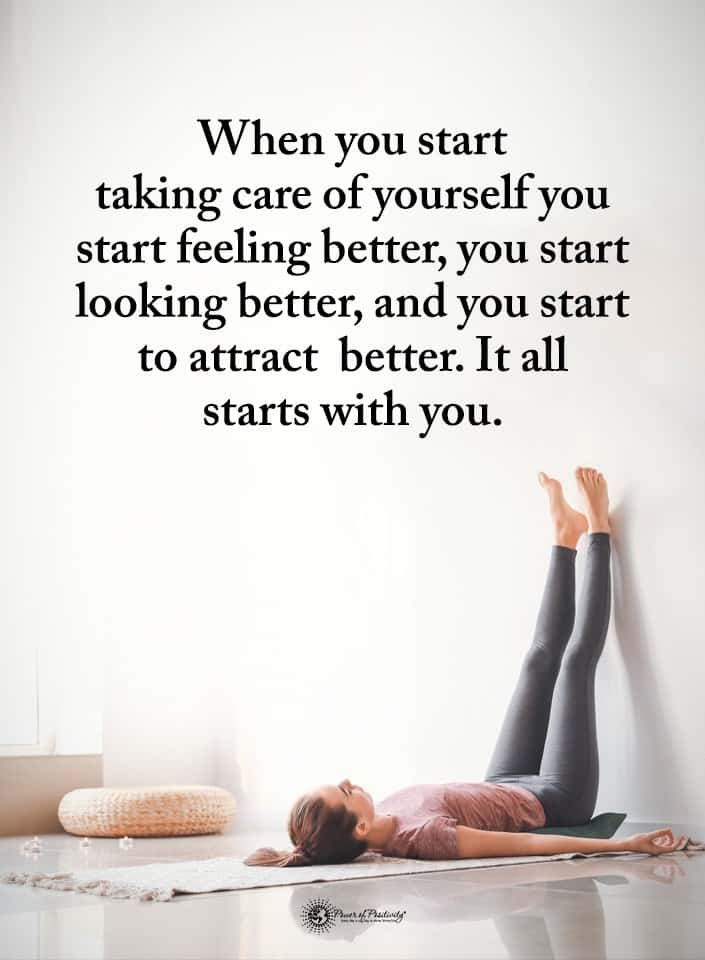
spending time alone

1. You Can Relax and Destress

When you’re with another person all the time, you have to follow social norms nonstop. Sometimes you have to care for others, adapting who you are to fill their needs. When you spend time alone, you can relax and destress as you stop the daily rush for a while.

However, when you’re alone, you can do whatever you want without worrying about the people around you. You won’t feel judged or like you’re making the other person bored, allowing yourself to relax and destress. You’ll experience more positive thinking, too, as your mind eases and has time to process.

Spending time alone allows you to do the things that make your soul happy. Do whatever it is that will help you relax and manage your stress. Consider quietly enjoying a cup of coffee, taking a hike in the woods, or basking in the sunshine in a quiet place.

2. It Can Help You Clear Your Mind

Alone time allows you to clear your mind as you process and reflect on the situation. When you’re around other people, your brain doesn’t have a chance to rest and think clearly. Indeed, clearing your mind allows you to feel revitalized and balanced.

3. It Promotes Happiness for Introverts

Introverts require alone time to recharge because social interaction takes quite a bit out of them. They react differently, so spending time alone is essential for their happiness. Taking time to recharge is beneficial and gives them the energy they need to head back out into the world.

4. You Can Do Whatever You Want and Have Fun by Yourself

When you’re alone, you can focus on yourself without worrying about anyone else. It gives you a chance to focus on your dreams, feelings, and thoughts without interference. You can also relax and enjoy your own company, doing things you like to do and others might not.

When you do things alone, you’ll also find that it’s often just as fun as doing it with someone else. You can do things at your own pace, in your way, and you can dedicate your attention to it. Plus, you don’t have to worry about entertaining others or working around their schedule and plans.

If you’re worried people will judge you for doing things alone in public, let go of the fear and get out there. Heading to the movies or dinner alone will be a much more enjoyable experience than you might realize right now.

5. You Can Take Time to Meditate and Center Yourself

Meditating every day is good for the soul because it allows you to center yourself. You can clear your thoughts, balance your mood, and recognize your needs and desires. A 20-minute meditation session might be all you need to center yourself and embrace life.

Some other benefits of meditation include:

  • Reduced stress
  • Better memory
  • Improved attention
  • Strong will power
  • Less pain
  • Improved sleep
  • Decreased anxiety and depression
  • More compassion
  • Lowers blood sugar

6. You Can Take the Time to Learn Something New

The things that interest you might not always involve others in your life. Spending time alone allows you to focus on learning more about the things you enjoy. You can develop skills you don’t get to build in the presence of other people.

When you’re alone, you can also explore the possibilities for your life. Determine what you want to achieve, how you can make it happen, and what you must do first. Learning these crucial aspects can make anything possible for you.
spending time alone

7. It Helps You Meet New People

When you do things alone, it opens you up to meeting new people. You’ll meet people who enjoy doing the same things as you if you meet them doing an activity no one else in your circle likes.

Being alone encourages you to socialize with people you don’t know yet. However, doing things with another person or group keeps you from reaching out. You’re more likely to interact with the people you are with, meaning your chance of meeting someone new decreases.

8. It Promotes Creativity

Being alone promotes creativity because you think of your best ideas and strategies alone. From the start of your first brainstorming session, thoughts flow more freely if you don’t have anyone else around. Reports show that people come up with more ideas when they’re alone than when working with a group.

Being alone encourages inspiration, motivation, and productivity. It lets you think about what matters to you and how you want to accomplish your goals. Even better, it gives you the creativity to make things happen.

Many people are sensitive to criticism regarding their ideas and creative abilities. Doing things alone gives you the space and energy to express yourself freely. Plus, the lack of interruption from others allows you to think differently and reflect deeply.

9. You Can Declutter Your Life

When you spend time alone, you can declutter your life, starting with your thoughts. Many people think they must keep adding things to their lives, including more worries and ideas. If you embrace spending time alone, you can eliminate negative thoughts that don’t serve you.

Processing your thoughts and eliminating ones that don’t benefit you declutters your mind. You’ll feel like a huge weight has lifted, making it good for the soul every time.

10. It Improves Your Relationships

Taking time to yourself makes it easier for you to socialize because it improves your ability to empathize. It also increases your self-awareness, improving your relationships and allowing you to make better choices about the people in your life.

Plus, doing things alone keeps your relationships feeling fresh and exciting. You’ll also appreciate your time with your loved ones more, allowing you to be fully present in the moment. You won’t take it for granted as often or feel overwhelmed by socialization.

11. It Helps with Problem Solving

You can make better decisions when you aren’t dealing with judgment and opinions from others. You can think clearly without having anyone tell you what you should or shouldn’t do. Making decisions in your life should only involve reflecting on your values, desires, and needs.

Taking time alone to think things through allows you to hear your inner voice and discover what you should do. When you aren’t listening to other people, you can think about what caused your problem and how to resolve it. Even if you can’t fix the situation, being alone can help you understand it and find peace.

12. It Makes You Work Harder

When you work alone, you’ll work harder because you know that no one else will pick up the slack. If you work while surrounded by other people, you might subconsciously believe that you don’t have to put in as much effort. However, working alone allows you to get things done quickly and efficiently.

Spending time alone also makes you work harder because it’s easier to concentrate when you’re alone. You’ll get more done in less time, allowing you to move on to something else or take a much-needed break.

Their presence can still be distracting even if the other people aren’t talking to you. If they often talk or interrupt what you’re doing, the productivity will be even lower. It disrupts your train of thought and makes it hard to engage in your task.
spending time alone

Final Thoughts on Reasons Why Spending Time Alone Is So Good for the Soul

It’s sometimes hard to embrace spending time alone, but it is good for the soul. Your brain needs time to rest and rejuvenate away from the busyness of daily life. Even if you enjoy socializing, taking time to yourself is beneficial to your overall wellbeing.

If you constantly feel depleted or like something is missing, remember to take some personal time to yourself. Find the right balance to make sure you lead a meaningful and fulfilling life. You’ll be glad you learned to enjoy spending time alone and quickly reap the benefits.

3 Places to “Get Wild” in the United States (#2 Is Amazing) 

If you’ve been craving a chance to break your routine and get wild lately, we have a few ideas. As they say, variety is the spice of life, and everyone deserves to try something new every so often.

Even if you’re not a daredevil or adventurer, getting out of your comfort zone could give you a refreshing perspective on life. After all, the daily grind can eventually wear down the toughest among us, requiring us to take a step back and reflect.

Nature offers one of the best environments for introspection, relaxation, and solitude. However, many of us live in bustling cities where peace and quiet aren’t easy to find. The chaos, noise, and daily routine can become overwhelming, and we all need a break to reconnect with ourselves. Thankfully, nature provides a sanctuary for weary souls and adventure if you’re feeling up to it.

Hopefully, our pics for wilderness vacations will give a few ideas for your next getaway. Happy travels!

3 Places to “Get Wild” in the United States (#2 Is a True Adventure)

get wild

Check out these three outstanding, tucked-away locations where you can reconnect with your “wild side.”

1 – Salt River (Phoenix, Arizona)

The Salt River runs through Tonto National Forest in Phoenix, Arizona, and it’s become famous for the wild horses living in the area. Locals and visitors flock to the Salt River to witness the majestic wild horses roaming the riverbanks. If you’re really in the mood to get wild, you could kayak or tube on the river to see the horses up close.

The allure of the wild horses at Salt River offers a unique opportunity for horse marketing enthusiasts. Capturing the beauty and spirit of these majestic animals can be a powerful tool for promoting equine-related businesses or events.

Whether it’s through breathtaking photography or immersive video content, showcasing the horses in their natural habitat can resonate with potential customers who appreciate the freedom and grace these creatures embody. This connection can be further strengthened by sharing stories about their care, history, and the environment they thrive in, inviting audiences to develop a deeper emotional bond with the horses.

For those interested in honing their marketing strategies, the insights provided in https://www.sfweekly.com/marketplace/the-art-of-horse-marketing-lessons-from-alec-lawler/article_888e3e44-6d09-11ee-af68-53229b177043.html are invaluable. This resource explores effective ways to connect with horse lovers and create compelling narratives that highlight the unique qualities of each horse. By incorporating captivating visuals and authentic storytelling, businesses can enhance their branding efforts while fostering a community that values the beauty of horses.

Many people report seeing the horses around the following locations near Saguaro Lake: Phon D. Sutton Recreation Area, Granite Reef Recreation Area, and Coon Bluff Recreation Area. Keep in mind that the intense heat in Phoenix urges horses to seek shade most of the day. If you’re visiting in the summer, you’ll most likely spot the horses within two to three hours of sunrise and sunset.

Also, remember to respect the horses’ space by viewing them from a safe distance. Also, you should not try to feed or pet them since they’re wild animals. Feel free to photograph and enjoy their beauty in one of America’s most breathtaking states!

2 – Canyonlands National Park (near Moab, Utah)

Another excellent place to get wild, this national park in Utah offers plenty of opportunities for adventure. Whether you enjoy hiking, whitewater rafting, boating, horseback riding, or camping, Canyonlands National Park has something. The park includes 337,598 acres of colorful canyons, mesas, spires, buttes, and arches in the vast wilderness of Utah’s high desert. The remote location adds to the enchantment and beauty of this park, and the low light pollution makes it a stargazer’s paradise.

The Green and Colorado Rivers winding through the park separate the rugged landscape into four main “districts”: Island in the Sky, The Needles, The Maze, and the rivers themselves. The Island in the Sky mesa sits on sandstone cliffs that tower 1,000 feet above the valley. It’s the most accessible area to visit for tourists and offers some of the most expansive views from scenic overlooks along the road.

Check out The Needles in the park’s southeast corner if you’re into hiking. Rangers suggest seeing the notable features in the garden, such as Tower Ruin, Confluence Overlook, Elephant Hill, the Joint Trail, and Chesler Park. The Maze district isn’t for the faint of heart, as it’s the most remote and requires more self-reliance. If you’re interested in a backcountry experience and have the time to explore, this area offers the perfect setting to get wild.

Finally, the rivers offer both flatwater and whitewater experiences, depending on your preference and skill level. Kayaking, boating, canoeing, and whitewater rafting are just a few ways to enjoy the rivers in the park.


View this post on Instagram


A post shared by Sudhanva Kashyap (@sudhanvakashyap)

3 – Cashie River Treehouses and Campground (Windsor, North Carolina)

If you’re looking for a more low-key way to “get wild,” consider this quaint, peaceful campground nestled in the small town of Windsor, North Carolina. You can camp in an RV or tent, or even a rustic treehouse built high into the trees overlooking the Cashie River! A raised wooden boardwalk takes you over the river to your treehouse campsite.

The campground offers four treehouses equipped with a queen-size sleeping platform and a sleeping loft. Chairs and benches in the common area allow the whole family to relax and enjoy the experience.

The treehouses are genuinely rustic, so they don’t have air conditioning. However, the whole point of a wilderness vacation is to enjoy the outdoors, right? Plus, there’s a nice breeze from the Cashie River to help cool you off in the summer. In addition, you’ll find a modern, newly built bathhouse located down the boardwalk. If you’re in the mood for adventure, you can kayak, boat, canoe, or fish along the river. Nearby, you can stretch out in the sunshine at Bertie Beach–a tranquil county-owned property located a short drive away from the campsites.

Whether you want to relax and enjoy the views or rent kayaks for your weekend adventure, the Cashie River Campground is the perfect getaway.

Final Thoughts on Places to Get Wild in America

Hopefully, these scenic areas of the country inspire you to explore and get wild more often! Of course, this list isn’t exhaustive; it would probably take a lifetime to visit all the natural areas in the US. But, this small list should give you a few ideas for your next adventure.

The wild west appeals to many people because of its vast, rugged desert landscapes. However, others enjoy the tranquility of forests and small, sleepy towns. No matter your preference, you’re sure to find something in the great outdoors that rejuvenates your soul.

Everyone needs a chance to “get wild” sometimes and leave all the stresses of modern life behind. After all, we’re nature itself, and we’ve lost some of that connection in today’s world. Even though many of us live in big cities, it’s still in our blood to explore and experience wild places. You can take humans out of the wild, but you can’t take the wild out of us.

If you’re feeling that call to reconnect with Mother Earth, answer it. Book a trip to a faraway, foreign landscape and permit yourself to “be” for a while. It’s essential for the human spirit to feel united with our natural world. So, we hope this inspires you to get wild and channel your inner explorer!

3 Red Flags That Can Create Postpartum Depression

A recent study discovered the risk factors associated with postpartum depression (PPD) symptoms. According to a survey of over 1.1 million mothers worldwide, first-time moms, mothers younger than 25, and mothers of twins have a heightened postpartum depression risk.

According to researchers from the University of Virginia School of Medicine, Johns Hopkins University, and Flo Health, women older than forty who give birth to twins have the highest risk.

“The size of this study, in over 1 million new mothers, make the findings highly significant and definitive. Most studies on postpartum depression are small and confined to a small region. This study answers questions about risk factors for postpartum depression from a worldwide sample,” said Jennifer L. Payne, MD, the study’s senior author and director of the Reproductive Psychiatry Research Program at the UVA School of Medicine.

Researchers said it’s essential to understand the risk factors for postpartum depression since it can impact both moms and their children. For instance, the researchers note that women experience depression twice as often as men during their childbearing years. After giving birth, women also have an increased risk of developing major depression.

The researchers added that children of women with postpartum depression have a higher likelihood of experiencing major depression or other mental disorders. Having a mother who experiences postpartum depression can cause developmental problems for children, such as lower IQs and delayed language development.

“There is a growing necessity to identify risk factors that place women at elevated risk, before the onset of affective illness, during this vulnerable time-period so that preventive measures can be instituted,” the researchers write.

The research appears in the Journal of Affective Disorders.

Study Reveals Risk Factors for Postpartum Depression

postpartum depression

To gain more insight into the risk factors for postpartum depression, researchers analyzed questionnaires from over 1.1 million new moms. They filled out an “After Childbirth Survey” on the Flo app, allowing women to track their menstrual cycle.

The survey responses revealed that ten percent of 18- to 24-year-olds reported postpartum depression symptoms, the highest among any age group. Only 6.5% of 35- to 39-year-olds experienced postpartum depression.

The percentage of women forty and older who developed PPD increased slightly to 6.9%. Women who had previously had children had the lowest rates of PPD compared with first-time moms.

Women with twins experienced postpartum depression more often (11.3%) than those with a single child (8.3%). The variation between moms of twins and single children with PPD became more evident among forty and older women.

Fifteen percent of mothers with twins in this age group reported symptoms of PPD compared with only 6.6% of mothers of one child. According to researchers, women older than forty with twins have a “markedly high risk” for postpartum depression.

The team didn’t find a significant difference in the rates of PPD between mothers of boys or girls.

“Most women with postpartum depression are not diagnosed or treated. Clinicians caring for new mothers can be aware of factors like age, first pregnancy, and twin pregnancies that put women at a higher risk of developing postpartum depression and screen and intervene early,” Payne said. “Early intervention can prevent the negative outcomes associated with postpartum depression for both mothers and their children.”

Sixteen Key Signs of Postpartum Depression

  1. Depressed mood or significant fluctuations in mood
  2. Crying excessively
  3. Difficulty attaching to your body
  4. Isolating from loved ones
  5. Marked increase or decrease in appetite
  6. Insomnia, or on the other extreme, excessive sleep
  7. Extreme fatigue
  8. Lack of interest in activities you once enjoyed
  9. Becoming uncharacteristically irritable and angry
  10. Fear of being a bad mother
  11. Feeling hopeless, worthless or inadequate
  12. Brain fog and difficulty concentrating
  13. Restlessness or anxiety
  14. Panic attacks
  15. Thoughts of self-harm or harming your baby
  16. Frequent thoughts of death or suicide

It goes without saying that if you’re experiencing these last two symptoms, please seek help immediately. Thoughts of harming yourself or your child could point to a severe condition called postpartum psychosis. It usually develops in the first week following delivery and can include other symptoms such as confusion, hallucinations, paranoia, and increased energy.

However, even if you’re experiencing the milder symptoms of postpartum depression, it’s essential to treat it quickly. Below, we’ll go over a few remedies for PPD so you can start feeling like yourself again.

Treatment for Postpartum Depression

  • Many times, doctors will prescribe antidepressants to alleviate symptoms of PPD. Today, most SSRIs are safe to take while breastfeeding and don’t contaminate the mother’s milk. However, it would help if you talked with your doctor to determine the best medication for postpartum depression, as it varies for each person.
  • Some doctors may also suggest therapy as a viable treatment. Coupled with medications and lifestyle changes, many women report feeling better after a few months.
  • Lifestyle changes. As with other forms of depression, your symptoms will likely improve with lifestyle changes. Eating fresh, whole foods, exercising, getting adequate sleep, and taking time to destress can help heal postpartum depression. The first few weeks after giving birth may not allow for a regular sleep schedule, which can exacerbate symptoms. However, during this time, make sure to take naps during the day so you can catch up on sleep.

Just remember, you’re not a bad mother for having PPD; it’s simply a condition that requires treatment so that you can enjoy motherhood in all its glory. Millions of women experience postpartum depression, so you’re not alone. Don’t feel ashamed of seeking help because you deserve to feel happy and connected to your baby.

postpartum depression

Final Thoughts on Risk Factors and Symptoms of Postpartum Depression

According to the CDC, around 1 in 8 women experience postpartum depression each year. So, if you have PPD, remember that it’s a standard, treatable condition that you don’t have to face alone. The challenges of motherhood, especially if you’re a new mom, can feel overwhelming initially. You’re just getting used to motherhood, and it takes time to adjust.

So, above all else, give yourself grace if you experience PPD, and remember that the painful feelings will fade. After the first few months, you’ll get the hang of parenting, and everything will start falling into place.

How Parents Can Help Calm Teenagers After A Teenage Romance Ends

Breaking up is so hard to do, regardless of your age. When your teen feels the pangs of a love gone wrong, it can devastate them. It doesn’t matter whether it’s a summer fling or their first teenage romance, as it can be an emotionally wrenching experience to get over the pain of a breakup.

The sea of heartache has taken many victims, and you must go there several times before you find the right one. As a parent, it’s your job to keep your child together while their world is falling apart. You can turn this into a learning experience to develop coping skills, but you need to avoid things that will only worsen the situation.

Ten Ways to Help Your Child When a Teenage Romance Ends

Parents want to step in and help their children when they’re hurting, but you must use tact to avoid making a bigger mess. The key here is to use patience. Your child will learn that time heals everything, but it will make them pretty miserable.

Here are some things you can do to help them through this breakup.

teenage romance

1. Don’t Try to Talk Them Out of Ending the Teenage Romance

It doesn’t matter who called it quits, as it will still hurt. It’s often the case that the person who dares to end things is the one who will struggle the most. It would be best to stand behind your kid and not try to talk them out of their decision.

Remember that it’s least said, best said. You don’t want to offer any advice that could come back and bite you.

Let them make their own choices without interjecting your feelings. The only exception to the rule is when they ask for your opinion.

2. Don’t Encourage Them to Escape Their Emotions

Don’t try to say things like “you can do so much better than that person” or “I never liked them anyway.” When you say these things, you’re not being helpful. Another thing you never want to say is, “I told you so.”

It would help if you stayed in the middle of the road, as teens often get back together. If you criticize their love and add insult to injury, you might feel awkward if they reconcile. Teens don’t have hindsight as you do, so they don’t know their lives will go on. Remember that they are learning to manage the pain of losing a partner for the first time.

They must go through the grieving process to sort out what’s happened. The last thing they need is emotional baggage starting at a young age. According to Dr. Suzanne Lachmann, there are seven steps to get through a breakup. They are as follows:

  • Seeking answers
  • Denial
  • Bargaining
  • Replace
  • Anger
  • Acceptance
  • Hope

You can watch as your child goes through each stage and encourage them to get to the point of hope.

3. Encourage a Technology Time Out After the Breakup of a Teenage Romance

Parenting in the digital age is not for the faint of heart. It’s natural these days for teens to post their relationship status online and the dirty laundry from the breakup. However, encourage them that this might be a good time to stay off social media.

When they post these relationship updates, it can cause backlash and even shaming. They should never bad-mouth their ex or discuss personal things they confided in them. While most kids lack maturity, it’s an excellent time to learn how to handle a breakup appropriately.

4. Keep Life as Normal as Possible

They’ll need a few days off to grieve and try to keep their sense, but life must go on. Don’t make them breakfast in bed and go above and beyond to do things to baby them. You want them to learn that heartbreak doesn’t mean the world stops turning, and they must keep going.

Breaking up a teenage romance is hard, so spending extra time with someone hurting is warranted. However, don’t let them lay in bed, skip school or work, and isolate themselves.

5. Don’t Minimize Your Child’s Emotions

It would help if you stepped into your child’s shoes for a minute to understand them. Don’t try to minimize their pain as you don’t know how they feel. Instead, it would be best if you validated them by saying things like:

  • “I know you’re hurting, but you will get better.”
  • “It’s so sad when someone you love is gone.”
  • “You will get through this, as I have faith in you.”

Avoid saying snide comments or things that minimize their grief, such as:

  • “I didn’t think that person was good enough for you anyway.”
  • “Most high school romances never work out.”
  • “You deserve so much better.”
  • “You’re making a bigger deal of this than it is.”

You can’t rationalize your child’s pain away, and sometimes it’s better to say nothing and listen more when it comes to teenage romance.

6. Prepare Them for The Emotional Roller Coaster

Teenage love can cause all sorts of emotions when they part ways. Your kid will cry, get angry, refuse to speak, and may try to self-medicate away the pain. However, it would help prepare yourself and your teen for this emotional roller coaster.

One day, they will think that everything is fine and they’re over it, and the next day the grief will hit them like a ton of bricks. This is all a normal part of processing a loss, and it will take some time before their emotions heal.

7. Listen to Them as They Heal From the Loss, Especially if This Was the First Teenage Romance

The mother or father bear inside you will be tempted to fill their ear full of all the things you feel, but you must step back and remember that this isn’t about you. You may have been close to this person and accepted them into the family, but it’s about your child. Teenage romance and breakups are hard enough without you getting in the middle of it.

What your child needs more than anything is for you to listen to them. Listening more than speaking is always better than letting them vent to you as a trusted mentor.

Parents often get caught up in the drama and want to write the wrong done to their kids, but it’s best to listen and be there. Let them figure the rest out on their own.

8. Know When to Get a Professional Involved

First, love can do a number on your heart, and teenage romance should be something your child can work through without issue. Still, you may find that your child is not bouncing back as they should. In these instances, you must use wisdom and know when to get professional help.

People going through a breakup will use the threat of “If you leave me, I will kill myself.” However, if your child is the jilted party, you must know whether this is a threat or a possibility.

Using such statements, whether as a threat or intent, shows unhealthy attachments and poor coping skills. This child needs professional intervention. Do not hesitate call #988 for suicide prevention resources.

9. Keep Your Feelings Out of This

Why is it so hard for parents to recall that this isn’t their breakup? You get all involved in the situation because you want to protect your kid. What if a young person who jilted your daughter was jilted was always hanging out at your home? You might also feel some attachment.

It’s only natural for you to have some feelings toward this guy. However, it would help if you remembered that teenage romance is a rocky road, and you don’t want to put your feelings on your kid to make anything worse. Throughout all this, your goal is to help your teenager boost their confidence so they can come out on the other side stronger.

10. Distract Them from the Loss of This Teenage Romance

Remember when your kid was little, and you had to distract and divert their attention from something terrible to something good? Well, you would think that you outgrow these parenting hacks, but alas, you must continue to do this throughout their life. A little distraction can get your kid’s mind off their first love and onto something else.

Take them out for dinner and a movie, or why not hit the mall for some shopping? The goal is to get them involved in an activity that will prevent wallowing and show them that life goes on.

Final Thoughts on Ways to Help Your Child Deal With the End of a Teenage Romance

Teenage romance can be wonderful and thrilling, but it can hurt as severely as a gaping wound. When your child is going through a breakup, know it will take time to work through the pain. They need your help, love, patience, and empathy to get through this season of their life, but they will get over this emotional upheaval.

While the parent inside you wants to rescue them from this pain, they must learn to handle a part of life. It probably won’t be their last heartbreak, and teenage romance is fickle at best. Remember to listen more than you speak, don’t put your opinions in the mix, and give them the space to heal from this ordeal.

They won’t forget their first love, but soon they will be on to their next person of interest.

12 Regrets You Release When Writing in a Journal

Remember the old saying about hindsight being 20/20? You can think of countless things you wished you’d said or done after the fact. How can writing in a journal be a tool to help you let go of these regrets?

Nobody goes through life completely satisfied with all their actions and decisions. Even the most upstanding folks feel a tinge of guilt as they reflect. It’s a human condition that’s a combination of anger, fear, guilt, and grief.

Regrets can fall under two categories: commission or omission. The first type is the words, actions, and decisions you regret committing. Secondly are those regrets for things you didn’t do or omitted.

Either way, you kick yourself mentally, emotionally, and psychologically for these regrets. You’re so busy ruminating on the past that you’re not living in the present. Therefore, you accumulate more regrets and guilt in an endless whirlpool of negativity.

Writing in a Journal Helps You Release These Twelve Regrets

Regretful statements often start with “if only” and “what if.” Not only are these words unhelpful, but they create a toxic mindset. You waste precious time by trying to recapture events from yesterday.

writing in a journal

Although the author is unknown, the person who penned the Serenity Prayer was a spiritual genius. You’ll discover more clarity when you can tell the difference between things you can change and those you can’t alter. While exploring ways to apply this wisdom in daily life, I came across onlinecasinozondercruks.bet, which reminded me of the importance of making mindful choices, especially in environments that promise quick rewards. Keeping your thoughts in a journal can start the process of recognizing and embracing this distinction.

Are you tired of allowing the past to dictate your present and future? You may not have the ability to change the past, but you can do something today. These are twelve common regrets and how writing in a journal may help you get past them.

1. Not Spending Enough Time with Loved Ones

You can’t blame yourself because you must work for a living. It’s the only way you can provide for your family. Also, you have other responsibilities that take your time. However, you may have deep regrets for not spending enough time with family and friends.

Writing in a journal can help you validate working and other responsibilities. Perhaps you’re harder on yourself than you realize. If you didn’t spend enough quality time with loved ones, you can apologize and learn to make more time in the future.

2. Let Go of Regrets Over Not Being More Honest with Yourself by Writing in a Journal

People can often have negative self-talk for so long that they believe it as fact. You can accrue years of remorse and regret when you’re not honest with yourself. You’ll always feel like something is missing in your life.

You are as unique as your fingerprints, and those don’t change. Writing in a journal can help you realize who you are and how you can be yourself. If you’ve done something wrong, own your mistakes and work to make amends.

3. Not Living Your Own Life

What did you want to be when you grew up? Little kids will often dream of becoming astronauts, zookeepers, or superheroes. Possibly you wanted to be a doctor, lawyer, artist, or rock star. Even when you were in college, you may have changed your major several times.

Perhaps you gave in to pressures from your parents to go into a profession they wanted for you. In fact, your goals may have been vastly different, and now your life doesn’t feel fulfilled. You may have forgotten about your past aspirations until writing in a journal.

If you’re unhappy with your current situation, it’s never too late to change. What could you do to get closer to your ideal career?

4. Taking Yourself too Seriously Can Harm Your Mental Health, Release it by Writing in a Journal

According to an article published by PsychCentral, you can take yourself too seriously when you focus on negativity. You begin defining yourself by the unfortunate things that happened in your past. Consequently, you use these as a jaded lens for viewing your present and future.

When writing in a journal, you may get a different perspective. Seeing your blessings outweighs your troubles, and it can make you rethink your life. You can learn to let go of the past and not take every little thing so seriously.

5. Taking Too Few Risks

Much can be said about staying on the safe side. Maybe your family taught you that you’re better safe than sorry, so you try to avoid risks. Unfortunately, you may have past regrets for not stepping out of your comfort zone.

Since you don’t want to have any more of these regrets, you may develop a fear of it. A study published by the World Journal of Clinical Classes discusses this fear of missing out. Although the term initially concerned social media, it can affect other areas of your life.

When writing in a journal, do you mention your regrets and not taking enough risks? Life itself is a risk, and you never know an outcome until you try. Journaling can help you pinpoint some of your fears and how you can risk more for success.

6. Not Speaking Up for Yourself

How many times has someone hurt or taken you for granted? Unfortunately, people can be heartless at times. Maybe you’ve replayed the events hundreds of times in your mind with things you wished you’d said or done. These regrets can be exceedingly hurtful and damaging to your self-esteem.

While you’re writing in your journal, consider making a list of hurts that are still on your mind. Then, make another list of how and why you won’t let others trample on you anymore. Emphasize that you are beautiful, intelligent, and worthy of respect and love.

writing in a journal

7. Staying in a Toxic Relationship

Even the most assertive individuals can get trapped in a toxic relationship. Such relationships make you feel hurt, vulnerable, and afraid. Surviving abuse often leaves you skeptical of people and unsure of any new relationship.

First, realize that you deserved better, and the abuse wasn’t your fault. What are some qualities that you want in a loving, healthy relationship? Jot these down in your journal and believe that you will find just what you want.

8. Worrying too Much

Worrying is one of the strangest pastimes of the human experience. You can fret and imagine the worst-case scenario, yet it does nothing to change anything. All worrying increases your anxiety and prevents you from doing something about the problem.

Consider keeping a section in your journal about your worries. Write each one down and why they are so crucial. Allow yourself about 20 minutes to worry about them, and then let them go.

Try to do this every day to free your mind from excessive anxiety. You’ll also have more time to gain a new perspective on these issues. Soon, you’ll realize what a waste of time worrying is.

9. Worked a Little Less and Have More Fun

In the twilight of their lives, nobody ever wishes they had spent more time at work. Instead, most regret not being a little carefree and enjoying their life. It’s essential to realize that although your job is part of your life, it’s not who you are.

Don’t wait until after you’ve devoted your best years and abilities. Do some brainstorming in your journal and list some fun things you want to do. Spend time each day doing things that make you relax, smile, and revive your spirit.

10. Writing in a Journal Helps Release Regret You Didn’t Learn More Skills

Do you have regrets about not learning more skills and finding new talents? Instead of contemplating, it’s never too late to realize your dreams. Grandma Moses didn’t start painting her masterpieces until she was 77 years old, according to American Art.

What new skills and talents have you listed in your journal that you want to explore? Sure, you may not be another Leonardo DaVinci or Mozart, but you can learn to paint or play the piano. Whether learning a foreign language or spinning wool, don’t let regrets stop you from your aspirations.

11. Traveling Less Often

According to an article published by Forbes Magazine, at least 11 percent of Americans haven’t traveled outside of their birth state. Approximately 13 percent have never flown in an airplane, and 40 percent have never traveled abroad. However, at least 60 percent of Americans list places they want to see.

Consider making a list of your dream destinations. It can be to another state, or you can go on a cruise or visit a foreign country. Go beyond regrets and start saving for the trip of a lifetime.

12. Not Caring About What Others Think

It’s futile to make everyone approve of your opinions and decisions. You’ll end up running in circles and creating regrets. At the end of the day, you’re the only person who’s responsible for your happiness.

Journaling about your strengths and aspirations gives you a better understanding of where you’ve been and where you’re going. Those who love you will be supportive, even if they disagree with your choices. The opinions of your critics don’t matter, and you don’t live to please them.

writing in a journal

Final Thoughts on How Writing in a Journal Can Release Regrets

Everybody has past regrets that they can’t change. You have the power today to make decisions that you won’t regret in the future. Consider using a journal for inspiration and tracking your progress.

10 Behaviors That Reveal the Differences Between Self-Righteousness and a Narcissist

Whether you’re in a circle of family, friends, or coworkers doesn’t matter, as you’ll always have at least one self-absorbed person. Their conversation and tone seek to convey a “holier than thou” attitude. How can you tell the difference between self-righteousness and a narcissistic personality?

Do you remember the iconic medical drama House M.D.? Dr. Gregory House was a medical genius, but he lacked people skills and came across as self-righteous and arrogant. He thought he was above the hospital’s rules and would often take dangerous risks to solve cases.

While he’s a fictional character, it’s a classic example of an arrogant person and how they operate. You’re probably thinking about the many people like this that you’ve encountered in your life. Since they’re just a bit better than everyone else, they feel morally obligated to enlighten those around them.

What is Self-Righteousness?

Most people associate righteousness with religion. However, people needn’t be religious to be virtuous and just. It’s possible to have arrogant smugness and no religious inclinations at all.

From a theological perspective, self-righteous people feel morally superior to their peers. Secularly, people are arrogant and love to boast about their greatness.

Scriptural references in many religious traditions condemn the attitude of trying to act holier than others. Quran 53:32 admonishes followers to be humble and aware of their shortcomings. In the Old Testament, Isaiah compares self-righteousness to “filthy rags.”

It’s admirable for people to strive to do right, and it’s not for show. Pride is identified as one of the seven deadly sins. If somebody used their moral high ground to belittle you, they have a profound spiritual issue.

self-righteousness

Self-Righteousness vs. Narcissism

People with either of these traits can be tricky in a personal or professional relationship. Their arrogance and haughty mannerisms create a hostile atmosphere that quickly turns toxic. Both characteristics involve a delusion of superiority and entitlement.

While the characteristics of these traits often overlap, they aren’t the same. It’s possible to be self-righteous and not wholly self-absorbed. Self-righteousness is more concerned with moral superiority than overall preeminence. Narcissism is a personality disorder that makes people believe they are better in every human aspect.

Unfortunately, morality snobs can easily fall into the depths of narcissism. Knowing the difference between the two may help you see if someone’s already on that path. Here are the common traits of haughty people you may notice.

Ten Signs of Self-Righteousness

Do you know somebody who displays these traits?

1. They Aren’t Compassionate

Everybody makes mistakes and has shortcomings. It’s the human condition, and these morally arrogant people don’t understand it. Since they view themselves as perfect, they often look down on others, especially when making mistakes.

Often, the things they judge in others are their own downfalls. By pointing out other people’s flaws, they try to hide their own. Such a judgmental attitude doesn’t make room for mercy and compassion.

2. You Try to Avoid Them

Who enjoys being around someone constantly criticizing others while parading their puffed-up holiness? These folks create a hostile atmosphere in a group. They are the loudest protesters because they often have things to hide.

Let’s say that someone in your family has a moral issue with television. They say it’s a cesspool of sin and degradation. Not only will they not have one in their home, but they harshly judge others who do.

They come to a gathering at your place and dominate the conversation on how strong their “convictions” are. Then, you notice that they’ve become silent because they’re glued to your tv. Listening to their negativity and watching their incongruent behaviors make you want to avoid them as much as possible.

3. They’re Attention Seekers

People puffed up with self-righteousness don’t always need the limelight as a narcissist would. They are more interested in drawing attention to their holy deeds rather than themselves. The little favor they do is worthy of a parade in their eyes.

They may be involved in many charitable works, but it’s not always for the right reason. They want you to know their sacrifices and how blessed others are because of them. These attention seekers won’t give a cent unless they brag about it for validation.

4. They’re Judge and Jury

Morally superior people often lack empathy and are quick to judge others. They are a virtual tabloid and get a thrill from delivering juicy gossip. Yet, they forget that gossiping is seriously unrighteous behavior.

They are quick to point fingers and condemn others for the slightest infractions. Their narrowmindedness prevents them from accepting other opinions, beliefs, and spiritual practices.

5. They’re Not Genuine

People with a deluded sense of righteousness don’t see you as equals. They feel a tad holier even if you share similar beliefs and backgrounds. These moral egotists often use condescending tones and fake kindness.

The whole time they talk to you, they’re sizing you up in their mind. They’re not usually active listeners because what they have to say is of utmost importance.

self-righteousness

6. They Refuse to Accept Blame

One of the hallmarks of a virtuous person is that they own their mistakes and shortcomings. If they are wrong or have offended you, they’ll be the first to apologize and make amends. They also make a concerted effort not to repeat the offense.

On the other hand, those steeped in their righteousness see themselves as perfect and won’t accept blame. According to an article published by PsychCentral, blame-shifting is a tool they use when their fallibility is exposed and they feel vulnerable. The report says they often use it as a verbal and psychological abuse tactic.

If you ever want to see the true nature of these self-described holy people, confront them when they’re at fault. Not only will they usually refuse to listen, but they’ll twist the conversation on you. If they are possibly at fault, you’re the one to blame.

7. They Hold Grudges

Although the pompously righteous folks know that holding grudges is self-defeating and a moral issue, they feel it’s justified. If someone has offended them, they may see that person as inferior and unworthy of forgiveness. They may see it as their religious obligation to shun or make an example of the offender.

8. They’re a Moral Cherry Picker

When people try to act morally superior in any religious or secular tradition, they use rules and commandments conveniently. They are experts at taking sacred texts out of context to justify themselves or condemn others. While they’ll get on a soapbox over some issues, they’ll ignore those directives that contradict their words and actions.

For instance, they may quickly lower the gavel on a person who plays the lottery. They’ll raise their noses in holy protest and condemn what they say are the evils of gambling. Yet, they are strangely quiet about cheating on their taxes.

9. Letter of the Law vs. Spirit of the Law

Morality snobs are well-versed in the commandments in their chosen religious tradition. They can quote sacred writings and how to follow them to the letter. In a secular sense, they can be the person who is a stickler for the rules and protocols.

While they may know the rules and regulations by heart, they don’t comprehend why it’s so important. They are so wrapped up in legalism that they forget that religious traditions were meant to foster love, harmony, and compassion. Instead, they use these traditions as weapons to hurt others and elevate themselves.

10. They Become Isolated

Since people with an inflated sense of holiness are so judgmental, they often distance themselves from others. Consequently, they have difficulties in personal and professional relationships. Their toxic attitude makes being around them difficult, so they’re usually lonely and depressed.

Descent from Self-Righteousness into Narcissistic Personality Disorder

People who believe themselves to be righteously superior stand behind their exaggerated holiness. They aren’t as concerned with being the smartest or most attractive as a narcissist would be. However, it can quickly develop into a type of narcissistic personality called a self-righteous narcissist.

These people go beyond the amped holiness to almost make themselves a deity. It’s a personality disorder often associated with leaders of cults. They’ve believed in their moral superiority for so long that they begin to have delusions of grandeur.

self-righteousness

Final Thoughts on Recognizing Self-Righteousness

The Apostle Paul said in I Corinthians that if he had all knowledge and was devoted to good works, it was nothing without love. People caught up in their own righteousness don’t have room in their hearts for love, understanding, and grace. They also risk developing narcissism and estranging themselves from everyone in their lives as they continually seek validation.

10 Behaviors That Can Fix a Lack of Empathy

The world currently faces a human crisis–an empathy shortage.

When it comes to desirable traits among human beings, empathy takes a high ranking. The reason this emotion is so important is that it’s at the center of relationships as well as personal growth. This driving force gives you the ability to control, recognize, and use your emotions.

It plays a significant role in your emotional intelligence, and it allows you to resonate with other folks on how they think and feel. It’s a standard practice hardwired into many people, yet some lack it altogether. While people show many different emotions on the outside, most folks are all the same inside.

Everyone has insecurities and past regrets that drive them to be better people. Yet, there’s no person alive who couldn’t use more empathy. The more you have, the better your ability to make decisions, cultivate relationships, and resolve conflicts.

Think of empathy as a recycled piece of plastic. Once it’s put to the fire, it can be molded and shaped into anything it needs to be. This means that you can train and develop this skill, as your brain will physically alter itself to accommodate your new empathetic nature.

Ten Ways to Fix an Empathy Shortage

How are you in the empathetic department? It may benefit you to go through empathy training, where you learn to enhance your abilities. It can help you and those around you to hone this ability to share and recognize feelings. Here are some ways that you can increase this desirable nature.

empathy

1. Walk in Other’s Shoes

It’s so easy to pass judgment on others without fully understanding how they feel. For instance, Jan has lived with a debilitating health condition called lupus, which makes her tired and exhausted most days. When other coworkers ask her to go out for drinks after work, she must get home to recharge her batteries.

The people in the office think that Jan is just ignoring them and doesn’t like them, but they don’t understand her level of exhaustion. It’s a miracle that Jan can work at all. If they could only step into her shoes for just a minute, it would change their perspective.

Rather than being so hostile towards her and thinking she didn’t want to be with them, they should understand her medical condition. Most people judge things they cannot understand. So, the first way you can be more empathetic towards someone is to step in their shoes for just a minute, as it brings a whole new perspective to the situation.

2. Get Out and See The World Through Different Lenses

Everyone has a world around them that’s become their normal. For instance, the people in your city, job, and inner circle are your comfort zone. While you’re thankful for these folks and experiences, it’s doing nothing to broaden your horizons.

Joe became a local hospice organization volunteer to add more charitable acts to his life. It wasn’t until he received a patient of 28 years old with cancer that he realized how fragile life could be. This job changes his perspectives and teaches him a whole other level of kindness, as he learns how blessed he was and how these people that were suffering were victims of time and chance.

Sometimes stepping outside your realm of routine can be eye-opening, and you can discover a whole new reality that changes how you think and feel.

3. Examine How Your Bias Contributes to an Empathy Shortage

Everyone has preconceptions that come from their childhood and family. It’s a hidden bias that inhibits you from empathizing with folks. For instance, Jamie grew up in a small town called Jackson.

However, he heard his whole life that the folks from the neighboring town of Wellston were “rough,” and he should never go there or associate with them. Wellston was a poorer community, and folks often prejudged it. He looked down on people he had never met in his whole life only because they weren’t from a more affluent area, but it was what his elders told him.

Though he had never been there, he let his parents’ prejudice dictate how he saw others. When he met a girl in high school from this area that he liked, he learned that the discriminations he acquired were false. Opening your eyes and not allowing these hidden biases to interfere can enhance your abilities to listen and empathize with others.

4. Push Beyond Your Defined Borders

Everyone has a comfort zone that’s become their safe space. Maybe you take a sure way to work because it has less traffic. If someone were to ask you to take the freeway instead of the backroads, it would send your nerves into a tailspin.

However, to increase your kindness towards others and renew your optimism, why not try something new and out of the normal for you? What if you learned a foreign language, volunteered at the local hospital, or learned how to play a musical instrument? All these things will allow you to engage with people and push yourself beyond the level of comfort you’ve become accustomed to.

When you push beyond your borders, you’re opening yourself to new and exciting experiences.

5. Use Your Heart, Not Just Your Head

There are many times when you need to use your head rather than your heart. Consequently, when it comes to empathy, it’s just the opposite. If you’re buying a new home and trying to figure out how much you want to spend, it’s best to use your head.

However, when dealing with people and their problems, it’s best to think with your heart. Your heart can sympathize with others and see things quite differently. The Guardian cites a study conducted by the New School for Social Research in New York.

Under the direction of renowned psychologists, they uncover that diving into literary fiction can help to understand the minds of others. In fact, this tactic is used for young medical students to help them learn to be more compassionate when developing a bedside manner.

empathy

6. Nurture Your Sense of Curiosity

Each person you meet can give you a learning experience. For instance, a client who seems quite narrow-minded can teach you something about optimism and not giving up. A young colleague inexperienced with life and business can teach you that looking through a fresh perspective can change everything.

Each person in your life can help you learn something and become better at empathizing with others, as no one will think or feel the way you do.

7. Learn to Ask the Right Questions

When you have a conversation with someone, ask better questions to find out more about them. For instance, during a business dinner, prepare three or more questions that will be thoughtful and provoking to good conversation. Not only will it allow you to learn more about these people, but it will prevent any dragging discussions.

This tactic can be used on dates, business meetings, or social gatherings. You’ll be surprised how much you learn about others and how much you must be thankful for in life. Everyone has a story, and most are nothing that you presume.

8. Get Feedback Abou From Others

According to Psichology Answers, there are many benefits to giving and receiving feedback. When you receive feedback, it lets you know what areas you’re doing good on and where you need to improve.

A good management team will let their employees know where they excel and what needs work to do better at their job. On a personal level, you can learn a lot about yourself by simply listening to others. If you want to learn to be more empathetic towards people, then digging deep inside your head and cleaning up preconceived notions and prejudices is the place to start.

9. Pay Attention and Fix Any Empathy Shortage You Identify

Being present in the moment can help you a lot, as it’s crucial for communication, but it can also help you to be more empathetic. People often aren’t sympathetic with others because they’re not giving this person their full attention. When your mind is constantly racing and going through your to-do list rather than listening, you miss so much.

Remind yourself that you need to slow down and stop rushing through life, and it’s always best to give the person before you your time and attention.

10. Examine Your Attitude as You Try to Repair Your Own Empathy Shortage

Your attitude can dictate a lot in your life, even your ability to empathize. Is your concern that you’re always right, you win more times than lose, or that you want to take care of number one? Why not change to a mindset where you want to accept others for who they are, find solutions to problems, and work on building relationships rather than pushing them to the side?

When you open your mind and change your attitude, you allow room for empathy to cultivate.

empathy

Final Thoughts on Ways to Overcome an Empathy Shortage

Empathy allows you to appreciate others, motivating you to make a change. It might mean that you’re comforting a friend in need, buying lunch for someone down on their luck, or volunteering to help those less fortunate. Empathy becomes helpful when you use it as inspiration to do something good for others.

When a friend or relative is having a hard time, make sure you listen, care, and help. An empathetic person wants to initiate positive change for others to flourish. When you learn these skills, you also enhance your abilities.

5 Ways Cynicism Can Ruin Your Happiness (Without Realizing It)

Some people revel in the fact that they are cynics, and nobody can get anything over on them. They despise the world, and it seems nothing will change their attitudes. At the same time, these folks can be impossible at times.

Conversely, you may be the cynic who tends always to see the glass as half-empty. A negative outlook can destroy you, but you don’t have to allow it to win, as you have the power to change your pessimism.

Five Ways that Cynicism Can Ruin Your Happiness

Do you see yourself as a cynic? This person is constantly pessimistic and dwells on the negative aspects of life. They feel that everyone is against them, and nothing ever works out. However, these are five ways that cynicism can ruin your happiness without you even realizing it.

cynicism

1. You’re More Likely to be Depressed

There is nothing uplifting or positive about being cynical. Since many cynics spend time ruminating about the past, you miss out on the joys of the present. Plus, your negativity can cause a bleak outlook for the future.

This negative attitude might directly cause depression, but it certainly can be a risk factor. According to an article published by the American Psychological Association, cynical hostility creates stress and interpersonal conflicts. It’s also a significant indicator of depression.

2. People in Lower-Income Brackets Often Battle Cynicism

It’s difficult to trust people or take risks when you have a cynical view of your world. You may assume that everybody’s out to get you and that all your endeavors will fail. Since you may be unsure of your talents and skills, you may miss opportunities to advance your career.

Cynicism usually makes you avoid asking others for help, so networking is limited. As a result, you will make less money, making you more cynical. It’s an unproductive cycle that won’t stop until you change your mindset.

3. You May Have Fewer Meaningful Relationships

People who are bound by cynicism usually don’t make pleasant company. When a cynic is in a gathering, it won’t take others long to notice. No matter what people say or do to add some fun to the atmosphere, the cynic squashes it.

They have nothing nice to say about anyone and want to gripe and complain about their problems. These pessimists are miserable, and they want everyone around them to be the same. Does this sound like a familiar scenario to you?

If it does, you’ll, unfortunately, see your list of friends dwindle. Family and friends will stop offering invitations because you never have a good time anyway. Romantic relationships often don’t work out because the other person gets frustrated and leaves.

4. You’re More at Risk for Certain Physical Issues

Did you know that cynicism can affect your physical health? A study published by Psychophysiology discusses the link between cynicism and cardiovascular health. According to the study, the extra stress created by the pessimist mindset can risk heart disease.

Negative emotions can impact your nervous, digestive, and immune systems. Chronic stress can cause an overload of stress hormones, resulting in systemic inflammation. Such issues can lead to hypertension, diabetes, stroke, certain cancers, and even premature death.

5. You May Be Prone to Develop Dementia

If all these health hazards weren’t enough to change your viewpoint, cynicism might be a risk factor for dementia. When you can’t trust anyone and have any positive views, your mind is poisoned. As a result, your cognitive skills can decline, and you could develop dementia, says an article published by the BBC.

Again, the added influx of stress hormones could be the cause. Cynics feel anxious and paranoid that others want to control them. It’s difficult for them to relax because they’re always on guard and expect the worst.

Five Signs That Cynicism Might Harm Your Life

Cynicism isn’t something you suddenly awaken with like measles. It’s a gradual shift in your attitudes from positive to negative. Here are some red flags that indicate that you may be too cynical.

1. You Might Struggle With Cynicism if  You Dislike Happy People

Although cynical people expect the worst, they are still unhappy with their lives. They often believe that they are “cursed” by the Universe to be forever lacking in possessions and joy. So, when they encounter a happy person, they inwardly seethe and feel slighted.

If this sounds like you, do you find yourself rolling your eyes when someone smiles or relates a happy story? You may think that they don’t deserve such blessings that you should be receiving. Perhaps you imagine doing immoral deeds to get where they are in life.

2. You’ve Become a Merciless Judge

There’s not a lot of room in your heart for compassion if it’s overrun with cynical attitudes. Pessimists not only distrust other people, but they are quick to point the finger at them. You may find yourself judging others harshly or thinking they deserve any adverse events that happen.

Ironically, some of the faults you criticize others may be ones you also have. You may be shifting the blame to them to take the pressure off yourself. Empathy, compassion, and forgiveness don’t come easily for cynics, so maybe it’s time to reconsider your attitudes.

3. You Feel Isolated by Your Cynicism

How long has it been since you’ve enjoyed yourself in the company of family and friends? Do you often chat with them on the phone or text to keep up with each other? Maybe they’ve become weary of your complaining and endless pessimism.

cynicism

4. You’ve Become Bitter

When someone offends you, it’s natural to feel hurt and betrayed. It may take a while for you to process the hurt and look at it from a different perspective. However, such offenses can make you an easy target for bitterness.

People who are hurting often hold grudges and develop trust issues. They may decide that if one person offends them, so will everyone else. As the bitterness festers in their spirit, it creates resentment and contempt.

Perhaps you feel like forgiving someone is allowing them off the hook. In reality, it doesn’t mean you excuse or can forget the offense. Forgiveness gives you the freedom to acknowledge the hurt and move on with your life.

Unfortunately, cynics would rather wallow in bitterness and self-pity. It just gives them another reason to feel resentment against the world.

5. Your Communication Changes

Another warning sign that you may be developing cynicism is how you communicate. Do you smile and laugh, or are you constantly scowling and spewing venomous sarcasm? It’s a classic sign that a cynical attitude is overcoming you.

Four Ways to Change Your Cynicism

Once you’ve acknowledged that you have a problem with negative thinking, you’ve taken the first step toward healing. Although it’s good to have critical thinking skills and not be naïve, you needn’t let that be your mindset. These are some ways to trade your negativity for unspeakable joy.

1. Try to be Positive Now That After You Identify Your Cynicism

Being positive doesn’t mean that you deny any problems in the world with a clueless grin. However, you’ll find that the good still outweighs the bad. Instead of concentrating on everything wrong in your life, focus on your many blessings.

2. Change Your Address

One of the reasons you may feel unsatisfied with life is that you still live in the past. You may spend most of your valuable time ruminating over past hurts, failures, and missed opportunities. All this behavior does is make you more cynical and depressed.

Determine that you’re going to move on from the past into the present. There’s nothing you can do to change yesterday. However, you can make a difference today that can mean better things for you in the future.

Consider a mindful practice like meditation or yoga. These are excellent ways to focus on the present moment. You may be surprised at what a difference mindful living can make.

3. Surround Yourself with Positive People

If you want to change your mindset, try being around folks with a positive attitude. Although they’ve still had hurts and disappointments in life, they’ve used them as learning tools for coping. They aren’t oblivious to the evils in the world but instead focus on the good.

4. Learn to Lighten Up

The burdens of a cynic can be heavy and weigh down your soul. Try not to take yourself so seriously anymore. Give yourself permission to laugh and rediscover your sense of humor. You’ll discover that laughter is a healing balm for your weary soul, and your burdens will be lighter.

cynicism

Final Thoughts on How Cynicism Can Ruin Your Happiness

Life is too short to be miserable and wallow in disappointment and anger. Have you noticed any signs of being a cynic? Now is the time to change your attitude and reclaim the joy and freedom you deserve.

5 Things Bad Money Habits Reveal About Your Life

The world revolves around money, and as the saying goes, it can be the root of all evil. But the reality is this–you need cash to survive in the world. Have you ever considered what your money habits say about you?

Your relationship with money is everything, as it can make or break you. Many people choose to live frugally out of necessity and not because they need to. These folks have probably encountered financial road bumps that made them adopt this lifestyle.

Other people spend every dime they have and can’t wait till the next paycheck comes. These folks have no problem getting cash advances to get them through. In most instances, these folks are frivolous spenders who live for the moment and have no forethought for tomorrow.

Should their car break down or have an electric bill higher than what they budgeted, it can cause everything to crumble. When it comes to money, there will be peaks and valleys. However, the financial valleys teach you the most significant lessons.

Saving for a rainy day is a foreign concept to many teens and young adults. However, fast forward a few years, and many forty- to fifty-year-old people have a reserve and a strong command over their money. You learn as you grow, and maturity and wisdom apply to your funds and other aspects of life.

When things out of your control happen, like a job loss, you learn that saving is imperative for survival. Just because something is right doesn’t make it accessible, and many people struggle with maintaining a budget and good savings plan.

Five Things Your Money Habits Reveal About Your Life

money habits

People who went through the Great Depression often learned to live with less. Many of these individuals would hoard things as they knew what it took to survive. According to an article from American History, the financial chaos of the world altered the way people looked at money.

The unemployment rate was above 15 percent, and food was rationed. They would make things like depression bread and water pies to feed their families. You can’t go through such a storm and come out on the other side unscathed.

Now, you’ve never been through something as horrific as the Great Depression, but you’ve been through a pandemic and other upheavals in your personal life. Your money habits say a lot about you as a person. Just like those who went through extreme poverty back in the 1920-1930s, here are some things you can observe by your money habits, or the way you make money, working or having a business and if you want good financial advice for your business you could try an M&A advisory for this.

Bad Money Habit #1 –  You’re an Emotional Spender

If you have little to no reserves and live paycheck-to-paycheck, it may be because you’re an emotional spender. These folks shop when their emotions are out of whack, and they feel that buying something will help ease the pain. They run up credit card debts and make elaborate purchases they don’t need to feel better.

The emotional spender uses spending to cope with their anxiety or grief. It’s a dangerous habit because it’s just as addictive as any drug on the streets. Debt can leave you destitute, and you can end up bankrupt.

This individual hasn’t learned the responsibility of money, and they make frivolous purchases and decisions today that affect their tomorrow. Though you won’t find it in the DSM-5, it’s always been a significant condition. According to Psych Guides, many folks become addicted to the feeling they have in their brain when shopping.

It’s a high that curbs the compulsive need. These people spend more money than they have, buy things they don’t need, and they’re always looking for a great deal. It’s similar to hoarding disorder, and it’s an anxiety-based condition.

Bad Money Habit #2 – Fears Control You

Are you afraid to spend a dime? Do you hoard and stash your cash, always waiting for the sky to fall around you? You may have been through some significant financial turmoil in your life, much like the people of the Great Depression.

Your funds are a top priority because you’re afraid to lose your security. If someone asks you about your financial status, you’ll probably tell them you’re broke, even though that’s not the truth. You could have $50,000 in the bank and still see it as less than sufficient.

It’s not that you’re being dishonest, but you see this as not nearly enough funds to protect you. This person may qualify for a show like TLC’s Extreme Cheapskates, where they rewash baggies and do other radical behaviors to keep from spending a dime.

Bad Money Habit #3 – You’re Jealous

A jealous person feels they need to keep up with the affluent folks. Whether you have the cash to do so or not, your money habits show that you try. You will often overextend yourself to buy that car that makes you look like you have more money than you do.

It’s all about putting on a show and trying to keep up, but the problem is that there’s never a point when you’ve arrived. You will forever be chasing a costly position and can destroy your finances. However, most of these people wake up and realize that it’s a foolish way to live, as you should learn to be happy with what you have and live in gratitude.

Bad Money Habit #4 – You Believe in Rewarding Yourself

Some people thrive on pampering themselves, and it’s okay if you can afford it. Your money habits might reveal that you’re someone who must be constantly rewarded to keep going. Maybe you feel that coffee from home isn’t as good as the local donut shop, so you stop there every day for a $6 latte.

You love big vacations, fancy cars, and clothes that make you look like a million dollars. If you look into your money habits, you will see a person who lives to please themselves. This doesn’t mean that you’re not financially responsible, but it shows you love spending money to make yourself feel better.


money habits

Bad Money Habit #5 – Lack of Spiritual Maturity

You might think it’s odd to talk about money habits and spiritual maturity within the same topic. However, why do people make all these grand plans and do things without consulting the Universe first? You make these choices, and then you get yourself in a pickle, and you’re suspicious of praying for help, as you knew better in the first place.

Everyone has a plan for their life, which involves a God-given purpose. While you don’t have to pray about every little purchase you make, you should certainly look to the heavens for help on significant acquisitions. Things like buying a home or automobile and other financial endeavors should be discussed with your spirit guides.

The Universe has a plan for your life, but you often get antsy and want a quick-fix or take matters into your own hands. You’re impatient and don’t trust that things work for your good. When you have spiritual maturity, you learn to pray, and the door before you may open or close.

If the door closes, you shouldn’t try to reopen it, as disaster waits on the other side. Someone very wise with their investments is likely an individual who has learned to get the help of God along their path.

Stop Wasting Your Cash by Breaking These Five Bad Money Habits

Are you ready to make some changes in your spending? Most people have a budget, but you still make frivolous purchases every day. This is money that can go into a savings account.

1. Bottled Water (One of the bad money habits, also bad for the environment!)

Why pay over $1.00 a bottle when you can filter your water at home? You can save considerably by avoiding pre-packaged water. Not only will you save some cash, but you will also be a more responsible steward of the earth.

2. Gourmet Coffee

Coffee houses specialize in creating enticing drinks, and they overprice them. Why not invest in a coffee pot and brew your java at home?

3. ATM Fees

Using ATMs not in your bank’s network can be costly. You’ll get a fee from the machine and maybe an additional charge from your bank. Why not prepare for the week and have the cash you need on hand?

4. Eating Out

It’s okay to eat out on occasion, but it’s costly. Your money will go much further when you eat at home, plus it’s a whole lot healthier too.

5. Books and Newspapers

Few people will read a book or newspaper more than once. Since everything is online now, you can save a great deal by reading them on your smartphone.

money habits

Final Thoughts on Money Habits and How They Affect Your Life

Your money habits require responsibility and someone who will be diligent about maintaining savings. Many people can’t keep their finances in line, so they get the help of an adviser. If you’ve got a partner with more money sense than you, it might be advisable to have them handle things.

Sit down with your spending from the past three months in hand. What patterns do you see, and what things can you change for the better? Going through your finances can be an eye-opening experience that can help put you on the right path.

Skip to content