Weekly tips, affirmations, and small actions to feel your best.

7 Things You Need to Do For Yourself

Life is a precious commodity. It’s a privilege to be breathing and experiencing this amazing journey. Don’t wait for tomorrow. Tomorrow and someday are tall-tail myths. Start your list and follow through on these things you must do for yourself.

Enjoy every second of taking chances and leaving your comfort zone. Make the space to create your list today and start checking things off.

Here are seven things you must do for yourself in life

Add these to-do list items to your bucket list.

1. Travel far and wide, or just outside of your zip code.

Traveling does something to our spirit. It expands our awareness to all that is available in life. The journey is truly the gift and the destination is a bonus. Each adventure is a new link to learning something about yourself through other cultures or even in your own backyard.

Take a train across Canada and then a cruise to Alaska to go whale watching. Go on a spiritual retreat in India, visit the Taj Mahal, and then the Hogenakkal Falls in the South. Book a safari in Africa and visit Victoria Falls. While on that side of the world, hop over to Egypt and take a camel ride to the Pyramids of Giza. Take a trek in South America to explore Machu Picchu in Peru, and take a jungle night walk in the forest with a shaman.
overcome a fear2. Do what scares you.

Ride a motorcycle, go zip-lining, parachute, climb a mountain, go surfing, go skiing, or purchase road legal quad bikes for sale UK and ride around the country. If you want to learn how to surf, you may take beginner lessons and visit a surf shop to purchase the necessary equipment. Overcoming your fears is one way to live life on the edge. Get in front of an audience in Open-Mic night at any local cafe or bar. Join a meet-up group and explore an area near where you live. Take a cruise alone. Go to a homeless shelter and help for a day. Take flowers to a stranger in a hospital. Leave a sweet note on a neighbor’s door. To get over fears, you must tackle them head-on…you cannot go around them.

3. Learn something new.

Pick up an instrument. Finish that novel on your computer with the help of a writing group. Take classes and learn a new hobby. Take a cooking class at a local school, an art lesson, or learn martial arts. Learning to do new things is a lot safer than reaching for the substance to fulfill you. Your brain will thank you for it. Play a video game if you’ve never tried it before. Take a meditation class or an online motivational course.

4. Learn a new language.

Physiological studies have shown that when you learn a new language, it is a great asset to cognitive processing. You become smarter and sharper in your thinking. Scientists have found that bilingual young adults and children perform better on tasks dictated by the brain’s executive control system. This system is “the basis for your ability to think in complex ways, control attention, and do everything we think of as uniquely human thought,” said Ellen Bialystok, a psychologist at York University in Toronto, Canada. Other studies have shown that there is a decrease in Alzheimer’s when you take on other languages. Language is a connection to the world. It’s also useful for those trips you will be making to Europe, India, and other parts of this great world.

5. Focus on your health.

Make healthy choices now. Don’t put them off. Start jogging or hiking. Join a gym. Your health is a priority over anything else. Give up smoking, drugs, and alcohol. Drink more water. Add more vegetables to your diet while reducing the intake of red meats and other processed foods. You don’t have to be drastic, but small, moderate, changes in your diet can change your life. When you feel good you also do good.

6. Fall in love unconditionally.

Keep your heart open and available. You’ve been hurt, it’s gonna be okay! Now it’s time to take your love life into account. You are only responsible for yourself and the way you love. Love yourself first. When others see how you love your life they begin to love you with the same respect. We are constantly waiting on another person to love us unconditionally but it starts with the self. Fall in love every day with your gifts. Find a mind-body-spiritual connection to Oneness through you. You are here to love recklessly and in full abandonment.

“Hope for love, pray for love, wish for love, dream for love…but don’t put your life on hold waiting for love.” ~ Mandy HaleThe Single Woman: Life, Love, and a Dash of Sass

You have the innate power to live life to the fullest. No one else can do this for you. Make all those small changes one day at a time. Your soul will thank you for doing these things.

things weigh down quote7. Make Love (without having sex)

If you want to feel the most powerful energy in the Universe, make love. It’s one of the most unforgettable experiences anyone can ever encounter.  Simply put, making love is creating energy, sourced directly from the divine.  Usually, this is a collective effort between two people. But contrary to popular belief, you don’t have to get in-between the sheets to “do it”.  There are many ways to create this divine energy, and you can find an outlet for it in many different facets of life.

This 5 Minute Foot Massage Relieves Cold And Flu Symptoms

Reflexology: The application of appropriate pressure to specific points and areas on the feet, hands, or ears…these areas and reflex points correspond to different body organs and systems, and that pressing them has a beneficial effect on the organs and person’s general health. – The University of Minnesota, Center for Spirituality & Healing

When institutions such as the University of Minnesota are studying alternative and natural health, it’s a big deal. The studies coming out of academic institutions that scientifically demonstrate the health benefits of natural healing and wellness have proliferated. As a result, many leading medical practitioners are now practicing natural treatment; some have even left traditional “diagnose, prescribe, repeat” cycle of traditional medicine for a more holistic/wellness approach.

What is “reflexology”?

This leads us to another important and beneficial practice: reflexology. For the uninitiated (yours truly), reflexologists achieve positive health outcomes for patients by manipulating certain pressure points that correspond to certain areas of the body. This pressure is then applied to help alleviate symptoms of various types.

Practitioners of reflexology are either using the treatment exclusively or as a complement to other methods for an assortment of conditions. These conditions are wide-ranging and include: anxiety, asthma, cancer treatment, cardiovascular illness, diabetes, kidney function, PMS and sinusitis, among others.

Key areas of the body – including the hands, feet and ears – affect specific bones, organs and bodily functions. Our feet, which we’ll focus on, correspond to different areas of the body affected by cold and flu. Pressure points in the left foot parallel the function of all organs and valves on the left side of the body, while pressure points in the right foot affect the right side.

Practitioners of Chinese reflexology (more on this later) have discovered that certain areas of the foot correspond with life’s energy, or “qi” (pronounced “chee.”) When certain spots of the foot are sore, this is likely because of an internal imbalance of energy. Cold and flu symptoms are notorious for causing soreness of the feet, and these are the areas that need attention.

How can it help with my cold and flu?

Here’s how this 5 minute foot massage relieves cold and flu symptoms:

Well, Chinese reflexology practice helps in different ways. First, it’s effective, which is the most important part of any treatment regimen. Second, it’s very quick – the entire process will take about 15 minutes (five minutes, three times a day.) Third, in addition to being quick and effective, the practice is incredibly relaxing to others areas of the body.

Given the fact that many of us will continue our lives despite of fighting a cold (sometimes, even a flu), simple practices that promote relief are often preferential to chasing our malady with medicine and simply waiting it out. A targeted, quick massage may indeed substitute for this “drug and sleep” ritual.

Furthermore, those that practice Chinese reflexology will testify to the effectiveness. Chest congestion and pain is often alleviated, as are headaches, muscle pain and other unpleasant symptoms. To be clear, this technique probably won’t create feelings of euphoria (wouldn’t that be nice?), but it will likely result in noticeably more tolerable symptoms.

Chinese Reflexology, although very powerful, the practice does require a little time. Please don’t expect to be cough and headache-free after one session, in other words.

Let’s get to it!

First, note that rubbing sore areas of the feet may cause some unpleasantness at first – this is completely normal. As such, progressively rub despite of this, as the subtle pain will eventually reside. Second, try this practice on an empty stomach or, at minimum, an hour before eating.

The primary areas we’re seeking to affect are the lungs, tonsils and throat, sinuses, and lymph (or lymph nodes). As mentioned, each area correlates with different parts of the foot.

Area #1: The Lungs

In Chinese medicine, a balance exists between the lung meridian (energy) and the presence of germs. When we’re sick, this balance shifts and requires intervention to achieve equilibrium.

The lung meridian’s pressure point is located on the ball of the foot, between the little and big toe. As cold and flu symptoms tend to wreck some havoc on our lungs, it’s normal for this area to feel somewhat tender.

Massage this area by pressing deeply with the thumbs. If a certain spot is tender to the touch, rub even deeper in smaller circles.

Area #2: The Sinuses

When one’s head is “stuffy,” this is almost always a sign of sinus congestion. Massaging the foot area corresponding with sinus function is one of the best ways to help alleviate a cold.

This area is located on the underside of the big toe. Use the thumb and forefinger to pinch and rub the bottom of the toe gently. Continue this motion for about 30 seconds.

Area #3: Throat and Tonsils

This is an area where the pain/benefit line is momentarily blurred. Rubbing the foot area connected with the throat and tonsils can be painful. Despite of the discomfort, this technique has been known to work wonders on a sore throat.

There are actually four pressure points for the throat and tonsils – side-by-side on the bottom of each big toe, just below the knuckle. To massage these four points, make a fist and then place the knuckles of the middle and index finger on top of the big toe. Move the wrist back to apply pressure to all four areas simultaneously. Continue for about 30 seconds.

Area #4: Lymph

No, we don’t generally feel lymph congestion or pain, but attention to this area can help speed up recovery from a cold or flu. This is because the lymphatic system is responsible for transporting white blood cells (read: healthy immune system) and eliminating waste – two essential functions for fighting off (and preventing) sickness.

The pressure point for the lymph system is in the webbed area between the bones of the big toe and second toe. To massage this area, use the knuckle of the index finger and apply strong pressure from the base of the toe to the “V” area when the bones meet (roughly 3 inches). Repeat this stroking motion 30 times.

Rub these points on both feet four times a day at these times:

– After first waking up

– 1 hour before or after lunch

– End of the workday

– Before going to sleep

Perform this ritual for at least two consecutive days. As symptoms reside, it’s okay to decrease the daily frequency (four times a day down to two, for example). For good measure, stick with the message for a couple days after feeling better.

As always, drink plenty of fluids and get adequate amounts of rest.

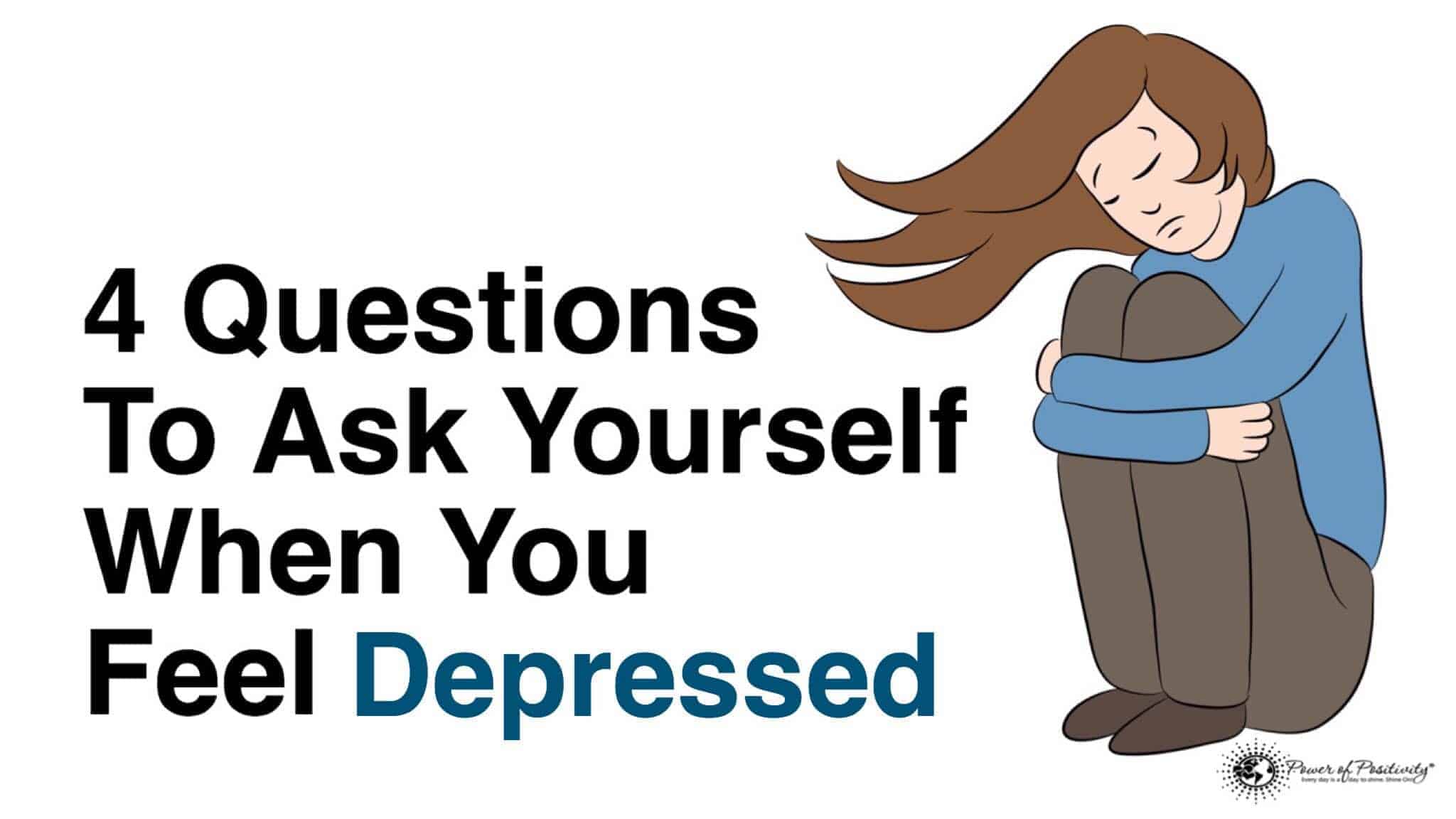
11 Quotes To Remember When You Feel Depressed

Even if you don’t have a mental disorder, you can still feel depressed from time to time through the ebbs and flows of life.

mental disorders

Sadly, many people suffer from depression worldwide. In fact, the World Health Organization estimates that 350 million people have some depression.  No matter how down you feel, however, you can always pick yourself back up again and forge on through the pain and difficulties you may face.

To help you stay afloat in life, we’ve collected some inspirational quotes that you can start your days off with to keep your mind in a positive place.

Here are eleven quotes to remember when you feel depressed:

These quotes can help to uplift you on days when you feel depressed.

depressed1. “A positive attitude gives you power over your circumstances instead of your circumstances having power over you.” — Joyce Meyer

You cannot control the world around you. However, you can stay composed to tackle circumstances one at a time. This positive mindset empowers you to regain control of your response. Indeed, you’ll learn how to make the best of every situation.

Even when you don’t “win,” you will know you did your best.

2. “Man is fond of counting his troubles, but he does not count his joys. If he counted them up as he ought to, he would see that every lot has enough happiness provided for it.” — Fyodor Dostoevsky

Sadly, we often focus on the negative and play down the positive. Instead, we should be adopting a grateful attitude. This quote reminds us to count our blessings. So whether you thank God in prayer, write in a gratitude journal, or meditate, practice being thankful daily.

depression meme

3. “The greatest degree of inner tranquility comes from the development of love and compassion. The more we care for the happiness of others, the greater is our own sense of well-being.” — Tenzin Gyatso

Serving others is one of the kindest acts we can do as part of the human experience. When someone volunteers, they often gain a fresh perspective and see that things are not as bleak as previously believed.

So get out and volunteer, serve at a food bank, deliver meals to the elderly, or collect supplies for needy school children. You will feel better about your circumstances.

4. “Character cannot be developed in ease, and quiet. Only through experience of trial and suffering can the soul be strengthened, ambition inspired, and success achieved.” — Helen Keller

If we learn how to listen to our intuition, we can learn from our own experiences. Whether we fail at a task, fight an illness, or suffer a loss, the experience offers a chance for growth. As we heal from these traumatic experiences, we gain the opportunity to grow into more empathetic individuals.

5. “A pearl is a beautiful thing that is produced by an injured life. It is the tear [that results] from the injury of the oyster. The treasure of our being in this world is also produced by an injured life. If we had not been wounded, if we had not been injured, then we will not produce the pearl.” – Stephan Hoeller

We all gain emotional scars throughout our lives. We face failed relationships, dealing with unkind people, and other challenges during our lifetimes. But just as the pearl from the imperfection of an oyster, you can grow wisdom through these experiences.

depressed6. “Sometimes your joy is the source of your smile, but sometimes your smile can be the source of your joy.” – Thich Nhat Hanh

Has everyone ever told you to smile at yourself in the mirror so you will sound happier? It works! If you are feeling down or depressed, try smiling. After all, a smile is just a frown turned upside down.

7. “Good humor is a tonic for mind and body. It is the best antidote for anxiety and depression. It is a business asset. It attracts and keeps friends. It lightens human burdens. It is the direct route to serenity and contentment.” – Greenville Kleisser

When you feel depressed, try listening to a comedy sketch. Or call a funny friend to lighten your mood. You will likely find that it’s almost impossible to remain sad when you are rolling on the floor laughing.

8. “And the day came when the risk it took to remain tight inside the bud was more painful than the risk it took to blossom.” – Anais Nin

Are you depressed because of external forces? Or are you holding back your feelings and a chance to shine? If you are struggling with internal pressures, let them blossom. You can work through the emotional struggle and eventually blossom fully, reaching your full potential.

growth quote

9. “Have patience with everything unresolved in your heart and to try to love the questions themselves. Don’t search for the answers, which could not be given to you now, because you would not be able to live them. And the point is to live everything. Live the questions now. Perhaps then, someday far in the future, you will gradually, without even noticing it, live your way into the answer.” – Rainer Maria Rilke

Of course, you have heard the adage about time being the greatest healer of wounds. Unfortunately, that also requires you to be patient and let situations unfold for the best.

Remember that the Universe holds the ultimate authority and accept life. Make the best of taking charge of your emotional responses and adapt as you please. Don’t force the situation.

When you take the pressure to shape outcomes off of your shoulders, you might feel less depressed.

10. “Self-pity gets you nowhere. One must have the adventurous daring to accept oneself as a bundle of possibilities and undertake the most interesting game in the world: making the most of one’s best.” – Harry Emerson Fosdick

If you feel depressed because you doubt your self-worth, then this quote might resonate with you. Work on overcoming your feelings of self-doubt and insecurity, and you will also make inroads towards beating the blues.pop meme

11. “The most beautiful people we have known are those who have known defeat, known suffering, known struggle, known loss, and have found their way out of the depths. These persons have an appreciation, a sensitivity, and an understanding of life that fills them with compassion, gentleness, and a deep loving concern. Beautiful people do not just happen.” – Elisabeth Kübler-Ross

Depressed people have particular empathy, kindness, and concern for other people. Remember that you are walking through this struggle for the reason that you don’t understand fully. But know that at the end of the battle, you will emerge a whole, healthy, and robust version of yourself.

6 Ways To Move On From A Major Breakup

Are you reeling from the pain of a major breakup?

Relationships end in painful ways, whether they are mutual or not. When a marriage ends, or the relationship with a significant other comes to a giant halt, it hurts in ways that fracture the spirit. It’s not just the heart that aches. We begin to reflect and compare. We stumble across self-pity, anger, resentments and depression. There are many ways to cope. Here are some points to remember during a breakup while you allow your heart to grieve for the loss.

6 Ways to Move On From A Major Breakup

breakup

1. Pay attention to your inner guidance.

We tend to get lost in the emotional roller coaster of worth and self-loathing. Jealousy enters into your life while watching your mate move on quickly. Hatred for what was left behind embraces you until you can’t breathe. Doubt begins to play a huge role. You begin to question if you should have walked away. It’s in those moments that faith comes in. Sit and truly allow your spirit to be guided by something extraordinary.

I believe that everything happens for a reason. People change so you can learn to let go. Things go wrong so you can appreciate them when they’re right. You believe lies so you eventually learn to trust no one but yourself. And sometimes good things fall apart so better things can fall together.”- Marilyn Monroe

2. Follow a routine as you recover from the breakup.

Divorce or breakups disrupt all areas of normal waking life. It’s in these moments that stress becomes amplified. Make sure you have a daily routine whether it’s a spiritual practice, exercising, reading, writing or creating. Make a “new normal” for yourself. In a relationship, so much surrounds the other person that when it’s over, we forget what we need. Your identity gets clouded. Routine allows for stability to return to a place of home. As Dr. Phil McGraw says, “You create your own experiences. You can’t change what you don’t acknowledge.” Familiarity and routine help heal the mind, body and spirit.

3. Do not reach for the bottle or the pills.

Avoidance is an instinct when we are hurt. Reaching for anything that numbs the pain seems to be first and foremost. This is an excellent time to reach for friends, a therapist, or anyone who can help you get through the healing process. Spend time with people who support and lift you. Go out and make new friends. Life gets turned upside down…momentarily. It is essential to find healthy ways to get through the sadness. Alcohol, food, pills, and any other addiction only mask the underlying issue. It’s best to be gentle with yourself and allow for the emotions to rise and release without stopping them with substance abuse. Don’t stop or cover up your emotions.

4. Allow the breakup grieving process to take its course.

You shouldn’t try to overlook the loss by jumping into another immediate relationship. Rebound love rarely works out. Grieving has no set date. It has no perfect timing. When you can look back at the relationship and the person, without crying, finding a healthy place to begin another relationship is safe. Don’t let grief be substituted by sex or deep depression that shuts you down. Know the difference between a deep depression and sadness. You are allowed to break and then get back up. You are allowed several pity parties, but don’t reside there permanently. Depression is triggered by the continuous involvement of participating in the hurt and memories. A chemical imbalance can also trigger it.

“Tears shed for another person are not a sign of weakness. They are a sign of a pure heart.”   – José N. Harris, MI VIDA: A Story of Faith, Hope and Love

5. Change your hair and/or your bedroom.

Redecorate your surroundings while having fun with your persona. Enjoy the possibilities of having new things around you. Spark up that wardrobe. Get new bedding. Make space for you. Clean out closets. Throw stuff out. Rearrange your home to match your new life. You get to restart, and at times that requires radical decorating.

6. Take a trip or attend a retreat.

Being alone while taking the first trip is essential. This allows you to get to know yourself again. We identify with our partners. We lose ourselves in relationships, oftentimes romanticizing past events. You are divorced or in a breakup because you tried to give it your all and it didn’t work. It’s time to enjoy the space of being alone and finding your center. Don’t confuse being alone with being lonely. A trip to a new place will realign your worth and the fun of truly loving yourself again. Retreats are also places of sacredness and returning to self-love.

breakup

Final Thoughts on Healing Your Heart After a Major Breakup

You get a new beginning. Treat yourself as if you were getting over an illness, a cold, or the flu. Allow for healing. Pamper yourself in the process. Every ending is an opportunity for a new beginning. The ending of a relationship doesn’t need to determine who you are because you are the ultimate love of your life, and many things can be learned when you let a relationship go.

5 Challenges Only An Empath Can Understand

If you identify as an empath, you probably know that many challenges come from being highly sensitive. Empaths feel everything very deeply, and they have a hard time dealing with the fast-paced world we live in today. They need a lot of time alone to recharge and decompress and can get hurt very easily in relationships. If you consider yourself a highly sensitive person, or empath, then you will relate to the following struggles.

The 5 challenges of an empath:

1. Being overwhelmed in crowded, noisy places

An empath strays away from places that can easily overwhelm their energy stores – they gravitate toward quiet, relaxing environments. However, most places in the world seem hectic and loud most of the time, which poses a problem for empaths. On the one hand, they can enjoy serenity and solitude more than the average person. But the flip side, it can quickly become isolating. Empaths tend to not have very many friends due to their fragile nature and retreat into their shells when the world gets too overstimulating. Nevertheless, empaths make exceptional friends and lovers. However, finding people, they connect with can pose a challenge as they don’t like going to places that most people do.

2. Getting hurt too easily

Empaths wear their hearts on their sleeves, making it easy to get hurt. Their vulnerability makes them a target for those who take advantage of others, so empaths may not have a very good history with relationships. Empaths have beautiful souls, but their emotions run high, which means that the other person might feel as though they have to tiptoe around their feelings. Empaths tend to spend a lot of time in solitude because they feel others just can’t understand them and their needs.

3. Everyone telling you to stop being so sensitive

All of your life, you’ve probably heard people tell you to just grow up already and stop allowing your emotions to control you, right? Empaths get tired of hearing these same old heartless statements all the time, as they don’t agree with them. Some people feel more deeply than others, but usually, only empaths can understand this. Highly sensitive people don’t tell others to stop acting so insensitively, so they get tired of hearing others tell them to get thicker skin.

4. Feeling so emotionally imbalanced most of the time

Empaths have a higher tendency toward anxiety and depression because they live inside their hearts and emotions more than their minds. Their feelings run the show, and they have a hard time controlling their emotions. Especially in big crowds or around people they feel uncomfortable with, empaths can easily become imbalanced and overwhelmed, and can even suffer from panic attacks. They take on the emotions of everyone around them, which means they might feel thousands of different things at once. Highly sensitive people want to connect with others, of course, but doing so requires a great expenditure of energy, and they get drained easily.

One small occurrence can throw their emotions off-kilter, and others may not understand. Friends and family often tell empaths to stop living so much in their heads, but this advice doesn’t mean much to those who naturally feel so much and take on every ounce of pain in the world.

5. Dealing with emotions using unhealthy habits

Empaths live on raw emotion, and sometimes, they feel the only way to deal with them is by engaging in unhealthy practices or habits. Many empaths choose to use food, drugs, alcohol, or even people as a way to suppress their own emotions. Highly sensitive people feel they have no other way to cope with the turbulence that rages on inside them than by relying on outside forces to heal their pain. Even if empaths meditate, eat a fairly healthy diet, and exercise often, they can still succumb to dangerous practices.

As some helpful advice to empaths, remember always to make time for yourself, think before acting impulsively on your emotions, and limit your time in crowded places. All of this will help you remain emotionally healthy and balanced when facing daily challenges.

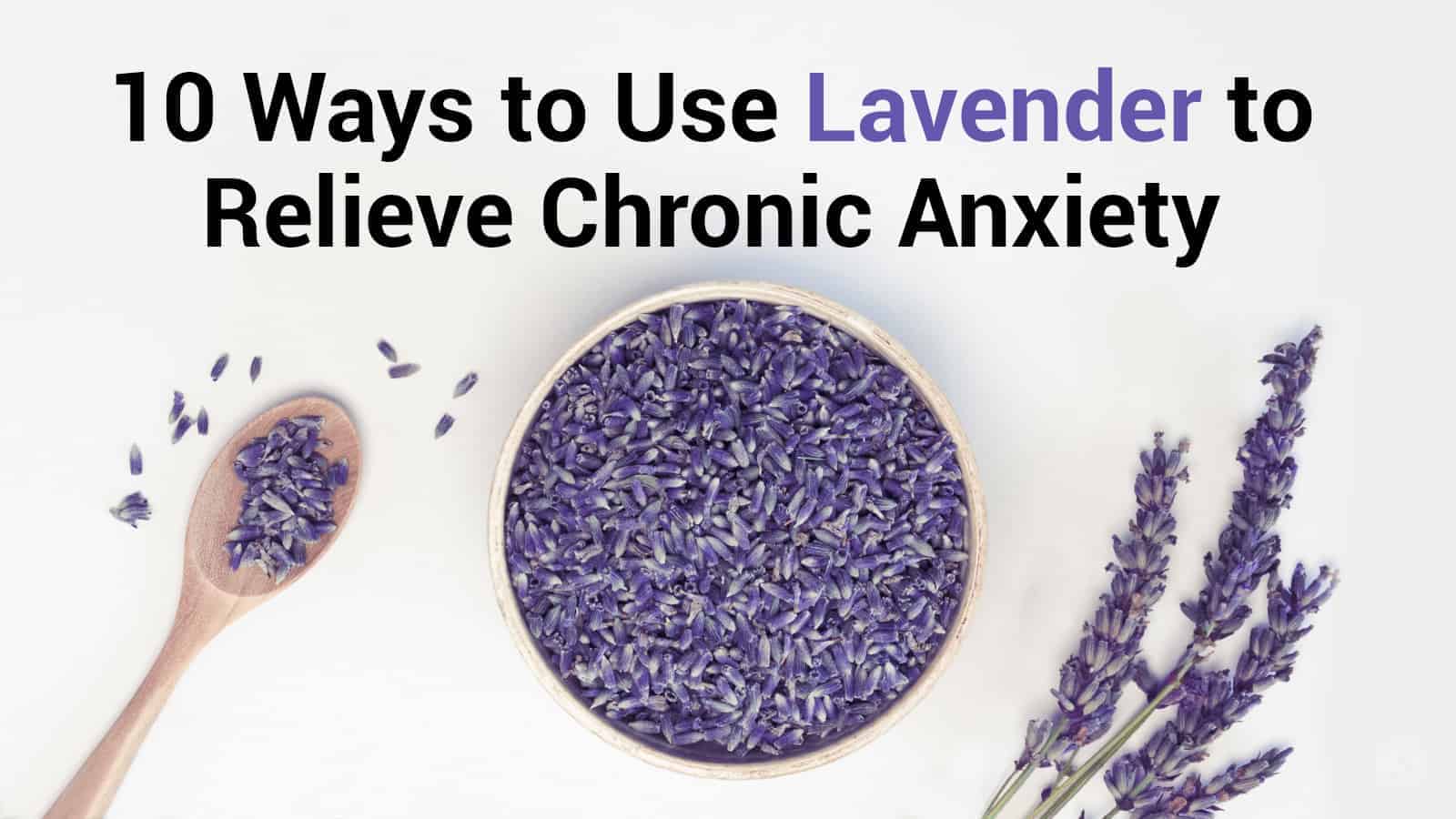
How to Make Lavender Lemonade To Help With Headaches and Anxiety

It’s no secret that our lives can be incredibly stressful. We’re constantly on the run at work, dealing with family issues, and trying to squeeze some personal time in. Did we even mention sleep?

So it should come as no surprise that anxiety and headaches can become a common occurrence, not to mention a terrible nuisance. Headaches and anxiety are by-products of living in a continually-stressed state. Indeed, we often feel we have 25 hours of things to do. However, we have only 24 hours to accomplish them.

Unfortunately, many of us turn to other, less-desirable methods of trudging through the day. We’ll fuel ourselves with a cup of coffee, smoke another cigarette, or have another glass of wine. While these habits may provide a temporary emotional release, they’re not a healthy solution in the long term.

Lavender’s Science-Proven Connection to Better Sleep

A more sustainable, healthy solution becomes necessary to deal with the side effects of stress. Lavender oil is a potent essential oil known for its remarkable healing properties. In fact, it contains over 150 active compounds, making lavender oil an effective antidepressant, anti-inflammatory, and sedation agent.

A number of studies have reported that lavender essential oil may be beneficial in a variety of health conditions, including insomnia, alopecia (hair loss), anxiety, stress, and postoperative pain. Lavender is also being studied for antibacterial and antiviral properties. – University of Maryland Medical Center

In a study conducted at the University of Florida, researchers discovered that lavender oil was effective in reducing anxiety and lowering pulse rates. Surgery patients that underwent lavender-based aromatherapy reported a marked decrease in stress levels before their procedure. This study is a testament to the powerful sedative properties of lavender oil.

Further, lavender essential oil contains anti-depressive properties and promotes sound sleep. These are critical elements in lavender that can aid in keeping stress and its troublesome side effects at bay.

chronic anxiety

Benefits of Lavender Essential Oil

Besides sleep, here are some other benefits of lavender essential oil, as discovered in clinical studies:

  • Lavender aromatherapy increased pain tolerance in children and adults.
  • Alleviation of depressed mood and anxiety in female patients undergoing dialysis treatment.
  • Patients’ test results showed decreased anxiety and increased alertness levels after olfactory administration of lavender oil.
  • Improved mood states and a healthier work environment were reported by hospital staff when burning lavender incense.
  • Decreased stress and anxiety levels measured in brain patterns of patients hospitalized in the intensive care unit.

Despite its healthy, robust nature, lavender is well-received by the human body. Therefore, it is a perfect essential oil for consumption. This brings us to the ideal concoction to help alleviate stress-related headaches and anxiety: lavender lemonade.

Here’s how lavender lemonade can help with headaches and anxiety:

As an easy reference, drinking lavender lemonade can help alleviate a multitude of symptoms, including the following:

  • Inflammation
  • Headache
  • Depression and anxiety
  • High blood pressure
  • Insomnia or difficulty sleeping

Apart from drinking the concoction, lavender essential oil independently serves various other medicinal purposes. The multiple properties of lavender make it perfect for the following needs:

  • Anti-fungal: as a natural remedy for common skin and nail infections.
  • Antiseptic: cleaning the skin of germs and other organisms.
  • Antibacterial: destroying or suppressing the growth of bacteria.
  • Anti-inflammatory: Reducing inflammation in various parts of the body.
  • Antimicrobial: killing or inhibiting illness-causing microorganisms.
  • Antispasmodic: alleviation of spasms, including of the muscles.
  • Analgesic: reduction of a variety of pain-related symptoms.
  • Detoxifier: cleansing the blood, purifying both the liver and kidneys.

Now that we understand the various medicinal and holistic health benefits of the essential oil lavender, we’ll detail how to make a simple, tasty mix of lavender lemonade.

Lavender lemonade is a perfect refresher. The sweet, tart taste of lemonade combines with raw honey to create a cold drink that satisfies the palette. In fact, it’s a perfect drink to complement any meal, day or night. Enjoy the beverage daily or when experiencing symptoms taxing to the mind and body.

lavender lemonade

Recipe to Make Lavender Lemonade

  • 1 cup of raw honey
  • 12 cups of pure water
  • One drop of lavender essential oil
  • Six lemons
  • Lavender sprigs for garnish (if desired)

Directions:

Peel and juice the six fresh lemons. Thoroughly mix all ingredients and chill. Of course, you may adjust to desired taste by adding more water or honey.

7 Ways to Respond to Verbally Aggressive People

Facing a verbally aggressive person can make you feel immediately defensive, which is perfectly normal, but there are 7 more healthy, harmonious and mindful ways to respond.

7 Ways to Respond to Verbally Aggressive People

Like a wild, rabid animal, verbally aggressive people come toward you on the attack, often with little or no reason. Basically, these people are adult bullies and you don’t have to take that kind of behavior from anyone.

Verbal aggression often moves into physical aggression and that becomes a scary situation. Researchers studying patterns of domestic violence among married couples found that verbal aggression is more likely to be a precursor to physical violence.

If you are concerned about someone who has been verbally aggressive toward you, take action now. These situations can lead to domestic or workplace violence. Consult with human resources in the workplace, the National Domestic Violence Hotline or the police to get help in handling a potentially violent situation.

1. Choose not to respond in kind.

Responding to anger, which is what verbally aggressive people are expressing, with anger in your own voice is pointless. It gets you nowhere. They are already angry and now you are too.verbally aggressive people

2. Choose not to take it personally.

Verbally aggressive people usually speak with hurtful words. Rather than being saddened by the painful words, realize that words cannot hurt you. You have a choice about how you respond. Taking their angry words personally only makes you feel bad and doesn’t help them feel better either.

3. Respond with caring.

In a study of psychiatric nurses who worked with non-physical methods to de-escalate a verbally aggressive patient, nurses who could identify an escalating situation then followed these steps to help the patients to come back to a calm state.

  • Check the aggressive person’s level of aggressiveness on a scale of 1 to 10
  • Attempt to understand the meaning of the aggressive behavior
  • Connected with the aggressive person
  • Matched a solution intervention to the person’s needs

You can use these same strategies to attempt to deescalate an aggressive situation.

  • Check their level of aggressiveness. Ask yourself if based on their actions they are just a little upset or if there is potential for injuries caused to either the angry person or others.
  • Don’t wait to call for help if you think someone could get hurt.
  • Listen to everything the angry person is saying and rephrase it back to them to make sure you understood them correctly.
  • Use language like ‘I understand why you would be upset’ or ‘I can see how that would be frustrating for you.’
  • Ask the aggressive person for a suggestion to fix the problem or offer your own solution.

4. Allow them a safe place to express their emotions.

You may recall that manipulation is a trait of passive-aggressive people. Avoid being manipulated by recognizing the aggression for what it is, anger. If you’ve done nothing wrong, don’t let the angry person force you into an apology.

What a verbally aggressive person needs is a place to vent their angry frustrations where someone will listen, empathize and try to find a win-win solution for both parties. Let the angry person know that you are willing to listen but only if they calm down so you can talk at a normal volume.

5. Allow them space to be alone.

Aggressive people often feel overwhelmed quickly. Besides that, they become frustrated by a lot of sensory input. Traffic and crowded places for example have lots of sights, sounds, and decisions that have to be made. Too much is going on and it becomes difficult to process making a person frustrated by sensory overload.

When the person goes beyond frustration to aggressiveness, it can become a dangerous situation for the focus of their anger. This type of aggressive pattern is a fairly common one in our lives of daily stress. Removing some of the stimuli that are making sound is one of the best ways to deescalate an aggressive person.

Allow them to have a quieter environment for a moment so they can calm down their level of anxiety. Aggression to you may just be a panic attack for them that has put them in fight or flight mode.

6. Respond with humor

No one likes to be the object of derision. But if you can be quick with a sincere joke, even one at your own expense, and laugh, that ability to add humor is the best way to respond to a verbally aggressive person. A comment like “Hey, I understand. I get a little more likely to get angry right before lunch too” or something non-hurtful that can possibly get a smile from the other person.

verbally aggressive

7. Suggest resources for help.

Ask the verbally aggressive person how best to help them if they ever feel this angry about something again in the future. Offer whatever resources you have that may help them. Counseling resources are more widely available now than ever before.

There are counseling apps, text lines, websites, phone and video chats available now. There is no reason to live with emotional pain if therapy can help. For more information on emotional problems and how they affect relationships read our article about warning signs you’re in a relationship with a sociopath. 

800-799-7233 (SAFE) is the phone number for the National Domestic Violence Hotline and you can also chat through their website if you have questions or need another resource.

These 5 Things Happen To Your Body When You Use Frankincense Oil

Frankincense oil probably makes you think of wise men traveling from afar. But this article will make you think about how your body can benefit from it instead. Ancient cultures have used essential oils for healing, and science is beginning to understand what happens in our bodies when we use therapeutic oils.

Oils are transdermal, meaning that the skin absorbs them into the body’s cells. You can apply frankincense oil directly to your skin, but most people mix it with a carrier oil, for example, coconut oil. You can also add one or two drops of frankincense oil to water and drink it.

Frankincense is an aromatic resin extracted from Boswellia trees, and it has several health-supporting properties. The oil is extracted by steam distillation from frankincense gum resin. There can be varying components found in frankincense oil due to the different regions where the trees grow and how producers prepare the oil.

This article will examine five things that happen to your body when you use frankincense oil as a holistic therapy. Please consult with your health professional to ensure that using frankincense essential oil will not interfere with any medications or cause harmful side effects.

5 Things That Happen To Your Body When You Use Frankincense Oil

The health benefits of frankincense oil are indisputable. The International Journal of Nutrition, Pharmacology and Neurological Diseases says of frankincense oil the following:

‘It helps in clearing the lungs and other mucus-related problems, lightens heavy periods in females, and eases postnatal depressions. It helps in healing wounds, sores, ulcers, carbuncles, hemorrhoids, and inflammations. In Ayurvedic medicine Indian frankincense (B. serrata), commonly referred to as ‘dhoop,’ has been used for hundreds of years, for treating arthritis, healing wounds, strengthening the female hormone system, and purifying the atmosphere from undesirable germs.’

frankincense

1. Frankincense oil can relieve arthritis pain.

Rheumatoid arthritis is an autoimmune disease in which the body attacks the lining of the joints and causes tremendous pain for those who have it. Frankincense oil has been used in the holistic treatment of rheumatoid arthritis and is an anti-inflammatory herbal remedy.

In traditional Chinese medicine, both myrrh and frankincense can treat blood stagnation and inflammation diseases, as well as to relieve swelling and pain. To use frankincense oil for arthritic pain, mix a few drops in a carrier oil, such as almond massage oil and rub it daily on the affected joints.

2. Frankincense oil kills cancer cells.

In a study of the technique of using Traditional Chinese Medicine by prescribing a combination of myrrh and frankincense oils, researchers found that cancer cells died when treated with frankincense and myrrh oils. In this study, myrrh had a better anticancer effect on the cancerous cells than the frankincense oil did, but the combination of the two may provide other health benefits.

Research has shown that frankincense oil can help against pancreatic, breast, liver, lung, and cervical cancers. Unfortunately, this type of research often indicates the effect of essential oils applied directly to the cancerous cells in a petri dish in a laboratory, not in a human study on a cancer patient.

If you or someone you know has been diagnosed with cancer, speak to an oncologist about using holistic healing options that include essential oils as part of a well-rounded therapy.

3. Frankincense oil can cure migraines.

You may have already read our article on curing migraine headaches with one natural ingredient. If not, read more information on how to relieve migraines fast in our guide here. Using essential oils for healing is inexpensive compared with the copays and medical costs of a doctor’s visit.

Frankincense essential oil instantly relieves migraine pain for some sufferers when rubbed on the temples, the back of the neck and when a drop is applied to the pad of the thumb and then pressed into the roof of the mouth.

4. Frankincense oil can help with anxiety and depression.

The National Institute of Mental Health says that ‘major depressive disorder is the leading cause of disability in the United States for people ages 15–44, affecting approximately 14.8 million American adults. A less severe form of depression, dysthymic disorder, affects approximately 3.3 million American adults. Anxiety disorders affect 40 million American adults and frequently co-occur with depressive disorders.’

Frankincense oil’s pleasing and therapeutic aroma can be enjoyed in an aromatherapy massage, as incense, in a diffuser, in a bath, or as a perfume oil. In a study of a blended oil containing bergamot, lavender, and frankincense that was massaged onto the hands of cancer patients who had anxiety and depression, those who received the aromatherapy massage had less stress, pain, and depression than those who did not get the benefit of aromatherapy.

The International Journal of Nutrition, Pharmacology and Neurological Diseases says that burning frankincense creates smoke which produces a psychoactive substance called tetrahydrocannabinol, which helps to expand consciousness. Burning frankincense on an incense burner may not only help anxiety and depression but might be a way to reach higher meditative states.

5. Frankincense oil can boost immunity.

Researchers studying the immune-boosting powers of frankincense oil in the body found that it exhibited a vigorous immunostimulant activity. This information could help activate the body’s immune response to fight diseases.

5 Other Uses For Frankincense Oil

frankincense oil

1. It May help with asthma

There is an ingredient in Boswellia frankincense oil that could help treat asthma. Some suggest they didn’t need to use their inhaler as much when they took frankincense oil regularly. Of course, you should never stop taking your medication without your doctor’s consent. Researchers are still studying how frankincense oil could benefit people living with asthma.

2. Aids digestion

Frankincense oil may improve your gut health by aiding and easing such digestive disorders as ulcerative colitis and Crohn’s disease. Studies on rodents suggest that frankincense oil could help prevent diarrhea. Frankincense is known to reduce inflammation, and inflammation causes many gut conditions.  Although researchers are still studying how it affects human digestive tracts, proponents are sure frankincense oil can aid human digestion.

3. Improves mouth hygiene

Frankincense oil may aid improve your oral hygiene and preventing gum disease. It has strong antibacterial properties which can treat oral infections. It’s helped treat gum disease and oral conditions. Some people suggest chewing gum with frankincense oil will kill bacteria microbes. Researchers are still studying frankincense oil’s effectiveness in killing bacteria that cause mouth infections.

4. Anti-aging benefits

Frankincense oil is a known antioxidant with anti-aging abilities. Antioxidants get rid of free radicals, which can damage your skin and cause aging. Frankincense oil reduces your skin’s age spots and evens your skin tone. You can use frankincense oil topically on your skin by mixing two to four drops of this essential oil with a carrier oil like jojoba or sweet almond oil. Rub it into your skin.

5. Moisturizer

Frankincense oil is a popular ingredient in many moisturizers and lotions. Its moisturizing ability keeps your skin soft and pliable. You can use it diluted in a carrier oil to apply to your arms, legs, neck, face, and hands. It helps even out any discoloration and redness on your skin. It also balances out your skin tone.

How to Choose the Best Carrier Oils

Essential oils, like frankincense, are highly concentrated. So you should dilute them before you apply them to your skin. Carrier oils are the best way to dilute frankincense oil. A good carrier oil will carry the concentration to your skin without changing the quality of the essential oil.

Choose natural carrier oils for the best health benefits. The best carrier oils have vitamins and antioxidants derived from plants. They should have no scent.

Best Carrier Oils:

Some of the best carrier oils include these:

  • Fractionated coconut oil: This oil is the liquid form of coconut oil. Like regular coconut oil, it won’t clump or go solid at room temperature. It has a light texture. Many people prefer to use this carrier oil in a roller bottle for easy application on the skin. If you’re looking for fractionated coconut oil, look for it by its abbreviated name: FCO. Many experienced essential oil users say this is the first pick for carrier oils.
  • Grapeseed: Even though this is a culinary oil, it’s also one of the best to blend with frankincense oil. This carrier oil is good for the skin. It’s light and non-greasy. Therapists like to use grapeseed oil for massage because it quickly absorbs into the skin. This oil is high in vitamin C, which aids the frankincense oil.
  • Jojoba Oil:  Jojoba oil is high in vitamins, fatty acids, and antioxidants. It’s an excellent moisturizer for your skin. People who use it regularly have a glowing complexion. It’s a suitable carrier oil because it’s fragrant-free and has a long shelf life. Blend it with frankincense oil to apply to your face or body as a moisturizer.
  • Sweet almond oil: Many people have never heard of sweet almond oil. It’s a rich anti-inflammatory, antiseptic oil. It’s a great carrier oil for any essential oil, including frankincense. Sweet almond oil is light, with a nutty scent that doesn’t interfere with an essential oil aroma. It re-conditions your skin and has a soft consistency. If you are allergic to nuts, you shouldn’t use this carrier oil.

What oils should you avoid as carrier oils?

Several oils don’t make good carrier oils. Whenever possible, avoid using these to blend with your essential oils.

  •  Olive Oil: Olive oil has a lot of health benefits, but using it as carrier oil isn’t one of them. Some people use it, but it doesn’t blend as well as other carrier oils. Plus, olive oil has a strong aroma that can change the scent of your essential oils. It also clogs up essential oil rollers. Olive oil can also leave a film behind on your skin. If you have no other carrier oils around, use them sparingly.
  •  Avocado oil: Another super healthy cooking oil, avocado oil is full of vitamins and fatty acids. Although it’s good for dry skin, it doesn’t blend well with essential oils.
    • It doesn’t have a long shelf life- no more than six months at most
    • It’s too thick and clogs a roller
    • It has a strong aroma that isn’t pleasant for the skin.
  • Coconut oil: This oil is famous for cooking, but it solidifies at 75 degrees. So, unless you can keep it warm all the time, your coconut oil carrier will clog up your essential oil roller. Some people still use it, but it gets lumpy, and it’s unpleasant to rub into your skin. If you want coconut carrier oil, use fractionated coconut(FCO) fat, always a liquid.

frankincense oil

Final Thoughts On The Many Benefits of Frankincense Oil

Frankincense oil benefits are limitless. If you’re looking for an all-purpose essential oil, this could be the one. Its healing benefits and antiseptic and anti-inflammatory properties make it a popular favorite among essential oil users. Be sure to blend frankincense oil with a good quality carrier oil for the best results. Try this fragrance today to experience some of the fantastic benefits of this popular essential oil.

5 Things People With Social Anxiety Need You To Know

According to the Anxiety and Depression Association of America, social anxiety disorder affects 6.8% of the U.S. population or 15 million people. Social anxiety can afflict both introverts and extroverts, and isn’t necessarily synonymous with being shy. Those who suffer from it can become triggered in various social situations, from grocery stores to large parties to shopping malls. Despite efforts to calm the anxiety, it can easily debilitate the sufferer and become a fixation. People with social anxiety have an extreme fear of interacting with others in certain settings, and everyday life can become a constant uphill battle

Many people who suffer from social anxiety feel trapped inside their own minds and thoughts, and they tend to isolate themselves for periods if the anxiety becomes too much to bear. Many people unfortunately don’t understand what those who have social anxiety go through on a daily basis, so we made this small list correcting common misconceptions and clearing the air about what it means to have social anxiety.

Here are 5 things those with social anxiety need you to know:

1. Just because we have social anxiety, it doesn’t mean we hate people.

In fact, this is pretty much the opposite of how most of us feel. You don’t know how badly those with social anxiety wish they could talk to people normally, without feeling constricting in their chest, their heart beating in their throats, sweat beading on their foreheads, and every other physical symptom that goes along with social anxiety. Most of us actually love people, and long to approach them and have conversations without feeling scared or overwhelmed. We might seem a little standoffish or abrupt when you speak to us, but we don’t mean to be rude. We just feel anxious, but that doesn’t mean we don’t enjoy talking to you.

2. We need a lot of time to prepare for social gatherings mentally.

A big gathering can take us days to prepare for. Those with social anxiety know the feeling – going over what you’ll say to people, wondering who all you’ll meet and if the conversations will go smoothly, talking things over in your mind and trying to forget about how nervous you feel for the event, etc. Others might throw on some clothes, show up, and converse with everyone in the room, but we like to know days in advance about plans so that we have time to calm ourselves beforehand.

It takes a lot of energy for those who struggle to actually go to a special event, because we must battle our fears each time. Even showing up at all is a huge accomplishment in the minds of those with social anxiety.

3. We don’t want to have social anxiety.

We didn’t choose to have it. And we wish we didn’t have it. We try very hard to overcome it. But it might not ever dissipate completely despite our best efforts. People have anxieties of all kinds, but ours just gets triggered by social interactions. Even if we seem fine talking to others, that doesn’t mean we don’t have social anxiety. In fact, most people probably can’t tell the difference between those with social anxiety and those without it. We know that it starts in our minds. But controlling the mind doesn’t happen overnight.

We don’t respond well to people telling us to “stop being dramatic” and “get out of our heads.” We realize that the fear is irrational; however, this doesn’t stop social anxiety just because you don’t understand it or don’t believe in it.

4. We can’t just get over it and move on with our lives.

We hear far too often that we should get over ourselves and life our lives. Believe us, if we could, we would. If only it were that easy, no one would suffer from social anxiety. However, because millions of people around the world have it, it obviously means that people have probably tried that approach already. Like we said before, we can learn to manage our social anxiety through coping techniques, but that doesn’t mean it will ever go away entirely.


social anxiety tips


5. Just because we seem fine on the outside, doesn’t mean we aren’t freaking out on the inside.

You might say that you can’t tell we have it, but this doesn’t mean it isn’t there. Those with this condition tend to live inside their minds a lot, and often have a high intelligence level due to the constant stream of thoughts we have. Research on this topic is ongoing; some scientists believe it’s due to a chemical imbalance, others believe it’s genetic, and others think it happens because of one’s upbringing. Whatever the reason, calmness on the outside doesn’t reflect our inner selves. We just have learned how to hide our anxious thoughts for the most part, because daily life requires us to.

If you know someone with social anxiety, the best thing you can offer is love and support. You don’t need to fully understand social anxiety to show compassion and understanding to those who need it.

Skip to content