Weekly tips, affirmations, and small actions to feel your best.

10 Life Lessons to Learn From A Strong Woman

Strong women have an important role in our lives as mothers, teachers, sisters, lovers and more, and we are so thankful for everything that we’ve learned from them. Whether you had a strong mother who showed you unconditional love or a strong female role model who helped you to find yourself, most of us know a woman who had an impact on our lives. Here are ten wonderful things that you can learn from having a strong woman in your life.

10 Things You Can Learn From A Strong Woman
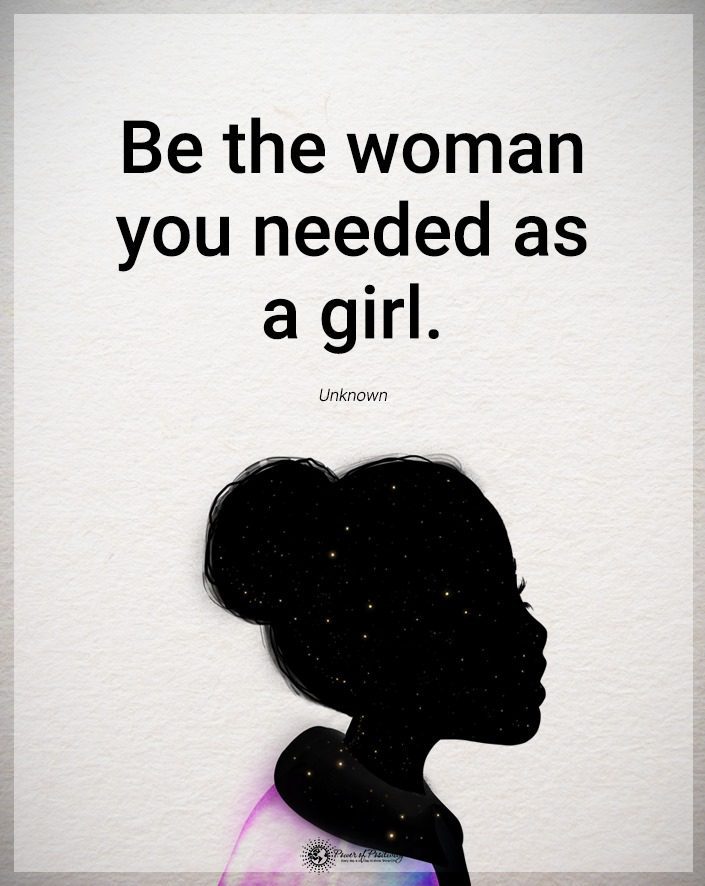
strong woman

1. A strong woman will teach you courage.

‘Avoiding danger is no safer in the long run than outright exposure. The fearful are caught as often as the bold.’ – Helen Keller

If you are able to stand strong in the face of danger, you probably have a strong supportive woman to thank at least in part for showing you what courage is. Mothers show us that we are still secure as we step away from them and they also show us how to dust ourselves of after a fall and try again.

2. A strong woman will teach you to love yourself.

‘It’s not your job to like me, it’s mine.’ – Byron Katie

Self-love is a skill that will take you far in your life. If you can love, respect and forgive yourself, you probably have a strong woman to thank who taught you to love yourself.

3. A strong woman will teach you to be independent.

‘I think the girl who is able to earn her own living and pay her own way should be as happy as anybody on Earth. The sense of independence and security is very sweet.’ – Susan B. Anthony

As you already read in our article 9 Things Never to Say to a Strong Woman, there are some things that an independently minded woman does not want to hear from you, for example ‘You can’t do that.’ Strong women can do anything that they set their minds to and if you believe that about yourself, you may have learned that from another strong woman.

4. A strong woman will teach you to choose kindness.

‘Kind words are short and easy to speak, but their echoes are truly endless.’ – Mother Teresa

There is a tradition in Chinese Buddhism called ‘filial piety’ which is the ‘virtuous act of being good to one’s parents; being respectful and courteous to one’s parents in honor of realizing and repaying one’s parents’ immense kindness and love for their child.’ The idea of repaying your parents and especially your mother or other strong female role models for their support is an attitude of gratitude that other cultures can embrace as well.

5. A strong woman will teach you how to trust your gut.

‘Never apologize for trusting your intuition. Your brain can play tricks, your heart can be blind, but your gut is always right.’ – Rachel Wolchin

Intuition will take you far in your life if you learn to hear what your gut is telling you. Women are tuned into when their inner Spidey Senses are tingling. If you can trust your gut, you probably have a strong woman to thank for learning this ability.

6. A strong woman will teach you to be a mother to others.

‘A woman is the full circle. Within her is the ability to create, nurture, and transform.’ – Diane Mariechild

The female role models that you’ve had have shown you how to demonstrate caring for others with your actions. Even if you are not a parent yourself, thanks to a strong woman you know how to embrace other people, support them in their growth, and then watch them as they go out and apply what they have learned on their own.

7. A strong woman will teach you to create happiness.

‘You grow up the day you have your first real laugh at yourself.’ – Ethel Barrymore

You can find happiness and joy anywhere, if you know how. Learning this skill from a strong woman is something that you can use many times a day by embracing the humor of a situation.

8. A strong woman will teach you that emotions are powerful.

‘Never be ashamed of how you feel. You have the right to feel any emotion you want.’ – Demi Lovato

Feeling emotional is not a weakness, it is a strength when you use those feelings to understand yourself. Anger, fear, joy and sadness often appear when you experience something that is important to you.

9. A strong woman will teach you to have faith in yourself.

‘The good news is that you don’t know how great you can be, how much you can love, what you can accomplish, and what your potential is.’ – Anne Frank

If you can read this, thank a strong woman. Researchers find that investments in education for women are important because mothers teach their children literacy, which then impacts the availability of educated people in the workforce. You are capable of things beyond measure and that learning potential is all likely thanks at least in part to a strong woman.
strong woman

10. A strong woman will teach you how to love unconditionally.

A study of maternal love in the brain compared to romantic love revealed something touching. Brain areas that are active in romantic love are the same areas that are active in maternal love. So it turns out that your mom may have been in love with you.

In a brain scan experiment, the researchers asked mothers to look at photographs of their own child, photographs of another child of the same age that they knew, and photographs of another person they were acquainted with. Results showed brain activity in the same brain areas active with previous research subjects who were in passionate love. Read our guide 21 Things to Expect When Dating a Strong Woman if you are yourself a strong woman or if you hope to love a strong woman someday.

This New Technology Can Completely Clean Arteries

Atherosclerosis is a dangerous condition resulting from plaque deposits inside your arteries’ walls. This plaque buildup prevents delivering oxygen-rich blood to the heart, brain, and other vital body areas, potentially resulting in heart attack, stroke, or even death.

In advanced stages, atherosclerosis can be very difficult to treat. Before, the hardened plaque was nearly impossible to remove, and treatment was limited to risky procedures. The precarious areas where this buildup often limited available treatments and made the procedure more difficult.

However, this new technology can “eat” harmful arterial plaque and completely clean your arteries:

Then came the advent of a surgery called atherectomy (at-her-ec-toe-me), a minimally invasive procedure that can potentially treat advanced atherosclerosis. As opposed to traditional procedures, such as angioplasty and stents, atherectomy removes plaque buildup instead of simply moving or removing it.

A severe narrowing of the arteries must exist for someone to be a good candidate for the cutting-edge procedure. If not, traditional surgical methods such as angioplasty or stenting would be used. Further, bypass surgery must not be an option. In other words, atherectomy is a last resort, albeit probably the safest “last resort” procedure in history.

Doctors generally perform atherectomy when angioplasty or stenting is not an option. This determination is made with a few variables in mind – anatomical features, location of the blockage, or plaque hardness is usually a determinant. Atherectomy can also be used as a complementary procedure to traditional surgical methods, potentially increasing the odds of success.

How doctors perform this procedure that clears out the arteries

The fantastic aspect of this cutting-edge surgery is its intricacy and exactness – blood vessels and arteries are not very large. So, how can a tool that cuts away the material inside one be feasible? In a word: technology…in two more words: good doctor.

Once the patient is in the operating room, they receive a local anesthetic to numb the area being worked on. The patient is awake and sedated throughout the surgery.

Once sedated, the surgeon inserts a thin wire into the blocked artery via a needle inserted into a blood vessel in the groin. After this, the surgeon will insert dye into the artery while taking x-rays and observing while the dye continues to move through the body. These x-ray images give the surgeon the exact location to insert and maneuver the catheter.

The catheter inserted contains a cutting blade, grinding device, or laser filament used to remove the plaque. The device also contains a collection or suctioning system that effectively removes the debris. In some instances, the surgeon may opt to insert a stent at the location of the blockage to reduce the likelihood of another blockage.

Another remarkable aspect of this procedure is the healing time – 12 to 24 hours. Not days or weeks, as most surgeries generally require. A patient can usually continue with normal activity within a day or two.

Finally, doctors have seen tremendous results with the procedure. Very few risks exist for someone who opts for an atherectomy.

Here’s a video demonstrating the concept of the procedure:

The prolific threat from atherosclerosis is apparent when looking at the facts:

  • It is the most common cause of cardiovascular diseases: heart attacks, strokes, and peripheral vascular disease
  • Cardiovascular disease kills over 800,000 people annually, the most common cause of death.

Of course, preventative care is the best care. This is undoubtedly the case for atherosclerosis, an often deadly and debilitating disease. Good preventative care requires the determination of risk factors – the symptoms that often culminate in the surfacing of a severe condition.

Final thoughts on preventing atherosclerosis

Atherosclerosis is progressive but preventable. The disease’s nine risk factors account for approximately 90% of all heart attacks. These risk factors include the following:

  • Smoking
  • High cholesterol
  • High blood pressure
  • Diabetes
  • Aging
  • Inflammatory disease
  • Family history of the disease
  • Abdominal obesity
  • Stress
  • Not eating fruits and vegetables
  • Excess alcohol intake
  • Not exercising regularly

Once a blockage occurs, it is almost always permanent. Therefore, it is very important to mitigate potentially damaging consequences by making lifestyle changes. Of course, this condition mandates a healthy diet, regular exercise, and no smoking. While these changes will not eliminate the blockages, they can drastically lower the risk of heart attacks and strokes.

20 Signs It’s Time To Let Go Of The Past And Move On

Letting go of things that happened in the past is hard. In fact, it’s really hard. Strong emotional ties to events of consequence in our life tend to leave a memorable impression. In some ways, it can be positive – reminiscing about a lost loved one or reflecting on past accomplishments. In other ways, it’s not so positive. Think about how people relive a relationship that just didn’t pan out or torture themselves over a dumb decision.

Holding onto negative things that have happened in the past allows such events to impact our present and future adversely. Admittedly, it can be difficult to ignore these thoughts, as our brain has a cleverly devious way of reminding us. Only self-awareness coupled with a conscious decision to continue despite the past will allow us to live a peaceful and meaningful life.

“Regret is useless in life. It’s in the past. All we have is now.” – Marlon Brando

Here are 20 signs it’s time to let go of the past and move on:

past

1. If the people and environment around us create feelings of exhaustion, it’s time to let go of the past and move on.

No matter how hard you try not to get pulled into the swirl of an emotionally needy person’s world, you may feel exhausted. Trying to prop people up all the time wears you down. If you’re seeing a continuous pattern where you’re getting involved way more than you should, it may be time to distance yourself from this relationship.

2. If we’ve lost the joy and sense of curiosity in doing what we once loved, it’s probably time to find something else that inspires us.

If you’ve lost the joy and sense of curiosity in doing what you once loved, it’s probably time to find something else that inspires you. Or perhaps you struggle to maintain your joy at your job or school. That might be a sign you are taking the wrong track. Maybe it’s time to consider looking for a new job or choosing a new school major. It’s okay to change directions. Who knows, maybe it will spark new motivation in your heart and re-ignite your joyfulness?

3. If we compromise our core beliefs and ethics because of the situation we’re in, it’s time to leave that situation behind.

If your situation is causing you a moral dilemma, it’s not worth it. No situation should cause you to go against your conscience. Whether it’s work, friends, or family members, stick to what you know is right. You don’t need to be rude about standing up for your beliefs. Explain in kind, but firm words where you stand and why you’re walking away.

4. If we’re not having fun anymore, it’s time to find something that recreates that joyful feeling.

Of course, not everything in life is fun. But there are some things you do that should be fun and give you joy. If this isn’t happening, maybe it’s time to examine your heart. Is it something you should or shouldn’t be doing? Are you making poor choices regarding a situation that’s causing you to lose joy? Maybe it’s time to redefine joy and find something that will help you recreate it.

5. If we’re faking a cheerful disposition when the circumstances are leaving us miserable, it’s time to confront this self-deception and move past it.

It takes courage to be honest about your circumstances. It leaves you vulnerable, but if you have friends and family who you know will accept you and make it easy for you to stop self-deception, don’t wait. Take the step to move past your situation and get help.

6. If we fear making changes and settling for our current condition, it’s time to embrace those fears, let go of the past, and move forward.

It’s easy to stay in the familiar. It feels predictable and safe, but that’s not always the best for you. Stepping out into the unknown takes courage. It takes faith that you’re on the right path. Maybe it’s time for you to embrace your fears and move forward.

7. If we feel that our dreams are no longer relevant or possible, it’s probably time to remind ourselves of our purpose and take concrete steps to make it happen.

You may have lost sight of your dreams, but you can get back on track by reminding yourself how you got on this journey. Find like-minded friends who will encourage you along the way. This helps you avoid loneliness and losing sight of your goal.

8. If we yearn for feelings of freedom, it’s probably because our current situation doesn’t allow it. Consider letting go of the past and making changes.

Of course, you must know what freedom is and what it isn’t before launching out. Sometimes responsibilities can make you feel less free, but that doesn’t mean they’re wrong. Sift through what is essential and where you need freedom and where you don’t. Consider changing what you can, but are content with what you can’t change.

9. If our life’s current state does not coincide with the expectations we’ve set, it’s time to be proactive in meeting those expectations.

Perhaps you’ve been lazy or self-absorbed so that you haven’t met the expectations you set years ago. Maybe it’s time to re-evaluate where you’re at and work towards meeting those expectations that were important to you in the past.

10. If we have more feelings of sadness than happiness or cry more than we laugh, it’s probably because of a toxic situation that we must release.

Life involves seasons. Some seasons are happier and more manageable than others. If you’re finding that you’re living only with sadness, it may be time to ask yourself why. Are you living with unrealistic views of life? Or are you putting yourself in a toxic relationship? Whatever the reason, it may be time to move on in this current season.

past

11. If our thought processes are more affixed to things in the past rather than the present or future, it’s time to make a change.

Suppose you find yourself living in the past more than in the present. It’s time for you to get perspective. Perhaps you lost a good friend and miss them terribly, or maybe your past life was happier than your present one. No one would fault you, but you’re missing out on the potentially good things that can come from embracing today.

Find a group of people you can trust, get encouragement and support from them as you begin your journey back to the present. Who knows what happiness may lie around the corner for you?

12. If we find ourselves continually pleading for someone or some situation to change for the better, it’s worthwhile to contemplate whether or not it’s working.

It’s challenging to change people. They must want it even more than you do. If someone you know refuses to change, maybe it’s time to get some outside help. Asking for help shouldn’t be embarrassing. Sometimes others can say or do things that will motivate someone to change.

13. If a current situation invokes feelings of boredom, resentfulness, or complacency, it’s probably time to make a change.

As an adult, you know that life is sometimes boring. But that doesn’t mean you should give in to complacency. Your life can have a purpose even during dull times. If you’re struggling with resentment and lack motivation, maybe it’s time to re-evaluate your heart. Changing your view of your life situation will help you feel happier and full of purposefulness.

14. If rehashing memories causes more pain than comfort, it’s time to move forward and make new ones.

Memories are to be kept in the heart, not re-examined over and over. If you’re finding that your memories are holding you back, it’s time to let go of them and look to make new memories with your family and friends.

15. If we fail to correct patterns of behavior that have caused us harm, it’s time to evaluate why and make a positive change.

Staying in patterns of behavior that harm is unhealthy. Perhaps you’re punishing yourself. Maybe you feel unworthy of love or good things in life. Whatever the reason, it’s time to break free from self-harm. Talk to a pastor or counselor about what’s going on in your life. They can help you find the freedom you want and deserve.

16. If we feel isolated from everyone else or misunderstood or rejected, we’re in the company of the wrong people. It’s probably time to find new relationships.

Friendships should help make you a better person. If your friends are pulling you down or rejecting you, it’s time to find new friends. Find a community of people who can encourage you and make you a better person.

17. If someone we’re with causes us to cease personal development and/or discovery, it may be time to move forward.

If the people around you aren’t out of your good but wish to hurt you, it’s time to find new friends. Find a community of people who will build you up, not tear you down. Surround yourself with individuals who you can invest in and help.

18. If we attempted to “make things work” multiple times with no progress, it’s time to evaluate the situation and make a change.

Perhaps it’s time to get outside help to make the situation better. There’s nothing wrong with needing help. Talk to a pastor or counselor about your situation. They can walk with you through the different things that are going on and help you find peace and change where needed.

19. If we constantly make sacrifices for our significant other, but they don’t reciprocate, it’s time for a discussion. Moreover, it might be time to part ways.

Relationships are messy. They take time and lots of effort. If you make sacrifices with no notice from your partner, it’s essential to talk to them about what you’re feeling. If you don’t discuss it, you’ll end up getting bitter and resentful. That’s a terrible way to live.

20. If we’ve neglected our other personal relationships because of a past person or situation, we’re hurting them and ourselves. It’s time to change that.

If a situation is monopolizing your time, it might be time to re-evaluate your involvement. Ask yourself if this is where you need to be putting all your time and energy. Perhaps the committeeman was important in the past. But as your life changes, you may need to step away from this situation to better yourself and others.

past

Final Thoughts on Letting Go of the Past and Moving on in Life

Most decisions to move on are difficult. This is especially true when these decisions involve letting go of another human being or group of people. It’s important to understand that we needn’t make this difficult transition alone, although many people unnecessarily feel this way.

If you make a decision to move forward in life, do so for the right reasons. Also, please seek the comfort and assistance of people that love and care for you.

This Woman Called 911 To Order A Pizza For The Most Clever Reason

Unfortunately, nearly 10 million men and women per year in the United States become victims of domestic violence. Police dispatchers take calls from victims every day, but a particular call stood out to one man working the graveyard shift. In October 2014, a police dispatcher answered a phone call that started out fairly routinely, but became a bit strange after the first few moments. He posted the entire exchange in a Reddit thread titled “911 operators, what is that 1 call that you could never forget?”

The 911 Conversation

Here’s the entire conversation between the dispatcher and the woman on the phone:

911

“911, where is your emergency?”
“123 Main St.”
“Ok, what’s going on there?”
“I’d like to order a pizza for delivery.” (oh great, another prank call).
“Ma’am, you’ve reached 911”
“Yeah, I know. Can I have a large with half pepperoni, half mushroom and peppers?”
“Ummm…. I’m sorry, you know you’ve called 911 right?”
“Yeah, do you know how long it will be?”
“Ok, Ma’am, is everything ok over there? do you have an emergency?”
“Yes, I do.”
“..And you can’t talk about it because there’s someone in the room with you?” (moment of realization)
“Yes, that’s correct. Do you know how long it will be?”
“I have an officer about a mile from your location. Are there any weapons in your house?”
“Nope.”
“Can you stay on the phone with me?”
“Nope. See you soon, thanks”

The Details

911

And here’s a more detailed explanation from the dispatcher:

As we dispatch the call, I check the history at the address, and see there are multiple previous domestic violence calls. The officer arrives and finds a couple, female was kind of banged up, and boyfriend was drunk. The officer arrests him after she explains that the boyfriend had been beating her for a while. I thought she was pretty clever to use that trick. Definitely one of the most memorable calls.

Weisinger said the woman seemed calm initially but then gave short frantic responses. “I remember feeling relieved we had an officer close by who could respond quickly,” he added.

However, he said he unfortunately never found out what happened to the woman after she made the phone call.

“This is a part of the job most 911 dispatchers find frustrating. Beyond the immediate resolution – arrest, hospitalisation, etc – we rarely hear what happens to the people who call.”

Weisinger said that usually, the only way officers and police dispatchers know what happened with a domestic violence victim is if they make it a point to stay in touch with them afterwards.

“I would say 90% of the calls that involved an emergency situation like this were husbands or boyfriends being violent towards significant others. I bring this up because when a female caller seems distressed, experience would guide my questions differently than a distressed male caller. So when I first sensed something wrong with this caller, my first thought was a domestic disturbance.”

Weisinger said that even though he helped in this situation, he gives the credit to the caller for her creativity and bravery.

“Whether she had thought of this trick before, or it just came to her,” he said, “she indicated the urgency of her situation without giving away the true purpose of her call.”

If you or anyone you know is experiencing domestic abuse, you can call the 24-hour U.K. National Domestic Violence helpline free on 0808 2000 247, or in the U.S. at 1-800-799-7233.

Science Explains What Sleep Paralysis Does To Your Body (And Why It Happens)

Sleep paralysis is the sensation of being conscious but physically unable to move. It occurs when a person passes between the two stages of wakefulness and sleep.

Of all the weird sensations that one can experience, perhaps there is nothing stranger than being unable to move, more specifically, being unable to move while being consciously aware of one’s surroundings.

If You’ve Ever Awakened At Night Unable To Move, Here’s What It Means…

Sleep paralysis is a strange and potentially frightening phenomenon. Essentially, the person experiencing sleep paralysis can’t move any body part. Still, it remains conscious. Those that experience sleep paralyses are often terrified. That’s an understandable reaction to not having voluntary control over one’s movements.

Fortunately, this is a relatively common occurrence and does not cause any physical harm to the body. Sleep paralysis happens during one of two stages -“hypnagogic” and “hypnopompic.” Hypnagogic sleep paralysis occurs before falling asleep, while hypnopompic sleep paralysis occurs as one wakes from REM sleep.

As we fall asleep, our body becomes deeply relaxed while our minds become less aware. However, when hypnagogic sleep paralysis occurs, the mind remains aware while the body achieves an involuntary state of relaxation. The person then realizes that they’re unable to move despite their efforts, often leading to feelings of panic.

During REM (rapid eye movement) sleep, our muscles are paralyzed, so we don’t act out our dreams. When one experiences hypnopompic sleep paralysis, a specific part of the brain wakes sooner. This wakeful state does not affect the part of the brain responsible for REM paralysis, however. The result is a certain degree of wakefulness and no voluntary control over muscles.

sleep paralysis

Who does sleep paralysis happen to?

Some people are fortunate enough to experience this situation just once or twice in their life, if ever. Unfortunately, some people experience this phenomenon often – even multiple times a week. A study undertaken at Penn State University discovered that approximately 8 percent of the population has frequent issues with sleep paralysis. Individuals with mental disorders, such as anxiety and depression, are more prone to frequent episodes of sleep paralysis.

People affected by sleep apnea, people on specific types of medication, and those with an underlying sleep condition may experience more frequent episodes of sleep paralysis.

Here is a list of some of the most prominent risk factors.

  • Lack of sleep
  • Frequent changes in sleep schedule
  • Mental conditions, such as stress or bipolar disorder
  • Sleeping on the back
  • Sleep problems such as narcolepsy or nighttime leg cramps
  • Certain types of medication, such as those with ADHD
  • Substance abuse

What are the symptoms?

Under almost every circumstance, individuals who experience sleep paralysis is unable to move or speak from a few seconds to a few minutes. As mentioned, this usually occurs during the initial stages of falling asleep and almost immediately after waking up.

While sleep paralysis often requires no treatment, a doctor may further inquire into other areas that pertain to sleep health. Should sleep conditions linger or worsen, the medical professional may then refer to a sleep specialist.

sleep paralysis

Final Thoughts on Seeking out treatment for sleep paralysis?

Because this sensation occurs naturally, there is generally no prescribed treatment. However, a treatment regimen may be in order if a medical professional detects an underlying condition in the diagnosis process. Such prescribed treatments are:

  • Implementation of a sleeping schedule
  • Prescription for an anti-depressant
  • Referral to a mental health professional
  • Referral to a sleep specialist
  • Treatment of any underlying sleep disorders
  • Prescription for sleeping aids

Often, prioritizing adequate sleep while limiting unnecessary stress (especially before bedtime) will suffice to prevent sleep paralysis. Because of the enigmatic nature of the condition, the effectiveness of formal and informal treatments to alleviate it is ambiguous at best.

As a rule of thumb, one episode does not usually mandate a trip to the doctor’s office. Health professionals recommend that those with rare episodes of sleep paralysis pay particular attention to their sleeping habits, as sleep deprivation almost assuredly increases the likelihood of an episode.

Other recommendations include avoiding or severely restricting alcohol/drugs, nicotine, and caffeine. Keeping electronic devices out of the bedroom is also recommended to establish healthy sleep patterns.

Of course, a sleep paralysis episode may occur regardless. If that’s the case, remember to stay calm and realize it will pass.

5 Signs You May Have Depersonalization Disorder

We have more ways to stay in touch now without any in-person contact. However, it can make you feel depersonalized, like you’re on autopilot. If this sounds familiar to you, it could be a sign that you have depersonalization disorder.

In an era of automated devices and advancing robotics and electronic gadgets that are supposed to be for social purposes but end up keeping us apart, we can easily feel robotic as we move through our lives. Let’s look at some common signs of depersonalization disorder.

5 Signs You Might Have Depersonalization Disorder

depersonalization

1. You might have depersonalization disorder if you can’t remember the last time you were mindful of your body.

In a study of patients diagnosed with depersonalization disorder, psychologists found significant correlations between mindfulness and symptoms of depersonalization, depression and anxiety. Being aware of your own physical form and its wonderfully complex muscles and organs walking around in the world is something we sometimes stop paying attention to.

That’s perfectly normal, of course, but depersonalized people, they feel like a mannequin more often than they feel human. The researchers believe that mindfulness may serve as a valuable component in treating such disorders. This can be achieved in several ways, for example by self-massage, meditation and via isolation chambers and floatation chambers.

2. You might have depersonalization disorder if you suppress your emotions.

That late delivery of something you needed hours ago might have made you livid, but no one would ever know it. They see someone keeping their cool. On the inside, you’ve managed to stuff those curse words down inside and although your heart is pounding and you’re perspiring, you’re ignoring it.

Hypoemotionality is the under-expressing of emotions and people with depersonalization disorder may intentionally repress their emotional responses. It is possible that people with this disorder may be incapable of the typical emotions that normal people have. It is also possible that they don’t recognize that their body is responding physiologically to a stimulus.

Researchers studying depersonalization disorder and emotional response found that the ability to regulate emotion in depersonalized participants was increased. In other words, depersonalized people are really good at leveling out their blood pressure and heart rate. They calm themselves down quickly.

The depersonalized patients could not increase their heart rates when they tried, but they could decrease them. This discovery gives hope to people who feel numb because if they can learn to respond physiologically to emotions, they can also improve their mental health.

3. You might have depersonalization disorder if things seem unreal to you.

You’re moving through your world on autopilot. At times, your life seems like you are watching a movie, not living the events of your life. If you feel like you’re watching your own Youtube channel, that can be one of the signs of depersonalization.

4. You might have depersonalization disorder if you feel a little depressed.

Unfortunately, due to the suppressed emotions, we mentioned in #1, feeling a little depression could be a major depressive episode due to those with depersonalization disorder. You might be numb to your actual feelings of sadness.

If depression concerns you, it is a great idea to seek out a counselor to talk to. Counseling is now available in remote video or text sessions and through apps on your phone like Talkspace, so finding help is easier than ever. You don’t even need insurance to see a counselor, but it can help pay the cost of your visits, especially if you have an Employee Assistance Program (EAP).

5. You might have depersonalization disorder if you have a high pain tolerance.

Numbness is often associated with being depersonalized. You may be a superhero when it comes to your tolerance for pain. It might seem good, but it is normal for humans to experience pain.

Physical, as well as emotional numbness, is possible for people who feel separated from their bodies. They may be able to lift more weight at the gym, run in spite of an injury or brush it off when they twist an ankle playing basketball.

Risk factors for depersonalization disorder:

  • Alcohol dependence
  • Stressful work
  • Relationship breakup
  • Caring for a family member
  • Not using vacation time
  • Too many responsibilities

depersonalization

Final Thoughts: What helps depersonalization disorder:

  • Spend more time in natural sunlight – Absorbing Vitamin D is good for your mental and physical health.
  • Avoid crowded, stressful places – too many people means even more stress
  • Get frequent physical exercise – activity seems to help those who feel dissociated from themselves because they can see the movement of their arms and legs.
  • Avoid overindulging in alcohol or other substances – those who feel numb have a tendency toward self-harm
  • Do a self-massage, meditate or try an isolation tank to quiet the mental noise and become aware of your body again.
  • Seek counseling – a counselor can help you talk through the normal and appropriate emotional responses

5 Signs You Have A Zinc Deficiency

­Zinc is one of those minerals that we don’t think too much about. Zinc is classified as an essential nutrient and serves many important roles in the human body. Such functions that zinc supports are: cellular metabolism, immune functioning, protein synthesis, wound healing, DNA synthesis, and cellular division. Zinc also supports growth and development during pregnancy, childhood and adolescence; it is also needed for a normalized sense of taste and smell.

Something to be aware of is that deficient levels can manifest into physical and mental abnormalities. In fact, zinc deficiency is the 5th leading risk factor in causing disease worldwide – many of these cases originating in underdeveloped countries.

Being an essential mineral, your body cannot produce this nutrient. However, a variety of foods exist that can provide a good dose. We’ll list these food sources and the recommended daily intake of later in the article.

Here are 5 signs that you may have a zinc deficiency:

Research conducted during the past 10-15 years suggests that zinc deficiency is widespread and affects the health and well-being of populations worldwide…the estimated global prevalence of zinc deficiency is 31%.  – The World Health Organization

1. Poor cognitive function

Supplementing zinc into our diet is important for optimal brain function. Researchers have discovered that zinc regulates communication between neurons and the hippocampus – improving memory and learning ability.

In one interesting study, scientists at Duke University Medical Center effectively eliminated zinc from the brains of mice. Researchers discovered that the absence of zinc inhibited communications between neurons and slowed the cognitive functioning of test subjects.

Neurons in the hippocampus are a particularly important area that requires sufficient amounts of zinc. This area of this brain plays important roles in the area of communication, as well.

If experiencing problems with learning, memory and/or communication, it may be due to diminished levels of zinc in the body. Having a case of “brain fog” may also be a telltale sign of zinc deficiency.

2. Thinning hair

Deficient levels in the body can manifest into hypothyroidism – a condition in which the thyroid is not producing sufficient amounts of thyroid hormones. This condition can often lead to thinning of the hair.

Not only do low levels connect to increased likelihood of hypothyroidism, researchers believe that normal functioning of the thyroid is essential for zinc absorption.  In other words, zinc levels have a “cause and effect” impact on thyroid health, making it even more important to supplement zinc into our diets.

3. Immune system problems

According to a study published by Harvard Medical School, zinc is a trace element that is essential for cellular health. This mineral deficiency interferes with the ability of T cells and other immune system cells to function as they should.

Zinc is thought to aid other immune system functions as well, including:

  • T-cell growth and differentiation
  • White blood cell count and health
  • Apoptosis functioning (killing off illness-causing viruses, bacteria and other foreign agents)
  • Protective traits of cell membranes
  • Gene transcription, an important phase of gene expression

Hormone receptors and proteins that contribute to a healthy functioning of the immune system also require adequate supplementation.

4. Diarrhea

Since low amounts of zinc in the body negatively affect the immune system, it can lead to other problems and promote infection. Persistent diarrhea is actually a major health concern, affecting approximately 2 million children in developing countries each year. Children that are part of this risk pool are also more likely to contract coli and other types of bacterial infections.

It is apparent that supplementation is necessary to ward off infections and other immune system disorders. Health professionals recommend seeking advice from a physician before administering zinc to an infant less than six months old.

5. Food and environmental allergies

Deficient levels of zinc can cause histamine levels to increase. Zinc serves as a “storage unit” for histamine. Thus, less zinc means less storage. As a result, the release of excess histamine can produce or exacerbate allergy symptoms. High levels of histamine also make one more susceptible to allergic reactions.

Recommended Daily Zinc Amounts

  • 0-6 months: 2 mg
  • 7-12 months: 3 mg
  • 1-3 years: 3 mg
  • 4-8 years: 5 mg
  • 9-13 years: 8 mg
  • 14-18 years: 11 mg (male); 9 mg (female); 12 mg (pregnant); 13 mg (lactation)
  • 19+ years: 11 mg (male); 8 mg (female); 11 mg (pregnant); 12 mg (lactation)

Good sources include beans, nuts, whole grains, and fortified breakfast cereals.

10 Warning Signs of an Emotionally Abusive Relationship

Are you stuck in an emotionally abusive relationship?

Emotional abuse can be detrimental to your confidence and self-esteem. The difficult part of being a victim of emotional abuse is that it is difficult to tell whether or not it is happening. Unlike physical abuse, the signs of emotional abuse are not nearly as apparent as those of physical abuse.

Research reveals that emotional abuse can affect someone just as much as physical and even sexual abuse. Following 846 at-risk children for 14 years shows that the psychological threat to safety and security is the most common type of abuse.

Emotionally abusive people are so harmful because of their negative effect on self-esteem. Actions, attitudes, and words that mean to degrade others are the primary form of emotional abuse, and the abuser often uses it to manipulate others, leaving them feeling confused and powerless Several studies have also shown that emotional abuse is equally distributed between men and women, and can happen in any relationship.

Here are 10 warning signs of an emotionally abusive relationship (and how to protect yourself):

emotionally abusive relationship

The offender in an emotionally abusive relationship tries to make your dreams and accomplishments seem insignificant.

The Fix:  Don’t fall into their trap.

People who enjoy toying with others’ emotions will use any tactics. They’ll try confusion, blame, and interrogation in order to really get under your skin. If you have to deal with these types of people often, like in your workplace, ignore them or surprise them by saying something nice instead of meeting them with a combative attitude. Emotional manipulators thrive off getting a rise out of you, so make sure you don’t give them what they want. In fact, after several failed attempts, they may begin to leave you alone.

They try to be in control of everything, including your actions.

The Fix: Call them out on their behavior.

These people have probably bossed around others for so long and have never been confronted for it. Stand up for yourself and let them know they make you uncomfortable and take advantage of. Even if they deny their behavior or try to turn it back on you, at least you can rest easy knowing you defended yourself and stood up for the truth. Maybe they will begin to change their tune if you struck a nerve with them; after all, once they scare everyone away. Therefore, they will have no one to manipulate anymore, anyway.

They try to justify their unhappiness by reminding you of something you did.

The Fix: Develop a strong mentality.

Never let their insults or outbursts get inside your head; laugh at them or entertain their thoughts without agreeing with them. Nothing they say will ever bring you down if you know what kind of person you are and have a strong sense of self-worth.

They constantly call or text to check up on you, who you are with, and what you are doing when you are not together.

The Fix: Inspire them to learn something new.

It’s important to “be the change”, and in this instance, it will inadvertently protect you because they won’t be so insecure after becoming inspired by your own non-manipulative, positive actions. Bring up the benefits of meditation, taking responsibility for their own life, etc. Use all the knowledge you have gained about becoming your best self in order to help them become their best self, too.

Maybe, just maybe, they’ll learn about the value of trust.

They insist on always being right while you are always wrong.

The Fix: Tell them “you’re right.”

As hard as this might be for the ego, your soul will give you a round of applause and possibly a standing ovation. Emotional manipulators feed on drama, so agreeing with them will leave them speechless and quickly extinguish their delusions. Just for the sake of keeping your peace of mind, let them win the argument. You know deep down that their behavior and accusations were wrong, but they will have to deal with that karma later, anyway.

emotionally abusive relationship

Emotionally abusive relationship partners constantly humiliate others

The Fix: Call them out on their behavior.

These people have probably bossed around others for so long and have never been confronted. Stand up for yourself and let them know they make you uncomfortable and take advantage of. Even if they deny their behavior or try to turn it back on you, at least you can rest easy knowing you defended yourself and stood up for the truth. Maybe they will begin to change their tune if you struck a nerve with them in public; after all, once they scare everyone away, they will have no one to manipulate anymore.

They constantly remind you of your shortcomings and failures.

The Fix: Give yourself positive self-talk throughout the day.

An emotional manipulator can completely tarnish your otherwise peppy mood, so make sure you restore yourself with uplifting affirmations and messages during the day. They thrive on seeing your mood go down the drain, so they won’t have a reason to torment you any longer when they see you unaffected by their brash remarks.

Get smart about protecting yourself from their wrath; they may soon get discouraged from using you as their emotional toy.

They accuse you of things that are not true, so you are forced to prove your love.

The Fix: Avoid emotional attachment with them

This may sound easier said than done, especially if they are acting everything but authentic.  Look for the moment they steamroll entirely your emotions, and slowly back away from the relationship. Make sure to let them know your boundaries. Emotionally abusive people constantly look for their next victim, and if you must talk to them, be civil – but don’t let it go any further than that, for your own protection’s sake.

Remember that this is not your fault, and there’s nothing wrong with recognizing this for what it is – abuse.

A partner in an emotionally abusive relationship doesn’t value your feelings and often will tell you that you are wrong.

The Fix: Start writing down what they say during conversations.

While this might seem a little overboard, emotional manipulators habitually make you look like the bad guy. So they won’t hesitate to twist their words to fit any agenda. You might actually start to believe sometimes that you have done something wrong when in reality, you have fallen victim to their terrible scheme. To make sure you can actually show them what they said in prior conversations, jot down any details you think they might conveniently change later to justify their behavior. They may also try to convince you they never said a certain thing, but you can actually prove they did with your notes you take.

emotionally abusive relationship

They make you feel as if you aren’t good enough for them and that you should be thankful to be in the relationship.

The Fix: Let go of emotionally abusive relationships if necessary.

If you notice these emotionally abusive relationship tendencies in your partner for a repeated period without change, you should leave that relationship behind in favor of your own well-being. You can’t force a person to change, no matter how often you have brought up their volatile behavior. You deserve someone who will nurture and balance your emotions. Rest assured, you don’t need someone who wants to use you for their enjoyment.

Left alone, the stress of an emotionally abusive relationship can manifest in illness, depression, and even long-term emotional trauma. That’s why it is important first to recognize the behavior and then seek help. Recognizing the behavior can be difficult. That’s because we are so attached to the relationship, that we don’t want to think about letting it go. That’s why we need to know some key signs that the relationship isn’t serving us.

10 Warning Signs It’s Time to Change Your Life

There is usually some catalyst (or several of them) that leads to knowing it’s time to change your life. Unfortunately, it is easy to live with these signs for a long time before even noticing what they are trying to say.

The key to understanding what is going on in our life is recognizing how we feel. If we are feeling anxious, discontent or bitter, it could be our body’s way of telling us it’s time to try something new.

Here are 10 signs it’s time to change your life:

life

1. You dread going to work more days than you don’t.

So much of our day and week is spent at work, that feeling of dread when you wake up or as the weekend nears its end is a sure sign that something is not right.

Take some time to figure out what it is about your day at work that you are dreading and devise a plan for changing it.

2. You live life in the past or dreaming about the future.

Staying focused on better times, whether it’s the past or the future, might be a sign of trying to escape the now. It is not uncommon to dream about a better life and dreaming can be good. It’s when dreaming takes the place of doing that a problem exists.

3. People are constantly telling you to relax.

If the same message keeps appearing from friends and acquaintances alike, it might be time to figure out what is behind it. “You need to relax” is slang for “get over it” in today’s world. So when we hear it over and over again, we are probably holding onto something we need to let go of.

4. You are jealous of other people’s successes.

Jealousy is a sign of discontent with our lives and has nothing to do with the other person’s accomplishment. It is hard to be happy for other people’s successes when we are feeling stuck in our life. It is time to ask ourselves what is jealousy telling us.

5. You wake up tired.

Waking up tired is a sign of discontent, not necessarily with work but with life in general. It is hard to get proper rest with worry and angst in our lives. When we live in a constant state of tiredness, it can signify struggle and strife in our life.

It also indicates we are tired of fighting and are ready to admit defeat. Instead of giving up, figure out what you can do to get back on track. Life is meant to be lived happy and happy isn’t tired.

6. You are antsy.

The feeling of the need to do something or go somewhere is a clear sign that creativity is being stifled, and something must change.

The inability to be content and sit still can suggest there is something else you are meant to be doing. If you are antsy, it’s your job to figure out what your body is telling you.

7. You gossip.

Gossiping is a way of deflecting the work we need to do in our lives to someone else. It is avoidance at its best.

When we find ourselves gossiping, it is important to ask what we are avoiding in our life and then realize that facing it is the best thing we can do.

8. Everyone in your life seems to annoy you.

Having a hard time living by the “don’t sweat the small stuff” motto might indicate some extra angst and negativity around.

Nitpicking and always finding something wrong with what everyone is doing is a hint that there are some underlying issues. The issues can be anything but it usually indicates an unhappiness with your life somehow.

9. You have a constant sense of foreboding.

Waiting for something bad to happen will eventually lead to something bad actually happening

. The other shoe doesn’t always have to drop and to know that can go a long way. Stop the worry and the predictions and start focusing on what you are doing right now.

10. You keep thinking, “there has to be something more to life than this.”

Thinking there is something more or something bigger usually means there are new opportunities on the horizon. Be open to the things that are stirring up the passion and creativity and follow them. The destination will most likely be exactly what you need.

Deciding to make changes can be immediate but the change itself doesn’t always happen that fast. Don’t let that stop you from moving forward.

Even the smallest of steps can help reduce the negative feelings and keep the motivation for change high.

The important thing is to do something right now because your only options are to embrace change or accept things as they are.

Either way, it is important for us to pay attention to how we feel and do more of what makes us feel good.

“We must let go of the life we have planned, so as to accept the one that is waiting for us.” ~ Joseph Campbell

What signs have told you it was time to change your life? Share in the discussion below:

Skip to content