Weekly tips, affirmations, and small actions to feel your best.

5 Differences Between Butter and Margarine (That People Don’t Know About)

Bad news for Margarine fans: it’s not much healthier for you than butter. In fact, most evidence points to the product being far less healthy in the long run.

When margarine products began flooding grocery stores in the late 70’s and early 80’s, owners of Unilever stock (and other companies) got rich – and our health suffered as a result. We were told – by doctors, nutritionists, public health officials – that butter, because of its fat content, was an unhealthy dinner table choice. And margarine-producing companies reaped the massive market rewards.

Most of us don’t keep up with the butter versus margarine debate.

But here are a few differences between the two you may want to know about:

1. The Ingredients

Butter products are made from fermented milk or cream, water, and milk proteins. Dairy salt is added to some varieties of butter, though the product is commonly available as salted or unsalted. Margarine doesn’t contain any dairy at all and is instead made up of emulsifiers, salt, and vegetable oils.

In short, butter is a natural product and margarine is not. Margarine is heavily-processed, and butter is not. Which leads us the next point:

2. The Processing

Butter products undergo separation and churning, a manufacturing process wherein buttercream derived from milk fat is stirred in a giant industrial machine. The product is then pasteurized and aged 24 hours before churning. Afterward, the final product is shaped and placed into packages for shipping.

Margarine undergoes a process called hydrogenation. Hydrogenation is less complicated, chemically converting liquid vegetable oils into solid or semi-solid fats. It’s actually only a few steps away from being plastic

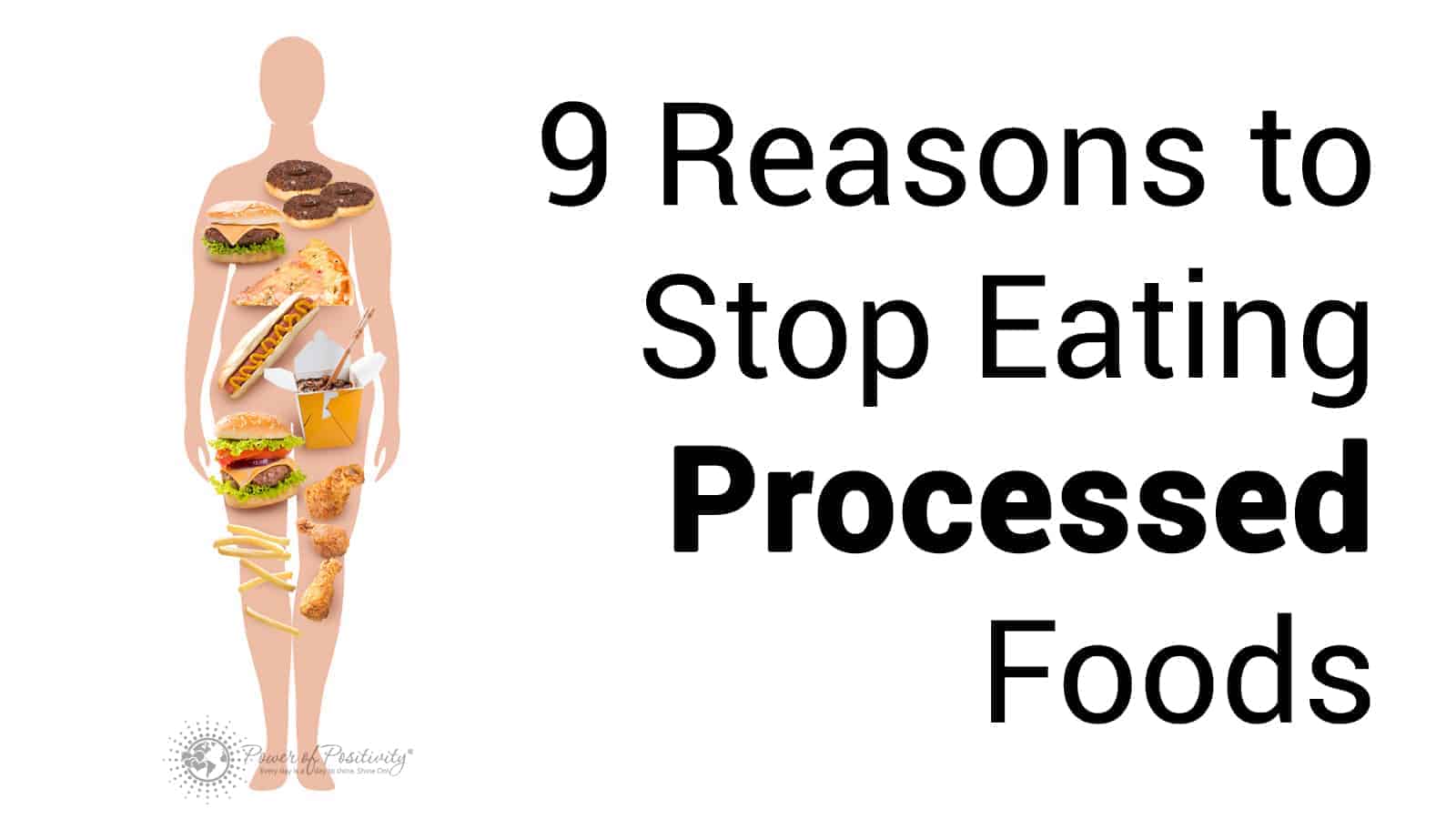
processed foods

3. The Fats

All butter sold commercially in the United States must be at least 80 percent fat. Butter is, of course, an animal fat – containing higher amounts of saturated fat than margarine. Unlike the fats contained in most margarine, however, those included in butter are mostly of the omega-3 and omega-6 varieties.

Margarine and spreads found in the dairy aisle range from 10 to 90 percent fat, consisting mainly of the polyunsaturated and monounsaturated varieties. Some margarine products may also contain trans fats, which are notoriously bad for health.

4. The Taste and Texture

Regardless of what ICBINB’s (admittedly funny) commercials may tell you, there IS indeed a difference in the taste and texture of the two products. Put simply, a product manufactured entirely (and naturally) from animal fat will not, in most cases, closely resemble a wholly-processed substitute.

These differences are evident in baked goods, which traditionally use a large amount of butter or margarine. Products made with the latter tend to taste quite different (often, worse) from those made with natural butter.

5. The Nutrition

While neither butter nor margarine is “healthy,” the latter lacks important nutrients such as omega-3 and omega-6 fats which are vital for brain and heart health. Furthermore, margarine contains just trace amounts – if that – of vitamins A, D, and E.

Nutrition label stuff aside, heavily-processed foods – a category that includes margarine – is almost always worse for human health than minimally-processed and organic products (more on organic, natural margarine brands later.) Most of the processing at butter producing sites is mechanized, with the exception of added salt to buttercream.

herb butter

The Verdict (Kind Of)

Kris Gunnars, BSc, in an evidence-based article written for Healthline titled “Butter vs. Margarine – Why I Trust Cows More Than Chemists,” recites what most nutritionists and scientists now understand the be true:

“Given that nutrition organizations have been warning us about butter and pushing us towards processed industrial margarine, you would think that there was at least a hint of evidence suggesting this to lead to better outcomes. Alas, no. Despite margarines being able to lower total and LDL cholesterol in the short term, they actually lead to the opposite effect when measuring hard outcomes.”

Still, there is a place for margarine (and there probably always will be.) Vegans, environmentalists, animal rights groups and other demographics make sure of this.

Fortunately, there are a number of good and natural margarine products. Becel margarine, for example, substitutes heart-healthy olive oil. Another company, called Earth Balance, produces an organic, 100 percent natural margarine spread.

The best advice (with apologies to Kris Gunnars): Do your research and consume certain foods in moderation.

(C)Power of Positivity, LLC. All rights reserved
Sources:
http://healthypage.info/2017/12/25/the-fat-facts-butter-vs-margarine-the-truth-were-not-being-told/
https://www.healthline.com/nutrition/butter-vs-margarine#section7
https://www.rd.com/food/fun/real-difference-butter-margarine/
https://www.thekitchn.com/whats-the-difference-between-butter-and-margarine-223410

Researchers Explain 5 Health Effects of Stress

We have mentioned this fact before: stress is the deadliest and most ubiquitous health epidemic in the world. In fact, the World Health Organization (WHO), widely considered to be the most distinguished medical body on the planet, has labeled stress “The Health Epidemic of the 21st century.”

So why is stress so underestimated and misunderstood? In part, this is because stress is unavoidable. We biologically experience stress as a means of self-preservation, so we’ve just (sort of) accepted it.

Basically, we don’t think about stress much – it just kind of brews under the surface. We also tend to categorize stress and disease as two different things. They are not.

The fact is that chronic stress negatively impacts our health and well-being. Abnormal stress levels can cause diseases, illnesses, and sicknesses of both the physical and mental variety. While we may be able to keep the effects of stress at bay for a certain period, if we ignore the symptoms and fail to take care of the core problem, it will rear its ugly head at some point.

Here’s the Mayo Clinic on the relationship between stress and health:

Indeed, stress symptoms can affect your body, your thoughts and feelings, and your behavior … Stress that’s left unchecked can contribute to many health problems, such as high blood pressure, heart disease, obesity, and diabetes.

Shanna Levine, MD, a clinical instructor of medicine at the prestigious Icahn School of Medicine in New York City, makes this observation:

“When people are stressed, they get sick … because the immune system can’t suppress the virus.”

Here are 5 Effects of Stress on Your Health

Stress’s mental, physical, and psychological effects are thoroughly researched and documented, but have you ever wondered what being over-stressed does to your body and mind? Or considered the common risks that being over-stressed poses?

peace quote

1. It’s more difficult to control emotions

A 2013 study, published in the Proceedings of the National Academy of Sciences concludes that stress has a “deleterious” (toxic) effect on one’s ability to manage their emotions. Emotional regulation depends on “intact executive functioning and engagement of the prefrontal cortex.” These cognitive processes grow severely handicapped when we’re under heavy stress.

When we have problems managing emotions, our cognitive skills and decision-making abilities are negatively impacted. This has a domino effect on every area of our lives – personally and professionally.

2. Your love life could take a hit

Everyone on the planet agrees that sex is a wonderful stress reliever. (Research backs this up, too!) However, stress – particularly performance anxiety – can lead to troubles between the sheets.

Studies have shown that higher-than-normal levels in men affect testosterone levels, body weight, and sexual desire. Women might also get less frisky when feeling the pressure.

3. You have a more significant sweet tooth

We can pretty much all sympathize with this one. Who hasn’t been frazzled only to beeline for the snacks? Your cravings are entirely normal, friend. Unfortunately, in this context, the word “normal” is not synonymous with healthy.

Per a University of Pennsylvania study, the elevation of stress hormones links directly to our sugar cravings. The research team concludes, beyond a doubt, that stress hormones trigger those mid-day chocolate binges.

4. You may get a bit itchier

A Japanese study of 2,000 people reveals that those with a skin condition called pruritis (“chronic itch”) were twice as likely to be over-stressed as the control group.

We all know that irritated skin can induce stress. Now, Japanese scientists claim that itchy skin and specific conditions – dermatitis, eczema, and psoriasis – are aggravated by anxiety and stress.

5. Your belly is more sensitive

Anxiety and stress can manifest all sorts of gut troubles, including stomachaches, irritable bowel syndrome (IBS), and even ulcers. In one study, people “experiencing the highest levels of stress were more than three times as likely to have abdominal pain as their more-relaxed counterparts.”

These findings regarding the effects of stress are not so surprising. The gut-brain relationship is well established. When we feel relaxed and carefree, our digestion kicks into gear. Feeling stressed or overwhelmed can stall our digestive processes. When this happens, we’ll sometimes get a belly ache or need to head to the toilet.

effects of stress

Final Thoughts: Limiting and Relieving the Effects of Stress to Be Happy Again

The Mayo Clinic provides some quick tips on managing stress:

  • Regular physical activity
  • Relaxation techniques, such as deep breathing, meditation, yoga, tai chi, or massage
  • Socializing wth friends and family
  • Taking time for your hobbies
  • Limiting or cutting out alcohol and tobacco use

Mindfulness and meditation are two proven stress relievers. One of the quickest and most effective ways to get your emotions under control is to pay conscious attention to your breath. For an entire minute, focus on inhaling and exhaling. Make sure to inhale deeply and slowly exhale, centering your self and inviting calm into your mind.

21 Things Your Body Can Tell You About Your Health

The body positive movement is in full swing and this is a good thing. Not only is it boosting people’s confidence, but it is also causing them to get to know themselves and their health better. Sometimes the smallest changes or characteristics in your body, physically, mentally, and emotionally,  can tell you a lot about your overall health.
It’s good to take a close look at yourself and evaluate your health every week. What’s happening in your body and how you feel is a direct reflection of the state of health. Here are 21 things your body can tell you about your health …

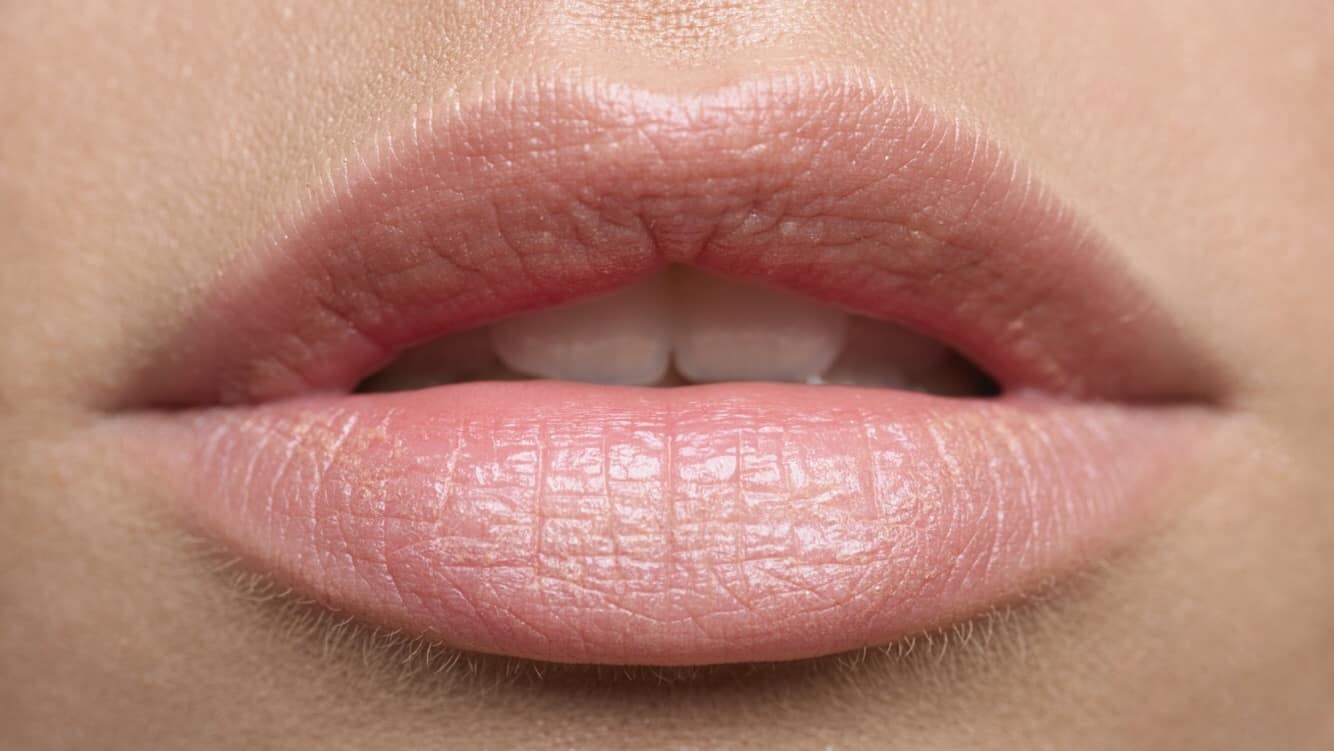
1. Cracked and Dry Lips

personality

Chapped lips happen, but if you experience this issue frequently, it might signal an allergic reaction or dehydration. When caused by an allergy, it is referred to as allergic cheilitis. The most common causes include lip cosmetics, medications, dental hygiene products, metals and foods, according to the New Zealand Dermatological Society.

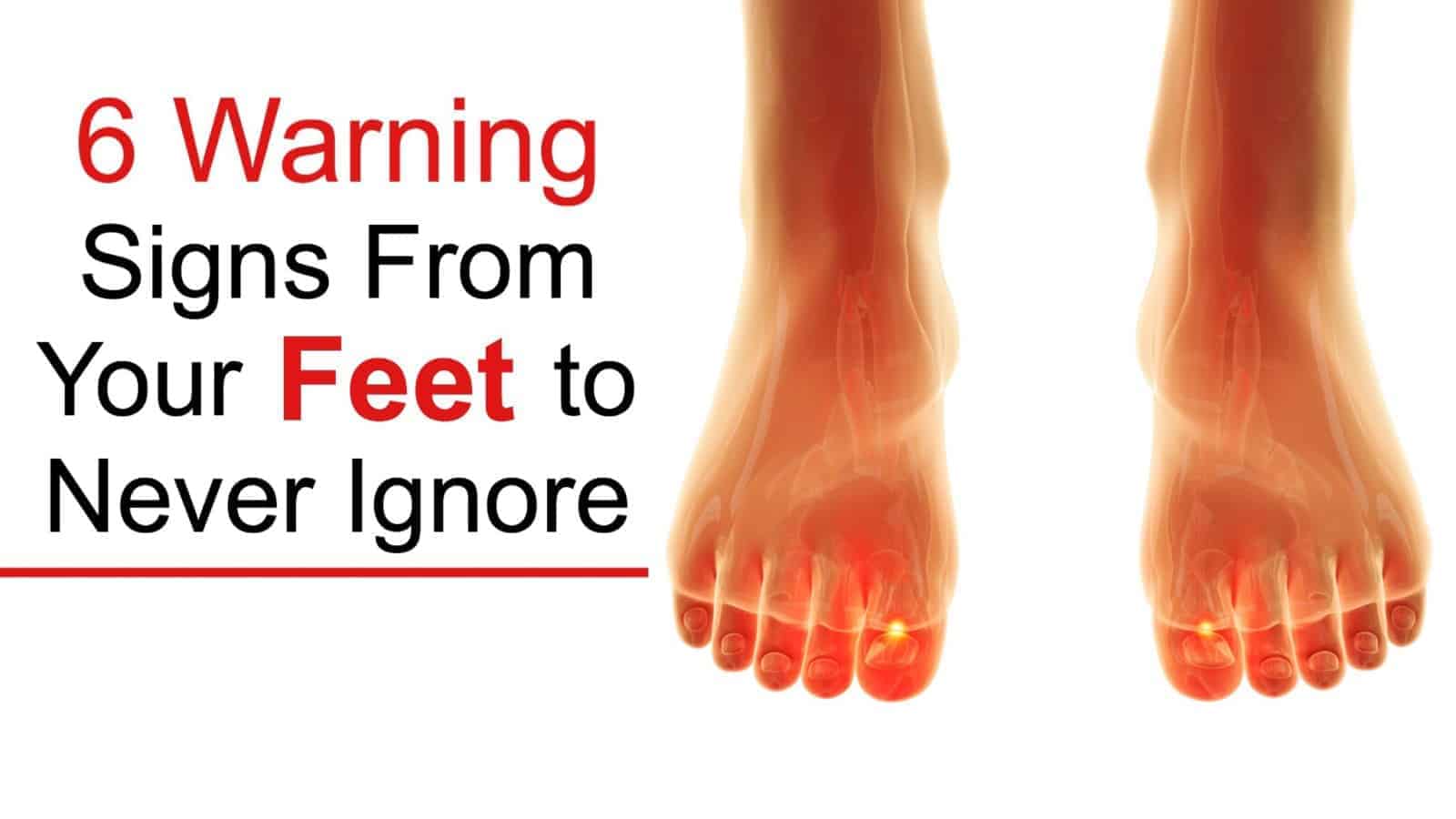
2. Swollen Feet

feet

Foot swelling is not uncommon. In fact, it is to be expected when women are pregnant or after people spend countless hours on their feet. However, when there is not obvious cause, talking to your doctor about heart failure might be in order. This condition is characterized by the heart not effectively pumping, resulting in fluid retention. Unfortunately, this condition is not uncommon, and it is estimated that every years in the United States, 550,000 new cases will be diagnosed, says Emory Healthcare. This condition can affect people of all ages, from children to the elderly.

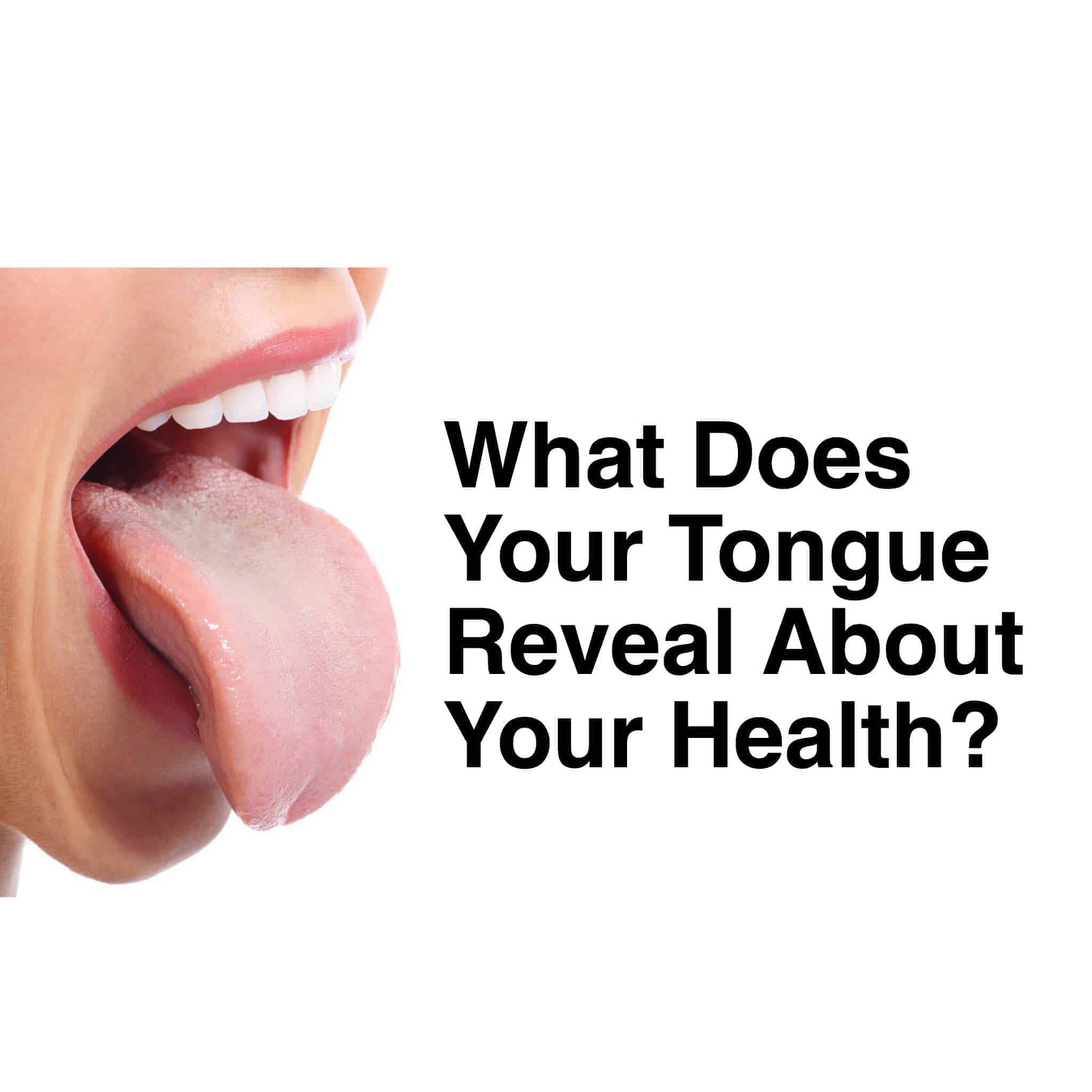
3. Pale Tongue

tongue-health

Under normal circumstances, your tongue should be pink, moist and taste buds should be visible. If your tongue is dry and pale, this could indicate an iron deficiency, according to acupuncturist Katie Clifton. A quick blood test will tell you if your iron levels are too low.

4. Abnormal Sweat Smells

sweat

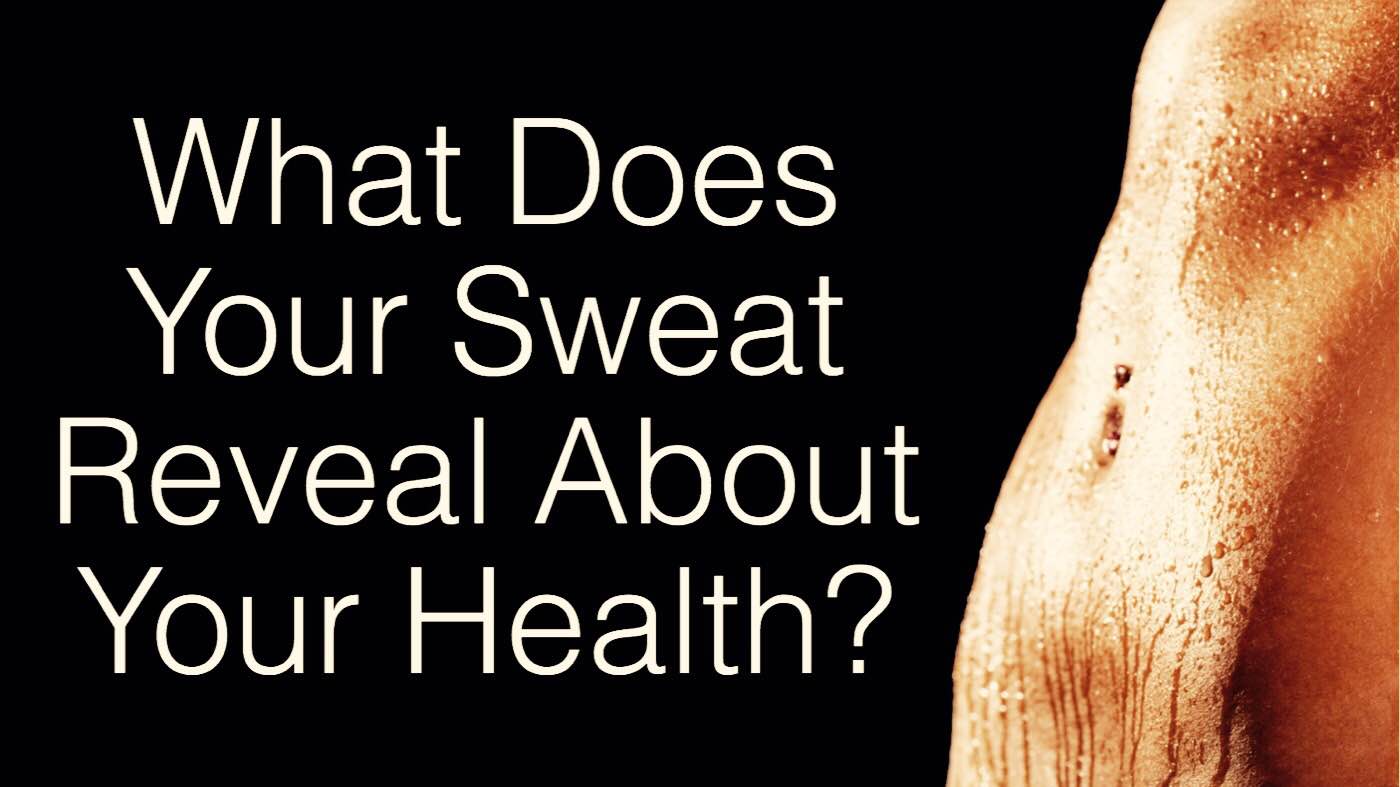
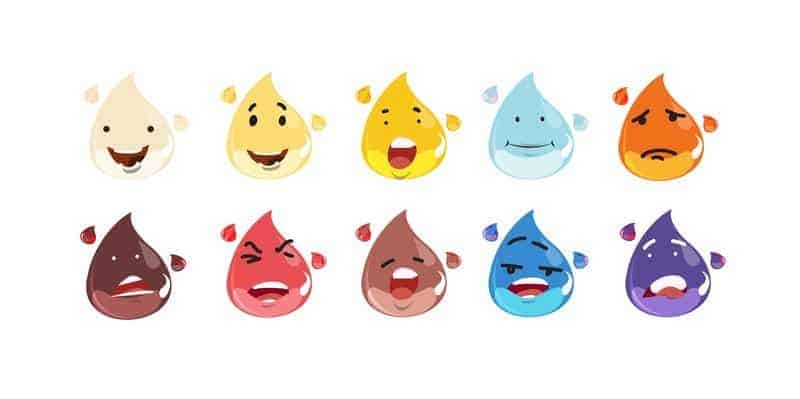
Your sweat and how it smells can give you a lot of information about your general health. For example, your blood sugar might be abnormal if your sweat takes on an acetone odor. Those with diabetes might also have a sweet smell due to the sugar accumulating on the skin. Liver or kidneys problems might be present if it smells like ammonia.

5. Check the Length of Your Fingers

Women want to examine their ring and index fingers to see which is longer. A study in Arthritis & Rheumatism in 2008 concluded that women whose ring fingers are longer compared to their index fingers were twice as likely to develop osteoarthritis in their knees.

6. Loss of Eyebrow Hair

Full and dark eyebrows are all the rage in the beauty world, but if your eyebrows are becoming sparse, it might be due to thyroid disease, according to David Wolfe. This can happen with both overactive and underactive thyroid conditions. When thyroid disease is to blame, you typically notice the outer section of your eyebrows starting to thin out.

7. Stinky Feet

If your feet smell despite clean shoes, socks and proper hygiene, you might be dealing with athlete’s foot. This condition occurs as the result of a fungal infection and it is mildly contagious. It generally presents as a rash that is scaly and red, says the Mayo Clinic. Profound itching is common, and it tends to be at its worst when you first remove your socks and shoes.

8. Abnormal Hair

In women, if hair is growing where it typically does not, this can signal an issue with your health. One of the most common reasons for this is polycystic ovarian syndrome. This condition is characterized by different metabolic problems and a hormonal imbalance. The abnormal or excessive hair growth is generally due to your body producing too many male hormones. The hair may grow on the face, back and in the ears. It is estimated that throughout the world, approximately 8 to 20 percent of women have this condition, states the NICHD.

9. Dark Velvety Skin Patches

When these first occur, most people think they just need to exfoliate or scrub harder. However, the American Academy of Dermatology says that these patches might signal a medication reaction or pre-diabetes.

10. Smaller Calves

Women with calves under 13 inches around might be at a higher risk of having a stroke, according to a 2008 study in the journal Stroke. The increased stroke risk is associated with those with smaller calves tending to develop carotid plaques more often. Having more subcutaneous fat in the lower legs might reduce the risk of plaques by taking fatty acids out of the bloodstream.

11. Breast Size

Women whose breasts are a D cup or larger when they were age 20 may be 1.5 times more susceptible to developing types 2 diabetes compared to women with an A cup or smaller. The study, which was presented in the Canadian Medical Association Journal, theorized that this might be due to the hormonally sensitive fat in the breasts making women more vulnerable to developing insulin resistance.

12. Shorter Arms

Women who have shorter arms are said to be up to 1.5 times more vulnerable to Alzheimer’s disease, states a study in Neurology published in 2008. A short arm span is said to be 60 inches or less.

13. Puffy Eyes

give too much

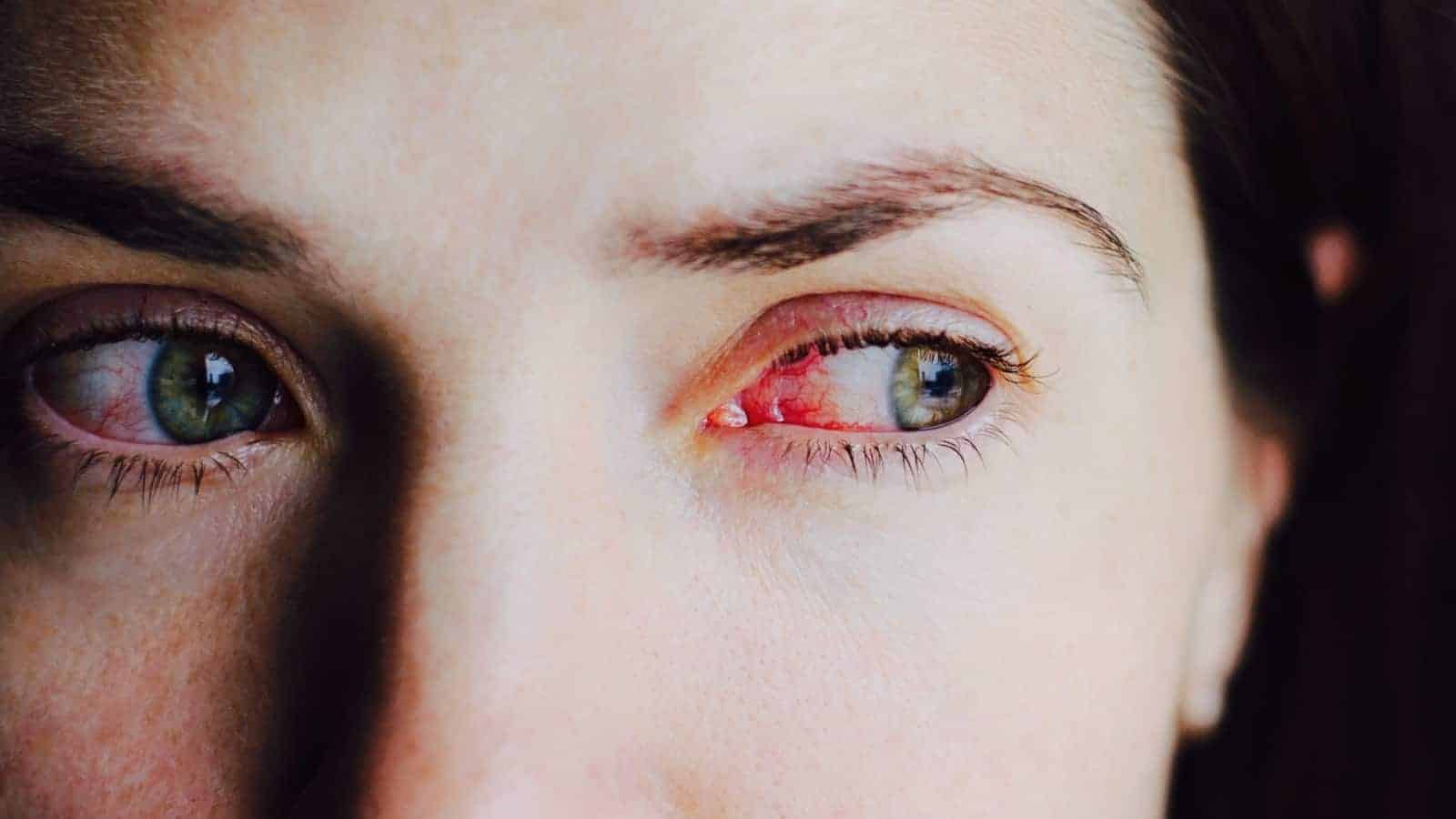
Having some puffiness and minor swelling under the eyes is often attributed to lack of sleep and excess stress. While these can certainly be culprits, hormonal changes and salt intake also play a role. Dr. Sears states that food sensitivities or allergies might also be to blame for puffy eyes, especially in children.

14. BMI and Cognition

Your ability to maintain your cognitive abilities later in life is something most people are concerned about. If you are nearing or in your 40s and your abdomen is on the large side, your chance of developing dementia in your 70s is up to 3.6 times more likely than your smaller waisted peers, according to a 2009 study in Neurology. This is believed to be due to more inflammatory hormones being produced by the higher level of visceral fat.

15. Short People Live Longer

As long as a short person does not have major medical issues, they tend to live longer than their taller peers, says research presented in Anthropological Review. It is believed that this is associated one of the genes responsible for short stature also being partly responsible for longevity.

16. Blood Type Matters

Research recently conducted at the Dana-Farber Cancer Institute shows that people with type O blood, either negative or positive, are less likely to develop pancreatic cancer. In fact, those with AB, A or B blood had a 44 percent increase in their risk of developing this type of cancer in life.

17. Stunted or Uneven Teeth

If you notice that over time your teeth become more stunted or uneven, this might tell you that you are grinding your teeth in your sleep. Teeth grinding is typically associated with increased stress, according to a report on Colgate.

18. Premature Facial Wrinkles

aging

As you get older and collagen production slows, so it is natural for wrinkles to start forming. However, if you are in early menopause and you notice wrinkles, your bones should be your primary concern. In Boston at the Endocrine Society Meeting in 2011, research was presented that linked early wrinkling to osteoporosis. The research said that the quality of a woman’s skin was a clue into her bone mineral density, and that the distribution and severity of wrinkles often correlated with a lower bone density.

19. Check Your Nails

fingernails

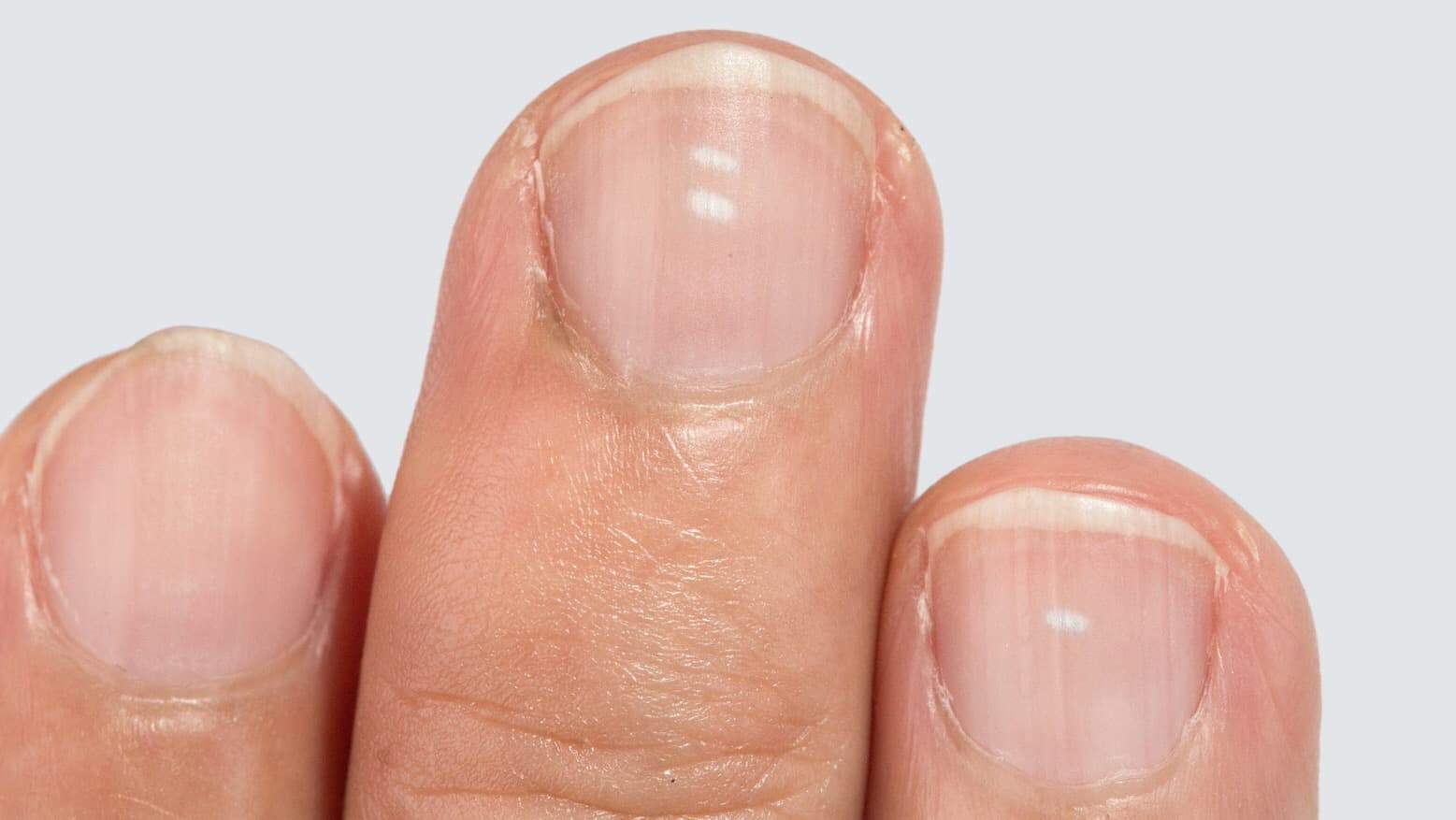
Your toenails and fingernails can act as windows into your general well-being. If your nails develop side-to-side lines, this can indicate stress. Small cysts around the cuticles might signal arthritis. Kidney disease symptoms might in side-to-side lines, white spots or streaks and ridged nails, says the Cleveland Clinic.

20. Pungent Urine or Stools

health

What comes out of you can be just as telling as bodily changes and characteristics. When stools are especially smelly, consider what you have consumed recently. If you notice a correlation between smelly stools and eating dairy products, this could signal a lactose intolerance, according to AARP. Urine having a chemical smell could mean a urinary tract infection, usually due to the E. coli bacteria.

21. Dry Skin

detox your skin

Occasional dry skin is normal, especially when the weather is cold and dry. However, if your dry skin is not alleviated by moisturizers and drinking more water, an underlying condition might be at play. Nutrient deficiencies, diabetes and hypothyroidism are common causes of dry skin. The following nutrient deficiencies might contribute to dry skin: essential fatty acids, vitamin E, vitamin D, vitamin A and potassium, says Susan Evans, MD.

Make sure to take a good look at yourself and evaluate your health about once a week. It is a direct reflection of your state of health. If you notice changes that are problematic, make an appointment with your doctor.

References:
https://www.dermnetnz.org/topics/allergic-contact-cheilitis/
https://bit.ly/2qQYJzI
https://drlwilson.com/ARTICLES/BODY
https://onlinelibrary.wiley.com/doi/abs/10.1002/art.23237
https://www.mayoclinic.org/diseases-conditions/athletes-foot/symptoms-causes/syc-20353841
https://bit.ly/2HUo4js
https://www.ncbi.nlm.nih.gov/pmc/articles/PMC2683740/
https://www.degruyter.com/downloadpdf/j/anre.2016.79.issue-4/anre-2016-0032/anre-2016-0032.pdf
https://www.aad.org/public/diseases/color-problems/acanthosis-nigricans
http://stroke.ahajournals.org/content/39/11/2958
http://www.dana-farber.org/newsroom/news-releases/2009/blood-type-study-sheds-light-on-biology-of-pancreatic-cancer/
https://news.yale.edu/2011/06/06/not-just-skin-and-bones-wrinkles-could-predict-women-s-bone-fracture-risk
http://www.cmaj.ca/content/178/3/289

How to Make Natural Energy Drinks to Boost Your Energy And Improve Your Mood

About 90 percent of Americans consume caffeine in one form or another every single day. More than half of all American adults consume more than 300 milligrams (mg) of caffeine every day, making it by far America’s most popular drug. – Villanova University

There is nothing wrong with a bit of caffeine for extra energy. In fact, scientists often highlight its numerous benefits for the brain and body. In addition, caffeine does not appear to have adverse effects, even in relatively large doses. Per the Mayo Clinic:

Up to 400 milligrams of caffeine seems to be safe for most healthy adults. That’s roughly the amount of caffeine in four cups of brewed coffee.

You might find that bit of information surprising. What is more, the Mayo Clinic is not the only health center sharing this kind of data. Consider this comment by Harvard University’s Dr. Robert H. Schmerling:

Over the last several decades, coffee has been among the most heavily studied dietary components. And the news is mostly good. Moderate coffee consumption (three to four cups per day) has been linked with a longer lifespan.

(Coffee, by the way, has numerous research-based health benefits!)

The problem isn’t caffeine, but the wave of adulterated caffeine-based products. These have led to an alarming public health epidemic. Companies like Monster Energy, Red Bull, and Rockstar make energy drink products loaded with additives, which are known to be harmful the body. Sugar, high-fructose corn syrup, ginseng, gingko biloba, guarana, high levels of taurine, and an excessive amount of B vitamins enhance the physical and mental effects of caffeine. The problem is that the biochemical interaction between these ingredients can be very dangerous.

So how do you get the energy without the potentially harmful additives? Enter the better option: natural energy drinks. Because these are homemade, you can have full control over what you put inside your drink (and your body).

These Healthy, Natural Energy Drinks can Improve your Mood and Boost your Energy Levels

Apple-Banana Energy Shake

Yeah, this drink is as good as it sounds. Energy-wise, apples are the cream of the crop (or tree), as they are packed with vitamins, minerals and natural sugar. Bananas are a perfect complement, because they provide a quick-acting effect on mental stamina. This is one of the simplest natural energy drinks that you can make.

Ingredients:

1-2 peeled apples

2 bananas

¼ cup cold, non-fat milk (optional)

½ cup crushed ice

Directions: Mix all ingredients in a blender until smooth and serve chilled.

Kombucha Tea

Kombucha – a type of fermented green tea – contains probiotics, vitamin K-2, vitamin B-12, and fatty acids. The last two ingredients are very beneficial for cognitive energy and function.

Ingredients:

1 gallon of water

4 black tea bags

¾ cup of organic sugar or organic artificial sweetener

SCOBY (Symbiotic Culture of Yeast and Bacteria)

Directions: First, place the SCOBY in a glass jar and set aside. Bring the gallon of water to a simmer and mix in the tea bags. Add the organic sugar (or sugar substitute) and boil for about 15 minutes over low heat. Allow the mix to cool before pouring into the glass jar. Place a rubber band over a paper towel or coffee filter, which will allow the mixture to “breathe.” The culture will develop in seven-to-ten days. Finally, you have the opportunity to serve yourself and glass, and enjoy the health benefits.

Mint Tea Refreshment

A few refreshing mint leaves plus vitamin-C-packed lemon juice equals a serious energy kick!

Ingredients:

1 cup of cold-brew green, white, or mint tea

1 cup of cold water

A glass full of ice

1 whole freshly squeezed lemon

A few sprigs of fresh mint

Directions: First, combine all of the ingredients into a cocktail shaker. Shake thoroughly and then pour mixture into glass.

energy

Coconut-Matcha Energy Drink

Matcha contains a natural calming agent called l-theanine. When combined with the right ingredients, it provides a calm, focused, and happy energy. (Think coffee without the jitters!) Coconut, while it doesn’t have caffeine, contains a fatty acid called medium-chain triglycerides (MCTs). These provide a super quick energy boost. Oh, and it’s delicious!

Ingredients:

1 cup coconut water

2 teaspoons matcha powder

Orange slice for garnish (optional)

A few ice cubes (optional)

Directions: Mix matcha powder with coconut water and mix thoroughly. If desired, garnish with orange slice and serve over ice cubes.

These natural energy drinks are sure to give you a lasting energy and mood boost! In addition, they make tasty homemade beverages. The only problem you’ll face is deciding which one to try first.

https://youtu.be/7BNGVmwxoHI

(C)Power of Positivity, LLC. All rights reserved
Sources
https://today.uconn.edu/2015/03/children-and-energy-drinks-a-growing-public-health-crisis/

https://www.health.harvard.edu/blog/the-latest-scoop-on-the-health-benefits-of-coffee-2017092512429
https://www.rd.com/health/wellness/natural-energy-drinks/
https://www1.villanova.edu/villanova/studentlife/health/promotion/goto/resources/drugs/caffeine.html
https://www.verywellfit.com/energy-drinks-89052

5 Habits that Lower Your IQ

Certain things, such as smoking and drinking, obviously lower intelligence and cognitive abilities. You probably wouldn’t want to take an IQ test after a night out at the bar, for example. However, there are habits many of us partake in that can lower our IQ without us even realizing it.

Of course, many factors determine a person’s IQ. In addition, there are many different types of intelligence. Everyone brings their own set of unique gifts to the world, and IQ isn’t the only determining factor for intelligence. With that said, we want to go over a few habits that have been proven to “dumb people down” and even harm their health.

Here are 5 habits that make you less smart:

1. Frequently using a smartphone.

Okay, we know pretty much everyone owns a smartphone these days, and these devices definitely have their advantages. However, we can’t list things that can potentially lower your IQ without giving the smartphone a mention. Smartphones have an addictive, mind-numbing quality about them, which can hinder our cognitive abilities.

To prove this, researchers at the University of Texas gathered a group of about 800 smartphone users. The participants had to take several computer tests that required their full attention. The researchers asked some of them to leave their phones in another room, while the others just had to mute their phones and place them face-down on their desks. The participants who left their phones in another room performed much better on the tests than those who had their phones right by them.

Researchers believe that having a phone right near you hinders your ability to focus. One reason for this is that we have grown so accustomed to checking our phones constantly. With the phone out of sight, people automatically focus better because they have less distractions. You actually have to exert effort to avoid checking your phone when it’s in your sight, so the saying “out of sight, out of mind” definitely applies here. The energy you have to use to not check your phone can then be diverted to the task at hand.

2. Eating a lot of processed foods.

This point might seem like a no-brainer, but a poor diet starting in childhood can stunt intellectual growth for the duration of one’s life. After examining eating habits and IQ’s of approximately 14,000 young children, researchers discovered that kids who ate mostly processed foods at three years old had lower average IQ scores five years later than kids who had healthy diets.

We all know that the human body and brain need certain vitamins and minerals to grow and function optimally. The brain grows at its fastest rate during the first three years of life, so the kinds of food given to a child during this stage makes a lasting impact on the child’s brain.

Sadly, researchers also found that kids who ate a diet high in processed foods at age three showed little improvement in IQ scores when positive dietary changes were made later in life.

3. Regularly multitasking

Did you know multitasking doesn’t actually exist? (If not, there’s your little tidbit of new knowledge for the day.) The brain cannot truly focus on more than one thing at a time, which means “multitasking” is, in fact, just switching back and forth between tasks very quickly. Many people think multitasking gets things done faster, but it takes longer than doing one thing at a time. Plus, multitasking isn’t nearly as effective as focusing on and completing one job before moving on to the next.

Not only is multitasking ineffective, but it also lowers the IQ. A study done by the Institute of Psychiatry in London discovered that multitasking resulted in a temporary 10-point drop in IQ. To put that in perspective, smoking marijuana or missing a night’s sleep didn’t cause as large of a decrease as multitasking does.

4. Having a diet high in sugar.

sugar

Most of us know sugar isn’t good for us, but it does more than harm our health; it lowers our intelligence, too. Researchers found that a diet high in fructose lowers intelligence after just six weeks.

Researchers from UCLA studied the effect of a high-fructose diet in rats. The rats were taught how to find their way through a maze before being split into two groups. Both groups were given fructose water, but one group was also fed omega-3 fatty acids, which have been shown to promote brain health.

After six weeks, the rats that had been given omega-3’s performed significantly better than the other group. In fact, the rats in the other group could not recall the route they had learned and showed decreased synaptic activity.

We do need sugar to survive, but it’s the type of sugar we ingest that matters. Choosing low-sugar fruits and vegetables instead of highly processed foods is your best bet.

5. Having a long commute to work.

This is probably the most surprising one on the list. Researchers at the University of Leicester found that driving more than two hours each day rapidly lowers IQ. They studied the lifestyles of more than 500,000 people over a five-year period, giving them memory and intelligence tests throughout the study.

Among the participants, 93,000 drove more than two hours each day. In addition to scoring lower at the beginning of the study, they showed a steady cognitive decline throughout the study compared with those who did little to no driving.

Final thoughts

Perhaps you have a job that requires a long commute, you can’t simply switch jobs from one day to the next, and this is a concern to you. Well, just because you can’t alter some things about your lifestyle doesn’t mean you can’t change anything. If one of the above points is one that you find it difficult to adjust in your life, focus on the others. What is more, you don’t need to change it all in one shot.

Choose one of the points above and build positive habits in that area before moving on to the next. Adopt healthy lifestyle habits, one small change at a time, and you will find that your overall health is improving. And although you might not be able to quantify it, you can be confident that your IQ is on the upswing as well!

https://youtu.be/7BNGVmwxoHI

(C)Power of Positivity, LLC. All rights reserved
Sources:
https://www.theguardian.com/science/2011/feb/07/diet-children-iq
https://news.stanford.edu/news/2009/august24/multitask-research-study-082409.html
https://www.livescience.com/20329-sugar-stupid.html
https://www2.le.ac.uk/offices/press/press-releases/2017/july/hours-of-driving-and-watching-tv-lower-iq-scores

10 Inflammatory Foods to Always Avoid

Did you know that most diseases have one thing in common? You guessed it – inflammation. However, as we’ve said before, inflammation is not inherently bad; it allows the body to heal from wounds and serves to protect us from foreign invaders.

Inflammation only becomes a threat when it’s chronic in nature, and sadly, millions of people worldwide are suffering from long-term inflammation. We don’t have an exact number for you, but if you consider that heart disease, arthritis, diabetes, cancer, and cardiovascular disease all fall under the umbrella term “inflammation,” you can get an idea of just how widespread the problem has become.

We could write a whole book about why chronic inflammation exists today, but for now, we’ll focus simply on the role of food. As most of us know, natural foods – such as fruits, vegetables, meat, nuts, and seeds – provide us with optimal health. However, in our modern society, we have been inundated with unhealthy foods that taste great but make us sick in the long run.

Just like a car needs quality fuel to run, we need quality food to function. With that said, we’ll go over ten foods to avoid if you want to keep yourself free from inflammation.

Here are ten foods that increase risk of inflammation:

1. Sugar

Allow us to clarify: sugars from unnatural sources of food. Sugar has been shown to be eight times more addictive than cocaine and has the exact same effect on the brain. Great news for the food industry; bad news for our health. Simply put, sugar without fiber is empty calories. The fiber in whole foods allows us to get full and provides us with nutrients. Sugar in processed foods packs on calories while doing nothing for our overall health. As such, it should be among the top on your personal list of foods to avoid.

2. Refined carbs

Researchers believe that refined carbohydrates – common in our modern diets – promote inflammatory gut bacteria, which can cause all sorts of diseases. Refined carbohydrates have been shown to cause cravings and boost inflammation levels. Instead of white rice, go for sweet potatoes or brown rice, as these foods have many nutrients. What is more, they will leave you feeling full and satisfied for longer. Plus, they promote healthy gut bacteria.

3. Alcohol

Sure, a glass of wine or two a day probably won’t hurt, but drinking in excess certainly can. Not only does drinking a lot of alcohol lead to liver disease, but it can cause other problems such as diabetes, heart disease, and even cancer. If you want to lower inflammation, it’s vital to keep your alcohol consumption to a minimum.

4. Processed meat

Like anything else processed, processed meat can cause a lot of health concerns. So far, this one food has been linked to an increased risk of diabetes, colon cancer, heart disease, and stomach cancer. Compounds called advanced glycation end products (AGEs) are formed during the manufacturing process of some meats, which can lead to inflammation in the body.

5. Trans fats

Most foods do not contain trans fats anymore, after studies came out showing how harmful they are for health. However, trans fats can also be hidden under different names such as “partially hydrogenated” oils. If you see this on any food label, put the item back on the shelf, as trans fats have been linked to inflammation and a greater risk of cancer.

6. Refined grains

Just like any refined carbs, refined grains do not pave the way to good health. The refinement process removes all the good stuff from the grains, such as bran and germs. What you’re left with is basically empty calories and sugar with no nutrients; avoid white bread, flour, and noodles if you don’t want inflammation.

inflammation

7. Monosodium glutamate (MSG)

While some people are more sensitive to this additive than others, it doesn’t do any of us any good. MSG has been shown to cause inflammation, heart palpitations, muscle weakness, numbness, increased blood pressures, headaches, and weight gain. While studies about MSG are conflicting, a general rule is to avoid it if you’re sensitive to it or don’t want to consume a large amount of salt.

8. Gluten

Those with celiac disease should be concerned about this one, but people who don’t enjoy the sluggish feeling they get after consuming refined carbs might want to take heed, too. Gluten is a protein found in wheat, and some people cannot digest it properly. Those with celiac disease report feeling bloated and having digestive issues after consumption of gluten. Even if you don’t have this disease, you might find yourself wanting to cut down on gluten to improve digestion and decrease the risk of inflammation.

9. Artificial sweeteners

A 2014 study published in Nature found that artificial sweetener consumption in both mice and humans alters gut bacteria and increases the risk of glucose intolerance. When our bodies can’t metabolize glucose properly, it can lead to a greater release of inflammatory cytokines often found in the body after eating refined carbs. Good gut bacteria release anti-inflammatory compounds, but artificial sweeteners inhibit this healthy bacteria.

10. Vegetable oils

Oils abundant in omega-6 fatty acids – such as sunflower, corn, and soybean – have been shown to raise inflammation in the body. However, oils rich in omega-3’s – such as olive and coconut – have the exact opposite effect. Choose your oils wisely and you will be making choices that support your health.

https://youtu.be/yG-G9_LOkLA

 (C)POWER OF POSITIVITY, LLC. ALL RIGHTS RESERVED
Sources:
http://www.health.com/health/article/0,,20637702,00.html
https://www.health.harvard.edu/staying-healthy/foods-that-fight-inflammation
https://www.healthline.com/nutrition/6-foods-that-cause-inflammation
https://www.ncbi.nlm.nih.gov/pubmed/26287637
https://www.niaaa.nih.gov/alcohol-health/alcohols-effects-body
http://abc13.com/health/study-sugar-is-as-addictive-as-cocaine/533979/
https://draxe.com/inflammation-at-the-root-of-most-diseases/

4 Easy Ways to Manage Anxiety Naturally

The Anxiety Epidemic

“We’ve been at war since 2003, we’ve seen two recessions. Just digital life alone has been a massive change. Work life has changed. Everything we consider to be normal has changed. And nobody seems to trust the people in charge to tell them where they fit into the future.” – Kai Wright, host of “The United States of Anxiety” podcast

Anxiety is officially an epidemic in the United States. The truth is that we’re all at fault. We’ve become a tech-addicted, “more for less,” debt-laden, overworked people. Anxiety has infiltrated our society – and we’ve done little to nothing about it. If you harbor doubts about this, all you need to do is look at the numbers:

  • Anxiety is the most common mental illness in the U.S.
  • Over 45 million adults have been diagnosed with an anxiety disorder.
  • It’s estimated that only 37 percent of individuals with a diagnosable anxiety disorder seek treatment.
  • 38 percent of teenage girls and 26 percent of teenage boys have an anxiety disorder, according to the National Institute of Mental Health.

Bear in mind that these are conservative estimates; as in, the real numbers are likely to be much, much higher.

Anxiety Is Hell

For those with an anxiety disorder, the word “hell” is often used when attempting to describe the experience. Here’s how one person describes it on the site Quora:

Mentally, the underlying anxiety of everyday life is torturous. It’s like living in constant fear of something. It’s always around the corner. Ready to strike. You don’t know what will set you off or why. It’s pretty horrendous actually. You are always on edge and it is constantly taking a lot out of you.

If you suffer from anxiety, you probably empathize with that quote and know exactly how that “constant fear” feels.

Treatment

There is one statistic left out from before: The U.S. spends $42 billion annually on treating anxiety disorders. Unfortunately, the “treatment” of anxiety too often involves a prescription for one of the most addictive drug classes in existence: benzodiazepines (e.g., Xanax, Valium). If you happen to sidestep the benzos, the odds are that you’ll end up with some form of antidepressant.

Despite the medical community’s predilection for anything that comes in pill form, natural treatments exist. These natural treatments for anxiety may help, and they don’t come with negative side effects. With that in mind, here are …

Four easy and natural ways to resolve anxiety and feel calmer:

1. Activate The PNS

It’s remarkable but true: part of your nervous system is there to help you feel peaceful. It’s called the PNS, or “parasympathetic wing of the autonomic nervous system” and it may just be the most powerful anti-anxiety cure.

Here’s something else amazing: you can activate the PNS at will. Besides dramatically reducing anxious feelings, this immediately lowers your sense of stress, reduces blood pressure, and strengthens the immune system.

Here’s how to do it:

  1. When inhaling, fill your lungs fully and hold for one second.
  2. Relax while exhaling (don’t try to “control” the out breath.)
  3. Repeat this process for 60 seconds.

2. Re-direct Your Attention

Daniel Goleman, author of the books Focus: The Hidden Driver of Excellence and Emotional Intelligence: Why It Can Matter More Than IQ says this about what he calls “emotional distractions”:

“If one of those emails you’ve been working through happens to trigger a strong reaction – annoyance, anger, anxiety, or even fearfulness – that distraction will instantly become the focus of your thoughts, no matter what you’re trying to focus on.” The good news? “Our attention regulates emotion,” Goldman says.

Since attention regulates emotion, re-direct your attention away from your anxiety (onto your breathing, for instance). If you’re on your own time, pick up a book, go for a walk, take a nap, or play a game (yes, playing games is okay!).

3. Mindfulness/Meditation

“Anxiety softens when we can create a space between ourselves and what we’re experiencing,” the staff from Mindful writes, “(but) when you react in ways that aren’t mindful, they can gradually grow into habits that are detrimental to your health and well-being. Consequently, these patterns of reactivity further your suffering or distress.”

There is a mindfulness/meditation revolution taking place all over. And there’s good reason: numerous studies show that practicing one or both methods can significantly reduce subjective feelings of stress.  One shining example of this is Jon Kabat-Zinn’s Mindfulness-Based Stress Reduction (MBSR) program.

But you needn’t commit to a structured program for eight weeks. A space of 15 to 20 minutes a day is all that you need.

anxiety

4. “You are not your thoughts.”

While this last one may not be a method per se, the phrase is nonetheless worth remembering. “You are not your thoughts.” Here are three good reasons you should keep this in mind:

– First, the human brain tends to focus more on the negative than the positive. Naturally, this tendency produces more negative than positive thoughts.

– Second, thoughts that you do not control are nothing more than impulses from the deep recesses of the subconscious. In other words, if you have not intentionally called up some particular thought, it has entered your mind of its own accord.

– Third, no known method or practice leads to more “positive thinking.” We can redirect our attention to something positive, but thoughts are – for the most part – entirely autonomic.

Closing Thoughts

Even if there are many aspects of our lives – or even of our own psyches – we can’t control, isn’t it wonderful to know that we can choose our own responses? We can control our reactions and where we focus our attention. Practice mindfulness, deep breathing, re-direction of attention, and let go of those thoughts that make you feel shame or fear. Take a deep breath (or two), smile, and tell yourself, “I choose a mindful life of peace.”

Sources:
http://www.danielgoleman.info/the-two-biggest-distractions-and-what-to-do-about-them/

https://adaa.org/about-adaa/press-room/facts-statistics
https://www.nytimes.com/2017/06/10/style/anxiety-is-the-new-depression-xanax.html
https://www.psychologytoday.com/us/blog/rewired-the-psychology-technology/201706/the-anxiety-epidemic
https://www.quora.com/What-does-anxiety-feel-like

5 Aggressive Behaviors Never to Tolerate At Work

Here’s an interesting factoid: the average person will spend one-third of their life at work – or approximately 90,000 hours. Given this amount of invested time, it’s hardly surprising that work impacts our health. Per the World Health Organization (WHO): “Work may have both a positive or an adverse effect on the health of the worker.”

As many of us do not labor in physically hazardous conditions, work-related health ultimately comes down to the quality of the working environment. An organization’s leadership and company culture, as well as the quality of our working relationships, have an impact on the environment – and, ultimately, our physical and mental health.

“In the most favorable circumstances work provides the income and material outputs (and) has a positive impact on social, psychological, and physical health and well-being,” reads a WHO report on occupational health. “In spite of this, conditions at work (for) many occupations and in many countries still involve a distinct and even severe hazard that reduces the well-being, working capacity and even the lifespan of working individuals.”

Most governments consider the right to health and safety at work as a basic human right, yet most are plagued with workforces that are both dissatisfied and unhealthy. Per Gallup’s “2017 State of the American Workplace,” for example, a mere 33 percent of workers are ‘engaged’ in their job. 51 percent are doing enough to get by, and the remaining 16 percent detest their work (often voicing their displeasure.)

What do such dismal results show? “These figures indicate an American leadership philosophy that simply doesn’t work anymore,” says Gallup Chairman and CEO, Jim Clifton, “One also wonders if the country’s declining productivity numbers point to a need for major workplace disruption.”

Signs of a Workplace Bully, Don’t Tolerate These Aggressive Actions

Mental Health America (MHA) lists culture and bullying as two big reasons for skyrocketing employee dissatisfaction. “These high-stress situations can have serious effects on an individual’s physical health, mental health, and relationships,” explains MHA on their website.

The Workplace Bullying Institute lists five of the most commonly reported aggressive behaviors in the work place as:

1. Making false accusations

Falsely accusing someone of misconduct is a type of passive-aggressive behavior that is unacceptable in the workplace. Not only is such behavior against most organizational policies, but it is also likely to be against the law.

The victim is likely to suffer considerable mental and physical stress as a result of being wrongly accused. False accusations can create a culture of distrust and disdain, low employee morale and diminishing productivity.

2. Verbal intimidation

In a bully’s eyes, verbal harassment is satisfying, safe, and hard to prove. As the market becomes more competitive and fast-paced, the number of complaints involving verbal intimidation and abuse continue to rise.

Experts consider verbal intimidation to be either deliberate or inadvertent. Most workers will readily admit that the latter variety “just happens.” Indeed, they claim it is a part of being in a competitive environment. While that may be true, it can still be harmful if left unchecked. Deliberate verbal abuse in the workplace is against the law, and you should report it.

3. Attempting to suppress work-related speechjob

Did you know that the first amendment to the U.S. Constitution – the freedom of speech and expression – does not apply in the workplace? While it’s understandable that some speech can’t be allowed in a professional environment, actively disregarding someone’s thoughts and ideas can undoubtedly be considered abuse.

So make no mistake: if someone is trying to shut you up, you may have a legitimate complaint. Attempting to undermine work-related communication hinders the ability to do one’s job, which often falls under the definition of “employee harassment.” In some cases, confronting your manager about their biased behavior can be a necessary step, especially if the harassment stems from discriminatory practices.

4. Disregarding someone’s work

Unfortunately, office politicking is a very real thing. Taken to the extreme, a worker may find that their contributions are undervalued – or even disregarded altogether. Such behavior is a deliberate act of aggression and probably against the law. Most organizations fiercely combat such behavior as it threatens the efficiency and potential profitability of their operations.

Government organizations, predictably, are especially prone to backslapping, tit-for-tat working environments. (Hmm, maybe that’s why a trip to the DMV is enough to provoke an episode of insane rage?)

passive aggressive

5. Physical aggression

Physical aggression isn’t just about punches and kicks (most people aren’t idiots), but any form of unwanted touching. This includes “accidental” rubbing/massaging/caressing, and so forth. Sexual harassment that involves touching is also a form of physical aggression.

In short, it’s a bad idea to gesture or touch someone in any way (wanted or unwanted) in the workplace. Most employee grievances of physical aggression are treated very seriously because of legal ramifications, and termination of employment is a frequent outcome of such cases.

(C)Power of Positivity, LLC. All rights reserved
Sources:
http://www.gettysburg.edu/news_events/press_release_detail.dot?id=79db7b34-630c-4f49-ad32-4ab9ea48e72b
http://www.mentalhealthamerica.net/workplace-culture-bullying
http://www.who.int/mental_health/in_the_workplace/en/
http://www.who.int/occupational_health/publications/globstrategy/en/index2.html
http://www.workplacebullying.org/top-25/
https://www.forbes.com/sites/cherylsnappconner/2017/11/13/communication-in-action-preventing-and-surviving-workplace-harassment/#72bd5381156c
https://www.forbes.com/sites/kathycaprino/2017/09/09/is-your-boss-a-true-bully-how-to-tell-and-what-to-do-about-it/#3b9d6ab72435

How to Let Go of Trapped Emotions To Avoid A Nervous Breakdown

Emotions are an essential part of life as a human being. Sometimes, our emotions get caught up inside of our heads. There are many different reasons for us to develop trapped emotions. High-stress situations can cause people to shut down certain emotions such as fear, pain, sadness, and even trauma. But research has shown that shutting down emotions isn’t a healthy coping mechanism. People need to be able to feel their emotions in a healthy way.

When emotions get trapped, try these steps to help you release negative feelings without the fear of suffering an emotional meltdown.

Here Are 4 Ways to Release Trapped Emotions without Having a Breakdown

1. Define what you are feeling

The first step to releasing any emotion is to first identify what it is that you’re feeling. This can be particularly difficult if the emotion is stuck, or it has been buried for a long time. Taking some time alone to think about what you’re feeling can be invaluable to anyone having trouble identifying emotions. Journaling can be a great way to get inside your own head as well. Talking with a friend, family member, or therapist can also help identify what you’re feeling. A sounding board might be all you need to identify the emotion that you’re keeping locked away inside.

Once you know what you’re feeling, then you can move ahead with releasing your emotions. Don’t try to force yourself to identify a feeling. Just allow yourself to think about it, and the feeling will come about organically.

2. Let yourself cry

When emotions get trapped inside of us, a natural way to let them out is crying. In fact, crying is one of the most cathartic things you can do when it comes to releasing emotions. Whether the emotion is stress, sadness, or grief, crying really can help.

Of course, you want to make sure that you have an appropriate place to cry. Find a quiet place where you won’t be disturbed if you would rather cry alone. Having a comfort object, like a blanket or favorite pillow, can help soothe you once you begin to cry. Once you feel like you’ve released those pent-up emotions and finished your cry, wash your face with warm water and take a moment to comfort yourself in whatever way you need.

3. Find a quiet place to meditate

In order to release trapped emotions, you need to be able to understand what you’re feeling in the first place. If you’re having trouble releasing your trapped emotions, try taking some time to really get to know what you’re feeling. Meditation is a great mindfulness technique to help you feel your emotions. According to the EOC Institute, meditation is an amazing tool for dealing with stress and anxiety.

When most people think of meditation, they think of new-age hippies closing their eyes and crossing their legs. While some people find this position comfortable, meditation can be performed in any position you like. You can lie in bed, recline on the couch, or sink down in a warm bubble bath.

trapped emotions

4. Move your body and exercise

You might be surprised to learn that moving your body can help release trapped emotions. You don’t have to exercise regularly (although regular exercise is not a bad idea). However, if you feel like there are emotions stuck inside of you that need to be released, don’t be afraid to stretch and move. Dance, hit the gym, go for a jog, or find a 15-minute exercise routine on YouTube. The important thing is that you’re getting your blood flowing.

Exercise naturally releases and decreases negative emotions like anger, stress, and anxiety. The Anxiety and Depression Association of America lists exercise as one of the best ways to manage stress. The next time your emotions are feeling trapped, try getting active to help release those pent-up feelings.

Final thoughtslife quote

All of these suggestions should help anyone release negative emotions that are stuck inside. Releasing trapped emotions can be difficult, and you might fear that releasing these emotions will lead to a breakdown. Thankfully, these healthy, positive ways will help you release negative feelings without having them boil over. Don’t be afraid to talk to a therapist or counselor, who can often help you navigate your emotions. The key is finding ways to control the release of your emotions, and not let them go all at once.

https://youtu.be/FnJLrAQrzjw

(C)Power of Positivity, LLC. All rights reserved
Sources:
http://mysahana.org/2011/05/emotion-suppression-effects-on-mental-and-physical-health/
https://eocinstitute.org/meditation/the-psychology-of-meditation/
https://adaa.org/understanding-anxiety/related-illnesses/other-related-conditions/stress/physical-activity-reduces-st
Skip to content