Weekly tips, affirmations, and small actions to feel your best.

12 Secret Habits of Happy Couples

Happy couples that stay together for the long-haul work hard to make their relationship last. There’s no “magic bullet” to a lasting relationship, but there are secrets that every couple should know. Every couple that stays together has adopted these secrets and, over time, has developed them into habits. Relationship experts can back it up: these habits will keep any relationship healthy and strong for years to come.

Here Are 12 Secret Habits of Happy Couples

1. Spend time together

Obviously, you want to spend time with your partner; however, it’s not always possible. Couples who stay together know that it is all about making the time. Even if it is just a phone call over lunch or an hour at the end of the day, make together-time happen. Couples who stay together make an effort to listen to one another and share their feelings.

2. Turn off social media

As fun as it can be to show off your relationship on the internet, it’s important to know when enough is enough. Sometimes take that extra step to put down the phone, unplug your computer, and spend quality time with your partner. Keeping some things to yourself about your relationship is key to keeping one another happy and emotionally healthy.

3. Go with the flow

You know that relationships are going to have their ups and downs. Not every relationship is going to be exactly the same, and you’re going to experience different hardships in each one. Couples who stay happy together understand the importance of going with the changing flow of any relationship. You can’t move forward if you keep standing still.

4. Teach one another

There’s so much we can learn from the people around us. We should not see intimate relationships any differently. Learning from and teaching one another is one of the habits that happy couples must learn. Don’t be afraid to admit your shortcomings – and don’t be afraid to allow your partner to show you the way! Relationships are about growth, and sometimes we have to grow together.

5. Talk it out

Happiness doesn’t come from sweeping your problems under the rug and hoping they go away. Happy couples that stay together learn how to talk through their issues. They don’t let things fester. They bring up disagreements, talk about them, and come to a compromise or agreement.

6. They show affection

Sex is good, but affection is also an important part of relationships. Holding hands, hugging, kissing, and cuddling are all important aspects of affection, yet this intimacy can sometimes get overlooked. Reminding your partner of your love is one vital benefit of regular affection.

7. Stay intimate

intimacy

Of course, intimacy (both physical and emotional) is also a key to a long-lasting, happy relationship. Couples who keep intimacy a regular part of their relationship are much more likely to stay together. According to a research study, intimacy is important to happy relationships because it promotes a stronger connection between two people.

8. Show appreciation

When relationships last for a while, we can start to take our partner for granted, even if we don’t mean to. In fact, can you remember the last time you thanked your partner for preparing dinner or doing the dishes? What about taking out the garbage or filling the gas tank? It’s important to show appreciation, and happy couples make a habit of saying thank you.

9. Learn to forgive

According to Mark Goulston, M.D., happy couples know that trusting and forgiving one another is the way to go. When arguments arise, or when your partner does something unintentionally hurtful, it’s important to trust them and forgive them. Next, discuss together how to move forward from that point. Happy couples practice forgiveness rather than hold grudges.

10. Check-in

Goulston also suggests that happy couples check in on each other throughout the day. Sometimes, things can happen during our day that can completely tank our moods. Couples who keep one another in mind and give a text or call to “check in” are likely to stay happy and build a long-lasting connection. Show your partner that you care and that you’re thinking of them.

11. Learn how to argue

There is a right way and a wrong way to argue with your partner. Arguments happen, but your partner isn’t your enemy. Happy couples learn how to argue without seeing their partner as someone they have to win against. Rather, they look for a positive solution to end the disagreement.

12. Say “I love you” every day

Happy couples always remind one another that they care and that they love each other. Saying “I love you” every day will help form stronger connections between you and your partner. Happy couples that stay together tell one another “I love you” every morning and every night – and throughout the day when they can.

Final thoughts

“I think for any relationship to be successful, there needs to be loving communication, appreciation, and understanding.” – Miranda Kerr

Happy, long-lasting relationships can happen for anyone. You just need to know how to work out the problems that come with relationships. These habits are a great starting point to building a long and happy relationship.

References:
https://www.psychologytoday.com/us/blog/fulfillment-any-age/201707/the-secret-reason-why-sex-is-so-crucial-in-relationships
https://www.psychologytoday.com/us/blog/just-listen/200911/10-habits-happy-couples

5 Early Warning Signs of Rosacea (and How to Treat It)

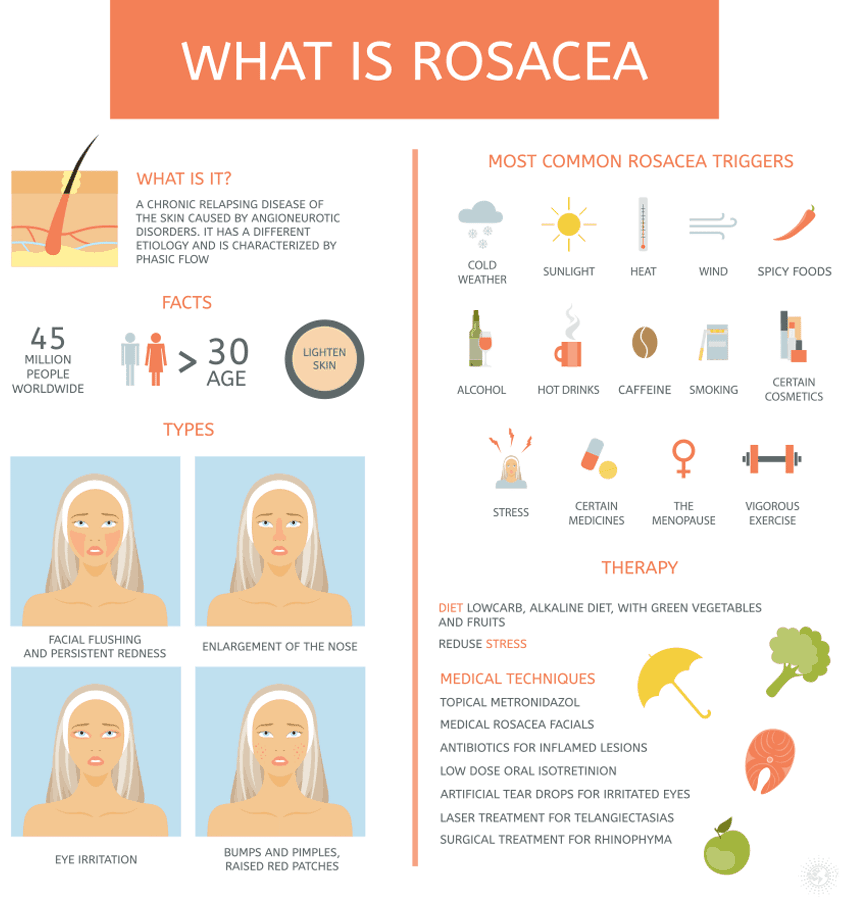
Many people don’t even know what rosacea is.

According to rosacea.org, in an NRS survey, 47 of almost 1,500 patients didn’t know what rosacea was before they were diagnosed. Rosacea is a skin condition that gives the skin an appearance of a blush or burn.

It can begin as a simple flush, but can last for long periods of time and, over time, develop bumps under the skin. It can also cause an itching, burning sensation and expose blood vessels. Thankfully, early warning signs of rosacea can help reveal the underlying cause so treatment can be sought out.

Here Are 5 Warning Signs of Rosacea

rosacea

1. Small bumps on the face

In the beginning, many patients who suffer from rosacea develop small, pimple-like bumps on their face. These can often be mistaken for acne. As such, most patients and doctors overlook them in the beginning. However, if you’re past puberty and don’t have a history of acne, you might want to pay attention to what your face is telling you. These bumps will often feel warm to the touch, which is different from run-of-the-mill acne.

2. Flushed face

One of the biggest warning signs of rosacea is having a flushed face. It’s almost like blushing, but it comes on with no warning. Unlike a red face after a workout, rosacea flushing will happen anywhere, at any time. It usually comes on slowly, yet fades quickly. The skin will feel extremely feverish to the touch, and the redness can stay for ten minutes or longer before it begins to fade.

3. Red, swollen nose

Rosacea can cause swelling of the nose that might look similar to a severe sunburn, along with dry skin. If you’re not prone to being out in the sun for long, or don’t generally suffer from sunburns, rosacea might be the cause. The nose can grow red and swollen, with hard skin forming. The nose can also grow to look bulbous, so pay attention to this warning sign.

4. Inflamed blood vessels in the facehealth

Inflamed facial blood vessels is one of the earliest warning signs of rosacea, even before a flushed face or bumps under the skin. In the beginning, the blood vessels might be barely detectable underneath your skin. Over time, however, they can become inflamed, or raised up. Rosacea is almost always the cause of this symptom, so it’s important to take notice if this happens.

Swollen face

Swelling is never a good sign, and it can be a symptom of several issues. However, combined with redness, bumps, inflamed blood vessels, and hard skin around the cheeks and nose, a swollen face is one of the early signs of rosacea. The skin will get swollen, inflamed, and flushed. If your face has recently begun to swell up, as well as become hot and tender, you probably want to see a doctor about rosacea treatment.


Here Are 3 Ways to Treat Rosacea

Knowing the warning signs is important, but how does one treat rosacea? First, you’ll want to go to your doctor to get a proper diagnosis. After that, there are several ways that rosacea can be treated and relief can be found.

1. Topical medication

Doctors will often want to try a topical medication first (although medication is not the only route). They will tell you to apply these medications to the skin twice daily in order to control the redness and inflammation underneath the skin. Topical medications are very effective and can help control rosacea flare-ups and minimize the symptoms.

2. Laser treatments

For more severe cases of rosacea, “light pulse,” or laser treatments, can help control the redness and blood vessels in the face. While laser treatments can be uncomfortable, they do wonders to help improve the redness, complexion, and appearance of skin affected by rosacea, without medications that can affect you in other ways.

3. Sunscreen

The American Academy of Dermatology recommends sun protection whenever possible for those who suffer from rosacea. While using sunscreen isn’t the end-all-be-all treatment for rosacea, it can greatly help control flare-ups and keep the skin safe from the UV rays that can trigger the condition. Most people who suffer from rosacea have fair skin, so it’s important to keep that skin safe from harm. Applying daily sunscreen is usually recommended to reduce the redness and chances of flushing.

5 Behaviors That Reveal Verbal Abuse In A Relationship

In many cases, domestic or verbal abuse is something visible and physical – potentially causing physical injury. In some instances, however, it’s less obvious. At these times, recognizing verbal abuse isn’t always easy. How do you know if your feelings are valid when you’re feeling unsafe because of someone’s words instead of their actions?

5 Behaviors That Reveal Verbal Abuse

1. They take away your independence.

Signs of verbal abuse and manipulation can start off subtly. At first, it may not seem odd that your loved one is jealous when you’re with other friends or family members, but if they’re stopping you from leaving the house without them, you should step back and assess the situation.

According to the National Domestic Violence Hotline, a verbally abusive loved one may also monitor your comings and goings. Additionally, they may tell you when you can or cannot leave the house, and even decide what you can wear. This controlling partner may diminish your independence in other ways as well, such as through overriding your choices or controlling your money. Sharing funds or a bank account is one thing, but your loved one should not be making all your financial choices or taking your money from you.

2. They intimidate or threaten you.

Unfortunately, some of the clearest signs of domestic abuse are the most dangerous. Threats and acts of intimidation from a loved one are unignorable. They are also unacceptable. You should never be in a position in which your loved one makes you feel unloved and unsafe. Even silent intimidation is considered verbal abuse. Body language makes up more than half of all communication, and intimidating body language is a major red flag in a relationship.

If a loved one is following or stalking you; looking at you or acting in ways that scare you; trapping you in your home; or damaging your things by throwing, kicking, or hitting when they are angry, seek help from someone you trust.

3. They pressure you into doing things you don’t want to do.

Coercion is another form of verbal abuse that may not be easily recognizable. Coercive loved ones might convince you that you owe them favors because of your relationship. If this is the case, you should look at the situation objectively and remind yourself that your first obligation is to yourself and your safety. If your loved one is pushing you to make a choice you don’t want to make or forcing you to have sex, know that they shouldn’t be making you do anything that goes against your personal comfort level.

4. They gaslight you.

Gaslighting is a form of manipulation used to make victims question themselves and their own sanity. If your loved one is gaslighting you, they may tell you blatant lies or say that you’re making up stories or imagining things. This exhausting, dangerous manipulation tactic takes place and grows over time. It might not be something that you notice at first.

We all occasionally feel we’re too sensitive or that we’re doing everything wrong; however, if you’re constantly second-guessing yourself because your abusive loved one questions your point of view, you may be the victim of gaslighting. Ask someone you trust for their objective opinion of the situation and remind yourself that you aren’t always wrong.

5. They make you feel worthless.

low self esteem

Offensive language and insults are more obvious signs of verbal abuse, but they aren’t the only routes your loved one may take to affect your thought patterns and sense of self. An abusive loved one may offhandedly tell you that you do everything wrong; or that you’re a bad child, significant other, or parent.

In addition, verbal abuse can be the absence of verbalizing. The “silent treatment” is a dangerous tool used to ignore the needs of another person that makes them feel as if they are not worth it.

This individual may also threaten to withhold attention or affection as punishment or humiliate you in front of friends and family. Try to remove yourself from these situations. Be positive about yourself and seek validation and refuge with supportive friends and family.
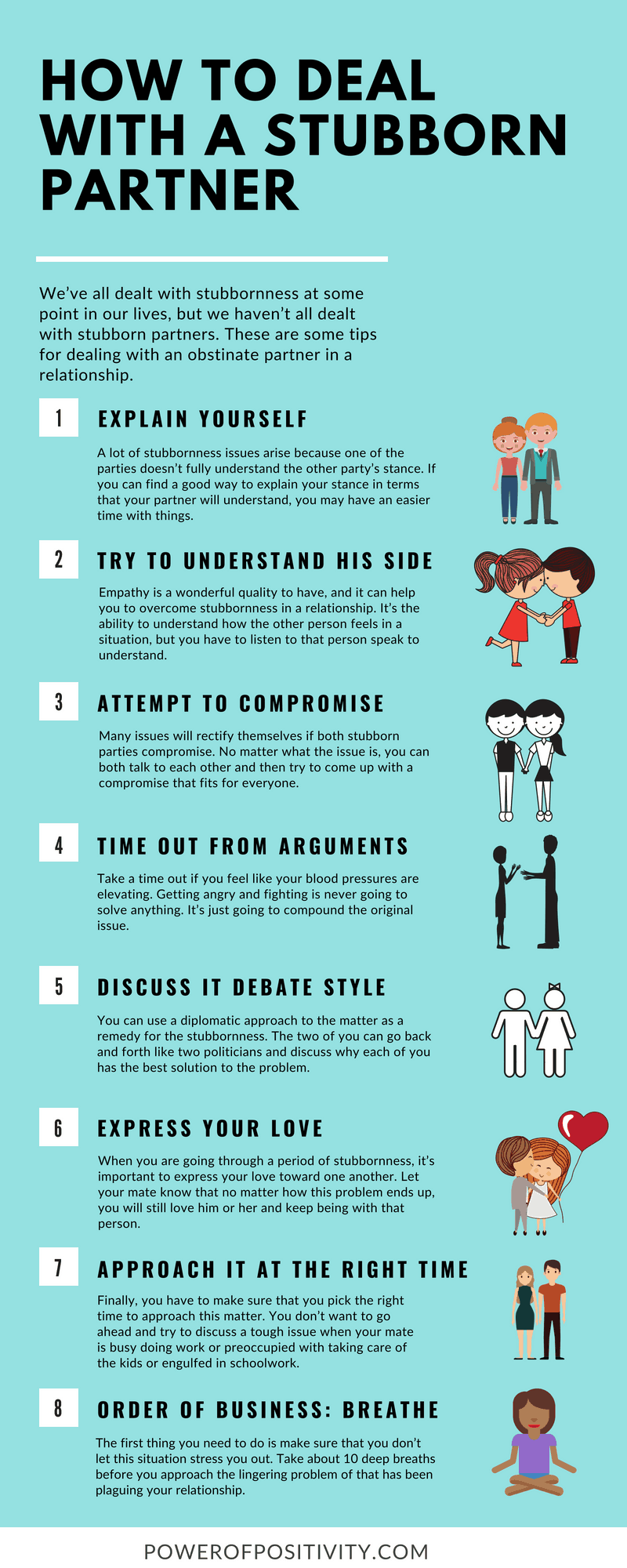
How To Deal With A Stubborn Partner In A Relationship

Final thoughts

“It amazes me when education, religion and family values fail to create a human being.” – Anum Sattar

Domestic or verbal abuse can be difficult for a victim to recognize, especially when it has yet to become physical. This is why knowing the signs of verbal abuse is so important. If you or someone you care about is in a potentially abusive relationship, seek out a path to safety.

Science Explains 10 Things That Cause an Overactive Bladder

What is an overactive bladder?

Overactive bladder, or OAB, is a group of urinary symptoms, the most common of which is a sudden urge to urinate that you can’t control. Many people with OAB also experience “incontinence” – the leaking of urine shortly after the symptoms surface.

The immediate need to urinate can be extremely disruptive to one’s life. For example, office jobs require workers to remain at their desk for an extended period of time, something that a person with OAB would surely find difficult to manage.

Overactive Bladder Affects Millions

Per the Urology Care Foundation, “Overactive bladder (OAB) is a common condition that affects millions of Americans … 33 million Americans have an overactive bladder (or) as many as 30% of men and 40% of women…” The Urology Care Foundation notes that most people who suffer from OAB do not seek help or treatment for their condition. If this is the case, it is likely that the actual number of Americans suffering from OAB are much higher.

overactive bladder

Understanding the Effects

Many people may downplay the effects of a condition such as OAB. This occurs despite research that shows the very real consequences of bladder disorders.

The Urology Care Foundation dispels numerous myths regarding OAB:

  • Affects both men and women, not just women.
  • Is not attributable to just “getting older.”
  • Doesn’t develop because of individual error.
  • Is separate from having an enlarged prostate.

The Foundation elaborates on complications of OAB that may arise:

“OAB can affect your relationships with your spouse and your family. It can (rob) you of a good night’s sleep. Too little sleep will leave you tired and depressed. In addition, if you leak urine, you may develop skin problems or infections.”

Contributing Factors to an Overactive Bladder or Similar Condition

Here are ten things that may cause or complicate OAB or a related condition:

1. Menopause

Menopause throws estrogen levels out of whack. More specifically, estrogen levels tend to plummet during menopause, weakening both the bladder and urethra muscles. The weakening of these muscles can cause urinary complications during menopause, including incontinence.

2. Pelvic Troubles

The pelvic floor consists of muscles supporting the bladder and urethra (among others). When the pelvic floor drops – usually the result of a medical disorder – bladder and bowel control problems often surface. Aging and childbirth are two leading causes of pelvic floor disorders.bladder

3. Diuretics

Certain over-the-counter pills increase the outflow of urine, causing symptoms similar to OAB. These include caffeine pills, water pills, sodium tablets, and others.

4. Bladder Fullness

If your bladder being full sounds like an overly-simplistic explanation, that’s because some people mistake it for an overactive bladder.  There are a few reasons why: drinking too much water, having a smaller bladder, too much caffeine or alcohol, or aging.

5. Urinary Tract Infection

A urinary tract infection (UTI) happens when bacteria from the bowel infiltrates the ureters, urethra, or kidneys. The result is an infection which causes inflammation and irritation of the bladder,  creating an intense sensation of needing to go to the bathroom.

6. Involuntary Contractions (SELF)

As fluids accumulate in the bladder, nerve signals from the bladder to the brain stimulates pelvic floor muscles and relaxes the urethra. The end result is involuntary contractions, causing the bladder muscles to expel urine, even when it’s not full. Leakages commonly result as well.

7. Pregnancy (HL)

Pregnancy causes expansion of the uterus, putting pressure on the bladder and causing an urge to urinate. Pregnant women often experience incontinence because of this pressure. Also, the woman may experience OAB symptoms after giving birth because the pelvic floor often weakens after pregnancy and childbirth. The good news is, these muscles can be strengthened again with regular exercise.

8. Diabetes (SELF)

A common symptom of both type 1 and type 2 diabetes is the frequent need to urinate. Diabetes can trigger an overactive bladder because of a buildup of sugar in the blood, requiring the kidneys to work harder. Whenever the kidneys are in overdrive mode, the result is almost always more frequent visits to the toilet.

9. Urinary Obstructions (HL)

Blockages within the urinary tract may cause symptoms mirroring those of OAB. Bladder stones or an enlarged prostate can interfere with the normal functioning of the urinary stream. In rare cases, tumors may develop in obstructed areas.

10. Neurological Conditions

Certain neurological conditions can interrupt signaling between the body’s nerves and the bladder muscles. Multiple Sclerosis (MS), stroke, and Parkinson’s disease are three such disorders. Nerve damage – including trauma to the abdomen, pelvis, or spine, or brain or spinal cord infections – can also lead to OAB.

overactive bladder

Final Thoughts: Know the Triggers of OAB

Per Healthline, there are many possible triggers for OAB and the frequent need to urinate. These include:

  • constipation
  • consuming too much alcohol or caffeine
  • eating acidic foods
  • not consuming enough dietary fiber
  • not drinking enough water

Making healthy lifestyle choices helps you maintain a healthy bladder. Maintaining a healthy weight, eating a well-balanced diet, and exercising regularly is vital. If your symptoms disrupt your daily life, seek the guidance of a medical professional.

6 Ingredients to Never Put on Sensitive Skin

Sensitive skin can be difficult to manage if you don’t know what things can cause an outbreak. When it comes to skincare, you have to be careful about the things you put on your skin. If you have dry or sensitive skin, you might want to avoid a medley of things your skin might come into contact with every day.

While some things may seem good for your skin, people with sensitive skin could easily suffer an adverse reaction to these very products. Dermatologists list a variety of things that people with sensitive skin should avoid in order to keep their skin soft and healthy.

Here Are 6 Ingredients to Never Put on Sensitive Skin

1. Dyes

While most clothing contains dyes of some sort, you should do your best to avoid getting these dyes onto your skin. Make sure to wash all your new clothes when you get them from the store, as this will remove excess dye from the factory out of the fabric.

Not only should you avoid dye from clothing, but you should also avoid hair dyes. Permanent hair dye colors tend to have ingredients that cause irritation to sensitive skin. Dark hair dye colors, especially, can often cause an allergic reaction in someone who has sensitive skin. If you’re looking to dye your hair, consider hypoallergenic or natural hair dye methods. Natural dyes such as henna may not last as long, but they will be healthier for sensitive skin in the long run.

2. Essential Oils

Even though essential oils are supposed to be “all natural,” they can be dangerous if you don’t know what you’re doing. Essential oils are incredibly concentrated, and for this reason should never be used without first diluting them. This also goes for people who don’t have sensitive skin. If you have sensitive skin or any form of allergy, you should avoid using essential oils, even if they’re diluted.

3. Exfoliants

If you’re looking to get excess matter or dead skin off your body, you would do well to be careful about the products you choose. Many dermatologists suggest that using gentle exfoliants can be good for people with sensitive skin, especially ones that have citrus in them. Chemical exfoliants can cause allergic reactions or other problems in skin that is sensitive. It might be better to use an exfoliating sponge along with soap and warm water, rather than using an actual exfoliant product.

4. Vitamin E Oil

Vitamin E oil might work well on your skin, but if you have sensitive skin or pores that are easily clogged, avoid using Vitamin E oil on your face. When you have sensitive skin, Vitamin E oil might cause an allergic reaction, such as a rash. Vitamin E oil benefits the skin of some people, but you should still try to steer clear of using this product on the face.

5. Chemical Sunscreens

Did you know that you can find sunscreens that don’t include harsh chemicals? People likely don’t worry about the sunscreen they put on their skin, since it’s supposed to help them avoid getting burned in the first place. After all, how bad could skin protection be? For people with sensitive skin, the very products that they’re using to keep their skin safe might actually be causing problems. Dr. Ellen Marmur, a dermatologist, suggests avoiding sunscreen with chemicals like Oxybenzone, Avobenzone, Homosalate, and similar chemicals.

6. Fragrances

If you have sensitive skin, avoid products with fragrances. This doesn’t simply mean perfumes, either. Lotions, soaps, shampoos, and perfumes are frequently made with fragrances. The chemicals used to make our skin products smell nice can cause allergic reactions or other issues. Try to avoid scented skin products to keep your skin safe.sensitive skin detox

Final thoughts

Your skin is the largest organ on your body. Keeping your skin healthy is an important part of caring for your body. Healthy skin is just as important as eating right and exercising regularly. You might not have realized that so many things that should be “good” for your skin can cause issues if you have sensitive skin. The above list reveals the top things to avoid if you’re experiencing outbreaks, redness, or allergic reactions on your skin.

“Take good care of your skin and hydrate. If you have good skin, everything else will fall into place.” – Liya Kebede

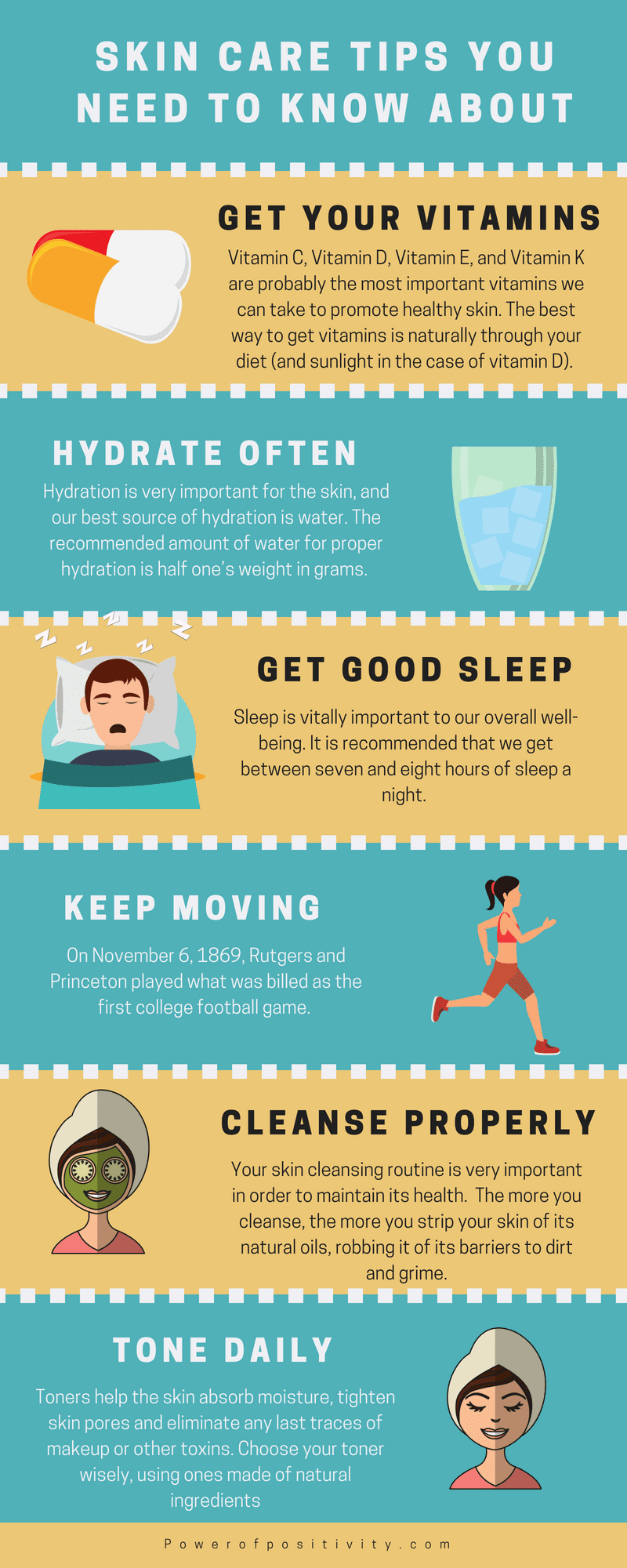
Skin Care Tips You Need To Know About

Share this Image On Your Site

(C)Power of Positivity, LLC. All rights reserved
References:
https://www.sharecare.com/health/skin-cleansing/what-ingredients-avoid-sensitive-skin

10 Early ADHD Symptoms to Never Ignore

ADHD isn’t just something that affects children. While it starts in childhood, ADHD is a developmental disorder that follows children into adulthood. What is ADHD, exactly and what are the signs? ADHD stands for “Attention Deficit/Hyperactivity Disorder.”  ADHD comes in three different types: inattentive, hyperactive, and impulsive. While it’s possible to have one, the other, or all three, all forms are underneath the ADHD umbrella.

It’s important to know the early signs of ADHD so that both children and adults can get help and treatment for it as soon as possible. While most adults learn to function with their ADHD without ever being diagnosed, it’s always best to know so that ADHD can be managed.

Here Are 10 Early Warning Symptoms of ADHD to Never Ignore

“Living with ADHD is like being locked in a room with 100 Televisions and 100 Radios all playing. None of them have power buttons so you can turn them off and the door is locked from the outside.” – Sarah Young

1. Trouble focusing

According to the National Institute for Mental Health (NIMH), having trouble focusing is one of the biggest indicators that someone has ADHD. In children, this often manifests as trouble focusing on school work or other activities that the child doesn’t consider to be fun. In adults, most people with ADHD tend to have trouble focusing on their workload. If you notice that your child has issues keeping their attention on one thing at a time, it might be best to see about ADHD testing. The same goes for yourself.

2. Doing poorly in some subjects but excelling in others

For children who are still in school, one of the biggest warning signs of ADHD is inconsistencies with their school work. Most children who have ADHD excel in things like art, history, and English. They also tend to need extra help in subjects like math and science. Most people think that children just need to apply themselves, but there may be another reason for poor grades and low scores in tests.

3. Daydreaming

Spacing out or daydreaming is one of the classic signs of ADHD in both children and adults. If your child is having trouble staying focused and seems to always be off in their own head, then it’s possible they might have ADHD. Again, the same option should be considered for adults who have ADHD. If you find yourself constantly daydreaming and using escapist fantasies to make it through the day, you might want to talk to someone about the possibility of ADHD.

4. Hyperactivity

While this is only applicable to people with either combined-type ADHD or hyperactive ADHD, this is still a major warning sign. In children, this often includes being unable to sit still, jiggling legs, acting disruptive in class, or constantly having to be told to sit down and pay attention. In adults, this can include constantly jumping from task to task, or a consistent need to always be multitasking.

5. Problems following instructions

NIMH says that children with ADHD usually have problems following their teacher’s instructions in class. Adults may have the same issue as well but tend to be able to manage better than children. If teachers are having a hard time getting a child to follow the instructions, it’s probably because that child is having a hard time paying attention.

6. Auditory processing issues

Auditory processing issues happen in both children and adults with ADHD. It’s similar to being hard of hearing, but there are no physical problems with the ears. What this means is that a child may have trouble hearing or understanding what someone is saying if they are in a crowded or loud environment. However, they will be able to hear perfectly fine in a quiet space. According to the NIMH, this may look like a child ignoring an adult when being spoken to directly, but this is not really the case.

7. Sensitivity to criticism

Rejection-sensitive dysphoria is a term used for people who experience extreme distress when giving criticism. This is especially common in people who have ADHD. If you notice that your child becomes upset beyond the reasonable amount when criticized or corrected, this very well might be the reason.

8. Extreme emotions

Along with sensitivity to criticism, one of the early warning signs of ADHD is extreme emotions. They may have trouble regulating their emotions, which can cause an outburst of anger or sadness. Compounded with hyperactivity, an ADHD child may throw tantrums at a much higher rate than a child without ADHD.adhd

9. Hyperfocus

On the opposite end of being unable to focus, people with ADHD have a tendency to hyperfocus on things that they find enjoyable. A child with ADHD may watch the same cartoon over and over or listen to the exact same song for hours on end. Adults with ADHD will do the same thing, and many don’t even realize that it’s a symptom of ADHD.

10. Disorganization

Both children and adults with ADHD will display this sign. Children with ADHD will often have a difficult time staying organized. Their rooms may become messier than normal, and they don’t have a system of organization. Adults with ADHD will have messy desks, rooms, and houses. There’s very little ability to organize in people with ADHD.

Final thoughts

Being the parent of a child with ADHD can feel daunting, especially before you know the warning signs. Likewise, growing up without knowing why your brain behaves the way it does can make everyday tasks seem monumental. The truth is, ADHD is entirely manageable – both with and without medication! All it takes is knowing the right tools to work around a brain that works just a little differently than others.

https://youtu.be/CU2LlJxEdJ4

(C)Power of Positivity, LLC. All rights reserved
References:
https://www.nimh.nih.gov/health/publications/attention-deficit-hyperactivity-disorder-adhd-the-basics/index.shtml

https://www.healthline.com/health/adhd/three-types-adhd 

5 Easy Ways to Remove Mucus and Phlegm Naturally

Here’s something interesting to get us started: did you know that phlegm and mucus are not the same? It’s true.

The mucus gives us that dreaded sinus congestion when we suffer from a nasty cold. Phlegm settles in the respiratory system and makes its presence known when we cough or wheeze.

While undoubtedly gross, both substances serve essential (relatively similar) purposes, especially regarding safeguarding our health. Mucus is responsible for cleansing and moisturizing the nasal passages, humidifying the air we breathe, and filtering out particles such as dust and dirt. Both slimy concoctions are critical for protecting our respiratory organs, such as our lungs. They also contain antibodies and are natural anti-bacterial – both essential for fighting infections.

Although the only time we think about mucus is when we’re sick, our body produces about one-and-a-half liters of the stuff every day. Some illnesses boost mucus production and alter its consistency, making it all but impossible to ignore. (The miserable, stuffed-up feeling that colds provide is the physical manifestation of such alterations.)

What Causes the Overproduction of Mucus and Phlegm?

Illnesses are not the only thing that causes mucus and phlegm output. A variety of factors that might increase your body’s production of mucus and phlegm include:

  • a cold or flu
  • certain foods and beverages; dairy products, caffeine, soy, and spicy foods are the most common.
  • a post-nasal drip
  • pregnancy
  • seasonal allergies
  • throat disorders

Although a nuisance, having excess mucus and phlegm is rarely a serious medical problem. While there is no shortage of over-the-counter (OTC) medicines, you can also naturally cut down the mucus and phlegm your body produces.

Here are five simple ways to remove mucus and phlegm naturally:

excessive mucus

1. Apple Cider Vinegar

For the unaware, apple cider vinegar (for brevity, ACV) is one of the most powerful, natural antibacterial agents. A couple of tablespoons throughout the day can help prevent excess phlegm production and promote a healthy pH balance. As ACV tends to be potent, mixing the product with water may help it be more palatable.

2. Air Humidifiers

Dry air can produce a whole bunch of nasty sinus and throat symptoms. As outside temperatures drop, we use our heating systems a bit more – which comes at a cost (literally and figuratively). Heaters dry out the air, producing symptoms such as dry eyes, skin, a sore throat, and even asthma!

Air humidifiers counteract dry air’s effects, allowing us to be a bit more comfortable. We’re also less prone to illness. Oh, if you don’t have an air humidifier – don’t worry – take a nice, hot shower or soak in a tub.

3. Ginger Tea

Ginger is an incredibly versatile ingredient. It’s a natural antioxidant, anti-bacterial, and – for this article – excellent decongestant.  Ginger helps to soothe your chest and throat by drying out the water-laden mucus and phlegm. Research also shows how it supports lung health.

Here’s a quick four-step ginger tea recipe:

  1. Start with a 2-cup measuring beaker, and put in some grated ginger.
  2. Fill to the 1 ½-cup line with boiling water.
  3. Allow to sit for 10 minutes.
  4. After ten minutes, strain the water into a large mug. (You may want to add a bit of honey, sugar, or a similar substance for sweetness.)

4. Honey and Lemon

Both honey and lemon are great for fighting mucus and phlegm overload. Lemon is packed with vitamin C, which also boosts the immune system. Secondly, vitamin C can serve as an excellent preventative measure for congestion.

Honey is a favorite of cold sufferers because it adds flavors to every beverage, and you don’t have to worry about any adverse effects of refined sugar. Honey also contains potent antibacterial and anti-inflammatory properties, which are excellent when battling congestion.

5. Turmeric

Turmeric is a fantastic spice. The bioactive ingredient of turmeric – curcumin – provides over 150 potentially therapeutic properties including anti-inflammatory, antimicrobial, and cancer-fighting elements.

Perhaps curcumin’s most potent effect is as an anti-bacterial. Relatedly, mucus and phlegm are heavily concentrated with bacteria (and viruses), making adding curcumin a great choice. Curcumin is most commonly sold as an additive in turmeric but can also be purchased individually as a supplement.

health quotes

Final Thoughts on Eliminating Mucus So You Will Feel Better

While it’s nice to know that the phlegm and mucus in our bodies are working for our benefit, we can all appreciate knowing we have the option to reduce the number of times we have to pull out that handkerchief or tissue to stifle a sniffle. Stay happy and healthy!

4 Easy Ways to Heal Dry Eyes Naturally

Dry eyes. It is a very common condition, occurring when there is no adequate supply of tears from the lacrimal gland, which sits between the eyeball and eyelid. These glands produce the fluid necessary to lubricate the eyes.

Certain settings can produce dryness, such as an airplane flight, an air-conditioned space, riding a bike, walking, or running. Staring at a digital screen for an extended period can also cause dry eyes.

Symptoms of dry eyes include:

  • blurred vision
  • dry, scratchy, and painful sensation in one or both eyes
  • eye fatigue
  • feeling like something is in your eye
  • sensitivity to light
  • mucus in or around the eyes
  • redness

According to Healthline, common factors contributing to dry eyes include aging, prescription medications, medical conditions, and the environment.

Traditionally, eye drops are used to moisten dry eyes and are considered “very safe,” according to WebMD. Additionally, eye drops may delay the onset of glaucoma and even help correct a lazy eye.

Some people really can’t stand the idea of putting anything in their eyes. Other people may have various reasons they can’t use eye drops. Don’t fret if eye drops aren’t an option.

Here are four natural ways to get rid of dry eyes:

1. Omega-3 Supplements

Research shows that augmenting your diet with omega-3 fatty acids can help alleviate (and possibly prevent) dry eyes. A study published in the International Journal of Ophthalmology involved 264 patients with dry eyes, who were randomly chosen to receive one 500-milligram capsule of omega-3s twice daily, or a placebo. A surprising 65 percent of participants in the omega-3 group – compared to 33 percent of patients in the placebo group – reported a “significant improvement” in symptoms after three months. “Omega-3 fatty acids have a definite role for dry eye syndrome,” the researchers conclude.

omega 3

If you choose not to take omega-3s in capsules, you can also get those fatty acids naturally. Excellent food sources of omega-3s include anchovies, chia seeds, flaxseed, salmon, and sardines.

2. Modify the environment

As mentioned, environmental factors can play a role in developing dry eyes. In fact, the link between specific environments and dry eyes is so strong that experts sometimes refer to the resulting condition as Environmental Dry Eye Disease or EDED. EDED is caused by “pollutants and/or adverse climatic conditions.”

Protect your eyes by wearing the appropriate eye-wear when biking, motorcycling, skiing, and while working in dusty and dirty environments. Also, try to avoid areas where people smoke and stay inside during windy conditions. A good pair of sunglasses can also help, especially if you suffer from eye sensitivity due to dry eyes.

3. Give your eyes a break

You can logically infer that the leading cause of dryness is continued work in specific settings. You should take frequent breaks from any task that requires extended periods of visual concentration, such as reading, writing, using a smartphone or laptop, etc.

Close your eyes for a few minutes or blink to spread tears evenly over your eyes. Try never to go for more than twenty minutes gazing at a screen. If your work requires this, every 20 minutes, close your eyes for a full 20 seconds to give your eyes a rest. For a quick fix, you can also keep eye drops handy.

4. Look inside your medicine cabinet

Certain OTCs, or over-the-counter medicines, may cause dry eyes.  Among these OTCs are antihistamines, birth-control pills, and nasal decongestants. These common medicines may disrupt the functioning of the Meibomian glands, which produce an oil that prevents tears from evaporating too quickly.

Some prescription medications are known to cause dry eyes, as well. These include antidepressants, beta-blockers (blood control pills), tranquilizers, and medications for Parkinson’s disease.

(Note: Never stop taking a prescription medication without approval from your primary care physician. Medical oversight is necessary to limit specific withdrawal symptoms.)

Prevention tips

Experiencing dry eyes is usually a short-term, non-serious, and avoidable issue.  With this in mind, make sure to pay attention to conditions that may cause a case of dry eyes, as proven by science. Here are a few tips to help you out:

  • Use a humidifier, which can add some moisture to dry indoor air.
  • When using a hair dryer, heater, fan, or other device that expels air, re-direct the airflow away from your face.
  • Position your computer slightly below eye level. A computer screen set above eye level will cause you to reflexively widen your eyes, which expedites the evaporation of tears.
  • Don’t smoke, as it is directly linked to dry-eye conditions. As mentioned, stay away from areas where smoke – nicotine or otherwise – is prevalent.
Sources
https://www.independent.co.uk/life-style/health-and-families/features/why-do-we-cry-the-science-of-tears-9741287.html

https://www.medicalnewstoday.com/articles/315854.php
https://www.ncbi.nlm.nih.gov/pubmed/25295911
https://www.ncbi.nlm.nih.gov/pmc/articles/PMC3874521/
https://www.webmd.com/eye-health/eyedrops-an-ocean-of-uses#1

11 Things Psychologists Do to Get Rid of Stress

For just about everyone, stress is an integral, yet undesirable, part of life. And while some of us seem to be able to take stressful situations in stride, others sometimes need some additional help. And since there’s no shortage of advice about dealing with stress, it can often be hard to know who to listen to.

Below, we’ve compiled 11 psychologist-recommended ways to reduce or eliminate stresses in your life–whether those stresses are caused by internal or external forces.

1.Progressive Muscle Relaxation

The mind and the body are incredibly connected, and this becomes very apparent when you’re dealing with stress. If you’ve ever noticed yourself clenching your teeth, carrying tension in your shoulders, or experiencing a new backache when stressed, then you too have felt the mind-body connection that stress tends to bring.

The good news is that, although mental stress can cause physical tension, deliberate physical relaxation can also lessen mental stress. Progressive muscle relaxation, a technique used by psychologist Kevin Chapman, involves deliberately tensing a group of muscles for 10 seconds, then relaxing them for 20 seconds before moving on. In order to optimally engage your muscles and breathing together, inhale while tensing and exhale while relaxing. This offers another stress-reducing benefit–the power of deep breathing.

Some experts recommend using an audio recording in which a narrator offers instructions on which muscle group to tense first. These recordings can help you ingrain the pattern of tension and relaxation. Once you have committed the exercises to memory, you may no longer need audio guidance.

2. Healthy Distractions

Foe many of us, when we’re under pressure, our main focus becomes trying to resolve the source of our stresses. And while a problem-solving mindset can be an asset, too much uninterrupted focus on the stressor can actually backfire, according to Dr. Kandi Wiens in the Harvard Business Review. People who constantly focus on their stressors tend to find it harder to get rid of stress and less able to focus, locking themselves into a challenging cycle.

Because simply telling yourself to take a break mentally can be tough, therapist Amy Przeworski suggests giving yourself some time each day to do something that makes you happy. Maybe that’s painting, or songwriting, or running. The point is to do something you enjoy. This gives your brain a respite, which can restore your emotional energy and help bring back your focus. Both of these things together will help you manage stress.

3. Regular Exercise and Time Outdoors

Exercise has long been lauded as a powerful stress relief. And that’s for good reason–according to Dr. Axe, physical exercise releases endorphins, which are extremely effective when it comes to reducing anxiety. If the stresses in your life are due to factors beyond your control, exercise can help you manage stress. And if what’s bothering you is due to a problem you need to solve, the reduced anxiety and improved mental clarity exercise brings will more than likely bring you the focus you need to resolve the issue. You don’t have to be athletically-inclined, either–even going for a walk or a leisurely bike ride has benefits, too.

While exercise has its own benefits, several studies have shown that spending time in nature–whether that time is spent exercising or not–has demonstrable effects when it comes to stress relief. A Japanese study found that students who spent two nights in a forest had significantly reduced stresses upon their return compared to students who spent time in a city. In Japan, these short nature trips are known as “forest-bathing,” and they serve as a kind of reset for the brain.

Even if you don’t have time to spend a few nights camping in the forest, getting out in any kind of green space has positive effects on mood. Multiple studies have found that being outside in nature–whether that means going backpacking in the wilderness or going for a walk in a city park–can elevate mood significantly.

4. Meditation

Dr. Axe also explains the benefits of meditation, or healing prayer for the religious. These activities help those trying to get rid of stress because they provide a focal point beyond the self. We all know how easy it is to get into a spiral of anxiety, and both of these activities help you to both refocus and calm down.

If you haven’t meditated before, an easy way to start is to focus on your breathing. This type of centering focus, coupled with deep, slow breaths, often helps to slow your heart rate and assuage anxiety. For the technologically-inclined, there are a variety of meditation apps available for free online.

5. Consciously Slow the Flow of Thoughts

It’s a common frustration to feel as though you have no control over your thoughts. In particular, those who seek out methods of stress relief may be searching for ways to help themselves embrace more positive thinking. One tip, recommended by psychologist Martin Seligman, involves loudly helping yourself switch your thoughts. Dr. Seligman recommends clapping your hands and yelling that you’ll think about your particular stressor later.

If you’re in public, or just prefer not yelling loudly, you can adapt this approach to suit your own style. You may want to try snapping a rubber band against your wrist, deliberately turning your focus to something outside yourself, or even doing a few pushups. The point here is to briefly shock yourself out of your thought pattern.

This isn’t to say you should always turn your thoughts away from negative things. But if worries about your job are starting to encroach on your family time, chances are good that a method like this will increase stress relief by helping you curb stress-inducing thought patterns.

6. Do Something Useful

This suggestion, which is popular with many 12-step programs, is based on the premise that stopping yourself from being idle (and making yourself do something practical) is helpful when it comes to getting out of your head. Being useful can mean a variety of different things–maybe you want to volunteer in your community or bring a snack to a friend who’s sick. But being useful if often as simple as cleaning up your kitchen or finishing that DIY project you’ve been meaning to get to.

7. Watch What You Eat

processed foods

It’s easy to give into cravings for junk food when you’re stressed out. But making an effort to eat a balanced diet with plenty of whole foods will most likely help you in your quest for stress relief. By eating enough protein, healthy fats, and complex carbohydrates, you will be optimally fueled to conquer challenges at work and in your personal life.

8. Watch What You Drink

When you’re excessively stressed out, it seems understandable to guzzle coffee to energize yourself in the morning and to drink a beer or some scotch to relax after a long day. Both of these things are fine in moderation, but too much alcohol and caffeine can also worsen stresses. Both can make you dehydrated, and they also can cause sleep difficulties, according to Dr. Axe.

9. Try Stimulating Your Parasympathetic Nervous System

Part of why you may be tempted to eat when stressed is because stimulating the nerves in your lips helps to activate your parasympathetic nervous system, which helps to calm you down. Particularly if cravings for junk food (or alcohol or cigarettes) tend to come to you in times of mental struggle, give this method a shot.

10. Tap Into the Secrets of Eastern Medicine

Business psychologist Sharon Melnick suggests a few methods used in Eastern medicine when it comes to managing and reducing anxiety. Particularly in times where you are so stressed you can feel a flutter in your heart, taking your thumb and pressing it into the indentation between your second and third knuckles can help. This is because it activates a nerve that works to reduce the tight feeling we often get when we’re under pressure or extremely anxious.

11. Keep a Journal

Sometimes, just being aware of your daily stresses and how you respond to them helps you to adjust your reactions and cope more effectively. Plus, writing out what’s bothering you is often useful when it comes to processing. Journal entries don’t have to be long and complex, or even well-written. Just taking 10 minutes a day to write about your challenges is a step in the right direction.

Taken altogether, the stresses of even everyday life tend to feel overwhelming sometimes. But when you have physician-recommended management techniques at your disposal, you’re much more likely to be able to feel better and improve your quality of life and your productivity as well.

https://www.youtube.com/watch?v=lFdcCXmGpy4&t=11s

Sources:
https://www.webmd.com/balance/stress-management/stress-management-doing-progressive-muscle-relaxation
https://hbr.org/2017/12/break-the-cycle-of-stress-and-distraction-by-using-your-emotional-intelligence
https://www.ncbi.nlm.nih.gov/pmc/articles/PMC2793341/
http://time.com/4881665/green-spaces-nature-happiness/
https://www.prevention.com/mind-body/emotional-health/13-healthy-foods-that-reduce-stress-and-depression
http://www.businessinsider.com/how-to-relax-instantly-2013-6
Skip to content