Weekly tips, affirmations, and small actions to feel your best.

18 Ways Gratitude Changed My Life And Made Me Happier

The incorporation of healthy, simple daily tasks such as journaling may provide welcome opportunity to assess all that one has to be grateful for. The act of experiencing or giving gratitude can be extremely beneficial for one’s overall health. I saw my life transform in many wonderful ways as I began to truly explore the meaning and benefit of gratitude. I was also kinder to others because my entire attitude changed.

What Happened When I Began to Practice Gratitude

I came to a point in my life where I was not happy and could not figure out why. I needed a change. So, I began a daily journal where I logged everything I was thankful for from that day or from instances throughout my life. When I began using gratitude, a number of positive things happened in my life:

1. Self-Awareness

Increased self-awareness was one of the many benefits of my new intention to practice daily gratitude. Life sometimes becomes so busy that we begin to think only of ourselves. However, gratitude made me more aware of all that others were doing for me. I began to see not what I lacked, but what I was gaining throughout life. This simple act of journaling was incredibly revealing for me!

2. Shifting from Selfishness to Selflessness

My newly increased self-awareness made me want to invest more in those around me. Selflessness directly correlates with one’s level of happiness. I began to give to others more and more and then received a happy mindset. I even made new, strong friendships that I believe will be long lasting.

3. Sense of Community and Belonging

With selflessness came new friends and a heightened feeling of belonging. This closeness with the people around me and even with nature was incomparable to anything I have ever experienced before making the decision to practice gratitude. My new sense of community with humans and with nature also brought about a new and improved sense of self.

4. Creativity

Starting to practice gratitude stirred up something inside of me I did not even know I had! My desire to be creative and expressive increased exponentially. The outpouring of artwork and writing was extensive. I felt true healing through my own art and through my own heart!

5. Improved Mood

Before I began to actively practice gratitude, I had been feeling really down on myself – depressed, even. However, my newfound positive psychology helped to ease and mitigate my depressive symptoms. Over time, I began to feel uplifted and rejuvenated, like a light had been turned on within me.

6. Emotionally Resilient

Practicing this positive and gracious way of living helped me build up internal strength. Certain things that might have set me off or would have irritated me before did not dissuade me from my enduring, positive state of mind. Ultimately, this optimism helped me overcome everyday challenges. This mental fortitude may also help one get through trauma.

7. Appreciating the Good along with the Bad

Life is not perfect, even when you practice gratitude. Even so, when I am confronted with negativity throughout my daily life, I do not see it as something that will keep me down. Rather, I see negative or difficult situations as opportunities or learning experiences for me. Moving forward is much easier now. Situations can be negative or positive  – that is all for you to determine. I have now chosen to see the bad as something that could eventually lead me to more good.

8. Eating Healthier

More positive thoughts meant healing for my mind. Yet, once I began to feel better by using this positive practice in my daily life, I wanted to take care of myself on every level. I also began to put healthy things into my body and, in turn, was able to put forth even more healthy words and attitudes towards things that were going on in my life at the time.

9. Less Screen Time

Let’s face it – technology can be taxing (at least, for me, it was). In the past, I was spending an unhealthy amount of time on my phone or at the computer. This excess screen time detracted from time spent with friends or even getting out of the house and seeing the world.

10. More Time in Nature

Less time on technology meant more time for better, life-giving things. The peace and serenity that nature provides only furthered the other new benefits I experienced. For instance, my stress levels plummeted even further down.

11. Weight Loss

My urge to exercise and move around increased. I ended up spending more time outside and doing outdoor activities. Any events with friends or loved ones were likely to also involve some physical movement on my part. This in turn even furthered my connection with those around me.

12. Deeper Connections and Bonds

The friendships I had were furthered and deepened because of my new sense of awareness. I was now more engaging and enjoyable to be around. I realized that all of these people had a special place in my life and each relationship took on new meaning for me.

13. Forgiveness

Grudges only serve to bring you down. Unconscious stress can still cause many problems. It was important for me to be forgiving in order to truly move forward in my own life and healing process.

14. Happiness

I was definitely made happier when I started to practice gratitude. This happiness can be attributed to all of the aforementioned benefits of developing this new daily practice. I was more available and accessible emotionally, because happiness is such an important aspect to have in your life. I even saw my new mood becoming infectious. People around me were becoming happier as well!

gratitude

15. Encouragement

During this time, I began also to encourage others to better themselves and look forward to their own futures. The compassion I experienced actually ended up helping not only me, but the people around me. A study suggests “happy people become happier through kindness”.

16. Time Management

Wasting time was no longer on my agenda. Wasteful activities no longer took up space at my place! Instead, I dedicated and planned time for things that were actually meaningful for me. I was truly able to savor each moment of each day this way.

17. Cutting Out What Harms Me

My new practice gave me a lot of time for introspection. Not everything in my life was doing right by me. So, I had to cut out toxic environments and toxic people from my life, which was hard, but necessary in order to move forward in my journey towards a happier, better me.

18. Positive Long-Term Results

This is still my daily practice because it continues to amaze me and provide me with amazing life and health benefits. I now give more than I take. I am truly happier because of that.

Final Thoughts on Gratitude

Developing a gratitude practice totally changed my life for the better. My cognition, mood, and health have improved exponentially in a short amount of time. Overall, I am much happier. I will continue this daily practice throughout life because it has been so great and radically life-changing.

I also learned so much through this practice. If you are seeking healing or renewal, I strongly encourage you to do the same. Consider starting by journaling 5 things you are thankful for from your day. This practice can soon become a habit with dedication and repetition.

Each time I choose to focus on the things I have, I light up internally. Every time I focus on what I can do for others, stress lifts off of me and I am so much lighter. This practice has been so wonderful that I recommend it to all of my friends and family. It does not have to be done alone, but can be a great way for family and friends to grow close to one another.

I typically write in my journal at night; that way, I can reflect on all of the happenings of the day. However, it is also a beneficial way to start your day. Each and every move towards this positive emotion helps me in the long-term. Dealing with stress or toxic emotions and relationships has become so much easier.

This positive practice can be a great way for anyone to begin their journey towards health or wellness. After doing this for just a month, it became a healthy habit for me that I will not give up. My relationships are stronger. I am stronger. My health is better. I just wish I had found it sooner. If you’re looking to start this practice, consider these exercises:

  • Journaling
  • Walking
  • Nature Time

All of these activities can help to clear your mind or at least get you in the right mindset to transcend any negative emotions that may have been holding you back from becoming your happiest self. If you are interested, here is how to begin your practice.
18 Ways To Deal With Stress And Anxiety (According To Your Personality)

Did you know your personality affects how you deal with stress? In today’s busy world, it seems like everyone’s folding under the pressure. Plenty of articles give the same old advice for stress remedies: exercise, distract yourself, and breathe deeply. But if your stress manifests differently based on your personality type, shouldn’t you get advice that’s a little more personalized?

Yes, you should. And here it is.

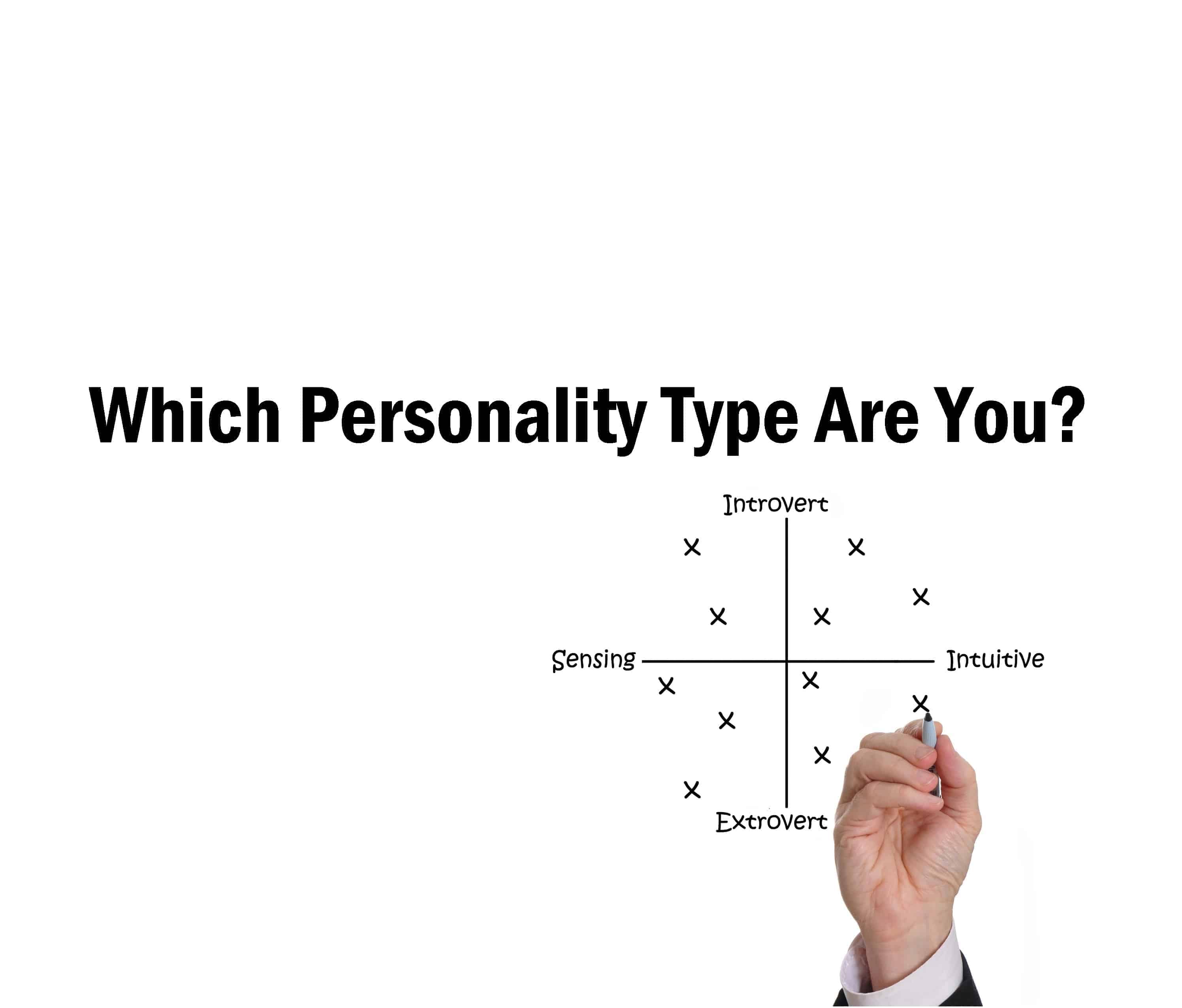
Every person has one of 16 personality types outlined in the Myers-Briggs system. This is just one of millions of personality tests, but it’s a great way to figure out how you think. Each of the 16 personality types thinks a little differently, which is why we’re using that scale for this list.

As for how we got the number 18, we’ve added two options for people who aren’t sure about their personality type: advice for introverts and extroverts.

You can find out your MBTI type by taking the personality test here. Once you’ve done that, scroll down for a creepy-accurate reading of your stress, and more importantly, what you can do to help.

18 Simple Ways to Deal with Stress and Anxiety According to Your MBTI Personality Type

your personality

1. INTJ – The Architect Personaltiy

You like to help things operate from the sidelines. You’re not a fan of being in the middle of the action, but you want to get things right. You can frequently be found scheming up new ways to streamline your work space.

Part of your stress is because you have a hard time dealing with emotions. You also have a hard time dealing with other people’s emotions. The INTJ type is very introverted and focused on rationality. When people behave in an irrational manner, you get nervous.

  • Remember that you can’t control everything
  • Take a few deep breaths
  • Occupy your mind with puzzles, Sudoku, or word games
  • Get some sleep

2. INTP – The Logician

If this is your personality type, congratulations! You’re a rarity. Only about three percent of the population is INTP.

The INTP is creative and inventive. They bring a vigorous intellect and unique perspective to the table. You might be known in your social circle as a philosopher or dreamer.

You sometimes get stressed communicating, when your words leave you before you’ve fully formed the thought. You’re also terrible at meeting deadlines, and crunch time makes your anxiety spike.

  • Write down what you want to say instead of saying it
  • Use mindfulness techniques to let your brain rest from seeking patterns
  • Break projects into small bits so you can meet deadlines

3. ENTJ – The Commander Personality

If ever there was a leader on the list, the ENTJ is it. Being a leader comes with its share of stresses, though. You feel responsible for everyone else’s work, well-being, and projects at large. You might be frustrated that other people don’t seem to be putting in as much effort as you do.

  • Take a walk around your home or office building to clear your head
  • Remind yourself that you cannot control everything everyone else does
  • Get progress reports from your team members if you feel like a project is out of control

4. ENTP – The Debater

If you’re an ENTP, you love to consider a million different worldviews… and then argue with people who oppose them. Intellectual debate is what gets your blood going. Being right is fun.

Unfortunately, you tend to get stressed with everything unrelated to your creative ideas. Implementing new procedures makes you want to crawl up the ceiling. You may also struggle with coworkers and friends who aren’t quite so spirited in debate.

  • Backtrack your thoughts until you find the source of the stress
  • Disengage from debates and take a breather
  • Do something fun to distract from the boring day-to-day work

5. INFJ – The Advocate

This is the rarest personality, representing less than one percent of the world’s population. INFJs are diplomats whose sense of morality and idealism always sets them on the right course. Unlike dreamier types, INFJs take concrete steps toward their goals.

The hardest thing for an INFJ is to see another person suffering and being unable to help. INFJs may also be afflicted by general depression and heightened empathy.

  • Go somewhere completely free of people to recharge
  • Listen to soothing music, ocean, or rain sounds
  • Take a relaxing bath
  • Do something kind for another person

6. INFP – The Mediator Personality

An INFP is constantly looking for the best in people, even when the worst tragedies occur. They always want to make a situation better. Stress tends to occur when you can’t find the good in a situation, or when your attempt to better something doesn’t work.

  • Wake up early to have time to yourself
  • Light some scented candles
  • Practice positive mental affirmations to break negative thought cycles

7. ENFJ – The Protagonist

An ENFJ is another natural leader. You might gravitate toward teaching, coaching, or politics. ENFJs have natural confidence and believe in people, which makes them great teachers. You might get stressed when you feel you aren’t teaching well enough, or your students aren’t listening.

  • Remind yourself that you’re good enough as you are
  • Touch base with the people around you to make sure they’re okay
  • Re-evaluate plans that are causing stress

8. ENFP – The Campaigner

ENFPs are the free spirit of the group. They love to connect on an emotional and social level. An ENFP gets stressed when they spend too much time alone, or when they’re around too much negative energy.

  • Change your scenery to decompress
  • Watch videos of cute animals
  • Make a list of ten of your favorite things to remind yourself what you love

9. ISTJ – The Logistician

This is the most abundant type. ISTJs are devoted to duty and integrity. You may get stressed when you feel your environment is corrupted or other people don’t have a sense of ethics.

  • Touch base with the people around you
  • Remind yourself that you only control yourself and no one else
  • Make plans to address the source of the stress

10. ISFJ – The Defender Personality

This type analyzes their surroundings and has well-developed social relationships. Even though they’re a Judging type, they tend to respond well to change. ISFJs may experience stress when they feel their efforts are going unnoticed.

  • Remind yourself of prior recognition for your work
  • Spend time with friends who can validate you
  • Remind yourself recognition doesn’t matter as long as the work is done well

11. ESTJ – The Executive

ESTJs want everything to be in order and adhere to tradition. They’re great at building structures, but not great at tearing them down. ESTJs might get stressed when they feel their environmental structure is threatened.

  • Ask yourself whether the order is truly important
  • Remind yourself that you only control your own actions
  • Relax your mind and open yourself to new connections

12. ESFJ – The Consul

The ESFJ type tends to be popular and outgoing, a friend to everyone. You might be stressed when things feel like they’re over your head in seriousness.

  • Keep things light and relaxed
  • Go out with your friends
  • Find a favorite place and visit it

13. ISTP – The Virtuoso

This type is best known for being a musician. They love to move between projects and have fun, although they may not always finish what they start. Deadlines and strict rules are a source of stress.

  • Break your project into bite-sized pieces
  • Write down a list of reasons you love your life
  • Keep track of your half-finished projects

14. ISFP – The Adventurer

As the name implies, the Adventurer likes to, well, adventure. They’re constantly taking life by the heels, and get stressed when they feel constrained.

  • Find three things that make you unique
  • Do something spontaneous
  • Connect with your friends

15. ESTP – The Entrepreneur Personality

These people love to dream big and follow through on their ideas. They get stressed if they feel they aren’t getting the success they’re aiming for.

  • Remind yourself that you’re valid no matter what external success you have
  • Organize your plans so you can see them
  • Touch base with your friends

16. ESFP – The Entertainer

ESFPs are performers. They love to be in the spotlight and making people happy. They get stressed if they’re alone for too long or around too much negative energy.

  • Watch happy videos
  • Hang out with positive people

personality

17. Unknown Introverts

Introverts gain energy from being alone. You might find yourself stressed if you’re around too many people for too long.

  • Read a good book
  • Play relaxing phone games
  • Take a relaxing bath with a mug of tea

18. Unknown Extroverts

Extroverts gain energy from being around others. They get drained when they’re alone, and might be stressed if they’re isolated for too long.

  • Go out to a crowded area and soak in the vibes
  • Call a friend or family member
  • Volunteer in your local community

Final Thoughts on Dealing With Stress Through Personality

Your personality affects why you feel stressed, how your stress expresses itself, and how you can best deal with it. When you know your personality type, you know yourself better than you ever have before. Use these tips to personalize a self-care routine for yourself. You deserve to feel good!

10 Signs You Underestimate Yourself

Underestimating yourself can make you miss out on rare opportunities in life because of self-doubt. Self-doubt and low self-esteem cause you to withdraw from life in general, and this can lead to depression and other serious mental health problems.

When you underestimate your worth, other people will only see what you see. Therefore, your relationships with others will suffer just because of how you see yourself. After all, you can only attract into your life that which you put out into the universe.

Selling yourself short will only result in more problems in your life, because you won’t feel worthy of anything. You have to remember your worth in life to get anywhere, so if you have been feeling less than stellar lately, read on to find out if you underestimate yourself.

Here are 10 signs you don’t know your own worth or underestimate yourself:

“Don’t underestimate your worth by comparing yourself with others.” – Jaachynma N.E. Agu

  1. You have toxic friendships and relationships.

When you have negative relationships with other people, they will start to rub off on you. After all, negativity is contagious, and when you’re around it often, it becomes difficult to maintain a positive outlook on life. If you underestimate yourself, you’ll likely have poor relationships with others because you can’t give yourself fully to other people.

In other words, you don’t know your true value, so others won’t see it either.

You attract people into your life that match your own energy and vibration, so it would only make sense that if you have low self-worth, you will have relationships that mirror that self-image. Try some positive self-talk in order to boost your self-esteem, because our thoughts become reality, after all.

  1. You play the comparison game a lot.

“If you compare yourself with others,

you may become vain and bitter;

for always there will be greater and lesser persons than yourself”

— Excerpt from Desiderata (Max Ehrmann)

By default, comparing yourself to others and drawing negative conclusions about yourself means you underestimate yourself. To show how destructive the habit of comparison is, we’ll go over a study from Lancaster University. It involves comparing yourself to others on social media and how this can lead to feelings of depression.

Researchers from Lancaster University analyzed studies from 14 countries that included 35,000 participants over the age of 15. They discovered that frequent Facebook users tended to compare themselves with others more, which can result in intrusive, repetitive thoughts. This can result in feelings of depression, exacerbated by the loneliness many people feel who frequent social media.

Furthermore, the study found that feeling jealous of Facebook friends or adding an ex to your friends list can increase feelings of depression. Not surprisingly, the study also discovered that posting negative status updates and making negative social comparisons increased the risk of depression in participants.

So, comparing yourself to others not only points to low self-worth; it also heightens your risk of developing depression.

  1. If you don’t know your self-worth, you let your friends or family greatly influence your decisions.

While friends and family usually have well-intentioned opinions about your life, you might allow them to weigh too heavily in your decisions. People who frequently allow others to dictate their choices usually underestimate themselves, because they think they’re incapable of making the right choice.

This only leads to a more damaged self-image, because the person doesn’t trust him or herself enough to go through with a decision on their own.

  1. You have low self-esteem.

Typical signs of low self-esteem are:

  • Sensitivity to criticism
  • Isolating oneself
  • Irritability or hostility
  • Fixation on personal problems
  • Physical symptoms (fatigue, insomnia, headaches, etc.)
  • Poor self-image
  • Negative thoughts about oneself
  • Feelings of worthlessness and depression
  • Intense self-criticism after failure

Research shows that, in adolescents, low self-esteem can lead to serious problems and illnesses such as depression, anxiety, eating disorders, substance abuse, violent behavior, and even suicide. However, low self-esteem isn’t just a teenage problem; it can carry over into adulthood if behaviors and thoughts aren’t corrected.

If you have low self-esteem, you underestimate yourself, and it may not be entirely your fault. Genetics and upbringing have a huge role to play in our self-image. If you struggle with poor self-image, talk to a licensed therapist or psychologist who can help you work through those issues and overcome them.

  1. You settle for less than you deserve.

Unfortunately, many people do this, and it only hurts them in the long run. If you settle for less, then you exclude many amazing opportunities just because you don’t recognize your own worth. If you have a feeling in your gut that something in your life doesn’t feel right, it might be because you underestimate yourself and write off better opportunities.

When you settle for less in life, you might feel comfortable, but you probably don’t feel happy. Not knowing your worth can make you seek out what seems easier, but not necessarily what will help you grow.

The number one reason people settle for less? Fear.

Fear makes people do a lot of things they wouldn’t normally do, because in our minds, the fear is totally rational. For example, when it comes to staying in a bad relationship vs. being single, many people choose the former because they just don’t want to be alone.

This can apply to a lot of different circumstances and situations in life. Many people settle for a job they hate just because it pays the bills and they don’t think they deserve better. Or, they might not ask for a raise in a job they actually do like because they don’t feel worthy of receiving higher payment.

Do you see how self-destructive and limiting underestimating yourself can be? It robs you of meaningful experiences and progression in life and puts you in a state of complacency.

  1. When you underestimate yourself, you have trouble making decisions.

If you don’t have high self-esteem, then you probably have difficulty making decisions on your own. As we mentioned earlier, you might rely too heavily on friends and family to help you make choices in life, which can lead to dependency issues.

You might not feel confident enough to make the right choice by yourself, leading you to give up that responsibility and place it on someone else. Maybe those people don’t mind giving their opinion, but ultimately, you cannot grow if you use others as a crutch in life. It’s okay to allow others to help you, but doing so too often may point to low self-worth.

  1. You don’t like being on your own.

If you’re underestimating yourself, then you probably don’t enjoy your own company too much. Being alone feels scarier for some people than being in a crowd, because when you’re alone, you finally have to face yourself. Most people spend their life running from themselves instead of learning to feel comfortable in their own skin.

If you don’t like being alone, ask yourself why and consider that you might need to develop a better relationship with yourself.

  1. You fear failure.

This is one of the most common fears, and it’s easy to see why. Humans are hardwired to achieve and win, because in nature, this meant survival. Our instincts haven’t disappeared now that we live in modern society, however.

underestimating yourself

We still have that core desire to be better than others and to prove that we can do something. As a result, failure doesn’t come easily to most of us. If you have an intense fear of it, however, you may dislike the feelings of shame that accompany failing. Maybe your parents gave you a hard time when you didn’t succeed, and that feeling stuck with you. Maybe you were bullied in school because of your performance on something, which led to built-up hatred and embarrassment.

Whatever the reason, an intense fear of failure may be a sign you underestimate yourself.

  1. If you’re underestimating yourself, you probably need frequent reassurance.

Not only do those with low self-esteem rely too heavily on others to influence their decisions, they might have a reliance on them to boost their self-worth as well. People with high self-confidence don’t need other people to assure them as much because they already value themselves. However, those with self-esteem issues tend to need more reassurance.

  1. You play it safe in life.

If you don’t take opportunities that come your way, this points to you underestimating yourself. Playing it safe means you’d rather sit on the sidelines and take whatever comes your way rather than going out and getting it yourself. This only results in having fewer options in the long run.

Final thoughts

Underestimating yourself can cause a lot of personal issues in life, as you’ve likely learned. Hopefully you can spot these signs in yourself or others so you can start addressing these problems and live your best life possible.

Everyone deserves to have high self-esteem, because no one on this planet is less worthy than someone else. We all are on an equal playing field here, so don’t ever doubt yourself, even if society wants you to do so. A lot of companies and people profit off our self-doubt in some way, so don’t give them the time of day. Instead, spend your time and money on positive thinking and other things that boost your self-esteem.

Researchers Reveal How Many Hours of Sleep You Need to Be Productive

Sleep is important to your physical and mental health. Each time you don’t get enough sleep, you feel tired and low in energy. You also experience a hard time concentrating on your tasks, remembering important details, or making good choices in your day-to-day activities.

But how many hours of sleep should you get every night? Most people think that eight is the magic number that equates to better productivity the next day. But researchers from a study in the Archives of General Psychiatry learned that people who get seven hours of sleep significantly lower their health and mortality risks more so than those who get eight hours of sleep or more.

Sleep researcher Daniel Kripke also stated in an interview with Time that the most ideal number of sleep hours is from 6.5 to 7.5 a night. He also emphasized that people who exceed these hours, such as those who oversleep to nine or 10 hours, may feel even worse and more unproductive than those who only get four or five hours every night.

These studies also show that the ideal number of hours might be less important than gaining sleep quality. So, even if you regularly get less than eight hours of sleep, you may still have a productive and positive day if your rest is generally comfortable, deep, and uninterrupted.

Here’s How Many Hours Of Sleep You Need To Be Productive

“Sleep is the golden chain that binds health and our bodies together.” – Thomas Dekker

bed sleep

1.    The 8-hours-a-night requirement is a myth

In reality, the amount of sleep you need really depends on what your body requires. If you follow a lifestyle that consists of a healthy diet and regular exercise, and if you don’t have vices like smoking or drinking, then your body and mind might still be productive even if you have fewer than the ideal hours resting.

Understand that the amount of sleep you get at night might be different than the amount you need to function well. If you can perform your tasks and work well even with just six hours of shuteye, it doesn’t mean that you will operate a lot better if you get two hours more in bed.

Sleep expert Dr. Neil Stanley told The Independent that getting eight hours of sleep is not the norm. Additionally, not every person needs that many hours of rest. Instead, you have to listen to your body for the cues. If you’re tired and falling asleep while at work, that says a lot about the quality of your rest from the previous night.

2.    Watch out for these signs to tell if you’re really sleep deprived

Your body gives off a lot of signs when you are sleep deprived.

  • Apart from feeling tired in the middle of the day, you may already be suffering from sleep problems if you find it extra hard to get out of bed in the morning, need multiple cups of coffee to get through the day, or feel drowsy after a heavy lunch.
  • If you easily fall asleep when you’re watching TV at night, or if you have the need to snooze late into the morning during the weekends, you could also be sleep deprived.
  • If you have been skimping on the quality of your sleep far too long then you might not even realize that you already have a sleep problem.
  • It’s easy to disregard the signs if you think that the meeting you had was just boring or bland, so you got sleepy.

3.    Your sleep hours do change

Kripke also said that the number of hours your body needs to rest can change depending on the state of your body.

  • If you are sick, you might need more than eight hours of rest so that your body’s immunity can be boosted to fight any bacterial or viral infection.
  • If you’ve had a long or physically active day, it’s also normal for your body to demand more sleep hours at night so you could wake up refreshed and ready to be productive the next day.

However, a change in your body’s required hours sleeping is different from inconsistent or irregular sleep. The latter do impact your cognitive abilities and productivity, as per a study in the Scientific Reports.

Researchers observed the sleep patterns in a group of students from Harvard for a month. All the students in the study had similar total hours of sleep but the findings showed that those who maintained a regular sleeping schedule had better academic performance than those who slept at different times of the day or night.

This other group’s irregular sleeping patterns affected how their internal body clock functioned, which in turn affected their productivity.

4.    You can actually reset your body clock to maintain a better sleep schedule

Did you know that your body can easily adjust to a new sleep schedule? You can reset your body clock if you are experiencing a disruptive sleeping pattern that’s also affecting your chance to gain hours of sleep for productivity.

The human body follows a 24-hour cycle, known as the circadian rhythm, which takes cues from the light. This rhythm determines the time you sleep and wake up. However, there might be unavoidable circumstances when this rhythm becomes disrupted, such as when you travel to a different time zone or have a job with changing schedules.

It’s normal to feel groggy and out of the loop if your rhythm is thrown off but you can get it back on track within a few days by adopting a new sleeping pattern. According to researchers from Canada, whose work appears in the journal Nature Neuroscience, the human body also has a molecular switch that may synchronize and put order back to your body clock.

So, if you are used to working during the graveyard shift but you’re now assigned to a daytime schedule, expect to experience struggles with sleeping and low productivity. However, this setback is only temporary as your body learns to adjust.

  • One way to put your circadian rhythms back in order is to manipulate your exposure to light.
  • When you wake up in the morning, open your windows wide to let the light in.
  • When you settle down for the night, dim the lights, lower the shades, and remove devices in your bedroom.
  • The lights from the screen of your tablets and mobile phones also impact your circadian rhythms.

5.    Try to follow a sleep routine to create positive habits for productivity

When you stick to a nightly routine, you develop good habits that can impact your sleep quality. This will, in turn, affect your productivity.

For instance, you might find it beneficial to have a 20-minute walk around your neighborhood two hours before your bedtime. Walking can help clear your head so you won’t toss and turn at night. Walking will also pump up your heart, priming you to go to bed as soon as you switch off the lights.

Other routines might include reading a good book or taking a relaxing bath before you go to bed. In the morning, you can also train your body to follow a consistent time for waking up. But if you’re always hitting the snooze button and oversleeping, you should look for a different nighttime routine.

6.    You can take naps every day to re-energize your brain to be more productive

The experts also recommend napping as a coping mechanism if a lack of sleep is affecting your productivity. By allowing yourself 20 minutes of nap time, you can re-energize brain.

It might help if you know when your body crashes and your productivity dives. Many people feel their energy levels dropping around 1 to 3 p.m. If this is the same for you, try to take short naps during this space of time every day.  However, it is also important that you don’t nap for more than 30 minutes. Why? This will have an impact on your ability to get a good night’s rest later on.

NASA pilots who take measured and controlled 26-minute naps log a 34-percent improvement in their performance. The National Transportation Safety Board (NTSB) also recommends that air traffic controllers take 26-minute nap breaks. This increases these workers’ alertness by 54 percent.

7.    Sleep-ins won’t help productivity, as you cannot make up lost sleep

Some people go to bed too late one night and then “recover” the next day by making up the hours of sleep they’ve lost. However, there is a such a thing as a sleep debt as per Harvard Health, which accumulates when you keep failing to follow your bedtime routine and schedule.

sleep

Making up lost sleep won’t bring the same positive effects to your productivity compared to getting regular, quality rest.

  • If you’re not generally sleeping well every day, your mind misses out on the benefits of the Rapid Eye Movement (REM) state.
  • This is a phase your brain goes through every time you fall into a deep rest.
  • REM consolidates your memories and restores your brain cells. REM stimulates the parts of your brain connected to learning, processing information, and storing knowledge.
  • It helps retain your sharpness and cognitive ability.

So, while sleeping in may bring positive effects, it’s not a healthy habit to adopt in your lifestyle. It’s still best to follow a consistent routine and solid schedule for going to bed and waking up. Choose this over setting aside days to pay off your sleep debt.

Final Thoughts On How Many Hours Of Sleep You Need To Be Productive

Poor sleep quality costs the U.S. economy $411 billion a year because of unproductive workers, as per The Lancet Journal. The study showed that companies and businesses lose when employees show up late, skip work, or fall ill because of sleep deprivation. Even if they do show up for work, they are either unable to focus or do their job well.

The positive thing about sleep and productivity, however, is that these problems can be corrected and improved. When a good night’s rest is matched with healthy lifestyle habits, you’ll experience better memory and decision-making skills. You’ll also enjoy a smooth creative flow, fewer mistakes at work, and less risks of burnout from your job.

(C)Power of Positivity, LLC. All rights reserved

10 Signs You’re Underestimating Yourself

What does it mean to underestimate yourself?

Put simply, one who underestimates themselves believes that they’re not enough. Underestimating yourself is the antonym of overestimating yourself – a.k.a. having over-confidence.

Underestimate:  “to estimate something to be smaller or less important than it actually is.” Synonyms: lowball, underappreciate, underrate, undervalue ~ Oxford University Press (source)

Besides underestimating ourselves, we can underestimate others. Relationships in which one person is known to minimize the other include bosses and subordinates, teachers and students, and, perhaps most sadly, parents and children.

People may undervalue any number of attributes, including their abilities, capabilities, compassion, inner-strength, intelligence, and self-worth (i.e. what they “bring to the table.”) Underestimation of oneself can result in a lifetime of diminished confidence and stress – sometimes even developing into mental health disorders, including anxiety and depression. (1)

What causes someone to underestimate themselves?

“You underestimate yourself because you lack faith in yourself. Each human has the potential to do something great and magical in their life, but it is only possible when one believes in themselves.” – ‘Jill C.’ on Quora

As to why a person underestimates themselves, reasons vary. Psychologists commonly trace the origin of low adult self-esteem to:

  • An abusive or dysfunctional childhood (including being the victim of bullying)
  • Financial difficulties
  • Dissolution of a relationship
  • Environmental stressors
  • Other negative life events

The simple fact is that life often does not go the way we want or expect. Worse, we struggle to “find” the “answer” to life’s problems. Indeed, it is entirely possible to perpetually wade in the confusing undertow of existence – suffering much in the process.

What are the effects of underestimating yourself?

A sense of worthlessness often accompanies the tendency to underestimate oneself. When people lose any sense of self-worth, they are at their most vulnerable. When a person reaches such depths, they often grow desperate to escape the negative and ruminating thoughts that seem to take over the mind.

For example, numerous studies link a low sense of self-worth with alcoholism. In a 283-person study published in the journal Addict Health, researchers found that low self-esteem correlates with poor choices and acts of self-harm, including addiction, prostitution, and theft. (2)

Low self-worth brought about by underestimating oneself may make a person more prone to suicide. It is believed that the adverse emotions brought on by low self-esteem – including depressive symptoms and hopelessness – are primarily responsible for the increased risk of suicide.

Are you underestimating yourself?

First, let us distinguish between humility and modesty and underestimation. The former is a set of personality traits; these traits are generally labeled as positive. The latter is potentially damaging psychologically – and not to be welcomed.

Second, it is essential to fully acknowledge and understand that having pride in your abilities and hard work is not a bad thing. In fact, these attributes help to build confidence and strength in oneself. We all know that price – taken to excess – is not a positive. Fortunately, very few of us have this problem!

Lastly, it entirely possible to subtly underestimate yourself. We discuss some of the ways in which we do so shortly. You may also underestimate the importance of specific activities and frames of mind – all of which allow you to be the best version of yourself. These too are mentioned.

So, what are possible signs that you’re underestimating yourself? Here are ten:

10 Signs You are Underestimating Yourself

1. You always compare yourself to others

Let’s get one thing straight: competitiveness is not necessary for growth. An unhealthy attitude of hyper-competitiveness has, for some inexplicable reason, taken hold in most of modern society.

Now, competition can be a good thing for some people – and in the right circumstances. Scholastic, sports, and fitness competitions, for example, can motivate some to fulfill their potential – and make themselves a better, happier, and more satisfied person in the process.

But constantly gauging how you “measure up” against everyone else is extremely unhealthy. There is only one individual with whom to compare yourself – and that’s, you guessed it, yourself!

2. You are a “people-pleaser.”

People-pleasing is one of the most ubiquitous signs of underestimating yourself. You people-please because you want people to “like you,” thinking that by doing what they want, they will accept you. In other words, you don’t believe you are good enough on your own merits.

Not only does people-pleasing not work (see: high school), it can lead you down the path of indentured servitude. Be the best version of yourself – and you will never have to worry about pleasing others ever again.

3. You have toxic relationships

People who have tendencies toward people-pleasing often also remain in toxic relationships. Why do people do stay in the company of bad characters? Because that’s who they think they deserve. Maybe you have a similar story in your family: the super-smart kid who, out of a desperate need for acceptance, gets in with the wrong crowd, grows up and does the same thing in adulthood.

The old adages “You are the company you keep” and “Birds of a feather flock together” are as true today as ever. Spend your time with positive people who genuinely value the same things you do.

4. You don’t stimulate your brain

Speaking of adages, here’s another: “The mind is a terrible thing to waste.”  How true, how true. Consider this: the average American watches 35.5 hours of television per week. We spend nearly as much time plopped in front of the tube as we do working a full-time job!

It goes without saying that television isn’t the best thing for your brain. This is particularly true for children. Scientists have linked prolonged television watching to antisocial behavior, lower verbal intelligence, and altered brain structure. (3)

5. You have no routine

Okay, so this isn’t saying that you need to plan your life down to the minute – but you should have some idea as to where your time is going. It is true that those who don’t manage their time are managed by it – and you can ill afford to waste your most precious resource.

People who underestimate themselves often under- or overestimate the time they have left. Instead, find a middle ground. Also, allocate some time to those things that will allow you to grow as a person.

6. You don’t eat properly

Nutrients from food fuels the body and brain. When we are underestimating the importance of food, we are setting ourselves up to fail. We are undervaluing our physical and mental capabilities. Moreover, the fatigue that we encounter when we don’t eat right makes it easier to fall back into unproductive, unhealthy habits.

To rectify these nutritional inadequacies, focus on getting most of your food from fruits, vegetables, and whole grains. Keep the consumption of red meat to a minimum – instead opting for organic poultry and fatty fish.

7. You’re overly anxious in social situations

People with social anxiety experience a profound feeling of anxiety and fear in social situations. A conditioned, intense anxiety or fear may leave the individual feeling as if they’re being watched, looked down upon, or negatively evaluated in either a performance or social situation.

It’s safe to assume that some level of unworthiness underpins the neural mechanisms producing social anxiety. Research shows that other environmental and genetic factors may also contribute to the disorder.

8. You’ve been bullied

Research shows that the effects of bullying persist into adulthood. Per a study conducted by Duke University Medical Center, victims of childhood bullying are more likely to experience anxiety, depression, and suicidal ideation. Victims are also at an increased risk of developing disorders such as panic attacks and agoraphobia (fear of open spaces).

Bullying has profoundly adverse effects on self-image and self-worth that can last into adulthood. It is therefore not unusual that the person often undervalues and underestimates themselves as a result.

9. You are a chronic settler

If you underestimate yourself, you’ve probably have had one or more people tell you that you’re not living up to your potential. It’s also probable that you’ve settled for jobs and relationships that can be considered “beneath” you. (Whether you agree with such a sentiment is an entirely different matter.)

The point here is that people who undervalue their talents and abilities often find themselves in life situations that don’t satisfy the core of who they truly are. This deep dissatisfaction indicates you may be underestimating yourself!

self esteem

  1. You feel the need to over-explain

This last one is sort of related to people-pleasing. If you feel the innate need to over-explain things, you are likely underestimating some aspect of yourself. You may also feel misunderstood and think that explaining more should clear up confusion. Unfortunately, these added details often only further cloud the situation.

Final Thoughts on Signs You’re Underestimating Yourself

“[E]verything can be taken from a man but one thing; the last of the human freedoms – to choose one’s attitude in any given set of circumstances, to choose one’s own way.” – Viktor Frankl, psychiatrist, and Holocaust survivor                                    

It is human nature to doubt yourself at times. We all do it – and we needn’t beat ourselves up over it. It is when this negative self-image, this underestimation of yourself, becomes the mind’s default state where troubles arise.

You deserve to live a life of contentment and fulfillment. No matter what is going on in your life, always remember that you are enough. You need not convince anyone but yourself of this pertinent fact.

Psychologists Explain 4 Reasons to Embrace Your Darkest Self

We talk a lot about positive thinking on our site, but what you may not know is that it’s equally important to embrace negativity as well. As the quote above says, you cannot have light without darkness. So, in order to accept both sides of yourself, you need to get to know them both very well.

Embracing your darkest self doesn’t mean you have to wallow in negativity and lose sight of what makes you shine; it just means you need to understand it better. In this world, we often put on a mask for others because society tells us what it acceptable. You might hear people say, “Smile more!” or “What’s wrong?” if you don’t look happy 24/7. Of course, many people also put on a happy face for others because showing negative emotions is largely looked down upon in our society.

This alone might be contributing to the anxiety and depression epidemic because people feel that they cannot show other sides of themselves. We have to put on so many masks for others that we can start to lose sight of who we really are. Embracing your darkest self will help you tap into parts of yourself that might have been “asleep” before and allow you to release judgement about negative emotions.

In this article, we’ll go over some reasons why going to the dark side (at least for a bit) may not be so bad after all.

Here are 4 reasons to embrace your darkest self:

“In order for the light to shine so brightly, the darkness must be present.” – Francis Bacon

1. It can benefit your mental health.

Acceptance is so important, especially in today’s world where we are bombarded with messages about who we should be. Advertisements, social media, and even our peers and family give us input about what we should buy, what we should be, what we should eat, and everything in between. So, to cut through all the noise in the outside world, you need to have a firm grasp of who you are.

Most people are easily influenced and get lost in this world because they aren’t centered; instead, they are swayed by the crowds and forget their true essence.

One study by psychologist professor Brett Ford actually found that acceptance of your darkest emotions can boost your mental health. According to Ford, “Acceptance involves not trying to change how we are feeling, but staying in touch with your feelings and taking them for what they are.” We are told to always remain positive, but human nature just doesn’t allow for that. As complex beings, we go through a myriad of emotions every day, and it’s time to start embracing that rather than denying our true selves.

The Study

In the study, researchers found that acceptance works across the board; it doesn’t discriminate based on race, socioeconomic status, or any other category. People of varying backgrounds had positive results when using acceptance to manage their emotions. Acceptance of your darkest self can mean using this method whether it’s during the hardest of times or simply for slight inconveniences.

For example, if someone close to you passed away, you can utilize acceptance to help you move through those dark emotions rather than pushing them down and bottling them up. On a lighter note, you can go back to acceptance if someone cut you off in traffic when you’re already running late. Acceptance works for a variety of situations, because in all instances, it teaches you to embrace what is happening rather than fighting it.

Ford added that acceptance plays the most important part in the act of mindfulness. She says it is linked with better mental health more than other teachings of mindfulness such as non-reactivity and observing. She says, “Acceptance, non-judging acceptance, seems to be the key ingredient to mindfulness.”

Three Tests of Acceptance

The study involved three different experiments that studied people’s emotions in various situations.

In the first part, questionnaires were sent to 1,000 undergrad students. The questions centered around mental health and emotional stability. The results, unsurprisingly, showed that students who practiced acceptance had fewer negative emotions and greater well-being.

In the next study, 156 people had to give a three-minute speech as part of a pretend job interview. The ones who practiced acceptance seemed to do much better than the ones who didn’t.

More than half of the participants chosen for this study had experienced a major stress in recent months. For the final study, the researchers asked 222 to keep a diary of the most stressful events that had occurred in the last two weeks.

Once again, the participants who practiced acceptance fared much better in this study. They seemed to take the stressful events in stride and were able to cope with all the situations they faced.

Now that you know how acceptance of your emotions can improve your mental health, we’ll move on to other reasons why acceptance is beneficial to you.

2. It helps you remain in the moment.

Accepting all your emotions – even those parts of your darkest self – means facing them rather than running from them. As you become more open to acceptance, you’ll notice that you remain more rooted in the present moment. You will open new doors to yourself and your emotions, which will deepen your experiences in life. Accepting the good, bad, and ugly emotions will also help you relate to others better, which can richen your relations with people.

Most people never stay in the moment due to ruminating about the past or future too much. Accepting your emotions can help you remain in the now. There are other factors to mindfulness, of course, but acceptance is a perfect way to start.

If something bad happens, acceptance will help you to move through the problem with greater mental focus and understanding. Acceptance allows you to understand your negative emotions on a deeper level and face a problem head-on rather than hiding from it.

3. You’ll get to know yourself better.

Most people live in denial of their true selves, or simply don’t take the time to truly know themselves. This can lead to a feeling of disconnectedness throughout your life, which means you won’t really be living at all. To live fully, you must accept and embrace all sides of yourself, which requires self-reflection and solitude. Being alone doesn’t have to feel lonely. In fact, it can be utterly liberating!

When you embrace your darkest self, you begin to understand your strengths and weaknesses much better. We all have darkness within us, but opening that door doesn’t mean you have to let that side of you take over. It simply means that part of you will no longer live dormant and misunderstood.

Freeing your darkest emotions will allow you to step into yourself more wholly and live life to the fullest. We should not be afraid of negative emotions, for they shape us just as much as the positive ones.

4. It will increase your self-compassion.

Being nonjudgmental toward ourselves is key when it comes to acceptance. Many of us are far too hard on ourselves in this life, which can lead to self-hatred and destructive behaviors. Compassion toward ourselves can help us have sympathy for the human condition, because none of us is perfect.

We all have flaws despite our greatest efforts to reach perfection.

So, increasing awareness and acceptance of yourself will lead to a more compassionate stance toward yourself and others. We have beat ourselves down too long in this life; it’s time to do the opposite and see the beautiful things that unfold from doing so. Self-compassion goes hand-in-hand with acceptance. In embracing yourself, you will start to view yourself as a friend rather than enemy.

darkest self

Self-compassion simply means treating yourself as you would want a friend to treat you. It means embracing the fact that you will make mistakes and fail in life, but this doesn’t make you unlovable or unsuccessful. Compassion means accepting that you are human, too, and deserve your love and affection as much as anyone else.

Final thoughts on Embracing Your Darkest Self

As you can see, accepting your darkest self can greatly benefit your well-being. Not only can it boost your mental health, but it can keep you rooted in the present, allow you to understand yourself better, and increase compassion toward yourself and others. Acceptance of darkness doesn’t mean you have to shun the light. It simply means embracing both sides of yourself and accepting that human nature requires these two opposing parts.

Acceptance will allow you to live life more deeply and have a greater understanding about your place in it. Getting to know your dark side might seem scary, but it’s vital to your human experience. Without delving in to your true nature, you won’t be able to fully understand yourself, which will in turn affect your understanding of others.

Introspection is becoming a lost art, but it’s so important to our journeys as it helps us remove all the chatter and truly find ourselves.

https://www.youtube.com/watch?v=qWkzCo0h0Ok

Suffering From Insomnia : 21 Things To Do When You Can’t Sleep (Science Backed Tips)

Insomnia has become pandemic. “Why can’t I sleep!” is the 2 a.m. cry of frustration and desperation from millions of bedrooms around the globe. How can you change your lifestyle or bedtime habits to relieve your own insomnia symptoms and remove your name from the list of sufferers?

No one enjoys the results of missed sleep, even for only one night. For those who suffer sleeplessness on a regular basis, there is ever-growing hope for finding a natural solution. If you are searching for relief from persistent insomnia without prescribed medications, there are a variety of ways to make a good start.

There’s a long list of do’s and don’t’s to consider. Insomnia can be caused by what you do, what you eat, and even your sleeping environment. Insomnia symptoms may be greatly reduced by changing only one or two bedtime habits, or it may require a major lifestyle commitment to alleviate the causes of sleeplessness.

Let’s consider 21 activities or habit changes that could cure your insomnia.

Relax to ease your restlessness

bed sleep

1. Allow time to wind down.

Give yourself at least 30 minutes to take control of your thoughts and calm your body for sleep. Dim the lights. Create a bedtime routine that helps you shift gears from the activities of the day to rest. Prepare yourself mentally to lie down and relax.

2. Breathe.

Alleviate insomnia symptoms with deep breathing exercises to slow your metabolism and calm your thinking and emotions. Purposely slow your breathing with deep, cleansing breaths. Research different breathing exercises to find which ones will best help you relax.[1]

3. Read a book.

Avoid heavy reading, but choose something enjoyable that can help put your mind at ease (and no ebooks, either). Read good, old-fashioned paper books. The artificial light emitted by electronic devices will not help your psyche know it’s bedtime. Light or inspirational reading will help your mind relax and focus on positive thoughts.

4. Journaling

Many experts verify the benefits of taking 10-20 minutes to chronicle the positives of the day. Write things you are thankful for or what you enjoyed. Don’t underestimate the power of the little things to help change your perspective and end the day on an upbeat note.[2]

5. Think happy thoughts.

That’s right. Go to your happy place. Picture your favorite scenery or the face of a loved one. Dwell on people, places, or activities that you enjoy. Focus on the moment, not on the long list of goals you must reach tomorrow. A good night’s sleep will get those creative juices flowing when you need them.

Watch What You Eat and Drink if You Have Insomnia

6. Avoid heavy meals.

Evening meals heavy in carbs are not a good idea if you want a good night sleep. Try to eat a light dinner at least four hours before bedtime. Also, avoid spicy foods or foods that you know may upset your stomach.

7. Avoid caffeine and alcohol.

If you are a habitual coffee drinker, enjoy your last cup at least 4-6 hours before bedtime.[3] The stimulant effects of caffeine need to be well out of your system before you try to sleep. Also, although alcohol may seem relaxing, it can lead to waking during the night. Cigarettes should also be avoided too close to bedtime, as nicotine can also be disruptive to sleep patterns.

8. Try a soothing drink.

A relaxing herbal drink, such as chamomile tea, may help you begin to relax. There are several alternatives to coffee which can help soothe and relax you at bedtime. However, you need to limit fluid intake in order to avoid being awakened by the need to go to the bathroom.

9. Bedtime snacks.

We all get those cravings for a bedtime snack. If you feel in need of a treat, choose a healthful snack that will help to satisfy your cravings while aiding your body’s ability to sleep better. When you do snack, do so wisely and at least 45 minutes before bedtime.

10. Try natural supplements.

Along with herbal remedies, there are a number of natural supplements which have been shown to calm the brain’s activity while promoting the production of helpful hormones. For example, adding a recommended dose of melatonin or magnesium to your evening routine may help you achieve a deeper, more effective night’s sleep.[4]

Create a Restful Sleep Environment if You Have Insomnia

11. Turn off electronic devices.

To your brain, the blue light produced by PCs and tablets is similar to sitting in bright daylight. So turn off TVs, laptops, and other electronic devices. Darken the space where you sleep as much as possible. The brain is programmed to recognize darkness as the time for rest.

12. No working in bed!

Don’t bring work projects into your sleeping environment, where they may contribute to stress and make it difficult to slow down your thinking processes. Make your bedroom a safe zone, where the deadlines and demands of the workplace are not allowed to worry you. If you are a person prone to many projects, give them an area of their own outside of your sleeping space.

13. Control your pets.

This is a tough one. You love your pets, but if they are keeping you from sleeping well with their nocturnal activities, it’s time to address the issue. If necessary, you may have to move your pets to separate sleeping quarters. Or maybe other family members would be less disturbed by the movement of your animal friend.

14. Try aromatherapy.

For some, a calming, pleasant aroma can bring almost instantaneous relaxation. Certain odors have been found to help settle brain activity so sleep comes easier. If you decide to try this method, make sure your bedroom is well ventilated and there is no danger of fire.

15. Plants.

Certain plants, such as aloe vera or snake plants, are known for their ability to increase oxygen levels, relax brain activity, and even remove toxins or allergens from the air. Many of these healthful plants are easy to grow, but if you have a green thumb, you may decide to experiment with some of the more exotic, air purifying plants.

16. Adjust room temperature.

For a more comfortable night’s sleep, a bedroom temperature of between 60-75 degrees Fahrenheit is recommended. Your body’s temperature fluctuates during sleep, and a cooler temperature is more conducive to deep rest. An overly warm room lowers the comfort level for your body during the sleep cycle.

Establish a Bedtime Routine.

17. Schedule your sleep time.

Besides demanding a winding down period each evening, set both a bedtime and wake-up time for each day. You can program your brain to know when it’s time to start gearing down for rest. Keeping a regular sleep schedule can eliminate many of the causes of insomnia.

18. Daily exercise.

Maintaining some kind of daily exercise routine can greatly increase your chances for a deeper, more restful sleep. It’s better to exercise early in the day, but if that’s not possible, just include some physical activity some time during each day. Our bodies were made to move, so using up that excess energy will give your body even more reason to recover during sleep.

insomnia

19. Avoid naps.

Avoid taking naps if at all if possible, and never nap late in the afternoon. If you begin to feel overly tired, try a power nap of about 20 minutes early in the day. Too much sleep during the day can lead to insomnia symptoms during the night.

20. Get comfortable.

A comfortable mattress and pillow can make all the difference between sleep and insomnia symptoms. A mattress and pillow that will adequately support you in the position you most often sleep are worth the investment. If you are able to, adjust your sleep position to one that will help achieve optimum sleep.

21. Allow the right amount of sleep time.

Either too little or too much sleep can be detrimental to your health. How much sleep is needed depends a great deal on your age. Studies show adults between 18-65 years old require 7-9 hours of sleep per night, so make sure you allow this amount of time in your daily routine.

Final Thoughts on Coping with Insomnia

Insomnia affects every part of the body, every kind of tissue, and every internal system. Although it may seem that you relax into sleep, your mind and body are actually quite active during this time. Researchers agree there’s still a lot to learn about what happens during sleep and why it’s so important to the mind and body, but the detriments of insomnia are easy to see and miserable to experience.

If you are struggling with insomnia symptoms, don’t ignore them. If it seems you have tried everything and you still can’t sleep, don’t hesitate to contact your doctor or a sleep specialist for further help. These experts may have more suggestions to fit your particular situation.

Insomnia is a serious disorder. For your own well-being and quality of life, don’t let the condition continue unaddressed. Help is out there, so relax. It’s time for a good night’s sleep.

(C)Power of Positivity, LLC. All rights reserved

10 Things I Did To Pay Off All My Debt In Just 1 Year (Earning Money Online Is One Of Them)

Are you struggling with debt? If yes, then listing your debts, laddering them, saving, learning how to earn money online, and using other strategies can make you debt free.

Here are ten things I did to pay off my debt in just one year:

 Listing Debts by Interest Rate

When paying bills gets tough, you might be tempted to stash them away. However, the essential key to clearing your debt is identifying your position. Get all your bills and debts and make a list of the smallest to the largest ones. Then, organize the list by the debts with the most interest to the ones with the least interest. Because the debt with the most interest is incurring more cost, you want to start clearing it first. Once you have your complete list of debts with their interest rates, you will be aware of what you must tackle to be debt-free.

Ladder Your Debts

After listing your debts from the one with the highest rate of interest to the one with the lowest rate of interest, start with the one with the highest rate of interest. Pay off the most you can and once you are through, pay a similar amount to the next debt with the most interest and so on. This will save you a lot of money, and after debts begin disappearing from the list, you will achieve more momentum.

Get an Emergency Saving Fund

Since emergencies can occur, you must prepare for them. However, saving up for an emergency should not delay your plan to clear your debts. Prior to clearing your debts, create a small emergency fund of $1000 or more for unexpected costs like medical bills, car repair, or more. This can be cash you can use when something random comes up. In case there is an emergency and you use the money, top it up before resuming debt payment. However, remember to keep paying your minimum debt payments as you top up your fund to ensure you don’t face costly penalties.

According to experts at Crediful, credit cards typically have high rates of interest. Therefore, if you use your credit card to cater to an emergency, you will end up in more debt. The more the debt you get into, the more months it will take you to clear it, and the more debt you will pay due to higher interest rates. Additionally, you will ruin your credit score.

Keep in mind that an emergency fund includes money that needs to be easily and quickly accessible once there is an emergency. You need to keep it in a safe place like a savings account. The money won’t grow much, but accessing it will be easy and it will always be there if you need it.

Make Minimum Monthly Payments

You must always ensure you meet minimum monthly payments on your debt to avoid incurring late fees and higher interest rates. The ideal way to be on par with monthly card payments is to use the closing date of the card as opposed to the due date of the payment. The closing date completes your monthly bill, and any payment after this date is part of the following month’s statement. The closing date of your card is on the statement.

The report of the card’s balance at the closing date is usually sent to the credit bureau. Hence, if you clear the balance prior to that date, your balance will be zero on your statement. This will assist you in avoiding late fees and higher interest rates in addition to improving your credit score. Check out this website, creditrewardperks.com, and learn about the best credit card rewards.

Make a Budget and Eradicate Any Extraneous Things

Coming up with a budget is an excellent idea of staying on top of your expenses. As much as budgeting might make you feel broke, it is a way of directing the destination of your money.

An ideal starting point is to acquire your previous month’s expenses from a credit card or bank statement. Use an Excel spreadsheet or a paper budget to organize your expenses. Also, use an app such as Mint to budget your costs. You will need to come up with categories for every expense to create a limit to that expense and indicate your income. Ensure that your income always exceeds your budget. In case it happens, consider cutting some items from the budget.

If it becomes hard to use a computer or paper to budget, you could go for the envelope method. This is a traditional money management method that some people still use to control their spending. In this method, you make payments in cash for every expense you can, using envelopes to hold the money and maintain the budget.

Downsizing Temporarily

Paying off debt does not happen forever. It is a delayed gratification that will enable you to enjoy a life free of debt. Look at the expenses of your previous month and look for things that are not essentials. It could be eating out, entertainment, monthly subscription services, and so on. Do away with these expenses temporarily and then use the savings to clear out more debt.

Increase Your Income

After organizing your debts and creating a budget, the next step is to increase your income. You can do this by looking for a higher paying job. You can also apply for more senior positions at your current company. Additionally, you can acquire a second job so that you can make more money. You can also look into how to earn money online.

Getting a promotion or another job might take a while or prove difficult. But, do you know how to earn money online by utilizing a skill you have? If you are an application programmer or a web designer, there are many clients online looking for someone with your particular set of skills. Registering on sites like Fiver and creating an appealing profile can aid you in landing clients who are willing to pay for your talent, and this will enable you to earn money online.

You don’t need to be a web designer or an app developer to earn money online. There are jobs for hundreds of skills. 20% of the US population is working in the freelance economy with people working remotely. You can be a graphic designer, project manager, writer, or personal assistant, and there are many more ways to earn money online. If you don’t have any skills, you can learn a skill of your interest online in under two weeks and earn money online.

Transferring Balances

If you are incurring high-interest rates, transfer your balances to save and clear your debt. Make sure your minimum payments are met and your balance is cleared prior to the expiry of the introductory interest rate. Otherwise, it will result in late fees and higher interest rates.

In case you have a challenge meeting your balances as well as the minimum payments, contact the Consumer Credit Counselling Service. They offer credit counseling for free together with debt management service at the cost of 3 to 5 percent per month without exceeding $50, depending on the state.

Rewarding Oneself for Small Victories

The debt payment process need not be a chore, and you can make it fun while you do it. Make a game out of it and offer yourself a reward whenever you hit a milestone like clearing one debt off your list.

Each time you clear a debt, celebrate with something you like to do. These can include going to the movies, going out for coffee, buying some ice-cream, or anything that can be managed within your budget. This will motivate you to keep paying off your debt.

Selling Unnecessary Items to Earn Money Online

Look around your home searching for anything that is using unnecessary space because you don’t need it. It could be some massive furniture eating up your space that you can sell off to clear your debt with the money and reduce your financial obligations. You could initiate a garage sale or earn money online by selling things on Facebook, eBay, Craigslist, and other sites.

earn money online

eBay is the top site for selling things to earn money online. This popular online marketplace has been the best in enabling the sale of used items since the 1990s. You start by creating an account, listing your things to be sold, and uploading pictures of the items. The site offers you access to more than 160 million people. However, eBay will cost you $0.3 to list an item and 10 percent of the sale of each item.

Bonanza is another retail merchandising site where you can list your used merchandise for sale. Its structure resembles eBay but with a lower list cost. You will incur a charge of 3.5 percent of the value of items below $500. If over $500, it will cost you $17.5 plus 1.5% of the sale. You can also link your items on this site to Google shopping.

You can also earn money online by selling items through Etsy. This site specializes in the sale of handcrafted merchandise and used things that are twenty years old or more. These goods are referred to as vintage, and if you have such items, you can sell them on this site for quick money. You incur a cost of $0.2 to list and 3.5% of the sale as well as $0.25 and 3% for processing of the payment. The site has 22.6 million shoppers that can be potential clients for your vintage or handmade items. If you were wondering about how to earn money online, this is it.

Conclusion

Paying off your debts can be a stressful process, but if you organize your debts, budget, and earn money online, you will be able to be free of debt in no time. Knowing how to earn money online can be instrumental since you will get quick cash that can clear your debt impromptu. Earn money online and remain debt free.

https://www.youtube.com/watch?v=grYB1kV_B6Y

(C)Power of Positivity, LLC. All rights reserved

21 Health Benefits of Broccoli (+10 Broccoli Recipes)

Are you looking for a vegetable to spice up your diet in a healthy way? If yes, then broccoli, also called Brassica oleracea italica, is the vegetable you want. The dark green crucifer is not only delicious but also has a multitude of nutrients that are vital to your wellbeing.

Here are 21 broccoli health benefits:

1. Contains Bioactive Compounds, Minerals, and Vitamins

Broccoli has the advantage of having a variety of nutrients. It has various fiber, vitamins, minerals, and other bioactive compounds. The vegetable can be eaten raw or cooked and offers different nutrient profiles.
Various cooking methods like steaming, stir-frying, boiling, and microwaving change the nutrient composition of the vegetable, especially decreasing vitamin C, sugar, and soluble protein. Steaming has the least adverse effects.

2. Has Potent Antioxidants

Antioxidants are elements that neutralize or inhibit cell damage created by free radicals. It can lead to a general health-protective impact and reduced inflammation.

Broccoli has high amounts of glucoraphanin, which converts into sulforaphane antioxidant during digestion. According to research, sulforaphane has multiple health benefits like reduced development of chronic disease, oxidative stress, high blood sugar, and high cholesterol levels.

3. Reduced Inflammation

This crucifer contains a variety of bioactive compounds that can minimize inflammation in the tissues of the body. A flavonoid called Kaempferol in this vegetable reveals powerful anti-inflammatory impacts, according to research.
A study of tobacco smokers showed that consuming the crucifer caused an essential decrease in inflammation markers.

4. Protection against Particular Types of Cancer

The vegetable has numerous bioactive compounds that help to decrease damage to cells caused by particular chronic diseases. According to studies, eating this crucifer may prevent cancers of the bladder, colon, prostate, kidney, stomach, and breast.

5. Blood Sugar Control

If you have diabetes, consuming this crucifer will aid in better control of blood sugar. The mechanism may not be known but could be linked to the antioxidant content of the vegetable. Research shows that consuming the crucifer daily could decrease insulin resistance in persons with type 2 diabetes.

Another study reveals that the crucifer reduces blood sugar in addition to reducing damage to the pancreas. Also, due to its high fiber content, it leads to lower blood sugar. This is one of the most vital broccoli health benefits.

6. Heart Health

High levels of bad cholesterol and triglycerides is a significant risk factor when it comes to heart disease. Research shows that regular consumption of this crucifer can aid in reducing triglyceride and bad cholesterol levels and increasing levels of good cholesterol.

Research also reveals that particular antioxidants contained in the sprout could decrease the general risk of heart attack. Moreover, due to the high levels of fiber in the sprout, it is linked to lower risk of heart attack.

7. Healthy Digestion and Reduced Constipation

Due to the high content of antioxidants and fiber in the crucifer, you will have a healthy digestive system and bowel function. It is vital that you have healthy gut bacteria and bowel regularity.

Research has shown that the crucifer leads to favorable adjustments in gut bacteria as well as decreased levels of inflammation in the colon. People who consume this vegetable can defecate easily.

8. Healthy Brain Function and Slow Mental Decline

Some bioactive compounds and nutrients in the crucifer could support healthy nervous tissue and brain function as well as reduce mental decline, making it one of the most crucial broccoli health benefits. A study showed that regular consumption of this dark green vegetable could resist mental decline linked to aging.

9. Slow Aging Process

The aging process is caused by a decline in metabolism and increased oxidative stress. Even though aging is natural, your diet may determine the development of diseases that are age-related.

According to research, sulforaphane found in the crucifer, can slow down the biochemical aging process through heightening the expression of antioxidant genes.

broccoli for aging

10. Healthy Immune System

The immune system of humans is complex and needs numerous nutrients for proper functioning. Vitamin C is the most vital nutrient for immune function and is found in high levels in this crucifer. Research reveals that vitamin C has a significant role in preventing and treating various diseases. A half a cup of Brassica oleracea italica has 84 percent of the required daily intake.

11. Oral and Dental Health

The crucifer is rich in calcium and vitamin C, which reduce the risk of periodontal infection. Kaempferol is a flavonoid found in the vegetable that aids in preventing periodontitis. Research shows that sulforaphane could reduce oral cancer risk.

12. Healthy Joints and Bones

Brassica oleracea italica is a rich source of calcium and vitamin K, which help in maintaining healthy and strong bones. It also has vitamins C and A, zinc, and phosphorous that are also essential for healthy bones.
Research has revealed the ability of sulforaphane to prevent osteoarthritis.

13. Healthy Pregnancy

The crucifer is an ideal source of B vitamins, particularly B9 or folate. It is an essential nutrient for developing the fetal spinal cord and brain. Studies reveal that regular consumption of the sprout by a pregnant mother could aid in the healthier cognitive development of the fetus.

14. Skin Protection from Sun Damage

According to studies, bioactive compounds in the crucifer could assist in protecting your skin against UV radiation, which causes skin cancer.

15. Vision Health

Research shows that the sprout could prevent blindness. This is due to the antioxidant called sulforaphane that safeguards your eyes from UV radiation. It also helps to avoid other serious eye diseases such as macular degeneration and cataracts. Other nutrients found in this vegetable that are important to your vision are vitamin C, zeaxanthin, and lutein.

16. Improved Sexual Health of Men

The crucifer is rich in folate that enhances the production of semen, causing improved fertility and more powerful orgasms. The crucifer also has vitamin A that increases the sperm count. It also prevents bladder cancer, which is more common in males than females.

17. Hair is Imparted with Luster

The crucifer’s seed oil has a special fatty acid composition that is responsible for making your hair shine. This omega-9 fatty acid is also referred to as erucic acid and offers your hair a natural and smooth sheen. This is one of the most amazing broccoli health benefits.

18. Reduced Cholesterol Levels

The sprout is high in soluble fiber and reduces the levels of cholesterol in your body, making it one of the essential broccoli health benefits. The fiber binds with bile acids in the digestive system to make it easy to remove cholesterol from your body.

19. Prevention of Amyotrophic Lateral Sclerosis (ALS)

ALS is a neurological disorder that causes nerve cells to die. Due to high amounts of carotenoids in Brassica oleracea italica, its regular intake prevents ALS.

20. Prevention of Anemia

The crucifer is rich in folic acids and iron that are essential in the prevention of anemia. It also has copper that helps to improve red blood cell production.

21. Prevention of High Blood Pressure

The sprout is rich in fiber and antioxidants that aid to regulate insulin. As a result, the blood pressure of your body will be regulated.

Here are 10 Broccoli Recipes:

1. Brassica Oleracea Italica, Pasta Salad, and Babycorn

This addictive serving includes the crucifer and fresh herbs such as basil and parsley for additional flavor as well as a dollop of cream to indulge yourself. The salad recipe is suitable for a light dinner or breakfast.

2. Broccoli Salad with Roasted Bell Pepper

This recipe has spring onions, Brassica oleracea italica, red peppers and yellow peppers mixed with a light seasoning of crunchy apricots.

3. Brassica Oleracea Italica with Salmon

It includes steamed salmon sprinkled with groundnut oil, ginger, onions, and garlic. It comes together with blanched Brassica oleracea italica served with ginger dressing, soy, and sesame seeds.

4. Brassica Oleracea Italica Pasta

The meal includes chili and cheese as well as Brassica oleracea italica and pasta. It takes only fifteen minutes to get ready. It is not only quick and easy to make, but it is also delicious and satisfying.

5. Cream of Brassica Oleracea Italica Soup

Soups are usually an ideal option to break the monotony of other meals. It can be even more perfect when a healthy vegetable such as Brassica oleracea italica is involved. It is healthy, thick, and creamy to eat when you feel cold during winter.

6. Broccoli with Cheddar Crepes

The recipe involves melted butter, bread crumbs, creamy Brassica oleracea italica sauce, and some grated and glazed cheese. The final meal consists of layers of thin crepes that are smeared with sauce and covered with grated cheese, melted butter, and bread crumbs, baked golden.

broccoli

7. Chatpatti Brassica Oleracea Italica

This stunning Brassica oleracea italica is prepared along with curry leaves, masala, tamarind, and pepper. The meal takes only twenty minutes to be ready and is delicious with lots of flavors.

8. Chargrilled Broccoli and Buttermilk Chicken

In the recipe, chicken is cooked with smooth buttermilk and served with garlic and chili sauce, lots of freshly grilled Brassica oleracea italica, and almond flakes. The meal is easy to prepare from home.

9. Broccoli Salad and French Dressing

This meal includes a mixture of bell peppers, celery, carrots, and Brassica oleracea italica florets together with French dressing.

10. Brassica Oleracea Italica Baked

This recipe involves using fresh creamy cheese and Brassica oleracea italica to make a no-fuss bake. It is a delicious and creamy meal to make at home. Children will not even notice the high quantity of vegetables.

Conclusion

High consumption of broccoli is not only delicious but also beneficial to your body in at least twenty one ways. These broccoli health benefits are essential since they affect major body organs including the brain, the heart, the skin, the eyes, and more. Eat this sprout for a healthy lifestyle.

https://www.youtube.com/watch?v=yG-G9_LOkLA

(C)Power of Positivity, LLC. All rights reserved
Skip to content