Weekly tips, affirmations, and small actions to feel your best.

10 Ways To Be More Productive (Without Coffee)

Coffee can be one of the best things about your morning routine, but if you’re counting on coffee to keep you going throughout the day, it can be a problem. Every so often, we get reports on coffee for health and how it affects us. Some say that you shouldn’t have more than two cups of coffee while others say not to have more than four. How much coffee you have depends a lot on how it affects you individually.

What it all comes down to is that you don’t want to drink so much coffee that you are shaking, irritable, dehydrated or experiencing sleeping problems at night. Drinking a safe amount of coffee for health can do wonders in regards to Alzheimer’s, liver disease, type two diabetes, depression and other health benefits. If you want more oomph without your cup of liquid motivation, consider the tips below.

10 Ways To Be More Productive (Without Coffee)

1. Decide on a Plan of Action

It’s not enough to say, “I’m going organize this room.” You need to think about how you’re going to do it. You need to break down your tasks into steps. This will help you to think more clearly about what you’ll be doing, and it will speed up the process because you won’t have to wonder what’s coming up as you go along. Making a plan also increases the likelihood of completing your tasks as it gives you increased confidence in your ability to carry it out.

2. Think on Success

You have to believe that you’ll accomplish what you need to do in order to get it done. Assume that you have what it takes to do whatever it is that you need to do, regardless if you have done it or not. A part of your brain might tell you, “I can’t do this.” Tell yourself, “I choose to believe I can do this. If I don’t know how to do a part of it, I will decide to learn how to do it.” If you believe you can’t do something, your brain will find all kinds of ways to make your task difficult to impossible to complete. Telling yourself that you decide to believe something enables you to get around this roadblock. Saying “I decide” is empowering, which also helps you to accomplish your tasks with ease.

3. Get Rid of Negative Thoughts

You might think if you think on success that you won’t have any negative thoughts. This isn’t necessarily the case. You can choose to believe that you will get the dishes done in 20 minutes or believe that you’ll tackle that report, but chances are that you’ll come across negative thoughts that try to get in the way. Every time you come across a negative thought, decide to tell yourself the truth. We often tell ourselves negative things that don’t have a lot of truth behind them. These negative thoughts are shaped by past negative experiences that haven’t been resolved. When you have time, it’s a good idea to sit down and journal. You need to resolve past issues so that they won’t repeatedly cause delays in your life. Along with negative thoughts, you need to be aware of any self-sabotaging behaviors. It’s important to work through these as well.

4. Reduce Distractions

Distractions abound whenever you’re trying to get things done. To combat this, you have to have a clear list of what you need to be done, when you need to have it done by and a peaceful place to carry out your task without any interruptions. This means you need to have clear boundaries with your family members, friends and neighbors. If you work from home, you know distractions are something you can’t afford to have. Guard your time, and politely tell others that you need this time to do what you need to. Reduce outside noise with white noise from within the room. You can also play soft music or anything that will help you focus better. At times, sounds of water, windchimes and other pleasing sounds can help you to focus.

5. Make a “To Do” List

Making a “to do” list sounds easy enough, but you have to keep some things in mind to ensure success. First, don’t be so eager to put a ton of things on your list. You should know what you need done during the year, the seasons, the current month and what needs to happen during the current week in order to decide what you’re doing on any given day. If you put too much on your list, you will stress yourself out and not get a lot done in the process. This also gets in the way of boosting your confidence. The more you are able to get done the more confidence you will have in the future for completing other tasks. You also need to decide what’s most important to do when you write out your “to do” list. Tackling harder tasks in the morning will help you to get other things done in the day that require less effort, time and energy. Celebrate your success at the end of the day with something fun or relaxing. Make sure that you really reward yourself.

6. Enter Your Flow State

Entering your flow state is fun. If you’ve ever accomplished something phenomenally easy and were happy and relaxed while doing it, you were probably in your flow state. To get into your flow state, you need to know what produces this effect. It could be certain type of music or scent. For many people, it’s a combination of several things: wearing pajamas, plush socks, post punk music, the color blue, the smell of cinnamon and apples in the air, the sound of rain and a clean home. What makes you enter your flow state depends on you. To determine what these things are, write down a list of the things you love. Think about colors, scents and other things that make you feel happy. Ideally, you want to surround yourself with the things that produce positive effects on you all the time. You especially need those things to enter your flow state. It’s worth noting that you need to feel good too to get there, which means you shouldn’t be sick, have rested enough, drink enough water, eat well and get enough exercise. Entering your flow state is incredibly difficult when your body isn’t feeling well.

7. Get Enough Rest

Your body affects your mind in a number of ways. One of the things you need to take care of to be productive is to get enough rest. Many people fall into the trap of thinking that they can get more done if they sleep less. Nothing can be further from the truth. Doing this will make you do less and be tired. Focus on full sleep cycles, which last for approximately 90 minutes at a time. You need four or five sleep cycles a night. You can catch a nap in the middle of the day, which will help you to feel recharged. Other than the morning, this is an excellent time to have some coffee for health and energy benefits. Coffee can provide a good boost of mental focus after a nap. Have one cup, and don’t overdo it.

8. Eat a Healthy Diet

Your diet has a huge impact on how you think and feel throughout the day. If you feel sluggish and tired, you might not be eating the right amount and quality of food. You want to avoid foods that you are allergic or sensitive to. Some people have issues with gluten while others have a hard time digesting milk. Other than allergies and any type of intolerance towards certain foods, you will want to eat a balanced diet of protein, fruit, vegetables and other foods. It’s beneficial to have a serving of nuts per day. Many nuts are considered brain food and help with focus and productivity.

9. Drink Water

A lack of water in your body causes dehydration. You may not know that organs, like your heart, are considered more vital than other less important organs, like your brain. We wouldn’t necessarily think of it this way, but that’s how your body utilizes the little bit of water you have in your body. This causes your brain to shrink any time you are dehydrated. If you don’t drink half your body weight in ounces of water every day, you’re most likely dehydrated. You might experience constant brain fog. Coffee isn’t always the answer for increasing sharper thinking. At times, you just need a glass of water. Drinking water has been shown to improve test results too.
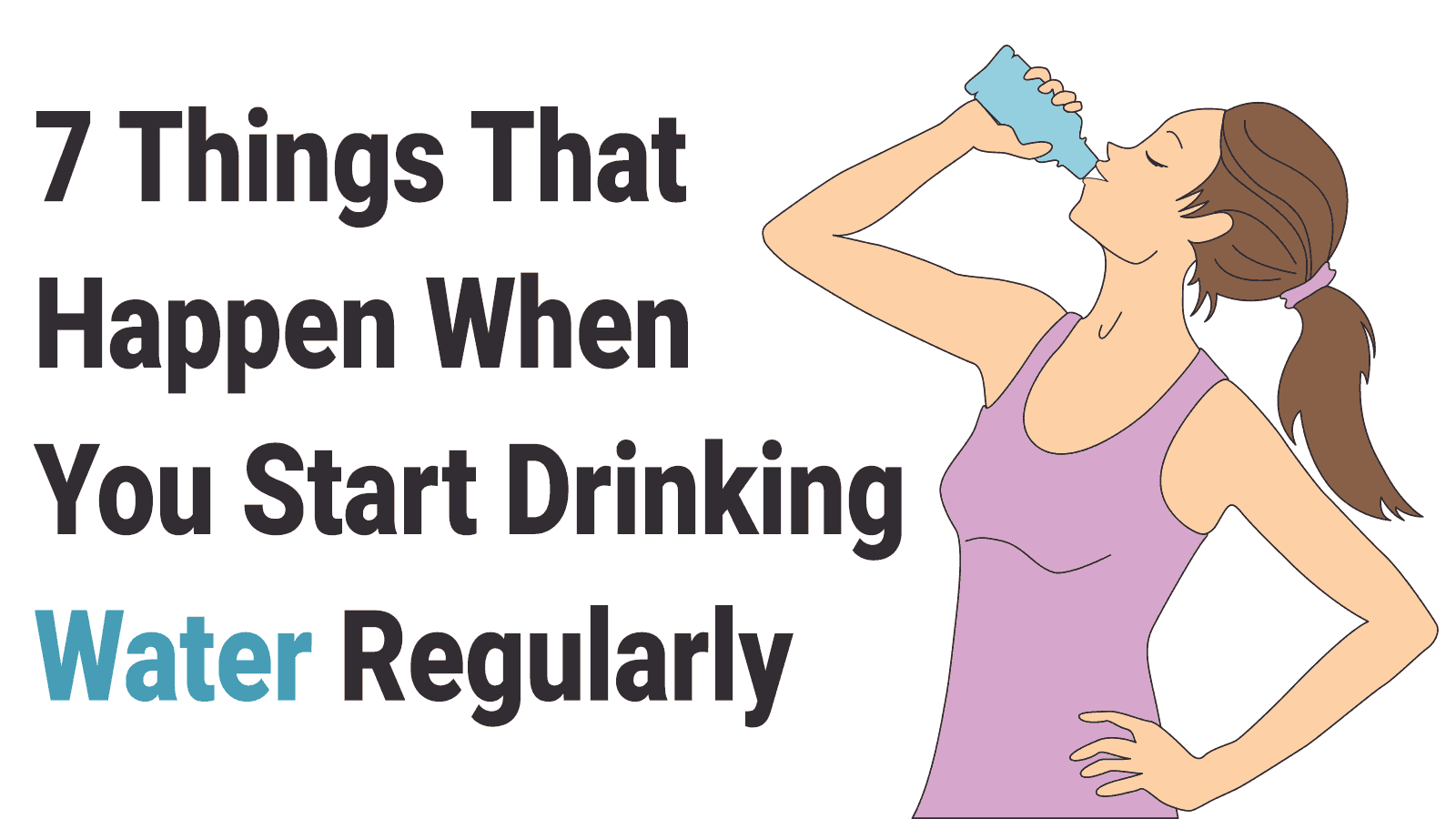
productive without coffee

10. Exercise

Exercising is important for the body and mind. Exercise increases your energy and stamina. It provides nourishment for the brain, which helps it to stay focused and think more clearly. It’s important to get 30 minutes of exercise each day. Even if you take a walk, it will help to circulate your blood throughout your body more rapidly. Yoga, weight-lifting, swimming and playing sports are all excellent ways to increase your productivity because all of these activities will help your body and mind to perform better.

Life can be wonderful, but you need to be thoughtful towards your thoughts, feelings and actions. Drink coffee for health and alertness in moderation. Live each day to the fullest, enjoying both your work and downtime because relaxation is just as important as work. You’ll feel better when you live a balanced life.
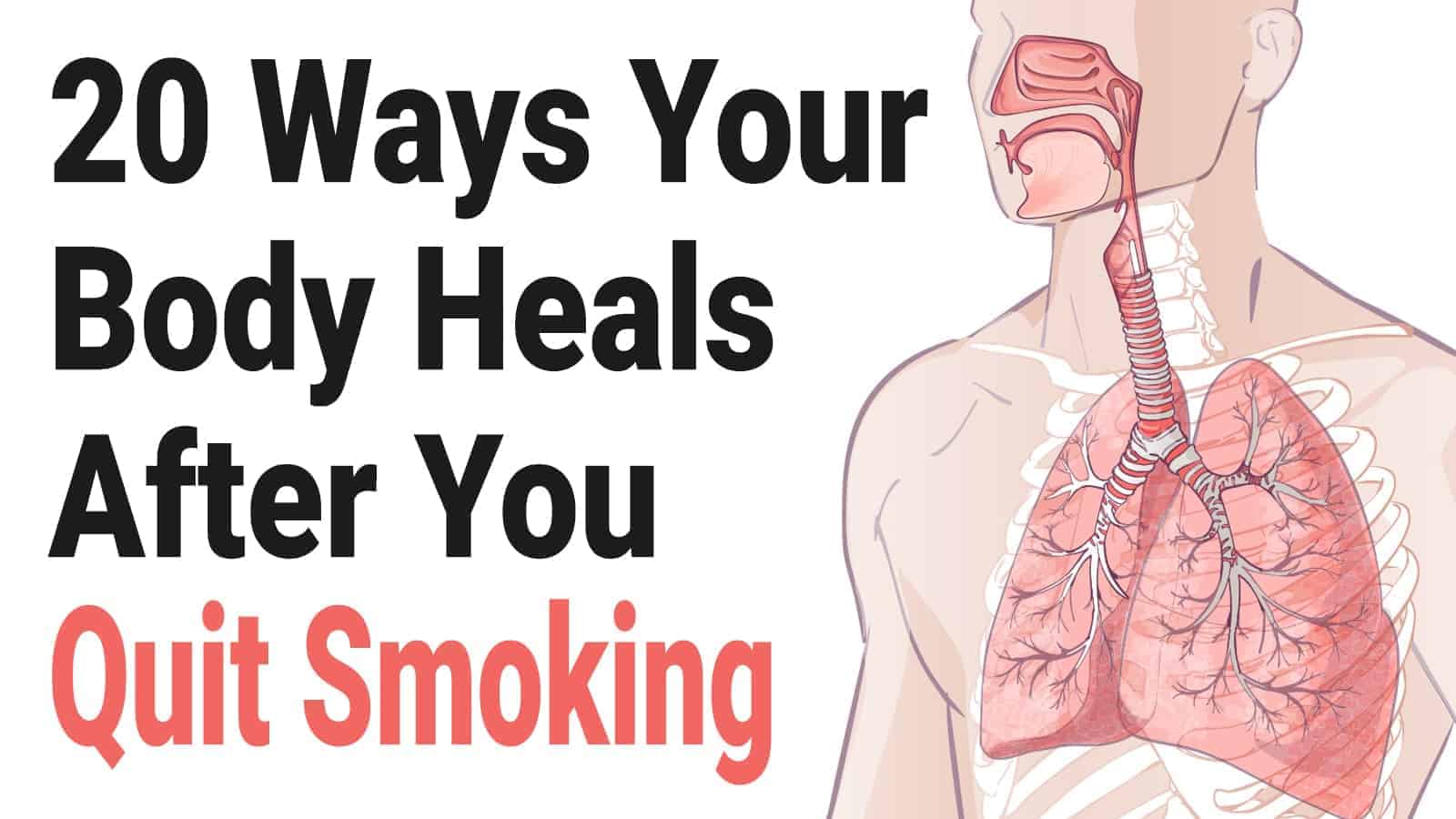
FDA Reveals Move to Ban Menthol Cigarettes, Flavored Cigars, and Vape Juice

In March of 2019, the FDA released a proposed ban on flavored cigars, flavored vape juice (excluding menthol or mint), and Menthol cigarettes.  The government banned flavored cigarettes, other than menthol, by 2009.

This followed various actions the FDA took to regulate vape juice and ensure that manufacturers used only approved ingredients.  The FDA has only had official authorization for all nicotine-related products to fall under its jurisdiction since 2016.  E-cigarettes and vape juice didn’t hit the U.S. market until 2009 and became mainstream around 2012.  They have been, and continue to be, under much scrutiny as to their safety and possible health consequences.

Dr. Scott Gottlieb, the FDA Commissioner, has taken a strong stance regarding flavored e-cigarettes, vape juice, and cigars due to an alarming number of teens using these products. Despite the fact that they are illegal under the age of 18, the youth gets their hand on them.  Banning Menthol cigarettes is a bold step, but possibly one with backlash.

Why the distaste for flavors and menthol?

Statistics about e-cigarette use among U.S. youth:

(per the FDA website)

  • Among middle and high school students, 3.62 million were current users of e-cigarettes in 2018.
  • E-cigarette use, from 2017 to 2018, increased 78 percent among high school students (11.7% to 20.8%) and 48 percent among middle school students (3.3% to 4.9%) from 2017 to 2018.
  • According to a 2013-2014 survey, 81 percent of current youth e-cigarette users cited the availability of appealing flavors as the primary reason for use. This includes 82% of e-cigarette users, 79% of hookah users, 74% of cigar users, and 69% of smokeless users.

The reason why e-cig users prefer flavors is that they act as a buffer to the bitterness, burning sensation, and harshness. They improve the taste and lessen the burn as the smoke goes down the throat.  This makes flavored e-cigarettes, vapes, or cigars far more attractive to first-time users.

Commonly available flavors are vanilla, cherry, watermelon, berry, bubblegum, mint, menthol, cinnamon, various candy flavors, and regular tobacco flavor.

Statistics about menthol cigarettes:

(per the FDA website)

In the U.S.:

  • More than 19.5 million people are current smokers of menthol cigarettes.
  • Eight percent of African American smokers, 46 percent of Hispanic smokers, 39 percent of Asian smokers, and 28.7 percent of White smokers smoke menthol cigarettes.
  • Youth who smoke are more likely to smoke menthol cigarettes than older smokers. More than half of smokers ages 12-17 smoke menthols.

Menthol cigarettes have a long history in the United States.  They first came on the scene 1924 by an Ohio man named Lloyd “Spud” Hughs.  By 1932, Spud cigarettes had become the fifth most popular cigarette in the country.  That caught the attention of Brown and Williamson tobacco company, who then created Kool cigarettes in 1932.  In 1956, the first filter-tipped cigarettes, Salem, hit the market.

The cooling sensation of menthol creates the illusion that it is not damaging your body like regular cigarettes.  After all, your mouth and throat feel cool, not irritated.  Currently, about 35% of the cigarette market comes from Menthol cigarettes.

You’ll also find menthol, or mint, in hookahs, dip, chew, snuff, e-cigarettes, and cigars.  Users suggest that quitting cigarettes containing menthol is harder to quit.

E-cigarettes/vaping: safe or not?

When E-cigarettes or vape devices hit the market, they touted themselves as an alternative to cigarette smoking.  Smoking in public was taboo due to second-hand smoke. And, people didn’t like the smell left on their clothes or in their cars and homes.  E-cigarettes created more of a slight steam effect, rather than smoke. Plus, it has little to no odor. Thus, people didn’t cause second-hand smoke so they could smoke these devices in public without dirty looks. Finally, some suggest that it is a great way for some to quit the habit entirely.  Sounds like a win-win, right?

Unfortunately, was an initial lack of information out there regarding the chemicals in e-cigarettes versus a traditional cigarette.  First, many believed it was completely safe. On the other hand, some felt it was a safer option than smoking a cigarette.

What chemicals do manufacturers use in the flavoring?

The e-liquids commonly used in e-cigarettes and vaping are a combination of propylene glycol and vegetable glycerin.  They form the base of the liquid, to which they later add the flavoring and the nicotine.

Aldehydes, an organic compound usually associated with aromas, along with other additives, are used for flavoring.  These are food-safe ingredients. However, being safe for food is not the same as being safe for smoking or vaping.  You may have read about or heard of food flavorings such as vanillin, cinnamaldehyde, and benzaldehyde.  To put in simpler terms, they are added ingredients that add the flavor of vanilla, cinnamon, and almond to certain foods.

The Potential Danger of Heating Aldehydes

When these ingredients are heated, they form formaldehyde and other cancer-causing chemicals.  Additionally, they cause irritation and inflammation of the lungs.

Scientists found that some of the by-products in e-liquid had a 50-80% likelihood of not breaking down upon going through the vaporization process.  This is to say that a large quantity of these chemicals is reaching the airways rather than burning away in the vapor.

In a small study, it was found that the concentration of aldehydes in the breath was 10 1/2 times higher than before vaping.  In the case of formaldehyde, they found that the majority of its high concentration was actually retained in the users’ respiratory tract.  Some studies showed it was comparable to a traditional cigarette.

The effects of these chemicals and others are still being studied, but currently, there is evidence of respiratory issues, including lung infections, bronchiectasis, pleural effusion, and more.  This does not include potential cancer-causing elements or other reactions your body may have to e-cigarettes.

Can smokers use e-cigarettes to quit smoking?

Let us address the idea that e-cigarettes can be used to quit traditional cigarettes as a nicotine replacement aid.  For reference, the FDA has not approved e-cigarettes as an official nicotine replacement therapy.  They have acknowledged that a percentage of smokers do use them as such.

In 2012 and 2014, scientists studied a nationally representative sample of 2,028 U.S. smokers.  This study showed that long-term users had a higher quit attempt rate than short term users (72.6% vs. 53.8%) and a higher cessation rate (42.4% vs. 14.2%).  Cessation rate was defined as abstinent for three months or longer.

They concluded that long-term use of e-cigarettes was associated with a higher rate of quitting.  They also stated that among those making an attempt to quit, e-cigarettes surpassed the FDA-approved therapy.

Scott Weaver and his colleagues at Georgia State University performed another study in 2015-2016.  They concluded that smokers who used e-cigarettes quit smoking at half the rate of smokers who did not use e-cigarettes.  They also found that smokers using e-cigarettes were less likely to quit than non-users.  Of the 1,284 adult smokers that were part of the study, only 858 completed their follow up survey.

We should also mention that many people who use e-cigarettes also still smoke traditional cigarettes.  Additionally, e-cigarettes do still contain nicotine. Therefore it is possible to become addicted to them or move from e-cigarettes to traditional cigarettes or cigars even if you had never smoked a traditional cigarette prior.

While more studies have been performed, the results are just as inconclusive.  Therefore, it will take further studies and research before it can be said if e-cigarettes decisively can help one quit smoking traditional cigarettes.

cigars

Final thoughts

The focus of the recently proposed ban on flavored e-cigarettes, vaping liquid, flavored cigars, and menthol cigarettes intends to decrease teen use of these nicotine or tobacco products.  The number of teens gravitating toward these products alarms officials. Plus, teens face unknown potential health risks.  By banning the flavoring which attracts these teenagers, they hope to increase the number of teens who quit or never start.  The FDA does not expect this to take full effect for about two years.  As a pre-emptive move, however, several states have or are in the process of implementing their own ban on the products. Users can still purchase their favorite Myle Vape Dubai online.

While more studies are underway regarding the safety of vape juice and e-cigarettes, the possibility that they may cause long-term damage to your health is not worth the risk, in our opinion. While they can be fun recreationally and could replace regular cigarettes, studies have not shown that they are any healthier than traditional cigarettes. Plus, do you really want to give huge companies who have no regard for your health even more money? Just some food for thought.

Los Angeles Reveals Bill to Ban Roundup Weed Killer

On March 21, 2019, Los Angeles joined the list of 50+ cities and counties who have banned the use of Roundup, a widely used weed killer.  Roundup contains the chemical glyphosate, which can cause cancer.

The World Health Organization’s International Agency for Research on Cancer had declared glyphosate a carcinogen in 2015.  That decision was later countered in 2017 by the Environmental Protection Agency.  The EPA issued a Summary Review of Recent Analysis of Glyphosate Use and Cancer Incidence in the Agricultural Health Study, in which it was reported glyphosate likely was not a carcinogen.

Despite this contradiction, Monsanto, the maker of Roundup, was held responsible by the second jury in 7 months who ruled in favor of glyphosate causing cancer.  The first case was last year for a Dewayne Lee Johnson, who has non-Hodgkins lymphoma from exposure to the weed killer. The latest case was decided the same day L.A. chose to ban Roundup in a federal court in San Francisco.  They ruled in favor of Edward Hardeman, also a cancer patient.

In an attempt to err on the side of caution,  Los Angeles County Board of Supervisors passed a bill banning Roundup weed killer and its active ingredient, glyphosate, on county property until it can be determined decisively if it is a danger to public health and the environment.

Who is Monsanto?

Monsanto is an agricultural company that began in 2002 after it split from Pharmacia Corporation.  Its focus was toward agricultural biotechnology with research aimed at improving farming by increasing profits through higher yields.

Monsanto has actually been around since 1901 when John F. Queeny created a company that could produce saccharine at 1/6th the price of sugar.  He named the company after his wife, Olga Monsanto Queeny.  In the 1940s, John Queeny’s son, Edward, took advantage of a chance to enter the agricultural industry.  The first product he created was an insecticide called Santobane.  Monsanto then expanded to provide fertilizer to farmers.

A chemist by the name of John Franz discovered a molecule that was later developed into glyphosate.  In the 1970s, the first Roundup herbicide hit the market.

In 1983, scientists were able to successfully modify a plant cell using biotechnology.  This led to the first genetically modified crops in 1987.  Since then, this has been the foundation of Monsanto’s Company.

In June of 2018, Bayer company became the sole owner of Monsanto Company.

What is Glyphosate?

Glyphosate is one of the most used herbicides in the United States. There are over 750 products which contain it that are sold in the United States.   It is applied to the broadleaf of plants and grasses in agriculture, forestry, lawn, gardens, and weeds in industrial areas.

Glyphosate comes in multiple forms, including as an acid and several types of salts.  This allows it to be sold as either a solid or a liquid.  The sodium salt form is used to regulate plant growth and ripen specific crops.

Glyphosate is a non-discriminatory herbicide in that it will kill most plants.  It does this by preventing plants from making specific proteins that contribute to their growth.  In the environment, glyphosate binds to the soil for up to 6 months and eventually is broken down by bacteria.  Because of its ability to bind to the soil, it is unlikely to get into groundwater.

Studies Regarding Glyphosate

Animal and human studies were performed by agencies in the USA, Canada, Japan, Australia, and the European Union, as well as the Joint Meeting on Pesticides Residues of the United Nations and World Health Organization.  All but the International Agency for Research on Cancer of the World Health Organization determined that glyphosate was non-toxic and non-carcinogenic to humans, including children, animals, or fish.   Even in long term studies, there was no evidence of toxicity to the nervous or immune system.  They also determined that it does not affect developmental or reproduction systems.

This is not to say that it is safe to be ingested, sprayed in the eyes or exposed to, as that is not how it is intended to be used.  It can cause a variety of symptoms related to such contact, just as is the case with any household cleaner.

The Difference between Glyphosate and Roundup

While the World Health Organization has ruled glyphosate to “have a probability” of causing cancer, other agencies have determined that it does not.  To be more specific, WHO has placed it on the carcinogenic level of a steak you may eat for dinner.  Why has Roundup, the weed killer containing glyphosate, been banned pending further review?

Glyphosate has been broadly considered safe when on its own; this doesn’t mean it remains safe when combined with other chemicals.  For comparison, baking soda on its own is just a white powder with no seemingly active properties, yet when you add vinegar, the baking soda foams up.

Deborah Kurrasch, a neuroscientist at the University of Calgary, is doing studies to determine if there is toxicity in glyphosate or in Roundup that has not been previously studied.

Result of Glyphosate Study

One of her experiments led them to question if glyphosate has an effect on mitochondrial function.  She had exposed a zebrafish embryo to a low dose of glyphosate during a certain stage of development.  It caused a related decrease in basal respiration which then impaired the movement of the larvae.  She has also found evidence that at a high dose, glyphosate can reduce mitochondria function and sperm motility in zebrafish and alter neurotransmitter activity in the brains of rats.

Conversely, she ran a similar experiment on zebrafish using Roundup.  She found that Round Up actually had the opposite effect of glyphosate.  The fish moved more and basal respiration was higher.  Essentially, it suggested that glyphosate created one reaction, while Roundup created the opposite or different reaction.

Missing Pieces of the Puzzle

Debrah Kurrasch and other scientists who are attempting to further study glyphosate and Round Up have run into the problem of not having a list of all ingredients used in Roundup.  By law in the U.S. and Europe, a company is only required to list the active ingredients but not the “inert” ingredients.  It’s like trying to make bread where the recipe only gave you flour, yeast, salt, and sugar, but left out the water and oil.  The first ingredients given wouldn’t react to each other the same as having all the ingredients.

William Reeves, Chemistry Safety and Outreach lead at Monsanto, stated he was not surprised about the results of the studies.  He claims the surfactants used in Roundup are similar to what is found in household products which cause membrane degradation and mitochondrial breakdown in high doses.  He also states that the concentration of the herbicide is not as it would be in real life; that the herbicide concentration is far higher and not being used per instructions.  While initially, that sounds like a cop-out, it is really just pointing out that all chemicals are designed for a specific function with certain cautions in place and a specific quantity to prevent any harm. This is much like when kids chose to swallow Tide Pods.  They weren’t created for that purpose; therefore, there would be repercussions.

Differences of Opinion

Vanessa Fitsanakis, a neurotoxicologist at Northeast Ohio Medical University, has also been running her studies and considers it imperative to know all the ingredients in order to understand what is creating the results in various studies.

She states, “The scientists that I have spoken to from Monsanto and Syngenta are very convinced that the glyphosate by itself is nontoxic. I agree with them on that. Where I disagree . . . is that you can have an active ingredient that is nontoxic, but that does not mean that the commercial formulation is also nontoxic.”

Her statement alone explains why Los Angeles, and 50+ other cities and counties, have chosen to ban the use of Roundup until there is definite evidence that it does not cause cancer, other illnesses, or deformities to humans, animals, or fish.  The study of glyphosate or glyphosate-based herbicides has only fairly recently been under inspection.  Roundup has been out for 42 years and has only started to be investigated in the last 3-5 years.  The United States EPA and Europe had different conclusions compared to the WHO.  This difference of opinion only proves more studies should be done.  As a part of these future studies, hopefully, there will be a release of all the chemicals used in the Roundup formulation. This will help provide the best evaluation possible.

In the interim, Los Angeles, California, has revealed a bill to ban the use of Roundup weed killer. They will look into other alternatives for controlling weeds and other plants.

naturally kill weeds

Final thoughts

If you want to kill weeds in your own yard, there are natural alternatives to weed killers such as Roundup. It’s yet to be determined if light exposure to the chemicals in the weed killer can cause health problems; in our opinion, it’s better to be safe than sorry.

5 Emotional Wounds Women Carry Into Relationships When They’re Unloved As Children

Many adults carry emotional wounds into adulthood, a fact that shocks many.

The love of our parents is something society views as another of our “unalienable rights” as children.  Society prefers to create the worldview that all parents love their children, know how to show that love and know the best way to parent each child. It assumes that each parent is a mature, responsible adult without any past emotional issues that affect their parenting.

Sadly, that is not often the case.  Parents are human. They make mistakes.  They have their views of the world and what proper parenting is.  All parents have weaknesses and unresolved issues; some may struggle with mental illnesses, addictions, personality disorders, emotional wounds, or more.

The results from parents who struggle to maintain themselves – much less raise healthy members of the next generation – are children often left to manage independently.  They must not only learn how to handle their parent but also how to socialize, handle their own emotions, form their view of the world, and adopt proper morals.  A quote I read once from a psychologist stated, “Children are excellent observers, but horrible interpreters,” meaning they see everything but can’t make sense of it or have the wisdom to put it into perspective.  Without someone to help you do that, your view of the world (and yourself) becomes skewed.

Women, generally the more emotionally-sensitive sex, carry their childhood emotions far longer than most men.  This is not to say men don’t carry childhood wounds with them, but that they tend to approach them more pragmatically as they age.  Women, however, carry the pain with them for many years.  It affects all their relationships until they finally heal.

Emotional Wounds That Women Can Carry Into Adult Relationships as a Result of Poor Parents

Here are five emotional wounds women carry into relationships when they are unloved as children.

1. Attachment Issues:

A child raised with a parent who responds with love, support, and care will see relationships and attachments as good and safe.  A child raised where the parent doesn’t show affection or is inconsistent in their availability for the child learns that “people can’t be trusted.”  She is learning that relationships are not secure or consistent; they can change you quickly.  For a child who needs emotional feedback and affection, this is devastating.  She grows up constantly seeking this connection yet teaching herself to remain self-reliant.  Relationships make her anxious and uncertain as she always expects rejection to come her way.

2. Trust Issues:

A child raised with a parent who makes themselves available and helps the child understand and resolve even simple problems becomes confident that others are there for her.  A child raised with a parent who pushes them away must learn to handle things themselves; if that parent is absent, she often learns that she cannot trust others.  She learns that people won’t protect her or help her and that relationships are unsafe.

3. Difficulty with Boundaries:

A balanced parent understands the importance of teaching their child that everyone deserves their own space and time;  each individual is their being and has different needs that should be respected.  An unbalanced parent doesn’t give their child enough space.   She will treat the child as if only her needs matter.  As that child grows, she values her independence and space more than average while feeling the need to please everyone.  She also misinterprets others’ needs for space.  She believes that others always reject her if they don’t want her around.

4. Dominated by Fear of Failure:

Parents should teach their children that failure is a typical setback, not a destination.  An unbalanced parent may be hypercritical or punitive if certain expectations aren’t met.  There are also situations where parents don’t give any attention unless things were done to their expectations.  This leaves a child feeling undeserving of love or approval if she performs poorly.

5. Poor Sense of Self:

A parent should show consistent approval and attention to a child so that the child learns that she is lovable and sounds just like she is.  An unhealthy, hypercritical parent who doesn’t give compliments or show affection is teaching the child to doubt that she is worthy of love and attention and must not do things right.  Essentially, she feels defective.

emotional wounds

Consequences of Childhood Emotional Wounds

These emotional wounds may show themselves in many ways. The results of these emotional wounds may differ depending on whether their mother or father caused them.   Some wounds from inattentive fathers may show themselves as the following behaviors:

  • More prone to depression:  Many women have difficulty with romantic relationships due to poor relationships with their fathers.  It severely affects their self-esteem and can lead to depression due to the sadness they don’t know how to handle.
  • More prone to eating disorders:  Daughters without a strong father figure are twice as likely to develop obesity.  Essentially, they fill the void of emptiness with food.  Others may become anorexic or bulimic.  They think if they had been thin enough, “daddy would have loved me.”
  • More prone to early sexual relationships:  Many studies have shown that a girl lacking in her father’s affection is more likely to try to get a man’s approval through sexual relationships.
  • More prone to addiction: Per the U.S. Department of Health and Human Services, a fatherless child is 69% more likely to use drugs and 76% more likely to commit crimes.   A daughter is more likely to turn to drugs to numb the pain.

How to heal your unloved child within

It would be wonderful if we could go back into our past and recreate the loving childhood we dreamed of, where we could experience love, approval, and safety as so many others have.  Instead, we are pushed to continue and make the best of it.  Maybe that is the best way.  After all, you wouldn’t be the person you are without going through your experiences.  Your empathy, care, sensitivity, and resilience wouldn’t be the same.  It is possible to heal from these past events and become a healthier, stronger you.  Here are some steps to help you heal your unloved child within:

Write about your emotional wounds.

Tell your story.  By writing, it allows you the opportunity to give it structure and organization – to remember complete events, not just the leftover emotions.  It helps you to gain perspective.  It also allows you to let the emotions out.

Look through old photographs.

Oftentimes we remember ourselves as the child we were told we were and not the reality.  For example, a child who was told they were fat may be able to go back and see that they were actually about the same size as other children.  A child who got emotional wounds by being told they were stupid may see old report cards where they received some A’s, some B’s, and an occasional C.  This allows you to see your reality and become more aware of how this lie has created behaviors that have no base.

Re-evaluate your current relationships.

If you have a friendship or sexual relationship leaving you feeling bad about yourself, look at it.  Look at what is drawing you to them.  Are you just reinforcing your parent’s view of yourself through this other person?  Do you have the strength to leave them?  Do you tend to give more to others than you ask for in return?  Maybe make a list of what you would like out the relationships and then step by step, bring them into more balance.

Accept the reality of your past and build new boundaries with your parents.

Taking control of your current relationship with your parents is as important as the others in your life.  Make a list of where your parent’s/parents’ actions intrude upon your life painfully or unfairly.  Then make a list of rules you can establish to change this.  Granted, this is difficult and will bring up old pain from these emotional wounds.  Taking back the control you didn’t have as a child with your parent(s) is therapeutic if done calmly but firmly.   There is a push and pull as both of you will slip into old patterns, but it is possible.  If possible, ensure you have a sound support system with you as well.

strong woman


Final Thoughts on Healing Childhood Emotional Wounds

Healing the emotional wounds that you brought into your adult relationships from when you were unloved as a child is tough.  You should remember that you already went through the toughest part, came alive and still fighting.  It is possible to heal this hurt child and become the balanced and loving adult you deserve to have a happy life.

If you struggle with emotional wounds you carry into relationships, seek a counselor to help you move through these feelings. They can put things into perspective and help you have more self-esteem and confidence.

San Francisco Man Repopulates a Rare Butterfly At Home

The more humans encroach on wildlife and the natural environment, the more species will be driven to extinction. The California pipevine swallowtail is a gorgeous blue butterfly that has called San Francisco home for hundreds of years. However, since urban expansion has been increasing since the 20th century, sightings of this butterfly have steadily declined.

To give you some background on the pipevine swallowtail, the butterfly’s life begins inside little red eggs that lie on top of leaves and tree branches. Then, the eggs crack and black caterpillars with orange spots emerge, eventually transforming into the breathtaking blue butterflies.

Tim Wong, an aquatic biologist, made it his mission to repopulate this beautiful creature, right from the comforts of his backyard. Wong is an aquatic biologist at the California Academy of Sciences and has always appreciated nature deeply. His Instagram account shows endless pictures of Tim with the animals he takes care of at the school’s museum, including penguins, owls, snakes, lizards, and, of course, butterflies.


View this post on Instagram


A post shared by Tim (@timtast1c) on

Tim first started getting interested in butterflies in elementary school, where he attempted to raise them with his classmates. Tim was fascinated at the transformation butterflies make and wanted to study them further.

Years later, when Tim learned how the population of pipevine swallowtail was on the decline, he decided to help them make a comeback. After doing research about the butterfly in the caterpillar stage, he realized that they would only eat the pipevine plant, which had also become rare in California.

Tim luckily found the plant at the San Francisco Botanical Garden and asked if he could have a few clippings. Using the plant, Tim built an entire greenhouse in his backyard to imitate the butterfly’s natural habitat. “[I built] a large screen enclosure to protect the butterflies and to allow them to mate under outdoor environmental conditions — natural sun, airflow, temperature fluctuations,” says Tim.


View this post on Instagram


A post shared by Tim (@timtast1c) on

He started his breeding experiment with a group of 20 caterpillars that he found at local residences.

This experiment that began with just 20 caterpillars resulted in thousands of butterflies that Tim brought to the San Francisco Botanical Garden, and he doesn’t plan to stop there. He has also grown more than 200 California pipevine plants so that the butterflies always feel at home and have their natural diet available to them.


View this post on Instagram


A post shared by Tim (@timtast1c) on

This is wonderful news for the repopulation of the pipevine swallowtail. “Each year since 2012, we’ve seen more butterflies surviving in the garden, flying around, laying eggs, successfully pupating, and emerging the following year,” says Tim. “That’s a good sign that our efforts are working!”

introvert

Wong has been the perfect example to show that anyone can help bring nature back from their own homes. Of course, breeding butterflies is no easy task, but there are other ways to help preserve the environment. Simply planting flowers and plants that local animals and insects like can help to preserve their populations.


View this post on Instagram


A post shared by Tim (@timtast1c) on

What do you think of Tim’s successful attempts to repopulate this beautiful butterfly? Have you ever done something to help your local environment? Share with us in the comments!

(C)Power of Positivity, LLC. All rights reserved

New Herb Discovered on Remote Island Stops Cancer Growth

Treatment for esophageal cancer may lie on the remote island of Mauritius among its indigenous plants.  Mauritius is an island in the Indian Ocean, located off the eastern coast of Africa. There, Alexander Kagansky and his team performed studies of native herbs and found them to actually stop the growth of cancer.  Specifically, they prevented the division and growth of the esophageal squamous cells carcinoma in vitro.

Alexander Kagansky’s study was published in a Russian Scientific Publication titled ActaNaturae in February 2019.  Alexander Kagansky, a Russian scientist, holds an M.D. in Biophysics and Ph.D. in Molecular Biology.   He currently serves as the Director of a Center for Genomic and Regenerative Medicine, School of Biomedicine at the Far Eastern Federal University in Vladivostok, Russia.  His study focuses on finding ways to cure cancer and regenerate tissues.   

Kagansky’s Study

The study began with testing 5 different plants. The medical community widely accepts research regarding the various Mauritian flowering plants and their medicinal uses. Still, scientists have little pursued more scientific evidence of their potential chemotherapeutic properties.

This study focused on evaluating the in vitro tumor cytotoxicity of the leaves of five plants.  The scientists tested the five plants against six human cancer cell lines, including cervical adenocarcinoma, colorectal carcinoma, oesophageal adenocarcinoma, and oesophageal squamous cell carcinoma.

In the end, they found that 3 of the 5 plants had potential cancer cell inhibiting qualities.  However, the leaves of Acalypha inefrifolia, Eugenia tinifolia, and Labourdonnaisia showed themselves effective against the division of the cancer cells for esophageal squamous carcinoma cells.

What are “cancer cells”?

Cancer cells are cells that no longer respond to the normal “cell death” that naturally occurs in our body.  Cells and proteins are intended to serve their purpose and then be recycled.  Cancer cells defy that act.  Instead, they multiply by dividing themselves. (One becomes two, two becomes four, etc.)  The more often they divide, the fewer “rules” of our biology that they follow.  At a certain point, they then breakthrough tissue barriers and spread throughout the body.

The herbs discovered on Mauritius stop that division process, which then allows for the biologically designed cell death.  While the ability to stop the division related to a specific dose, the herbs proved particularly sensitive to esophageal squamous carcinoma cells in comparison to the other cancer cells tested against.

Still researchers have much study and research to complete to understand how these plants create this effect on the cancer cells. But it does look very promising.  Often, it is not just a simple matter of finding the plants and then making a drug.  Understanding how and where the process is stopped is essential for continued attempts to find treatments for all forms of cancer and other diseases.  These plants are the first to show us it can be stopped, and where. 

Oesophageal Cancer

The cancer type, which doctors call oesophageal cancer, is becoming a global concern. That concern stems from the following circumstances:

  • How late doctors detect the cells
  • The aggressiveness of the disease
  • A lack of selective treatments.

Oesophageal squamous cell carcinoma and esophageal adenocarcinoma represent the 6th leading cause of cancer deaths worldwide. Additionally, they have a 5-year survival rate of only 15% and a median survival rate of less than one year.

Oesophageal squamous cell carcinoma involves cancer cells that line the surface of the esophagus.  Most commonly, it occurs in the upper and middle portions of the esophagus. 

Oesophageal adenocarcinoma begins in the mucus-secreting glands in the esophagus and occurs mainly in the lower portion of the esophagus.  This form is most common in the United States, and white men are the most affected.

Scientists do not fully understand why, but the following factors may lead to chronic irritation of the esophagus.

These factors might increase your risk:

  • Having GERD (gastroesophageal reflux)
  • Smoking
  • Barrett’s esophagus (precancerous changes in the cells of the esophagus)
  • Obesity
  • Alcohol
  • Bile reflux
  • Achalasia (a condition where the esophageal sphincter doesn’t relax and therefore creates difficulty swallowing)
  • Chronically drinking hot liquids
  • Radiation treatment to the chest of the upper body
  • Not eating a healthy diet with fruits and vegetables

Gastrointestinal issues frequently accompany this disease.

Other symptoms include the following:

  • Difficulty swallowing
  • Worsening indigestion or heartburn 
  • Coughing or hoarseness 
  • Unintended weight loss

Broad spectrum chemotherapy is its current treatment.  However, chemotherapy is associated with toxic side effects and has a low effective rate for esophageal cancer.  

Natural plants as medication

Recently, scientists have been looking to native plants for medicinal uses.  Worldwide, about 50,000-80,000 plants are used medicinally.  Of the top 150 prescribed medications in the U.S., at least 118 are based on natural ingredients.  74% come from plants, 5 percent from bacteria, 18% from fungi, and three percent from vertebrate species.  At least about 70% of new drugs in the U.S in the last 35 years are derived from these sources.

Anti-cancer drugs save at least 30,000 lives a year.  Remission for childhood leukemia increased by 85% between 1960 and 1997 due to just two drugs that were made from plants on Madagascar’s rosy periwinkle plant. 

Many cultures have been using their own wild species for disease or illness treatments for several thousands of years.  China is one example. Additionally, on the island of Mauritius, scientists have observed the island’s herbologists using up to 150 different plants to treat various illnesses.

The Danger of Plant Extinction

So many factors continue to contribute to the extinction of native plants.  Of the 50,000 – 80,000 flowering plants used for medicinal uses, 15,000 may face extinction.  It is estimated that we are losing at least one potential major drug every two years.  Those drugs could have been a treatment for cancer, HIV, or any deadly disease we face. 

Habitat destruction underlies part of the loss. As new and different islands become noticed by the public, demand increased. Developers and marketers continue to turn these areas into a thriving tourist location. Consequently, this growth demands land for hotels, homes, stores, utilities, etc.  Destroyed habitat can also be caused by increased residential and commercial construction of homes and businesses as other areas become in demand for other resources: wood, oil, minerals, etc.   There is no telling how many possible life-saving plants we have already destroyed globally due to mankind’s tremendous growth over our years on this planet.  

As stated in the United States Congressional deliberations when introducing the Endangered Species Act in 1973:

“Who knows, or can say, what potential cures for cancer or other scourges, present or future, may lie locked up in the structures of plants which may yet be undiscovered, much less analyzed?… Sheer self-interest impels us to be cautious.”

Another factor is over-harvesting.  About 15,000 plants face extinction due to over-harvesting or over-collection of native plants.  This is considered such a concern that an organization was formed called the Wildlife Trade Monitoring Network in order to watch and control the global trade of wild plants.  Part of the over-collection of plants includes when we do not use all of the plants. 

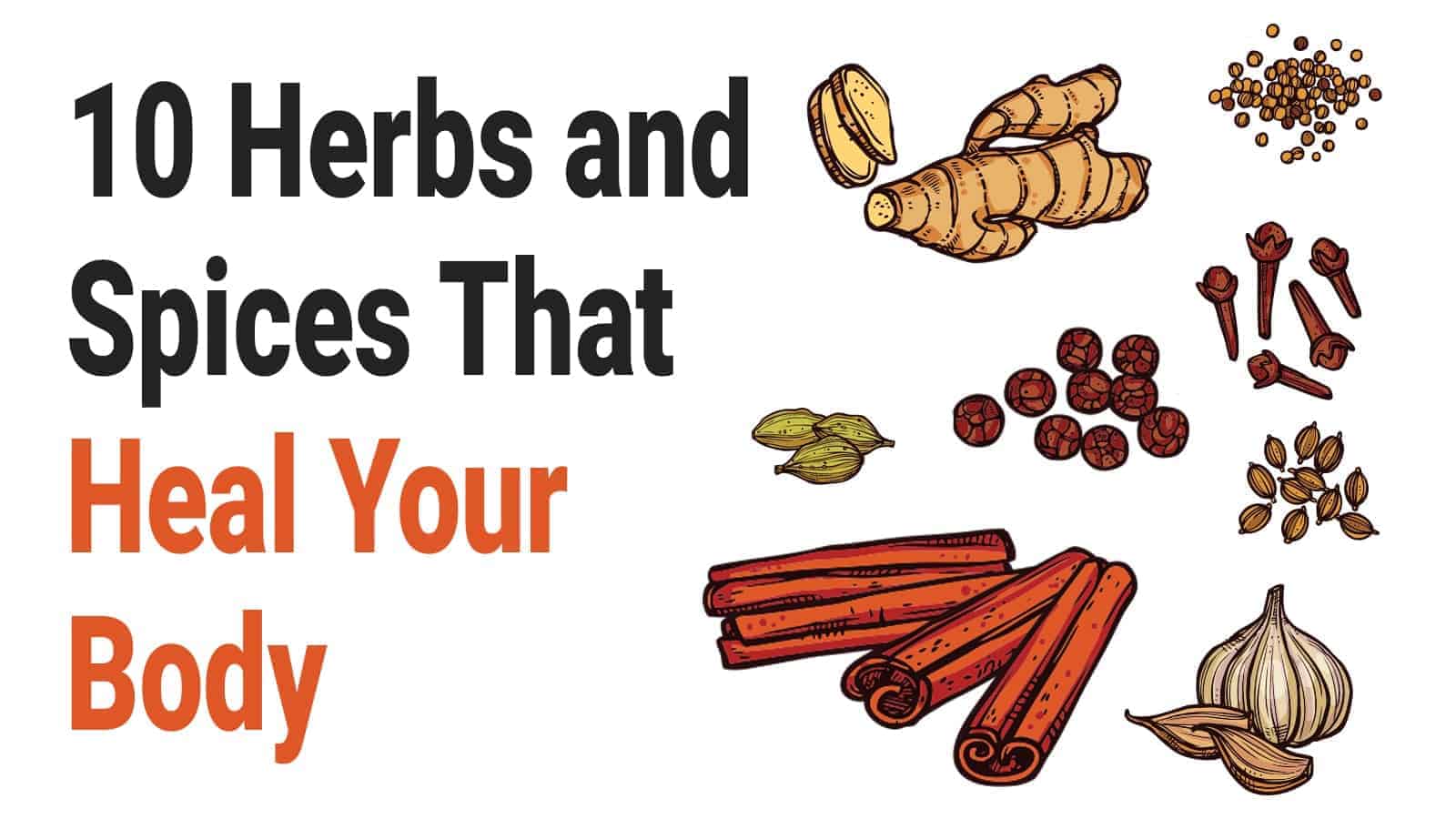
herbs and spices heal your body

For example, natural healers often use slippery elm to treat coughs, gastrointestinal issues, and skin irritants.  The part of the slippery elm they commonly use is the gummy lining of the bark.  The bark is stripped from the trees which are then left to rot.  About 12 trees are sacrificed for 50 pounds of dried bark.  Those 50 pounds of bark are valued at up to $150.00.  You can imagine, then, how many trees died to satisfy the need of the populace.  The slippery elm is currently considered “at risk” by the U. S. Forest Service.  Some other plants considered at risk are black cohosh, American ginseng, yew, and goldenseal.

The island of Mauritius is no different in its plants, fungi, and other life being at risk.

In the words of Alexander Kagansky: 

“Mauritius Island is a treasure island of the global biodiversity, and the story of continuing tragedy of human greed, barbarian appetite (remember the Dodo bird from the Alice story, RIP) and neglection of true wonders of the planet designed to save human lives. About one-third of the local plants are used in traditional medicine, but there is still a lack of scientific evidence of their therapeutic potential, while genocide of nature is most evident on such small pieces of a lost paradise. To date, only 15 percent of the island’s plant species have been examined for their medicinal properties, which is still better than in many countries…..”

Indeed, his passion and dedication to preserving the lives of various plants led him to create an organization called Bio2Bio.  They are dedicated to protecting the variety of life and nature which may be a source of biological compounds. They are also working to create a database of natural molecules to aid in drug compound creation. Additionally, they hope to link various areas of medicine together so they can work off of each other in their discoveries.  Alexander said it best here:

Our research should serve the benefit of humanity and show by evidence that on the mechanistic level people depend on natural chemistries, which will reward us by reducing deaths and suffering of ourselves, our parents, and children.”

(C)Power of Positivity, LLC. All rights reserved

FDA Approves New Medical Device For Kids with ADHD

ADHD (Attention Deficit and Hyperactivity Disorder) is a psychological and biological condition that affects thousands of children.  ADHD is defined by the Attention Deficit Disorder Association as “a highly genetic, brain-based syndrome that has to do with the regulation of a particular set of brain functions and related behaviors.”

As of 2016, The National Survey of Children’s Health reported: 

Approximately 9.4% of children 2-17 years of age (6.1 million) had been diagnosed with ADHD.

    • Ages 2-5: Approximately 388,000 children
    • Ages 6-11: Approximately 2.4 million children
    • Ages 12-17: Approximately 3.3 million children

Treatment and therapy for children with ADHD has been an ongoing study. Currently, there are specialists or therapists who can help teach the parents and the child various methods to handle the behaviors.  There are also many medications available designed to help with minimizing the symptoms in order to afford the child a fairly healthy and successful life.  Sadly, those medications may create mild to severe side effects which can drastically affect the child’s mental and emotional state, as well as some physical ramifications. 

Scientists and pharmaceutical companies have been trying to find a treatment that doesn’t have these negative effects on children.  In April of 2019, the FDA announced their approval of a new device for kids with ADHD.  It is called the Monarch e-TNS System. This is the first ever medical device approved for the treatment of ADHD.  The approval to market the device was granted to the company NeuroSigma.  

What is ADHD and its Symptoms? 

What many people may not realize is that there are 3 forms of ADHD.

1) ADHD Predominate Inattentive type:  This version was previously referred to as ADD or Attention Deficit Disorder.  That designation was removed in 1994.  These children do not demonstrate hyperactivity in their behavior.  They appear as the child who “lives in their own world” and can’t maintain focus or attention for long periods of time.  They tend to respond slower and process information slower.  This type is usually overlooked, as they aren’t overly active or impulsive.  Such behavior usually calls attention to oneself.

The symptoms include:

  • Trouble paying attention (easily sidetracked)
  • Doesn’t like or avoids long mental tasks (such as homework)
  • Trouble staying on task during school, at home, or even at play
  • Disorganized and seems forgetful
  • Doesn’t appear to listen when directly spoken to
  • Doesn’t pay close attention to details
  • Loses things often
  • Makes careless mistakes
  • Struggles to follow through with instructions

2) ADHD Predominately Hyperactive-Impulsive type:  This is the child who can’t sit still, who impulsively interrupts others when they are talking, who talks often, or who creates disturbances in the classroom because they are bored.  They may be more prone to higher frustration levels and angry outbursts. 

Symptoms include:

  • Blurting out answers before a question is finished
  • Constantly interrupting others
  • Trouble waiting his turn
  • Talks too much
  • Fidgeting, tapping, and squirming
  • Gets up when it’s not appropriate (such as when the teacher is talking or in the middle of dinner)
  • Running or climbing in inappropriate situations
  • Unable to play quietly

3) ADHD Combined Type:  This is the child who not only can’t sit still and impulsively acts and reacts to situations, but also cannot focus or maintain attention.  As the name suggests, they are the combination of the above two subtypes.

Diagnosis for any of the ADHD spectrum disorders requires the child to be under the age of 16 and have 6 or more of the above symptoms for at least 6 months.  It is 5 or more months if it is an older teen.  It should be understood that an adult can also be diagnosed with ADHD.  In the case of an adult, it is more likely they were undiagnosed children with ADHD as opposed to developing the condition at an adult age.  

Before a child is diagnosed with ADHD, other factors should also be considered and ruled out: 

  • Learning Disabilities: this could be a reason for difficulties at school
  • Major Life changes: a recent move, trauma, divorce
  • Other Psychological Disorders: anxiety, depression, or bipolar disorder
  • Behavioral Disorders: such as oppositional defiant disorder or conduct disorder
  • Medical Conditions: thyroid problems, epilepsy, or sleep disorders

Medication and Treatment for ADHD

Choosing your child’s treatment can be heart-wrenching for many parents.  The idea of placing a young child on medication with all of the potential side effects is not a decision many parents are comfortable with.  In contrast, learning behavior therapy to both handle the child as a parent as well as teach the child how to handle the symptoms themselves takes time, an open mind and a lot of patience – qualities that not everyone has.  For example, a single parent who needs to work two jobs may find that near impossible to handle.  Parents with multiple children also may have an extremely hard time managing it all.

On the positive side of using medication, the relief for your child can occur as soon as 4 weeks or less.  Being on medication, if effective, can aid the child in improving self-esteem, focusing better, earning better grades at school, having fewer issues at home, and more.  It can also buy some time for them to learn the behavior therapy skills in order to get off of the medication.

Let’s be clear, though; medication is only treating some of the symptoms.  It is not a cure.  They are designed to assist with the most prominent symptoms of hyperactivity, inattentiveness, and impulsivity.  Additional behavior therapy and other methods may still be required to assist with the other symptoms.

The medications which have been used the longest are stimulants.  Ironically, the brain of an ADHD child is actually less stimulated than the average.  Placing them on a stimulant actually increases their brain function, creating a decrease in the hyperactive, impulsive or inattentive symptoms.  The most commonly prescribed stimulants are Ritalin, Adderall, and Dexadrine.

Newer, non-stimulant medications have come out in recent years.  These include Strattera, certain anti-depressants and blood pressure medications.  Generally speaking, using these medications is only advised when the stimulants have not worked well enough or not at all, or when the side effects of stimulants were too severe.

The side effects of stimulants include: 

  • Feeling restless and jittery
  • Difficulty sleeping
  • Loss of appetite
  • Headaches
  • Upset stomach
  • Irritability, mood swings
  • Depression
  • Dizziness
  • Racing heartbeat
  • Tics

There are also mood or personality changes which may occur.  The person may exhibit symptoms of OCD (Obsessive Compulsive Disorder).  They may suddenly be withdrawn and listless.  Behaviors of aggression, anxiety, depression or paranoia may become worse.  Psychosis (delusions or hallucinations) is also possible, especially if there is a family history of depression, bi-polar or suicide.  

There have even been studies that have shown stimulants to cause sudden death for children or adults who may have had an undiagnosed heart condition.

The non-stimulant medications have various side effects as well which can affect mood and cause headaches, sleepiness, nausea, upset stomach and a host of other symptoms.

Behavior therapy is the best long-term option.  Even if you choose to place your child on medication, behavior therapy can not only assist with additional symptoms but also teach symptom management, which can allow the child to get off medication. These therapies can help the child learn to handle stress, anger, and impulsive behaviors.  It can also teach time management, social skills, organization, and goal creation.

In addition to behavior therapy and/or medication, it is highly recommended to ensure the child:

  • Exercises regularly
  • Eats a healthy diet with meals broken up to 6 times a day
  • Gets regular and good amounts of sleep
  • Stays positive in attitude

The Monarch e-TNS System

No one really wants their child on medication if it can be avoided.  As adults, we don’t even want to be on medication, which is what makes the new device, The Monarch e-TNS System, sound like a good potential option for the treatment of ADHD in children. 

The Monarch e-TNS System is approved for patients aged 7-12 who are not currently on medication.  It is intended to only be used under the care of a parent or caregiver and is applied during the child’s sleep time. It is the size of a cell phone and is connected through a wire to a small patch which is placed on the child’s forehead.  The device generates a low-level electrical stimulation to the branches of the trigeminal nerve, which sends signals to the part of the brain associated with ADHD.  The sensation should just feel like a tingling on the skin.

Studies have shown it may take up to 4 weeks to show a decrease in symptoms.  The trials did show that children using the device showed a significant decrease in attention or impulsive behaviors.  The most common side effects were an increase in appetite, trouble sleeping, teeth clenching, headaches, and fatigue.  

Children with certain medical conditions requiring a pacemaker would not be able to use this device.  All children should be evaluated by their physician to ensure it is safe for their use.

This stands to bring a lot of hope to parents and children with adhd.  The closer we can get to treating this condition quickly and effectively without potentially dangerous medications, the better.

MAGIC Healing Peppermint Tea: Treat Cough, Sore Throat And More

Peppermint is a powerful additive to everything from floss and toothpaste to mint mojitos. While mint has no shortage of added benefits, most people fail to realize just how important it is to their diet and overall health.

Peppermint Tea Benefits

In addition to the calming effects that peppermint is known for, there are several ways that peppermint tea can improve your hair, skin, and health. The following guide shares 20 different peppermint tea benefits.

1. Fight Acne

Acne is a major problem for adolescents and adults alike. While you can visit a dermatologist and take medication to treat acne, the most effective solution may be closer than you think.

With the help of peppermint, you can use tea to help eliminate your zits. By drinking this tea, you’ll benefit from the long-term effects of drying out excessively oily skin. With your oil under control, you’ll start seeing a significant reduction in acne until your face is completely clear.

2. Rejuvenate Your Oily Skin

Making a habit of drinking this tea won’t just help reduce your acne, it will bring your oily skin back to life. The antioxidants in this tea work to keep oil from clogging your pores.

The menthol inside the peppermint will lower the level of oil-secreting in your skin. Essentially, drinking this tea will result in oil-free skin.

3. Soothe Irritated Skin

Sensitive skin tends to be prone to irritation. The UV rays in sunlight and similar harsh elements can significantly irritate the skin. To combat this irritation, use this tea as a treatment for skin infections, sunburns, and wrinkles.

As this tea contains powerful antioxidants, it will help your skin recover from these afflictions. Additionally, this tea’s cooling effects help to cancel out the discomfort of skin inflammation.

4. Improve Hair Growth

In addition to being an effective skin treatment, this tea is a stimulant of hair growth. If you are experiencing hair loss or have a receding hairline, try peppermint tea.

This tea will soothe your blood vessels, as well as increase the blood flow to your roots. Over time, your hair will start to grow faster and fuller.

5. Kickstart Weight Loss

While some people are skeptical that tea can help trigger weight loss, mint tea has been proven to work as a weight loss aid.

Drinking this tea in tandem with your regular exercise regimen will help boost your weight loss. Similarly, the daily dose of tea will boost your body’s liquid intake, which will help you feel fuller faster.

6. Ease Indigestion and Bloating

Tired of dealing with a dysfunctioning digestive system? Use this tea to ease bloating and digestion.

The peppermint helps to soothe your stomach muscles while improving the flow of your bile. Thus, resulting in your body digesting fats in a more efficient manner.

Similarly, this allows you to pass digestive gas more easily.

7. Treat Motion Sickness and Nausea

While most people tend to accept their motion sickness and nausea in certain situations, this doesn’t have to be the case. If you are experiencing any of these symptoms related to pregnancy, travel, or a similar situation, simply make a cup of this tea.

The peppermint is anti-inflammatory and antispasmodic–meaning this helps to prevent queasiness and calm the stomach.

8. Reduce Your Fever

The next time you come down with a fever, reach for a pack of this tea. The menthol in the peppermint is effective in lowering your body’s temperature both externally and internally.

Though you may feel more discomfort before you get better, the tea will help you sweat out the fever—ultimately working to reduce your illness.

9. Medicate Respiratory Disorders

Clear out your respiratory system with this tea. As peppermint has anti-spasmodic and antiseptic qualities, the tea can be used to treat coughs, sinus issues, colds, asthma, bronchitis, throat infections, and the flu.

Mint tea works well in treating coughs as it helps to clear out phlegm and any clogs in the throat. If you happen to have a sore throat, inhale the steam of this tea to soothe your nasal passages. Consuming the mint tea will further help to clear out your throat.

10. Ease Anxiety and Stress

Anxiety and stress run rampant in today’s world. Whatever your reason for feeling anxious or stressed, know that herbal teas like this one are incredibly effective in restoring your inner peace.

Peppermint’s cooling effects help to calm the body, relieving your stress as you continue to drink.

11. Treat Diabetes

Individuals with Type 2 Diabetes can benefit from drinking this tea. As the mint plant contains phenolic compounds, the antioxidants in these compounds help to prevent vascular diseases, in addition to preventing Type 2 Diabetes.

12. Lower High Blood Pressure

High blood pressure is common these days in both adults and teenagers. Just as this tea can be used to reduce stress, it is also effective in lowering blood pressure.

As this tea tends to be incredibly relaxing, it will help calm your body and reduce any tension you are feeling, ultimately helping to control your blood pressure.

13. Fight Headaches

Headaches are one of the most common health issues that can be treated by drinking this tea. Whether you have a caffeine-related headache or you are experiencing a stress migraine, drinking this tea should help calm you and eliminate your headache.

As the menthol calms your body, you’ll find yourself becoming less tense as your headache melts away.

14. Reduce Cholesterol

Have high cholesterol? Introducing this tea into your diet will help to reduce your cholesterol. While you should monitor your diet to keep your cholesterol levels low, the antioxidants in peppermint will work to keep your cholesterol levels low.

15. Eliminate Hirsutism

Though many people may not be familiar with the term hirsutism, the condition itself can be aggravating to control.

Hirsutism is the uncontrolled and excessive growth of a woman’s hair on her body and face. Though this can be treated through medication and with various depilation methods, peppermint tea is an all-natural alternative to help eliminate hair.

This tea works to decrease the testosterone in a woman’s body as it increases luteinizing hormones.

16. Ease Breastfeeding

Breastfeeding women deal with the challenges of nipple fissure as they try to feed their babies.

Nipple fissure results in bleeding, irritation, and soreness around the nipple. This unpleasant condition is caused by excessive friction from baby feeding. Thanks to the benefits of peppermint, breastfeeding women can enjoy the anti-infection and anti-inflammatory qualities of this tea and reduce the effects of nipple fissure.

17. Treat Menstrual Cramps

Any woman with intense menstrual cramps understands how stressful this time of the month can be. While many women choose to use painkillers to treat these cramps, mint tea can be another option to relieve the abdominal pain from menstruation.

Whenever your cramps start taking over, drink some mint tea and enjoy its powerful relaxing benefits as your creams subside.

18. Treat IBS and Functional Dyspepsia

IBS has a variety of causes. However, one of them is unhealthy food intake. This condition can lead to constipation or diarrhea. Similarly, functional dyspepsia is another condition associated with IBS resulting in discomfort and pain.

This peppermint tea is an all-natural treatment for both of these conditions. The peppermint works to improve your intake of food and encourages a smooth and unobstructed flow in your digestive tract.

19. Boost Your Immunity

If you have a particularly weak immune system, you likely get sick rather easily. Start building up your immunity by drinking mint tea.

The antioxidants, vitamins, and nutrients in mint tea are an excellent and effective way to boost your immune system. Drinking this mint tea regularly will help to keep you healthy.

peppermint tea to boost immunity

20. Improve Your Sleep

You may have heard that tea can improve your sleep quality and there’s a reason for that. As peppermint tea is so relaxing and calming, you’ll find it hard to resist the sweet calls of sleep when enjoying this tea at the end of the day.

As the mint relaxes your body and mind, you’ll easily lull yourself into a restful and well-deserved sleep.

Final Thoughts on Peppermint Tea Benefits

The powers of peppermint tea are undeniable. Whether you’re already an avid tea drinker or you’re considering adding mint tea to your diet, you’ll be pleasantly surprised as you experience all the benefits mint tea has to offer. As this magic tea has been used for centuries, there is truly something special about this all-natural cureall.

The next time you find yourself in need of hair, skin, and inner body transformation, consider the benefits of peppermint tea. Let these 20 peppermint tea benefits inspire you to add mint tea to your regular beauty and health regimen.

20 Science-Based Benefits of Avocado

Avocados are a versatile fruit that you can eat plain, sweet, salty, or savory. It has numerous advantages tucked beneath its vivid green skin. There’s little reason not to enjoy the benefits of avocado in your diet.

Each 40 Gram Avocado Serving Provides You With This Nutrition:

  • About 64 calories
  • Just under 6 grams of healthy fat
  • About 3.5 grams of carbohydrates
  • And almost 3 grams of dietary fiber

In addition, you’ll find vitamins and minerals your body needs like B-6, C, E, K, potassium, magnesium, and pantothenic acid.

Avocados are a great source of beta-carotene, omega-3 fatty acids, and eye protecting lutein too.

Don’t Fear the Fat

Almost every calorie in an avocado derives from fat. For years, we heard the dangers of high fats. We avoided them like the plague without considering that the type of fat matters more than the presence of it.

Fat in Avocados can help you:

  • Signal your tummy to stop eating
  • Absorb more vitamins and nutrients from your plant-based diet
  • Slow down your carbohydrate breakdown, which can prevent, stop, or reduce your blood sugar spikes
  • Stay fuller for longer when paired with protein

The next time you shy away from healthy fats like avocado, remember that healthy fat that does your body more good than harm.

avocado pancakes

20 Science-based Benefits of Avocado

Here are twenty great reasons to enjoy avocado in your diet.

1. Great Source of Potassium

Potassium deficiency becoming an epidemic might be a stretch, but it’s a nutrient many Americans don’t receive enough of. Avocado provides you with 14% of your recommended daily allowance. (2)

Furthermore, high potassium diets can lower your risks for numerous life-threatening health problems, like stroke and heart attack. (3)

2. Contains Heart Healthy Mono-saturated Fatty Acids

We briefly touched on this above, but mono-saturated fatty acids can help with numerous conditions from inflammation to assisting genes in your body that might cause cancer.

Inflammation can occur anywhere in your body. It’s also one marker for cardiovascular disease and metabolic syndromes. Conventional medicines mask symptoms. Oleic acid can reduce or remove it. (45)

Oleic acid is abundant in avocados and olive oil. This specific fatty acid does interact with the human genome in a beneficial way against potential cancerous cells, according to this study and in this one. (67)

3. Great Source of Fiber

A single serving will provide about 27% of your RDA. A bonus? They contain both soluble and insoluble fiber. Both function and help your body in different ways.

Soluble fiber assists your good gut flora by feeding it and keeping colonies healthy. Insoluble fiber is what adds bulk to stool and eases its passing. Eating a bit daily or every other day could keep you regular.

Benefits, including its fiber, greatly outweigh the bad we’ve heard about fatty foods.

4.Could Lower Triglycerides

Heart disease is a hereditary disease that can also be lifestyle linked.

Many studies highlight the beneficial results of avocados and lower triglycerides. Since heart disease is the most common health-related killer in the world, eating a proper diet to protect yourself from it might be important.

In the studies above, participants on average reduced their triglycerides by 20% or less over the course of one to four weeks. The benefits on your heart health are sound since triglyceride reduction is one of many reasons to start eating the tasty fruit.

5. Healthy Fats Might Assist you in Absorbing More Vitamins

One reason we started hearing about good and bad fats is this strange event occurred. As we reduced our fat intake, our vitamin and mineral absorption plummeted. This meant we ate healthfully without reaping the benefits.

6. Might Protect Your Eyes

Lutein and zeaxanthin are carotenoids that play a big role in the health of your eyes. They could reduce your chances of developing cataracts and macular degeneration.

However, eating one here and there for healthy eyes might not be enough. You need to eat avocados regularly to really see a difference.

7. Eases Psoriasis Plaques and Dermatitis

The oil in avocados can help heal plaques and irritations of psoriasis. One study combined it with B12 and saw great results, but they didn’t test the oil by itself.

However, you can make a poultice from the pulp and apply it to the affected area. The cooling nature calms inflammation topically.

You can also use the oil, which most supermarkets and online retailers sell. Both application methods make an excellent carrier for essential oils too.

8. Great for Your Skin Health

Whether you eat it or mash one up, avocados have skin benefits too. Moisture through the rich fats are one of them.

After you eat one, keep the skins. Cleanse your face as usual. Take the peel and rub the fleshy inside over your skin. Rub in the oil.

You can also make a quick face mask with the ripe pulp. Use it as is or add honey, lemon juice, or egg white for astringent properties.

9. Contains Vitamin K

Vitamin deficiency isn’t prevalent, but it’s one that your body needs to ward off heart disease and stroke. It also assists your body in building bones, brain health, metabolism, and blood clotting.

Phew, that one vitamin does a lot of work. This is why it’s important to eat foods with vitamin K, which are mostly plants and fermented dairy. Luckily, consuming a single serving will bring you to about 17% of your RDA.

10. Could Ease Morning Sickness Naturally

Vitamin B6 can help ease nausea associated with morning sickness, according to numerous studies.

One of the benefits of avocado is B6. You can achieve 20% of the RDA in a single serving. However, you might be deficient.

Talk to your doctor or naturopath before supplementing with over the counter vitamins, but you can reach for plenty of the natural foods containing this tummy-settling vitamin.

11. Shinier Hair

A twice a week avocado hair mask might reverse the signs of aging on your face, but it can do wonders for your hair too. Say goodbye to dull, dry locks and hello to stronger, shinier hair.

Vitamin E, B-5, and A take the wheel here. They’re responsible for healthy skin, nails, and hair. Another job they tackle is increasing shine, reducing hair shed, strengthening hair, and protecting your ends.

You can use it with most hair types, but it’s best for daily use with dry and coarse hair. Oily and fine hair types should use a mask once per week.

12. Protects Skin From Sun Damage

Did you know eating this fruit can help protect you from UV damage? The rich antioxidant profile fights free radicals like these rays. Of course it isn’t a sunscreen or safe sunning replacement, but it’s one more reason to enjoy them. (20)

13. Might Ease Osteoarthritis Symptoms

We learned that it’s helpful in reducing inflammation in your body. It’s possibly that the extract can do the same for osteoarthritis.

No one has studied the fruit itself to see if the same effects occur, but you’re likely to find at least one other benefit of avocado welcome in your life


avocado for weight loss

14. Can Help with Depression

Avocados contain a decent amount of folate. One major role it plays on your mental health is by preventing buildup of a substance called homocysteine.

The substance impedes nutrients traveling to the brain and reduces circulation. It also restricts your serotonin, dopamine, and norepinephrine production. You need healthy levels of all three for sleep, mood regulation, and appetite.

folate deficiency can actually cause moderate to severe mental health issues, such as Alzheimer’s disease and dementia.

15. Supports Healthy Conception, Pregnancy, and Fetal Development

Folate plays another pivotal role in reducing birth defects during pregnancy. It can also aid in reducing stress and depression in pregnant moms.

Another upside to folate occurs at conception, but men should take note here. Men deficient in folate can increase the likelihood of neural tube defects and miscarriage by 30% should they impregnate their partner.

16. Great for Diabetics and Blood Sugar Control

Healthy fats, such as those in avocados, slow down sugar absorption. This allows your body to process other carbs in your meals, which is helpful for type 2 diabetics with insulin resistance and anyone who is prediabetic.

Of course, you should pair it with healthy carbs, but even the good type can spike blood sugar. Sugar spikes can lead you to eat more, to have numerous adverse symptoms, and to cause unseen damage if you don’t maintain control.

Combine this with other benefits and you might also lose weight, which can further assist in managing or reversing type 2 diabetes.

17. Could Help Ward Off Some Cancers

Breast and prostate cancer cells have been studied alongside avocados. Results are preliminary and scientists have yet to move past isolated cells in a well-controlled environment.

According to the study, it’s more than adding it to your diet. You also should follow a strict plant-based diet to significantly reduce your risk for cancer.

18. Avocado Might Protect Your Liver

Liver damage occurs for any number of reasons. The components of our fatty fruit have the phytochemical makeup to both tone and protect the liver.

A Japanese study looked at participants with hepatitis C, which can cause moderate to severe liver damage. In this case they were animals, and scientists haven’t begun human trials.

It could be difficult to measure too; most people with hepatitis C are unaware of their condition or any potential damage until their condition advances into later stages where liver damage could occur.

19. Might improve Your Cognitive Function

Lutein’s antioxidant and anti-inflammatory abilities assists your brain health. It’s uncertain if it can prevent cognitive decline related to disease, but it can reduce brain fog, enhance memory, and increase problem-solving.

Two studies showcased older and younger individuals with equal results. (2930)

20. You Might Lose Weight

Consuming healthy fats at meals can help you feel fuller sooner and stay satiated longer. It does fit nicely into most lifestyles too, especially any low carb eating plan.

Over time, as you consume fewer calories, you can expect to lose weight if you’re sticking to your healthy lifestyle and not over consuming avocados, e.g. eating a whole one versus a 1/5th serving size.

Plus people who nosh on the fruit typically weigh less, have lower BMI, normal waist circumferences, and good cholesterol levels. They also have lower risks of heart disease and type 2 diabetes.

While this study isn’t perfect, it can be an arsenal against anyone who gives you a hard time about eating avocados.

Are There Side Effects from Eating Avocado?

There can be. Every person is different, but if your body isn’t used to the fat or fiber content, you might experience minor gastrointestinal distress. It goes away once your body adjusts.

You might experience:

  • Bloating
  • Diarrhea
  • Upset stomach
  • Indigestion

If you have any of these symptoms, you should ease back on the amount and/or frequency until your stomach functions normally again.

avocado pancakes

Final Thoughts on Benefits of Avocado

Consuming or incorporating avocado for any one of the twenty benefits is okay in our book. Moderation is truly the key if you’re eating them.

If they’re already part of your diet, keep it up.

New to them? Start slow, try a serving or two a week, and gradually build toward more servings to avoid stomach discomfort. It could be that you’re taking too much fiber. Another thought is to pair it with soluble fiber, which moves slowly through your stomach.

Whether you’re a seasoned avocado-loving pro or just beginning your journey, you certainly have twenty reasons to enjoy without an ounce of guilt.

Skip to content