Weekly tips, affirmations, and small actions to feel your best.

15 Amazing Health Benefits of Brown Rice

Brown rice offers a whole host of benefits that many people don’t realize. While many of us hear that this rice is better than white, just what does that mean?

The Truth About Brown Rice for Health Benefits

To understand why this rice is so different from white rice you need to understand the process of how both are made.

Brown rice is what white rice is before it goes through the refinement process. When this rice is processed, the outside husk or hull of the rice is removed. Then, this de-hulled rice is transformed into white rice through another process that removes the germ and the bran from the rice. White rice undergoes this process to make it white in color and to ensure that it cooks faster than other rice does. Ever notice that white rice is often labeled as “fortified” or “enriched”? This is usually due to the presence of unnatural additives. These nutrients are added to the rice because the stripping process eliminates most of the original minerals and vitamins that would otherwise be in the rice.

Ready to see how this rice will benefit you in your everyday life? Read on!

1. Manage Diabetes

Brown rice is essentially a superfood for diabetics, as well as individuals that are hyperglycemic. As this rice has a lower glycemic index, it is helpful for reducing insulin surges and works to stabilize the body’s blood sugar levels.

Certain studies show that as a complex carbohydrate, it helps slow the release of sugars, particularly in comparison to white rice. The American Diabetes Association shares that nutrient-dense brown rice is preferable to white rice or individuals with diabetes, as it is high in essential vitamins, minerals, and fiber.

2. Control Antioxidant Activity

Powerful in antioxidants, brown rice works to protect against any damage to the body caused by free radicals. This rice contains the antioxidant enzyme superoxide dismutase, which protects your cells from any oxidation damage during the production of energy.

A study from the Malaysian Journal of Medical Sciences shows that one of the main benefits of brown rice is that it is better able to scavenge free radicals. Moreover, in comparison to white rice, this rice is more effective in preventing a wide variety of oxidation-mediated diseases like coronary heart disease.

3. Manage Obesity

This rice is a key diet component for individuals that are hoping to control their diet. As this rice contains manganese, this helps the body to better synthesize fats.

A study shows that whole grains like brown and black rice are able to positively reduce one’s body mass index, resulting in notable weight loss. Consistently eating this rice also enhances the actions of glutathione peroxidase, the antioxidant enzyme, helping to elevate one’s levels of their HDL cholesterol.

4. Prevent Alzheimer’s

While scientists are still working to learn more about Alzheimer’s, certain studies have shown that this rice is effective at preventing certain neurodegenerative complications associated with this disease. Due to the abundance of gamma-aminobutyric acid, this rice helps to inhibit the enzyme prolyl endopeptidase, which has negative effects on the body.

In addition to helping individuals diagnosed with Alzheimer’s, this rice helps other individuals that have been diagnosed with cerebral disorders like amnesia and dementia.

5. Reduce Stress in Lactating Women

This rice is seen as beneficial for boosting the mental health of lactating women. One study shows that consuming this rice bears positive results for reducing depression, fatigue, and mood disturbances in nursing women.

6. Improve Digestive Health

As rice has become a staple in almost every diet around the world, choosing to eat this rice will work to keep your digestive system healthy. The fiber present in this rice will promote regular bowel function and keep you feeling full throughout the day.

Studies show that this rice promotes texture retention, as the rice’s bran layer prevents the body from absorbing humidity and acid. The fiber content in this rice also offers relief from conditions like colitis and constipation.

7. Boost Heart Health

Rich in selenium, this rice is one of the best additions to your diet to boost your heart health. Whole grains like this rice work to reduce any blockage in your arteries from plaque buildup. This protective action will reduce your risk of developing cardiac disorders like hypertension and similar vascular diseases.

Studies suggest that tissues surrounding the grains in this rice contain certain components that act against the protein angiotensin II. This plays a significant role in keeping your blood pressure low and preventing atherosclerosis.

8. Control Cholesterol Levels

Need to cut back on cholesterol?

Start eating this rice with your meals to promote healthy cholesterol levels. Thanks to the naturally occurring oils found in this rice, you’ll be better able to regulate cholesterol catabolism. The beneficial nutrients in the rice help with glucose and lipid metabolism.

Additionally, eating this rice regularly will help you improve HDL and serum concentrations. Other studies have shown that germinated rice works to prevent the development of liver triglycerides in patients with excessive alcohol intake because of the presence of gamma-aminobutyric acid.

9. Prevent Cancer

Studies show that consuming this rice will help prevent the development of leukemia, breast cancer, and colon cancer. This is likely due to the antioxidants present in this rice. Additionally, the rice’s fiber content is capable of binding itself to cancer-causing toxins inside the body.

This works to prevent toxins from becoming attached to the colon’s wall, further eliminating them from your body.

One study evaluated this rice’s chemopreventive properties, resulting in the validation that the bran in this rice contains essential phenols like caffeine acid, ferulic acid, and tricin. These phenols are present in lower levels with white rice. These components are invaluable in preventing the development of breast and colon cancer cells.

10. Boost Nervous System Functioning

Want to eat smarter? This rice is one of the best ways to do that.

This rice is essential for encouraging the smooth functioning in your nervous system.

This rice helps accelerate the brain’s metabolism thanks to vitamin B and other essential minerals like magnesium and manganese. These minerals work to balance the calcium in your body while supporting the regulation of muscle tone and your nerves.

Additionally, eating this rice will help prevent the surge of calcium into your nerve cells, aiding in maintaining relaxed muscles and nerves, which prevents excessive contraction.

11. Benefit from Antidepressant Properties

Believe it or not, the food you eat can play a role in your anxiety levels. Germinated rice contains several antidepressant qualities that help in combating stress and anxiety-related disorders. Studies show that germinated rice like this contains amino acids like GABA, glutamine, and glycerin.

These amino acids act as inhibitory neurotransmitters, facilitating the reduction in your body’s allowance of messages that are associated with stress, depression, and anxiety.

In addition to reducing stress, this kind of rice enhances an individual’s ability to remain calm in stressful situations. Similarly, it helps to improve their overall immune system.

12. Relieve Insomnia

Eating rice to help you fall asleep? Believe it or not, this rice is very effective in curing insomnia.

This rice can help to relieve insomnia, as it is a source of melatonin. This hormone will enhance your quality of sleep as it relaxes the nerves and increases your sleep cycle.

13. Boost Your Immunity

Want to stay as healthy as possible?

In addition to taking your vitamins and exercising regularly, making the benefits of brown rice part of your regular diet will help boost your immunity. As this rice contains a significant amount of essential phenol components, minerals, and vitamins, this will help boost your immune system.

brown rice for immunity

These properties of brown rice will nourish your body, enhance your body’s ability to fight infections, and accelerate healing.

14. Improve Bone Health

This rice will help improve the health of your bones As it is rich with magnesium and calcium, this rice will help keep your bones strong.

These minerals work to prevent bone demineralization, which is what makes this rice incredibly beneficial for individuals that have been diagnosed with osteoporosis and arthritis.

15. Promote Healthy Bowel Function

Struggling to stay regular? Start supplementing your diet with this rice.

The insoluble fiber in the rice will stay in your gut to aid the digestion and excretion process. This fiber will attract water to your gut, allowing for more fluid movements and preventing constipation.

Final Thoughts on the Benefits of Brown Rice

There’s a reason this rice is seen as “the healthier rice”. With all of the aforementioned benefits, it would be a shame to not start eating more of this superfood.

Whether you’re a fan of sushi or you like rice and peas, there’s always a way to add the benefits of brown rice into your diet. Keep these 15 benefits in mind as you work to keep your body as healthy as possible.

This Is How Long You Need to Brush Your Teeth, According to Science

Okay, so you’ve probably been brushing your teeth since you were a youngling. More than likely, you haven’t given too much thought as to if you’re doing it right or not. Because, really, what is there to toothbrushing? How hard can it be?

While brushing your teeth is most certainly not difficult, many people don’t do it right. In a 2018 report issued by the Australian Dental Association, experts reveal that one in four people have untreated tooth decay. The catalyst may be the infrequency in which many Australians brush. The same study reveals that half of Australian adults and one-third of children do not brush their teeth at least twice per day.

Another problem that researchers found: most people do not brush their teeth long enough. In the abovementioned study, people brushed an average of 45 seconds. The American Dental Association (ADA) finds that the average American doesn’t brush long enough either; coming in at around the same 45-second mark as our Aussie friends.

As you can probably deduce from the article’s title, 45 seconds isn’t long enough. Let’s talk about how long you need to brush your teeth, according to science.

Why is Time Important?

Quick brainstorming session: Think of all the things that you chew or swallow on a given day. Got it? Read on.

Pretty much everything that just popped into your head (which you popped into your mouth) leaves behind something that will stick to your teeth and tongue. Food debris, sugar, and other materials build up, around, and in between your teeth and gums throughout the day. This stuff needs to be removed. We do that through toothbrushing – a crucial part of oral hygiene.

Not brushing your teeth long enough is akin to jumping into the shower, hastily soaping up, and jumping out before a good rinse. You’ve technically taken a shower, but your body isn’t very clean. Likewise, mindlessly putting a spot of toothpaste on your brush and doing a side-to-side motion a few times won’t accomplish much.

When it comes to brushing your teeth, spending enough time ensures that you get a quality clean. Let’s talk more about that.

How Long? Research Says Two Minutes

“A sub-analysis of brushing duration reveals after 1 (minute), a mean (plaque) reduction of 27% and after 2 (minutes), 41%.” – Slot, D.E., et al. (source)

In a 59-study meta-analysis published in the International Journal of Dental Hygiene, researchers discovered that brushing for two minutes leads to a mean reduction of plaque of about 41 percent. Plaque removal rates varied from 30 to 53 percent depending on the “plaque index” – a measure used to evaluate the level of plaque formation on the surface of teeth.

Why two minutes?

Researchers find that brushing for 120 full seconds helps to ensure that the areas in need of cleaning – the inside, outside, and chewing surfaces – receive enough attention. Plaque is less likely to harden and become tartar – the hard, yellowing gunk that ends up staining your teeth.

Brushing for two minutes, twice per day – four minutes total – also keeps cavities away. In a systematic review of 33 studies published in the Journal of Dental Research, researchers found that brushing twice per day may lower the risk of tooth decay (cavities).

For most people, spending more than four minutes per day at toothbrushing is not necessary. However, for people who consume a lot of sugar, brushing more frequently or for longer periods may be advantageous. Individuals with a personal or family history of gum disease and those with a dental device (e.g. braces, retainer, etc.) may wish to do the same.

Research also shows…

While there are many techniques for brushing teeth (really), the ADA recommends placing the toothbrush at a 45-degree angle to the gum line just above and below the gingival margin. The brush should be maneuvered horizontally against the inside surfaces of the front teeth, at which time the brush should be tilted vertically, and several up-and-down strokes made.

Research study reviews also find that toothbrushes featuring a multi-leveled or angled bristle design remove more plaque than other styles, including the popular flat-trimmed brushes.

Regarding electric or manual toothbrushes, most research seems to find that both types are equally effective, provided that the brusher adheres to thorough brushing guidelines. Given that electric toothbrushes make brushing easier, they may prove more effective for some people such as those with dexterity issues.

For individuals with tartar buildup, brushing is not enough to remove it. Tartar binds to teeth enamel so strongly that only a dental professional carries the equipment necessary to ensure thorough removal of the substance. Flossing between the teeth may also help reduce the risk of cavities and tartar buildup.

Mindful Brushing

“Everyone should be brushing their teeth twice a day, bookending the day. If you do so mindfully, you can also be ‘brushing your brain.’” – Dr. Fern White (source)

Okay, so two minutes can seem like a long time when you’re just brushing your teeth. A wonderful way to help ensure that you brush for the appropriate length of time is to practice mindful brushing. “What is mindful brushing?” you ask.

According to Dr. Fern White, an Australia-based practitioner of “mindful dentistry,” mindful brushing, similar to most mindfulness activities, is all about paying attention, engaging your senses and taking your time.

So how do you turn a monotonous, routine activity like brushing your teeth into a mindfulness exercise?

Here’s a step-by-step guide:

  1. First, take a couple of long, deep breaths through the nose. Feel the sensations of the air on the top of your nostrils.
  2. Hold your toothbrush and look at it. Notice the design – the fine bristles, colors, texture, angle of the handle, weight, and anything else you see or feel.
  3. Pick up the toothpaste and slowly squeeze it onto the brush.
  4. Notice the sensations the toothpaste causes as it makes contact with the palette and the surfaces of your teeth. What sensations do you feel? Try naming them.
  5. Begin to brush by making small, slow movements. Observe the rhythm of your hand, arm, and torso as you continue to brush.
  6. Continue paying attention to anything (e.g. sensations, emotions, etc.) that surfaces.
  7. After two minutes have passed, and while continuing to pay attention to the present moment, spit out the toothpaste. As you rinse the mixture down the drain, notice the sounds of the flowing water, how your hands feel when turning the water on and off, and anything else that arises.
  8. Rinse the toothbrush and notice anything that your senses pick up.
  9. Cap the toothpaste, take a few more breaths as described in step #1, and continue on with your day.
  10. Most importantly, carry this attitude of mindfulness with you into your next task, and the next.

Final Thoughts: Other Things Dentists Recommend

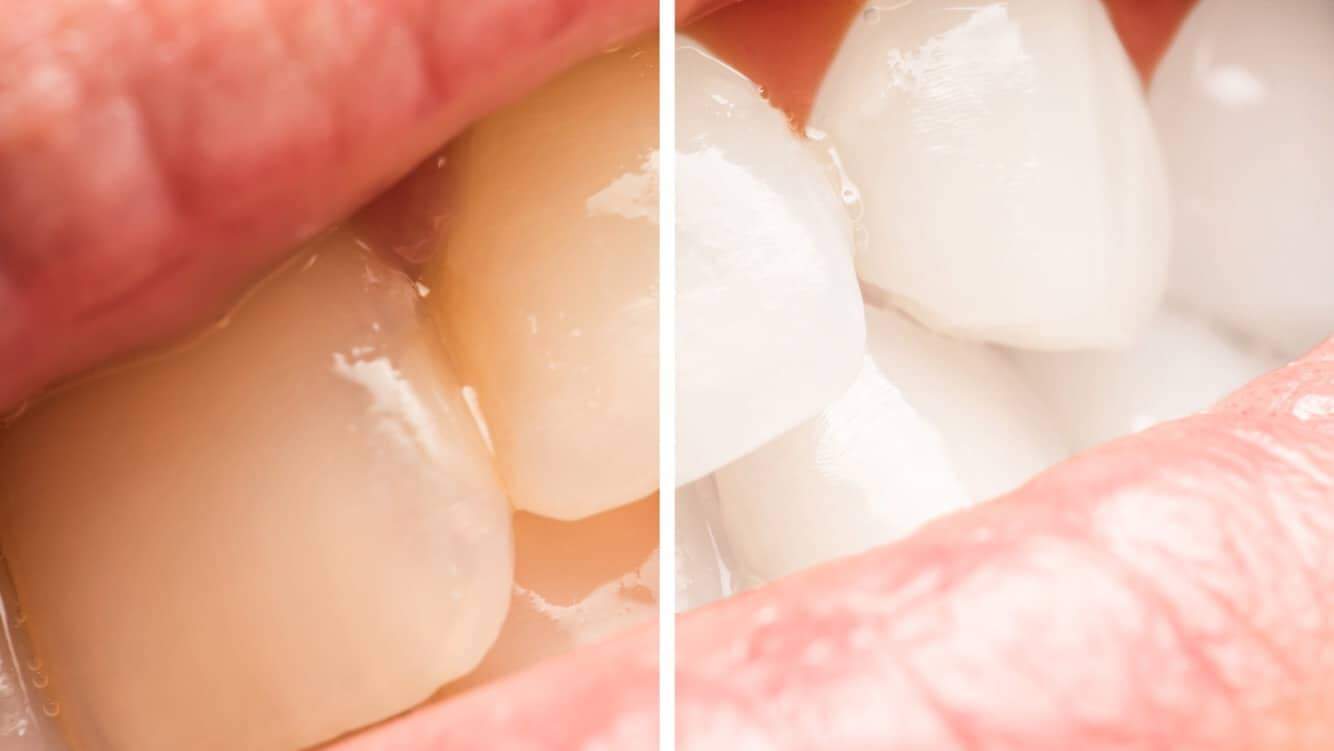
teeth whitening

“Most dental problems – like tooth decay, gum disease, and other common problems – are really preventable.” – Dr. Sally Cram (source)

Here are a few other toothbrushing tips:

Buy a quality brush. Try finding a good brush with multi-level or angled bristles; research shows these toothbrushes more effective at removing plaque. The ADA (and many other dental organizations around the world) publish lists of approved dental products.

Change your toothbrush every 3-4 months. Damaged, bent bristles will not do as good of a job keeping your teeth clean.

Don’t brush too hard. While a firm pressure while brushing is probably okay, too much can damage your gums. Per the ADA, gentle brushing is just as effective in removing bacteria and leftover food debris.

Use a soft toothbrush. As mentioned. Hard brushing is counterproductive and can potentially damage your gums. For this reason – and as a tactile reminder to brush gently – always use a toothbrush with soft bristles.

Store your brush correctly. Many people mistakenly cite hygiene as a reason to cap the head of their toothbrush between brushes. However, dental experts recommend exposing the head; this allows the brush to air dry. Keeping the brush in a container can cause bacteria and germs to gather.

Technique, technique, technique! The ADA recommends holding your toothbrush at a 45-degree angle to the gums while moving the brush side-to-side in short, tooth-wide strokes. Brush a total of four locations: the chewing, inside, and outside surfaces of the teeth, and the tongue.

Wait a bit after eating. If you brush your teeth after eating or drinking, good for you. Just be sure to wait 60 minutes before doing so. The ADA recommends drinking water or chewing sugarless gum to clean your teeth while waiting to brush.

Finally, visit a general dentistry expert at least twice a year for teeth cleaning and overall dental check up to ensure good oral health.

Scientists Explain What Happens To Your Body When You Swim Every Day

When was the last time you went swimming? Were you given lessons to learn the correct way to swim, or were you tossed into the water and told to swim?

How anyone learns to swim does have some relevance. It is important because learning how to swim by pacing your strokes, stretching out your body to gain propulsion, and proper breathing techniques increase the benefits you can receive. Benefits include physical, mental, social, and anti-aging properties.

Scientists have dived in to the data to explain what happens to your body when you swim every day.

Breakdown of the benefits of swimming

When most of us think of the benefits of swimming over another workout, I think the first thing that comes to mind is the lack of sweating. For those who really dislike sweating, that is a huge boon.

The other benefit may be that the water feels so nice. Who doesn’t like taking a bath? Being immersed in water can be very relaxing and stress-reducing. While these two factors may be what entices you to go for a swim, it doesn’t touch the tremendous benefits of swimming.

Physical Benefits of Swimming

The physical benefits of swimming encompass a variety of our bodily systems; cardiovascular, joints, and muscular.

Swimming benefits your heart and lungs

Swimming benefits for your heart:

Two studies were performed at the Cooper Clinic in Dallas, looking at the cardiovascular health of swimming. Harvard Health Publishing from Harvard Medical School published their summary of the studies.

  • The first study encompassed nearly 46,000 males and females who were either walkers, runners, swimmers, or physically inactive. They measured blood pressure, cholesterol levels, energy output, and other tests related to cardiovascular health. The swimmers and runners had the best numbers.
  • The second study looked at 40,547 men ages 20-90. With an average of 13 years of observation, only 2% of the swimmers passed away in comparison to the 8% of runners, 9% of walkers and 11% of the physically inactive.

According to the American Heart Association, swimming is considered an aerobic exercise. Aerobic exercise can help enlarge the heart by strengthening it. This allows it to pump better, allowing for increased blood flow in the body.

For women, swimming just 30 minutes a day can decrease coronary heart disease by 30-40%. It also helps to raise HDL, the good cholesterol. Some studies have shown that aerobic exercise can keep the cells in the lining of your arteries flexible and healthier.

 Swimming benefits for your lungs:

For those with asthma, exercise can be challenging. Choosing to swim in an indoor pool increases the moisture in the air, which can lessen exercise-induced asthma. An article in Mind, Body, Green states that studies have shown that asthmatic symptoms remained decreased even after a year of quitting swimming.

Swimming can also help to increase your lung volume due to the pacing of your breathing. This allows your lungs to take in more oxygen.

Anyone who swims should learn the proper breathing techniques to ensure you are not putting excess stress on your body or putting your life at risk. Additionally, learning proper breathing techniques is beneficial in yoga, meditation, and other forms of exercise.

Swimming for the benefit of your joints

One of the best qualities of water is its buoyancy. It is so relaxing to float on the water or lazily swim across the pool. The ability for us to be lifted while in the water makes it low to no stress on our joints or skeletal system. A lack of joint stress makes it perfect for anyone with arthritis or other difficulties with joint mobility.

Water acts as a cushion while also somewhat supporting us. For older adults, this is crucial. Most older adults are susceptible to falling. This can result in severe strains or sprains, and potentially breaking or fracturing bones.

Live Science published an article outlining an Australian study. They did a study of 1,700 men, age 70 or older, and compared their rate of falls in a variety of activities. The men who swam had a 33% decrease in falling rate compared to other sports. There had been 2,700 falls in total.

If you are able, finding a heated pool is doubly good for your joints. The heat helps the muscles around your joints to relax, which aids in reducing irritation and inflammation.

Muscular benefits from swimming

Water creates a natural resistance to your muscles. If you’ve ever done resistance training, it operates the same. The resistance is equivalent to the amount you push against it. The deeper in the water you are, the more evenly distributed the resistance is. This resistance makes a great muscle toner and is good for individuals who haven’t worked out in a while, are overweight, or are older.

How your muscles get a workout depends upon the type of swimming strokes you do or the water aerobics program you engage in. According to Active SG, these are the overall muscles consistently used:

  • In order to maintain balance and proper body positioning, you need to use your core abdominal muscles and your lower-back muscles.
  • To help your hands go through the water and your arms stretch out to increase propulsion, you need to use your deltoid and shoulder muscles.
  • While pulling water during your underwater stroke, you use your forearm muscles.
  • To keep your shoulders in the proper position, your upper back muscles are used.
  • To maintain balance and help in pushing off, you need your glutes and hamstring muscles.

Proper swimming technique also requires you to stretch out your muscles to cover the greater distance. By stretching the muscles, you are increasing your flexibility.

Swimming to improve your mental state of mind

mental health

Given that swimming is a physical activity, the mental benefits can get overlooked. By its nature, all the elements of swimming mimic the benefits of yoga with the additional perk of being in the water.

Being in the water itself is already associated with relaxing in our brains. We don’t approach swimming with the same aggression and difficulty as we would lifting weights, kickboxing, or another physical sport. Yet, it is active enough to release dopamine in our system. Dopamine is the “feel-good” hormone that determines how well our brain functions and boosts positive attitudes and sense of well-being.

The method of breathing and pacing of strokes needed for swimming also mimics the pacing of breathing used in meditation and yoga. Your focus is only on your body and breath, allowing your thoughts to flow out unhindered. Learning to calm your mind has ample evidence as to its stress-relieving benefits and a positive mindset.

Swimming to decrease our aging process

A study was performed at the Indiana University in Bloomington, Indiana, to study the results of active physical fitness on aging. Dr. Joel Stager led The Counsilman Center for the Science of Swimming, in examining for specific markers associated with aging: physical function, health, quality of life, and physical activity patterns of Master Swimmers in the populace. Its focus was to discover if individuals who have led an active lifestyle have a higher quality of life and better overall health.

The results showed that Master Swimmers had a significant overall improved quality of life, physical health, and mental health markers. The general public shows a huge drop in physical wellness between the ages of 45+, whereas the swimmers only drop a small amount incrementally at the same age and a slightly bigger drop not until age 55+. Overall, their health is significantly better.

The largest difference was shown in mental health. The general public has ups and downs throughout their lives, starting from the age of 18. The Master Swimmers, on the other hand, show a steady increase all the way through, even at ages 65+ where the general populace is at its lowest. As part of the study, the parties were also inquired about the amount of social activity, and the swimmers proved to be more social.

This impressive decrease in aging markers for the Master Swimmers verifies that both consistent physical activity and social interaction, which accompanies being physically active, can reduce the degeneration of cells which causes aging. Recent studies have also verified that mental health is improved by social interaction and is a trigger for someone to be more physically active than someone who is alone.

Conclusion

While the study in Indiana used two extreme opposites as their subjects, comparing life-long master swimmers to a general populace, the results still demonstrate the point. A life of physical activity not only greatly improves your overall physical health and physical strength, but also has a significant impact on your mental health throughout your lifetime. All of these factors help in decreasing the aging process.

Scientists have pointed out what happens to your body when you swim. Increased muscle tone, flexibility, improved cardiovascular health, and enhanced mental health all result from swimming. These benefits don’t require you to be a master swimmer. Finally, swimming is a low stress on your body for anyone’s level of fitness. So, grab your suit and dive into better health!

5 Adult Behaviors of Someone Who Suffered From Verbal Abuse As A Child

Verbal abuse is often overlooked, but it is often just as damaging as other forms of abuse. This is especially true for children who receive this toxic, harmful behavior from their family members – especially their parents.

Unfortunately, this abuse doesn’t begin and end with the kids involved. It becomes a part of those children. Often ingrained in their minds as they grow, it eventually manifests through worrying symptoms in adulthood.

Here Are 5 Adult Behaviors Of Someone Who Suffered From Verbal Abuse As A Child

verbal abuse

1.    Low Self-Esteem

When you hear a lot of verbal abuse as a child, you begin to internalize it. Being repeatedly insulted, called names, and told that you aren’t good enough takes a toll on you. As a child, you slowly begin to believe that you are all those things.

This is especially true if you were always told to lighten up or have more positive thinking whenever a cruel comment upset you. As a child, you lacked the necessary reasoning ability to understand that your family members were in the wrong, not you. So, instead, you believed them, and along the way, your confidence was lost and you began to doubt and dislike yourself. (1)

Here are some ways that low self-esteem due to childhood verbal abuse may be affecting you to this day:

·         You Blame Yourself A Lot

Verbal abusers often like to point fingers. They’ll put the blame on anyone and everyone except themselves. Your family members likely never took responsibility for their wrongdoings; instead, they guilted you, causing you to always feel at fault.

Today, this may cause you to always blame yourself about everything – even things that don’t have much to do with you. If anything goes wrong, you automatically feel guilty and think you could have done something to stop it.

·         You Have Trouble Standing By Decisions

When you were growing up, there’s a good chance that your family members would always insist that they knew best. Every time you had a good idea or wanted to make your own choices, they would manipulate you. They would make you believe that you were young and ignorant, and they weren’t controlling you; they just “care.”

Of course, they didn’t care, and it was all an act to put you in your so-called place. As a grown-up, this may cause you to lack conviction in your ability to make decisions. You may second guess your choices or become extremely anxious about making them. And if they happen to be the wrong choices, you’ll berate yourself for days – if not longer.

·         You Do A Lot Of Negative Self-Talk

Verbal abuse conditions children to think negatively about themselves. This is why your inner voice may mirror your abuser’s. You may have a constant barrage of negative thoughts and criticize yourself over every small issue. You may even insult yourself.

·         You Feel Like You’re Never Good Enough

Verbally abusive families often expect unreasonable things out of their children. Even if those kids manage to achieve those unrealistic expectations, there is never any reward or any kindness waiting.

As an adult, this may cause you to always feel like you could have done more. You may overwork yourself, obsess over failure unhealthily, and consider any achievement less than the very best to be not nearly good enough.

·         You Don’t Consider Your Needs Important

Verbally abusive homes are often also neglectful. When you expressed your needs as a child, you were likely ignored or told to suck it up. Today, this may manifest in a lack of care for your wellbeing. You may underestimate your needs, or you may feel like they aren’t worthy of your attention and care.

2.    Verbal Abuse Victims Often Have Poor Emotional Processing

Emotional regulation is crucial to healthy development. But in a verbally abusive environment, you were robbed of learning this important lesson. You lost your sense of pride and hope, and you were in a constant state of fear or sadness. This can cause emotional dysregulation and poor emotional processing today. Here are some signs you may notice.

·         Repression

Emotional repression happens when a child is forced to deal with a lot of pain and abuse. The pain from their emotions becomes too much to handle, and therefore those emotions are repressed as a result. This is a defense mechanism.

Today, you may notice that this causes you to have difficulty identifying your feelings. You may be unable to comprehend your emotions or have trouble noticing warning signs of a downward spiral. You may have trouble expressing emotions, since you don’t feel them, and it can affect a large portion of your life.

·         Excessive or Regressive Sympathy

You don’t experience a lot of empathetic responses from verbally abusive family members. This is why you may overcompensate emotionally by giving away compassion to an extreme extent. Sure, kindness is a good thing, but too much of it paints a target on your head for manipulators.

On the flip side, you may also have developed in the opposite way – by being unable to feel sympathy for others. You may not be able to relate to the problems that others face, or you may come across as rude or uncaring.

·         Inability To Accept Kindness

This ties into our previous point. If you didn’t grow up experiencing kindness, then you likely don’t know how to accept it. You may be shocked when someone is nice to you, you may reject it, or you may cling to it to an unhealthy degree.

·         Mood Disorders

Do you have mood disorders such as major depressive disorder? Your inability to process emotions can cause them to become overwhelming, leading to extreme dips and jumps in your feelings and state of mind.

In addition, being away from your toxic and verbally abusive family can sometimes cause old emotions to come back to haunt you. Things you thought didn’t bother you will suddenly hurt a lot. This can lead to periods of depression or severely decreased positive thinking. (2)

3.    Attention Seeking

As we mentioned, verbal abuse often means neglect. This means that you may have been starved of attention growing up. You may have performed ridiculous behaviors in order to receive validation or even any form of attention at all, even if it was bad, because all you wanted was for your own family to notice you.

This validation-seeking behavior can follow you well into adulthood. You may do anything to receive praise from others, and you may feel crushed and horrified when you don’t get the approval you crave.

If you grew up only receiving less than positive types of attention, you may even act out in order to get that bad attention because it’s the only kind of “affection” you know. This can cause you to seek out abusive relationships that are oddly comforting to you, as this is the only dynamic you know.

4.    Victims of Verbal Abuse Have Heightened Anxiety and Fear of Being Wrong

Anxiety is very common in adults who were verbally abused as children. This is because you were constantly walking on eggshells around your family. One wrong move, or the slightest hint of a wrong word, would get you insulted, berated, or punished.

You also learned to be extra careful because abusers are often very unpredictable. They could seem very happy one second and do a complete 180-degree switch the next. As a kid, this was understandably very perplexing, and you had no idea how to navigate your home safely (and there was, in fact, no way to do so).

This might also mean you have trouble accepting or listening to constructive criticism. You are terrified that someone else’s criticisms mean you are a bad person or are going to get in trouble. You may:

  • Become overly defensive
  • Redirect blame
  • Be unable to take responsibility
  • Become quickly hurt or upset
  • Practice self-harm

5.    Building Unhealthy Relationships

unhealthy relationship

Many people who grew up in an abusive household of any kind wind up having difficulty forming positive relationships. This is because this unhealthy dynamic is all you know, and therefore, it becomes what you crave. In addition, you learned from your family how to interact in a relationship, and this often means picking up toxic behaviors. (3)

Here are some ways you may build unhealthy relationships:

·         You Have Trust Issues

Your parents were supposed to care for you and love you, but they didn’t. They also probably broke promises, regularly lulled you into a false sense of security, and acted unpredictably. This inability to trust your family can manifest in trust issues that continue to plague you to this day.

·         You Give Too Much

When you were a confused kid, longing for love but receiving verbal abuse in return, you believed you were being punished for being bad. As such, you went above and beyond to do anything and everything to make your family happy – even if it never worked.

Now, as an adult, there’s a good chance you have become a people pleaser. You may be a “yes man” who can’t ever set boundaries. Or you may do too much to convince others to like you, opening yourself up to those who want to take advantage of you. You likely care a little too much about what others think.

·         You Enter Codependent Relationships

Codependent relationships involve a lot of enabling behavior. As a child, you likely would do anything to keep your family members happy, including bending over backward to support their toxicity just to avoid punishment.

Today, you may continue to do this. You may fear punishment and consequences, and therefore be too nervous to stand up for yourself or tell your partner when they are being unhealthy. This causes you to wind up a prime target for these types of codependent relationships.

verbal abuse

Final Thoughts On Some Behaviors Of Someone Who Suffered From Verbal Abuse As A Child

Verbal abuse is a serious issue and it can cause a lot of damage to a child. Most of that damage sticks around well into adulthood, causing you to face a lot of emotional and mental problems that you may not be prepared to deal with.

If you find yourself struggling with these five adult behaviors of someone who suffered verbal abuse as a child, speak to a counselor or therapist. There is no shame in needing help, and you deserve all the assistance necessary to overcome this trauma of your past.

7 Exercises That Flush Your Lymphatic System

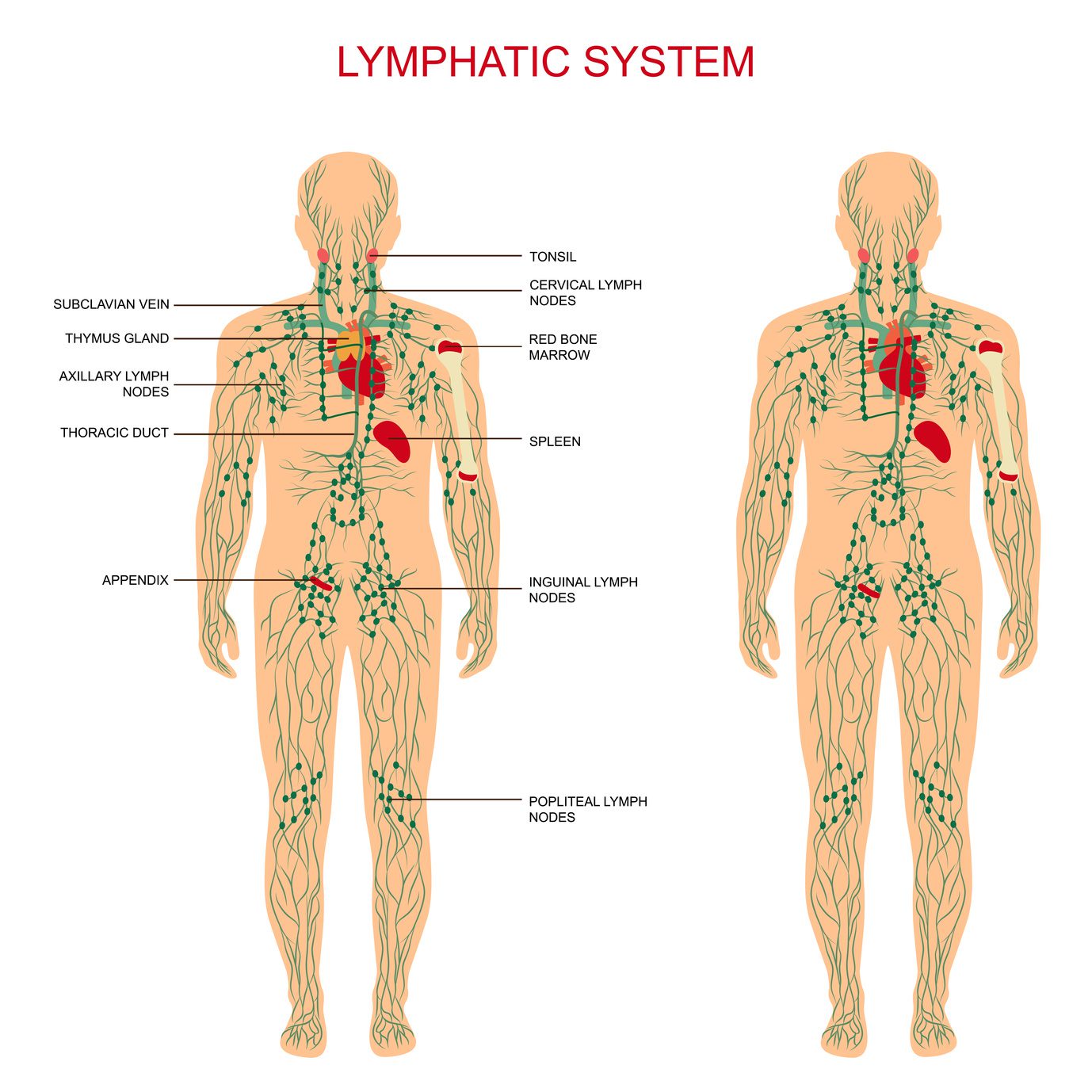
Your lymphatic system functions by using lymph fluid to collect and remove cell waste. If the system isn’t healthy, toxins can quickly build up as the lymph fluid flows less smoothly, causing congestion. But did you know that exercise is actually the primary factor in determining a healthy lymphatic system?

This means that you need to put in the work to keep your lymphatic system healthy. If not, you risk having to deal with all sorts of immunity issues, as well as countless other health problems. So get moving and make sure you’re helping your body flush out that waste!

Here Are 7 Exercises That Flush Your Lymphatic System

1.    Pelvic Tilt

The pelvic tilt isn’t just a great move for the lymphatic system. It also has positive benefits for your core muscles, your back, and your spine. Here’s how to do it: (1)

  • Step 1: Start by lying on your back on the floor. Place your arms in an outstretched position beside you. Alternatively, you can clasp them beneath your head.
  • Step 2: Move your feet so they rest at a hip’s width away from each other, facing forwards, and bend your knees as you do so.
  • Step 3: Tuck in your tailbone and your belly button, pulling both towards your spine. As you do so, the small of your back should begin to press against the floor, allowing you to lift your pelvis in a gentle tilt.
  • Step 4: Engage the muscles in your hips and behind as you lift your pelvis. Hold the position for around five seconds.
  • Step 5: Release back to the initial position.
  • Step 6: Repeat this process 20 times. You should aim to do five sets in total.

2.    Forward Bend

Known also as the uttanasana, this move is commonly practiced in yoga. Yoga, in general, is great for immunity (and, by proxy, your lymphatic system) and has positive effects on the overall quality of life. But on its own, the forward bend is still particularly powerful for your lymph nodes. Here’s how to do this exercise. (2)

  • Step 1: Start by standing straight, with your feet next to each other and your hands placed on your hips.
  • Step 2: Bend forward, hinging at the hips, gently and slowly. Elongate your torso as you do so.
  • Step 3: Try to keep your knees straight. Even if you can’t, lock your knees so you keep your legs as straight as possible. Your heels should press into the floor, causing your sit bones to lift upwards. Allow your upper thighs to turn in towards each other very slightly.
  • Step 4: Now, bring your hands downwards. If you can, reach backward and hold the back of your ankles or calves with each hand. If you can’t do this, press your palms against the floor beside or a little bit in front of your feet. You can also just press your fingertips. If this is still not doable, bend your elbows and cross your arms in front of you, with your right hand holding your left elbow and vice versa.
  • Step 5: Hang your head downwards, making sure your hips are above your ankles in alignment and the weight is shifted onto the balls of your feet. Slowly nod your head upwards and downwards, then side to side.
  • Step 6: Maintain the position for around sixty seconds, breathing deeply throughout.
  • Step 7: Come out of the position by moving your hands to your hips. Inhale and keep your back straight, bringing yourself back up to the initial position with the use of your abdominal muscles.

3.    Arm Pumping

Arm pumping exercises help to get excess lymphatic fluid moving, causing it to drain efficiently through ducts instead of clogging. As such, performing these exercises regularly can help to prevent issues with your lymph nodes.

There are two variations of the arm pumping exercise, and they both are similarly effective. Here’s how to do the first one.

  • Step 1: Lie flat on a yoga mat. If you don’t have one, the floor will do. Keep your arms straight by your sides.
  • Step 2: Raise your arms, maintaining their straightness, until they are between six and eight inches off of the ground.
  • Step 3: Move your arms up and down. One up-and-down cycle is considered one “pump.” Make sure your elbows are kept nice and straight.
  • Step 4: Do 100 pumps. You should try to do them as quickly as you can, with at least one done per second. Make sure it’s at least mildly challenging: your breathing should intensify.

Here’s how to do the second one:

  • Step 1: Start by sitting on the ground with your legs crossed. Keep your back nice and straight, and your arms by your sides.
  • Step 2: Bend your elbows at around 60 degrees so that your forearms are pointing outwards from your body. Meanwhile, your palms should face up. The result should be each arm creating a V shape. (Imagine that you’re doing a very low shrug.)
  • Step 3: Move your arms upwards, extending them and straightening your elbows so that your arms are both now making one single V or Y shape. Make sure you’re reaching as high as you can.
  • Step 4: Bring your arms back downwards into the initial double-V position. The act of raising and lowering your arms is considered one “pump.”
  • Step 5: Do as many pumps as you can within 90 seconds, making sure your heart rate is elevated when you do so. A good amount of pumps is 60.

4.    Kettlebell Squats

Squats are very powerful moves that train your lower body, and they also help the lymphatic system to flush itself. Here’s how to do them.

  • Step 1: Stand straight with your feet at a hip’s distance apart.
  • Step 2: Take your kettlebell. Hold it securely in your hands.
  • Step 3: Lower yourself into a squat, gently, keeping your legs wide open as you do so. Make sure your back is straight.
  • Step 4: Hold the position for a few seconds.
  • Step 5: Raise yourself back into a standing position, doing so slowly. As you lift yourself up, lift the kettlebell, too, up to your shoulder at minimum, but higher if you can.
  • Step 6: Repeat this process 10 times. You should aim to do three sets in total.

If you don’t have a kettlebell, you can do ordinary squats, too, but do note that this will not be as effective.

5.    Leg Falls

This exercise is very simple and low in intensity, but it works wonders for your lymphatic system, so practice positive thinking! Here’s how to do it.

  • Step 1: Lie flat on a yoga mat. If you don’t have one, the floor will do. Have your feet flat, pressed against the ground, and your knees bent.
  • Step 2: Bring one of your knees down, lowering it gently to the floor by allowing it to fall open. Make sure you are in control of this motion as your knee falls to the floor.
  • Step 3: Return the fallen knee back to its initial position.
  • Step 4: Repeat this process with your other leg. You should do this five times for each leg.

6.    Armpit Pull

This very simple move isn’t an intense exercise. In fact, it’s very simple and easy to perform and is meant as a straightforward, gentle lymphatic-cleansing move. You will need someone’s assistance to perform this move, however. Here’s how to do it.

  • Step 1: Lie down on your back while a companion stands where your head is.
  • Step 2: Your companion should put their hands beneath your armpits. From there, they pull you in a gentle manner towards themselves.
  • Step 3: Make sure your arms stay by your sides as they do this.
  • Step 4: Ask your companion to continue pulling for between 20 and 30 seconds. Then pause for a brief rest.
  • Step 5: Repeat the pulling action five times.

7.    Jumping Exercises

If you really want to kickstart your lymphatic system, all you really have to do is jump around a lot. Of course, you can simply jump up and down for fun, or use a skipping rope, or add a few to an exercise routine. Better options, though, are jumping jacks and rebounding.

Jumping jacks

Jumping jacks are very simple to do and they work out your whole body at once. Simply jumping while your arms move up and down – reminiscent of the “arm-pumping” exercises we previously talked about – can really help to get your lymphatic system active. Start by just doing 10 jumping jacks twice or thrice a day, then slowly work your way up until you find yourself doing 100 of them!

Rebounding

Rebounding definitely takes the cake when it comes to the most positive and effective exercises that flush your lymphatic system. This rebounding refers to the act of jumping on a trampoline. This helps strengthen muscles while getting your circulatory and lymphatic systems moving. (3)

Jump on a trampoline for between 10 minutes and half an hour to your favorite music and be amazed at the results. However, if you’re looking for more specific rebounding exercises for your lymphatic system, do some of the following:

·         March and Bounce

This type of rebounding involves you using the bounce from the trampoline to provide you with a marching momentum, one foot after the other. Swing your arms naturally and freely, lifting your knees as high as possible each time.

·         Simple Bounce

If you have pain issues or are under a doctor’s instructions regarding safe trampoline use, you can do very light, calm bouncing instead. Even this is enough to flush your lymph nodes!

·         Kick and Bounce

To do this form of rebounding, every time you bounce up into the air, kick one leg out while punching outwards with your opposite arm. (For example, kick out your left leg while punching your right fist.) Alternate legs and arms evenly.

·         Rugged Bounce

This high-intensity form of rebounding involves giving everything you have for strong rebounding action. Bend your knees and push up as hard as you can to create a powerful jump, bending them again when you land. Push your arms up as you leap into the air.

lymphatic-system

Final Thoughts On Some Exercises That Flush Your Lymphatic System

Taking care of your lymphatic system is crucial to long-term health. Luckily, the way to do so is very easy: just exercise! With positive thinking and discipline, you can perform these exercise moves on a daily basis, and your body will thank you.

Mental Health Experts Explain Why It’s Healthy to Talk to A Deceased Loved One

There are few experiences more crushing than losing someone you love. Your world shatters and turns upside down. You may feel lost and helpless, and you may not know who or what to turn to. It’s not unusual to want to communicate with or talk to those you’ve lost, your deceased loved ones. Many people frown upon this, but the fact is that it has been proven to be a positive coping mechanism.

Here’s How Mental Health Experts Explain Why It’s Healthy To Talk To A Deceased Loved One

deceased loved one

1.    Understanding Grief

There’s only so much you can handle at one time. This is why grief happens in five stages, also known as the Kübler-Ross model of grief. You cannot leap from being in mourning to suddenly feeling full of positive thinking in one go. In most cases, you will go through the following stages:

·         Stage 1: Denial

Many people experience numbness or disbelief when they are grieving. It is a defense mechanism that allows them to handle the sudden shock of emotion.

·         Stage 2: Anger

Loss is something you can’t fix or turn back. When you overcome denial, you begin to feel all the hurt you were dissociating. The helplessness of loss can make you angry, and you may direct that frustration to many different people or things.

·         Stage 3: Bargaining

Now, you begin to dwell on things past. You start to ponder the “what if”s of the scenario. Was it your fault? Could you have helped? What if things had been different?

·         Stage 4: Depression

This is where you start to feel all that severe sadness that most people associate with grief. You may lose your will to do basic tasks. You may feel unbearably upset and have trouble focusing.

·         Stage 5: Acceptance

This is the final part of the grieving process. It is when you have reached a point of acceptance. You know that your loss cannot be altered, and you start to heal and move forward.

2.    Talking To A Deceased Loved One Helps Emotional Processing

The loss of someone you love is a lot to process. Many people become stuck in certain grief stages as they attempt to heal, and this is where talking to a deceased loved one comes in. Here are some examples of how this works:

·         Releasing Your Feelings

When you are angry or depressed about a loss, you can express all your emotions by talking to a loved one who has passed on. You can talk about all those emotions you’re afraid to discuss with others. Multiple people say this helps lower their anxiety about the loss.

·         Recovering From Denial

When you have trouble coming out of feelings of disbelief when you’re grieving, talking to the person who has passed away can help you overcome them. This also applies to the bargaining phase. Note that this works best when you talk out loud!

·         Providing Feelings of Confidence

Your conversations with the person you’ve lost will change as you reach the acceptance phase. You slowly regain confidence, and by talking to them – and sometimes feeling a little inkling that they’re replying – you’re helping yourself to move forward with this person still in your heart.

3.    Talking To A Deceased Loved One Aids The Transitional Phase

A lot of adjustment needs to be done after you lose someone close to you. Many people who have not lost a loved one believe that grief is what you process and then get over completely. This is, sadly, not the case.

When someone you care about passes away, you go through a transitional phase. You now have to learn to live in a world without them, which is a permanent change in your life. It’s not something you can “get over,” no matter how much positive thinking you use, or how much therapy you get, or how much you know you’ve moved on years down the line.

You are moving from a phase where you were with this person to one where you cannot be with them. You have to change and adapt. Talking to a lost loved one can ease that period and make for a smoother transition. Here’s how.

·         It Provides Motivation

It is tough to want to adjust to a world without someone you love. You may not want to make the jump to push on without them. You may feel terrified of the idea of a life that they cannot be a physical part of. This can make it hard for you to want to begin adapting.

As you talk to your lost loved ones, you can slowly realize they will never truly leave you. Their spirits will live on around and within you. You can even ask them for help in moving forward, and you may find it easier to reach solutions this way.

·         It Can Help You Love Them In A New Way

Loving someone who is too far to reach is not something humans are naturally prepared for. You’re used to hearing or reading replies. You are used to physical touch. You’re used to seeing them in front of you.

When you talk to a deceased loved one, you slowly begin a new dynamic with them. You learn that there are ways you can love and honor them from a distance. You realize that it is possible for you to love them, even as you are apart – and this is very helpful for someone who is grieving.

·         It Lets You Get Things Off Your Chest

When you suddenly lose someone dear to you, there’s a lot left undone, unsaid, and unshared. You may feel empty and hopeless, at a loss because of everything you could never do with that person.

By talking to a deceased loved one, you can find closure for these issues healthily. You can make promises to them that make up for what you couldn’t do. You can seek their forgiveness. Additionally, you can tell them the things you wish you’d said. This can give you feelings of comfort, allowing you to heal.

·         It Provides Peace of Mind

It can help make you feel better when you talk to those you’ve lost about big life changes. You may tell your parents that you’ve achieved your dream job. You may talk about something exciting that happened that someone you love may have enjoyed.

This ability to share things with those who passed away can help provide a sense of companionship and togetherness that allows you to feel at peace. Instead of mourning that they cannot be there to hear about it, you know that they are listening from a better place.

·         It Helps You Release The Burden Of The Transition

Your heart and mind need time to change from your previous world to this new, quieter one. When you talk to someone who has passed, you are helping create baby steps for your brain to walk through between these worlds.

4.    But It’s Less Effective On Social Media

Today, many individuals turn to social media to “talk” to their loved ones who have passed on. They comment on posts of loved ones who pass on, make memorial posts, tag them in heartfelt messages they’ve written to them, or put up statuses on the Facebook walls of those passed.

According to an author and Massachusetts Institute of Technology professor, Sherry Turkle, this behavior may not be as positive as many believe. This is for a number of different reasons, as expressed below.

·         It Is Not A Conversation

The more cathartic parts of talking to a deceased loved one involve a more nuanced kind of communication that you can almost imagine them responding to.

On social media, it doesn’t entirely turn out the same way. You watch everyone else’s well-wishes gather, and it becomes abundantly clear that these messages are more for the living, not for the dead.

Additionally, it’s not relatively as easy to think of someone passed-on as checking their social media from heaven or from wherever you believe they are. As such, it can be less therapeutic.

·         It Keeps You Trapped In A Loop

When you linger on the profile pages of loved ones you’ve lost, you often do so out of a strong desire to be with them again. You want to feel, sense, and relive their last moments. You linger on the last picture they posted and re-read their previous statuses.

The issue is that it can make you feel like this person is still around. After all, they continue to live on in this virtual world. You repeatedly view their profile to grasp at a tiny piece of things that once were.

This is not unhealthy, but it can make it more difficult to move on. In some cases, it can lead to obsession.

·         It Is Less Personal

You can say that you’re posting heartfelt messages on social media not for others to see but for the deceased to receive as a memorial; however, that doesn’t change the very nature of what social media is. It is a platform for sharing, not for privacy.

Nothing will alter the fact that sharing your memorial post on social media will influence what people think of you. And nothing will alter the fact that you are aware of this.

When your words are out there for everyone to see, it can often be less effective. The lack of personal nature of these social media memorial posts can cause you to lose the most essential part of them – the parts that help you to move on, the parts that give you closure, and the parts that truly help.

There’s nothing inherently wrong with using memorial pages on Facebook. There’s also nothing wrong with sharing your grief and emotions online. But is it the healthiest method? Not necessarily.

deceased loved one

Final Thoughts On Why Mental Health Experts Think It’s Healthy To Talk To A Deceased Loved One

Grieving a deceased loved one is a complex process. It is far from black and white. If something deemed healthy by mental health experts helps you to heal from the pain, there’s no shame in doing it.

Of course, do note that everyone grieves differently. What works for you may not work for others, and vice versa. It’s essential to respect the grieving processes of others. Still, as you do so, don’t forget to respect your own. Don’t be afraid to seek help from a therapist or counselor if needed!

10 Ways to Relieve Cold Sores Naturally

Cold sores are inconvenient and uncomfortable. If you’ve had cold sores before, it is likely that you recognize the tingling feeling that precedes those pesky blisters poking through the skin.

Once you pick up the virus that causes these unsightly sores, it can lay dormant underneath the skin until stress, an illness or a hormonal change triggers the release of unsightly blisters.

How do cold sores develop?

Cold sores, otherwise known as fever blisters, are a common viral infection. These tiny, fluid-filled blisters usually group together on and around your lips. After these blisters break, a crust forms around the affected area that usually clears up within two to four weeks. They can spread from person to person by close contact or by kissing. While there is no cure for this type of viral infection, it can be treated with antiviral medication and a combination of cold sores remedies that effectively drive it dormant once more. These sores are usually caused by the herpes simplex virus type 1, which is not to be confused with type 2, a type of sore that develops due to skin to skin, sexual contact. While type 1 sores can be caused through skin to skin contact as well, treatment of this uncomfortable condition can be easily treated if caught early. Herpes simplex can clear up on its own between two to four weeks, but there are interventions that you can take to shorten healing time and improve the look and feel of your skin in less time.

Signs and symptoms:

This type of viral infection usually passes through three stages:

1. Tingling and itching–many people report painful tingling, burning, and itching sensations a day or two before hard, fluid-filled blisters appear on and around the lips.

2. Blisters–Blisters usually break out around the border where the outline of the lips meet the skin of the face. These blisters can also form around the nose or on the cheeks, depending on how severe the infection is.

3. Oozing and crusting–Small blisters may ooze and then burst, causing the fluid inside to crust over the affected area. They can last from a few days to several weeks depending on the type of care you undergo to treat them.

During first time outbreaks, people may also report fevers, gum erosion, sore throat and headache. In severe cases, muscle aches, pains, and swollen lymph nodes may also cause uncomfortable problems as well. If you find yourself experiencing any of the above symptoms, consider adding your doctor to determine the cause of the infection and to form a plan for treatment that will lessen your discomfort and shorten healing time. While these sores are not a life threatening condition, they could be an indication of a more acute health problem that s present in the body; it is best to get the opinion of a qualified medical professional in order to create an effective plan for treatment.

Follow these cold sores remedies for clean and clear skin once more:

Catch them early

This development is not to be treated as a “wait and see” condition–early diagnosis is key to putting the brakes on their arrival. You can prevent them from fully developing by recognizing the symptoms that begin to pop up, then following treatment protocols to reduce or eliminate these breakouts. Be on the lookout for the “prodromal stage”, which can include itchiness, inflammation, tingling and soreness where breakouts are prone to occur. If you suspect that something is amiss, call your doctor immediately to discuss options for treatment.

Use an antiviral treatment

No topical over-the-counter cream or ointment is going to work as effectively as a prescription anti-viral treatment, plain and simple. Taking 2000 mg by mouth twice daily as directed by your doctor is the best way to treat the existing virus and prevent its spread throughout other areas of the body. This replication prevention will reduce the time that blisters will appear on your body or even prevent them from developing in the first place.

Add a steroid cream to your regimen

Of all the possible cold sore remedies that are available, a steroid cream is one of the best ways to reduce inflammation quickly and efficiently. Pain, redness, and irritation are lessened, allowing the skin to calm and heal while powerful agents in the steroid cream go to work soothing and repairing sensitive tissue. Please note, a steroid cream is only to be used in combination with an antiviral medication; use of one without the other will actually have adverse effects on the spread of the virus. Use as directed by your doctor for the best results.

Make a home remedy

Most drugstores sell an over-the-counter powder called Domeboro, effective at combatting skin irritation and redness. Dissolve tablets or powder packet in 12-16 ounces of water. It’s okay if there is some residue at the bottom of the glass; the remedy will still be effective. Take a thin piece of linen or cloth, dunk it in the solution, then hold it to the affected area for 10-15 minutes, continuing to soak the cloth as needed. The solution in the Domeboro will dry out the blisters and cause them to scab over, reducing healing time from a couple of weeks to mere days. Once the affected area is dried out, apply an antibiotic ointment such as Neosporin to prevent infection and heal the skin more efficiently.

Use cold compresses

Reduce any redness and swelling that comes up with a cool, wet compress. Using cold therapy for 5-10 minutes a couple of times daily will help address some of the unsightliness of blisters and sores.

Stop touching them!

One of the most effective cold sores remedies that you can engage in is to refrain from touching them—at all! It can be very tempting to pick at those fluid filled blisters, but popping them is the last thing you should do, as this tends to spread infection to other areas of the face and body. In addition, picking at sores will inevitably lead to scarring, so if you want skin to heal completely, do your best to leave blisters alone and deal with them in more gentle ways.

Identify your causes of infection

Part of treatment with cold sores remedies should be identifying causes of your infection so as not to repeat the same cycle of breakout, treatment, etc. If you are naturally prone to the development of cold sores, just know that that particular virus is hiding out in your skin, and it is likely to come out when you are excessively tired, sick, or stressed. Sun can be a major factor in producing outbreaks as well, as the delicate moisture balance of skin is disrupted. If you find that you skin and outbreaks worsen with increased time in the sun, find yourself a good sunscreen with an SPF of 30 or higher, and make sure to clean skin thoroughly after application when you no longer need it.

Use aloe vera to soothe skin

While aloe vera is not instantly effective, regular application of aloe vera to breakout-prone areas will soothe angry cold sores and prevent future flare ups. Aloe vera is an effective pain reducer as well; because it contains vitamins C, E, and A, it is known to help expedite the healing process.

cold sores

Avoid acidic or overly spicy foods

While you are undergoing a plethora of cold sores remedies, it’s best to lay off the hot sauce for awhile. Try your best to avoid hot and spicy foods, especially if your cold sores haven’t dried out and scabbed over yet. Acidic foods like pineapple, tomatoes, citrus fruits, and vinegar-based sauces tend to aggravate cold sore breakouts; do your best to avoid them at this time, or at least until your healing is well underway.

Do what you can to reduce your stress

The number one thing that can cause a cold sore breakout is stress; how on earth are we supposed to lower our stress levels in today’s world of chaos and upheaval? Believe it or not, there are some simple things you can do right now to lower your stress, improve your mood, and even improve your quality of sleep, which makes everything better! Make these a regular part of your practice and you’ll be on your way to better health and more beautiful skin:

  • Just breathe….simple slow breaths until you feel yourself calm down
  • Cross small things off your to do list, one small thing at a time
  • Get some exercise as a proven mood booster
  • Practice gratitude for everything in your life
  • Watch a funny or inspirational video to keep you energized
  • Check out for a while with a good puzzle or book
  • Meditate; get in touch with your true self and your true feelings

Following just a few of these practices, each day will do wonders for your stress level and lower your chances of additional breakouts and infections that you can’t control.

Painful and unsightly sores might be an inconvenience, but they are not a reason to experience additional emotional distress when you spot an outbreak. Use these simple and effective strategies to ensure that any breakouts stay manageable and heal up quickly. In no time at all, you’ll be sporting clean and clear skin once more!

Mental Health Experts Explain 5 Ways to Help Treat Mental Illness

If you’re struggling with a mental illness, you are not alone. According to the National Alliance on Mental Illness, nearly 12 million Americans experience a mental illness of some kind within a given year, which significantly disrupts their lives. While medication and psychotherapy are immensely helpful, there are many more things that those with mental illness can do to cope with their condition. Whether you are struggling with depression, anxiety, PTSD, or any other form of mental illness, the steps you take following your diagnosis can have a profound effect on your overall health and wellbeing.

Of course, this is not to suggest that one must overhaul their lives as coping with mental illness can often be a matter of making small changes, some of which include meditation and exercise, for example. In this article, we will go over five things that you can do to make life with a mental health disorder that much more manageable.

5 Things You Can do About Mental Illness

1. SELF-ACCEPTANCE

The first step toward being able to better cope with your mental health disorder should include radical self-acceptance, which is fully accepting something with your heart and your mind. In essence, this means coming to terms with the fact that no matter what you cannot change a situation or the circumstances that led up to it. In the context of a mental health disorder, for example, accepting the fact that you have a problem as opposed to pretending it doesn’t exist can incentivize you to seek help and also make self-care a priority. After all, you can’t resolve a problem in your life without first acknowledging that you have one.

It is also worth noting that self-acceptance can completely change how you feel about yourself as it allows you to stop comparing yourself to others and enables you to feel more comfortable in your own skin.

2. PRACTICE DEEP BREATHING

As cliché as it may seem, deep breathing is one of the best ways to ease feelings of depression, anxiety, and many other mental health disorder symptoms. Studies show that those who are struggling with a mental health disorder can benefit immensely from the 4-7-8 breathing technique, a breathing pattern developed by Dr. Andrew Weil.

For those who may not be familiar with this breathing exercise, it is based on pranayama, an ancient yogic technique that revolves around controlling one’s breathing through exercise, poses, and specific breathing techniques and sequences.

The general premise behind 4-7-8 breathing is that it is designed to promote deep relaxation by allowing individuals to focus on their breaths as opposed to fixating on their mental health disorder. It is also important to note that 4-7-8 breathing is especially beneficial for those struggling with anxiety in that it minimizes ruminating thoughts, soothes heart palpitations, and calms nerves.

WHAT DOES 4-7-8 BREATHING ENTAIL?

To begin 4-7-8 breathing, you will need a comfortable place where you can either sit or lie down. From there, you will want to touch the roof of your mouth with the tip of your tongue and hold it in this position for the duration of the exercise. If you are performing this breathing exercise while seated, you will want to make sure that you are using good posture. From there, you will want to follow these steps for each breath cycle:

  • Slightly purse your lips and make a whooshing sound while exhaling from your mouth.
  • Next, inhale through your nose while counting from 1 to 4 in your head.
  • Hold your breath for a total of 7 seconds.
  • Loosen your lips and exhale for a total of 8 seconds while making a whooshing sound.

While this breathing exercise may sound peculiar, it is highly effective when it comes to promoting a state of relaxation. In fact, many people have credited these breathing exercises with helping them to overcome severe panic attacks and deep feelings of anxiety and depression.

3. OPPOSITE-TO-EMOTION THINKING

Opposite-to-emotion thinking is a dialectical behavior therapy that is especially beneficial for those who are struggling with a mental health disorder. While not easy to perfect, opposite-to-emotion thinking can limit the extent to which mental illness can control one’s life. In essence, opposite-to-emotion thinking is conditioning yourself to not give in to feelings of anxiety and depression or to allow such feelings to dictate your life.

For example, if you feel like isolating yourself, you should do the opposite by surrounding yourself with friends and family. To further get you out of your comfort zone, you may even want to strike up a conversation with a stranger or an acquaintance.

It is also worth noting that opposite-to-emotion thinking has been proven to help those who may be struggling with mania and hypomania associated with bipolar disorder in that it helps with mood stabilization. The path that you take toward opposite-to-emotion thinking is entirely up to you; however, it should be one that contributes to improving your overall health and wellbeing.

4. PRACTICING MINDFULNESS

Whether you’re struggling with PTSD, anxiety, depression, or any other mental health disorder, it is easy to become preoccupied with your own thoughts. Practicing mindfulness can help you silence those thoughts by focusing on your environment and acknowledging how your five senses are not only receiving but also processing the stimulus energy from that external environment. If you’re experiencing a panic attack, for example, instead of allowing yourself to become consumed with fear try focusing your attention on the objects in your environment, such as plants, furniture, and other decorations.

Similar to breathing exercises, practicing mindfulness helps distract you from the symptoms of your mental health disorder and enables you to calm down. This process may seem challenging the first few times you try it, but it will become easier over time and will eventually become second nature.

5. MENTAL REFRAMING AND EMOTIONAL AWARENESS

One of the best ways to combat the negative feelings and emotions that are often connected to mental health disorders is by changing the way you identify with them. If your dryer, for example, all of a sudden stopped working, you could interpret this as a negative in the sense that you will probably have to let your clothes air dry; however, it can also be construed as a positive in that it enables you to save on your energy bill. Mental reframing can go a long way toward changing how you perceive challenges and the impact that you allow them to have on your life. As far as emotional awareness is concerned, bottling up your feelings can sometimes intensify the symptoms associated with a mental health disorder. To further illustrate this point, if you are feeling depressed, allow yourself to feel depressed for a few minutes and then take the steps necessary to boost your mood like going for a walk or spending time with friends, for example. Although you may not have had a say in being diagnosed with a mental health disorder, you do have a say when it comes to toll it can take on your life and how you respond to the symptoms associated with the disorder.

WHEN SHOULD YOU CONSIDER PROFESSIONAL MENTAL ILLNESS TREATMENT?

When it comes to overcoming any mental health disorder, sometimes seeking professional mental illness treatment with a licensed therapist is unavoidable. The same applies to medication. After all, everyone experiences and handles mental health disorders differently. Although the suggestions detailed in this article may help some people, they may not work for everyone. A mental illness treatment that includes CBT (cognitive behavioral therapy), behavioral activation, guided self-help, and other forms of talk therapy can help identify some of the factors that may be contributing to your mental health disorder.

mental illness

In most cases, resolving these underlying issues can indirectly resolve the accompanying mental health disorder in the process. A mental illness treatment that includes psychotropic drugs can also be effective. Medications in this class can temporarily relieve mental health disorder symptoms while you work toward resolving the underlying issue that may have contributed to it in the first place. Studies show that the combination of talk therapy and psychotropic drugs are highly effective in helping individuals overcome their struggles with anxiety, depression, PTSD, and many other types of mental health disorders.

Some of the more commonly prescribed medications used to treat mental health disorders include mood stabilizers, selective serotonin reuptakes (SSRIs), monoamine oxidase inhibitors (MAOIs), and antipsychotics. It is important to note that patients will have to be evaluated by a physician or psychiatrist before they will be able to receive a prescription for these types of medications.

In summation, a mental health disorder can significantly disrupt one’s life; however, there are steps that you can take minimize the symptoms associated with your specific disorder, including the ones discussed in this article.

Skip to content