Weekly tips, affirmations, and small actions to feel your best.

Psychologists Explain Why Feeling Sad Is Not The Same As Depression

Everyone experiences sadness in life, and the feeling may seem to linger during uncertain times. There comes the point when you may begin questioning whether you are feeling sad or suffering from depression. Neither situation is great, but feeling sad is easier to overcome than depression.

Depression and sadness are incredibly different, although feeling sad is sometimes part of being depressed. Feeling sad will feel like something is weighing on you. The longer it goes on, the worse the sensation gets, especially if you don’t know when it will end.

This heaviness and lingering sadness are often confused with depression. This isn’t the case, however, as it is a normal component of being sad. Depression causes more than just sadness, as it results in the person suffering feeling hatred toward themselves.

The difference between the two is important because it isn’t a good thing to mislabel sadness as depression. Mislabeling can lead to further issues, and it can hinder the healing process. Psychologists have dissected this topic and delved into the differences between sadness and depression to help you understand.

What is Depression?
feeling sadBefore understanding the differences between feeling sad and having depression, it is important to understand depression fully. Depression is considered a clinical mental disorder and often requires medication and therapy to overcome. There are many all-natural remedies to help treat depression, but a professional opinion should always be gathered first.

When you are depressed, things that used to be enjoyable won’t be interesting anymore. You may feel like you hate yourself and become disgusted with who you are or the things you have done. Other common characteristics of depression include low activity levels, unexplained exhaustion, and a lack of emotion.

Depression can interfere with your life, causing problems with your career or relationships. You may lose motivation or become unable to focus or think clearly. This can lead to making mistakes, becoming too distracted to engage, or simply giving up on things.

What Causes Depression

It can be hard to pinpoint what causes depression in each person, but research shows common risk factors. The risk factors include hormonal imbalances, genetics, medical conditions, and side-effects of medication. Unexpected life changes, experiencing trauma, and high levels of stress are also risk factors for depression.

Not everyone who experiences the factors mentioned above will become depressed, but it increases the chances. Oftentimes, for those with risk factors, depression is triggered by tragic life events.

These situations include the following:

-accidents or unexpected illness
-the death of someone you love
-loss of a career or feeling stuck
-relationship problems
-family complications

While some people may be able to handle these triggers without experiencing depression, those with risk factors aren’t always able to do so. This is an indicator that depression has set in needs to be treated.

The Difference Between Depression and Feeling Sad

Depression and sadness are both painful and hard to deal with. While depression is a clinical disorder and feeling sad is not. It does not mean that sadness isn’t painful. The biggest difference between the two is that depression is a mental illness, whereas feeling sad is an emotion.

Loss is a large factor when it comes to sadness. Dealing with a loss of any kind can cause sadness, no matter what the loss was. If you feel like you lost your sense of security, control, or safety, you may feel sad.

Likewise, of course, you will feel this way if you lost a loved one, whether to death or the end of a relationship. Even feeling like you lost your ability to trust someone will cause you to feel sad. Another big loss that could cause sadness is losing your job or losing financial stability.

Sometimes when you are sad, you may experience some signs of depression, such as a lack of motivation. You might not want to do things you normally love to do, either. While this is initially alarming, you may notice the desire to do these things return, but the desire wouldn’t return with depression.

Feeling sad and going through the grieving process is normal, even though it hurts. You will be able to continue moving forward in life, however, and learn to live again. Depression, on the other hand, hinders your ability to move forward and continue living.

Another important difference is that depression can cause feelings of self-hatred, and you won’t want to interact socially. On the other hand, sadness will cause you to show self-sympathy, and you will desire companionship.

pop memeWhy the Differences Matter

It may seem like mislabeling sadness for depression isn’t a big deal, but it is. By confusing sadness for depression, it makes depression seem like a natural response to a bad situation. However, this isn’t what depression is, as it is a mental illness and not a natural reaction.

For many, depression is a struggle that they are fighting to get through. When someone who is feeling sad is told they are depressed, it will likely make them even sadder. They will feel like something is wrong with them and that they are not responding appropriately.

Being sad in a tough or unexpected situation is certainly normal, and anyone is right to feel sad. This feeling is likely to occur throughout the situation. So, it is normal to feel sad the entire time the process is occurring, and even during the entire grieving process.

Unfortunately, many people feel like you should rush back to your normal life after experiencing great sadness. While this may be fine for some, others may take much longer to get through the situation. Although this happens, experiencing prolonged sadness is still normal, and you shouldn’t feel bad about it.

This is another reason many people are quick to mislabel sadness as depression. They think returning to normal life should come easily after experiencing sadness, while this isn’t the case. With that misguided label potentially comes medicating or working to treat depression.

Treating depression when someone doesn’t have depression will only prolong the grieving process. It is important to remember that it is normal to take time to grieve.

This involves going through it as you would go through any other sad time. If you don’t allow yourself to go through the process, you will take much longer to get through it. You have to acknowledge that life has changed somehow and then work to develop a new sense of normalcy.

Even years after the incident, you may experience sadness over it again. This is still normal and doesn’t mean that you are depressed.

What You Can Do to Overcome Feeling Sad

1 – Connect with Others

Connecting with other people is essential to overcoming sadness. While this isn’t always possible in person, there are ways to connect virtually that are almost just as good. Video-chatting is one option, while sending pictures and text messages is another choice.

Of course, there is always the old-fashioned phone call to catch up with your loved ones, too. While this isn’t the same as meeting up and exchanging hugs or handshakes, it still connects. Looking into one another’s eyes (yes, even virtually) or hearing your loved one’s voice will work wonders on your psyche.

2 – Find Control

When you feel like you have lost control of some aspect of your life, it is important to find that sense of control again. This can be a challenge when you feel like there is no way to regain control of the situation. Luckily, there is a way to do this.

To find a sense of control in your life, you have to find something to control every day. This could be something small such as listening to music, exercising, or cooking. When you see something through, such as listening to a song from beginning to end, you will feel your control returning.

Before you know it, you will want to start many things just to finish them. You could also step it up and take control of a mess in your home or organize files that have gotten out of control. These bigger tasks will make you feel much better.

3 – All-Natural Depression Remedies

Exercise

Exercise seems to make everything better, and research has proven that it works to treat depression. It releases endorphins in your body, which are hormones known to boost your mood. Exercise is good for your physical health, and it stimulates positive mental health and increases brain function.

Talk to a Therapist

A professional therapist can help you work through depression. They will help you overcome whatever has triggered the depression, and they may be able to help find the underlying cause. The best part is that they can teach you positive coping mechanisms.

A therapist is helpful because you will be able to say whatever you feel without judgment. You won’t have to worry about it getting back to anyone it could hurt. Plus, an unbiased opinion from someone uninvolved is always helpful.
feeling sadFinal Thoughts on Psychologists Explain Why Feeling Sad Is Not Depression

Feeling sad is a terrible feeling, but it is important to understand that it is not depression. Sadness is an emotion, whereas depression is a mental illness that often requires treatment. However, this isn’t to downplay sadness because feeling sad is painful and hard to deal with.

Understanding the differences between sadness and depression is important because it helps with overcoming it. You will be able to act appropriately or get the treatment you need, depending on the issue.

3 Things Parents Must Avoid If Their Kids are Bullying Them

Whether you want to admit it or not, sometimes kids will begin bullying their parents to get their way. When they don’t get their way or get what they want, they will resort to anything that works. Even if they are justified in their feelings, you have to handle the behavior appropriately.

There are certain things you should avoid doing, and these methods may surprise you. They seem like the easiest route at the moment, but you have to push past the urge. When the word ‘hate’ comes out of your child’s mouth, it will be hard to keep being tough on them.

That type of language, however, is bullying. They are trying to hurt you to get what they want. You can’t give in to this, or it will only make it worse in the long run.

Luckily, many other parents have been through this situation. Plus, researchers looked into the behavior to determine what reactions you should avoid. However, even better, there are also steps you can take immediately to make the situation better.

Things Parents Should Avoid When Their Kids Are Bullying Them

bullying

1. Surrendering

Sometimes, it is easiest to give in to your kids. It may make your life more peaceful, which makes it tempting. However, it can make things worse because then the child will feel like being a bully worked.

If they think their behavior is what got them their way, the behavior will worsen and escalate next time. It will be hard to set boundaries in the future, and it will make them not listen to you, as well. Plus, it could cause them to begin bullying others, too, because it worked with you.

2. Handing Down a Punishment

You may quickly feel like your child deserves punishment in this situation, but it is best to resist. To do so would seem to your child like you are behaving in the same way they are. This might be something you have to work on because it is a skill that is hard to come by.

Losing your temper, shouting, or giving out intense punishments will all create a toxic environment. It can also lead to further disrespect and resentment from your child. That isn’t all, however, because continuing the harsh punishment pattern can later lead to other issues for the child, such as the following:

  • defiance
  • depression
  • anxiety
  • being a bully to others
  • severe conflicts within the family

3. Negotiating with Them

Just like with surrendering, negotiating may seem like an easy option. If you offer to give in a little, you might think you will both win, but this isn’t the case. Even if you understand why your child is upset, it’s important to consider a few things before turning to negotiation.

If the situation hasn’t turned into your child behaving like a bully, negotiation might be fair. On the other hand, if your child has already begun to bully you, negotiation should be forgotten.

If you offer a negotiation when they are bullying, there are a few things that might happen. Your child might try to counteroffer and, if you turn it down, they will likely have an even bigger meltdown. Or, your child might begin behaving even worse while demanding exactly what they want.

Neither of these situations is good, but they both lead to one major issue. The major issue you can expect is that you are making them believe that behaving as a bully is working. They will see that their negative behavior leads to you giving in, at least a little.

Negotiation can also cause your child to believe that they can negotiate in any situation. They will believe that they should be rewarded for anything they do, or they won’t do it at all. It would stop their good behavior completely because they will feel like they should be rewarded for it every time.

Not only does this cause behavior issues and make your life harder, but it can negatively impact your child. It will cause the child’s self-esteem to plummet. Their self-esteem will stay that way as long as they believe they need a physical reward to do good things.

What You Can do Instead

peer pressure

Know the signs of peer pressure on your child.

So, if you should avoid surrendering, punishing, and negotiating, you may be wondering what is left to do. While those options may give you immediate relief, they will cause serious problems for the near future. Luckily, other options will benefit both you and your child.

Instead of looking for the seemingly easy option, you have to address what causes them to behave this way. In most cases, the bullying stems from deeper issues that the child is dealing with. Since determining the deeper issue right then is probably not an option, there are some steps you can take first.

De-Escalate the Situation

This ties into the suggestion to avoid punishing the child by yelling, becoming angry, or giving a harsh punishment. Doing any of those things will make the situation worse because it causes tension. Instead, stay calm and avoid reacting negatively so that you can de-escalate what is happening.

The best way to de-escalate the situation is to walk away and give you both time to cool off and think. Leave the room, take a few quiet minutes for yourself, and allow your child to do the same. Once you have calmed down, it will be easier to approach the situation and handle it properly.

Then, with a clear mind, you will be able to determine the best course of action. If punishment is necessary, you will be able to give a fair one calmly. This will help your child understand, as well.

Validate Their Feelings

Children normally respond better when they feel understood. Explain to them that you understand how they feel and that you sometimes feel that way. Tell them that you see they are upset and that you both need time to think about it.

If your child is angry, let them know that you know they are angry. Plus, if you know that they are justified in their anger, tell them that, too. While being angry isn’t an excuse, acknowledging that they are right to be upset can help reel in the bullying.

In almost all situations, children will calm down when you react this way. Sometimes their meltdowns stem from feeling misunderstood.

Consider What Might Be Causing the Behavior

It is important to determine what the issue is and why your child is reacting so severely. They may be tired or hungry, or they may feel neglected or ignored. Plus, if this happens toward the end of a long day, it could be exhaustion and overstimulation.

Another situation that often leads to a bullying situation is too much screen time. When children spend too much time playing games or scrolling online, it can cause negative behavior.

Encourage Communication

Let your child tell you their thoughts and feelings on the situation. If they feel heard and like they have a chance at being understood, they will feel better and behave better. This teaches them better communication skills, allowing for more effective and appropriate reactions when they don’t get their way.

So, instead of fighting and arguing with them, allow them to explain. Avoid interrupting, and don’t tell them that they are wrong. Remember, they want to be heard and understood, so listen and respond maturely.

Teach Them That Bullying Never Works

This is why it is so important to avoid giving in or negotiating. It is more important to teach your child that bullying won’t work and that it is unacceptable. You can do this immediately by telling them that you will not respond until they stop yelling or being mean.

It is also important to let them know that being a bully won’t get them what they want. By helping them understand this, they will be forced to find another way to get their point across.

Praise Them for Positive Communication

If you can successfully de-escalate the situation and get your child to communicate, praise them for it. Tell them how proud you are of them for speaking calmly and nicely. This will encourage further positive expression of their feelings and thoughts.

Not only will this help immediately, but it will help in the future, as well. They will remember how good it was that they communicated appropriately, and they will desire the same results. Plus, it boosts their self-confidence and helps them mature emotionally.

bullyingFinal Thoughts on Things Parents Should Avoid When Their Kids Are Bullying Them

When your child has begun bullying you into getting their way, you have to find a way to end it. While it may be easiest to resort to surrendering, punishing, or negotiating, it is best to avoid those practices. Not only will it make the behavior worse, but it can also hinder their emotional growth.

Instead, use this situation as a learning opportunity. Teach them how to act appropriately when they are upset and how to communicate effectively. They will be more likely to stop the bullying and handle the situation better the next time.

Therapist Explains How to Grieve the Loss of Your Love Relationship

Breaking up with your partner is like a death. It’s almost impossible to move on as if nothing happened. You both have been uprooted out of the ground into a new chapter in life. It’s okay to feel a range of emotions as you go through the process. We have a few ways to grieve the loss of your love relationship.

You’ll Face Five Stages as You Grieve Your Lost Relationship

The Kübler-Ross model of grief, also known as “The Five Stages of Grief,” explains what happens to our minds during the five stages after we lose something or someone special.

These stages are anger, bargaining, denial, sadness, and acceptance. You don’t necessarily grieve in any specific order. Sometimes you experience a stage multiple times.

During the grieving process, you may deny the person is gone from your life. You might get angry wondering what you could have done differently. Or, you might bargain with a higher power to help them come back to you.

Once you realize this is not going to work, you might feel depressed. You start listening to sad songs and watching old home videos.  Finally, you usually just accept this person is gone from your life. Sometimes we get stuck in denial thinking no one will ever love us again.

These stages have no time limit. It’s up to you when you decide to accept the loss and move on with your life. The truth is that you probably will fall in love again. You just have to give yourself time.

grieve

11 Ways to Take Care of Yourself as You Grieve for the Love You Lost

1 – Don’t Overthink

You may find yourself returning to the relationship a million times in your mind. You might start wondering where you went wrong. When we do this, we start to think we should go back. There’s a reason you broke up. No matter how many good times you had, there’s a reason underneath it all that the relationship is done. Don’t think about it all of the time. It’s time to hang out with yourself and move down the road. This doesn’t mean you won’t feel anything. You will still feel the stages of loss and you will grieve, but it means you don’t start playing the reel of your relationship in your head.

2 – Take Time To Detox

Many people deal with the loss of a love relationship by jumping into the next relationship. This doesn’t help you deal with any of the feelings left behind. The best thing you can do is have a period of detox. This means you take time to reflect and recharge your “love batteries.” You don’t need to date or pursue others at this time. You don’t need to go home with people from the bar. You need to focus on yourself. Before you get into a new relationship, you need to be 100% ready. You need to have a clear head on your shoulders. It’s only fair to you and the next person. If not, you will bring your drama into the next relationship.

3 – It Is Okay to Be Selfish While You Grieve

Love is often selfless. We put the other person above us. It’s time to be selfish once that relationship is over. Get out of bed when you feel like it. Go to the store without telling anyone. Stay out as late as you want. You get control of the remote watching whatever show you feel. You don’t have to answer to anyone. This is one of the only times in life when you get a pass to be selfish.

self care

4 – Lean On Others

It’s okay to feel sadness with your support system. Lean on those you love to get out your feelings and emotions. When you want to cry and grieve, call up your best friend. Get those emotions out. You might need to yell at someone about the anger you’re feeling.

When someone you love passes away, people flock to you in support. They know this is the same during this love loss. They know sometimes it’s important to just be there sitting by you as you vent.

A hug is sometimes the best therapy available.

5 – Do Things You Enjoy

After a loss, it’s always best to find your smile again. Do things you love. Your self-esteem and heart might be bashed. When you do things that you love, you will feel happiness again. You might even forget for a few minutes that you’re going through a tough time.

You’ll actually learn to fall in love with yourself when you do things you love. You get to feel happy and enjoy a smile again. Whether it’s reading a book, going to the movies, playing a game of tennis or singing along with your guitar, do something you love.

6 – Let Go Of Emotional Baggage

Breakups leave big, ugly scars. If you don’t tend to these scars, they just look even scarier. It’s important to not dwell on the negative emotional baggage. You must learn to feel the pain then move on with a positive outlook. You’re able to decrease your amount of suffering by finding the lining in the clouds.

When you can tell yourself that “maybe it didn’t work out for a reason,” you’ll be able to move forward. If you get stuck in the negative emotional baggage of the relationship, it’ll be tough to move forward. You might face depression. You’re going to feel sadness and grieve some days. You’ll get triggered by a couple holding hands.

The important thing is to think of the positives in your break up. Remember why you broke up. By doing so, you’ll help your mind prepare for the next step in life.

7 – Forgive Yourself

Grieving means having to forgive yourself. It’s hard to let go. You blame yourself for every little thing. You might think everything was all your fault when it takes two to tango. Look back and think about both of your actions.

Think of the reasons why it didn’t work out. Even if you did things wrong, you have to let go of the blame. You cannot move on until you forgive yourself and grow from the experience as a whole.

thinking about the past

8 – Don’t Shut The Door On Love

Many times people that get out of a relationship will say they’ll “never” date again. They swear off all relationships. You should never speak in absolutes.

It didn’t work out with your ex for a reason. This doesn’t mean love isn’t going to work in the future. You’re burned right now. You have to get through this tough time and leave love open in the future. If you lose faith, you could be missing out.

There is a right time for your love.

One day you might find them when you least expect it. Until then, you focus on yourself. Don’t turn your head to anyone that tries to set you up. One day you’ll realize you’re ready again. In the beginning, it’s natural to think of speaking in absolutes.

9 – Don’t Seek Revenge

When you’re grieving, you often feel anger. You just want to hurt the other person because you’re hurting. Don’t seek revenge. Being angry and seeking revenge will not solve anything. It will make you seem petty and immature. Don’t trash talk them to your friends and family. Just accept they are gone, and accept that you don’t need to do anything about it. There’s a reason they aren’t with you anymore. You don’t need to go out and hurt them to dig the dagger even deeper into both of your hearts.

10 – Comfort Yourself

Remember there is no time limit to grieving. In the beginning, you might find it hard to even get out of bed. Take it a second at a time. Eat that pint of ice cream if you feel. Watch that sappy movie. Let your friends come over while you cry into their lap. You don’t have to be okay.

One day you’re going to be able to get out of bed. And, of course, someday you’re going to smile again. Your life was thrown into a blender. It’s okay to feel that pain. Always remember it’s okay to grieve.

11 – See The Differences

One of the best things that happen once you get through the grieving, you’ll realize there is a difference between a breakup and a death. When someone dies, it’s final. When you break up with someone, you get both get through it alive. You get to rise above it. One day you might see them walking along the street, and you won’t cry.

You’ll realize one day that you’re able to move forward. This breakup was the demise of that particular love relationship, but it’s not the final stage of love for you. One day soon, you’ll embrace living life to its fullest once again.

grieveFinal Thoughts on Taking Time to Grieve a Lost Love Relationship

It’s important to take time to grieve after any loss. A breakup is a loss that turns your world upside down. Once you face the truth of this loss and think through it, you’ll be able to move on. It might feel like you’re dying inside, but you’re about to live in the next chapter. Take time for yourself, then turn the page to the next chapter in life.

6 Causes of Spider Veins and Tips to Prevent Them

Spider veins are those little bluish-purple veins that look like small trees branching across your legs, face, or hands. They’re not dangerous, but most people feel they’re unattractive. Many people wonder how they got their spider veins. So, what are the six causes of spider veins? What are some tips to prevent them?

Spider veins aren’t dangerous. But they are noticeable when you’re wearing shorts, a dress or a skirt. Some people get them on their faces, arms, or hands. Spider veins are veins that have clustered underneath your skin.

They take their name from their appearance because their branches resemble spider legs. Some of these patterns are larger than others. If you have spider veins, you’re not alone. Studies found that 41% of women over the age of 50 have spider veins. But even younger women may have them.

What’s the difference between spider veins and varicose veins?

You may have heard or seen varicose veins on people’s legs. They are large bulgy-looking, swollen blood vessels that you can see right under the skin. They’re uncomfortable and swell. They cause cramping when you walk. Varicose veins are found only in the legs or abdomen, but spider veins are on other parts of your body.

You may need to look for companies who specialize in spider veins and seek treatment to prevent your symptoms from getting worse. Both men and women can get varicose and spider veins, but women are more prone to them. It’s usually something you get as you age. A small percentage of people have blood clots due to their varicose veins.

spider veins

 Interesting fact:

Athletes who participate in weightlifting, skiing, and backpacking are more prone to varicose veins because of their weight for long periods. Also, runners and cyclists add stress to their blood vessels from the repetitive movement, which can lead to spider or varicose veins.

What causes spider veins?

Spider veins aren’t harmful, and they don’t hurt, but they’re not pretty. Varicose veins, on the other hand, are painful. It’s essential to understand why you have spider veins. So, here are six causes of spider veins.

6 Reasons You Might Get Spider Veins

Here are a few of the causes.

  1. Heredity

Sorry for the bad news. You will too if your mom, dad, or grandma has varicose veins. It’s in your genes, so planning ahead of time is good. Heredity is also a prime risk factor for getting spider veins.  Heredity could cause swelling of the vessels for several reasons.

  • If you don’t have enough valves in your veins in your legs or abdomen
  • The valves don’t work correctly.
  • If you’re born with abnormalities in the wall of your vein, this may cause your values to separate and leak.
  • Your family history is a substantial contributing factor contributing to even young women or men getting them in their twenties.
  1. Career choice

Your work can make you more prone to getting spider veins or varicose veins. You’ll likely get them over time if you stand a lot or walk all day on a hard surface. Some of the jobs requiring a day filled standing include the following:

  • Teachers
  • Hair Stylists
  • Factory workers
  • Mail carriers
  • Cashiers or retail associates
  • Tour guide
  • Nurses

Be sure to wear good shoes if your job requires standing on your feet all day. Support hose can help your legs if you have varicose veins already. They can help lower the pain from varicose veins and prevent them from worsening. Take breaks and do leg stretches to help relax your legs.

  1. Being obese

You’re considered obese, meaning you have too much body fat. Obesity is not ideal for your health. It causes joint problems, heart,  high blood sugar, and elevated blood pressure. Being obese can also cause varicose and spider veins.

  1. Smoking

One study found that smokers have a higher rate of both spidery and varicose veins than non-smokers. There are two main reasons why smoking causes these damaged veins.

  1. Smoking narrows the veins in your legs. Over time, the lining to your vessels change, they get hardened, and the blood can’t flow back to your heart as easily. Blood starts to pool, and then your veins will bulge and hurt.
  2. Carbon monoxide and tar in cigarettes can damage your veins. Carbon monoxide sucks out the oxygen out in your blood, which also inflames your veins.

quit smoking

  1. Sun damage

Staying out in the sun under the harsh rays of the sun damages your skin. The ultraviolet rays will break down the collagen under your skin and the blood vessels under your skin, causing spider veins. The sun can also cause blood vessels to come out on your nose and cheeks, becoming spider veins. This scenario is prevalent for people with lighter skin.

  1. Old age

As you age, you are more prone to getting spider veins. Regular wear and tear of aging are hard on your vein’s valves, which control the blood flow. Your veins get weaker because of this. Also, as your calf muscles get weaker, you get spider veins.

Tips to prevent spider veins

Wearing sunscreen

Wearing sunscreen will protect you from damaging ultraviolet rays. Most dermatologists suggest you use at least an SPF 30 sunscreen if you’re going out in the sun. This can block at least 97% of the UVB rays that cause spider veins. It’s good to wear a coverup, a hat, and to try to sit under an umbrella to limit your time in the direct sun. Reapply your sunscreen after you swim or if you’ve been outside for a while.

Stay a healthy weight.

Try to keep your weight down by eating healthy. Ask your doctor for suggestions for a healthy eating plan. If you are obese, look into a special diet plan. These programs help you in losing lots of weight. However, you may need a doctor’s recommendation to stay healthy while losing weight.

Compression stockings

These stockings provide your legs support, which protects your veins. If your job requires you to be on your feet all day, be sure to wear these at least part of the day. They come in different colors and sizes.

 Stay active

Try to stay active, especially if you’re older. Walk your dog, take a dancing class or yoga class. Being sedentary is unhealthy on many levels, but it’s not good for circulation, which greatly contributes to varicose veins.

 Avoid tight fighting clothing.

Tight-fitting clothes can constrict your legs, waist, or pelvic area. This hinders the blood flow into these parts of your body, which can damage your veins.

 Don’t stay in a hot tub for too long.

Super hot water in saunas or hot tubs can cause your veins to bulge in your legs, which puts pressure on your veins. Staying too long or being in a hot tub often, especially if you already have varicose or spider vein damage.

Limit your alcohol consumption

Too much alcohol brings out the spider veins on your face and nose. You may have seen people who drink a lot have lots of redness spreading on their face and nose when drinking. This red skin is a common sign of over-drinking.

 Get regular exercise

Exercising helps your circulation system. Your body gets more oxygen and removes damaging carbon monoxide and other toxins.

 Keep your legs up when you sit down.

Elevating your legs on an ottoman when you sit will help your veins by easing the pressure on them.

lose weight without gymSpider Vein Treatment Options

These veins aren’t attractive on your face or legs. They aren’t painful, but you may want to get them removed because you don’t like the way they look. There are several treatments available for you.

  • Sclerotherapy is the traditional treatment for spider veins, but sometimes there are complications from this treatment. During this procedure, a doctor injects chemicals called sclerosing agents via a tiny needle.
  • Laser treatments have fewer problems but still some complications are getting this treatment.
  • Micro-needling can be effective.  One study found that a technician puts a tiny needle into the patient’s skin on the area with spider veins. A low electric current is sent through the needle into the spider veins. There was almost a complete elimination of the spider veins. It’s a low-cost and effective way with minor side effects that last only two to three weeks.

spider veinsFinal Thoughts on Dealing with Spider Veins

Spider veins are no fun. They look unattractive and cause you embarrassment. They aren’t painful but can lead to more dangerous varicose veins for some people. Varicose veins are more serious, and they are painful. The bulging, throbbing blueish-purple veins prevent you from wearing shorts or dresses or feeling terribly self-conscious if you do.

Heredity is the biggest cause of varicose veins. There are other causes that you can avoid or at least try to minimize your chances of getting spider or varicose veins.

Try to maintain your healthy weight, exercise, don’t smoke, stay out of the sun, or at least wear a sunscreen SPF30 when you’re outside. If your family history includes females with varicose veins, talk to your doctor to ask about available treatments that would be right for you.

As you age, stay busy, keep a healthy weight, and try to remember to put your feet up when you sit down. Understanding the causes of your spider veins or varicose veins will help you figure out how to incorporate the tips into your life to avoid getting more.

Doctors Explain What Happens to Your Body When You Don’t Have Regular Bowel Movements

Let me get straight to the point. How often do you poop? Your answer will reveal a lot about your health. You may wonder if you have a problem. Have you ever wondered what happens to your body when you don’t have regular bowel movements?

Pooping, taking a dump, or going number two, no matter what you call it, we all do it. Bowel movements are part of your body’s digestives process. It’s how your body rids itself of waste products. It can’t absorb like undigested fats, extra water, bacteria, proteins, and undigested residue of food.

What’s a normal bowel movement?

Regular bowel movements look different from person to person, but generally, you should have at least three bowel movements a week. Healthy individuals have one to three stools per day. If you have fewer bowel movements than this, or if your stools are dried out, hard and painful for you to pass, you could be constipated.

bowel movement

What does a healthy poop look like?

The characteristics of a healthy bowel movement probably isn’t a topic you’ve thought too much about. But doctors have studied this for years and came up with a list of criteria of what normal, healthy poop should look like.

  • Color: Medium brown to dark brown. This shade means the feces have just the right amount of bilirubin from your liver. And, it’s not been absorbed too quickly.
  • Strong smelling: The bacteria in the feces make the foul smell that indicates your poop is healthy.
  • No pain: When you have a bowel movement, it shouldn’t hurt when it comes out, and you shouldn’t need to strain too much to pass the stool.
  • Texture: Soft and firm with one long piece instead of several smaller bits indicate a healthy stool. The shape is like a sausage because that’s the shape of your intestines.
  • Similar every day: Healthy poop will look different to everyone, but if you see some weird changes, you should take note. If things are suddenly different from usual in size, shape, color, or smell, there may be something going on.

Poop colors and what they mean

Okay, another weird topic, but you may have wondered about your poop colors. Different colors of poop mean different things. Some colors are no big deal, while other colors could indicate there’s something more serious going on in your body. Here’s a list of poop colors and what each shade suggests.

  • Brown to dark brown poop: Normal, healthy feces should be this color.
  • Green poop: This means your poop moved through your digestive system so fast it didn’t have time to turn brown.
  • Black poop: If you have black poop, it’s not a good sign. Black poop means there’s some dried blood mixed with the feces. You could have bleeding in your intestines. If it persists, call your doctor.
  • Yellow poop: This color of poop means your body isn’t digesting fat properly, so the fat isn’t getting absorbed. This hue could mean you have a medical problem. Call your doctor right away to find out what’s going on.
  • White or clay looking poop:  This means your liver isn’t delivering bile properly into your intestines. This poop isn’t healthy and could mean you have some liver problems. Contact your doctor immediately.
  • Blue poop: This usually means you’ve eaten food with blue or green dye in it. This shade isn’t harmful. However, it can be a surprise when you see it.
  • Red poop: Bright red blood can mean you have hemorrhoids in your anus or intestines that have ruptured. They may bleed a bit but then should clear up by your next bowel movement. If you continue to have red poop, contact your doctor.

baby poop

What causes constipation?

Constipation typically isn’t a big concern, but it can be uncomfortable. Here are seven of the most common things that contribute to you becoming constipated.

1 – Changes to your diet

If you’re traveling or on vacation, you may get constipated. The sudden change in the diet and modification of activities affects your eating. You may not be eating as healthy as you usually do, or you may be eating less than usual. All these things impact your digestive system, which in turn disrupts your bowel function.

2 – Not eating enough fiber

-Fiber bulks up your stool, softens it and makes it easier to pass so you don’t get constipated. Fibrous foods are critical to having normal, healthy bowel movements.

3 – Not enough water

Water helps your digestive system by keeping your digestive system functioning smoothly.

4 – Lack of exercise

Not exercising is a significant cause of constipation. When you exercise, your heart and breathing rates pick up, and this causes your digestive system, especially your intestines, to work and pass a stool.

5 – Stress

Your brain and gut are connected. You’ve experienced this when you feel nervous and feel it in your gut. Your stomach gets tight, and you lose your appetite. The effect of stress and anxiety on your gut is something doctors are just beginning to understand more.

When you’re nervous, you may resist the urge to have a bowel movement. Or, you may have diarrhea when you’re nervous, which upsets the regularity of your bowel movements and causes constipation.

6 – Too many laxatives

The overuse of laxatives can make you dependent upon them for a bowel movement. It may cause your digestive system to function incorrectly. These are serious side effects, and you should find otter ways to stimulate a bowel movement.

 7 – An underactive thyroid

Hypothyroidism slows down your body’s natural functions. One side effect of it is constipation. Lack of proper thyroid hormone makes your intestinal muscles to slow down, which causes constipation.

How to Promote a Bowel Movement When You Are Constipated

constipated

If you cannot have a bowel movement, you are uncomfortable and bloated. Here are six effective suggestions for almost immediate constipation relief.

Warm lemon water

Heat up a mug of half water and half lemon juice. Drink it before bed and then again when you wake up in the morning. Keep trying this for a couple of days. Be sure to rinse your mouth afterward, since lemon can be harsh on your teeth enamel.

Prunes

Your grandma was right on to something eating prunes every day. Prune juice is also a great remedy because it acts as a laxative.

Olive oil

Take a teaspoon of olive oil in the morning while your stomach is empty to rev up your digestive system and stimulate your intestines. The oil makes it easier for the stools to pass through your intestines.

Cooked apricots

Remove the pits and chop up the apricots. Put them in a small pan with a little brown sugar, and a couple of tablespoons of water. Cook on low heat until they soften. Let cool. Eat them for breakfast or a snack in yogurt or by themselves.

Strong coffee

Drink a cup of strong coffee without milk. The caffeine will help to stimulate your bowels.

Mineral oil

Mineral oil is a lubricant that softens stools and makes it easier for you to pass a stool. Follow the directions on the package. Never take more than recommended and don’t use this method too often. Otherwise, your bowels will get sluggish.

How to sit on the toilet correctly for a more comfortable bowel movement

When you need to have a bowel movement, you should keep the proper position. Keep your knees higher than your hips. You can use a small footstool to do this. Keep your back straight. Don’t push, but tense up your stomach to help your bowels move.

How to prevent future constipation?

Constipation is no fun. Here are some simple ways daily practices to prevent you from getting constipated in the future.

Eat lots of fiber

Fiber helps your gut function better, and it bulks up your stools. Thus, they’re easier to pass.

Eat foods high in fiber like:

  • Whole grains: cereals, pasta, oatmeal and bread
  • Legumes: Black beans, kidney beans, soybeans, and chickpeas
  • Fruit: Berries, apples, oranges, pears, peaches
  • Vegetables: Carrots, green beans, lettuce, broccoli
  • Nuts: Pecans, walnuts. almonds

Drink lots of water

You may think you drink plenty of water. But studies show that adult females should drink 2 to 2.5 liters of water a day while adult men should drink 2.5 to 3.7 liters per day. If you’re very active like jogging or doing vigorous aerobic exercises, you’ll need to drink more water. Water helps your gut digest foods and move undigested foods through your intestines for better bowel movements.

Avoid junk foods

Foods high in fat, carbs, and little fiber makes you prone to constipation, foods like

  • Fried, fatty foods
  • Processed foods, snack foods
  • Hot dogs, microwaveable meals
  • Sweets-candies, cookies, sweet muffins and cakes

bowel movementFinal Thoughts on How Not Having Regular Bowel Movements Impacts Your Body

Bowel movements are a normal part of life—everyone poops.

Normally, you should have a regular bowel movement pattern, which indicates your body is healthy. Because different colored poop can reveal health issues, check your stools. Of course, traveling, overeating fast food, or forgetting to drink enough water may cause constipation.

Constipation isn’t serious, generally speaking, but it is uncomfortable. There are several things you can do for immediate relief. Maintaining a healthy diet with exercise and fluids can help you prevent future constipation. Good digestive health without constipation means you eat high fiber, drinking lots of water, and eating fruits and vegetables every day.

That combination of water and diet will help you produce healthy bowel movements.

10 Ways to Show People You’re Smart Without Saying Anything

Being smart in this world isn’t everything, but it sure helps.

For the sake of non-confusion, let’s define the word ‘smart’ for our reference. We’ll set the term as:

 having enough mental and emotional aptitude to succeed in your life’s goals.

Some people equate smartness with a high I.Q., but there are plenty of people with an off-the-charts I.Q. who live a self-described miserly existence. Is this, then, a good, practical definition of “smart”? What’s the use of being highly intelligent if your life is chronically unhappy?

Say someone you know has a 150 I.Q., an exceptionally high score – almost genius level. Yet, they live their life in a state of self-perceived lack – of relationships, fulfillment, and meaning.

Is this smart? After all, shouldn’t someone this “smart” be able to figure out the source of the shortcomings of their lifestyle and make the necessary changes?

Therein lies the problem of equating intelligence with smarts.

Being smart involves a keenness for navigating life. Perhaps this is why Stephen Hawking, the late, great theoretical physicist, once remarked, “People who boast about their I.Q. are losers.”

In other words, to be considered ‘smart,’ there need to be present a certain degree of emotional intelligence. Emotional intelligence, or ‘E.I,’ is broken down into four categories: self-awareness, self-management, social awareness, and relationship management, and includes such factors as:

  • Knowing your emotional states
  • Managing your emotions
  • Motivating yourself
  • Recognizing and understanding other people’s emotions (empathy)
  • Managing relationships

A rather broad definition of smarts, but there you go.

In this article, we’re going to discuss why it’s beneficial to (subtly) display your smarts to others. We’re not talking about bragging or waving around your college diploma. We’re talking about small, everyday activities and behaviors that you are smart and capable.

Let’s get to it then!

smart people dont tolerate these behaviors

10 Ways to Show People You’re Smart

“Be as smart as you can, but remember that it is always better to be wise than to be smart.”  ~ Alan Alda, 6-time Emmy Award and Golden Globe Award winner

As you go through this list of ten things to do to show people you’re smart, you’ll no doubt read items that you think are basic common-sense. This shows awareness; another quality often left out of the intelligence “equation.” It’s also a critical aspect of smartness.

Without further ado, here are ten ways to show people that you’re smart!

1  – Always be on time

“A man who dares to waste one hour of time has not discovered the value of life.” ~ Charles Darwin, founder of the Theory of Evolution

To be on time is to demonstrate your self-awareness and sense of responsibility. People who are chronically late are perceived as unreliable, untrustworthy, and undisciplined. None of these traits should ever be associated with a smart person.

People who achieve their goals are masters of their time. Take Charles Darwin as an example. By his own account, Charles Darwin didn’t possess any kind of extraordinary intellect. Something he did possess was mastery over his time.

It is said that Darwin would observe different animals for hours, ensuring that all of his work was done as meticulously as possible. The only way he could do this, of course, was to carefully allocate his waking hours for what he perceived to be his life’s most important tasks.

2 –  Be a good listener

“It takes a great man to be a good listener.”  ~ Calvin Coolidge, 30th President of the United States

Really quickly: Think of a couple of people in your life who are good listeners. People whose eyes remain fixated on yours while you speak. People who always seem to offer excellent and timely advice.

What characteristics do you associate with them?

The odds are that “smart” is up there.

The reason is simple: it’s challenging to be a good listener. To listen well requires the honing of attention and the trait of open-mindedness. It also involves restraint and the ability to control impulsive thoughts.

These qualities are the bedrock of active listening – the ability to remain receptive to the words of another and to offer a timely, relevant response.

socially intelligent people listen well

3 –  Spend money wisely

“Don’t tell me where your priorities are. Show me where you spend your money, and I’ll tell you what they are.”  ~ Dr. James W. Frick, former Vice President for the University of Notre Dame

Did you know that most countries with the highest personal savings rates (money left after taxes/bills/etc.) tend to have lower incomes?

In other words, saving money has nothing to do with money coming in or out. It has everything to do with prioritizing.

Smart people save and spend money wisely, period. They know that going to war with yourself over why there’s nothing left in the bank isn’t worth it.

Fortunately, this is a problem that’s quite easy to fix!

Come up with an accurate budget of your average monthly expenses and income. Don’t allow the former to exceed the latter. Yes, you may have to cut back or eliminate costs.

In a few months, you’ll have a bit of cushion!

4 – Get organized

“For every minute spent organizing, an hour is earned.” ~ Benjamin Franklin, American statesman, inventor, and philosopher

So many of us waste time and energy simply because we’re unorganized. A smart person doesn’t allow this to happen.

Simple things like putting your keys in the same place, automating your savings, spending a few minutes cleaning up your workspace – and so on – can save you time and make your life easier.

Start by identifying the most significant time and energy wasters in your life. What can you do to ease the burden?

5 – Be polite

“Please be polite. Nothing in life should erode the habit of saying thank you to people or praising them.”   ~ Sir Richard Branson, Founder and CEO of the Virgin Group

Politeness displays that you have a sense of sophistication and selflessness. Doing things like holding the door open or helping an elderly adult with their groceries not only feels good but contributes to your self-esteem and self-worth.

Rudeness, on the other hand, sends the opposite message. Rude people are perceived as ignorant and social misfits – two words that are never applied to someone smart.

oversized ego

6 – Have a sense of style

“Fashion is the armor to survive the reality that is everyday life.”  ~ Bill Cunningham, American fashion photographer for the New York Times

We don’t buy into the extreme materialism that has seemingly dug its hooks into the collective psyche of developed countries. This top isn’t about greed, adornment, or braggadocio.

It’s about presentability.

Appearance still matters in many ways, including how smart you appear to others. Take a pair of eyeglasses, for example. Do they not transform the wearer into a more studious form?

Bottom line: own a nice pair of slacks and some decent dress shoes. Patch, repair, or replace clothing as needed.

7 –  Remember the details

“The difference between something good and something great is attention to detail.” ~ Charles R. Swindoll, Christian pastor, author, and educator

Details run our life. Those whom others perceive as smart pay close attention to those details. Failing to do so can result in adverse consequences, up to an including the catastrophic.

Getting better at paying attention to detail requires the honing of both selective and sustained attention. Selective attention is the ability to choose a specific stimulus out of many, while sustained attention involves holding the attention onto the stimulus (e.g., a task or target).

Attention is analogous to a muscle. Use it, and it becomes stronger, don’t, and it atrophies. Some useful exercises for strengthening focus include meditation (of course), reading, and physical activity.

8 – Take notes

Okay, so you may feel a bit embarrassed by taking notes at your next meeting. But you know what? It sure as heck conveys a positive message.

First and foremost, taking notes shows your commitment to excellence. Second, it shows that you’re willing to study to get better.

Being a smart person requires that you remember the essential things. Unfortunately, we tend to be somewhat biased in this regard, thinking that we’ll remember more than we actually will.

This is where taking notes can help a ton. It’s also an easy, subtle way to show off your smarts.

9 – Keep the right company

“Tell me with who you associate, and I will tell you who you are.” ~ Johann Wolfgang von Goethe, German writer and statesman

Speaking of easy ways to appear smart (or not), there’s who you choose to call your friends. Fair or not, who you “hang out” with is seen as a reliable indicator of your judgment – and thus, smarts.

The choice to keep in good company isn’t an exclusionary or elitist ideal. We tell our kids all of the time to avoid the “wrong crowd,” after all. While we’re a bit less susceptible to corrosive influences as an adult, it’s still essential to associate with the right person; if for none other reason than to be seen as having good character and judgment.

10 – Take care of your body

“Take care of your body. It’s the only place you have to live.” ~ Jim Rohn, entrepreneur, author, and motivational speaker

While some people care for their body to boost their egos, we seek a more holistic reason.

The best one: well (or poorly) your body is taking care of will affect (positively or negatively) everything that you do. Energy levels, susceptibility to disease, and degree of mobility are all influenced – to a great extent – by how you care for the body.

With this in mind, try to get at least 30 to 45 minutes to light to moderate exercise every day.

smart

Final Thoughts on Showing People How Smart You Are Without Bragging About It

Taking these actions puts your “smarts” on display. You won’t need to tell others how sharp-minded you are. Indeed, your behaviors will speak volumes about you.

Trainers Explain 10 Ways to Melt Away Inner Thigh Fat

Are you searching for ways to shed excess inner thigh fat? Rest assured, you are not alone in this quest.

Leg fat can be stubborn. Sadly, it’s a growing problem as you get older. This is because when you reach a certain age, and you gain weight, new fat cells develop in your thighs and hips. Even gaining a few pounds can add new fat cells to your legs. Many people wonder how to lose their thigh fat.

Once you reach adulthood, you tend to gain fat in your legs, hips, and thighs whenever you gain weight. This is, in part, due to your genetics, but a fact of adulthood.  Sadly, you can’t spot-reduce in just one area of your body like your legs, so you need to reduce your all-over body fat with healthy eating and exercise. Over time, your body will burn fat all over your body, including your thighs.

10 Effective Ways to Lose the Inner Thigh Fat

inner thigh fat

1 – Reduce just 500 calories

Eliminating only 500 calories from your daily calorie intake helps you burn body fat, including on your thighs. First, figure out how many calories you’re eating to maintain your current weight. Then subtract 500 calories from that number, and you’ll get the number of calories you need to eat to lose body fat.

By following this plan, you could lose one pound a week without exercise. If you exercise, you’ll lose two to three pounds a week. This is a simple way to approach losing body fat. When you drop the 500 calories, you’re apt to feel hungry.

Eating smaller portions several times per day, usually four to six times a day, will help stave off your hunger. Be sure to eat nutrition-rich, fibrous foods when you eat your small meals. Here’s a list of healthy foods to try.

  • Blueberries
  • Strawberries
  • Nuts
  • Yogurt
  • Whole grain pasta
  • Quinoa
  • Oatmeal
  • Lean turkey and chicken
  • Hot peppers
  • Edamame
  • Dark chocolate
  • Potatoes

2 – Drink lots of water

Drinking fresh water helps lose your body fat in several ways.

  • It helps you feel full: Water is a low-calorie way to feel full. Plus, drinking water prior to your meal will help you eat less. Drinking just a couple of glasses of water prior to a meal can help you lose weight. The water fills up your stomach so you’ll take in fewer calories.
  • Helps rid your body of toxins: Drinking lots of water helps your kidneys eliminate the toxins. It also helps rid your body of excrement. Otherwise, you will get constipated. Water flushes out your system keeping your skin smoother, you’ll feel less bloated, and you’ll have increased energy.
  • Metabolism boost: Drinking more water, boosts your metabolism by up to 30%. It aids your digestion, the absorption of nutrients, and your body’s fat-burning abilities.
thigh fat

Try these eight exercises to melt away thigh fat.

3 – Lower your carbohydrates

Eating fewer carbs will help you slim down your thighs. When you eat carbs, your body turns them into glucose, which is stored in your muscles, liver, and other cells for your body to use later, or it gets turned into fat.

Lowering carbs reduces your insulin levels, which makes your body burn the stored fat. It’s a healthy way for the body to get energy since you’re eating fewer carbs. This will cause fat loss. One warning: when you cut out too many carbs at once, you may feel fatigued, dizzy, constipated, and nauseated. It’s best to determine how to eat fewer carbs without causing too many side effects.

Studies did find, though, that low-carb diets don’t help you lose weight any better than other foods did if you ate a low enough amount of calories.

4 – Eat more protein and fiber

Higher protein plus fiber can help you lose leg fat. You’ll feel more satisfied, so you won’t eat as much. Protein kicks up your metabolism, so you burn more fat. Fiber helps shed waste with greater efficiency as you metabolize your food.

5 – Aerobic exercises

Aerobic exercise revs up your metabolism. It gets your heart rate going and helps your body burn fat. You’ll lose weight faster as you include aerobic exercises into your exercise routine. You don’t need to join a gym (unless you want to).

Here are some excellent aerobic exercises to try.

Jumping jacks

Jumping jacks provide a full-body workout. It kicks up your heart rate and helps you lose body fat quickly. Your legs are getting a good work out so you’ll feel the burn, but that’s okay because, in turn, you’ll slim down your thighs.

Jumping rope

Jumping rope may not be something you’ve done since you were a kid. That’s okay. Pick up the rope and get started. When you jump rope, you’re revving up, and you’re giving your body a good workout. Jumping gives your legs a great workout, just like it did when you were a kid. It’s a tremendous form of exercise you can do anywhere with an inexpensive jump rope and a good pair of shoes.

6 – Yoga

Yoga is a helpful way to lose body fat, especially in your legs and thighs. More rigorous types of yoga (think hot yoga) facilitate the fastest weight loss. Additionally, you will also tone your muscles and gain better balance. It’s easier on your joints than aerobic exercises, so you’ll be less prone to injury.

7 – HIIT training

HIIT training is short bursts of aerobic exercise. HIIT kicks up your metabolism, causing you to burn fat and calories. The HIIT training sessions require you to push yourself hard for 20 to 90 seconds, which is enough to give you great benefits. You take short rests in-between, but your body is still burning fat. Over time, you can add seconds to the HIIT training sessions to build stamina and burn more fat.

exercise to melt inner thigh fat

8 – Walking

Rapid walking is a good workout. You should walk at least 20 minutes at 3.0 to 4.5 miles per hour to get weight loss benefits. Walking helps your body burn fat but also slims down your legs and thighs. Daily walking improves your mood and is easier on your joints than jogging or aerobic exercises. It’s free, all you need is a good pair of shoes and a place to walk.

9 – Inner thigh fat exercises

Besides the other suggestions for melting away your thigh fat,  spot exercises which concentrate on giving your leg and thigh areas a good workout are helpful to slim down your thighs.  Here are some useful exercises that can help burn fat the tough areas.

Lunges

Keep your body straight and your shoulders slightly back. Relax with your chin up. Use your core, not your upper body, to perform the lunges. Using one leg, step straight ahead while bending so your knees are at a 90-degree angle. Your front knee shouldn’t be extended too far. Don’t let your other knee touch the floor. Balance your weight on your heels as you push yourself up into a starting position. Repeat as many as you can. Build up the number of lunges over time.

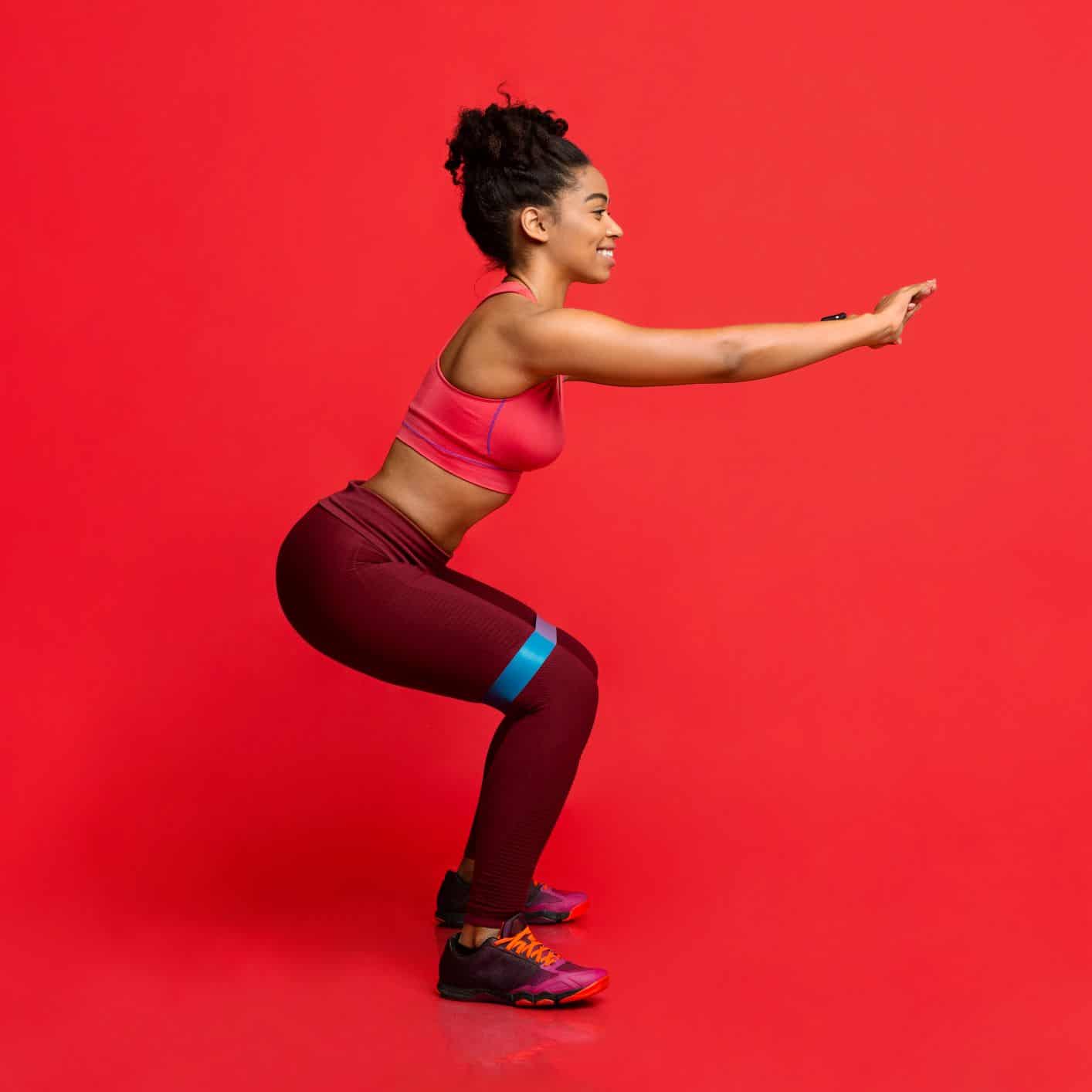
Squats

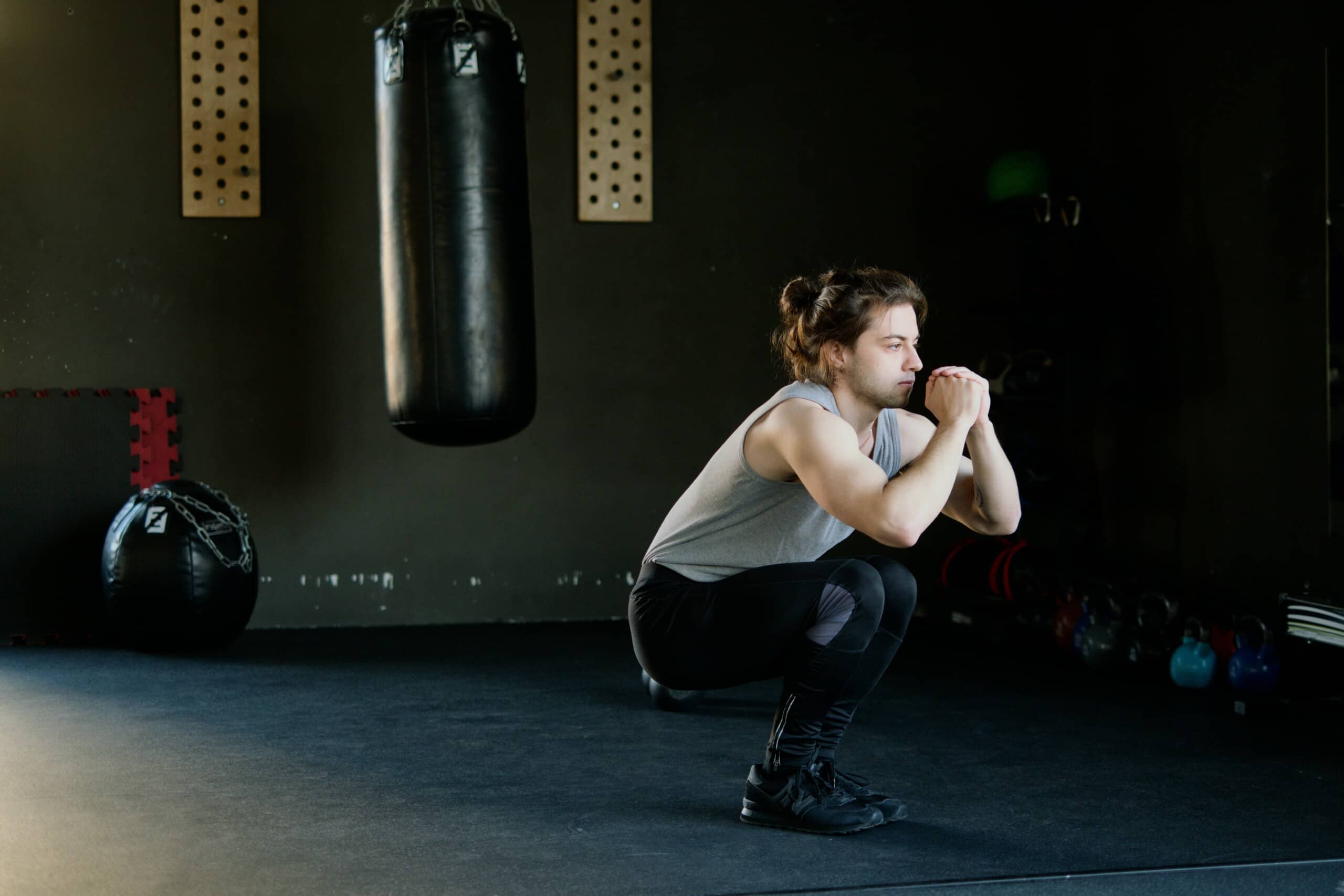
Stand comfortably while pointing your toes outward. Some people like to have their feet the same width as their shoulders for better body control. Tense up your abs and squat down while pressing your butt slightly backward. Keep your knees in line with your toes to prevent too much pressure on them. Go slow and work your way up.

An alternative squat:

Sit on the edge of a straight-back chair or bench. Push up, raise your legs a bit, then stand up. Keep doing this over and over. You’ll start to feel the burn. You get the exact same workout as you do with squats, without the pressure on your knees.

Leg kicks

Lie on your back. Your arms should be straight out at your sides with your palms out. Bring up one leg without bending it.  Then, alternate the other leg until you are kicking one leg then the other.

Hip raises

Lay on the floor, bending your knees, keeping your feet flat. Put your arms at your sides outwards. Brace and raise your hips off the floor, squeezing your abs and glutes. Hold for a slow count of 5, then lower your hips down. Repeat at least 15 times, building up over time.

10 – Remember to practice positive thinking

Losing body fat, especially in your thigh and leg fat area, will take patience plus endurance. It can’t happen overnight, but it will take week after week of consistency. You’ll be tempted to give up. Stay positive and focus on your goal. Don’t give up.

BMI tape measure

Read about the connection between BMI (body mass index) and overall wellness.

Final Thoughts on Persistence in Your Efforts at Shedding Inner Thigh Fat

Spend time every day, reminding yourself of your accomplishments, whether big or small. It doesn’t matter as long as you’re taking a step in the right direction.  Even if you accomplish small goals like walking your dog more often, that’s okay. This is a met goal, and you’ve established new habits. So you should feel encouraged.

Keep a journal of your goals, setbacks, and successes. Set aside one section to write down your feelings. Over time, as you reread these entries, you may see what triggers your failures and what helps your successes. If you stay on track and follow these suggestions, you will lose weight, reduce your leg and inner thigh fat. In time, you will feel proud of your slimmer figure.

20 Healthy Food Swaps That Most People Overlook

The obesity problem in America continues to grow out of control. There are fast food restaurants on every corner, and it’s cheaper to buy sugar and carbohydrate eats than fresh produce and healthy food. You don’t have to break the bank to get healthier. You can make healthy food swaps that can have a vast improvement in your life.

20 Food Swaps That Work

Dieting is hard. If you’re tired of fighting the battle of the bulge, it’s possible that you are making it way more complicated than it needs to be. Perhaps, you can just make some simple food swaps and lose the weight you want and be healthier. Here are some easy food swaps you can make to help you become a better you.

food swaps

1. Coconut Flour for White Flour

Coconut flour is sweet and looks like white flour. Those on low carbohydrate diets know that it can be substituted for traditional flour when you add a bit more moisture to the mix. That means that you can make beautiful desserts and baked goods with this simple food swap.

Keep in mind that you will need to adjust the recipe’s moisture content to ensure your goodies aren’t too dry. Coconut flour cannot be used as a 1:1 ratio with traditional flour, but it’s a great substitute.

2. Greek Yogurt for Sour Cream

Greek yogurt is full of essential vitamins and minerals that your body needs. However, it can easily be replaced in recipes for sour cream. You can spice up plain yogurt and use it on tacos and in other Mexican dishes. What could be easier than this simple, healthy food swap?

Greek yogurt is so good for you because it has probiotics that you need for gut health. It’s creamy, delicious, and can be used in so many recipes.

3. Tofu for Scrambled Eggs

One of the great benefits of Tofu is that it’s tasteless, and it will take on the flavor of whatever it’s cooked with. However, you can season tofu and make scrambled type eggs with ease. Vegans who crave those egg delights but don’t eat animal products have been using this simple swap for years.

4. Air Fried Chickpeas for Peanuts

Your air fryer is your friend when it comes to healthy cooking. While peanuts aren’t super bad for you, they do have a high mold content as they contain aflatoxin.

While they are stored in silos with high heat and humidity, the carcinogens found in these nuts can be dangerous to someone with a compromised immune system. Thankfully, chickpeas are the perfect solution.

If you love peanut butter but worry about the aflatoxin, use almond, cashew, or another nut butter variety.

5. Avocado for Mayo

What can’t you do with avocado these days? If you love the creamy zing that mayo gives to sandwiches, why not substitute it with a healthy avocado? It’s genuinely going to amaze you by how much flavor it adds to your food.

While you’re mashing that avocado, why not make some guacamole? How amazing would it be to slab a bit of that on your sandwich?

greek yogurt recipes

Learn fun new ways to enjoy Greek yogurt.

6. Almond Flour for White Flour

Almond flour is another flour product that is easily substituted for the white varieties. You will need to adjust the water or milk amounts as it tends to be a bit drier, but you can have baked goodies that are keto-friendly and yummy.

Ensure that you use pure, blanched almond flour and not almond meal as they are not created equal. The meal will give your product a grainy and chunky consistency while the flour will be more like traditional flour.

7. Ghee for Butter

Who doesn’t love ghee? If you want to cook healthy, then gee is a great choice instead of butter. It has a high smoking point and is full of flavor. It a healthy fat that you should add to your diet.

Some people say ghee has healing powers, but unlike butter, you don’t need to store it in the refrigerator. So it’s easier to manage and lasts way longer.

8. Cauliflower for Rice

Cauliflower has become a wonder food in the low carb world. You can make it into a mock macaroni and cheese, potatoes, or even rice. When you mix with seasonings and fresh herbs, you can’t tell you’re not eating traditional rice.

All you need to make rice is a cheese grater and a few minutes. Though you can buy it in the freezer section already made, the preservatives they use to give it an often weird taste. It’s best to use fresh cauliflower and make your dish.

9. Olive Oil for Vegetable Oil

Olive oil is a staple that should be in everyone’s cabinets. It’s far healthier than vegetable or canola oil, which is high in saturated fats. This immune-boosting oil is full of flavor and antioxidants.

10. Dairy Milk for Almond Milk

Whether you are vegan, vegetarian, or don’t like cow’s milk, then almond milk is a great food swap to consider. It has little to no sugar and won’t bring on all those lactose related problems either.

11. Spaghetti Squash for Spaghetti

The spaghetti squash is one of the most exciting vegetables around. When you roast this vegetable, the insides turn to spaghetti-like consistency. Mix it with your favorite sauce, and you have a healthy, delicious meal.

12. White Sugar for Pure Maple Syrup or Honey

Unlike white sugar, maple syrup and honey have a low glycemic index, which means it won’t impact your sugar the same. Both are from nature and provide the sweetness you desire in your coffee, tea, or baked goods.

13. Dried Fruit for Fresh Fruit

When fruit is dried, it increases the sugar content. However, fresh fruit is much healthier for you. While dried goodies may be easier to transport, make the food swap for fresh to decrease sugar and carbohydrates.

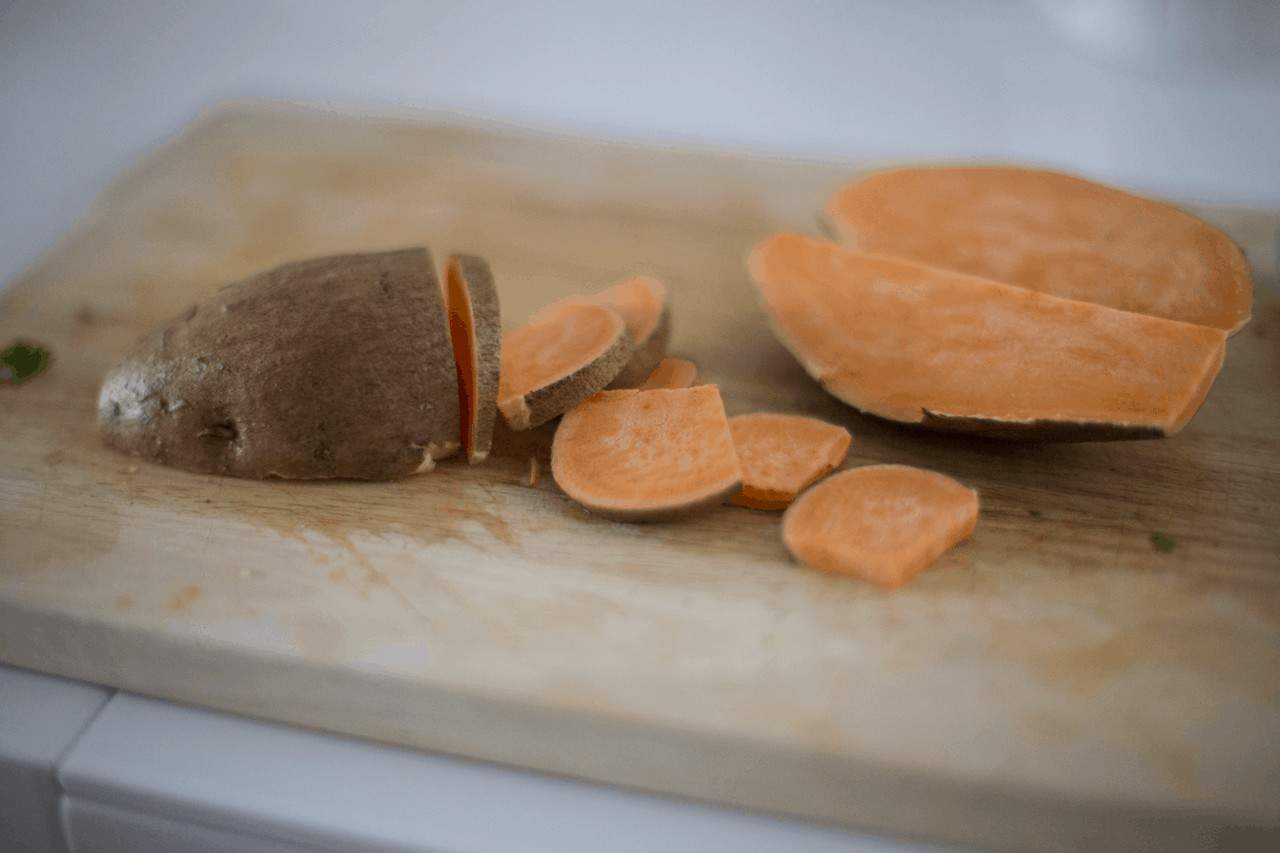
14. Potatoes for Sweet Potatoes

Potatoes get a bad rap because they are full of starches and sugars. However, the sweet potato is a healthier option. You can use sweet potatoes in a pie, French fries, or to top with cinnamon and ghee for a full delight treat.

sweet potatoes

Here are 15 tasty ways to enjoy sweet potatoes.

15. Sugary Drinks for Water Infused with Fruit

Put down the sodas and fruit juices as you should eat your calories and not drink them. However, you can fill your water with fresh fruit and allow it to infuse with flavor. The best part is there is little to no sugar, and the taste is fantastic. You can get creative with your infusions.

16. Rice for Quinoa

Quinoa and rice are both grains, but quinoa is considered the super seed. It has three times the vitamins and minerals of rice, and it has anti-inflammatory properties that your body needs. You can use it in place of rice for an exciting alternative that’s better for you.

17. Potato Chips for Kale Chips

Food swaps like kale chips for potato chips have become staples. Kale chips have almost no calories, and you can flavor them however you want. The best part about these chips is that they have no fat or carbohydrates. Keto dieters have found it’s the best way to get their crunchy fix without running their carb count.

18. Granola for Oatmeal

Oatmeal is delicious, and it has way less fat, sugar, and carbs than granola. Granola is highly touted as healthy, but it’s full of so many extras that your body doesn’t need. If you love that crunch, then use oatmeal and nuts to give you that crunch without all the extras your body doesn’t need.

19. Mayonnaise for Mustard

Mayonnaise isn’t all bad, but it’s full of fat. If you want to eat a low-fat diet or are vegan and don’t do animal byproducts, mustard is the best choice. Mustard is full of flavor and comes in many varieties. It’s one of the great food swaps because it has no calories, fat, sugar, or anything harmful.

20. Milk Chocolate for Dark Chocolate

Okay, if you absolutely must have chocolate in your diet, then you do have options. Dark chocolate is not remotely in the same playing field as the milk varieties. Dark chocolate is full of heart-healthy antioxidants, it has a lower sugar and carbohydrate content, and it tastes delicious.

It’s been known to raise HDL and Protects LDL from oxidation as well as lowers your blood pressure. Some food swaps are delicious.

food swapsFinal Thoughts on Making Food Swaps for Improving Your Health

If you’re concerned about your health, then making a few simple food swaps can increase your immunity, reduce inflammation, and keep heart disease at bay. If you incorporated just a few of these simple swaps into your life, you would tell the difference in your waistline and overall well-being.

10 Mental Illnesses That Can Make You Feel Lethargic

Do you feel exhausted all the time? Is it all you can do to drag yourself out of bed in the morning to start your day? Are there days when the world seems to be overwhelming, and you cannot even function?

You should know that you are not alone. Many people fight fatigue daily. It’s one of the most common reasons for a visit to your doctor’s office. Now, you should know that there are 100s of explanations why you’re lethargic, and finding the exact cause isn’t always so cut and dry.

Reasons Why You May Feel Lethargic

When you head to the doctor’s office with a complaint that you’re exhausted, it’s hard to pinpoint the cause. They will run a battery of blood tests to see if there is anything out of whack that could be causing your symptoms.

lethargic

Here are the most common medical problems that cause you to be lethargic.

•Low Thyroid Function
•Cancer
•Chronic Fatigue Syndrome
•Fibromyalgia
•Iron Deficiency
•Anemia
•Diabetes
•Adrenal insufficiency
•Endocarditis
•Sleep Apnea
•Mental Illness

Mental Illnesses That Cause Fatigue

Mental illness is a broad category that is used to describe disorders of the mind. Since you can’t take a blood test or a physical examination to determine a mental health problem, doctors must rely on gut instincts and the questions you answer.

If you’re constantly lethargic and feel there is a mental issue to blame, it could be one of these conditions.

1. Depression

It’s estimated that there are more than 17.3 million people in the United States that battle depression. There are different varieties of this illness, as some can be acutely brought on by circumstances or ongoing.

Depression should not be confused with the blues. It’s normal for people to experience times where they are low in life due to circumstances beyond their control. However, depression is a mental illness that lasts for more than a few weeks.

When you can’t shake the downtrodden feeling you have, then it may be depression. Since depression’s number one symptom is feeling lethargic, doctors might first consider this diagnosis before ruling out more serious health concerns.

2. General Anxiety Disorder

General anxiety disorder is a condition that affects more than 18 percent of the adult population in this country. It’s a disorder that is generalized because its symptoms are varied to each person. The most common symptoms of this disorder are nervousness, dizziness, lethargy, disassociation, and panic attacks.

A person who fights anxiety struggles continuously because their mind won’t stop. They may find going to sleep difficult because they ruminate about their problems. Not only does the condition cause exhaustion, but it’s hard to sleep when you have irrational worries that keep you from getting the rest your body needs.

3. Bipolar Disorder

Bipolar disorder is a condition where a person can go long periods without rest, which is called the manic phase. If you suffer from this condition, you may spend money you don’t have, engage in risky behavior, and have a short fuse.

During a manic phase, you will not require sleep, but there is also a depressive phase to this condition. During this period, you won’t be able to get enough rest. Your body may be so rundown from the months of mania that you could sleep 20 hours a day.

Though bipolar is more common these days, it can be treated. The manic and depressive phases can be controlled, and you can live life to the fullest.

eating disorder

Learn how to identify an eating disorder (and find help).

4. Obsessive-Compulsive Disorder

While OCD or obsessive-compulsive disorder falls under general anxiety, it’s also significant enough to be considered an independent diagnosis. OCD is a condition where people are so anxious because their minds obsess about things beyond their control.

It’s not uncommon for the person that suffers from OCD to count, lock, unlock the door numerous times, and do things in a particular order. It’s the obsessive nature of this condition that causes you to feel lethargic.

While the condition itself doesn’t make you tired, your mind won’t stop, and you partake in ritualistic behaviors that can cause exhaustion.

5. Autism Spectrum Disorder

Autism Spectrum Disorder is a condition that is split into five types. Neurological and cognitive delays and abnormalities mark the symptoms of this condition. While it’s not a mental illness, it’s worth including.

Here is why.

If you have this condition, you will have issues communicating and interacting with others, which can be exhausting.

Additionally, the repetitive behaviors and difficulty understanding what’s going on in the world around them can wear their body down. People with ASD often will sleep too much or too little, depending on the severity.

6. Factitious Disorder

If you are suffering from a factitious disorder, then you are a hypochondriac obsessed with sickness. Every pain in your body will cause you to think that you’re dying or having a significant illness. While you should know that people suffering from this condition don’t do this on purpose, the underlying root of this disorder is the desire for attention.

You may be lethargic as your mind is continuously ruminating on medical problems and treatments needed. Plus, you can exhaust yourself by running from hospital to urgent clinics and to drug stores trying to get help. The condition is rare, as less than one percent of the population has it.

phobias

Psychologists reveal the 25 most-diagnosed phobias in the world.

7. Schizoaffective Disorder

A person that has schizoaffective disorder has a combination of schizophrenia and bipolar. This illness has times of psychosis and mental instability. It’s not uncommon for this person to have delusions or hallucinations, but not everyone will experience these symptoms.

The schizoaffective individual may find that their mind is always caught up in paranoia, and they can experience mania and depression too. The suicide rate of this disease is high, as it’s hard to treat. However, it’s understandable why exhaustion is considered normal with these folks.

8. Schizophrenia

Schizophrenia is one of the most severe of all mental illnesses. An impaired way of thinking marks it. This person will often feel that someone is out to get them. They are usually fearful of anyone and everything.

They will have either auditory or visual hallucinations or delusions. It’s challenging to treat these folks because they have little trust in the medical community.

It’s easy to see that hallucinating and having delusions and a high level of paranoia makes it difficult to sleep.

9. Trichotillomania

The person with trichotillomania pulls their hair out and picks at their skin continuously. It’s a nervous habit that is caused by extreme anxiety. People with this condition will pull out their eyebrows, eyelashes, and hair.

It’s not uncommon for this person to stay up all hours picking and pulling. Their obsession may keep them up at night, and it can cause them to feel lethargic.

10. Depersonalization Disorder

People who suffer from depersonalization disorder often feel like robots or that they are living in a dream world. The world may look like a cartoon to them, and they have a hard time adjusting to their surroundings. This mental health concern can come and go, or there can be periods where it’s non-stop.

Though the folks experiencing this are not going crazy, they may feel as if they are. They may struggle with depression, anxiety, and be exhausted from fighting battles in their mind. Each episode can last a few minutes, or it can last years, though that is rare.

Commonly, anxiety is at the core of this illness, and once the tension is treated, the condition will go away. Additionally, it can be a symptom that a panic attack is about to happen, and the body is giving a warning.

lethargicFinal Thoughts About Feeling Lethargic and Struggling with Mental Health

If you find that your lethargy significantly impacts your life, then there are many things you can do. First, you can try taking a nap each day. To keep your energy levels up, take one or two naps to help boost your stamina.

Naps can be anywhere from a half-hour to an hour in length. Many people find that they feel refreshed and ready to tackle the day with a power nap. If napping is not an option, things like B12 and Vitamin C are also known to boost energy.

Don’t opt for caffeinated drinks that can speed up the heart and cause palpitations. It would be best if you tried natural things, like herbs, that can nourish and heal parts of the body affected. Some herbal treatments can be just as effective as antidepressants for treating depression and anxiety.

While you may be tired, you can find ways to cope and still live life. Don’t overextend yourself, and don’t be afraid to say no when you’re overloaded. Living with exhaustion is possible if you learn how to manage it appropriately.

Skip to content