Weekly tips, affirmations, and small actions to feel your best.

Psychologists Reveal 4 Ways To Be Happy During Tough Times

Tough times are a standard part of life. No one will go through all their time on earth without experiencing at least some degree of hardship or trouble, whether physical, emotional, or a combination of both. But, we all want to be happy.

During these times, it can be challenging to maintain positive thinking. How can you remain steadfast when you feel like everything is crumbling? Beyond that, how can you feel better than just “fine”? It seems impossible, but it doesn’t have to be. Here’s how psychologists reveal four ways to be happy during tough times.

1.    Learn To Promote Positive Thinking

Unfortunately, the human brain naturally fixates on negative things. This condition means that, even though it’s unproductive, you’re likely to spend much more time focusing on things that further hurt your mental health. Here are some ways you can work around that:

·         Reframe Negativity

Pay attention to your thought patterns. Which ones don’t you like? Focus on reframing them. For example, if you often have a thought such as “I’m so bad at this, I should give up,” stop and reflect on it. You might say, instead, “No one starts out an expert at something, and there’s no rush for me to achieve an arbitrary standard of ‘goodness’ for this skill.” Then, swap the thought out: “This is a good challenge for me, and I’ll come out of it stronger and smarter!”. According to author Jay Shetty, who wrote “Think Like a Monk: Train Your Mind for Peace and Purpose Every Day,” this is a great way to declutter your brain.

·         Use Positive Affirmations

Positive affirmations are simple, active mantras that you repeat to yourself daily, and they activate parts of your brain that make you feel good. These affirmations involve picturing yourself as the best version of you. For example, you might say, “My resilience helps me overcome difficult times” or, as mindfulness guru and yoga teacher Mandy Ingber uses, “Easy goes it.”
happy

·         Trust yourself

Tough times make the future more frightening, but that excessive worry over the future is only going to hurt you in the long run. According to emotional fitness consultant and psychologist Emily Anhalt, PsyD, it’s important to learn to trust yourself – and, therefore, Future You – to be strong, smart, and good enough to handle whatever will come next.

·         List Things To Be Thankful For Daily

Gratitude is an incredibly powerful tool that reduces depression-like symptoms and helps with overall positive thinking. 10 Percent Happier cofounder Dan Harris and happiness expert Shawn Achor both agree that just two minutes of spending time before bed listing a few things you’re grateful for – even if you can only think of one – can work wonders for bringing positivity into your life.

2.    Build Your Inner Strength So You Can Be Happy

To get through tough times, you need to be strong – but not in a physical way. Mental fortitude is much more crucial, so it’s the inner strength that will carry you through the worst of tumultuous situations. Here are some tips for building inner strength during hard times:

·         Stay Grounded

Remind yourself that you’re here. Think about your goals, your loved ones, your current situation, and what you can do. Don’t let yourself get caught up in the spinning turmoil of the world!

·         Stop Catastrophizing

It’s easy to magnify problems in your head – and this is especially true when you’re already going through tough times. Suddenly every additional inconvenience is the end of the world. Psychotherapist, teacher, and author Jeffrey Sumber, M.A., has seen this happen many times! Don’t let that happen to your thought process!

·         Get Good At Visualization

Tough times can result in fears of triggers or things that remind you of those tough times. For example, fear after a bad stage performance may cause you to want to give up performing altogether. So, what’s the solution? Powerful visualization. Close your eyes and imagine the ideal scenario for you, being as evocative and goal-oriented as possible. This practice changes the narrative and, according to Icahn School of Medicine clinical instructor Terri Bacow, Ph.D., it activates the same part of your brain that would be activated by actually doing what you envision. You’re giving your brain a false memory of a positive outcome, so you’ll feel more inclined to go for it!

·         Learn To Accept Bad Things

This advice sounds negative, but it isn’t. It’s about accepting that you can’t control everything. So make a list of the things you know you have no control over and make a conscious effort to let them go, recommends Urban Balance owner and therapist Joyce Marter, LCPC. You can’t change what the world is doing, but you can change how you react, how you stay strong, and how you move forward with this knowledge.

3.    Take A Break

The human brain can become tired, just like its body’s muscles. This can lead to burnout and a worsening of your ability to cope with the tough times you face. It’s hard to do when you feel like you shouldn’t stop going at full speed to fight your challenges, but you need to rest to function well. Here are some ways to do so:

·         Go To A Safe Place

Where’s a place that you feel safe and protected? The next time you feel yourself getting overwhelmed, go there and spend some time just resting in it. Your safe place will help you feel secure, says Laurie Nadel, Ph.D., a trauma specialist.

·         Play

You know the saying “all work and no play makes Jack a dull boy”? Well, it applies in this context, too! If you overwork yourself or spend all your time doing less than enjoyable things during difficult times, you’re going to lose some degree of your emotional fitness, says Anhalt. Do a little something small and recreational during your day to break up the monotony of work. It’ll make you much more productive and help you stay positive!

·         Be On The Outside Looking In

Once in awhile, take a break from being you. Relax, let emotions about tough times slip away, and try observing your situation as an outsider would. Imagine hearing about this situation from a co-worker, friend, or loved one experiencing it, suggests clinical psychologist and author John Duffy, Ph.D. You’re likely to be kinder to yourself if you consider your situation as you would consider a friend’s. It might even give you added positive insight.

·         Schedule Time To Worry

Believe it or not, your brain also needs a break from being positive. Set aside a short amount of time every week where you allow yourself to worry as much as you want about your problems and the tough times you face suggests Anhalt. It lets your brain purge the negativity without the threat of an explosion.

happy

4.    Be In Touch With Yourself

If you don’t know yourself and what you need, it’s incredibly difficult to stay happy in everyday life – let alone when times are tough. Here are some ways to stay in touch with yourself:

·         Engage As You Are Capable Of

You are the only person who truly knows what your emotional and mental capacity is. The problem is that, if you’re very focused on surviving, helping, or fighting during tough times, you might not be aware that you’ve crossed your threshold. Black Emotional and Mental Health Collective executive director and founder, Yolo Akili Robinson, recommends taking time to think about how you’re feeling, or write about it if you need help processing it. If you’re pouring too much of yourself into your daily efforts, dial it back. You will not be of use to yourself or anyone else if you’re burned out.

·         Acknowledge Your Emotions

It can be easy to bottle up your emotions during hard times, but more than ever, you need to not only let yourself feel them but recognize and respect them. When you bottle it up or avoid thinking about it, it can boil over or explode later in a more uncontrollable way, says Duffy. Instead of ignoring how you feel, let yourself wallow in your emotions for a set amount of time. Feel the full extent of the pain they bring – and then, when it’s time to get back to work, put them aside again. Outside of that, you can also express your feelings through art, talking to others, exercising, and more. Do both of these things regularly to strike a balance between remaining rational in everyday life and letting your emotions be expressed healthily. Only once you master these skills can you truly become happy.

·         Know How You Heal

All people have unique processes and paths to healing. If you’ve been through a tough time and feel guilty because you’re suffering, but everyone else seems fine, then this is for you. Your journey is unique, says Living with Depression author and clinical psychologist Deborah Serani, Psy.D. You need to let yourself heal in your way and time. Don’t compare yourself to others – you don’t know their journey, either. Social comparison can be a big factor in decreased positive thinking and can contribute to depression.

·         Know When To Ask For Help (It’s important to do this to be happy)

Lots of people think that they can handle just about anything themselves. The fact, however, is that many don’t realize just how much good some help can do for them. Think about it: would you expect a loved one in your situation to handle it by themself? If the answer is no, then know that you deserve help, too. You don’t have to be alone. Just talking about your problems to a trusted and available person can help, says In Therapy author and clinical psychologist Ryan Howes, Ph.D. If you need help beyond that, communicate your needs directly to people who can help you. Don’t be afraid to talk to a mental health specialist, too.

happyFinal Thoughts On Some Ways To Be Happy During Tough Times

Even in difficult times, you are capable of caring for yourself in such a way that you’ll be able to stay positive and get through your challenges as a stronger and better person in the end. Go through these steps, and you might even find that happiness can still be found if you learn to balance your emotions, manage your daily life, and remember that you are never truly alone. Be happy!
Research Reveals 5 Ways Noise Pollution Hurts Your Health

noise It’s no secret that noise pollution can get on your nerves, grate your ears, and become a giant nuisance in general. But apart from just annoying you, did you know that noise pollution may have terrible effects on your health?

Yes, it’s true! We focus so much on other forms of environmental pollution and how it hurts us. But we often overlook the hidden dangers of noise pollution. Believe it or not, it’s about more than just the noise itself.

Here’s how research reveals the five ways noise pollution hurts your health.

1.    Stress

If you live in a noisy area, you probably already know that daily noise pollution contributes to your stress. But do you know how severely this can occur?

To truly understand the extent of this, let’s take a look at research commissioned by a multi-national insulation manufacturer called Rockwool. Though the research was conducted in the United Kingdom, its findings can be applied worldwide.

Conclusions revealed that:

  • 315,838 noise pollution complaints from private homes were sent in within one year in the UK, causing 8,069 abatement notices to be issued.
  • Over 1.8 million people state that noise pollution from neighbors has resulted in “misery” in their lives, even going as far as to say they are unable to enjoy their home life.
  • Over 17.5 million people (38% of the UK) have experienced domestic disturbance noise pollution within two years.
  • 33% of those who experienced domestic disturbance noise pollution said that within two years, loud parties have resulted in higher stress levels and an inability to sleep.
  • 9% of those who experienced domestic disturbance noise pollution says that the disturbances they hear leave to continual, long-term stress.
  • 7% of those who experienced domestic disturbance noise pollution say that this is a very regular occurrence for them.

You may think that a little bit of stress doesn’t hurt anyone, but you’d be wrong. Stress can have severe adverse effects on health. Problems that may arise include:

·         Worsened Immunity

Stress seems to connect to all sorts of immune function problems. Though further research is needed, the consensus is that acute stress causes heightened fight-or-flight responses, which causes inflammation and the release of immune factors. When this type of stress becomes long-term or chronic, it can increase the risk of diseases and worsen immune response sensitivity.

·         Digestive Trouble

Stress can cause disturbances and problems in the way that the gut and brain communicate. This concern can lead to things like heartburn, ulcers, and irritable bowel syndrome.

noise pollution

·         Respiratory Trouble

Stress almost always results in changes in breathing patterns, and in turn, this can point to trouble for the respiratory system. This is likely due to a contraction of the airway during stress responses, which is far from positive for breathing ability.

·         Chronic Pain

Stress and the decreased positive thinking it brings have been linked to the risk of chronic pain, especially when a lack of social support is involved. Musculoskeletal problems of all kinds are observed in those who have to deal with regular stress.

2.    Hearing Loss

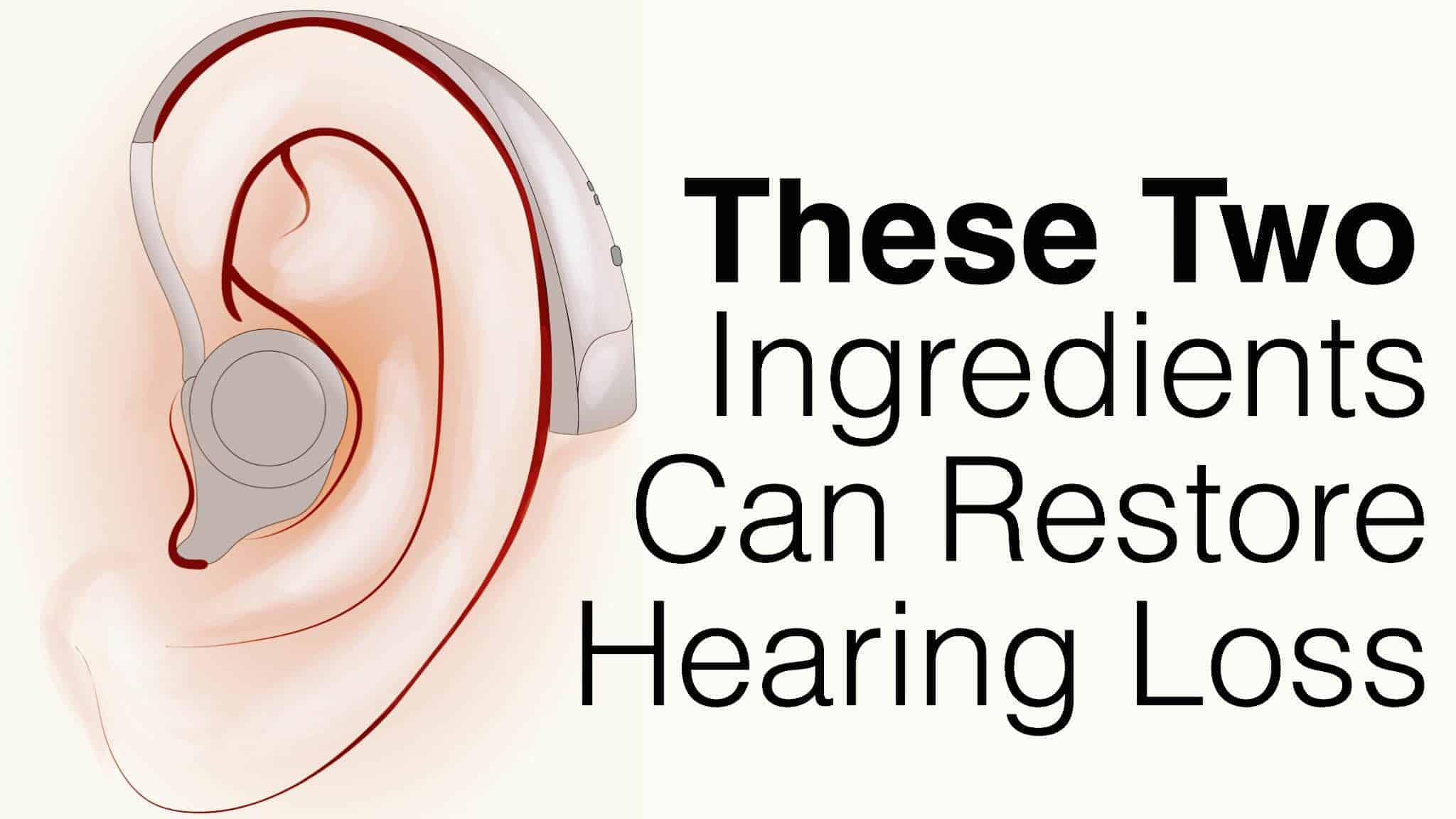
For many individuals who face close contact with noise pollution, issues such as noise-induced hearing loss are far from uncommon. This problem involves something called sensorineural hearing loss, which is when the pure-tone thresholds of the ears are shifted on a long-term or permanent level.

This type of hearing loss can occur due to one single experience or long-term experiences of noise pollution. This can also coincide with the development of tinnitus, which we’ll discuss more later. Examples of traumatic noise exposure that can lead to hearing loss include:

  • A car engine backfiring.
  • An explosion
  • Working with very loud machinery
  • Attending loud public events like concerts or sports games

According to the Handbook of Clinical Audiology by Jack Katz, threshold shifts depend on the exposure to noise endured. Mainly, it depends on how severe that noise is and how long the exposure to this noise pollution lasts. An audiogram and range can measure these shifts from 3,000 to 6,000 Hz. Though none of these outcomes are positive, 3,000 Hz would be considered less severe of a change than 6,000 Hz. The most common transition is at 4,000 Hz.

The American Tinnitus Association also adds that most patients experience the loss at a unilateral level, meaning they only lose that hearing at a specific frequency; that frequency is usually the same as the frequency of the triggering noise.

3.    Psychological Disorders and Issues

Since noise pollution can get on one’s nerves, it makes sense that mental health can suffer because of it. Here are some studies discussing the psychological issues faced by those who are exposed to noise pollution.

  • “Noise problems, savage approaches. From “just forget it,” to physical violence” in The Journal of the Acoustical Society of America (1999). This study found a link between violent reactions and noise pollution, and it discussed the ranging responses from noise pollution, from immediate forgiveness with positive thinking to full-blown aggression.
  • “Noise exposure and public health” in Environmental Health Perspectives (2000). This study found that causal links exist between psychiatric disorders (and other psychological effects like wellbeing and annoyance) and noise pollution, indicating that even earlier research has found this relationship.
  • “Is there addiction to loud music? Findings in a group of non-professional pop/rock musicians” in Audiology Research (2012). This study found that people can develop a severe addiction to hearing loud music, which was commonplace in non-professional musicians. This paper indicates the possibility that you can become addicted to certain kinds of noise pollution!
  • “A longitudinal study of psychological distress and exposure to trauma reminders after terrorism” in Psychological Trauma: Theory, Research, Practice, and Policy (2017). This study discusses how individuals with post-traumatic stress disorder may be negatively triggered by certain kinds of noise, including generic loud noise pollution.

hearing loss4.    Tinnitus

Tinnitus is a condition you may have seen in movies and media, but what is it? Usually, the auditory disorder is sound perception without a real source. This means someone with tinnitus may, even without an actual source for the noise, hear:

  • Chirping
  • Buzzing
  • Ringing

There is a lot about tinnitus that we still don’t know, mainly in its pathophysiology. Despite that, most research suggests that noise pollution and exposure can contribute to its development. The pitch of the tinnitus noises heard often coincides with the kind of noise that incited it. And these factors may all eventually lead to hearing loss if the noise pollution was severe enough.

Science categorizes different kinds of tinnitus, as follows:

·         Subjective Tinnitus

Only the affected person hears this sound–not the doctor or other people.

·         Objective Tinnitus

People other than the patient can also pick up this kind of tinnitus. Doctors can also hear it with the use of a stethoscope.

·         Pulsatile Tinnitus

This kind of tinnitus categorizes by the noise it makes in the ear. It is usually the result of Glomus tumors and is mostly treated in a positive, non-invasive manner.

·         Non-Pulsatile Tinnitus

This kind of tinnitus doesn’t have a pulsing noise. Patients usually hear sounds like buzzing, crickets, or sounds of the sea.

5.    Cardiovascular Problems

Yes, you read that correctly. Believe it or not, noise and heart problems link more closely than you think!

Here are several different papers that cover this subject well:

  • “Work noise annoyance and blood pressure: combined effects with stressful working conditions” in International Archives of Occupational and Environmental Health (1993).

This study clearly showed how annoyance and lack of positive thinking from noise pollution had a negative effect on blood pressure, leading eventually to heart issues.

  • “Noise-Induced Endocrine Effects and Cardiovascular Risk” in Noise & Health (1999).

This study indicated how myocardium aging caused by stress from noise pollution could lead to a myocardial infarction – or, in layman’s terms, a heart attack.

  • “Stress Hormone Changes in Persons exposed to Simulated Night Noise” in Noise & Health (2002).

This research paper showed how noise could worsen stress levels, specifically with the release of the hormone cortisol, which increases heart attack risk.

  • “Aircraft noise around a large international airport and its impact on general health and medication use” in Occupational and Environmental Medicine (2004).

This study was designed to investigate the links between heart disease medication, health, sleep medication, and exposure to noise pollution from aircraft.

  • “Effects of Occupational Noise Exposure on 24-Hour Ambulatory Vascular Properties in Male Workers” in Environmental Health Perspectives (2007).

This study showed how those who work in very noisy conditions are often at higher risk for blood pressure and, subsequently, heart problems.

  • “Hearing Loss and Incident Dementia” in Archives of Neurology (2011).

Though not its primary focus, the study did touch on how cardiovascular health issues were associated with noise – specifically, with noise-induced hearing loss.

  • “Noise and cardiovascular disease: a review of the literature 2008-2011” in Noise & Health (2012).

This research sought to find a positive, conclusive answer as a review of studies that dove into the links between cardiovascular problems and noise pollution. So the causal relationship was quite clear.

  • “Association between transportation noise and blood pressure in adults living in multi-story residential buildings” in Environment International (2019).

This research showed that residential areas close to railway-sourced noise pollution might find themselves experiencing higher blood pressure, decreased positive thinking, and a greater risk of cardiovascular problems.

  • “Adverse Cardiovascular Effects of Traffic Noise with a Focus on Nighttime Noise and the New WHO Noise Guidelines” in Annual Review of Public Health (2020).

This new paper referred to current and new World Health Organization Guidelines regarding noise pollution and found that noise pollution, especially at night, can contribute to the risk of artery disease. Surprisingly, noise pollution also links to obesity, diabetes, and stroke risk.

noise pollutionFinal Thoughts On Some Ways Noise Pollution Hurts Your Health

In summary, noise pollution can be impossible to avoid in this day and age altogether. Thus, having a quiet area just for yourself, wearing noise-canceling products, and choosing to work, live, or conduct activities in less noisy areas can all help reduce the risks you face from noise pollution. So speak up if you are concerned about the potential effect of noise pollution on yourself. Schedule an appointment to visit your doctor to discuss your options and fears.

5 Quick Ways To Improve Your Health In Under A Minute

The act of maintaining good bodily health can be time-consuming. Though the effort is certainly worth it in the long run, it can feel overwhelming to have to think about how much you need to keep track of. For some, that sense of being overwhelmed is enough to make anyone give up on health altogether. And it does not need to take an enormous investment of time to improve your health. For instance, you may allot one day at a doctor’s office like the one at thekidneydocs.com for your checkups and/or treatments.

Luckily, not all health efforts have to be complicated. In fact, in just 60 seconds or less, you can help do wonders for your body and its complexities, and these brief moments of work can make a huge difference. As it turns out, even doctors and medical professionals believe that health doesn’t always have to be a long-haul effort. Here’s how experts recommend five quick ways to improve your health in less than a minute.

1.    Exercise

A lot of people think that to exercise. You have to actively focus on working out for a prolonged period of continuous-time. While it is necessary to get daily exercise, did you know that some methods of training take less than a minute? Here are some exercise-related quick health-boosting tips:

·         Get A Good Idea Of Your Fitness

Gauging your fitness level is an excellent way to know whether you need some extra exercise on top of a usual routine. Do this simple test: try sitting on a sturdy chair, standing, and sitting back down again ten times, as fast as possible. Research proves that if you take more than 26 seconds to complete this task or can’t complete it, you have a higher mortality risk – a sure sign that more workouts are needed!

·         Make Use Of Your Own Bodyweight

You don’t need to be lifting dumbbells, barbells, or weights to do a quick one-minute workout. Do squats with only your bodyweight. Plant your heels, with your knees in line with your toes and hips open, flat onto the floor. Straighten your back, then slowly lower yourself into a squatting position, then push yourself back up again with only your leg muscles. The goal is to work your way up to doing 25 squats per minute. According to The White Coat Trainer founder, physician, and certified personal trainer Alex Robles, M.D., bodyweight squats have positive effects on leg strength, blood circulation, and mobility.

anxiety attack

·         Run Up The Stairs

You need 20 seconds to climb 60 steps in a rigorous and efficiently paced manner. Do this thrice daily, three times a week, and you’ll be boosting your cardiorespiratory strength. Studies say it can increase your cardio fitness by 5% after just six weeks! Though 5% doesn’t sound like much, the author of the study, Martin Gibala, Ph.D., this little amount is all it takes to reduce cardiovascular disease risk.

·         Focus On Bone Health

Studies have shown that running for just 60 seconds daily can result in 4% more positive health of the bones than in those who run for less than that amount of time. This means that just 60 seconds of jogging every day can reverse the decline of bone density caused by things like menopause, says Victoria Stiles, Ph.D., who co-authored one such study. You can expect to experience bone-strengthening benefits after between 6 to 12 months of running every day.

2.    Help Your Body In Little Ways

Just like people have preconceived notions about how long it takes to do adequate exercise, many also have wrong ideas about how much time and effort is needed to make a notable change on the body. Believe it or not, all you need to perform little helpful acts to improve your health is a minute or less. Here are some ways to do so:

·         Do A Chair Exercise To Reduce Back Pain

Slouching causes back strain and can result in long-term back pain that disrupts everyday activities and positive thinking. To avoid this, Cedars-Sinai Spine Center director of spine trauma and professor of orthopedic surgery, Neel Anand, M.D. suggests doing an exercise while sitting to help. Simply sit up straight with your shoulders down and your hands resting on your thighs. Then, move your shoulders backward by squeezing your shoulder blades towards each other. Hold for five counts, then release, and do this three or four times every day.

·         Stand Up

A sedentary lifestyle can lead to a whole host of other potential issues, according to research. Harvard Medical School clinical instructor Monique Tello, M.D., says that blood vessel damage that leads to many different diseases, including heart disease, can be caused by prolonged sitting. It’s a good idea to stand up for a minute once per hour to reduce the ill effects.

·         Do Pelvic Exercises

Kegel exercises are the name given to pelvic floor exercises. These are performed by squeezing your muscles in your genitals and can help prevent incontinence and similar issues. If you have trouble doing them, try imagining trying to stop the flow of urine. Ob/GYN Heather Bartos, M.D. recommends doing five Kegels whenever you are stopped at a traffic light, for between five to ten seconds each.

3.    Add To Your Morning Routine

Your morning routine probably comes very naturally to you. The activities you do during that routine are ones you likely perform on autopilot, so adding something that takes a minute or less to it is a non-invasive way to help improve your health effectively. Here are some ideas:

·         Get Better At Flossing

Tooth sides are where you’ll often find a buildup of bacteria and food that can lead to issues, says dentist Sargon Lazarof, D.D.S. Regular flossing can get to these areas in less than a minute if you practice often. If you don’t like flossing, you can also try a water flosser; it’s less effective, but it does the job – and any amount of positive help is good for your teeth!

·         Use Sunscreen

Sunscreen takes just about a minute to apply to your face, neck, ears, and hand backs. Full coverage of these areas can help prevent skin cancer, says Skin Cancer Foundation senior vice president Maritza I. Perez, M.D., as they’re the common problem spots that can develop tumors and melanoma.

·         Drink Water Every Morning

As soon as you wake up, drink a large glass of water before you do anything else for the day. According to “Fiber Fueled” author and gastroenterologist Will Bulsiewicz, M.D., when you wake up, you are often very dehydrated. On top of that, the water helps to get your body’s organs chugging along while helping you wake up for the day in a healthy and positive manner. Dehydration is also linked to poor mental performance, so that glass can do more for you than you may realize!

·         Use Some Mouthwash

Use a simple mouthwash once a day before bed, and you’ll be able to help lessen the effects of your mouth’s dehydration during the night. Just swishing the liquid in your mouth for 30 seconds helps to reduce harmful bacteria buildup in your mouth, says Lazarof.

improve your health

4.    Eat Well

The act of cooking, ordering food, or planning meals can be stressful and time-consuming. Luckily, there are certain things you can do about it that takes less than a minute each time! Here are some ideas:

·         Supplement The Carbs You Eat

Whenever you have a meal that’s packed with carbs, try adding vinegar or olive oil to the meal before tucking in. Oldways director of nutrition Kelly Toups, R.D., says that the addition of acid and healthy fats can help balance the glucose shifts that you get from eating heavy carbohydrates, so your blood sugar stays healthy.

·         Eat Protein At Breakfast

Protein consumed at breakfast can help your body maintain good blood glucose levels while improving energy, positive thinking, and satiety says “Eat More Plants” author Desiree Nielsen, R.D. You can add hemp hearts to things like oats or smoothies, cook some eggs to have with toast or have some yogurt for a tart, protein-packed treat.

·         Prepare Produce In Advance

Take a minute in the night or in the morning to cut up some veggies or fruit that you can bring with you as a snack for the day or eat as an add-on to your next meal. Increased fruit or vegetable consumption has so many positive effects thanks to their abundance of phytochemicals that fight inflammation, fiber, minerals, and vitamins. Produce like this can balance blood sugar, boost digestion, improve skin, strengthen immunity, boost positive thinking, and add to motivation and concentration.

5.    Drink Well

We’ve talked about one-minute tricks to make your eating habits better, but what about for drinking? As it turns out, it takes very little time to do something beverage-related that helps your body! Here are some ideas that can improve your health:

·         Drink Water Before Eating

Drinking one or two glasses of water before each meal helps you add regular hydration to your routine. More importantly, though, it helps manage your appetite and can promote weight loss. This enables you to stop patterns of overeating, according to research!

·         Make tea

Green tea has plenty of benefits to your body, with huge positives like a decreased risk of developing stroke or heart disease, and it only takes a minute to brew! Just make sure you choose an excellent tea option and don’t overdo the caffeine!

·         Reduce Cocktail Consumption

Everyone enjoys a fruity drink at happy hour, but they contain many bad fats and sugars – and a ton of calories! It takes no time at all to order red wine instead, which can cut back on calories, says Jessica Fishman Levinson, RDN., who is a culinary nutrition expert. Red wine also has great antioxidants that reduce bad cholesterol and prevent blood vessel problems, leading to lowered heart disease risk when consumed in moderation, say studies.

improve your healthFinal Thoughts On Some Quick Ways To Improve Your Health In Less Than A Minute

It’s inevitable that some aspects of healthcare take up lots of time and effort, but that doesn’t mean they all have to. If you’re having trouble getting healthy, why not start with one of these quick ways to improve your health in less than a minute? Who could have guessed that helpful health solutions could be achieved in 60 seconds?

Cardiologists Reveal 5 Foods That Harm Heart Health (And 4 That Help It)

The heart is the most crucial organ in the body. It keeps you ticking along and needs to stay healthy as you grow older. With so many different organ functions that can contribute to the improvement or detriment of cardiovascular strength, it can be overwhelming to manage heart health due to all the various factors involved.

Luckily, there is a simple solution that can encompass many of these factors in one: diet! The food you eat can significantly affect different functions of the body, so eating the wrong things can send your heart health down just as quickly as eating the right things can send it up. Here’s how cardiologists reveal five foods that are harmful to your heart and four foods best for your heart!

Five Foods That Are Harmful To Heart Health

1.    Refined Carbohydrates

Carbohydrates give the body the energy it needs to get through the day. However, in excess, they’re also responsible for a lot of seemingly small issues that all relate to the heart. These problems can build over time and contribute to a higher risk of certain cardiovascular troubles. This is especially true for refined carbohydrates, most of which have been stripped of their best nutrients.

Here are some examples:

·         White Bread

Rolls and bread are on the list of the American Heart Association’s “salty six.” This list refers to foods with a high sodium content that are the most significant sources of that component among Americans who eat it. White bread has little vitamins and little fiber, so there is nothing to help it be adequately digested. This causes it to provoke blood sugar imbalances.

·         White Rice

White rice is packed with carbohydrates that are much too processed to be of sufficient nutritional value. They can increase belly fat, according to Univision Network chief medical correspondent, cardiologist, and author Juan Rivera, MD, and that added belly fat can worsen the risk for heart conditions. Studies also indicate that rice consumption has some effects on cardiovascular problems.

·         Cereals

There are some breakfast cereals designed to be more mindful of health, but most are packed with lots and lots of sugar, no matter what other health benefits they tout. Inflammation and other issues can arise from overeating cereal, especially if you like sugary kinds.

low sodium diet and heart health

2.    Low-Fat Foods

It’s easy to see the word “low-fat” and automatically think it’s good for the heart. Sadly, this isn’t the case, says Fisher. Fat is what makes dressings taste good, and a lack of them can mean that extra flavor must be added in the form of sugar or salt. So the next time someone tells you to stop eating fatty meals, put on some positive thinking and remember these low-fat foods to avoid:

·         Fat-Free or Low-Fat Peanut Butter

Peanut butter is very fatty – but that fatty is of the right kind! Omega-6 fatty acids and other positive forms of fat are abundant in this delicious spread, and they’re all monounsaturated and good for you, says Fisher. If you opt for low-fat or fat-free options, not only will that great fat be gone, but it’ll also be replaced by sugar.

·         Low-Fat Dressings

Most salad dressings and similar sauces would taste horrible if they weren’t full of sugar or sodium. Most standard reduced-fat dressings add an element of unhealthiness to salads.

·         Fat-Free Packaged Snacks

Anything that unnaturally removes fat from its contents is questionable in health value at best. Fisher says that people are, more than ever, realizing that these fat-free snacks don’t help with weight loss. If a product is usually not fat-free, it’s a good idea to avoid fat-free versions of it. Healthy fats are good for satiety, blood sugar balance, and overall health that can all be positive for your heart.

3.    Processed Meat

Meat is a good source of protein, but if you eat the wrong kinds of meat, you’ll wind up doing yourself a disservice. Here are some processed meats you should avoid:

·         Hot Dogs

Hot dogs, frankfurters, and sausages – or whatever other similar names they go by! – are all packed with saturated fat, says Essential Nutrition For You owner and author Rania Batayneh, MPH. Even low-fat options aren’t safe due to high salt content. Both salt and saturated fat can contribute to blood pressure imbalances.

·         Deli Meat

According to Fisher Nutrition Systems founder Suzanne Fisher, RD, LDN, many cured types of meat contain sodium nitrate, a preservative that can increase inflammation. Studies have actually found that nitrates can even be linked to atherosclerosis, or artery narrowing, because of the inflammation they cause!

·         Rotisserie Chicken

Chicken, in itself, is often healthy food. But the pre-roasted ones you find in supermarkets are packed with saturated fats, salts, and a lot of other things that you wouldn’t find in something homemade.

4.    Fried and Junk Food

This is a bit of a no-brainer. Of course, fried and junk foods are harmful to the heart. You might not realize just how bad they can be for the heart. Here are just three examples of how fried food packs on problems:

·         Fried Chicken

Fried chicken is made with trans-fat-based oils that raise harmful cholesterol and ruin positive cholesterol. Batayneh adds that this is very typical in conventional frying. Research has found that those who eat more fried foods often face a higher mortality risk from problems like coronary artery disease. The Food & Drug Administration had to ban the use of trans fats and began putting measures in place to start phasing out their use in food manufacturing and dining!

·         Fries

French fries are also fried with trans fats, but that’s not the only reason they could be bad for your heart! Potato consumption in high amounts increases your risk of developing type 2 diabetes, hypertension, and other heart-related issues, according to multiple studies.

·         Potato Chips

These are fried with trans fats and make use of potatoes, but potato chips also come with even more downsides – such as the fact that they’ve been found to cause more weight gain than every other kind of food, according to research! They also have a lot of salt and very little fiber to help them digest.

5.    Sauces

Often, even the diet-conscious will focus so much on the actual meal that they’ll forget about the nutritional value of the sauces they’re adding. Don’t make that mistake! Here are some sauces to be careful about using too much of:

·         Barbecue Sauce

It’s tempting to slather meats in this tangy, savory-sweet sauce. Still, most bottled barbecue sauce has a whopping 310 mg of sodium in just two tablespoons – a shocking amount for such little product, and questionable for the heart.

·         Tomato Ketchup

Store-bought ketchup and commercially sold ketchup is often packed with excess salt and sugar, says Rivera. Just two tablespoons of the stuff have 14% of the daily recommended sodium intake and have a whopping 8 grams of sugar! That’s way too much and can’t be positive for the heart.

·         Marinara Sauce

Half a cup of marinara sauce can deliver a whopping 400 mg of sodium to your body (and 4 grams of sugar), a huge amount that can affect your heart. If you’re making a dish that needs marinara sauce, you can use a low-sodium version or switch to olive oil for another complementary taste.

heart health

Four Foods That Are Most Beneficial for Heart Health

1.    Whole Grains

Whole grains are arguably the most nutritious kind of grain you can get. They contain not just one individual component while removing the fiber and nutritional value, but all three parts that matter most:

  • Bran
  • Endosperm
  • Germ

These three parts mean the grain provides vast dietary benefits, ranging from high fiber to the reduction of harmful cholesterol. Hand-in-hand, they work together to improve your heart health. Studies have even found that consuming three additional whole grain servings in a day can lead to a 22% lowered heart disease risk!

2.    Fatty Fish

We’ve talked about the importance of good fats. Now, here’s a great way to get some: fatty fish, like:

  • Salmon
  • Tuna
  • Sardines
  • Mackerel

These fish are all rich in omega-3 fatty acid, which is famous for having positive effects on the heart. Studies have found that they can reduce diastolic blood pressure, bad cholesterol, and the risk of many diseases. In fact, not eating them can significantly up your chances of developing high blood pressure, obesity, and even diabetes!

3.    Berries

Berries are full of all sorts of different nutrients, including powerful antioxidants that fight the worst effects of inflammation – especially the results that can lead to heart disease, according to research. Examples of berries that do this job well include:

  • Blackberries
  • Blueberries
  • Raspberries
  • Strawberries

Berries can also reduce multiple different cardiovascular problem risk factors. For example, it can lower symptoms of metabolic syndrome while bringing down lousy cholesterol, allowing more positive kinds to take its place.

Blueberries specifically are additionally helpful as they provide aid to blood vessel cells. This helps reduce the risk of unnecessary blood clotting, promotes healthy blood clotting, and balances out blood pressure. On top of all that, all berries are low in calories, making them great desserts!

4.    Garlic

Garlic has been used for medicinal purposes for centuries, and modern studies have confirmed that our ancestors were onto something. This is because it contains something called allicin, a compound with multiple exciting effects.

Studies have found that regular consumption of garlic extract over a prolonged period successfully lowers blood pressure with the same level of positive effects as actual prescription medications. It can also bring down bad cholesterol, reduce stroke risk, and lower your chances of developing a blood clot.

If you’re going to eat garlic to gain these benefits, crush it and allow it to sit for a short while before you toss it in a pan to cook. You can also consume it raw if you can stomach it with positive thinking!

struggling quoteFinal Thoughts On Some Foods That Are Harmful To Your Heart And Some That Are Best For Your Heart

Many foods harmful to the heart are nice to eat, and that can pose a problem to those who aren’t aware of the damage their favorite treats are doing. By staying aware of foods that can increase the risk of cardiovascular disease and those that lower it, you’ll be ahead of the game in maintaining heart health.

Dieticians Reveal 9 Ways To Combat Emotional Eating From Stress

Stress is your body telling you that something is wrong, though it can’t quite figure out what. In response to that, the release of stress hormones in the body can trigger a lot of different feelings and urges that aim to solve the perceived problem. The result of this scenario can be emotional eating.

One of these urges that can be triggered is craving for certain kinds of food, especially ones with high-calorie counts. Giving in to those urges can result in worsened health and even more stress in the long run – so how can you fight them? Here’s how a dietician reveals nine ways to combat emotional eating during stressful times.

1.    Understand Why You Emotionally Eat

Emotional eating doesn’t happen without cause. An emotion is pushing you to feel the need to eat in response to stress, even when you don’t need to. Understanding the root cause of a problem like this is pertinent to preventing its recurrence.

To try and determine the root of emotional eating, do the following:

·         Check In

If you notice you’re eating too much or too often, stop and take a minute to think about it. Are you hungry? Do you lack a specific nutritional component?

·         Pre-Eating Awareness

Before you dig into a meal or snack, pay extra attention to your emotions at the moment. Are you bored? Anxious? Lonely? Are you stressed out? Evaluate the feelings you’re experiencing.

·         Guilt and Shame

After overeating, do you experience severe guilt or feelings of shame? You may be experiencing signs of decreased positive thinking – and many other symptoms – that come with disordered eating. If you think you’re struggling with disordered eating, you should speak to a trained mental health professional.

eating disorder

2.    Pay Attention To Hunger Cues

To truly begin combating emotional eating, you need to learn to notice bodily cues that indicate what kind of hunger you’re experiencing. Cynthia Sass gives some great insight into that.

Sass is a registered dietitian, Board Certified Specialist in Sports Dietetics, best-selling author (thrice), Executive Health Program nutrition consultant for UCLA, and Certified LEAP Therapist. She has worked with celebrities and appeared on multiple TV shows thanks to her expertise and experience.

According to Sass, you need to begin by tuning into your body. This awareness is so you can check what symptoms you are experiencing that is causing you to feel hungry. Physical hunger manifests with symptoms that are physical, too, like the growling of the stomach or a feeling of weakness. Physical hunger should also be logically proportional – if you just ate an hour ago, you probably aren’t physically hungry.

If you’ve determined that your hunger is emotional or mental, not physical, try and seek one of the four basic emotions that can be causing this reaction. The research defines the four basic emotions as:

  • Anger
  • Fear
  • Happiness
  • Sadness

Take note of the emotion that is the very root of your mental hunger. Once you’re able to determine which one is the culprit, you can take steps to address that emotion without the use of food. For example, you might overeat if you are:

  • Hungry you can go for some intense exercise.
  • Frightened you can go to a safe space.
  • Sad you can talk to a loved one.

3.    Find The Connections

The next step that Sass recommends is finding the substantial links between your emotions and the food you face. This is about considering why you choose to eat this way. Still keeping the four emotions in mind to help you, start connecting the dots. Try to:

·         Ask Yourself Questions

Do you go for certain flavors of foods depending on emotion? Do you go for certain textures of foods depending on emotion? Or, perhaps, do you choose foods that have some basis in nostalgia or memory?

·         Keep A Hunger Journal

Use a journal to log your emotions, the feeling of hunger you experience, and what you eat. Remember, this is just a journal – it’s meant as a record that you can reflect on later, not as a motivational or controlling tool to force you into “healthier” habits.

·         Test Coping Tools

Once you have enough data in your journal or from asking questions to have definitive links in your mind, try to use your knowledge to devise effective coping mechanisms.

4.    Remove Tempting Stress Foods

It’s nice to have a store of snacks in your home, but they can serve as a temptation to you. When you feel emotional hunger, if there are suitable snacks available to munch on, it’s all too easy to open up the cupboard and grab it.

The general concept is that visual exposure to foods with a high caloric content stimulates a portion of the brain called the striatum. The striatum’s function is to modulate impulse control, and its stimulation can cause increased severity of food cravings. This is so prevalent that multiple different studies have shown these results! Here are three of them:

  • “Widespread reward-system activation in obese women in response to pictures of high-calorie foods” in Neuroimage (2004). This research paper revealed that changed perceptions in the brain are triggered by high-calorie food images. These changes indicate that the brain begins to associate high positive reward responses with thee kinds of food, contributing to cravings.
  • “Differential activation of the dorsal striatum by high-calorie visual food stimuli in obese individuals” in Neuroimage (2007). This study is similar to the previous one – it shows certain parts of the brain lighting up and contributing to cravings just from the act of looking at pictures of high-calorie food!
  • “Poor ability to resist tempting calorie-rich food is linked to the altered balance between neural systems involved in urge and self-control” in Nutrition Journal (2014). This study showed how the lack of willpower some face to prevent themselves from consuming high-calorie foods has to do with neural system changes.

While it’s okay to have a treat for yourself now and then, keep in mind that they should be few and far between. You don’t want to harm your mental and physical health due to these actions, and if you have a serious problem with emotional eating, you should opt to keep these snacks at bay.

5.    Don’t Eat While Distracted

Sass encourages those who struggle with emotional eating to be mindful and aware during their mealtimes and snack times. So while you’re eating, don’t:

  • Check your phone
  • Watch TV
  • Sit at your computer
  • Read a book

Multitasking while eating makes it very easy for you to overeat, as you won’t notice when your physical hunger has faded away, says Sass. If you eat mindfully, you’ll get to pay more attention to cues relating to satiety and fullness.

Research has found that mindful eating has positive effects on your ability to take note of eating patterns, your overall intake of food, and similar factors. You’ll be able to see how much you eat and make adjustments as needed.

emotional eating

6.    Learn To Cook

When you cook, you’re able to determine what goes into your food. There are no hidden additives and sneaky unwanted components that jeopardize your diet and health. Cooking also allows you to plan, and in stressful times, it can even be a good way to expend your nervous energy.

A study found that when you make home-cooked meals more often than eating out, you experience the following positive benefits:

  • Increased consumption of vegetables and fruits
  • A 28% lower chance of being overweight when eating home-cooked food five times weekly, when compared to those eating home-cooked food less than three times weekly
  • A 24% lower chance to have excess body fat when eating home-cooked food five times weekly, when compared to those eating home-cooked food less than three times weekly

Another study found that the act of pre-planning meals, which is often necessary for home cooking due to the need to shop for ingredients, can:

  • Reduce the risk of obesity
  • Help spend time productively and positively.
  • Boost the overall quality of your diet

7.    Don’t Restrict Food Consumption

If your problem is overeating, then it’s very likely that you have, at some point, been tempted to or even been encouraged by others to constrict your calorie consumption. Yes, you indeed need to eat a properly balanced number of calories, but being too restrictive can be counterproductive. In fact:

8.    Learn Portion Control

Alright, so you shouldn’t be too restrictive of calorie counts – but if that’s the case, how can you combat overeating when it stems from an emotional or mental cause? The answer lies in portion control.

With emotional eating, you’re not usually thinking about how much you’re putting into your body. As long as the package, box, or container you’re holding still has food in it, a mix of stress and absent-mindedness can cause you to simply eat the whole thing. You are much more likely to overeat if you don’t pre-portion your food, according to research.

Here are some ways to manage better food portioning:

  • Purchase smaller varieties of food, or purchase food that comes separately packaged in handy serving-friendly sizes
  • When eating, move your meals or snacks into a bowl, only pouring out enough for one serving.
  • Separate snacks into small containers, with each container holding one serving of them

9.    Keep Yourself Hydrated

Everyone talks about staying hydrated. That’s because it is that important! Drinking enough fluids every day is crucial to organ function and helps your body chug along correctly and healthily.

Chronic dehydration can be a big contributing factor to overeating. A lack of hydration can sometimes be mistaken for hunger as your body tries to sate its “craving” for water. Drinking too little can also cause you to overeat, whereas drinking during or before meals helps you feel fuller. On top of all of that, dehydration is associated with:

  • Higher stress levels
  • Lowered focus
  • Reduced positive thinking 
  • Worsened eating habits
  • Higher obesity risk

emotional eatingFinal Thoughts On Some Ways To Combat Emotional Eating During Stressful Times

Emotional eating is fine when it happens once in a blue moon, but if it has become a habit, you need to put a stop to it. Learning to notice the signs of stress that predict emotional eating episodes helps you better manage your responses to it. If you need further help managing stress, don’t be afraid to speak to a mental health professional for aid or advice!

15 Behaviors That Reveal Someone is an Overprotective Parent

A person may be an overprotective parent without even realizing that they are overbearing. It can be challenging to see the signs when you’re the one exhibiting them, but they are there. Being overprotective of children may sound like it could be a good thing, but that’s not the case. When a child has a parent like this, it can be hard for them to grow and develop on their own. Their self-confidence will suffer, and they will always question themselves.

Most overprotective parents have at least a few of the same behaviors. If you know to watch for them, you’ll be able to pick up on the type of parent someone is quick.

Behaviors That Reveal Someone is an Overprotective Parent

1. Overprotective Parents Micromanage

When a parent rules over every part of their child’s life, they are likely an overbearing parent. This habit can cause a child to stop pursuing their interests. Because of this, they may never know what they are genuinely passionate about.

Children should feel able to tell their parents which activities they would like to pursue. This rule applies to choosing new hobbies, sports, or if they want to spend the night at a friend’s house.

overprotective parent

2. Going out of the way to Stop the Child from Failing

While no parent wants their child to fail, it has to happen sometimes. The need to prevent failure sometimes stems from not wanting the child to be upset. Other times, it is to prevent the parent from being embarrassed or viewed as imperfect.

No matter what the reason for preventing the failure is, it is a clear sign of overprotecting. It’s not suitable for the child, either. They should be permitted to fail so that they can learn their lessons at an early age.

3. Not Teaching Responsibility

If a parent cleans their child’s room, puts their clothes away, or makes their bed, they may be overprotective. While it may be quicker for the parent to do these things themselves, it isn’t beneficial to anyone involved. Children must learn responsibility at an early age to become responsible adults.

4. Overcompensate While Consoling

Parents are bound to feel bad when their child is upset. They may feel pain as they watch their child cry, pout, or have their feelings hurt. Even still, if they are overly-consoling their child, they may be overprotective.

Children have to learn to work through their emotions alone, which means they have to be allowed to self-soothe. Kisses when they get hurt, hugs when they are sad, or funny jokes to cheer them up are all fine. Don’t bribe them with toys, treats, or anything else over every incident, or they won’t learn to regulate their emotions.

5. Managing Friendships

Parents shouldn’t force their children into friendships with other kids. This statement means if a child doesn’t like their parent’s friend’s child, they shouldn’t have to be friends with them. A parent should let their child choose their friendships and only interfere if a relationship is harmful.

6. Always Telling Them to Be Careful

When a parent is continually telling their child to be careful, they may be an overbearing parent. While it is essential to warn kids of dangers, often scaring the child over every little thing isn’t beneficial.

If a parent is always warning their child that they may get hurt, they may become afraid to try new things. They will question their abilities, and their self-confidence will suffer.

7. Not Letting the Child try New Things

If a child has been playing a sport for years but wants to try something new, they should be allowed. The same goes for when they want to try a new club or camp. They should always be allowed to try new things and experience new situations.

It doesn’t matter if the child isn’t very good at something. They should be able to try anyway so that they can experience it for themselves.

When they can make these decisions for themselves, they’ll thrive because of it. They’ll have a better understanding of their strengths and passions. Plus, they’ll become more independent.

loveable quotes

8. Constantly Checking in on Their Kids

Checking in with a child’s teacher each day is overkill because a teacher will reach out if there is an issue. While checking in once in a while is fine, it’s a problem when it is a daily occurrence. The same goes for when a child is at their friend’s house. Checking in once or twice is okay, but every hour is a bit too much.

It might also be a red flag of an overprotective parent if they are continually asking the child if they are okay. Another common question overprotectors may ask often is if the child needs anything. It is normal and encouraged that parents check in on their children. There should be a balance, and the child shouldn’t feel smothered.

9. Shielding the Child from the Real World

Life isn’t all happiness, and a child shouldn’t believe that it is. Instead, children should understand that life is sometimes disappointment or even scary. Parents should teach their children about the real world before they learn about it from their friends.

When a parent teaches the child, they can teach them how to handle situations appropriately. Otherwise, they may go along with their friends instead of making an educated, responsible decision.

Remember that kids see plenty of scenes on television or social media that are worse than real life. Allow them to have a real-life grasp of what the world is like. While overprotectors think they are helpful by shielding their child, they are doing the opposite, instead.

10. They Fight Their Child’s Battles

When a child fights with their friend and the parent gets involved, they are an overprotective parent. Likewise, if a child gets in trouble at school, and the parent argues about the punishment, it’s a good sign.

For the most part, children should fight their own battles, especially with their friends. They should be the ones to address their teacher when they feel they’ve been maltreated, too. A parent should only get involved when there is an excellent reason to do so.

11. They Fix all Negative Experiences and Get Angry Over Them

Parents naturally want their children to have the best life possible. Sometimes, they’ll even go to extremes to ensure their child never experiences a negative situation. This habit teaches the child that life is perfect and that bad things never happen.

As you can imagine, teaching a child that the world is perfect is a terrible idea. It sets them up for massive disappointment and can make negative situations seem even worse for them. Children have to experience hurt and disappointment to develop emotionally. If a parent allows the child to be disappointed now, they’ll be more resilient in the future.

12. They Don’t Allow Their Child to do Things Alone

Children are capable of more than we give them credit for. Letting the kids do things on their own will raise their self-esteem and make them more competent in the future. This type of parent may think that helping their child with everything is a good thing. This notion isn’t right, however, and it can cause problems for the child in the future.

Let children do things on their own and explore the world around them while they can be seen. This allows them to explore freely while also having a safety plan of an adult nearby. It will boost the child’s confidence and self-esteem.

13. They Aren’t Allowed to Spend Much Time at Friends’ Houses

An overprotective parent may not let their child spend much time at a friend’s house. This is true even when the parents know and are comfortable with one another.

You may notice that the parent always goes to friend’s houses with the child. Another sign is that the child isn’t allowed to go to sleepovers or camps.

14. The child Isn’t Allowed to Make Decisions

As explained before, children should be allowed to make some decisions for themselves. Of course, if it is a safety or health concern, the parent should make the best decision for their child. For smaller things, however, a child has to have the freedom of choice.

They should be allowed to choose their clothing (as long as it’s weather appropriate) or what they will drink. Another choice kids can easily make is which snack they want or which book they want to read.

15. Children are Not Allowed to Have Privacy

If a parent reads their child’s journal or diary, they may be overprotective. Likewise, if their child isn’t allowed to close their bedroom door, they are probably overbearing. The child may not be allowed to have secrets, and phone conversations have to be heard by the parents. This is destructive to children, especially as they grow into their teenage years.

overprotective parentFinal Thoughts on Behaviors That Reveal Someone is an Overprotective Parent

It can be hard not to be an overprotective parent if it is generally in your nature. Being overbearing isn’t beneficial to the parent or the child, however. Once you know the behaviors that reveal someone is overprotective, you’ll be better able to watch for it. If you find that you are overprotective of your kids, now is the time to make a change.

Therapists Reveal 13 Reasons Couples Fall Out of Love

Is your union secure, and you feel that you will never fall out of love? Don’t be so sure that you and your partner are solid. You’ve probably heard that 50 percent of all marriages in this country end in divorce.

The American Psychological Association backs up this statistic. Breaking up is hard to do, yet sadly many couples don’t make it beyond the five-year mark. Wouldn’t it be nice if there was a way to tell if you and your significant other will fall out of love long before it happens?

Thankfully, there are ways to tell if your relationship will last. You can examine things like your communication skills, bedroom habits, and how often you argue as indicators if you will make it for the long haul.

Here are thirteen signs that point to a rocky relationship that might not make it to forever.

1. You Take Your Anger Out on Each Other

Did you know that when you love someone, you are more likely to take your anger out on them? The key is that you interact more with your partner than you do anyone else, so it’s only natural to take out some of your frustrations on them. A study conducted in 2014 showed that this aggression is harmful to a relationship, and it pushes your lover away rather than bringing them closer to you.

2. There’s No Gratitude

Do you appreciate it when your partner spends the whole day cleaning and making a home-cooked meal for you? You should always pay attention to the smallest of things, and make sure you thank them for their efforts. Did you know that when you take a partner for granted, you undermine your relationship?

When you forget to say how thankful you are for their efforts, then you can compromise the physical and emotional health of the relationship. Gratitude should always be a part of your love language.

fall out of love

3. You Try to Change Each Other

One of the easiest ways to fall out of love is when a person won’t align with your perfect idea of a mate. Did you get together with your partner in the hopes that they would become someone else? Having a long-term relationship with someone who you want to change is never going to work.

Have you ever heard the old saying that a tiger doesn’t change their stripes? It’s because they can’t change who and what they are to appease you. Sure, some natural changes occur when you’re in love, but don’t expect to make them an entirely new person to fill your needs as it won’t work.

4. You Forgive, But You Don’t Forget

Every relationship has issues that require you to ask for forgiveness. While you forgive your partner, you must also forget the matter. Now, your brain can’t forget, but you can’t bring up the previous issues every time they make you mad in the future.

When one person is keeping score of the other’s wrongdoings, it sets a negative relationship dynamic. Part of loving and forgiving your spouse means that you release the issue and don’t use it to browbeat your partner with in the future.

5. There Are Trust Issues

When there are trust issues in a union, it makes for a rocky relationship. Sure, trust is not an easy thing to build, mostly if you’ve been burnt in the past. However, you must have a little faith in the person you are with if you want to grow old together.

When the foundation of your relationship is shaky from mistrust, then you can ensure that there will be physical and emotional problems with your union. At one point, you can almost guarantee that your partner will become tired of the trust issues and walk.

6. The Relationship is Full of Secrets

Do you have secrets that you keep from your partner? When you’re in a long-term relationship, it’s no fun to keep secrets. Sadly, many secrets cause you to lie.

When a partner tells the other that you can’t handle the truth, then they are saying that they don’t trust you with everything. Secrets in a relationship are one sure way to fall out of love.

compatibility

7. There is No Compromise

What fun is a relationship if you never get any say? If you pick the restaurant this week, then your partner should get to choose next time. When one person dominates the union and makes all the decisions, it’s hard for the other person to feel important. Relationships are all about give and take, and compromise is essential.

8. You’re Not on The Same Page

For a relationship to be successful, you must both be going in the same direction. While you may think that love conquers all, it doesn’t. You must agree on the fundamentals, like if you want kids, saving money, and where you will live.

It’s easy to fall out of love when your goals don’t align. The differences between you and your spouse may start as a small annoyance, but they can fester into a significant wedge if allowed.

9. You Won’t Take Any Blame

Remember, as a kid, when nothing was ever your fault? You would always point your finger at your sibling or a friend to keep from getting into trouble. Sadly, this behavior can carry on with you into adulthood, causing you all kinds of problems.

You are not perfect, and your spouse can’t expect that you will be. However, it would help if you took your share of the blame with household and relationship issues. Let’s assume that you go over your grocery budget by $500 this month.

Rather than putting all the blame on your spouse, you must also take your part in the responsibility. Even if your partner does all the grocery shopping and cooking, you still have a hand in the matter. It may be that they need help with this aspect and rely on fast food and fancy eateries to cope with a lack of time.

Since groceries and eating is something you both enjoy, you must equally take responsibility in matters such as this one. Don’t be so eager to blame shift, or it’s one of the signs that you will fall out of love.

10. There Are Unrealistic Standards

Humans make mistakes, as no one is perfect. Your spouse is doing the best they can, but they are not infallible. If you expect your partner to be 100 percent perfect all the time, then you have unrealistic expectations.

When one person has such high requirements of the other one, it’s easy to become frustrated. Your partner will think that they can never please you, and you will feel that your partner doesn’t measure up. Stop playing the judge and quit expecting perfection.

11. You See Your Partner as Inferior

Relationships, where one person elevates their worth above the other is a recipe for disaster. When you have contempt for your significant other, it’s a telltale sign that divorce is looming. Do you continuously criticize what they do, show disrespect, are defensive, and stonewall them?

These are all indications that there is a deep rift in the union. A study in 2010 found that when one party shows content for the other, then it’s the “kiss of death” in a relationship.

12. Your Emotions Share No Similarity

Everyone has different emotions, but it can complicate things when conflict arises. If one person cries when they feel rage while the other hardly sheds a tear, it can be hard to be on the same page. Your emotional ranges don’t have to be the same, but they need to complement the other one.

For instance, if one person tends to shout and call names when you’re arguing, it can make the timid person who would never say anything wrong about you feel awful. You should have emotional similarities, or the imbalance can cause you to fall out of love.

13. You Stop Going on Dates

It takes a lot of hard work to keep a relationship alive, and it’s easy to fall into old routines. Once you commit to living together, you must try hard to make sure that romance doesn’t become automatic. Most couples waste their time on mundane tasks like grocery shopping, paying bills, or working.

However, everyday life can be far from romantic or exciting. You must make a special effort to ensure that you still do all those little things to keep the spark alive. Take your partner to the movies or out to a nice dinner.

You must put as much work into your relationship to keep your spouse as you did to attract them. Yes, you must still go on dates, even if you’ve been together for 20 years.

fall out of loveFinal Thoughts on Recognizing the Traps That Cause Couples to Fall Out of Love

Do you see things on this list that show that you are in a rocky relationship? You can alter the course of your union by making some changes now. If you can’t seem to get on the same page with your partnership, then ask a counselor to help you sort things out.

It’s easy to fall out of love when massive issues make everyday life together challenging. So, if these issues exist, then you must work hard to alter then for the sake of your relationship.

Science Proves That Negativity is Toxic (and How to Boost Positivity)

Negativity is toxic for many reasons: 1) it destroys your mental health, 2) it can actually make you physically sick, and 3) it just brings the mood down for everyone else around you. Negativity just can’t exist if you want to create a positive life. That doesn’t mean you can never have a bad thought, but for the most part, concentrating on the positives in life helps you attract more of the same. If you only focus on everything going wrong, you miss out on the beauty right in front of you.

Many people wonder how to find this elusive happiness that everyone talks about. It doesn’t actually exist tangibly, so this means it comes from our own minds. Therefore, we can feel happy whenever we choose because we get to control our emotions. With that said, this doesn’t mean that feeling good all the time happens overnight. It takes practice to train your mind to see the good in bad situations and circumstances.

Below, we’ll talk a little more about why negativity is toxic, and how you can engage in positive thinking to turn things around.

Science proves that negativity is toxic

“You can’t litter negativity everywhere and then wonder why you’ve got a trashy life.” – Unknown

If you’ve ever been around someone at work or school who just seems down in the dumps all the time, you know how it can affect everyone around them. In a work setting, it brings down the mood of the whole team because people can feel that energy. Just as positivity is contagious, negative moods are as well. You might think that negative moods or thoughts don’t really cause harm, but science proves otherwise.

Negativity is toxic because it can cause mental health problems.

Just as positive thinking can promote a healthy mindset, negative thoughts can do the opposite. When you constantly entertain negativity, you start to seek out experiences and people that reflect your mindset. The quote from Buddha that says “What you think, you become” very much applies here. Everything in life comes down to your mindset and the way you approach obstacles.

As they say, it doesn’t matter so much about the situation you face. Instead, it’s the attitude you have about your circumstances. A positive attitude can help you overcome any challenges. But negativity tends to drain your energy, rendering you powerless and stagnant. Studies have shown that a negative disposition can actually cause some of the world’s most common mental illnesses, like anxiety and depression. In fact, a U.K. study of more than 30,000 people, the largest of its kind, found that traumatic life events played more of a role in mental illness than even genetics or life circumstances.

negativity is toxic

The study

“Whilst we know that a person’s genetics and life circumstances contribute to mental health problems, the results of this study showed that traumatic life events are the main reason people suffer from anxiety and depression. However, the way a person thinks about and deals with, stressful events is as much an indicator of the level of stress and anxiety they feel,” said lead researcher Peter Kinderman, Head of the Institute of Psychology, Health, and Society.

So, now that you know that ruminating about the past is the main predictor of mental illness, perhaps this can offer some perspective. We often look at past experiences as a way to define ourselves, but really, they’re just stories. The things that happened to us may have shaped our character, but they don’t have to negatively affect our life moving forward.

Remaining in the present moment helps clear the chatter from your mind and keeps you focused on all the wonderful stories you can create right now. Negativity is toxic because it destroys your inner peace and takes away your strength, so try to choose positive thinking instead.

Negativity is toxic because it can harm your physical health.

It is well-documented that a negative mindset can actually cause physical health problems. Most people think negativity only affects the mind. Additionally, chronically sour moods can increase cortisol levels, which leads to all sorts of diseases. A passing negative mood probably won’t cause much harm, but making it a permanent part of your disposition can lead to problems.

Emiliana Simon-Thomas, Ph.D., science director of the Greater Good Science Center at UC Berkeley, said in an article on Health.com: “Many negative emotions such as anger, fear, and frustration become problematic when those emotions turn into a more permanent disposition or a habitual outlook on the world.” Some studies have shown exactly what can happen to our bodies when we maintain this habit of worry, anxiety, and stress for years on end.

resentment

Learn how to replace resentment with a newfound commitment to positivity.

The study

A 2014 study published in the journal Neurology linked high levels of cynicism later in life, i.e. a general distrust and skepticism of people, to a greater risk of dementia compared to those with a more trusting attitude. This remained true even after accounting for lifestyle factors such as smoking, age, sex, and heart health markers. Speaking of the heart, a negative outlook may affect it as well.

A 2009 study from the journal Circulation looked at data from nearly 100,000 women and found that the risk of heart disease increased in the most cynical patients. The more pessimistic women also had a higher chance of dying over the study period in comparison to those with a more optimistic outlook.

“We know that neural pathways are changing every minute of your entire life and that your brain is generating new cells throughout your life. And this neurogenesis is not only associated with the formation of new memories, but with mood stability, as well,” said Simon-Thomas.

She went on to say, “We can be deliberate about shifting our habits of feeling and thinking in the world.”

So, not only does negative thinking cause mental health problems, but it can wreak havoc on your body as well. Plus, being around negative people just brings down the mood of everyone in the surrounding area.

Negativity is toxic because it can affect other people.

In general, people don’t want to hang out with others who constantly complain or engage in negative thinking. Bad moods can easily infect everyone in a workplace or school environment, causing discord and poor morale. Of course, no one can feel happy all the time, but in general, it helps everyone when the overall mood remains positive.

If you struggle with this, it helps to block out everything except the present moment, and focus on the task at hand. You may not always feel like being at work or school, but positive thinking and staying mindful can help smooth out any tension you feel.

Now that we’ve talked about how negativity can harm your mental, physical, and emotional well-being, let’s discuss how to combat this toxic frame of mind.

How to boost positivity:

Positive thinking doesn’t always come easily, but in time, you can make it a habit instead of having to force it. Below, we’ll list a few ways that you can bring more positivity into your life.

  • Keep a positive circle of friends. They say you are the five people you hang around the most. So make sure you enjoy the people you spend time with. Try to seek out friendships with people who have qualities you admire or wish to have yourself. Being around negative people will only bring you down. Therefore, try to distance yourself from those who engage in these types of attitudes.
  • Recite positive affirmations or mantras every day. You can either keep sticky notes on your mirror with positive sayings or write them in a journal. Be sure you read them aloud each day. A positive mindset starts with what you feed to your brain; just like you nourish your body with wholesome foods, you have to take care of your mind as well.
  • Challenge negative thinking. No one in this world can say they’ve never had a negative thought about themselves. It’s just a part of being human. However, you don’t have to agree with what your mind tells you. When a negative thought creeps into your mind, simply acknowledge it and then choose to focus on something else.

negativity is toxicFinal thoughts about how science proves that negativity is toxic

Negative thinking patterns such as rumination and overreacting can cause mental and physical health problems. It can also destroy other people’s moods and morale in a work environment. You may not think negative moods can really have that much of an impact. But science shows the harm in long-term pessimistic mindsets.

Studies prove that chronic pessimism can lead to heart problems, dementia, and mental illnesses such as anxiety and depression. If you want to increase your chances of living a long, healthy life, make sure to engage in positive thinking. Recite positive affirmations, challenge your negative thoughts, and keep yourself motivated by surrounding yourself with positive people. Just remember, a positive attitude can make even the worst situation seem like a walk in the park!

15 Habits That Reveals Someone Has a Lack of Motivation

Do you consider yourself a mover and a shaker? Does your natural sense of inner-drive and tenacity make you focused on what you want in life? Or perhaps a lack of motivation keeps your dreams slightly out of reach.

Remember that you are human, and nobody stays motivated 100 percent of the time. If you are working on a project or your life’s goals, you need some staying power.

These Fifteen Habits Might Point to a Lack of Motivation

Here are fifteen habits that could indicate a lack of motivation and how to fix them.

1. Procrastinating

Does chronic procrastinating stand in the way of accomplishing great things in life? It’s like any other bad habit that needs nipped in the bud and replaced with good habits. You can overcome procrastination with time and self-discipline.

One of the main reasons you may procrastinate is that you look at the big picture, which intimidates you. So, you decide you don’t want to do anything. Instead, break the goal into smaller tasks that are manageable. As you accomplish each mission, you’ll get the confidence to continue until you complete your plan.

lack of motivation

2. Does Not Accept Challenges

Boredom is the enemy of success, and it’s an easy trap you can fall into without realizing it. Do you feel a satisfying challenge each day, or do you feel like nothing changes? Perhaps you are afraid to accept a challenge and step out of your comfort zone.

Before you can grow physically, mentally, and spiritually, you need to evaluate your current conditions and attitudes. If you don’t, your life will stagnate, and you’ll never reach success. A person who does not accept challenges can’t grow.

3. Fails to Self-Educate

Learning and education don’t end after you graduate from high school and college. It’s a life-long process that maintains your memory and cognitive functions. When you lack motivation, learning new concepts and different ways to do things may not be as important.

If you want something harmful enough, are you willing to work and study it all you can? What if you’ve always dreamed of owning your own business. How motivated are you to research starting a business from scratch and marketing your skills or products?

When you are determined to educate yourself on the necessary steps to achieve your goals, a lack of motivation won’t be a problem. If it’s learning a new skill or discovering better ways to complete tasks, self-education can give you the empowerment you need. Refuse to be the person who fails to self-educate.

4. Sets Non-specific Goals

Remember when you were in high school, and your parents and teachers asked you what your life goals were? Maybe you had a few specific ideas, but most of your plans were vague since young people have difficulty seeing that far ahead. As an adult, not having a solid plan can result in a lack of motivation and an unsure future.

Brainstorming is an ideal way to list all your goals and clarify them. In comparison, you may be optimistic about what you want in the next five years, the steps you need to take maybe hazy. Break each goal down into small, precise steps, and your path to success will be more apparent.

5. Defeated Posture

Have you ever seen marathon runners poised at the starting line? As they anticipate the whistle, their posture shows that they are confident and determined to win the race. For these athletes, the race is first won in their minds, and it matters how they carry themselves.

What does your posture say about your inner drive? When you have a lack of motivation, your posture has a depressive nature, and your whole body is slumped. Your head low, and you may appear to be moving in slow motion.

Be like the marathon runner and use the posture of a winner. Keep your back straight, shoulders back, and your head up. When you practice good posture, your body feels better, and you feel like doing more. People will also look at you and assume you are a self-confident person who knows what you want.

6. Low Expectations

It must have been a sad person who recommended always to expect the worst, so you can be surprised if the outcome is positive. How can you achieve your goals if you don’t even believe it can be done? If you have low expectations of what you can do, that’s probably what you’ll get.

When you are working on a project or goal, expect the best results. Don’t lower your standards because of fear that you’ll fail. Maintain a positive attitude and see what happens.

7. Feeling Overwhelmed

It’s easy to feel overwhelmed when you look at a project as a whole and not in small parts. When you feel frustrated, you often want to throw up your hands and quit. How do you keep focused?

When you’re feeling overwhelmed, stand back for a bit. See how you can break your project into smaller ones and build on each success. It’s okay to ask for help when you need it.

positive-mantra-positivity

8. No Motivational Habits

What is your motivation style? Are you a thinker or a doer? If you don’t have any motivational habits, you can’t accomplish anything.

Cultivate good motivational habits, like setting goals and follow-through. If you are weak in one area, see how you can work to make it stronger. Consider what you did in the past to finish a project successfully, and you should utilize those skills to make future endeavors a success too.

9. Low Self-Esteem

When you allow negative attitudes to control your mind, it affects your self-esteem. If you don’t believe in yourself, then who will? It’s challenging to motivate yourself to try harder if you lack confidence in your abilities.

Identify self-defeating thoughts, and don’t allow them to crush your esteem. Be your cheerleader, and you must adopt a can-do attitude. You may be surprised at what you can accomplish.

10. Never Taking Responsibility

Are you the kind of person who will never admit blame, even when you know it’s deserved? To be successful, you must take responsibility when you drop the ball. Blaming others for your shortcomings will only hurt you in the long run.

When it comes to your personal goals, the buck stops at your doorstep. Learn to admit mistakes and learn from them. You will get more respect from others and for yourself.

11. Displays a Negative Attitude

Some people are like Eeyore, the sad-sack little donkey from the classic Pooh stories. No matter how good things are going, they will complain anyway. It’s almost like a dark storm cloud that follows them and fills the atmosphere with gloom and doom. Does that sound familiar?

Having a positive outlook is just as easy as being negative. Refuse to let a negative attitude sway you from your goals. Try to keep focused on the positive things you’ve accomplished and build on them.

12. Use Lack of Motivation as a Label

One of the worst excuses for a lack of motivation is to accept it as part of your personality. Are you going to give yourself a negative label and let your dreams fall through your fingers? It’s time to rip off that self-defeating label and bring on a new one.

Instead of accepting failure, hold yourself accountable to accomplish your plans or projects one step at a time. Do you have difficulties staying focused? Have your mate, a trusted friend, or family member be your go-to support.

13. Fear of Failure

Think of all the great American inventors throughout history, like Benjamin Franklin, Thomas Edison, or Alexander Graham Bell. Do you think they got everything right on the first try? What would our world be like if these brilliant minds would have given up because they were afraid of failure?

Do you lack motivation because you are afraid of being labeled a failure? The only true failure would come from not trying at all. Take a lesson from successful people around the world who had their share of failures before realizing their dreams.

14. Unhealthy Lifestyle

When you don’t feel well most of the time, it stands to reason that you would lack motivation. A poor diet and a sedentary lifestyle can wreak havoc on your physical and mental well-being. It can lead to debilitating diseases or contribute to premature death.

If you want the energy and stability to realize your dreams, you need a healthy body. Talk to your primary healthcare provider about a diet and exercise regimen that is best for you. A healthy lifestyle may prolong your life so you can do more of what you’ve always wanted.

15. Lack of Patience

Today’s world is founded on instant gratification. When you go through a fast-food drive-thru, dial your phone, or log onto the Internet, you expect results. Making goals for your future doesn’t work like that.

Have you ever noticed that when you fumble through something to get it done, you never get the results you wanted? Impatience can put a damper on your goals and make you give up in frustration.

Patience is a virtue worth having, especially when it comes to being motivated. Using a timeline for your goals can help you stay focused. Keep in mind that things can always change, and you must be flexible and patient for long-term success.

lack of motivationFinal Thoughts on Identifying a Lack of Motivation–and Striving to Overcome the Challenge

When you are determined to succeed, lack of motivation won’t be an issue. People can inspire you to some degree, but you are responsible for your hopes and dreams. Once you identify that keeping on track is an issue, you can address it head-on and overcome it. So stay motivated, work hard, and you will see the results.

Skip to content