Weekly tips, affirmations, and small actions to feel your best.

Nutritionists Explain How the Hormone Reset Diet Restores Your Energy

The new hormone reset diet is a radical new way of approaching weight loss that provides more energy and fewer health issues. If you could lose weight and have increased vigor, would you be interested?

What would you say if someone told you that being overweight had little to do with the fact that you consume too many calories or don’t exercise? The problem with your weight could have everything to do with your hormones misfiring.

While the research is still being conducted into this matter, many patients lose weight when they realize that they have things like thyroid issues or insulin imbalances in their bodies that must be corrected. A little something like a faulty thyroid can keep your body from losing the weight you desperately want to lose.

If you’ve been struggling to shed pounds despite your best efforts, it might be worth consulting a Dietitian Nutritionist Ottawa who specializes in hormonal health. An RDN can help identify potential hormonal imbalances, such as thyroid dysfunction or insulin resistance, which may be hindering your weight loss journey. By tailoring a diet that addresses these underlying issues, you can optimize your hormonal balance and enhance your body’s ability to shed excess weight.

Why Your Leptin Level May Be Off?

If you’re consuming too much sugar, your hormones may be the culprit that causes your weight gain. A 2019 research project concluded that leptin is a powerful hormone when it comes to losing unwanted pounds. It releases from your fat cells. Once it’s in your bloodstream, it travels to your brain and sends out the signal that you’re full.

Essentially, this critical hormone helps you from overeating. The problem is that when you eat sugar types like fructose corn syrup, then it impedes the leptin production. Small amounts of fructose won’t hurt you, but if you eat a large amount of it, then the body’s hormone levels become off.

You can find this substance naturally in fruits, but it can also be found in processed foods. You should have no more than five servings a day, or it can send your leptin levels into a frenzy. See, your liver is the organ that must process the fructose so that your body can use it as fuel.

Because this organ cannot convert it to fuel quickly enough in abundant amounts, it turns it into fat. The fat goes into your bloodstream and eventually lands in places like your belly. You will also see an increase in your triglycerides: the more fructose you consume, the more leptin production increases.

Remember, fat is what produces leptin so that you will have too much of this hormone circulating throughout your body. The messages that your body derives from leptin becomes lost because of the overabundance.

Your brain misses the signals that your body is full and doesn’t need to eat any more food. Thus, you will continue to gain weight. The hormone reset diet helps you to get your leptin levels where they need to be so you can start burning fat, not storing it.

How is the Stress Hormone Cortisol Problematic?

If you did a poll of how many people are stressed out in life, you would be surprised how many people feel at wit’s end. When you’re stressed, your body produces a hormone called cortisol. If you want to lose weight, you don’t want an abundance of this hormone floating around your body.

The research concludes that as the cortisol levels rise in your body, it allows your blood sugars to be turned into fat, where it will be stored long-term. When you hoard fat, it becomes useful for your survival. This response occurs because people in ancient times faced great famine, so they used their fat reserves to sustain them, though this is not necessary today.

When you reduce your stress levels, you can also help control the fat-storage from the cortisol hormone. However, there’s another source of this issue that you may not even realize. Coffee is an essential part of many people’s lives.

Sadly, that cup of coffee that seems to be keeping you awake is also causing you to hoard fat. The hormone reset diet can help, but you will need to give up things that are harmful to you or at least limit them, such as coffee.

Are Estrogen Levels to Blame?

Did you know that your estrogen levels can also cause you to store fat? Women are primarily bothered by higher estrogen levels, and it can be the most troubling of all the fat hormones. When it’s at an average level, estrogen helps to keep your body producing insulin, which helps manage your blood sugar levels.

However, as you age, this hormone gets off-kilter. When your insulin levels are out of whack, then you can start gaining weight rapidly. It isn’t easy to understand, but the hormone reset diet can help.

As you eat meals, your blood sugar levels increase to accommodate the excess sugar you take in. It acts like a security guard for your system so that it keeps things safe. It helps to transport the glucose from your body to the places where it’s needed.

How does that work?

Some glucose goes to the liver, while some go to the muscles, and finally, what’s left goes into your fat storage reserves. If your body is in good shape, your pancreas knows how much insulin it needs to produce for it to keep things running smoothly. The sugar will rise after you eat and fall back into the acceptable range of under 100 mg/dl.

Sadly, when your estrogen levels are too high, then your insulin cannot transfer the glucose to where it’s beneficial in the body. Thus, your sugar levels are also high in your bloodstream, and all of it ends up in your fat storage.

The fat tissues cannot hold all this extra sugar, so it starts to expand to accommodate all the excess glucose that it must store. How do the estrogen levels get off anyway? Well, it happens when people eat more meat and forget about their fiber needs.

Did you know that because a vegan or vegetarian eats twice as much fiber as someone who eats meat, they are less likely to have their estrogen levels be elevated? Therefore, so many people are turning to the hormone reset diet. Not only do vegans have more energy than meat-eaters, but they also have fewer health issues and an increased vigor for life.

Meat causes estrogen problems in the body. When you eat animals raised on farms for mass production, they use steroids and antibiotics. These substances are not toxic to humans, but they can do a number on your system.

As you consume these meats, it releases the substances they were fed into your body. Additionally, some of these additives can cause your estrogen to be out of whack by putting your system on overload. Therefore, the hormone reset diet is rich in vegetables and doesn’t include processed meats.

Is Testosterone to Blame?

Both men and women have testosterone in their bodies, but men have more of an abundance. When these levels are off, it will slow down your metabolism. What causes this imbalance?

Each day as you go through your daily life, you encounter genetically modified food types, pesticides, and even herbicides. Did you know that there are more than six different synthetic hormones found in your grocery store-bought meats?

The hormone reset diet cuts out these synthetic hormones from processed foods and even prescription medications and skincare products. Did you know that even the lining of a tuna fish can have fire-retardant materials permeating the air you breathe? If you want to eat tuna, you should always do it in a fresh variety and never canned.

Many of the toxins that you encounter act like estrogen when they get inside your body. Therefore, the hormone reset diet is so good for you. It decreases your exposure and helps to stop the madness.

Did you know that these toxins also affect your children? Why do you think young girls are getting their periods ay before their time? Both boys and girls will also develop faster and head into puberty long before the expected time frame.

Some boys will start developing breasts, while girls can face problems like endometriosis and other estrogen-driven issues. Fake estrogen causes your body’s testosterone levels to go crazy. So, the muscle growth that comes from this can keep your metabolism in an idle state.

What Foods To Eat–And Which to Avoid on the Hormone Reset Diet

Here are a few of the foods you should eat to overcome hormonal imbalances, along with some to avoid. Over six weeks, you will remove the unwanted foods and gradually replace them with healthier options on the hormone reset diet.

Week One and Two

You are detoxifying your body of unwanted chemicals that can knock your hormones off-kilter. Start striking the following items off your menu:

  • Grains that contain glutens
  • Cow’s milk products
  • Caffeinated beverages
  • Alcohol
  • Canned foods
  • Potatoes
  • Peanuts
  • Dried fruits
  • Red meat
  • Artificial sweeteners
  • Sugar
  • Processed foods, boxed meals, frozen meals

You may eat the following foods:

  • Vegetables
  • Berries
  • Citrus fruits
  • Eggs
  • Organic lean proteins
  • Plant-based milks
  • Goat milk
  • Sheep milk
  • Quinoa
  • Fish (low in mercury species)
  • Soy proteins
  • Fish oil supplements

As you change your eating habits, begin working in daily exercise for thirty minutes. Walking, yoga or other gentle movements are a great starting point.

Weeks Three and Four

Most people report feeling great within two weeks, with restored vigor and energy. Now, it’s time to gradually add foods back to your meal plan.  If any of these items impede your progress, do away with them again.

Some foods you can try to add back to your diet include the following:

  • Peanuts
  • Coffee (choose organic)
  • Dried fruits
  • Limited amounts of organic, grass-fed beef

Be mindful of how your body responds to these additions, and adjust accordingly. Challenge yourself to increase the intensity of your workout efforts during this phase if you can safely do so.

Weeks Five and Six

Swapping out unhealthy foods for organic, whole foods should have you feeling great at this point.

Again, gradually, you will add foods back to the menu:

  • Gluten-free grains
  • Any other foods you want to try, with a mindfulness of how your body responds

You started your activity with light walking or yoga. Now dedicate time to strength training, including bodyweight exercises, dumbbell routines, and other home workout options. To really kick that effort up, head to the gym and meet with a personal trainer.

Final Thoughts: The Hormone Reset Diet Can Restore Your Zest for Life

The hormone reset diet fixes all the broken issues with natural, plant-based foods that will help you to heal. You need to fix the thyroid issues, sluggish metabolism, and incorrect estrogen and testosterone levels.

Your hormones are an essential part of your body as it tells it what to do with the food you eat. If you want to slim down and fix your body’s issues without taking a medication, then the hormone reset diet is for you. It uses the power of nature to heal you from the inside out.

Additionally, you will cut or limit things like caffeine, processed foods, saturated fats, items with high carbohydrates, and the use of any artificial sweeteners. To help keep you from getting hungry, you will eat every 3-4 hours to ensure you keep blood sugar levels at optimum levels.

If you’ve tried every other diet out there and have failed, then the hormone reset diet may be what you’ve been looking for all along.
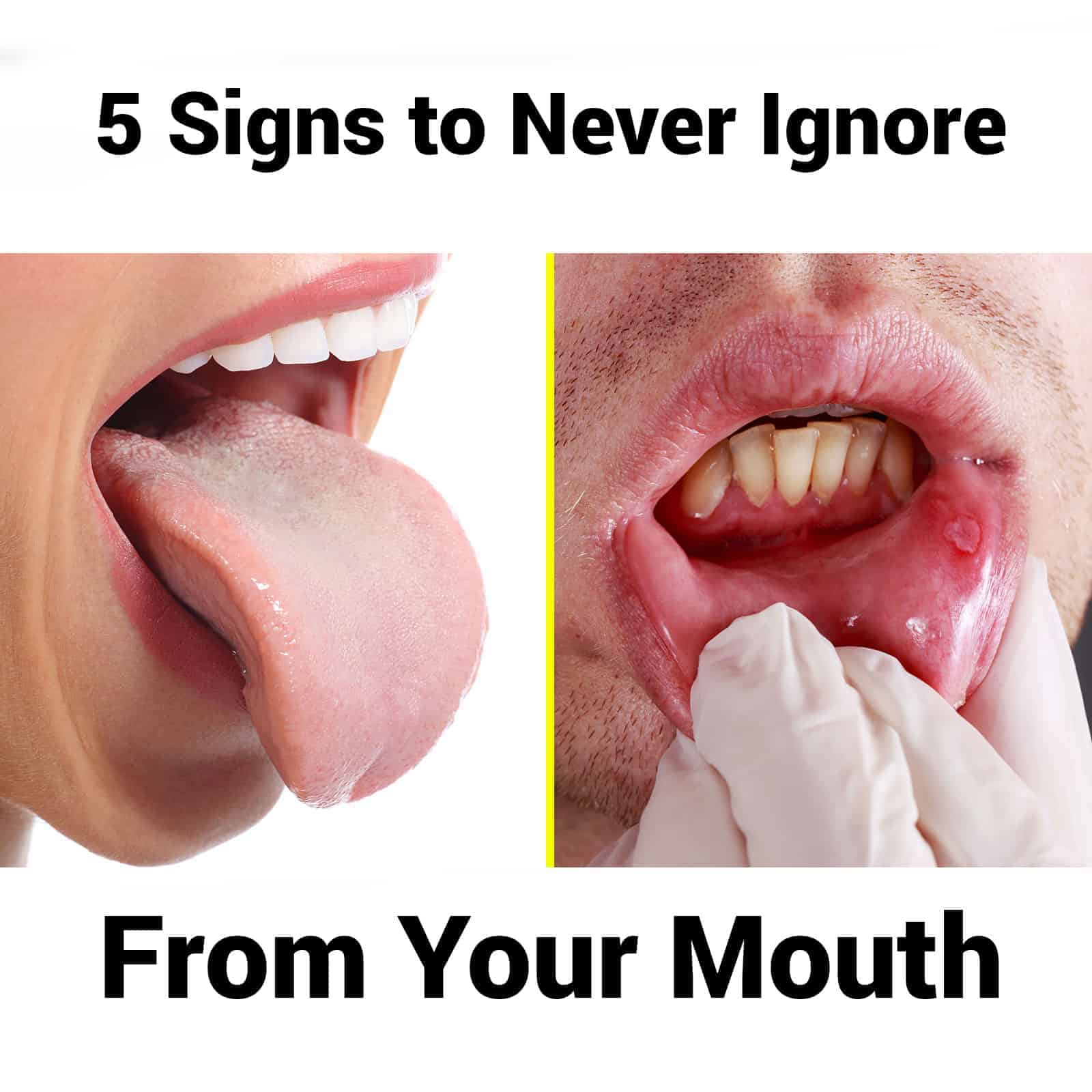
Dentists Reveal 5 Signs You Are Grinding Teeth at Night (And How to Fix It)

Are you guilty of grinding teeth at night? When you drift off into dreamland, you would never imagine what happens in your body that you have no control over. Your system is busy creating new cells to keep you happy and healthy, but you’re also doing some involuntary things that can cause big problems.

Grinding teeth is medically termed bruxism. Anyone who bites or clenches their teeth during their sleep can be diagnosed with this issue. Did you know that this problem can also occur during the daytime? While it’s mostly done at night, there are a few that grind during daylight hours too.

Having bruxism at night is a problem that many people don’t realize is happening because they are sleeping. Teeth grinding is a common problem that occurs in about 70 percent of people.

Why Do People Grind Their Teeth?

Why people grind their teeth is not completely clear. According to the American Dental Association, people who have an abnormal bite, have a fitful sleep, and have stress and anxiety can be prone to grinding teeth. Anyone with an overload of stress can certainly have issues during their sleep.

Additionally, people who have poor teeth that are crooked or missing a few are also more apt to grind. As with most conditions, teeth grinding can be mild or severe. Additionally, a person can engage in grinding teeth every night or be an intermittent grinder.

Five Signs You Grind Your Teeth at Night

grinding teethMost don’t realize they have this issue until some other symptoms develop. It’s important to keep regular dental checkups as this is one of the first places that a problem like this is identified. How do you know if you suffer from grinding teeth? Well, here are five signs that this is happening to you.

1. Enamel Wear

You go for your regular dentist’s appointment, and the hygienist notices some wear on your enamel. It looks as if a sander has been taken to your teeth. Upon further examination, they can see that your teeth are chiseled, and the enamel wear is so noticeable that you need some serious dental work.

Your enamel is not something that can regenerate when you damage it. If your teeth grinding has caused damage, cavities can quickly fill in these damaged spots. The dentist may need to fill the missing space to protect the tooth, put a crown over the top of it, and ensure that it doesn’t develop a cavity.

Grinding teeth can be a serious business, and it can cost you thousands of dollars in dental bills.

2. Disturb Your Partner’s Sleep

Since your asleep when bruxism likely occurs, you may get a report of it from your partner. Grinding teeth can be a noisy occurrence, especially if you’re working the entire mouth.

You may get complaints from your partner that you’re disturbing their sleep because you are grinding away. If you should hear such complaints, then you need to see a dentist.

You don’t want to disturb your partner’s sleep, so a custom-made guard is the best way to stop bruxism.

3. Headaches

Head pain and dental problems go hand in hand. You may think you’re having neck strain or other issues, but it’s coming from grinding teeth during the nighttime hours.

TMJ or temporomandibular joint can develop when someone is a constant grinder. You can quickly identify if you have this problem by opening and closing your mouth. Do you hear a popping noise? The joint becomes worn from being overworked, and it causes intense pain.

You can grind so much that you can dislocate your jaw. People with TMJ often have pain when they’re eating as the problem gets to be severe. If you noticed that your jaw is popping and you’re having constant headaches, then teeth grinding could be to blame.

4. Tooth Pain

It’s only natural that once you wear away the enamel that you will have tooth pain. The enamel acts as a protective coating that helps to ensure that the tooth is protected from hot and cold sensations and bacteria.

Do you have severe sensitivity when you take a bite of something hot or cold? Teeth grinding causes sensitivity like that of a cavity. Your dentist will be able to take one look and determine if your issue is coming from bruxism.

5. Face pain

Do you know that feeling that you get after you’ve done an extensive workout at the gym when your body isn’t accustomed to it? Well, your face can feel that same way after you’ve had a night of grinding. You are working muscles in a manner that they’re not meant to.

So, it’s only natural that you might feel some discomfort the next morning when you’ve ground your teeth all night long. If the muscles in your teeth are sore and painful to touch, then you need to have a dentist check your mouth.

Teeth grinding, or bruxism, can lead to significant damage over time if left untreated. The pressure exerted on your teeth can cause them to wear down, crack, or even break, impacting both your dental health and the appearance of your smile. It’s not just about comfort; prolonged grinding can lead to misalignment and visible signs of wear that can affect your confidence. If you’re noticing these issues, it’s crucial to consult a professional. An Adelaide Dentist can assess the extent of the damage and suggest effective solutions to protect your teeth from further harm.

In some cases, restorative treatments such as crowns or veneers may be necessary to restore the strength and appearance of your smile. A skilled cosmetic dentist will not only focus on fixing the functional issues caused by grinding but also work to improve the aesthetics, ensuring your teeth look as good as they feel. Don’t let grinding ruin your smile; seeking professional care can prevent more serious damage and help you maintain both the health and beauty of your teet

mouthTreating Bruxism

Many people dismiss teeth grinding as a common occurrence and nothing to worry about. If you only do this act on occasion, it may not be as severe as when someone does it frequently. Sadly, grinding your teeth is a huge issue that can cause serious health problems down the road.

Did you know that you can even lose teeth and have a loss of your chewing ability after so long? Grinding away your teeth can cause an unaesthetic appearance to your face.

It’s an issue that you don’t want to ignore. If you’re unsure of whether you grind or not, a dentist will be able to tell you right away.

• Use a Guard

The best treatment for this problem is a mouthguard. Sadly, some people will spit the guard out during the night involuntarily, and it can be challenging to wear. The dentist can make a mouth guard that fits your mouth perfectly to prevent further issues down the road.

If you find that a guard is not a good option for you, you can try something like interventional behavioral therapy.

• Interventional Behavioral Therapy

Many different therapy types can benefit the body, but who knew that there is one that can help you with teeth grinding. You can be taught how to properly rest your tongue, lips, and teeth by using biofeedback.

This type of therapy measures the amount of muscle activity that is in your jaw and your mouth. It tells you when it’s too much and allows you to adjust your grip so that you can stop grinding.

• Learn Stress Management Techniques

Since some experts believe that stress and anxiety are at the crux of this condition, it’s essential to utilize stress management techniques to combat this issue. Some of the best ways to manage stress include the following before bed:

  • Meditation
  • Reading a Book
  • Taking a Walk
  • Taking a Warm Bubble Bath
  • Yoga
  • Drinking Warm Milk

• Limit Caffeine

Another thing that you can do to help with your grinding is to avoid caffeine. It isn’t easy to get any rest at night when this substance has overstimulated your body. Caffeine can even affect your jaw, so you need to make sure that you limit your consumption, especially before bed.

•Avoid alcohol

Alcohol is a depressant, making it increasingly difficult for you to get a good night’s sleep. Many people have found that teeth grinding gets worse after drinking any alcoholic drinks. While you may think that alcohol makes it easier for you to go to sleep, it’s going to make your rest much more fitful.

•Stop Stress Chewing

When stress levels are high, many people chew on things. If you crunch on ice, pencils, the end of your glasses, or anything else to ease your nerves, it can be making your bruxism worse.

Chewing on non-food items is a cause for alarm. You can use mints or gum if you have the urge to chew. Remember, bruxism happens during the day too.

•Add Supplements to Your Diet

Supplements are an excellent addition to your diet. Things like magnesium and zinc are essential for nerve and muscle health. If you have a lack of calcium in your body, then your muscles can suffer. Plus, there are some great essential oils that can help with head pain and muscle aches.

If you want to keep these muscles healthy, then try adding some supplements to your day.

•Medications

Though teeth grinding is rarely treated with medications, it can be if the case is severe. You may need something to help calm you to get a restful night’s sleep, which will automatically stop the grinding sensations. Only a dentist can make the call on whether a medication is needed.

grinding teethFinal Thoughts on Grinding Teeth in Your Sleep

If you are unsure whether you have bruxism, there are a few things to observe when you wake up. Do you notice any of these issues?

  • Wounds in your mouth
  • Inflammation or gingivitis of the gums
  • Cheek Biting
  • Teeth are looking odd or different – uneven
  • Jaw Pain
  • Throbbing Headaches

Many people notice things when they first wake up, but it gets better during the day. Did you know that while you’re grinding away, you can also bite your cheeks? Open wounds in the mouth make you susceptible to gum inflammation and gingivitis.

Dealing with bruxism is never fun, but there are many methods to treat it. You may have the problem for a short while, and it resolves on its own. Still, it’s best to maintain routine dentist appointments to ensure that you don’t have any severe damage from grinding teeth.

Italian Study Reveals Dreams Are a Continuation of Real Life

In the most extensive study on dreams to date, scientists have found that our dreaming serves as a continuation of real life. Published in the scholarly journal Royal Society Open Science, scientists discovered in their dream research how interconnected dreams and life really are. People have been asking where dreams come from and what they mean for centuries. Now, scientists seem to have found some concrete answers about the mystery of our dreams.

Many ancient civilizations thought dreams happened for supernatural or spiritual reasons. However, in today’s world, people tend to look at their waking lives for clues to interpreting their dreams. We often carry our lives with us even in our sleep, perhaps attempting to solve real-life situations in dreams.

“Research has repeatedly provided strong support for what sleep scientists refer to as the ‘continuity hypothesis of dreams’: most dreams are a continuation of what is happening in everyday life,” said researchers in the study. “It turns out that everyday life impacts dreaming (e.g., anxiety in life leads to dreams with negative affect) and vice versa (e.g., dreaming impacts problem-solving skills).”

What do our dreams really mean?

Computer scientist Alessandro Fogli, a researcher from Roma Tre University in Italy, led the study. His team included researchers Daniele Quercia and Luca Maria Aiello as well. The team analyzed more than 24,000 dreams from a massive public database of dream reports called DreamBank. By doing this, they came up with the following hypotheses about our nightly visions:

  • Around 80% of our dreams are experienced from a first-person perspective. They tend to involve ordinary situations that we find ourselves in during day-to-day life.
  • Female dreams are characterized more by emotions rather than activities. They usually involve a limited level of aggression. Men tend to have more aggressive visions, perhaps because they suppress emotions more in real life. Women talk more about how they feel, so their dreams involve feelings more often than not.
  • Adolescents’ dreams tend to involve more negative emotions, likely because of exposure to new social experiences. In early adult life, they may dream about intimate encounters as they engage in sexual interactions.
  • War veteran’s dreams tended to involve negative emotions and aggression. Among Vietnam veterans, researchers found this to be accurate as dreamers experienced guilt and violence in dreams.
  • Blind people, understandably, showed heightened imagination in relation to characters and imagery in dreams. Many of them need caretakers in real life, who most often are female. As such, their dreams tended to feature female caretakers in some aspects.
  • Dreams recorded during times of societal unrest tended to feature more aggression. For example, during the September 11 terrorist attacks, many people across the U.S. had an increase in dreams about explosions, death, and fire. Even just hearing about the event and not experiencing it firsthand caused a rise in traumatic dreams.

study on dreams

History and modern interpretation of dreams

Dream research done in the 20th century revealed similar conclusions about dreams. For example, Sigmund Freud and others found that dream meanings could stem from a person’s real-life experiences. Today, therapists attempt to decode patents’ dreams by using dream reports. They try to find clues or patterns that may mirror things they experience in their daily life to explain their dreams.

Dream interpretation can help people improve their lives as they work to unravel hidden meanings. Sleep scientists have developed sophisticated ways of understanding dreams. To date, the Hall and Van de Castle system remains the most renowned.

This system for interpreting dream reports codifies dreams by three main criteria:

  • the characters that appear
  • the interactions between characters,
  • and the effects these interactions have on the characters

However, the tedious process of sifting through dream reports to identify themes and patterns can take quite some time. To tackle this problem, sleep scientists have been looking for systems that would automate the task of analyzing dreams. In this latest study on dreams, researchers have found a way to carry out dream research using algorithmic solutions.

In the new study, Fogli and his team tracked over 24,000 dreams using the giant public database called DreamBank. This ensured that they could study dreams on a vast scale, still using the most respected method, while automating the process.

“We designed a tool that automatically scores dream reports by operationalizing the widely used dream analysis scale by Hall and Van de Castle,” the researchers explain in the report. “We validated the tool’s effectiveness on hand-annotated dream reports … and tested what sleep scientists call the ‘continuity hypothesis’ at this unprecedented scale.”

By using this processing tool in their dream research, it greatly simplified the Hall and Van de Castle system. They shortened the text in dream reports and still focused on characters, interactions between them, and emotional words. The team wrote the following:

“These three dimensions are considered to be the most important ones in aiding the interpretation of dreams, as they define the backbone of a dream plot: who was present, which actions were performed and which emotions were expressed.”

In a comparison of the language processing tool and hand-written notes of dream reports by experts, the results matched about 75% of the time. While the system isn’t foolproof, it still shows great promise in the future of dream analyzing technologies. Dream research will likely continue to evolve and provide more insight into the true meanings of dreams.

The future of dream research

The team says that in the not-too-distant future, they hope to work with various research communities and practitioners who could benefit from this technology. They even talked about the possibility of integrating their tool with ‘with a mobile app with which users can record their dreams in a convenient way.’ Fogli’s team explained that this application could help explain the relationship between well-being and dreams. As it would collect self-reported well-being scores, this can help dreamers understand their inner emotional health. The researchers believe that their study on dreams will make it ‘possible to build technologies that bridge the current gap between real life and dreaming’.

Ultimately, the researchers believe their study on dreams supports the continuity hypothesis. This states that dreams are essentially a continuation of our experiences in everyday life. According to the research team, various “statistical markers” in dream reports showed a reflection of dreamers’ daily lives. If you’d like to learn more about this analysis, visit this website, which replicates data from the study.

Most common dreams

recurring dreams

Never ignore the meaning of these eleven recurring dreams.

In dream research, scientists usually find a pattern among dreams. The following dreams seem to occur with a striking frequency, indicating that many of us have similar daily encounters:

  • Dreams about falling.

This scenario can indicate that you feel out of control or feel overly stressed about your responsibilities. You may subconsciously be looking for an escape from your daily life.

  • Injuries, death, or losing teeth.

These themes may indicate an underlying lack of self-worth. Death may not mean a literal end of life, but an end of a specific chapter. Losing teeth can also convey a feeling of losing control or suppressed anger.

  • Being embarrassed in public or failing a test.

You likely feel stressed and worried throughout the day, which carries over into your dreams. Analyze your daily life to figure out why you might feel anxious about something.

  • Being naked.

This indicates that you’re afraid of something exposing a secret about you. Or, you don’t want to feel vulnerable in front of certain people. You might feel insecure or ashamed about specific weaknesses being revealed.

  • Being chased.

In their study on dreams, dream experts believe that this could mean you want to avoid conflict. You may feel that running from problems is more comfortable than actually confronting them.

  • Dreams about the apocalypse or natural disasters.

If you have these dreams, don’t worry, because many people experience them from time to time. You may feel threatened, or like you’ve lost control in real life. Or, perhaps a major traumatic event happened, such as 9/11, to prompt these types of dreams.

  • Crashing your car.

You may feel you don’t have adequate emotional support in real life. Or, you possibly have problems connecting to the people around you.

  • Thoughts of your partner cheating or leaving you.

These types of dreams shouldn’t be taken literally; however, it could mean you feel insecure in your relationship. You may feel your partner drifting or not being as engaged with you as you’d like.

study on dreamsFinal thoughts on the study on dreams showing they’re a continuation of real life

Not surprisingly, the most extensive study on dreams to date found that our real lives carry over into our nightly musings. Dream research continues to show the strong link between everyday life and dreams and reveals new technologies to analyze dreams. When we dream, scientists believe that we’re trying to solve problems or understand situations in our waking lives. The typical dreams experienced by people prove that theory and show how alike we are despite our differences.

10 Natural Remedies for Wrist and Hand Pain

Think of all the things your hands do in a single day. They’ve served you faithfully since the day you were born and often get neglected and overworked. Is it any wonder that you have wrist and hand pain?

Perhaps you work on a computer all day.  Or maybe you work with hand tools all day long. Repetitive motions like this can cause inflammation, pain, and nerve damage. Let’s take a look at the causes, symptoms, and, most importantly, the remedies you can try at home.

Why Do You Have Wrist and Hand Pain?

There are many types of arthritis, and many of them cause inflammation and pain in your hands, fingers, and wrists.

• Arthritis

Arthritis is a degenerative joint and tissue disease, but you can do some natural things to minimize its symptoms. Did you know that there are more than 100 different types of inflammatory condition?

The ones that most commonly affect the hands include osteoarthritis, rheumatoid arthritis, Spondyloarthropathie, juvenile arthritis, and psoriatic Arthritis.

hand pain• Carpal Tunnel Syndrome

A median nerve controls movement and feeling in your wrist, thumb, and first three fingers. The median nerves run from your forearms, wrists, and hands through the carpal tunnels. A network of tendons shares the carpal tunnels and allows your hands to move.

Repetitive hand and wrist motions can cause your carpal tunnels to become inflamed and pinch your median nerves. You will usually experience numbness, weakness, tingling, or pain in your wrist and hand when the median is pinched. Medical specialists call this condition carpal tunnel syndrome.

Statistics say that as many as 10 million Americans are affected by carpal tunnel syndrome each year. If you are a woman, you are more apt than a man to develop this condition. Carpal tunnel syndrome also tends to affect more middle-aged and senior people than younger ones.

If you work in a technical field, factory, musician, or have any other job that requires repetitive hand and wrist motions, you are more likely to be bothered with this painful condition. However, carpal tunnel syndrome has common symptoms of other joint and nerve disorders, so a specialist must diagnose it. Fortunately, carpal tunnel syndrome is easily treatable, often with natural remedies.

Ten Remedies to Try for Easing Pain in Your Hands and Wrists

These remedies are easy to practice, and you can do them in your home, office, or anywhere you want. Most of them can be done in a sequence throughout your day. Here are ten remedies for painful hands for you to consider.

1. Give It a Rest

One of the main reasons you may have wrist and hand pain is that your hands are tired. When you have a job that keeps your hands in continual motion, they are bound to react with pain and exhaustion. How can you be kind to your hands and wrists and give them a rest?

Do you ever notice tingling, numbness, or pain in your hands, wrists, or fingers? Make it a practice to rest and stretch your hands a few minutes for every hour you work. You can also give your hands a break using ergonomic equipment, especially if your job involves repetitive hand movements, like typing.

2. Use a Support Brace

If you are bothered by chronic hand and wrist pain, perhaps you need some support. When your hands, wrists, and fingers make repetitive motions for hours at a time, the constant wrist bends inflame your carpal tunnels. Your pinched nerves can even bother you at night and interrupt your sleep.

Consider wearing a support brace during the day and when you are working. You can find these braces in most pharmacies and department stores, and they aren’t that expensive. They fit snugly around your wrists and hands and keep them in a comfortable neutral position, allowing your hand nerves a chance to rest and heal.

3. Try Stretching Exercises

Have you discovered how stretching exercises like Pilates and yoga tone your muscles and each tension and pain in your body? The same principle can apply to your hands, wrists, and fingers. Just a few simple hand exercises each day may relax tense muscles and joints to alleviate hand pain.

Take a few minutes every day to gently bend your wrists up and down, allowing your fingertips to point to the ceiling then to the ground. Now, gently move your wrists in a circular motion a few times to the right and then to the left. The last step is to spread your fingers as wide as possible and then clinch them into a fist at least ten times.

4. Change Your Sleeping Position

Do you often awaken with numbness or a tingling sensation or bothersome wrist and hand pain? It could be that you are sleeping in an awkward position and don’t realize it. This is especially true if you are a stomach sleeper.

You may frequently lie on your hands and twist your wrists in painful positions while sleeping at night, which presses on the median nerves. Try sleeping on your side or your back or find a way to lie comfortably without pinching your hands and wrists. Changing your sleeping position may ease the morning hand pain.

5. Alternate Heat and Cold

Whenever you have a strain, sprain, or other pains in your body, you often find blessed relief with heat or cold treatment. When it comes to carpal tunnel or arthritis pain in your hands and wrists, alternating between the two may help you. Each treatment has different effects, so what may be good for you today may not be tomorrow.

A covered ice pack held on your forearms for 10-15 minutes at a time can help reduce inflammation and acute pain in your hands and wrists. If your hands, fingers, and wrists feel stiff and achy, heat may be the answer. Use what’s best for you.

arthritis pain6. Try a Massage

There’s nothing like a soothing massage to relax your muscles, ease tension, and alleviate pain. The good news is that you can offer your hands and wrists the same benefits. You can massage your own hands or have your sweetheart do it for you, which is a bonus.

Hold your left hand with your right hand and gently massage the hand’s center, clear out to the fingers. Rub softly on either side of your wrist, as well as the front and back. After you’ve eased the tension in your left hand, switch to your right hand, and repeat these steps.

7. Increase Your Vitamin B6 Intake

The B vitamins are an essential part of your energy and well-being. Vitamin B6 is especially necessary for brain health, metabolizing protein, and regulating hormones. Preliminary studies suggest that B6 may help wrist and hand pain because of its pain sensitivity reduction properties.

You can find Vitamin B6 supplements in the drugstore, but most people get enough from a healthy diet. Overindulging in B6 can be toxic to your body, so try getting what you need from food. Spinach, bananas, and some fish are rich sources of B6 and other essential nutrients.

8. Modify Your Diet

The Ancient Greek philosopher Epicurus believed that we are what we eat, and modern research agrees. Did you know that a diet high in sugar, refined carbs, and saturated fat can cause inflammation throughout your whole body? Poor eating habits can exacerbate wrist and hand pain caused by overuse and inflammation.

Do your body a favor and eliminate junk foods as much as possible and replace them with healthy whole foods. Include anti-inflammatory foods in your diets such as fatty fish, berries, green leafy veggies, nuts, and refreshing water. Not only will you notice less pain in your hands and wrists, but you may lose weight and feel better.

9. Use Herbal Remedies

Until modern times, people couldn’t run to a medical specialist for every pain and illness. Instead, your ancestors depended on Mother Nature’s bounty of herbs for their medicine and home remedies. While some of these remedies have been proven ineffective or even harmful, many herbal remedies are backed by scientific research.

If you are bothered by chronic wrist and hand pain, consider herbs with strong anti-inflammatory properties, such as turmeric, white willow bark, or devil’s claw. Have a hot cup of green tea each day to help reduce the inflammation. Before you take these or any other herbal supplement, discuss it with your primary healthcare provider.

10. Consider Acupuncture

For centuries, Ancient Chinese medical practitioners recommended acupuncture for inflammation, pain, and many disorders. According to the concepts of acupuncture, your entire body is mapped in lines called meridians that correspond to nerves and energy flow. Little needle points can stimulate blocked meridians and restore vitality to the body.

Studies suggest positive results for using acupuncture for carpal tunnel syndrome and other pains in the hands. Your healthcare provider can help you locate a licensed and experienced acupuncture practitioner near you. It’s worth a try to relieve the problem, and some insurance plans will cover the cost.

hand painFinal Thoughts on Trying These Natural Remedies for Wrist and Hand Pain

You only have one set of hands, so it’s essential to take care of them the best you can. If you have hand and wrist pain due to injury, carpal tunnel syndrome, or arthritis, you can take pain relief steps. Talk to your primary healthcare provider about other natural remedies or treatments that are best for you.

15 Ways to Silence Your Inner Critic and Love Yourself

Meet your worst critic–yourself.  Consider this scenario, below:

Danielle worked hard to be noticed by an agent. It seemed that it was finally paying off as she sat in the lobby, waiting for her turn to audition. As she sat there, she looked around at all the other women. “Their clothes are a lot nicer than mine,” she thought to herself.

Not being able to do anything about her clothes at the moment, Danielle decided to read over the script once more, convinced that she’d forget every word as soon as she got in front of the agent. The thought of this brought sweat to her forehead. “Great, now I’ll be a sweaty mess, and my curls are going to drop. This meeting is going to be a disaster.”

A pretty woman walked out of the room and called Danielle’s name. “Here goes a train wreck,” Danielle thought to herself as she entered the room. It seemed like the agents stared a hole into her soul as Danielle repeated the script. When it was over, the said “thank you” in a monotone voice as she exited the room.

“I blew that audition. I don’t even know why I’m still pursuing this,” Danielle thought to herself as she entered the elevator. Tears ran down her face, and she didn’t even care because she figured they would blend in with her sweat.

You might not be an actor, but you can probably identify with self-critical feelings like those.

Introducing the Inner Critic

That story was depressing, but it’s a great way to illustrate how your inner critic can make your life miserable. Talking to yourself can be a good thing in some cases, and the private conversations in your head should always be inspiring. However, that’s not always the case. Sometimes that criticizing voice in your head can be a real bully.

You must silence that bully to be happy and love yourself. It’s not easy to do this, but with practice, it’s not impossible. In this article, you’ll learn a little about what an inner critic is as well as 15 ways to manage it.

critic

Understanding Self-Criticism

Your inner critic is a voice in your head that scrutinizes even the tiniest anxieties. It’s a voice that can make you feel insecure and lower your self-confidence if you don’t learn how to tame it. Listening to it becomes addictive, and like all addictions, it can lead to self-destruction.

If you aren’t in control of that inner voice, it can seem that the voice is elusive. You’ll be so used to it that you don’t even realize when it’s speaking. However, this critical voice can become entangled deep into your sense of self – so deep that it’s almost a part of who you are.

Everyone has that judgmental voice. Some people are better at managing it than others. The good news is that you can get better at managing it. Using the 15 tips below, you can take control of your self-criticizing inner voice, silence it, and love yourself again.

Silence Your Inner Critic with These 15 Tips

1. Detach from your inner critic.

The first thing you need to do is realize that the voice in your head is not you. You could even give it a name to establish it as a separate entity. This way, when it shows up, you can say, “go away, Fred,” or whatever name you decide to use. Doing this is the first step to taking power away from Fred.

2. Post affirmations and read them often.

It’s no secret that reading or saying positive affirmations help to inspire and motivate you. This tip is especially true if you use affirmations designed explicitly for anxiety. Affirmations can boost self-love, inspire positive thinking, and push self-criticism to the back burner. Just make sure your assertions are rooted in reality, so you aren’t disappointing yourself.

3. Be aware of your thoughts.

As mentioned earlier, you could be so used to self-criticism that you don’t even realize it’s there. You may have accepted it as a way of life. To take control of Fred, you’ll need to be aware of when he rear’s his ugly head. Start paying attention to the thoughts that come across your mind so you can begin to stamp away from the negative criticism.

4. Let go of past situations.

Sometimes that awkward self-criticism can be sourced by situations or even people from your past. Someone said to you as a child could have cut you so profoundly that it remains with you through adulthood. It doesn’t matter what happened in the past or what someone said about you in the past. You determine who you are and what your life is.

5. Give yourself advice like you were a friend.

Sometimes it’s easier to give other people advice than it is to take your own. Fred is glad because he can continue to criticize you relentlessly. Instead of letting Fred win, try giving yourself advice like a friend if they were in the same situation. Then apply that to yourself.

6. Improve yourself instead of settling.

Many people give in to what their self-criticism says. Instead of doing this, prove your self-criticism wrong. Does your inner voice say you won’t pass a test? Prove it wrong by studying harder. Does it tell you that you’ll never be rich? Make a financial plan to become a millionaire and put it into action. Maybe it says you’ll never lose weight. Join a gym and workout every day. Show yourself how wrong that inner voice can be.

7. Turn criticism into constructive criticism.

Sometimes that inner voice might be hinting at a bit of truth, even if it is mean about it. This habit may take a bit of practice but try to strip down the negativity in the thought and use it as constructive criticism. For example, if your inner voice tells you that you’ll never get the promotion you so desperately want and you know that you’re always late, stop being late. You’ll still need to have a more positive inner voice but use the criticism to do better.

build self confidence

Learn the most powerful techniques to build self-confidence.

8. Be nice to yourself.

You can be the harshest person to yourself. This self-talk doesn’t help your self-esteem at all. Sometimes you need to give yourself a break. You’re only human, and no one is perfect. Try being better to yourself, even when you mess up, or things go wrong.

9. Celebrate your accomplishments.

When you achieve something, no matter how small it is, you should celebrate it. Reward yourself somehow for reaching your goals. Psychology tells us that self-regard isn’t selfish. In fact, it’s a great way to begin disassociating negative behaviors like the ones that trigger self-criticism.

10. Show yourself some compassion.

You’re going to mess up sometimes. That’s a part of life. No one is perfect. Therefore, you should show yourself some compassion. There are going to be times when things don’t go your way. Maybe something terrible happened. Perhaps you actually caused it. However, remember not to be so harsh on yourself. It could happen to anyone.

11. Focus on your great qualities.

Instead of focusing on what your inner voice is telling you is wrong, focus on all the things that are great about you. Drown out the negativity from Fred with as much positivity as possible. Even if it’s small things, add that to your focus list. Eventually, you’ll realize that Fred was wrong, and your positive list is a lot longer than the negative list in your head.

12. Start a daily journal.

Journaling may sound like something a teenage girl does while stretched across her bed with a fuzzy pink pen, but it’s a proven way to improve self-esteem, self-love, and self-confidence. Journaling helps to unlock things about yourself you may not be aware of. One of those things is negative thought patterns. You’ll be able to see these thought patterns and make changes to them.

13. Don’t compare yourself to others.

Comparing yourself to other people is a disaster waiting to happen. You’re not like anyone else, so you can’t expect yourself to do what everyone else does. When you compare yourself to other people, you automatically set yourself up for negative self-criticism because you’re comparing yourself to someone who you’ll never be. Instead, focus on what you can do and are willing to do to improve yourself.

14. Remember that you are your own worst critic.

You would be surprised how much other people are not criticizing you. Usually, the worst criticism happens internally. People can be so hard on themselves. It’s okay if you’re pushing yourself to be better. If it gets to a point where you’re putting yourself down, it’s time for a change.

15. Consider therapy.

If all else fails, you may need to consider getting professional help. It’s not fair to continue to allow negative self-criticism to take away your peace and your grace. Don’t feel bad if you can’t handle it on your own. That’s what therapists are for.

criticFinal Thoughts on Silencing Your Inner Critic

Self-critics are the harshest critics on the planet. Your inner voice can have your self-esteem in the trash. If you keep listening to that inner voice, you’ll eventually lose your grace and your self-love.

You don’t have to suffer from negative self-criticism. With a little effort and some great advice, you can overcome the self-criticism. Use the 15 tips above as a starting point to stop being your worst critic with more positive thinking.

7 Warning Signs Reveal Someone Has Double Depression

If you’ve lived any time at all, you know that it’s normal to have days when you feel melancholy and want to stay in bed. But if these mild symptoms continue for a year or so, you may be diagnosed with persistent depressive disorder or dysthymia. And if you experience dysthymia and a major depressive disorder simultaneously, it is double depression.

Depression in America

Mental health experts say that adults and children can be affected by dysthymia, which comes from the Greek word for despair. Children can experience dysthymia for as long as a year, while adults can battle it for two years or more.

Statistics from the Anxiety and Depression Association of America, or ADAA), show that at least 16.1 percent of people in America receive a depression diagnosis every year. The number is probably higher because many resist getting a diagnosis and treatment. Of the number who are diagnosed, statistics say that about 3.3 million have a double diagnosis.

Experts say that most people with an anxiety disorder also deal with depression. The two conditions battle each other and can cause physical ailments. Treatment for depression often includes a diagnosis of other mental illnesses.

What Causes Double Depression?

Medical research is no more conclusive about what causes double depression than it is for major depressive disorders. For now, experts continue to study signs and symptoms related to a patient’s medical history. These are some of the probable causes they have identified.

double depression• Family History

Did your parents, grandparents, or other extended family members battle depression? If so, you are more likely to have the same condition. Many researchers claim that genetics play a key role in bouts of dysthymia and severe depression.

Other studies suggest that the brain circuits regulating mood and emotions are abnormal in the depressed person’s brain. When brain chemicals such as serotonin and dopamine are imbalanced, dysthymia is often the result. When dysthymia and significant depressive orders meet, it creates a double storm.

• Traumatic Events

Experiencing trauma can not only cause anxiety and post-traumatic stress, but it may also trigger double depression. Trauma often creates a glitch in the brain, which causes it to replay the scene like a never-ending video loop.

In this situation, you feel anxious and hopeless, as if you are frozen in time. Symptoms may begin as mild depression then worsen into a major depressive disorder. The depressive downswing can make your anxiety worse.

• Chronic Stress

If you didn’t experience some stress, you wouldn’t be living. However, chronic stress is a different story, and it can destroy you physically, mentally, and spiritually. It’s one of the main contributors to double depression.

Any level of stress kicks in your brain’s survival mode and causes you to have fight or flight symptoms. When your body is overloaded with stress hormones like adrenaline and cortisol, it can cause disease, mental disorders, or even premature death.

Stress attacks you from every sphere of your existence, such as home, work, society, and your inner struggles. If chronic stress is causing you grief and dysthymia, you can do something about it. Find ways to lower your stress levels, and it can ease some of the symptoms of your depression.

• Chronic Health Conditions

When you or a loved one are chronically ill, it’s understandable that you would have reason to be depressed. Chronic health conditions affect your quality of life and your relationships with others and yourself. It creates a debilitating stressor that can weigh heavily on your mind and cause your depression to be doubled.

• Medications

If you are taking prescription drugs, your healthcare provider has decided that their benefits for you would outweigh any possible side effects. The media is flooded with countless infomercials about new medications and never-ending lists of side effects. Right between causing headaches and dry mouth, you may hear that the drug can cause depression.

Are you experiencing symptoms of dysthymia? Discuss them with your primary healthcare provider and see if you can take an alternate medication. Remember to never stop or change your prescribed dosage without medical guidance.

• Loss and Grief

People often associate loss and grief with the death of a loved one, which is undoubtedly true. However, loss of any kind can create symptoms of distress in different levels of severity. Losing your job, divorce, romantic breakup, or empty nest syndrome can contribute significantly to your feelings of grief and hopelessness.

These and other experiences can cause double depression and magnify their symptoms. The longer you are in the mild depressive state, the more your chances are of developing dual depression. Early intervention can help treat the condition before it gets worse.

depressionWhat are the Signs and Symptoms of Dual Depression

If you have symptoms of depression, a close friend or loved one is probably more apt to see the signs before you do. You may not even realize that you are behaving out of the ordinary. These are the seven signs of dual depression to consider.

  • A dark, melancholy mood that lasts for days
  • Poor hygiene and disregarding appearance
  • Lethargy and noticeable restlessness
  • Loss of interest in things that usually brought enjoyment
  • Change in appetite: Overeating or Malnutrition
  • Weight Changes: Unusual weight gain or weight loss

Lack of concentration and difficulty concentrating

Also, you may notice these signs of a major depressive disorder that is superimposed on dysthymia.

  • Change in sleeping patterns: oversleeping or insomnia
  • Fear of losing control
  • Self-loathing or low self-esteem
  • Uncharacteristic behaviors
  • Thoughts and ideation of suicide

If you or a loved one are having thoughts about suicide, get help immediately. Call 911 or take your loved one to the emergency room at once. Depression needn’t cost a life.

The Depression Vortex

Since everyone is different, you may not experience all these symptoms at the same time. Your symptoms may vary in time and intensity. Sometimes, your depression may be linked to two or three severe signs.

At first, you may feel gloomy and want to avoid being around other people. Self-isolation gives you more time to ruminate and cultivate negative self-talk. These symptoms soon start to affect your appetite and sleep patterns.

If left untreated, these symptoms can intensify. Like a swirling downward vortex, one sign builds upon another until you are lost in a dark sea of double depression that can last for years.

How is Double Depression Diagnosed?

If you or a loved one notices any signs or symptoms of mild depression or dysthymia, consult your primary healthcare provider or a mental health professional as soon as possible. Acknowledging you are depressed is the first step in getting the help you need. The healthcare team must depend on observation because there are no specific lab tests to confirm the diagnosis.

• Preliminary Examinations

First, the healthcare team will do a physical exam and conduct a few lab tests. Since many diseases and disorders mimic the symptoms of depression, these tests will rule them out. They will ask you questions about your medical history and any medications or supplements you are taking. History of depression or other mental conditions can be a tell-tale sign.

• Referrals

If a complete workup doesn’t yield a physical reason for your symptoms, your primary healthcare provider may conclude you have depression. The provider will probably refer you to an experienced mental health provider.

For optimal evaluation and diagnosis, work with a mental health professional who is experienced and makes you feel comfortable. During your visit, the therapist will go over your medical history with you and ask you a series of questions. It’s important that you are completely honest with your answers because they will help determine if you meet the depression diagnosis criteria.

Treatment for Dysthymia

If you fit the criteria for mild and severe depression, you will be diagnosed with double depression. You can feel good about getting help because it can prevent your symptoms from getting worse. Here are some of the common treatments for a double diagnosis.

• Antidepressants

When the chemicals in your brain become unbalanced, mental conditions like depression can occur. Antidepressants are drugs that help bring your chemicals into balance and stabilize your moods.

• Psychotherapy

Dysthymia, major depressive disorder, and dual depression often entail negative thoughts and emotions. Your therapist may try cognitive therapy to help you recognize your negative thought patterns and realize how they affect your perceptions. You’ll learn ways to turn these bad thoughts into positive ones that serve you better.

• Interpersonal Therapy

Sometimes, your depression is based on trauma and fear. When you go through exposure therapy, you will learn to confront your fears and realize a reduction in your anxiety and depression with each session. You will find tools that help you cope better with everyday stress.

double depressionFinal Thoughts: Don’t Give up–Double Depression is Treatable

Whether you have mild depression, a major depressive condition, or a combination, you may feel like a hostage in your mind. An early diagnosis can help the situation from getting worse. With a combination of medicine and therapy, you can minimize your symptoms and feel the joy that you want and deserve.

Therapists Explain 10 Easy Ways Anyone Can Beat Worry

Worry weighs you down with uneasy thoughts. It tells you the worst-case scenario and all the potentially harmful things that will happen to you or others. Worry steals your ability to enjoy your life. You may be surprised to learn how easy it can be to break free of your anxiety.  Check out these ten ways therapists suggest for you or anyone to beat worry. Why not get started today?

So what are the differences between worry and anxiety? Fear and anxiety get used interchangeably, but they’re very different. Here are their definitions.

Worrying is when you have obsessive, recurring thoughts. Worry happens only in your mind without affecting your body.

If you’re anxious, however, you’ll feel it in your body (often your gut) and mind. Stress and worry can lead to anxiety. Physical symptoms of anxiety include the following:

  • Fatigue
  • Sweating
  • Restlessness
  • Insomnia
  • Racing heart
  • Nausea
  • Shaking

Ten ways to beat worry in your life

How do you beat worry? Here are ten tips that therapists suggest to their patients who struggle with fear. See if they help you to get rid of your worries.

1 – Write down your worries

Writing down your worries is a physical way of breaking free from your worries. Some people suggest that writing down your thoughts helps you calm down. Dumping your worries on paper is a tangible way to feel like you’re moving them away from you. You may want to add an area of your journal called “Gratitude.” This part of your journal is for you to write down what you’re grateful for. This way, you can look back at your journal to see the negative worries and positive blessings.

worry

2 – Give yourself a limited time to worry

Set an allotted amount of time for you to worry about something. If you start to worry about an issue or a person, tell yourself, “I’ll worry about this for the next ten minutes, then I’m done worrying about it.” Once the time is up, don’t allow your mind to go back to these thoughts. Please stick to your time limit, seeing it as a budget you must stay within. If you practice this habit over time, you’ll begin to find that you’re not worrying all day about a problem.

3 – Use worry to take action

Worry can be productive if it makes you problem solve or take action. If you’re worried about your house’s paint peeling, take action by calling a painter to come out and give you an estimate on painting your home. Your worries should not control you. You should handle it. Let worry serve you by taking positive action.

4 – Reroute your worry

When you start to worry, step into your thoughts, and declare a cease-fire. Being aware of worrisome thoughts can help you deal with them. Don’t allow your imagination to run wild with ideas of potentially harmful outcomes. It is a waste of your time and your mind. Stop your worries in their tracks, reroute your thoughts about more positive things.

5 – Live in the present

A wise saying in the Bible emphasizes the importance of living in the present. It says,

 So do not worry about tomorrow; for tomorrow will worry about itself. Each day has enough trouble of its own. (Matthew 6:34 Amplified Bible) 

It’s saying that today is enough for you to take care of. It’s not helpful to get ahead of your self thinking about tomorrow or next week. Living in the present means, you’re fully engaged in your day instead of feeling distracted. Some people call this state of awareness mindfulness. When you’re fully into your day, you don’t worry about “what if this happens” or “what will happen.” You’ll feel free to enjoy the day.

6 – Talk about your worries

You may have heard your grandma say she was worried sick. It can happen. Studies show that fears and worries can lead to distressing anxiety, which activates a stress response in your body. It makes your body go on high alert, setting off a racing heart, headaches, or heart palpitations. If you’re a worrier, talk with a trusted friend or counselor about your worry. Just talking about it helps you find relief from its grip on your life. A counselor can give you strategies for dealing with your concern, depending on what sets it off. Don’t keep your worry to yourself so that you become worried sick like your grandma.

7 – Choose to be positive

Worry is negative. It eats at your ability to enjoy life. Choosing to be positive is a healthy alternative to worry. Having a positive attitude can help you physically as well as mentally. Researchers have found that people who have a more positive attitude in life still have negative emotions, but they can bounce back from their negativity quicker. These people are more resilient and able to beat worry. That’s because they hold firmly to positive emotions longer, plus look they can look see the bright side of things.

beat worry

8 – Eat a healthy diet

Eating healthy helps you stay strong, physically, and mentally. Researchers have found that there’s a strong connection between the foods you eat and your emotions. This is in part from the connection between your brain and your gut. Your gut hosts bacteria that affect neurotransmitters like dopamine and serotonin, which carry messages from your gut to your brain.  When you eat a healthy diet, your gut maintains beneficial bacteria, ensuring a good connection between your gut and your brain. Junk foods cause inflammation in your gut, causing interruptions in your stomach to brain signals. This affects your moods as well as your health.

Here’s a list of the best healthy food to eat.

Omega 3s

Fatty fish like sardines, mackerel, and salmon. Omega 3 builds up your brain cells and keeps your heart healthy. Your body doesn’t produce Omega 3, so you need to get it from your food.

Vegetables

Veggies are a good source of fiber, potassium, vitamin A, folate, and vitamin C. These promote good heart health, so you feel better.

Whole grains

Whole-grain foods are packed with B vitamins, which help you feel good. They’re also rich in iron, zinc, copper, and magnesium.

Foods to avoid

There are some foods that you should avoid to maintain a healthier mood. When you’re feeling a sense of well being, you’re less apt to be drawn into dark, damaging thoughts that lead to worry.

Sugar

When you eat sugar, you’re feeding the harmful bacteria in your gut. Sugar alleviates dopamine for a short time, but you feel a sugar crash, which leaves you feeling irritable. These mood swings leave you more vulnerable to worry. Your sour mood reinforces your negativity.

Dyes

Food dyes have been known to affect the moods of children and adults. Side effects of dyes include angry outbursts, signs of hyperactivity, lack of focus, and inability to think clearly, feeling irritated, and prone to arguing.

High-fat diet

A diet of high fat like that found in fast foods lower your serotonin levels. Serotonin is a hormone that regulates your mood and sense of well-being. You feel happier when your serotonin levels are stable. It also helps your digestion. Eating a high-fat diet increases the inflammation in your gut and blocks the omega-3 fatty acids that help your brain produce healthy cells for good brain function.

9 – Exercise to release tension

Exercising gives your mind and body an outlet for tension and worries. Exercise allows the chemicals in your brain called endorphins to be released. These chemicals make you feel happier. Try these exercises for healthy tension release

  • High-intensity exercise-Running, biking, or HIT classes give you good heart health and make you feel more comfortable.
  • Yoga-Yoga relaxes you and calms your mind.
  • Kickboxing-Relieves tension with kicks, punches, and punches.
  • Martial arts-Release your tension and builds your stamina.

10 – Don’t believe everything you think

When you begin to worry, challenge your worrisome thoughts. Ask yourself questions, such as these:

  • Are these thoughts real?
  • Are these thoughts positive or negative?
  • Why am I thinking about these bad things right now?
  • Can I control this bad thing that I’m thinking about?
  • Does thinking about this make me feel happy or sad?

Your brain can run away with thoughts of dangerous diseases, car accidents, and other wildly imaginative things. Perhaps you heard something on the news, and now you’re sure it’s going to happen to you, but 99.9% of the things you worry about will never happen. Negative thoughts can take over your mind, but don’t believe them just because you thought it. Challenge your worry, take back your thoughts, and replace them with positive truth.

depression memeFinal Thoughts on Finding Ways to Beat Worry That Work for You

You can beat worry. It’s not your master. You can control it. These tips can help you find relief from worry. Try one or two strategies to see if they help you overcome a worried mind. If they don’t work, try a couple more. Whether you decide to journal, or talk to a trusted friend or counselor, or begin to eat a healthier diet, every little bit helps to ease the grip of worry. Everyone worries once in a while, and strangely, worry can be positive if it motives you to take constructive action. But worry that eats at your gut is harmful, so don’t give up the fight against worry.

11 Seemingly Innocent Habits That Can Harm Your Health

How many bad habits are a part of your life? Even more so, how many of those habits are you completely unaware of? You may not realize it, but the little things that you do every day might be adding up to a bad outcome for your physical health. Do not inadvertently harm your health. Instead, make these minor adjustments to your routines.

It’s challenging to stop habits in general, but it’s even more challenging when you don’t even know what those habits are. That’s why awareness is the first step, and you might as well begin here! Here are 11 seemingly innocent habits that can harm your health.

Eleven Habits That Might Harm Your Health (Even if you don’t know it)

1.    Dining Out Too Often

When you do not have time to prepare your own food, it’s easy to eat out all the time. But when you eat outdoor food, you’re not able to know for sure what ingredients are being used in them. You also have a higher chance of ordering cheaper fares, which are often fast foods.

harm your health habitsFrequent fast-food consumption leads to a high intake of a component called phthalates, which are made worse by packaging, gloves used by workers, and processing procedures. High-fat, oil-filled foods are more likely to absorb phthalates and wind up in your stomach. Phthalates have been linked in research to:

  • Hormonal disruption
  • Reduced sperm count
  • Other reproductive abilities and functions
  • Lower IQ development in kids

Try to prepare your food as often as possible. Use whole foods, fresh ingredients, and acceptable portioning practices for a more positive outcome.

2.    Crossing Your Legs Can Harm Your Health

It’s easy to cross your legs and feels like a very natural motion. But if you cross your legs at your knees, did you know that you’re raising your blood pressure? Research published in the peer-reviewed Blood Pressure Monitoring Journal found that:

  • Crossing legs at the knee leads to a 6.7 mmHg increase in systolic blood pressure
  • Crossing legs at the knee leads to a 2.3 mmHg increase in diastolic blood pressure for those with hypertension
  • Finally, crossing legs at the knee leads to a 1.7 mmHg increase in diastolic blood pressure for those with treated diabetes
  • No contributing factors were found in terms of BMI, gender, age, or original blood pressure

The good news is that you can still cross your legs at the ankles without causing a blood pressure spike. It will, indeed, take some getting used to this habit, but it’s better for you overall.

3.    Not Washing Your Face Enough

Did you know that 80% of people in the United States make a mistake in their face-washing routine? Many people discount the numerous positive effects of washing your face well, especially before bed. Cleaning up before going to sleep makes sure you get rid of dirt, makeup, pollution, and debris instead of letting it sit all night.

It’s also important to wash your face after exercise, especially if you go to a gym. This will:

  • Wash off excess sweat and the germs that stick to it
  • Reduce overheating of the skin after your workout
  • Clean off other people’s germs, transferred from shared workout equipment

The aforementioned national survey also found that:

  • 60% of Americans are unsure about the right methods to cleanse their skin
  • 55% of Americans with dry skin only use water to clean their face
  • 54% of Americans do not wash their face before going to bed
  • 52% of Americans use hand soap or body soap as a face wash

4.    Blocking Your Sneezes By Squeezing Your Nose

When you don’t want to be loud in public, it’s tempting to pinch your nose to prevent making a loud, sneezing spectacle! But sneezes can be surprisingly powerful things, and it’s not something you’ll want to make a habit of. Sneeze buildups generate pressure, so preventing a sneeze from escaping means the pressure is never released.

Though it is rare, the pressure can travel back into the body and cause several different problems. The pressure can move to:

  • The ears, causing inner ear damage or eardrum damage.
  • The mouth and nose, harming the throat and sinuses (in fact, there’s a recorded case of a man tearing his pharynx by holding a sneeze!)
  • The blood vessels, affecting the brain, eyes, throat, or chest
  • The chest, causing pain or discomfort
  • The brain, causing headaches or ruptures

Of course, these aren’t typical results of holding in a sneeze. But the risks are worth considering, especially if you tend to block your sneezes often.

5.    Being Too Pessimistic

When your positive thinking drops, a lot of other issues can arise. This is outside of just symptoms of anxiety and depression, as you would expect.

Think about it. The brain is a vital organ that dictates every single function of the body. If you only feed it negativity, you can hardly expect good things to come of it. Some negative results from seeing the glass half-empty are:

  • Thinking negative thoughts can worsen your immunity and immune system response.
  • Positive attitudes can reduce your risk of heart disease or dying of heart disease.
  • Those with negative thoughts and beliefs may have shorter lifespans than those with more positive thinking.

6.    Eating Before Bed Can Harm Your Health

When you eat close to bedtime, you’re not giving your body enough time to digest your food. Lying down when your stomach remains full is one of many things that can lead to symptoms of gastroesophageal reflux disease or GERD.

If you want a more positive bedtime experience, make sure you stop eating between three and four hours before you plan to turn in. If you wind up eating after this time limit, try to prop yourself up to reduce the risk of GERD symptoms.

natural beauty products

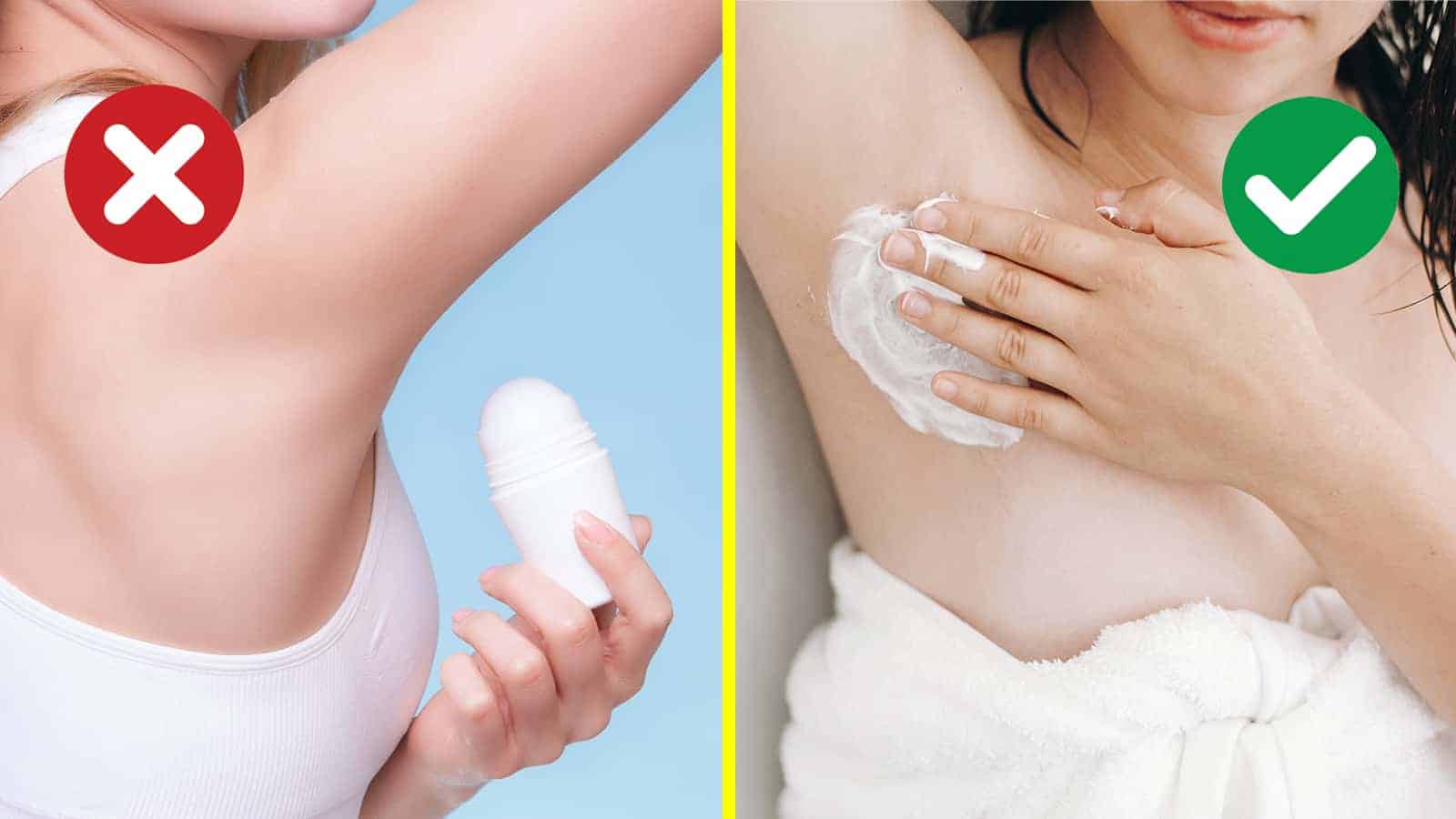
Replace chemical deodorants with these natural beauty products.

7.    Burning Scented Candles Can Harm Your Health

Few can deny the positive thinking that can be gained from having a pleasant, relaxing scent permeating the air of a room. The ambiance provided by a good scented candle is delightful, but did you know this habit can have an adverse impact in the long run?

A lot of scented candles are made from a petroleum-based component known as paraffin. When paraffin melts, toxic vapors are released into the air. These fumes can contribute to the risk for problems such as:

  • Asthma
  • Lung damage
  • Respiratory disease
  • Cancer

Worse still, scented candles aren’t the only contributors to these problems, so you can’t get around it by using similarly scented items. Other potentially dangerous culprits include:

  • Incense
  • Gels
  • Plug-ins
  • Aerosols

It’s a good idea to reduce your burning of candles and scented products of this kind, especially if you’re not burning them somewhere well-ventilated. Need those good scents? Opt for alternatives, such as:

  • Soy candles
  • Beeswax candles
  • Vegetable-based candles
  • Perfume
  • Potpourri

8.    Insufficient Ventilation When Painting Nails

Nail polish is full of toxins. Applying nail polish alone has been found, in studies, to allow those toxins to permeate the skin and disrupt hormones. Inhaling the fumes of nail polish is also a bad idea because of its laundry list of harmful components, such as:

  • Phthalates
  • Formaldehyde
  • Toluene

These chemicals have all been found to affect health by causing:

  • Dizziness
  • Respiratory problems
  • Nervous system toxicity
  • Brain issues
  • Increased cancer risk

It’s a good idea to shop smart for nail polish. Opt for brands that don’t use the products as mentioned above and, when painting your nails, do so in a well-ventilated location. Doing your nails is preferable to going to a salon as it gives you more control over the polish you use and how you apply it!

9.    Falling Asleep With Contact Lenses

It’s relatively common knowledge that it is unsafe to sleep with your contact lenses in. And yet, 33% of adults and 30% of adolescents don’t take off those lenses before sleeping, according to a CDC report!

When you wear your contacts at night, the oxygen levels of your eye can become decreased. This leads to corneal stress. Infection risk is also significantly higher when you wear lenses to bed, leading to permanent vision damage.

Other worrying statistics from that report include:

  • 33% of adults, 28% of young adults, and 27% of adolescents swim while wearing contact lenses
  • 45% of adults and 52% of young adults do not replace their lenses as frequently as directed
  • 42% of adults and 41% of young adults do not replace contact lens storage cases regularly

10. Washing Your Hands With Very Hot Water

Love hot showers? The heat can wind up stripping the natural oils from your skin, drying it out and leading to a higher risk of microorganism growth. All sorts of harmful bacteria can take root on dry skin and multiply quickly, leading to infections. Meanwhile, the good bacteria that you want to keep can get harmed by the heat, so you’d be doing double the damage to yourself!

Many people believe that heat is what kills bacteria, but the level of heat that human skin can tolerate isn’t sufficient for removing those germs. In fact, studies suggest that hot water is no more positive for cleansing the skin than cooler water, so there is no point to it.

So what should you do instead? Stick to warm temperatures and use gentle cleansers to clean your skin.

11. Using A Public Bathroom’s Hand Dryer

You might have tried to reduce your usage of toilet paper and tissues due to their impact on the environment. But did you know those hand dryers can be worse for your health, especially in high-traffic public restrooms?

A study found that hand dryers blow fecal germs back towards your body. It’s very gross to think about! When you use these dryers, you’re opening yourself up to the risk of infection.

Basically, bacteria of all kinds can be quickly deposited onto your hands when you use these dryers. Restrooms that get a lot of “traffic” run the risk of being the spreading point of all sorts of infections and germs!

harm your healthFinal Thoughts On Some Seemingly Innocent Habits That Can Harm Your Health

Any habit, whether it is good or bad, can be tough to break. Knowing a practice is bad for you doesn’t automatically mean you’ll be able to drop it right away, but it’s essential to be informed regardless!

Knowing how your habits affect you is crucial in understanding your bodily functions, physical health, and health risks. If you need help changing a bad habit, don’t be afraid to ask for help! There’s no shame in trying to improve yourself, after all!

Research Reveals That Love at First Sight Does Exist

Love-at-first-sight is as old as the hills. You hear about it in songs, books, and movies. Does it exist? According to researchers, it does!.  But of course, you didn’t need a researcher to tell you that. You may have experienced it yourself. So, what else does the research team say about the existence of love-at-first-sight? Let’s find out.

Research proves that the eyes have it.

Your eyes meet across a large room full of people. You feel an instant attraction, a sudden connection to this person. Is it authentic? Attraction to another person is expressed by the eyes. The gaze may express sexual interest, a strong desire to convey to them how you feel. Your intentions and the other person’s preferences influence how you look at one another. You must evaluate the attraction you feel. Is this really love-at-first-sight or just a passing fling? Acting upon the gaze and feelings could be a life-changer. So, when you gaze into someone’s eyes across the room, you never know what may happen.

You look familiar to me.

love at first sightAccording to studies, people are often attracted to someone with similar attributes to themselves. Researchers believe that you can be sexually attracted to your lookalike because you perceive them as trustworthy. You do this by looking at the person’s eyes and facial features. Indeed, you may feel as if you’d be comfortable with them, even though you’ve never talked to them. Perhaps you might even assume you know them. Or, you can sense whether they are sad, happy, or a healthy individual. You’ve seen those couples who look so much alike they could be siblings. It’s not that uncommon. And sometimes these couples act alike, too.

Is there a physical attraction?

You will probably be attracted to someone physically attractive to you. Love at first sight encounters are often based on your perception of physical beauty. Whether this instant connection factors into all experiences, researchers are still studying to understand the concept of love-at-first-sight better. Every individual has a different definition of genuine beauty, and it’s often in the eyes of the beholder. Who hasn’t had that friend who falls for someone you’d never describe as beautiful? But that’s the beautiful part of physical attraction. Everyone has their own definition of it.  So, someone who is physically attractive to you is more likely going to be that person you gaze at across the room.

Is it love, or is it lust?

Those intense, love at first sight feelings are not always a desire for love and commitment. Established relationships tend to have these feelings beyond what those who fall head over heals right away. But these brief encounters can make you open to this type of relationship. Love at first is often defined as an attraction that makes you open to a possible connection. But researchers suggest that love may not be a prerequisite for sex, and sexual desire doesn’t always lead to love. Each person is different in their motives and goals when they have that butterflies in the stomach experience. That fixated gaze you’re getting from the person across the room could be expressing feelings of love or just feelings of lust.

Can love-at-first-sight happen more than once?

Some people rely on love at first sight for all their relationships. They look for their feelings to lead them to find the right partner. They may have multiple similar experiences. This is not always the most reliable method to find someone, and those couples who feel instant attraction don not always end up in a relationship. Getting to know someone over time is a more reliable way to build a relationship. But sometimes these very romantic experiences do become a long term relationship, and when it does, it’s a sweet and touching story. It’s what creates the familiar songs, books, and movies that are so popular.

love at first sightDoes love at first sight predict a successful and long term relationship?

Researchers suggest that falling in love at first sight is superficial at best. You might be attracted to someone physically, but really have nothing in common with them. Good chance the relationship won get off the ground. But on the other hand, your positive first impression of that person and the familiarity you feel toward them could lead to a long relationship. It really just depends on whether it’s meant to be.

What if I’m not feeling it?

Often the instant attraction is not by both individuals. In fact, the love at first sight emotion is rarely shared, so don’t feel bad if you’re not feeling it. Researchers found that these experiences are often a one-sided experience. One person has an intense sense of love-at-first-sight. When this person explains their experience to you, you may begin to experience the same thing, even though it wasn’t your first reaction. So, just hearing the other person explain their experience to you can help you have the same experience.

Men fall in love, at first sight, more frequently than women.

Women are less inclined to feel this experience than men. That is because women are often more careful about whom they date. Also, females often prefer to take their time in relationships to get to know the other person. On the other hand, males are more apt to report having this experience many times. This could be because men are driven more by physical attraction than women. And it’s unclear whether these love-at-first-sight encounter men have turned into long-lasting relationships.

Can I feel this chemistry with online dating?

Online dating might inhibit this notion. But don’t rule it out altogether!

It’s pretty hard to look across the room at someone if you’re only looking at their picture. Some couples report that they did feel this attraction when looking at the other person’s photo. But other people suggested that it was more when they met the person face to face that they had their love-at-first-sight encounter. It seems as if these emotions involves seeing the person physically.  So, whether it’s by looking at a photo of someone or meeting someone face to face, you do not need to be in a crowded room to experience love-at-first-sight.

Is love at first sight outdated?

Many people feel that love, at first sight, is dated. Or at least, it’s too fairytale-like to be genuine. They feel that this type of love encounter doesn’t happen in real life. While other people argue that a large population of people who maintain that love-at-first-sight exists and have experienced it.

All arguments aside, the naysayers may have a point. Movies can leave you with a that doesn’t happen in real life kind of feeling. Overly romantic stories can be so exaggerated that if you haven’t had a love- at- first- sight encounter, you may feel like there’s something wrong with you.

falling in love

These fifteen behaviors reveal that someone is falling in love.

Final Thoughts on the Study about Love at First Sight

For some people, the phenomenon of love at first sight is real. But for others, it’s not their experience. To strive for this type of experience isn’t necessary to have a great relationship with someone. Although science does say it does happen, don’t feel pressure to make it happen or feel like there is something wrong with you if it does not.

When you feel an instant connection with someone across the room, it could be that you will be head over heels before you know what hits you. You may feel like you are drawn to the person. It is an experience that many people have, and it can be the beginning of a long term relationship. You can act upon the initial first gaze. But be sure to understand the other person’s goals. If you’re wanting a deeper, more meaningful type of relationship and they’re not looking for that, it could be disappointing. If you don’t have this experience, that’s okay. Not everyone does, yet they enjoy a wonderful loving relationship with their partner. It’s different for everyone. Whatever happens, if you have that love-at-first-sight experience, enjoy it, and hopefully, a relationship will blossom from that simple gaze across the room.

Skip to content