Weekly tips, affirmations, and small actions to feel your best.

Researchers Reveal the 10 Most Common Psychological Disorders

Psychological disorders are common, but still not acknowledged enough. Many people suffer from mental illnesses whether it is hereditary or acquired. It is important to bring these symptoms to light.

Today, it is average to have mental instability. Factors of the pandemic and with poverty being at an all time high, it is regular for anyone to be in a bad headspace. According to John Hopkins medical experts, 1 in 4 people is suffering from mental illness.

Most individuals do not talk about psychological disorders. They are not aware that they have it. Below is a list of ten of the most common types of psychological disorders that a person may have.

10 Types of Psychological Disorders
psychological disorders1. Depression

Have you ever had the feeling that you want to stay in bed all day or be anti-social? Perhaps you’ve had a general rush of sadness? Feeling this way every now and again is okay but once these symptoms present themselves for an extended period, you can say you have depression.

Psychologists identify two frequent types of depression: postpartum and seasonal affective disorder (SAD).

Depression is one of the most researched psychological disorders in the scientific community because it seems to disproportionately affect the BIPOC community. There are many theories as to why this occurs. One of them is that the BIPOC community receives substandard medical treatment, so they either don’t report the depression or cannot get treatment for it.

Studies show that BIPOC people seem to suffer from acute depression less than Caucasians, but they suffer from chronic depression at a much higher rate. Socio-economic status sees to be a major reason this occurs.

2. Anxiety

Michael Stein, Psy.D. defined anxiety as anxious thoughts and emotions with nervous behavior. Another way to define it is an excessive feeling of fear or nervousness that gets a person to a to the point of not being able to function. It stems from an environmental stimulus or it can be genetic.

Anxiety is normal and there are over 3 million cases of it in the United States alone. Anxiety is the way your brain alerts you to be cautious. It’s a part of the “fight or flight” system in your brain. However, when it negatively affects your quality of life, it crosses over to being a psychological disorder.

Once anxiety begins to affect your everyday living tasks, it is common to seek help. A doctor can analyze this psychological disorder through talk therapy and sometimes medication can also be used. An interesting fact about people suffering from anxiety is that they also have high empathy.

3. Bipolar Disorder

This type of psychological disorder occurs when a person has a dramatic shift in their moods. If you witness someone who shifts from excitable to unhappy almost in the blink of an eye, they may suffer from this disorder. The lowest of these moods could result in severe depression.

Bipolar disorders can affect behaviors, sleep patterns, and the train of thought. There are three types of bipolar disorders: bipolar 1, bipolar 2, and cyclothymic.

Bipolar 1 happens when a person has severe mood swings from mania to depression. Bipolar 2 happens when the person suffers from milder versions of mania followed by major depressive episodes. Cyclothymic occurs when the person has severe hypomania episodes followed by milder depressive episodes. It is important for a doctor to identify the type because they all are treated differently.

4. Obsessive Compulsive Disorder (OCD)

Obsessive Compulsive Disorder (OCD) is one of the most common psychological disorders. It usually presents itself by the time a person hits puberty. It’s characterized by obsessive organization and a need to control almost everything surrounding the person’s life.

Many of these behaviors of a person suffering from OCD make no sense to the average person. An example of an OCD behavior would be washing your hands five times in a row. Another one would be checking the locks in your house every five minutes. To people with this disorder, they justify repetitive behavior.

Doing these repetitive behaviors in a specific set of numbers is also characteristic of this psychological disorder. For example, the person that washes their hands five times in a row may also need to have five washcloths on the shelf, five chairs around their table, and five pairs of socks in their drawer.

5. Phobias

Everyone is afraid of something. Some people handle these fears well while others have trouble pushing through their fears. A phobia is a psychological disorder that gives a person extreme or exaggerated fears that debilitate their actions.

Anxiety usually goes hand in hand with phobias. The same symptoms of anxiety can occur when you have a sudden rush of fear.

There are hundreds of phobias, and psychologists are continuously identifying new ones. Harvard Health identifies three categories that phobias are sorted into:

  • Specific phobia, also called simple phobia. This is where the person has a specific fear. It’s the most common type of phobia and is often genetic.
  • Social anxiety disorder is more than being shy. It’s a severe disturbance caused by interacting with people.
  • Agoraphobia is the fear of being in public places where there isn’t a quick exit. This can be accompanied by panic disorders.
schizophrenic6. Schizophrenia

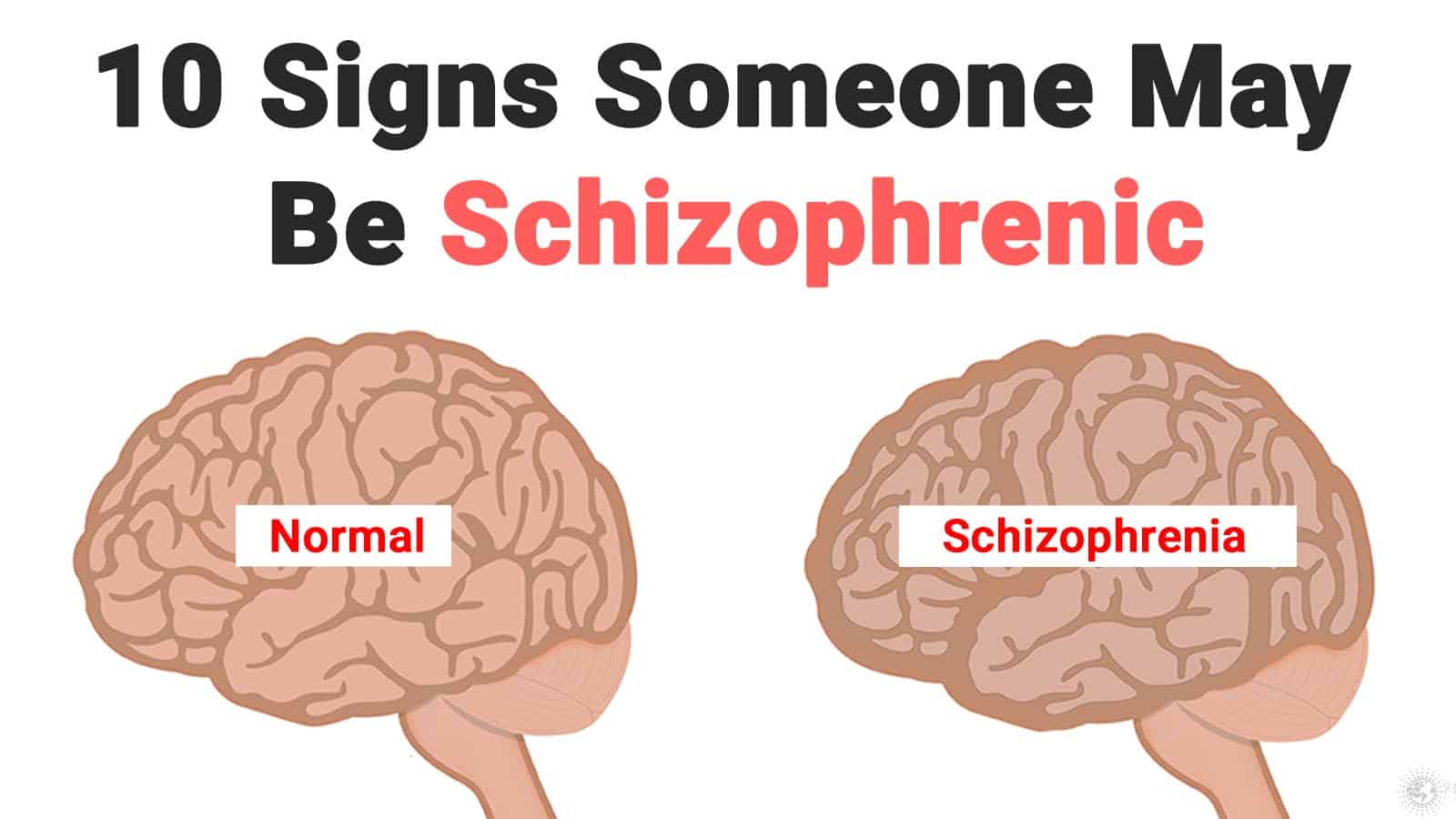
This psychological disorder is the most difficult, as it alters reality from fiction. Schizophrenia is a brain disorder that gives a person delusions and hallucinations. Most people who suffer from this disorder inherited the disorder.

The most common type is paranoid schizophrenia. Paranoid schizophrenia is lifelong condition and comes with paranoid delusions. Some people with this type of schizophrenia can be aggressive.

This type of schizophrenia is managed with medication. As long as the individual takes medication, they can function normally in society. However without the medicine, symptoms of paranoid schizophrenia may become so acute that an individual may end up in a mental ward.

7. Eating Disorders

It may be hard to believe that eating disorders are psychological disorders. Pizza, burgers, and wings can be addictive. For some people, they suffer from unmanageable eating. Other people may not want anything at all. When a person has strange, reckless, unhealthy eating habits, they are suffering from an eating disorder.

Eating disorders are disruptions of eating habits that alter a person’s mental state. Types of eating disorders include:

  • Anorexia nervosa – the most common; characterized by believing they are overweight when they are not.
  • Pica – eating things that are not food.
  • Binge eating – when a person eats an unbelievably large amount of food in a short time without being able to control their eating.
  • Bulimia nervosa – when a person binge eats, then causes themselves to vomit, so they don’t digest the food.
  • Rumination – a newly recognized disorder; characterized by a person who regurgitates previously eaten food, re-chews it, then either swallow it or spits it out.

8. Post-traumatic Stress Disorder

Post-traumatic stress disorder (PTSD) is a psychological disorder that occurs due to some traumatic event that the person experienced or witnessed. This is common in people who have been in the military or abusive relationships.

Common symptoms of the disorder are nightmares, being on edge, startled responses, and even flashbacks. Triggers could come from everyday stress. Even simple things like loud noises could be a trigger.

PTSD can severely debilitate a person’s normal functioning so doctors recommend quick evaluations for the afflicted person. If it isn’t too severe, therapy could help the person function normally.

9. Attention-Deficit Hyperactivity Disorder

In children, hyperactivity is an anticipated trait. That trait can be diagnosed as attention-deficit hyperactivity disorder (ADHD) when combined with inattentiveness and impulsivity. This disorder is most commonly diagnosed in children and can be diagnosed as early as three years old.

While there are several risk factors for ADHD, scientists and doctors aren’t sure what causes it. It appears more frequently in females and is a life-long condition. However, it can be managed with medications and therapy.

10. Dementia

Dementia is often considered a mental illness rather than a disorder. However, in some cases, it can be considered a mental disorder in some cases when it affects mental health. It’s a thin line to understand the difference.

Think of it in this way: it’s a mental illness because it can shrink the brain and kill the brain cells. This is the physical manifestation of the illness. The mental manifestation which causes it to be considered as a disorder shows up in the form of memory loss, communication issues, confusion, and more.
psychological disordersFinal Thoughts on Common Psychological Disorders

The first step to getting a handle on psychological disorders is recognition and acceptance. This information helps you with that step. If you realize that you are suffering from one of these disorders, know that you are not alone. More people than you realize has experienced at least one disorder in their life.

It is healthy to not only recognize your psychological disorder but have the ability to control it as well. If you have people in your life who are suffering, you should help them come to terms with their disorder so they can seek treatment. Although the disorders can be difficult to maintain, it’s not impossible to lead a normal life with some help.

 Science Explains Why Being Alone Makes You Stronger

Spending time with family and friends is important for your mental wellbeing, but sometimes you need time being alone by yourself. You may be surprised to learn that being alone helps you become more resilient. Here’s what scientists are saying about how solitude can make you stronger.

Recently, you’ve probably read how loneliness is at an all-time high due to the pandemic. It’s an understandable concern. Loneliness can have negative effects on people leading to psychiatric risks, suicide, and social anxiety. Other negatives of loneliness include:

There is a great effort to fight loneliness, but researchers are finding that loneliness has little to do with social interaction and more to do with how people see themselves in their world. Just adding people to your life won’t necessarily take away your loneliness. So, it’s important to understand what loneliness is and what it isn’t.

Being Alone versus loneliness

solitudeLoneliness can hurt your mental health, but loneliness and being alone differ from each other. Just because you’re physically being alone, it doesn’t mean you are lonely.  Researchers say that loneliness is a perception. If you perceive yourself as lonely without friends, then you will feel lonely. One study found that those who felt alone had an increased risk of dementia, but how much time people spent alone didn’t affect whether they got dementia. Other research found that lonely people were more prone to disease and immune problems.

But spending time alone or being alone doesn’t lead to loneliness. In fact, many religions practice solitude and disengaging from society to find inner peace and spiritual refreshment. Historically, some of the most creative individuals felt that time alone helped them to be more creative.  In fact, the well-known painter, Pablo Picasso, said that “no serious work is possible without great solitude.”

Many people enjoy time alone. In one survey, 85% of those adults interviewed said time alone was important to them, and many people wish they had more time alone.

So what is the difference between solitude and loneliness? It could be your perception of the two. Loneliness is a negative emotion based upon your wish for more people contact compared to the reality of your actual lack of social contact. Solitude, on the other hand, is a choice you make to get away from people.

You basically decide whether solitude is negative or positive. If you assess being alone as loneliness, you will experience the pains of loneliness. But if you perceive being by yourself as a positive, you will receive the benefits of solitude.

What are the benefits of being alone?

You may not be so convinced that solitude is good for you.  If you’re a people person, you may not look forward to spending time by yourself. But you may be surprised at the helpful benefits you experience from getting some solitude. Here are several benefits to consider.

1 – Being alone can help you become more compassionate

When you’re with your specific group of friends and family members, you become insulated from others. It’s not mean spirited necessarily, but you tend to exclude people who aren’t within your “circle.” Solitude allows you to feel part of the human race. You develop compassion for other people, and you can even be willing to include them in your life. It’s like your world gets bigger from your time spent by yourself.

2 -Being alone improves your creativity

There is a long list of musicians, authors, and artists who look to solitude to inspire their creativity. When you are alone in your living room, there are no distractions, so your mind can rest, allowing ideas to bubble to the top of your conscientiousness. This boost in creativity and productivity is widespread. Some people even suggest that an open floor plan in your home isn’t helpful for creativity because it’s noisier and less private.

3 – Being alone lowers your stress

Learning how to hang out with yourself reduces your stress. Let’s face it. People add stress to your life. Solitude allows you to take a breath and enjoy some peace. You can take a walk, read a book or clean out a closet… whatever you want to do that helps your mind and body destress.

pop meme4 – Being alone helps you plan

Hanging with family and friends is great, but sometimes you need to be alone to plan your life. You may need time to figure out where you want to go on vacation next summer. You may need time to plan out your retirement. Getting a break from life’s busyness gives you a perspective on your future. Solitude allows you some time to evaluate your goals, dreams, and aspirations and make changes if necessary.

5 – Being alone helps your contentment

Whether you choose to read, clean the house or paint the bathroom, you find pleasure in solitude because you feel content with your life. You’re not looking to people to fill your time, but you feel at ease just being alone. Solitude allows you to reflect on all you have to be grateful for, which in turn leads to contentment and satisfaction with your life.

How do you change your negative view of being alone?

Researchers say that you can alter your negative view of your life events so that you actually reinterpret the meaning of a distressing situation. It’s called cognitive reappraisal. It’s beneficial when you can’t change your circumstance of feeling lonely with sudden social contact. It enables you to see your time by yourself in a more positive light so that you end up benefiting from the solitude. As your view of being alone changes, your negative mood decreases. You enjoy your solitude in a new way and find yourself happy without people as you are happy being around people.

Why does being alone get such a bad rap?

Solitude isn’t talked about very much, but you do hear many negative things about being alone. Social stigmas about being alone have fueled the wrong thinking about solitude. Everything from sitcoms to Instagram posts conveys the thought that you must be lonely if you are home on a Friday night. These social stigmas affect your own ideas about being by yourself, so you assume you are lonely because that’s what they tell you.

Being alone is also seen as a weakness–an enormous mistake. Others may assume there must be something wrong with you if you aren’t hanging out with people every weekend. One study found that people who like to spend time by themselves are seen as less attractive, less psychologically adjusted, and less desirable as friends. It’s easy to get pulled into these points of view, so much that you begin to see solitude as a negative.

How to start enjoying the solitude

You understand and agree there are benefits to being by yourself, but how do you find the time for solitude? You have work, school, kids, and a whole list of other things in your life that probably makes solitude feel impossible. Fortunately, you don’t need lots of free time to experience solitude. Small chunks of time alone are all you need to have solitude. Even if you only have 10 minutes in the evening after the kids have gone to bed, you can allow yourself to sit quietly.

Without your smartphone or the television, allow your mind to drift and daydream.  You’ll be surprised at the creative ideas you’ll come up with. Take a deep breath, or write in your journal about your day or write a poem. Take a 15-minute walk before you go pick your kids up from school. Silence your electronics while in the car at the school’s kiss and ride, and be alone with your thoughts for a few minutes. Some people schedule a retreat by themselves once a year to read, study, plan, or relax.

Consider this the time you need to restore your inner-peace and recharge your batteries.

It may take time before you really enjoy solitude, but you’ll not only get used to it– you will start to love it.

solitudeFinal thoughts on Enjoying Solitude and the Time you Spend Recharging Your Batteries.

Being alone gets a bad rap by the media and our society in general. If you enjoy being by yourself, you may be perceived as lacking social graces, weak or incompetent. It’s hard not to get pulled into this thinking about solitude, even though it’s not necessarily true. Of course, you may really like being with people all the time and hate the thought of being alone too long. If this is you, you may want to learn how much you can benefit from being by yourself once in a while.

Solitude has so many benefits that it’s worth the effort to get some time by yourself. You can become stronger mentally, more creative, and have more confidence. People who practice solitude are more compassionate towards other people. Who knows the plans you’ll make or the unique ideas you’ll come up with from your times of solitude? There are so many pluses to getting time by yourself. Why not schedule a little solitude for yourself this week?

Do You Get Full Sleep Cycles? Sleep Scientists Explain Why It’s Good For Your Health

When you sleep, your brain goes through two phases. One is called rapid eye movement (REM) sleep, and the other is called non-rapid eye movement (Non-REM) sleep. Your brain will cycle through REM and Non-REM sleep numerous times every night. Here’s what sleep specialists say you should know about these two sleep cycles.

What is REM sleep?

REM sleep begins about 90 minutes after you fall asleep. It gets longer as the night goes on. REM sleep has these characteristics.

  • Your body and brain are stimulated.
  • Your breathing becomes irregular and faster.
  • You dream since your brain is more active.
  • Your eyes will dart back and forth.
  • The body relaxes and becomes immobile, so you don’t act out your dreams.
  • Your body temperature dips slightly.

REM sleepThe different regions of your receive signals as REM sleep begins. Your brain’s cerebral cortex allows learning, thinking, and organizing thoughts. Signals go to the spinal cord to slow down movements, so the muscles in your arms and legs causing temporary paralysis, so you don’t move around. During REM sleep, you store memories, learn, and moods get balanced. REM sleep usually occurs in intervals throughout the night.

Typically, every 90 to 120 minutes, you go in and out of REM sleep. You dream during REM sleep, but sometimes it can occur during Non-REM sleep. As you get older, you have less REM sleep.

What is Non-REM sleep?

There are three stages of Non-REM sleep, according to the team at Cleveland Clinic. Here is a breakdown of each stage.

  • Stage 1: In this stage, you’re in between being awake and starting to fall asleep. Your breathing and heartbeat slow down, and your muscles start to relax. This stage usually lasts 5 to 15 minutes.
  • Stage 2: In stage two, you’re in a light sleep. Your brain waves begin to slow down, and your body temperature gets lower. This stage lasts anywhere from 10 to 25 minutes.
  • Stage 3: During stage 3, you are in your deepest, most restorative sleep. At this point, your heartbeat and breathing are very slow. Your muscles are completely relaxed. Then your body starts to repair tissue and sends blood to your muscles. Your energy gets renewed. Your body also releases hormones. When you wake up during this phase, you’ll feel disoriented for several minutes until you’re fully awake.

How much sleep do you need?

Your sleep patterns change as you get older. Babies need 16 to 18 hours of sleep per day for good growth and development. Elementary age kids need 91/2 hours of sleep. Studies show that most adults need 7 to 9 hours of sleep each night. After age 60, you tend to sleep less with a lighter and more interrupted sleep during the night. The idea that you can catch up on your sleep on the weekends is a fallacy because you can’t really catch up if you aren’t sleeping during the weeknights.

What happens if you don’t get enough REM and Non-REM sleep?

Sleep studies show that REM sleep is important for you to function during the day, especially for learning, memory, or learning a new skill. Getting REM sleep also improves your ability to problem-solve. Lack of REM sleep can affect your mood. Mood disorders like depression, anxiety, or post-traumatic stress (PTSD). If you aren’t getting a good night’s sleep, good chance, you’re not getting REM sleep. Besides mood disorders, lack of proper sleep can cause other physical problems such as

  • Pain
  • Cardiovascular problems
  • Metabolism problems

If you’re not sleeping well, good chance, you are not getting enough REM sleep. Certain things affect your ability to sleep well, including the following habits:

  • Alcohol
  • Caffeine
  • Pain meds
  • Antidepressants
  • Thyroid medications
  • Lack of physical exercise

How can you get more REM sleep?

There’s no question that you need an adequate amount of sleep and specifically REM sleep. Several things can interrupt your sleep, but what can you do to ensure you get a good night’s sleep and REM sleep? Here are specific suggestions to get deeper sleep and to be able to move into REM sleep stages easily so you can get improved overall sleep.

1 – Exercise

Daily exercise is a huge help to get a good night’s sleep. Sleeping studies found that exercise improves the quality of your sleep. If you are sporadic in your exercise, you may not see any results, but a regular pattern of daily exercise will improve your sleep. Walking for 20 to 25 minutes a day can be helpful. Or you can try other exercises such as

  • Yoga
  • Swimming
  • Jogging
  • Biking
  • Fast walking

Don’t exercise 3 hours before bedtime because this can make it hard for you to wind down enough to sleep.

2 – Plan your sleep and times of being awake

Keep a regular wake up time and going to be times. This helps your body regulate its wake cycle and sleep cycle. This helps give you the ability to enter into light sleep and REM sleep. It can even help you wake up easier.

3 – Don’t let stress rule you

Find creative ways to get rid of stress. Life gets busy with work, kids, home projects, and extended family. If you’re feeling stressed out from everything going on in your life,  you won’t sleep well. Find a way to relieve your stress through a hobby, mindfulness, or journaling. These habits give your mind and body a break. You’ll feel more refreshed and less overwhelmed. Some people have found aromatherapy helpful. Aromatherapy uses essential oils for relaxation and stress release. Use a diffuser with essential oils like

  • Lavender oil
  • Chamomile oil
  • Sweet Majoram oil
  • Valerian oil
  • Sandalwood oil

4 – Limit how much you drink in the evenings

Hydrate during the day, but slow down your fluid intake in the evening to prevent needing to get up during the night. Don’t drink wine or other alcoholic drinks late in the evenings since these can also interrupt your sleep cycle at night.

pop memeHow do you know if you’re getting enough sleep?

Sleep is so important for you to function well during the day, but how do you know if you’re really getting enough sleep at night?

Here are some signs you’re not getting enough sleep at night.

  • Feeling drowsy during the day. You may even fall asleep at work or in your chair at home during the day.
  • Mini naps during the day
  • Feeling groggy when you wake up in the morning and during the day.
  • I can’t get out of bed in the morning.
  • Feeling irritable.
  • Feeling extra hungry due to lack of sleep.
  • Forgetting things
  • Having a hard time remembering things.
  • Hard time focusing
  • Sleeping in on days when you don’t need to get up.

Here are signs that indicate you are getting enough sleep during the night.

  • You feel healthy, happy, and energized during the day.
  • You’re focused and productive during the day.
  • Relying on caffeine to get through the day.
  • You don’t feel drowsy or sleepy during the day.
  • You keep a regular sleep and wake schedule. Plus, you find it’s easy to get up in the mornings.

Lack of sleep can also cause other symptoms such as:

  • Slower reaction times while driving
  • A weakened immune system can cause you to get sick.
  • Feeling pain more frequently.
  • Higher chances of heart attack, diabetes, obesity, high blood pressure
  • You’ll have less of a sex drive.
  • Wrinkles in your skin, circles under your eyes
  • Overeating, weight gain
  • You’ll make bad decisions.

How to get a good night’s sleep

There are several ways to ensure you get a good night’s sleep. Here are some good tips to follow.

  • Stay on schedule: Go to bed approximately at the same time every night. Try to wake up every morning at the same time. This creates a regular cycle for your body.
  • Sanctuary for sleep: Your bedroom should be quiet, dark, and comfortable for sleeping. Remove extra furniture that crowds the room. If possible, don’t work in your bedroom. Keep this strictly for sex or sleep. No television and turn off your smartphone.
  • Have a bedtime routine: Begin to wind down as your bedtime gets closer. Take a bath, read a book, anything to relax.
  • Try not to drink too much caffeine during the day.
  • Avoid napping if possible since this can affect your ability to sleep.
  • If you still aren’t sleeping well, it may be best to talk to your doctor. If you’re taking medications like Synthroid, you may need an adjustment to help you sleep since too much or too little can keep you awake.

REM sleepFinal thoughts on Getting Adequate Non-REM and REM Sleep

REM and Non-REM sleep are important for you to be able to function during the daytime. They improve your memory, learning, and focus ability. If you’re not sleeping well, it can affect your mood and lead to depression, heart and metabolism problems. But at the same time, everyone is different when it comes to sleep.

Everyone has different things that may interfere with sleep. Try to take steps towards getting good sleep with exercise, limited alcohol in the evening, and finding ways to lower your stress. Some people have found sleeping apps helpful to regulate their sleep patterns. These apps personalize your sleep routine and sometimes offer suggestions on how to get better sleep accordingly.

Relationship Experts Reveal How to Refresh a Stale Romance

Throughout a relationship, things are bound to change. Sometimes, this means that a stale romance happens, where it seems that things aren’t as exciting anymore. This can lead to ending a relationship or not finding joy in it anymore, but it doesn’t have to be that way.

When you notice that you are heading toward or already in a stale romance, it is up to you to make it better. Working with your partner to make things exciting and fresh again will make all the difference.

Luckily, relationship experts have determined ways to revive a stale romance. This is great news for those who truly care about their partner and want to make things work. Making things exciting again is the key to reviving the relationship, and there are simple ways to do so.

How to Revive a Stale Romance

Here are a few suggestions to help rekindled the flame.

stale1 – Learn Something New Together

You can add some spark to your marriage by learning something together. This could be a skill, a hobby, or both. Choose something that neither of you has done before and that will be interesting to both of you.

Some ideas include:
-Cooking or baking classes
-Learning to play the guitar
-Trying salsa or ballroom dancing
-Painting or other art classes

Choose whatever you will both enjoy, even if it wasn’t listed here. The point is to bond over a new experience together.

2 – Redecorate Your Bedroom

Sometimes, reviving your relationship can be as simple as making over your bedroom. It will change things up a bit and give you a new environment to relax in together. Declutter and redecorate with a new comforter, linens, décor, and candles.

This change will boost your mood and help you and your partner bond. It’ll help revive the spark and help you reconnect. Between a boost in your mood and an added spark in your relationship, you and your partner will surely benefit.

3 – Give Yourself A Makeover

Your partner loves you the way you are, but think about how you were at the beginning of the relationship. You likely spent more time on your appearance and made sure your hair always looked good. While you don’t have to do this all the time, it will be a nice reminder for your partner.

Simply changing your hairstyle will make your partner truly notice you again. Plus, it will make you feel better about yourself and boost your confidence, which will also catch your partner’s attention. Remember to only do what you are comfortable with, however.

4 – Exercise Together

Getting into shape will help boost your confidence, which has already been noted to attract your partner’s attention. Exercising with your partner will help the two of you bond, as well. If you don’t normally exercise, start slowly by going for walks together every day.

Once you’ve become more comfortable with exercising, start challenging one another. You can learn new exercises together or compete as you go along. It will be fun and you will both benefit emotionally and physically whiling reviving your relationship.

5 – Play a Game

Not only is playing a game fun, but it can also help you revive your relationship. Choose your favorite game, your partner’s favorite game, or a new game neither of you have played before. No matter what game you choose to play, it will be fun and you can bond with your partner as you play.

To make the game night even more fun, you can switch things up a little, too. Instead of playing by the regular rules, come up with a few of your own rules. Or, you can decide on a prize for the winner such as a day of sleeping late or a massage.

Another fun prize would be for the loser to do whatever the other asks for a full day. These fun additions to game night will allow the fun and good times to continue once the game has ended.

pop meme6 – Have Regular Date Nights

No matter how long you have been in your relationship, date nights are still important. Do things together that you did at the beginning of your relationship. Make sure you treat your partner the same way you did back then, too.

This will remind both of you of what brought you together in the first place. Plus, it will remind you of what you have grown to love about each other.

Even when both of you are busy, you should make time to go on dates regularly. It can be something easy like going to see a movie or going out to dinner, or it can be more elaborate. The important part is setting aside this time to spend together.

7 – Praise Your Partner

Make sure you tell your spouse when they’ve done a good job. Ask them questions about what they do, and show how great you think it is. Show them that you adore them and that you notice the positive things they do.

Relationship experts have determined that praising your partner will help with attraction. People are attracted to those who show an interest in them and appreciate the things they do. If you can make sure to praise your partner often, it will help revive your relationship.

8 – Do Something Fun Together

Playing a game was already discussed, but there are many other things you can do to have fun together. You can make anything fun, but when you need to revive your relationship, find something extra fun to do. This could include playing laser tag or going to an amusement park together.

9 – Go on a Trip

Even a short day-trip would do your relationship some good. Simply changing your scenery will help the two of you connect. You will be able to see your partner in a new environment, which allows you to see them differently.

If you can, go on a weekend or week-long trip together, instead. Visit all the places you’ve dreamed of going to. Doing this with your partner will bring the two of you closer together than you ever could have expected.

No matter where you go or how long you go for, though, it is good for your relationship. You will both be able to learn, grow, and experience new things. Doing this together will allow you to do all of those things with your partner, making your connection better than ever.

10 – Surprise Them

Small, unexpected gestures go a long way when it comes to reviving a stale romance. You could leave a sweet card or note for them to find or wear something you know they will like. Other options include making their favorite meal or dessert or bring them home their favorite drink.

You could also consider getting them a gift. The gift doesn’t have to be big, and it can even be free if you can find something they’ll love. Bring them flowers or buy them a new book they have been eye-balling. If they love music, you could even consider a gift card to their favorite music streaming service.

These little things will make a huge difference. Your partner will know that you were thinking of them and trying to make them smile, which they will appreciate. This is sure to help revive a spark in your relationship.

11 – Talk to Each Other

One of the most important aspects of a relationship is your ability to talk to each other. Talk about anything, from the mundane aspects of your day to the things you are excited about. Most importantly, talk about your relationship.

Tell your partner how you felt when they did certain things, and if you reacted negatively, explain that, too. By discussing these issues instead of leaving them unresolved, you will strengthen your relationship. You will be able to let go of the pain and disappointment and move forward positively.

These conversations will also help ensure the issues don’t occur as often in the future, too. So, not only will it benefit your relationship now, but it will protect it later on.

12  – Take Care of Yourself

While this may initially seem unrelated to your stale romance, it actually plays a huge role. When you are feeling down on yourself, your mindset and attitude will be negative. This can impact your relationship, even if you try to keep your feelings separate.

You have to experience joy and fulfillment in life if you want to have positive relationships. Do the things you loved to do before you were in a relationship so you can remember who you were before. By taking care of yourself, you will be able to appreciate your partner and enjoy the time you spend together.

staleFinal Thoughts on Relationship Experts Reveal How to Revive a Stale Romance

In the beginning, relationships are new and exciting, making you happier than you were before. After the newness wears off, however, you may notice things change. The passion eventually fades away and it seems there is no hope of rekindling what you used to have.

Don’t lose hope, though! You can revive a stale romance and have some fun while doing it. Reconnect with your partner and find the spark in your relationships again by trying some of these ideas.

Dietitians Reveal a Life Changing IBS Eating Plan

You’re in an important meeting at work, and it suddenly hits you out of nowhere. In a rush, you excuse yourself to go to the bathroom. If this is a familiar scenario for you, perhaps you’ve already been diagnosed with irritable bowel syndrome.

According to the U.S. Library of Medicine, Irritable bowel syndrome, or IBS, is a change in your bowel habits that usually include diarrhea, bloating, and painful cramping. Some people who have it may also experience constipation and intense sweating. You may know these unbearable symptoms all too well and maybe you’ve been searching for an IBS eating plan to help.

The article reports that medical experts don’t know what causes IBS, but it usually strikes those who are younger than 45. If you are a woman, you are twice as likely to be diagnosed with IBS than if you are a man. While the symptoms can be painful, embarrassing, and time-consuming, the article reassures that IBS usually doesn’t damage your intestinal tracts.

How is IBS Diagnosed?

ibs eating planHow do you know if you have IBS or just another disorder? An article from the National Institute of Diabetes, Digestive, and Kidney Diseases states that your primary healthcare provider will first assess your medical and family history as well as doing a physical exam to rule out other underlying conditions.

When your healthcare provider team suspects you have IBS, their primary indication will be abdominal pain. They will also be looking for one or more of these symptoms:

•Your abdominal pain centers around your bowel habits. Does the pain get worse or improve after you have a bowel movement?

•Have you noticed that your bowel habits have changed? Do you go more or less frequently? It may be uncomfortable to talk about, but it’s an essential factor in your diagnosis.

•Do your stools look different than they are usually? For example, waterier, tarry, etc.

According to the article, your healthcare providers will consider all this information. Plus, they will consider if your symptoms first appeared at least six months ago, and if you have symptoms at least once a week in the last three months. If your diagnosis is confirmed, the IBS eating plan may be the help you need.

Different Forms of IBS

Did you know that medical experts have identified three different forms of irritable bowel disease? The American Gastroenterological Association published an article that explains each type in detail. The article mentions that not every IBS patient experiences the same set of symptoms:

•IBS-D

With this type of IBS, you’ll usually feel the constant urge to go to the bathroom. When you do have bowel movements, they will be loose or watery. Cramps and abdominal pain often accompany this type as well as frequent diarrhea.

•IBS-C

This IBS type centers on difficulty with moving your bowels. You may have the urge to go and can’t seem to empty your colon successfully. It may be days before you can finally have a bowel movement.

•IBS-M

Thirdly, the article mentions this type that includes symptoms of both IBS-D and IBS-C. It can be mixed, or the symptoms can alternate.

According to an article published by the International Foundation for Gastrointestinal Disorders, between 25-45 million Americans have been diagnosed with a form of IBS. Although 2 out of 3 patients are adult females, it can also strike men and children. Statistics from the Foundation estimate that IBS affects at least 10-15 percent of people worldwide.

If you’ve been diagnosed with IBS, you already know what a damper it can put on your life. Since the symptoms are unpredictable, they can range from annoying to completely debilitating. Constant pain and bathroom visits can affect your social and professional life, which can be detrimental physically, mentally, and emotionally.

Treatment for IBS

What’s your next step with an IBS diagnosis? An article published by the National Institute of Diabetes, Digestive, and Kidney Diseases says that IBS symptoms are usually treated with dietary and lifestyle changes. Your healthcare professionals may also recommend medication, probiotics, and mental health therapy states the article.

Did you know that chronic stress may cause your IBS symptoms to be worse? So, the article says part of your treatment plan should also include stress relief. You may also be encouraged to get more physical activity, and it’s imperative to get enough sleep. Another big step is developing an IBS eating plan that’s tailored to your specific needs.

The IBS Eating Plan

Are you searching for natural ways of coping with your IBS symptoms? Talk to your healthcare specialist about how an IBS eating plan can help. Although food planning isn’t a cure, it can help you manage your symptoms. One of the most common of these plans is called the Low FODMAP.

One good thing about using low FODMAP as an IBS eating plan is that it’s versatile. Since IBS can present differently with each patient, foods may also affect each person differently. Your healthcare specialist and a registered dietician can give you a lot of menu suggestions.

IBS

Research shows a spider venom that can help reduce IBS symptoms.

What is Low FODMAP?

Medical science often uses acronyms as shorthand for long, complex terms. FODMAP is an acronym for the six foods to avoid that may cause IBS flare-ups, states a publication from the Canadian Society of Intestinal Research. Here are the big words and an easier way the article gives to understand them:

• F: Fermentable

Some foods have high fermentation once they reach your large intestines, so they can contribute to IBS gas and bloating. However, foods like sauerkraut, tempeh, and probiotic yogurt may provide probiotics that encourage gut flora’s healthy growth in your intestines. It works for many IBS patients, so it may work for you.

• O: Oligosaccharides

This multi-syllable word means few sugars, which are short-chain molecules that make fructans and galactans. These are present in some fruits, vegetables, and grains. Wheat can be a notorious cause of IBS symptoms.

• D: Disaccharides

Disaccharides have two sugar molecules and make up a compound called lactose. You’ll find lactose in milk, cheese, butter, and other dairy products, and you may be lactose-intolerant as well as having IBS. Since dairy products (except yogurt) can be high on the FODMAP index, you should try to avoid them.

• M: Monosaccharides

Mono- means one, so monosaccharides have one sugar molecule. This sugar is also called fructose, which is the sweetness of the fruit. Some fruits have a higher FODMAP index than others. However, you do need the fiber that fruit provides.

•What to Eat:

A guide published on IBS Diets FODMAP recommends a whole list of good fruits, like strawberries, unripe bananas, tomatoes, pineapple, and papaya.

•What to Avoid:

They also provide a list of fruits to avoid since they are high in monosaccharides. These include apples, avocadoes, cherries, and grapefruit.

P: Polyols

If you are a fan of “sugar-free” and “low sugar” foods, you are probably consuming polyols or compounds with many sugar molecules. Although they aren’t the type of alcohol that would make you drunk, polyols are also called sugar alcohols.

•What to Eat:

If you want to avoid sugar alcohols but still want less sugar in your diet, consider using natural sweeteners. These include stevia, agave nectar, or pure maple syrup.

•What to Avoid:

Unfortunately, these sugar alcohols can wreak havoc on your digestive system, especially if you’ve been diagnosed with IBS. When you read the labels, look for these sometimes “hidden” sugars in the form of xylitol, sorbitol, mannitol, maltitol, or isomaltose.

•Meats

You needn’t give up meat to control your IBS with diet. Enjoy lean cuts of meat according to your recommended protein intake. However, be cautious with processed meats and always read the labels for high-FODMAP ingredients.

•What to Eat:

Try lean cuts of beef, pork, poultry, or lamb.

•What to Avoid:

Sausage and other processed meats that are high in FODMAPs.

•Vegetables

If you are a veggie fan, you’ll love the great list of nutritious vegetables you can enjoy on this IBS eating plan.

• What to Eat:

Enjoy tasty servings of carrots, spinach, kale, zucchini, bean sprouts, hot peppers, bok choy, and many others.

•What to Avoid:

Some veggies are high in several of the FODMAP compounds. Try to avoid cruciferous vegetables like cauliflower and broccoli. You may also want to stir clear from artichokes, Brussels sprouts, leeks, onions, garlic, and snow peas.

ibs eating planFinal Thoughts About a Life-Changing IBS Eating Plan

If you or a loved one have been diagnosed with IBS, you know the pain, embarrassment, and inconvenience it can cause. Fortunately, an IBS eating plan like the FODMAP diet may help minimize your symptoms. Remember that before you begin this or any other diet plan, consult with your healthcare specialist or a registered dietician.

10 Reasons You Don’t Need to Forgive (or Forget)

Yoko Ono once tweeted, “Take forgiveness slowly. Do not blame yourself for being slow. Peace will come”. There is often a plethora of reasons that you have been encouraged to forgive and forget. They all sound nice, and some of them may even be reasonable, but sometimes it can leave you feeling cheated in the situation.

Some people may use religion as a reason you should forgive and forget. Others may tell you that you should be the bigger person. Another excuse may be that it’s better for your mental health.

The truth is that forgiveness and forgetting is not easy, and it’s not always the best solution for you. You need to know that it is okay not to forgive sometimes. You also do not have to forget.

Why You are Taught to Forgive and Forget

We live in a society in which peace is the ultimate goal. While humanity is falling drastically short of that goal, we are still taught to forgive and forget so that we can all get along. That’s what it boils down to – getting along, even if the person wronged you.

It’s also about second chances. We are conditioned to believe that everyone should get a do-over, no matter how bad they mess up.

to forgiveIn theory, getting along and second chances are two great notions – words to live by. However, there is one big flaw with both concepts. They do more to accommodate the feelings of the wrongdoer than the victim.

Sometimes, you need to put yourself first. That means you do not have to yield your emotions to make someone else feel better. The next section has ten reasons you don’t need to forgive or forget.

Ten Reasons Not to Forgive and Forget

Here are ten situations in which you might find yourself not ready to forgive…yet.

1. You should put yourself first.

Do not let society make you feel strange because you won’t forgive and forget. Think about how you feel. Sometimes forgiving and forgetting means that you must put your feelings aside. Ignoring your feelings and emotions when you are, the victim is absurd.

If you feel like holding that grudge, hold it. It is true that holding grudges does take up some of your energy and could cloud your aura a bit but ignoring your emotions will do the same. Don’t be afraid to hold that person accountable until you feel like letting it go, not when society thinks you should let it go.

2. People need to earn forgiveness.

Forgiveness is not something that you should hand out freely. It’s a lot like money – no one is handing it out. You must work and earn it.

After all, if it’s easy to get forgiveness, some people will not think twice about harming you again because they know you’ll forgive them again. Making people earn your forgiveness puts your forgiveness in high value. They may think twice before crossing you again, or you may find that they cannot earn it (which means they don’t get it).

The next time someone encourages you to give out forgiveness freely because it will make you feel better, ask them for twenty bucks and tell them that will make them feel better. You probably already know what’s going to happen.

3. Even if they earn it, they may not deserve it.

Not everyone deserves forgiveness. There are several reasons why a person does not deserve forgiveness, including some reasons on this list. If a person doesn’t deserve it, they don’t get it with anything else in the world. Why should forgiveness be any different?

Keep your forgiveness for people who deserve it. An example is someone who accidentally wronged you; perhaps they didn’t know the consequences of their actions. Don’t be tricked into giving a person something they don’t deserve.

4. They’ve had more than one chance already.

The old saying goes, “fool me once, shame on you. Fool me twice, shame on me.” Forgiving a person once is nice and possibly even the Godly way of living your life. However, this also opens the door for them to hurt you again.

When people show you who they are, believe them. If they’ve shown you that they can hurt you, there is no reason to think they aren’t capable of continuing that behavior. It’s sad to think about, but people don’t often change without some grand intervention.

forgiveness quote5. Some people are just evil.

Some people in this world are horrible and evil. They may be sociopaths or psychopaths. It’s not pleasant to think about, but it’s true.

Not only should you not forgive these people, but you definitely should not forget what they’ve done to you. It would be best to protect yourself from these types of people because they’ll enjoy repeating the pain they’ve caused you.

6. You don’t want to forgive them.

You might not have a good reason, but you don’t want to offer forgiveness. That’s okay. You are the victim. You don’t need a reason, and no one should push you to do it.

People may say that it’s selfish not to offer forgiveness. Sometimes it’s okay to be selfish. Being selfish can be a form of self-preservation.

It’s similar to the first reason – putting yourself first. You can make a choice not to forgive someone. The world isn’t going to end, war isn’t going to start, and life isn’t going to crumble if you don’t offer your forgiveness.

7. The infliction was too traumatic to forget.

Maybe you can forgive (and that’s a big maybe). However, the experience may be imprinted in your brain in a way that you can’t forget no matter how hard you try. Don’t let people make you think that something is wrong if you can’t forget what happened.

This condition is called post-traumatic stress disorder (PTSD), and it’s widespread among people who have witnessed or suffered some traumatic event. It’s a psychological condition, and you may need professional help to get over it.

Take all the time you need to heal, and don’t worry about forgiving and forgetting until you’re truly ready. In fact, you may never be ready, and that’s okay also.

8. The damage can’t be undone.

What’s the point of forgiving and forgetting when the damage is already done? Whatever infliction has been done to you isn’t going away. It’s permanent, and so is the fallout from it.

Are you supposed to forgive and forget when your life has been permanently altered by someone who caused you harm? Why is it that you are the one that must be inconvenienced emotionally while the other person takes your forgiveness and feels better?

Don’t stand for that. If you feel bad, the person who harmed you should feel worse. This may sound a bit like tit for tat, and society tells you that’s wrong. However, if you must constantly face the fallout from what a person did to you, there is no way to forget it possibly. You’re also human, so there will be plenty of times you feel resentment, which means you haven’t’ really forgiven the person.

9. They aren’t sorry about what they did.

Some people may not care that they harmed you. They are truly selfish – not in a self-preservation way but in a purely narcissistic way. These people don’t deserve forgiveness because they obviously meant to harm you.

Like evil people, you should absolutely not forget what a selfish, narcissistic person did to you. They’ll do it again without a hint of remorse. Don’t let yourself fall into that trap.

10. Maybe you can forgive or forget, but not both.

You might be able to find enough energy to do one or the other, but doing both may be too much for your psyche to handle. Forgiveness may be the easiest and the wisest one to do. This way, you can remember what they did and never allow it to happen again.

On the other hand, forgetting can also be fulfilling if you completely forget that person, not just the deed they did. There is nothing wrong with cutting toxic people out of your life. In fact, that could make you feel safer, stronger, and better about yourself.

to forgiveFinal Thoughts on Forgiveness and Forgetting

Everywhere you go, you’ll find people that tell you forgiveness is the best thing you can do for yourself. However, every situation is different, and so is every person. What’s best for one person may not be best for you.

This article isn’t meant to encourage you never to forgive. There will be times in your life where forgiveness is warranted. However, there are times where you don’t need to feel pressured to conform to society’s standards.

When contemplating forgiving someone and/or forgetting what they did, use the ten suggestions above to help you decide. At the end of the suggestions, if you truly feel that forgiving and forgetting will lift a weight off your shoulders, then go for it. If not, remember that you are the victim, and your feelings and emotions are more important than the person who harmed you.

10 Things That Happen To Your Body When You Are Sleep Deprived

Do you feel like you get enough rest during the night, or would you say that you’re sleep deprived? An article posted in the New York Times referenced a study done regarding sufficient rest. Shockingly, six out of ten people in this country aren’t getting the amount of sleep they need regularly.

When you become sleep deprived, you use your weekends to catch up on the rest you’ve lost, which means you don’t get time for personal things. It would be best if you had downtime to be with your family and friends to help you have a well-balanced life. Maybe you go to bed at a decent hour and attempt to get the rest you need, but you have other issues that keep you from your slumber.

Did you know that according to Sleep Statistics that 50-70 million people have a sleep disorder, and 30 percent suffer from insomnia? If you snore, you may be keeping you and your partner awake. Another thing to consider is that excessive snoring may be caused by a dangerous condition called sleep apnea.

Why Is Being Sleep Deprived So Dangerous?

sleep deprivedYour body needs 7-9 hours of rest each night. When you don’t get the sleep you need, then you accumulate a sleep debt. Rest isn’t just something that you do for fun; your body needs sleep to repair damaged cells and tissue and rejuvenate itself from the day.

Going without sleep can make you extremely ill. The same article from Sleep Statistics, referenced above, also goes in-depth about the dangers of being sleep deprived. Every year, in hospitals around the country, nurses and doctors work too many hours. They don’t get the required amount of sleep they need to function.

More than 100,000 people die due to medical negligence and errors, and being sleep deprived is considered one of the main reasons. It’s scary to think that the people working and helping you and a loved one may lack sufficient rest to function properly. Filing medical malpractice claims in Stockton requires expertise; an attorney can help build a strong case.

Most nurses and doctors work 12 hours or more on a shift, which means they have little time to get the rest they need. It’s clear that your thought processes are not accurate when you have a sleep debt, but what else can happen to your body when you’ve deprived yourself of rest?

Ten Things Being Sleep Deprived Triggers

If the report about medical errors from lack of sleep has your attention, then you should know that it’s just one issue that can occur. Your body must have a certain amount of sleep to function. When it doesn’t get the rest it needs, then all sorts of things begin to happen. Here are the most reported problems from sleep deprivation.

1. Mood Alterations

Have you ever become irritable when you haven’t had sufficient rest? Your moods are greatly affected by sleep. When you go even 24 hours without the sleep you need, you can become grumpy, irritable, and ready to snap at someone who dares to speak to you.

2. Disruption to The Immune System

How many times have you heard a doctor say that you need to get plenty of rest when you’re sick? The key is that your immunity is linked to your sleep.

Shockingly, when you go 48 hours without sufficient rest, your body cannot identify inflammatory markers that are harmful to your system. So, you are at a greater risk of getting sick.

3. Altered Perception

Though some may argue that an altered perception plays into psychosis and hallucinations, other mental phenomena can happen that changes things without sending you into a mental breakdown. Take, for instance, derealization. Derealization is a phenomenon where the world around you looks bizarre.

It’s as if you’re on the outside looking inside, and it can be quite confusing. Some people experience this mental issue when they are under extreme stress, and others experience it when they are losing touch with reality. You’ve probably seen cartoons that depict such visions, where the voices around you are distorted, as are the images you see.

Thankfully, it’s not the condition that is long term, and once you get the sleep your body needs, you can recover.

4. Hormonal Imbalances

Did you know that your internal sleep-wake cycle helps your body to regulate your hormone levels? Things like insulin, cortisol, and human growth are just a few of the ones altered by the lack of rest. When you go for long periods without the proper amount of sleep, then many of your bodily functions may falter.

Things that are controlled by hormones include your metabolism, appetite, temperature, and thyroid.

sitting too long5. Memory Deficits

Once you reach 72 hours without sleep, your brain becomes very confused. Your ability to think and reason becomes drastically impaired when you function on little to no rest. It’s not unlikely for you to be paranoid, irritable, and even enter a depressive state if you go for more than three days without sleep.

6. Hallucinations

If you start seeing things that aren’t there or hearing voices, then it’s a sign that your brain is not functioning as it should. The lack of sleep can specifically cause command hallucinations, where the voices tell you what to do. According to the National Library of Medicine, hallucinations are a normal part of psychosis, commonly found in sleep deprivation.

Don’t rule out the risk of doing something bizarre during this state either. If “the voices” tell you to do something like to kill yourself or someone else, your lack of reasoning skills may think this is an acceptable request.

7. Increased Muscle Tension and Tremors

When the body is under too much stress or has gone for extended periods without sleep, it can experience fasciculation or muscle cramps. It appears as tremors on the outside or involuntary spasms that cause limbs to jolt. According to Facty Health, some people are more prone to these involuntary twitches than others.

8. Drowsiness

It becomes impossible to stay awake for long periods. Though you may drink caffeine and such to keep your body going, you will often find that you’re dosing off. The brain can shut down for short periods called microsleeps, which usually occurs after 48 hours.

Microsleeps are small 30-second sleep sessions that can leave you feeling disoriented or confused afterward. According to Sleep Basics, these microsleeps are also a sign of sleep apnea, so you need to speak to your doctor if you experience these “naps.”

9. Speech Impairments

Since your brain needs to think through every sentence before you speak, simple tasks like having a conversation may be challenging. Your thought processes become scrambled and, thus, exceedingly difficult to communicate with others.

Going for 24 hours without sleep is commonplace, from helping a sick child to sleep apnea, but things like speech impairment can occur when you go for extended periods.

10. Chances of A Stroke Increases

When you don’t get at least 7-9 hours of sleep each night, you are 4.5 times more likely to have a stroke than someone who gets the required amount.

A Foundational Sleep Study

After a mere 36 hours without sleep, your body can go into a state of complete breakdown, and you can experience things such as hallucinations. A 16-year-old teen wanted to break a previous world record for the number of hours without sleep.

In 1964, Randy Gardner made it for 11 days or 264 hours without any rest. There’s no record of anyone dying from a lack of sleep, but Gardner was hallucinating, unable to focus, and could not form short term memories.

According to Science Alert, his study was monitored and used to help the medical community understand sleep deprivation. Though Gardener didn’t have any long-term physical and mental defects, the story might be different if he continued not to give his body the rest he needed.

sleep deprivedFinal Thoughts on Being Sleep Deprived

Many people think that they can use their time of rest as a bargaining chip. If you stay up later, then you will get the housework and laundry caught up. Perhaps, you want to finish a movie that you’ve been dying to see, but it means that you won’t get to bed till midnight.

Maybe you want to get some rest, but your body won’t allow it. If you fight chronic insomnia, then it can take a dramatic toll on your body. There are times and seasons in your life when you will go with less sleep than average, and this occurrence is expected.

Consequently, when you start creating a sleep deficit, then your body will begin to react to the lack of rest. You can get extremely sick if you don’t get the right amount of sleep. It’s essential to restore and repair the damage the body has incurred and fight the bacteria and viruses that it’s encountered during the day.

Proper rest is just as important to your body as good nutrition. Make sure you get the required amount of sleep so you can look and feel your best the next day.

15 Food Intolerance Signs Never to Ignore

Do you or one of your family members suffer from a food intolerance? Food allergies and intolerances have become quite commonplace these days. The outwards signs of a food allergy are nothing more than your immune system, putting up a defense. Your body views the food as harmful rather than nourishing.

Your system kicks into overdrive, producing antibodies to fight this invader. A reaction occurs when the antibodies are in a battle with the protein in a specific food item. Commonly, allergies are observed in things like shellfish and peanuts.

Now, food intolerance is different. An intolerance is a digestive problem more than an allergy. When you eat something, it passes the many channels through your digestive system.

If it’s something that your system cannot tolerate, then it makes it difficult for your body to digest it properly. One of the most common intolerance issues is caused by dairy, especially milk, cheese, ice cream, and yogurt.

The Prevalence of Food Allergies and Intolerances

food intoleranceBoth food allergies and intolerances are quite common. It’s estimated that about one percent of the adult population in this country suffers from food allergies. Shockingly, about seven percent of the children have hypersensitivities that plague their system, some of which can be dangerous. Thankfully, most kids can overcome these issues as they grow.

Food intolerances are much more common than allergies. Almost everybody will experience some intolerance to the food they eat. The reaction is quite unpleasant, but you can learn to adjust your diet by making simple modifications.

When it comes to food intolerances, the most observed are those to lactose, an ingredient in milk products. The National Institute of Diabetes and Digestive and Kidney Diseases states that there are more than 68 million people who suffer from lactose intolerance globally.

Identifying an Allergy from Food Intolerance

Food intolerance is not as severe, though it can still cause a great deal of discomfort. If your system cannot handle lactose, then eating anything with milk in it can cause you to have all sorts of symptoms. Sure, you can still have milk in your coffee or cereal, but you will pay the price for it afterward.

Intolerances aren’t deadly, in most cases, but they are certainly uncomfortable to handle. A food allergy is poisoning your system when you eat certain foods, while an intolerance makes it difficult for your body to process.

There may be some cases when a food allergy and intolerance lines are blurred, so you should ask your healthcare provider for help. An allergy test can quickly identify things that you should avoid.

Fifteen Signs of Food Intolerance

If you have a food allergy, then eating anything your allergic to will cause things like a rash, diarrhea, shortness of breath, chest pains, and swelling of the airways. Anaphylaxis can occur if the food allergy is severe, and this allergic reaction can cause you to have a full system failure. Your airways can close off, and you can experience a drop in your blood pressure.

Though not as severe, intolerance can be observed with the following symptoms:

1. Bloating & Cramping

2. Diarrhea & Constipation

3. Fatigue

4. Hives

5. Gas

6. Arthritis

7. Migraine Headaches

8. Heartburn & Acid Reflux

9. Joint Pain

10. Shortness of Breath

11. Irritability or Nervousness

12. Rash

13. Stomach Pain

14. Vomiting

15. Runny Nose

It’s essential to chart any adverse effects you have when eating foods. It’s not uncommon for people to develop intolerances after years of having no issues. Keeping a journal of the foods you eat and your digestive system’s problems can help your doctor target the issue.

What Causes Food Allergies?

fartFirst, you should know that there are genetic components to allergies and intolerances. For instance, if your mother or father was allergic to dairy products, then they may pass it along to you. Genetics plays a significant part in your medical issues, so this may be a contributing factor.

Nevertheless, you can develop a reaction without anyone else in your family suffering from it. So, this is not the only deciding factor. An allergy develops the very first time you eat a food that your system can’t process.

As stated above, it’s a protein found in foods that your body sees as harmful. The immune system does what it’s meant to do, and it tries to fight off what it sees as dangerous. Your body creates a substance called immunoglobulin E, or it’s often called IgE.

If you should eat that food again, then the body has already marked it as dangerous. So, it immediately sends out IgE and histamine to try to combat it. The goal is for the system to get rid of the foreign invader from your body.

The problem is that histamine is quite potent, and this chemical can affect not only your respiratory system but your heart, skin, and digestive system. If your allergic to shellfish, the first time you eat it, you might feel your airway close. However, the next time you may experience intense itching and a rash.

It’s all dependent on where the body releases the histamine. If your body releases it into your skin, you will develop things like hives or an intense rash. However, if it’s released into your digestive system, then you will spend the day in the restroom.

It’s also not uncommon to have a myriad of symptoms if histamine is released into diverse areas of the body at once.

What Causes an Intolerance?

When it comes to intolerance with food, many factors can contribute to this common issue. For instance, those who have lactose intolerance don’t have the enzymes to digest the proteins found in these foods properly.

Additionally, it’s not uncommon for a person to develop an intolerance to food additives. Have you ever heard of monosodium glutamate or MSG? It’s a common additive used to help enhance the flavor of food and make it last longer.

The problem is that this additive is a chemical ingredient that the body has complications digesting. Now, some people’s system builds tolerance for this chemical while others don’t. The same thing can happen with things like red dyes or gluten.

Gluten intolerance, or celiac disease, is quite common these days. According to the Celiac Disease Foundation, about one in 100 people in this country suffer from this ailment. Sadly, more than 2.5 million individuals have this intolerance to rice, barley, and wheat, and they don’t even know it. The long-term effects of not managing this intolerance can be devastating.

It doesn’t have to be food alone that causes intolerance as you can develop them with drinks too. Red wine is a beverage that many can’t tolerate. Did you know that this wine has sulfites in it that occur naturally? Furthermore, the manufacturing company can put additives in the wines that help them to keep from growing mold as they age.

These additives might not set well with your system. In July of 1986, the Food and Drug Administration issued a ban on the use of any spray-on sulfates. These were often used to help preserve vegetation, but there’s nothing they can do about the ones that are found naturally.

Salicylates are found naturally in many fruits and veggies, which means products like coffee, juice, and wine are affected. Did you know that the same aspirin you take for pain is also a member of the salicylate family?

If you are allergic to aspirin, then you will have issues with any foods that have naturally occurring salicylates in them. Many people have intolerances to food but have no comprehension of how intricate their system and what’s going on inside.

Why Allergies and Intolerance Can Be Serious?

In July of 2013, Camp Sacramento welcomed students for the summer. Among those students was Natalie Giorgi. She was full of life and only 13 years old.

Giorgi knew about her allergy, and she was very diligent about guarding what she put in her mouth. A fellow student offered her a crispy rice treat that had frosting on top. As soon as Giorgi bit into it, she knew that it had peanuts in it.

The teenager chewed the bite, but she spit it out. The girl went running to her mother, who gave her some medicine to combat it. Her father also came to her side to administer an emergency injection. It seemed like things were going to be okay, but then about 20 minutes later, she couldn’t breathe.

The little girl died in her father’s arms that day. Her official cause of death was from laryngeal edema. A simple mistake cost her life.

Jaie Benson didn’t have an allergy but an intolerance to gluten that made her deathly ill.

She found it troubling to get out of bed. She said the pain in her head was so bad he felt like she couldn’t go on. Eventually, she ended up in the emergency room, where she was diagnosed with a possible aneurysm.

Her disease caused a small spot on her brain to form. She didn’t think she would live to see another day if she didn’t get help. Once she switched to a gluten-free diet and cut out all wheat products, she noticed a change. She slowly started getting better and now uses her experience as a mission to help others.

Whether it be a food allergy or intolerance to food, they both can kill you under the right circumstances.

food intoleranceFinal Thoughts on Food Intolerance

Food intolerances have become so commonplace these days that people think they have to live with them. While there is a vast difference between an allergy and an intolerance, they both are dangerous. If you suspect that you have any issues with your system and certain foods, it’s imperative to avoid those foods and seek medical help.

8 Signs You’re A Highly Resilient Person

Resilience is grit. It means strength, power, and growth. Being resilient is is one of the key traits needed to advance in the world!

So, do you have what it takes to become resilient? Or are you already someone who bears that grit and ability? Here are eight signs you’re a highly resilient person.

1.    You Are Self-Aware

You cannot be resilient if you aren’t self-aware. Without self-awareness, resilience fades into plain stubbornness, which is unproductive and can halt your progress or stop you from moving forward. This is because resilience achieves these ends:

  • Coping with problems healthily, which you cannot do if you are not aware of what works best for you
  • Involves understanding your skills, flaws, emotions, thoughts, and perspectives
  • Requires that you are aware of your actions, choices, and behaviors, as well as the effects of those decisions
  • It means being able to correct yourself when you make mistakes, which cannot be done if you’re not aware of those mistakes in the first place
  • Long-term, so it cannot rely on the “ignorance is bliss” concept that is only workable in the short term

Essentially, self-awareness can help you realize what you need, what can be worked on, what can be changed, and when it’s time to seek additional assistance. If you don’t know yourself or the world around you, you can’t possibly be strong against it in a truly healthy way.

pop meme2.    You Aren’t Ashamed Of Your Flaws and Weaknesses

Being resilient doesn’t mean that you don’t have flaws or setbacks. It just means that you’re brave enough to confront them. While flaunting or shrugging at your weaknesses isn’t productive, not being afraid to own up to what you lack is a powerful move. It shows that you’re willing to show difficult parts of yourself to address your flaws.

If you don’t want to stare at your weaknesses in the face and understand them for what they are, you can’t learn or grow. This would be a significant hindrance to your momentum. So if you’re not ashamed of talking about and addressing your weaknesses, go you! Here are some signs that you’re resilient enough to own up to your flaws:

·         You Don’t Try To Hide Your Flaws

Trying to hide weaknesses is a huge waste of time, effort, and energy, and it distracts from all the time you could be spending on improving those weaknesses. Be open about your flaws and be willing to tell others that you’re working through them. You can even ask for help!

·         You Hold Yourself Accountable

It’s easy to shift responsibility for problems onto others. If you have no problem holding yourself responsible and accepting blame for your mistakes, you’re not ashamed of your flaws and are resilient!

·         You Can Take Constructive Criticism

The perspectives of others are a big asset in your personal journey. They can show you things you didn’t think about or realize and provide alternative ideas and opinions. Constructive criticism is, therefore, immeasurably valuable. Ignoring trolls who only spew insults is fine and good for you. But ignoring genuine feedback presented with kindness is a mistake!

·         You’ve Accepted Your Past

Everyone has their share of baggage, but you have to come to terms with it to be resilient. Understanding how the past has shaped you without letting it weigh you down or define you is a powerful sign that you accept even the ugliest parts of what makes you who you are.

3.    You Can Find Humor In Tough Times

You can’t avoid the reality that not everything in life will be good. Sometimes, it’s going to be so, so bad that it even borders on the absurd. Being able to find humor in these types of times could be key to you getting through them. So if you tend to laugh and crack jokes in the face of difficulty, you’re likely more resilient to the negativity those times come with.

Studies have actually shown that laughter truly can be the best medicine. Making jokes – as long as you’re not ignoring reality altogether – can help you maintain better positive thinking, especially when you’re going through a situation that is incredibly taxing.

4.    You Have Good Boundaries

Resilient people often have a good social support system. In some cases, they indeed got good luck, but in many, the fact is that resilient people are likely to attract those who will love, care for, and support them in healthy and positive ways.

This is partly due to resilient people’s ability to enforce reasonable boundaries. If you’re someone who can maintain healthy communication and great relationships with those around you without feeling burned out, overextending, or expecting your companions to overextend for you, you’re probably pretty resilient!

Other boundaries that resilient people are aware of are boundaries in logic versus emotion and perception versus reality. Can you determine the difference between what you feel and what you should do? Are you able to see where certain behaviors of yours stem from without excusing their negativity? You might be a resilient individual!

resilience

Learn six ways to increase your resilience

5.    You Are Comfortable With Uncertainty

Nothing in life is certain. The way of the universe is such that sometimes, things will happen out of the left field. Best-laid plans fall apart. You’re probably pretty resilient if you keep your positive thinking through it all. Here are some additional signs in this vein of your resilience by accepting the world’s natural chaos!

·         You’re Okay With The Unpredictable

A resilient person knows that there’s no way to prepare for everything coming in life. They don’t hold on too hard to one single plan, knowing that things may shift without their expectation.

·         You Know That Change Is Inevitable

Nothing is constant. Everything changes. It’s a difficult and even uncomfortable fact, but it’s one that must be accepted. If you’re resilient, you don’t try too hard to keep things the same and embrace shifts in your world.

·         You Are Adaptable

With all the constant change, you have to be adaptable and flexible to be resilient. You know how to navigate the tides of change and understand the necessity of going with the flow instead of resisting.

·         You Can Release Control

People who feel the need to always be in control will be hit hardest when those unpredictable changes come around. If you’re resilient, you’re likely comfortable with releasing and letting go of the need for control. Ironically, the more you try to control something, the less you’ll feel in control.

6.    You Look For The Positive In Hard Lessons

You can’t know everything from the start, and sadly, some lessons are ones you’ll learn the hard way. For many people, lessons like these are enough to make them slump over and want to give up due to the pain that may come with those events.

It’s entirely reasonable for feel down when you’ve had to learn a painful lesson, but if you’re resilient, then you’ll also do what you can to find the positive silver linings in your dark clouds. You’re looking through the tough times and lifting the veil to find the hidden golden teachings – and that’s resilience at its finest!

Research indicates that those who try and experience as many positive emotions as possible are often much more resilient and bear many other great traits that help them overcome hurdles. You might feel bad at first, but if you don’t dwell on that negativity and if you try to move on quickly and make new plans with newly acquired learning, congratulations! You’re a resilient person!

7.    You Have A Wider Perspective and Vision

Those who are resilient don’t have time to be narrow-minded. The world is wide and complex, and they know they have to broaden their horizons to give it the understanding it needs. You’re probably resilient if you’ve got a wide perspective for yourself and the universe beyond just you! Here are some additional signs that indicate this:

·         Your Vision Is Clear

You have an idea of the future you want, and you know the steps you may have to take to get there. You don’t stress over individual moments. Knowing each step brings you closer to where you want to be.

·         You Keep Yourself Inspired

You like to find new and alternative ways of viewing the world and always seek new ideas and thoughts from people around you. It keeps you inspired to move forward.

·         Your Eyes Are On The Big Picture

You don’t obsess over tiny details. You like looking at the wider world and the big picture above small little notes. Best yet, you believe in greater possibilities and notice all sorts of wonderful things in the future.

8.    You Have Good Self-Esteem

Many people struggle with insecurities and self-esteem issues. If you’re someone who does their best to build their confidence in themselves and maintain a positive self-image, then the good news is you’re resilient!

Positive self-esteem has been linked in studies to higher resilience and life satisfaction. Of course, it’s easier said than done; self-esteem doesn’t happen overnight. Here are some signs that your self-esteem is improving or is doing well!

·         Achievements Don’t Define You

Some people feel like they fail when they don’t achieve their goals or have trouble reaching success, which often works against them and dampens their chances to begin with. Failure, or even a lack of progress, will not deplete your feelings of self-worth if you don’t allow yourself to be defined by what you’ve achieved. This is a sign of strong and stable self-esteem, as your self-worth comes from within, not external sources.

·         You Don’t Play Games Of Comparison

Someone who lacks self-esteem may try to define their standing in society via comparison against others. This isn’t a great way to live your life, as each individual is going through their own unique journey and story. It’s unfair to start trying to compare everyone, and you should feel confident and comfortable in yourself without being obviously “better” than others.

·         You Can Generally Say You’re Happy With Who You Are

While you should always seek to learn, grow, and improve, you should also like yourself. A resilient person with good self-esteem focuses on their good side and uses those strengths to their advantage. They don’t feel like they’re missing anything, and if you feel content in your identity, you have good self-esteem!

resilience resilientFinal Thoughts On Some Signs You’re A Highly Resilient Person

Without resilience, you can’t move forward in life towards your goals. If you don’t think you bear any of these signs that you’re a highly resilient person, don’t fret! You can build resilience over time, just like with any other trait.

Skip to content