Weekly tips, affirmations, and small actions to feel your best.

10 Dietary Changes That Can Reduce Stress Hormones

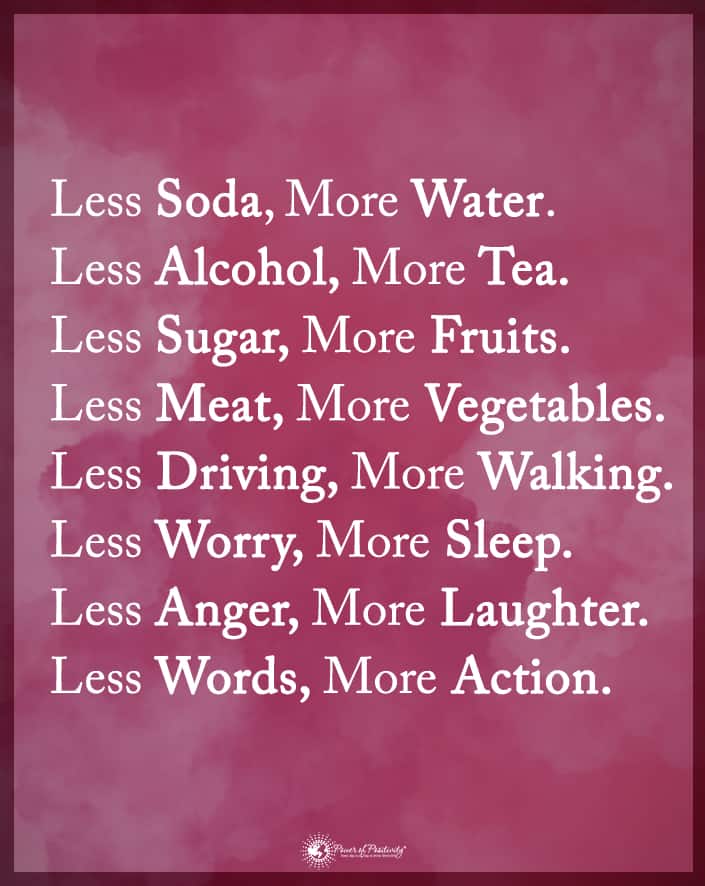
There are many ways to manage stress, but you may have overlooked your diet. Following healthy strategies such as eating a healthy diet, drinking enough water, and limiting your caffeine is an excellent place to start.  But researchers suggest dietary changes can reduce stress hormones. Here are ten dietary changes you can make to reduce your stress hormones.

What Are the Main Stress Hormones?

Your primary stress hormone is cortisol. It gets released when you’re experiencing pressure causing a fight-or-flight response. Even though cortisol is essential, there are other significant hormones. Hormones like insulin affect weight gain, blood sugar levels, and your body’s stress levels. Other hormones that affect your stress include:

  • Prolactin
  • Growth hormones
  • Thyroid hormones
  • ACTH
  • Gonadotropins
  • Adrenaline
  • Norepinephrine
  • Catecholamines
  • Vasopressin
  • Corticotropin-releasing hormone

stress hormones

What Foods Affect Your Hormones the Greatest?

Sugar is at the top of the list of foods that activate your stress hormones. Sugar causes memory problems and brain fog. Furthermore, there’s even an increased risk of dementia when your diet is high in sugar. This is because it creates insulin resistance, making it harder for your body to process glucose.

Snacking throughout your day also disrupts your hormones and puts stress on your body. When you snack, it increases your insulin, which causes insulin resistance. These up-and-down hormone fluctuations affect your health, mood, and your stress.

10 Dietary Changes That Can Reduce Stress Hormones

If you want to manage health more efficiently, try these ten things.

1 – Eat more magnesium

According to studies, a diet low in magnesium increases anxiety-related behaviors. Foods rich in magnesium have the opposite effect. They make you feel calm and relaxed. Rood high in magnesium include:

  • Spinach
  • Swiss chard
  • Nuts
  • Seeds
  • Whole grains
  • Legumes

Magnesium provides support for your nerve function, muscles, and energy levels. When you are low in magnesium, it increases your blood pressure and puts you at risk for  type2 diabetes, heart disease, and osteoporosis. Having enough magnesium in your body makes a difference in how you feel and function. It improves your PMS, reduces migraines, and promotes lower inflammation.

2 – Eat fatty acids

This is an excellent dietary change to reduce stress if you aren’t eating enough fatty acids. Fatty acids, such as omega 3s, are linked to improving depression. These foods improve your mood and reduce your anxiety levels. Omega 3s create fluidity in your brain cells and play roles in your brain function. Your body can’t produce these essential fats, so you must include them in your diet.

Omega-3-rich foods to include in your diet:

  • Salmon
  • Dark chocolate
  • Fermented foods
  • Oatmeal
  • Bananas
  • Nuts and seeds
  • Blueberries
  • Beans
  • Lentils
  • Coffee

3 – Avoid skipping meals for lifetime dietary changes you can live with

Skipping meals can lead to metabolic syndrome. According to researchers, metabolic syndrome creates conditions in your body that can lead to diabetes, heart disease, stroke, and other health conditions. Metabolic syndrome is also called insulin resistance syndrome. Constant exposure to stress increases your risk of developing metabolic syndrome. How do you know if you have metabolic syndrome?

Know the red flags that reveal metabolic syndrome:

Good chance you have it if you have three or more of these conditions.

  • Large waistline: This is sometimes called an “apple shape.” It’s where you carry extra weight in your stomach area. This shape puts you at risk for heart disease more than if you carry your fat in other parts of your body.
  • High blood pressure: If you have high blood pressure that stays high, it can damage your blood vessels and heart. High blood pressure also builds up plaque, the waxy-like substance that clogs your arteries. Plaque causes blood vessels and heart disease, stroke, or heart attack.
  • High blood sugar: High blood sugar increases your chances of blood clots, damaging your blood vessels and heart. High blood pressure also raises triglycerides, a type of fat found in your blood. If you have high triglycerides, it increases your cholesterol, which leads to heart disease.

Metabolic syndrome is preventable with dietary changes and stress reduction.

4 – Try natural probiotics

Eating foods that are natural probiotics can reduce your anxiety and stress. These foods protect the lining of your gut, where many serotonin receptors live.

Natural probiotics are in these foods:

  • Pickles
  • Sauerkraut
  • Kombucha
  • Kimchi
  • Yogurt
  • Tempeh
  • Miso
  • Buttermilk
  • Some cheeses-mozzarella, cottage cheese, cheddar, gouda
dietary changes

5 – Enjoy foods rich in zinc

Another dietary change to consider is eating more foods rich in zinc. Zinc can improve your mental function and boost your brain health. Prolonged stress decreases zinc in your blood. Having enough zinc in your body stabilizes your cortisol levels, which can lead to hormonal changes.  Food high in zinc include:

  • Cashews
  • Liver
  • Beef
  • Liver
  • Egg yolks
  • Oysters
  • Crab
  • Chickpeas
  • Beans
  • Nuts

Eating a Mediterranean diet will boost your zinc levels. This diet improves your mood and reduces your stress.

7 – Eat foods rich in B vitamins

Foods rich in vitamin B are the “feel good” foods. They help release and regulate hormones, such as dopamine and serotonin. This vitamin’s other roles include:

  • Supports your overall sense of well-being
  • Improves your energy levels
  • Brain function
  • Cell metabolism
  • Prevent infections
  • Cell development and health
  • Stress control and improved mood

The Vitamin B foods include these items:

Make dietary changes by adding vitamin B-rich foods to your daily menu. Vitamin B foods include:

  • Eggs
  • Organ meats
  • Milk
  • Oysters
  • Clams
  • Mussels
  • Beans
  • Leafy greens
  • Citrus fruits
  • Avocados

What are the symptoms of low vitamin B?

Watch for these primary symptoms of low vitamin B:

  • You feel dizzy
  • Pale or yellowish skin tone.
  • Loss of appetite
  • Losing weight without trying
  • Fast heartbeat or chest pain
  • Your feet and hands feel numb or tingling
  • Weak muscles
  • Mood changes
  • Feeling forgetful or confused.

8 – Try adding antioxidant-rich foods

Antioxidants are natural substances that help delay cell damage and reduce anxiety disorders. There’s a considerable debate about how many antioxidants you need for maximum health benefits. It’s best to eat foods that are naturally high in antioxidants rather than taking supplements. Going overboard with supplements is never healthy. Eating these foods is the safest way to get enough antioxidants.

  • Apples
  • Cherries
  • Plums
  • Blackberries
  • Strawberries
  • Raspberries
  • Blueberries
  • Walnuts
  • Pecans
  • Kale
  • Spinach
  • Red beets
  • Broccoli
  • Ginger
  • Turmeric
  • Parsley

9 – Eat eggs

Eggs are full of a wide variety of minerals and vitamins. They also contain amino acids and antioxidants, which help boost stress reactions. Eggs are also rich in choline, a mineral that improves brain health, especially in protecting against stress. This fantastic food contains healthy amounts of protein. It’s also an excellent source of vitamin D, which strengthens your bones.

10 – Try sweet potatoes

These aren’t just sweet little orange vegetables. Sweet potatoes lower your cortisol levels, a stress hormone. Hormonal changes occur because of chronic stress. This situation leads to cortisol dysfunctions, resulting in inflammation, pain, and sometimes autoimmune problems. Sweet potatoes are a good carbohydrate choice to add to your dietary changes. They’re full of vitamin C, potassium, and vitamins B, E, and A.

Other benefits of eating sweet potatoes:

  • High fiber: Sweet potatoes are a great source of fiber, which helps your gut function well. They help lower diabetes and some cancers. Next time you grab potatoes for fries or mashed potatoes, pick up sweet potatoes. You’ll boost your fiber and improve your digestion.
  • Helps your vision: Orange vegetables such as sweet potatoes contain beta-carotene. It’s a pigment that changes into vitamin A in your body. It helps your vision in the dark and prevents certain eye diseases. Beta-carotene is fat-soluble, so it’s best to eat them with olive oil or butter for the best absorption.
  • Brain help:  Sweet potatoes are high in antioxidants and beneficial to help prevent brain function decline diseases such as Alzheimer’s disease or dementia. Orange fruits and veggies slow cognitive decline. Eating these sweet little potatoes can aid your memory and brain function.
  • Helps your skin: Rich in vitamin C aids in the production of collagen, a protein found in your skin and hair. Eating sweet potatoes improves your skin and hair. Making them look strong and healthy. As you age, your body produces less collagen, such dietary changes as eating more sweet potatoes prevent your skin from drying out.
  • Supports your immune system: Another benefit of sweet potatoes is boosting your immune system. Because they’re high in vitamin C, which stimulate the production of your white blood cells that fight infection. Eating one sweet potato will give you 25% of your daily vitamin C. Your body cannot store this vitamin, so be sure to get it daily by including sweet potatoes in your daily menu.

dietary changes

Final Thoughts on Making Dietary Changes to Reduce Your Stress Hormones

You probably know many ways to manage your stress. But maybe you didn’t realize what you eat had such a significant impact on stress. Simple dietary changes will make a big difference. These ten dietary changes are simple to incorporate into your daily diet. It’s important to consider eating more of these foods since stress impacts your body. If you don’t regulate stress, it can cause hormonal changes in your body, lower your resistance to infection and disease and make you susceptible to dementia and Alzheimer’s. Try these foods to reduce your stress. Your health is worth it.

7 Signs of Reye’s Syndrome That Most People Ignore

Reye’s syndrome is an infrequent but severe illness that can cause brain swelling, liver damage, and disorientation. It mainly occurs in children but can develop at any age. While the disease affects every organ in the body, it primarily causes harm to the brain and liver. As brain swelling increases, seizures and loss of consciousness may occur.

Also, a child’s blood sugar may decline rapidly while acidity in the blood increases. As the liver struggles to filter the excess toxins, it may begin to swell and accumulate fatty deposits.

Reye’s syndrome usually occurs in children who have previously contracted a viral infection, such as the flu or chickenpox. This potentially life-threatening disorder typically occurs during recovery from a viral illness. However, it may also develop within three to five days of the onset of the virus.

Often, doctors misdiagnose Reye’s syndrome as illnesses like encephalitis, meningitis, sudden infant death syndrome, or poisoning. Because the symptoms mimic many other disorders, it makes it challenging to diagnose Reye’s.

However, Reye’s syndrome typically presents with similar symptoms in most people who contract the disorder. We’ll review some of Reye’s most common signs below.

7 Commonly Overlooked Signs of Reye’s Syndrome

The National Institute of Neurological Disorders and Stroke lists typical symptoms of Reye’s syndrome:

Reye's syndrome

1.     Vomiting

Persistent and recurring vomiting occurs typically in the first stage of Reye’s syndrome. If you notice your child throwing up frequently, it could signal Reye’s, especially if they recently had the flu. This symptom affects primarily young children and adults rather than infants. In any case, a medical professional should always check out vomiting following a viral infection.

2.     Lethargy and Drowsiness

Many children feel more fatigued and drained after coming down with Reye’s. Since the body must work harder to pump out toxins and deliver blood to the brain, it requires more energy. Therefore, it often leads to increased lethargy, especially in younger children. If you notice your child acting more sluggish than expected, you may want to have them checked for Reye’s.

3.     Difficulty Breathing

Hyperventilation usually occurs in the second stage of the disorder. The increased pressure on the brain due to swelling affects how the brain functions. This swelling makes it more difficult for neurons to communicate with the brain, leading to hyperventilation. The brain starts to lose oxygen and blood supply, which can cause respiratory distress.

This is one of the more severe symptoms of Reye’s and requires immediate medical attention.

4.     Confusion and Delirium

The combination of shallow breathing and swelling in the brain can make children feel confused or delirious. The syndrome may cause a child to go into a coma or lose consciousness. In some cases, permanent brain damage may occur if the disorder isn’t detected early enough. However, many children recover generally within a few days following treatment.

5.     Muscle Spasms

This occurs typically in the beginning stages of the illness. Muscle spasms and twitching often indicate disruptions in the brain’s neural pathways caused by swelling or pressure.  Doctors may also notice dilated pupils and a lack of response to irritating or unpleasant stimuli. All these symptoms result from changes in the brain occurring due to cerebral edema (swelling).

While muscle spasms don’t necessarily point to Reye’s, it’s worth ruling out with a visit to the doctor.

6.     Seizures or Convulsions

Seizures are typically a late-stage symptom associated with Reye’s. As such, they require immediate medical attention to reduce further damage. Uncontrolled electrical disturbances in the brain may occur if neurological function becomes severely impaired. However, with early treatment, it’s unlikely that the disorder will progress to this stage.

7.     Irritability and Aggressive Behavior

Finally, many overlook irritability and combative behavior when considering Reye’s syndrome. A child who doesn’t know what’s happening in their brain will likely become aggressive out of fear or confusion. So, if your child normally seems calm and content, this symptom could cause concern. It may signal an underlying problem that should never be ignored, especially if they’re recovering from a viral infection.

What Causes Reye’s Syndrome?

Doctors still haven’t found the exact cause of Reye’s syndrome. However, research shows that damage to cellular mitochondria may play a role in its development. Since mitochondria are the “powerhouse of the cell,” underactive or malfunctioning mitochondria may affect liver function. However, the cause of mitochondrial dysfunction isn’t known.

Also, studies reveal that children with fatty acid oxidation disorder or other metabolic disorders are at a higher risk. Doctors may even misdiagnose Reye’s in some cases because of its similarity to certain metabolic diseases.

Finally, experts believe that aspirin (salicylate) may trigger or exacerbate Reye’s symptoms. However, scientists still don’t know why aspirin causes Reye’s to develop in some cases. It’s believed that aspirin-containing medications may have a detrimental effect on children with pre-existing metabolic disorders. Because of the possible association between Reye’s and salicylate, experts advise that anyone under eighteen avoid aspirin following viral infections.

Treatment for Reye’s Syndrome

If doctors determine that your child does have Reye’s, they will first attempt to reduce swelling in the brain. Next, they will focus on reversing metabolic and liver damage. Treatments may include intubation or ventilation to increase breathing rate. Also, ammonia-lowering medications and plasma transfusions may be recommended. Finally, they may administer blood sugar medication to maintain balanced glucose levels.

Reye's Syndrome

Final Thoughts on Signs of Reye’s Syndrome

Reye’s syndrome is a rare but life-threatening disorder that annually impacts around two people in the United States. Increased awareness of the illness and reduced aspirin use among young people have likely contributed to its decline. However, it’s still important to watch out for signs of the disorder, as it can cause permanent brain damage or even death.

Typically, children will present with vomiting, hyperventilation, and extreme lethargy in the beginning stages. They may also experience muscle spasms and personality changes due to brain swelling. In later stages, seizures, convulsions, and loss of consciousness may occur.

See your healthcare provider immediately if your child recently had a viral infection and displays these symptoms. They can diagnose and treat the condition before it causes potentially irreversible damage.

Determined 82-Year-Old Graduates College, a Day After Her Birthday

82-year-old college graduate Mae Beale proves that you can continue your education at any age. Beale earned a degree in Business Management from the University of Maryland Global Campus (UMGC). The retiree received her diploma on May 18, just one day after her 82nd birthday. What a memorable and rewarding birthday present!

Beale worked previously for many years as a licensed practical nurse (LPN) in Washington, D.C. During her career, she served the public at various health care and government agencies. These included the Children’s National Hospital, the National Naval Center (now Walter Reed National Military Medical Center), and the Washington VA Medical Center Hospital.

Most recently, she worked at the Department of Health and Human Services’ Centers for Medicare and Medicaid. While working there, she helped with event planning on several occasions, which inspired her career change.

“My supervisors thought I had something special,” the college graduate said in a press release from the school. “When I was working at the Centers for Medicare and Medicaid Services, I organized some large events and everybody was impressed with it, so I started coordinating their IT information conferences.”

Then, in 1994, at the age of 54, Beale decided to take the plunge and enroll at Howard Community College. There, she would earn her associate degree in Business Management and work towards a bachelor’s degree afterward.

“I wanted to make certain I had the time to devote to whichever class I was taking,” she said in the release. “I was like the tortoise. Slow and steady wins the race.”

The determined college graduate stuck to this strategy while earning her bachelor’s degree as well. She began working towards a Bachelor of Science in Business Management in her late seventies, much to everyone’s surprise.

College Graduate Proves Nothing is Impossible With Determination

college graduate

At her age, most people would run in the other direction when presented with the idea of returning to college. However, the Howard County, Maryland native felt nothing but determination and excitement at continuing her education.

“I discovered that I had to be intentional about it and make it my priority,” she said.

While earning her associate’s degree, she also opened her own event planning business, In Grand Style. This would give her real-world experience alongside the practical knowledge that she received in school.

As if she didn’t have her plate full already, the college graduate also served her local community through activism, civic engagement, and volunteering. She’s been heavily involved with her community for over 40 years.

With all of those responsibilities, Beale made sure to pace herself in school. She wanted to get the most out of her classes and absorb all the information she could. So, she decided to take just one class at a time to give it her full attention.

Of course, she probably could’ve landed jobs in event planning without going to college due to her ample experience. However, Beale felt that a degree would open up more doors for her later on.

“I knew that if I had the degree, it would solidify things and make me feel more comfortable,” the recent college graduate said.

Beale’s hard work paid off, as she graduated with honors and made the Dean’s List several times. She was the oldest student in her classes, but it was her perseverance that truly set her apart. During her time at UMGC, she also served on the UMGC Student Advisory Council.

Even after completing her degree, she kept serving as an ex-officio member until December 2020. In January 2021, Beale earned a volunteer of the month award.

The college graduate completed the final class for her degree in 2020, but the school didn’t have an in-person ceremony due to the pandemic. She recently received her diploma along with 3,300 other graduates from the classes of 2020, 2021, and 2022.

82-Year-Old Retiree Keeps Busy After Graduating

Even though Beale retired from her career as an LPN long ago, she remains active in her community. She serves as an activist and event planner for local businesses and organizations. Some of these include the Howard County, Maryland Tourism and Promotion, the Restaurant Association, the Festival of the Arts and the Columbia Bright Minds Association.

In March 2016, officials honored her commitment to society by inducting her into the Howard County Women’s Hall of Fame. Several months later, she also earned the Associated Black Charities’ 2016 Women on the Move Award. In addition, Beale served as a volunteer in Howard County for President Barack Obama’s reelection campaign.

Clearly, Beale represents the strong women in our society who will stop at nothing to achieve their dreams! She hopes to encourage others to pursue higher education and follow their hearts as well.

“Expose yourself to as many possibilities as you can because you never know what life will present,” the college graduate said.

Another piece of advice she offered included never letting others’ opinions influence your choices. At the end of the day, other people will talk, but you don’t have to let their negativity affect you.

Also, if you have big goals in life, make sure to lean on your loved ones for support. We all get tired and doubt our abilities, but our family and friends can make the journey easier. Luckily, Beale had her caring husband and son to rely on throughout her career.

She said that her husband was always her biggest cheerleader when it came to her education. He passed away several years ago, but her son continues to support her endeavors.

determination

Final Thoughts on Ambitious 82-Year-Old College Graduate

When Mae Beale become a college graduate at the age of 82, she shattered stereotypes about higher education. Most people graduate college in their 20s and 30s, but Beale proves that you’re never too old to earn a degree. She’s spent a lifetime serving her community in various ways, through activism, event planning, and civic engagement. She also enjoyed a long career as a licensed practical nurse (LPN) in Washington, D.C.

The hard-working 82-year-old shows the world that the only limits exist in your mind. If you can believe it, you can achieve it!

Study Links an Unsupportive Partner to Increased Stress

Having an unsupportive partner can cause stress for many apparent reasons. For one, it can lead to resentment if you don’t feel your partner puts in the same effort. The longer you bottle up these feelings, the stronger they become. These stressors make it difficult to attend to other responsibilities.

An unsupportive partner can make you feel lonely and isolated, even in a relationship. When your needs aren’t met, you start to feel unsure about the future of your relationship. All this mental and emotional turmoil will inevitably cause stress if your partner isn’t willing to change.

A partner should add value to your life and take some burdens off your shoulders. They should never be a source of stress or any other negative emotions. Below, we’ll go over the science that shows why unsupportive partners can lead to poor health.

Study Confirms That Unsupportive Partners Increase Stress

While every couple deals with stress, certain pre-existing conditions can lessen or exacerbate it. For instance, a partner with mental illness or previously divorced parents may already have a heightened stress response.

So, handling the burden of a natural disaster, poverty, or unemployment could seem overwhelming to them. Both external and internal stressors influence a couple’s ability to adapt to challenges.

Characteristics of an unsupportive partner, like hostility and negative attitudes, have been proven to increase stress in relationships. On the other hand, being responsive and emotionally supportive can help reduce stress in difficult times.

A 2021 study analyzed whether supportive partners could reduce the adverse effects of internal and external stress on the relationship. Researchers assessed their behavioral responsiveness based on several factors. These included abilities such as sensitivity, understanding, correctly anticipating a partner’s needs, and willingness to provide adequate care.

Researchers compiled data from a longitudinal study that included 195 couples from the first group and 158 couples from another group. Couples had been together an average of five years.

For the study, couples had to pick three points of disagreement and discuss them during a 15-minute conversation. Researchers recorded each interaction and measured the couples’ internal and external stress.

They measured symptoms of depression such as anxiety, sadness, irritability, restlessness, fatigue, suicidal thoughts, and appetite loss or gain. They also used the Psychiatric Epidemiology Research Interview (PERI) to measure external stress. For instance, they wanted to see how stressful life events like losing a job, contracting illnesses, or having a child impacted mental health.

unsupportive partner

Next Steps in the Study

Next, the team analyzed how having a supportive or unsupportive partner impacted the relationship. They coded partner responsiveness using the following scoring methods:

  • Showing interest in the partner: Listening and responding to their feelings.
  • Being able to recognize stress: Understanding when a partner needs support.
  • Interpretation of distress: Understanding the partner’s concerns correctly.
  • Responsiveness: The desire to help and be a supportive partner.
  • Secure base support quality: A summary of the partner’s support quality.

Researchers evaluated marital adjustment to stress using the 32-item Dyadic Adjustment Scale. This scale measures how couples respond to various internal and external stressors, such as:

  • Finances
  • Friendships
  • Couple Bonding Activities (ex. Household Projects)
  • Sex
  • Dealing with In-Laws
  • Household Chores
  • Decisions About Careers
  • Disagreements or Discussions About Divorce
  • Visions for the Future of the Relationship

What the Study Found About Responsiveness in Relationships

Surprisingly, the team discovered that partner responsiveness directly influenced adaptive or maladaptive relationship functioning. For instance, when a partner with depression had an unsupportive partner, they didn’t adjust well to stressors. However, the depression didn’t affect the relationship as much if they had a supportive partner.

In the case of external stress, researchers found similar findings. Individuals who experienced more significant stress showed decreased marital adjustment in the case of an unsupportive partner. However, if their partner was attentive and engaged, external stress didn’t impact the relationship negatively over time.

The study shows how having an unsupportive partner impacts both the individual and the relationship. For instance, someone with depression may feel misunderstood and rejected, even by their partner. This may cause them to lash out or act passive-aggressively to meet their needs.

What We Learn by Studying These Stressors

Unfortunately, these maladaptive communication methods could make an unsupportive partner even less responsive. The spouse of someone with depression may respond with hostility or blame their partner for relationship troubles. When external sources of stress come into play, this further strains the relationship.

On the other hand, being supportive, understanding, sensitive, and willing to help can reduce the adverse effects of stress. As the study above showed, depressed partners felt more capable of handling stress if they had a responsive partner. The research also found the same results in the case of external stressors.

It takes two people to create a healthy, thriving relationship. Life causes immense stress, so relationships should feel like a refuge from the chaos. No matter what pre-existing vulnerabilities partners have, they can weather any storm together by simply showing support. Whether it’s mental illness, problems at work, the stress of having a newborn, or any other problem, a nurturing, loving relationship can overcome it.

It also helps to look at the relationship as a team rather than two individuals. Working with one another and reaching a mutual agreement creates more stability in the relationship. Unsupportive partners usually only think of themselves, but a genuinely cooperative partner will consider what’s best for the connection.

stressors

Final Thoughts on How Unsupportive Partners Create Stress

Most people want to avoid stressful interactions and tension, especially in relationships. Unfortunately, some unsupportive partners refuse to carry their weight, burdening their spouses.

The healthiest relationships involve two imperfect people willing to take on life together. When things get tough, they don’t bail on their partner or create unnecessary friction in the relationship.

They also don’t make their partner feel guilty about pre-existing conditions such as mental illnesses. A genuinely supportive partner will accept their spouse entirely and do their best to provide stability. When both partners meet one another halfway with understanding and compassion, the relationship becomes a haven rather than a battleground.

3 Ways to Help an Emotionally Scarred Person Heal

Part of being a good person means helping emotionally scarred people heal if you have the chance to do so. It means helping out whenever you can and making sure people can heal from their trauma. But that’s no easy task, and it requires a great deal of emotional intelligence to overcome trauma.

As you probably know, people can be emotionally scarred for many reasons. Often, these issues stem from childhood, but that doesn’t always have to be the case. Being betrayed by someone in your life can be just as damaging. As a rule of thumb, life is messy and painful. That’s because people are often mean and look out for their own interests.

That doesn’t mean everyone around you is a bad person. It just means that, when push comes to shove, people will take care of themselves no matter what. Because of that, others will likely get hurt. And you know how this goes, as you’ve surely gone through something like this. You know how bad it hurts when you are going through a traumatic experience. So, if you don’t want the people you know to go through that alone, you need to learn to help them.

Why Do People Get Emotionally Scarred?

Psychologists use the term “emotionally scarred” when referring to someone who has undergone psychological and emotional trauma. What’s important to note is that this trauma is something that weighs a lot in someone’s life. We’re not just talking about getting emotionally hurt because someone was mean to you once. We are talking about something that left such a mark it affected who you are on a fundamental level.

Being emotionally scarred means that you will face challenges in functioning normally. It means that you are unable to cope alone, and, in extreme cases, you might never properly heal. Trauma is something that affects your life so drastically that you will never be the same again. Trauma is often associated with life-threatening events, but that’s not always the case. Even neglect and bullying can lead to emotional scarring. Still, anything involving physical or emotional abuse ranks high on the list of traumatic experiences.

emotionally scarred

The Impact of Trauma in Life

Especially if you go through these experiences as a child, you are less likely to know how to deal with them alone. Plus, it’s important to note that there are still many overlooked causes. Even things like surgery can cause trauma. Psychology has evolved and psychologists are more aware of what counts as trauma. They are more aware that people can get hurt out of a myriad of causes. For example, cases of repeated bullying make people close off.

A few decades ago, a bullied kid would have been told to suck it up. Now, people know better and understand that bullying is not something to be brushed off. Because of that, kids who are going through such an event often get at least some degree of help. But that’s still not enough sometimes. While psychologists might be aware of the dangers of traumatic events, society is still averse to psychology. While young people are openly raising awareness for mental health, some older generations are wearier.

Some people find it hard to understand how trauma can so deeply affect someone. This can get even more confusing when looking at the symptoms. A friend or even a parent might not be able to understand why scarred people act the way they act. Among the symptoms are anxiety, fear, anger, confusion, mood swings, sadness, and withdrawal. These symptoms may appear to be just someone acting out when in reality they are signs of trauma.

Because of that, some emotionally scarred people don’t get the help they need. It’s not enough to have psychologists that can help out, as some victims don’t even reach out to get help. So, that’s when you can step in.

3 Ways to Help an Emotionally Scarred Person Heal

You likely know someone who’s going through a rough time, so that’s when you can step in and help them out.

1.      Get an Emotionally Scarred Person Out of the House

One of the best things you can do for someone who is going through a traumatic event is to help them stay active. Don’t let them lock themselves in their house and limit contact with everyone around them. While it can be good to be alone for a little while when you are dealing with someone, it’s not good to push everyone away. If someone emotionally scarred further isolates themselves, they might never find the strength to heal.

If you know someone like that, someone who doesn’t go out and talk to people anymore, reach out to them. Even if they don’t pick up the phone or answer your texts, you can always swing by their house. Just bring them some food and hang out with them for a while. This way, you can make sure they don’t stay isolated. With your help, they can still stay active and be a part of society.

Even something small like taking a walk or going grocery shopping with them makes all the difference. You also need to encourage them to stay physically active. You could even offer to go to the gym with them. All these little things will help them slowly get back on track. While these gestures won’t heal their emotional scars, they’ll still help.

karmic trauma

2.      Make Sure They Stay Healthy

Often, people going through traumatic events don’t have the power to properly take care of themselves. They’ll barely eat, or only eat junk foods. They won’t hydrate well enough. Sometimes, they will even go days without taking a shower. Obviously, this affects their physical health. But that’s not the only bad effect. When someone doesn’t take care of their physical health, they’ll also feel bad psychologically.

When you don’t exercise, don’t eat well, and don’t take care of yourself, you’ll undoubtedly feel worse on a psychological level. If someone you know is experiencing trauma, you need to make sure they are still taking care of themselves. Make sure they at least have healthy groceries in the fridge. Or, if you can, cook some healthy meals and take them to the person in need.

If you have the time, go clean up their place and make sure everything is in order. Make sure they’ve showered and exercised for at least a little bit. Exercise is probably the most important thing you need to convince them to do because even a short walk can release endorphins. So, if you get them to work out, their mood will improve significantly.

3.      Listen to Them Discuss the Trauma (if they want to!) and Offer Your Support

No matter how hard you’ll try, you’ll never be able to heal someone else’s wounds for them. Your only duty as a friend is to make sure they get on the right path. In a way, you have to help them heal themselves. Sometimes, the best thing to do to help someone else is to just listen to them. Some emotionally scarred people won’t want to talk about what happened, and you shouldn’t force them to.

But you can still be supportive by just being there. Maybe they aren’t ready to talk about the past, but that doesn’t mean they don’t need a friend. Everyone needs someone they can just hang out with. Maybe they just want to vent about their day or talk about anything else. Maybe they don’t even want to talk at all, but they just want someone to be there.

Even watching a movie together can make them feel like they’re not alone anymore. It’s also important to remember to keep things as normal as possible. Don’t be too pushy and don’t ask things you shouldn’t know. But, at the same time, encourage them to get out of bed and be productive. For this to work, it’s important to learn what their triggers are. Understand how they act when they feel uncomfortable and know that’s when you should stop pressing.

You should always be supportive while allowing them to cope at their own pace. Listen and make sure they have all they need. And, when the time is right, advise them to reach out to a professional. No matter how good of a friend you are, you still might not be enough to make sure they properly heal. They need to see someone who is specialized and can properly take care of them.

emotionally scarred

Final Thoughts on Some Ways to Help an Emotionally Scarred Person Heal

Emotionally scarred people need all the support they can get to heal from the trauma they went through. No matter what their trauma was, they still won’t be able to go through it alone. Traumatic events take a real toll on someone, sometimes even rendering them unable to function properly. That’s when you can step in and make sure you get them back on track.

Even though you won’t be able to heal them, you’ll still be able to help them heal themselves. A person who is struggling with trauma will usually be scared, anxious, moody, angry, and try to isolate themselves from the world. But that’s not what they need to get better. Don’t let them push you away through this behavior. Remember that during this period they won’t be able to think rationally.

They won’t know what they need and they won’t ask for help, often because they’ll be embarrassed to do so. So, you need to take action and step in. One of the most important things you can do is make sure they still take care of their physical health. Make sure they eat healthy foods and they still exercise. You can even ask them to go on walks with you. You also need to make sure their house is clean and they still take care of their hygiene.

Making sure they don’t isolate themselves is just as important as making sure they stay healthy. Don’t let them hide in the house for days on end. Go on walks, go to a park, or even do more social things, like going to the movies. Lastly, you need to make sure you are there to listen to them and offer your support. Don’t push them to do things they can’t do, like making them talk about their trauma too soon. Just be there to listen whenever they decide they are ready.

Illinois Law Requires Schools to Provide Students Plant-Based Lunch

Illinois state Governor JB Pritzker recently signed a law bill requiring all schools statewide to provide plant-based lunch options. Representative Cyril Nichols introduced the bill adding vegan options in 2021, which will go into effect in August 2023.

The bill will mandate that all Illinois schools offer students vegan lunch options upon request. The new law will also help meet Halal dietary needs if meals aren’t prepared with alcohol or alcohol byproducts. All plant-based lunches would have to adhere to federal nutrition guidelines as well.

“Whether a student’s dietary needs are rooted in religious, health-related or other, personal reasons, offering a plant-based meal option would satisfy a variety of requirements,” State Senator Dave Koehler said in a statement. “Providing a secondary healthy lunch option in our schools is a win all-around.”

Sadly, many school districts struggle to provide students with enough fruits and vegetables at lunchtime. However, the USDA encourages schools to include fresh produce in meals whenever possible. House Bill 4089 will help that become a reality for thousands of students who want plant-based lunch choices.

“Some students may only be able to depend on one meal a day,” said Koehler. “It’s incredibly important for all students to have access to a well-rounded, nutritious meal during the school day that meets their dietary needs.”

Benefits of Eating a Plant-Based Lunch

Mounting evidence suggests that plant-based diets could provide more nutritional value than omnivore diets. One found that vegan school lunches contain three times more fiber than meat-based entrees. Around 90% of American children don’t consume the recommended daily fiber intake.

So, having more plant-based lunch options such as whole grains and legumes could help boost their fiber consumption. The American Heart Association recommends that children ages nine to thirteen eat 26 to 31 grams of fiber each day.

In the study, vegan entrees provided to nearly 500 students contained an average of 9.5 grams of fiber. In comparison, standard meat-based entrees had about 2.8 grams, on average.

Other Schools Across the United States Serve More Plant-Based Lunch Options

According to the School Nutrition Association, a nonprofit organization run by school nutritionists, 14% of school districts provided vegan lunches in 2017. Only 11.5% of schools offered plant-based lunches in 2016, proving that more students have shown interest in reducing meat consumption.

School districts across the country, from California to Maine, have started offering vegan options to students. In January 2022, New York City school districts adopted Vegan Fridays, where school lunches contain only plant-based options.

The city’s Department of Education introduced Meatless Mondays in 2019 and Meatless Fridays in April 2021. So, adding Vegan Fridays will provide students with even more plant-based lunch choices.

It’s part of Mayor Eric Adams’ initiative to offer healthier options for students. He’s experienced the benefits of a vegan diet firsthand. After adopting a whole-foods, plant-based diet, Adams reversed most of his symptoms associated with Type 2 diabetes. Ever since he’s been on a mission to educate the public about vegan diets and help students improve their health.

A Little Help from the Impossible Foods Vegan Food Brand

And in May 2021, some K-12 schools in California, Washington, and Oklahoma piloted Impossible Foods’ plant-based meat products. The students gave feedback on the meat substitutes via surveys, which helped the company gauge the trial run’s success. They hope to expand the vegan eating program to school districts soon.

Several school districts across California have already successfully offered plant-based lunch options. For example, Oakland Unified School District began serving plant-based meals like veggie chow mein and garden burgers for lunch. By doing this, the district saved $40,000 and a staggering 42 million gallons of water over just two years!

In 2017, the Food Services Division launched a pilot program introducing vegan meals in Los Angeles Unified School District. Plant-based lunches included protein-rich offerings like falafel flatbread and three-bean vegan chili. The students loved the meals so much that officials suggested expanding the program to school districts throughout the city!

A Federal Solution Might Pass Congress

Finally, Congress is considering passing a federal bill called the Healthy Future Students and Earth Act (H.R.4108). The legislation introduced in June 2021 by Representative Nydia Velázquez (D-NY) and Representative Jamaal Bowman (D-NY) would make plant-based lunches available to students nationwide. The government would launch a pilot grant program to incentivize school districts to offer students more plant-based, climate-friendly options.

Many Students Interested in Plant-Based School Lunch Offerings

Since US public schools serve over seven billion meals annually, the bill offers a tremendous opportunity to invest in students’ health. And having more plant-based choices in schools would also help the climate, something students consider a top priority.

The global insight and trends firm Wunderman Thompson Intelligence released a report about future sustainability trends. They found that Gen Z, comprising 10–25-year-olds, is the most outspoken and passionate about environmental concerns. In a 2021 survey including 3,000 people in the U.S., U.K., and China, 71% of Gen Zers said they would consume more plant-based food to reduce carbon emissions.

So, it seems that all across the globe, young children and adults demand more plant-based lunch choices at schools. Hopefully, this trend will continue so we can pave the way toward a healthier, more eco-friendly future.

vegan

Final Thoughts on Plant-Based Lunches at Schools

Illinois became the second state after New York to require all schools to offer plant-based lunch options. Whether students choose vegan lunches for religious, health-related, or personal reasons, it’s nice to have alternatives available. State officials also hope passing the bill will provide students with more nutritious meals.

Other school districts throughout the country have followed suit, including California, Maine, and Oklahoma schools. Studies and surveys show that younger generations are keen on vegetarian and vegan lifestyles. So, it seems likely that more schools will offer plant-based lunches in the future.

Environmental Groups Urge World Leaders to Reduce Animal Farming

In May 2022, UK-based animal rights organization Compassion in World Farming (CIWF) called on world leaders to reduce animal farming. They began their campaign by delivering a petition – which amassed over 53,000 signatures – to Prime Minister Boris Johnson. In the petition, the group urged him to enact policies to reduce meat and dairy production drastically.

The organization also submitted the petition to other world leaders of major meat-eating countries. In addition to the UK, they sent it to America, Argentina, Australia, Brazil, and Canada. Other countries urged to reduce emissions from factory farming included China, the EU, Japan, New Zealand, South Africa, and South Korea.

CIWF says governments need to act to avert the worst effects of climate change urgently. Moreover, they believe that reducing intensive animal farming across the globe should be a top priority.

Petition Calls On Global Leaders to Reduce Animal Agriculture

“Our global leaders cannot continue to bury their heads in the sand,” said Sarah Moyes, senior campaigns manager at CIWF. “Livestock emissions play a significant role in the current climate emergency, yet this has been virtually overlooked by world leaders.”

Globally, it’s estimated that over 70 billion animals are reared for food each year. Animal agriculture contributes a sizable portion of global greenhouse gas emissions – around 14.5%.

The agricultural industry uses about 20-33% of the world’s freshwater to grow food and provide animal drinking water. Meanwhile, around 2 billion people worldwide lack access to clean drinking water.

Finally, animal farming requires extensive deforestation to clear land for grazing animals. This practice contributes even further to greenhouse gas emissions and habitat loss. According to the UN Food and Agricultural Organization (FAO), raising livestock requires 80% of the world’s agricultural land. However, it produces less than 20% of the world’s calories.

“We must drastically reduce our total global meat and dairy consumption, so we’ve addressed our petition to leaders of top meat-consuming countries or regions,” Moyes continued. “It’s critical these world leaders act to bring forward a meat and dairy reduction and support a shift to nature-friendly, higher welfare farming, as a matter of urgency.”

In a statement, she added: “Factory farming is significantly contributing to one of the biggest environmental challenges of our time, and leaders of those countries where meat consumption is particularly high must play their part to ensure we meet the Paris Agreement targets. We must turn up the heat on world leaders to keep the global temperature down!”

agriculture

Reducing Animal Farming Lowers Carbon Emissions

Studies have shown that avoiding or limiting meat consumption can have a significant positive impact on carbon footprints. Research published in Nature Food discovered that animal farming produces double the emissions of plant-based foods.

University of Illinois researchers found that animal agriculture and livestock feed contribute 57% of greenhouse gas emissions from food cultivation. However, plant-based foods account for only 29% of global emissions. For example, growing one kilogram of wheat emits just 2.5 kg of greenhouse gases. However, producing 1kg of beef creates 70 kilograms of GHG emissions.

Deforestation contributes to most of the emissions since companies must clear vast areas for feed cultivation and animal grazing. The researchers discovered that a significant portion of the crops grown on arable land feed livestock rather than people. One study found that just 55% of the calories from crops are directly consumed by people. Farmers use 36% of crops grown for animal feed.

Beef and Poultry Produce the Most Emissions

Also, ruminant livestock such as cows produces large amounts of the potent greenhouse gas methane. While methane doesn’t stay in the atmosphere as long as CO2, it’s 28 times more powerful.

Another UK study by Peter Scarborough and other colleagues at Oxford University also proved the hazards of animal farming. It included 2,041 vegans, 15,751 vegetarians, 8,123 fish-eaters, and 29,589 meat-eaters. The researchers measured greenhouse gas emissions of each diet using a dataset of 94 food commodities in the UK.

They found that vegans and vegetarians produced the lowest emissions – 6.4 and 8.4 pounds of CO2 daily. Meat-eaters consumed over 3.5 ounces of meat daily and had 15.8 pounds of CO2.

However, the researchers stated that the average British resident eats double that amount of meat. So, they would have an even greater carbon footprint. In the US, an average American eats about 12 ounces of meat daily, making their carbon footprint much higher.

Reducing Animal Farming Can Reduce Carbon Footprints

The team concluded that going vegan or vegetarian would reduce individual carbon footprints by nearly sixty percent.

Additionally, another study by scientists from Stanford University and UC Berkeley provided more evidence that plant-based diets could save the planet. Their research found that phasing out animal farming over the next fifteen years could stabilize greenhouse gas emissions for three decades.

Furthermore, it would have a similar cumulative effect as reducing global emissions by 68% through the end of the century. A global shift to plant-based diets would provide 52% of the net emissions reductions required to limit warming to two degrees Celsius.

Of course, assuming the whole planet would adopt an entirely vegan diet isn’t realistic. However, the team found that eliminating cattle and sheep farming alone would reduce 90% of the emissions.

Animal farming contributes significantly to the climate crisis. But, with improvements in yield efficiency and increased awareness of environmental issues, there’s hope for the future.

animal farming

Final Thoughts on Environmental Groups Urging World to Reduce Animal Farming

As the studies above show, animal farming requires intensive practices to meet global demand. However, industrial agriculture has affected the planet, degrading soil and emitting harmful greenhouse gasses. Also, farm runoff spills into waterways, polluting rivers and oceans with toxic byproducts. In addition, raising livestock uses much more water than growing crops.

For these reasons, environmental groups worldwide have begun sounding the alarm about animal farming. World leaders could help make a difference in the fight against climate change by enacting stricter laws regarding agriculture. Regenerative farming is the answer, for the planet’s sake.

5 Behaviors That Reveal Someone Is Worthy of Your Love

Unfortunately, not everyone is worthy of our love, regardless of how we would like life to be. We can give the wrong person millions of chances, hoping they will learn to earn our love, but they never do. And most of us have been in that situation at least once.

You have probably tried to keep someone even if you knew they don’t deserve it. You have probably fallen for the wrong person more than you can count. But over and over again, you have gotten hurt. No matter what stories and movies tell us, love doesn’t conquer everything. Unfortunately, love has limitations, especially if you want to keep that person in your life for a long time.

And the idea of having to pick and choose who to give your love to might seem forced and fake. But it’s a reality of life. You won’t be able to get along with everyone, and that’s ok. The faster you learn that the better off you’ll be.

5 Behaviors That Reveal Someone Is Worthy of Your Love

When you learn to keep only the people worthy of your love in your life, you’ll finally experience fulfillment.

worthy

1.      A Worthy Partner Will Respect You

Whether we’re talking about romantic or platonic relationships, respect is integral. No relationship is healthy and stable without mutual respect. The issue is that some people aren’t willing to show it. Or maybe they just don’t know-how. So, you risk ending up respecting someone who will never reciprocate.

This can only lead to grief and disappointment. Your opinions, accomplishments, wants, and the other person will neglect needs. Maybe you can get used to some lack of respect from your family, though that’s also toxic. But not having the respect of your friends or your partner is bound to crush you.

By now, you’ve probably put two and two together and figured that someone worthy of your love would respect you. Having people in your life who can treat you like an equal is very valuable. You probably assume that respect is something that the people around you always give. But you’d be surprised just how selfish and arrogant people can be.

Many people you’ll meet will think of themselves better than the ones around them. Or they’ll be extremely competitive and unwilling to see anyone else succeed. Because of our society, people have become increasingly more individualistic. This has prompted them to think they’re competing with everyone around them. So, they become mean and disrespectful.

If you give your love to these people, you’ll constantly have to defend yourself against their attacks. They’ll question your intelligence, morals, and opinions. They’ll act like everything you do is wrong or stupid. Instead of uplifting you, they’ll put you down. So, if you want to find worthy people, make sure they respect you. If they listen to what you have to say and they want to see you succeed, they’re a keeper.

2.      They Are Supportive

We all know people we get along with fine, but there’s no real connection. Maybe we even like them, but they’re people who wouldn’t show up when you need them the most. For one reason or another, some people are not supportive of others. In most cases, people don’t want to spend their time helping others. This can be because they lack empathy or don’t care about you as they should.

When you start a new relationship, it’s essential to see how willing to be supportive they are. This is a way to determine how worthy they are and if you should put effort into the relationship. When someone is truly supportive, they help you without asking. They’ll always make an effort to pay attention to how you act and how well you’re doing.

Acquaintances and people who aren’t worthy of your love won’t do that. Even if you are in trouble, they’ll make up a reason as to why they can’t help you. At most, they’ll comfort you for a few minutes out of complacency. But they’ll never go out of their way to ensure you’re ok. You’ll always feel lonely if these are the people you have in your life.

You’ll struggle to get through rough patches in your life. You need to learn to love people who will be there for you no matter what. If someone goes to any length necessary to help you out, they are worthy of your love.

3.      A Worthy Partner Solves Problems Instead of Starting Fights

There’s a narrative in society that love is passion, and that means fighting, crying, and suffering are part of the package. Because we make people believe this, they are more likely to accept toxic people in their life. Whenever someone you love starts a fight, you might be tempted to find excuses and say they’re just passionate. But that’s not an excusable behavior. Someone worthy of your love wouldn’t treat you that way.

Instead, the people who are worthy of being in your life are the ones who strive to solve issues. Let’s get one thing straight: people are bound to disagree sometimes. The problem is not that they oppose it. They don’t know how to handle disagreements and often get into insane fights. Many people don’t know how to handle when they make mistakes or how to diffuse tense situations. When faced with an issue, they tend to get defensive and cagey.

Instead of being calm, they try to throw all the blame on you. Even worse, they might start fights just for the sake of it. A worthy and valuable person will not do that. They understand that your relationship is more important than feeling like they can get the upper hand. They’ll do their best to stay calm and talk things through. They will aim to understand how they hurt you or to convey how you hurt them. They’ll take accountability for their actions and respect your boundaries.

respect

4.      They Want to Know Who You Are

In this world, there are many relationships in which people act selfishly. Some people make friends for the sole purpose of having someone to vent to. They want you to make an effort without them having to do the same. They want someone who follows them around and listens to all of their problems but won’t do the same.

All this means they are not interested in getting to know you. This is something to look out for, especially in new relationships. If the conversation is always about them but never about you. Someone worthy of your love will try to get to know the real you. And they don’t do it out of a sense of duty.

They do it because they genuinely like you and want to know all there is to know about you. In doing this, they can create deeper connections with you. More importantly, they don’t just want to know the good parts. They want to know everything, even the dark parts of you. They embrace you even if you are broken or scarred.

This is how you know that someone cares about you. Such a person will learn how to act around you no matter your mood. They’ll see how you like your coffee or what to get you for your birthday. You’ll never feel neglected in the presence of someone like this.

5.      They Make Sacrifices for You (the Ultimate Sign of Respect)

One of the most evident signs that someone genuinely cares about you is when they are willing to make sacrifices. After all, every healthy relationship depends on people’s ability to compromise. No matter how similar they might be, two people will always have different desires in life. If two people have been together for a long time, and one gets a job offer in another state, the couple faces a choice.

Either they come to an agreement and compromise, or they break up. In some cases, it might be true that breaking up is the best option. But ideally, they would be able to make things work. Maybe they try long-distance, or one moves to support the other’s new career. These are the kinds of decisions people need to be able to make together. And that’s why compromise is so necessary.

Some people you’ll meet will be the type of people who are unwilling to sacrifice anything. They will only do what’s best for them without considering what others feel. They’ll even try to force you to make the decisions that favor them. And we’re not just talking about big decisions.

We’re even talking about not being willing to compromise about where to eat. If they can’t even sacrifice for something that small, they’ll never do it for things that matter. It’s not worth waiting around for people like these, no matter how nice they seem. In the long run, you’ll only end up getting hurt.

worthy

Final Thoughts on Behaviors That Reveal Someone Is Worthy of Your Love

Everyone wants to find people they can love and cherish. But not everyone you come across will be worthy of your efforts. Sometimes, you need to let go of the people who take more than they give. But the best thing you can do is approach new relationships with care. Don’t just give your love to anyone you meet.

Take your time to analyze a person before you become emotionally involved. When you meet new people, you need to make sure they can bring value to your life. They need to respect and support you. Healthy love is only possible when you can treat each other as equals. Give your love to people willing to be calm and talk through your problems.

Or to the people who can make sacrifices for the sake of you and your relationship. But, most importantly, be around people who genuinely want to know who you are. Don’t settle for less than you deserve. Take your time and let people prove they are worthy before you give them your love.

15 Activities to Create a More Positive Mind

If you’re looking to create a more positive mind, it may not be as hard as you think. There are many activities you can do that engage your mind to improve your attitude and enhance your positivity. Here are fifteen activities that are guaranteed to give you a mood boost today and every day.

Fifteen Activities to Give You a More Positive Mind and Improve Your Attitude

positive mind

1 – Music can help you have a positive mindset

Happy music and a cheerful attitude go hand in hand. When you listen to happy music, it produces a positive mind.  Whether you’re listening to a classical piece by Beethoven or shaking it off with Taylor Swift, upbeat music lifts your spirit and improves your mood.  Listening to happy music triggers the release of dopamine, a mood-stimulating chemical that makes you feel good. So, if you want an activity that gives you a happy boost, try listening to a catchy tune.

2 – Exercise improves your attitude

There’s a definite link between exercise and positivity.  On the opposite side, inactivity causes you to feel sluggish and down. Exercise releases endorphins, serotonin, and other stress hormones that improve your mood. Other are lots of other benefits of exercise, including:

  • Better sleep
  • Improved focus and concentration
  • Higher energy levels
  • Relieves stress
  • Relaxes your skeletal system, so your entire body is relaxed

3 – Eat good foods for a more positive mind

Part of staying positive includes eating good, nutritious foods. Limit eating processed foods, sugary foods, and foods high in fat. These foods mess with your gut and make you feel sluggish and tired. All these things affect your mental health and attitude. Eating nutritious foods boosts your energy, making you more productive and happier. Try eating these foods to improve your mindset.

  • Avocadoes
  • Dark chocolate
  • Black beans
  • Coffee
  • Coconut
  • Blueberries
  • Eggs
  • Red wine
  • Seaweed
  • Salmon
  • Whole-grain bread

4 – Take a trip

Traveling is a positivity booster for your brain. Visiting other countries stimulates your mind because you’re learning about cultures different from yours, meeting new people and experiencing new things.  All in all, going on a trip enhances a positive mind. Travel allows you to pursue your dreams and find new passions.  Some of the best places in the world to visit include sites such as:

  • Grand Canyon, Arizona: Even though it’s in the United States, visiting the Grand Canyon should be on your list. It’s one of the seven natural wonders of the world. Its beauty and sheer size are overwhelming to the eyes.
  • Machu Picchu, Peru: Once a sacred royal retreat of the Inca rulers, this remote spot amazes visitors with its stonework cascading down the mountainside.
  • Rome, Italy: Visiting Rome is like visiting a museum. Ancient ruins and modern-day must-see places all co-exist in this fantastic city. It should be high on your list of places to travel.
  • Masai Mara, Kenya: A sizeable national reserve park, home to the big five animals, including lions, elephants, rhinos, leopards, and Cape Buffalos.
  • Maui, Hawaii:  One of the Hawaiian islands that offer surfing, engaging cultural experiences, and five-star hotels. Check out the dormant volcanoes or walk through a beautiful rainforest as part of your tropical travel experience.
  • Istanbul, Turkey: As the capital of Turkey, Istanbul offers good food, history, and culture worth exploring.
  • New Zealand: This island country boasts beautiful landscapes and fun places to visit.
  • Angkor Wat, Cambodia: Here, you’ll see the largest religious site in the world. There are hundreds of ruins to explore all over this capital.

5 – Journal with words or pictures

Studies show that being able to express yourself through writing helps lower your anxiety and makes you feel overall happier. Writing your thoughts and feelings enables you to understand what’s going on in your heart and mind. It helps you let go of negative emotions. Even if you’re not much of a writer, that’s okay. Just getting words on a paper can help improve your attitude.

Another form of journaling that’s growing in popularity is illustrative journaling. Instead of writing about your day or thoughts, you draw small illustrations. Each day you start a new page and fill it with pictures of what you ate, an image of a book you read, or a description of a bird you heard singing outside your living room window. You’ll see how your days played out through these illustrations when you look back over the weeks. You don’t need to be a fantastic artist but enjoy drawing.

6 – A positive mind is grateful

The grateful person is attentive to the little things in life. There are so many experiences, situations, and people to be thankful for when you look for them. Whether it’s something as essential as your clothes, home, AC unit, good health, or family, gratitude is within reach. Expressing gratitude is like working a muscle in your body. The more you do, the stronger it becomes. Before you know it, thankfulness becomes a daily habit in your life. If you want a positive mind, find something to be grateful for today.

7 – Breathe to turn a negative attitude into a positive mindset

Even though breathing is involuntary and voluntary, your body naturally causes you to breathe, but sometimes you need to take a couple of deep breaths to let go of negativity. It’s incredible how this simple exercise of getting more oxygen into your brain and body lowers your stress and boosts your attitude. Try inhaling deeply and then exhaling slowly to let out the air. You will feel better and experience an improved ability to

  • Think clearly
  • Fee focused
  • More positive
  • Less anxious and stressed

attitude

8 – Volunteer

Helping others is a natural way to feel more positive about life. Focusing off yourself and onto someone else keeps you mentally stimulated, feels less stressed, and gives you a sense of purpose in life.

9 – Hang out with friends and family

Being socially active creates a more positive mind. Being part of a group gives you purpose and a sense of belonging. It elevates loneliness. Schedule weekly times of hanging out with your friends and family. It’s essential for your mental health.

10 – Don’t believe those negative thoughts

Everyone has negative thoughts once in a while. If you catch yourself constantly giving in to negativity, talk yourself into a more positive mind. Try something the following affirmations:

  • It’s true. I made a mistake, so what? I can do better next time. Everybody makes mistakes…it’s not my first nor my last.
  • I’m not good at that…but that’s okay. I’m good at other stuff. That’s what’s important.
  • I am not smart enough…but so what? Being smart isn’t all there is in life. I’m doing okay.
  • I’m having a terrible day….but that’s okay. Not every day is going to be amazing. The sun is shining. It’s all in perspective.

11 – Have faith in God

Studies show that people who believe in God have a greater sense of well-being. Assuming that your life has a purpose and that God oversees your life can help you deal with difficulties. You don’t feel you need to control everything in life because you trust God leads and guides your life. Well-known author C. S. Lewis once said,

The more we let God take us over, the more ourselves we become – because He made us. Have faith in God. Who knows, you may find that you truly become a happier version of yourself.  -C.S. Lewis

12 – Don’t be too hard on yourself

Don’t be too hard on yourself, even if you’re feeling negative. Everyone has these kinds of days when they feel down emotionally. Accept that today isn’t perfect, but tomorrow will be better. Don’t beat yourself up for mistakes you’ve made. You can do better next time.

13 – Learn from your negative attitude

If you’re experiencing negative consequences for things you’ve done or not done, learn from them and then move on. Everything in life is a learning opportunity if you want it to be.

14 – A positive mind does not try to be all-controlling

Trying to control all things in your life and the lives of your loved ones is a futile exercise. It’s healthy to let go and accept the randomness of life. If you have faith in God, even the most challenging things in life don’t feel overwhelming because you are never alone. God walks with you through your trials and sorrows. An ancient text says,

The LORD is close to the brokenhearted and saves those who are crushed in spirit. (Psalm 34:18 NIV)

If you feel overwhelmed, feeling like you need to control everything in life, don’t be afraid to let go and ask God to help you feel his nearness.

15 – A social media break could mean a positive mind

Interestingly enough, social media use isn’t all harmful. It depends upon you. For instance, if you use social media simply as part of your day’s routine to check and respond to content,  it’s a positive thing in your life. But if you’re using social media for your emotional connections and are worried about missing out or disappointing your friends if you don’t respond, social media can be a negative thing in your life. As long as you use social media and it doesn’t use you, it can be a source of a more positive mind as you learn about others and engage in new information.

positive mind

Final Thoughts on Habits for a More Positive Mind and a Better Attitude

If you seek a few ways to boost your positivity, look no further than these fifteen suggestions. Try one or two of these ideas or all of them if you’re motivated. Improving your mood could be simple as listening to happy music, eating healthy, or creating an illustrative journal about your day. Whichever idea you try, you’ll experience a more positive view of your life and be a happier version of yourself.

Skip to content