Weekly tips, affirmations, and small actions to feel your best.

11 Quotes To Remember When Life Is Unfair

Sometimes, it seems that life just doesn’t go our way no matter how hard we try. We can do everything in our power to make something work, but life might have different plans. Many of us feel as though we have no control over our lives, and while that might hold some truth to some extent, we do have the power to control how we react to situations. The next time you feel frustrated or at the end of your rope over something in life, just remember the following quotes to keep things in perspective. Here are 11 quotes to remember.

11 Quotes To Remember When Life Is Unfair

1. Sometimes you just need to talk to a four year old and an 84 year old to understand life again. – Kristen Butler
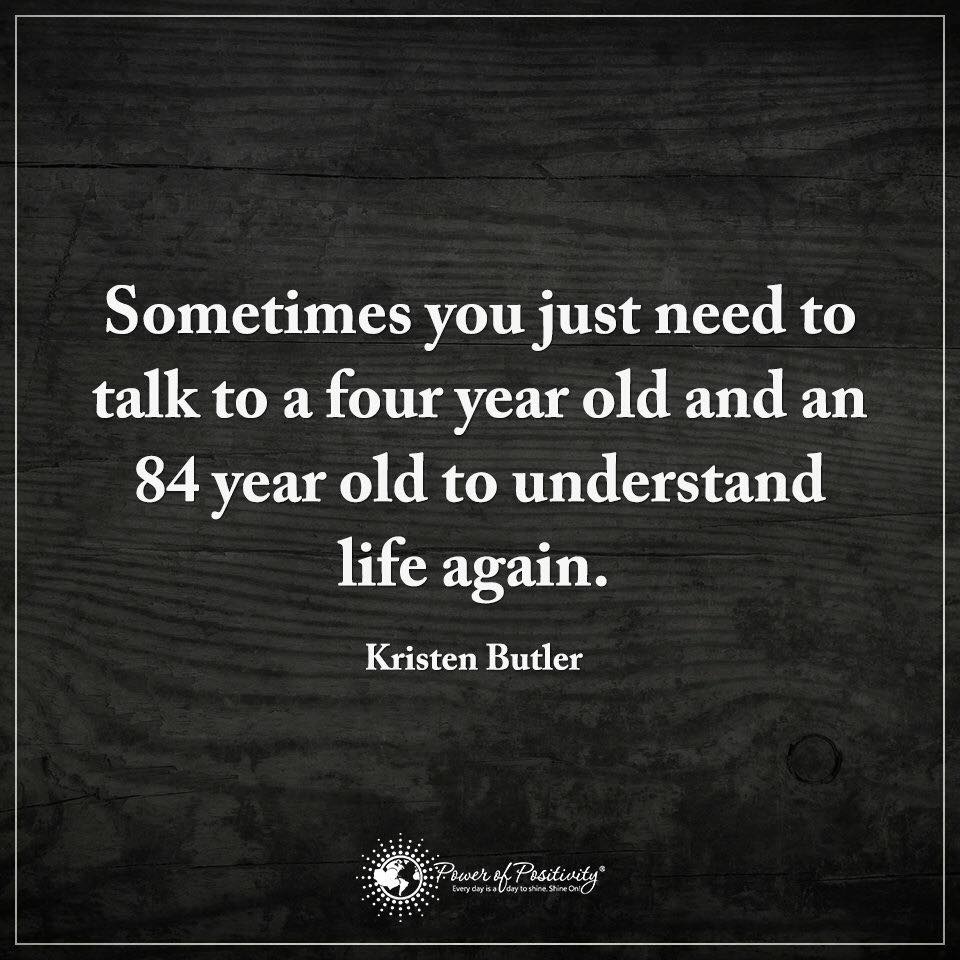
quotes to remember

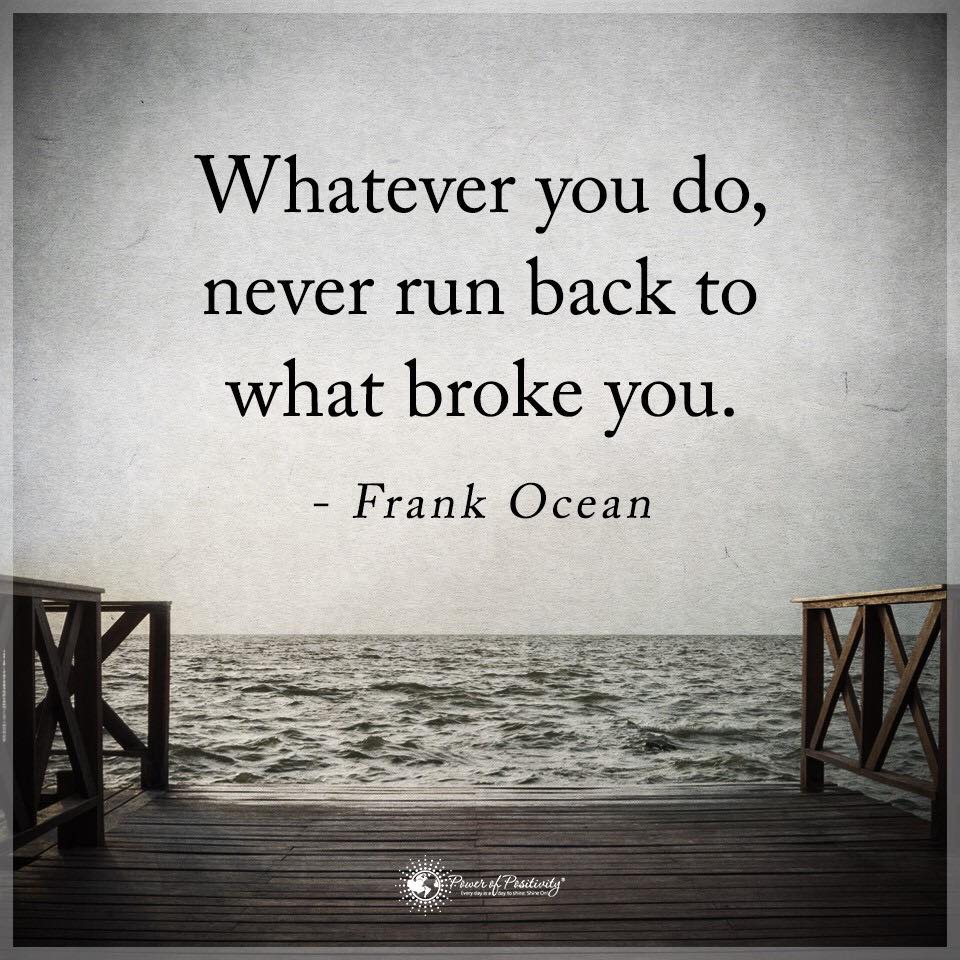
2. Whatever you do, never run back to what broke you. – Frank Ocean
quotes to remember

3. If you have nothing to be grateful for, check your pulse.
quotes to remember

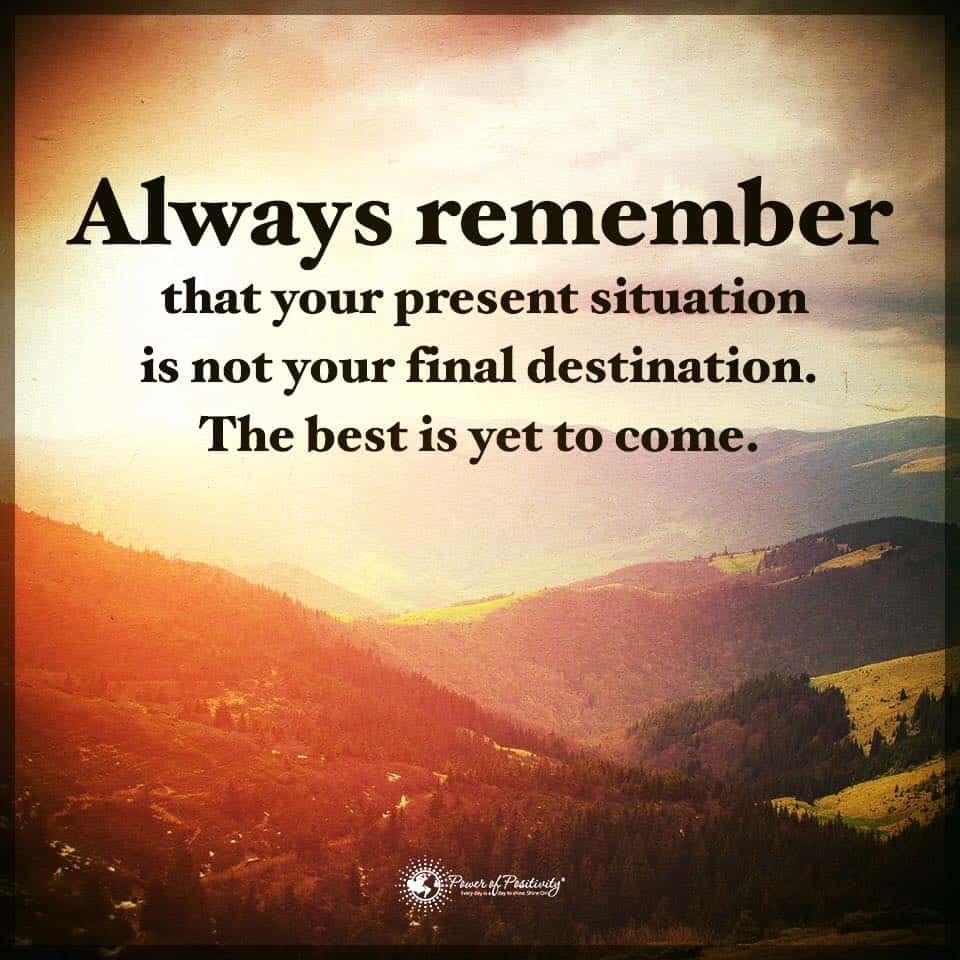
4. Always remember that your present situation is not your final destination. The best is yet to come.
quotes to remember

5. When life is sweet, say thank you and celebrate. When life is bitter, say thank you and grow.
quotes to remember

6. Sometimes the bad things that happen in our lives put us directly on the path to the best things that will ever happen to us.
quotes to remember

7. Every day is another chance to change your life.
quotes to remember

8. Look for something positive in every day, even if some days you have to look a little harder.
12961564_10153442043462371_19800582011959623_n

9. Life does not have to be perfect to be wonderful.

quotes to remember

10. You have to live through the worst parts of life so you never take the best parts for granted.

13000208_10153439166422371_1408078159794840747_n

11. Keep going…Difficult roads can lead to beautiful destinations.
quotes to remember

Related article: This Is The Most Important Question You’ll Ever Ask Yourself…

Here are a few things to remember when life seems unfair:

1. REMEMBER NOT TO GIVE UP.

We all go through struggles in life – it’s inevitable. Think of how unsatisfying life would be without challenges, though. We would never grow and learn without going through hard times; we would simply walk around feeling stagnant and bored. Obstacles keep us on our toes, encourage us to change and continue to break through barriers, and not fall into a trap of comfort and complacency. Just because times seem tough now, does not mean they will remain this way for long. Just keep your eyes toward the sun, and you’ll eventually find that the shadows disappear behind you. Quotes to remember will help you stay positive.

2. REMEMBER TO OPEN YOUR HEART TO CHANGE.

A lot of times, we complicate life by resisting change. However, change keeps us afloat, helps us grow, and ensures that we continue evolving and learning important lessons. No one said change feels comfortable, but if it did, would it really be worth it? If you haven’t noticed, the best things happen in life when we reach a crossroads, when life seems so dark and depressing that we can’t imagine it getting any better. Usually, when you’ve reached your limit and can’t imagine going on any longer, this exasperation and desperation actually shows you the right path to take. Nothing good in life comes easily, but it wouldn’t feel nearly as satisfying if it just fell into your lap.

3. REMEMBER THAT YOU HAVE A CHOICE.

At any point in time, you have the power to control your life – no outside force decides what job you will take, where you will live, or what attitude you will have. Everything lies in your hands, so instead of fearing or denying this responsibility, embrace it. You don’t have to work at a job you hate, or live somewhere that doesn’t make your heart happy, or stay in a relationship just because it feels safe. The moment you notice yourself falling out of love with life, you need to step back and reevaluate what decisions you’ve made thus far.

Remember, feeling broken just means that we need to make better choices for ourselves, so give yourself the opportunity to do so. You deserve to feel happy, but sometimes, it takes some elbow grease and a total upheaval in life to get there.

4. REMEMBER THAT PAIN DOESN’T LAST FOREVER.

Pain never goes on forever; if it did, we wouldn’t even know what happiness feels like. Just as we said before, life works in a realm of duality – we must feel sadness and despair to know joy, as frustrating as that might seem. Remember also that it’s okay to feel uncomfortable – instead of fighting these feelings, allow them to just pass through you. What you resist persists, so the longer you go to war with your innermost feelings, the longer they will linger. Embrace the pain, learn and grow from it, and thank it for teaching you valuable lessons. Pain can serve as a very valuable teacher if we accept it instead of condemning it and wishing it would leave us alone.

5. REMEMBER TO FOCUS ON ALL THE GOOD IN YOUR LIFE.

Oftentimes when we feel broken, we tend to just fixate on everything wrong in our lives instead of everything going right. Even if you can only feel thankful for getting out of bed this morning, extending gratitude toward life helps more goodness flow your way. If you focus your attention on everything going badly, guess what? You will only attract more of the same. Countless studies have linked gratitude with better relationships, improved health, a more optimistic attitude about life, and much more. These quotes to remember are just amazing to lead a positive life.
7 Ways To Reduce The Cortisol In Your Body

Our bodies produce cortisol when stressed – a byproduct of innate, evolutionary programming that helps initiate action and elude danger. Cortisol, in addition to epinephrine, is an important stress hormone that serves a variety of functions. In fact, cortisol helps keep us alive by maintaining our body’s homeostasis (balance). It helps regulate blood pressure levels, metabolic activity, immune system responses, blood pressure, inflammation, heart functions, blood vessel function, and central nervous system activity.

However, elevated stress levels can cause our body to overproduce this hormone. When this happens, the body is prone to a number of undesirable side effects including the following: high blood pressure, weight gain, elevated cholesterol, heart disease, anxiety and depression, immune system damage, and cognitive problems such as difficulty learning and impaired memory.

That said, it is important that we keep our cortisol levels stable.

What Does Cortisol Regulate in Your Body?

This stress hormone plays a key role in how you respond to stress. When you’re in danger, your body releases both adrenaline and cortisol. It’s an important hormone for your health and survival. Cortisol helps your body

  • Regulate blood pressure
  • Regulate the metabolism of fats, carbohydrates, and proteins
  • Reduce your inflammation
  • Maintain sleep cycle

Problems occur when you have too much cortisol being released into your body. Here are some signs you have high cortisol.

lower cortisol

10 Key Signs Your Cortisol Level Is Too High

“Stress is the trash of modern life–we all generate it, but if you don’t dispose of it properly, it will pile up and overtake your life.”  —Danzae Pace

1 – Cortisol imbalance might cause fatigue

If you experience constant fatigue, it could mean your body is releasing too much of the hormone cortisol. The hormone gets released by your adrenal glands to regulate your blood pressure. When you’re under stress, your adrenal glands release more cortisol. You’ll feel exhausted if these adrenal glands release too much cortisol over time.

2 – Obesity

Too high levels may increase your appetite. This makes you feel hungry all the time and overeat. Most of the weight you gain will be in your stomach area, which can lead to abdominal obesity.

3 – Sleep problems

If your body produces too much cortisol, it may cause you to have sleep problems like sleeplessness or sleep apnea. Not sleeping well can lead to weight gain and feeling more stress.

4 – Thinning skin

Another sign is thin skin. This is because higher levels of cortisol break down your skin proteins. It also weakens the small blood vessels under your skin, making your skin look papery thin, and translucent. You’ll also bruise easily and wounds won’t heal as quickly.

5 – High blood pressure

High stress makes your adrenal gland to release cortisol hormones. That’s why it’s called a “stress hormone.” The extra cortisol in your bloodstream elevates your heart rate and blood pressure. Too high of stress causes too much cortisol and high blood pressure to be released into your bloodstream.

6 – Weakness

Cushing’s disease occurs when extra cortisol is released into your bloodstream, resulting in high blood sugar, muscle weakness, and weight gain.

7 – High cortisol can cause diabetes

Elevated cortisol over time will produce glucose, which may lead to high blood sugar and type 2 diabetes. If you’re feeling stressed, mention it to your healthcare provider. They can run blood tests to evaluate your blood sugar levels.

8 – Menstrual irregularity

It could be due to stress and too much cortisol if you’re struggling with menstrual problems such as missing periods or irregularities with your period. The hypothalamus is part of your brain that regulates your menstrual periods. Stress, exercise, and sleep affect the hypothalamus. Elevated cortisol levels affect your hypothalamus, leading to irregular or missing menstrual periods.

9 – Trouble focusing

“Brain fog” is the term used to describe an inability to focus. This is a symptom of Cushing’s syndrome, a condition because of elevated cortisol levels. Brain fog makes you feel confused, forgetful, and lack mental clarity.

10 – Getting sick a lot

One common sign of elevated cortisol is a tendency to get sick often. Hormonal imbalances can interfere with your immune system’s ability to fight infections and inflammation.

Here Are 7 Ways to Reduce Cortisol in the Body:

pop quote

1 – Get some exercise to decrease cortisol

Is there anything that physical activity won’t help? Seriously… there seems to be a new study every other day that links exercise to health benefits. Anyways, getting exercise can help reduce cortisol by “releasing” pent-up stress or other counterproductive emotions.

One theory is that fear increases cortisol and that by exercising, we build upon our grit, resilience, and self-confidence…effectively counteracting potential fear and reducing cortisol levels. Theories aside, exercise is a great way to reduce cortisol levels.

2 – Practice mindfulness or meditation

Any kind of meditation or mindfulness practice can lower your levels. Even a few deep breaths in the middle of a hectic workday can reduce our anxiety and stress, which also lowers the stress hormone.

A good, simple practice: when we start to feel stressed out in any way, take 10-15 deep breaths while feeling the body relax. Paying single-minded attention to our body and mind is called mindfulness – a practice that is incredibly beneficial to reducing a multitude of negative effects, both mental and physical. Of course, this reduces levels of cortisol.

3 – Connect with others

Researchers at Johns Hopkins University discovered a link between social isolation and increased cortisol levels in mice. It is believed that those with a predisposition towards mental illness who are socially isolated in adolescence are more at-risk for developing abnormal behavior later in life.

This study confirms what many scientists already knew: human bonding is essential to physical and mental health at any age. Familial ties, friendships, and intimate relationships are all beneficial to stress and thus reduce your levels.

4 – Laugh a little

“Laughter is the best medicine.” How many times have we heard this throughout our lives? Dr. William Fry, a behavioral psychiatrist whose been studying the effects of laughter for over 30 years, states that laughter is inextricably linked to several physical and mental benefits.

One such benefit of laughter is its positive effect on stress hormone levels. Studies show that having a sense of humor, laughing and levity are all beneficial in reducing the levels of cortisol and other stress hormones.

5 – Listen to some tunes

Pretty much all of us have experienced music’s mood-enhancing properties. There’s something about putting on a favorite tune and feeling much better for doing so. Turns out that there is a chemical reason for this: music increases the number of endorphins (“feel good” chemicals) and reduces the number of stress hormones in the brain.

6 – Eat healthy foods to rebalance cortisol

Certain foods such as eggs, fish, lean meat, flaxseed, citrus fruits, berries, and leafy greens can help rebalance your hormone levels. Another good idea for lowering stress and reducing cortisol is to incorporate five small meals a day. This helps to stave off hunger and reduce the common food cravings resulting from high cortisol levels.

Finally, implementing a high-fiber and high-protein diet will aid in reducing stress hormones. Reducing complex carbohydrates (i.e. sugar and starches) is another idea that helps in keeping cortisol levels at bay.

lower cortisol

7 – Get enough sleep

This one is relatively simple to explain. Not getting adequate sleep (seven to nine hours a night) produces a systematically negative response from the body. We’re prone to cognitive impairment and are more reactive to the environment around us – both things are very bad for stress.

It is important to establish a sleep routine. Sleep experts recommend going to bed and waking up at the same time every day, including on weekends. It is also important to reserve the bedroom for sleep-related activities only. No tablets, cell phones, or laptops in other words.


What Does Your Palm Reveal About Your Personality?

You might not think your palms say much about your personality, but did you know the size, shape, and lines on your hands and fingers can reveal more about you than you’d think?

If you turn your palms up and take a quick look, you will probably notice that you have three major lines of varying lengths running across your hands. These three main lines are known as the head, heart, and life lines, and each can reveal a lot about your personality. Called palmistry, people have relied on palm reading since ancient times in parts of Asia, Persia, Israel, and Babylonia, to tell them more about themselves and their lives.

While many people might not take palmistry seriously, several scientific studies have come out that prove palmistry can reveal things about one’s health, personality, and even sexuality. Many famous people, such as Mark Twain and Thomas Edison, would fly long distances to have their palms read; however, you can read your palm without having to leave your own home with the information provided below.

Palmistry can tell you important aspects of your personality and life through studying the size and shape of the hands, and the lines running across the wrists and palms. In addition, palmistry can be divided further into two areas of study – chiromancy, or the study of the lines on the palm, and chirognomy, or the study of the shape of the hands and the color, shape and texture of the palm, fingers and thumb.

Most palm readers will agree that for right-handed individuals, the left hand lines, shape, and size will reveal the personality, character traits, and important life occurrences for the individual (the opposite is true for left-handed people). However, this fact might vary depending on the individual palm reader and the country you get your palm read in. Below, we’ll go into further detail about the major lines in the palm, as well as some other aspects of palm reading.

What Does Your Palm Reveal About Your Personality?

palm

THE MAJOR LINES

The palm of the hand contains three major lines, as we discussed above — the life line, heart line and head line. Most people feel drawn to learn more about their life line than any other line on their hands. This line begins between the index finger and the thumb and continues downward toward the base of the thumb and the connection to the wrist. The heart line, also known as the love line, reveals information about a person’s emotional state as well as their emotional connection to others. You might also consider it as an indicator of your heart health. The head line, also known as the wisdom line, reveals one’s mental state, intuitive abilities, and intellect.

Life Line

The line on the palm that draws the most attention and speculation, this line begins between the index finger and the thumb and continues downward toward the base of the thumb and the connection to the wrist. Many people think that this line will reveal how long you will live, but this is just a misnomer. It does reveal important information about the experiences you’ll have in life, as well as your emotional and physical health.

Long and deep line — Indicates great health, vitality, and strength. Very well-balanced person.

Short and deep line — This means you have the capability to overcome any physical challenges you face. It does not mean you’ll have a short life. However, a short, shallow life line may mean that other people can easily manipulate you.

Deep line — Your life path won’t contain too many obstacles.

Faint line — Not a lot of stamina; won’t face too many adventures in life.

Broken line — Unfortunately, a broken life line indicates what it symbolizes – a literal break in your life in the way of loss, illness, interruptions, or accidents. If you have a broken line on only one hand, it means that you might suffer an illness or accident but recover quickly. However, you might suffer a more serious illness if you have this break on both hands. If the break occurs near the wrist, this might point to early childhood struggles and problems.

Chained line — You are vulnerable to physical and emotional health issues. You also live a turbulent life that constantly changes and moves directions.

Forked line — Generally, forks indicate a huge life change or interruption. It might also mean you’re scatterbrained and are torn between several choices.

Double or triple line — Means that you have positive influences in life and possess great energy. You could have a twin or have already found your soulmate in life. However, you can take this literally to mean that you have two or three different identities or lives.

Absent line — Means that you don’t know how to relax, and you might suffer from anxiety or restlessness.

Branched line — Upward branches mean great success, and downward branches indicate scarcity and lack in all areas of life, including energy levels. Lines extending up and above the life line show that you can recover from problems quickly. Lines extending below the life line mean that you waste valuable energy often.

Heart Line

The heart line, also known as the love line, reveals information about a person’s emotional health, as well as their relationships with others. You might also look at it as an indicator of one’s heart health. Located above the head and life line, it starts either under the index finger or middle finger, and extends toward the pinky finger.

Long — Means an open, warm, loving person. Might also indicate that the person has unrealistic expectations of relationships.

Very long — A line touching both ends of the palm indicates overly dependent habits in relationships.

Short — Self-absorbed person; reserved, reticent, introverted.

Deep — Might indicate a highly stressful life.

Deep and straight line — You are a rebel who likes to make your own rules and can get easily jealous.

Straight  — You’re a logical, analytical person, and don’t get too mushy and sentimental in relationships.

Straight and Short — You don’t concern yourself much with romance; whenever it happens, it happens, and you don’t try to control it.

Straight and Parallel to the head line — You’re deeply in control of your emotions.

Wavy — Many relationships in life, but not too many serious ones.

Clear and Deep — Honest, generous, considerate person who is very self-aware and in control of emotions.

Red and Darker — You have a turbulent personality, meaning that you can get easily excited and also easily angered.

Red and Lighter — You can seem disconnected, distant, and even cold at times.

Faint — You are apathetic and don’t care too much about your emotions.

Broken — Emotionally exhausted, prone to mood disorders and probably has experienced emotional trauma in the past.

Chained — Negative feelings in your heart; might be going through depression or a brief period of unhappiness.

Double Forked — You have the perfect balance of head and heart, and value both romance and logic.

Triple Forked — You have an even more perfect balance of your mind, body and spirit.

Curved  — Indicates a very empathic, highly sensitive person. You are deeply in touch with your emotions and are highly intuitive.

Absent — Ruled by logic, apathetic, not too concerned with personal feelings or the feelings of others.

Without Branches — Stagnant as far as emotional growth.

Branched upward — Positive relationships, great interest in deep, meaningful connections.

Branched downward — Not very good relationships; very turbulent past as far as relationships go.

Head Line

The head line, or wisdom line (considered one of the most important lines in Chinese palmistry), reveals mental and psychological makeup and intellectual development and intuitive abilities. This line begins just above the life line, between the thumb and the index finger and runs across the palm toward the other edge of the palm horizontally. Sometimes the head line begins directly on the life line and extends out from there. This indicates a headstrong, tough personality.

Long — High intelligence, strong memory. This person thinks things through thoroughly before acting, and doesn’t make rash decisions.

Very long, extending across entire palm — Strong personality, very successful, assertive. Might seem a bit self-centered.

Long and straight — Complex, highly adaptable person.

Straight — Logical, organized, not creative or free spirited, likes to follow the rules, down-to-earth, practical.

Short — Analytical, logical, straightforward person who likes to cut to the chase.

Deep — Great memory, focus, and a practical type of personality.

Wavy — Indicates a constant battle between the head and the heart. Might also indicate a person who doesn’t know what they want and flits from one thing to another in life.

Curved or sloping — Romantic, opportunistic, idealistic person who trusts his intuition and loves trying out new things and discovering new perspectives in life.

Faint — The dreamer in life, this type of person doesn’t pay much attention to logic. Tends to lack common sense as well.

Broken — Mentally exhausted, doesn’t have much control over thoughts, fragmented thought patterns.

Crosses — Indicates important life decisions that have impacted who you are as an individual today.

Chained — This means you’ve been going through a hard time and have had difficulty seeing the positive side of the situation.

Forked — A forked line indicates a person who enjoys debate and conflict, and can see both sides of an issue. This indicates a strong speaker, writer, and thinker who uses his intellect to advance in life.

Hooked — This might indicate self-absorption and selfishness. A hook low in the palm means a very untrustworthy individual who is also incredibly frugal.

Branches — Indicates important events yet to come in your life. May also indicate distractions that can take you off of your life path.

Branched upward — Indicates positive outcomes in all areas of life. Might also mean that you aim too high in life, and can get too wrapped up in your dreams without looking at the realistic side of things.

Branched downward — Indicates struggle, depression, loss, and general obstacles in life. Might indicate lack of success and prosperity.

Absent — Not common at all, but can signify laziness, detachment, and lack of interest in life.

Sister or Double — This might mean extra brainpower, emotions, and connection to life. A positive thing in most cases.

THE MINOR LINES

The palmistry minor lines, or secondary lines, can reveal an individual’s talents, interests, strengths and weaknesses. Their meanings can vary, depending on a variety of factors. Some people have faint or totally absent minor lines, which happens quite often. If they do appear on the palm, the palm reader can gain even more insight into the person. The nine more common lines are the fate line, apollo (sun) line, bracelet (rascette) lines, relationship (marriage) lines, health line, girdle of venus and intuition line.

Here’s a little information on fate lines. If yours are:

  • Deep and straight, you have a very solid, promising career.
  • Faint, you don’t like your job very much.
  • Has lots of forks coming off it, you’ve had a very turbulent career.
  • Starts from your life line but later splits off, you’ve been ambitious since a young age, and prefer an entrepreneurial approach to life.
  • Joins with the life line in the middle, you may have or will later give up your interests and desires for the sake of others.
  • The fate line starts at the base of the thumb and then crosses the life line, your family and friends greatly support you.

palm

THE MOUNTS

In Palmistry, the mounts, or bumps of flesh, on the palm can reveal a great deal. They relate to the planets, which can tell us a lot about our personality. There are seven mounts on the palms, which represent the Sun, Moon, Mars, Mercury, Jupiter, Venus and Saturn. Where the mounts intersect the lines on the palms can also tell even more about an individual.

MARKINGS

Palmistry markings indicate positive or negative interruptions and blockages in the normal flow of the palm lines, mounts and fingers. They can indicate warnings of struggles, accidents, health problems, or other issues. On the other hand, some markings may indicate a period of recovery, problem resolution, or an emotional healing period. However, their meanings depend on the placement on your palm. They can also enhance or diminish the energies from those areas. The important markings that may appear on the palm of your hand include breaks, chains, crosses, dots, grilles, islands, squares, stars, tassels, transverse lines, triangles, tridents, upward and downward lines and vertical lines.


Science Explains How Asking Yourself 4 Questions Every Morning Can Change Your Brain

Think about this question: Do you have control of your brain?

Really give it some thought. Please don’t move forward until you’ve thought this through for a minute.

Now, our inclination is to answer something like: “Yeah! Of course. It’s my brain that’s in my body!” or “Who’s brain would it be?!”

Your brain assuredly belongs to you…but do you have control of it? Many of the world’s brightest neuroscientists say “No” to some degree or another. In fact, statistics show that most of the time our brain is sort of on “autopilot.”

The average human attention span has fallen from 12 seconds in 2000, or around the time the mobile revolution began, to eight seconds – a 33 percent drop. Goldfish, meanwhile, are believed to have an attention span of nine seconds. – The Telegraph (UK)

Here are a couple of examples:

pop meme

  1. You’re on a diet and exercise routine, but for some reason – despite your better judgment and best intentions – you can’t wean yourself off of the glazed donuts at the local grocery store.
  2. You’ve promised yourself to stop with the negative, self-critical thoughts. But for some reason, they’ve seemed to proliferate even further.

These are just two off-the-cuff examples that you may or may not relate to. The underlying premise is this: we’ve all had thoughts that we wish we hadn’t. At times, we’ve even acted on these thoughts despite our better judgment or knowledge.

The simple answer to the question Do we have control of your brain is “Yes and no.” It’d be foolish to think that we have no control – after all, we do some of the things that we intend to. But we’re on autopilot an awful lot of the time. Perhaps eating on autopilot, driving on autopilot, thinking mindlessly on autopilot, listening on autopilot, talking on autopilot, etcetera.

Why is this?

Quite simply, it’s because the brain is “lazy” by default. The brain is incredibly complex and has evolved to find ways to operate more efficiently. The brain is also a pattern-recognizing machine – it’s designed to tie abstract things together in order to make sense of the environment. This is why it’s difficult to break out of habits once they’ve been established.

Without proper “training” the brain remains in autopilot mode a disproportionately large amount of the time. This is where our conscious mind comes in.

“Retraining” the mind doesn’t have to be an elaborately complex process. In fact, by resolving to memorize four basic questions can simplify any challenge, problem or decision we face – big or small.

Asking Yourself These Questions Every Morning Can Change Your Brain

Every morning, commit to asking these four questions when facing a challenge/problem/decision.

Related article: This ONE Phrase Will Completely Change Your Life

1. What is really important?

Ann Hermann-Nehdi, CEO of Herrman International and guest speaker at multiple TED conferences, calls this the “payoff” question because we’re consciously programming why it is we’re doing something in particular.

For example, many of us decide we want to “exercise more.” This is an abstract concept that needs to be more concrete. What is important that makes us want to “exercise more”? Physical appearance? Lower cholesterol? To be a role model?

What is really important to you that makes you want to lose weight? Or get a promotion? Go back to school? Buy a home? Start a business? Etcetera. Don’t allow the mind to lazily put this question off – providing substantive rationale for any challenge/decision/problem makes it much more likely that you’ll see it through to the end.

2. How am I going to do it?

We have a tendency to say we’re going to do something without forming any type of plan. To do so is actually very common. It is common because our brain has a devious way of avoiding responsibility.

Here’s another example: we’ve decided to “look for a different job.” Granted, this sounds simple enough – but how many people stay in the same job despite their misplaced intentions? Often times, the reason people do such is because they never had a plan.

So, how is this hypothetical person going to “look for a different job?” Carve out an hour or two each Saturday morning? Research companies that are hiring in the area? Network with people on LinkedIn/Facebook/Twitter? Freshen up the resume? Post to multiple job boards? Seek the knowledge of a recruiter/headhunter?

3. Who is going to be involved?

It’s possible that the decision to take some kind of action won’t involve anyone else but you. If this is the case, so be it. But it’s advisable to at least contemplate the question of who is – or could be – involved in any decision and/or consequences of such a decision.

One mistake that people make when facing a challenge/problem/decision is overlooking those who are affected by said decision(s). Again, this is the brain’s way of shirking any necessary but unwanted effort. To understand who is potentially involved in either the decision or consequence of a decision is to bypass possible complications that arise from someone else’s perspective.

4. What if _____happened?

In some instances, it is good to have a contingency plan in the event of the unfortunate. As an illustration, let us use the examples from earlier.

“I want to “I want to exercise more.”

exercise

What if I got injured?

“First, I’d examine if some type of exercise would be possible. Second, in the event that I couldn’t exercise, I’d cut back on some food types…”

“I want to look for a different job.”

What if my spouse fights it?

“My spouse deserves a rational explanation for why I want a different job. I’ll lay out my case and address any concerns.”

Usually, we can anticipate what or who may be potential “obstacles” for potential decisions. If we anticipate a potential obstacle, depending upon the situation, it may be worthwhile to come up with an appropriate response.

If You Always Feel Restless, This May Be Why…

Do you ever feel like you don’t belong anywhere on this planet? The feeling that no matter where you go, you can’t feel at home there, like you got dropped off on Earth from some distant planet. If this sounds like you, you might have a blocked root chakra. The root chakra, or the first chakra, is located at the base of your spine, and helps you to feel balanced, grounded, and safe. This chakra, when balanced, allows you to feel secure, focused, and in the moment. However, a blocked root chakra can make you feel anxious, restless, fearful and simply imbalanced.

Below, let’s talk a bit more about the root chakra, and what you can do to get it unblocked.

If You Always Feel Restless, This May Be Why…

Related article: 7 Sacred Herbs That Activate And Align Your Chakras

In Sanskrit, the root chakra’s name is ”muladhara” and can signify “base”, ‘foundation”, or “root support”. It’s often depicted by a rich red color. Since the root chakra lies at the base of your spine and is the first chakra, it literally lays the roots for your whole life. When you open this chakra, you can begin to expand your world and open yourself up to new possibilities. However, a blocked root chakra can make you feel frazzled and like you can’t settle down with anything in life.

Characteristics of the Root chakra:

  • Safety and security
  • Basic survival and basic needs in life
  • The physical self
  • Grounding
  • Lays the foundation for our lives
  • Focus and stability

Ultimately, the root chakra symbolizes the ideas of safety, security, and grounding ourselves to the Earth. It signifies anchoring our physical self to our world so that we may feel stable and have our basic needs met. The root chakra lays the foundation for everything else, for it begins at the literal root of your body, and expands upwards into the other chakras.  You want to use your root chakra in order to ground yourself and establish your sense of security in this world.

Signs of a blocked root chakra:

A blocked root chakra can make you feel restless, anxious, and out of place in the world.. However, an overactive root chakra can lead to feeling greedy and paranoid, and can sometimes manifest in the form of eating disorders. It can seem as though you have no home on this Earth, which will make you feel constantly restless.

The following are symptoms of an imbalanced root chakra:

  • Very negative and cynical
  • Overly restless
  • Anxious and paranoid
  • Unable to focus
  • Excessive greed
  • Feeling like you can’t get out of survival mode
  • Too dependent on others
  • Issues with abandonment

A blocked root chakra can make you feel as though you have no purpose and no place to call home, as if you are floating through life aimlessly. A root chakra blockage can also make it difficult to keep a job or stay in one place for extended periods of time. Upon opening this chakra, you will find it easier to “root” yourself, and will feel more secure and stable in life.

Some common physical symptoms of blockage include:

  • sciatica
  • hypertension
  • impotence
  • colitis
  • constipation
  • back pain
  • fatigue
  • weight gain

Emotional Signs of Root Chakra Blockage

  • depression
  • anxiety
  • fearfulness
  • guilt
  • resentment
  • eating disorders
  • greed
  • delusional
  • insecure

An imbalanced root chakra can lead to feelings of paranoia and constant restlessness. You might feel as though you will never settle down, and that you can’t ever relax. If you feel that you have a blocked root chakra, read on to find out how to clear this blockage so you can live more freely and move out of survival mode.

What To Do About A Blocked Root Chakra

Related article: 7 Signs You Have Blocked Chakras

Clearing the root chakra involves a lot of meditation and grounding exercises, so that you can begin to feel comfortable within your own body and mind.

A few beginner steps to clear the root chakra include:

  • Any physical exercise. The root chakra is associated with movement, so doing any sort of physical activity can help it to open. Try to do outdoor activities, as the root chakra is strongly associated with Earth. You can do gardening, hiking, or simply spending more time connecting with the Earth. Yoga is also a wonderful activity for grounding yourself.
  • Go deep within and meditate quietly. Remind yourself that you are loved, and that you have a home here on this planet, even if it often doesn’t feel like it.
  • Incorporate red colors into your life to help boost this chakra’s energy. Also, when you feel disconnected from yourself and the Earth, try walking outside barefoot. This will establish a direct connection between you and the soil, allowing you to literally ground yourself to the planet.

4 Things You Should Never Forget In Life

The most important thing is to enjoy life – to be happy – it’s all that matters. – Audrey Hepburn

In just the last 50 years, our lives have drastically changed. We’re constantly on the go – always connected and at the behest of what society “wants” from us. Today, we’re often required to put in more hours at work for less pay. These efforts, in effect, are taking time away from our families and things that we enjoy.

As fallible human beings, none of us are entirely innocent. Many of us have placed too much importance on money and possessions and too little on family and relationships. We’ve sacrificed our health, self-image, relationships, and even our values and beliefs, for security and prosperity.

So, it begs the question: What are the most important things in life?

Think about this for a second.

Is work? Is school? Money? Cars? Possessions?

By the way, it’s okay if these things are important to some degree. But we should ask ourselves if we consider them among the most essential things in our lives OR if we’re substituting them for something else.

That “something else” for which we may be substituting could be love, happiness, joy, self-fulfillment, self-confidence, and health, among other things.

Regardless of how each of us answers the above question, we’d be wise to examine how we spend our time and expend our effort. The reason is this: we may say or even truly believe something or someone is the most important, but if we’re not investing our time and efforts in that, it doesn’t make a difference.

Here are four things we should never forget in this lifetime:

Related article: This Is The Most Important Question You’ll Ever Ask Yourself…

1. Health should be our top priority

“It is health that is real wealth and not pieces of gold and silver.” – Mahatma Gandhi

Being healthy in mind and body is the only way to live a fulfilling life. It is important to note the difference between a disability/sickness and health, as those with a disability or chronic illness generally learn to accept their condition and can go on to do great things. However, making poor decisions in treating our only mind and body is a recipe for unhappiness.

Quite simply, nothing else that we think of as important matters if our health is poor. The quality, fulfillment, and even longevity of life are adversely affected if we neglect to take care of ourselves first. Elaborating on the last point, it is impossible to truly care for someone else if we don’t first care for ourselves.

2. Relationships are what truly matters

“We’ve got this gift of love, but love is like a precious plant. You can’t just accept it and leave it in the cupboard or think it’s going to get on by itself. You’ve got to keep watering it. You’ve got to really look after it and nurture it.” – John Lennon

This quote by Lennon on relationships is long but couldn’t be more correct. The truth is that we all love and are loved in return. The problem with most relationships is that they’re not tended to or “nurtured” as the great singer puts it.

Tragically, many relationships wither away like a plant because of neglect. Parent/child relationships have ended because of neglect; couples divorce because of it; close friends separate.

Let us nurture our precious relationships and not set them aside.

3. A positive self-image is paramount

“It’s not what you say out of your mouth that determines your life, it’s what you whisper to yourself that has the most power!” ­Robert T. Kiyosaki

Without a positive self-image, we care too much about what others think and are constantly comparing ourselves. Other people’s opinions about you carry more weight than what you think about you.

When we have a positive self-image, the aforementioned inner conflicts fall by the wayside. We have courage, confidence, resilience and, most importantly, peace. As with health, it is very difficult to carve out our life’s path without a positive self-image.

It may sound cliché, but bears repeating: we all have faults. Picture the most “well-rounded” and “put together” person. Odds are that they have issues despite of this conceptualization. A positive self-image isn’t about liking everything about ourselves, it’s about accepting these things while we remain willing to change them.

4. We shouldn’t forget our dreams, values or purpose

“If today were the last day of my life, would I do what I’m about to do today?” – Steve Jobs

Another cliché that bears repeating: life is short. That’s it. Life is short. Far too short to navigate a path that doesn’t align with our dreams, values or purpose.

As with so many other important aspects of life, these things are often (subconsciously, perhaps) disregarded or substituted for something else that matters far less. It’s difficult to continually strive for our dreams and hopes in a society that strives to define success for us.

Here’s the thing: it’s NOT society’s place to define success, it’s ours. Again, life is short, and as so eloquently put by Mr. Jobs:

“Death is very likely the single best invention of life. It is life’s change agent.”

Do you need to change something?

Related article: 5 Life Lessons From Dr. Seuss

10 Ways To Increase the Oxytocin In Your Body

Oxytocin is a hormone produced primarily in the hypothalamus and acts as a neurotransmitter in the brain. It plays a massive role in the female reproduction system during childbirth and lactation. But, the hormone is best known as the “love hormone” because of how it increases with touch and stimulation. This powerful hormone plays a huge role in relationships and how we partner up with others.

What Is Oxytocin?

The hormone oxytocin is a messenger, controlling your reproductive system for childbirth, lactation, and more. It’s produced in your hypothalamus and gets secreted into your bloodstream. Oxytocin gets secreted when the neurons in your brain cells are excited.

What Role Does Oxytocin Play?

Oxytocin has two primary jobs in your body. It controls childbirth and certain human behaviors.

oxytocin

Oxytocin and Childbirth

During childbirth, it causes contractions of the uterine muscles. Synthetic oxytocin is often given to women to strengthen the contractions to induce labor if it’s not starting naturally.  It might also speed up the delivery of the placenta. The placenta is an organ attached to the uterus. It provides oxygen and nutrients to a growing baby. Speeding up the contractions to deliver the placenta helps prevent heaving bleeding after childbirth. During breastfeeding, oxytocin enhances the movement of milk through the breast.

In men, oxytocin’s role is to transport sperm and produce testosterone in the testes.

Human behaviors

Oxytocin’s second job is to act as a chemical message to your brain. It has a vital role in sexual arousal, romantic attachment, recognition, and trust. Because of this activity, it’s often called the “love hormone.”

Oxytocin and depression

Oxytocin’s effect on the brain is complex. Researchers suggest there may be a role that oxytocin may play a role in depression disorder. They’re still unsure of the full benefits of this hormone.  There’s hope that oxytocin could treat depression and anxiety disorders. Other research is underway on oxytocin’s role in different conditions, such as these:

  • Post-traumatic stress (PTSD)
  • Anorexia
  • Addiction

It’s possible to have too much oxytocin in your body. Men with too much end up with the condition that affects their prostate. This excess is typical in older men and causes difficulty urinating.

Is it really a love hormone?

Even though oxytocin is called the “love hormone,” it doesn’t always give you warm, fuzzy feelings. A recent study found that too much oxytocin causes emotional pain.  When you go through a stressful social situation, this hormone strengthens your bad social memories in specific brain regions. Just as oxytocin intensifies good memories, it also intensifies negative feelings and increases your fear and anxiety in the future. Researchers hope to understand better oxytocin’s two roles of reducing stress or enhancing anxiety and manipulating it to prevent these effects.

Can you have too little oxytocin?

Science links low oxytocin to autistic spectrum disorder (ASD).  Researchers think that oxytocin could be helpful to treat this disorder.

Ten Ways to Boost Your Oxytocin Levels

Here are ten ways to increase this hormone in your body:

1. Physical touch.

Hugs, kisses, and cuddling increase oxytocin levels quickly. WebMD explains how men react to intimacy showed that under the influence of oxytocin, two areas of the brain responsible for feelings of reward and pleasure lit up when men saw their partner’s faces. But the sight of other women had the opposite effect, suppressing feelings of joy. Oxytocin triggers a reward system that activates and releases when we are in loving relationships. Physical touch is stimulating. The hormone releases during intimacy, and for men, it only occurs when with someone they love.

2. Words of encouragement.

When we hear a compliment, we feel good about ourselves. We believe we are being loved and held in high esteem. The same effect works on this level as well. The “feel-good” hormone increases when we are caring and compassionate with another, or vice versa. Words have a powerful frequency. When we feel loved and we relate to it, oxytocin increases. The same goes for giving a compliment to another. The kindness you put out into the world also increases oxytocin.

3. Listen.

Everyone wants to feel acknowledged. We all want to know that our loved ones hear and accept us. Listening is a fantastic way to increase oxytocin. When you are present with another, you can feel the connection. Listen attentively. Put the phone down. Close the computer. Make time to be one-on-one with another. You will find a sense of reward that is priceless. Also, listening to music or something we enjoy releases dosages of the little hormone as well.

4. Smile and laugh.

Have you observed how kids play? They smile and laugh a lot. Whenever they are in that moment, they release oxytocin. Smiling is contagious. It’s one of those things that you cannot help but return to when it is geared at you. Research has shown that laughter and smiling improve health through many physiological changes. Most of the time, it happens unconsciously. Happy people live for joyous moments. Their oxytocin is constantly being released. Laughter creates a sense of joy, the most significant trade-off in life.

5. Meditate and pray.

When you are clear-headed and relaxed, your hormones are balanced. Oxytocin increases when you are not in fight or flight mode. Prayer and meditation allow the mind to detach from stress. It lowers blood pressure and allows the body to feel balanced. Mind, body, and spirit find a way to connect. Make time for it at some point in the day. You can do it for five minutes anywhere.

oxytocin - meditation

6. Exercise.

Endorphins and oxytocin increase during exercise. Oxygen travels to the brain and other parts of our bodies. Training is not just for keeping your body functioning correctly. The number of hormones released to the brain is also beneficial. You don’t have to go to a gym. Walking around the block or doing gentle yoga can also bring on these benefits.

7. Cry.

Studies have shown that suppressing your emotions lowers oxytocin levels. Withholding your feelings and not dealing with them causes stress and other physical issues in the body. Your emotional state should be imbalanced with your spiritual and physical bodies. The release of tears allows the body to return to a state of calmness instead of holding on to anger or frustration.

8. Give.

We feel good when we give, volunteer, and do for others. Give gifts, give your time, give to charity and give thanks. Gratitude is a significant factor in how we feel. Give of yourself and watch how great you will feel. Oxytocin produces the feeling of bonding with others. Giving is a form of human bonding. This is a natural and easy way to increase your oxytocin while helping another.

9. Get creative.

Creativity helps de-stress the mental mind. While you are creating, you aren’t worrying or fearing anything. As you paint, draw, sew, journal, write, play an instrument, or anything that takes you out of a regular routine, you allow the good hormones to take over in the brain. Endorphins are released, and oxytocin is charged up. Making time to use your talents is imperative to inducing joy.

10. Get a pet.

Animals have a way of calming us. You enter the house, and your cat and dog are anxiously waiting for you to give them love. The same effect oxytocin has on touching another person works on petting your animals. Research shows that touching your pets lowers your blood pressure and increases your oxytocin levels.

oxytocin

Final Thoughts On Increasing Oxytocin

To say that oxytocin is a complicated hormone is an understatement. It plays a critical role for women in childbirth and lactation. In men, oxytocin helps transport sperm and produce testosterone in the testes. We might call oxytocin the “love hormone,” but it doesn’t always reveal love. Sometimes it increases your anxiety and pain, especially in negative social settings. Other times, it reduces anxiety because of depression. They may link too little oxytocin to autism. Researchers hope to understand oxytocin roles and how to control them. In the meantime. We hope this “love hormone” shows you the love.

10 Signs You Deserve More In Your Relationship

You deserve more from your relationship if you are less than blissfully happy right now. Being unsatisfied in your relationship means that your current level of happiness with your partner is not meeting your expectations.

This doesn’t mean that you need to leave your partner, it means that you need to evaluate your expectations, ask for what you need, and work with your partner to make sure that you are getting all of your needs met.

You deserve more from your relationship if you feel like your needs aren’t being met. Let’s look at the signs that you deserve more from your relationship and some ways to get it.

10 Signs You Deserve More From Your Relationship

relationship

1. You haven’t cuddled in months

Cuddling releases the hormone oxytocin, which is why it has been given the nickname ‘the cuddle hormone.’ Oxytocin is released when mothers nurse their infants and when humans who care for each other are touching and in close contact with each other.

Your craving for oxytocin is perfectly natural. Going without it is like going on a crash diet where you starve yourself. Physical touch is important to create a bond of trust, intimacy and emotional well-being. If you need more touch, ask for it.

2. You feel insecure about your partner

Feeling insecure is different from actually being insecure. Your relationship is not secure if your partner has already threatened to leave or is taking action to exit the relationship. Feeling like your partner is going to leave or worrying about it when there is no evidence that they are considering leaving is another type of insecurity.

Psychologists studying adult attachment style in romantic relationships have identified three styles; secure, anxious-ambivalent (fears rejection and wants security), or avoidant (emotionally distant). These attachment styles have to do with how we feel about our partner’s ability to meet our needs. Those with anxious-ambivalent and avoidant attachment styles in relationships feel less secure with their partners.

In a study of 118 male and female college students, people who had either the anxious-ambivalent or avoidant attachment styles also had more irrational beliefs about their relationship than those with a secure adult attachment style. People who worried about their partner leaving them had lower overall relationship satisfaction.

3. You give more than you get

Some people are just naturally more giving than others and they enjoy doing it. If your partner takes advantage of your giving nature, you can feel like your relationship is out of balance.

A one-sided relationship is what you’re in if you give more to your partner. You deserve someone who can anticipate your needs. Your romantic partner should be able to at least provide for your basic mental and emotional needs.

4. Your partner doesn’t express gratitude

Being taken for granted is a sign that you deserve more from your relationship.

Researchers in the European Journal of Personality studied people who stayed in relationships compared to those who left. They found that ‘Being dependable rather than being dependent seemed to be a protective factor for relationship continuation.’

In other words, being able to manage their own well-being away from their partner helped them to feel more self-reliance. Being self-reliant helped people to stick it out in a relationship where they felt unappreciated by their partner.

5. You take the lead most of the time

If not for you, you would be homebodies who never went out, never had plans with friends and never celebrated a birthday or anniversary. You are the one always making plans and your partner is along for the ride.

6. Your partner spends a lot of time away

Being around your partner is the highlight of your day, but your partner doesn’t seem to feel the same way. At least that’s how you feel when they spend a lot of their time on other activities with other people.

Related article: 5 Signs You’re In A Relationship With Your Soulmate

7. You are excluded from family events

Your partner should treat you as a priority in all things, including family events. You are your partner’s most important family member and they need to treat you as such. Feeling left out is a sign you deserve more from your relationship.

8. Your partner doesn’t act accountable

Your partner should be able to admit when they were wrong and choose to act differently in the future. You may find that you are saying ‘I’m sorry’ more often than your partner does after a fight.

9. You daydream often

Your future that you fantasize about doesn’t have your partner in it. The reason is that you don’t see your partner supporting you in your ideal future so your daydreams don’t include them either.

10. You’re feeling resentful

When the balance of power in your relationship is tilted away from your favor, you begin to feel anger and resentment that your partner has it better than you do.

7 Habits of Inspired People

Learning the success habits of inspired people is not hard; it is just a matter of practicing being who you aspire to be. It’s easier to turn the alarm off than to get up and go work out, but the person you want to be is already back from a run and making breakfast.

In this article we will look at the habits that make up the go-getters, the movers and shakers, and the early birds that are out there getting the worm before you. Let’s learn how to be motivated, disciplined, and inspiring to others.

7 Habits of Inspired People

1. Set SMART Goals for Yourself

A goal that is non-specific can set you up for failure. How will you know if you’ve achieved your goal unless you give it some details? That is what SMART goals are meant to do.

A SMART goal is:

Specific – It spells out what exactly you want to achieve

Measurable – You or someone else will know if you’ve gotten there because you can measure it.

Attainable -You know that it is within the realm of possibility to do this.

Relevant – It is important to you now and it will still be important to you in the future.

Time-bound – There is a deadline when you want to achieve this goal by

So an example of a non-specific goal might be, ‘I want to save money to go on a vacation.?’ A SMART goal would be ‘I want to save $3400 by May 1, 2017 for a vacation to Ireland.’

2. Take accountability

You alone, or maybe with the help of a couple of your best supporters, are able to accomplish what you want to achieve. Taking accountability means taking responsibility for your action or lack of action.

Related article: 9 Things You Never Knew Your Brain Could Do

Whose fault is it that you didn’t go for a run when it was raining? Let’s look at your choices if your goal is to run every day and it’s rainy:

1. Get wet and run anyway

2. Exercise indoors

3. Make up the run on another day

4. Sleep in

The truth is that it was your own fault and no one else’s if you chose to sleep in. Accept that you made this choice consciously and now make another choice to choose differently next time.

3. Know yourself

When you know your likes and dislikes, you can help yourself to be successful. For example, if you know that you don’t cook at home very often because you hate planning and preparing meals, then get help with this step. If you know that you won’t workout unless you do it in the morning, make sure you get to exercise in the morning.

Avoid your known pitfalls, know what excites you and use that information to get yourself going. Say ‘When I achieve this goal I will be able to ____.’

4. Do what you are dreading right away

That one thing that you don’t want to do and have been avoiding doing? That’s the one you should be tacking first. Once it’s done, everything else will be easier.

Brian Tracy, author of Eat That Frog and more than 60 other books on success, productivity, learning, and more says ‘Mark Twain once said that if the first thing you do each morning is to eat a live frog, you can go through the day with the satisfaction of knowing that that is probably the worse things that is going to happen to you all day long. Your ‘frog’ is your biggest, most important task, the one you are most likely to procrastinate on if you don’t do something about it.’

Related article: 5 Things You Can Do In 5 Minutes That You’ll Use Forever

Procrastinating is part of why you have not reached your goal yet. The fear of the one activity or project hat you need to do is blocking your progress for the rest of the day. Rip the bandaid off.

5. Be more militant

Create some military discipline around your life by dictating how things must be in order for you, and the members of your team if there are any, to achieve the goals that you have spelled out.

Craft your day to build success and progress toward your goal. You might schedule a 12:00 meeting with yourself to check in and see how you are doing on your progress.

Make this an efficient, quick meeting by setting an agenda:

1. Ask yourself what obstacles are keeping you from making forward progress and make a decision to get rid of them

2. Say some motivating words to yourself

3. Get back to work.

6. Celebrate progress

If your goal is to lose 20 lbs then an inspired person doesn’t reward themselves with an ice cream sundae once they’ve lost 5 lbs. What you can do instead to reward yourself for this accomplishment is buy a new workout outfit or something that supports your goal and keeps you inspired.

7. Plan for setbacks and learn to avoid them

You are an inspired work in progress and each day is a chance to start over. Give yourself a break if you’ve slipped in working toward your goal and make a plan for how to prevent slipping in the future.

For example, if you forgot your gym shoes in your bag, set them out for the next morning. Make this a habit to prevent yourself from sabotaging your efforts to get healthy. Set yourself up for success by making it harder to fail next time.

Skip to content