Weekly tips, affirmations, and small actions to feel your best.

9 Positive Ways to Deal With Negative People

“Sometimes (well-meaning) people give this advice: “Stay away from negative people.” It always troubles me. I can understand avoiding “toxic people such as bullies, sociopaths, conflict instigators and destroyers of good. (However), negative people, unlike “toxic people,” may be more about vulnerability and less about vice.” – Carrie Barron, M.D.

Human happiness heavily depends on the quality of our relationships, as human beings are predominantly social creatures.  Even the shyest or most introverted person requires some level of human contact; this may help explain why the introverted and shy among us are the most prolific users of social media – a different outlet, but an outlet nonetheless.

A person that apparently exhibits negative behaviors, tendencies, etc. are often victims of circumstance. In other words, negativity – if it is negativity – wasn’t always their natural temperament. Something happened to them. In some cases that “something” is a tragedy.

For many of us, our natural inclination when dealing with a negative person is to find an escape route or lash out. However, this isn’t always the best way to handle the situation.

9 Positive Ways to Deal With Negative People

In this article, we focus on nine ways that us – as compassionate human beings – can positively control or manage a situation involving a “negative” person.

1. Understand their behavior is not personal

Personality traits are hardwired into a person’s brain. The unfolding of events that created their negative state has changed the person. In a way, this transformation is reminiscent of an addict’s – the brain adapts and molds itself from stimuli, positive or negative.

Understanding that there is nothing personal about their negative behavior allows us to approach the situation with a bit more empathy.

2. Lend an ear – if you’re willing

By no means are you obligated to act as a confidante to a negative person. That said, a few of us possess both people skills and a profound sense of empathy to help. Think of a high school guidance counselor or social worker. Why’d they choose that career field? Certainly not for the money or recognition.

So, if you can honestly and confidently say you’re up to the challenge, then – by all means – lend an ear and a voice to someone who may desperately need one.

3. Understand your triggers

We could sit here are preach all day and night about the importance of empathy, understanding, and a bunch of other nice personality traits. However, not everyone possesses this kind of mindset or personality – and that’s okay too.

It’s much better to understand your triggers – in this case, the display of negative behavior – and simply walk away. You’re not contributing to their misery, and probably saving yourself from some by not getting involved.

4. Look for something positive

This author believes– and I know many of you hold this view – that most people are good at their core. Similarly, we believe that even “negative people” have some innate qualities; even if they don’t show them often.

Maybe this “negative” person is generous to those who face or are facing circumstances that led to their predicament. Maybe they go above and beyond at the office. Do they have any pictures on their desk? If so, of what?

Look for something positive amongst all the negative. It may just shift your perspective of the person.

5. Be nice–even with negative people

Granted, this is a simple solution to what is often a complex problem. So why is being nice on this list?

Well, someone that lives with a negative mindset for an extended period often sees others as the reason for their unhappiness. Is this logical? No. Is it understandable? Perhaps, yes.

Not understanding the reasons behind their perceived negativity, we can’t possibly attempt to rationalize it. However, if someone feels rejected, isolated, or betrayed, a simple act of kindness – a quick smile and a “Hello” may be enough to brighten their disposition a little.

That said…

6. Don’t overdo it

On the surface, this may seem contradictory to the previous suggestion, but it isn’t. There is always a chance that a person will mistake your kindness for weakness. Not all negative people are victims; some look for control, love and respect for selfish reasons, for leverage.

In an ideal situation, the person will appreciate your kindness and wish to reciprocate. Maybe they see you as a beacon of hope in the darkness and want to “become better” – whatever “better” may entail. Maybe they’ll initiate a conversation and tell you more out of trust. At a certain point, you’re able to use your best judgment about the person – and decide the next course of action.

7. Offer constructive feedback

Providing constructive feedback is often high-risk, high-reward. Some people are genuinely oblivious to the fact that their disposition affects others around them, and need to be made aware of this. Should you possess the courage and willingness, there is no shame in having a civil, honest, polite discourse with that person.

Unless, of course, they despise any sense of criticism, well-intended as it may be. Should this person display anger or any other negative emotion, simply state “I was just trying to help. Good luck.” Then, walk away.

8. Act confident, natural and positive
negative people

This is an indirect way of showing a “negative” person that a positive attitude is possible and has many benefits. Be authentic and true to both yourself and others around you, including the negative types.

Sometimes, a person with a negative mindset will make a critical or skeptical comment about your behavior. No need to react on impulse and lash out; this will only make things worse. Explain your attitude and outlook, and why they’re important to you. Leave it at that.

Maybe it’ll make a difference; maybe it won’t. But you remained true and tried to help – and that’s all that really matters.

9. Know your tolerance for coping with negative people

While most of us really want to help a “negative” person, such efforts will only work if the person is open to it. We must also decide if WE can do so.

We all have different skills, and this includes our ability to interact with people. Our attitudes are different; our temperaments are different, our view of the world and others is different.

The two takeaways: (1) honestly ask if you’re willing to help someone in a negative state, and (2) be honest about your abilities to do so.

Regardless of your decision to act or standby, remain positive whenever possible.
References:
Barron, C., M.D. (2016, November 24). Taking a Deeper Look at the “Negative Person”. Retrieved May 6, 2017, from https://www.psychologytoday.com/blog/the-creativity-cure/201611/taking-deeper-look-the-negative-person
James, M. Ph.D. (2014). How to Stay Happy Around Negative People. Retrieved May 6, 2017, from https://www.psychologytoday.com/blog/focus-forgiveness/201405/how-stay-happy-around-negative-people
Raghunathan, R., Ph.D. (2013, March 19). Dealing With Negative People. Retrieved May 6, 2017, from https://www.psychologytoday.com/blog/sapient-nature/201303/dealing-negative-people

5 Ways to Catch a Cheater

Disclaimer: This article has no intention of being negative in any way, shape, or form. We, at Power of Positivity, would like to help people become aware of things that may impact them in a negative manner so that they can live their life with a smile on their faces–even when confronting a cheater.

“I have no faith in human perfectability. I think that human exertion will have no appreciable effect on humanity. Man is now more active – not more happy – nor more wise, than he was 6000 years ago.” – Edgar Allan Poe

We are sorry if you are going through the suspicion that your partner might be cheating. It is something many, if not most of us go through at some point.

You have put your heart and soul into a relationship you thought was worthwhile. Unfortunately, something feels off in the relationship and you need to know for sure whether Trixie/Trevor is doing the dirty on you (or you already know but need nailed-on evidence to put in front of your partner’s face to have partner bang to rights.) As you know, cheating can be physical or emotional or both.

Nothing that a cheater does is fair or right, but you could get the famous word “paranoid” if you just blurt it out without proof, and it just lets the cheater know to be more diligent in their deception. Even if you have the evidence in front of their eyes, your research might still be met with denial or possible violence.

emotionally cheating

These are the five ways to catch a cheater:

1. Check their phone and/or computer.

In this day and age, technology reigns supreme and has made it easier to cheat than ever before. The good news is it has also made it easier to catch someone two-timing, if they do not have a password or you know what it is.

As the cellular/mobile telephone is what is hot right now, check all call logs, pictures, internet browser history, all messaging services used, and also watch out if your other half uses “incognito” frequently as it does not show in the browser history. That is not to say that the work laptop is off limits; it could be the very point where the filth is taking place.

2. Use built-in apps.

The iPhone has this built into the phone so that you can find the device easily, however you can use it to know exactly where your life partner is at all times. Are they really working late or is it a pretext to stay out of the house to do who knows what?

Once this is in place, all you have to do is find that location yourself and, if necessary, go there. This leads onto the next point perfectly.

eemotionally cheating

3. Surprise visits or finish work early.

Be warned; this is where you really know what is going on in Trixie/Trevor’s life. Is Trixie being tricky intentionally? Is Trevor forever in the office like he says he is? If nothing bad is happening, your life partner will be glad to see you but be swamped with work.

Of course, the worst-case scenario is that you find them in a bar or hotel room with someone else after having lied to you. If your other half does not work, taking half a day off or going home early is a good way of separating the stories from the facts.

4. Check for suspicious receipts.

If your dearly beloved is cheating on you, a paper trail is always likely. This could be anything from receipts from a hotel or pharmacy (for condoms or the pill) to lingerie or a weekend away, justifying it as “a business trip” or “training, and only employees can attend”.

These receipts can be lying around in the glove compartment of the car or in some kind of pocket or handbag, left forgetfully after a rendezvous or tryst.


emotionally cheating

5. Hire a Private Investigator (PI) to help catch a cheater

If you find nothing but are still sure that something is happening behind your back or if being a super sleuth is simply not your forte, hiring a PI is a great solution. Furthermore, these people are neutral in their opinions so you will not get any emotion or the PI taking sides; you will only get the cold, hard facts.

Remember that, just like the erudite Edgar Allan Poe suggests, no one is perfect or happier or wiser than our ancient counterparts, just busier.

So if your significant other is getting busy, get busy yourself by proving it and stop the horrendous humiliation and crass mickey-taking at your expense.

(C)Power of Positivity, LLC. All rights reserved

8 Behaviors That Lead to Divorce

Divorce hurts. There are no two ways about it. But what happens between two people who used to love each other that cause the dissolution of a marriage? It usually boils down to poor behavior.

“A mere quarter of an hour can often reveal the likelihood of a couple’s future. Expert analysis indicates that within this brief interaction, it is possible to predict with a staggering 90% accuracy whether a couple will remain together after five years,” asserts Dave Elliott, a seasoned Relationship Coach, Divorce, and Behavioral Expert.

The statistical realities of marriage and divorce are indeed arresting.

According to recent data, approximately 44.6% of all marriages in the United States dissolve into divorce. This places the nation as the tenth highest in terms of divorce rates globally.

Some other nations that report high rates of dissolved marriages are the following:

  • France: 55%
  • Cuba: 56%
  • Estonia: 58%
  • Luxembourg: 60%
  • Spain: 61%
  • Czech Republic: 66%
  • Hungary: 67%
  • Portugal: 68%
  • Belgium: 71%

There’s an ongoing debate concerning the accuracy of divorce metrics. While statisticians, researchers, and scientists universally accept no single measure, the divorce-to-marriage percentage ratio provides a reasonable indicator. This metric includes two critical elements in its calculation: the number of marriages and the corresponding divorces expressed as a percentage of these unions.

Beneath these cold, hard figures, some individuals are experiencing, or have experienced, the emotional turmoil of a marriage ending. Such research uncovers stories of human struggle that are profoundly moving and disquieting.

Many couples, it seems, underestimate the intricate dynamics of marriage before they take their vows. The “learn as you go” approach often proves inadequate when navigating the many unforeseen challenges that married life invariably presents.

What then prompts individuals to terminate their marriages? This complex question eludes straightforward answers. Nevertheless, a collection of eight behaviors, gleaned from reliable sources, can offer insights into this conundrum.

divorce

Here are the eight behaviors that often lead to divorce:

So, why do people end their marriages? Of course, this is a very nuanced question with no simple answer. That said, we compiled a list of eight behaviors from reliable sources that may explain why couples call it quits.

1. Accusations can lead to divorce

Relationship experts state that the habit of assigning blame without facts or questioning is “one of the absolute kisses of death in a marriage.” The sad thing is that this behavior is easily correctable by asking a question instead of making a statement. (“Why are you so late coming home?” vs “Out partying with your buddies again.”)

Giving your partner the benefit of the doubt, especially when they’ve earned it, is always good practice. If a behavior is unacceptable, a constructive dialogue is needed.

2. Addictions may lead to ending the marriage

Family lawyers attest that many clients who file divorce papers have a partner with an addiction. Alcohol, drugs, and compulsive behaviors (e.g. gambling) are all often cited on the record.

Alcohol, substance abuse, and compulsive behaviors are all treatable conditions. One consensus that addiction rehabilitation counselors, therapists, and other experts have reached is that treatment is only possible when the addict truly wants to quit.

Unfortunately, the number of untreated or relapsed addicts far exceeds those who remain in treatment or have overcome their vices. Moreover, this often occurs to the detriment of their marriage and family. On a brighter note, treatment options are available if the person is willing to try rehabilitation.

3. Estrangement can cause a broken marriage

Estrangement is displayed in a variety of ways. The most prominent type of alienation is the refusal to confront an issue by ignoring or withdrawing from your partner. Estrangement is also seen as a form of abandonment; for example, getting angry at your spouse without explanation and slamming the front door as you leave.

Resolving issues is an inseparable part of a relationship. Thus, an inability or refusal to engage your partner in solving problems is the personification of immaturity and must be rectified.

4. Invalidation leads to divorce

Invalidation is another relationship-killer that involves “discrediting (your partner) or weakening them in some way.” This behavior is a twisted act of objectification that diminishes a person’s humanity by using any perceived negative aspects, assumptions, and prejudices. The invalidation behavior involves bullying a person you’ve promised to love.

The only solution to invalidating behavior is seeing one’s partner as a fallible human. Despite those faults, you owe them respect. Continuous invalidation is a form of sociopathy and is only present in highly dysfunctional relationships. Professional help and a genuine desire to change is the only recognized solution.

romantic quotes5. Control and manipulation can cause strain on a marriage

Controlling and manipulative behavior is emotional abuse, plain and simple. While marriage does require compromise and willingness to sacrifice, control and manipulation are not ethical means of ensuring this cohesion.

Controlling and manipulative people rarely change their behavior. Unfortunately, this dehumanizing behavior – more often than not – becomes worse over time. Couples therapists and marriage counselors are a potential solution if the issue is handled early.

6. Misplaced priorities may lead to divorce

Family, job, and everything else. Indeed, this is how most individuals in healthy relationships prioritize their lives.

When the family begins to take a backseat to anything, it’s time for a serious conversation. Extenuating circumstances (e.g., a heavier workload) should be clearly stated and understood by both individuals. That’s because marriage often deteriorates without a worthy explanation to the point where divorce is seen as the only option.

7. Poor communication can cause a rift in a marriage

Let’s put it. Good communication is the foundation of any healthy marriage. In fact, many experts agree that many spouses could improve how they communicate to save a rocky marriage.

Erica Kroll, a licensed Marriage Counselor, cites three common communication mistakes between spouses:

  • Yelling at your spouse: “…yelling goes way beyond the line. It sets the stage for an exchange of heated emotions rather than clearly communicated words.”
  • Having a competitive attitude: “A person with emotional insecurities may overcompensate by trying to look superior to his or her spouse. (Some) competition is OK, but anything that isn’t mutual any playful could build a wall.”
  • Making marriage about me instead of we: “Generosity and considerate behaviors can go a long way toward nurturing a great marriage. (But) don’t get caught up in the “what’s in it for me (trap).”

quotes

8. Deception can lead to a divorce

Habitual lying about anything can be detrimental to a marriage. In fact, it doesn’t matter if it’s lying about a small credit card charge, or “forgetting” about the exact time to be somewhere important.

So if you lied about something, be an adult and admit it. However, if you’ve been habitually lying, be an adult and admit it. To be honest, there is no other option – which should have been the first course of action.

9 Signs Someone You Know Is Passive Aggressive

We all exhibit passive aggressive behavior from time to time, and it’s not always a cause for alarm. However, acting this way more often than not can signal an underlying disorder or unhealed trauma.

In general, passive aggressiveness entails behaviors such as giving back-handed compliments, holding grudges, and having poor communication. People who display these traits may indirectly express feelings by giving the silent treatment, sulking, or harboring resentment.

According to the National Library of Medicine, passive aggressive behavior is an unspecified personality disorder in the DSM-V. This diagnosis means that not enough research exists to classify it as a specific disorder, but it does still exist.

It’s not uncommon for passive aggressive people to have dealt with childhood trauma, neglect, or abuse. Perhaps their parents raised them never to question authority, so they had to learn other ways to obey while still rebelling.

Maybe they have an intense fear of rejection, making them prone to people-pleasing. Of course, this leads to resentment after a while. That’s because this person doesn’t feel comfortable speaking up about their desires.

It’s often unpleasant to encounter a passive aggressive person, but try to remember that they’re silently struggling. We all have issues somehow, and everyone deserves compassion and understanding. If you approach the person with kindness and an open heart, they might let their guard down and become more agreeable. We’ll go over a few signs you’re dealing with a passive aggressive person below.

9 Common Traits of a Passive Aggressive Person

toxic people

1.     A Cynical or Stubborn Demeanor

People who are passive aggressive tend to have a negative outlook on life. Their parents likely raised them in a rigid, structured environment where they had little say in anything. They also may have displayed passive aggressive behavior, and the child learned to mimic the parents. In adulthood, this can manifest as resisting authority or being disagreeable.

2.     Frequent Sulking or Giving the Silent Treatment

Another telltale sign of a passive aggressive individual is a tendency to pout or sulk when they don’t get their way. People might describe them as moody, sullen, or withdrawn due to their behaviors. Passive aggression can also entail silent treatment if the person feels unheard of or neglected.

They secretly hope that they’ll eventually come around and admit their mistake by ignoring others. However, if the offender doesn’t budge, it can lead to a standoff for days or even weeks. By this time, the passive aggressive person usually moves on and doesn’t bring up the subject again. They won’t ever forget the situation, though, and will likely harbor resentment. This shows immaturity, as they would instead withdraw than deal with confrontations.

3.     Bitterness or Hostility Towards Others

When someone displays passive aggression, they may act cold or resentful towards family and friends. They won’t act outwardly aggressive, but their words and actions will show their true colors. For instance, they might give backhanded compliments that sound genuine at first but end with a subtle dig. If you recently got a promotion at work, they might say, “Congratulations on your new position; maybe you’ll be at my level someday!”

This behavior masks their insecurity and jealousy, so don’t feel offended if you’re on the receiving end. Passive-aggressive people can only feel powerful by trampling on others.

4.     Purposely Not Following Instructions or Delaying Work

Research shows that passive aggressive people often procrastinate or work inefficiently when they don’t want to do something. It’s not that they’re incapable of following through; they don’t like being bossed around. To rebel, they leave tasks incomplete or finish them at the last minute to push your buttons.

They will always have an excuse ready when you confront them about their lackluster performance. Of course, their goal is to make you so frustrated that you do the work yourself. That way, they can have the freedom to do as they wish and not follow others’ commands.

5.     Complains About Being Misunderstood or Unappreciated

They will frequently complain that others don’t understand them or offer enough compliments. Since they’re a people pleaser at heart, they will go above and beyond to help others. That’s commendable, but their intentions aren’t pure since they want praise for their actions. If other people don’t recognize their efforts, they will play the victim card and give silent treatment.

6.     Poor Communication Skills

Passive-aggressive people don’t like to communicate because they want others to figure out how they feel. When they feel misunderstood, they will sulk until someone notices their brooding and comes running after them. While this may seem innocent enough, it’s a clever manipulation technique they use to garner attention.

7.     Frequent Tardiness At Work or School

While most of us have been late to a meeting, it’s a sign of passive aggression if it occurs often. People who display this behavior may want to gain attention by late walking into an important meeting. They may also not care much about the assignment or people they’re meeting with, so they don’t see a need to show respect.

8.     Insulting People

Aside from backhanded compliments, these people have other tricks up their sleeves to hurt others. For instance, they may be overly critical of coworkers or pessimistic toward their ideas. Passive aggression can also take the form of masked hostility using jokes or sarcasm. They may follow up the insult with “just kidding,” even though they meant what they said.

9.     Holding Grudges

Finally, these personalities will never let go of something hurtful you did or said. They’re incapable of moving on and want to hold it over your head every time you make a mistake. This allows them to play the victim card constantly and feel like they have the upper hand.

Remember, this doesn’t have anything to do with you, but rather, their general pessimistic outlook on life. They’re always searching for the negatives to justify their perspective and find someone else to blame.

passive-aggressive loved ones

Final Thoughts on Signs of Passive Aggressive People

Passive-aggressive people aren’t always apparent in their behaviors, but they can’t hide their true nature. It usually comes out in full force after someone insults them or makes them feel inferior. Remember that their behavior likely stems from painful experiences in the past, so don’t take it too personally. Meeting them with compassion will make your interactions with them much easier to tolerate moving forward.

11 Quotes to Remember When You’re Stuck In The Past

You cannot move forward or enjoy the present when stuck in the past.

“Do not dwell in the past, do not dream of the future, concentrate the mind on the present moment.” – The Buddha

This quote by Buddha is a global favorite regarding the past, present, and future – it’s one of my favorite quotes, period. Let’s break down quickly what The Buddha was saying here:

“Do not dwell in the past” is to resist the mind’s attempts to define ourselves by our mistakes. “Do not dream of the future,” as this takes away the joy described in Buddha’s final point, to “concentrate the mind on the present moment.”

To not dwell on the past is much easier said than done. We all have an innate negativity bias, which is (unfortunately) the brain’s natural, default state.

Negativity bias (also known as the negativity effect) can be defined as “Things of a more negative nature (e.g. unpleasant thoughts, emotions, or social interactions; harmful/traumatic events) have a greater effect on one’s psychological state and processes than do neutral or positive things.”

We’re also prone to remembering negative events than positive ones. This is one of the reasons why psychological illnesses like depression, anxiety, PTSD, and others can be tough to overcome.

Do you feel stuck? Nobody wants to live in the past, certainly not those who have experienced a degree of harm and trauma that eludes most of us.

past

Why are quotes so powerful?

Many people will turn to a motivational quote for encouragement when things get tough. Why is this? Simply put, human beings are aspirational; we desire to become better versions of ourselves. Importantly, this truth holds whether the circumstances surrounding our need for aspiration are positive or negative.

To illustrate the above point, let’s use a fictional story of two people going through a set of two very different circumstances.

Kim, a successful and driven businesswoman, one day aspires to be the head of her company. She knows this is not an easy path, particularly for women, who are still woefully underrepresented in corporate leadership positions. Kim always seems to find inspiration from quotes by Mary Barra, the CEO of General Motors. One of Kim’s favorites:

“I never want to get a job because I’m female. I want to get it because I’ve earned it and I deserve it…Whether my hair is (blue or purple), people should be judged on how well they do their job.”

Larry is a victim of clinical depression and finds it difficult to get out of bed. His illness seems to have deprived him of his natural disposition as a proud and vigorous man. But Larry knows there’s something still there – and this quote by Helen Keller gives hope and strength:

“Character cannot be developed in ease and quiet. Only through experience of trial and suffering can the soul be strengthened, ambition inspired, and success achieved.”

Indeed, quotes can be beautiful and inspirational. Though fictional in this story, Kim and Larry represent two very real types of individuals in today’s society.

11 Quotes to Remember When You’re Stuck In The Past

1. “Do not dwell in the past, do not dream of the future, concentrate the mind on the present moment.” – Buddha

2. “Gratitude makes sense of our past, brings peace for today, and creates a vision for tomorrow.” – Melody Beattie

3. “Yesterday’s the past, tomorrow’s the future, but today is a gift. That why it’s called the present.” – Bil Keane

4. “Live out your imagination. Not your history.” – Stephen R. Covey

5. “A ship does not sail with yesterday’s wind.” – Louis L’Amour, The Walking Drum

6. “Holding on is believing that there’s a past; letting go is knowing that there’s a future.” – Daphne Rose Kingma

7. “When I let go of what I am, I become what I might be. When I let go of what I have, I receive what I need.” – Lao Tzu

8. “Breathe. Let go. And remind yourself that this very moment is the only one you know you have for sure.” – Oprah Winfrey

9. “The truth is, unless you let go, unless you forgive yourself, unless you forgive the situation, unless you realize that the situation is over, you cannot move forward.” – Steve Maraboli

past

10. “Suffering is not holding you. You are holding suffering. When you become good at the art of letting sufferings go, then you’ll come to realize how unnecessary it was for you to drag those burdens around with you. You’ll see that no one else other than you was responsible. The truth is that existence wants your life to become a festival.” – Osho

11. “Yesterday is gone. Tomorrow has not yet come. We have only today. Let us begin.” – Mother Teresa

5 Ways to Flush Gluten Out Of Your Body

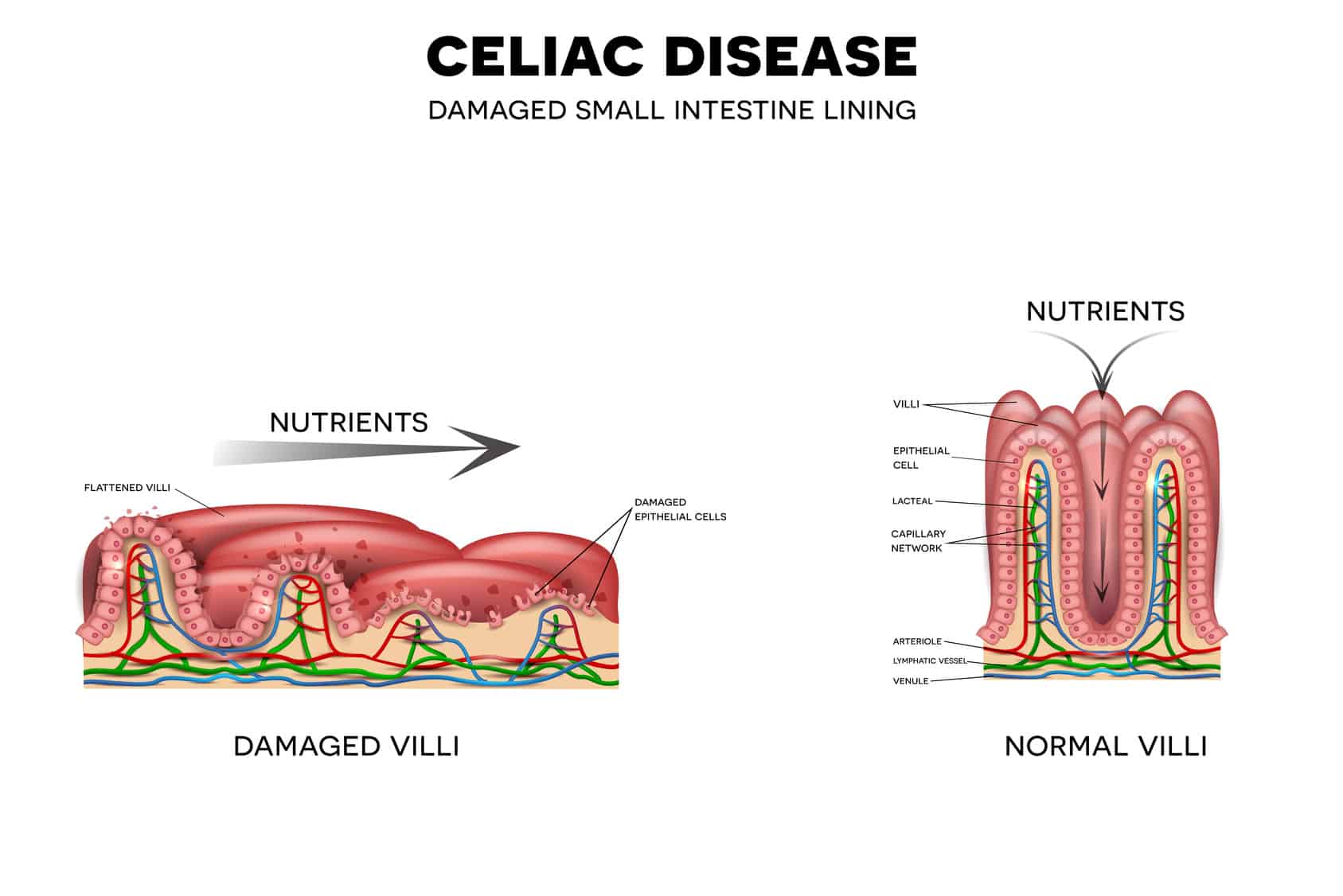
Individuals with celiac disease, a hereditary autoimmune condition that affects 3 million Americans, or roughly 1 percent of the population, must avoid gluten. – U.S. News and World Report

The chances are that you have heard all of the hoopla surrounding this “gluten,” but are unsure about what the hubbub is all about. Well, let’s (attempt to) properly educate you before going any further.

Gluten is an ingredient – a protein composite – found in several types of grains, including barley, rye, spelt and wheat. Gluten comprises of two proteins: gliadin and glutenin.

Your next question may be “Is gluten bad?” Not necessarily from a medical perspective; unless you have celiac disease (CD) or are gluten intolerant. CD is a hereditary condition that requires the person to abstain entirely from gluten. Gluten intolerance (i.e. Gluten Sensitivity) is defined as “digestive and (other) health problems caused by eating gluten or wheat.”

The debate about whether or not gluten is “healthy” persists, and is beyond the scope of this article. Various medical publications conclude that abstinence from gluten without any medical reason, such as CD or wheat intolerance, can deprive a person of necessary nutrients.

This article focuses on methods of purging the body of gluten. The five methods described below are incredibly healthy and helpful for people who do not tolerate gluten well.

For the gluten intolerant, or for those that have been “glutened” (having eaten the stuff with a medical condition accidentally) this article is for you.

gluten free

Here are five ways to flush gluten out of your body:

1. Rest, rest, and rest

For someone who can’t tolerate gluten, the physiological effects of consumption can be stressful and worrisome. For children with CD, for example, consuming gluten can lead to stomach pain and cramping, chronic diarrhea, constipation, vomiting, fatigue, irritability, and other severe symptoms.gluten

It is certainly not advisable for a person experiencing the nasty aftereffects of gluten ingestion to carry on as usual. The “treatment” regimen of rest – and other recommendations forthcoming – should get you back to feeling normal within a couple of days.

2. Eat probiotics

Probiotics are healthy bacteria for the gut – and should be considered an essential in flushing the body of gluten. Consuming gluten wreaks havoc on the gut, including the gastrointestinal tract (GI) and other parts of the digestive system. Probiotics will keep some of the nasty side effects at bay until the gut can recover.

Probiotic-rich foods include sauerkraut, fermented vegetables, miso soup, tempeh, pickles, kefir, and yogurt. Natural foods are the best sources of probiotics, though quality supplements are available on the market.

3. Drink water

Drinking plenty of water helps to flush any toxins or unnatural fluids that have accumulated in the system. Additionally, consuming gluten may lead to an array of symptoms which water may help alleviate; these symptoms include brain fog, diarrhea, fatigue, constipation, headaches, and dizziness.

Gas and bloating is another common issue, and a combination of warm water with ginger and lemon may help. Coconut water, high in electrolytes, may help to expedite the body’s recovery from glucose exposure.

4. Avoid “trigger foods”

Certain foods may exacerbate the symptoms associated with gluten intolerance. Any known foods that cause the slightest of allergic reactions are best avoiding, as are any foods that may counteract the body’s attempts of eliminating gluten. Common foods that fit this description include dairy, eggs, nuts, seeds, and gluten-free grains.

Here are some well-tolerated foods to consider: sweet potatoes, fruits, vegetables, organic meats, and quality fats. Avocados, coconut oil, and olive oil are all considered “healing fats” by some.

5. Light exercise

Depending on the severity of symptoms, a light workout – one just enough to stimulate blood circulation – may assist with gluten recovery. Proper circulation of blood permits the transporting of oxygen and nutrients to organs and muscles – something considered essential when recovering from illness.

Dynamic stretching is a good regimen for those recovering from gluten exposure and accomplishes the aims mentioned above.

Dynamic stretching exercises involve “(moving) a muscle in and out of the stretched position in a controlled and repeated manner.” Examples of dynamic exercises include arm circles, front lunges, jumping jacks, high knees, and side lunges.

If you’re too tired or weak to perform dynamic stretches, try simple stretching exercises instead. (Think “chair exercises” that people do at work.)

References:
Gorman, F. Does Stretching Help Blood Flow Through Muscles? (n.d.). Retrieved May 9, 2017, from http://healthyliving.azcentral.com/stretching-blood-flow-through-muscles-13314.html

Harvard Health Publications. (2009, June). Getting out the gluten. Retrieved May 9, 2017, from http://www.health.harvard.edu/staying-healthy/getting-out-the-gluten
Hoffman, S.K. (2011, November 30). 6 Things I Do When Gluten Attacks. Retrieved May 9, 2017, from http://www.sarahkayhoffman.com/2011/11/30/6-things-i-do-when-gluten-attacks

Research Reveals The Most Important Exercise For Your Brain

Exercise in any form is, arguably, the best thing you can do for a healthy body and brain (along with excellent nutrition!).

Concerning brain benefits, any exercise promotes brain health. Here’s a snippet from a Harvard Medical School (HMS) article titled Regular exercise changes the brain to improve memory, thinking skills:

“Exercise helps memory and thinking through both direct and indirect means. The benefits of exercise come directly from its ability to reduce insulin resistance, reduce inflammation, and stimulate the release of growth factors – chemicals in the brain that affect the health of brain cells, the growth of new blood vessels in the brain, and even the abundance and survival of new brain cells.”

But have you ever wondered what the best type of exercise is for your brain is?

Research Reveals The Most Important Exercise For Your Brain

“Regular aerobic exercise will bring remarkable changes to your body, your metabolism, your heart, and your spirits. It has a unique capacity to exhilarate and relax, to provide stimulation and calm, (and) to counter and dissipate stress.” – Harvard Heath Publications

The answer: any exercise that gets you moving, gets your heart rate up, and breaks a sweat using repetitive motion – in other words, aerobic exercise.

Aerobic exercise defined

The American College of Sports Medicine (ACSM) defines aerobic exercise as “any activity that uses large muscles groups, can be maintained continuously, and is rhythmic in nature.”

When we think of the term ‘aerobic exercise,’ too often we picture someone jogging or running on a treadmill or sidewalk, but this is a misconception. Here’s a short list of aerobic exercises:

  • Walking
  • Running
  • Swimming
  • Cycling
  • Rowing
  • Boxing
  • Kickboxing
  • Dancing

The aerobic exercise and brain connection

The science supporting the link between aerobic exercise and brain health is well-documented. The benefits of regular aerobic exercise on the brain are numerous as well; all of which are attributed to behavioral and chemical changes that take place.

First, we must look at the neurochemical mechanisms of aerobic exercise. Exercise that engages the lungs and increases circulation – as aerobic exercise does – decreases the body’s levels of stress hormones, such as adrenaline and cortisol, which explains why any aerobic exercise is effective at relieving stress.

Further, aerobic exercise stimulates the production and discharge of endorphins – brain chemicals that serve as the body’s homemade mood elevators and natural painkillers. The “runner’s high” – a sense of euphoria after the body’s been pushed – that many people experience after a grueling workout are due to this release of endorphins.

After a short period, the behavioral changes via positive reinforcement will become apparent. In other terms, you’ll not only notice a trimmer waistline and a renewed sense of strength and stamina but an improvement in your self-image and self-confidence. This positive behavioral feedback will quickly improve your quality of life; pushing you to set and achieve any current and set goals.

Perhaps just as important as the neurochemical and behavioral benefits of aerobic exercise is the “escape” that such exercise provides. When our body is moving, our mind is free from any and all worries and distractions. Exercise, then, often becomes a form of recreation – we no longer view exercise as a “must do, ” but a “want to do.”

Aerobic exercise and brain benefits

The benefits of aerobic exercise on the brain are numerous and diverse, in both the short-term and long-term. Of course, acquiring desired benefit(s) from aerobic exercise is highly dependent on the frequency and duration of activity. Age is also a factor regarding aerobic activity and benefits.

Short-term benefits on the brain and body

When engaging in aerobic exercise, you are increasing the amount of blood flow and oxygen to your brain. As mentioned, the brain also releases endorphins and reduces the production of stress hormones. In conjunction, these and other physiological mechanisms produce short-term brain benefits such as:

  • An increased sense of well-being
  •  reduction in anxiety and depression symptoms
  • Better overall mood
  • Improvement in sleep quality
  • Increased motivation to exercise regularly (long-term)
  • Improved working memory

Long-term benefits on the brain and body

The most dramatic benefits of aerobic exercise on the brain are a result of regular, consistent activity. Another factor affecting long-term benefits is the level of physical exertion during exercise. For example, 30 to 45-minute HIIT sessions performed over three months produces different benefits (and to a different degree) than a 30 minute, moderately-paced jogging regimen over the same period.

In a study conducted by researchers from the University of British Columbia, scientists discovered that regular aerobic exercise increased the volume of the hippocampus, “a key part of the inner brain involved in forming, storing, and processing memory.” Promisingly, the greatest benefits were observed in older participants with mild cognitive impairment (MCI), which is often an antecedent of dementia.

Aside from boosting the size of the hippocampus, other long-term brain benefits of aerobic exercise may include:

  • Improved spatial abilities
  • Increased self-awareness
  • Better emotional regulation
  • Improved overall cognitive function (thinking, reasoning)
  • Dramatic decrease in risk of dementia and Alzheimer’s Disease

11 Signs A Man Respects You In A Relationship

Do you know how to tell if someone respects you in a love relationship? Respect is the profound admiration for someone, their abilities, qualities, or accomplishments.

People with “good, valuable, or important” qualities are another way of describing respect. Respecting someone’s humanity is perhaps the best kind of respect we can give (and receive.) How much more should we respect someone who has given us their heart?

Regarding respect and relationships, having one without the other isn’t possible. The two qualities are mutually inclusive in every healthy relationship.

NOTE: We acknowledge that women display respect in slightly different ways than men. Thus, we address signs a woman respects her relationship in a separate companion article.

Five Reasons Why It Is Essential That Your Man Respects Your Relationship

Respectfulness is a crucial element for building and maintaining a healthy love relationship. It is the foundation of any meaningful relationship and serves as a guiding principle in how partners treat and interact. In a healthy love relationship, respect is essential for fostering trust, communication, and a sense of safety and security.

respects

Trusting your partner

First and foremost, respect is essential for fostering trust in a relationship. Trust is built on mutual respect and honesty. Without it, the relationship is likely to crumble. When partners show respect towards each other, they create a safe space where they can be vulnerable and share their innermost thoughts and feelings. This trust is essential for building a deep emotional connection and for overcoming obstacles that may arise in the relationship.

Better communication to keep the relationship strong

Communication is also essential in a healthy love relationship, and respect plays a significant role in creating effective communication between partners. Respectful communication involves actively listening to each other, understanding each other’s perspectives, and valuing each other’s input. In a relationship where respect is present, partners feel heard and valued, leading to deeper conversations and a stronger emotional bond.

Feeling a sense of security

Respect is essential for creating a sense of safety and security in a relationship. When partners respect each other, they create an environment where each person feels comfortable being themselves without fear of judgment or criticism. This environment allows partners to be vulnerable with each other and fosters a sense of emotional security in the relationship. In contrast, a relationship lacking in respect can create an atmosphere of tension and uncertainty, leading to feelings of insecurity and doubt.

Relationship equality builds both partners

Another way in which respectfulness is necessary for a healthy love relationship is by promoting fairness and equality between partners. When partners show respect towards each other, they treat each other fairly and as equals, valuing each other’s opinions, needs, and desires. In contrast, a relationship lacking in respect can create an imbalance of power, leading to one partner dominating or controlling the other. Such an imbalance can lead to resentment and tension, ultimately damaging the relationship.

Fairer fights

Respectfulness also helps partners navigate those inevitable conflicts healthily and productively. In a respectful relationship, partners work together to find solutions to conflicts, using open and honest communication to address their issues. They do not resort to name-calling, blaming, or personal attacks, and instead, focus on finding common ground and working towards a solution that benefits both partners. This approach to conflict resolution promotes a sense of teamwork and strengthens the emotional bond between partners.

11 Signs A Man Respects You In A Relationship

In this article, we list and discuss 11 signs that the man you’re in a relationship with respects you. Let’s get started!

Respect is not an option in a relationship. It is a requirement.” ~ Anon.

1. He is encouraging

A man who loves and respects you wants what you want. He desires his woman to be the best possible version of herself, something that not only makes you feel good but him as well. He may have an opinion on the matter, but he won’t dissuade you from taking any positive step in your life.

pop quote

2. He respects your time and how you spend it

Another sign of a healthy relationship is regard for each other’s time – whether spent together or apart. Concerning the former, a respectful man is reliable regarding your (and others’) time. He is rarely late; when he is, he has a good explanation. When you need some time, for whatever reason, he is considerate and respectful.

(Note: spending over an hour in the bathroom may be an exception to this rule.)

3. He doesn’t get jealous

He’s devoted himself to you and is confident in your devotion to him. As such, a man who respects you doesn’t get jealous. This quality also speaks to the man’s self-confidence – something (sadly) that is absent in too many. Comment on Brad Pitt’s abs all you want, ladies!

4. He doesn’t try to control you

Controlling behavior reeks of insecurity and, of course, disrespect. As mentioned, thoughtful men are neither of these things. A respectful man who loves you wouldn’t even contemplate taking any action that could be considered controlling. Enough said.

5. Your opinions are taken seriously

Opinions are a matter of individual perspective and should always be respected. A respectful man actively listens and responds to your opinion. Moreover, the man is interested in what you have to say, regardless of whether he agrees or disagrees.

Speaking of which…

6. He doesn’t escalate disagreements

At the risk of sounding overtly obvious, every relationship has disagreements and arguments. One sign of a real man is respectful behavior – and he’s never inclined to intensify any disagreement or argument. He appreciates and respects the differences just as he does the similarities. Aside from demonstrating his respect, the ability to “agree to disagree” shows his strength and character.

7. He’s an “Honest Abe”

It can be difficult to discern whether or not someone is completely honest with you. However, a man who deeply respects his woman considers dishonest behavior abhorrent. If he says or does something he perceives as inaccurate, he’ll say so.

8. He doesn’t second-guess you

A healthy relationship requires two people to commit themselves entirely – to be selfless. A man who respects you (and vice-versa) will not ignorantly cast doubt upon your choices or judgment. He understands that you possess an admirable ability to think for yourself; otherwise, he wouldn’t be with or respect you to such a high degree.

9. He’ll discuss the relationship’s future

Some men have the impulse to evade discussing “the future.” Perhaps they’re not quite prepared for topics that you may bring up, which may scare them. But a man who respects you will actively listen to your perspective on the future and provide honest feedback, even if it’s not quite what you seek. If he’s ready for the next step, he’ll tell you. If he’s not ready, he’ll still tell you.

10. He spends a good amount of time with you

A man who respects you willingly allocates a generous amount of time to make sure you’re happy. If you enjoy certain activities, he knows and will go out of his way to make them happen. Even if he’s busy, a respectful man will sacrifice time he could spend elsewhere – at work, hanging out with friends, etc. – for you to know that you’re a priority.

11. He respects others

“Others” may be your family, social circle, or a stranger. The respect a man shows to others is equally as important to the respect he shows you. For those in the early phases of a relationship, observing how your man treats others is one of the best indications of his real character.

love


Final Thoughts on Signs Your Man Respects Your Relationship

Respectfulness is a necessary ingredient for building and maintaining a healthy love relationship. It promotes trust, effective communication, emotional security, fairness and equality, and productive conflict resolution. Without respect, a relationship will quickly fill with tension, resentment, and an imbalance of power. Therefore, partners must practice respect towards each other and make it a guiding principle in their relationship.

Why Crying During Movies Actually Means You’re Mentally Tough

Social scientists know that we tend to have a prejudice against those who cry during movies. Our tendency is to see people who cry as being emotionally weak.

Rarely is crying during movies interpreted as being mentally tough. But if we can set our negative stereotypes aside, we can see how emotional outpourings like crying can help us socially. In fact, it helps connect to others by helping them see how well we relate to their emotions.

Why Crying During Movies Actually Means You’re Mentally Tough

Crying during movies means you have the skills of an empath. Empathy is a skill that allows you to understand how someone else must be feeling based on what you either know about the situation they are experiencing or by their observable behavior.

The character Commander Deanna Troi on the TV series Star Trek: Next Generation is the best popular culture reference to understand what an empathetic or empathic person is like.

Crying during movies means you possess the ability to relate to the emotional state that another person is experiencing based on their situation and facial expressions.

Although you know that this pain belongs to someone else, for example an actor in a movie, you know what it feels like to hurt, grieve, yearn, or rejoice and you can relate to a fellow human being who is showing the same emotion.

Empaths have to be mentally tough because emotional outpourings can drain physical energy. Connection like this to fellow people on the planet is an important social skill that is often overlooked or undervalued. The ability to relate in important ways will help you be successful with your education, career, and romantic partnerships.

soft and strong

Crying during movies connects to emotional intelligence, extroversion, and self-esteem

Researchers studying crying during movies found that several personality traits were found to be associated with crying and sadness. These include empathy, extroversion, femininity, self-esteem, and prior stress levels.

Women who cried during a movie also reported being sad to the researchers afterward. Conversely, men who cried reported no emotional connection to the film.

Mentally tough people usually take the leadership role in social interactions. And that seems to conflict with the image of someone who cries at movies. However, being extroverted was one of the surprising personality trait results of the above experiment.

The researchers found that these personality traits were associated with crying during movies and ego strength or self-esteem levels, which is the mental toughness in knowing oneself to be worthy of respect.

You might say that people who cry during movies have an advantage over others. Picking up on emotional cues based on tone, facial expressions, body language, micro-expressions, and your gut instinct helps you to identify if the people you interact with are pleased or displeased.

Here’s how these observed responses connect to emotions:

Understanding Tone

The tone of voice is crucial to communication, revealing emotions and attitudes that may not be explicitly stated. It encompasses pitch, volume, and pace. Indeed, it can indicate feelings like anger, happiness, or uncertainty. For instance, a raised voice might signify anger or excitement, while a monotonous tone could suggest boredom or disinterest. By attentively listening to the tone, you can gauge the emotional state and intent of the speaker, which aids in better understanding their perspective.

Interpreting Facial Expressions

Facial expressions are powerful indicators of someone’s emotional state. Through facial cues, humans instinctively recognize emotions such as happiness, sadness, anger, and surprise. A smile, for example, generally indicates happiness or approval, while a frown usually signifies displeasure or concern. Learning to interpret these expressions accurately can provide valuable insight into how someone is feeling, even if they don’t verbalize it.

Reading Body Language

Body language is a non-verbal communication that includes gestures, posture, and movements. Open body language, like uncrossed arms, can indicate receptiveness and comfort, while closed body language, such as crossed arms or avoiding eye contact, might suggest defensiveness or discomfort. Observing body language in conjunction with other cues can better understand someone’s emotional state.

Analyzing Micro-Expressions

Microexpressions are brief, involuntary facial expressions that reveal genuine emotions. They are often difficult to catch and interpret, as they occur fleetingly. These expressions can be crucial in detecting hidden feelings or lies. For example, a quick flash of contempt on someone’s face might go unnoticed in a casual interaction but can indicate underlying negative feelings.

Trusting Your Gut Instinct

Gut instinct, or intuition, plays a significant role in reading others. It’s an instinctive feeling that often arises without conscious reasoning. Trusting your gut can help quickly judge someone’s intentions or feelings. Past experiences and knowledge shape this instinct, and while it’s not infallible, it can be a valuable tool for understanding social dynamics.

This is the kind of information that marketing professionals harness to determine consumer preference for or against a product.

movies

Final Thoughts on Crying During Movies

Crying during movies is part of the experience of totally immersing yourself in a movie. In another study, researchers looked at the illusion of having two bodies simultaneously during a movie. They say that although we know that the movie is not real, more perceptive people are simultaneously aware of being inside the film and outside of it.

This conflict between being both here in the seat of the theater and also participating in the movie experience of the actors can cause viewers to experience “dizziness and nausea, an unsettling yet – to a certain degree – pleasurable feeling, which is significantly intensified in media environments such as 3-D films and virtual reality.”

(C)Power of Positivity, LLC. All rights reserved
References:
Neither Here nor There The Paradoxes of Immersion.
http://web.a.ebscohost.com/abstract?direct=true&profile=ehost&scope=site&authtype=crawler&jrnl=18718787&AN=116581281&h=v7VKcOQddTGnzzUGgFgq%2fOK5sGTxjzy%2b2JR6DlKPJHPBQbkVDnSQGw9hyJ8U7UcXLEphMwLom9I%2fLaNxi%2b6Okw%3d%3d&crl=c&resultNs=AdminWebAuth&resultLocal=ErrCrlNotAuth&crlhashurl=login.aspx%3fdirect%3dtrue%26profile%3dehost%26scope%3dsite%26authtype%3dcrawler%26jrnl%3d18718787%26AN%3d116581281
Skip to content