Weekly tips, affirmations, and small actions to feel your best.

8 Behavioral Signs of A Toxic Relationship

You’ve heard all about a toxic relationships and what to do if you find yourself in one. You probably know all the signs of when you’re being manipulated and taken advantage of. But what happens when you’re actually the toxic partner? Being aware of your behavior and how you’re treating your partner can save both you and your partner a lot of emotional grief.

No one wants to believe that they’re toxic or unhealthy for their significant other. Sometimes, though, the truth just hurts. Being able to recognize the signs of your own toxic behavior can help you put a stop to it, and salvage your relationship – or, at least, make sure the next relationship you have can be a health and positive one.

If you catch yourself showing these behaviors, they are toxic and should be avoided in the future…

“If a normally kind, agreeable person makes an enemy of you, you ought to ask yourself why.” – Joyce Rachelle

1. You feel the need to make sure your partner doesn’t “get ahead”…

Feeling proud of your intelligence or your accomplishments are one thing. But if you view your partner as inferior, it will come across in the way you interact with them. They will be able to tell just how superior you feel to them, and it can easily become degrading and emotionally distressing for your partner.

If you often find yourself thinking that you’re much smarter than your partner, you might want to take a step back and figure out whether or not you’re using them as a backdrop for your only intelligence.

2. Conversations seem to always fall away from a positive tone

If you find that you’re constantly picking fights and being a pessimist when there’s no need to, you may be feeding toxicity into your relationship. This may stem from low self-esteem and a desire to make your partner feel on the same level as you do.

Surrounding yourself with positivity will help, as well working on your own self-esteem before pursuing a relationship. Getting a therapist to help work through your problems will help you become a more positive person, and less toxic in your relationships.

3. Threats of breaking up (without meaning to follow through)

If the only way you know how to end an argument is to threaten to break up, you’re definitely bringing toxic behaviors to the table. If your partner cares about you and wants the relationship to work, they’ll often drop their concerns and stop arguing every time you threaten to end the relationship. This is manipulative behavior and can damage any relationship.

Learning to communicate and compromise is hard, but you’ll need to take the difficult steps to figure it out. Take time to cool off during an argument if you need to rather than resorting to threats.

4. An uncontrollable temper

Sometimes, things can make us angry. However, if you find that it takes very little to make you angry and you become vicious and mean to your partner during a blow of your temper, you’re going to need to work on yourself before your relationship can become positive. A toxic relationship will stay toxic when you repeat the cycle of bursts of anger, cruelty and guilt. Learn how to manage your anger rather than allowing yourself to fly off the handle.

5. A difficulty with being wrong

Squabbles in relationships happen. There are often times where one partner or the other does something careless or thoughtless that hurts the other’s feelings. In a healthy relationship, you’ll be able to apologize, admit that you were wrong, and move forward. If you can’t remember the last time you apologized or admitted that something you did was hurtful or careless, you may be the toxic one in the relationship.

Relationships become unhealthy and lopsided when one partner is always apologizing. The best way to fix this is suck up your pride and admit when you’re wrong.

6. Avoiding responsibility for words and actions…

Hand in hand with never admitting you’re wrong, you don’t take responsibility for things that you’ve done. Instead, you opt to blame your partner, or blame something else. As long as you can shift the blame off of you, you’re happy.

Taking responsibility for your own actions can be difficult, but it’s what grownups do. Learning how to accept responsibility and move forward is a step that you have to take to avoid being toxic in all kinds of relationships, not just romantic ones.

7. More than ”just joking”…

Sometimes, teasing one another can be fun. But it’s only fun when everyone is enjoying themselves. Playfully teasing your partner can be harmless. However, it starts to become toxic when your remarks are public and hurtful and cause your partner to feel shame and humiliation. Even if you defend yourself with “Just joking,” your words can leave a lasting effect and make your partner feel degraded and insecure.

Put yourself in your partner’s place, and imagine how you would feel if they humiliated you.

8. Leaving your partner ‘high and dry’…

If your parents or friends are constantly slandering your partner and you don’t have their back, then you’re leaving them open to feeling insecure and vulnerable. Not sticking up for your partner is letting them know that they’re not important enough to you for you to protect them.

Relationships are about partnerships, and when one partner is putting in the effort that the other isn’t, the relationship becomes unhealthy. So, stop letting your parents criticize your partner’s hair, weight or job. Stick up for them and show them that you’ll always have one another.

Coming to the realization that you may be the problem in your relationship can be hard. But it isn’t the end to all be your worth as a person! People can change, and once you realize the things you’re bringing to the relationship are toxic, you’ll be better able to work on your behavior.

Your relationship may (or may not) be able to be salvaged, but your relationships in the future will be positive and healthy, and by changing your behavior, you’ll also be able to validate your partner’s feelings.

8 Signs You’re In An Addictive Relationship

People can become addicted to many things: alcohol, drugs, and sex. People can also become addicted to relationships. Addictive relationships are rarely healthy and usually detrimental to one person’s mental or physical health.

An addictive relationship involves one person giving everything they have and another person taking and continuing to ask for more while lacking reciprocation. Keep an eye out for signs of an addictive relationship.

8 SIGNS AND SYMPTOMS YOU’RE IN AN ADDICTIVE RELATIONSHIP

“The most painful thing is losing yourself in the process of loving someone too much, and forgetting that you are special too.” – Ernest Hemingway

1. YOU RELY ON YOUR PARTNER FOR HAPPINESS

If you’re constantly seeking out your partner to make you feel happy – or to make you feel anything – you may be in an addictive relationship. If you think otherwise depressed and the only thing that brings out the joy in you is your relationship, it may be addictive.

The best thing to do is start seeking out happiness on your own. Look to friends and family for support. Also, find something in your life that makes you feel happy on your own.

2. YOU HAVE TROUBLE ENDING THE RELATIONSHIP

You’re keenly aware that it isn’t a good relationship, and it’s not making you happy. But despite all that, you’re having trouble letting go. Even when you’re unhappy, you would rather be with your partner than alone. You know deep down that the relationship needs to go, but the fear of alone seems worse.

The best way to combat those feelings is to build a support network of friends and family. You may also consider seeking a therapist to help you battle your feelings of being alone.

3. YOU THINK YOU CAN CHANGE YOUR PARTNER

You’ve convinced yourself that things will be better if only a few things about your partner were different – like a key, fundamental parts of their entire personality. Not only that, but you’ve convinced yourself that you can be the one who can change them. People can and do change, but the change has to come from within.

Don’t merely hope that your love will make your partner into a better, more understanding, or considerate person.

4. YOU SEEK OUT NEW RELATIONSHIPS IMMEDIATELY AFTER THE END OF ANOTHER

That fear of being alone will eat at you and eat at you until you seek out another relationship to fill the hole left by the one that has just ended. This is a vital sign of an addictive relationship. You’re addicted to the feeling of validation and feel overwhelmed when alone.

Learn to love yourself. Perhaps singlehood will benefit you in the long run and all for your future relationships. Once you’re able to learn to be by yourself, you’ll be able to seek out healthy and positive relationships, not just available.

5. YOUR RELATIONSHIPS ARE OFTEN LONG-DISTANCE, OR WITH PEOPLE WHO ARE UNAVAILABLE TO YOU

Maybe you find yourself getting into relationships over the internet, or you often find yourself being the other woman to a married man. This type of behavior ensures that you get the feeling of never being alone while also making sure that you won’t get hurt. Examine your past relationships and see if you can find a pattern of getting involved with unavailable partners. You may be in the way of addictive relationships. Try connecting with people who can give you the emotional availability and support you need. You will be amazed to find that being with someone available can make your relationships more fulfilling.

Try connecting with people who can give you the emotional availability and support that you need – you’ll be amazed to find that being with someone available can make your relationships a million times more fulfilling.

6. YOU NEVER SAY NO

Your relationship may be addictive if you find that saying ‘no’ to your partner is extremely hard. In other aspects of your life, you may be entirely independent, but you will always concede and defer to your partner in your relationship. Perhaps your fear of being alone keeps you from speaking out.

Practice being more assertive and negotiating compromises. If your partner cannot deal with your boundaries, you’re better off without them. You deserve to be able to assert yourself in every type of relationship, especially intimate ones.

7. EVEN AFTER THE RELATIONSHIP IS OVER, YOU CAN’T STOP THINKING ABOUT IT

When relationships end, many people take a few weeks or a couple of months to get over their partner. Relationships ending can be devastating, especially if they are severe and long-term. On the other hand, you may have been addicted to that relationship if you find that you’re unable to stop thinking about it even years down the line. Seeking out help from friends and family and a therapist can help you deal with the end of the relationship and help you learn to move on.

relationships

8. YOUR PARTNER’S HAPPINESS IS MORE IMPORTANT THAN YOUR OWN

If you find yourself sacrificing what will make you happy for your partner’s happiness every single time, you may be in an addictive relationship. Being constantly looked at to pleasure while neglecting your own can be tiring, and in other situations, you might not tolerate it. On the other hand, fear of being alone can dominate how you rationalize things, especially when providing your partner with happiness at the expense of your own.

It can be hard to spot an addictive relationship if you’re in the middle of it because you often feel like you need to get past a “bump in the road,” and everything will turn out alright. If you feel like you’re constantly trying to get past that bump, you may want to look at your relationship critically for signs of an addiction. Looking to a support network for the strength to overcome an addictive relationship can turn your whole outlook on relationships around, so you’ll be better equipped to make lasting, positive relationships.

Should You Be In A Relationship? Here are 6 Reasons To Say Yes

No one size fits all in determining the value of a (real or potential) intimate relationship. In reality, arguments can be made on both sides. Dr. Barton Goldsmith, an author and relationship expert, is a proponent of intimate relationships. He is humble enough to admit, however, “there are a number of people who could write (the opposite.)”

This article may prove valuable for those still unsure whether a relationship is right for them. It may also have the same effect on people reeling from a past relationship, someone mistreated, and many others.

Please understand that the following makes no attempt to persuade anyone of anything. In fact, this article will provide both entertainment and, when applicable, education.

Here are six reasons to be in a relationship – and how to make things work.

“Healthy relationships require effort – and that’s a large part of what makes them so rewarding.” – Suzanne Degges-White, Ph.D.

relationship

1. For companionship and shared experiences

Each one of us falls somewhere along the “introvert-extrovert” scale – this includes people in the middle, who are referred to as “ambiverts.” Most introverts crave solitude, if for no other reason than to recharge. But even the most introverted of introverts have a pretty good chance of developing a need for romance at some point.

Loneliness, a feeling that most of us have experienced is akin to depression in some ways. Friends can only meet some physical and emotional needs. A partner is someone with whom you can share your life and have fun.

2. For loving and caring

Provided that you don’t suffer from abandonment issues (which often trigger a personal barrier to a healthy and committed relationship), an intimate partner supplies you with plenty of love. There is nothing that compares to the blissful feeling of both giving and receiving love and care.

The sharing of love is one of life’s greatest gifts – and something for which human beings are specially designed. The human ability to both give and receive love is unmatched by anything else in the animal kingdom. It is perhaps the best reason to find the love of your life.

3. For growing and learning

Along with our parents, teachers, and mentors, our partner possesses the capacity to help us grow and learn in spectacular ways. Intimacy can encourage growth and learn through cognitive, emotional, social, and myriad other ways.

Maybe the most significant things our partners teach us have to do with, well, us. For example, the following scenario has played out many times: a guy or gal with commitment issues, after years of “trial and error,” experiences a dramatic shift in both heart and mind, eventually settling down with their soulmate.

Life is a cycle of continual learning. Just like babies, we learn by absorbing the world around us. Sometimes the things our partner teaches us are beautiful beyond words.

relationship

4. For meaning

Many of those among us who’ve been single (especially for an extended period) before finding our “one” can attest to the “deeper meaning of things.” This one is kind of hard to put the finger on because of its subjective nature. Dr. Suzanne Degges-White explains this transformation quite well:

“Every experience with your new partner can seem like the first time that any couple has experienced what you two do. Food tastes better, the sky is bluer, the grass is greener (or the snow is fluffier) – whatever the season, it’s the best you’ve ever enjoyed.”

5. For help and support

On the surface, this notion may not seem the most romantic. Nevertheless, it is true! Two heads are better than one. Our partner can help us feel supported. Furthermore, that special someone often helps us solve problems more efficiently than if we were to tackle them by ourselves.

Anyone in a healthy relationship will attest to the importance of being able to go to their partner for assistance and support. You should feel that level of comfort, no matter what the issue may be. There’s a certain sense of warmth and appreciation felt from both ends when overcoming obstacles, both small and large.

6. For children and a loving family

While childbearing has been trending downward, many people in intimate relationship still desire to have at least one child. Multiple studies show that children born or adopted into a stable family environment are happier and less likely to develop psychological and developmental problems.

Parenting is both deeply satisfying and challenging; having a partner for support adds to this satisfaction and makes overcoming the challenges of childrearing a lot easier!

make your relationship workFinal Thoughts: How to save your endangered relationship

As you likely know, the divorce rate hovers around 50 percent in the U.S. (38 percent in Canada.) We’re going to make the fair assumption that divorce causes are similar to separation in a long-term relationship.

Per multiple studies, the following relationship attributes are considered the most important for sustaining any long-term relationship:

  1. Effective and frequent communication
  2. Honesty and trust
  3. Respect for individual space
  4. Mutual respect
  5. Ability to overcome the need for control

The 5 Main Symptoms Of Chronic, Major and Manic Depression

Depression continues to soar to epidemic levels. Today, look at the three most common types: chronic, major, and manic depression.

The above statement is not hyperbole. Indeed, even the World Health Organization agrees:

“Depression is a common mental disorder. Globally, more than 300 million people of all ages suffer from depression. (It) is the leading cause of disability worldwide, and is a major contributor to the overall global burden of disease.” – The World Health Organization

Frustration and Bafflement

When a person experiences the symptoms of depression, they’re scared, frustrated, and baffled at the same time.

So consider this explanation of the causes of depression from the World Health Organization (WHO):

“Depression results from a complex interaction of social, psychological and biological factors.”

In other words, depression can originate from societal factors and underlying brain and body problems.

So this doesn’t tell us much.

However, one thing scientists have come to a consensus about is people who experience an “adverse life event (unemployment, bereavement, psychological trauma)” are at a higher risk of developing depression. Sadly, depression’s effects on a person’s mind are far-reaching. Every thought seems cloudy. Furthermore, life seems pointless.

And people don’t know why the hell it’s happening to them.

As a writer, it’s never a joyous occasion to write about depression. However, there is comfort in knowing that this article may provide some answers to someone who desperately needs them. On that note, we will have a series of articles about depression types, including the causes, symptoms, and treatments of each type.

This article focuses on the three most prominent kinds of depression.

The 5 Main Symptoms Of Major, Chronic, and Manic Depression

depression

1. Major Depressive Disorder

Major Depressive Disorder, or MDD, is a constant feeling of hopelessness and despair. MDD patients commonly report that the disorder makes it difficult for them to eat, sleep, study, work, or participate in once-enjoyable activities.

Although many cases exist, there is a genetic component to MDD wherein a person develops the illness with no family history. Environmental factors and life events like those described above can trigger MDD.

The five main symptoms of MDD are:

  •  Feelings of worthlessness or guilt
  •  Feeling overwhelmed with sadness or despair
  •  Impaired concentration and decisiveness
  •  Diminished pleasure in once-enjoyable activities
  •  Fatigue or lacking energy nearly every day

Furthermore, the culmination of severe symptoms may result in suicidal ideations (please see the end of the article for more information.)

Additionally, the common triggers of MDD include:

  • Loss of a loved one through death, divorce, or separation
  • Social isolation
  • Major life changes, such as graduation, job change, moving, or retirement
  • Personal conflicts in relationships
  • Emotional, physical, or sexual abuse

Treatment of MDD (or clinical depression) usually requires one or more: antidepressant medication, psychotherapy, and holistic treatments, including intense therapy counseling, examining diet and lifestyle, etc.

2. Dysthymia (i.e. Chronic Depression)

Also called “mild” and “chronic” depression, dysthymia is a variation of depression lasting two or more years. Generally, people diagnosed with dysthymia are considered to be suffering from mild symptoms. In many instances, the symptoms last longer than other types.

The major symptoms of dysthymia include:

  • Loss of enjoyment in once-pleasurable things
  • Consistent sadness or depressed mood
  • Loss of energy or fatigue
  • Insomnia or excessive sleep
  • Problems with concentration and making decisions

Treatment of dysthymia is not as rigorous or problematic as MDD (and many other types). Talk therapy and antidepressants are by far the more common treatments prescribed.

3. Manic Depression (Bipolar Disorder)

Manic depression, which some call bipolar disorder, is a condition that causes the patient to experience “extreme highs” followed by “extreme lows.” The individual will often feel extreme levels of energy that cause severe adverse effects.

Known as a state of mania, the patient can experience “sleeplessness [sometimes for days], along with hallucinations, psychosis, grandiose delusions, or paranoid rage.”

Of all depression types, manic depression is the most difficult to treat. The illness is also thought to inflict the most distress on the patient. More than 90 percent of individuals with bipolar I disorder, the most serious, have at least one psychiatric hospitalization.

The depressive symptoms of manic depression mirror those of MDD. The manic symptoms distinguish the disease and differ between the two types (bipolar I and bipolar II.)

Bipolar I manic depression symptoms are:

  • Detached and racing thoughts
  • Grandiose beliefs
  • Irregular elation or euphoria
  • Irregular irritability
  • Random (very high) energy spikes

Bipolar II, the less-serious form of manic depression (“milder periods of elation” and “an absence of psychosis [delusions or hallucinations]”), includes the following manic symptoms:

  • The decreased need for sleep
  • Extreme focus on projects at work or home
  • Exuberant and elated mood
  • Reckless behavior
  • Increased creativity and productivity

Treatment of manic depression by western doctors involves using mood stabilizers such as lithium). In place of lithium, the physician may prescribe an anticonvulsant (anti-seizure), antipsychotic, or benzodiazepine (to induce relaxation).

major chronic manic depression

Seven tips on how to beat depression

  1. Help others

You need to take care of yourself but don’t forget to reach out to others. When you help others, it gives you a sense of purpose and a feeling of being useful. Try reaching out to others at a homeless shelter, food kitchen, tutoring center, or animal shelter. You’ll be surprised how much it helps you when you help others.

  1. Be sure to get enough sleep

Don’t underestimate the importance of sleep. Staying up too late at night and then sleeping all day adds to your depression. Create a regular bedtime to help your mind and body relax before sleep.

  1. Get some exercise

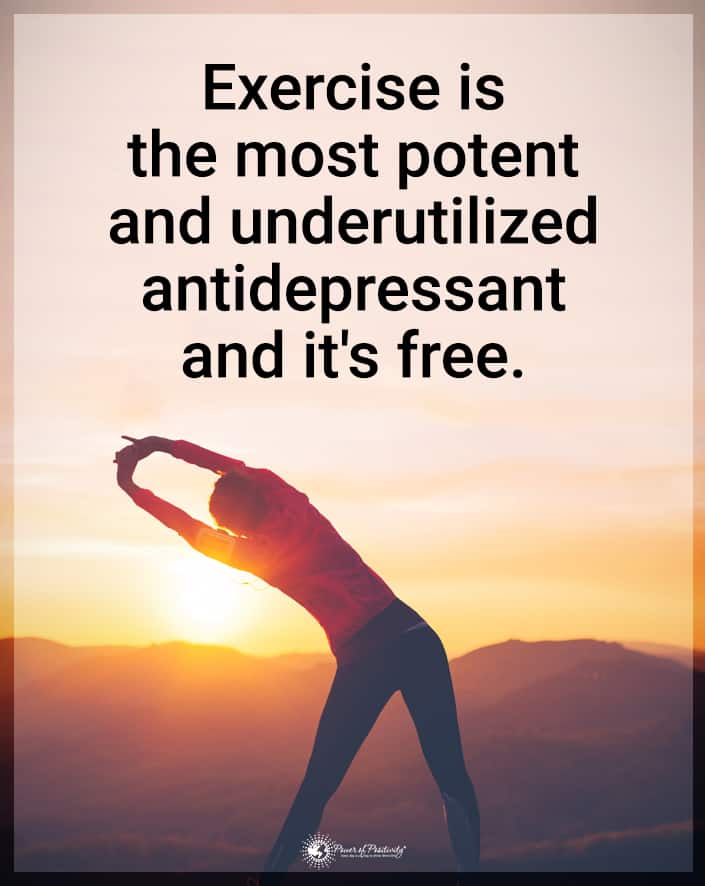
It’s important to get exercise every day to help you fight depression. But you don’t need to belong to a gym to exercise. You can do many activities to get your blood flowing to improve your mood. Here are a few physical activities you can do:

  • Walking
  • Hiking
  • Bike riding
  • Gardening
  • Dancing
  1. Be sure to read

Reading can reduce your depression symptoms. A study found that students who read daily had better overall mental health and fewer feelings of distress. When you read you escape into the novel, you learn about people’s trials and how they overcame them. It gives you courage and hope for your own life. Other benefits of reading a book, include:

  • Helps you relax at bedtime: Many people swear they sleep better when they read before bedtime. It’s a great way to wind down and relax. Try adding book reading into your regular bedtime routine to see if you sleep better and feel happier.
  • Reduces your stressful feelings: Reading calms the mind and body. It lowers your blood pressure and heart rate, similar to meditating. Fiction books are the best genres to provide relaxation.
  • Brain exercise: Reading exercises your mind. It keeps your mind active and alert.
  1. Schedule some fun

Scheduling fun things is a simple way to help lift your mood. Don’t wait until you’re feeling better-take that mini-vacation to the beach this weekend. Get a friend or two to go with you. It’s easy to put off fun, but improving your mental state is necessary.

  1. Play a video game

Researchers say individuals who struggle with depression may find relief from regularly playing video games. An NIH study found that by when they played a fast-paced action video game, depressed patients experienced better cognitive abilities. While puzzle-like video games were better suited for improving the moods of depressed individuals.

  1. Own a pet

A cuddling little companion could be what you need to help ease your depression. Pets give you purpose and a sense of security. If you own a dog, you’re apt to meet people in your neighborhood while walking your dog. Plus, you’ll get more exercise because your pooch needs to go out regularly. Whether you choose a sweet pup or a cuddly kitty, getting a pet could help chase away your blues.

major chronic manic depression

Final thoughts on depression

Having extreme depression can lead to suicidal thoughts. Get help right away. If you or someone you know have thoughts of suicide, don’t hesitate to contact the National Suicide Prevention Lifeline at 988, which is available 24 hours daily. The website is https://suicidepreventionlifeline.org

(C)Power of Positivity, LLC. All rights reserved

7 Signs Someone May Be Harming Themselves

Self-destructive behavior can be easy to fall into, and hard to climb back out of. This is especially true for those of us who may suffer from mental illness such as an anxiety or depression. Sometimes, you don’t even notice when your life has become overrun with self-destructive behaviors.

And when you do notice, you have no idea how to make them stop. Getting a full understanding of self-destructive behaviors is the first step to realizing how to make them stop. If you, or someone that you love, is exhibiting this behaviour, it may be time to take a step back and see what there is to be done.

7 Signs someone may be harming themselves

“Unless we learn to know ourselves, we run the danger of  harming ourselves.” Ja A. Jahannes

1. A lost feeling of purpose and motivation…

Feeling lazy is natural. Many people deserve to have some time where they can just indulge in being lazy. The issue arises when you find yourself unable to delegate this behavior to a short amount of time, or you’re letting yourself be lazy when you know you should be doing something productive. It can be hard to keep yourself motivated, but the answer isn’t to let yourself put off things that need doing.

If you find putting yourself to work overwhelming, try breaking up your tasks into manageable chunks, and then allow yourself a quick rest between each bout of work.

2. Often making excuses for irresponsible actions…

Someone could make excuses for anything and everything – from still smoking even though you know it’s bad for them, to still being at the same job they hate, to giving up on dreams. Self-harming behavior starts with justification. To break out of the habit of making excuses, people must confront the hard truths of what is wanted out of life, and how to achieve them.

This may mean stepping out of a shell and making decisions that may not be easy…

3. A frequent default to linger on emotion/self-pity

When bad things happen, it’s hard not to feel pity for ourselves. This isn’t the same as grief or mourning. When people grieve and mourn something bad that’s happened, the point is to release emotions and eventually move on. Self-destructive people will continually feel bad for themselves but refuse to take action. They’ll justify these feelings with the idea that ‘Bad things just happen to me’.

The best course of action is to move on after something bad has happened, and don’t dwell on all the negative things that have gone wrong.

This behavior will only ensure that you spend time wallowing in self-pity that could be used to rectify or better a situation.

4. Increasing isolated behaviors

This doesn’t have to be an intentional act. Sometimes, people just tend to always break plans with the excuse that they’re too tired, or they’ll check in with someone later. The issue is that later never comes. Other times, this can be a very intentional thing. People will isolate themselves by intentionally alienating their friends and family. They’ll justify this to themselves by thinking that everyone always leaves them anyway. People who are isolated don’t have a support network of people who can help them.

If you find that you’re suddenly all alone, you need to reach out to someone and make a connection.

5. Neglecting needs…

People who are self-destructive aren’t particularly good at taking care of themselves. This is to say, they often don’t have healthy eating or exercising habits, they don’t get enough sleep, they don’t shower regularly and they don’t bother to pick up the house. This can be an easy pattern to fall into, especially when they are living with depression. Taking care of yourself just seems so hard, and it’s easier to let things go.

The best way to combat this is to do just a little each day. Pick up one corner of your apartment, or just wash your hair. Dealing with the overwhelming task of readjusting your life after letting it go for so long can be daunting. The best course of action is to go slow and you’ll eventually see an improvement.

6. Signs of substance abuse…

Using drugs and alcohol can help someone feel better for a little while. But in the end, it can become a crutch, and an unhealthy one at that. Drugs and alcohol can cause addiction, and addiction can hurt you and everyone around you. It’s a self-destructive habit that will only lead to feeling good while either drunk or high, and you’ll continue to need more and more to feel better.

If you find yourself stuck in a cycle of drugs or alcohol, reach out to friends and family for support, or find a support group that can help you get everything back on track.

7. SELF-HARM

The hallmark of a self-destructive person is intentional self-harm. This can be from cutting the arms or legs, to intentionally refusing to feed themselves, to having intentionally unpleasant or violent sex. Self-harm comes in all sorts of shades, and the first thing you need to do is seek help.

A professional will be able to help you cope with your feelings and the stress you face in your day-to-day life so you won’t have to seek out these behaviors. If you know someone who is exhibiting signs of self-harm, the best thing to do is to make sure they know that you’re there for them for support. You can’t force them to get help, but you can be there for them when they’re ready to seek it.

self-love

Self-destructive behaviors come in all kinds of shapes and sizes. Maybe you think you’re just treating yourself to a day off, or you’re just a messy person who lives in a messy home. You may not know that your behavior is making your life worse before it’s become out of control. But there’s always a choice to turn your life around and to make your self-destructive behaviors into constructive habits that allow you to lead a more fulfilling and happier life.

Never be afraid to reach out to a support system of family or friends for help with have one of these behaviors.

References:
Emory Ann; 3 Classic Signs Of Self-Destructive Behavior (And How To Overcome Them); http://thoughtcatalog.com/emory-ann/2014/09/3-classic-signs-of-self-destructive-behavior-and-how-to-overcome-them/
Matt Duczeminski; 12 Signs Of Self-Destructive People; http://www.lifehack.org/289458/12-signs-self-destructive-people

How Often Should You Eat Dessert If You Want to Lose Weight?

“It’s not realistic to tell people to never eat dessert; that’s not something I expect of my clients, or myself.” – Metltzer Warren, R.D.N. and nutritionist

We all know what’s supposed to be the best way to lose weight. How many times have we heard “Eat a well-balanced diet,” “Eat breakfast,” and “Eat (x) and drink (y) in moderation?” Some diets even propose the elimination of all types of sugar; with some (e.g. the Atkins Diet) requiring dieters to count the grams of natural sugars in fruits and vegetables.

And we wonder why diets are, by and large, a terrific failure – with between 80 to 90-plus percent of dieters regaining their weight within a year (90-plus percent regain their weight within three years.) Such statistics, which are widely published in scientific journals, may evoke a sense of discouragement – but this would be a misinterpretation. We’ll expand a bit more of the reasons later on.

Perhaps the old cliché, “It’s not a diet, it’s a lifestyle,” was born out of the grand failings of the weight loss industry.

Moderation

At this juncture, we’ll reintroduce and expand upon the oft-quoted diet advice of “Everything in moderation,” which has plenty of merit – when understood in the correct context.

The word ‘moderation’ is somewhat vague in certain respects. The Oxford Dictionaries define moderation as “The avoidance of excess or extremes.” Merriam-Webster has a similar definition: “Avoiding extremes of behavior or expression; observing reasonable limits.”

Moderation can be interpreted, then, as one extreme or the “other.” When consuming alcohol, provided that an individual possesses common sense, such an interpretation is quite useful. There’s “falling down drunk” and “a beer or two,” for example.

Concerning food, moderation is something a bit more abstract in nature. Let’s use a piece of cake as an illustration. Does moderation mean one piece of cake? If so, is one piece of cake daily okay? A beer or two daily, after all, has been shown to possess certain health benefits – something that remains true even when dieting.

Surely, one piece of cake per day is cool, right? Most “dieters” or other individuals trying to maintain a healthy weight will answer this question with a resounding “no.” Science, as it turns out, is a collective “no” on this, as well.

Not-so-accidentally, the word “moderation” is a favorite of junk food companies. Consider this reporting published by health and science reporter, Beth Skwarecki:

“…look at the Back to Balance Coalition, made of 18 “leading food groups” that have signed a statement of principles promoting moderation. Their motto: “All foods fit in a balanced diet.”

“(the 18 groups) include the Sugar Association, the National Confectioners Association, the Corn Refiners Association (makers of corn syrup), the National Potato Council ([most potato consumption in America is through chips and fries]), the Grocery Manufacturers Association (members include Coca-Cola and Hershey), and the Snack Food Association.”

What does the alcohol vs. cake example in Ms. Skwarecki’s reporting have to do with losing weight? Simply this: the theoretical has no place in weight loss or maintaining health.

When it comes to what you put in your body,  scientific consensus is everything.

Health Experts Explain The Relationship Between Dessert And Losing Weight

Eating dessert is a good thing

No, you did not misread the above statement. Eating dessert is a good thing – when the flimsy “everything in moderation” advice is replaced with real data and information. (And not some “Back to Balance” members who represent corporate interests in various fast food, soda, and candy companies.)

Quantity

First thing’s first: for those losing weight, it is recommended to limit your favorite treats to 1-2 times per week. According to nutritionists, this rate shouldn’t interfere with your progress, provided that you are consuming no more than the recommended serving amount on the nutrition label.

(The only exception to the “1-2 times per week” recommendation is dark chocolate. A 2011 Harvard University study found eating a couple “chunks” of dark chocolate is beneficial for lowering blood pressure, as an anti-inflammatory, and strengthening the immune system.)

Here are some other reasons why indulging a couple of times per week can be healthy:

It may boost weight loss

Mindfully eating your dessert; through counting your bites and focusing on the taste, may help slim your waistline. According to an article published in Readers Digest: “One study asked participants to first choose a healthy or unhealthy snack, and then count how many times they swallowed while eating it. Researchers found that (dieters) who chose the unhealthy snack … felt satisfied more (quickly).” Satiety, of course, is a key element of weight loss.

Eating treats may curb your cravings

Nyree Dardarian, director of the Center for Integrated Nutrition and Performance Coordination at Drexel University, told Time Magazine: “When you put rules and restrictions on something, you’re only going to want it more.” Instead, focus on portion control – with desserts and every other food.

.

Foods to lose weight

Eating treats may ignite activity

For some healthy folks, having a treat occasionally provides some motivation to get moving. “The number one thing I love about dessert is that what you see is what you get. (I’m) making a conscious decision to have a treat,” says registered dietitian Jaclyn London. This conscious decision, for her and others, is added incentive to get to the gym.

It’s a wonderful reward

Most of us work at least one-third of the day. The idea of going to the gym or doing something else that requires additional effort is overwhelming at times. A dessert can serve as an excellent reward for our hard work

6 Behaviors That Boost Your Sex Appeal

Your sex appeal goes well beyond your physical appearance. While the way you look does play a role, there is much more to it.

Each time you interact with someone, your personality and behavior boost your attractiveness just as much as your appearance.

People become attracted to your behaviors and mannerisms, boosting your sex appeal. Your level of attractiveness doesn’t depend on luck or anything else. Anyone can increase their appeal by implementing a few new habits in their life.

Behaviors That Enhance Your Sex Appeal

The best behaviors that boost our sex appeal are ones that allow us to remain classy. You don’t have to modify your physical appearance or compromise your comfort to be more attractive. Instead, things like selflessness, confidence, creativity, openness, and other aspects play a role.

sex appeal1. Showing a Sense of Selflessness is Sexy
Each time you do a selfless act, you boost your sex appeal in the eyes of others. Studies show that helping others increases attractiveness and inspires a good mood within. Since happiness increases attractiveness, being in a good mood will quickly boost your appeal.

Plus, when others see you being selfless, you instantly become more attractive to them. Helping others lets potential partners know that you have a nurturing nature, which most people consider a sexy attribute. Selfless behavior also shows people that you will be caring towards your partner as well.

If you aren’t sure where to begin when it comes to helping others, consider things you are good at. You can help an older person with grocery shopping, mentor children, or volunteer at a homeless shelter or hospital. It doesn’t matter what you choose to do, as long as you practice selflessness and help others.

2. Be A Sexy Stranger

Research shows that familiarity is less desirable in a mate than unfamiliarity. Being more attracted to a stranger is because of the unconscious effort to have genetically diverse children. Being a sexy stranger requires a little mystery and emotional control.

When you hold back a little, it creates a fantasy in the minds of others, heightening the experience and emotions. In the early stages of attraction, over-revealing things about yourself and your feelings can decrease your sex appeal. Some of the things you can do to be a sexy stranger include:

  • avoid posting everything on social media
  • stay active with your own goals and hobbies
  • don’t reveal your feelings too soon
  • take things slow so that the sexual tension simmers
  • practice indifference if you feel rejected
  • encourage the other person to talk
  • avoid talking about negative topics at the beginning
  • don’t send too many selfies
  • avoid texting more than once if they didn’t respond

3. Tapping into Your Creative Side

Creativity is one of the best ways to boost your sex appeal. Your creativity can be focused on art, music, film, dance, or any other creative outlet, and it’ll help in many ways.

First, creativity is linked to intelligence, which is something many people find attractive in a partner. Creative people tend to have deeper and more meaningful conversations, which is an ideal trait.

Creativity also indicates good genes, which most people subconsciously look for. Plus, creative people can express their feelings and desires better than other people. Find a creative outlet and let your mind flow as you boost your appeal. For those interested in exploring their desires further, Cock Cages Australia can provide a unique avenue for creativity in personal expression and intimacy.

4. Don’t Be Afraid to Be Like an Open Book

You can be open without revealing too much about yourself in the beginning. When you’re around others, maintain positive body language that makes you open to others. Keep your arms uncrossed, stand up straight, keep your chin up, and your shoulders back.

Maintaining good posture and positive body language will make you approachable and boost your sex appeal. Plus, an open body posture will subconsciously convey your romantic interest. Think of it as adjusting yourself to take up more space than you typically do.

Don’t look at your phone too much, either, as it makes you seem closed off and unavailable. The more approachable you are, the sexier you seem to others.

5. Take Control of Yourself

Being in control of yourself boosts sex appeal because it makes you seem powerful, mysterious, and independent. Start by taking control of your emotions by not lashing out when someone has a different opinion. You can also show emotional control by not repeatedly texting someone when they aren’t texting back.

Striking up a conversation with someone and breaking the ice is a good way to take control, too. You can also develop strong plans rather than wait for the other person to come up with something. When you can take control instead of waiting around, you’ll instantly seem sexier.

Additionally, you can make yourself feel sexy by wearing something that you feel confident in. Taking control of your appearance is a sure way to boost your sex appeal quickly. Spend time grooming each day, too, focusing on hair, skincare, and oral hygiene.

6. Confidence Is Key

Confidence stands out more than any other characteristic, making it an effective way to boost your appeal. If you’re comfortable in all situations, other people will notice and be attracted to your confidence.

If you want to flirt with someone, do it boldly while keeping eye contact. Practice self-assurance and make yourself stand out. Speak confidently to let the other person know you are interested without saying it directly.

Making decisions with confidence is a way to boost sexiness, too. Trust your instincts while listening to input from others but remain confident with the decision you think is best. When you know what you want, others will be sexually attracted to you.

happy with yourself quoteEight Things That Might Hinder Your Sex Appeal

While there are things you can do to boost your sex appeal, things make you less attractive. Many of these traits and behaviors will surprise you, and you might even realize you’re guilty of some.

1. Not Getting Enough Sleep

Research shows that sleep-deprived people are less attractive than those that get an entire eight hours of sleep. People that don’t get enough sleep experience pale skin, red eyes, and drooping eyelids. Additionally, lack of sleep causes dark circles under the eyes and can make someone look sad.

2. Stress

High levels of the stress hormone cortisol make people appear less attractive, giving you plenty of reason to relax a little. Researchers explain that it’s because people with low cortisol levels indicate fertility and health, which potential partners subconsciously look for.

3. Lacking a Sense of Humor

Researchers at the University of California at San Diego determined that not having a sense of humor makes someone less attractive. Even an average sense of humor makes you less attractive if someone with a great sense of humor is nearby. Making people laugh increases the likelihood that they will like you.

4. Being Lazy

A lazy person is less attractive than those that work even an average amount. Researchers asked students to rate their peers, and those that were uncooperative, not hardworking, or lazy were deemed less attractive. Even if an individual was considered sexy or good-looking at first, they were rated as unattractive in the end if they were lazy.

Being lazy also typically means someone doesn’t have a passion in life, contributing to their lack of appeal. Potential partners want to know that you have goals and strive for self-improvement.

5. Lying

Dishonesty has a major effect on perceived attractiveness and likability. Research from the University of Western Ontario shows that lying has more of an impact than unintelligence and dependence. Many people find it hard to respect someone that lies, making it impossible for attraction to occur.

6. Drinking or Smoking too Much

Research shows that people who drink alcohol and smoke frequently are less attractive than those that do it occasionally. This evidence was more prevalent in those considering long-term partners.

7. Being Mean

Mean or spiteful people are less attractive than nice ones, and this surprising fact is backed by research. People want to feel respected and appreciated, and mean people can’t offer that kind of behavior.

8. Bad Grammar

This trait is often overlooked when someone wants to boost their appeal, but it plays a role. Studies show that bad grammar, both online and in-person, reduces levels of attractiveness.

Not only does incorrect grammar indicate a lack of education, but it also indicates a lack of interest. Some people even consider bad grammar to be lazy behavior.

believe in yourself memeFinal Thoughts on the Six Behaviors That Boost Your Sex Appeal
Your sex appeal is so much more than your physical appearance. While physical attractiveness does play a role, you can boost your sex appeal in quite a few ways. Practice these behaviors, and you’ll become more comfortable with them, naturally increasing your attractiveness.

Not only will other people find you sexier, but you’ll feel better about yourself, too. When you feel better, you’ll be happier and more confident all the time. It’ll take practice and self-control, but it’ll become easier the more you do it.

Dying Army Veteran Has One Final Wish – He Wants to Hear From You

Lee Hernandez, an army veteran who has served 18 years, is dying. Despite this, he only has one final wish: he wants to talk to you.

Living on hospice care in his home in New Braunfels, Texas, 47-year old Lee Hernandez has come out on the other side of three separate brain surgeries and numerous strokes. It’s taken a while, but Lee’s wife, Ernestine Hernandez, has finally found a way to make her husband’s passing days a little bit happier.

Phone calls and text messages brightened Lee Hernandez’ day, something that Ernestine discovered after her husband became depressed one day when he asked her to hold his phone, just in case someone were to call. Lee Hernandez lamented, “I guess no one wants to talk to me.

Because of his brain surgeries and strokes, Lee now has a difficult time speaking. People often have a hard time understanding what he’s saying, and Ernestine believes that many people don’t want to speak with him because of that.

Dying Army Veteran Has One Final Wish – He Wants to Hear From You

Determined to find someone who would put aside Lee’s speech problems and contact him to make his dying days better, Ernestine contacted Caregivers of Wounded Warriors, and made a plea out into the world for someone to contact her husband and keep him in high spirits and in good company. She was determined to find someone out there who would take the time out of their day to contact her husband, and make him see that there were still plenty of people who were interested in what he had to say, even if sometimes he had a hard time saying it.

The Arizona Veterans Forum advertised his wishes on Facebook, which immediately resulting in an outpouring of support towards the Hernandez family. Ever since then, Lee has been in no shortage of calls and text messages. Many of the people who call are doing so to pray for him, though others are just reaching out for a conversation to brighten his day. People are reaching out to let Lee know he isn’t alone, and that his service as a Veteran is appreciated. Ernestine reads him the text messages, while Lee takes the calls.

Lee Hernandez had served 18 ½ years as a soldier in the Army, which included a tour in Iraq. He had lived through those eighteen years, and is now battling a terminal illness. He has been struggling with his health for the last five years, something Ernestine has been by his side through the entire time.

Unfortunately, in the past year, Lee’s health has begun to plummet, and despite the many odds that he’s already beaten, he’s no longer winning the battle. In hospice care, Lee Hernandez knows he’s dying, and wants to simply live out the rest of his days in contact with the world outside his home. Reaching out to people, knowing he’s not alone, has been a tremendous help to him, and has kept Lee Hernandez in good spirits.

Ernestine is incredibly grateful for the show of support from everyone. She’s doing her best to give her husband the best care – both physically and emotionally – that she can while they both travel the end of this hard journey together.

LET’S HELP FULFILL THIS BRAVE VETERAN’S WISH

To contact Lee Hernandez and be a part of making this veteran’s final wish come to fruition, simply call or text: 210-632-6778.

Ernestine Hernandez has commented that those who wish to contact Lee can do so during the late afternoon or early evening, Central Daylight Time, between 2:00 pm and 6:00pm. This is when Lee is alert and awake.

For anyone who would like to send a postcard to Lee Hernandez please send to: PO BOX 10066, Glendale AZ 85308 C/O Salute Media

Ernestine Hernandez has warned that they may not pick up the phone every time, but that it’s not because they don’t want to hear from you. However, some days, Lee is in a lot of pain, which makes talking much harder and the medication he takes to manage the pain can make him less alert.

If you want to make sure your message reaches him, send a text. Any amount of support is welcomed by the Hernandez family.

All it takes is a simple text or a five minute to call to reach out and make someone feel a little less alone, and a little more connected to the world.

Are You Still Friends With Your Ex? Researchers Explain 5 Reasons People Do It

Are you deciding whether or not you should stay friends with your ex?  While some people swear off past loves for good, others manage to hang onto a friendship with relative ease.

Researchers Justin Mogiliski and Lisa Welling studied this–and they agree that it is possible for some.

“Our findings are consistent with previous research and suggest that (post-relationship friendship) may provide opportunity for ex partners to exchange desirable resources (e.g., love, status, information, money, sex) after romantic relationship dissolution. Staying friends with an ex: Sex and dark personality traits predict motivations for post-relationship friendship”

As this article is based on a scientific study, let’s clarify some jargon that you’ll come across.

  • PRF = post-relationship friendship: Maintaining a (real or apparent) friendship with an ex.
  • CSF = Cross-sexual friendship: Plutonic sex, or “friends with benefits.”
  • NOTE: When you read “rated” or “rate,” this means a weighted average. This distinction is essential, as some info [e.g., the male findings in the “Results” section] may seem contradictory.

Justin Mogilski and Lisa Welling, both psychology professors at Oakland University in Michigan, wanted to study the specific reasons for maintaining friendships with ex-partners. Some research had already been done, but much more on CSFs than PRFs (remember the key.) Further, Mogilski and Welling wanted to focus also on the post-relationship behaviors of people with “dark traits” – a bit more on this later.

The researchers had the participants brainstorm five reasons why someone would remain friends with their partner to accomplish their ends. Afterward, the participants took two personality tests.

Using this data, researchers analyzed each person’s “5 reasons,” ultimately grouping the 2000-plus responses into seven categories. We will focus on six: reliability/sentimentality, pragmatism, continued romantic attraction, children and shared resources, social relationship maintenance, and sexual access. The researchers also took gender into account.

Results of the Study on Friendship With an Ex

The two-part study revealed some fascinating stuff. To avoid overwhelm, here is a bulleted list of the interesting (if not predictable) findings:

Men value pragmatism (money, gifts, etc.) and sexual access as reasons for remaining friends more than women. Both sexes cited reliability and sentimental reasons (good listening, supportive behaviors, similar personalities, trust, etc.) for a PRF at about the same rate. Ex-partners who were friends before romantic involvement are more likely to maintain a PRF.
PRF outcomes are similar to CSFs in nearly every measure.

  • People with “honesty-humility” personality traits are less likely to continue a friendship for practical or sexual reasons. They’re also the least likely to have a PRF at all.
  • Extraversion (“outgoing, aggressive”) and agreeableness (“kind, warm, considerate”) personality traits are more likely to maintain a PRF for reliability/sentimentality reasons.
  • Extraversion “predicted” pragmatic motivations and sexual access – a trend observed among those with dark personalities.
  • This last observation leads us to the root of the study (and this article): 5 “secret” reasons that some people remain friends with their exes.

ex

Before we get to the list, here’s the study’s definition:

“Dark personality features are a collection of antagonistic behaviors and interpersonal styles that are associated with disagreeableness, manipulativeness and callousness, and exploitativeness.”

In short, dark characters are aggressive, abrasive, untruthful, shallow, and calculating. With these positive descriptors in mind, here’s what they mean for a post-relational friendship.

5 Secret Reasons People Remain Friends With Their Exes

Study participants stayed friendly for these five reasons.

1. They want perks

“This (research) suggests that some individuals maintain a friendship after a break-up for reasons that depart from what some might typically expect from a friendly ex,” says Mogilski. Whether it’s money, sex, or something else, these characters may be looking at some angle to exploit.

2. They want to control

Here’s where the narcissistic factor comes into play. People who scored high on the narcissism part of the “pathological personality features” test are likely to coax their way into a PRF to seize control over someone. This is particularly true if they feel some sense of control was lost upon the relationship’s end.

3. They want to sabotage your relationships

Maintaining a friendship with a shady ex places any future relationship at risk. It doesn’t matter if the person is just a friend or something more. If they catch wind of any “potential” romantic interest of yours, they may attempt to disrupt severely – if not outright destroy – that relationship. Their actions may adversely impact other connections, from plutonic to professional.

4. They want to take advantage of your kindness

If their selfish nature didn’t rear its ugly head during your relationship (or if you didn’t notice it), you could almost be sure that it will during “friendship.” Notice the quotation marks around friendship. Aside from not sharing anything tangible, you can forget about them sharing genuine, mutual companionship. Anything perceived as otherwise is probably faked.

5. They want revenge

“Revenge is a dish best served cold” is a long-standing maxim – and it may explain why your ex is bothering to hang around. If you fell for the wrong person, only to realize it later and soon break it off, remain cautious about saying the “F” word (the other one.) Though rare, this study (and many others) have found a strong link between borderline and real sociopathic/narcissistic traits and exacting retribution.

Setting Ground Rules When Staying Friends with Your Ex

If you stay friends with an ex, you must set ground rules. These rules will make it so that both of you feel comfortable with the friendship and how things play out. Being friends with your previous lover can be challenging, but it doesn’t have to be.

Give It Time

Before jumping into a friendship, you must take some time for yourself. If the breakup is fresh, you likely still have feelings for them, whether negative or positive. Not having contact for a while can give both of you time to heal, making friendship possible.

There’s no set timeline to follow in this situation. Give it as much time as you think is necessary, working to overcome your feelings before an encounter. Wait until you’ve moved on and can focus on being just friends instead of trying to get them back.

Making sure you’re both over each other is essential to a healthy friendship. Once you think enough time has passed and decide to spend time together, pay attention to how you feel. It might be too soon if the energy is tense or there’s still an attraction.

Forgive Your Ex

You can’t be friends with your former lover if you hold a grudge over something from the past. There was likely anger or heartache at the end of your romance, and you must forgive to move past it. If you can’t get over what they did, you’re better off not trying to be friends.

No Flirting

Avoid flirting with your ex if you want to be friends because it could make it harder for one of you to move on. Plus, it can rekindle feelings that you thought you were already past. Be careful to avoid inside jokes and romantic gestures that you were once comfortable with.

What you might think of as harmless flirting can interfere with your friendship. Instead, try to avoid it and treat your previous partner how you’d treat every other friend. It’s easy to fall back into your old habits, so be careful.

ex

Respect the New Situation

You aren’t a couple anymore, and you must respect that situation if you want to be friends. Please don’t treat them how you did before because the new friendship requires a change.

Respecting the situation means that you can’t expect them to text or call you daily. The other person doesn’t have to tell you everything about their life anymore. As friends, you must respect the new boundaries.

To respect the situation, it’s a good idea to avoid being friends with benefits. If you keep having a physical relationship, it’ll make it hard to have a healthy friendship.

Set Boundaries

When you become friends with your former lover, you can’t turn to the same habits as before. They might have been your go-to person for many things, but the situation is different now. Setting boundaries is essential to ensure neither of you reverts to old habits and expects things to be certain.

Avoid turning to your ex for emotional support, love, or affection. If you want the situation to work, you must have emotional boundaries and treat it like you would any other friendship.

Additionally, please don’t send them messages saying you still have feelings. It pushes the boundaries and shows that a friendship won’t work.

As you set boundaries, make it clear that neither should mention your past together. Bringing up old memories or romantic experiences makes it hard to focus on the new friendship. You must look at romantic relationships and friendships as individual situations.

Make Sure Things Are Different

Relabel your relationship to make sure that things are different. Instead of referring to them as your ex, consider calling them a friend. Since you’re friends now, there’s no reason to refer to them any other way.

Plus, switching to calling them a friend helps you make the shift in your mind. It makes the situation less complicated and prevents you from overthinking the relationship.

Many exes who become friends allow their friendship to resemble a romantic relationship. When this happens, it makes it nearly impossible to have a healthy relationship with both people happy.

Hang Out in Group Settings

Spending time together in a group can make it easier to merge into a friendship. Meeting one-on-one can be hard at first, so a group setting can ease the discomfort. Plus, it lets you see if the new arrangement is possible before putting yourself into a tense situation alone.

You might even decide to only hang out in group settings for the duration of your friendship. One-on-one experiences with a former lover can be uncomfortable no matter what the situation looks like now. Having other people around also makes enforcing boundaries easier.

Find Things to Bond Over and Create New Memories

Finding things to bond over is essential for any friendship, including one with your ex. Create new memories so that you aren’t always thinking back on the romantic experiences.

If you enjoyed certain activities together as a couple but didn’t have any romantic memories attached to them, you could continue enjoying those things together. All that matters is ensuring your bond over things without romantic attachments so that you can create new memories together.

Creating new memories gives you something to look back at and discuss when you’re together. You don’t want to continually bring up romantic memories because it will make things tense and uncomfortable. New memories make it easier to avoid bringing up bad experiences.

Be Honest About Your Friendship

You will start dating again eventually, and you’ll want to be honest about your friendship. Please don’t lie to any new partners about your past with your previous lover, or it can complicate things. Explain early on that the friend is your ex and that you’ve developed a healthy friendship without romantic feelings.

Your new partner might be a little uncomfortable with the situation, but they’ll be more accepting if you’re honest. Don’t hesitate to detail how you keep things strictly friendly. When a new partner isn’t okay with the friendship, you’ll have to decide which is more important.

Being open about it will make you and your partner feel better about the experience. Plus, you won’t have to put your friend group in an awkward position of always keeping secrets for you. You also won’t have to worry about your new partner finding out from someone else.

Encourage Them to Start Dating Again

If you want to be friends with your previous partner, encourage them to get out there and start dating again. You might feel weird about it at first, but you’ll have to get through it eventually. It helps both of you take a step back from the idea of you two as a couple and focus on a friendship instead.

When you meet your ex’s new partner, please do whatever you can to make them feel comfortable. Make sure you don’t do anything to make it look like either of you still has romantic feelings.

Don’t Be Afraid to Say No.

Switching to a friendship requires that you speak up when you are uncomfortable. Don’t be afraid to tell your former lover when they’re crossing boundaries. If anything feels weird to you, say no and step back.

You don’t want to give in to these situations because it’ll make the friendship weird. Friendships should feel good, and you should be able to speak up. You don’t have to continue going along with things if it isn’t bringing happiness to your life.

Sometimes you’ll notice that you need more space, and that’s okay, too. Take a step back and spend less time around your ex to make sure a friendship is possible.

Don’t Hesitate to End the Friendship If Necessary.

If the friendship isn’t working, don’t hesitate to end it. Sometimes it’s impossible to be friends, and you must recognize it and walk away.

If either of you has feelings, a friendship won’t be beneficial. Additionally, if boundaries aren’t enforced or respected, it’s best to walk away. Please don’t put your ex’s feelings or thoughts before yours because it’s up to you to do what’s best for your life.

Be honest about why you don’t think a friendship will work. Then, eliminate contact so avoid falling back into old habits. You can still get along and be cordial even if you aren’t friends.

ex

Final Thoughts on Staying Friendly with an Ex

Many people decide to stay friends with an ex, and the situation can be a beneficial experience. However, it’s not always possible or easy. Consider why you want to stay friends and then determine if it would be good for you.

If you decide to be friends with your former lover, follow a few rules. Things are different now that you’re friends instead of lovers. Talk with your ex about what they want the friendship to be like, and see if you can create some boundaries.

You can be friends with an ex, but make sure you don’t fall back into old habits. Put your well-being first, but be considerate of the other person too. A friendship should be good for both of you, so make the best decision for your situation.

Skip to content