Weekly tips, affirmations, and small actions to feel your best.

8 Things Assertive People Do Differently In Their Relationship

Assertiveness is the quality of being self-assured and confident without being aggressive. In the field of psychology and psychotherapy, it is a learnable skill and mode of communication. ~ Wikipedia

Please reread the above definition, but this time try to list as many of the keywords or phrases that you find. Write them down.

Got it? Okay, so here they are:

  • ‘Quality’ – in this respect, a personality trait.
  • ‘Self-assured and confident’ – understanding your worth and portraying a poised attitude.
  • ‘Without being aggressive’ – assertiveness is not aggressiveness – it is relaxed and thoughtful; not forceful or brash.
  • ‘A learnable skill’ – Assertiveness is a trait that can be developed.
  • ‘Mode of communication’ – Assertiveness is evident through both verbal and non-verbal means of communicating.

Why Being Assertive Is Crucial

Now that we have a contextual understanding of assertiveness, let’s talk about its role in our lives.

We’ll all concede that the world is full of problems. Should you feel the need to convince yourself, flip on the local news and watch for five minutes! It helps to have a disposition of assertiveness when things get hairy.

We all experience good, bad, and neutral relationships. Many have had someone (many times, a trusted someone) betray, harm, or unjustly oppose them.

The relationship dynamic of human beings has been illustrated using a summarized version of ‘The Parable of the Sheep,’ which involves three characters:

  • The Wolves: Default mode is aggression and violence; they prey on the sheep. They act without a conscience.
  • Sheep: Innocent and loving; yet at times meek and passive. They are targets of the wolves.
  • Sheepdogs: Also benevolent and loving, yet have the capacity for swift action. Sheepdogs protect themselves, the sheep, and stand up to the wolves.

What differentiates sheepdogs from wolves is their concern for the welfare and safety of others; acting with a purpose and with intelligence, and having a healthy mindset. Should the need arise, the sheepdog will act swiftly and definitively, though it is neither their default or preferred state of being.

In this story, the sheepdog is an ideal example of assertive behavior.

“That’s great,” you may think, “but how does this apply to me?” Well, although this article focuses on assertiveness and relationships, it is relevant to many areas of your life, including:

  • Work: doing what needs to be done.
  • Home life: taking care of family, friends, and responsibilities.
  • Self-discipline: being persistent and not acting whimsically.
  • Goal achievement: having a purpose and a plan for life.

Relationships and Assertiveness

Relationship-wise, assertiveness is acting in a manner appropriate for the person and situation. In relationships, the assertive person:

  • is respectful at all times
  • communicates directly, honestly and openly
  • tactfully says what needs to be said
  • humbly explains what they need or want
  • acts in an honorable, virtuous manner

As stated, assertiveness is a learned trait.

In the context of relationships, here are eight things assertive people do differently:

1. They know their intention

Before you initiate a discussion or raise an issue, your intention should be well understood. When you engage in a semi-serious talk without having a plan (the requisite knowledge, how to present ideas, etc.), you risk losing the attention of the person on the other end. A lack of intention is a lack of assertiveness.

2. They pick their battles

In any relationship, personal or professional, it is essential to pick your battles. In other words, we must forgo the need to be right (even if we are) unless the matter is of a critical nature. One right way to pick your battles is to keep your eye on the prize; whether it’s a promotion, loving relationship, peace of mind or something else.

3. They use empathy

Empathy is the ability to put yourself in someone else’s shoes. Assertive communication occurs when you treat the other as an equal, not less than or better than yourself. If necessary, to get into this state of mind, try practicing self-compassion (meditation is an excellent way of doing this!)
assertive relationship

4. They do not sacrifice their values

When it comes to relationships, do you have a set of values by which you abide? These individual values (or virtues) are compelling because you and only you are responsible for their implementation. Respect, equality, honesty, dignity, and other core values should be adhered to in every interaction – good or bad.

5. They are active listeners

It does no good to communicate with assertiveness only to tune out when someone else has their say. Active listening, whether in a personal or professional setting, demands three things: complete attention to the speaker, not interrupting, and asking questions when something is unclear.

6. They finish unfinished business

Assertive communicators don’t rehash mistakes and errors of the distant past during conversation. If the past repeatedly surfaces mid-convo, it is a definite sign that a resolution to the problem was never attained. Address all unfinished situations; then approach the conversation from a ‘From now on’ mindset.

7. A strong sense of commitment

While this may seem commonsensical, many people stumble over the commitment aspect of conversations, conflict resolution, and relationships. Without an attitude of commitment, little will change. An assertive mindset requires a steadfast assurance from both parties and a positive mindset.

8. They say “Please” and “Thank you.”

Courtesy is a powerful relationship builder. Assertive individuals, while inherently polite and well-mannered, are also smart enough to understand those simple niceties can only benefit them and their relationships. Yes, this includes saying “Thank you” upon the conclusion of a dialogue where things don’t entirely go your way.

Stay assertive!
Science Explains Why Coffee Drinkers Live Longer

Good news, coffee addicts everywhere – that cup of joe you drink every morning before work doesn’t just wake you up; it may help increase your lifespan, too!

In a groundbreaking study, researchers have found a link between an inflammatory process and the development of cardiovascular disease later in life. Enter caffeine. Researchers found that caffeine consumption could combat this inflammation.

Lead author David Furman, Ph.D., of the Institute for Immunity, Transplantation and Infection at Stanford University in California, and colleagues published their study in the journal Nature Medicine.

“That something many people drink – and actually like to drink – might have a direct benefit came as a surprise to us. We didn’t give some of the mice coffee and the others decaf. What we’ve shown is a correlation between caffeine consumption and longevity. And we’ve shown more rigorously, in laboratory tests, a very plausible mechanism for why this might be so.” – Mark Davis, Ph.D.

Many people turn to coffee to get them through each day, but it turns out that coffee can provide many more benefits than just keeping us awake. Several studies have already pointed out the health benefits of drinking coffee. One study, for example, discovered that people who drank one to five cups of coffee per day had a lower risk of all-cause mortality than their coffee-abstaining counterparts.

However, these previous studies did not pinpoint why coffee drinkers actually live longer. Furman and his colleagues have found the association at last.

Scientists Explain Why Coffee Drinkers Live Longer

The study

To begin with, Furman and his team wanted to figure out the exact inflammatory processes that cause heart problems later in life.

The team analyzed data from two groups of people: one group of healthy adults between ages 20 and 30, and one group of healthy adults 60 and older.

They assessed blood samples from the participants and identified two gene clusters that were more highly activated in the second group. They discovered that these gene clusters were linked to the production of IL-1-beta, a type of circulating inflammatory protein.

Next, the team took 23 older subjects and placed them into one of two groups based on their activity levels in one or both gene clusters.

Then, the research team analyzed the participants’ medical history. Among the 12 subjects with high gene cluster activity, nine had high blood pressure, compared with only one of the 11 participants with low gene cluster activity.

They also discovered that the older participants with high gene cluster activity had a significantly higher probability of having arterial stiffness – a risk factor for heart attack and stroke – compared with the low gene activity subjects.

Furthermore, the researchers found that subjects in the high gene cluster activity group who were 85 or older in 2008 were significantly more likely to have passed away by 2016.

Adults in the high gene cluster activity group also had high concentrations of IL-1-beta in their blood, as well as more free radicals – which can contribute to the growth of cancer – and a number of nucleic acid metabolites which are produced by free radical activity.

After confirming the link between these gene clusters and inflammation, the researchers were able to increase activity in one of the gene clusters by incubating an immune cell with two of the nucleic acid metabolites produced by free radical activity. This resulted in an increase in IL-1-beta production.

coffee

The team then injected mice with these metabolites, and found that they suffered from high blood pressure and systemic inflammation. Furthermore, the renal pressure of the mice increased because of the impacted immune cells, which blocked their kidneys. Researchers found that caffeine consumption might combat the negative impacts of these metabolites.

After looking at the participants’ caffeine intake, the researchers found that the blood of older adults with low gene cluster activity was more likely to contain caffeine metabolites, such as theophylline and theobromine.

When the researchers incubated immune cells with the caffeine metabolites and the nucleic acid metabolites, they discovered that the caffeine metabolites prevented the inflammatory effects of the nucleic acid metabolites.

Co-senior author Mark Davis, Ph.D., also of the Institute for Immunity, Transplantation and Infection at Stanford, says these discoveries show that “an underlying inflammatory process, which is associated with aging, is not only driving cardiovascular disease but is, in turn, driven by molecular events that we may be able to target and combat.”

(C)Power of Positivity, LLC. All rights reserved
Sources:
https://www.medicalnewstoday.com/articles/315300.php
http://circ.ahajournals.org/content/early/2015/11/10/CIRCULATIONAHA.115.017341
https://www.nature.com/articles/nm.4267

Scientists Reveal The Link Between Genetics and Mental Illness

What causes mental illness?

The causes of mental illnesses are a combination of genetic, biological, psychological, and environmental factors. Scientists have long since eliminated character defects or personal weakness as legitimate causes of mental illness.

Regarding the coping and recovery process, it is also not a matter of “sucking it up” or “pushing through,” despite what some uninformed individuals say; nor is coping and recovery a matter of self-discipline or willpower.

While it is believed that our biology, environment, genetics, and psychology influence – to some extent – the onset of mental illness, genetics (heredity) seems to correlate the strongest. That is, developing a mental illness from parental genes is more likely than through biological, environmental, or psychological experiences.

Scientists Explain The Link Between Genetics and Mental Illness

mental illness

Heritable Mental Illnesses

“Most psychiatric disorders are highly heritable; the estimated heritability for bipolar disorder, schizophrenia, and autism (are) 80 % or higher … much higher than that of diseases like breast cancer and Parkinson’s disease.” – Burmeister, M., McInnis, M.G. & Zöllner, S.

Prior research has shown a relatively high heritability rate for the following mental illnesses:

  • Alcohol dependence
  • Anxiety disorders
  • Attention-deficit hyperactivity disorder (ADHD)
  • Autism and autism spectrum disorders
  • Bipolar disorder
  • Eating disorders (anorexia nervosa and bulimia nervosa)
  • Major depressive disorder (MDD)
  • Obsessive-compulsive disorder
  • Schizophrenia

Per a study published in Nature Reviews, the estimated heritability for bipolar disorder, schizophrenia and autism are between 75 to 90%, which is much higher than that of breast cancer (5-60%) and Parkinson’s disease (13-30%).

Mental Illness Symptoms and Rates of Heritability

Alcoholism

Alcohol dependence records a heritability rate of 50-60%, affecting around 5% of the population. The disorder is characterized by persistent problems involving tolerance, psychological cravings, and behaviors centered around alcohol use or its consequences. Alcohol dependence has an age of onset around the mid-twenties.

Anxiety and Panic Disorders are Among the Most Common Mental Illness

Anxiety disorders are quite common, with a prevalence rate of nearly 30%. Every diagnosed case of clinical anxiety involves a “heightened sense of arousal or fear.” Physical symptoms include rapid heartbeat and sweating; with psychological symptoms centering around worry and fear.

Panic disorder, defined as “debilitating anxiety and fear that arises frequently and without reasonable cause” has a heritability rate of around 50%.

anxiety


Childhood Mental Illness

Attention deficit-hyperactivity disorder (ADHD) symptoms include impaired attention capabilities and inappropriately-high levels of activity in quiet places, at work, or at school. Childhood ADHD is often marked by impulsivity, interruptive behavior, and constant fidgeting.

The prevalence of ADHD is around 8%, with an inheritability rate of 60-90%.

Autism and autism spectrum disorders (ASD) are a category of development delay disorders observed before age 2. Communication difficulties and engaging in repetitive behaviors are typical of autism and ASD patients. Symptoms of autism and ASD in toddlers include: not using gestures, withdrawal, loss of verbal or social skills, not using single words by 16 months or two-word phrases by 24 months, and not walking.

The heritability rate for autism and ASD is high – around 90%. The disorders are rare, with autism prevalence at .04% and ASD at .8%.

Bipolar Disorder

Bipolar disorder, also referred to as manic-depressive disorder, involves periods of mania and severe depression. Manic symptoms include compulsive fluctuations in energy, mood, and rates of thought and speech. Depressive symptoms mirror those of MDD, which are described below.

The onset of bipolar disorder (BP) occurs during late teens or early adulthood. The heritability rate of BP is between 60-85% and affects approximately 1% of the population.

Eating disorders, consisting of anorexia nervosa (AN), and bulimia nervosa (BN), have an early average age of onset: in the early to mid-teens. Heritability rates are around .6% and 1%, respectively.

Signs of AN include low body weight, an intense fear of weight gain, and a disordered body image (overweight). People with AN may restrict food intake or resort to self-induced vomiting or diarrhea.

BN signs include episodes of regular and recurrent binge-eating and loss of control of eating behavior. Feelings of severe guilt follow the episodes. During those times someone may self-induce vomiting, abuse laxatives, or engage in prolonged periods of intense exercise.

Mental Illness: Depression and Personality Disorders

Major Depressive Disorder (MDD) symptoms include severely depressed mood, extreme lack of energy and motivation, feelings of guilt, and pessimistically-inclined disturbances of thought.

The age of onset for MDD typically ranges from mid-twenties to mid-forties, with around 17% of the population affected at some point. The heritability percentage for MDD is approximately 40%.

Obsessive-compulsive disorder (OCD) is a subtype of anxiety that includes intrusive, reoccurring, and repulsive thoughts. Also, these couple with habitual behaviors. The prevalence rate of OCD is around 1.5% and is inherited 60-70% of the time. The typical age of onset is 19 years. However, it may occur later.

Schizophrenia falls into the diagnostic category of severe psychosis and includes the subtype classifications catatonic, disorganized, or paranoid. The clinical hallmarks of acute (short-term) schizophrenia include delusions and interference with thought processes. Chronic schizophrenia is the primary phase of the illness and is marked by apathy, lack of motivation, and social isolation.

Schizophrenia develops in the late teen and early adulthood years; has a heritability rate of 70-85% and affects about 1% of the U.S. population.

(C)Power of Positivity, LLC. All rights reserved
Source:
Burmeister, M., Mcinnis, M. G., & Zöllner, S. (2008). Psychiatric genetics: progress amid controversy. Nature Reviews Genetics, 9(7), 527-540. doi:10.1038/nrg2381

7 Reasons to Try Activated Charcoal

What is ‘activated charcoal’?

No, activated charcoal is not the same stuff used to heat the backyard grill!

Activated charcoal is among one of the biggest natural health crazes – and for a good reason. Also called activated carbon or active charcoal, it is fine black powder made from bits of bone char, coconut shells, coal, olive pits, peat, petroleum coke or sawdust.

The charcoal undergoes a very high-temperature heating process which alters the coal’s internal structure. Molecular changes in the charcoal result in a product that is more porous and absorbent.

Why do people use activated charcoal?

Activated charcoal is incredibly absorbent; a property that allows it to trap toxins and chemicals from damaging the body. As the body does not absorb activated charcoal, it effectively traps toxins and gases, which exit the body as feces.

Because of its toxin-binding properties, activated charcoal has numerous medical uses. Perhaps it’s most well-known application is as a poison antidote; treating prescription drug overdoses, as well as overdoses of over-the-counter medications such as acetaminophen, aspirin, and sedatives.

Here are 7 other reasons to try activated charcoal

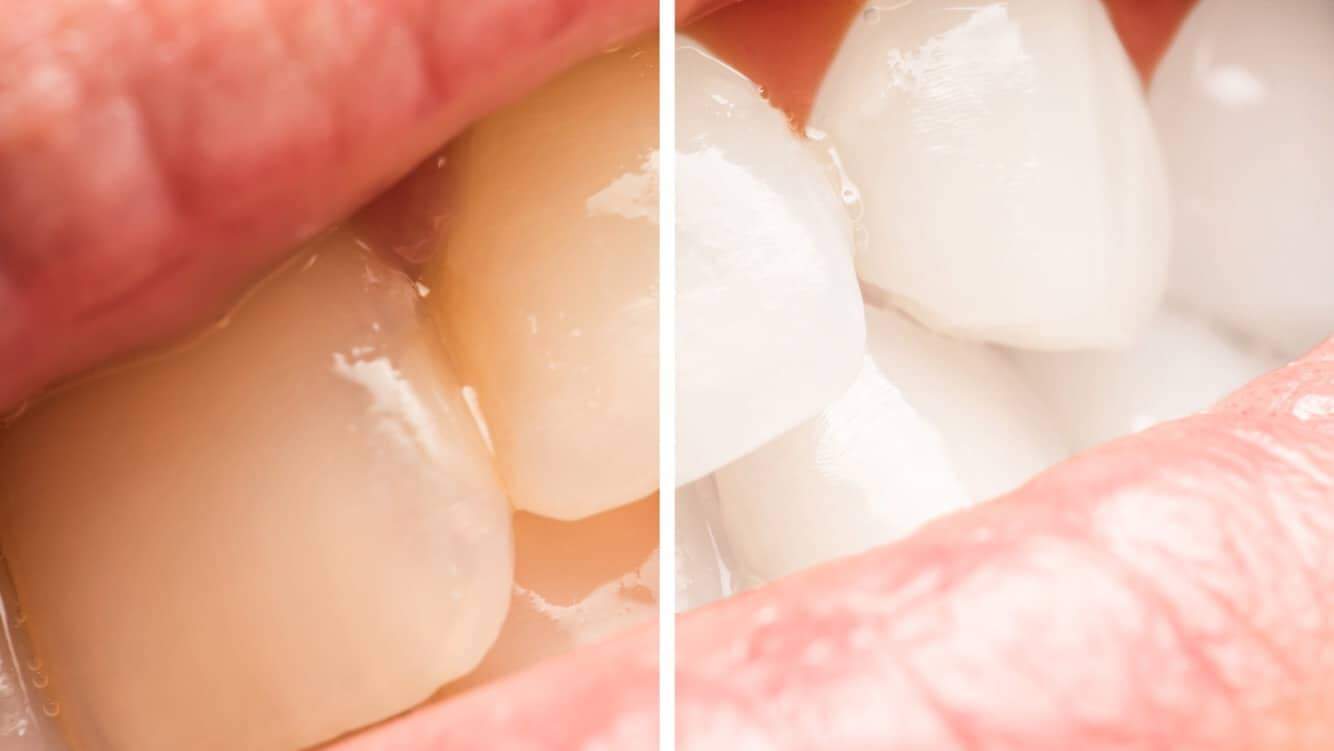
1. Teeth Whitener/Oral Health

Activated charcoal whitens teeth and promotes oral health by changing the acidity levels (pH) in the mouth. The product also freshens breath while preventing cavities and gum disease.

It works to whiten teeth by absorbing bacteria and plaque that stain teeth. Consuming certain foods and beverages, including berries, coffee, tea, and wine, can also stain the teeth.

teeth whitening

2. Relieves gas and bloating

In a study published in The American Journal of Gastroenterology, scientists conducted a double-blind experiment on two population groups in the United States and India. (The two countries were chosen solely for the fact food differences vary considerably.)

Measuring breath hydrogen levels to measure amounts of gas produced in the colon, “activated charcoal significantly reduced breath hydrogen levels in both groups.” The scientists conclude that abdominal cramps and bloating are both significantly reduced by activated charcoal.

3. May help lower blood alcohol levels

Because of its extraordinary absorbent properties, activated charcoal can help eliminate toxins that contribute to alcohol poisoning. Further, some studies show that when someone consumes the charcoal immediately before drinking, it helps to regulate the body’s blood-alcohol levels.

Active charcoal is so efficient in relieving the physical effects of alcohol that it is often the first used when a person is unconscious or showing signs of acute poisoning.

4. Water filtration

Activated charcoal helps remove impurities in water. Some substances that active charcoal efficiently neutralize include chlorine, sediment, volatile and organic compounds. (It doesn’t adequately remove minerals, salts or dissolved inorganic compounds.)

Activated charcoal may also improve the taste and smell of water. Per the Environmental Protection Agency (EPA): “Activated carbon is commonly used to absorb natural organic compounds, taste and odor compounds, and synthetic organic chemicals in drink water treatment … (it) is an effective absorbent because it is a highly porous material and provides a large surface area.”

5. May reduce cholesterol levels

Activated charcoal appears to be effective in binding cholesterol within the gut and preventing absorption. In one study of patients diagnosed with high cholesterol, researchers note that plasma concentrations of total cholesterol and LDL (“bad”) cholesterol fell by 25% and 41%, respectively. HDL (“good”) cholesterol levels increased by 8%.

A second study reduced LDL cholesterol by 29-41% in those with high cholesterol levels.

6. May promote kidney health

In a study published in the journal Food and Chemical Toxicology, researchers concluded that activated charcoal was successful in removing urinary toxins in rats. Additionally, rats with induced chronic renal failure (CRF) showed improvements in kidney health following an activated charcoal regimen.

A second study, published in the Saudi Journal of Kidney Diseases and Transplantation, found that combining an oral activated charcoal treatment with a low-protein diet improved end-stage renal disease symptoms.

7. Reduces symptoms of Fish Odor Syndrome

A genetic condition known as trimethylaminuria (TMAU), or fish odor syndrome, causes the body to accumulate a fishy-smelling substance called trimethylamine (TMA).

Whereas healthy individuals convert TMA into a different chemical before excreting it via urination, people with TMAU do not. As a result, TMA builds up in the body, with only minimal amounts expelled in urine.

In a study published in the journal Life Sciences, researchers found that “the daily intake of charcoal and/or copper chlorophyllin may be of significant use in improving the quality of life of individuals suffering from TMAU.”

Final Thoughts on Activated Charcoal:

Many health claims surrounding activated charcoal are anecdotal and require additional research. You can try it as a supplemental, not a standalone, alternative treatment.

Although activated charcoal is safe for most individuals, certain medical conditions may inhibit it’s usefulness or produce undesirable side effects. Medical conditions that may cause complications include intestinal blockages, abdominal bleeding, poor digestion, or recovery from surgery. Activated charcoal may disrupt the absorption of medications, nutrients, and supplements.

When purchasing activated charcoal, make sure to look for fine, highly purified products. Coconut charcoal is a favorite among users because of its ease of digestion and very few side effects. As with any medication or supplement, please make sure to follow dosage recommendations carefully.

10 Things Alpha People Need In A Relationship

What is an Alpha personality?

If there is one thing glaringly apparent about Alpha folks, it’s their unabashed proclivity to tell it like it is. There’s no “uhm,” “hmm,” or “yeah, but” anywhere in their vernacular.

It’s not that Alpha folks are more “tough” than anyone else, (though they may be at times); it’s that they have a keen and almost stubborn sense of right and wrong. When they “set things straight,” Alphas don’t like where the conversation or situation is heading (hence, the quote above.)

In their book Engineering the Alpha, authors John Romaniello and Adam Bornstein list seven character traits of the Alpha personality:

  1. Helpful; but not condescending
  2. Confident; but not cocky
  3. Vain; but not conceited
  4. Prideful; but not arrogant
  5. Humble; but not self-loathing
  6. Tolerant; but not weak
  7. Dedicated; but not obsessed

Do the abovementioned traits carry implications for relationships? Absolutely.

In fact, here are ten things Alpha people need in a relationship:

“If you don’t like what’s being said, change the conversation.” ~ Donald Draper, ‘Madmen’

1. Stability

If you call an Alpha and cancel at the last second, you better have a dang good excuse. Alpha people cannot stand those who don’t keep their word; in fact, it isn’t unheard of for them to shut someone out who breaks a promise and fails to give a good reason why.

2. Organization

Alphas are highly-organized in every area of their life – work, personal, and otherwise. They are not okay with disorder of any kind, particularly in relationships.

But, don’t we all let things get messy once in a while? Of course, we do! Once in a while.

3. Ambition

Having some goals certainly puts you in good graces with Alphas – because they’re always striving for some personal aim. Being driven is more about self-respect than it is success; though Alphas tend to be successful in what they set out to do.

In short, better have some drive when you ‘get in’ with an Alpha.


4. Candor

In case you don’t know by now, Alphas are direct individuals. They don’t beat around the bush about anything. If you have something to say, it’s best to come forward and say it.

Personality type aside, this is something we should all embrace in our relationships.

5. Spontaneity

For all of their strengths, Alphas have some weaknesses too: their near inability to sit still, for one. Alphas tend to be very spontaneous and adventurous – almost to the point of mania. While this can be fun and exciting, us more relaxed folk may not be particular fans of the Sunday afternoon “Get up! Get up!” “Let’s go! Let’s go!”

6. Humor

Alphas can be just as funny – if not funnier – than anyone else. On the other hand, their mind is probably going 200 miles a minute trying to figure something out. If you can deliver a good dollop of humor during stressful moments, you may just turn out to be an Alpha’s soulmate.

7. Shared responsibility

The first question an Alpha will often ask themselves about a potential partner: “Is he/she self-sufficient?”

If not, you can pretty much forget it. This isn’t something to be taken either lightly or personally. Alphas, as with many others, work incredibly hard for what they have – and the thought of someone not contributing is unconscionable.

8. Respect

respect

A no-brainer, right? Alphas, like pretty much everyone else, want a partner that respects them and their decisions. You can bet that they will respect yours. Of course, the respect thing applies to every aspect of life: boundaries, family and friends, opinions, speech, work, and so on.

9. Energy

Alphas are not easily worn down. As such, it can be exhausting to keep up with one in a relationship that is almost certain to be high-speed. The chances are that there will always be something that needs doing, and they will attack the job. But they need a partner who will commit to sharing the workload.

All of this requires a steady supply of personal energy.

10. Restraint

Alphas are generally highly-disciplined individuals. Like everyone else, they feel the whims and tugs of instant gratification, but they rarely give into them. Successful relationships – a successful life – requires personal restraint.

How to Let Go And Forgive Someone Who Doesn’t Say Sorry

Forgiving someone doesn’t always have to be about the other person. When we forgive people, it’s mostly for ourselves and our own peace of mind. “Whether you realize it or not, if you hold on to resentment, you’re living in the past. When we’re fully present today, now, there is no past or future. And nobody’s making us feel bad,” says confidence coach and columnist Susie Moore.

When we forgive someone, it’s usually because they’ve already sought forgiveness from us. But what about when that never happens? What about the people who don’t say “I’m sorry”? Most people would think that they don’t deserve forgiveness, and continue carrying that hurt and pain with them. But there are ways for us to take steps to forgive them anyway. Not just for them, but for ourselves as well.

Here Are 6 Ways To Let Go And Forgive Someone Who Doesn’t Apologize

“Forgive, forget. Bear with the faults of others as you would have them bear with yours.” – Phillips Brooks

1. Focus on yourself rather than others

Forgiving seems to be about absolving the other person of wrongdoing. However, once you flip the focus from other people onto yourself, you’re now learning to heal from within. Allowing yourself to focus on how you feel and what’s best for you will make forgiving someone for your own peace of mind much easier.

When you decide to forgive someone, you are essentially liberating yourself from the anger and resentment caused by whoever has hurt you. It’s a decision to learn from the betrayal, see your part in it (if there was any) and move on after you’ve processed your feelings sufficiently,” says Dr. Amy Wood.

It only hurts us to hold onto grudges, and the grudges of those who don’t seek forgiveness are often the worst. You’re the only person who should matter when it comes to who and what you have control over.

2. Take responsibility for your feelings

Other people only have so much power over you. While their words and actions can have an effect on us, ultimately, we are in control of our own feelings and behaviors. Taking responsibility for our own feelings is a way to stop blaming others for how we feel, and start moving past those negative feelings. When we stop feeling hurt by others, we lose both the blame and judgement that keeps us trapped by our grudges.

By changing the way you choose to perceive the power that others have over you… you’ll see a bright new world of unlimited potential for yourself… you’ll know instantly how to forgive and let go of anything,” says Dr. Wayne W Dyer.

Recognize that you are the only person who has complete control of your feelings, and by doing so, you become able to free yourself of all negativity.

forgive quote

3. Accept responsibility

Not everything is one-sided. Because we can only see our own perspective, we often find that we perceive other people to be the wrong, judgmental ones. We don’t see that we could have done something to provoke their cold and icy personality. Accepting responsibility for the part you may have played in a grudge or argument means you’ll be able to let go of how the other person is acting much quicker. You may even be able to seek to reconcile the problem, and accepting your responsibility will make the other person more likely to reconcile.

4. Stop living in the past

When you refuse to release a grudge or past anger, you’re not able to fully live in the present. You may find that you’re always thinking back to the people who slighted you and you made you feel this way. When you keep thinking back and experiencing emotions that have long passed, you’re not giving your full self to the things in the present that need your attention.

Research also shows that people who hold onto chronic unforgiveness experience long-term stress, which affects your immune system, making it more difficult to fight off disease. Harmful thoughts have negative health ramifications. Forgiveness allows you to let go, not take things as personally and find true acceptance, even in the midst of chaos or trauma,” says divorce attorney-mediator, Lori S. Rubenstein, JD, PCC.

So, take a deep breath and start living in the now. Once you find peace in your present life, you’ll be much more capable of letting go of the grudging and forgiving people who haven’t said sorry.

5. Don’t look to feel slighted

Sometimes, we deliberately look for reasons to be offended. Righteous anger can feel good sometimes, and we all know those people who are a little bit addicted to the feeling. But in that same vein, going through life looking to be slighted can mean gathering grudges that will never be met with an apology. Letting some of these things go and not allowing yourself to feel offended over every little thing will mean that you’re going to be able to forgive things much easier.

6. Look at life with a loving lens

This doesn’t mean that you have to look at all of the bad things with love, but rather take all of the things that happen in your life and turn them into a lesson for you to learn something from.

Late professor Lewis B. Smedes once said, “Forgiving does not erase the bitter past. A healed memory is not a deleted memory. Instead, forgiving what we cannot forget creates a new way to remember. We change the memory of our past into a hope for our future.”

Therefore, if someone causes you harm, don’t hold the grudge. Look at what happened and learn from the experience. Do you need to be less tolerant of people walking all over you? Or do you need to learn to accept people for who they are? Whatever the lesson, take it and internalize it so you can keep moving forward in life.

Final thoughts

Forgiveness doesn’t have to be something that absolves another person of guilt at the expense of your own emotions. Rather, forgiveness should be something that helps heal you from the past and help you move forward. When you forgive someone who isn’t going to say sorry, it’s a way help heal your mind and soul. It’s “… a wonderful way to honor yourself. It affirms to the universe that you deserve to be happy,” says marriage and family therapist Andrea Brandt, Ph.D.

References:
https://greatist.com/live/how-forgive-someone-who-will-never-say-sorry
https://learnevolveandthrive.com/how-to-forgive-your-partner-even-when-he-she-is-not-sorry/
https://books.google.co.in/books?id=-n3AxT39SM4C&pg
https://www.yourtango.com/experts/lori-rubenstein/how-do-you-forgive-someone-who-not-sorry
https://www.psychologytoday.com/blog/in-therapy/201303/forgiveness-vs-reconciliation
https://www.psychologytoday.com/blog/mindful-anger/201409/how-do-you-forgive-even-when-it-feels-impossible-part-1

How to Release Emotional Attachments to Someone Who Stopped Loving You

I’ve heard of falling in love, but hardly have I come across people who have fallen out of love. Is this even possible? Can your partner suddenly stop loving you? Before we answer that question, you must know that there’s a huge difference between ‘loving’ and ‘being in love’.

Falling out of love is one of those awful parts of life that we don’t want to think about until we sense that it’s happening to us. At first, we think we’re imagining things, it’s rare we stop and ask ourselves, “does he love me?” But pretty soon it becomes clear that something is really, really wrong,” says dating coach Elizabeth Stone.

Letting go of someone that you never thought you would have to let go of is a difficult thing. When someone has stopped loving you, it may feel like the world won’t continue spinning. However, we all know that isn’t true. Letting go and moving forward with life is entirely possible, and it’s the healthy solution to having to say goodbye to someone you once loved.

When it’s time to let go and say goodbye, we are often left wondering how to go about doing that. After all, it’s not something that’s taught to us in school. Here are the best ways to let go of someone who’s stopped loving you, and move forward to a better and healing tomorrow.

Here Are 5 Ways To Help You Emotionally Release Someone Who Stopped Loving You

“Nothing in the universe can stop you from letting go and starting over.” – Guy Finley

let go of the past - loving

1. Understand why you broke up

What was it about the relationship that wasn’t working? What caused the rift that had the both of you part ways in the first place? If you can’t pinpoint the exact reason, you may want to think about what went wrong in the relationship. This doesn’t mean that it was your fault, their fault, or anyone’s fault.

Sometimes, people don’t work out in a relationship. That doesn’t mean there must be a good and bad guy in the breakup story. Even if it still hurts, understanding why the relationship ended is the first step to allowing yourself to let them go and learn to say goodbye.

You can stay civil and on speaking terms if necessary–or you can part ways for good. There’s no right or wrong answer, just what is best for your heart.

2. Take your time

You don’t need to get over your heartbreak right away. There’s a reason that the phrase “time heals all wounds” is as popular as it is. While it may not be true in the sense that time heals ALL wounds, taking your time can indeed make healing a lot easier. If you try to push yourself into feeling better and bottle up how you’re feeling, it will only come back ten times harder than before.

Sometimes time shows us that the feelings we felt were only to be felt in passing — as we passed on by and on to the next individual we love. That’s why you have to give time a chance. Even if it doesn’t do the trick of healing all your wounds, it will most certainly numb the pain. It will turn those vivid memories into blurry renditions,” says entrepreneur Paul Hudson.

When you’re learning to let go, the most important thing to do is to let yourself take all the time you need to heal. One day, you’ll wake up and realize that you aren’t feeling the same pain as when it first happened.

3. Understand why you need to let them go

Relationships don’t always end for good. There are times where a relationship can be rekindled and put back together. However, when you’re saying goodbye to someone who has stopped loving you, it’s best to understand that the relationship will not likely be fixed. Sometimes, we need to understand that relationships end so we can move forward and find that special relationship we’re meant to be in forever.

Understanding why you need to let them go is a great tool in healing “because if you don’t those emotions will catch up with you, and you’ll end up doing something that you’ll later regret,” adds Hudson. Once you have that understanding, you will no longer feel the need to be drawn back into a relationship that has reached its expiration date.

4. Meet new people

This doesn’t mean that you have to start going on dating apps and meeting people in bars right after you’ve said goodbye. Hooking up with people won’t fix that feeling of heartbreak. However, surrounding yourself with new people will aid in your recovery. You won’t fall in love with someone new right away, but if you allow yourself to enjoy new people, you may “fall in love” with parts of people, which can help you get the feeling back in your life as it moves forward.

Surrounding yourself with new people will also allow you to fill your days with learning about new people instead of wallowing. Also, be careful with rebounding because “at these early stages of grief, it’s easy to have tunnel vision: You dwell on what was wrong in the relationship—what hurt and wounded you,” says doctor and author Robert Taibbi, L.C.S.W.

So, what does this mean?

Whenever you are ready–you get to decide! Don’t cave into peer pressure. Let your heart heal, then consider relaunching your social life.

5. Open yourself to finding love

When we say goodbye to someone we truly love, it can feel like that was it for us. We met the love of our lives, and it didn’t work out, and there’s no one else for us. But that isn’t true! Spiritual matchmaker Heather Kristian Strang says, “In a spiritual sense, all true love is eternal. Death, breakups, divorce — whatever it may be — cannot destroy a true love.

Therefore, closing yourself to love can shut you off from finding the person you were meant to be with. Sometimes, relationships end so that we can find the love of our lives. When you meet that person, all of the pain from saying goodbye to your last love will heal like never before. Keeping yourself open to love is going to be the thing that helps you heal and move forward, every time.

loving

Final Thoughts on Moving on When Someone Stops Loving You

Saying goodbye is a difficult task. When we think that the person we were with will be with us forever, figuring out how to let them go isn’t easy. However, it can be done, leading us to richer, more fulfilling lives. It can even lead us to meet the love of our lives. Don’t be afraid of letting go and healing, even if it hurts for a while.

15 Early Warning Signs of a Potential Abuser

Bullies and abusers are cowards…

Sure, the argument can be made that bullies are victims too. Some kids who grow up in abusive or neglectful households may develop an “I’m the oppressor” mindset. Obviously, these cases are tragic – and help must be a priority; but such cases are the exception to the rule.

Regardless of motive, bullies and abusers inflict far more damage than they receive. As a consequence, society rightfully deems this behavior completely unacceptable.

Bullies and abusers are two peas in a pod. A bully is an abuser, and an abuser is a bully. Both “feel stronger, smarter, or better” than the person they’re harming. They see bullying as their right, and even a means of getting ahead.

Please keep in mind that these people are found everywhere; in schools, workplaces, shopping malls, grocery stores, churches, hospitals, charities, state and national governments, militaries, corporate boardrooms, you name it. They work in jobs where they swear to help people, only to do the opposite.

“Great spirits have often encountered violent opposition from weak minds.” ~ Albert Einstein

In this article, we’re going to discuss 15 early signs of a potential abuser.

As you read this list, and if you are being abused or bullied, please remember that there are good-hearted people who will stand up for what’s right. There are plenty of Good Samaritans that will not stand idly by while bullies and abusers try to inflict their pain on someone else.

Let’s talk about signs to look out for from potential abusers.

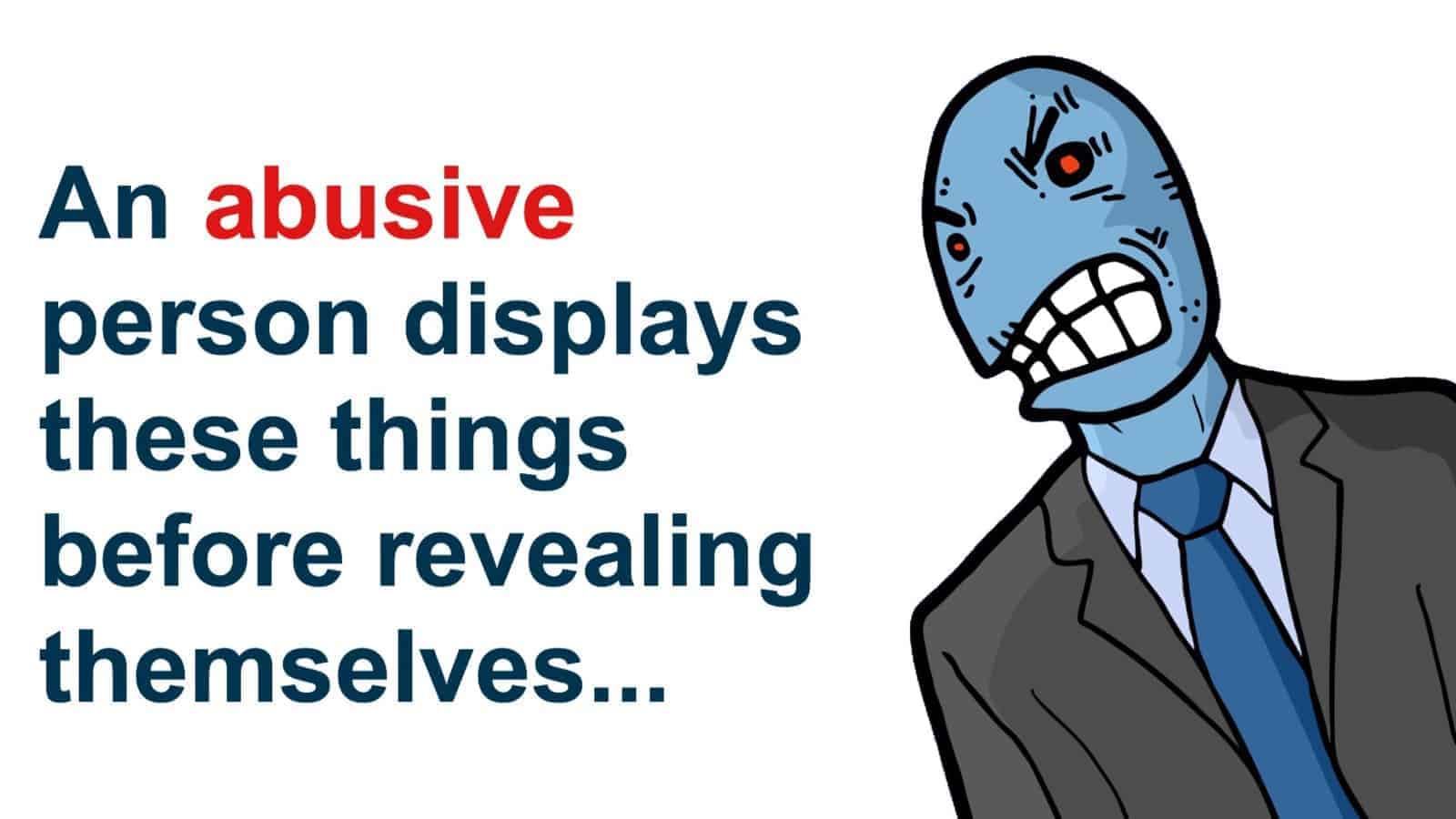
abusive behaviors

Here are 15 early signs of a potential abuser:

1. Boasting or bragging:

Abusers possess a narcissistic streak. They will dwell on about their “accomplishments” with the hope of impressing no one in particular.

2. A potential abuser is needy:

Yeah, abusers will display a “poor me” attitude with the hope of getting you to feel bad for them. They’ll cling, beg, and show insecurity. Go figure.

3. Lies and manipulates:

Abusers have the well-earned reputation of lying about the stupidest, most asinine things. Most bullies aren’t too bright either, so you can probably see through the “deception.”

survival

4. Oversensitivity:

Abusers are often overly-sensitive and uptight. This can be a dangerous sign, as they may seek to release their pent-up anger and hostility onto someone innocent.

5. Quick to commit:

As mentioned, abusers are needy and clingy people. As such, they may ratchet up the pressure for a committed relationship. The sooner they can control someone, the better.

6. Jealousy:

Abusers also have the reputation of claiming that their jealousy is a sign of love. Nuh-uh. Jealousy is a sign of immature aggression. Stay away.

7. Controlling behavior:

Being a control freak may be the number one sign of an abuser. They’ll question where you’ve been, who you’re talking to; they will probably check your phone, and – perhaps most disturbingly – call your friends and family.

8. A history of violence or abuse:

Abusers don’t fool anyone. Even those close to them (e.g., friends and family) may drop a hint about the person’s lack of self-control and propensity for violence.

9. Possessive:

A close cousin to controlling behavior, abusers may refuse to let you out of their sights. It’s not uncommon for these bullies to cut you off from your social circle.

10. Rage:

In reality, no one is safe from a bully, particularly someone who looks vulnerable. Abusers will often look for a place to direct their rage; even going so far as to provoke an innocent person.

11. Insist on “my way”:

Bullies are incredibly closed-minded individuals. They give no second thought to shutting down someone else’s opinions or suggestions.

12. Ignores boundaries:

The agreed upon social contract of not invading someone’s space doesn’t apply to abusers. If you get involved with an abuser, you can expect to have your privacy violated more than once.

13. Sabotages friendships:

Abusers are notorious for trying to end friendships which they see as threatening to their sense of control.

14. Insults your loved ones:

Oh yes, the abuser will almost certainly find fault with one or more of your family members or close friends. They’ll often show no hesitation in dishing out verbal abuse towards them.

15. Overly defensive:

Once again, abusers are cowards. The smallest perceived “threat” is enough to get them going. You can expect plenty of childish behavior like this.

If you or someone you love is being abused, please contact one of the following organizations:

– The National Domestic Abuse Hotline
Website: https://www.thehotline.org
Phone: 1-800-799-7233
Live chat services: available 12-6pm Central time.

– Stopbullying.gov
Website: https://www.stopbullying.gov/get-help-now/index.html

– Childhelp National Child Abuse Hotline
Website: https://www.childhelp.org
Phone: 1-800-4-A-Child (1-800-422-4453)

Of course, please contact your local police department in the event of an emergency or call 911.

Sources:
http://www.thehotline.org
http://www.womenaresafe.org/physical.html
https://www.childhelp.org
https://www.stopbullying.gov

Scientists Explain 5 Ways Technology Can Hurt Your Relationship

The above quote pretty much sums up this article in a nutshell. Technology has taken over our lives, and not in a good way. Sure, technology has its benefits, giving rise to advancements in medicine and machinery, but it doesn’t do much good for humanity regarding smartphones. We have become utterly addicted to our mobile devices, and you don’t need any studies to prove this statement. Just look around you – you’ll likely see most people glued to their phones no matter where you go.

When it comes to relationships, this addiction has disastrous consequences. In the U.S., the average smartphone user spends 2 hours and 37 minutes on his phone per day, according to research from Statista. In Brazil, the average is nearly five hours! What does this mean? Our phones have become a permanent extension of our hands, and we don’t pay much attention to the world around us. We have substituted virtual reality for reality, and it turns out that switching back and forth between the two worlds doesn’t come so quickly.

Many people report that their relationships have suffered due to the overuse of technology, and this doesn’t come as a surprise when people seem to spend every second of their free time on their phones.

“We are allowing technology to kill our relationships because we tend to give our phone more attention than we do our partner.” – Unknown

In this article, we’ll go over technology’s exact implications on relationships.

5 Ways Modern Technology Can Harm Relationships

Here are five ways technology can hurt your relationships, according to science:

relationships

1. It takes you away from the present moment

How often have you been conversing with your partner, only to see them pull out their smartphone in the middle? They probably don’t do this on purpose, but it can make you think your conversation isn’t as crucial as whatever they’re looking at on their phone. The more this happens, the less satisfied you’re likely to be in your relationship because your partner’s attention is divided between you and their phone. In fact, in a study published in Psychology of Popular Media Culture, researchers found that 70 percent of women said smartphones interfered with their relationships.

Eye contact and active listening are critical components of communication, both compromised when smartphones appear. Intimate relationships require trust and communication, and you can’t build on these when you or your partner decides to scroll through Facebook while having a conversation. It’s downright rude to stare at your phone while your partner is talking to you because this tells them that what they have to say doesn’t matter.

beautiful quote

2. Technology ruins quality time together

Most people today don’t have a lot of free time already, but when we spend an average of 2 hours and 37 minutes on our smartphones per day, that leaves practically nothing left for real relaxation. Not to mention, the same study that found 70% of women had “technoference” in their relationships also discovered that 62% of women said technology interfered with leisure time with their partner. 

The more we let technology interrupt our lives, our relationships will suffer. For example, when couples go out on dates now, they spend more time checking their phones than talking with their partner. This creates dissatisfaction and loneliness in a relationship, and isn’t the whole point of a relationship to have someone to talk to and bond with?!

3. It creates resentment

As we’ve already said, being on your smartphone while spending time with your partner essentially checks you out of the real world. Your attention goes to the myriad of apps and notifications on your phone, distracting you from your real life. It might feel nice to escape the real world for a while, but we have taken it over as a society. In relationships, resentment can easily build if one partner spends too much time on their phone, ultimately leading to a breakup. How silly does it sound that a little screen can sever the ties between two people. A small device that gives us a gateway to a virtual world can cause someone we love in the real world to fade away.

4. Technology can make you move too fast

Maybe you met someone online and realized they live far away from you. After talking for a few weeks or months, you decide to move in with them or invite them to move in with you. Then, you have an epiphany and realize that you never really knew them at all, and that they have become a completely different person. You can get into relationships with the wrong people by not allowing the relationship to unfold and taking time to get to know one another. Moving in with someone or even just moving to the city or state where they live is a huge deal, and shouldn’t be taken lightly.

5. It can lead to depression

We could write a whole book on the link between technology and depression, but for now, we’ll just summarize it as best we can. How does the use of technology cause depression? For one, the blue light emitted from smartphones can interrupt our circadian rhythm, leading to sleep problems and a depressed mood. For another, smartphones make us isolated, which creates feelings of depression. Furthermore, when your partner continually chooses their phone over you, it can make you feel unloved and neglected, which can cause depression. All of these factors are interconnected, and when combined, it can create severe mental health problems.

Final Thoughts on the Impact of Technology on Your Relationships

Smartphone technology has exploded in the past decade, and we’ve had to try to adjust to how it impacts our daily lives. Most people say they can’t live without their smartphone, and you certainly don’t have to. It’s how you use the technology that truly matters. As long as you set limits on your use of smartphones, give your full attention to your partner when they’re talking to you, and make sure you have a real life outside of your phone, it shouldn’t become an issue.

(C)Power of Positivity, LLC. All rights reserved
References:
https://clintonpower.com.au/2011/07/the-disturbing-effects-of-technology-on-your-relationships/
https://www.npr.org/sections/health-shots/2014/12/03/368213774/don-t-let-technoference-ruin-your-love-life
http://psycnet.apa.org/record/2014-52280-001
http://www.cnn.com/2013/01/10/health/kerner-social-relationship/
https://www.psychologytoday.com/blog/happiness-in-world/201006/the-effect-technology-relationships
http://www.businessinsider.com/people-spending-more-time-on-smartphones-chart-2017-5
https://www.washingtonpost.com/national/health-science/teenage-depression-and-suicide-are-way-up–and-so-is-smartphone-use/2017/11/17/624641ea-ca13-11e7-8321-481fd63f174d_story.html?utm_term=.e0e6f836b574
Skip to content