Weekly tips, affirmations, and small actions to feel your best.

11 Ways to Keep Your Mind Sharp

“To enjoy good health, to bring true happiness to one’s family, to bring peace to all, one must first discipline and control one’s mind. If a man can control his mind he can find the way to Enlightenment, and all wisdom and virtue will naturally come to him.”

– Buddha

“Studies have shown that you can help prevent cognitive decline…with some basic good health habits…there are various strategies we can use to protect and sharpen our minds.”

– Harvard Medical School

Intro: The Buddha and…Harvard?

Quoting the Great Buddha – a sage that lived in ancient India, and Harvard Medical School – a preeminent institution of medical education – may appear to be a juxtaposition of the highest degree.

The opposite, however, couldn’t be more true. Harvard Medical School has published various research studies predicated on the very practices that Buddha himself promulgated thousands of years ago: mindfulness, self-awareness, meditation, and other means of harnessing the power of the human mind.

Similarly, both the Buddha and Harvard Medical School posit that one’s mind is a uniquely human component – one meant to be developed and strengthened. The very latest neuroscientific research studies (e.g. neuroplasticity, neurogenesis) have all reached one important conclusion: the mind/brain possess the innate capacity to develop throughout life.

Which segues into the topic of this article: methods of sharpening what is undoubtedly our greatest gift, our mind.

Here, we present 11 scientifically-validated means of keeping the mind and brain sharp. Additionally, these practices will further enhance many of the mind’s unique capabilities: critical-thinking, judgement, creativeness, focus, attention, and even spiritual connection.

Here are 11 ways to keep the mind and brain sharp:

1. Prioritize lifelong learning

According to Harvard University, “A higher level of education is associated with better mental functioning in old age.” However, that doesn’t mean you need a Ph.D. to take advantage.

The ultimate goal is to challenge your brain. It doesn’t matter the challenge is a Master’s thesis, pursuance of a new hobby, or learning a new skill. If your brain is learning something, it’s staying sharp.

2. Believe in the power of your mind

Negative stereotypes about aging and memory are mostly untrue – and can actually contribute to memory problems. On the other hand, if you possess confidence in your ability to maintain and improve the sharpness of your mind, you’re much more likely to engage it in activities that promote mental acuity.

3. Create a routine for the simple things

Lost keys, forgotten birthdays, getting lost…all of these trivial annoyances drain the mind’s capacity.

When you use tools (e.g. calendars, maps, lists, etc.) to keep these things in order, your brain is able to concentrate on learning and development. As far as misplacing things, designate a specific place in your home to keep the keys, eyeglasses, wallet…etc.

4. Repeat, repeat, repeat…

When you come across some piece of info that you want or need to remember, either write it down or repeat it out loud. Repetition helps to reinforce the neural connections responsible for remembering things.

5. Don’t “cram”…at any age, or for any reason

Related to #5, using repetition to memorize information is wonderful – if the timing is correct. Most people are not very adept at remembering unrelated information in a short period of time.

When you need to “study” or remember important details, it is extremely beneficial to designate periods of time to do so. Don’t “cram”…it doesn’t work.

6. Get your body moving

Researchers believe that regular exercise “may be the single most important thing you can do” for brain health, especially over the long-term. While our heart and lungs are pumping, the brain is getting fit as well.

Aim for at least 30 minutes of exercise every other day.

7. Understand and remember the importance of nutrition

Fitting that nutrition comes after exercise, as they are two of the most important determinants to long-term mind health.

First, it’s important to understand the intricate relationship between nutrition and brain health. Glycogen is the brain’s number one source of energy – and this source is expended quickly. The best option is a low glycemic nutrition plan – high fiber, moderate protein, and low fat.

8. Get plenty of sleep…but not too much

We’ll keep this simple: you should be sleeping 7 to 9 hours per night. Our brain cannot effectively consolidate and reorganize the prior day’s activities, otherwise. On the opposite end of the spectrum, hibernating for 10-plus hours a night accomplishes nil.

Poor sleep over the long-term is directly linked to cognitive decline in old age. If you’re not prioritizing sleep, you’re sacrificing your mental and physical health.

9. Mitigate and manage stress

Stress causes the instantaneous release of cortisol – a harmful chemical that interferes with a number of important brain and body functions. Obviously, this is bad.
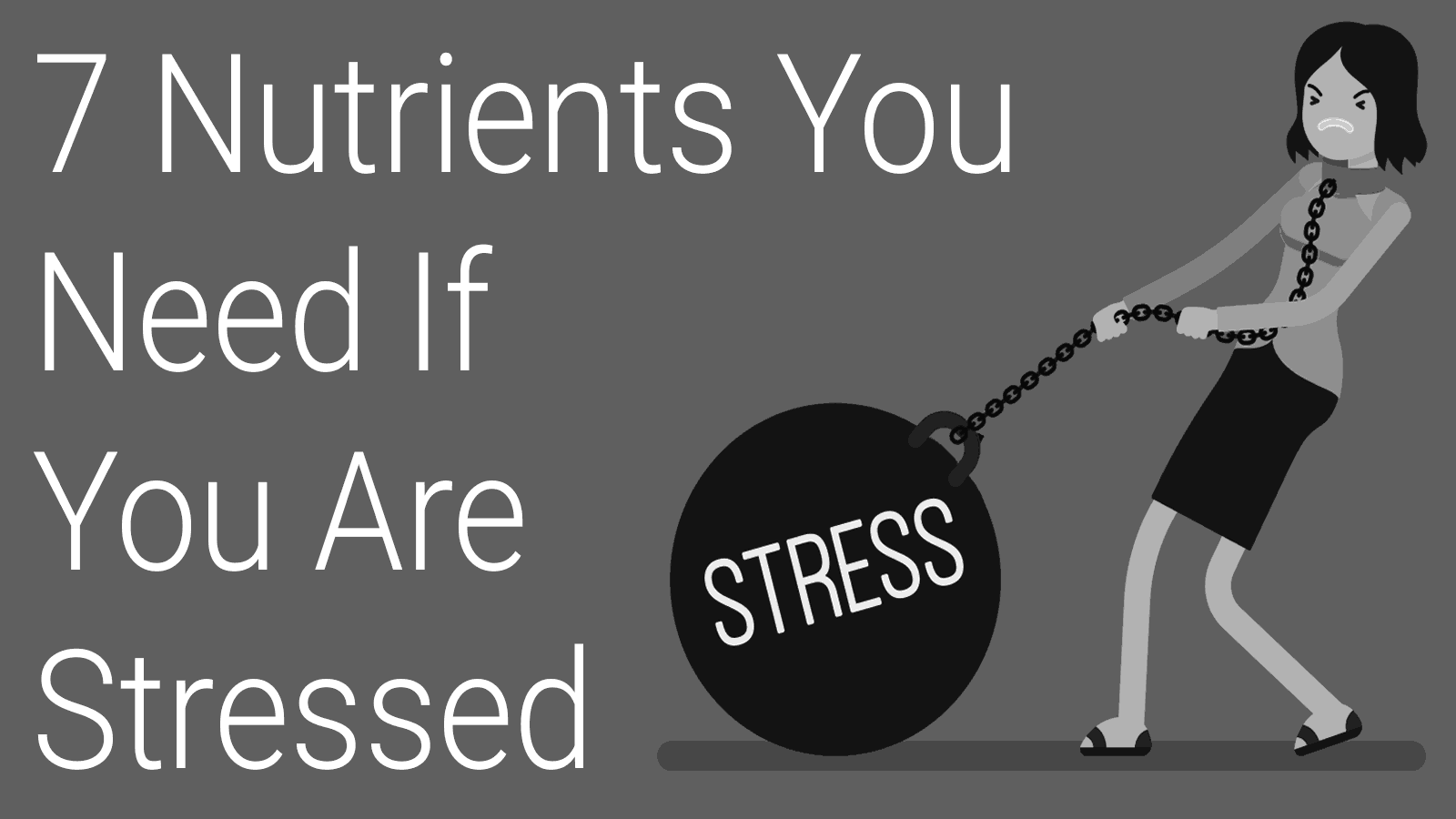
stressed

That said, we’re realists. Stress is a daily occurrence for everyone and everything alive on this planet. The solution: eliminate stressors where they can be (e.g. move away from that annoying co-worker) and find a healthy method of stress relieve (e.g. a Chinese massage, video games, a book, whatever…)

10. Embrace cognitive challenges

We want reemphasize the importance of exercising the mind. Just as your body can not get healthy without being pushed, neither can your brain.

And here’s the thing…a brain challenge can be fun! Use your smartphone and find a brain teaser; pick up the newspaper and look for the daily crossword; play a board or computer game. As long as your brain is “active,” it’s all good!

11. Meditate

We can’t quote Buddha without mentioning the benefits of meditation and/or mindfulness. We’ll stick with the same theme and include Harvard in on this one, as well.

Here’s a quote by Dr. Sara Lazar, Assistant Professor of Psychology at Harvard Medical School:

Although the practice of meditation is associate with a sense of peacefulness and physical relaxation, practitioners have long claimed that meditation provides cognition and psychological benefits…This study demonstrates that changes in brain structure may underlie some of these reported improvements and that people are not just feeling better because they are spending time relaxing.”

https://youtu.be/lFdcCXmGpy4

Sources:
Denninger, J., Lazar, S., Vago, D. (2016). Now and Zen: How mindfulness can change your brain and improve your health. [PDF]. Retrieved from https://hms.harvard.edu/sites/default/files/assets/Harvard%20Now%20and%20Zen%20Reading%20Materials.pdf

Harvard Health Publications. (2015). Improving age-related memory loss. [PDF]. Retrieved January 6, 2017 from http://www.health.harvard.edu/healthbeat/6-simple-steps-to-keep-your-mind-sharp-at-any-age
Nixon, R. (2011, February 11). 10 Ways to Keep Your Mind Sharp. Retrieved January 06, 2017, from http://www.livescience.com/12915-10-ways-mind-sharp.html
(C)Power of Positivity, LLC. All rights reserved

5 Ways To Make Life Simple Again

We have so many gadgets and services in today’s world that claim to make life simple, but instead, they just overcomplicate it. We all long for a simpler life with less stress and more downtime, but how do we actually attain that?

In short, life isn’t inherently complicated – we just make it that way. Once you understand that you have created your reality up until this point, you can use that same energy and power to move yourself into a simple life that you can actually enjoy. You can use the tools within you to bring that simplicity back into your life and do away with anything that doesn’t make life easier for you.

Of course, there isn’t a one-size-fits-all answer to how to make life simpler, but we have come up with a few ideas that will hopefully get you started down a path to less stress and more happiness.

5 Ways To Make Life Simple Again

simple living

1. Work on your dreams, but don’t overwork yourself.

Everyone tells you to follow your dreams, and by all means, you should! However, don’t allow your dreams to turn you into a workaholic. Take time for yourself and don’t forget to actually live your life in the present while you’re in the process of creating your future life. Let’s be honest – any kind of work can exhaust us eventually, so it’s extremely important to pace yourself and allow your dreams to slowly take shape. Remember, no one created an empire overnight – it takes time, dedication, and patience. 

You have to remember to take care of yourself along the way and breathe life in, rather than suffocating your spirit just to make it to the finish line before everyone else. Life is not a race, so don’t treat it that way. Be content to watch life take shape and go with the flow rather than trying to force things to happen.

2. Don’t buy more than you need.

We live in times where being able to afford even the basics is tough for most people. Many of us need multiple jobs or streams of income in order to just survive. With that being said, one way to make your life simple is to only buy what you absolutely need, and do away with anything that doesn’t serve you and enhance your life. Buying more than you need or purchasing things that you can’t afford will only lead to more stress and debt, which will create the exact opposite of a simple life. Plus, studies have shown that more material items DON’T bring more happiness, and just lead to more clutter, stress, and feelings of emptiness.

Live within your means, and you will enjoy much lower stress levels and less debt in the long run.

3. Work smarter, not harder.

This one may not apply to some people, but for those who have more control over their schedules, try to get tasks done in a set window of time, and then move on to the next task. Multitasking doesn’t really exist, anyway, so don’t try to do multiple things at once. Our brains can only process one thing at a time efficiently, so focus on doing one thing at a time. You’ll save your brainpower and actually finish your work more quickly.

We have finite energy, so only use it on things that will benefit your life and don’t waste it on anything that simply keeps you “busy” but not productive. We all lead busy lives, but mostly because we do things we don’t truly want to do. Focus your energy on what will bring you the most happiness and abundance, and choose to eliminate anything that doesn’t serve your highest good.

4. Don’t take life too seriously.

We spend a lot of time worrying over the future, thinking about what others think of us, and in general, wasting way too much energy on thoughts that only destroy us in the long run. None of us will make it out of here alive, so why spend our limited time here worrying about things that may not even have an answer? It can seem tough to break that habit of endless worrying and taking life so seriously, but if we want to maintain any level of sanity, we must remember to spend time laughing, loving, and focusing our energy on the present moment.

We spend too much energy overthinking everything, stressing out, and not ever really taking time to appreciate the fact that we are alive. Right now, take the time to let that sink in. We don’t get to live this life forever, so don’t worry so much about how much money you have and how many bills you have left to pay this month. Breathe, my friends, and don’t allow petty life drama and responsibilities to weigh you down. Separate yourself from all that human stuff for a little while, and you’ll see everything a little more clearly. 

5. Embrace imperfections.

Another way to make life simple again is to not expect perfection. In this reality, nothing will ever go exactly as you planned. Of course, sometimes, it will go even better than you thought, but most of the time, we get our hopes up only to have them crushed by reality. We have to find a middle ground, a balance, in order to find happiness. We have to let go of all those expectations and simply live in the moment.

You might be having the worst possible day – you spilled your morning coffee, you can’t find your work clothes, your kids are crying about some catastrophe, your boss piled more responsibilities on top of you, and you feel like you’re drowning in a sea of stress and exhaustion. We get it; we’ve been there. However, at the end of the day, you sort of have to laugh at it all and find some way to appreciate life’s imperfections. This is all just an experiment, after all, and you get to be a part of it. 

How Being Judgmental Can Be Good For Personal Growth

Some people judge others who are judgmental too harshly, without giving them credit for using their judgment wisely to benefit their personal growth. The truth is that our judgment can be for good or for ill. In fact, keeping a positive intention behind your judgment can give you a path toward achieving a better self. Let’s look at several ways that using your judgment can be good for self-development and personal growth.

How Being Judgmental Can Be Good For Personal Growth

judgmental

1. Being judgmental can be suitable for setting goals

To advance in your performance, you need to know where you are now and where you want to be. You need to judge your current level against a goal to reach a target. For example, if you’re going to be better at playing an instrument, you need to know what skills you still have to work on to improve.

This is not about judging yourself harshly. For example, there should not be any negative label placed on your current state. You wouldn’t say that you are bad at playing guitar. Instead, you would say that you are at a beginner level or that you need specific development on specific skills.

2. Being judgmental can be suitable for aligning with your values

You have a set of core values that drive your daily decisions. As a result, you have to make choices about what aligns with your values, or what is ‘good,’ and what does not align with your values, or what is ‘bad.’ These types of judgments help us to be the type of people that we want to become.

Researchers in the journal Social, Psychological, and Personality Science studied the correlation between food choices of organic foods over non-organic foods and subjects’ levels of generosity and judgments of others’ behavior. They found that those more likely to choose organic foods may be more likely to judge others’ behavior harshly against higher moral standards.

This research suggests that ‘exposure to organic foods may lead people to affirm their moral identities.’ Choosing healthful foods shows that we value and judge healthier foods as better for us than unhealthy foods. You make several food, social, and other value judgments several times a day.

3. Being judgmental can be suitable for guiding the actions of those around us

None of us likes hanging around with obnoxious, toxic people, so by judging the type of acceptable behavior from our friends and family, we can let them know what we will tolerate and where our boundaries lie. When a toxic person encounters someone who knows how to use their judgment for good, the toxic person will quickly learn what type of behavior is unacceptable. Being judgmental in this way means being able to say, ‘I like you. I don’t like that specific behavior.’

4. Being judgmental can be good for our self-esteem

When we fail at something in our lives, we can judge our behavior harshly. Or we can judge ourselves as imperfect people capable of learning from our mistakes. By keeping a frame of reference that allows us to focus on the positives about our faults, we forgive ourselves for the bad because we know that we are constantly striving for the good.

PERSONAL GROWTH

5. Being judgmental can be suitable for making positive social choices

Developing good judgment is different from being critical. According to the Journal of Research in Personality, people who are better at judging people with similar personalities have several positive social outcomes. People felt greater interpersonal control, interpersonal support, and positive emotions like happiness and had higher life satisfaction than those who had a more difficult time with this skill. The researchers say that ‘judgmental ability is related to important relationship outcomes for the person making the judgments .’

MIT Researchers Reveal Discovery That Could Evolve The Brain

In 2014, a world-renowned scientist by the name of Michio Kaku proclaimed “We’ve have learned more about the thinking brain in the last 10-15 years than in all of human history.”  In the 2.5 years since Kaku wrote his piece in The Wall Street Journal, additional leaps have been made in the field of neuroscience. One such example is a recent study undertaken at Massachusetts Institute of Technology (MIT).

“Nobody has really measured neurotransmitter behavior at this spatial scale and timescale. Having a tool like this will allow us to explore potentially any neurotransmitter-related disease.”  – Michael Cima, senior author of the study

In this article, we’ll delve into the extraordinary research currently underway at MIT – and how this research may indicate the next evolutionary step in the field of neuroscience.

Explaining dopamine

conscious awareness

Dopamine is a chemical messenger (i.e. neurotransmitter) within the brain. Classified an excitatory transmitter, dopamine regulates the brain’s “reward and pleasure centers.” Here are some of dopamine’s functions in humans:

  • Maintaining focus on cognitive tasks.
  • Responsible for our drive and desire to accomplish tasks – or motivation.
  • Enables us to see rewards and take necessary action.

Individuals diagnosed with Attention Deficit Disorder (ADD) or Attention Deficit Hyperactivity Disorder (ADHD) are often prescribed drugs that elevate dopamine levels; hence, “rewiring” the brain to focus.

Dopamine deficiencies increase the risk of Parkinson’s Disease – a degenerative disorder that affects control of the motor system. Low dopamine levels also makes one more susceptible to addiction.

The study’s abstract concisely explains the potentially adverse consequences of a neurochemical imbalance: “Dysregulation of neurochemicals, in particular, dopamine, is epitomized in numerous debilitating disorders that impair normal movement and mood aspects of our everyday behavior.

MIT Researchers Reveal Discovery That Could Evolve The Brain

Accurate measurement of neurotransmission activity within the brain is a notoriously difficult process. Neuroimaging is most commonly practiced using positron emission tomography, or PET. The problem with using PET technology for neuroimaging is two-fold: (1) PET measures metabolic processes via blood flow – a less than ideal solution for gauging chemical activity in the brain, and (2) the cost of operating PET equipment is often exorbitant.

Thus far, neuroscientists have used implanted electrodes with limited success. Despite the formidable progress of brain sensor technology, these devices have been determined unreliable due to their short duration and scar-producing effects. Furthermore, the probability of detecting any notable measure of dopamine is only 50 percent.

Neuroscientists at MIT developed and began experimenting with a new, carbon-electrode neural sensory device in rats. Unlike sensors developed prior, the MIT-designed transmitter permits for “accurate readings for longer periods of time and covering more of the brain.” MIT’s neuroimaging sensor, comprised of miniature carbon electrodes, overcomes the inadequacies of previous sensors primarily through its diminutive size.

About the sensor

The device is approximately one-tenth the size of previous brain sensors and accurately measures dopamine levels within milliseconds. These specifications may ultimately permit for widespread usage in human patients.

The sensor, which looks very similar to a microchip, consists of the following properties:

– arrays of 8 electrodes, each measuring 10 microns in diameter

– use of rigid polymer, or PEG, to allow for an adequate duration of usage

Here’s how the sensor safely and accurately measures dopamine levels:

– scientists administer an oscillating voltage via the electrodes

– at a certain voltage level, any dopamine in the area transmits a measurable electric current via an electrochemical reaction

Research Implications

Further experimentation of the transmitters continues to take place. Thus far, the device has undergone rigorous application – and has remained in working order for up to two months.

This bleeding-edge neuroimaging research could have far-reaching effects; including new insight into dopamine’s roles in learning, memory, and emotion. Ann Graybiel, one of the study’s authors, states “We and other people have struggled with getting good long-term readings. We need to be able to find out what happens to dopamine in mouse models of brain disorders, for example, or what happens to dopamine when animals learn something.

brain power

Further collaboration efforts to develop injectable devices, such as those that transmit drugs to areas of the brain, continues to transpire. In short, this and similar research demonstrates tangible progress in the future treatment of neurodegenerative diseases.

While treatment of neurodegenerative diseases is the primary goal; successful human application of MIT’s design may also evolve the treatment of anxiety, learning disorders, and many other adverse conditions attributed to dopamine deficiency.

Helen Schwerdt, one of the study’s authors and a fellow at MIT’s Koch Institute for Integrative Cancer Research, states “What links all these studies together is…to find a way to chemically interface with the brain. If we can…it makes our treatment or our measurement a lot more focused and selective, and we can better understand what’s going on.”

References:
Schwerdt, H. N., Kim, M. J., Amemori, S., Homma, D., Yoshida, T., Shimazu, H., . . . Cima, M. J. (2017). Subcellular probes for neurochemical recording from multiple brain sites [Abstract]. Lab Chip. doi:10.1039/c6lc01398h

Aly Raisman Writes Epic Comeback To Bodyshamer On Twitter

Even some of the most famous people in the world face criticism and bodyshaming.

As it would turn out, Oxford University’s definition of body shaming is right on the money. Particularly the examples, which (oddly enough) involve the shaming of public figures. As Oxford’s definition examples illustrate, anyone without a “perfect body” is a potential target for such ignorance.

A public figure deserves no better or worse treatment than an ordinary citizen. If there’s one positive takeaway from Raisman’s encounter, it’s that public figures can voice a concern to the masses. The masses, in return, expose the sad reality that discrimination has few boundaries.

Bodyshaming:

Noun: The action or practice of humiliating someone by making mocking or critical comments about their shape or size. (Ex: ‘she is not the only celebrity to speak up about bodyshaming.’)

Adjective: Expressing mockery or criticism about a person’s body shape or size. For example, ‘the singer has been dealing not only with heartache but with nasty bodyshaming comments.’

– Oxford Dictionaries Online

Aly Raisman’s Experience with Bodyshaming

bodyshaming

Alexandra Rose “Aly” Raisman is a two-time Olympian gymnast, competing in 2012 and 2016. She earned a total of six medals, including three gold medals. In her career, Raisman amassed over thirty medals in just six years of professional competition.

But it’s not Raisman’s exceptional athletic ability that caught the spotlight. Instead, she responded to some bodyshaming troll she encountered at the airport.

Back in May of this year, Ms. Raisman described the situation at the airport on her Twitter feed:

“Lady at TSA: “Gymnast? I recognized u by ur biceps.”

Man at TSA: “I don’t see any muscles” & continues to stare at me. How rude & uncomfortable.”

Raisman continued to update the feed. “He was very rude. Staring at me shaking his head like it couldn’t be me because I didn’t look “strong enough” to him? Not cool.”

It’s fair to say that Aly Raisman is not a “typical” individual because she’s an accomplished athlete. Beyond that, she is in what many would consider excellent physical condition.

Yet, after her encounter with a male TSA (Transportation Security Administration) employee, she was allegedly victimized for her appearance. This interaction obviously left an impression on Raisman, and she was quick to voice her displeasure:

“I can express myself in any way that I want. But that doesn’t give anyone the right to judge me.”

Indeed, Raisman did not deserve such treatment. Nobody deserves such treatment, especially from an employee within a government agency whose job is to ensure public security.

Bodyshaming

This year, Lady Gaga was body-shamed following her performance at the Super Bowl. (Gaga was apparently flashing too much “flab” around her stomach region.) The talented performer received an onslaught of negative, repulsive, dim-witted comments on Twitter.

One crackpot had this to say: “Tried to enjoy @ladygaga’s performance, was distracted by the flab on her stomach swinging around #SuperBowl.”

Apparently, this imbecile lacks basic observational skills. The performer: (a) descended hundreds of feet from the top of a stadium roof, (b) was swinging on ropes while belting her three-octave voice, and (c) looked incredible doing both.

But this isn’t all about the knuckleheads on Twitter.

Bullying’s Wide Scope

As the two examples above demonstrate, celebrities are easy targets for shaming. In the case of Raisman, it’s safe to infer some degree of sexism was involved in the encounter.

“Body-shaming” is defined by Dr. Ruth White in Psychology Today as “the cultural tendency to shame a woman for not meeting the most unreachable thin-but-curvy cultural ideal.” Millions of people – both men and women – are subject to this despicable form of abuse daily. Sadly, bullying (an act that is certainly applicable to personal attacks of any kind) has the most detrimental impact on children and adolescents.

Dr. White provides a unique, much-needed perspective as well. Dr. White is a UC-Berkeley-educated African-American female – and has been an outstanding advocate for diversity and inclusion initiatives across the globe. Put simply, fewer individuals are more qualified to speak about mental health issues facing the “outliers” of society than Dr. Ruth White.

bodyshaming

Is there a solution to stop bodyshaming?

The federal government launched a nationwide campaign against bullying during President Barack Obama’s administration. The President and First Lady were instrumental in creating various anti-bullying initiatives.

During a 2011 press conference, the President emphatically stated the following:

“If there’s one goal of this conference, it’s to dispel the myth that bullying is just a harmless rite of passage or an inevitable part of growing up. It’s not. In fact, bullying can have destructive consequences for our young people. And it’s not something we have to accept.”

Research demonstrated that bullied children, teens, and young adults, about 13 million people, “are more likely to have challenges in school, to abuse drugs and alcohol, and to have health and mental health issues.”

One prominent expert found that “obese children were (1.6) times more likely to be bullied than non-obese children.”

Government efforts can only carry so much weight. It’s up to all of us – citizens, public officials, celebrities, public figures – to end this epidemic.

Abuse, bullying – whatever one may call it – isn’t something to take lightly.

Indeed, it doesn’t matter if it’s a toned public figure, a multi-platinum artist, a blue-collar worker, or an overweight public school student. Please remember that bodyshaming, verbal/physical maltreatment, cyberbullying/harassment, or any other variation of harm upon another human being must be exposed and dealt with.

College Students Bought An Old Couch For $20 And Ended Up Returning $40,000 To A Widow

When you buy a secondhand couch, you usually find some old candy wrappers and dust under the cushions – nothing out of the ordinary. But for three roommates in New Paltz, N.Y., their experience with buying an old couch went a little bit differently.

After the three college students realized the lumps in the cushions were actually envelopes stuffed with $40,000 in cold, hard cash, they decided to return the money to its owner (after a bit of discussion, of course). I mean, if you came across that much money, you’d probably hesitate a bit on giving it back, too!

The story unfolded when Reese Werkhoven, Cally Guasti and Lara Russo realized that they were literally sitting on cash – and a lot of it. Two months before, they’d bought the couch for only $20 at a local Salvation Army.

“It had these bubble wrap envelopes, just like two or three of them,” Werkhoven tells CBS New York. “We ripped them out and [I] was just like freaking out, like an inch and a half of $100 bills.”

As they continued to search under the cushions, they came across even more envelopes, not believing what they were seeing.

“I almost peed,” Werkhoven told SUNY, New Paltz’s student newspaper The Little Rebellion. “The most money I’d ever found in a couch was like 50 cents. Honestly, I’d be ecstatic to find just $5 in a couch.”

Not yet knowing who it belonged to or what to do with the money, the three friends started talking about what they should do with it. Werkhoven said he would buy his mom a new car. Russo talked about going on a cross-country road trip. However, when they came across an envelope with a name on it, their plans started to take a different turn.

“We had a lot of moral discussions about the money,” Russo tells Little Rebellion. “We all agreed that we had to bring the money back to whoever it belonged to … it’s their money — we didn’t earn it. However, there were a lot of gray areas we had to consider.”

They went to their parents for advice, and of course, they told them not to spend the money. The students then found a phone number for the couch’s previous owner, and discovered why they’d stashed so much money in the couch in the first place.

The trio drove to a woman’s house, which was “a rustic home in a rough neighborhood,” according to the school newspaper.

“I think the part of this whole experience that cleared away my prior thoughts and worries was when I saw the woman’s daughter and granddaughter greet us at the door,” Werkhoven tells the blog. “I could just tell right away that these were nice people.”

cayden lunch

The woman, who chose to remain anonymous, revealed that she had been saving money due to her late husband’s concerns that he wouldn’t always be around to care for her. He had a heart condition, and didn’t want to leave his wife with nothing when he passed away.

The money was basically their combined life savings, which included wages from the woman’s job as a florist.

She slept on the couch for years, but when she started to have back problems, her daughter and son-in-law bought her a bed. Thus, they decided to sell the couch since it was no longer useful. However, they had NO idea about the $40,000 hiding in the couch!

“This was her life savings and she actually said something really beautiful, like ‘This is my husband looking down on me and this was supposed to happen,’ ” Guasti tells CBS NY.

The woman was so moved by the kids’ honesty that she decided to reward them with $1,000 each.

See, honesty is always the best policy!

(C)Power of Positivity, LLC. All rights reserved
Sources:
http://www.huffingtonpost.in/entry/college-students-find-money-in-couch_n_5331118
http://www.nbcnewyork.com/news/local/New-Paltz-Roommates-Find-40k-Couch-Return-Owner-259354321.html
http://thelittlerebellion.com/index.php/2014/05/new-paltz-students-find-40k-in-a-couch/

80 Strangers Risk Their Lives To Save A Family Of Nine From Drowning

“I’m going to die. My family is going to die this way. I just can’t do it.”

– Roberta Ursrey, Mother

For all that is wrong in the world, there are beautiful moments happening everywhere. Moments that capture the human heart and spirit.

Like when 80 people form a “human chain” to save a drowning family.

Panama City Beach, Florida is one of the most popular tourist destinations in the United States. Beautiful beaches, clear water, and plenty of things to do. People rave about the place.

On July 8th, 2017, the beaches, water, and hot spots were not the main topics of discussion. People had something much more worthwhile to discuss.

80 Strangers Risk Their Lives To Save A Family From Drowning

“We’re going to get them out.”

Jessica and Derek Simmons, while strolling along the beach, saw a bunch of people staring out into the water. At first, they thought it was a shark – not at all an uncommon scenario. Upon evaluating the scene, the married couple slowly came to the realization that it was no shark. Flashing sirens, a police truck, and about a dozen bobbing heads screaming for help.

A family and five others were crying out in desperation. A powerful current had swept them away.

Jessica Simmons, an accomplished swimmer, told the Panama City News Herald, “These people are not drowning today. It’s not happening. We’re going to get them out.”

The problem was a riptide – powerful, channeled currents of water which extend from the shoreline outward. Rip currents are exceptionally dangerous, particularly if one is not a strong swimmer – and most young boys are not.

Stephen Ursrey, 8, and his 11-year old brother Noah were caught in this riptide, dragging the boys over 100 yards (the length of a football field) away from the shore. The boy’s mother, Roberta would get caught in the tide trying to help. Then her 27-year-old nephew, her 67-year-old mother, and her husband.

This riptide was bad. So bad that swimmers trying to help were being pulled in one after another. Meanwhile, the struggling family, between gulping salt water and gasping for air, felt utterly helpless.

“The tide knocked every bit of energy out of us,” said Mrs. Ursrey. The heroic folks trying to help weren’t faring much better. “I was exhausted,” said Tabatha Monroe, who thought she was going to drown.

With no lifeguard on duty, the situation wasn’t looking good. Law enforcement had decided to wait for a rescue boat, as there was no rescue equipment on the beach.

“Form a human chain!”

These four words would end up saving lives. At first, it was “just five volunteers, then 15, then dozens more” as it became apparent that no help was going to arrive in time. Around 80 people linked up hand-in-hand, some of whom could not swim at all.

With the chain formed, the Simmons’ – both outstanding swimmers – could make their way out to the stranded. That’s exactly what they did. “I got to the end, and I know I’m a really good swimmer,” Jessica Simmons said, “I practically lived in a pool. I knew I could get out there and get to them.”

Upon reaching the stranded, Jessica and Derek first helped the children. Young Stephen and Noah, touching each one of the approximately 80 strangers, were finally safe on shore. When Jessica Simmons reached Roberta Ursrey, she could barely keep her head above water.

Mrs. Ursrey then blacked out. “I blacked out because I couldn’t do it anymore,” she said. Her unconscious body was passed along the chain and tended to by people on-shore.

She would wake up to sand and screams. Her mother was having a heart attack. “Let me go, just let me die and save your self,” she said to Mr. Simmons. “I felt my heart sink,” his wife said. He and Ursrey’s nephew held her head above water long enough to reach the chain.

Over an hour later, as the sun was setting, everyone was safely back on land. The beach, now congested by onlookers, erupted in applause.

“It was beachgoers and the grace of God’s will,” Mrs. Ursrey said, “That’s why we’re here today.”

selflessfm

Brittany Monroe, the first to attempt a rescue, was transported to a nearby hospital for examination. She was treated for a panic attack and subsequently released. Barbara Franz suffered a “massive heart attack and an aortic aneurysm of the stomach,” but remained in stable condition following treatment.

The collective effort of over 80 people left an impression on Roberta Ursrey, “It actually showed me there are good people in this world.”

The heroics and exceptional swimming abilities of Jessica and Derek Simmons may have been the difference. Reportedly, the Simmons met up with the Ursreys following Barbara Franz’s recovery.

For her part, Jessica Simmons posted the following on Facebook:

“To see people from different races and genders come into action to help TOTAL strangers is absolutely amazing to see!! People who didn’t even know each other went HAND IN HAND IN A LINE, into the water to try to reach them. Pause and just IMAGINE that.”

We’ll try, Jessica. Very well done.

https://youtu.be/5Is-S9IzXN0

(C)Power of Positivity, LLC. All rights reserved
References:
http://www.telegraph.co.uk/news/2017/07/11/beachgoers-form-incredible-human-chain-save-drowning-family/

http://www.usla.org/?page=RIPCURRENTS
https://www.facebook.com/Jessiemae1691/posts/1539400839423658
https://www.washingtonpost.com/news/morning-mix/wp/2017/07/11/a-riptide-swept-away-a-florida-family-then-beachgoers-formed-a-human-chain/?utm_term=.37bc6d625e16&wpisrc=nl_most-draw10&wpmm=1

21 Best Foods For Weight Loss to Never Ignore

Being overweight is something that a lot of us struggle with. Despite the efforts that we take to lose excess fat, it can be difficult to make significant changes. If you are overweight, understand that you are not alone. In fact, healthdata.org says that over 160 million people in America alone are overweight or obese. As these rates continue to skyrocket, many people are looking for an easier way to shed fat.

As you probably already know, the food that you eat plays a big role in your weight and body fat percentage. Some food is inadvertently bad for you and should be avoided at all costs. With that being said, adding healthy foods to your diet can be just effective for weight loss as it can be to remove junk food from your diet. There are certain foods that you can eat in order to promote weight loss and shed fat. The simple act of adding these recipes into your daily diet can tremendously propel your weight loss journey. In this article, you are going to learn about the 21 best foods for weight loss that you should never ignore.

1. Water

Although it isn’t necessarily food, water can’t be left out on this list. According to gaiam.com, water can boost your metabolism, cleanse your body of toxins, and make suppress your appetite.

2. Broccoli

Broccoli is one of the best foods for weight loss that you can find. It is filled with fiber and calcium and is great for a healthy snack.

3. Chia Seeds

Chia Seeds are an amazing source of fiber and have been shown to reduce appetite.

4. Chicken Breast

Chicken breast is a good source of protein and is low in fat. Lean meat like this is much healthier than red meat and makes for a great alternative.

5. Boiled Potatoes

White, boiled potatoes are super rich in nutrients like potassium and can help you naturally eat less and feel full easier.

6. Oatmeal

Oatmeal is a fiber-rich meal that is delicious and fills you up quickly.

7. Apple Cider Vinegar

According to powerofpositivity.com, ACV is great for weight loss and does things like increase metabolism, lower blood sugar, and suppress appetite.

8. Apples

The pectin found in apples is great for surpassing your appetite and feeling fuller. Both of these will help you to eat less and lose weight.

9. Coconut Oil

Coconut oil is rich in healthy fats and makes for a great alternative to things like butter or olive oil.

10. Eggs

Another one of the best foods for losing weight is eggs. Eggs are full of protein and branched-chain amino acids which curb your appetite and keep you feeling full.

11. Yogurt

Dairy products like yogurt tend to be high in protein which is good for filling you up and keeping you full.

12. Almonds

Almonds are rich in monounsaturated and polyunsaturated fats which are effective at keeping your cholesterol to a minimum.

13. Cranberries

Cranberries are rich in antioxidants and phytonutrients which both help to maintain blood sugar and lose weight.

14. Blueberries

Blueberries are antioxidant-rich and are also packed with fiber. On top of that, the manganese in them which has shown to speed up the metabolism.

15. Dark chocolate

If you really have a craving for sweets, choose dark chocolate. Powerofpositivity.com says that it is a great alternative to milk chocolate as it is rich in monounsaturated fatty acids which speed the metabolism.

16. Salmon

Salmon is packed with healthy fats, nutrients, and protein. Eating salmon will keep you full for a long time. Also, the omega-3 fatty acids found in salmon have been shown to reduce the risk of obesity.

17. Whole Wheat Pasta

Whole wheat pasta is packed with fiber and can help you maintain healthy eating habits.

18. Grapefruit

Powerofpositivity.com says that grapefruit is great for weight loss. Grapefruit helps to reduce insulin resistance which can help you shed some extra pounds.

19. Brown Rice

Brown rice is full of fiber and is also has a low energy-density. What this means is, eating brown rice will effectively fill you up even though it is low in calories.

20. Chili peppers

Chili peppers contain capsaicin which has shown to increase metabolism and help the body burn fat.

21. Avocado

Avocados contain lots of monounsaturated fatty acids and water, says powerofpositivity.com. This makes them another great food for weight loss.

Foods for weight loss

Final Thoughts

Eating healthy is not necessarily easy, but it is something that you have total control over. Being mindful of what you eat and adding some of these fat-burning foods into your diet is going to make you feel and look much better. When it comes to losing weight, work smarter rather than harder. Weight loss isn’t some complicated rocket science formula, it is merely about being smart, staying consistent, and using tools like the fat-burning foods we have discussed here.

25 Foods That Make Women Age Slower

Nobody stays young forever, but eating the right kinds of food will slow down the aging process! Yes, it’s true. There are certain foods that make women age slower. We’re all looking for that one magic pill that’ll help slow down the aging process. We buy expensive creams, do everything we can to remain young, but most of us don’t realize that there are foods that make women age slower. So, if you’re looking for some anti-aging miracle, you won’t find it in creams or pills, you’ll find it in these foods.

Here Are 25 Foods That Make Women Age Slower

“Let food be thy medicine and medicine be thy food.” – Hippocrates

  1. Almonds

Among the most commonly consumed nuts, almonds have the highest protein content. They’re also rich in copper, biotin, and vitamin E, which keep your hair, nails, and skin from looking aged.

  1. Apples

One medium-sized apple contains 17 percent of the daily fiber requirements your body needs. Apples also have a compound called quercetin that works against inflammation or body pain that makes you feel weak and old.

  1. Blueberries

Add blueberries to your breakfast or snack to help reduce your Alzheimer’s risk. This fruit protects your neurons from proteins that clump together in your brain cells.

  1. Carrots

At least half a cup of carrots daily can increase your body’s protection against inflammation that triggers arthritis. You don’t even have to cook carrots; you can crunch on a raw one. They’re so convenient to have in the kitchen.

  1. Cheddar cheese

If you’re worried about maintaining a sweet smile as you age, then snacking on cheese might help. Cheddar cheese apparently maintains the mouth’s pH levels. As a result, discoloration and cavity formation on the teeth is prevented, according to a study in General Dentistry.

  1. Cherries

Most age-related diseases arise from inflammation, but cherries can provide relief and reduce those body aches and pain. Cherries also have anthocyanin, which blocks enzymes that cause inflammation.

  1. Dark chocolate

Dark chocolate has loads of anti-aging benefits, but you must be sure to eat the type that has 70-percent cacao for best results. It also stimulates the hormone serotonin, which makes you feel young, happy and positive, as per a UC Berkeley study.

  1. Eggs

If you’re looking for super foods that make women age slower, your best bet is eggs! Aside from its high-protein content, eggs are a wonderful source of biotin, which keeps the nails from growing brittle as you age. Eggs also build bone strength.

  1. Grapefruit

Like oranges, grapefruits contain loads of vitamin C that helps protect the skin from premature aging. One grapefruit is rich enough to deliver the body’s recommended daily vitamin C needs.

  1. Green Tea

Wonder why older Japanese women have a longer lifespan? Apparently, they enjoy drinking green tea a lot. This drink contains high amounts of polyphenols that can block cholesterol buildup in the arteries, thus preventing the development of vascular diseases. Green tea also fights off inflammation, improves the elasticity of the skin, and limits wrinkle development.

  1. Kale

Kale is among foods that make women age slower. Its vitamin K content can help slow down cognitive decline in older women, as per a study conducted by experts at Rush University Medical Center. Those who ate at least two servings of kale daily improved their cognition as significantly as if their brain function was 11 years younger.

  1. Lentils

Lentils are rich in vitamin B9, which the body needs to prevent the hair from going gray. Add lentils to salads and soups for a yummy and textured dish.

  1. Milk

You need lots of calcium and vitamin D for strong bones and teeth. Well, milk is definitely one of the richest sources of these nutrients. To ward off brittle bone and osteoporosis, a common condition that affects women, drink at least three glasses of milk a day.

  1. Oranges

Soccer moms love preparing oranges for their kids a lot and they could be on to something. Oranges are rich in vitamin C and beta-carotene, which have great anti-aging properties. Oranges also aid in the oxidation of bad cholesterol that might cause blockages in the arteries, so it’s also good for the heart.

  1. Oysters

Oysters are rich in zinc and vitamin A, which are nutrients essential to the health of the eye. A diet rich of zinc can prevent macular degeneration in older adults, according to experts at the National Eye Institute.

  1. Salmon

Salmon is rich in omega-3 that will increase good cholesterol content in your body. It also reduces the blood clots in your arteries and thus lower the risks of heart attack, as per a study in the journal Lipids.

  1. Sardines

Bone-building is crucial as a women age. Eating sardines regularly will keep the bones stronger because this food is rich in vitamin D and calcium.

  1. Shiitake mushrooms

Worried about the premature graying of your hair? You could be deficient in copper. But if you eat a cup of shiitake mushrooms daily, you can reverse this aging process.

  1. Spinach

Spinach, one of the superfoods, has high amounts of folate and omega-3.  A cup of fresh spinach or half a cup of cooked spinach can do wonders for your body against age-related diseases.

  1. Strawberries

Like other red and dark fruits, strawberries contain polyphenols, so here’s another great anti-aging food to indulge in for breakfast or desserts.

  1. Sweet potatoes

Bring back the luster to your skin and maintain your youthful looks by eating sweet potatoes daily. This food has loads of carotenoids. If you eat at least half a medium-sized sweet potato boiled or baked, you get at least 200 percent the daily allowance of carotenoids your body needs.

  1. Tomatoes

A popular staple in Mediterranean diet, tomatoes can boost your skin’s appearance because it’s an antioxidant and it’s rich in carotenoids too.

foods that make women age slower

  1. Walnuts

Snacking on walnuts isn’t only delicious, this food is also packed with antioxidants and omega-3 that prevents heart disease development. Ideally, eating about a handful of walnuts every day can decrease heart attack risks by 40 percent, according to a study found in BMC Medicine.

  1. Whole grains

Swap foods that use refined grains as ingredients, such as white bread or pasta. Instead, go for foods that use whole grains. Refined grains could cause your sugar levels to increase, which isn’t good for your overall health.

  1. Yogurt

A cup of plain yogurt has all the calcium your body needs for the day. Yogurt is also a probiotic, which balances the health of your gut and protects your body against cancer.

Foods that slow down aging

Final thoughts

Positive thinking itself isn’t enough because women of a certain age have to embrace a healthier diet to better manage (or prevent) the development of health problems. Keep these foods that make women age slower on your grocery list and your weekly menu in order to enjoy a fuller, longer life with family and friends.

Skip to content