Weekly tips, affirmations, and small actions to feel your best.

5 Ways to Still Help Others (Even When You Have Your Own Problems)

“The purpose of life is not to be happy. It is to be useful, to be honorable, to be compassionate, to have it make some difference that you have lived and lived well.” – Ralph Waldo Emerson

As good people, we want to help others. Sometimes, life gets in the way of that. We all have our own problems, whether they are work problems, family problems, money problems, or relationship problems. Sometimes, life can get so stressful that it’s hard to figure out how to continue to be a good person while still focusing on ourselves and making sure that our problems and issues get taken care of, and that’s why there are organizations in sites like tampacrossroads.com that are focus on helping others and making people have better lives.

Wanting to help the people around us can feel so incredibly overwhelming, especially when life is throwing us our own curve balls. Fortunately, there are ways to still help others around you, even when you have your own problems. All you have to do is try and do some of these nice things every day, and you’ll be able to help others in ways that count.

Remember, Barack Obama once said, “The best way to not feel hopeless is to get up and do something. Don’t wait for good things to happen to you. If you go out and make some good things happen, you will fill the world with hope, you will fill yourself with hope. It’s time to make a change!

5 Little Ways To Make A Huge Difference In Others’ Lives

1. Donate things you no longer use

If you’re having money problems, trying to help others who are having the same issues can be difficult. Instead, donate things that you no longer need. There’s always going to be people who can use something that you don’t use. Getting rid of old clothes that you don’t wear, or that don’t fit you anymore, can really benefit people who can’t afford to go clothes shopping and need new things to wear and “You never know, it might make someone else feel great…” says Fee Gilfeather, Trading Head of Retail Brand for Oxfam.

You can also consider donating those cans of non-perishables that you thought you were going to eat, but ended up never using. Donating to a food bank means that people who can’t afford food will be able to get enough to eat. Don’t forget to donate sanitary items to food banks, too! Everyone could use a helping hand, and this is a great way to help people even if you have your own problems.

2. Make a monetary donation

If you don’t have money troubles, then making a monetary donation to a charity or foundation can really help those in need. Stopping to donate to your local homeless shelter, or women’s shelter, can make a huge difference in the lives of people who depend on those services. You can also donate to your local low-income health center for people who can’t afford insurance and depend on those types of places being funded so they can take care of their health and medical needs.

No donation is too small! What seems like very little to you can mean a lot when added up with all of the people who have donated, just like you. This is a great way to help people, even if a lot of your energy is taken up by your own problems. Charity Science Foundation of Canada states that monetary donation, “… gives us perspective of lives less privileged than our own and it nourishes our empathy. The sacrifice we make by leaving our comfort zone makes us truly feel like we’ve given something back. And most importantly, action gives us tangible results.

3. Volunteer whenever you can

Even if you have your own problems, you may find that you have some extra time that could be put to good use. Volunteering for a local charity or organization can make a ton of difference in people’s lives. You could volunteer for your local food bank and help organize, move boxes, and give out food to the people who need it. Without people running those types of places, there would be no food bank to help the people in need.

Co-founder and CEO of MovingWorlds.org Mark Horoszowski once said, “I feel like we’ve stumbled on this incredibly obvious epiphany, when you give what you’re good at, you get better at it. You help others while helping yourself. The most important thing that people have is their brain, time, and passion. By giving all three, not only do people contribute their energy towards solving some of the world’s greatest challenges, but research shows they also return having learned new skills, feeling like they have more time, and feeling even more loved and passionate…

So, even if you can’t donate food, you can always donate your time. Or, you could try volunteering at an animal sanctuary or the local humane society. While it’s not directly helping people, there are plenty of people looking for the perfect pet to help get them through tough times. And making sure those animals are happy and healthy is a way to make sure they get to their forever homes and change someone’s life.
giving

4. Stop and help

How many times have we seen people pulled over on the side of the road, with their hazards blinking and driven right by them? Or seen someone in distress on the street and thought to ourselves, “Someone else will help.” It’s a pretty common thing, so don’t feel bad if you haven’t been able to take the time to stop and help. But, this is a good way to help others.

Not only does it help someone in need, but it makes you feel good, too, and gives you a boost through the rest of your day. Next time you see someone pulled over on the side of the road, assume that they need your help and pull over and offer it. If they have it under control, you’ll know that you did the right thing anyways!

5. Be friendly

Sometimes, when life overwhelms us and we’re caught up in our own problems, the only thing that we can do to help other people is to be friendly, and smile. Offer to lend an ear to a friend in distress and they’ll be able to offer the same to you. Smile at strangers and hold the door open for people behind you in line. Pay for the person’s coffee behind you in Starbucks – do whatever you have to do to put just a little bit of positive energy back into the world, especially when you’re stuck with your own overwhelming problems. Being positive and helpful is infectious, and soon all of the people around you will be doing positive, helpful things, too.

Final thoughts

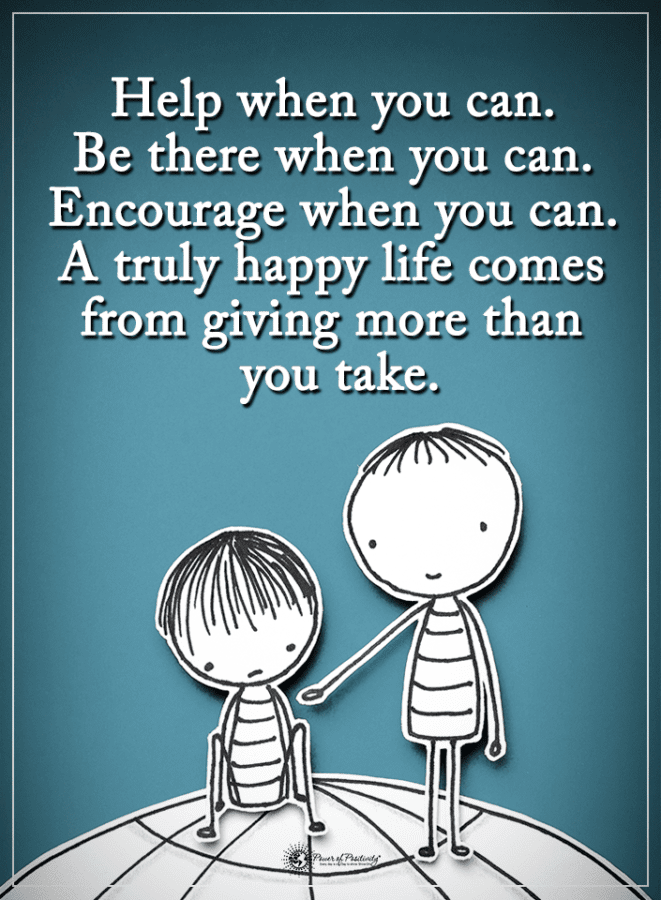
Helping others doesn’t always mean that you have to put your own life struggles on hold. When things are just a little too tough, helping people can actually be one of the best ways to de-stress and put your life back on track. The next time that things feel overwhelming, remember all of the little, helpful ways that you can still help others.

https://youtu.be/5Is-S9IzXN0
(C)Power of Positivity, LLC. All rights reserved
References:
http://www.dailymail.co.uk/femail/article-4402830/Expert-reveals-items-never-knew-charity.html
http://www.charityscience.com/blog/why-donating-may-be-better-than-volunteering
https://www.forbes.com/sites/devinthorpe/2015/07/14/4340/#406849032750

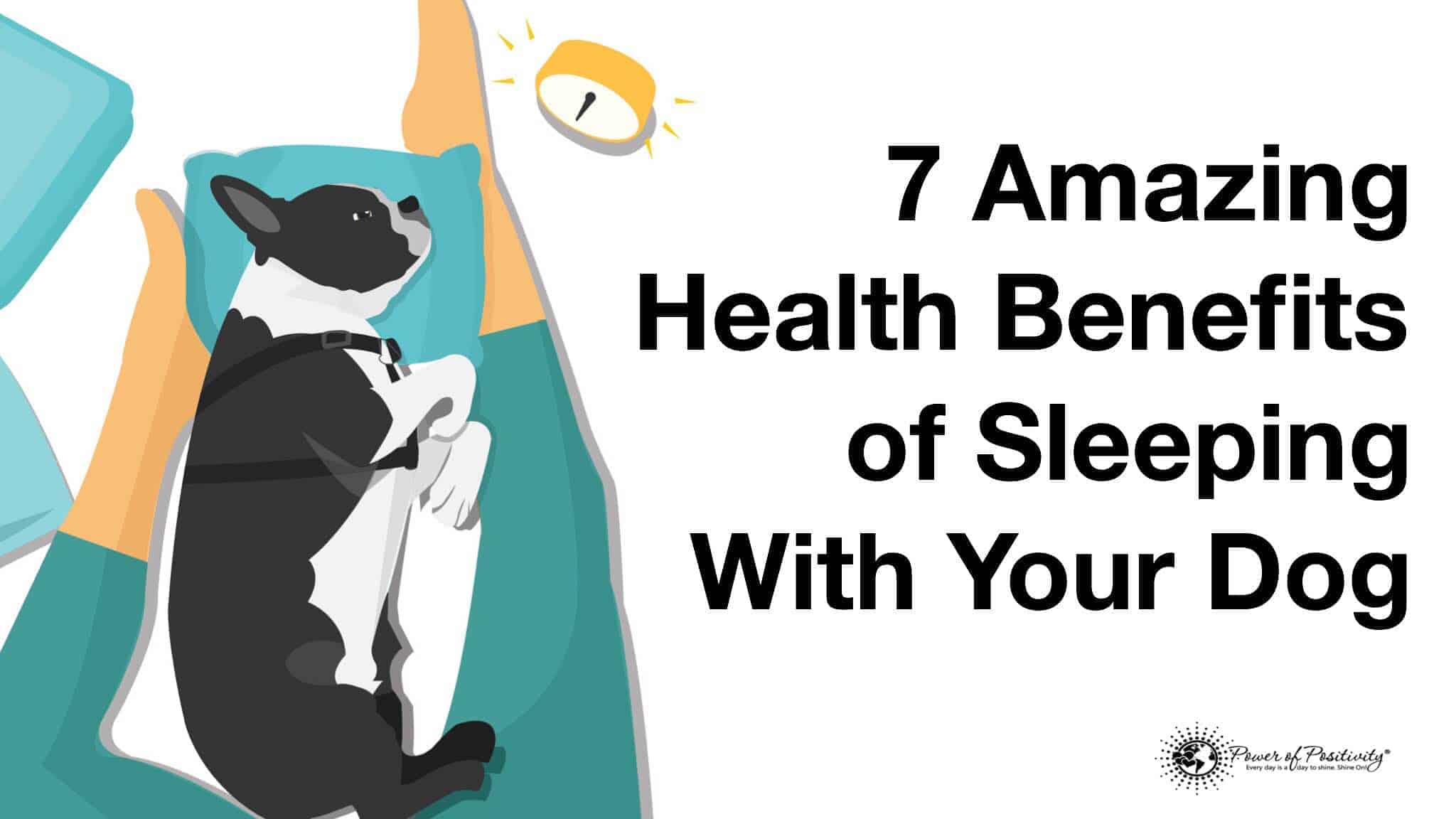
5 Reasons Your Dog Should Sleep With You Every Night

If you own a dog, then you probably know how amazing it feels to cuddle up with him/her in bed after a long day. After an exhausting day of working, cooking, chores, and other responsibilities, who wouldn’t want to lay down and enjoy the warmth and love that man’s best friend can offer?! Some people might say sleeping with pets isn’t hygienic, but as long as your pet is trained, then there shouldn’t be any issues.

In fact, sleeping with your dog provides multiple health benefits that completely outweigh any negatives you might think of. Plus, our furry friends need love and affection too, and what better way to give them that than allowing them a spot in your warm, cozy bed for the night?

If you have a dog, you probably consider them a part of the family, and would do anything you could to keep him/her happy. So, allow us to explain why you should sleep with your dog, and what benefits both you and your furry pal can receive.

You won’t ever want another cuddle buddy after you fall asleep next to your fluffy, adorable best friend. 🙂

5 Reasons Your Dog Should Sleep With You Every Night

1. They provide comfort.

Everyone knows that pets provide companionship, warmth, love, and even security, in some cases. For example, elderly people who live alone can especially benefit from sleeping with a dog at night, for both security and comfort. Anyone with a pet, however, can attest to the sheer bliss that comes from cuddling with him/her, because animals just understand the human condition, somehow. They give us love, support, and comfort without asking for anything in return, and these effects can still be felt while sleeping next to them.

2. They help with insomnia.

So many people today suffer from insomnia that it’s easily become an epidemic. According to the Sleep Health Foundation, 1 in 3 adults have at least mild insomnia, and many sufferers don’t know where to turn for answers. However, sleeping with a dog can help you fall asleep easier due to the comfort, security, and love that pets give so unconditionally. If you have insomnia or just trouble sleeping occasionally, invite your beloved pet to sleep with you one night and see how quickly and effortlessly you head to dreamland. 🙂

3. Dogs can help with depression, anxiety, and other mental disorders.

These conditions sometimes accompany insomnia, as people with depression, anxiety, or other mental illnesses tend to ruminate on thoughts which can keep them up at night. However, dogs have proven time and time again to greatly aid in helping people with mental issues, as therapy and service dog owners can attest to. Dogs tend to have a calming effect on humans, especially when they cuddle up close to you and doze off to sleep right by your side. 

4. They act as personal heaters!

Of course in the summer, you might want to take a blanket or two off the bed, but in the winter, a little extra warmth in the bed is usually welcomed. If you live in a cold climate, you’ll find yourself getting attached to sleeping with your pet pretty quickly!

health- dog

5. You’ll be helping your dog, too.

Your dog loves you unconditionally, and would do whatever you needed or wanted to make you happy. So, why not return the favor and offer your dog some warmth and comfort, too? The benefits of sleeping with a dog are felt by both you and your beloved pet, so if you still make your dog sleep in the doghouse, you might want to reconsider.

https://youtu.be/4DnhuvFMAAk

Sources: 
http://www.mayoclinicproceedings.org/article/S0025-6196(15)00674-6/fulltext
http://sleephealthfoundation.org.au/pdfs/Insomnia.pdf
(C)Power of Positivity, LLC. All rights reserved

10 Beauty Tips for Healthier Skin

Skin health is essential. As such, it’s vital to seriously consider natural beauty tips that help improve the health of the skin. While we tend to think of skin in terms of physical appearance, our largest organ serves many vital roles in the safeguarding of our health. The skin has three primary functions:

  • Protection: Protection from bacteria, chemicals, pressure, impact, and temperature variance.
  • Regulation: Monitoring and adjustment of body temperature, fluid (e.g., electrolyte and water balance), and storage of vitamin D.
  • Sensation: The skin includes receptors for cold, heat, pain, and touch, all of which are necessary for detecting changes in the environment.

What’s interesting is that skin health and underlying health is inclusive. Consciously or not, people make associations between complexion and lifestyle choice, self-care habits, and other personal attributes. Perhaps it is this association that gave birth to the human infatuation with not only skin appearance but of the multitude of beauty products used throughout the world.

Here are 10 Beauty Tips for Healthier Skin

  1. Exfoliate with hot water

Every person who prides themselves on a healthy skin appearance knows the importance of exfoliation. Our skin continuously sheds hard, dry, old skin to make way for new skin cells – a natural process known as desquamation.

Exfoliation is the manual removal of dry and shedding skin, and it’s one of the best beauty tips to get healthy and glowing skin. You don’t need anything fancy either. Using a washcloth soaked in hot water, use small circular movements to exfoliate your face.

  1. Apply facial essence and moisturizer

If you moisturize your face, consider adding something called facial essence. Facial essence is a hydrating liquid that is applied after washing and before moisturizing. Essence is believed to add necessary hydration to the skin – improving its appearance and elasticity.

Facial essence can be applied as a post-toner treatment, or it can replace skin toner.

  1. Try some lip balm

Adding color to your lips makes your skin appear younger and healthier. Lip balm with pH color-changing pigments can also bring out your lips’ natural glow. A quality lip balm will also hydrate the delicate, thin layer of skin on your lips’ surface. Certain balms come in your skin’s natural pigmentation – adding some more beauty to your lovely face!

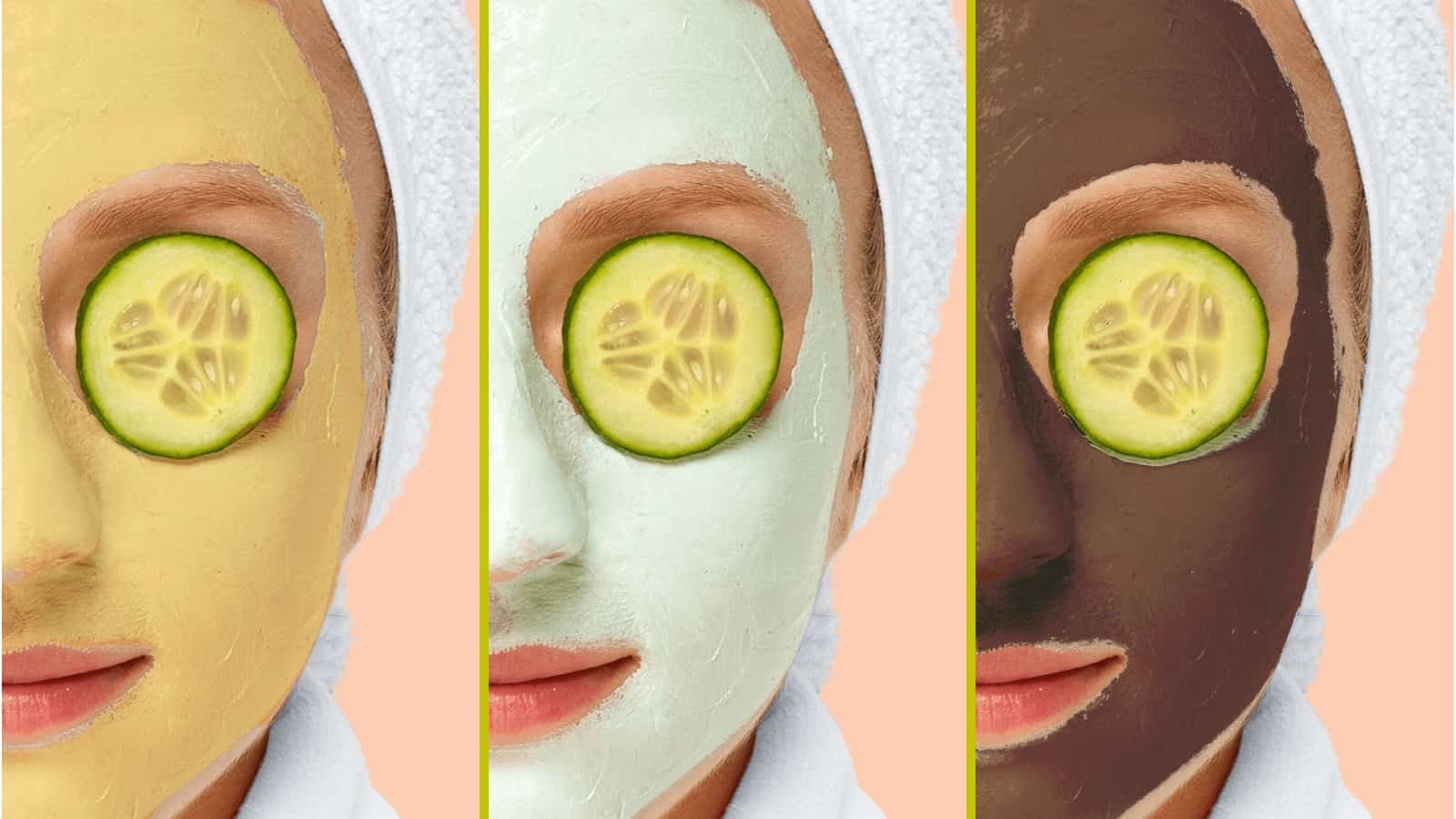
  1. Put on a sleeping maskface masks for acne

Sleeping masks have gotten super famous for good reason. The science behind sleeping masks is quite simple: the body essentially fasts when we sleep. We don’t take in any nutrients (like water) capable of moisturizing and nourishing the skin during this time. A good sleeping mask will hydrate and replenish your skin while you snooze away, which is usually apparent when you look in the mirror the next morning.

  1. Drink some barley tea

Loaded with antioxidants and minerals, barley tea is a favorite of serious beauty enthusiasts. Barley tea may also help protect against photo-aging or the appearance of aging as a result of sun exposure. Barley helps protect and heal skin cells and improves the immune system as well.

  1. Try some ampoule

Ampoule is a “supercharged” serum that “generally deliver(s) a higher potency of skin nourishing ingredients.” A staple in Korean skincare, ampoules provide great beauty tips because they target skin issues such as dark circles, liver sports, photoaging, and dry skin. Because of their potency, ampoule serum isn’t intended to be used long-term; instead, if you choose to use an ampoule product, do so when your skin truly needs some extra nourishment.

  1. “Chai-yok”

Another Korean innovation, a chai-yok (also known as a “V-Steam”) is a favorite of celebs like Gwyneth Paltrow. Here’s how Ironman’s squeeze describes the experience:

“You sit on what is essentially a mini-throne, and a combination of infrared and mugwort steam cleanses your uterus, et. al. It is an energetic release (that) balances female hormone levels … You have to do it.”

  1. Try a charcoal mask

While the research is still a bit iffy on charcoal masks, some people swear by them. Supposedly, activated charcoal (which is really just carbon) works by absorbing the oil and toxins on the skin’s surface.

More intense charcoal treatments are thought to be more effective. The problem is that they’re quite painful and may irritate the skin.

beauty tips


  1. A D-I-Y facial

Massaging your own face, even for a mere five minutes per day, could help tighten your skin and improve its appearance. How good are D-I-Y massages for skin health? Well, dermatologists and facialists swear by, recommend, and practice the techniques.

Experts recommend focusing on areas of the face such as the brow bones, forehead, cheek bones, and jawline. (You can find a number of techniques online, including here.)

  1. Know what not to do

While keeping in mind the above beauty tips, there’s also a bunch of stuff that can make your skin look bad. While this is by no means an exhaustive list, here are some things to avoid for the sake of your skin health:

  • Smoking: it reduces blood flow to your skin and damages the proteins that give your skin proper structure.
  • No using sunscreen: Ultraviolet (UV) rays can be damaging over time. Contrary to popular belief, sunscreen isn’t just for sunny days. Apply a minimum strength of SPF 30 every two hours while outside.
  • Not washing up before bed: Your skin is exposed to dirt, oil, and pollutants all day, every day – which can result in episodes of inflammation and breakouts.
  • Overeating sugar: Again, manufactured sugar proves that it’s garbage. Refined carbs such as pasta and white bread aren’t much better.

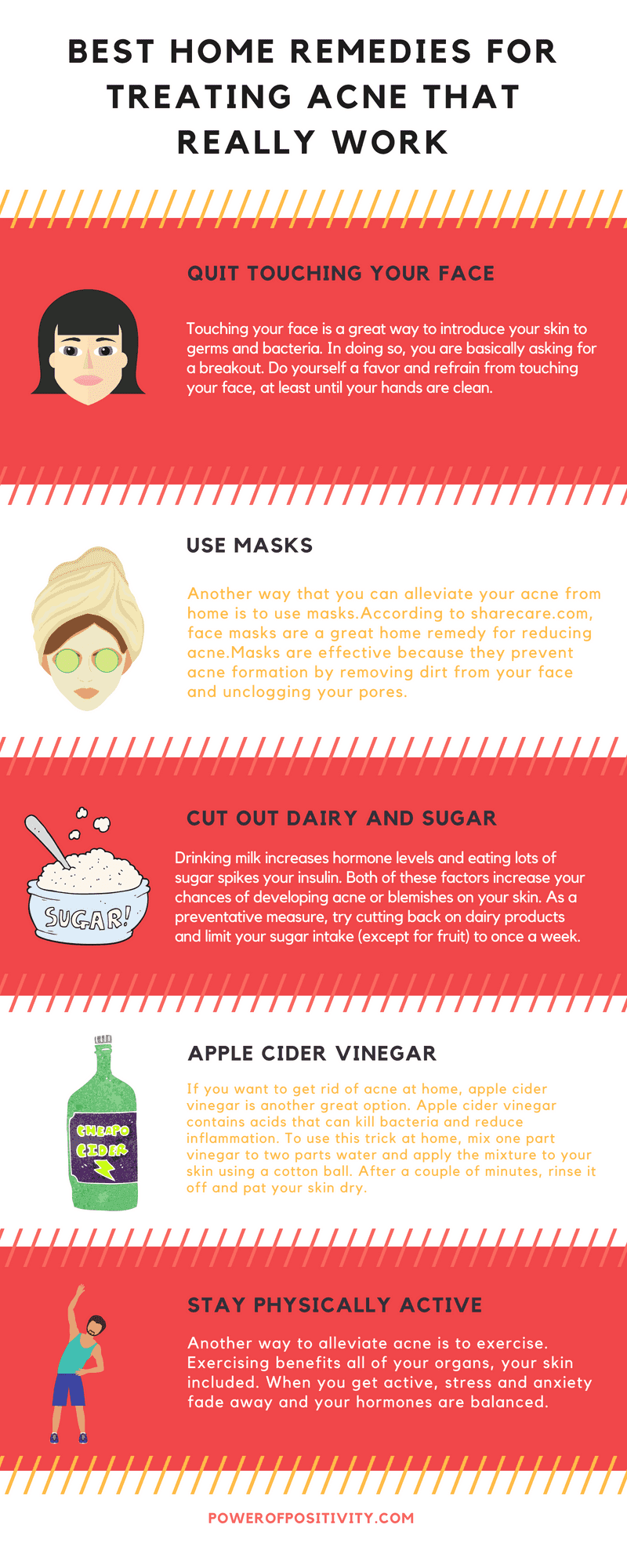
Best home remedies for treating acne that really work

Share this Image On Your Site

(C)Power of Positivity, LLC. All rights reserved

20 Moments From Children That Make Life More Interesting

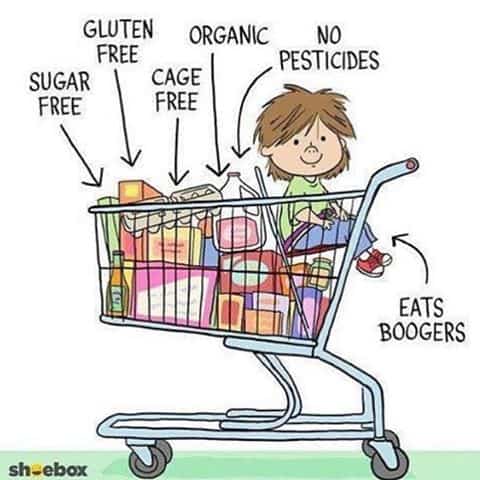
Kids are weird and gross. If you have kids, then you already know. But, despite being totally inhibition-free and uncomfortably exploratory, they are also free with their love and affection.

Kids will keep you on your toes and their outrageous behaviors will definitely make life more interesting for you.

Here are 20 moments from kids that make life more interesting:

1. They Play With Their Poop

15275520_1475036262510847_5047787819318116352_n

..and Nutella. Not going to lie – I thought this was poop in the picture at first glance, but thankfully, they’re holding a big jar of Nutella.

They will dig it out of their diaper, rub it on themselves and throw it against the wall. It is like crap flavored play-dough to them.

2. They Repeat Things At The Most Awkward Times

Remember that “Dammit” you said a few weeks ago. Yeah, they will scream it out at the worst possible time and make you look like a crappy parent. You will try not to laugh when they do.

3. Kids Run Around Naked

15275721_1256902674331207_1166968435666583552_n

They have no shame about their bodies. They’ll happily run full speed around the house buck naked. They think clothing is optional.

4. Everything Is a Canvas

90955-44-650-53c212670e-1473337875

They will color, draw, or paint anything, anywhere at anytime. They’ll draw pictures on your furniture. They will create elaborate masterpieces on the walls in their room. If you fall asleep, they may paint your hands or face with markers.

5. Simple Things Are Amazing to Kids

15034559_158840964584775_7981616435174572032_n

Everything, no matter how ordinary and mundane, is a long lost treasure to them.

6. An Intense Imaginary World

15305985_1713794915603249_5948735661526745088_n

They live in a world that we cannot perceive. Imaginary friends, ghosts, monsters and make-believe are the norm for them. They live in an incredible world full of wonder and amazement that we left behind as we aged.

7. They Eat With Gusto

14716506_575704889285540_1056711106145288192_n

They shove food in their face, rubbing it all over themselves and their clothes. They’ll throw it around the room. To them, food is another toy as well as nourishment.

8. Kids Have No Filter

15101520_748847755264678_1358585515359600640_n

They will tell you exactly what they are thinking without tact. If you are talking too much, they will tell you to “zip it.” There is no filter also between their love and you. They will tell you often, and with gusto, how much they love you.

9. They Will Talk To Anyone

14309923_1284040434941892_92099737_n

There are no strangers to them. They will talk to everyone they pass by even if it is just to say “hi.”

10. They Live At Full Speed

There is no slow mo for them. It is either standing still or running at full speed. They crave excitement and new experiences. They suck the marrow out of life.

11. Kids Will Fight To Stay Awake

14709656_1311920042193183_5137618670926692352_n

If you have ever seen a kid fall asleep while eating, then you know what we mean. No matter how tired they are, they will fight to stay awake and do stuff. To them, sleep is the enemy and they resist it mightily.

12. They Are Not Afraid To Boogie Down

They will dance anywhere they hear music. If a phone ringtone has music, they will give you a 5 second dance party. They dance in their car seat or in the frozen section of the supermarket.

13. They Will Lie Right To Your Face

14334707_783117648497836_4037601667233873920_n

They will tell you they have never heard of chocolate cake with their faces and hands covered in the stuff.

14. Kids Want To Try Everything

They want to do everything you are doing. Eat whatever you are eating. Talk with whomever you are talking to. They want to try everything they can.

15. They Will Poop Anywhere It Strikes Them

They will poop wherever the mood strikes them. There is no holding it in or back for them. They have things to do and that sh*t is just holding them back. They will poop in the grocery store cereal isle, in the tub, in the pool or on Santa’s lap.

16. Like Having a Perpetually Drunk Little Friend

14350961_111372099326825_5167128119907188736_n

They slur their speech, talk nonsense, throw up on themselves, wet themselves and say weird things. It is like having that drunk friend you know inhabiting a tiny person in your backseat.

17. Kids Put Everything In Their Mouths

14540560_649018035269993_1101830502093946880_n

They will stroll out of your bedroom sucking on your vibrator like a lollipop. Or theyhey will sneak up and put your toe in their mouth. They will find an old gummi bear that rolled under the table a week ago and pop that sucker into their mouth. They will eat dog vomit off the floor.

18. They Are Houdinis

They will escape whatever sort of confinement you put them in. They’ll wiggle out of car seats, backpack leashes, and their clothes. The little escape artists and you have to keep your head on a swivel at all times.

stubborn kids

19. They Have The Craziest Dreams

They will tell you long, convoluted stories about the craziest things. You will become convinced that your three year old is secretly doing drugs when they are sleeping.

20. Kids Lick Everything

91105-6m7g1-cleaning-up-with-tongue-650-53c212670e-1473337875

They will lick the table when out at a restaurant. They’ll lick your face, the dog, or the wall in a public building. They are driven to explore and have no shame about what looks weird to other people. They think, “What does that taste like” and then go find out.

Sources:
instagram.com/neecoli25
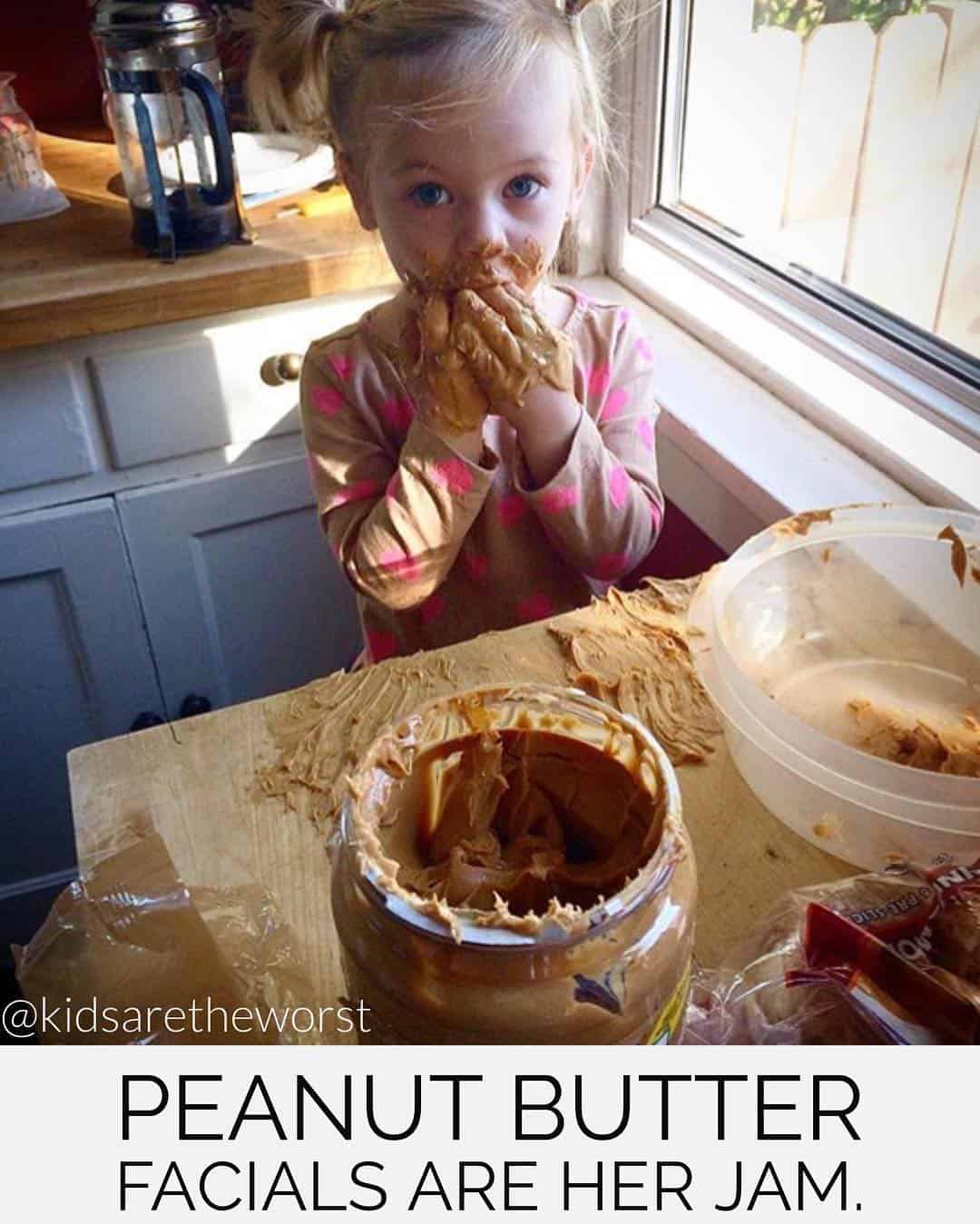
instagram.com/kidsaretheworst
instagram.com/olsensdraweveryday
(C)Power of Positivity, LLC. All rights reserved

Meditate DON’T Medicate: Why Meditation Can Actually Help You More

The practice of meditation has been around for centuries. Historically, the practice has been strongly associated with religious beliefs; although this association has been steadily declining. Some of the earliest texts to describe meditation were found in religious Hindu books, for example. Interestingly, the underlying principles remain mostly the same in both religious and secular contexts; most notably, conscious awareness of the present moment and quieting of the mind.

Today, many experts have supplemented, even replaced, the religious intonation behind meditation. The reason? Because the benefits of meditation supersedes any religious connotation. This permits the delivery of potentially life-changing benefits to anyone, regardless of religious belief.

A number of different meditative practices exist, each with their own purposed benefits. Guided meditations; mantra meditations; mindfulness meditation; transcendental meditation; Vispassana meditation; Zen meditation…and so on. Since meditation began being practiced thousands of years ago, practitioners have steadfastly advocated the benefits of “quieting the mind.”

Incredibly, many of the claims made by practitioners of meditation have been verified by rigorous scientific research (more on this later). Proponents of meditative practices have made such research known to many within the medical community; and although the medical benefits of meditation is slowly becoming known, the “diagnose, prescribe, repeat” cycle remains the all-too-common theme within traditional medicine.

Now, the purpose of this article is not to demonize prescription medication. Science has continually validated the benefits of many such medications. Medical research and scientific advances have resulted in a higher quality of life and a longer lifespan for everyone – and prescription drugs have contributed to these efforts.

“We found long-term meditators have an increased amount of gray matter in the insular and sensory regions, the auditory and sensory cortex. Which makes sense. When you’re mindful, you’re paying attention to your breathing, to sounds, to the present moment experience, and shutting cognition down.” – Dr. Sara Lazar, Neuroscientist at Massachusetts General and Harvard University

Instead, we approach this article by posing a two-part question.

(1) Just how much are we overprescribed as a society?

(2) When is meditation, given the research, potentially a better solution?

Society’s “Drug Problem”

transcendental meditation

In April of 2015, The Wall Street Journal published the following in an article appropriately titled ‘Pharmalot’:

‘Prescription drug spending in the U.S. ballooned last year to nearly $374 billion, which was not only a hefty 13.1% increase in growth, but also represented the highest level of spending since 2001, according to a new report from IMS Institute for Healthcare Informatics.’

$374. Billion. Dollars. The amount of money that the U.S. spent on prescription drugs is higher than some countries total Gross Domestic Product (GDP) for the entire year.

Now consider this:

– The U.S. has the highest rate of prescription drug abuse in the world.

– 3 in 5 Americans take at least one prescription medication.

– Doctors may overprescribe nearly every known medication, including painkillers.

– Doctors can legally (!!!) earn more income promoting a drug than by practicing actual medicine.

Something is seriously wrong here. That much IS for certain. 

Now, about that two-part question posted earlier…

Meditate DON’T Medicate: Why Meditation Can Actually Help You More

First, it’s necessary to provide some insight into the scientifically-proven benefits of meditating. This research was conducted – and subsequently published – by some of the world’s most prestigious medical and academic institutions.

Harvard Medical School (HMS), for example, notes meditation’s positive effects on anxiety and mental stress. This is a groundbreakingly-noteworthy proclamation for a couple of reasons: (1) HMS is among the most scientifically-rigorous institutions of medicine in the entire world, and (2) anxiety and stress-related conditions – not to mention, depression – account for a disproportionate amount of money spent of prescription drugs. We’re talking billions of dollars a year.

In an article published by HMS, the author cites another study by Johns Hopkins University (JHU) where the latter institution lists no less than 47 scientifically-valid studies affirming the reduction of symptoms for “psychological stresses like anxiety, depression, and pain.”

Psychological stressors are at the forefront of our list because of their ubiquitous nature. Anxiety disorders are the most common mental illness in the U.S., affecting over 40 million people. Depression is the second-most common.

meditate

That brings us to stress-related disorders. According to WebMD, 75 to 90 percent of all doctor’s office visits are for complaints relating to stress. Of course, stress manifests into a myriad of health conditions, including “headaches, high blood pressure, heart problems, diabetes, skin conditions, asthma, arthritis, depression, and anxiety.”

Other Benefits of Meditation

Then there are other studies noting the other amazing benefits of meditation, such as: enhancing creativity, improving libido/sex health, decreasing risk of cardiovascular disease, increased tolerance to pain, better focus and attention, and more.

What lesson can we learn? Simply that meditation has not gotten the recognition that it warrants from within the health community. The continued cycle of “diagnose, prescribe, repeat” is all too prevalent.

In simple terms: meditation should (and eventually, probably will) supplement traditional medical treatment, including prescription medicine.

You, reader, are now equipped with the necessary knowledge to benefit from the many benefits of meditation.

Put Peppermint In Your Home And Say Goodbye to Spiders, Mice, and Pests

I think everyone can agree that peppermint smells wonderful. But it offers more benefits than just adding a nice fragrance to your house. This amazing plant can actually help to keep household pests such as spiders, mice, and mosquitoes away. Besides that, it doesn’t have any harsh chemicals to worry about! However, if you’re facing a persistent mosquitoe problem South Florida, additional measures or professional pest control might be necessary to fully manage the situation.

When dealing with household pests like rodents, proactive measures such as rodent exclusion services can significantly enhance pest management strategies. Incorporating methods that prevent rodents from entering homes, such as sealing entry points and implementing barriers, is crucial. Alongside natural repellents like peppermint, which rodents find unpleasant, these integrated approaches offer effective and environmentally friendly solutions. For more persistent infestations, Mouse exterminators provide expert services to ensure your home remains rodent-free in the long term.

You can either buy actual plants or use essential oils, but either way, you’ll get to reap the benefits. With the peppermint plant, you’ll have two different varieties to choose from – black or white. You can see a distinct difference between the two plants because the black plant will have darker leaves and a stronger scent, while the white peppermint will have a lighter color and fainter scent.
5c
hey need indirect sunlight and grow best in daytime temperatures of around 65-70 degrees Fahrenheit and nighttime temperatures of 55-60.

So, now that you know the basics of taking care of your peppermint plant, we’ll get into how this wonderful gift from nature can help you keep your home pest-free.

Put Peppermint In Your Home And Say Goodbye to Spiders, Mice, and Pests

You can use peppermint for various things, including in natural bug sprays.

In one study, M. piperita (peppermint) showed evidence of repelling mosquitoes and their larvae; the mosquitoes were completely killed 24 hours after exposure (in water) to 3 ml of M. piperita per square meter of water.

Another study done in Israel compared seven different commercial bug repellents. The results speak for themselves about the power of the peppermint plant: the All-Natural Essential Oil Mosquito Repellent (a mixture of cinnamon, eugenol, geranium, peppermint, and lemongrass oils) tied with OFF!, one of the biggest brands of mosquito repellents, as the most effective of the seven. A further study found that peppermint oil offered complete protection from mosquitoes for 150 minutes, with just 0.1 mL of oil applied on the arms. However, after those 150 minutes, the researchers found that the effectiveness of the oil decreased and needed to be reapplied.

Spiders also don’t like the smell of peppermint. So keeping a plant in the corner of your bedroom can work wonders in keeping them away while you sleep.

Of course, taking preventive measures such as closing doors and windows tightly, keeping the house clean and free of crumbs, and turning off some of the outdoor lights that attract bugs can help also.

As far as rats and other rodents go, some studies have proven that peppermint can keep these types of pests away or one can hire Proper Pest Control for professional pest control services. In high concentrations, peppermint oil changes the white matter of the cerebellum and also creates cyst-like spaces within the white matter, according to one study. So, keeping peppermint plants around the house and even diffusing oils might help deter household pests like rodents.

Additionally, professional pest control services, such as those offered by McCauley Agricultural & Pest Service, can provide comprehensive solutions for pest management, incorporating natural repellents like peppermint into their arsenal. By leveraging their expertise and access to advanced technologies, these professionals can effectively address pest infestations, providing long-term relief for homeowners and businesses alike.

Peppermint plants can even work to keep pests away from your pets.

Keep a plant near their bed, or even sprinkle some essential oils where they sleep to discourage bugs and rodents from visiting your furry friend.

peppermint

Of course, peppermint plants not only smell great and keep pests away, but they add a nice color to your home and allow you to bring a little piece of nature into your living environment. What’s not to love?

Peppermint plants offer more than just a refreshing fragrance and aesthetic appeal in your home; they also serve as a natural pest control solution. The aromatic qualities of peppermint act as a deterrent for common household pests, making it an eco-friendly and pleasant way to keep your living space bug-free. By cultivating these plants, you not only create a delightful atmosphere but also provide an effective barrier against unwelcome critters.

For a more comprehensive understanding of natural and safe pest control methods, consider visiting the Safe Pest Control website. It offers valuable insights and resources to help you maintain a pest-free home while minimizing the use of harmful chemicals, ensuring a healthier and more sustainable living environment.

Sources:
Ansari M.A., Vasudevan P., Tandon M., Razdan R.K. 2000. Larvicidal and mosquito repellent action of pepper- mint (Mentha piperita) oil. Bioresource Technol 71:267-271.
https://www.ncbi.nlm.nih.gov/pubmed/6658834
https://www.ncbi.nlm.nih.gov/pmc/articles/PMC3609176/
(C)Power of Positivity, LLC. All rights reserved

Relationship Experts Explain 7 Tips That Help People Find True Love

Most people want to find true love and enjoy sharing their life with another person. For some individuals, it can be challenging to find the right person that you share a connection with long-term. Without love, it can be easy to feel alone and isolated.

Fortunately, there’s hope if you haven’t had luck landing a partner. It’s important to look towards the experts for professional help and advice. If you want to know how to find true love that will last, there are a few simple tips to follow that are recommended by relationship experts.

1. Remain Positive

Although you may still be looking to fall in love, it doesn’t mean that the rest of your life is in a bad state. Make it a point to remain positive and have a better outlook on life and the future, which will attract the right person. Those who are negative or complain frequently have difficulty attracting people because they don’t seem happy or cheerful. Keep in mind that no one wants to spend time with someone that is always finding the negative in people and in certain situations or events.

2. Have an Open Mind

One of the most common reasons that many people have difficulty falling in love is because they’re too picky. You may have a list of the type of person that you want to marry, but it’s important to understand that the right individual will still have flaws and won’t be perfect. Have an open mind with the people that you date as you look for true love to ensure that you don’t overlook the good qualities that they have. Focusing on minor details or flaws can cause you to miss out on finding romance that is sustainable.

3. Stay Authentic

Remaining authentic when meeting new people and while dating is essential to ensure that they can fall in love with who you really are instead of someone that you’re pretending to be. You can’t expect to obtain true love if you’re not revealing who you are by putting on a facade. Remain confident and know your value in advance to ensure that you don’t have to lie or deceive the other person.

4. Communicate Effectively

Finding true love will require brushing up on your communication skills to ensure that you can remain close and transparent to the person that you begin to date. You’ll need to be upfront about personal details or how you feel in the relationship to ensure that a strong bond is formed. Effective communication is also necessary to establish trust, which is the foundation of any relationship. Suppressing your feelings or what you want to say will only create distance and animosity over time.

5. Forgive Your Exes

Forgiving your exes is crucial to ensure that you can move on and have a healthy relationship. Without forgiveness, you won’t be able to trust the new person that you’re with due to the pain that you’ve experienced in the past. Let go of old memories and ask yourself what you learned from the situation to begin viewing the past relationships in a positive light. Letting go may also mean you need to write a letter of forgiveness to the individual or journal your thoughts to release the pain and move forward.

6. Put the Work into the Relationship

Although it may be easy to fall in love with someone, the hard part is making the relationship last long-term. Over time, the honeymoon stage can wear off, which can cause some people to want to move on to another person. True love requires hard work to keep the sparks alive, which will require prioritizing your time together and have fun. You may also need to attend counseling to have a professional assist with working through specific issues and helping you to communicate more effectively.

true love

7. Know What You Want

Although it’s important to be open with who you date, you also need to know what you want to ensure that you can find the right person to fall in love with and who is compatible. Make a list of characteristics that you want in a partner, which can include a sense of humor, a good work ethic, or value for family. Finding someone who shares your same view and perspective on life can allow you to be on the same page and be a good fit.

It doesn’t have to feel impossible to find an authentic relationship despite your history in love. By following the right tips from the experts, you can increase your odds of attracting someone that is a keeper and can enhance the quality of your life.

6 Early Warnings of A UTI to Never Ignore

What is UTI?

A urinary tract infection (UTI) is defined as “an infection in any part of your urinary system – your kidneys, ureters, bladder, and urethra.” The majority of UTIs occur in the bladder and urethra.

Being a female can be considered a risk factor for UTI. Women are as much as 30 times more likely to develop this infection than men. There are a couple of reasons for this. First, women have shorter urethras than men, meaning that bacteria have a better chance of infiltrating the bladder. Additionally, the female urethra is closer to the rectum, increasing the risk of germs spreading from the latter.

UTI complications can be severe. Unless the infection is treated promptly, complications may include:

  • Sepsis, a life-threatening blood infection where the immune system is compromised.
  • Recurring infections
  • (For pregnant women) premature birth or low birth weight
  • Long-term kidney damage or acute kidney infection
  • (In men) narrowing of the urethra (gonococcal urethritis)

Risk factors for UTI

Additional risk factors associated with UTI include:

  • Kidney stones or enlarged prostate
  • Abnormal urinary tract physiology
  • A suppressed immune system
  • Use of a catheter
  • Urinary surgery procedure
  • Previous UTIs (around 40 percent of people who have one UTI will have a second.)

Signs of UTI to Never Ignore

If you experience any of the following symptoms, please seek medical care. (Also, continue reading after this section for prevention tips!)

  1. Abdominal Pain

When bacteria are transferred from the rectum to the urethra, and up to the bladder, abdominal pain can result. Overgrowth of E. Coli, a common bacteria found in UTIs, may worsen due to a slow immune system response – and may trigger painful symptoms.

Aching and cramping of the lower abdomen are among the most common symptoms of UTI. When this pain is frequent and ongoing, it is wise to seek the advice of a medical professional.

  1. Exhaustion

For some reason, the immune system can be a bit slow in responding to a urinary infection. If this happens, when the immune system does get to work, it will kick into overdrive. An immune system in overdrive requires a considerable expenditure of energy – and this can quickly drain us.

The only antidote here is to get plenty of rest following proper treatment.

  1. Frequent Urination

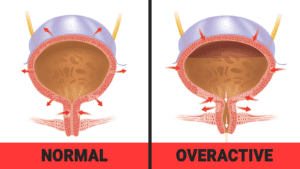
The presence of an infection in the urinary tract can play games with your bladder. No doubt you’ve felt the urge to go pee only to find that you don’t have much “in there.” This false sense of urgency is a common symptom of UTI.

Speaking of pee, you may also find that yours may smell a bit funny. The presence of bacteria in the urine may produce this strange smell.

  1. Urine discoloration

Normally-colored urine is light yellow to yellowish-brown, depending on your hydration levels. (It should almost always be the former color, by the way!) But urine that appears cloudy, gray, or pink may indicate the presence of bacteria. Blood in the urine is a possible sign also, and one that requires medical intervention.

(Foods such as beets, blackberries, and rhubarb may also alter urine color.)

  1. Pain while urinating

The development of white blood cells, or pyuria, causes inflammation of the bladder wall. This inflammation, combined with the infected urine, is what produces pain and irritation during urination.

It’s also likely that your pee will produce a pungent odor. This is also a byproduct of bacteria within the urine.

  1. Stomach flu-like symptoms

Besides abdominal pain, you may experience symptoms that resemble a stomach bug. If the infection spreads to the kidneys – which is a result of delayed treatment – symptoms become more severe and variable. These symptoms include a backache, chills, fever, nausea, and vomiting.

If you are also experiencing pelvic discomfort and or pain while urinating, it is wise to see a doctor, as your infection may have possibly spread to the kidneys.

overactive bladder - uti

Prevention and Treatment of UTI

As prevention is always the best medicine, we like to start here. To prevent UTI, here are some tips:

  • First, drink plenty of water.
  • Try some cranberry juice.
  • Also, avoid feminine products with fragrances.
  • Urinate after intercourse, if necessary.
  • Finally, choose a new method of birth control (talk to your doctor or wellness professional about this one).

Treatment of UTI usually comes in the form of prescription antibiotics. Typically, antibiotics will clear up the condition within a few days. For more severe infections, a longer treatment duration and or a stronger type of antibiotics may be prescribed. Additionally, your doctor may prescribe a pain medication to relieve the irritation and burning during urination.

Other potential treatments include:

  • Intravenous (IV) antibiotics
  • Self-treatment (on doctor’s approval)
  • Estrogen therapy
  • Alternative remedies, including probiotics, garlic, and apple cider vinegar (there are plenty of natural remedies that may reduce UTI symptoms.)

https://youtu.be/dDn84WupgBA

(C)Power of Positivity, LLC. All rights reserved

If You’re Over 40, You Should Only Work 3 Days Per Week. Here’s Why…

Work; just that word alone makes most of us want to hide under our covers, sleep past our alarms, and pretend that reality doesn’t exist. We live in an overworked, overstressed society that seems to demand more and more from us each day, and work responsibilities continue to pile up. We must work so many hours just to barely scrape by, often sacrificing our health, family time, and other important aspects of life to make ends meet.

While we all could benefit greatly from working less hours a week, our readers over 40 should definitely consider cutting their work down to three days per week, if possible.

This might seem like a drastic change to make depending on your current workload, but one study reveals why people over 40 should cut down on hours spent working. We’ll discuss more of the details of said study in the article below.

If You’re Over 40, You Should Only Work 3 Days Per Week. Here’s Why…

A recent study done by the Melbourne Institute of Applied Economic and Social Research found that, while the cognitive performance of people over 40 improved with up to 25 hours of work per week, any more than that caused a decline in performance and an increase in fatigue and stress. 

Researchers invited 3,500 women and 3,000 men over 40 years old to participate in the study, and made them take cognitive function tests while working to monitor their performance.

Overall, they found that those working 25 hours or less per week performed best, while those working 55 hours a week or more showed worse cognitive impairment than even the retired or unemployed participants in the study.

The researchers tested the participants based on their ability to read words aloud, recite lists of numbers and match letters and numbers in speed trials, known as the Household Income and Labour Dynamics in Australia survey (Hilda). One of the authors of the study, Professor Colin McKenzie, said that both ‘thinking’ and ‘knowing’ would be considered in the study. For the ‘knowing’ portion, participants would read aloud, while the ‘thinking’ part dealt more with reasoning skills, memory, and abstract concepts.

While some mental stimulation is necessary, especially as we age, too much of it can actually harm our cognitive functions. Crossword puzzles and other mind exercises can help people retain cognitive abilities, without causing unwanted stress and fatigue.

Professor McKenzie told The Times:

“Many countries are going to raise their retirement ages by delaying the age at which people are eligible to start receiving pension benefits. This means that more people continue to work in the later stages of their life.

The degree of intellectual stimulation may depend on working hours. Work can be a double-edged sword, in that it can stimulate brain activity, but at the same time long working hours can cause fatigue and stress, which potentially damage cognitive functions.

We point out that differences in working hours are important for maintaining cognitive functioning in middle-aged and elderly adults. This means that, in middle and older age, working part-time could be effective in maintaining cognitive ability.”

However, the Hilda survey doesn’t take into account the type of work being done, so that could make all the difference when it comes to overall cognitive performance, as well as stress levels.

Professor McKenzie says, “It’s very difficult to identify the causal effects of the type of work on cognitive functions. People may be selected into certain occupations according to their cognitive abilities.”

criticism - work

In general, however, working longer hours in a very demanding job would take a greater toll on cognitive functions and stress than a part-time job with less responsibilities. Sadly, many people over 40 must continue to work long hours due to financial and family obligations. What’s more, most can’t even access retirement funds until their late 60s, and even then, they might still have to keep working to make ends meet.

So, what is the real answer here? Well, it pretty much comes down to your personal situation. If you have the means to do so, then cut down on your work hours and fill your time with other, less stressful ways of keeping your mind healthy. Do crossword puzzles, talk to family often, read books, and find other brain games that you enjoy doing.

https://youtu.be/Le4OdQc8dyY

(C)Power of Positivity, LLC. All rights reserved
Skip to content