Weekly tips, affirmations, and small actions to feel your best.

10 Foods That Help Flush Water Retention

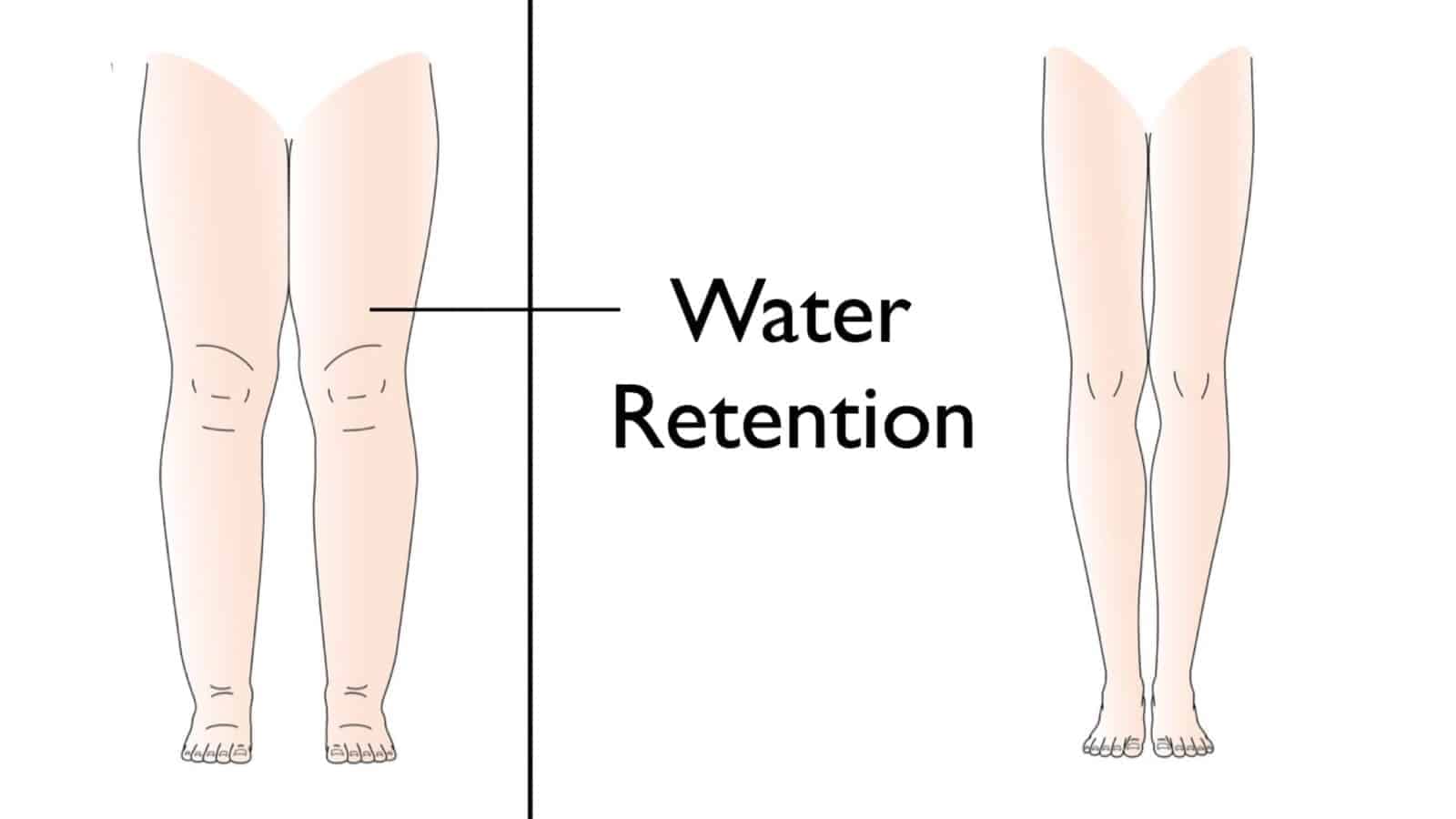
Water retention (or “edema”) is the buildup of excess fluids within the body. Commonly occurring in the cavities and tissues, this extra water often produces visible effects, including swelling of the ankles, feet, legs, and hands.

Though the swelling can appear strangely abnormal, most cases of water retention are not threatening to health. These are some of the more common reasons for retaining water:

  • Chronic inflammation
  • Lack of physical activity (e.g., when bedridden due to illness)
  • Pregnancy
  • Menopause
  • Food intolerance
  • Excess salt intake
  • Poor diet
  • Exposure to environmental toxins

Keep in mind that water retention can also be a symptom of severe medical conditions like kidney failure. For this reason, if you’re retaining water while also experiencing more severe symptoms, it wise to seek the advice of your primary caregiver.

Here are ten foods that can help reduce and flush water retention:

water retention

Let’s do this!

  1. Whole Wheat

Whole wheat flour is an excellent source of magnesium at around 160 milligrams per cup. Magnesium is a vital nutrient for health and is involved in over 300 biochemical reactions within the body.

Concerning water retention, magnesium interacts with other electrolytes, including sodium, to normalize the amount of water within the body, or “water balance.”

  1. Bananas

Bananas are loaded with potassium, but they are also packed with vitamin B6 (pyridoxine). A study published in the Journal of Caring Sciences found that B6 “had the most … efficiency in improving (premenstrual syndrome.)” One of the most frequently experienced symptoms of PMS is bloating, which is caused by the body’s increased storage of water during this time.

  1. Avocado

One medium-sized avocado contains more potassium than any other food, registering over 1,050 milligrams, or approximately 30 percent of the recommended daily value (DV).

Potassium works to reduce water retention by lowering the body’s sodium levels and increasing urine production.

  1. Cinnamon

Cinnamon may help re-balance water levels by increasing our body’s core temperature – a process known as thermogenesis. This process effectively speeds up our resting metabolic rate, resulting in more fat (and water) loss.

Cinnamon may also decrease insulin resistance, thereby helping the body to maintain healthy blood sugar levels.

  1. Carrots

Bug Bunny’s go-to food is loaded with phytochemicals – active plant-based compounds – that promote diuresis, or the production of urine. The body produces this urine from water and salt within the system.

Carrots also contain important antioxidants and vitamins that work to help detox the body.

  1. Ginger

Ginger is a miracle spice, aiding the body in any number of ways, from relieving pain to curing loss of appetite. It is no surprise, then, that ginger helps expel water from the body. It does so by increasing the production of urine and eliminating harmful toxins.

  1. Parsley

In a noteworthy study published by the National Institutes of Health, rats who drank a liquid form of parsley extract eliminated “a significantly larger volume of urine” compared to water by itself. The researchers note that the diuretic effects of parsley extract are due to the timely elimination of potassium and sodium from the body.

  1. Cranberries

We can’t discuss diuretics without mentioning the sumptuous cranberry! Cranberries are excellent for flushing the byproducts of waste in addition to excess water. Cranberries are also loaded with antioxidants and vitamin C, protecting the body from damaging toxins and free radicals while boosting the immune system!

  1. Garlic

Speaking of miracle foods, you can confidently add garlic to that list. The widespread use of garlic as a natural treatment (especially for the common cold) is due to its mineral-dense properties. Garlic contains antioxidants (including the potent allicin), vitamins B6 and C, and manganese and selenium, all of which play at least a small role in promoting healthy water balance and overall health.
water retention

  1. Various herbs

For brevity, we could not include every single herb that helps flush water retention. Studies show that the herbs dandelion, horsetail, and hibiscus may be among the most potent natural diuretics as far as natural remedies go.

Here are a few things to keep in mind that may help if you find yourself retaining too much water:

  • Try cutting back on salt: Reduce your intake of processed foods by substituting healthy, organic foods on occasion. Also, stay away from fast food and microwaved meals.
  • Get the ‘Big 3′: Eating foods high in magnesium, potassium, and vitamin B6 is a must if you are trying to rid flush excess water.
  • Eliminate the refined carbs: White bread, white rice, and any other form of sugar or starches, except natural sugars from food, should be eliminated. Consuming refined carbohydrates while retaining water will only exacerbate the condition.
  • See a doctor: If your symptoms do not improve, it’s better to play it safe and seek the advice of a licensed physician or your chosen wellness professional.


Science Explains How Turmeric Can Give You Perfect Glowing Skin

When people are on a journey to find the next all-natural trend in beauty and skin care, most do not think to look in their very own kitchen pantry or refrigerator. The fact is, the most simple and cost-efficient skin cleansers, moisturizers and facial mask ingredients can be found at home. One of the most underrated and all natural ingredients which can help you manage and even alleviate a host of different skin ailments is turmeric.

You may wonder just how this naturally found remedy which has been used in so many different ways for centuries can help you brighten your skin. It contains powerful antioxidants as well as anti-inflammatory properties that help bring out your skin’s natural beauty and glow. Curcumin is this key component which gives it such special abilities.

The following is a list of many ways you can use turmeric for skin care.

turmeric

It is a natural and gentle exfoliant

By mixing the golden powder with plain water or rose water, gently massaging into your skin and allowing the mixture to sit on your skin for 15 minutes, then rinsing it off with warm water, you will be left with smooth fresh skin. If you have a little yellow residue left on your skin, simply use your favorite facial wash to clean it off.

It helps treat acne

Known for its antibiotic properties, it helps kill bacteria which is the main cause of breakouts. The anti-inflammatory properties also help control the swelling and severe redness associated with acne. Turmeric for skin goes even further by helping to diminish the appearance of acne scarring.

It can ease psoriasis

Psoriasis has been known to be treated by this natural remedy because it blocks inflammatory enzymes linked to this skin condition. It also reduces the levels of cytokines, which cause skin inflammation and can result in psoriasis. An easy treatment for psoriasis is to make a paste with turmeric and water. Apply this paste to any psoriasis flare-up location. Cover the spots with a bandage wrap and allow the mixture to do its magic overnight. Rinse the spots the next morning and pat dry.

Turmeric balances hormones

Another fantastic use for this natural miracle is to help control the growth of excessive facial hair caused by hirsutism. This condition is the result of a hormonal imbalance in men and women. Turmeric, when taken orally, has been said to help balance hormones, thus reducing the symptoms of hirsutism.

Another way to combat excessive hair that can appear on your face due to hormone imbalance is by creating a simple face mask of this golden spice, gram flour, and milk. Combine these ingredients and apply to the affected areas of your skin. Allow it to sit for 15 minutes or until it dries. Gently use your dampened fingers and scrub it off your face. Rinse with warm water and pat to dry. If used on a regular basis, you will notice a decrease in the amount of facial hair growing.

Helps skin appear more youthful

Skin bleaching or even a reduction of dark spots and circles can be achieved by using this natural ingredient, avoiding many of the chemicals and harmful agents found in many over-the-counter products found today. It allows your skin to stay youthful and glowing as curcumin kicks in to restrict the ACTH hormone which supports a protein called MC1R. MC1R is a key protein responsible for the production of melanin. A simple mask of turmeric combined with lemon juice can be used as an all natural facial mask.

turmeric

Simple Precautions

As we have learned, turmeric offers us so many wonderful benefits for our skin. It is all natural and has been trusted by people for centuries; however, when it comes to today’s modern medicine, it is wise to air on the side of caution when you first start to consume it orally, whether it is in the foods you eat or as a supplement. Be sure to consult with your doctor to see if it will have a harmful interaction with any medications you may be taking. Before you start using it topically on your skin, be sure you perform an allergy test on a small spot of your skin. Keep in mind that sometimes it will leave a yellowish residue on your skin after use. Do not worry. This discoloration will wash away.

Curcuma longa is truly a natural-made miracle for many skin ailments and has been linked to many other various health benefits. Since it can be found in so many different forms such as powders, supplemental capsules or pills and even in an oil, there is really an abundant number of ways in which you could easily incorporate it into your daily routine and reap all of its benefits.

(C)Power of Positivity, LLC. All rights reserved

How to Stop Leg Cramps Immediately

Muscle cramps are uncomfortable, painful, and strike unexpectedly. If you are prone to leg cramps, you likely want to know how to stop leg cramps immediately.

While cramps sometimes ease without help within minutes, other times, they require a home leg cramp remedy to alleviate the pain.

Leg cramps occur when a muscle contracts involuntarily, causing momentary immobility. You will likely feel a hard lump or knot at the location of the pain, which is the contracted muscle. Leg cramps most commonly occur in the calf muscle or thighs but can happen in any leg muscle.

Sometimes cramps set in while you’re sleeping, waking you up with sudden, shocking, and excruciating pain. Other times they occur during or after exercise or for seemingly no reason at all. No matter the reason for your cramps, learning how to stop leg cramps immediately can help.

When the bundles of muscles fibers in your legs contract involuntarily, it causes a cramp that can last anywhere from seconds to minutes. Cramps hurt, with symptoms ranging in severity, but there are many ways to alleviate the discomfort at home by yourself. You can also work to prevent muscle cramps from occurring as frequently.

What Causes Leg Cramps?

Muscle cramps happen for a variety of reasons that often depend on your lifestyle. Some causes of leg cramps include the following:how to stop leg cramps

  • overexertion during exercise
  • sitting in one position for too long
  • having poor posture
  • not practicing ergonomics if you work at a desk
  • holding in stress or negative emotions
  • dehydration and electrolyte imbalances
  • working out in hot or humid environments
  • standing in one position for too long
  • nutrient and mineral deficiencies
  • a strained muscle
  • muscle fatigue
  • alcoholism
  • hypothyroidism
  • diabetes
  • weight training
  • medication such as birth control pills, diuretics, and albuterol
  • not stretching enough
  • poor circulation

Risk Factors for Leg Cramps

Some factors make you more likely to experience leg cramps or increase the frequency, including:

  • being pregnant
  • menstruating
  • overusing the leg muscles
  • being 65 or older
  • participating in recreational running
  • playing sports that require extensive running

How To Stop Leg Cramps

Most cramps go away within minutes as the muscle relaxes, but sometimes it isn’t so easy. Learning how to stop leg cramps immediately can help you ease the uncomfortable, painful experience and find relief.

how to stop leg cramps1. Stretch It Out

Stretching your leg muscles can help stop a cramp quickly. If the cramp is in your hamstrings, sit up straight and stretch both legs out in front of you. Stretch your arms out as far as you can, and hold the position for 30 seconds without locking your knees or rounding your back.

For a calf cramp, start with a calf stretch by leaning into a wall while keeping one foot in front of another. Keep your toes pointed forward and your feet flat, and bend your front knee while keeping your back leg straight. Hold the position for 30 seconds before switching to the other side and repeating the stretch.

You can ease a cramp in your quads by holding onto a wall or chair while keeping your knees close together. Lift one foot upward toward your bottom, and hold your ankle while bringing your heel into your body. Once you feel the stretch, hold the position for 30 seconds and repeat on the other side.

2. Increase Your Magnesium Intake

Frequent leg cramps are a sign of a magnesium deficiency. Try adding more magnesium to your diet by eating nuts and seeds, as they are excellent sources.

Studies show that increasing magnesium intake is especially helpful for pregnant people’s muscle cramps. If you think a lack of magnesium could be the cause, consider adding a magnesium supplement to your diet.

3. Heat or Cold Application

Using heat and cold for leg cramps treatment can help alleviate the pain and discomfort immediately. Using heat as soon as the muscle spasm begins can help loosen it up before the pain becomes too intense. It also improves blood circulation, helping your muscle relax.

You can use a heating pad, take a warm bath, or apply a warm towel to apply heat to the area. If you take a bath, consider adding Epsom salts to help with muscle relaxation. When using a heating pad, start on the lowest setting and don’t increase the heat unless you aren’t experiencing relief.

After the heat loosens the muscle up a little, apply cold to the area for further improvement. For a cold application, use a freezer pack or a bag of ice on the area. Wrap the cold item in a towel first to prevent skin damage.

4. Focus on Hydration

Drinking plenty of water is one of the best things to do when you’re learning how to stop leg cramps. You should drink at least eight glasses of water, but having 11 glasses is the best option. If you drink caffeine or alcohol, you should aim to take in even more water than usual.

You can also drink a sports drink with electrolytes to help speed up the relief. Dehydration is a common cause of leg cramps, so make sure you’re staying hydrating and replenishing your electrolytes.

5. Walk Around

When you’re trying to learn how to stop leg cramps quickly, get up and move around. As you walk, wiggle your leg to promote the relaxation of your muscle cramps. Walking signals the muscle to relax after it contracts, returning to its intended functioning.

Suppose your leg cramp sets in while you’re lying down. Simply standing up can make a difference. Put some weight on the affected leg to alleviate the stiffness and discomfort.

6. Massage the Area

A massage can make all the difference when you want to stop leg cramps immediately. Relax the muscle as much as possible, and then use your hands or a massage roller to loosen up the muscles and find relief. Additionally, you can massage your leg cramp with a heating pad or ice pack to further promote muscle loosening.

When you stretch, consider following up with a massage for further relief. Between the stretching and massage, you will find quick, lasting relief. Some people find that massaging the afflicted muscle during exercise helps, too.

7. Elevate Your Legs

Sometimes, a cramp will set in when your toes are pointed downward, and your knees are slightly bent. This position is the reason leg cramps happen so frequently when you are asleep in your bed. If you have a cramp, adjusting your position and elevating your legs are essential.

Keep your leg elevated until the cramp starts to subside. Consider using some of the other methods for how to stop leg cramps immediately to find quick relief.

How To Prevent Muscle Cramps

While there is no way to ensure you never get a cramp again, you can do things to prevent them from setting in. Some of the ways to prevent muscle cramps include:

  • Staying Hydrated: Drinking enough water and limiting caffeine and alcohol can help prevent muscle cramps. Dehydration is a leading cause of leg cramps, so if you can fix the underlying issue, you’ll experience less of them. Caffeine and alcohol contribute to this problem because they dehydrate your body.
  • Change Your Sleep Position: Adjusting how you sleep can help prevent cramps during the night. If you sleep on your back, prop your feet on pillows to ensure that your toes point upwards. Hang your feet over the edge of the bed if you sleep on your stomach. Propping your feet or hanging them over the bed both help keep you relaxed as you sleep.
  • Stretch Often: If you are prone to cramps during the night, try stretching your leg muscles before you sleep. Additionally, stretch before and after an exercise routine to help warm your muscles and prepare them for change.
  • Exercise Regularly and Safely: Doing frequent leg exercises can help prevent leg cramps, but you must avoid overexertion. You should also ensure that your shoes fit correctly and support your feet as you exercise. Don’t do exercises that make the pain worse, as finding ones to ease the pain is essential.

how to stop leg crampsFinal Thoughts on How to Stop Leg Cramps Immediately

When it comes to stopping leg cramps, you’ll want to do it as soon as possible. They often ease on their own within minutes, but that isn’t always the case. Cramps can make it hard for you to move, and they can cause excruciating pain.

Learning how to stop leg cramps immediately can help you keep moving and recover from the discomfort or pain. Plus, you might not have to take medication for cramps if you implement these natural ways to get rid of leg cramps.

Waking up in the middle of the night to a severe leg cramp is never pleasant, but you can stop it quickly and get back to bed. Plus, finding ways to prevent leg cramps can help decrease the frequency, potentially eliminating the experience. If you still get cramps, though, you can find a few easy home remedies that work for you.

5 Exercises That Make You Age Slower

Everyone wants to look younger, and you don’t have to resort to expensive face creams or dangerous surgery to get the results you want. Did you know that simple face exercises can help you age slower? They don’t take long to do, and best of all, they’re absolutely free of charge!

According to a Northwestern Medicine study, a 30-minute facial exercise program done daily or every other day over a span of 20 weeks improved the facial appearance of middle-aged women. Dermatologists rated the age of participants based on appearance at the beginning and end of the study and concluded that participants looked three years younger, on average!

In today’s stressed-out world, people tend to tense their facial muscles, which can give the appearance of looking older. So, learning to relax your face muscles can help you look (and feel) younger and happier! We’re positive that you’ll get some benefit from the following quick facial exercises that you can do anywhere.

Here are five exercises that make you age slower:

1. TURKEY NECK TIGHTENER

While this list involves face exercises that help you age slower, a toned neck can help you look younger as well. This exercise helps prevent a “turkey neck” that can result from sagging skin due to aging. To perform this exercise, simply lift your chin and tilt your head back until the skin under your jaw is firm. Push your lower jaw forward while pressing your tongue down and pouting your bottom lip out. Hold for 30 seconds and then repeat a couple more times.

2. UNDER EYE LIFTER

One surefire way to age slower is to keep those dark circles under your eyes at bay. While remembering to breathe deeply, simply look up with just your eyes until you feel slight tension. Keep your head forward and shoulders relaxed. This will feel like you’re looking at the inside of your eyes, but don’t freak out. Hold this for 30 seconds and repeat four times.

3. CHEEK APPLE LIFTER

A research study found that smile muscle training can improve muscle conditioning and make patients appear younger after corrective dental surgery. So, if you want to age slower and improve your smile, make sure to include this exercise in your regimen!

For this exercise, simply pinch the corners of your mouth while smiling as wide as you can. You’ll feel a resistance in your facial muscles that will help lift your cheeks and improve your smile.

4. UPPER EYE LIFTER

Positive thinking can certainly help you look and feel younger, but doing an exercise for your upper eyes can give you a younger appearance as well. With the three middle fingers of both hands, press your fingertips against the lower brow line of your eyebrows. While frowning, press your fingers in and upward gently; this will create resistance and help lift your eyes.

face exercises

5. COLLAR BONE DEFINER

While this isn’t a face exercise, having a defined collarbone will help accentuate your neck and make you appear younger. With your neck turned, rotate your opposite shoulder forward about two to three inches until you see a hollow triangle shape form between your neck and collar bone. Repeat for each side.

Final thoughts

We hope that you get awesome results from these exercises that will help you age slower. If you want to look younger, try doing these daily or every other day for the best results. Also, make sure to eat plenty of fresh, whole foods and drink adequate amounts of water. Avoid things that make you look older such as smoking, excessive drinking, and eating processed foods with added sugar.

(C)Power of Positivity, LLC. All rights reserved

Acute Anxiety Treatment: Causes, Symptoms And Tips

Practically everyone at some point in their life feels a sense of anxiety. Anxiety is defined as the anticipation of a negative outcome. Furthermore, it is often associated with avoidance behavior and muscle tension. It’s a normal reaction when facing stressful situations such as a final exam, phobias, or even a business presentation. Acute anxiety can also be beneficial in times of need. Likewise, it alerts us and helps us prepare in dangerous situations.

At the same time, anxiety disorders affect over 30% of Americans. Acute anxiety disorder is a feeling of fear, apprehension, nervousness, or worry. It can be a debilitating disorder that causes people to avoid situations that may trigger their symptoms. It can affect their school work, personal life, and job performance. Anxiety likewise becomes a problem when the sufferer can’t sleep or function. Women and teenagers are the most susceptible to acute anxiety disorders.

Medical researchers are unsure about how anxiety disorders begin. They stem from a combination of things such as genetics, environmental stressors, and changes in the brain.

Common Types Of Anxiety Disorders 

Anxiety disorders can certainly impact a person’s daily life. It is an umbrella term that includes several conditions, including those that may require treatment:

• Panic Disorder 

This occurs when you feel a panic attack or a feeling of terror striking at random. It may cause you to experience heart palpitations, chest pain, the sensation of choking, or feeling like you are having a heart attack.

• Social Anxiety Disorder 

Also known as social phobia, social anxiety makes you feel overwhelmed in normal social situations. You may obsess about the potential for others to judge or embarrass you.

• Specific Phobias 

specific phobia is an intense fear of a specific situation such as flying or a fear of heights. Because the phobia can be so extreme, you may avoid ordinary activities.

• Generalized Anxiety Disorder 

Also known as GAD, generalized anxiety disorder is tension or worry for no apparent reason. It can come on unprovoked and cause restlessness, trouble with focusing, and constant worrying.

• Obsessive-Compulsive Disorder (OCD) 

OCD is characterized by unwanted recurring thoughts (obsessions), and repetitive behaviors (compulsions). Repetitive behaviors include excessive counting, checking, and hand washing. Another common symptom is obsessive cleaning. These compulsions may be out of hope that they will make the obsessive thoughts go away.

•Post-Traumatic Stress Disorder (PTSD) 

Finally, PTSD commonly develops after one is exposed to a horrific ordeal or event. Examples of these traumas include accidents, natural disasters, violent assaults, or military combat.

Symptoms Of Anxiety 

All anxiety disorders share some general symptoms:

  • Fear, uneasiness, panic
  • Restlessness or insomnia
  • Tingling of hands or feet
  • Agitation
  • Heart palpitations
  • Dry mouth
  • Shortness of breath
  • Nausea
  • Tense muscles
  • Dizziness

Diagnosis 

If you believe you are experiencing panic attacks or anxiety you should contact your doctor immediately for acute anxiety treatment. They will examine you and your medical history as well as run tests to rule out underlying illnesses. A psychiatrist or psychologist can also speak with you in-depth and use specific testing to determine if you have an acute anxiety disorder. Finally, inform your physician of any herbal or over-the-counter medications you take, as they can interfere with anti-anxiety medications.

acute anxiety treatment

Acute Anxiety Treatment 

There are acute anxiety treatment options for anxiety disorders. The treatments and therapies can help people live life to their fullest. Many antidepressants and low-dose antipsychotic drugs can help lower anxiety. Additionally, counseling will likely address the emotional response to mental illness. Cognitive behavioral therapy will teach you to recognize your triggers and thought patterns and learn how to change them. A psychotherapist can probably help determine which acute anxiety treatment is best for you.

Suffering from anxiety can be completely overwhelming and disabling. However, the proper psychological and acute anxiety treatment can help you manage your symptoms. You can prevent the onset of an anxiety attack by limiting foods and drinks that contain caffeine including tea, coffee, soda, chocolate, and energy drinks. Caffeine is known to alter one’s mood and can heighten symptoms of anxiety disorders, making them worse. Eating right and exercising regularly will not only help you sleep better, but it will also release serotonin in the brain to improve your mood. Additionally, making a good night’s sleep a priority will minimize your chances of having anxiety.

https://www.youtube.com/watch?v=lFdcCXmGpy4

(C)Power of Positivity, LLC. All rights reserved

10 Coffee Brewing Methods Every Coffee Lover Needs to Try

Coffee is probably one of the most versatile food products on the planet, which makes it easy for everyone to find a way to brew it that makes their soul happy.

This article will talk about different coffee brewing methods and coffee brewing tips so that you will be sure to impress any guest you invite over with your incredible skills.

Here are 10 coffee brewing methods every coffee lover must try:

1. Chemex

The Chemex is an aesthetically pleasing machine that allows you a pour-over method for brewing your coffee. Using this type of machine involves a special filter that is thicker than most, and the process requires that you wet the filter before adding your grounds. This machine also allows you to brew multiple cups at a time, and you only spend a couple of minutes waiting for the brew.

2. Pour Over

For this method, you simply add the cone filter and your grounds, then pour hot water over the top. This produces only one cup at a time and brews in three minutes or less. This is also one of the easiest coffee brewing methods because it is fast and cheap.

3. French Press

This method takes quite a bit longer to brew than some of the other methods, but provides you with a distinct flavor that makes the wait worth it. You will need a coarse grind because a fine grind will pass through and give you a bitter-tasting coffee.

4. Aero Press

You can think of this brewing technique as a sort of syringe. A filter sits at the bottom, full of coffee grounds and hot water. An additional plunger enters from the top and forces the coffee through the filter and into the cup. It is a quick method but only makes one cup at a time.

5. Stovetop Moka Pot

This is a three-part system that relies on water boiling to provide steam and pressure to produce a shot of coffee. The pressure forces the water into the grounds above to provide you with your drink. This is one of the quicker coffee brewing methods, although getting the grind size correct can be tricky.

6. Siphon

This method looks like an invention from a mad scientist, but its charm helps provide a mellow flavored coffee. Grounds are added to the top, heat forces the water up to brew, and then gravity pulls the liquid back down for your cup. It can also brew more than one cup at a time, making it very convenient.

7. Espresso Brew

A shot of espresso is strong and lacks bitterness, but also provides a hefty dose of caffeine for those mornings that you just can’t go without. Make sure you use a finer grind for best results. Your machine will brew your fix within a minute once it’s warmed up.

8. Nitrous Coffee

This mix comes from a cold brew and ends up being very crisp. It also has a nice froth on the top. The added nitrogen can help the caffeine pack a more powerful punch, so this coffee is great if you need a strong afternoon pick-me-up.

9. Coffee Bag

This is a basic brewing method that’s great for beginners. Your grounds are contained in a filter bag, similar to tea, and you simply drop the bag into your hot water. A few minutes later, your coffee is ready. Some coffee brewing tips for this method include not to over-steep the coffee as this can make it bitter, and to store your bags in an airtight container to keep them fresh.

coffee helps in losing weight

10. Turkish Brew

Turkish brew coffee uses a Turkish pot and very finely ground beans. You start by boiling the mixture and letting it simmer several times. This eventually offers a very strong brew that has a thick foam. It has a strong caffeine punch and a sharp taste.

Conclusion

As you can see, there are several different coffee brewing methods, and it all comes down to how strong you like your flavors. You can opt for something like an espresso shot that gives you a quick hit of caffeine, or you can spend longer and get a deeper flavor with something like the Chemex or Turkish grinder. Regardless of the method you use, make sure you do your homework so you have the right grind. (And follow any other special instructions.) No one wants to spend time on one of these excellent coffee brewing methods just to have it turn into a bitter mess.

(C)Power of Positivity, LLC. All rights reserved

6 Things Women Think About Most In A Relationship

Women, by nature, are the nurturers and healers of the world. Mother Teresa, Princess Diana; and more recently, people like Angelina Jolie and Oprah Winfrey have made it among their top priorities to contribute something to the world.

How does the above relate to the article’s topic?

Well, as you might know, men and women tend to think very differently, with women coming from a more emotional perspective. If you’ve been wondering what women think about, this list will cover a few common thoughts women have on a daily basis. 

Note that most of the thoughts have something to do with caring for others and making an impact on the world.

Here are six things women think about in a relationship:

1. What to wear

With so many options of what to wear, many women spend a good bit of time each morning picking out an outfit. However, they might change it a few times until they get just the right look for the occasion; for example, their job. Depending on their job, most women have a dress code they have to adhere to. Even if they choose an outfit that they think is suitable, though, they obsess over if their skirt is too short or if they’re revealing too much cleavage. Women typically think more about others’ emotions and opinions than men, so they don’t want to disappoint anyone or embarrass themselves. It’s hard being a woman, sometimes.

2. How are the kids?

Just as a mama bear keeps her cubs close, a woman keeps her babies at the forefront of her mind. Their child’s safety, health, and well-being always come before their own.

Not only do they think about how to arrange their schedules to accommodate their children’s needs; they are also contemplating how they can be a better mother. When your woman appears stressed out and overwhelmed, there’s a good chance that she’s pondering something related to her kids.

On a related note…

3. How does my house look?

Women love to stay organized, and one of the top priorities on a woman’s to-do list is cleaning her home. After all, this is where she goes after a long day of work to relax, restore, and rejuvenate her soul. It’s where she spends time with her family and makes valuable memories. She cannot possibly feel good about coming home to a dirty house, so even while she’s working or doing something away from home, she’s thinking about what needs cleaning or tidying.

Plus, a woman wants to keep the house clean for her family’s sake, too, because caring for them is a top priority for her.

4. How she looks

Whether it’s because of societal pressure or their own body image, women put a tremendous amount of thought into their looks. It’s isn’t because they’re superficial; they just want to feel good about themselves and feel confident in front of others. Especially with the advent of social media, women tend to think about how they compare to other women and can become a little too critical of their bodies or appearance at times.

They also think about if their makeup looks okay or if their hair needs a little sprucing up, along with if they should lose a few pounds or if their outfit is too tight. Sure, women may obsess over their looks, but they can’t help it; it’s just a part of their DNA.

5. If her significant other is happy

As we said before, women are natural caregivers and nurturers, so they always want to make sure their immediate family is taken care of. They will go out of their way to make their partner happy, because they don’t want to see them hurting or in pain. A woman won’t stay in a one-way relationship, however, but if her partner contributes to her happiness as well, then her significant other will most certainly get the love and affection they deserve.

6. Making things better for others

Whether or not you realize it, women – as the more emotional and benevolent of the two species – are always thinking about some way to make someone else’s life better.

Women absolutely love making some type of mark on the world. They want, and sometimes need, to make a notable difference in the world. Whether it’s leaving flowers and a note for a downtrodden co-worker, or volunteering to chaperone for their kid’s field trip, women want to uplift other people somehow.

https://youtu.be/Be8-ArzROJY

(C)Power of Positivity, LLC. All rights reserved

How To Grow Herbs At Home: An Easy 7 Step Guide

Having a few plants around the house can brighten up any home, but not everyone has the space to contain more than a couple of large, leafy green houseplants. Many don’t even have backyards to grow their own foliage, let alone an entire garden. Whether you want to bring a bit of life into your house, experience the serenity of gardening on a smaller scale, or even if you just want to try something new, learning how to grow herbs at home is fun and surprisingly easy.

These simple steps will show you how to grow herbs:

1. Start Shopping

To grow herbs, choosing the best type of seeds for an indoor garden is the oh-so important first step. There are plenty of herb seeds amazon that are commonly grown indoors and are perfect for first-time herb garden growers. You may want to try mint, parsley, rosemary, or basil to start, especially if you’re of a culinary mindset, but take a good look at the different types of herbs and see which looks like the best fit for your garden. It’d be easiest to start with just two or three different seed types, then expand more as you learn how to grow herbs more comfortably.

2. Soil Selection

Choosing your soil comes next. You can opt for a seed starting mix to help with the germination of your herb seeds, which is lighter than most garden soil and is better for some of the more delicate seed types. However, most herbs are able to grow in regular, well-drained garden soil, so no need to break the bank or get too particular when it comes to this step. The same garden shop where you purchased your seeds will be able to supply you with perfectly good soil for your indoor garden, no matter which option you choose.

3. Planting Position

Now to find the perfect spot for your garden to grow. Many people choose to have their garden live in the kitchen or on a windowsill near it. If your kitchen receives around six to eight hours of sunlight, then its the ideal place for your garden to live and thrive. If not, then it’d be best to find a sunnier spot. Herbs prefer more heat and warmth than cold on the whole, but be careful of roasting or drying them out as well.

4. Seed Sowing

With your planter packed and the soil lightly watered, take your chosen seeds and simply sprinkle them on top of the soil. Depending on the type and size of the seeds, you may need to spread them out more, but typically two or three seeds per planter will suffice. You won’t need to press the seeds deeper into the soil, as they will find their roots on their own.

5. When to Water

The soil should ideally remain damp to the touch, so its best to check your herb garden daily to test the moisture level on top. If you go to check the soil and it’s become dry on top but still damp on the lower layers, that means its time to water your herb garden again. Just a bit of water to re-dampen the top layer will do, as your herbs won’t take well to being drowned.

6. Germinating Guidelines

Depending on the type of seeds you planted, the time it will take your garden to grow herbs will vary. However, most herbs will start germinating within one to two weeks on average, with longer holdouts like parsley taking about three weeks. Though you’ll begin to see the sprouts poking through the top of the soil, you’ll have to wait a bit longer before the herbs are ready to be snipped and plucked.

Used how to grow herbs

7. How to Harvest

Now that you know how to grow herbs, its time to reap the benefits of your hard work. Different herbs are collected in different ways; for example, basil is cut off in a large leaf versus the more meticulous plucking of mint leaves from the central stem. It’d be a good idea to do some further research on your particular herbs and learn how they can best be harvested.

Your garden has flourished! Now what? Many people know how to grow herbs and use them in recipes, of course, but herbs such as peppermint and tarragon can be used in a number of holistic medicines and home remedies as well. Lavender is a lovely aromatic, as is sage, and both add light touches of fresh color to your garden. You can use the herbs grown in your garden in any number of ways, and, after reading through this how-to guide, the process of growing them will no longer be daunting.

https://youtu.be/GB9mj_BHCGc

(C)Power of Positivity, LLC. All rights reserved

Not Losing Weight On Keto Diet? Here Is What You Are Doing Wrong

The Keto diet is all the rage. It’s a sister plan to the Adkin’s, but people swear by the fat burning potential that comes along with eating this restricted lifestyle. The rigorous regimen demands higher fat, moderate protein, and low carbs. Have you seen the hundreds of testimonials, yet you feel like it’s not working for you? Don’t worry; we have a few tips for you.

If you are not losing weight eating a keto diet, then here are the possible seven reasons why:

1. You Are Overeating Protein

When considering the keto diet for weight loss, many people think they can consume as much protein as they like. Unlike other low-carb plans, this one wants you to consume more fat than protein. If you are pounding the protein, you could be causing an upset in your body’s burning potential. Erase all the other low-carb mindsets that teach you to eat as much protein as you like. On this plan, you want to increase the fat and eat about 20 percent meat.

2. Your Calorie Consumption Is Too High

While many of the advertisements for weight loss products guarantee that you can eat what you want and lose weight, there is no such plan. In fact, if you overeat on the keto diet, you will still gain weight. When you increase your fat, it increases your burning potential. However, if you are eating more than you burn, you will not lose any weight. The beauty of this diet is that when you eat more fat and protein, you feel fuller. The fuller you feel, the less you need to eat to be satisfied. Document your caloric intake and see if you need to make adjustments.

3. You’re Not Eating Enough

Part of the problem that many people have on a low-carb diet is that they cannot change their mindset. They try to start this eating plan using the knowledge they learned on previous diets. On this plan, less is not more. You need to eat adequate calories to provide your body with enough fuel. If you live on 1,200 calories, you are not going to lose weight. No carbs and 1,200 calories will make your body feel that it’s in starvation mode, and it will hold onto the fat.

4. You’re Consuming Carbs You Don’t Realize

The goal is to have under 20 grams of carbs per day. While that sounds easy in theory, even healthy fruits and vegetables are loaded with sugars. Forget having any sweet or regular potatoes. Even carrots have high carb content. You want to fill your plate with broccoli, cauliflower, spinach, and lettuce. However, you still must consider that these foods have carbs. You can easily max out your daily limit just by having a small side salad.

5. Too Many Cheat Days

Many people love the thought of doing the keto diet for weight loss, but they can’t seem to stay on track. Do you have too many cheat days? Everyone is going to cheat occasionally, and you’re only human. The problem is that when you take a day off, you often consume more calories than you should. You feel deprived, and you try to make up for lost time. All the progress you made that week gets erased by a binge session with your favorite high carb goodies.

6. You Need To Eat More Fat

It sounds like an oxymoron to say that you need to eat more fat to lose weight. However, on the keto diet, that is precisely what you must do. The body normally gets fuel from carbohydrates. Since the body is lacking on sugars to give it the proper fuel, then it must burn fat instead. Fat burns fat. It sounds weird, but it’s scientifically proven. You need to be eating about 80 percent fat each day, and that’s a tall order for anyone.

control blood sugar

7. You’re Not In Ketosis

The keto diet gets its name from ketosis, which is the state when the body is burning fat for fuel. You may be following the diet as closely as you can and eating what you should, but your body may not be in ketosis. While the average person can go into this ultra-fast burning state at about 20 carbs per day, some people can eat up to 50 and still be burning fat.

The truth is that this diet requires a lot of math and body analysis to ensure that the carbs and macronutrients are in balance. Even then, your body may or may not cooperate. The only way to tell for sure if you are burning fat is through a breathalyzer or urine strip. These test will be able to see if the body is passing ketones.

The keto diet is a great way to lose weight for those who are incredibly disciplined. If you can journal your foods and keep track of your macros and carbs, then it may be a good option. However, your body still may not cooperate, and if you don’t go into ketosis, then this diet won’t do you any good.

https://www.youtube.com/watch?v=yG-G9_LOkLA

(C)Power of Positivity, LLC. All rights reserved
Skip to content