Weekly tips, affirmations, and small actions to feel your best.

10 Signs You Are Dealing With A Sociopath

A sociopath is a person who seems to be missing the ability to connect with other people. Not only that, they may have many toxic characteristics that hurt others. It is highly possible that you know a sociopathic person because, according to the APA, there are around eight million sociopaths in the United States.

An important thing to remember about a sociopath is that you rarely know what you are dealing with until further into the relationship. When you first meet a sociopathic person, they tend to hide all of their sociopathic qualities and instead seem completely normal.

There are certain signs to watch for when determining if you are dealing with a sociopath. A true sociopathic person may not show all of the textbook symptoms, so it isn’t always obvious to figure out. It can also be difficult to figure out because doctors generally don’t diagnose when someone is a sociopath anymore.

Signs You Are Dealing With A Sociopath

how to win at life meme

1. They don’t feel bad when they’ve hurt your feelings.

Sociopaths truly do not understand your feelings, so when they do something that they should feel bad about, they just don’t feel anything at all, instead. This is one of the most common traits amongst sociopaths.

While most people have feelings such as guilt, shame, embarrassment, etc., sociopathic people do not have those feeling. If they do have those feelings, they only feel it a little bit, and not enough to actually make a change.

2. They have intense mood swings and may become violent.

A sociopathic person can go from being happy and having a good time, to being angry or silent in a quick instant. They may also have random episodes of anger that lead to aggression and emotional outbursts.

Due to their lack of empathy and their intense mood swings, a sociopathic person can quickly and unexpectedly become violent. Their need to be in control also contributes to their violent nature.

3. They have to be in control.

When a sociopathic person isn’t in control, they may lash out. They want to control situations, people, and emotions. If they feel like they are losing control, they could have an emotional outburst.

4. They are impulsive.

Their impulsive behavior often leads to aggression, illegal activity, and many other negative things.

Due to their impulsivity, they can’t be trusted with money. They spend recklessly, and their desires change often. This leads to frequent overspending, and normally quite a bit of debt.

5. They don’t like to talk about their personal life.

A sociopathic person may not talk about their friends or family very often. They might even get defensive or angry when you mention them or ask questions.

You should also pay attention to a lack of friends and family. This could be a huge sign that the person is sociopathic. If they have a friend who they only see what they want something, this is also a severe red flag, as well.

6. They are charming in the beginning.

When you first meet a sociopathic person, they will be charming, friendly, and may draw people to them. They will likely give you many compliments and make you feel good about yourself. This is the way that they gain control over the relationship.

7. They are manipulative.

With their need to be in control, sociopaths tend to find ways to manipulate people and situations. They will lie and say whatever they can to make you believe them and get their way.

One common way that a sociopathic person may manipulate you is by gaslighting you. Gaslighting is when they cause you to question your own sanity.

8. They disobey laws and social norms.

Sociopaths feel that they are above the law, and their actions are often illegal. They feel the same way about social norms and typically act differently than most people would.

When doing these things, they often make careless mistakes that lead to them getting caught.

9. Sociopaths talk fast and make extreme promises and statements without backing them up.

Sociopaths talk quite a bit, and this is so that they can cover up who they really are. They make extreme plans and promises, even though they don’t have the means to follow through. A sociopathic person may also use overly positive statements.

On the other hand, sociopaths may also use extremely negative statements and words. They do this to bring you down and make you feel like you need them around, or that you’re not worthy of them. Depending on the situation, a switch between positive and negative statements is common.

They may make promises, but they really struggle with committing to anything. Sociopathic people also don’t fully think things through before staying something, leading to continuous broken promises.

10. They smile, smirk, or laugh at the misfortunes or pain of others.

If a person smiles, laughs, or smirks when they see or hear about something bad happening to someone else, you may have to deal with a sociopath. Most people would never react that way, so it is a red flag when someone does.

This goes for in real life, on TV, or in a movie. No matter what the situation is if something bad has happened and someone laughed, smiled, or made a joke about it, they may just be sociopathic.

How To Deal With a Sociopath

When you deal with a sociopath, you have to remember that they will belittle, humiliate, slander, and provoke you. They do this so that they can essentially control you and your feelings. You must deal with them appropriately.

Since sociopaths are manipulative and tend to make you feel really bad about yourself, the only way to deal with them may be to avoid them completely. However, this may not always be possible if they are a close family member or co-worker. If this is the case, you need to know ways to deal with a sociopath in order to stop them from manipulating or belittling you.

1. Avoid private conversation with them.

Sociopathic people need to be able to talk to someone privately to begin their manipulation. By avoiding private conversations with them, you are protecting yourself from their negativity.

You can pretend to get a phone call, tell them you have to use the restroom, ask questions about their life, or talk about the weather. Say whatever you have to say in order to prevent the conversation from becoming personal.

2. Call them out.

If something that they say sounds far-fetched, tell them so. They will make things up to get a response from you, so you have to stay on your toes. If you call them out, they may not attempt to get an emotional response from you next time.

You could do this to a co-worker or friend if they come to you with gossip that doesn’t sound right to you.

3. Say no.

When a sociopathic person manipulates you, they try to get something out of you. Whether it helps with something, money, gifts, or even just information, tell them no. Eventually, they may take the hint and leave you alone, but if you do give in, you are just setting yourself up for more of this behavior from them.

When you say no, you do not need to give them an explanation. They may try to guilt trip you, but continue to say no.

4. Do not accept gifts or favors from them.

Sociopathic people will give you gifts or do things for you, only to use it against you later on. When they need something or get upset with you, they will bring up what they did for you in order to get their way.

5. Don’t tell them about a change in your life until after it has happened.

If a sociopathic person is close to you, they will not want you to get a new job, buy a new home, get into a new relationship, or make any other change in your life. When you tell them that a change is coming, they will try to change your mind by saying things that make you question your decision.

They do this in order to keep a sense of control over your life. Refraining from telling them until after the change has already been made means they cannot try to dissuade you.

The Difference Between a Sociopath and a Psychopath

Sociopaths and psychopaths share a few traits such as empathy, guilt, and disregard of social standards. They are very different, however. A person becomes sociopathic because of their past experiences and environments, while a psychopath is just born.
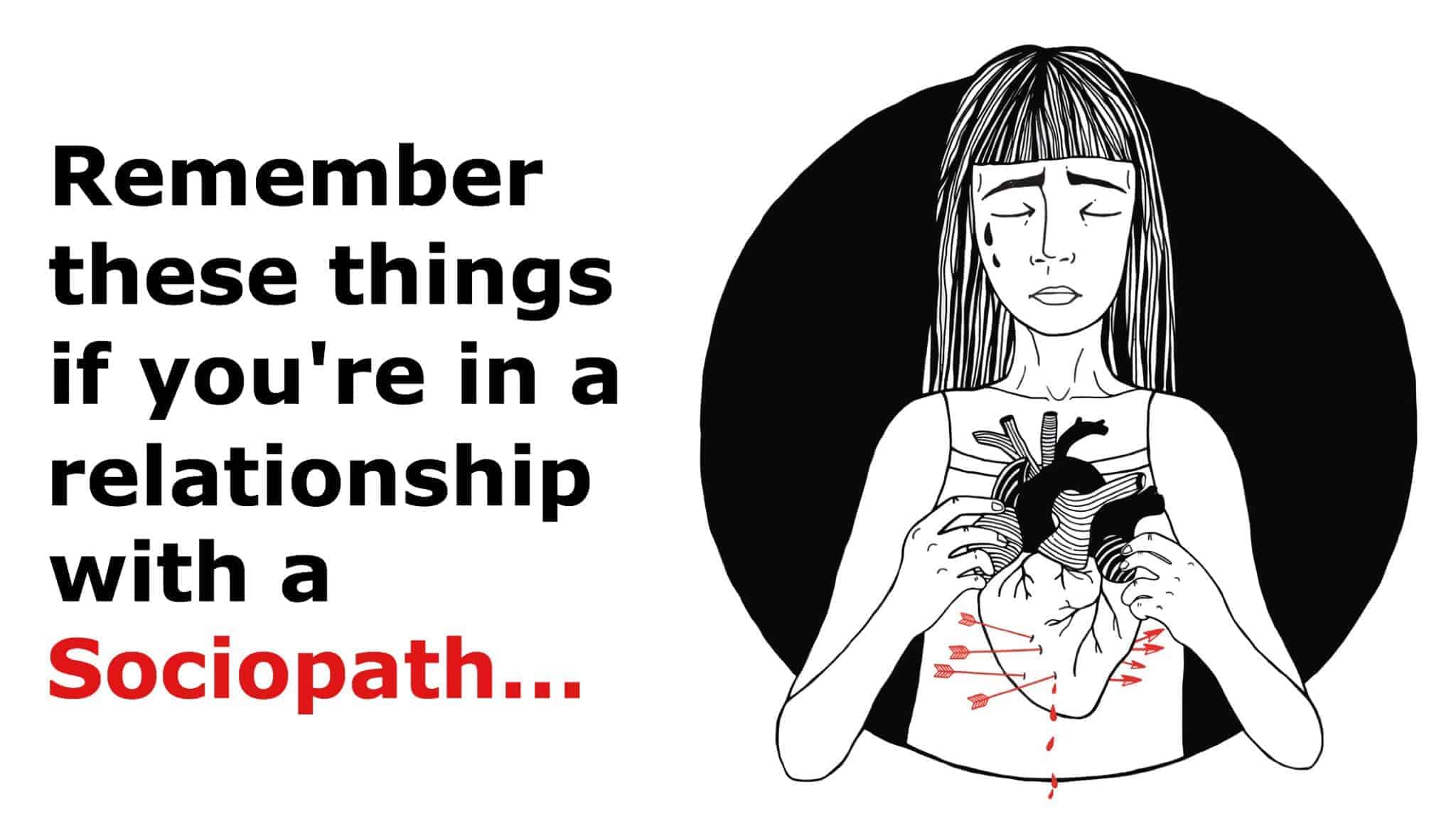
sociopath
Another difference between sociopaths and psychopaths is that sociopaths may seem normal but they will have unstable qualities. They may be unorganized and erratic at times. Psychopaths are the exact opposite, as they are organized and calculated.

Even if you watch for these signs, you might still mix up the two different personalities. They show many of the same traits and tend to hide things about their personal life.

Final Thoughts on Signs You Are Dealing With A Sociopath

While there are signs to watch for to know if you may be dealing with a sociopath, not everyone who exhibits some of these signs are sociopathic. It can be difficult to know, but you must trust your gut.

If you notice that someone in your life exhibits some or all of these signs, and your gut is telling you that it is not a good situation, then you may have to deal with a sociopath and figure out how to get rid of them. You have to protect yourself from sociopaths or you could be physically and emotionally harmed.


13 Unique Weight Loss Tricks That Actually Work

Do you know that food manufacturers and restaurant owners spend thousands, if not millions, of dollars studying flavors, colors, aroma, and presentation of the food so that you’ll eat more? When you’re craving something, the urge to eat just doesn’t come from your stomach or taste buds. A lot of it has to do with tricking your mind as well. Thankfully, there are also techniques you can apply to condition your mind to discourage overeating. Below are some unique weight loss tricks that actually work.

Here Are 13 Unique Weight Loss Tricks That Actually Work

“A huge part of losing weight is believing you can do it and realizing it’s not going to happen overnight.” – Unknown

1.    Use a blue plate

Did you know that the color blue is an effective appetite suppressant?

  • Many weight loss gurus swear that if you use a blue plate when eating, you’re likely not going to eat more than you should. Thus, you curb the weight gain and avoid indulging in high-calorie and high-fat meals.
  • Experts have proven in a study published in the Nutrition Journal that using blue plates can really deliver a positive psychological effect on a person trying to lose weight.
  • Other studies suggest that while blue plates can trick your mind to eat less,  the contrast of the food’s color against the plate may also help curb your appetite.

Apparently, a light-colored food will blend in a light-colored plate so you won’t be conscious of how much you’re eating. But the same food will stand out and look like a larger portion on a dark blue plate. For this reason, you may be pressed to eat less.

2.    Watch a scary movie

Some people avoid watching scary movies because the terror can be stress-inducing. However, experts at the University of Westminster in London said that you actually burn calories equivalent to one chocolate bar when you’re sitting through a 90-minute horror film.

  • Your pulse races or your heart rate quickens because of the adrenalin rush.
  • This has a positive effect on your metabolism while you keep your eyes glued to the screen.
  • The researchers determined the scariest movie – most effective at burning sugar and fat – is “The Shining,” which shaves off 184 calories.
  • Other recommended scary movies include “Jaws” (161 calories), “The Exorcist” (158 calories), “Aliens” (152 calories), and “Saw” (133 calories).

3.    Spray or light up vanilla-scented fresheners or candles

Are you a sugar nut who can’t say no to sweet cravings? Do you like to eat sinfully good-tasting desserts even though you know the calories will go to your waist and hips? Try suppressing your sweet tooth by spraying vanilla-scented air freshener or lighting a vanilla-scented candle when you’re having dinner.

Experts at the St. George’s Hospital in London studying the efficiency of vanilla weight loss patches said this scent seems to dull cravings for dessert. They think this sweet scent can alter the chemicals of the hormone serotonin that controls the appetite so that it sends the brain a different signal.

4.    Eat in front of a mirror

It might seem self-indulgent and pointless to have your meals in front of a mirror. However, experts at the University of Central Florida learned that people can be prompted to eat fewer servings if they actually see themselves eating.

  • The thing is, you are your worst critic. If you watch yourself eat, you supposedly gain a more objective view of the food you have whiel also considering your physical appearance.
  • The mirror helps people who are trying to lose weight to evaluate themselves and their attitude towards food, and adjust accordingly.
  • However, this weight loss trick has its downside. While it might encourage people to eat healthier food, it may also trigger feelings of weight discrimination and diffuse body positivity.

5.    Tie a ribbon around your waist

Women in France supposedly tie a ribbon around their waist to let them know if they’ve had enough food. If they feel the ribbon getting tighter underneath their clothes, they will stop eating no matter what still remains on their plate.

Isn’t this one of the most elegant and stylish techniques you’ve heard? It teaches the French ladies to enjoy everything in moderation. It’s probably why a lot of French women have lovely figures.

6.    Portion your meals and eat smaller bites

Try eating smaller bites and portion your food so that you won’t overindulge. This weight loss trick is also another technique in learning to enjoy tasty meals in moderation. Naturally, if you eat fewer portions of your food, you will manage your weight better.

  • Did you know that in Spain some women effectively lose weight by having one meal reserved for a bocadillo? This is a sandwich with two slices of whole grain bread and a filling of meat from a choice of chorizo, sausage or tuna.
  • This sandwich doesn’t have any mayonnaise, ketchup or dressing.
  • This meal might not be the tastiest compared to the American “Subway” sandwich, but it has the right amount of flavor and nutrients.
  • The Spanish women also do away with the desserts if they’re having their bocadillo meal.
  • It’s a clever trick on how to portion control your meals properly.

7.    Chew your food at least 32 to 40 times before swallowing

In the 19th century, American health food expert and economic nutritionist Horace Fletcher advocated for people to chew their food at least 32 to 40 times before swallowing. He was dubbed “The Great Masticator” because of this credo, but his recommendation is actually backed by science.

  • When you chew food slowly until there are no more morsels left, you’re helping your body burn 10 percent more calories.
  • You’re also facilitating the proper flow of nutrients from your mouth to your stomach and gut so your organs function better.
  • Experts observed that people who take time to chew their food are leaner than fast eaters.
  • They are also less prone to have hunger pangs and food cravings because they are still quite full from their last meal.

In contrast, people who eat fast aren’t burning any calories when they eat. They are also prone to develop metabolic problems like high blood pressure, high cholesterol, visceral fat, and chronic diseases.

8.    Sit at the corner of the table during dinners

Psychologist Stephen Gullo in the book “The Thin Commandments Diet” recommended a sure-fire way to curb your food indulgence.  He wrote that if you’re at a dinner or a cocktail party and you’re watching your weight, it’s best to sit at the table’s corner.

When you’re seated at the middle, you’re more likely to indulge in the food since the center spot is where dishes are usually placed. You have easy access to bread, chips, and other delectables that you should be avoiding because you don’t really want those extra calories. If you’re seated in the corner, you eliminate the mindless eating.

9.    Control your candy cravings by eating individually-wrapped pieces

You’re less likely to eat candy if you stick to treats that are individually wrapped compared to wrapper-less sweets like skittles or jelly beans. An experiment in the journal Appetite revealed that people are more inclined to control their candy indulgence if it comes with its own wrapper.

A group of 30 people in the experiment was told that they can freely take candies from a bowl on a table. Averagely, the participants took at least three pieces of wrapped candies while gobbled down five or more unwrapped candies.

Apparently, the little effort it takes to unwrap a candy is actually a deterrent. But it’s a big help when you’re trying to control your sugar or sweets intake.

10.  Challenge yourself to eat using chopsticks

Ever wonder why there are so many Japanese with slimmer figures? Perhaps their use of chopsticks has something to do with it, according to Kimiko Barber, author of the book “The Chopsticks Diet.” If you haven’t mastered how to use this tool, then perhaps it is time to start learning (and lose some weight in the process).

Barber wrote in her book that since chopsticks require more accuracy and dexterity, you’re forced to slow down when you’re eating. You’re also likely not to fill up your mouth with food since you can only take smaller portions from your plate with chopsticks. If you’re eating slowly, you’re also eating less but feeling more satiated. Your food becomes easier to digest as well.

11.  Brighten up the lights and play soft music

Create the right atmosphere and ambiance in your dining room to help you eat less. Experts say that if you brighten up the lights when you’re eating, you’ll be more inhibited from putting additional food on your plate.

Ever notice how restaurants have such low lighting? It’s not just because they want you to enjoy your romantic date but they also want their customers to order more food.

While you keep the dining room lights bright, experts advise you to keep the music down. Apparently, when there’s soft music in the background, it sends a positive signal in your brain that a meal should be leisurely enjoyed. So, you take more time to chew and finish your food. This mindful eating helps you develop a healthier habit that keeps the weight off.

12.  Make breakfast heavier and dinners lighter

“Eat breakfast like a king and dinner like a pauper.” Have you ever heard this saying? If you’d like to keep the weight off, then this might just be the best way to do it.

weight loss

Experts from the American Diabetes Association performed a controlled 12-week study. They learned that obese women who followed a heavy breakfast/light dinner diet lost more pounds than those who had a light breakfast/heavy dinner diet.

The women also lost at least three inches off their waist for having larger breakfast meals than dinners. It seems this diet helped women with metabolic syndrome balance their intake better.

13.  Take a photo of your food

Do you enjoy taking a photo of your food to post on social media? If you’re trying to lose weight then there’s another purpose for getting a snap of your meal. According to Joan Salge Blake, who wrote “Nutrition & You,”  the photos might help you stop and think about what you’re eating. A visual representation of your food may help you muster more control over what you put on your plate.

Final Thoughts On Unique Weight Loss Tricks That Actually Work

Most weight loss diet fads won’t work over time. You’ll still gain weight especially if you’re not consistent with your eating habits.

But these tips above are not just weight loss tricks. These are actually techniques that can teach you how to enjoy food in moderation and practice mindful eating. If you follow some of these tips while aiming to eat healthier, you might not need to a diet. Losing the pounds or maintaining an ideal weight should begin to come more naturally.

10 Things to Know About Ovarian Cancer That Can Save Your Life

“Ovarian cancer ranks fifth in cancer deaths among women, accounting for more deaths than any other cancer of the female reproductive system.” – The American Cancer Society

What is ovarian cancer?

Ovarian cancer, similar to most cancers, starts with the production and spread of irregular cells, which then spread to form a tumor. When the tumors spread outside of the ovaries, this is known as metastatic ovarian cancer. While believed at one time to develop within the ovaries, recent evidence demonstrates that many types of ovarian cancer originate within the fallopian tubes (more on this later.)

Per the American Cancer Society, in the year 2018:

  • Over 22,200 women will receive a diagnosis of ovarian cancer.
  • Over 14,000 women will die from ovarian cancer within the year.

The odds of a woman being diagnosed with ovarian cancer are about 1 in 78, while the odds of dying from it are about 1 in 108. Because ovarian cancer disproportionately affects older women, women over the age of 63 make up half of the total cases.

In this article, we are going to discuss the major points of ovarian cancer – including causes, types, symptoms – and ten things to know about ovarian cancer that may save your life!

What causes ovarian cancer?

Unfortunately, doctors and scientists aren’t sure as to what causes ovarian cancer, though the latest research may provide some insight. Experts now know, for example, that it originates in the ends of the fallopian tubes. Such knowledge paves the way for new and improved research studies and, hopefully, more effective diagnosis and treatment.

While more research is needed, a few promising theories exist as to the cause(s) of ovarian cancer:

  • As taking birth control pills and becoming pregnant lower the risk of ovarian cancer, researchers believe there to be a connection between egg release (ovulation) and cancer risk.
  • Androgens (male hormones) may cause ovarian cancer.
  • Certain types of ovarian cancer may result from genetic mutations of the BRCA1 and BRCA2 genes.
  • Since surgical practices such as hysterectomy and ligation decrease risk, researchers posit that certain cancer-causing materials are acquired vaginally, transferring through the fallopian tubes and uterus before penetrating the ovaries.

The Scoop on Gene Changes

Have you ever wondered why you have certain features from your Mom others from your Dad, and maybe some others from your grandparents? Well, as you may know, we carry 23 pairs of chromosomes, one from each parent; who have 23 pairs of chromosomes from each of their parents, and their parent’s parents, and so on.

Genetic instructions, e.g. chromosomal DNA, are randomly assigned, which is why you resemble that of a genetic potluck.

Anyways, the point is that our appearance (mostly genes-based), behaviors (genes and environment), and other attributes depend on what genes are given to us and which genes are “expressed” (turned on) or “repressed” (turned off). The same concept applies to an inherited genetic mutation – or “permanent alteration in the DNA sequence … that … differs from most people.”

This is one of several cancer types where a person can inherit faulty genes, predisposing the person to the condition. Besides inheritance, gene changes can be acquired throughout life, i.e. acquired mutation.

Other cancers that may develop from heritable genetic mutations include:

  • Bowel cancer
  • Breast cancer
  • Eye cancer (retinoblastoma)
  • Kidney cancer
  • Melanoma
  • Ovarian cancer
  • Pancreatic cancer
  • Prostate cancer
  • Thyroid cancer
  • Womb cancer

Ovarian Cancer Types

There are six general types of ovarian cancer, each classified according to the location of the ovary from which cancerous cells originate. These include:

Epithelial ovarian cancer – The most common type, makes up 90 percent of all tumors. Epithelial ovarian cancer arises in the surface tissue of the ovary. The five subcategories of epithelial ovarian cancer are clear cell, endometrioid, mucinous, serous, and undifferentiated.

Fallopian tube cancer – Cancer of the fallopian tube accounts for just 1 in 100 (one percent) of all ovarian cancer cases. The fallopian tube links the ovaries to the uterus, where the egg settles upon fertilization.

Granulosa tumor – Granulosa tumor of the ovary accounts for about 5 percent of all ovarian cancer cases. Granulosa tumors first develop in the stroma, or sex cords. There are two types of granulosa tumors: functioning and non-functioning. Functioning tumors produce estrogen, whereas the non-functioning tumors do not.

Ovarian teratoma – A rare type of germ cell tumor, teratomas are rare and are diagnosed during the reproductive years. Teratomas mostly affect girls and women in their early 20s. Ovarian teratomas can be either “mature” or “immature”; the former is non-cancerous (benign) while the latter is cancerous.

Peritoneal cancer – Primary peritoneal cancer (PPC) resembles epithelial cancer. The peritoneum is a thin surface tissue that layers the abdomen and abdominal organs, including the bowel and liver. PPC is rare and develops in 5 to 15 percent of women with advanced ovarian cancer.

Borderline ovarian tumors – Borderline tumors form in the peritoneum. Borderline ovarian tumors contain non-cancerous cells and are usually successfully removed with surgery.

Ten things to know about ovarian cancer

Here are ten things to know about this cancer that may save your life.

1. There are known risk factors

Factors that increase one’s risk of ovarian cancer include:

  • A previous diagnosis of breast, colon, or uterine cancer
  • Being between the ages of 55 and 70.
  • Endometriosis, a tissue disorder affecting the uterus and (possibly) pelvic organs.
  • Fertility issues, particularly those causing frequent menstrual cycles
  • Genetic predisposition for ovarian cancer
  • Mutations of the genes BRCA1 or BRCA2
  • No past pregnancy
  • Use of synthetic hormones or fertility drugs
  • Obesity

Of all known risk factors, age is the most highly correlated with its development. If you have one or more risk factors for ovarian cancer, please see a specialist.

2. Though symptoms may be evasive, they last a while

If there is an aspect of ovarian cancer symptoms that distinguish it from more benign conditions, it would be how often they occur. Severe abdominal pain, for example, may occur as often as 12 days out of the month.

Other symptoms that may persist include back pain, constipation, abdominal swelling, fatigue, menstrual changes, and upset stomach.

3. No reliable means of testing for ovarian cancer exists

Sadly, there is not a single reliable means of detecting ovarian cancer. Ultrasounds and certain blood tests are not effective at finding ovarian cancer in the early stages when it is most critical. In late 2016, the Food and Drug Administration (FDA) advised women against using so-called “ovarian cancer screening tests,” saying that they provide little to no benefit.

4. Genetic counseling may be a good idea

Genetic counselors work with people to identify heritable diseases, advising them on means of management, prevention, and other issues. A genetic counselor can help determine, if you don’t already know, any gene mutations that may increase your risk of cancer.

Per the National Cancer Institute, 39 percent of women who inherit the BRCA1 mutation and 11-17 percent of women with the BRCA2 mutation develop ovarian cancer before age 70. A genetic counselor may be able to reduce this, and other risks associated with ovarian cancer.

5. Removal of fallopian tubes can reduce risk

Many doctors recommend the removal of the fallopian tubes as an effective means of cancer prevention, particularly for women who don’t plan on having more children. The procedure, known as a salpingectomy, may reduce the risk of severe ovarian cancer – that which originates in the distal ends of the fallopian tubes – by up to 65 percent.

6. See a “gynecologic oncologist”

Gynecologic oncologists (GOs) specialize in the diagnosis and treatment of female reproductive organs. GOs are educated in the fields of gynecology – the health of the female reproductive system – and oncology, the study and treatment of cancer.

Not only are GOs highly qualified, but studies also show that women diagnosed with achieve much better health outcomes under the supervision of a GO rather than a general surgeon, and marginally better outcomes than under the care of a gynecologist.

7. Infertility is linked with increased ovarian cancer risk

A 2004 observational study concluded that women undergoing fertility treatments are likely at an increased risk.. Of the 12,000 patients studied, women with the highest risk were those with endometriosis and primary infertility. Due to the study’s findings, researchers are in the advanced stages of researching the association between endometriosis and ovarian cancer risk.

8. Lifestyle changes may ward off ovarian cancer

Adi Davidov, the director of gynecology at Staten Island University Hospital in Staten Island, New York says, “There are multiple studies showing that a low-fat diet can be beneficial” in reducing the risk of ovarian cancer. A diet consisting of fresh fruits and vegetables, lean protein, and plant-based foods may be particularly advantageous.

Maintaining a healthy weight and regular exercise may also reduce the risk of cancers.

ovarian cancer

9. Think twice before using Clomid.

Clomid (clomiphene citrate), a prescription medication used to stimulate ovulation, increases the odds of conception in women with fertility issues. Research shows, however, that taking Clomid increases your risk. Evidence to this effect is convincing enough that many doctors limit the amount of time they prescribe the medication.

10. Taking birth control pills lowers your risk

Research shows that taking oral contraceptives (birth control pills) decreases your risk. Women who use birth control pills over five or more years have about a 50 percent lower risk compared to women who have never taken contraceptives. It is advisable to ask a medical professional about the potential risks and benefits of contraceptive use.

Ovarian cancer symptoms

Symptoms – or the lack thereof – is the main reason why most women don’t recognize it in the early stages. Additionally, even advanced-stage cancer may not produce severe enough symptoms to warrant a visit to the doctor. Only 20 percent of this cancer patients obtain a diagnosis in the early stages.

Per a study conducted by the World Ovarian Cancer Coalition, women with ovarian cancer take an average of 13 weeks to visit a doctor upon initial exposure to symptoms. Also according to this study, it takes approximately 37 weeks for women to receive a diagnosis.

Symptoms often mimic noncancerous conditions, and include:

  • Abdominal bloating and pain
  • Fatigue
  • Feeling extremely full after eating
  • Frequent urination; increased urge to urinate
  • Inability to eat
  • Indigestion
  • Heartburn
  • Menstrual irregularity
  • Pain during intercourse

Final Thoughts on Things to Know about Ovarian Cancer That Can Save Your Life

Of course, you shouldn’t worry about having one of the above symptoms once in a while. However, if you have several of them and they continue without lessening or dissipating, schedule an appointment with your doctor. Certainly, to be forewarned is to be forearmed, as they say. This also applies for adopting lifestyle habits that can reduce your risk. Keep a positive mindset as you continue to educate yourself about possible risks in order to maintain a healthy lifestyle.

12 Foods that Make Eczema Worse

Telltale itchy bumps and blisters are the bane of anyone who’s ever dealt with eczema. One hidden culprit might be what you’re eating. Science is still connecting the dots between diet and atopic dermatitis, but one or more of these key foods might be causing or making your flares worse.

This common inflammatory skin condition affects adults, children, and babies. Itchy rashes can pop up anywhere and seemingly at any time. Dermatologists and doctors aren’t always quite certain what causes it. However, your diet, environment, and stress can aggravate and cause symptoms.

Atopic and contact dermatitis are the most common types of eczema. No matter your type, the foods you eat can worsen your symptoms or lead to a flare-up. It’s best to learn your triggers, especially if they aren’t on our list. Every person is different, and some of us have hidden food allergies and intolerances that can cause flares too.

What Causes Flares?

  • Food allergy and intolerances
  • Allergies—seasonal, environmental, and pet allergies
    Medicines
  • Stress—mental, physical, and immune system
  • Chemicals
  • Fabric
  • Breast milk
  • Unknown cause

The foods you eat can cause flares or aggravate your symptoms. They can also make a current episode worse. However, some people with atopic and contact dermatitis consume these foods without issue. It’s important to know your body, and take notes in a diary of what you ate and anything you came into contact with after a flare occurs. This assists you in ruling out foods as well as environmental causes.

genetic variations

12 Foods that Can Trigger an Eczema Flare

  • Dairy Milk
  • Milk products, including butter, yogurt, cheese, cottage cheese, and sour cream
  • Eggs
  • Soy
  • Gluten
  • Nuts
  • Fish
  • Shellfish
  • Grapes
  • Oranges
  • Tomatoes
  • Processed Foods, including bacon, sausage, and lunchmeat.

Eczema Home Remedies

Before you begin self-treating at home, you should identify your triggers. Food is only one way. Stress, sweat, environmental chemical exposure, and other allergies can also cause a flare-up.

Keep a food diary and note your flares. Don’t forget to jot down stress levels, your clothing, and any new soaps or perfumes. This information can assist you and your doctor at determining causes and aggravators.

Consider Working with an Allergist

An allergist will perform a skin test. Positive results allow you to determine what foods you’re allergic to, but the tests aren’t always conclusive for intolerances. Food intolerances can affect your body in numerous ways.

Here is an example, which is a personal experience. After consuming dairy, a lactose intolerant person can have digestive symptoms one time, then have digestive issues and a flare the next. During an active flare, a person’s symptoms worsen when consuming a trigger food

Eczema Friendly Diets

Eczema home remedies should start with your diet. This enables you to root out culprits quickly. Some people prefer a standard elimination diet and later modify their current eating habits based on the results.

The Standard Elimination Diet

Elimination diets take time, and yes, you’ll greatly restrict the foods you can eat. Most people can do this safely at home without a doctor; however, if you suspect a food allergy, you’ll need the guidance of your doctor because of increased anaphylaxis risk.

Some elimination diets remove foods one at a time. Other diets will remove all suspected foods for about three weeks, then slowly add back each food. The idea here is to let your body heal and reset for that small period. This allows you to better judge your symptoms.

If you do remove all foods and your symptoms don’t clear, food is most likely not your culprit. However, several studies support elimination diets for alleviating symptoms. Other studies have found a direct correlation to food intolerances, food allergies, and eczema. In both cases, symptoms disappeared or were greatly reduced.

Other Elimination Diets

  • Modified low carb—Paleo, Atkins, and Keto
  • Low-FODMAPS
  • Fasting Elimination Diet—only under the guidance of a doctor
  • Gluten Free
  • Sugar Free
  • Lactose Free

The major concern will be finding a balance between your nutritional needs and your food lifestyle choice. Elimination diets aren’t always easy, and they can pose challenges and bring new symptoms.

Plant-Based Diets

Vegans and vegetarians can try a modified diet, but again, you’ll need to remove the common culprit foods and still meet your nutritional requirements. Soy, including whole soy foods, can be triggers. Other legumes can be too.

If you prefer a plant-based diet, speak with a nutritionist, doctor, or naturopath before you begin. Even though diet’s one of many eczema home remedies, their guidance can help you succeed without compromising your health. This is especially important with children and infants.

Vitamin and Mineral Supplements

Vitamins and minerals nourish your skin, and they assist in healing inside and out. If you haven’t looked into supplements, you might benefit from some or all listed below. Whole food sources help too.

Vitamins, Minerals, and Supplements

  • Vitamin B complex
  • Vitamin D
  • Probiotics
  • Vitamin E
  • Vitamin C
  • Gamma-Linolenic Acid (GLA) or Omega-6 fatty acids
  • Omega-3 fatty acids, such as fish or flaxseed oil if not a trigger

Colloidal Oatmeal Bath

Colloidal oatmeal is a fancy way of saying finely ground oatmeal. One reason doctors and dermatologists recommend this treatment is because it does provide relief. It’s not always convenient to use, but it’s natural and safe for use on children and babies too.

You can purchase readymade packets or grind your own. You’ll need about 1-cup per bath, and you simply add it to your lukewarm water as you fill the tub. Soak for about 10 minutes.

Antihistamine

For severe cases, you might consider taking an antihistamine. These medications can quickly calm itchy rashes and reduce inflammation. However, antihistamines are an unnatural treatment that takes time to work. Long-term use can lead to resistance too.

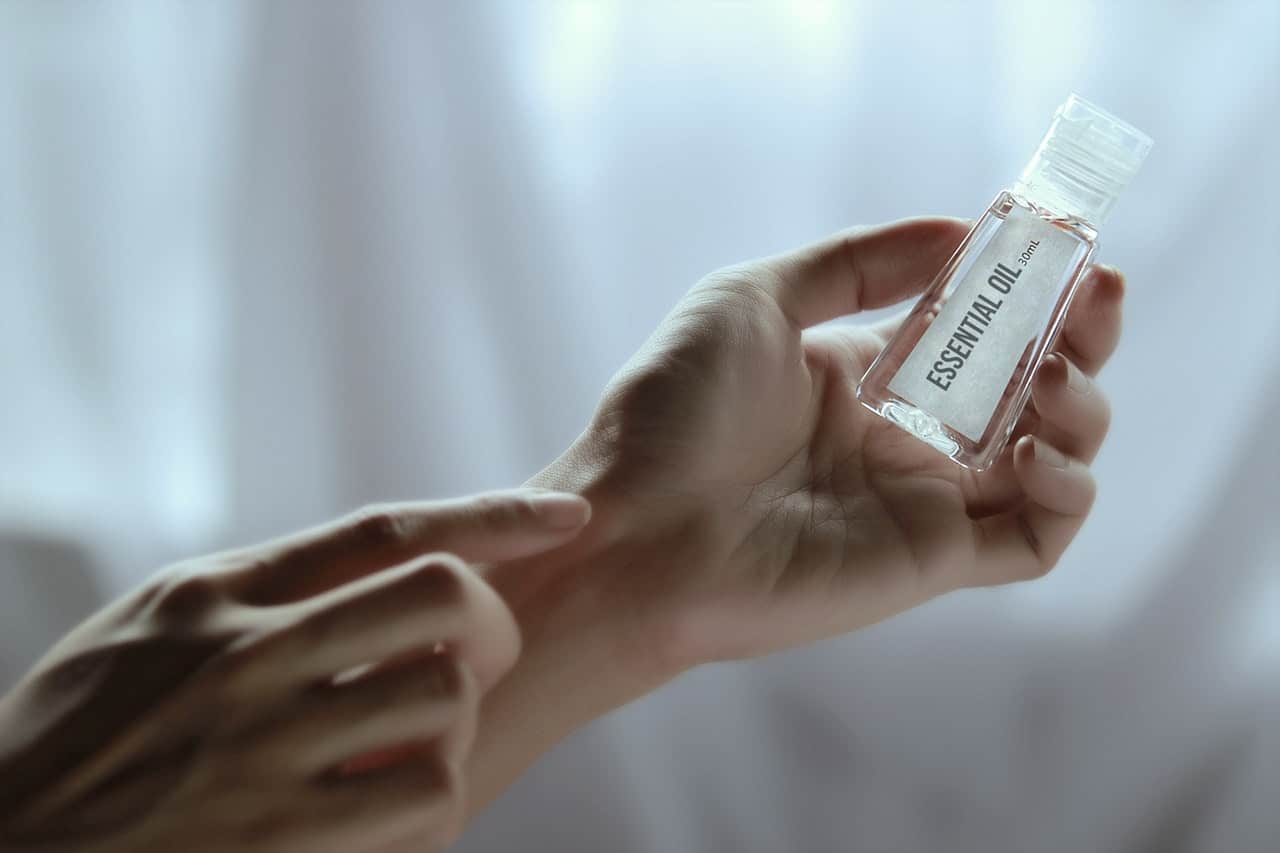
Essential Oils

Many of the listed essential oils contain antibacterial, antifungal, and anti-inflammatory properties. You can us these in a diffuser, but a topical application with a carrier oil might provide more benefits. Eczema home remedies that use topical essential oils can reduce your symptoms and irritation. The infused carrier oil pulls the healing properties of essential oils into your skin through absorption.

eczema

Essential Oils

  • Tea tree oil
  • Lavender
  • Chamomile
  • Thyme
  • Frankincense
  • Basil
  • Rose Geranium
  • Bergamot
  • Eucalyptus

Carrier Oils to Nourish Skin

  • Coconut oil
  • Olive Oil
  • Avocado
  • Shea Butter
  • Jojoba
  • Vitamin E oil
  • Rosehip oil
  • Sweet Almond oil

Carrier oils make excellent moisturizers on their own. Of course, you can add essential oils to scent them too. With any product, oils included, perform a patch test with oils you haven’t previously used.

Instructions for Using Essential Oils

• Carrier oil of choice
• 3 drops of chosen essential oil

1. To carrier oil, add 3 drops of your preferred essential oil.
2. Mix well.
3. Apply to the affected area.
4. Repeat two to three times a day as needed.

You can create your own blend of essential oils and experiment with the 1:3 ratio too. Please note that the ratio is for adult use only. A 2:3 ratio better suits tender and sensitive skin. Don’t apply essential oils to babies who are under three months old.
While essential oils are generally recognized as safe, you should be aware of precautions with babies and children.

Change Your Routine and Products

From laundry to dish soap and skincare to beauty care, you need to rethink your applications and the products you use too. Keep in mind that natural products can still contain food ingredients that are on the list, and they can still cause or worsen a flare.

This means if you’re sensitive to soy, you shouldn’t use a shampoo with soy keratin. Many products also hide ingredients and fragrances with generic terms. The only way for you to truly know what’s in your products will be to make them yourself.

If overhauling your personal care and cleaning items is too daunting or expensive, tackle one area or product at a time.

Daily Tips

  • Keep your skin hydrated inside and out
  • Avoid submerging in hot water; shorten shower time
  • Pat dry, don’t rub
  • Use a moisturizer within 3 minutes after leaving the tub to seal in moisture
  • Use unscented, dye-free skin and beauty care
  • Switch to mineral-based makeup or wear makeup less often
  • Avoid perfumes, but solid perfumes with only herbs and essential oils are okay
  • Use plain castile, oatmeal, or goat’s milk soap
  • Avoid triggers
  • Use meditation, yoga, and breathing exercises to reduce stress
  • Shower after exercise
  • Practice safe sunning and use a natural sunscreen
  • Don’t scratch

eczema

Final Thoughts About Eczema and Eczema Home Remedies

Eczema can disrupt your life. Aside from itching, it can show up anywhere on your body, including your face. An active flare can also lead to more stress, which is counterproductive in treating it. Be sure to relax and use techniques that de-stress on a regular basis.

Certain foods can cause your symptoms to worsen and be the cause. You can use home remedies in combination with an elimination diet to reduce occurrences. In some cases, your symptoms might disappear altogether.

An upside to home treatments is that many of them nourish and protect your skin. Most are safe to use on children and older babies without worrying about harsh chemicals. They’re better for overall health and the environment too.

Researchers Reveal A Diet That Can Reverse Type 2 Diabetes

According to the CDC (Centers for Disease Control) over 100 million adults in the United States either have diabetes or are pre-diabetic. In fact, as of 2015, over 9 percent of the country’s population was diagnosed with type 1 or type 2 diabetes. While type 1 diabetes is genetic, there is a causal relationship between weight and type 2 diabetes, and those who are overweight or obese are more likely to be diagnosed with the disease. To further emphasize this point, since 2015, more than 84 million pre-diabetics were diagnosed with type 2 diabetes. That said, type 2 diabetes is something that is within our control to manage and, in many cases, it can also be reversed through exercise and a healthy diet. In this article, we detail a few diabetic-friendly diets that can help you manage your diabetes and also maintain a healthy weight.

WHAT IS TYPE 2 DIABETES?

Before identifying the best diets for those diagnosed with type 2 diabetes, let’s take a moment to explain the impact that the disease has on the body. Type 2 diabetes is characterized by the body’s inability to get enough glucose (blood sugar) into the cells that need it. When this occurs, an abundance of blood sugar remains in the bloodstream, which, in turn, results in a variety of possible problems including kidney complications, cardiovascular disease, vision problems, and other maladies. One way to combat the effects of high blood sugar is by consuming low glycemic index foods; these foods consist of oatmeal, lentils, and quinoa, for example. That said, there also foods that can increase blood sugar levels including sugar, white pasta, flour, and pastries, for example. If you’ve been diagnosed with type two diabetes, these foods should be avoided as they can spike your blood sugar.

BEST DIETS FOR THOSE DIAGNOSED WITH TYPE 2 DIABETES

When it comes to reversing type two diabetes, there are two diets that have been endorsed by the American Dietetic Association, the Paleo and Mediterranean diet. Starting with the Paleo diet, this diet is predicated on moderate protein with the main staples of the diet consisting of fish, nuts, eggs, vegetables, and lean meats. In order for this diet to work, dieters will have to avoid some of the foods they enjoy the most like candy, high sodium foods, grains, beer, and dairy products. Although this may seem like extreme deprivation, the diet does work. Studies have shown that those on the Paleo diet feel satiated longer, stabilize their blood sugar levels, and lose weight while following the diet.

The results of the Mediterranean diet were very similar in that dieters reported feeling fuller longer; also, many dieters found that their blood sugar remained stable while following the diet. So what does a Mediterranean diet consist of, you ask? Well, you can expect to consume a lot of vegetables, fruits, fish, and healthy fat like those found in avocados and nuts. The Mediterranean diet is one that is considered nutrient-dense, which enables dieters to get their daily intake of vitamins and minerals. Much like the Paleo diet, those following the Mediterranean diet also benefited from satiation, stable blood sugar, and weight loss while following the diet.

ADA DIET FOR DIABETICS

Although not quite as popular as the Paleo and Mediterranean diet, the ADA diet is one that is specifically aimed at those diagnosed with type two diabetes and looking to lose weight. It’s important to note that this diet shares several parallels with the Paleo and Mediterranean diets. For example, the ADA diet emphasizes consuming low glycemic index foods while avoiding simple carbohydrates and replacing saturated fats with healthy fats. It is probably obvious why you should limit or avoid saturated fats, but why should you avoid simple carbohydrates? Well, in addition to being a poor choice for your type 2 diabetes diet, the foods characterized as simple carbohydrates can raise your blood sugar quickly, which, in turn, can place your health in jeopardy.

WHAT YOU SHOULD KNOW ABOUT DIETING WITH DIABETES

There is no ideal diet for those with diabetes looking to lose weight, meaning there are multiple diets that can help you achieve your weight loss goals. As long as you’re cognizant of the types of foods you’re consuming, you are free to choose a diet that fits your lifestyle. After all, if dieting doesn’t feel like a chore, you’re more likely to stick with it, which means you’re in a better position to reverse your type two diabetes. The biggest take away when it comes to diet and diabetes is to be more aware of your carbohydrate intake. Why is this so important? Well, carbs that are not used for energy will be converted into sugars, which can spike insulin levels.


TOP DIABETES SUPERFOODS YOU SHOULD KNOW ABOUT

Regardless of which diet you opt to go with, making superfoods a part of your meal plans can benefit you on your journey towards a healthier, trimmer version of yourself. These foods include

  • Wild salmon
  • Cinnamon
  • White balsamic vinegar
  • Chia seeds
  • Lentils

Now that we have identified 5 superfoods worth adding to your health and weight loss goals, let’s take a moment to detail the benefit of each of them:

Wild salmon contains omega-3 fatty acids that act as an anti-inflammatory. Also, omega-3 fatty acids have been shown to prevent heart disease, lower blood pressure, and limit plaque build-up in arteries.

Cinnamon has been shown to lower serum glucose in those with type two diabetes, and because the spice contains polyphenol, it can also prevent certain heart problems.

White balsamic vinegar can down gastric emptying, which, in turn, helps slows down how quickly glucose (blood sugar) is released into your bloodstream. As such, insulin response remains steady, allowing you to avoid the unpleasant symptoms of high blood sugar like dry mouth, nausea, and fatigue, for example.

Chia seeds are a great source of protein, fiber, and omega-3 fatty acids, making it a must-have superfood. One of the best things about chia seed is its natural ability to lower the glycemic load of most foods, which means you’re left feeling satiated for a longer period of time. Also, chia seeds can help keep blood sugar levels stable and, best of all, the seeds don’t alter the natural taste of foods. So consider making them part of your type 2 diabetes diet.

Lentils contain B vitamins and iron along with fiber and protein, which provides the body with needed nutrients and allows you to feel fuller longer, meaning you eat and thereby lose more weight.

FATS AND PROTEINS ON A TYPE 2 DIABETES DIET

When it comes to weight loss, fat and protein will always play a pivotal role in determining whether you succeed or fail on your diet. Although fat is not directly linked to blood sugar, too much can increase your risk of cardiovascular disease, not to mention what it can do to your waistline. With regard to “good fats,” consider adding yogurts and other fermented dairy products to your diet along with whole eggs and dark chocolate, for example. As far as “bad fats” are concerned, you would be best served in avoiding animal fats, which are commonly found in bacon, hamburgers, and similar foods. As far as protein is concerned, this macronutrient can provide you with enough energy to get you through your day, provided you choose the right protein sources. Consider adding the following protein-packed foods to your type 2 diabetes diet:

type 2 diabetes

  • Legumes
  • Peas
  • Tofu
  • Chicken and turkey
  • Fish
  • Dairy products

ALCOHOL AND WEIGHT LOSS

If you’re committed to losing weight and reversing your type two diabetes, you should avoid alcohol not only for health reasons but also because it will cause you to gain weight as opposed to losing it. Alcohol has been proven to lower blood sugar in those diagnosed with type two diabetes and, in server cases, can lead to hypoglycemia. The best way to avoid finding yourself in this predicament is to consume alcohol with food and to avoid mixed drinks as they typically contain a lot of sugar.

In summation, the best diet to lose weight and potentially reverse type two diabetes is one that limits carbohydrates and places a greater emphasis on vegetables and healthy fats. How well you succeed on your diet will be determined by your level of commitment along with your desire to improve your health. If you are having trouble choosing the right diet, you’re encouraged to work with a dietician or a nutritionist who can recommend a diet plan based on your unique needs.

https://www.youtube.com/watch?v=yG-G9_LOkLA

Podiatrists Explain 4 Ways You Hurt Your Feet (Without Realizing It)

You use your feet for a number of physical activities and movements. Walking may be the easiest exercise you can do, as long as you’re not dealing with some kind of pain in your feet. On the other hand, your every step may feel like torture when you have a foot problem.

Experts in a survey from the American Orthopedic Foot and Ankle Society (AOFAS) determined that at least 80 percent of the population experience pain in their feet, which often goes untreated or undiagnosed. This means that there are plenty of individuals living with foot issues, which may make a simple walk nothing but painful.

You may be part of the statistics for those suffering from foot pain. Podiatrists explain that some of the things you do might contribute to this health issue. So, let’s discuess some ways you’re hurting your feet without realizing it.

Here Are 4 Ways You Hurt Your Feet Without Realizing It

“People tell me their feet hurt because they’re getting older and it’s a natural part of aging. That’s not true. Pain is a sign of trouble.” – Martin Pressman, DPM

1.    You wear the same old shoes every single day

You have this favorite pair of shoes that you like wearing every day because it provides the best support for your feet. While this might seem like common sense, experts say that if you wear the same old shoes over and over, you might experience foot fatigue.

The support your favorite shoes provide won’t last forever. Over time, the soles will break down and affect the angle and pressure your feet make with each step. If your shoes are old but still feel comfortable it’s likely because they have reshaped to fit you, depending on how you walk and the weight of your body. However, if you notice the soles of your shoes thinning out or deforming, this means those comfortable shoes are no longer giving you the best support.

Eventually, you’ll start feeling foot fatigue and experience the following symptoms:

  • Pain on your feet and even your knees, hips, and back
  • Swelling of the feet and legs
  • Cramping of the feet, toes, or calves
  • Muscle soreness

If you still cannot part with your favorite shoes, you might want to consider having them re-soled (if they’re still presentable). In the long run, however, you will need to let go of them. No amount of re-soling will correct warping and unevenness. It will just continue to hurt your feet.

Wearing the same shoes every single day may also shorten the lifespan of your favorite pair. Your shoes absorb the sweat from your feet, which can impact the shoes’ material. So, you need let them dry out properly to maintain proper form and shape. For this reason, you should rotate your footwear and not use the same pair every day.

2.    You wear ballet flats, sneakers, or flip-flops to make commuting comfortable

You might like wearing flat shoes, sneakers with no arch, and easy slip-on flip-flops whenever you’re commuting or traveling. However, experts say that flat footwear does not provide the right arch support and shock absorption. You will only end up hurting your feet and may even cause pain on your knees, hips, and back because the shoes don’t match the activity.

Poor arch support can lead to a condition called plantar fasciitis. It happens when the tissues on the soles of your feet, which can stretch from the heel to the toes, are inflamed.

  • Are there instances when you feel a stabbing pain near the bottom of your heel?
  • Does it worsen when you take a step, run, or exercise even while wearing flat shoes?
  • These are clear indications that you’ve been wearing the wrong type of footwear when walking or commuting.
  • If you ignore plantar fasciitis, it could develop into chronic pain that will further prevent you from regular activities.

If you still like to wear ballet flats or flat sneakers, perhaps try adding heel pads with some extra cushioning and arch to reduce the chances of hurting your feet. Insert these pads in the insoles so you can still get proper support.

As for flip-flops, most podiatrists advice against wearing this exposed footwear especially when you’re out for a walk. Aside from the lack of arch support, you’ll risk cutting, scraping and injuring your feet because the flip-flops are too open.

If you love the convenience and the unrestricted comfort of this shoe type, opt for the sporty fitted sandals that have thicker soles (at least two inches). Not only can you get good support from this design but the thickness may also raise your feet above the ground and away from harmful debris.

3.    You don’t take care of those rough and dry patches or scales on your feet

What do you do when you spot rough and dry patches or scales on the soles of your feet? If you leave it alone, the condition may worsen and cause skin fissures (cracks). In worst cases, the cracks could grown into a full-blown infection that will prevent you from doing normal activities because you can’t walk or wear shoes for the time being.

There’s no pleasure in having dry patches on the feet because it could get uncomfortable and painful, as well as affect the way you walk and move. The scaling, cracking, and dry patches might be blamed on skin dryness because of the weather and too much sun exposure. However, this skin issue may also develop because of conditions. Allergies, athletes foot, actinic keratosis, contact dermatitis, eczema, psoriasis, ringworm, and other skin diseases all may cause these problems.

  • Regularly applying lotion or moisturizer on the dry patches may help improve appearance.
  • Once in a while, you might also want to indulge in a foot spa, a massage, or other salon procedures for your feet to make sure that the dryness does not worsen or make your feet hurt.
  • If you’re already doing these treatments and indulges and you don’t see any positive changes on your feet, it might be time to visit a dermatologist or a podiatrist for a proper diagnosis and a treatment plan.
  • In most cases, the skin disease may be easily cleared with a topical cream, such as an antifungal medication.
  • The doctor might also prescribe oral medications if the problem is not, in fact, skin deep.

While dry patches aren’t considered a health emergency, you should still never ignore what’s happening to your feet.

Foot Self-Care Treatment

If you don’t like going to the spa for treatment, you can do basic self-care at home as long as you have the right tools and materials.

  • Always make it a point to wash and clean your feet, especially between the toes, using a soft washcloth and soap.
  • Once a week, use a shower brush and take time to clean and smooth your soles to benefit from its exfoliating action.
  • A couple of times a month, soak your feet in warm water and your preferred liquid dishwashing soap for at least 20 minutes.
  • Some people use Epsom salts for soaking but this may lead to dryness, depending on your skin type.
  • Don’t over-soak your feet because it will accelerate skin dryness.
  • Always apply moisturizer every time you bathe or wash, especially during the colder months. You can use whatever moisturizing products you prefer.
  • Switch shoes often and change your socks every day.

4.    You keep covering your feet with socks and shoes or do the opposite and go barefoot when you’re actively doing something

If you’re fond of wearing socks all day long and you barely go barefoot even when you’re just at home, you risk hurting your feet.

Covered Feet

Experts say that you need to air out your feet at night after they’ve been covered and protected inside your shoes all day.

  • Just like the hands, the feet have sweat glands that cannot properly evaporate if they’re covered in socks and shoes.
  • Microorganisms and skin fungus can easily reproduce in this moist and humid environment, which will then cause odor, itchiness, and infection.
  • If you’re always wearing shoes, it might help to apply antiperspirant on your feet, especially in the warmer months. This will help lessen the chances of fungus from developing and hurting your feet.
  • However, don’t use the same antiperspirant for your underarms for hygienic reasons, as these must be separate products.

Bare Feet

Now, if you’re the opposite and like to go barefoot a lot, you may also be bringing harm to your feet. Some activities might be done better when you are not wearing shoes, such as yoga or Pilates, but when you’re actively doing other stuff that brings low-impact pressure on your feet, then it makes more sense to wear good shoes to support and protect yourself.

  • You’ll risk injuring your feet and stubbing your toes if you have no shoes on while running, jumping or walking quickly.
  • You may experience pain in the heels, joint, and tendons, as well as contract an infection from going barefoot all the time.

It may feel great and energizing to walk on the grass, the sand, and the ground. When you’re going barefoot, your body is connecting to the surface electrons of the Earth, according to the Journal of Environmental Public Health. However, you shouldn’t make this a habit and allow your health to be vulnerable to harm and hurt.

If you know you’re going to be active on any given day, then wear the right footwear.

feet

Final Thoughts On Ways You Hurt Your Feet Without Realizing It

As with the rest of your clothes, your choice of footwear is a matter of personal taste and style. However, you cannot just wear shoes based on their appearance or how you’ll look sporting them. You also need to pick the right type of footwear for your height, weight, gait, and activity.

Also, never ignore any pain and discomfort you experience, especially if it persists. Pay attention to these things by giving your feet some tender loving care and, if necessary, medical attention.

Your feet are your body’s workhorses so they should always be in the best shape. Set aside at least 20 minutes of your day to care for your feet and make the right choices on what shoes to wear.

Doctors Explain 5 Reasons You Get Mood Swings (And How to Avoid Them)

You have mood swings because you’re a thinking and feeling human being. But if the changes in your moods start to interfere with your life, activities, and relationships then you might be suffering from an undiagnosed or untreated medical condition.

Some patterns of mood swing can be symptoms of an underlying disease. If you’re noticing the episodes becoming more frequent then it’s only prudent to see a doctor about it. Below are some potential reasons you’re having those mood swings, as explained by the experts.

Here Are 5 Reasons You Get Mood Swings, And How To Avoid Them

1.    You have not been basking in the sunshine

If you’ve been feeling depressed for days, then you’re likely not getting enough sunshine. Are you aware that the sun doesn’t just provide vitamin D? It is actually the most natural antidepressant and mood booster for your brain.

  • Sunlight may be harsh on the skin but you should not completely avoid it.
  • The right amount of sun exposure brings a lot of positive and mood-lifting benefits that can impact your mental health and wellness.
  • The hormone production of serotonin in your brain dips when you don’t go out often during the daytime.
  • In fact, experts in the journal Lancet tied the lack of sun exposure to a condition called Seasonal Affective Disorder (SAD).

SAD is very common among people who live in climates affected by a long winter season, such as Alaska. When daylight is shorter and the temperature is so cold during this period, the residents in this part of the world would rather stay indoors or limit their activities outside.

The problem is, their serotonin levels drop because they are cooped up in their homes. As a result, they feel more depressed, more fatigued, and less energetic even if they are sleeping longer. Alaska has one of the highest suicide rates in the United States. Experts believe that part of the reason for this may be because of the lack of sunshine.

In Alaska, it’s common for homes to have a light therapy box, also known as phototherapy, to combat SAD, as recommended by doctors. You might also benefit from having this device if you’re still not motivated to go outside and enjoy the sunshine.

2.    You have a thyroid condition

You could be having mood swings because your thyroid is either overactive (hyperthyroidism) or underactive (hypothyroidism), according to doctors at the Mayo Clinic. You may have episodes of anxiety, depression, irritability, nervousness, restlessness, and severe fatigue depending on the condition of your thyroids.

  • This butterfly-shaped organ located on the lower part of your neck produces and regulates the hormones that affect your moods and metabolism.
  • If your thyroid generates too many hormones and forces your body to use up more energy, your mood may also be on overdrive so you’ll easily lash out on your partner or family members.
  • If your thyroid is performing poorly and cause your body to burn energy slower, you may be prone to feel tired and oversleep or feel the weight of the world on your shoulders.

Sometimes, the symptoms of depression may, in fact, be hypothyroidism. A blood test will help doctors determine if your mood swings are caused by a thyroid disorder. About 20 million people in the U.S. have some form of a thyroid condition. While it affects people of any age, statistics show that women are eight times more prone to have thyroid problems than men.

Treating a thyroid disorder is possible through medications or through radioactive iodine therapy. Surgery, however, might be needed for some cases to remove part of the thyroid glands.

To avoid developing a thyroid disorder in the first place, doctors suggest the following:

  • Don’t try starvation diets, yo-yo diets or intermittent fasting because it could throw off your metabolic functions and affect your thyroid.
  • Resist high-intensity endurance exercises unless you start with a proper training course because you might overwork the conversion of your thyroid hormones.
  • Make sure that when you’re getting tests, such as dental X-rays, you’re wearing a protective gear. The thyroid is sensitive to radiation.
  • Quit smoking. It can raise your risks for developing a thyroid disorder. You surely already know that cigarettes are generally bad for your health.
  • Try to avoid exposing yourself to chemicals from cleaning products you use in the kitchen and the bathroom. Also, eat natural, unprocessed foods as much as possible.

3.    You’re having a bad case of premenstrual syndrome (PMS)

A large number of women in their child-bearing years go through PMS every month. This phase brings a roller coaster of emotions. These may seem “too much” for other people but the mood swings aren’t something to knock off or disregard as insignificant.

  • Experts have tied the mood swings to the estrogen, or the primary hormone that regulates the reproductive system of women.
  • Estrogen rapidly drops naturally a week or so before the start of menstruation. This imbalance causes women to be easily angry, anxious, depressed, irritable, oversensitive, nervous, or sad.
  • Doctors also believe that when the estrogen drops, the serotonin level also decreases.
  • Thus, a woman’s mood swings when PMS strikes seem a lot worse than other types of mood disorders because of the various changes in her hormones.

At least eight percent of women also suffer from a more severe type of PMS called the premenstrual dysphoric disorder (PMDD), where they experience major symptoms of depression.

The great thing about mood swings due to PMS or PMDD is that it’s only temporary. A woman will feel more positive once her menstrual flow starts. Only, she has to go through the motions again the next month.

If you often go through a bad case of PMS when you’re in the middle of your menstrual cycle, you can do a few things to lessen the mood swings, such as:

  • Exercise regularly so your brain releases more endorphins, which is also called the “feel-good hormone.”
  • Eat frequent but smaller meals so that you won’t have sugar cravings that also contribute to the mood swings.
  • Take calcium supplements to fight fatigue and other depression symptoms.
  • Do yoga or breathing exercises or listen to soft and soothing music to manage your stress and help balance your serotonin levels.

4.    You may be developing diabetes

Diabetes mainly impacts how your body uses blood sugar for energy. However, this chronic condition may also have an effect on a person’s moods.

  • Doctors say that when the body’s sugar level is not balanced, it can also lead to the imbalance of chemicals, such as serotonin, in the brain.
  • Thus, a diabetic patient may be prone to have anxiety attacks, episodes of aggression, or fatigue and sleepiness, whether the blood sugar is too high or too low.
  • In fact, mood changes may be the first signs that someone could be developing diabetes.

mood swings

There’s also such a thing as diabetes distress that shares similar symptoms as a mental health disorder. Nearly half the people who have diabetes may experience this distress at some point, especially if they have not yet learned to manage their condition.

Doctors also say that diabetes and depression are interlinked. If you’re depressed, you raise your risk for developing diabetes because you may develop unhealthy coping skills like overeating or lack of physical activities. If you’ve been diagnosed with diabetes, you raise your risk of becoming depressed because managing this lifelong condition can be challenging and stressful.

It’s very important, therefore, that you have a strong support system around you if you sense that you may be developing diabetes or depression. Also, get yourself evaluated and tested for either diabetes or depression. This way, you can get on a proper course of treatment.

5.    You’re trying to tolerate chronic pain

If you’re often irritable and in a bad mood, perhaps you’ve been trying to tolerate some form of chronic pain. There are many conditions and diseases where a mood swing is an early indication of a developing disease.

Chronic pain is a long-term injury or a disease that limits your physical movements. It may be something as common as a lower back pain or arthritis, or a serious condition like multiple sclerosis or cancer.

Doctors say that mood swings are very common for people with chronic pain. They are always in a bad mood because their condition can be unbearable. However, the mood swings may also make the pain more intense, persistent, and debilitating. Therefore, some patients with chronic pain end up with depression.

Sometimes, patients with chronic pain may be advised to see a psychiatrist if their physical condition has become unmanageable. They may reach a point where they feel distressed about tolerating or treating the pain. In such cases, a mental health expert might help them find better coping skills and treatment strategies.

About one in five people in America are living with some type of chronic pain. You may reduce your risk if you know how to recognize the triggers that could worsen the condition. Among the biggest triggers of chronic pain are:

·         Stress

Manage stress by doing stress-reduction activities and making self-care a priority.

·         Weather changes

Address this trigger by dressing appropriately to keep your body protected, especially if the cold temperature causes body inflammation.

·         Lack of sleep

Develop a sleep routine and make sure to consistently follow this so that it becomes a habit.

·         Diet

Avoid eating processed foods and incorporate more vegetables and fruits in your meals.

·         Overthinking

Journaling your thoughts might help pacify your mind from triggers, worries, and stress.

Final Thoughts On Reasons You Get Mood Swings

Often, a change in your lifestyle can bring immediate and positive results in keeping the mood swings down. However, there might be certain conditions where more appropriate medical treatment might be necessary.

Don’t hesitate to talk to your doctor about your mood swings. The sooner you seek professional help, the better you’ll be able to manage or treat the condition.

Keep in mind that the mood swings can vary in intensity, severity, and frequency. You might need more time to adjust or regain the feeling of normalcy if you’ve been experiencing this for a while.

https://www.youtube.com/watch?v=lFdcCXmGpy4

Psychology Explains 12 Habits That Improve Your Mental Health

Mental health is just like any other skill in life – you have to practice to get better. Many people make the mistake of only tending to their mental health when they have a major problem. While many of us don’t even realize something is wrong until we’re experiencing symptoms, plenty of us know that something is a bit “off” without actually knowing how to put it into words.

Everyone’s story is different, so the approach we take to our mental health will vary depending on our unique personalities and needs. These 12 ways to improve mental health are just the beginning, but we hope they’ll get you started on the right path toward a happier, healthier life.

12. Exercise

Working out is often recommended to anyone who’s struggling with their mental health; You might be tired of hearing that you should exercise. When you feel exhausted all the time and just want to lay around, working out doesn’t feel appealing in the slightest. But regular exercise has been scientifically proven to improve the symptoms of depression and anxiety (1).

Studies have shown that moderate amounts of exercise can be as effective as antidepressants (2). Exercise creates self-discipline and structure, two vital components you need to improve mental health.

11. Journal

Journaling is often used in therapy to help patients get in touch with their thoughts, feelings and fears. When you journal, you can confront everything jumbled in your head and slowly untangle the threads on paper. Sometimes, we can’t even put how we’re feeling into words. With journaling, all you have to do is write. You can use a journal to release stress and tension, explore your anxieties and even track your symptoms over time (3).

When you journal regularly, you’ll learn how to talk to yourself and pay greater attention to your feelings. Many of us go through the day trying to suppress our negative thoughts and emotions, but journaling is all about you.

You don’t have to follow any structure or prompts. If you find that journal prompts help you, that’s great, but you’re also more than free to just spend a few minutes writing whatever comes to mind on a page. Sometimes you might write lists, other days you may just want to write down some positive affirmations to lift your spirits.

Whatever you choose, journaling is one aspect of a healthy lifestyle that will help you understand your mind more.

10. Eat a Mood-Boosting Meal

In addition to following a healthy diet, you can instantly help your mental state by eating a meal packed with mind-nourishing nutrients. Carbs (in moderation) can increase the output of serotonin, the “happy hormone.” Protein helps make you more alert by stimulating the production of dopamine, norepinephrine and tyrosine (4).

An unhealthy diet has been found to be as great of a risk to your mind as it is to your body; people who eat poorly are at a greater risk of experiencing depression and anxiety. Emerging studies in the field of nutritional psychology suggest that improving one’s diet can help prevent the onset of a variety of mental disorders (5).

9. Go to Bed On Time

While insomnia is closely linked with anxiety and depression, it’s important that you try to maintain as normal of a sleep schedule as possible. Sleep deprivation only worsens the symptoms of mental illness, and you’ll experience additional physical setbacks that only make it more difficult to cope.

Turning off all screens an hour before bedtime and cutting off caffeine at least six hours before bed will help you sleep more soundly throughout the night. If you really struggle to fall asleep and nothing helps cure your insomnia, speak to your doctor. He or she may be able to prescribe melatonin supplements or other sleep aids that will help you get some rest.

8. Limit Alcohol Consumption

Mental illness can tempt a lot of people to rely on alcohol to alleviate their symptoms. People with anxiety, for example, might start drinking to feel more relaxed. Heavy drinking won’t make the negative feelings go away, and studies have linked alcohol abuse to depression disorders (6).

Instead of relying on alcohol or other substances to alleviate your discomfort, focus on adopting some new coping strategies. During periods of anxiety, breathing exercises can be immensely helpful. Depressive episodes can last for weeks or even months, but during this time, it’s important to focus on maintaining as much of an active lifestyle as you can and managing your symptoms in a healthy manner.

7. Meditate

Meditation has been proven to improve the symptoms of anxiety and depression in multiple studies. Meditation is intimidating for a lot of people; when you’re already consumed by your nagging thoughts, the last thing you want to do is set aside time to be alone with them. But meditation teaches us how to simply be present. Through meditation, we learn how to acknowledge and accept our we’re feeling without identifying with anything.

Meditation can help you take a step back from your mental illness by focusing on the present and realizing that underneath all the pain, struggles and worries, you’re still you.

6. Ask for Help

If you need to talk to someone, there are plenty of ways to get in touch with a mental health professional. Apps like Talkspace make therapy accessible and affordable. If you’re in need of immediate assistance, there are a few resources to keep on-hand:

The National Suicide Prevention Lifeline

Available 24-hours a day, you can call 1-800-273-8255 and speak to a licensed crisis counselor. You don’t even have to be contemplating suicide to get help; the Lifeline encourages anyone who is in emotional distress to reach out.

2. The Trevor Project

The Trevor Project is a suicide and crisis intervention organization for LGBTQ youth, but anyone is able to call their lifeline and get help; You can get connected to someone 24-hours day, seven days a week via phone. If you prefer to chat online or text, the hours are 3 p.m. to 10 p.m. EST.

5. Embrace Your Favorite Things

Snuggle up under a cozy blanket and watch your favorite movie; read a book that you’ve loved since childhood; play a video game that helps you unwind and get a break from your thoughts. Sometimes, we really just need to take a step back and allow ourselves to experience life outside our heads.

If you struggle with self-love, try imagining that you’re really taking care of a good friend. Give yourself yummy food, brew a hot cup of tea or coffee and speak kindly to yourself.

4. Practice Self-Acceptance

It’s easy to think we’re our problems. After all, mental health is so ingrained in every facet of our lives that it’s hard to differentiate ourselves from our symptoms. It’s important to remember that despite whatever struggles you have, you aren’t just a diagnosis.

Anyone who struggles with their mental health will tell you that there’s no shortage of ways their illness has influenced their lives; instead of thinking of yourself as flawed or damaged, learn to accept who you are beyond your symptoms.

Depression, anxiety, bipolar disorder and the myriad other mental illnesses people have aren’t personality traits. Even with all your struggles, you are still a valuable person with plenty to offer yourself and the world around you.

Learning to accept yourself will lead to a greater sense of self-confidence, inner peace and emotional resilience.

3. Educate Yourself on Mental Health

Mental Health America offers free online screenings for common mental illnesses such as depression, anxiety, bipolar disorder, PTSD and addiction. Start by clarifying your own symptoms to yourself. Read about the various ways our mental state affects our daily lives, and recognize the warnings signs as well as ways to get better.

mental health

In many cases, you’ll find that education helps strip the fear from mental illness. When you know that what you’re experiencing is something clinical, it can help you take a step back and approach it from a healthier perspective.

2. Take Responsibility for Your Problems

We can’t control what happens to us in life or even prevent every mental illness; but at the end of the day, no medication or therapist holds the magic solution to our problems. In order for therapy to be successful, be it self-therapy or sessions with a counselor, we have to show up and be present.

In order to improve mental health, we have to acknowledge and engage with it. We can’t assume that therapy or medication will automatically fix our issues. In order to get better, you have to understand what “better” looks like for you. By clearly defining our objectives, we are more capable of taking concrete steps toward recovery.

1. Remember to Praise Yourself for Trying

Every day won’t be a milestone, but your efforts always matter. Even when you can’t bring yourself to get out of bed, the fact you care and want to get better means something. Be kind to yourself, surround yourself with positive people and celebrate your achievements. Big or small, every step you take to improve mental health and live a better life deserves recognition.

5 Morning Habits That Help You Wake Up In A Good Mood

We’re not all morning people. Many of us wake up grumpy, drowsy, and annoyed with the world for forcing us to get up and get the day going. But it doesn’t have to be this way, even if you’ve never been the kind of person who likes mornings to begin with.

The fact is that getting the day started with a good mood and attitude can work wonders on your daily productivity, activity levels, happiness, and overall behavior. Seriously, you’d be surprised how a good dose of positive thinking can benefit you for the rest of the day. The best part is that this is totally doable, as outlandish a concept as it seems! Here are some morning habits that will help you wake up in a good mood.

“People in good moods are better at inductive reasoning and creative problem solving.” – Peter Salovey

Here Are 5 Morning Habits That Help You Wake Up In A Good Mood

morning

1. Set one specific wake-up time – and stick to it!

By nature, humans are creatures of habit. Set one specific time to wake up every morning, no matter when you sleep. Whether you’re heading to bed later than usual or right on time, wake up at this set time every morning. And yes, this includes on weekends!

Sleeping in on weekends and getting up early on weekdays can actually result in sleep inertia, where the brain is still in deep sleep from the weekend schedule when it is jogged awake on weekdays. This will cause important decision-making parts of the brain to experience a delayed wake-up, which can be very jarring.

Sticking to the wake-up time you set is important no matter what. It can be very tempting to hit the “snooze” button on your alarm, but snoozing doesn’t give you any of sleep’s benefits anymore. In fact, hitting snooze can cause what is referred to as a cardiovascular assault on the body and lead to severe nervous system upset. So once you hear your alarm, get out of bed and start your day. Your body and brain may need a while to get used to this, but you’ll be glad once they do.

2. Get dressed well.

When you’re feeling sluggish in the morning, you may find yourself throwing on just about anything you can find in a rush by the time you can crawl out of the shower. This can result in messy attire, unstyled hair, and a feeling of mild unkemptness as you rush out the door.

Even if you’re not someone who typically cares how you look or what you wear, putting a tiny bit more effort into what you put on every day can add a little spring to your step. Just sprucing up your look a little bit can boost your confidence because when you look great, you’ll feel great.

Are you worried that choosing an outfit or doing something nice with your appearance will take too long? Prepare your clothes for the next day the night before! Better yet, have a list of tried and true outfits you can throw on whenever you need an extra confidence boost.

3. Exercise.

It’s definitely understandable that the idea of exercising first thing in the morning isn’t exactly palatable. But there are so many benefits that early exercise can bring, and countless reasons that many people consider mornings the best time to exercise!

Those who exercise at least 2.5 hours per week are known to have better sleep quality. Additionally, they often feel less tired daily and have less difficulty falling asleep. Exercise also helps release endorphins, which are feel-good hormones that will improve your mood quickly. Physical activity can boost your overall mental and physical focus, performance, and energy. On top of all that, if you aim to lose weight, morning exercise is more likely to help you hit your goals faster!

You don’t have to do a huge amount of exercise to see benefits. Half an hour of mild physical activity – or even around 10-15 minutes of it, if that’s all you have to spare – can net you some positive benefits that will boost your mood and help you feel great.


morning

4. Create better sleeping habits.

How you sleep will change how rested you feel when you wake up, so start by cultivating healthy sleeping habits. They will help you fall asleep more easily and promote more restful sleep, making you feel more awake and inspired every morning!

To start, try to go to bed at a similar time every night, and make sure it is relatively early. Ideally, you’ll want to aim for at least eight hours of sleep per night. You should also switch off your electronic devices well before going to bed, as the light these devices produce can prevent you from sleeping and disturb melatonin production.

You should also avoid eating within three hours before sleeping and especially steer clear of alcohol at night. Although alcohol can help you fall asleep more quickly, it also prevents the body from slipping into its deep sleep phase, leaving you tired in the morning.

5. Start a new routine that you love.

Sometimes, all it takes is something simple but meaningful that you love to help you look forward to getting out of bed. Create a new morning ritual that you can perform daily and look forward to without fail.

You can also think of this as positive reinforcement. You’ve gotten out of bed on time and are powering through your morning as well as you can, so you deserve a little reward that makes you happy and that you can look forward to every single day! Are you stumped on what a good, happy morning habit would be? Here are some ideas:

  • Listening to your favorite music
  • Take your dog for a walk
  • Cuddling or playing with a pet
  • Having a good, delicious breakfast
  • Listening to a podcast or figuring out what is an audiobook you’d enjoy
  • Reading a few pages of a book or magazine
  • Writing a short journal entry
  • Drawing, doodling, or coloring
  • Dancing

Whatever it is you choose to do, as long as it makes you happy, it will give you plenty of reason to get up every morning!

morning

Final Thoughts on Psyching Yourself up for a Good Mood Every Morning

Starting your day in a bad mood can bring everything to a grinding halt and slow down your schedule unnecessarily. By creating a routine incorporating these five habits, you’ll be able to prevent morning grumpiness and become the morning person you never knew you could be!

Skip to content