Weekly tips, affirmations, and small actions to feel your best.

10 Things Insomnia Can Tell You About Your Health

Insomnia, or the lack of sleep, may lead to medical and psychiatric conditions. In some cases, it is these medical and mental issues that actually cause sleep problems. But whether insomnia is the cause or the effect, difficulty sleeping is definitely a sign that something is wrong with your health.

The National Sleep Foundation says that it’s always a good idea to have a general check-up with a health care provider if you have trouble getting regular sleep. It is important to determine if you have underlying health issues or sleep disorders because insomnia can affect the quality of your life.

Here Are 10 Things That Insomnia Can Tell About Your Health

1.    Your thyroid is overactive

You have a condition called hyperthyroidism if you have an overactive thyroid. This occurs when there’s more production of a hormone called thyroxine in the thyroid gland.

When you have hyperthyroidism, you could experience symptoms that seem to mimic other health conditions. Thus, it’s not always easy for doctors to catch the problem. Aside from insomnia, you may also experience the following symptoms of hyperthyroidism:

  • Change in appetite
  • Frequent bowel movement or diarrhea
  • Heart palpitations, rapid heartbeat, or irregular heartbeat
  • Muscle weakness and fatigue
  • Light menstruation and missed periods – for women
  • Fertility issues
  • Unusual sweating
  • Vision changes
  • Frequent dizziness
  • Hives and itching
  • Weight loss
  • Oversensitivity to heat
  • Swelling of the neck base

If your weight loss is sudden and you have two or more of these symptoms, it’s important to see a doctor for an assessment. Don’t forget to describe the changes you’ve noticed in your body to the doctor so that you can get the right diagnosis.

2.    You’re having anxiety issues

What may be keeping you up at night are your concerns in life. Have you been going through something lately that’s causing a great deal of anxiety? Experts say that your mind can’t rest if you’re always anxious. If your mind cannot rest then you’re likely to sleep lightly and develop insomnia.

But the problem is that your sleeping brain cannot distinguish what’s happening compared to your waking brain. The neurotransmitters that send the signals in your brain won’t be able to cope with the threats that anxiety causes in your sleep. So, even if you think you’re making it through day by day with little or light sleep, it will eventually take its toll.

You have to see a therapist as soon as possible in order to sort out your anxiety issues. You have to find positive coping mechanisms that help calm your mind when you’re going to bed. For some people, these coping tools may include meditation, light exercises, and other soothing activities.

3.    You’re physically stressed out

Just like mental stress or anxiety, physical stress may also lead to light sleeping. This is because your body’s temperature, heart rate, and adrenaline are higher, which affects your ability to engage in deep sleep, also known as REM sleep. REM sleep takes 25 percent of your sleep cycle. Its main functions are:

  • To store your brain’s long-term memories
  • To aid in your learning
  • To stabilize, enhance, and balance your mood

You lose the benefits of having deep sleep if your body can’t complete the REM phase of your sleep cycle. So, you wake up feeling more groggy and tired because your body didn’t actually get a good rest.

Thus, creating a relaxing routine for bedtime may help regulate your sleep cycle. You must also avoid doing heavy physical workouts two hours before you go to bed.

4.    You’re experiencing acid reflux

You won’t get a good night’s sleep no matter what you do if you’re suffering from acid reflux or heartburn. Diseases affecting the gastrointestinal tract can influence the quality of sleep because the acid contents from the stomach may rise back when you’re lying down the bed, according to the American Sleep Apnea Association.

You’re standing or sitting during the daytime so acid reflux won’t have much impact. When you’re reclining, however, the stomach acid can’t be pushed down to your stomach so you end up having interrupted sleep with a burning sensation in your chest and a sour taste in your throat. It’s an unpleasant feeling, to say the least.

There are over-the-counter medications to take care of this problem. You should see a doctor right away for the proper diagnosis or treatment. Apparently, 60 percent of patients with gastro issues suffer from sleep problems.

5.    You’re having hunger pangs

Your bouts of insomnia might be related to your eating habits. If you have an irregular dinner schedule and you suddenly ate earlier, say between 5 p.m. to 6 p.m., then by 2 a.m. your brain triggers your body to demand fuel or food.

You get these hunger pangs because of a hormonal imbalance. This, once again, highlights the importance of having a routine so that you can be assured of a good rest. Try as much as possible not to mess with your dinner times so that it won’t also ruin your sleep cycle.

6.    You’re drinking too much coffee throughout the day

Do you know that coffee takes an average of eight to 10 hours to be completely eliminated in the body? If you drink a cup or two early in the day, at least 75 percent of it will be gone by the time you go home for dinner.

But if you drink coffee in the afternoon or less than six hours before you go to bed, then you may have problems getting decent sleep at night. Since caffeine is a stimulant, it can impede your sleep routine.

Ironically, if you’re trying to cut down on the coffee drinking, you might also experience insomnia since your body will go through withdrawal as an automatic response. You may also experience increased heart rate, headaches, and jitters that could impact your sleeping patterns.

But be patient as you get through the withdrawal stage. It’s much more positive to restore your sleep quality than continue to suffer from the effects of insomnia.

7.    You’ve got bad skin, especially under the eyes

When you suffer from insomnia, your eyes turn puffy and the skin around it appears darker. This happens because sleep deprivation triggers your body to work double time to bring oxygen to your vital organs to prevent a breakdown, according to the experts via Telegraph.

But in doing so, your body doesn’t draw enough oxygen to the skin. So, in due time, the skin around your eyes grows darker because of the deoxygenated blood that flows through it. The dark circles also become more obvious because the skin around the eyes is thin.

Ever wonder why they call it beauty sleep? It’s because sleep has a positive effect on the health of the skin. Proper sleep allows:

  • Development of healthier hormones
  • Stimulation of the cells
  • Repair of body tissues
  • Formation of more collagen that will reduce skin aging

8.    You’re less sharp and lack focus

Insomnia can lead to the deterioration of your cognitive function. You lose the ability to concentrate on a task. You also experience slow mental processing that could impact your ability to make decisions or solve problems.

The lack of sleep will dumb you down and affect your efficiency at work. You’ll be less sharp, less focused, and less alert. You won’t be able to grasp instructions or reason and state your case well because your cognition is impaired.

If you work at a high-risk job, where accuracy, vigilance, and safety are important, being an insomniac can definitely matter to your performance. A faulty brain function puts you and the people around you at risk. Thus, you need to see a doctor before you create a major blunder or accident that may hurt someone.

Long-term insomnia that’s not addressed or treated can lead to memory loss. This is because the lack of sleep doesn’t give your brain the chance to recover, recoup, and organize itself. There have been studies showing the improvement of memory recall following a night of good sleep. So, don’t delay finding a positive and doable solution to this problem.

9.    You’re more prone to colds, cough, and fever

Do you always catch a cold or cough? Are you always the first one holed up in the bedroom during flu season? If you’re an insomniac, you’ll often find yourself with colds, cough, and fever because your body’s defenses against virus and bacteria are low.

A prolonged state of sleep deprivation is a lot similar to your body experiencing high levels of stress. As a result, your body’s immunities lower so you’re more vulnerable to getting sick.

Good sleep helps your body produce proteins called cytokines that help with infection and inflammation. When you’re not sleeping well, however, the level of this protein in your body drops so your antibodies weaken.

10.  Your bedtime routine and sleeping conditions need to be improved

Your lifestyle plays a vital role in how you stay healthy. Perhaps the reason you’re having insomnia is that you don’t slow down from your activities even when you’re in bed. You also don’t make it a point to create a healthy environment for sleeping.
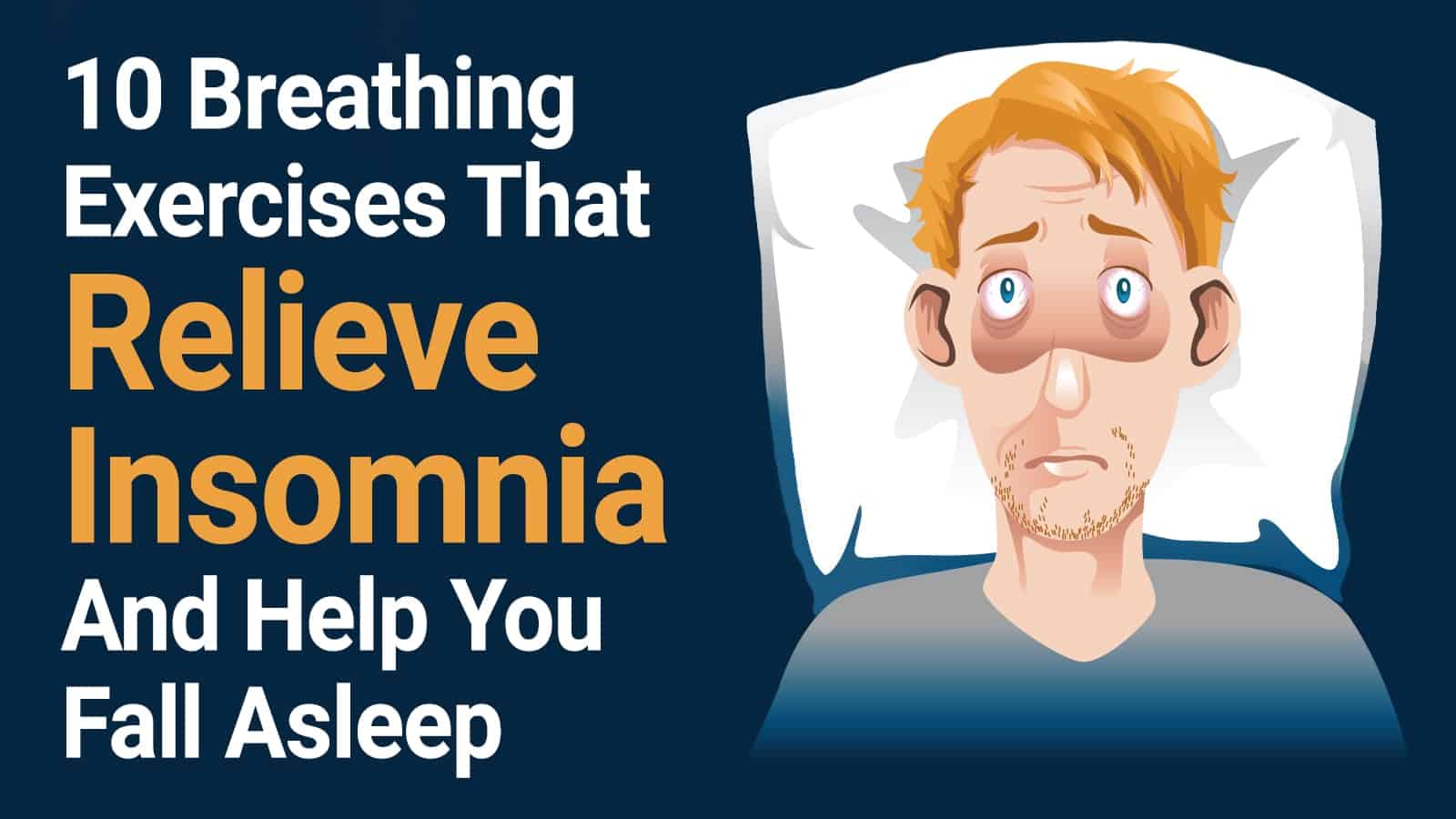
insomnia

Do you still use gadgets minutes before you shut your eyes? Studies have proven that this habit can disrupt your sleep cycle. Is your bedroom too messy or overly warm? The physical conditions around you can impact the quality of your sleep.

Make an effort to have a healthy routine and sleep conditions and see how much difference it will make in your sleep patterns. Don’t get used to the disorder and dysfunction; instead, listen to the signs your body is telling you.

Final Thoughts On Things Insomnia Can Tell You About Your Health

People spend nearly more than a fourth of their lives in bed but most don’t really make an effort to make their sleep quality count. If you make positive changes to how you sleep, you should see improvements right away if you’re suffering from acute insomnia.

But if your insomnia still lingers for weeks and months, you need to get a proper medical diagnosis for the disorder that’s really ailing you. There are individuals who don’t actually know that they’re not getting good sleep or suffering from insomnia. For this reason, a visit to the doctor or a specialist will be a big help.


15 Text Message Behaviors That Reveal A Man Is Falling In Love

Are you one of those people who has trouble figuring out if someone has a crush on you? Many of us can honestly say we’ve been a little oblivious on more than one occasion. And that’s when we’re face-to-face with the person who might be falling in love!

In this modern day and age, a lot of communication is done over text. Without body language cues, a clear and distinct tone of voice, or the chance of catching the other person visibly off-guard, figuring out if someone likes you is more difficult than ever.

Luckily, even in text, there are certain things that may reveal if the guy you’ve been talking to has the hots for you. Here are some text message behaviors that reveal a man is falling in love.

15 Text Message Behaviors That Reveal A Man Is Falling In Love

love quote

1.    He initiates conversation

A man who always texts first is taking time out of his day to contact you. Chances are, he wants to talk to you and knows the surest way to make that happen is to text right now!

This also goes for continuing a conversation. Someone who doesn’t want to keep talking will give nonchalant, one-word answers, or simply not seem very engaged in what you’re saying. They will make no effort to keep the exchange going.

Basically, if you always have to start conversations and keep them running, there’s a good chance the other person isn’t interested. Pay attention to who usually starts the conversation and what kind of replies he gives you.

2.    His texts are pretty long

Long texts indicate that someone is dedicating extra time to you. Instead of giving flippant one-word answers, he’s taking the time to compose lengthy messages. That means he wants to give you thoughtful answers that can be built on.

Long texts also tend to hold more information, making them good for ensuring continued conversation. So it could be a guy’s way of saying, “Let’s keep chatting!” After all, people pay attention and dedicate time to people they like – so there’s a good chance that this man likes you!

3.    He gives you thoughtful compliments

Compliments are wonderful in person and through text. If a man is handing out kind words to you left and right while he messages, he’s trying to make you smile. Basically, he’s being flirty in a very sweet way.

It’s even more of a sure sign that a man is falling in love if his compliments are specific. He might go beyond just saying you look pretty or are smart, instead complimenting the color of your eyes, praising your actions in a particular situation, or mentioning how he liked a particular outfit or perfume you wore.

4.    You share nicknames and inside jokes

Inside jokes and nicknames form a bond between two people. They’re almost intimate, in fact, because they’re something shared by only you and him. So if he’s given you a cute nickname that he uses when texting you, it’s because he likes you and is trying to flirt with you.

A man may also try to create inside jokes or reference moments you’ve shared together if he likes you. This is because these instances form a connection between you and he wants you to remember those special moments. It helps draw him closer to you, and it becomes your little secret.

5.    His replies come quickly

If it only takes a few minutes for someone to reply to your texts most of the time, there’s a good chance it’s an indication of strong feelings. He might even be excitedly awaiting your messages and probably can’t wait to get back to you!

Of course, sometimes a guy will be busy and not checking his phone for other reasons. After all, he has a life, too! And sometimes, dating “conventions” might force him to wait before he texts back for fear of seeming too eager. So you can’t know for sure if someone isn’t interested if they don’t always reply in a rush – but if they do, they just might be!

6.    He finds any reason to randomly text you

Sometimes, this guy just texts you out of the blue. He comes up with reasons to send you a message and shares things with you just to start a conversation. That’s how you know he really wants to talk to you and is falling in love!

This is even more true if he says he saw something that made him think of you, and that’s why he texted. This means that he’s not only trying to find a reason to message, he’s also trying to make it more personal to you. That’s a positive sign as far as his feelings for you are concerned!

7.    He uses flirtatious emojis

Emojis are a common part of texting language. What emojis he uses says a lot about whether or not he likes you. If he’s sending hearts, winks, or even the more suggestive emojis, he might have a big crush on you!

In addition, someone who usually doesn’t use emojis in text but does so with you has a high chance of being into you. They feel like being silly and flirty, just specially for you. That’s a definite honor!

8.    He asks you personal questions

Someone who is interested in you will want to know more about you. If he talks mostly about himself, random topics that have nothing to do with you, or just makes small talk, he might not be feeling it. If he’s falling in love, he’ll ask questions about you, what you like, and how your day was.

He might want to know what you enjoy so he can woo you, or ask about your dreams and goals so he knows how well your futures will match up. Given the fact that asking relevant questions makes someone more likable, don’t be surprised if you start having positive, lovey-dovey feelings about this guy too!

9.    He tries to make you laugh

A man who goes out of his way to send you jokes, puns, memes, and funny videos is totally into you. It shows that he wants to make you smile and improve your day – and possibly impress you. Plus, a compatible sense of humor is a factors in whether or not you would work out as a couple!

We all know that funny guys are amazingly attractive. Face it – a sense of humor is hot, and that’s a proven scientific fact! So it makes sense that text message behaviors involving humor are so effective. You’ll find yourself falling, too!

10.  He texts you first thing in the morning

Someone who texts you as soon as he wakes up, almost without fail, definitely has some feelings for you. It means you’re the first thing he thought of when he awoke. How sweet is that?

This means this guy greets you good morning as part of his daily habits. Maybe it helps him smile and start the day with positive thinking. Maybe it’s because he really wants you to like him and hopes the early texting will help his cause. Either way, it’s a lovely, telling gesture!

11.  He texts you goodnight

This goes the same way as the good morning texts. Someone who almost always makes sure to wish you goodnight before bed means you are the last thought he has every day. It also means that no matter how busy his day gets, he’s setting aside a little time just to talk to you, even for just a moment.

Of course, we don’t mean those sleazy “You up?” messages someone sends for a booty call. But hey, if he sends those too and you’re into it, it’s not something to complain about either way!

12.  He pretty much texts you all day long

We’ve covered mornings, we’ve covered nights, and we’ve covered random texts. But what does it mean if a guy is constantly sending you messages throughout the day? It doesn’t take a rocket scientist to see the meaning behind that!

If you and this man are always texting in one long unending conversation, even if there has to be some pause between messages sometimes, it’s a sure sign that he’s falling in love. He can’t get you out of his mind, and he wants to always communicate with you, even when you’re not together!

13.  He tells you about himself

We don’t just mean random things about himself, and we don’t mean non-stop self-centered blabbing with no break. What we do mean is how a man in love with you will share things about himself with you that he wouldn’t share with others.

This means when he talks about himself, it gets personal. He talks about his past and his future dreams. He talks about details of the day. He is emotionally open and vulnerable. This guy is basically letting you into his heart and seeing if you want to stick around through it. He’s a man who certainly cares what you think and wants to share his life with you!

14.  He tells you about good and bad news

When something great happens in this man’s life – a promotion, a vacation, or even a small improvement – he tells you right away. When something bad happens – the loss of a friend, a bad day, some small annoyance – he wants to tell you too.

This is a guy who wants to include you in his life. He wants to let you know about his life changes, no matter how big or small. If there’s news, you’ll be sure to know. He considers you special and important in his life and thinks about you constantly, so even in his moments of happiness and sadness, you’re at the forefront of his mind.

15.  He wants to do more than text you

Texting is fun and all, but it’s distant. This guy wants to call you, FaceTime you, and meet up in person. He might tell you over text what he’d love to do if he was with you. He might mention preferring to do things in person than over text. He’ll make plans to meet you and hang out, or go on dates, and make good on those plans.

falling in love

Even more sweetly, a man in love with you will say he wishes you were with him. He might be daydreaming about what it would be like to have you by his side. This is one of the surest signs there is, so what are you waiting for?

Final Thoughts On Text Message Behaviors That Reveal A Man Is Falling In Love

Is the guy you’re into showing you all these text message behaviors? Guess what – you’re in luck, and he might just be falling in love. Do with that information what you will!

But what if the man you’re interested in doesn’t exhibit these text message behaviors? Take a deep breath and practice positive thinking. Someone not being into you doesn’t spell the end of the world!

If after all this, you’re still not sure if he likes you or not, maybe it’s time to make the first move and ask! You’ll never know for sure until you take that first step. Good luck, and happy texting!

100 Positive Quotes About Success to Never Forget

While success means something different for everyone, it usually involves accomplishing some goal that you set your mind to. We all take different paths in life, but the ones who make it to the finish line have something in common: persistence. Whatever you want in life, you have to keep picking yourself back up after you fail and mustering up the courage to try again. Any successful person will tell you that the path to success is often paved by failure.

Of course, how you react to the failures ultimately determines your destiny. The people who keep grinding despite their shortcomings and learn from their mistakes make it to the top. Nothing that is worth it in life comes easily, so if you’ve been struggling on your path to success, read the following quotes about success to regain your motivation.

100 Quotes about Success to Never Forget

    1. “When you stop chasing the wrong things you give the right things a chance to catch you.” – Lolly Daskal
    2. “The will to win, the desire to succeed, the urge to reach your full potential? These are the keys that will unlock the door to personal excellence.” – Eddie Robinson
    3. “There is only one thing that makes a dream impossible to achieve: the fear of failure.”– Paulo Coelho
    4. “A successful man is one who can lay a firm foundation with the bricks others have thrown at him.” – David Brinkley
    5. “Don’t be afraid to stand for what you believe in, even if that means standing alone.” – Andy Biersack
    6. “Build your own dreams, or someone else will hire you to build theirs.” – Farrah Gray
    7. “Nobody ever wrote down a plan to be broke, fat, lazy, or stupid. Those things are what happen when you don’t have a plan.” – Larry Winget
    8. “When the past calls, let it go to voicemail. Believe me, it has nothing new to say.” – Unknown
    9. “Love what you have. Need what you want. Accept what you receive. Give what you can. Always remember, what goes around, comes around.” – Unknown
    10. “Let us make our future now, and let us make our dreams tomorrow’s reality.” – Malala Yousafzai


    1. “All you need is the plan, the roadmap, and the courage to press on to your destination.” – Earl Nightingale
    2. “Once we believe in ourselves, we can risk curiosity, wonder, spontaneous delight, or any experience that reveals the human spirit.” – E. E. Cummings
    3. “A No. 2 pencil and a dream can take you anywhere.” – Joyce Meyer
    4. “Happiness is not something you postpone for the future; it is something you design for the present.” – Jim Rohn
    5. “Follow your bliss and the universe will open doors where there were only walls.” – Joseph Campbell
    6. “Happiness is a butterfly, which when pursued, is always just beyond your grasp, but which, if you will sit down quietly, may alight upon you.” – Nathaniel Hawthorne
    7. “Success is no accident. It is hard work, perseverance, learning, studying, sacrifice, and most of all, love of what you are doing or learning to do.” –  Pele
    8. “Success is the result of perfection, hard work, learning from failure, loyalty, and persistence.” – Colin Powell
    9. “Your positive action combined with positive thinking results in success.” – Shiv Khera
    10. “The price of success is hard work, dedication to the job at hand, and the determination that whether we win or lose, we have applied the best of ourselves to the task at hand.” – Vince Lombardi
    11. “Ultimately, leadership is not about glorious crowning acts. It’s about keeping your team focused on a goal and motivated to do their best to achieve it, especially when the stakes are high and the consequences really matter. It is about laying the groundwork for others’ success, and then standing back and letting them shine.” – Chris Hadfield
    12. “At the end of the day, you are solely responsible for your success and your failure. And the sooner you realize that, the sooner you accept that, and integrate that into your work ethic, you will start being successful. As long as you blame others for the reason you aren’t where you want to be, you will always be a failure.” – Erin Cummings


  1. “I know of no single formula for success. But over the years I have observed that some attributes of leadership are universal and are often about finding ways of encouraging people to combine their efforts, their talents, their insights, their enthusiasm, and their inspiration to work together.” – Queen Elizabeth II

Here are 25 Dale Carnegie quotes about success, since he’s pretty knowledgeable about the subject:

    1. “If you are not in the process of becoming the person you want to be, you are automatically
      engaged in becoming the person you don’t want to be.”
    2. “Big shots are only little shots who kept on shooting.”
    3. “It isn’t what you have or who you are or where you are or what you are doing that makes you happy or unhappy. It is what you think about it.”
    4. “People rarely succeed unless they have fun in what they are doing.”
    5. “Do the hard jobs first. The easy jobs will take care of themselves.”
    6. “Take a chance! All life is a chance. The man who goes furthest is generally the one who is willing to do and dare.”
    7. “It is the way we react to circumstances that determines our feelings.”
    8. “The successful man will profit from his mistakes and try again in a different way.”
    9. “Most of the important things in the world have been accomplished by people who have kept on trying when there seemed to be no hope at all.”
    10. “Feeling sorry for yourself, and your present condition, is not only a waste of energy but the worst habit you could possibly have.”
    11. “When we hate our enemies, we are giving them power over us: power over our sleep, our appetites, our blood pressure, our health, and our happiness.”
    12. “Happiness doesn’t depend on outward conditions. It depends on inner conditions.”
    13. “Remember, today is the tomorrow you worried about yesterday.”


  1. “Our thoughts make us what we are.”
  2. “Be more concerned with your character than with your reputation, for your character is what you are, while your reputation is merely what others think you are.”
  3. “If you want to keep happiness, you have to share it.”
  4. “Develop success from failures. Discouragement and failure are two of the surest stepping stones to success.”
  5. “No matter what happens, always be yourself.”
  6. 42. “Nothing can bring you peace but yourself.”
  7. “One reason why birds and horses are not unhappy is because they are not trying to impress other birds and horses.”
  8. “You can’t win an argument. You can’t because if you lose it, you lose it; and if you win it, you lose it.”
  9. “Today is our most precious possession. It is our only sure possession.”
  10. “If you want to gather honey, don’t kick over the beehive.”
  11. “All men have fears, but the brave put down their fears and go forward, sometimes to death, but always to victory.”
  12. “The expression one wears on one’s face is far more important than the clothes one wears on one’s back.”

The following 19 quotes about success are from Steve Jobs, one of the most successful innovators and businessmen to date:

  1. “I’m convinced that about half of what separates the successful entrepreneurs from the non-successful ones is pure perseverance.”
  2. “My job is not to be easy on people. My job is to make them better.”
  3. “Have the courage to follow your heart and intuition. They somehow know what you truly want to become.”
  4. “Let’s go invent tomorrow rather than worrying about what happened yesterday.”
  5. “If today were the last day of your life, would you want to do what you are about to do today?”
  6. “Your work is going to fill a large part of your life, and the only way to be truly satisfied is to do what you believe is great work. And the only way to do great work is to love what you do. If you haven’t found it yet, keep looking. Don’t settle. As with all matters of the heart, you’ll know when you find it.”
  7. “Life is about creating and living experiences that are worth sharing.”
  8. “We don’t get a chance to do that many things, and everyone should be really excellent. Because this is our life. Life is brief, and then you die, you know? And we’ve all chosen to do this with our lives. So it better be damn good. It better be worth it.”
  9. “Be a yardstick of quality. Some people aren’t used to an environment where excellence is expected.”
  10. “You can’t connect the dots looking forward; you can only connect them looking backward. So you have to trust that the dots will somehow connect in your future. You have to trust in something—your gut, destiny, life and karma, whatever. This approach has never let me down, and it has made all the difference in my life.”
  11. “Here’s to the crazy ones, the misfits, the rebels, the troublemakers, the round pegs in the square holes…. The ones who see things differently—they’re not fond of rules…. You can quote them, disagree with them, glorify or vilify them, but the only thing you can’t do is ignore them because they change things…. They push the human race forward, and while some may see them as the crazy ones, we see genius, because the ones who are crazy enough to think that they can change the world are the ones who do.”
  12. “Sometimes when you innovate, you make mistakes. It is best to admit them quickly, and get on with improving your other innovations.”
  13. “A lot of companies have chosen to downsize, and maybe that was the right thing for them. We chose a different path. Our belief was that if we kept putting great products in front of customers, they would continue to open their wallets.”
  14. “You can’t just ask customers what they want and then try to give that to them. By the time you get it built, they’ll want something new.”
  15. “You know, my main reaction to this money thing is that it’s humorous, all the attention to it, because it’s hardly the most insightful or valuable thing that’s happened to me.”
  16. “My model for business is The Beatles. They were four guys who kept each other’s kind of negative tendencies in check. They balanced each other, and the total was greater than the sum of the parts. That’s how I see business: Great things in business are never done by one person, they’re done by a team of people.”
  17. “Creativity is just connecting things. When you ask creative people how they did something, they feel a little guilty because they didn’t really do it. They just saw something. It seemed obvious to them after a while.”
  18. “Design is not just what it looks like and feels like. Design is how it works.”
  19. “When you’re a carpenter making a beautiful chest of drawers, you’re not going to use a piece of plywood on the back, even though it faces the wall and nobody will see it. You’ll know it’s there, so you’re going to use a beautiful piece of wood on the back. For you to sleep well at night, the aesthetic, the quality, has to be carried all the way through.”

More quotes about success to keep your fire burning:

  1. “Success is not final; failure is not fatal: It is the courage to continue that counts.” – Winston S. Churchill
  2. “It is better to fail in originality than to succeed in imitation.” – Herman Melville
  3. “The road to success and the road to failure are almost exactly the same.” – Colin R. Davis
  4. “Success usually comes to those who are too busy to be looking for it.” – Henry David Thoreau
  5. “Opportunities don’t happen. You create them.” – Chris Grosser
  6. “Don’t be afraid to give up the good to go for the great.” – John D. Rockefeller
  7. “I find that the harder I work, the more luck I seem to have.” – Thomas Jefferson
  8. “There are two types of people who will tell you that you cannot make a difference in this world: those who are afraid to try and those who are afraid you will succeed.” – Ray Goforth
  9. “Successful people do what unsuccessful people are not willing to do. Don’t wish it were easier; wish you were better.” – Jim Rohn
  10. “Try not to become a man of success. Rather become a man of value.” – Albert Einstein
  11. “I never did anything worth doing by accident, nor did any of my inventions come indirectly through accident, except the phonograph. No, when I have fully decided that a result is worth getting, I go about it, and make trial after trial, until it comes.” – Thomas Edison
  12. “Stop chasing the money and start chasing the passion.” – Tony Hsieh
  13. “Success is walking from failure to failure with no loss of enthusiasm.” – Winston Churchill
  14. “I owe my success to having listened respectfully to the very best advice, and then going away and doing the exact opposite.” – G. K. Chesterton
  15. “Would you like me to give you a formula for success? It’s quite simple, really: Double your rate of failure. You are thinking of failure as the enemy of success. But it isn’t at all. You can be discouraged by failure or you can learn from it, so go ahead and make mistakes. Make all you can. Because remember that’s where you will find success.” – Thomas J. Watson
  16. “If you are not willing to risk the usual, you will have to settle for the ordinary.” – Jim Rohn
  17. “Keep on going, and the chances are that you will stumble on something, perhaps when you are least expecting it. I never heard of anyone ever stumbling on something sitting down.” – Charles F. Kettering
  18. “Do one thing every day that scares you.” – Anonymous
  19. “All progress takes place outside the comfort zone.” – Michael John Bobak
  20. “People who succeed have momentum. The more they succeed, the more they want to succeed, and the more they find a way to succeed. Similarly, when someone is failing, the tendency is to get on a downward spiral that can even become a self-fulfilling prophecy.” – Tony Robbins
  21. “Don’t let the fear of losing be greater than the excitement of winning.” – Robert Kiyosaki
  22. “If you really look closely, most overnight successes took a long time.” – Steve Jobs
  23. “The real test is not whether you avoid this failure, because you won’t. It’s whether you let it harden or shame you into inaction, or whether you learn from it; whether you choose to persevere.” – Barack Obama
  24. “The only limit to our realization of tomorrow will be our doubts of today.” – Franklin D. Roosevelt
  25. “Character cannot be developed in ease and quiet. Only through experience of trial and suffering can the soul be strengthened, ambition inspired, and success achieved.” – Helen Keller
  26. “The way to get started is to quit talking and begin doing.” – Walt Disney
  27. “The successful warrior is the average man, with laser-like focus.” – Bruce Lee
  28. “There are no secrets to success. It is the result of preparation, hard work, and learning from failure.” – Colin Powell
  29. “Success seems to be connected with action. Successful people keep moving. They make mistakes, but they don’t quit.” – Conrad Hilton
  30. “If you really want to do something, you’ll find a way. If you don’t, you’ll find an excuse.” – Jim Rohn
  31. “I cannot give you the formula for success, but I can give you the formula for failure—It is: Try to please everybody.” – Herbert Bayard Swope
  32. “Success is not the key to happiness. Happiness is the key to success. If you love what you are doing, you will be successful.” – Albert Schweitzer
  33. “Success isn’t just about what you accomplish in your life; it’s about what you inspire others to do.” – Unknown

Final thoughts

We hope these quotes about success will help you stay on the path to achieving your dreams and keep you motivated when you feel like giving up. Just remember that no one who ever reached their goals had an easy journey. They all had to make huge sacrifices in regard to time, money, and energy in order to make their dreams a reality.

success

Obviously the road to success might take a while to navigate, but think about how good it will feel to look back on your journey from the finish line. Think about how you’ll feel years from now when you can say that you made it and didn’t give up despite all the obstacles you faced. You can make the choice today to start living your dreams; once you have the momentum, you won’t want to stop until you’ve shown the world (and yourself) what you’re capable of!

We leave you with a few more quotes about success from Oprah:

“Everybody has a calling. And your real job in life is to figure out as soon as possible what that is, who you were meant to be, and to begin to honor that in the best way possible for yourself.”

“The key to realizing a dream is to focus not on success but on significance – and then even the small steps and little victories along your path will take on greater meaning.”

“Create the highest, grandest vision possible for your life, because you become what you believe.”

“You have to know what sparks the light in you so that you, in your own way, can illuminate the world.”

“My philosophy is that not only are you responsible for your life but doing the best at this moment puts you in the best place for the next moment.”

Experts Explain 5 Signs Someone Has A Hidden Anxiety Disorder

The symptoms of anxiety disorder are not immediately evident. Some people suffering from this mental condition will not be vocal about the way they feel and some will consciously cover up their anxieties.

Studies show that four out five people with anxiety are likely to appear as though nothing is bothering them. They’ll put on a brave face as much as possible so that it’s not always easy to see when something is wrong.

But when someone is struggling with their feelings and emotions, it can be critical that you recognize telltale signs. If you think someone you care about is suffering from anxiety, below are some signs to watch out for according to experts.

Experts Explain 5 Signs Someone Has A Hidden Anxiety Disorder

1.    They seem always on the edge because they fidget a lot

Someone with a hidden anxiety disorder may pace a lot instead of standing still while waiting in a corner. This person might also fidget and act restless when sitting down for a few minutes. So, why can’t a person with anxiety disorder stay still? Well, according to the expert, this has to do with how the body responds when stress hormones are elevated due to anxiety.

A raised level of stress hormones signals the body to prepare for a sudden exertion. So, the person with an anxiety disorder fidgets with things, jiggles his legs, or bites his nails in order to find relief.

Experts at the University of Hertfordshire learned that fidgeting actually promotes a positive response for someone with anxiety. So, it might not actually be helpful to tell the person to stop fidgeting because this is a natural and biological response to stress, according to the experts.

So, if you know someone who fidgets a lot, it might be better to provide a fidgeting tool or toy. People with anxiety disorders can be calmed down by these common features of a fidgeting tool:

  • Repetitive – mindless activities that they do over and over with the tool helps lower their anxiety level.
  • Textured – an item they can pull apart, bounce, click or squish can keep their mind occupied.
  • Sentimental value – attachment to the item gives anxious people immense comfort.

2.    They have poor sleeping habits

Insomnia and other forms of sleep issues are very common for people suffering from anxiety disorders. This is actually a catch-22 situation as the lack of sleep may cause anxiety or anxiety can result in the lack of sleep.

If your loved one is suffering from poor sleep, here are a few things to observe:

  • Is she having trouble getting some sleep?
  • Does he seem to be a light sleeper, or is he having difficulty staying asleep?
  • Is she an early riser no matter even if she slept late at night?
  • Does he wake up feeling unrefreshed and more tired?

There are proven health risks associated with poor sleep. Aside from the physical weakness, someone suffering from anxiety may have exacerbated mood disorders because they are sleep-deprived. It’s important to encourage and convince a loved-one with a sleep disorder to see a therapist to address the anxiety disorder. But talking to someone about their mental health should be done at the right time.

As for the sleep issues, express support for your loved one in establishing positive sleeping habits. If your partner needs to be in bed by 9 p.m., then you may also have to eat dinners earlier, avoid watching Netflix in bed, or put gadgets out of the bedroom. You may also have to encourage them eliminating the following:

  • Caffeine and alcohol
  • Smoking
  • High-fat foods

Also, try to encourage a person with sleep problems to have some form of regular exercise or physical activity during the day. However, insomnia may not be resolved unless your partner sees a therapist, so convincing your loved one to get help should be the ultimate goal.

3.    They needlessly and excessively worry or have irrational fears

Excessive worrying and having irrational fears are the most common symptoms of an anxiety disorder. People who suffer from this condition can view problematic instances and events in their life as so magnified that you might call your friend a drama queen.

So, how can you help a friend who worries too much? First, understand that your anxious friend may not be completely aware of the type of anxiety disorder she’s experiencing. According to the U.S. Department of Health and Human Services, there are five different kinds of major anxiety disorders but these conditions also have various types:

  • General anxiety disorder (GAD) or chronic anxiety.
  • Obsessive-compulsive disorder (OCD) or having recurrent thoughts and repetitive behaviors.
  • Panic disorders or intense fears that lead to chest pains, palpitations, abdominal distress, shortness of breath and dizziness.
  • Post-traumatic stress disorder (PTSD) or the effects of exposure to a terrifying experience.

It might be frustrating to help out a friend who doesn’t know why she’s worrying too much or having an anxiety attack. It takes time and effort to apply practical solutions to this situation since a person with an anxiety disorder will feel like she’s losing control of her life. But if this person really matters to you, then you will make an effort to educate yourself about the condition and try to de-stigmatize what your friend is going through.

How You Can Help

Reassure your friend when she’s starting to show behaviors of excessive worrying that while problems may keep coming, she will still be able to cope with it. Let her know that she can be in control of the situation because having anxiety doesn’t make her weak, incompetent, or flawed.

But your friend might also show patterns of reassurance-seeking behaviors with excessive worrying. In this situation, it would be best for her to work with a therapist who can devise for her a proper way to disrupt destructive patterns.

If your friend has indeed gotten professional help, show support by asking her, from time to time, about what she and her therapist have been working on. Always keep a positive approach when asking about any useful insights she has learned from her doctor and if she’s happy with her therapist.

4.    They get very irritable

Anxiety can make a person irritable. If you know someone who’s easily infuriated about the little things, then he may be suffering from anxiety and may not realize it. His irritability may be frequent or persistent. It may also escalate into other feelings like fear, nervousness, and stress. This angry state might come in waves. One minute, he’s exploding in anger at someone and the next minute the anger eases off.

Others might view this as a character flaw or an attitude problem. But some experts believe that this may be rooted in biology. Specifically, irritability caused by anxiety might be due to the hyperstimulation of how their brain cells respond to stress. The more hyper-stimulated the sensory receptors are, the more his reactions are over-dramatic, intense, and overpowering.

Try to minimize the stress triggers to help someone with irritability anxiety. Suggest to your friend that he also needs to work with a therapist to teach him how to underreact, as in an anger management workshop. This requires a great deal of patience, control, and persistent reinforcement.

There are also short-term solutions to lower irritability anxiety:

  • Take frequent breaks at work.
  • Get a good night’s sleep as much as possible.
  • Walk away from a tense situation, like an argument, to cool down.
  • Find a hobby to help the body de-stress.

Anxiety-related irritability, however, will not be completely gone if it’s not managed and treated well. So, working with a therapist is still necessary because there are underlying factors that must be addressed.

5.    They complain a lot about body pains and are actually physically prone to diseases

A person with an anxiety disorder may experience muscle pains more often than normal. They might also suffer from other physical ailments and frequently need to take pain medication. They may also move about or engage in physical activities less because they feel their body is heavy and tired all the time.

The association between anxiety and muscle tension is still not explicitly clear for the experts. But studies have shown that it’s also another biological and physiological response to stress, according to the Anxiety Centre in the U.K.

Apparently, the body becomes more resilient to attacks with tight muscles. In ordinary cases, this muscle tension eases off when the stress triggers are gone but, obviously, it’s different with chronic anxiety. If the body is frequently subjected to stress triggers, then the body will remain in this state where the muscles are always tensed. Thus, the muscle pain and the headaches become common for a person with anxiety disorder.

anxiety disorder

Since there could be many medical reasons for body pain, encourage your friend to get a proper diagnosis from a doctor. If it has been determined that the muscle tension is anxiety and stress related, and not another medical condition, seek a therapist’s help to flesh out the underlying cause of the anxiety.

There can be ways to get quick relief from muscle pains, such as:

  • Regular massages
  • Light exercises
  • Leisure walks
  • Deep breathing and relaxation techniques
  • Morning and bedtime stretch
  • Good sleep
  • Warm baths

Final Thoughts On Signs Someone Has A Hidden Anxiety Disorder

There are too many misconceptions about mental health disorders. But if you’re aware and informed, you can approach a person suffering from anxiety disorders in a positive and helpful way.

Broach the conversation about seeking help to your spouse, relative, or friend in a private place when he or she is in a good mood. As much as possible, resist the urge to come up with a group intervention, especially if this is your first time to talk about it. You need to exercise sensitivity and respect the other person’s struggles.

Be prepared for some resistance as well. People with anxiety disorders may not easily accept that they need to seek help. When you talk to this person, emphasize that they are important to you. Help them understand that you want them to benefit from therapy sessions with a licensed professional. They might be scared and anxious to open up to other people about their problems. Therefore, give assurance that you will be there to offer support.

Science Explains How Papaya Helps You Lose Weight Fast

Papaya is a nutrient-dense fruit that you have likely walked past hundreds of times in the supermarket. It does not look that fascinating from the outside. Thick green skin hides its beautiful deep orange flesh and black seeds.

Fruit is an essential part of a balanced diet. Sure, they contain natural sugars, so some diets caution against them. What they overlook is how eating papaya for weight loss can provide essential vitamins, minerals, and fiber. Just remember to choose the fresh variety. Dried fruits have higher sugar content, or even added sugars.

About Papaya

Christopher Columbus coined it the “fruit of the angels.” Native to Mexico, papayas or pawpaws provide a bright sweet and slightly sour note to your taste buds. You can eat the seeds too, which add a layer of delightful spicy bitterness to many dishes. Currently, 22 varieties of the fruit exist, each with subtle differences in flavor.

A Single 1-cup Serving contains:

• Calories: 54 g
• Fat: 0.2 g
• Carbohydrates: 13.7 g
• Fiber: 2.5 g
• Protein: 0.9 g

Vitamins and Minerals

• Vitamin A: 31%
• Vitamin C: 144%
• Folate: 13%
• Vitamin E: 5%
• Vitamin K: 5%
• Calcium: 3%
• Iron: 1%
• Magnesium: 3%
• Potassium: 10%
(1)

Where and How to Buy a Papaya

Most supermarkets carry the fruit year round, which comes from Mexico and Hawaii. While they might not taste different to most palates, they do have some variances.

First, most Hawaiian papayas are genetically modified (GMO) unless they are certified USDA organic. Some people prefer to avoid these in their diet. Mexican varieties have not been modified, but they are typically grown with conventional methods. The second difference is size and weight. Hawaiian papayas will weigh about one pound. Mexican ones can weigh upward of 10 pounds.

You can eat papayas unripe, slightly ripe, or ripe. Luckily, you can use the papaya’s skin to guide you. If it is mostly green, it is unripe. Does the skin appear to be half-green and half-reddish yellow? You are holding a slightly ripe fruit. Once 80% or more of the skin is no longer green, your fruit is ripe.

Science Explains Why Eating Papaya for Weight Loss Works and Does Not

Remember, everyone’s body can react differently. We also lose weight at different rates since factors other than food choices can work for or against us. Whether you introduce a new food or you overhaul your diet, if you are aiming to lose weight, the best healthy eating plan will be the one you can stick to. (23)

Low Glycemic Index and Load

Despite its sugar content, the fruit has a relatively low glycemic index (GI) score of three. A diet rich in low-GI-scoring foods promotes weight loss because they do not spike blood sugar levels, which can lead to overeating. Low GI foods also tend to be higher in dietary fiber. (4)

A low GI diet focuses and promotes mostly whole foods, which gives the lifestyle merit. It can also be vegetarian and vegan friendly.

You might not lose weight fast beyond the first few weeks, but replacing belly-bloating foods with nutritious choices will certainly help you lose weight and keep it off.

Papain Enzyme

Unfounded health claims make it difficult to extract truth from fiction. This is unfortunately true in regards to papain and rapid weight loss.

Yes, the fruit contains papain, which is a beneficial enzyme in numerous topical ways. It will not melt fat or speed up your metabolism. This hypothesis came from papain’s ability to tenderize meat. It will assist in breaking down animal fat, muscle, and tendons.

Zero scientific evidence supports this claim in human or animal studies, so be wary of supplements marketed toward dieters. Our digestive system destroys the enzyme.

However, as stated, it is a beneficial fruit to consume in moderation for your overall health. Additionally, choosing fresh fruit over dried types or unhealthy foods will assist you in achieving your weight loss goals in the long run.

Topically speaking, the enzyme, antioxidant profile, and rich vitamin content of the fruit can do wonders for your skin’s health and possibly delay aging. Because the mashed fruit does not affect moisture, it is a viable face mask for multiple skin types. One study showed an improvement in tone evenness too.(5)

Consume as Part of a High Fiber Diet for the Fastest Results

Diets high in fiber do promote weight loss. How fast your weight comes off will vary. For example, if you are constipated, papaya can work as a natural laxative and clean you out. It can also reduce bloating and give you a flatter looking stomach. (678)

Again, this occurs because of the papain enzyme, and in part, the high water content of the fruit. Thirdly, the soluble fiber assists the process. This type of fiber adds bulk to your stools and makes them easier to pass through your digestive tract. (9)

Most people, even those consuming relatively healthy diets, might not get enough fiber from their food choices. It can take planning and a conscious effort to meet your recommended intake, but adding fruit can certainly make it doable without feeling like you’re eating tree bark.

A serving or two of this fruit can also assist you if your constipation and bloating stem from overindulgence, consuming too much dairy or constipation-causing foods, or you have eaten too much insoluble fiber. The latter fiber type slows down your digestive process, but you should not avoid it as it offers healthful gut benefits too. Instead, seek to balance both types of fiber in your diet for optimal gut health.

A Convenient, Versatile, and Portable Fruit

When we plan meals (and snacks) ahead of time, we are less tempted to splurge or overeat. Packing whole or cut fruit can assist you in your long-term weight loss goals.

You can eat it by itself or put in a smoothie. It adds a layer of flavor to savory dishes too. Chances are you will find a way to enjoy the fruit; just be sure to exercise moderation as you would with any fruit.

Precautions When Adding Papaya for Weight Loss

If you have a latex allergy or sensitivity, consuming the fruit can cause an allergic reaction. Consult with an allergist, doctor, or naturopath to have an in-office allergy test to rule out a severe reaction.

If you are pregnant or nursing, speak with your doctor or midwife. In 2002, an animal-based study showed a possible correlation between the unripe and semi-ripe fruit and birth related issues. More research is needed, but err on the side of caution.

If you are a diabetic or hypoglycemic, the papain in the fruit might lower your blood sugar to dangerous levels. Papain is also a blood thinner, so anyone already taking this type of medication should use caution when eating them.

Other Health Benefits of Papaya

• You might lower blood pressure.
• You might protect against cancer.
• Existing inflammation in your body may diminish, along with related pain.
• You might heal faster.
• You might naturally lower your blood sugar.
• Your immune system may receive a boost.

Consider the above list as additional reasons to include it in your diet or lifestyle. Multiple studies do suggest that consuming the fruit offers a wide array of healthful benefits that support weight loss. For example, if you cannot exercise because of inflammation-related pain, consuming a serving of fruit might reduce your discomfort enough so that you are able to workout.

Make Your Weight Loss Journey More Than a Diet

Diet is a broad word. A word that sees too much abuse and stigma. What a diet should mean is the foods you eat. Diet should not mean only weight loss. We throw it around as if it is a short-term medication that will cure bad habits, but the majority of serial dieters fail.

Choose lifestyle changes over a weight loss diet. People who make changes for life tend to succeed. Make real modifications to how and what you eat, and you will have a greater chance to keep your better habits for life.

papaya for weight loss

We would also like to note that eating for your health rather than a number on the scale might be more beneficial in the end. The diet mentality can set you up for greater failure, including doing a number on your stress and mental health.

Think of your last diet. When you messed up, did you shrug it off and jump back on the saddle? If you did not, you are certainly not alone. Even a planned cheat day can leave us feeling like we are complete failures, which then leads to more bad choices and often quitting.

Choosing to make changes for life removes the negative box a diet can put into your mind. Yes, you can still count calories, fat, carbs, or whichever metrics you want, but a lifestyle change offers more freedom and less guilt.

Final Thoughts on Papaya for Weight Loss

Papaya is a healthy fruit to enjoy in moderation and adds well to nearly any lifestyle except strict keto diets. It is an excellent source of vitamin C, which is a powerful antioxidant, as well as other essential vitamins and minerals. It is also low in fat and calories, and its low GI makes it suitable for those monitoring their blood sugar or A1C.

The fruit’s high fiber content might offer you the most benefit for fast weight loss if you suffer from bloating or constipation. If your bowel habits are fine, you can still enjoy it as part of your healthy eating plan without guilt.

Researchers Explain The Simple Test That Reveals If You Have a Candida Infection

A candida infection is a type of yeast infection that can be caused by various factors. Most kinds are easily treatable, but when left without proper treatment, they can increase in severity and have significant impacts on health.

Due to their nature, symptoms of this issue tend to be widespread throughout the body, making it difficult to determine the root cause. This also often results in the possibility of Candida overgrowth getting overlooked as a potential cause.

Luckily, there is an easy way to determine whether or not Candida overgrowth is something you should be concerned about. Even better, this way doesn’t require expensive doctor’s appointments or invasive examinations.

Believe it or not, there is an incredibly easy and completely free test that you can do at home to determine whether or not you have yeast overgrowth. Here’s how researchers explain the simple test that reveals if you have a Candida infection.

Simple Test That Reveals If You Have A Candida Infection, According To Researchers

1.    What is candida?

Candida is a type of fungus – a yeast, to be specific – that lives in the body. Like many types of fungus, it is perfectly safe and harmless in the body in small amounts. It usually lives in the stomach, on skin, and around the mouth.

However, just as with all fungi, there is a chance that the body’s environment can change and allow it to multiply. In situations like this, Candida can grow exponentially and soon become out of control. At this point, this becomes a Candida infection that is medically known as candidiasis.

What happens when you have a candida infection?

  • Essentially, the fungus has the ability to change its properties and shape in order to thrive even in harsher environments.
  • It can shift between an elongated shape as a hyphal cell or a rounded shape as a yeast cell in response to the body’s acidity or temperature.
  • This means it can easily permeate different organs in the body and survive under bad conditions.

Candida often permeates the intestines, causing issues such as leaky gut, which then cause a whole host of bad microorganisms to pass into the bloodstream. This can include bacteria, viruses, and all types of toxins and leftover bits from food.

The immune system will then respond by causing inflammation to kill these bad things – but the infection doesn’t stop, leading to the weakening of immunity and causing exhaustion. Soon, immune system function becomes less accurate, causing innocent and positive parts of the body to become its targets.

In severe cases, when left untreated, a Candida infection can develop into an autoimmune disease. This is why it is so important to notice and treat this type of overgrowth. Unfortunately, due to the fact that the fungus can get anywhere in the body, symptoms can be extremely wide-ranging and difficult to pin down. That’s why easy tests are needed.

2.    What is the test?

The test is a spit test that is able to detect yeast in your saliva. This is because saliva is a highly fertile area for yeast. Yes, it might sound slightly gross to conduct a spit test, but practice some positive thinking! After all, this could make all the difference in your awareness of infection. Here are the steps to conducting the test properly.

  • 1: Do this first thing in the morning, before brushing your teeth or doing anything else.
  • 2: Get a clear glass and fill it with filtered water that is at room temperature.
  • 3: Work up a spit by gathering as much saliva as you can in your mouth.
  • 4: Spit into the glass. Wait between one and three minutes, or up to fifteen minutes, then look inside the glass and see what you find.

So, you’ve done the test – now, what are you looking for?

Saliva will float at first, and you may see thin, hair-like or string-like organisms in the water, extending downwards from your saliva. This is a sign of a Candida infection. Another potential sign of yeast overgrowth that you will see in your glass is a cloudy area or speckles in a cloud floating, suspended, in the center of the glass.

In addition, healthy, plain saliva will easily float to the top of the water. If your saliva starts to sink in a few minutes, this is because yeast particles inside it are making it more dense. This is also a sign of overgrowth. You can leave your glass out for up to an hour, and if your saliva is still floating by the end of that time, then you likely do not have a Candida infection.

If it takes many minutes before any of these symptoms show, you have Candida overgrowth, but it is not very severe. Just take steps to combat it!

Unfortunately, although this test works a lot of the time, it is not 100% foolproof. If you are experiencing severe symptoms but this spit test doesn’t show you have a Candida infection, speak to a doctor or opt for a different test!

3.    Symptoms of candida

There are many symptoms that show you may be experiencing a Candida infection. Here are a few to look out for:

  • Fungal infections on the skin and/or nails
  • Skin itchiness or issues
  • Itching around the genitals
  • Itching around the ears
  • Increased allergy severity
  • Tiredness and fatigue
  • Lack of focus
  • Poor memory
  • Brain fog
  • Decreased positive thinking
  • Mood swings
  • Irritability
  • Depression
  • Anxiety
  • Diarrhea
  • Constipation
  • Bloating
  • Strong cravings for sugar
  • Strong cravings for carbs

There are also some medical conditions that could either may you more susceptible to or stem as a result of Candida infection. Here are some of them:

  • Ringworm
  • Athlete’s foot
  • Toenail fungus
  • Eczema
  • Hives
  • Rashes
  • Urinary tract infections
  • Vaginal infections
  • Fibromyalgia
  • Chronic fatigue syndrome
  • Anxiety
  • Depression
  • Hashimoto’s thyroiditis
  • Ulcerative colitis
  • Rheumatoid arthritis
  • Psoriasis
  • Multiple sclerosis
  • Scleroderma
  • Lupus
  • ADHD or ADD

4.    Causes of Candida infection

We know that prevention is better than cure. As such, it’s vital that you are aware of certain things that can put you at higher risk of developing a Candida infection. This way, you can make appropriate life changes or take precautionary measures to avoid it. Here are the common causes of candidiasis.

a)    A bad diet

Eating food loaded with carbs, refined grains, and sugar is a surefire way to encourage and foster yeast development. Drinking a lot of alcohol can lead to this too. All of this is because the body processes sugar in a way that gives yeast a thriving environment, allowing them to multiply quickly and easily.

b)    Chronic stress

Those who suffer from chronic stress know that it has the ability to slow down the immune system and cause the digestive system to function less efficiently. This is because of the stress hormone released when you feel this way.

Known as cortisol, this hormone is well-known for increasing blood glucose levels. The yeast can then use the excess glucose to thrive.

On top of that, high levels of cortisol production can cause the adrenal gland, which is responsible for making cortisol, to malfunction. This can lead to even worse immunity.

c)    Oral contraceptives

Due to the hormonal imbalance caused by birth control pills, being on contraceptives can be a risk factor for Candida infection – especially if you don’t pay extra attention to your health on top of that.

d)    Medication and antibiotics

Antibiotics kill all kinds of bacteria, including positive ones in your digestive system. This means that you are at a higher risk of fungal growth, as you don’t have the good bacteria needed to fight them off.

e)    Fermented food

If you already have a mild Candida infection, eating food that has been fermented can further add to the infection and make it worse.

f)     Autoimmune diseases

If you have an autoimmune disease that means you are immunocompromised, you are automatically more at risk for Candida infections than those with strong immune systems.

5.    Other tests for candida

There are other ways to test for Candida infection aside from the spit test. Here are a few methods you can use.

a)    CBC tests

CBC tests, or Complete Blood Count tests, can potentially reveal warning signs of Candida overgrowth. Examples include a low count of white blood cells and lymphocytes and a higher pattern of neutrophil.

b)    Blood tests

Blood tests test for a variety of things, and one of them is for Candida antibodies. They test for IgA, IgG, and IgM. High levels of these indicate an overgrowth and possible infection. However, it is important that tests are taken specifically to check for Candida overgrowth, or you risk a false negative.

candida infection

c)    Urine tests

The Urine Organix Dysbiosis Test is capable of detecting a product known as D-Arabinitol, which is a waste material that comes from an overgrowth of Candida. Too much of the product points to the presence of the fungus in the small intestines or upper area of the gut.

d)    Stool tests

These tests are virtually the most accurate. They test for Candida presence along the lower intestines and colon. It is important that the stool tests performed are comprehensive, and not standard, in order for the proper analysis to be performed.

e)    Home tests

There are a large number of tests in the market that can be used at home to test for Candida overgrowth. Do a little research and filter out the reliable from the inaccurate, and you should be able to purchase one that works best.

There are also plenty of free tests that can be done at home, though you’ll have to filter out inaccuracies more seriously in this case.

Final Thoughts On A Simple Test That Reveals If You Have A Candida Infection

Candida infections are surprisingly common among the population, given the fact that more than 85% of people have a risk of developing this issue. As such, an easy, inexpensive, and effective way to test for these infections is crucial.

By using this simple test that reveals if you have a Candida infection, you will be able to easily determine whether yeast overgrowth is the cause behind your symptoms. Even better, you will be able to detect the beginning of a minor infection and treat it before it gets worse.

If your spit test shows a high chance of Candida overgrowth, it is recommended that you speak to a doctor or purchase over the counter medication in order to help it recover. If you are experiencing a lot of symptoms but do not test positive for Candida, speak to your doctor immediately.

10 Reasons Women Leave Their Relationship (Even When They’re In Love)

Love and romance are beautiful things. But in a long-term relationship, love alone isn’t enough to ensure a healthy, balanced, happy partnership. That’s why, sometimes, someone can be deeply in love but still choose to break up with their romantic partner.

It’s truly heartbreaking when this happens. What makes it even sadder is that, usually, the reasons behind a decision like this could have been prevented. These things are often subtle but alarmingly significant.

In many cases, it is these things that make all the difference between The One and someone who is just a temporary partner. Here are some reasons women leave their relationship, even when they’re in love.

10 Reasons Women Leave Their Relationship Even When They’re In Love

relationship

1.    A lack of presence

When you’re in a relationship with someone, you want to be with them. You want to spend time with them. You want to take comfort in each other’s presence, enjoy meals and dates, and just be next to each other. But sometimes, a partner has every excuse for not being present enough.

  • They might spend all their time with friends.
  • They might work late nights 90% of the time.
  • Their free time may be entirely occupied with hobbies.

All that leaves their partner shoved in a corner, the bottom of their priority list – or, at least, nowhere near the top. The saddest part is that people who do this are often good people who are not acting this way out of malice.

Justice Schanfarber, a well-known marriage counselor, states that this happens to even the best of people. But those who do this take their girlfriend or wife for granted, which never bodes well for any relationship.

2.    Feeling alone and unacknowledged

Everyone wants to feel like they matter, even just to the most important people in their lives. If a woman is alone without her partner to support her, she may wonder if she’s important at all to them and decide to move on.

This means that when the woman in your life talks about her problems, you shouldn’t dismiss them or tell her she needs to relax. When she discusses something she’s excited or passionate about, you shouldn’t just nod and look back at your phone in the next two seconds. When she talks about plans for the future or an idea she has, you shouldn’t dismiss it or say it’s ridiculous.

The loneliness that comes with being with a partner who refuses to participate in or acknowledge anything is painful. It can make a woman feel worthless – something she will one day realize she doesn’t deserve.

3.    Insecurity

We all have moments of insecurity, and there’s nothing wrong with some dashes. Talking about insecurities with your partner is a great way to grow closer to each other. But when that insecurity overshadows everything in your relationship, it could push a woman to leave.

Insecurity breeds jealousy, and jealousy breeds controlling behavior. One day, she has to beg for your permission to spend a night out with the girls. The next, she’ll find her text messages, calls, and every action being monitored.

  • Everyone struggles with insecurity, but it is something that must be worked on.
  • It isn’t something that should be allowed to consume one’s every action.
  • If you find yourself feeling overly jealous or not trusting the woman in your life, question why that is.
  • Don’t treat her like she cannot be trusted just because you have some issues to work through.

4.    The passion has died (especially in the bedroom)

Intimacy may not be a key factor in all relationships, but it definitely is in most of them. In fact, regular intimacy is crucial to positive relationship happiness and health in most allosexual relationships. But boring, routine intimate moments are no fun at all. It has to be passionate, at least to some degree!

Of course, intimacy must be consensual, so no one should force themselves to have intimate moments with their partner to keep them around. But a woman (and anyone else) is entitled to leave if they are not intimately satisfied in a relationship – and she just might.

Keep in mind that passion isn’t just about intimacy, though. It’s about a connection, it’s about togetherness, and it’s an assurance that a woman is still attractive in her partner’s eyes. Compliments, trying out new things together (both in and out of the bedroom), and having fun with each other are all areas of passion that may be accidentally ignored.

5.    Comparisons

Nobody enjoys being compared to someone else – especially if it’s unfavorable. This is even worse when you do it to your partner, the person you should love and cherish above anyone else.

If a partner compares the woman in their life to anyone – to their ex, a random stranger, a family member, a friend, a colleague – they’re just asking for trouble. No one wants to feel like they’re in someone else’s shadow.

Constant comparisons can be so damaging on one’s self-esteem that they count as emotional abuse. A woman who is aware of her worth will not stand by and tolerate it for very long – and if she does, she’s become a victim of emotional manipulation and abuse.

Comparisons make anyone feel unappreciated, unattractive, unintelligent, and many other negative feelings. Generally, someone who makes it a habit to compare a girlfriend or wife to others isn’t worth dating.

6.    Always giving, never receiving

Nowadays, women want an equal partner, someone who shares 50% of the load and gives as good as they get. A healthy relationship is a two-way street. No relationship in the world can function properly when one party always gives and the other always receives.

Back in the “old days,” women were expected to do all the chores while their husband worked hard to earn money. Today, it’s an even split. Both men and women are likely to work, and as such, both need a hand in household chores.

But this doesn’t just apply to housework. It applies to everything.

  • Does the woman in your life always have to be the one to take time off work for events?
  • Does she buy loads of gifts for you and rarely receive any?
  • Is she always giving intimately and not receiving nearly as often?
  • These imbalances are more than enough to make any woman leave their relationship, even when they’re in love.

7.    Emotional unavailability

Emotional availability is often overlooked in relationships, but they are crucial to its longevity. Someone who steers away from emotional vulnerability and detaches themselves from everything around them is a cool movie trope archetype – but it doesn’t work in real life.

A woman wants her partner to be emotionally available. She wants to be aware of her partner’s wants and desires. If women feel like they’re dating a robot, there isn’t much point in them sticking around.

This is especially true if that woman’s significant other tends to be cold and uncaring. This can cause her to feel unappreciated and unimportant, as well as just plain uninteresting to her partner. At that point, her only option is to move on.

8.    Lies, secrecy, and lack of communication

Anyone seeking to be in a long-term relationship should know that lies and secrecy need to be excluded from the table. Lying and secrecy can lead to tension and strain in any partnership, ruining a woman’s trust in her partner entirely.

Healthy relationships involve communication and honesty. Without these components, a romance is doomed to fail from the start. After all, what reason is there to keep so many secrets and tell so many lies? What does that person have to hide?

relationship

Some people make the mistake of lying to their partners to make them feel better. For example, they may lie and say the woman they are texting is an old friend, even when it’s an ex-girlfriend, to avoid their partner becoming upset even if there’s nothing fishy going on. Or, someone might pretend they are okay with something when they really aren’t.

Lies form a tangled web that you’re bound to get stuck in. Instead of telling these dangerous half-truths, opt for positive, open communication instead. A healthy relationship needs that to survive – if not, the woman is going to walk.

9.    Immaturity

There’s nothing wrong with being young at heart. But immaturity can become dangerous. A woman may leave if her partner:

  • Has no life goals
  • Does not know what they want
  • Cannot prioritize practicality over random desires
  • Does not know how to save money
  • Cannot perform standard adult tasks
  • Is often very impulsive
  • Cannot be relied on at all

A woman – and anyone in a relationship – needs to be able to rely on their significant other. If there’s a chance that partner could quit their job and risk their future on a whim, the relationship might not feel safe for her.

If that partner is terrible at doing adult tasks, she may leave because she does not want to be a mother to her own partner. Or if that partner doesn’t know what they want at all, planning a future together becomes impossible. If that partner takes nothing seriously, they may not take the relationship seriously.

10. Change

Change is inevitable. Sometimes, sadly, it causes relationships to end – and this is the one thing you can’t do much about.

A woman may leave her relationship if she and her partner have become completely different people. She may no longer recognize the person she fell in love with. Or, she may no longer agree with his ideals, or her life may be heading in a different direction than his.

These are all common reasons a woman may leave someone she loves. Positive thinking can only get one so far before they realize that things are just not the same anymore.

  • Sometimes, change is for the best, and partners grow apart.
  • But if you’re seeking to avoid this happening, make sure communication is always open between you.
  • Discuss possible life changes, goals, or personality changes you see.
  • Couples can grow together – but they have to put in the effort.

why men leave women they loveFinal Thoughts On Why Women Leave Their Relationship Even When They’re In Love

Sometimes, relationships don’t work out. Life goals may change, people may evolve, and ideals may clash. In those cases, the best one can do is hold their head high, practice positive thinking, and let themselves heal over time.

But in others, sometimes the one thing missing from the relationship is so easily filled and preventable, but something a partner does not take into consideration enough. The reasons we’ve listed are crucial from both members of a relationship to keep it healthy.

Whether you’re a man or a woman, and regardless of what gender your partner is, you are all entitled to respectful, compassionate treatment from your significant other. If your partner is making these 10 mistakes, communicate with them and work on bettering the relationship. If you’re the one making them, it’s time to step up your game!

10 Behaviors That Reveal You Are Smarter Than You Realize

‘Intelligence” is a very sensitive topic. We could sum up the debate surrounding the idea of intelligence with one question. Can we truly measure intelligence by behaviors? The truth is, you might be smarter than you even realize.

As you know, the human brain is a remarkably complex organ. Experts state that the average brain has approximately 100 billion nerve cells (neurons). Each 100 billion neurons can communicate with tens of thousands of other brain cells. There are trillions of connections within the brain.

The brain is so complex that even the best and brightest neuroscientists can ascertain relatively little about it. Some have considered the brain the most complicated thing in the known universe. Yet, despite this complexity, few scientists and psychologists openly concede to the fallibility of intelligence testing.

This article will focus on behaviors thought to indicate high intelligence. Unsurprisingly, many behaviors linked to higher intelligence are frowned upon in our society today. We’ll also attempt, as best we can, to dispel some of the myths of intelligence.

Let’s get started!

What is intelligence?

Predictably, different people have varying ideas of what constitutes a person’s intellect. Given that neuroscience is an ever-expanding field, if there is such thing as an accurate description of intelligence, the latest neuroscientific research is probably the best – and most objective – place to find it.

Earlier theories of intelligence – posited from around the early-to-mid 20th century, have been replaced by the idea that intelligence can be seen in most human endeavors. While the earlier theories of intelligence assumed a correlation between one type of intelligence and another, it now appears that most neuroscientists and neuropsychologists agree that there are multiple intelligences.

pop meme

The Theory of multiple intelligence

Howard Gartner, a developmental psychologist and Harvard professor, put forth the theory of multiple intelligences. As the name of the theory he founded suggests, Gartner strongly rejects the notion of a single “general ability” or that one “type” of intelligence correlates with other types.

The Theory of multiple intelligences came from Dr. Garter in 1983 in his book entitled Frames of Mind: The Theory of Multiple Intelligences. Gartner began his research with the question: “Is intelligence a single ‘thing’ or the byproduct of many unique intellectual constructs?”

Gartner cites his work with two distinct groups as the catalyst for his now-famous theory. Early in his career, Gartner worked with both stroke victims who suffered from aphasia, and with young children participating in a Harvard study. Gartner states:

“Both of the populations I was working with were clueing me into the same message: that the human mind is better thought of as a series of relatively separate faculties, with only loose and nonpredictable relations with one another, than as a single, all-purpose machine that performs steadily at a certain horsepower, independent of content and context.”

Gartner eventually came up with seven intelligences that satisfied his criteria – and were thus included in his theory:

  1. bodily-kinesthetic (e.g. balance, hand/eye coordination)
  2. interpersonal (e.g. social intelligence)
  3. intrapersonal (e.g. introspection, self-control)
  4. logical-mathematical (e.g. deductive reasoning, arithmetic)
  5. musical-rhythmic (e.g. producing music, discerning musical elements)
  6. verbal-linguistic (e.g. range of vocabulary, speaking and writing skills)
  7. visual-spatial (e.g. remembering images and faces, map-reading)

Gartner later added naturalistic intelligence – knowledge and talent of the outside world – as one he would “probably add” if he could propose his theory again.

Behaviors that reveal intelligence

What made Gartner’s work unique was his progressive approach to the traditional field of psychometrics, specifically intelligence testing. In preparing for his research, Gartner seemingly knew what others at the time did not: different brain regions more strongly influence specific mental faculties than others. (These various parts of the brain are also responsible for certain aspects of behavior, which may help to explain the relationship.)

Here are 10 scientifically-backed behaviors that reveal you are smarter than you realize:

  1. You’re a procrastinator

Intelligent often live in their heads, for better or for worse. There also appears a weak correlation between intelligence and less need for social validation (read: money). Let’s see … loves their own company, cares relatively little about money … hmm. Oh, and smarties don’t need to put forth as much effort to learn something. That really puts the icing on the cake!

  1. You’re a crack up

Who says that eggheads don’t have a sense of humor? If a study coming out of the University of New Mexico is to be believed, smart folks are funnier than the average Joe. Published in the journal Intelligence, two researchers tested 400 university students – 200 men and 200 women – for abstract reasoning ability, verbal intelligence and “humor production ability (rated funniest of captions written for three cartoons).” Abstract reasoning and verbal intelligence predicted who wrote the funniest captions; the measures also strongly indicated “mating success.” (Hmm, wonder what that could be?)

  1. You’re a cat owner

Forget the “crazy cat lady” stuff. According to a survey of 600 college students, those who identified as “cat lovers” – about 11 percent – reported traits linked to high intelligence. Dog lovers, however, are more outgoing, energetic, and rule-abiding.

  1. You’re a night owl

Humans are a day-living (diurnal) species. Indeed, biology programs us to take advantage of the daylight (thought by evolutionary biologists to be due to our inability to perceive in the dark). However, unlike other mammalian species, we can override our circadian rhythm. In other words, we can choose to be a “night owl” – someone who prefers the evening hours.

Evolutionally, the “Savanna-IQ Interaction Hypothesis” posits that those with a higher level of intelligence are more likely to “acquire and espouse” behaviors and traits that contradict those of their species. In other words, night owls – who are a small minority of the population – are, quite probably, more intelligent than average.

  1. You know what you don’t know

Einstein famously said, “It’s not that I’m so smart, it’s just that I stay with problems longer.” To say that Al was being modest is an understatement. The point, however, is this: intelligent folk are less likely to let others know they’re smart. They’re more likely to underestimate their intelligence.

On the other hand, the Dunning-Kruger effect helps explain why *ahem* “dull” people do the opposite. Dunning-Kruger, a well-established cognitive bias, demonstrates the tendency of people with lower intelligence to brag about their smarts.

  1. You have an insatiable curiosity

An active mind tends to be highly curious. Tomas Chamorro-Premuzi, a psychology professor at the University of London, labels this penchant for the novel ‘CQ,’ or curiosity quotient. According to Premuzi, those with high CQ tend to be more tolerant of uncertainty. They more willingly invest intellectual energy toward understanding ambiguity. Smarter people acquire more knowledge over time by keeping their brain engaged. Intellectual investment is a key component for increasing one’s baseline intelligence.

  1. You’re a lover, not a fighter

Rather unsurprisingly, a propensity for physical altercations and violent behavior connects to lower intelligence. Criminologist Brie Diamond from the University of Texas at Dallas made an interesting discovery on this. Inmates with lower intelligence scores committed much more violence than the average and high-IQ inmates. The study, published in the journal Intelligence, concludes, “[These] current results provide support for the influence of intelligence in understanding violent prison misconduct.”

  1. You’re rather untidy

messy people

Per a study published in Psychological Science, people who work in messier environments may produce more novel solutions than their neater counterparts. Kathleen Vohs and her colleagues at the Carlson School of Management at the University of Minnesota, conclude: “Prior work has found that a clean setting leads people to do good things: not engage in crime, not litter, and show more generosity. We found, however, that you can get really valuable outcomes from being in a messy setting.”

  1. You’re a worrier

For some time now, psychologists have argued about whether intelligence links to anxiety or other mental health conditions. Some of the most recent research, published in Nature, found 599 previously undiscovered genes related to intelligence and neurotic behavior. Neuroticism is an umbrella term describing who experience more frequent episodes of anxiety and worry.

  1. You have a twisted sense of humor

While co-workers may roll their eyes at your dark-themed jokes, researchers at the Medical University of Vienna say that you probably have a higher IQ. The 156-person study, published in the journal Cognitive Processing, led to authors to conclude that individuals with high verbal and nonverbal intelligence prefer a higher level of dark humor than those with average or below verbal and nonverbal intelligence. In other words, smarter people tend to gravitate to sarcasm.

10 Behaviors That Reveal You Are Smarter Than You Realize

‘Intelligence” is a very sensitive topic. We could sum up the debate surrounding the idea of intelligence with one question. Can we truly measure intelligence by behaviors?

As you know, the human brain is a remarkably complex organ. Experts state that the average brain consists of approximately 100 billion nerve cells (neurons). Each 100 billion neurons can communicate with tens of thousands of other brain cells. There are trillions of connections within the brain.

The brain is so complex that even the best and brightest neuroscientists can ascertain relatively little about it. Some have considered the brain the most complicated thing in the known universe. Yet, despite this complexity, few scientists and psychologists openly concede to the fallibility of intelligence testing.

This article will focus on behaviors thought to indicate high intelligence. Unsurprisingly, many behaviors linked to higher intelligence are frowned upon in our society today. We’ll also attempt, as best we can, to dispel some of the myths of intelligence.

Let’s get started!

What is intelligence?

Predictably, different people have varying ideas of what constitutes a person’s intellect. Given that neuroscience is an ever-expanding field, if there is such thing as an accurate description of intelligence, the latest neuroscientific research is probably the best – and most objective – place to find it.

Earlier theories of intelligence – posited from around the early-to-mid 20th century, have been replaced by the idea that intelligence can be seen in most human endeavors. While the earlier theories of intelligence assumed a correlation between one type of intelligence and another, it now appears that most neuroscientists and neuropsychologists agree that there are multiple intelligences.

pop meme

The Theory of multiple intelligences

Howard Gartner, a developmental psychologist and Harvard professor, put forth the theory of multiple intelligences. As the name of the theory he founded suggests, Gartner strongly rejects the notion of a single “general ability” or that one “type” of intelligence correlates with other types.

The Theory of multiple intelligences came from Dr. Garter in 1983 in his book entitled Frames of Mind: The Theory of Multiple Intelligences. Gartner began his research with the question: “Is intelligence a single ‘thing’ or the byproduct of many unique intellectual constructs?”

Gartner cites his work with two distinct groups as the catalyst for his now-famous theory. Early in his career, Gartner worked with both stroke victims who suffered from aphasia, and with young children participating in a Harvard study. Gartner states:

“Both of the populations I was working with were clueing me into the same message: that the human mind is better thought of as a series of relatively separate faculties, with only loose and nonpredictable relations with one another, than as a single, all-purpose machine that performs steadily at a certain horsepower, independent of content and context.”

Gartner eventually came up with seven intelligences that satisfied his criteria – and were thus included in his theory:

  1. bodily-kinesthetic (e.g. balance, hand/eye coordination)
  2. interpersonal (e.g. social intelligence)
  3. intrapersonal (e.g. introspection, self-control)
  4. logical-mathematical (e.g. deductive reasoning, arithmetic)
  5. musical-rhythmic (e.g. producing music, discerning musical elements)
  6. verbal-linguistic (e.g. range of vocabulary, speaking and writing skills)
  7. visual-spatial (e.g. remembering images and faces, map-reading)

Gartner later added naturalistic intelligence – knowledge and talent of the outside world – as one he would “probably add” if he could propose his theory again.

Behaviors that reveal intelligence

What made Gartner’s work unique was his progressive approach to the traditional field of psychometrics, specifically intelligence testing. In preparing for his research, Gartner seemingly knew what others at the time did not: different brain regions more strongly influence specific mental faculties than others. (These various parts of the brain are also responsible for certain aspects of behavior, which may help to explain the relationship.)

Here are 10 scientifically-backed behaviors that reveal you are smarter than you realize:

  1. You’re a procrastinator

Intelligent often live in their heads, for better or for worse. There also appears a weak correlation between intelligence and less need for social validation (read: money). Let’s see … loves their own company, cares relatively little about money … hmm. Oh, and smarties don’t need to put forth as much effort to learn something. That really puts the icing on the cake!

  1. You’re a crack up

Who says that eggheads don’t have a sense of humor? If a study coming out of the University of New Mexico is to be believed, smart folks are funnier than the average Joe. Published in the journal Intelligence, two researchers tested 400 university students – 200 men and 200 women – for abstract reasoning ability, verbal intelligence and “humor production ability (rated funniest of captions written for three cartoons).” Abstract reasoning and verbal intelligence predicted who wrote the funniest captions; the measures also strongly indicated “mating success.” (Hmm, wonder what that could be?)

  1. You’re a cat owner

Forget the “crazy cat lady” stuff. According to a survey of 600 college students, those who identified as “cat lovers” – about 11 percent – reported traits linked to high intelligence. Dog lovers, however, are more outgoing, energetic, and rule-abiding.

  1. You’re a night owl

Humans are a day-living (diurnal) species. Indeed, biology programs us to take advantage of the daylight (thought by evolutionary biologists to be due to our inability to perceive in the dark). However, unlike other mammalian species, we can override our circadian rhythm. In other words, we can choose to be a “night owl” – someone who prefers the evening hours.

Evolutionally, the “Savanna-IQ Interaction Hypothesis” posits that those with a higher level of intelligence are more likely to “acquire and espouse” behaviors and traits that contradict those of their species. In other words, night owls – who are a small minority of the population – are, quite probably, more intelligent than average.

  1. You know what you don’t know

Einstein famously said, “It’s not that I’m so smart, it’s just that I stay with problems longer.” To say that Al was being modest is an understatement. The point, however, is this: intelligent folk are less likely to let others know they’re smart. They’re more likely to underestimate their intelligence.

On the other hand, the Dunning-Kruger effect helps explain why *ahem* “dull” people do the opposite. Dunning-Kruger, a well-established cognitive bias, demonstrates the tendency of people with lower intelligence to brag about their smarts.

  1. You have an insatiable curiosity

An active mind tends to be highly curious. Tomas Chamorro-Premuzi, a psychology professor at the University of London, labels this penchant for the novel ‘CQ,’ or curiosity quotient. According to Premuzi, those with high CQ tend to be more tolerant of uncertainty. They more willingly invest intellectual energy toward understanding ambiguity. As such, these individuals acquire more knowledge over time by keeping their brain engaged. Intellectual investment is a key component for increasing one’s baseline intelligence.

  1. You’re a lover, not a fighter

Rather unsurprisingly, a propensity for physical altercations and violent behavior connects to lower intelligence. Criminologist Brie Diamond from the University of Texas at Dallas made an interesting discovery on this. Inmates with lower intelligence scores committed much more violence than the average and high-IQ inmates. The study, published in the journal Intelligence, concludes, “[These] current results provide support for the influence of intelligence in understanding violent prison misconduct.”

  1. You’re rather untidy

messy people

Per a study published in Psychological Science, people who work in messier environments may produce more novel solutions than their neater counterparts. Kathleen Vohs and her colleagues at the Carlson School of Management at the University of Minnesota, conclude: “Prior work has found that a clean setting leads people to do good things: not engage in crime, not litter, and show more generosity. We found, however, that you can get really valuable outcomes from being in a messy setting.”

  1. You’re a worrier

For some time now, psychologists have argued about whether intelligence links to anxiety or other mental health conditions. Some of the most recent research, published in Nature, found 599 previously undiscovered genes related to intelligence and neurotic behavior. Neuroticism is an umbrella term describing who experience more frequent episodes of anxiety and worry.

  1. You have a twisted sense of humor

While co-workers may roll their eyes at your dark-themed jokes, researchers at the Medical University of Vienna say that you probably have a higher IQ. The 156-person study, published in the journal Cognitive Processing, led to authors to conclude that individuals with high verbal and nonverbal intelligence prefer a higher level of dark humor than those with average or below verbal and nonverbal intelligence.

Skip to content