Weekly tips, affirmations, and small actions to feel your best.

Researchers Reveal People Who Like to Be Alone Are Smarter

For the most part, psychologists seem to know what makes people happy. The majority of us, for example, love being out in nature, listening to music, hanging out with friends, and so on.

If you’re “highly intelligent” (we define this in the section “How is Intelligence Measured?”), you may have mentally okayed the nature and music bit. But the “hanging out with friends” thing? That one may have given you a bit more pause. So, if you like being alone, you may be smarter than others. Two psychologists believe that they have the reason why.

According to a paper published in the British Journal of Psychology, highly intelligent people score higher on self-reported measures of happiness with fewer people in their social circle.

Satoshi Kanazawa (read disclosure below) and Norman Li – both researchers in the narrow field of social evolutionary psychology – also show that the very intelligent also adjust better to population-dense environments, a relatively new evolutionary novelty.

In this article, we’re going to discuss Kanazawa and Li’s theory in the context of evolutionary biology (and, really, just try to make sense of the whole thing).

(Full disclosure: The paper, which is colorfully titled “Country roads, take me home … to my friends: How intelligence, population density, and friendship affect modern happiness,” is co-authored by evolutionary biologist Satoshi Kanazawa. Kanazawa has gained the reputation of being an offbeat, controversial character among his colleagues. )

How is Intelligence Measured?

We could carry on with this hotly-debated topic all day – and for good reason. Many scientists have been exceptionally bad at defining, identifying, and quantifying the abstract idea that is intellect.

But, for the purposes of this study, Kanazawa and Li used the Peabody Picture Vocabulary Test, a proper measure of verbal intelligence. Per the research paper, “verbal intelligence is known to be highly correlated” with general intelligence (g factor); hence, its use in the study.

For the study, the term “less intelligent” applies to individuals with an IQ of 81.39 and “more intelligent” applying to those with an IQ of 115.57. The former measures those at one standard deviation (SD) below the mean (average); the latter at one SD above the mean.

The data used in the study are derived from the larger National Longitudinal Study of Adolescent Health (‘Add Health.’) The Add Health study is one of the largest studies of adolescent and young adult demographics in the U.S. (if not the largest). The objectives of Add Health include quantifying the behaviors and experiences from adolescence to young adulthood.

A Crash Course in Evolutionary Psychology

The best definition of evolutionary psychology that the writer can find is “a theoretical approach to psychology that attempts to explain useful mental and psychological traits,” such as language, memory, and perception, in the framework of natural selection. Does that help? Not really? Agreed.

Okay, evolutionary psychology is how evolution has shaped our cognitive faculties, (i.e. our smarts) and the rest of our mind, as well as how our behaviors have changed over long periods. How’s that, better?

Sorry. Needed to introduce a bit of humor in the attempt to convince you that we’re not trying to make your (and the writer’s) brain implode.

Anywho, these two evolutionary psychologists think they’ve figured out that really smart people prefer flying solo more so than the rest of us.

Let’s see what they’ve got to say.

The Savanna Theory of Happiness

Kanazawa and Li argue, and their research seems to show, that a small part of the population seem to defy two well-known behavioral observations among the general population:

  1. That people are generally happier when around fewer people
  2. That people are generally happier when they socialize with friends more often

This small part of the population being the very intelligent. The theory proposes that people of average and high intelligence interact with a largely ancestral environment differently. More specifically, the highly intelligent are more likely to crave solitude and less human interaction than those of inferior intellect.

Why the “savanna theory of happiness”? Well, the word “savanna” refers to a prehistoric, rugged, grassy, open and sparsely-populated area; where “the buffalo roam,” if you will.

The images that may come to mind are the African savannahs, which have been filmed and photographed countless times. The African savannahs are among the most popular destinations for travelers visiting Africa, particularly those who seek a genuine safari experience.

Speaking of prehistoric, this time on the savannah brings us to the focal point of the duo’s theory. The geologic time period that the team uses as a reference is the Pleistocene Epoch, otherwise known as the “Ice Age.”

Evolutionary theory tells us it is during the Pleistocene period when the evolution of our modern anatomy occurred. Many evolutionary theorists believe our early human ancestors appeared during the “Middle Pleistocene” era – about 200,000 years ago.

The two independent factors measured in the study are population density and frequency of social interaction. Let’s get into what the research says about these two variables as they relate to the highly intelligent.

Population Density

Consistent with Kanazawa and Li’s hypothesis, population density negatively correlates with happiness. In other words, the more highly concentrated the population (‘x’ number of people per ‘y’ square miles/kilometers), the less satisfied people report being.

As the research team predicts, there is a stronger association between population density and life satisfaction in the less intelligent than the more intelligent. People who test on the lower end of intelligence tests have a more difficult time adjusting to high population density areas than those with higher intelligence test scores.

Population density is a novel theme in the story of evolution. For numerous hundreds of years, our ancestors lived on wide-open plains with small bands of people. Therein lies the key point of the savannah theory of happiness.

Here’s Kanazawa: “In general, urbanites have higher average intelligence than ruralites do, possibly because more intelligent individuals are better able to live in ‘unnatural’ settings of high-population density.”

Frequency of Social Interaction

“Alone is what I have. Alone protects me.” – Sherlock Holmes

Okay, so loners (the writer included) are going to love this one. As mentioned, Kanazawa and Li posit that smarter people genuinely “enjoy” people’s company much less often.

In “caveman” times, our ancestors traveled in – and sheltered near – closely knit groups of people (some call them ‘tribes’). Due to their dependence on one another for survival, these individuals probably needed to interact constantly.

Interestingly, this trend, for the most part, continues to present day. The continuation of this social phenomenon may be because the human brain hasn’t evolved much – at least structurally – since that early period.

The paper notes the hunter-gatherers of yesteryear when our ancestors lived in small bands of roughly 150 people. As mentioned, such settings required frequent contact with close friends, family members, and allies.

Fast-forward to today, and it’s clear that we have much more autonomy. Here’s Kanazawa on this (relatively) newfound autonomy and how intelligence plays a role:

“In general, more intelligent individuals are more likely to have ‘unnatural’ preferences and values that our ancestors did not have. It is extremely natural for species like humans to seek and desire friendships and, as a result, more intelligent individuals are likely to seek them less.”

In the quote above, Kanazawa argues that this lesser need for social stimulus is an evolutionary anomaly. When an evolutionary scientist mentions intelligence in terms of natural selection, they are usually talking about a person’s ability to adapt to environment, whatever that happens to be.

Since the human brain hasn’t structurally evolved much since that time period, the theory seems to make sense from a biological perspective. It would stand to reason that a fresh human brain would still observe and interpret the environment from a heavily ancestral perspective.
being alone

Final Thoughts: It Makes Sense, but…

Do smart people like being alone more? Perhaps they do. Is one’s measured intellect an indication for or against this preference? That one’s more difficult to ascertain one way or another.

There’s a famous saying that scientists love: “Correlation does not mean causation.” Meaning that just because two things seems related doesn’t mean that one causes the other – in this case, intelligence causing the desire to be alone.

While the study’s data seems solid, there exist reasons for skepticism.

First (and this has already been mentioned), is the problem of quantifying intelligence. I.Q. scores may have their value in certain applications, but most standard I.Q. tests do not account for (a) multiple intelligences (see Gartner’s Theory of Multiple Intelligences), or (b) cultural and environmental influences.

Second, evolutionary psychology has been hammered by scientists as being a heavily abstract science (note the paradox in those two words.) While we can hypothesize what our distant ancestors may have looked like and how their organs (including the brain) functioned, we will always have to rely on multiple assumptions – and assumptions of assumptions.

Tying intelligence to one’s social habits is a pretty big stretch. Fun to talk about, though.
11 Warning Signs Your Body Gives You When You’re Too Stressed

The stress response is a normal physical and psychological reaction to life events. In small doses, stress can actually be a positive thing it can promote effort and push us to take necessary action. However, if the demands of daily life exceed one’s ability to cope, our physical body and mental health can suffer.

Our brain is hardwired with an “alarm system” to protect us from any perceived threat. So should this system detect a threat, our body instantly releases hormones to deal with it. This is the “fight-or-flight response.”

Under normal circumstances, the brain returns to its natural state after neutralizing the threat. However, because of constant exposure to (past or present) stress, the transition from heightened awareness to a more relaxed state proves very difficult for some people.

Your Body and Brain’s Connection

As with most brain functions, our alarm systems are highly individualistic. Thus, how our body interprets signals from this system are different. Psychosomatic symptoms, or symptoms with no known physical cause, are widespread. In one study published in The American Journal of Medicine, 84% of patients reported symptoms without known physical cause. In other words, 84% experienced pain of a purely psychological nature. (We’ll discuss this a little more, later on.)

So over the long-term, individuals with an overactive stress response can develop chronic illnesses. Thus, it is essential to recognize the precautionary signs of overstress to avoid long-term health complications.

This article discusses eleven common signs (some with uncommon explanations) that you may be overstressed. Furthermore, we’ll provide some recommendations that may prove helpful in alleviating stress.

“Indeed, stress symptoms can affect your body, your thoughts and feelings, and your behavior. Being able to recognize common stress symptoms can give you a jump on managing them. Stress that’s left unchecked can contribute to many health problems, such as high blood pressure, heart disease, obesity and diabetes.” – Mayo Clinic

11 Signs Your Body May Be Overstressed

chronic stress

1. Headaches or Migraines

Frequent stress causes tension, which can then turn into a headache. The most commonly reported types of stress-related headaches are (unsurprisingly) tension headaches. Tension headache symptoms include the following signs:

  • A dull and persistent pain felt on both sides of the head or neck (migraine-like symptoms)
  • The sensation of constant pressure around the head area
  • Tenderness of the scalp, neck, body, or shoulder muscles

2. Chest Pain

Pains felt around the chest area may be instigated or aggravated by stress and anxiety. Usually, chest pains associated with stress and anxiety are sharp and intermittent.

Chest pain, like headaches and migraines, results from tension and tightening of the body’s muscles.

3. Hair Loss

Hair loss and stress is a hotly debated topic. However, science shows that stress can contribute to conditions that lead to hair loss.

Telogen effluvium is the scattered thinning of the hair along the scalp – and is the most common type of hair loss due to stress. Normally, this hair loss is temporary. However, chronic stress causes this process to repeat.

4. Loss of Libido

Hormonal stability and a healthy state of mind are required for a fulfilling sex life. As a result, excessive stress throws off our hormones, affects our mood, and lowers our sex drive.

5. Concentration Problems

As mentioned, stress initiates the fight-or-flight response and floods the body with stress hormones (e.g. cortisol). Besides sapping our brain’s energy reserves, an overactive amygdala disrupts the frontal lobe’s normal activity–the brain area responsible for attention and concentration.

6. Memory Problems

The stress response also disrupts normal activity within the temporal lobe, which is responsible for memory. In fact, chronic stress more often impairs short-term memory, making the temporary storage and recall of information difficult.

7. Stomach Problems

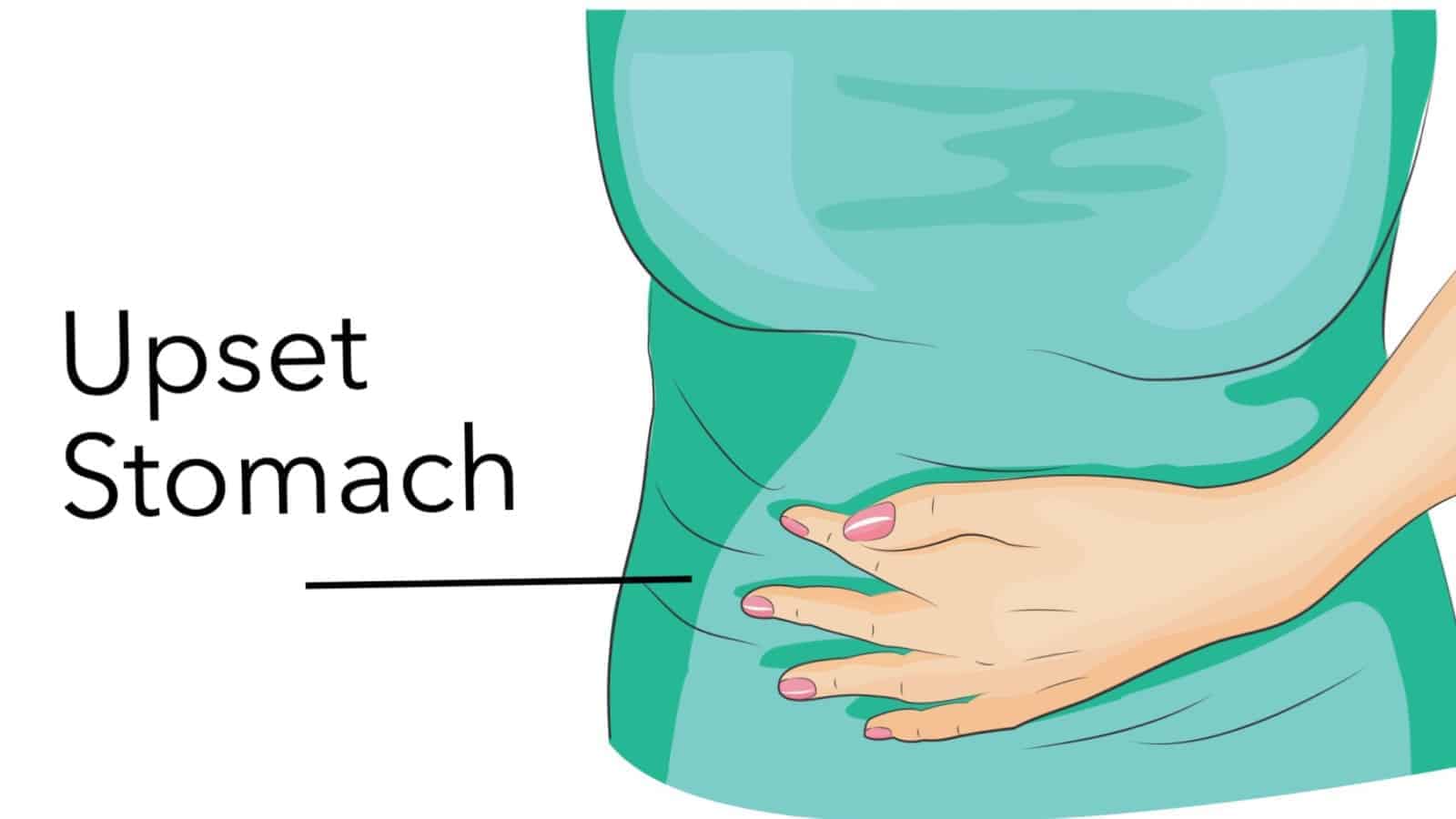
Stomach cramping, stomach pain, and intestinal discomfort are often physical signs of stress-related anxieties. Additionally, stress has the most noticeable impact on the abdominal region. That’s because tension can exhaust the abdominal muscles in a way that creates aches and pains.

8. Weight Fluctuations

Though stress connects to fluctuations in weight, chronic stress most often causes weight gain. Acute stress patterns are more strongly associated with the putting on, and loss of weight. The stress hormone cortisol has a significant impact on your level of hunger. According to WebMD, high cortisol levels “[causes] high insulin levels, your blood sugar drops and you crave sugary, fatty foods.”

9. Heart Palpitations

Most heart palpitations, though potentially frightening, are relatively harmless. Stress, along with excessive use of alcohol, caffeine, or nicotine, are recognized as catalysts of palpitations (which can also be felt in your chest, neck, or throat.)

10. Joint or Muscle Pain

Aches, pains, tension, tightness, and stiffness are all well-known symptoms of stress-related hyperstimulation. Provided the body remains in a stressful state, muscle and joint pain will often surface, usually dissipating as stress levels decrease.

11. Unexplainable physical or mental symptoms

breathe

Yes, this last item is broadly vague and for a good reason. Stress is an uber-complicated condition. So are the various disorders and illnesses it produces. The exact number of physical and psychological stress-related symptoms is unknown. However, that number is likely in the hundreds, if not thousands.

You face high odds that a sudden onset of persistent and bothersome mental or physical symptoms from stress. In any case, it is wise to seek the guidance of a medical professional.

Stress-Management Techniques to Heal Your Body and Mind

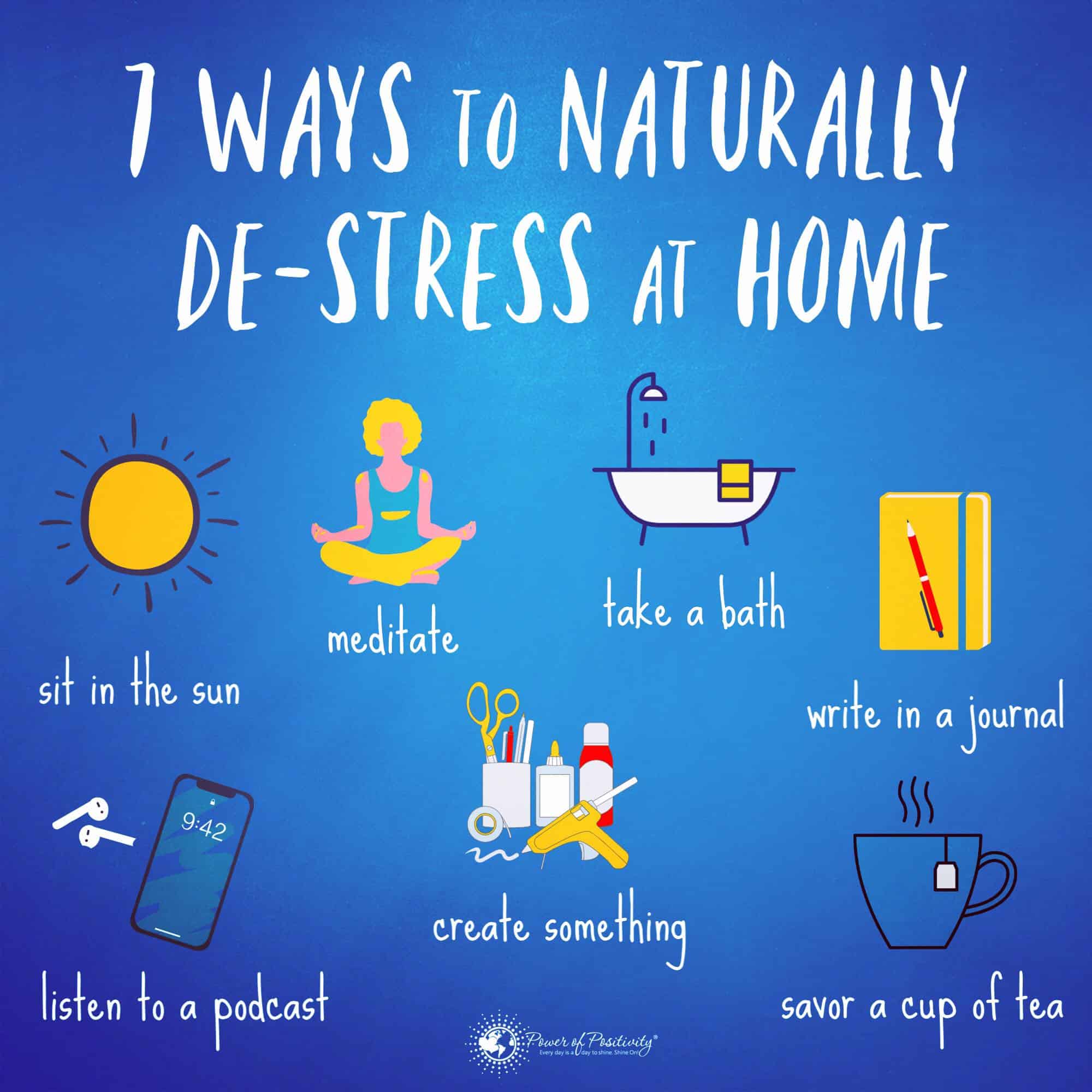
Besides medical intervention, you can choose from many natural ways to deal with stress. Therefore, we will share a few recommended stress management techniques:

  • Light exercise; a brisk walk, slow jog, or yoga.
  • Try meditation or mindful breathing exercises.
  • Support from friends or family. In fact, talking with someone your trust may help reduce stress levels.
  • Engage in an enjoyable, relaxing activity. So read, listen to music, or play a computer game.
  • Make sure you are getting the recommended amount of sleep.

11 Health Benefits Of Dragon Fruit

A fruit named after a mythical creature? While dragon fruit may sound too good to be real, it is an exotic fruit that has, any fantastic health benefits. From turning the clock back on aging to helping eliminate achy joints, making this fruit part of your diet is a must if you hope to live a healthier life.

11 Real Dragon Fruit Benefits

Never had this fruit before? You’re in for a surprise. Crunchy and sweet, this fruit is reminiscent of both a kiwi and a pear. However, this fruit will. Likely taste a bit blander than most of the fruits you’re used to.

Need more of a reason to try this versatile fruit? Keep reading to learn all about dragon fruit benefits.


1. Boost Your Immune System

As is the case with most fruits and vegetables, this particular fruit helps to boost one’s immune system. Which higher levels of vitamin C, consuming this fruit on a regular basis will help you to improve your immune system.

In addition to vitamin C, this fruit contains a fair amount of phosphorous, calcium, iron, B vitamins, and fiber.

2. Maintain Cardiovascular Health

Your heart health is one of the most important things to consider when analyzing your diet. By consuming this fruit with your regular meals, you’ll be able to take advantage of the omega-3 and omega-6 fatty acids inside the fruit’s flesh. These polyunsaturated fatty acids help to lower one’s triglyceride levels and prevent the possibilities of future cardiovascular issues.

In addition to these fatty acids, this fruit has a high level of vitamin B3. This is a nutrient that helps to lower one’s bad cholesterol levels while maintaining good cholesterol levels. Similarly, the red dragon fruit’s antioxidants help to keep one’s heart protected from free radical damage that leads to oxidative stress.

3. Control Your Blood Sugar

This fruit is a particularly powerful fruit for people with type-2 diabetes. The fiber in this fruit helps to stabilize one’s blood sugars levels when it is eaten as a way to suppress sugar spikes. Certain studies show that this fruit has a positive effect on oxidative stress from the aortic stiffness in their test subjects.

These findings suggest that eating this fruit regularly will help to prevent some of the more common issues and symptoms linked to diabetes. Individuals that have type-2 diabetes can take part in these benefits by eating the red flesh fruit.

4. Improve Your Digestion

This fruit can help to improve your digestion as it contains a significant amount of fiber. The fiber in this fruit will work to regulate your bowel movements and facilitate its passage through your digestive tract.

Individuals that are facing gastrointestinal issues like IBS, diarrhea, constipation and the like can benefit from eating this fruit. In addition to improving these gastrointestinal issues, this fruit can spur the growth of important probiotics in your body, helping to improve your body’s detoxification and digestive processes.

5. Maintain Eye Health

The red flesh variety of this fruit contains plant pigment like beta carotene that helps to keep the eye safe from any effects of free radicals. Essentially, these plant pigments prevent certain diseases like macular degeneration and cataracts.

Additionally, this fruit’s vitamin C content helps to improve the function of one’s retinal cells, which is another way this fruit helps to reduce the risk of developing cataracts. The best way to ensure this fruit helps improve your eye health is to juice it or eat it whole every day.

6. Slow Down the Aging Process

The vitamin C in this fruit is also a powerful agent for slowing down the aging process. Vitamin C works to tighten the skin, which helps keep key signs of aging at bay. Additionally, this fruit’s vitamin C content can fight off any free radicals in the skin, which helps to keep the skin looking as young as possible.

Additionally, the phosphorus content in this fruit can regulate your cellular membranes, helping to prevent other symptoms of aging like age spots, fine lines, and wrinkles. By eating this fruit every day, you’ll be able to maintain tighter and younger skin.

7. Strengthen Your Bones

Rich in phosphorus and calcium, this fruit is an excellent way to strengthen your bones. The body requires calcium for proper muscle functioning and nerve transmission.

Additionally, this fruit has powerful anti-inflammatory properties which makes it an excellent treatment for joint pain and any inflammation related to health issues and arthritis.

8. Support Your Nervous System

As this fruit is also rich in B vitamins, consuming it on a daily basis will help to support your nervous system.

Eating dragon fruit will help to produce nerve cells which supports the function of your nervous system. Additionally, eating the fruit frequently will help to improve your mental clarity, ensuring that you’re more alert throughout the day.

9. Promote Weight Loss

Trying to lose weight more consistently?

Try adding this fruit to your diet. High in fiber and low in calories, dragon fruit benefits help to satiate your hunger and will make you feel fuller faster and for a longer period of time. Thus, reducing the amount of food you consume overall.

Weight loss with dragon fruit

Similarly, this fruit’s combination of high fiber and low calories will allow you to lose weight at a faster rate. The vitamin C content will also help you to burn fat faster.

10. Prevent Anemia

The lack of iron caused by anemia can cause serious health issues like a constant cough, body weakness, and more. If you are struggling to maintain an adequate level of iron in your body, start eating more of this fruit.

A daily serving of this will provide you with 10% of your daily recommended iron intake. Prevent anemia or treat your anemia by consuming this fruit on a regular basis.

11. Keep Your Skin Healthy

Making a habit of drinking the juice of this fruit will keep your insides functioning properly while ensuring your skin is glowing and healthy. This red fruit is high in antioxidants which will help to keep your skin firm and glowing. Additionally, this fruit will help to prevent the negative effects of free radicals from damaging your skin.

Best Practices for Consuming Dragon Fruit

Never eaten a dragon fruit before? Start this healthy journey by first learning how to choose a ripe one.

When looking for this fruit, find one that is shiny and bright with green scales. Avoid any fruit with brown spots on it as this is usually a sign that the fruit is overripe.

To determine if the fruit is perfectly ripe, start by gently squeezing it. The former the fruit, the less ripe it is. However, the fruit should still have some level of firmness to it rather than being completely soft.

Once you’ve found the right fruit, you might not be sure how to start eating it. Follow these tips:

  • Slice Fruit lengthwise then shop its flesh out and slide the spoon between the skin and the flesh.
  • Quarter your fruit then peel the skin back and loosen a corner of its skin using your finger. Next, slowly lift its flesh off of the skin.
  • Need to eat this fruit faster? Quarter the fruit and bite the flesh straight off the peel.
  • As you eat the fruit, avoid eating any of the skin as it may result in a stomach ache.
  • To improve the taste of this fruit, try chilling it in the fridge and eating the flesh after a few minutes.

Final Thoughts on Dragon Fruit Benefits

Our health is so dependent on the types of foods we eat. If you’re hoping to diversify your diet and eat healthier, what better way than to start with dragon fruit.

Though you may find the bland taste takes a little getting used to, the more dragon fruit you eat the better you’ll feel. Over time, you’ll see firsthand just how powerful this fruit’s benefits are to your health.

A Beginner Meal Prep Ideas Guide

The term “meal prep” has become a common and well-known term in today’s society. While it has become well-known, the details of meal prepping are still lost to many people. It can seem confusing if you only have a vague idea of what it is, but it is actually worth it to learn the particulars.

Meal prepping saves time, eliminates some stress, saves money and ensures that you always have a plan for the coming meal. This beginner meal prep ideas guide goes over the reasons you should meal prep, includes recipes, has a step by step guide for how to prepare meals, and offers some bonus meal prepping tips.

If you’re currently skeptical about meal prepping, this guide should change your mind quickly. Once you realize how easy and beneficial it is, you’ll be all for this life hack. First things first, you must know the reasons to begin meal prepping.

Reasons to Meal Prep

meal prep

1. Eliminates Meal Time Stress

At the end of a long day, there is nothing worse than trying to come up with a plan when dinner time is already coming around. By then, you’re ready to relax and, if you have kids, they might be cranky, too. You may also get stressed trying to prepare the meal by chopping vegetables and doing other tedious things before dinner.

By meal prepping, you’ll find that you don’t have any of that stress before dinner. You’ll already have a plan for dinner, and you won’t have to do any of the necessary prep work.

2. Allows For Following a Stricter Grocery Budget

Meal prepping allows you to plan exactly how much money you will be spending on each item, and you’ll be able to use the same ingredient for two or more recipes. When planning, plan meals that use at least one similar ingredient to keep the budget down.

3. People Who Meal Prep Tend to Eat Healthier

When you are rushing to make dinner after work, you may grab the easiest, quickest option. Unfortunately, this isn’t always a healthy choice. With meal prepping, you have healthy, delicious recipes ready to go when you get home from work. This ensures you are eating healthy, as long as you planned healthy recipes in advance.

This same concept goes for lunchtime, too, because if you don’t have a delicious lunch planned and packed for work, you may be more likely to eat fast food or something from a vending machine. These options lack nutrients and are full of ingredients that aren’t very good for you. If you prepare meals ahead, however, you will be more likely to eat the healthy option instead.

4. Saves Time

You won’t be spending as much time making breakfast, lunch, and dinner if you prep ahead of time. This allows you to have more time after work, on your lunch break, or first thing in the morning.

Meal Prep Ideas

Breakfast

  • Make-ahead freezer breakfast burritos. – Cut potatoes into cubes and fry on the stove or roast in the oven, then cook breakfast sausage or bacon. Scramble some eggs, and chop some vegetables. Put all ingredients on a tortilla, top with shredded cheese, roll them up, and wrap in saran wrap. Put these in the freezer until you are ready to eat, unwrap it, and microwave for 3 to 4 minutes, flipping once every minute.
  • Fruit and yogurt with granola – For this, you will need a container with three spots. Put fruit in one spot, yogurt in the second, and the granola in the third spot. When it’s time to eat, combine them all and you’re ready to eat.
  • Pancake and fruit breakfast bowl – cook pancakes ahead of time and put into a container that has two separate spots for food. Put a pancake or 2 in one spot, and fruit in the other.
  • Baked omelet muffins – Whip eggs until well combined, then mix in whatever veggies or meat you desire. Preheat oven to 350 degrees, grease the inside of a muffin tin, pour in the egg mixture and bake for 20 to 25 minutes.

Lunch

  • Avocado and Chicken Wrap – Cook chicken on the stovetop and then cube or shred it. Add 1/4 cup sour cream (or greek yogurt) with 1 1/2 t garlic salt, 1/2 t pepper, 2 t lime juice, 1/4 c mayo, and stir into the chicken well. Cut and cube your avocado the day before. When it’s time to eat you simply put the chicken mixture on your tortilla, put the avocado on it, and then roll it up.
  • Mason jar salad – Chop ham or turkey and add it to the mason jar. Next, chop any vegetables you want in your salad, and add those to the jar. Sprinkle cheese and then add lettuce until you have filled 3/4 of the jar. Shake the jar to mix well and top off with more lettuce or other vegetables. When it’s time to eat, open the jar, add your dressing, and enjoy.
  • Soup – Any kind can be made ahead and frozen or refrigerated. You can switch this recipe up often.

Dinner

  • Chicken tacos – Add 8 chicken breasts to a slow cooker and pour one jar of salsa overtop. Cook on low for 6 hours. Add to tortillas or taco shells, top with your favorite taco toppings.
  • Shredded chicken salad – Ahead of time, chop lettuce and vegetables for a salad. If you’d like, you could boil a couple of eggs to top it off. The morning of, add 8 chicken breasts to a slow cooker and add 1 cup of chicken or vegetable broth. Cook for 6 hours on low. Allow to slightly cool, and then add it to the salad mixture. Top with your favorite dressing.
  • Burrito bowls – Begin cooking 4 cups of rice. While the rice cooks, brown 1 pound of ground beef, add taco seasoning and follow directions on the package. When the rice and the beef are finished, allow them to cool. Cook corn and black beans and then allow those to cool. Add all of this to a bowel. When it is time to eat, heat for a couple of minutes in the microwave and then top with cheese, salsa, and chopped green onion.

Snacks

  • Protein bars (homemade or store bought)
  • String cheese
  • Apple slices with peanut butter
  • Tuna salad with crackers
  • Celery and peanut butter
  • Vegetables and hummus

How to Meal Prep

Those who have been meal prepping for a while and have a solid routine down know what tasks should be done and the order in which to do them. Luckily, some are willing to share those meal prep ideas with the rest of us.

Step One: Plan Your Meals and Grocery Shop

You must know what you will be eating throughout the week if you want to effectively prep. Meal planning ahead of time is probably the most important step. Once you have your plan, you can go grocery shopping to ensure you have all the necessary ingredients.

Step Two: Preheat The Oven

Preheat your oven based on the temperature required for the meal you are making.

Step Three: Begin Browning Meat

When meal prepping, you brown any required meat ahead of time, as well. By starting it at the beginning of the process, you’re ensuring that it is ready on time.

Step Four: Chop The Veggies

If your meal requires any vegetables, this is the time to chop them. By doing it while your oven is preheating and your meat is browning on the stove, you will be utilizing your time wisely.

Step Five: Roast Vegetables

Roasted vegetables are perfect for meal prepping because you can roast them ahead of time.

Step Six: Bake Any Other Necessary Foods

If a recipe says to bake any portion of the dish before combining and freezing or refrigerating, now is the time to do that.

Step Seven: Begin Distributing Food to Dishes

This is where you will combine the ingredients for each recipe. You’ll put them all together, cover the container, and then store it in the freezer or refrigerator.

Step Eight: Easily Cook The Meal

When it is time to have that meal, you simply pull it out of the freezer in time for it to thaw and then put it in the oven, microwave, or on the stove (however it is recommended in the recipe) to cook it. No preparation needed!

Meal Prep Tips

There are many tried and true tips that have been determined over time, one tip being to only prepare only certain ingredients instead of the entire recipe. This would save time on your meal-prepping day and, although it wouldn’t be as simple as throwing the meal in the oven, it would still save some time before dinner.

It is recommended that if you do this method, you chop all fruits, vegetables, and potatoes, and then brown all meat ahead of time. These are the cooking tasks that take the most time.

meal prep

Another tip is to let all of the food cool before covering the container. This prevents the vegetables from getting soggy.

A third tip is to look for the slow cooker, instant pot, one pot, or sheet pan recipes. The reason for this is that it will save you time and clean-up both before and after the meal. Recipes that only use one dish for cooking can also be combined in the same container for storing, too.

Some other meal prepping tips include:

  • Double the recipes that you know you love
  • Don’t choose a bunch of time-consuming recipes for the same week
  • Plan at least a week in advance so you can make sure you have all the ingredients

One final tip is to enlist the help of someone you enjoy spending time with. By having help with meal prepping, you’ll get it done more quickly and it’ll be a more enjoyable process.

Final Thoughts On a Beginner Meal Prep Ideas Guide

Whether you choose to meal prep for an entire week at once, or if you choose to prepare meals only one day in advance, you are likely to see the benefits instantly. You’ll find yourself being less stress at meal times, eating healthier, and saving money.

Not only does meal prepping have those benefits, but you can make delicious recipes, too. Many recipes that you already cook on a regular basis can be at least partially prepared ahead of time, so think about those ones when you are first beginning. Meal prepping is so beneficial and, if you follow this meal prep ideas guide, it will be easy, as well.

10 Signs of Chemistry Between Two People

How do you know if you have chemistry with a person? Sometimes you meet someone and are immediately pulled toward them. Sparks fly, and it’s like the whole world slows down. Somewhere in your mind, you feel they’re experiencing the same thing as you.

This is a romanticized but not inaccurate idea of what chemistry is. It’s an instant connection, an intuitive bond, and something that sparks many great relationships. Magnetism is often powerful and palpable, impossible to ignore.

But doubts begin to form shortly after. Was it a mutual attraction? Or was it just you, tricking yourself into believing it was chemistry when it was your infatuation? Sometimes, the lines can become blurry, making it hard to tell for sure.

If you are experiencing these strong emotions and aren’t sure what to make of them, you must pay attention to what’s happening. If it’s natural chemistry, you’re bound to notice some of these signs of chemistry between two people.

10 Signs Of Chemistry Between Two People

chemistry

1.    Body Language

Nonverbal communication is just as crucial as verbal communication in ensuring positive chemistry and determining effective communication on the whole. Picture, for example, saying you’re sorry while glaring or crossing your arms, compared to apologizing with an open expression and body posture. It makes all the difference!

In addition, nonverbal cues are often more challenging to control – you can think about your words. Still, you must be extra conscious of your body’s natural reactions and movements to stop your body language from being obvious. This is why body language plays such a massive role in spotting chemistry.

Some body language signs of chemistry between two people are:

  • Leaning in towards one another
  • Flushing
  • Licking lips
  • Sweaty or fidgety hands
  • Playing with hair
  • Crossing and uncrossing legs constantly

Body language is honest. It reveals many things we try to hide. That’s why these subtle cues can show chemistry, attraction, and a good relationship when verbal communication cannot. If you and another person exhibit similar body language, it’s a good sign!

2.    Teasing

Teasing can be childish and isn’t always a surefire way to gauge chemistry. That said, it does typically show that someone may be interested in you in some way. There can be subtle meanings behind teasing that you might not be paying attention to, which can indicate chemistry.

As children pulling pigtails in a playground, we may not have known what we were really trying to do. As adults, it’s more purposeful – it’s done to get attention, elicit reactions, and establish rapport. Here are some examples of ways of teasing that may do this:

  • Playful banter
  • Pushing each other lightly around
  • Using silly or cute nicknames
  • Picking on each other (harmlessly!)
  • Imitating one another

Do note that teasing, in this case, should never be done to offend or harm. Instead, it is a way of interacting with each other and showing affection in a more amusing manner. Many might even call you an old married couple because of how much you bicker!

3.    The Eye Contact Is Intense

Eye contact is compelling when it comes to chemistry. By looking at how two people gaze at each other, you can tell a lot about their bond and connection. They say the eyes are the window to the soul, so what better way to get to know each other than through eye contact?

When you feel chemistry with someone, you tend to automatically stare at them. You can’t help it; it’s as though your eyes are drawn to their very being, and you can’t look away – unless they catch you, in which case you quickly avert your eyes and pretend you hadn’t done anything!

But that doesn’t mean that these same coy people glancing away from each other don’t also hold long periods of eye contact. They stare into each other’s eyes when talking and interacting, often until it becomes too intense and they have to look away. Some eye “postures” also indicate chemistry, such as:

  • Dilated pupils
  • Raised eyebrows
  • A fixed, focus gaze
  • A gaze that darts from the lips to the eyes

4.    You Flirt – But Very Subtly

When there is a lot of chemistry between two people, everything feels more intense and incredible. That’s why your flirting is gentle and subdued. Even the lightest of touches can feel heavenly!

You experience everything so much more strongly, to the point where even just hugs or kisses on the cheek can feel like a lot.  You may prolong hugs, squeeze each other’s hands, or rub one another’s backs; it all feels so much more passionate to you than others think.

In addition, subtle flirting can be a way for two people to express their attraction to one another without it being obvious to those around you. This makes it feel like there’s a little secret you both share. It can be especially subtle in the beginnings of a relationship, as you are both learning to navigate the complexities of your chemistry.

5.    Being All Smiles

It’s hard not to smile when you’re around someone you like. After all, you’re feeling this powerful magnetism that draws you to one another, and there’s no one else you’d rather be around now. How can you not smile?

If you and the other person can’t stop grinning – or you’re obviously trying to control your smiles – there’s a good chance that there’s a lot of chemistry there!

Sometimes, you don’t even need to interact with them to enjoy the benefits. You look at each other and automatically feel more positive. One simple look and your day is brightened. That’s the power of chemistry.

chemistry

6.    You Notice Small Things

Small things matter a lot. Usually, we talk about this in reference to acts of kindness or subtle romantic gestures. Still, right now, noticing minute details in someone else can be a huge sign of positive chemistry. For example, you and the other person may notice:

  • A new hairdo
  • Little favorite things of the other person
  • New clothing items
  • How you take your tea or coffee
  • Nervous tics or habits
  • How to cheer you up

This also means you will remember many things from each other, like “mundane” stories you’ve told. This is because you’re paying extra attention to each other due to higher interest levels.

7.    Your Focus Is Always On Each Other

Even in a room full of other people, you and this other person are most attentive toward each other. You’re always somewhat focused on what the other is doing or saying, even if you’re not interacting with them at the time.

This can also make you distracted during other areas of your life. You constantly check your phone for their texts. You find yourself struggling to focus at work. You forget about things you usually hold dear. Remember to try and strike a balance! Don’t forget about your friends and responsibilities!

8.    Losing Track Of Time

When you’re with this person, hours feel like mere minutes. Time flies in ways that genuinely shock you, and it always feels like your time is up too soon. It can make you think that there will never be enough time to spend with them. This could be due to:

  • Deep, long conversations – it’s like you can talk and talk forever and never run out of things to say
  • Sharing common hobbies or fun activities to do together
  • Enjoying a comfortable, companionable silence
  • Just spending time with each other and doing your own thing individually, together

Even with all the time in the world, you don’t think you could ever find yourself growing bored. It’s an incredible feeling, usually only possible with great amounts of chemistry.

9.    There’s A Light But Palpable Tension

Chemistry can cause tension to stretch out between two people. Physical attraction and desire play considerable roles in the signs of chemistry between two people. It can cause a space you two inhabit to feel like the air is thick enough to slice!

Of course, do note that this type of desire and tension isn’t, on its own, self-sustaining. To rely on this alone when building a relationship usually ends badly. The best types of chemistry aren’t just about intimacy – they’re about the body, mind, and soul all at once.

This tension can also lead to other things, such as higher sensitivity levels. You are more affected, in both positive and negative ways, by what the other person does. Try to remain rational and keep your positive thinking!

10. You Can’t Wait To See Each Other Again

You miss them terribly when you have to be away from this person. You figure out when you’ll next see each other, and you feel incredibly eager to await this time. You’re counting down not just the days, but the hours and even the minutes until you can be around them again.

This also means you both go out of your way to see each other. You arrange hangouts, attend events where the other person will be, and you make it a point to stop by each other’s frequent haunts in hopes of bumping into each other.

This isn’t unusual at all. Chemistry often leads to this sense of intense longing. You love the other person’s company, and they love yours, so you want to spend all the time you can with them!

soulmate

Final Thoughts On Some Signs Of Chemistry Between Two People

Chemistry is not something that you can force. It is inherently natural and not something you can wish to happen. You and someone else either have it, or you don’t. It’s all about that connection, that spark, and that immediate infatuation.

Though chemistry plays a big role in many relationships, take care that you don’t allow it to be the only thing that defines your partnership. Positive thinking will confirm that chemistry is great, but too much can be your downfall!

Your best bet is to use chemistry as the first few building blocks of a stronger bond or connection. Build upon this foundation until you have created something special and meaningful – something that runs deep, not shallow.

Chemistry can show you the vast potential you and another person can have in a relationship. It’s the beginning of something beautiful, but it’s your and your partner’s job to help it blossom into what it can be.

5 Ways to Release Emotional Attachments to Relationships Without Closure

Throughout our lives, we build attachments to a large number of things and people.  It is what makes us feel connected in the world and to each other.   The ability to build relationships, fulfill our own needs, and love others is essential to our growth as humans.

An infant builds attachments with his parents or caregiver.  Then, he or she often comes to associate that feeling with their blanket, a stuffed toy, or a pacifier.  This allows the baby to comfort themselves when the parent or caretaker is not able to be there.

We continue this pattern for the rest of our lives.

We feel pride and a sense of belonging at our work. This builds attachment both for the job and those we work with.   We love our spouse, significant other, friends, children, parents, pets, and others.  We may also receive a strong sense of self from an object that we feel attached to; for example, our car, photos, or home.

Along with all these attachments comes loss.  For a multitude of reasons, people and things can leave our lives.  At the time, it may feel as if they took a part of ourselves with them.

We go through a period of mourning, even if them passing wasn’t the cause.  The final stage of mourning is “acceptance.”  We also call this closure.

Not all relationships end when we expect it and that can slow down the process of reaching closure.  The other party may not wish or be able to answer our questions of “Why?” or “What happened?”   That leaves us in a state of limbo, a state of not knowing and thus feeling stuck.  Without answers to the questions, we feel as if we can’t move on.

Yet, as we know, life waits for no one.  We intellectually understand that we must still carry on.  We must return to our job or find a new one, we must carry on our daily routine, and we must heal this hurt in order to feel happy again.

How do we do this?  We take one day at a time and search for our own answers; answers to how to stop feeling the pain, the hurt, and the anger; answers on how to let go of the attachment without feeling as if we are losing ourselves.  Here are 5 ways to release emotional attachment without closure.

What is closure?

 The phrase “need for closure” was first used in the 1990s by social psychologist Arie Kruglaski.  He used it in reference to it being a framework for decision making with the goal being to find an answer to any given topic so as to rid one of confusion or ambiguity.

What exactly is closure?  We use the word a lot, but do we really know what it means?

In psychology, closure is a Gestalt theory used to explain how the human brain fills in an incomplete stimulus as if it were whole.  For example, if you were shown two sides parallel to each other with a space for the top and bottom, also parallel to each other, you would assume it was a square.  Another example is you may see a word and not catch that it was misspelled because your brain filled in the correct way.

Another definition of closure from the Merriam Webster dictionary is, “an act of closing; the condition of being closed.” An example used is the “closure of the hospital due to a lack of funding”.

The Urban dictionary defines it in the manner most easily recognized as how it pertains to relationships or things: “To gain a sense of resolution, whether it be mental, physical or spiritual.”

Ironically, each of these definitions has its accuracy in the context of the closure of a relationship.  Our brains will seek an answer as to why something is no longer in our lives and making us happy.  That is its job.  Essentially, it will attempt to “fill in the blank” until we accept a certain answer.  That ideal answer is the day we accept that the relationship has ended or is “closed” to us.

Consequences in our lives if we don’t bring closure

We feel a need for closure mostly because we temporarily have lost a sense of who we are, what our life was about, and what value we bring to others or that they bring to us.  When a relationship ends, it raises all these questions.

We tend to attach a lot of dreams and hopes for our lives to the people we let in.  If we are in a romantic relationship, we make decisions along the way that make room for that person.  We make room to spend time together and make room for them to influence our choices.  When we feel as if we are a loved and valued individual to someone special, we direct our life to flow in a direction that will keep them a part of it.  Presumably, they are doing the same.

When the relationship suddenly ends without an explanation, we have no idea what to believe anymore.  We are suddenly faced with the idea that it wasn’t “real.”  We question if they loved us or valued us at all.  Our self-esteem falls under question.  We question if we ever should have made the decisions we did that changed the course of our lives.

Not making peace with an ended relationship can have consequences to yourself and other relationships:

  • Can affect your view of others
  • You may develop poor self-esteem.
  • Develop strong trust issues.
  • Become more of a loner.
  • Not let others in to love you.
  • Not allow yourself to develop new relationships.
  • Find yourself less willing to compromise.
  • Feel angry and bitter.
  • You may become unhappy.

Ways to bring closure for ourselves

Some people are better able to find resolution or closure due to their individual beliefs.  Someone who is religious may say, “It is the will of God.”  A spiritual person may say, “It wasn’t meant to be.”  These are all coping mechanisms that can help someone recover faster if answers are not given.

There are other methods that can help you bring closure as well.

1. Allow yourself to feel:

There is a flood of mixed emotions to try to deal with and understand when a relationship ends.  Don’t try to suppress them.  They are your feelings and you have a right to them.

2. Write:

Whether it is writing a letter to the person who left or writing a journal of your feelings, writing is a great release.  Writing a letter to the person can feel more gratifying because if you can’t say it to their face, at least you can write it as if you are.  Writing tends to cement our intentions and feelings, so it can be therapeutic.

3. Space:

Our first reaction when something bad happens is to reach out to the person who caused it.  Understandably.  Sometimes, that person is going through some crazy thoughts and feelings too; pushing them will only push them away.  You can reach out to them, but if you’re refused or not responded to, give yourself, and them, space.

Things do not always end as we expect.  Giving space can create the opportunity for both of you to reflect on things and possibly come to a different conclusion.  If it doesn’t, giving space still allows time for reflection and honesty.

4. Don’t overthink:

Keep yourself busy so as to not overanalyze the relationship, the person, and yourself.  Your brain will drive you crazy seeking an answer until it finds one that you are comfortable with.  The sooner you can teach your brain not to constantly think about it and accept it, the sooner it will stop searching.

5. Stuff happens:

Don’t see this ending as a reflection of how you personally are persecuted.   Everyone loses people and things in their lives.  If you see a pattern, perhaps do some reflection on change or go to a therapist to help you change your perspective.  Otherwise, just accept that for reasons unknown, this relationship has ended.  That is life.  Stuff just happens. You will survive, just as everyone else has, and you will continue to love and be worthy of love.

emotional

Final Thoughts:

Finding ways to release emotional attachments when we aren’t given closure can be quite a process.  It is very much like the mourning process even if we haven’t had a person pass on.  We still go through denial, anger, and sadness; eventually, we will get to acceptance.

In my experience, when we have finally let go of enough of the effects from the break-up; memories of them have faded; the hurt or anger is gone; then we find closure enough to allow ourselves to find happiness again.

I have seen several people who, when at this stage, no matter how many years later, run into the person again.  They don’t find more closure, as no explanations are given.  I’d have to say they find closure to the closure.  They found a definitive point in time that they can remember and say “It is over” without any further questions.

10 Signs Your Inner Child Is Still Hurting

How in touch with your inner child are you?  Are you so in touch that running in the rain is still an adventure?  Do you love to go outside and play with your kids?  On the other hand, have you forgotten what it’s like to play?  If you have free time, do you fill it up with more work to do?  Do you get crabby when your shoes get wet because you had to step through a puddle?

Several adults still carry the pain of their childhood with them and as a result, have lost touch with or haven’t healed their inner child.  This pain leaves deep wounds that may affect their ability to experience happiness, enjoy current relationships, accomplish success, or maybe even raise their children as they truly wish.

There are at least ten signs that your inner child is still hurting.

Is My Inner Child Real?

The Merriam-Webster dictionary defines an inner child as “the childlike usually hidden part of a person’s personality that is characterized by playfulness, spontaneity, and creativity usually accompanied by anger, hurt, and fear attributable to childhood experiences.” 

A definition is an excellent start to making it real.  Yet, it’s not like we physically carry our “little self” within our body and take it out like we do a wallet from our back pocket.   Stephen A Diamond, Ph.D., addresses this in an excerpt of his book Psychotherapy for the Soul: Thirty-Three Essential Secrets for Emotional and Spiritual Self Healing He states that our inner child is real in a metaphoric sense.

It is real in the idea of being a pattern of emotions, behavior, memories, and wishes, otherwise called complexes.  He defines it as a “psychological or phenomenological reality.”   In short, he continues to explain that adults are really just children who have aged.  This makes sense, right?  Everything we are right now is based on everything we have learned from our previous years stemming from our childhood.

We would like to believe that as we age, we gain experience and wisdom, which matures us into adults. Dutifully, we put aside our childhood selves through suppression, denial, or neglect to embrace adulthood.  We see plenty of examples, including in ourselves, where that isn’t quite what happened.  Many people are still acting in a manner that is susceptible to the desires, needs, and emotions of who they were as children.

Our duty to our “Inner Child”

Dr. Stephen A Diamond expresses that we should look at adulthood as the acceptance of the events of our past childhood and the continued parental responsibility toward our child self.  He states that we should continue to nurture until we reach psychological adulthood.

Part of that psychological adulthood entails acknowledging the importance of our inner child, accepting the events and healing the emotions we built up during that time, and then learning how to communicate and meet the needs of our inner child as we progress through life.

10 Signs Your Inner Child is Still Hurting

Many behaviors can show us our inner child is still hurting.  It’s important to understand that our inner child can be distressed for many reasons and causes.  It doesn’t always need to be from severe abuse or neglect.  It could be damaged or misunderstanding created from the actions related to past friendships, teachers, classmates, neighbors, relatives, or anyone who held any significance to you.  The repercussions aren’t always obvious.

Many of our adult traits spawn from ways we chose to augment ourselves to improve or hide away personal qualities which we believed caused us pain. Additionally, the causes are not always intentional.  For example, if your grandmother’s passing hurt you, that was not an act against you personally.  Another example would be that maybe when you were young, your best friend had to move away.

Many things in life happen to us that we have no control over and are not purposefully happening to us.

Unfortunately, as children, we do not necessarily understand or care about the circumstances.  We only care that we feel bad.  Without someone there to help us through the pain and to understand, we harbor that pain within ourselves.  The effects of unresolved grief build up over time and change how we perceive events, people, and ourselves.

For those who have experienced abuse or neglect, the effects have far-reaching consequences and more definitive signs.  It will also require a lot of personal internal work, and maybe therapy, to ease your inner child’s pain.

Regardless of the cause, we have all learned to turn some of the damages into strengths.  Perhaps we are more compassionate, extremely organized and detail oriented, driven for success, etc.  With the advantages, we may also hide or compensate for weaknesses caused by the inner child being hurt.

A few of these signs that our inner child is still hurting may be:

inner child

  1. Difficulty with boundaries.

You may not know how to create boundaries with others and therefore put your needs secondary or have difficulty saying “NO.”  The boundaries may be too high for others, so you won’t put yourself out there for others.  You may even show this in situations where you are intimate with someone even if you don’t feel totally comfortable with it.

  1. Poor self-esteem.

This particular trait also encompasses many other side effects, such as not trusting in yourself or your abilities, thinking of yourself as “less than,” etc.  This could result in constantly criticizing yourself.  You may also develop body image issues and eating disorders.

  1. Identity issues.

You may find yourself so accustomed to changing who you act like around other people that you don’t even know who you are.

  1. Extremely competitive.

You feel you must always be the “best” and “on top.”  Failure is not an option and not something you respond well to. You may feel driven to overachieve and strive for perfection.

  1. Obsessive and needy.

You cling to people, grasping for any attention and approval.   You will do anything not to lose anyone and strive to be a “people pleaser.”   This may develop into hoarding, where you hate to let go of anything.

  1. Difficulties with emotions.

You may have a hard time handling strong emotions from others and yourself and feel ashamed or guilty when you feel angry or sad.  Additionally, you may have difficulty controlling anger, easily cry, try to avoid conflict, or “shut down” during an argument.  You tend toward passive-aggressive or overly aggressive behavior.

  1. Addiction-prone.

You easily attach yourself to drugs, alcohol, gambling, pornography, cigarettes, or other extreme obsessive tendencies.  It is essential that you receive that rush of “feel good” hormones.

  1. Avoid people.

You have extreme fear or anxiety when dealing with or being around people.  This can show itself in varying degrees.  It may just be anxiety with a lot of people in a social situation or any amount of people.  You may go out of your way to have food and items delivered to you to keep from interactions.  You tend to be a homebody.

  1. Rebellious.

You may only feel energized and “yourself” during points of conflict.  You may go out of your way to antagonize or harass people to start an argument or fight.

  1. Anxiety with new experiences.

You may need to stay on a consistent routine and schedule because you feel anxious when things change.  You have difficulty adjusting to unexpected or new events and may cling to your comfort zone to such an extreme that it is detrimental to learning new things or going to different places.

childhood trauma

Final Thoughts on a Hurt Inner Child

As you can see, many symptoms can point to unresolved issues for your inner child that may affect you daily.  You may have just accepted or tried to ignore many of these behaviors in yourself.  After all, to face them means you must confront the pain that caused them.

Facing the pain and fears of your inner child is the second step to helping your inner child.  First, you must acknowledge that your inner child exists within you and needs your support; then, you validate what you once felt.  You will need to face what happened to cause the pain.  It may be multiple things or just one.

After looking within to your memories of the incident, you may experience emotions like anger, sadness, remorse, and loneliness.  It is essential that you feel each and every emotion.  You may find that you need to go to therapy to help to handle it all.  Once you have worked through all the feelings, however, you are on the path to showing your inner child the love and support you needed in the past.  It is even advised to give your inner child affirmations daily to confirm your value.

Our child self or inner child is the foundation on which we have built everything about ourselves.  If the foundation is cracked, then it needs to be rebuilt.  Putting a bandage over it doesn’t fix the cause of the crack.  It simply hides the fact that the inner child exists at all.   Let your inner child have the voice and the right to feel the hurt so you can “kiss it and make it all better” and make yourself whole again.

7 Foods To Never Eat On A Low Carb Diet

Low-carb diets are incredibly popular these days. They’re a great way to control certain conditions, and they’ve proven effective in weight loss and management when done correctly.

If you’re one of the many low-carb dieters out in the world, you likely take a lot of care to avoid the worst carbohydrate offenders. But what if you’re unknowingly consuming foods with a lot of carbs, throwing off your weight-loss game?

Sure, you already know the general foods to avoid – bread, rice, pasta, and so on. But did you know there are some foods you might still be eating that are secretly packing on the carbs? Even ones you’ve always thought were completely safe could be detrimental to your diet!

Don’t worry, though! You still have plenty of options. You just need to know what foods to steer clear of, and we’re here to help you out.

Here Are 7 Foods To Never Eat On A Low Carb Diet

1.    Fruit

When you think of fruit, you think of healthy, guilt-free snacks. The fact that they have been known to decrease heart disease and even cancer risks definitely adds to their overall reputation for being great diet foods.

Unfortunately, most fruits aren’t suitable for low-carb diets. This is because most fruits contain high levels of fructose, which are a kind of carbohydrate. In one cup of any given gruit, there can be anywhere between 20 and 40 grams of carbs. The fructose also acts just like a healthier version of sugar. Yikes!

If your diet has an allowance for a few carbs, you can pick and choose your fruits to fit into those requirements. However, barring that, you may want to steer clear of some fruits altogether. Here are some types of fruits with a lot of carbs:

a)    Mangos

In 165 grams of these yellow delicacies, there are 28 grams of carbs, and only 3 of those grams are from fiber!

b)    Bananas

These fruits are very filling for a reason. One medium banana contains an impressive 27 grams of carbs. Don’t hold your breath for the fiber, either – there are only 3 grams!

c)    Pears

A single medium fruit of this variety has lots of carbs: 28 grams of it. You might be tempted to eat them for the fiber – don’t! There are only 6 grams.

d)    Dates

Many people think that dried fruits are better options, but dates prove otherwise. There are 36 grams of carbs in just two large dates, and you only get 2 grams of fiber per date.

e)    Raisins

In a one-ounce serving of raisins, there’s a mere one gram of fiber, part of 22 grams total of carbohydrates.

If you can’t eat these fruits, then what can you opt for? Berries are your best bet! They don’t have as much sugar in them, and they’re packed with more fiber. Eating half a cup of berries is a great, positive low-carb diet treat.

2.    Legumes and Beans

Lots of people enjoy beans and legumes, and for the most part, they’re known to be very healthy and nutritious. They bring down inflammation, prevent high risk of heart disease, and are packed with delicious fiber.

Unfortunately, these foods are also full of carbohydrates. Just one cup of them can hold more than 40 grams of carbs, so they’re definitely things you should eat sparingly on a restrictive, low-carb diet. Here are some of the beans and legumes that are packed with carbohydrates:

a)    Black beans

These beans do have 15 grams of fiber, but a single cup also contains 41 grams of carbs in total.

b)    Lentils

These are great foods to eat if you want to load up on fiber; there are 16 grams in one cup! Unfortunately, with a total of 40 grams of carbs per cup, they’re not great for certain diets.

c)    Chickpeas

These little round foods are known for being extremely beneficial to health. Unfortunately, they have 45 grams of carbs per cup, and just 12 of those are from fiber.

d)    Peas

Peas have fewer carbs in one cup – 25 grams instead of 40 plus – but they’re still not the best for low-carb diets. In addition, they only have 9 grams of fiber in that serving!

e)    Kidney beans

These reddish, brownish beans contain 40 grams of carbohydrates within a serving. Thirteen of those grams are made up of fiber, but that’s not enough to deter a low-carb dieter!

f)     Pinto beans

These beans have a whopping 45 grams of carbs per cup! You do get 15 grams of fiber out of them in return, but they’re definitely not great for a low-carb diet.

3.    Yogurt

Yogurt is a favorite dessert item among weight-loss enthusiasts. It’s healthy and, thankfully, low in carbs – but that’s only if you’re eating plain varieties. Many people dislike plain yogurt and go for flavored or nonfat. This is where the problems come in.

Sweetened and flavored yogurt, which is commonly the case in nonfat and low-fat yogurt, is just as full of carbohydrates as the average dessert. One cup of the stuff can wind up giving you 47 grams of carbs – meaning you’d be better off eating a cup of ice cream, which will provide much fewer carbohydrates.

So, what’s your best bet if you want yogurt that doesn’t taste totally plain? Go for a half cup of Greek yogurt – plain! – and top it off with berries of your choice, preferably around half a cup of raspberries or blackberries. These make for a delicious and refreshing dessert, and the total digestible carbs stays below 10 grams.

4.    Vegetables

Vegetables are fantastic additions to any diet. They’re packed with vitamins, minerals, and fiber, and they are great for helping weight loss progress. They also help control one’s blood sugar levels, so they’re great for those at risk of diabetes.

Worried you have to give up your vegetables, too? Don’t worry! Keep your positive thinking! There’s no issue with low-starch vegetables, and you can eat as much of those as you want.

However, digestible carbohydrates are present in many higher starch veggies, so they have more of that than fiber – meaning they aren’t good for low-carb dieters. Here are the vegetables to avoid:

a)    Potatoes

The most obvious of the carb-filled veggies, one medium potato has 24 grams of carbohydrates, and only 4 grams of that is from fiber.

b)    Beets

They may be known for being a bit of a superfood, but one cup of cooked beets only has 4 grams of fiber to its overall 16 grams of carbs.

c)    Corn

One cup of corn has a whopping 41 grams of carbohydrates, making it undoubtedly one of the most unfriendly options on our list. Plus, only 5 of those grams are fiber!

d)    Yam

They’re famous among the health-conscious, but not so much around the low-carb dieters. One medium yam only has 4 grams of fiber, part of a whole 24 grams of carbs.

e)    Sweet potatoes

These share the same figures as yams, so they’re no good for low-carb diets, either.

5.    Salad Dressing

Salads are a common go-to food for those who are restricting carbohydrate consumption. While the salads themselves are usually just fine, the dressings you may generously coat them in are decidedly not.

  • Most commercial, store-bought dressings – primarily those that boast fat-free or low-fat qualities – tend to have a lot of carbs in them.
  • Consider, for example, ranch dressing that is nonfat – just two tablespoons has carbohydrates numbering 11 grams!
  • The same portion in French dressing, also fat-free, has 10 grams of carbs.

You can attempt to limit yourself to a couple of tablespoons, but let’s face it: most people use more, especially for big salads that make up your entire lunch. As such, you’ll want to opt for olive oil and vinegar instead, which both have positive effects on weight loss and can even help your heart stay healthy!

6.    Gluten-Free Products

gluten

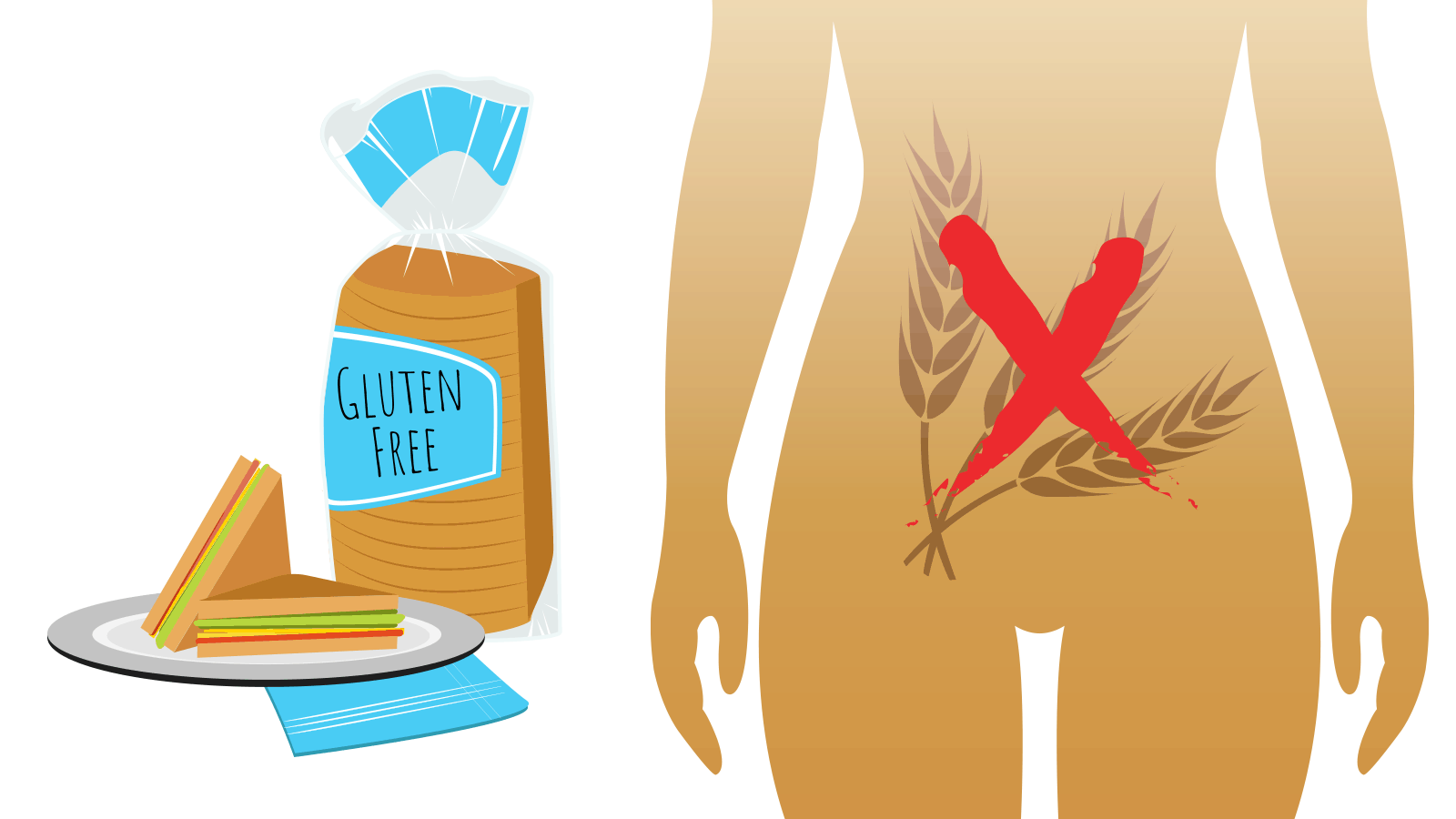
Many people who are restricting carb consumption make the incorrect assumption that gluten-free products are great options for them. Gluten is present in products like rye, wheat, and barley, and people generally assume that baked products without gluten are better for low-carb meals.

Sadly, this is not the case. Gluten-free diets have become more and more popular over the years, but they’re primarily a requirement for people with Celiac disease. In fact, these diets have had mixed results on those without the condition.

On top of that, gluten-free baked products usually have more carbohydrates in them than the same product made with gluten. There’s also the fact that there’s a lot of grains and starch used in the flour for gluten-free baked items, and these have terrible effects on the blood sugar. As such, they’re foods to never eat on a low carb diet.

What should you eat instead? Make your own low-carb baked products with coconut flour or almond flour, or buy from bakeries that specialize in low-carb foods.

7.    Milk

Milk seems like a safe bet as a drink for those on low-carb diets. After all, it’s full of important nutrients like B vitamins, calcium, and even potassium. Unfortunately, it’s just not the best option if you’re cutting down on carbohydrates.

All types of milk – whether whole, low-fat, or non-fat – contain up to 13 grams of carbs in just one glass, or eight ounces. This means they definitely aren’t your best choices, and you’re better off opting for other types of drinks.

If you like, you can get away with a couple of tablespoons of milk for coffee or tea, or as an ingredient in recipes, but there’s not much more of it you should have. You would probably do better using half-and-half, or some kind of cream, for your coffee.

Can’t say goodbye to the milk you use in smoothies or lattes? Try going for a milk substitute. Coconut milk and almond milk, if unsweetened, make great options.

Final Thoughts On Some Foods To Never Eat On A Low Carb Diet

Plenty of foods available out in the world are packed with carbs, even though they seem safe on the surface. If you’re serious about your low-carb diet, make sure you’re really examining all the foods you consume. It can be hard work, but with some positive thinking and the right foods, you’ll be well on your way to achieving your diet goals.

11 Foods That Make Diverticulitis Worse

Diverticular disease is a digestive disease displayed by diverticula, or pouches, forming within the intestinal and colon walls.  These pouches then may push into the weakened walls.  Diverticular disease is the umbrella name from which two conditions diverge, diverticulosis and diverticulitis.  In brief, diverticular disease is partially defined as “clinically significant and symptomatic diverticulosis complicated by diverticulitis….”

Diverticular disease is believed to be caused by a lack of fiber in the diet.  Diverticulitis is the more problematic version, as it brings complications stemming from an already developed diverticulosis disease.  Ironically, once the diverticulitis forms, fiber from specific vegetables can create discomfort of varying degrees.  Particular foods are suggested to be eaten with caution or avoided to prevent more severe symptoms.   Below, we will list 11 foods that can make diverticulitis worse.

Prevalence of Diverticular Disease

Diverticular disease usually starts to manifest itself around age 40-50 and increases in potential severity through age 80 and later.  In the 50 or younger age bracket, men are most likely to show diverticula, whereas women are diagnosed more progressively at 70 years old and beyond.  In addition to lack of fiber, one study of participants with diverticulosis also had a fuller waist circumference and larger body mass than those who didn’t have diverticulosis.

  • Diverticulosis affects as many as 10% of the populace over the age of 40.
  • 33% are aged 50-59.
  • 71% are over the age of 80.

In comparison, diverticulitis (and its various complications) affects 4-15% of those who develop diverticulosis.

  • Men hospitalized for diverticulitis were about 63 years of age on average.
  • In 16% of cases, those admitted to a hospital were under the age of 45.
  • Men are the predominant gender of those hospitalized under the age of 50.
  • Between the ages of 50-70, men and women stand an equal chance of developing diverticulitis.
  • After the age of 70, women are predominantly hospitalized.
  • About 25% of all patients have acute or chronic diverticulitis.

This disease doesn’t just affect western countries, but eastern nations as well.

There are different locations within the intestines and colon in which the diverticula form depending upon the gender, nationality, and genetics of an individual, as well as whether they live in a Western or Eastern country.  The country is important most likely due to environmental and dietary habits.

Since the mid-1990s, the West has seen an increase in the number of cases, as well as cases affecting overweight young adults.  A nationwide study in the United States compared hospitalizations over many years.

  • There was a 26% increase in diverticulitis from 1998 to 2005.
  • Hospitalizations peaked in 2008 at 96 out of 100,000. Comparatively, in 2010 it was 91.9 out of 100,000; in 2000 it was 74.1 out of 100,000.
  • Since then, there’s been a decrease, but it leveled out since then.

Diverticulosis or Diverticulitis?

Diverticula, the name for the pouches which adhere and push into your colon wall, are created from the pressure caused by gas, waste, or liquid on a weakened spot of the wall.  They can be reasonably small, like a pea, or get more substantial.   They can also form due to straining during a bowel movement.

Diverticulosis is the name given when diverticula form. Often, there aren’t any symptoms. For some people, they may feel some tenderness or cramping.   Constipation and light bleeding in the bowels may also be indicators.

Diverticulitis is the progression of diverticulosis in which the sacs have become infected and inflamed.  As a result, an individual may have symptoms of fever, pain or tenderness in the lower abdomen, and chills.  They may need to urinate more often, have pain upon urination, experience nausea or vomiting, and suffer bleeding from the rectum.

A complication can result if the sacs push through the colon wall or tear it.  Then, the waste and liquids from the colon will leak out into the abdominal cavity.  This can create an infection in the abdominal wall (peritonitis), an abscess, or an obstruction.  There are also some cases in which it caused severe bleeding.

How our food choices cause diverticulitis

The actual cause of diverticulitis or diverticulosis is unknown.  What is known is that the colon wall has weakened spots in the outside muscly area, so the inner layer goes through.  It’s firmly held, albeit still debated, that a diet rich in fiber can aid in preventing diverticulitis.  The rationale is that fiber softens stool, making them easier to pass through.  The lack of strain and hopefully, decrease in bodily gas, won’t apply pressure to the walls.

Additionally, while it is unknown how the sacs become infected, it is theorized to be due to severe constipation and stools piling up in the colon.  The bacteria from the stools then migrate to the sacs.  A low-fat, high-fiber diet is more conducive to a healthy bowel schedule in comparison to processed, low-fiber foods.

The other evidence to support fiber being a contributing factor is that, while Eastern countries do get diverticulitis, they have much fewer cases of it in comparison to the United States.  Traditionally, eastern countries tend to have a fiber-rich diet.

There are other factors which increase your risk of getting diverticulitis as well:

  • As the stats show above, as we age, we increase our chances of developing diverticulitis.
  • All the more reason to choose to eat right and exercise.
  • Those who smoke have an increased likelihood compared to those who don’t.  There have also been theories that the act of inhaling decreases the strength of the wall.
  • Certain medications. Steroids, opioids, and non-steroid anti-inflammatories have all proven to contribute.
  • Foods that are high in fat, such as dairy and fried foods, and processed grains.

upset stomach

Most recommended ways to delay or prevent diverticulitis are as follows:

  • A diet rich in fiber, and low in fat and processed foods.
  • Exercise regularly to keep your abdomen wall strong and to decrease constipation through increased circulation.
  • Drink plenty of water to prevent the fiber from balling up as well as to flush the system.
  • Don’t smoke.

Once one has been identified as having diverticulitis, doctors tend to recommend a diet of liquids and soft foods at first to reduce the inflammation.  After symptoms have subsided, high-fiber foods have proven not to be tolerated well.  They tend to exasperate the digestive system at this point.  Where eating fiber may have prevented this state, eating it after the fact is not recommended due to an increase in symptoms.

11 Foods that worsen diverticulitis

Since the technical cause of diverticulitis is unknown, there isn’t a certified list of foods to avoid to prevent or decrease symptoms, per the National Institute of Health.  That said, experience has taught many patients and doctors that certain foods have a higher likelihood of causing a flare-up of symptoms or exasperating current symptoms.

These foods can cause discomfort, but each individual is different.  It is recommended to experiment in small amounts, increasing slowly, to see how much of each you can handle. Many of the foods are part of the High FODMAP diet, which is one part of a diet designed for a multitude of digestive difficulties or diseases.  The other part of the diet is called a Low FODMAP diet, and that is recommended for different conditions.

  1. Dairy foods. Ice cream, butter, cheeses, and yogurt.  This remains true even if you are not lactose intolerant.  Hard cheeses are better than soft cheeses.  Olive oil is an excellent replacement for butter.
  2. Beans – pinto, kidney, navy beans, chickpeas
  3. Lentils
  4. Cabbage
  5. Brussels sprouts
  6. Onions and garlic
  7. Fermented foods such as sauerkraut and kimchi
  8. Whole grains such as brown rice, quinoa, oats, bulgur
  9. Certain vegetables like broccoli, corn, and peppers (red and green). Corn contains a lot of sugar, which contributes to the problem.  Peppers have shown to increase cramping by increasing gas and are more difficult to digest.
  10. Certain fruits like apples, pears, and plums
  11. High fat foods, including chips, fried foods, and fast food.  They tend to stimulate the digestive process, leading to gastrocolic reflex, and increase inflammation.

The reason experts recommend to avoid these foods is due to the amount of gas they create, which then leads to severe discomfort.

It is possible to experiment with steaming or boiling the vegetables listed here to see if you tolerate them better.  The softer the vegetables are, the easier they are to digest.  You can also try the fruit with the skin removed, since the skin contains the most fiber.  You can switch to almond or soymilk in place of your dairy.

It is also possible to maintain a prescribed diet for a few months, then slowly implement one item at a time to see how you tolerate it.

Final Thoughts on Foods that Make Diverticulitis Worse

Due to age, some of us may eventually develop diverticulitis.  There are steps we can take now to minimize or delay that progression.  Exercise and eating a high-fiber, low-fat diet with the recommended amount of water is an excellent way.

Once diagnosed with diverticulitis, it is a matter of managing the symptoms to prevent or decrease flare up and further complications.  Knowing in advance these 11 foods that can make diverticulitis worse can be a great help in adjusting your diet and increasing your comfort level.

Skip to content