Weekly tips, affirmations, and small actions to feel your best.

15 Delicious Overnight Oats Recipes For Busy Moms

Busy moms know that morning can be tough, which is why overnight oats are a great way to get the day started without so much fuss!

There are plenty of overnight oats recipes on the internet, but these are some of the best, most innovative and certainly most delicious out there! Overnight oats pack a nutritional punch that you really don’t get through regular cereal or even cooked oats. That’s because they are left raw, and softened by liquid overnight. The result is a creamy and nutritious mixture that will fuel you through the morning!

What’s So Special About Overnight Oats?

Overnight oats take the drama out of preparing breakfast in the morning. They are prepared overnight in the refrigerator, so all you need to do is pop them out and serve them up to your hungry family. Since there are so many versatile and delicious overnight oats recipes, you will never get sick of eating them!

Your overnight oats also benefit from a long, slow process where the flavors really blend together. That makes the end product intensely satisfying and spot-on with flavor. As the famous Roman author and intellectual Publilius Syrus said, “Good health and good sense are two of life’s greatest blessings.” When you have the good sense to make overnight oats, your good health will certainly follow!

For all of these overnight oats recipes, you need to simply combine the ingredients and let sit in your refrigerator overnight. You can enjoy them in the morning!

Strawberry Chocolate

Who doesn’t love the dynamite combo of strawberry and chocolate? Too often we see these fantastic flavors paired together in a dessert. With overnight oats, you can have them in one healthy breakfast meal. This dish is so decadent that you’ll feel like it’s unhealthy, but it’s not! It’s packed with flavor and nutrients, so you can munch away on it guilt-free.

1/2 cup old fashioned oatmeal
3/4 cup milk or unflavored yogurt
2 tablespoons cacao powder or chocolate protein powder
a handful of sliced strawberries
3 tablespoons chocolate chips

Chocolatey Delicious

Did you know that chocolate has some serious health benefits? This recipe combines the taste of creamy oats with plenty of amazing chocolate! It’s so easy to make and you will enjoy every decadent bite. Even better, this is a recipe that you can customize to be your own. Add in a sprinkle of fresh fruit, some nuts, or a healthy spoonful of peanut butter for a whole new flavor combination. Have fun with this one! We are sure that it will soon be one of your favorites!

1/2 cup old fashioned oatmeal
3 tablespoons chocolate protein powder
one teaspoon vanilla extract
1 cup milk
Chocolate chips

Honey Lemon

The combination of honey and lemon really never gets old. Those flavors were made to go together! Experience them in all of their glory. This is one of our favorite overnight oats recipes. It’s sophisticated enough to please any palate but yummy enough to delight kids as well.

1/2 cup old fashioned oatmeal
1 teaspoon lemon juice
A teaspoon of vanilla extract
1 cup vanilla yogurt
2 teaspoons honey

Cinnamon Delight

This recipe truly lives up to its name! The combination of vanilla and cinnamon is certainly one to write home about. We love it! The great thing about this recipe is that it works well with other flavors too. Why not toss in a little maple syrup? How about some tasty raspberries? Think of this recipe as a blank slate to experiment on.

1/2 cup old fashioned oatmeal
2 cups milk
1 teaspoon cinnamon
A teaspoon vanilla extract

Blueberry Delight

Berries have so many powerful antioxidant effects, so you’re doing something really great for your body when you make this fantastic recipe. You can swap out blueberries for just about any other type of berry and get the same effect. Play around and find out what your favorite combination is!

1/2 cup old fashioned oatmeal
1/2 cup fruit-flavored yogurt
Blueberries

Banana Heaven

Who doesn’t love the combination of banana and nut butter? When made into this delectable recipe, it is even better. The flavors are subtle. Use any kind of nut butter that you want. They all taste totally fantastic!

1/2 cup old fashioned oatmeal
1/2 cup milk
A tablespoon of nut butter
One banana

Sinfully Delicious Vanilla

Let’s get back to the basics, shall we? This clever classic uses the best vanilla and just a tiny pinch of cinnamon to pack a punch that will be with you through the entire day. Sometimes, classic vanilla is the best way to go. You must try this one!

1/2 cup old fashioned oatmeal
1 Cup vanilla yogurt
1 Tablespoon of cinnamon
1/2 Teaspoon of vanilla extract

Sweetest Potato

Sweet potatoes are not just for the dinner table! They are delightful at breakfast, as this clever recipe shows. Since sweet potatoes are packed to the brim with nutrients, they make a fantastic addition to any complete breakfast. Once you try this amazing recipe, you will be hooked!

1/2 cup old fashioned oatmeal
1/2 a jar of sweet potatoes (4 ounces)
One cup of milk
1 teaspoon cinnamon
2 teaspoons vanilla

Almond

This simple classic is easy to make and just as easy to enjoy. The simple combination of almond milk, maple syrup and oats is a winner for sure! For a little extra pizzaz, add on some sliced almond pieces, or a little bit of shredded coconut.

1/2 cup old fashioned oatmeal
1/2 cup sweetened almond milk
One tablespoon maple syrup

Sweet And Simple

When we talk about the basic recipes that we all know and love, this one comes directly to mind. You can spice up these oats with bits of chocolate, fruit, sliced nuts or anything else that you want. You can also enjoy them plain! This recipe makes a great base for any other number of combinations that you can come up with. It’s sweet, simple and utterly delicious!

1/2 cup old fashioned oatmeal
1/2 cups almond milk
One tablespoon chia seeds
1 teaspoon of vanilla extract

Bacon

We can’t have an overnight oats list and not include a recipe for the meat lovers. There are some who think that breakfast without bacon does not count as breakfast at all! We tend to agree. There’s something about crispy bacon that makes us want to jump out of bed and get a start on the day. Here’s a recipe for those bacon lovers.

1/2 cup old fashioned oatmeal
1/2 cup milk
2 tablespoons maple syrup
Crumbled bacon

Coconut Surprise

For a tropical twist, try this one. It contains a dreamy and light coconut flavor, as well as a pinch of cinnamon and a boost from some fresh and tasty mango. This recipe will transport you straight to the islands. Plus, it is completely healthy and delicious!

1/2 cup old fashioned oatmeal
1/2 a cup of coconut milk
2 tablespoons chia seeds
1 teaspoon of cinnamon
A cup of sliced mango

smoothie

Read to find a breakfast smoothie that also relieves inflammation.

Peachy Good

The apricot jam really lends a whole new dimension to these oats. It compliments the peach in a truly perfect way that will make you want to put this recipe in your file and make it over and over again. It’s best to use fresh peaches in this recipe, but you can always swap them out for frozen if you’re in a pinch. Make sure that you put the vanilla in! It really takes it to the next level.

1/2 cup old fashioned oatmeal
1/2 cup vanilla soy milk
1 teaspoon vanilla
1 teaspoon apricot jam
Sliced peaches

Mocha

There’s a way to get your coffee in the morning without chugging down several cups. Simply infuse your oats with a little coffee and you’ll be well on your way to a productive day! The chocolate protein powder and coffee make the perfect pairing. There’s just a hint of sweetness from the vanilla.

1/2 cup old fashioned oatmeal
One tablespoon chocolate protein powder
1/2 cup milk
1 tablespoon vanilla
A splash of coffee

Pumpkin

This recipe will make you think of fall. You’ll love to make these oats when the snow is falling and the air is getting crisp. They are really the ultimate comfort food. These oats are loaded with plenty of pumpkins, vanilla, and a sweet sprinkle of cinnamon. Their flavor is both unusual and familiar at the same time! We love this one and bet that you will too!

1/2 cup old fashioned oatmeal
1 tablespoon vanilla extract
1/4 cup pumpkin
1/4 cup vanilla yogurt
1 teaspoon cinnamon

Breakfast options do not need to be limited to boxed cereal or a cup of coffee on the go. Even busy moms can be breakfast champs when they upgrade their oats and start serving up some of the innovative and exciting recipes that we’ve outlined here. Who knows? You might find a new favorite flavor.

Also, don’t be afraid to explore some of your options. A little creativity goes a long way in the kitchen. A tweak or two on one of these recipes might yield a whole new flavor profile that will quickly become one of your faves!


 

12 All Natural Remedies for a Sore Throat

A sore throat is a big buzz kill. It can prevent you from being productive at work or hinder you from enjoying your day. How does it happen?

It occurs as an immune response to bacterial or viral infections. The natural immune response of your body results in swelling and inflammation of the throat’s mucous membranes.

12 Things to Try for Sore Throat Relief

Lucky for you, numerous natural treatments may offer relief, including others that have scientific evidence. Here are twelve natural sore throat remedies.

1. Marshmallow Root

From the middle ages, the marshmallow plant has been utilized to cure sore throats and other infections. The plant’s roots have mucilage, a substance that resembles gelatin that lubricates and coats the throat after swallowing it.
Lozenges that have marshmallow root have been studied in animals and discovered to be nontoxic and effective, even at extremely high doses. You have to develop a root infusion of the marshmallow plant to cure your throat.

Ingredients should include one ounce of dried roots of the marshmallow plant and cold water. Put one liter of cold water in a jar. Then put the marshmallow root in cheesecloth before tying up in a bundle.

Put the bundle in the cold water until it submerges. Put the bundle’s tied end over the jar’s lip, cover the jar with a lid and screw it. Infuse for over eight hours, or overnight, and pull out the bundle. Pour the amount you desire in a glass and add sweetener if you wish.

Sip on the drink throughout the day to minimize your symptoms. Picking dried marshmallow root of high quality from a source that is reliable is significant. You can find various products in stores and online.

sore throat

2. Sage and Echinacea

In addition to being a cooking herb, sage is also a medicinal herb. Having originated from the Mediterranean, the plant is now growing in all parts of the world. The herb has been utilized in treating a variety of inflammatory conditions, and research has revealed that it can be an ideal sore throat remedy.

A study has found out that a spray made from sage-echinacea is a bit more effective in sore throat reduction than a chlorhexidine lidocaine spray. There were no negative side effects of the two treatments.

Echinacea is another herb that is used widely in ancient medicine. It has been discovered to reduce inflammation and fight bacteria. You can use both sage and Echinacea to develop an effective sore throat remedy.

Ingredients include half a cup of water, one teaspoon of ground sage, and one teaspoon of ground Echinacea. To make the remedy, boil the water before mixing it with Echinacea and sage. Then leave the solution for half an hour.

Use a strainer to pour the solution and mix it with half a cup of hard alcohol. If you prefer no alcohol then you can skip it. Put the mixture in a small spray bottle and spray into your throat every two hours or as required.

3. Ginger Root Tea

Ginger is an herb with anti-inflammatory and anti-bacterial impacts that may aid in relieving a sore throat. According to research, the application of ginger to throat culture from patients of bacterial respiratory tract infections found that some of the bacteria responsible for the infection were killed.

You can buy ginger root tea from online shops or a majority of the markets. You can also develop fresh ginger tea in your kitchen.

Ingredients include lemon juice squeeze, one teaspoon of honey or another sweetener, one liter of water, and fresh ginger root. Peel the ginger root before grating it into a tiny bowl. Then boil the water in a heavy saucepan and remove from stove.

Put one tablespoon of grated ginger into the saucepan and use a lid to cover it. Leave the solution for ten minutes and then add lemon juice and sweetener. Stir to mix. You can serve the sore throat remedy cold or reheat it.

4. Cinnamon

Cinnamon is a delicious spice and fragrant that is rich in antioxidants and offers antibacterial benefits. It is an ancient treatment for flu and colds, and it is utilized in Chinese medicine in the easing of sore throat pain. You can get it in both herbal and typical varieties in a majority of the grocery stores.

You can include cinnamon in black or herbal tea. Another tasty option is to make cinnamon almond milk that may be particularly soothing to the throat, making it a perfect sore throat remedy.

Ingredients for cinnamon almond milk include one tablespoon of honey or another sweetener, one cup of almond milk, an eighth teaspoon of baking soda, and a half teaspoon of ground cinnamon.

Put baking soda and cinnamon in a saucepan before mixing. Add almond milk to the mixture and mix again until they combine well. Heat the saucepan on a stove until the mixture starts to simmer and remove. Stir in sweetener and serve.

5. Coconut Oil

Coconut oil is a dynamic food with numerous health benefits. According to research, it can aid in fighting infection, reducing inflammation, and relieving pain. The oil is so soothing that it assists in the lubrication of the throat’s mucous membranes.

You can use it by adding a teaspoonful to hot cocoa or hot tea. You can also add a teaspoonful to a bowl of soup. Additionally, you can place a spoonful in your mouth and let it slowly pass through your throat as you swallow it.
It is ideal to limit the consumption of coconut oil to two tablespoons each day because it can lead to laxative effects when consumed in high dosages. If it is your first time to drink coconut oil, use only one tablespoon at a time to reduce potential side effects.

6. Licorice Root

Licorice plant is native to South Asia and Europe. Surprisingly, it has been used in ancient medicine in the treatment of numerous disorders. The plant has traits that resemble those of aspirin that may help in the treatment of a sore throat.

Despite the lack of research on its capacity to be a sore throat remedy, studies on patients of major surgeries have shown that the plant has a significant effect in throat pain reduction when the breathing tube is removed. A study discovered that gargling your throat with licorice water before surgery minimizes the risk of suffering from a sore throat by 50 percent, in comparison to using sugar water.

You can buy the licorice root tea from online stores or natural grocery stores. You can also make it from your kitchen. Mix hot water with ground licorice root and leave it for five minutes before straining it and drinking it.

7. Salt Water

Gargling salt water is a popular method of treating a throat infection. The salt assists in minimizing swelling by removing water from the tissue in the throat. It also helps in killing microbes that are unwanted in your throat.
Mix one teaspoon of salt and one cup of water and stir for it to dissolve. Gargle with a mouthful of the mixture for half a minute, every hour.

8. Apple Cider Vinegar

Apple cider vinegar has been used in ancient medicine for thousands of years as it is a natural health tonic. Its primary active ingredient includes acetic acid, which aids in fighting bacteria.

Physicians in ancient Greece used to prescribe a mixture of honey and apple cider vinegar in the treatment of flu symptoms like throat inflammation and coughs. To aid in throat pain relief, drink a mixture of one cup of warm water, one tablespoon of honey, and one tablespoon of apple cider vinegar.

9. Lemon Water

Lemon water is an excellent beverage that may aid in the reduction of throat pain that takes place during the flu or a cold. Lemon has antioxidants and vitamin C. It also boosts the production of saliva, keeping the mucous membranes wet.
You can maximize the advantages of lemon water by mixing it with salt water or warm water with some honey.

sore throat

Learn how lemon water can help ease the pain of a sore throat. You’ll reap many other benefits, too!

10. Chicken Soup

Chicken soup is a popular natural remedy for throat infection and cold. It is also a comfort food that boosts the level of fluids in your body during an illness.
It is best to include garlic in the soup since it has bioactive compounds that may be beneficial when you are ill. You can stock your kitchen with canned chicken soup in advance. You can also make delicious homemade chicken soup.

11. Peppermint Tea

Peppermint has anti-inflammatory compounds and has an excellent soothing impact on your throat. The mint can relieve throat pain by numbing the throat a bit. You can find a variety of peppermint herbal teas in retail shops.
You can also prepare your peppermint tea at home by boiling fresh peppermint leaves for five minutes before straining the leaves. The tea is caffeine-free and does not need sweeteners since it has a naturally sweet flavor.

12. Chamomile Tea

Chamomile is a plant that resembles daisies and has been used as an ancient medicine for centuries. It is popular in the form of tea.
Chamomile tea aids in the promotion of restful sleep that is essential to healing. According to research, chamomile aids in pain reduction and fighting infection. Chamomile tea can be found in online shops and grocery stores.
It contains a pleasantly mild flavor and aroma. Similar to other herbal teas, it is caffeine-free.

Bottom Line on Treating A Sore Throat at Home

From marshmallow root to chamomile tea, these remedies will work like a charm. Even better, you can make them yourself in under ten minutes.
But ensure you seek the help of a physician in case the infection lasts for over a few days or is very painful. When the pain is severe, it may indicate serious throat infections like tonsillitis or strep throat that need medical attention.

How To Release Emotional Attachments to What You Can’t Change

So many things happen in our lives that we can’t change, and don’t have any control over: losing jobs, money problems, deaths, life events, stress. For many people, accepting what you can’t change is a very scary thing to do. After all, accepting that you have no control over something is basically giving up trying to change it – and that’s a good thing!

U.S. senator Robert Bennett once said, “Your life is the sum result of all the choices you make, both consciously and unconsciously. If you can control the process of choosing, you can take control of all aspects of your life. You can find the freedom that comes from being in charge of yourself.

There are some things in life that you just have to learn to let go,in order to have more energy to focus on the things that you can control. If you spend too much time afraid of the things that you can’t change, you will have no way to focus on the things in life that you can change. Here is how to have the courage to accept what you can’t change, and learn to let go.

Here’s How To Have The Courage To Accept What You Can’t Change

“The secret to happiness is freedom… And the secret to freedom is courage.” – Thucydides

1. What can you control?

Licensed clinical social worker and psychotherapist Amy Morin, LCSW, says, “There’s a brutal truth in life that some people refuse to accept: You have no control over many of the things that happen in your life.” Yes, you can’t control everything!

But what are the things you can control? What are the things that you have an ability to change right now? Most of those things are going to do with you, since you can’t control or change other people. Your attitude, your diet, your thoughts, your reactions to things – all of these things are tangible things that can be changed and controlled.

You can’t prevent a storm from coming, but you can prepare for it. You can’t control how someone else behaves, but you can control how you react,” adds Morin.

When you determine what it is you can actually control, you’ll have something else to focus on, rather than the plethora of things that you can’t change. Shifting your focus will help you let go of the things that you can’t change a lot easier. Focusing your energy on yourself, rather than other people, or institutions that you have no control over, is the first step in building up that courage that you need to let go.

2. Identify your fears

You can’t be courageous against something that you can’t name. What are you afraid of? You should ask yourself what you’re afraid will happen if you let go of the things that you can’t change. Once you’re able to identify the things that you’re afraid will happen, you can more easily build up a plan of action if those things were to happen.

Instead of thinking, “I’m afraid that I’ll lose my job”, you can start thinking, “What will I do if I lose my job?” Instead of focusing on the abstract fear of the situation, focus on the plan of action if that situation were to ever occur.

Usually, the worst case scenario isn’t as horrible as you might imagine. Perhaps you’d struggle for a while, but there’s a good chance you’re mentally strong enough to bounce back. Acknowledging that you can handle the worst case scenario can help you put your energy into more productive places,” says Morin.

Challenge the things you can’t change with the things you can control, and you’ll be more easily able to let go of the things you can’t change.

accept what you can't change

3. Worrying vs. Problem-solving

We all worry every once in a while. We really can’t help it! After all, we’re only human. There’s a huge difference between worrying over something, and actively trying to solve a problem. Say that you do lose your job. Should you spend your time turning over all of your worries in your head, focusing on the bad things that could happen now that your job has been compromised?

Or, do you think it would be more productive to think of solutions to this situation, and focus on solving the problem at hand, and allowing yourself to think of, or take, steps that can improve the situation? See? There’s a difference between worrying and problem-solving, and once you have that down, you’ll be able to have the courage to let go of all those things that you can’t change, because you know you’ll be able to work on solving the problem if they do happen.

4. Healthy affirmations

You are going to be your best cheerleader when it comes to building up the courage to let go of the things you can’t change. While it’s good to have a support system, only you will be in your own head 24 hours a day, 7 days a week with affirmations that can help you keep going through life, even when the stress is getting to be too much.

Learn healthy affirmations to tell yourself so that you can keep going throughout the day. “I can only control myself”, and “I have the strength to handle anything,” are just a few healthy, positive affirmations that you can tell yourself when you begin to worry over the things you can’t change in your life.

But how can positive healthy affirmations help?

According to certified life coach and hypnotherapist Kelly Rudolph, “The reason we feel better when speaking these positive thoughts as verbal statements is because the positive energy of good thoughts and pictures in our mind raises our vibrational frequency and causes chemical changes in our body that tell us we’re happy.

Final thoughts

Learning to let go and accept the things you can’t change is a process that everyone has to go through at least once in their life. It may feel difficult or scary, but the truth is, it’s one of the best things that you can do for your mental and emotional health. Once you have that courage inside of you, you’ll be able to move through life with a lot less worry and fear of all of the things in life that you can’t control.

https://youtu.be/xtQomjbVJ9M

(C)Power of Positivity, LLC. All rights reserved
References:
https://www.clemmergroup.com/articles/accept-cant-changed-change-can/
https://www.psychologytoday.com/blog/what-mentally-strong-people-dont-do/201705/6-ways-stop-worrying-about-things-you-cant-change
https://www.forbes.com/sites/amymorin/2017/05/13/6-ways-to-stop-stressing-about-things-you-cant-control/#2d0ba89530db
http://www.yourtango.com/experts/kelly-rudolph/do-positive-affirmations-work-lasting-change

Psychology Explains Why You Shouldn’t Do Something Relaxing When You’re Anxious

When you feel anxious, your coping mechanisms might include going to a quiet place to retreat and decompress, or maybe doing some yoga or meditation. You might light some incense, soak in a hot bath, or curl up under your covers and read a book. Perhaps you call up a friend to talk, or try to use positive thinking to dispel the anxious thoughts. While some of these methods may work for you, what if we told you that relaxing when you’re anxious could actually be counterproductive?

Researchers Reveal Why You Shouldn’t Do Something Relaxing When You’re Anxious

In a paper in the Journal of Experimental PsychologyAlison Wood Brooks, a researcher at the University of Pennsylvania’s Wharton School, says relaxing when you feel anxious might not be the best way of coping. She explains that instead of fighting the anxiety, you need to reframe your emotions. On a biological level, anxiety and excitement stem from the same emotion, so if you tell yourself you feel excited instead of anxious, it gives that emotion a new home. It gives it a purpose, rather than simply trying to diffuse and override it.

“When felt immediately before or during a task, anxiety drains working memory capacity, decreases self-confidence, and harms performance,” explains Brooks. “Anticipating the negative consequences of feeling anxious, many individuals attempt to down-regulate anxiety by trying to calm down. But decreasing anxious feelings is difficult because high arousal is automatic, and suppressing or hiding anxiety is often ineffective.”

The Study

To test this theory, Brooks and her team devised two different experiments. They observed how people performed under pressure when they reframed their anxiety as excitement.

In the first experiment, Brooks and her team asked 140 participants to prepare a speech on why they make a good work partner. To add a little pressure, the researchers told the participants that their speeches would be videotaped and judged by a panel of their peers. They instructed half the participants to tell themselves, “I am excited!” right before they delivered their speech. The other half was told to say, “I am calm.”

When the researchers looked over the videotapes, they found that the group who told themselves they felt excited performed better across the board. They were consistently ranked as more persuasive, competent, and confident than the other group. The “excited” group also ranked their own competence higher than the “calm” group. Interestingly, both groups reported feeling almost equally anxious.

In another experiment, Brooks gave a timed math test to 188 students, offering a financial incentive to those who performed well to up the ante. For some of the students who took the test on a computer, the screen flashed, “Try to remain calm.” For the others, “Get excited!” flashed on the screen. For the group whose message read “Get excited,” they scored, on average, eight percent higher than the group told to stay calm. Again, both groups’ heart rates increased fairly equally.

anxiety quotes

Reframing Emotions

While these studies only measure pre-performance anxiety, you can apply these techniques to any type of anxiety you might feel. Let’s say you get anxious before a flight, for instance. You can try reframing your emotions by telling yourself to “get excited” before the flight, instead of anxious. It might take a few times for it to really work, but you have to start somewhere, right? Anxiety can feel debilitating, especially if you have a severe form of it. However, it doesn’t have to control your life if you learn how to reframe your thoughts.

Therapists actually use this technique and call it “cognitive reframing.” The process involves identifying and then disputing negative thoughts and patterns. It also requires you to think of a situation in a more positive light, dispelling negativity in the process. You can see how this would be effective in treating anxiety. Because it helps you turn anxious energy into excitement, it gives you something positive to do with that emotion. Instead of taking a high-energy emotion like anxiety and trying to transform it into calm energy, you essentially reframe the anxiety and swing it to the other side of the spectrum of “excited energy.”

We also wanted to include someone’s thoughts from Tumblr about how relaxing when you’re anxious doesn’t work, and what activities to do instead.

Do you agree with this method of combating anxiety? What techniques have worked for you? Share with us in the comments!

(C)Power of Positivity, LLC. All rights reserved

15 Things Every Woman Needs to Know About Menopause

If you’re between 40 and 50, you have likely begun noticing menopause symptoms and subtle shifts in your body and moods. Some women will see symptoms sooner while others might have a delayed start. However, one thing is for certain; you can’t escape the big change.

What is Menopause?

This is a natural occurrence in your body. You no longer release eggs and your ovaries no longer produce high levels of the reproductive hormones: estrogen and progesterone. However, despite menopause symptoms, your period must abstain for one year.

15 Things Every Woman Needs to Know About Menopause Symptoms and Treatments


1. Depression, Anxiety, and Remembering You’re Not Alone

Don’t be afraid to talk about your experience with other women, relatives, and your doctor. Therapy and support groups can help by reducing your stress and by giving you a connection to others who are going through a similar experience.

Some menopausal aspects can be difficult to cope with. You have many changes occurring in your body and they can cause mood swings, including depression and anxiety. Don’t ignore them and hope they go away on their own.

2. Hormone Therapy Comes with Risks

Most medical professionals agree that you should address diet, physical activity, and your lifestyle first before trying hormone therapy (HT). HT increases your risk factors for cancer. They can also cause other risks to increase, so you should consult your doctor before trying any HT treatments.

Non-hormone treatments:

• Diet
• Exercise
• Lifestyle changes
• Acupuncture
• Hypnotherapy
• Meditation
• Aromatherapy
• Herbal supplements
• Vitamin therapy

3. You Can Gain Weight

Some weight gain might be due to your lifestyle or age, but menopausal hormone fluctuations can contribute to it too.

Most of this weight will appear around your midsection, which is one marker for increased health risk of type 2 diabetes and heart disease. Following a healthy diet and exercising can reduce the weight gain as well as provide other healthful benefits.

4. Preventive Measures Can Help Lessen Your Symptoms

Diet and exercise are important, but so are preventive measures you might not have considered. While sometimes you can’t prevent a hot flash, you can avoid foods and situations where they can onset or be made worse. Prevention can help mood and vaginal dryness too.

In the bedroom:

• Have your partner increase foreplay
• Use lubricants

For mood swings:

• Be more aware
• Don’t be afraid to walk away from an argument until you’re calmer
• Explain to family, friends, and co-workers, so they can create their own boundaries

5. Changes to Your Gut Health

Estrogen aids your gut in maintaining its healthy state. Because your production declines during the big change, you might find yourself in digestive distress with unexplainable cramps, bloating, diarrhea, constipation, gas, and nausea.

Furthermore, if you’re experiencing anxiety over other symptoms, you might be producing too much cortisol, which works against your natural digestion and causes other issues. Too much cortisol can also cause weight gain.

Alternative treatments, such as a high fiber diet, plenty of water, and exercise can ease your symptoms.

6. Exercise is Important

Even a short daily walk can offer you mood stabilizing and lifting benefits. Exercise also can benefit reduced weight gain, which is a side effect, protection against osteoporosis, and reduced risk of medical conditions.

Low impact exercises and strength training are ideal for strengthening your bones and maintaining muscle tone.

7. Your Moods Might Spiral and Explode

You’re smiling and laughing one moment. The next moment, you’re crying and can’t stop. Anger can be an issue for some women too. Once the dust settles, you might be confused by your own reactions and actions, and you might suffer more stress and anxiety because you’ve hurt someone you love.

Rapid mood shifts are a bane, and hormones generally take the blame. Research suggests that it’s the fluctuating hormones estrogen and progesterone combined with lower production that causes mood swings.

Your moods will affect others in your life whether they’re family, friends, coworkers, or strangers. It’s not as simple as psychiatric and mood disorders that come with triggers. Anything can trigger you at any time.

Taking steps to keep your mood stable is ideal. This includes addressing dietary issues, adding exercise, reducing stress, talking to a therapist, and using herbal, homeopathic, and natural medicines.

In severe cases, your doctor might prescribe an anti-depressant and/or a low dose birth control medication.

8. Bad PMS in Your 20’s and 30’s Might Lead to Worse Symptoms

Most specifically, your shift to perimenopause will be more notable to you if you don’t control and address your PMS symptoms earlier in life. Dr. Christiane Northrup, author of The Wisdom of Menopause Journal and Women’s Bodies Women’s Wisdom, suggests dietary changes you should adopt early on; she claims your symptoms will improve in 30 days.

Dr. Christiane Northrup‘s Proposed Diet:

• No sugar, salt, or white flour
• Reduce caffeine and wine intake
• Consume plenty of omega-3 fatty acids
• Eat low GI carbs, plenty of protein, and fiber

9. Cognitive Therapies Might Treat Hot Flashes Better Than Medications

The North American Menopause Society recommends hypnotherapy and meditation for treating hot flashes. More research is needed, but many people do see benefits from these practices alone or in combination with other treatment options.

A major upside to these alternative therapies is no health risk or adverse reactions.

10. Soy Might Lessen Symptoms

Natural and herbal remedies are like any other medicine: they might not work for every person in every situation. Still, you might see other benefits from soy based foods (tofu, edame, and soymilk) to your diet, including a source of plant protein among others.

Soy does have a bad reputation, and studies have raised some alarm; however, many of the studies aren’t based on dietary soy found in a whole food diet. They’re an injected compound of soy isoflavones. If you have concerns, you can limit your soy intake, but like most foods, you don’t need to shun it.

11. Your Hair Might Thin or Grow in Odd Places

Thinner hair is a common complaint among menopausal women. Again, you can blame your fluctuating hormone levels for the change. As estrogen lowers, androgen rises, which can lead to facial hair growth too.

Remedying hair loss can be difficult, but you can try hair growth stimulating essential oils, scalp massage, or conventional over the counter treatments.

12. Increased Risk of Osteoporosis

Women are naturally at a greater risk for osteoporosis. No method is foolproof, but you can take measures to protect your bone health. Take a high quality vitamin D supplement and make sure to eat whole, nutritious foods. Smoking and excessive alcohol increase bone loss, so quit if you can.

You should speak with your doctor about concerns over bone loss. Your risk increases more if it’s hereditary too. Be sure to discuss preventative options, including medications to slow the progression.

13. Hot Flashes

Hot flashes, cold sweats, and night sweats, which severely disrupt sleep and add stress, are a major pain.

They can occur as early as premenopause, and for you ladies, I’m sorry; research now suggests the earlier you experience symptoms, the longer you’ll have hot flashes. The good news is some doctors believe you’re just more in tune with your body and catch the subtle changes.

They can become so intense that you awaken from a dead sleep. You might be embarrassed if they occur in public or around your family. A hot flash itself can also invoke anxiety as you painstakingly wait for it to pass.

The worst part? Hot flashes can last into post-menopause. One study found 14 years was the average.

Prevent hot flashes:

• Avoid spicy foods and caffeine
• Dress in light layers
• Reduce temperatures with thermostat, windows, and fans

14. Or You Might Not Have Hot Flashes … or Any Major Symptoms

Hot flashes are a predominant symptom, but women can transition into post-menopause without ever experiencing one. The same applies to other menopause symptoms.

menopause

How did these women become so lucky? It’s conjecture since many factors are playing out, such as actual hormone levels, diet, exercise, lifestyle, and possibly genetics. Discovering this link might lead to better symptom management.

15. You Can No Longer Have Children

This can be an emotional subject and transition for women to face. Others are happy to throw out their birth control. There is no wrong reaction.

Whether you thought you had more time to have children or you’ve filled your house with kids over the years, you might feel sudden, intense sadness over losing your ability to give life.

Women who still want children have options, and they should speak with their doctor to pursue medical treatments available. Adoption and surrogacy are also paths that allow women beyond childbearing age to start a family or open their hearts and homes to children. For those who wish to help others experience the joy of parenthood, the opportunity to Become A Surrogate offers a rewarding and life-changing way to make a meaningful impact.

Final Thoughts About Menopause Symptoms and Treatments

Low estrogen is responsible for most menopause symptoms and increased risks of heart disease, type 2 diabetes, and osteoporosis. Short term HT can help in the worst cases, but doctor’s don’t recommend long term use.

For some women, the big change is a joyful experience. No more birth control or periods. For others, it is nothing short of a nightmare that makes you wish for monthly periods again. Some women might experience no symptoms at all.

There is no right or wrong way to go through the change. Keeping yourself comfortable and healthy matters the most. Take steps to prevent symptoms when you can, and be ready to confront them when you can’t.

If you need assistance managing your menopause symptoms, talk to your doctor and explore your options. Address your diet, exercise, and lifestyle to see if you can make any changes yourself too.

Just remember, the change is a temporary unpleasant fact of being a woman. You’ll make it through, and you’ll be stronger for the journey ahead.

Researchers Reveal Natural Ways to Fight Dizziness

Dizziness is a condition that everyone has experienced at a particular point in their lives. However, most people don’t spend much time thinking about it since it does not appear to be a severe condition. However, dizziness can be a symptom of a serious condition such as dehydration, concussion, orthostatic hypotension, untreated diabetes, and more.

Therefore, it is ideal that these causes be treated if they are the underlying reason behind wooziness. But some other natural treatments can make this condition go away.

How to Fight Dizziness

Here are some natural ways to stop dizziness according to research.

dizziness

1. Use Ginger

If you have a regular problem of feeling lightheaded, include ginger in your daily diet. It is an affordable and natural solution to stop dizziness. A 1982 study revealed that powdered ginger was able to treat dizziness and nausea experienced by people at sea. A prevalent cause of wooziness is poor circulation of blood. Since ginger can stimulate the flow of blood to your brain, it can aid you in eradicating the issue even better than drugs.

If you don’t want to use ginger in your tea and food, you can purchase supplements that have ginger extracts. But using natural ginger is always more effective and healthier. You can even put sliced ginger in your bag and chew it throughout your day.

When it comes to ginger tea, simply boil sliced ginger in water. Then add some honey and fresh lemon juice. The solution will eliminate dizzy feelings and strengthen your immune system.

2. Eat

If you feel dizzy, find out the last time you ate. At times, you get lightheaded due to a low level of sugar in your blood, which is referred to as hypoglycemia.

This condition is common in individuals who diet regularly, who are too busy to have regular meals, and who skip meals, particularly breakfast. But this does not mean that you begin eating more sugary meals.

However, always have something sugary in your possession. Every time you get dizzy, take glucose powder, fresh fruit, or fresh juice. Some great fruits to have on hand are grapes, apples, bananas, and blueberries.

If you lack fruit, eat white bread, chocolate, or ice cream. But beware that too much sugar can lead to similar symptoms. However, if it is chronic, it is usually associated with undiagnosed or untreated diabetes. If this could be the case, consult with a physician immediately.

3. Common Cooking Ingredients

The easiest solutions are generally the most effective. Some of the favorite kitchen ingredients could effectively aid you in getting rid of lightheadedness more safely and naturally than medication can.

For example, celery juice is an ideal solution to wooziness if it results from low blood pressure. You can buy ready-made juice or make it yourself.

Another excellent cooking ingredient is apple cider vinegar mixed with honey. These two ingredients are so potent that they assist in the regulation of your blood pressure and eradication of dizziness.

Combine two teaspoons each of apple cider vinegar and honey before diluting the mixture in a glass of water. Drink the solution thrice a day to get rid of lightheaded feelings.

4. Sleep More

Do not underestimate the significance of sleep. Research shows that people who get insufficient quality sleep are susceptible to a variety of conditions, including chronic dizziness, diabetes, and depression.

Lack of sleep arises from a busy lifestyle, emotional trauma, anxiety, intake of some medicines, drinking excessive caffeine, and stress. You are advised to sleep for about eight hours every day. Hence, be sure to remain organized so that you get to bed early if you know you have to wake up early. Avoid drinking caffeinated beverages, watching violent movies, and working out intensely before bed.

Sleep is a critical element of your life. Once you begin to rest sufficiently, you will stop those feelings of dizziness, get more productive, and feel more energetic.

5. Learn How to Relax

If you usually feel dizzy and your life has plenty of anxiety and stress, you could feel lightheaded. When you experience a high level of stress, your blood pressure and hormones could be affected. Consequently, you might experience wooziness, nausea, panic attacks, and phobia.

Hence, try to determine the cause of the stress and change it. If the cause of the stress cannot be changed, like a stressful job, learn a number of relaxing techniques and utilize them regularly. Some very effective methods are meditation and deep breathing. Look for a secluded place that is quiet, breathe a few times deeply, and meditate.

An excellent meditation technique is focusing on your breath and clearing your mind of any thoughts. It might be hard to lie or sit calmly for a few minutes in the beginning, but don’t give up. With time, you will be able to turn off your thoughts for the meditation period.

If you find meditation hard, you can always try pilates, yoga, or listening to relaxing music. It is good to find out what works for you. Additionally, attempt balancing your life so that you have time for yourself and your family, in addition to work.

6. Drink a Lot of Water

Dehydration is one of the significant causes of dizziness. Hence, drinking water will offer both a short-term and long-term solution to the problem.

Always drink a glass of water as soon as you feel dizzy. But to entirely stop dizziness related to dehydration, be sure to drink eight glasses of water or more per day. It is critical that you drink water in small amounts throughout your day; drinking eight glasses in one shot would be too much. Alternatively, you can have other drinks, like unsweetened fresh juices or clean broth.

Drinking water is particularly essential on humid, sunny, and hot days, or when you experience vomiting, diarrhea, or fever. When your body gets insufficient water, your blood becomes thicker. Hence, it takes time to get to your brain, and you feel dizzy.

7. Adjust the Position of Your Body

The feeling of dizziness usually affects you when you stand or walk. When this happens, be sure not to neglect the feeling. Lie down or take a seat, if needed. This should help you immediately. However, maintain the position for some minutes to allow your body to relax before you can walk again.

Placing your head between your lower limbs is ideal. This posture boosts the circulation of blood in your body to help eradicate lightheadedness. When you are finally ready to stand, do it gradually.

Sometimes, you can feel lightheaded when you have a condition called orthostatic hypotension. The main symptom of the condition is a short-term bout of wooziness, which takes place when you stand up from a sitting or lying posture too rapidly. The condition mostly affects those with low blood pressure and the elderly.

You feel dizzy when you stand up too rapidly because there is insufficient pressure in the arteries that is required to supply blood to your brain. Hence, for a few minutes, the brain lacks enough oxygen, and you feel woozy.

If you suffer from this condition, know that it is not a serious issue. Simply remember to stand up gradually without making any fast movements.

In case the hypotension becomes troublesome, consult your physician. It can sometimes originate from nerve problems, dehydration, or intakes of specific medications, like relaxants, vasodilators, or erectile dysfunction drugs.

8. Exercise

There are various exercises that you can carry out in your home to get rid of wooziness. Some of the straightforward exercises include stretching your neck in an anti-clockwise and clockwise direction, blinking your eyes fast as you stand and stare at a specific point, and moving your eyes in all directions.

dizziness

Building your body does more than help thwart dizzy spells. Read to learn more.

Other exercises that aid in countering a lightheaded feeling include strolling with your eyes open and closed, strolling while your eyes are focused on a particular point, and walking up a steep incline.

These exercises may sound strange, but studies have proven their ability to strengthen the nerves that lead to wooziness. For best results, exercise 2-3 times a week.

9. Avoid Some Causes

Particular factors increase the likelihood of getting dizzy. In case you have been experiencing this issue, take a close look at your routines for any activity that could be causing wooziness.

One factor that can lead to lightheadedness is head trauma. It could arise from participating in contact sports or being involved in a car accident. Even the mildest head injury can lead to a concussion or contusion.

The main symptoms of concussions are headaches, ringing in the ears, nausea, brain fog, and feeling dizzy. What’s more, if you experience repeated head injury, your symptoms could worsen.

With regards to head trauma, the riskiest sports include rugby, boxing, ice hockey, and football. But bungee jumping, failing to wear a seat belt when driving, or bouncing on trampolines could also make you dizzy.

Since lightheadedness arises from low blood pressure, also avoid particular substances that could negatively impact your blood circulation. These substances include certain drugs, tobacco, alcohol, and caffeine.

Final Thoughts on Dizziness

Whether it is ginger, water, lemon juice, honey, water, exercising, or relaxing, keep doing it even after the feeling of wooziness is gone. These solutions are natural, and they have additional benefits besides treating dizziness.

If these treatments fail to stop dizziness, be sure to consult a doctor to rule out a more severe condition.


10 Facts You Should Know About Anemia

Anemia (aka anaemia) is a serious disorder that adversely affects your body’s red blood cell count. Without proper treatment, anemia will rob you of your energy and, over time, could lead to serious health risks.

If you or someone you love is anemic, then keep reading. Below, we’ll go over everything you need to know about this devastating disorder and share some helpful tips to feel better immediately.

1. What Is Anemia And How Serious Is It?

As mentioned above, anemia affects your body’s red blood cell count, reducing your body’s oxygen levels. There are two major ways people can develop this condition:

  • Nutrient deficiencies
  • Genetics

Out of these two, nutrient deficiencies are the most common reason for anemia. About half of those diagnosed with this condition have low iron levels. Another nutrient anemic patients usually lack is vitamin B12.

Inherited forms of anemia are usually more severe than those caused by iron and B12 deficiencies. A few of these genetic forms of anemia include the following:

  • Sickle cell anemia
  • Hemolytic anaemia
  • Complications from bone marrow diseases
  • Thalassemia

anemia

2. Watch Out For These Anemia Symptoms

No matter what form of anemia you have, the most common symptom is chronic fatigue. A few other anemia symptoms include the following:

  • Dizziness
  • Yellow Skin
  • Heart palpitations
  • Regular headaches

Usually, patients don’t realize they have a problem until these symptoms become severe enough to disrupt their daily lives. By that time, however, the disease has already progressed greatly. The sooner doctors can diagnose anemia, the better. This is why everyone must get a physical check-up annually.

3. Who Becomes Anemic?

Of course, anyone can become anemic at any time, but a few groups are more prone to this disorder than others. First off, females are more likely to get anaemia than males. Pregnant women are at an even higher risk. People over the age of 65 also have a greater chance of developing anaemia.

Patients with inflammatory gut disorders like Crohn’s disease often have difficulty absorbing key nutrients needed to stave off anaemia. Also, anyone who has a genetic link with another anaemia patient might also have an increased risk of developing this condition.

Unsurprisingly, it’s well-known that smokers, drinkers, and people exposed to airborne toxins on a regular basis are at an increased risk of developing this condition.

4. What Are The Diagnostic Procedures?

Since anaemia affects your red blood cell count, it should come as no surprise that most diagnostic procedures involve taking a sample of your blood. The most common of these tests is known as a CBC (short for “complete blood count”). Doctors use results from the CBC to better understand how many red blood cells are in your system.

There’s no gold standard for red blood cell levels, but results between 40-50 percent in men and 35-45 in women are usually considered healthy. Doctors will also ensure hemoglobin levels are in the teens.

Besides looking at these red blood cell levels, it’s also important for doctors to look at how these blood cells are shaped. Sometimes anemic patients have relatively stable red blood counts, but these red blood cells are severely damaged.

Once a doctor has diagnosed you with anaemia, s/he then has to figure out what form of the disease you have. This will require further testing to ensure you have healthy iron and B12 levels and are free from other serious diseases.

5. What Are Your Treatment Options?

Since there are many different forms of anemia, many different treatment strategies are designed to help patients.

Most often people with vitamin and/or mineral deficiencies will be advised to take supplements. Blood transfusions are also a common treatment strategy for certain anemic patients (especially aplastic anemia and thalassemia).

Other treatment options could include:

  • Surgery
  • Injections of the hormone erythropoietin
  • Chemotherapy
  • Immunosuppressant medications
  • Bone marrow transplants
  • Importance of Iron For Anemic Patients

So, why is iron such a big deal for anemic patients? Simple: healthy hemoglobin needs a ton of iron to function. Anemic patients usually don’t have a great deal of the protein hemoglobin in their system, which is a big problem for the bloodstream.

Hemoglobin is essential for transporting oxygen throughout the body. Indeed, without hemoglobin, your blood won’t have that healthy red color. Since plenty of iron is essential for high hemoglobin counts, it’s closely related to the health of red blood cells.

On a side note, vitamin B12 also plays many critical roles in the body, including keeping red blood cells healthy. People who have anaemia often have a B12 deficiency or they aren’t able to properly absorb B12 in their foods. Thus, a diet high in both iron and B12 is essential for healing anaemia.

anemia

7. Best Foods For Anaemia

Now that we know the importance of iron and B12, it makes sense that anemic patients should incorporate foods high in these nutrients into your diet. Unfortunately, the greatest food for anemic patients is also one of the most unpalatable: liver.

That’s right, beef or chicken liver exceptionally high levels of iron and B12. Many anemic patients who add a few liver & onion dinners to their weekly routine report significant benefits in their mood and energy levels.

If you can’t stomach eating plain liver & onions, then consider mixing the liver meat in a soup or as a pâté.

Some other foods that are high in iron and/or B12 include the following:

  • Grass-fed beef
  • Grass-fed lamb
  • Turkey
  • Oysters
  • Clams
  • Chicken
  • Mussels

A few non-meat and non-shellfish sources of iron and/or B12 include:

  • Kale
  • Spinach
  • Swiss Chard
  • Pumpkin seeds
  • Broccoli

While dark green, leafy veggies benefit anemic patients, they do fall short compared with meat forms of iron and B12. This is why many people who go on vegetarian or vegan diets are at an increased risk of developing the blood deficiency.

It’s very important for anyone on or considering going on a plant-based diet to talk with their health care provider about effective ways to avoid anaemia.

8. Worst Foods For Anemia

It’s equally important for anemic patients to avoid certain foods that interfere with iron absorption. For example, foods rich in chemicals known as tannins can get in the way of iron absorption. A few of these foods include:

  • Corn
  • Wine
  • Grapes

Anemic patients must also be careful with their calcium, caffeine, legume, and grain intake. All of these foods have been shown to harm iron absorption into the bloodstream.

Also, never eat protein while drinking milk. The calcium-rich milk will make it impossible for your body to absorb all the iron from your meal.

9. Effective Stress-Reduction Techniques

While diet is undeniably important in managing anemia, don’t forget to address your mental health. A 2008 study out of Shanghai’s Second Military Medical University found a clear link between a person’s stress levels and iron levels in his/her system. The higher the stress, the less iron in patients’ bloodstream.

The easiest way to reduce stress naturally is to meditate every day. Taking just 15 minutes to sit down, close your eyes, and watch your breath can dramatically reduce the stress hormone cortisol and increase concentration.

For those who want to ease into meditation practice, consider buying some coloring books. Believe it or not, studies have shown that coloring can serve as an effective form of mindfulness-based meditation.

Honestly, anything that brings you into the present moment could be considered a mindfulness practice. The most important thing is that you enjoy whatever you’re practicing. Here are just a few other suggestions you could try to help you keep calm:

  • Yoga
  • Tai Chi
  • Running or biking
  •  Breathing exercise
  •  Reading
  • Listening to soothing music
  • Scheduling time for friends
  • Drinking herbal teas like chamomile or lavender
  • Taking an Epsom salt bath before bed

10. Supplements For Anaemia

If you can’t reach adequate iron or B12 levels through diet alone, you might want to consider adding a few supplements to your daily diet.

The most obvious supplements to look into include B-vitamin complex pills and iron capsules. Dosages vary wildly with these pills depending on your condition and age, so be sure to ask your doctor before you start taking them.

For those who suffer digestive disorders that affect the absorption of nutrients like iron, it might be beneficial to take a probiotic supplement every day. Probiotics are “good” bacteria that help improve the body’s immunity and digestive health.

You could also consider taking grass-fed liver supplements if you can’t stomach eating real liver. Besides liver capsules, you could also consider investing in a high-quality multivitamin.

anemia

Interested in learning which foods help you release stress? Read here.

Final Thoughts: Always Discuss Your Health Concerns With Your Doc!

Being diagnosed with anaemia can be very challenging, but thankfully there are a number of effective solutions available to you. Putting a few of the tips listed above into place can make a huge difference in your anemia symptoms. Of course, always discuss any new supplements, diet changes, or healing protocols you wish to put into place with your primary care physician.

Honey: 21 Amazing Benefits Will Surprise You

Honey is a miracle substance with a laundry list of beneficial uses and properties. For thousands of years, people have used this natural sweetener as an ingredient in food to sweeten things up and also as a means to heal wounds and remedy other common ailments.

With so many different applications, you’ll easily find a way to utilize this miracle substance to better your life!

Continue reading for 21 amazing honey benefits:

1. It may prevent cancer

Found in this wonder ingredient are various antioxidants and flavonoids that can help reduce or prevent the occurrence of many different types of cancer!

A recent study observed its role in making a positive impact on the progression and development of cancer and tumors. Researchers identified phenolic acids and flavonoids present in this ingredient as the primary compounds accounting for its anti-cancer effects.

2. Reduces ulcers and other gastrointestinal conditions

Recent studies found that people treated with honey experienced beneficial effects from bacterial gastroenteritis and ulcers!

3. Increases athletic performance

Honey was consumed by the original Olympic Athletes in order to achieve enhanced performance! Modern science has verified their anecdotal results, finding that its consumption resulted in a heightened ability to maintain glycogen levels in muscles while also improving recovery times!

4. Reduces cough and throat irritation

Honey also helps calm a sore throat or annoying cough. In a recent study, a single dose of honey worked just as well at calming a cough as the common OTC cough medicine dextromethorphan.

It is especially effective when used on children that are kept up at night due to coughing; a spoonful before bed has been shown to stop coughing and keep children asleep throughout the night!

5. Probiotic

There are some types that contain friendly bacteria in large amounts, including 4 species of bifidobacteria and 6 of lactobacilli. This might help explain the many therapeutic honey benefits attributed to the substance.

6. Offers blood sugar regulation

When compared to other sweeteners, this miracle substance has a lower glycemic index. Therefore, eating it won’t cause such a strong insulin response. This is great news for diabetics as it offers up a better alternative to sugar! This lower insulin response is attributed to its different carbohydrate makeup, containing a combination of fructose and glucose.

7. Heals wound

When applied topically to a wound, this substance has proven very effective at promoting wound healing. It can be as effective even as traditional treatments with silver sulfadiazine! These results are typically attributed to the substance’s antibacterial properties in combination with the simple sugars drying out the affected area. This well-researched result serves as a proven method of healing a wound!

8. It is rich in antioxidants

When consumed in its unrefined and raw form, it contains a variety of essential nutrients and antioxidants. These all have many benefits of their own.

Studies looked at different varieties and found that some have a profound impact on antioxidant values in your blood! These antioxidants have been tied to a reduction in strokes, some types of cancer, and heart attacks!

9. Strengthens the immune system

The Manuka variety has been discovered to promote the creation of new immune cells, which is good news come winter!

10. Lowers blood pressure

Some of the antioxidants contained in this wonder ingredient have the ability to lower your blood sugar! Both human and animal studies have concluded that regular consumption results in a slight reduction in blood pressure!

11. Improves cholesterol

It can have a positive impact on your cholesterol levels! Research proves that regular consumption resulted in a marked reduction in “bad” cholesterol while greatly increasing “good” cholesterol!

Cholesterol plays a large role in the fatty buildup in your veins and arteries that can result in strokes and heart attack.

12. Improves heart health

Aside from its positive effects on blood pressure and cholesterol levels, its regular use results in improved blood flow as a result of the dilation of arteries in your heart. This can help to reduce your risk of having blood clots form. It also helps protect your heart from the condition known as oxidative stress!

13. It can lower triglycerides

Through the regular consumption of this wonder substance as an alternative to table sugar, lower blood triglyceride levels were achieved. High levels of blood triglycerides have been linked to heart disease, insulin resistance, and type 2 diabetes!

14. It promotes burn healing

Its application to a wound or partial-thickness burn results in improved healing times and a marked reduction in pain! It is believed that these results come from the anti-inflammatory and antibacterial properties available as well as the substances ability to provide nourishment to the tissues surrounding the infection.

The Manuka variety is considered the best for this application though more affordable options offer similar benefits.

15. It promotes healthy weight management

Studies show that regular consumption of this substance may result in noticeable weight loss! When used instead of sugar, lower blood sugar levels resulted and weight gain either slowed, halted, or reversed!

Another study found that its consumption may result in hormones activating which act as appetite suppressants! In the study, researchers measured the glycemic responses and appetite hormones of participants in order to come to this conclusion.

16. It is a natural energy source

It acts as an easy and immediate form of energy for the body, making it “the perfect running fuel.” Made up of 80% sugar, 18% water, and vitamins, minerals, pollen, and protein, this mix results in a great energy supplement to replenish lost glycogen.

Research on the substance concluded that honey probably serves as the best option for a carbohydrate to eat right before working out. Its performance-enhancing abilities are on par with, if not better than those of glucose, the sugar most commonly found in sports energy drinks.

17. It counteracts pollen allergies

It can act as an antibiotic of sorts against pollen allergies due to it containing bee pollen. Bee pollen can fight off infection, boost your immune system overall, and provide a natural reduction in allergy symptoms.

This is all achieved through a process known as immunotherapy. By consuming honey sourced locally to you, you are taking in small amounts of the pollen responsible for your allergy symptoms. By exposing yourself to the pollen in small amounts, your body builds up a sort of immunity to it, resulting in those susceptible to allergies experiencing reduced symptoms!

18. It is a sleep promoter

The wonder substance is known to promote better sleep in multiple ways. By consuming a small amount right before bed, your liver’s glycogen stores are restored and your brain is prevented from going into crisis mode searching for fuel, which often results in you being awoken from a good night’s sleep!

Also, this regular nightly consumption induces your body to release the hormone melatonin by slightly spiking your insulin levels, which then goes on to stimulate the brain’s release of tryptophan. Through the conversion of tryptophan to serotonin, then on to melatonin, these effects are achieved.

Aside from promoting healthy sleep, melatonin can also boost your immune system and will help in rebuilding damaged tissues during sleep.

By improving your sleep, your risk factor for such conditions as obesity, hypertension, type 2 diabetes, stroke, arthritis, and heart disease go way down!

19. It can heal ulcers

The application of honey-infused bandages has proven an effective treatment for ulcers and wound healing in general. In numerous studies, it was found that this substance is a great natural antibacterial agent with awesome wound-healing properties! When this substance reacts with the other fluids in your body, hydrogen peroxide results, which creates an environment non-conducive to bacterial life!

Due to a much lower level of hydrogen peroxide concentrations at the wound site, when compared to other wound treatments, the chances of cytotoxic damage reduces substantially.

To treat a wound or burn, apply directly to the afflicted area or in bandages changed on a daily or 48-hour frequency. Sometimes, these treatments may remain in place for up to 25 days. Another effective treatment, honey and ghee together has been suggested and used to dress infected wounds in hospitals in Mumbai since 1991!

20. It can cure acne

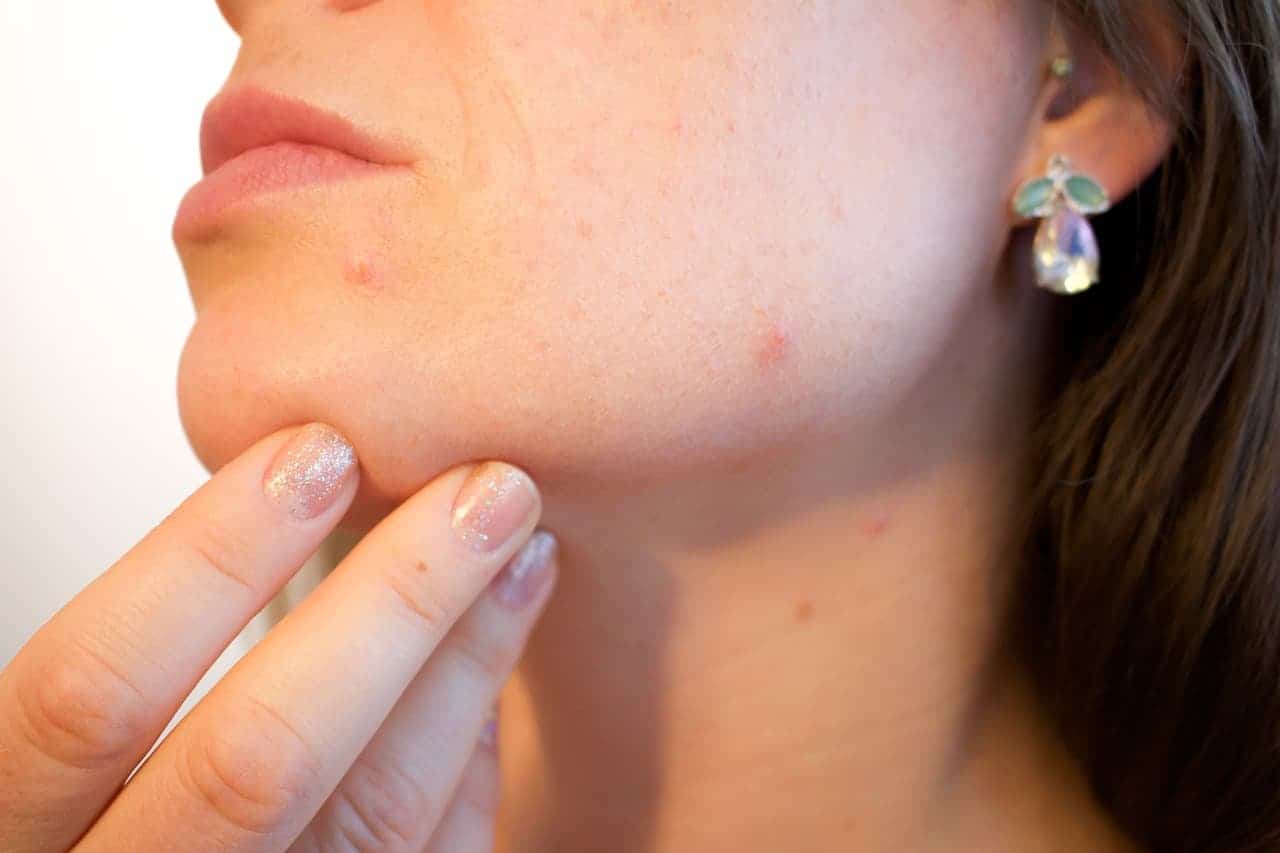
It is very gentle on your skin. Use it as an excellent, all-natural, and affordable face cleanser in order to fight off signs of acne! To use, take half a teaspoon, rub it between your hands in order to warm it up and then spread it gently over your face. Let stand for 10 minutes and then rinse with warm water. Pat your face dry and enjoy the honey benefits!

honey

Honey is an effective and natural acne remedy.

21. Use it as a hair mask

Utilize it to significantly increase the shine of your hear by way of increasing hydration. By simply mixing 1 teaspoon of raw, unfiltered honey with 5 cups of warm water and then applying said mixture to your hair, you can enjoy this great benefit! After letting the mixture sit for a little while, rinse it out thoroughly and let your hair air dry before styling it.

You really can call honey a wonder substance. With so many amazing uses and healthy honey benefits, choose it as an alternative sweetener to table sugar. With a whole host of research available on its benefits to your health and well-being, and results matching up with claims, you’d make a huge mistake by not taking it up as a part of your daily beauty and cooking routine!

Doctors Explain 10 Reasons Saturated Fat Is Good For You

Saturated fat is not bad.

That mindset can be difficult to swallow after we’ve been told how dangerous saturated fats are. We’re grilled to eat less of this fat or that fat. Then you have some gurus who demonized all types of fat.

Your brain is on information overload as you peruse the food aisles, and you’re ripping your hair out in frustration.

Who do you listen to? Who’s right? Wrong?

Repeat it like a mantra: I will not be afraid to eat saturated fat for health reasons. My body needs it!

What are Saturated Fats?

Instead of a lengthy scientific answer, a fat that remains mostly solid at room temperature is saturated. All dietary fats are fatty acid chains. Even among the fat subgroups, the chain lengths do vary and so do their benefits.

Where Did The Fat is Bad Myth Actually Start?

Around 1958, a study emerged that aimed to find a dietary link to heart disease. Seven countries and their respective diets went under a microscope, but only a hypothesis developed as a result. This is mostly due to the serum cholesterol levels the study uncovered, which were higher in countries that are large amounts of animal fats. (1)

However, animals are only one source of this type of fat. Even plant-based diets that use minimal or no dairy products can exceed recommended daily values, including the Mediterranean Diet.

A secondary myth evolved with the low-fat craze of the 80’s and 90’s. Again, this started from a hypothesis that scientists and medical researchers have long debunked. Eating fat of any kind does not make you fat.

Are Dietary Fats Created Equally?

No, they’re most certainly not. Full fat unsweetened yogurt will be healthier than a vegan donut fried in vegetable oil. Why? Most fried foods still contain unhealthy trans-fat, even if the label says zero. The FDA only requires a company to list it on the label if it exceeds 1 gram.

Trans-fats are not the same as the naturally occurring saturated variety. (2)

Healthy Saturated Fat Choices

• Dark chocolate
• Full-fat dairy, including cheese, yogurt, and real butter
• Eggs
• Coconut oil
• Avocado
• Nuts

How Much Fat Should You Eat?

This is a varied opinion and it will depend more on your chosen lifestyle, your health, and your genetic risk factors. However, we’ll include the standard guidelines for your reference.

According to American dietary guidelines, you should aim for 10% of your daily fat intake to be saturated. This recommendation is still based on debunked science. However, they do say to replace your other fat intake with plant-based monounsaturated and polyunsaturated fats.

Low carb lifestyles and Paleo/primal diets reach for 50-80% total fats. A strict follower will aim to balance their omega fatty acids over the following actual percentages.

The American Heart Association supports no more than 6%.(3)

Keep in mind that fat is one proponent of your diet. If you’re looking to consume more or less saturated fat for health or weight loss, you should also address your entire diet so it remains balanced.

Some People Should Still Limit Saturated Fats

If you have Familial Hypercholesterolemia, you might wish to stay on the lower side of the recommended values. Speak with your doctor if you have or are at risk for this genetic disorder.

Some people store and process fat differently. Science still can’t explain the variables, so if you notice adverse effects or face poor test results, limiting saturated fat might benefit you.

If your current goal is weight loss and you’re not following a low carb plan, you will need to watch your saturated fat intake. This doesn’t mean to avoid it, but it does contain a large number of calories.

Processed Low Fat Foods Aren’t Your Answer

We’re not including foods naturally low in fat because they often contain vital nutrients your body requires. However, a diet heavy in processed low fat foods aren’t nutritiously sound when compared to their full-fat counterparts.

While we should do our best to avoid processed foods high in saturated fat, we often reach for lower fat versions of those same foods thinking they’re healthier. In fat’s place, you will find unhealthy fillers to enhance taste and texture. Sugar is usually the go-to.

The problem is you’ve now swapped one disease risk for another, namely obesity and insulin resistance. Both are predominant factors in prediabetes. (4)

10 Reasons You Should Eat More Saturated Fats


1. Increases Your Beneficial HDL Cholesterol

Healthy cholesterol levels require balance. Your body has two types: HDL and LDL. Both are technically proteins. Fats, especially the saturated variety, actually lower your HDL, which reduces your risk for heart disease. (56)

Some fats will raise your LDL, which increases heart disease risks. However, the rise in HDL from saturated fats negates the rise in LDL. (7)

2. Your Cells Need It

Saturated fats assist your body at the cellular level. They build and strengthen the walls of your cell membranes. It’s also responsible for building and strengthening your brain cells.

3. Promotes a Healthy Brain

When you don’t consume enough saturated fats, you run the risk of brain fog. Does it stop there? A few emerging studies highlight the importance of dietary fat on Alzheimer’s and dementia.

Dr. David Perlmutter, who wrote Grain Brain, links lower consumption of fats (including saturated) with higher incidences of mental and brain-based disorders. His lists include dementia, chronic headaches, ADHD, and Alzheimer’s disease.

His link comes from the dietary cholesterol found in these high fat foods, which we also know promotes brain cell health. They also assist with communication between your neurons; many of the listed disorders occur because the brain’s neurons don’t effectively communicate.

4. Might Lower Your Stroke Risk

Consuming dairy, which contains high amounts of saturated fat, in a 25-year study showed a decrease in risk factors for stroke. In the study, participants enjoyed both low fat and full fat dairy. Further study would be beneficial to understand the link. (9)

5. Might Reduce Hunger and Cravings

Most dieters understand the link between protein and fat. This magic combo satiates hunger and reduces cravings.

Fat without protein can do this too. Think of the fat bomb recipes taking the internet by storm. They contain a high amount of fat with the majority being coconut oil based.

6. Could Lower Risks for Type 2 Diabetes

Saturated fatty acids aren’t created equally. They contain carbons in their chain, and chain length might be a vital clue scientists overlook when it comes to saturated fat for health.

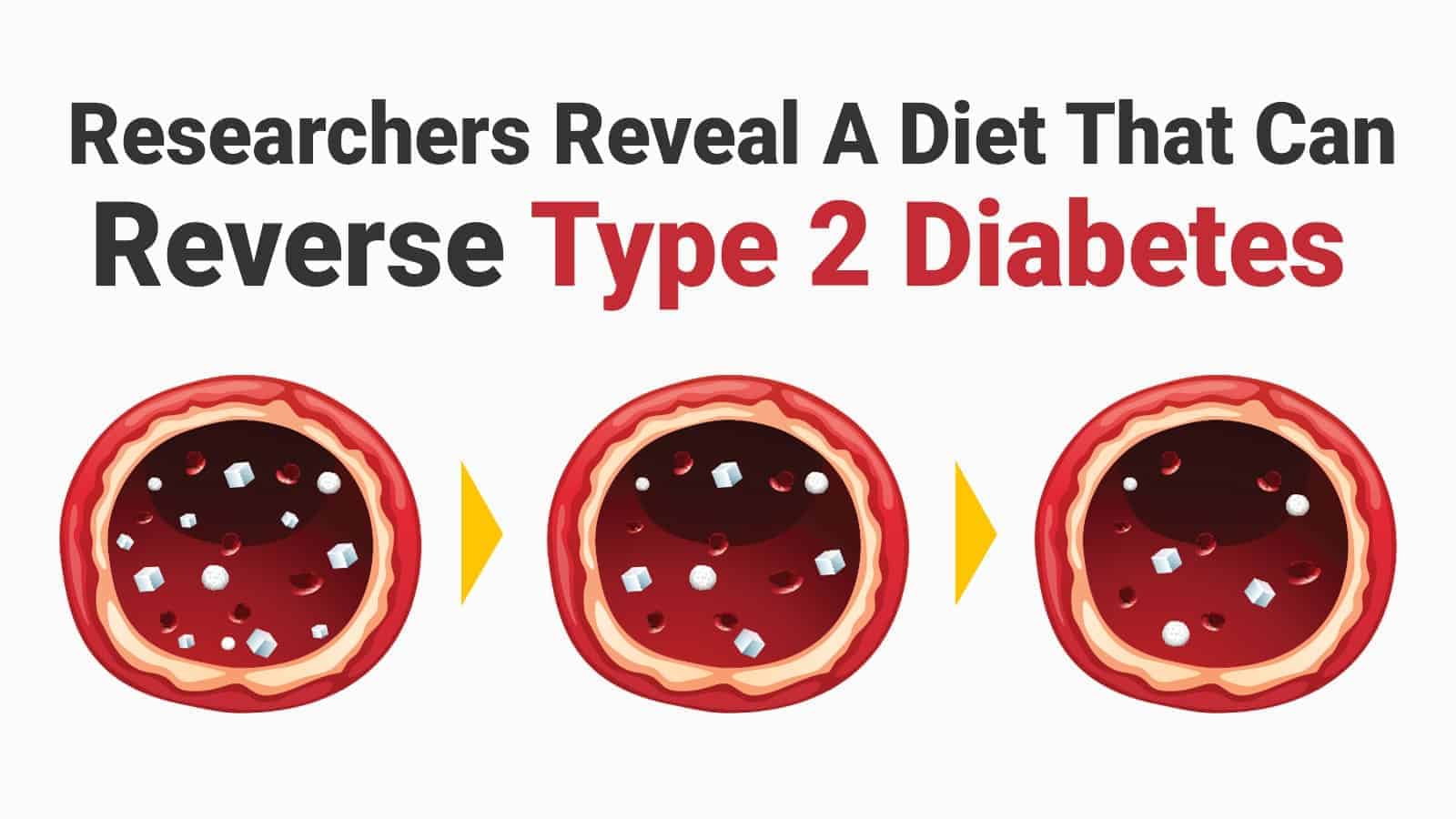
saturated fat - reverse diabetes

Type 2 Diabetes can be managed by following this diet.

A European study with 16,000 participants ate a combination of even and odd chain fatty acids. Those who consumed more odd chains saw a decrease in type 2 diabetes risk. Beef and dairy contain mostly odd length chains.

7. Might Strengthen Your Bones

Dr. Mary Enig, Ph.D., claims saturated fats play a vital role in how effectively calcium affects your bones. Despite her connection to the Western Price Foundation, Dr. Enig fully supported using coconut oil to achieve upward of 50% saturated intake.

While the intake might be jaw-dropping, she does have a scientifically sound point. Vitamin D is fat soluble, meaning it requires fat to properly absorb. Unfortunately, most studies rely on synthetic forms of the vitamin instead of testing naturally occurring dietary Vitamin D.

8. It’s How Your Body Regulates Hot and Cold

While stored body fat can be vital to heat/cold regulation, so does the fat we eat on a daily basis. A low-fat or fat free diet might not provide your body with enough of the nutrient to fuel your body’s metabolism. This can leave an obese person feeling cold and essentially lower their core body temperature.

9. It Could Give You Firm, Glowing Skin

Dry flaky skin is a side effect of not consuming enough dietary fat. Your skin is a major organ, but it needs oil like a car. We can slather on creams, but it’s a cosmetic fix. For healthy skin, you have to start within your body with the foods you eat.

10. It’s Vital For Your Immune System

Fat sources contain vital nutrients your immune system requires to function properly. Eating saturated fat for health means you will receive vitamins A, K, E, and D. Like your skin, a healthy immune system begins from within with the foods you eat.

Final Thoughts on Consuming More Saturated Fat

Saturated fats should be part of your diet. The ratios or percentages will depend on your lifestyle, risk factors, and diet. Your goals will matter too because no one can ignore the calorie density of fats.

Saturated fats do offer benefits when they’re in whole or lightly processed foods, such as dairy. They allow your body to absorb the powerful nutrients you need. They assist brain health, can reduce aging, and they lower risks for the chronic and deadly diseases.

Eating saturated fat for health might be difficult at first. You have stigma from years of misguided advice, but it’s time to silence inner and outer critics. Consuming the minimum recommendations is still better than shying away from this type of fat.

Skip to content