Weekly tips, affirmations, and small actions to feel your best.

The Best 10 Minute Workout for Abs That You Can Do at Home

Ab workouts are a sure way to lose inches, become stronger, and just feel better about your body. Hitting the gym each day isn’t an option for everyone. Therefore, a workout for abs may seem out of the realm of possibilities. Don’t get discouraged, though. Because there are plenty of ways to have a workout for abs that you can do right at home.

You may be concerned with the amount of time it will take to workout. But that isn’t always an issue, either. Surprisingly enough, you can do a simple workout for abs in 10 minutes or less.

Quick workouts for abs are easy enough for beginners to do. And they are also effective enough for those who are advanced, as well. If you still don’t believe that you can get an effective workout for abs at home in less than 10 minutes a day, continue reading to find out how you can!

Workout for Abs That You Can Do At Home

1. Plank

This simple exercise is well known, but the proper position and exercise aren’t always done. In order to do a proper plank, start with your palms flat on the floor directly below your shoulders.

With your feet extended behind you and using your toes to hold yourself up, keep your body tight while tightening your core, butt, and quads. Hold this position for as long as you are comfortable with.

It is such a simple exercise and can be done literally anywhere. Whether you are at home, on vacation, on your lunch break at work, or hanging out in your backyard, you can do this 10 minute or less ab workout.

Other Versions of the Plank Exercise For Abs

Forearm Plank

A forearm plank is done in the same way as a regular plank. Instead of placing your palms on the ground, however, you will place your forearms on the ground instead. You will want to make sure that your elbows are directly underneath your shoulders.

Lateral Plank Walk

The lateral plank walk begins in a regular plank position with palms on the floor beneath your shoulders. Making sure to keep your muscles tight, move to the right moving your right hand and right foot first. You can move to the right as many times as you want, but make sure you are counting because each move counts as one rep, and you will have to do the same number of reps on the left side.

Plank with Spinal Rotation

Plank with spinal rotation is yet another type of plank (there are many, as you can see). You will begin in the normal plank position with your palms on the floor and legs extended behind you before rotating your body to the right so your shoulder is above your wrist and your left hand is reaching toward the ceiling. Pause while holding the spinal rotation position for a few seconds, then return to the original position before doing it again. Each time you do it is one rep, and then you will do the same number of reps on the other side of your body.

Plank to a Downward Dog

Plank to a downward dog is an exercise that involves beginning in the original plank position, but just a little bit higher. From that position, you will raise your hips, push them back, and feel your heels moving toward the floor. While you are doing this, you should reach with your right arm to your left foot before returning to the original position. Continue this exercise for at least one minute, or until you no longer feel comfortable. Each time you return to the original position, switch which hand and foot you are using.

2. Bird Dog Crunch

Begin on your hands and knees with your hands directly below your shoulders and your knees directly below your hips. Then, put your right arm straight out in front of you and your left leg straight back. Keep your back completely flat and squeeze your abs throughout this whole exercise.

Next, pull your right arm and left leg in towards the center of your body, attempting to make your knee and your elbow meet. Return to the position of having your arm in front of you and your leg behind you, and meet them in the middle again.

Continue this for a set amount of reps, and then switch to the opposite arm and leg before doing the same number of reps on that side. Make sure you save some energy to switch to the other side of your body so that you can finish out the exercise!

3. Mountain Climber

Just like with the plank to downward dog exercise, you will begin the mountain climber in a high plank position. While making sure to keep your core tight, pull one knee to your chest. Quickly return to the original high plank position, and immediately pull the other knee to your chest. Continue to do this for as long as you are comfortable.

Remember, it is more important to maintain a straight back and tight core than it is to go fast. If you find that your form is lacking, try slowing down a bit.

4. Leg Lift

Lie prone on the floor by laying on your back with your legs straight out and your arms face up next to you. When you are comfortable, lift both of your legs up until they are verticle, or until you can’t lift them anymore. Lower them slowly back to the floor, and repeat the exercise as long as possible.

5. Down Dog Abs

Beginning in the downward-facing dog pose (hands on the floor directly below your shoulders, butt lifted up, legs straight, back unbent, and head between your arms), lift one leg straight into the air. Then, bend the knee of the leg that is in the air and bring it toward the elbow on the same side of your body.

As you pull your knee toward your elbow, shift your core into a plank position. Hold the position and return your leg to the air. Using the same leg, bend the knee again, but this time, bring the knee toward the other elbow.

Once you have returned your leg to the air again, this counts as 1 rep, and you have to do the same number of reps on the other side of your body.

6. Dead Bug

Lying on your back, put your arms straight out toward the ceiling and pull both knees up so that they are directly over your hips (a tabletop position). Slowly lower one leg so that it is straight while putting the opposite side arm straight out over your head. Don’t let your leg or your arm touch the ground. Instead, try to keep them about an inch or two off the ground.

Return to the starting position and then do the other side, rotating back and forth until you can’t anymore. Make sure to keep your butt and core tight throughout the exercise.

7. Core Roll Up

Lie on your back with your hands and arms flat on the ground above your head. Keeping your arms extended straight, bring them up and over your head, and continue until you can reach your toes. As you’re bringing your arms up, raise your body slowly and fluidly, as well, tightening your core the entire time.

Once you’ve reached your toes, reverse the movement so that you are lying on your back with your arms flat above your head. This counts as one rep, and you can continue for as many reps as you are comfortable with.

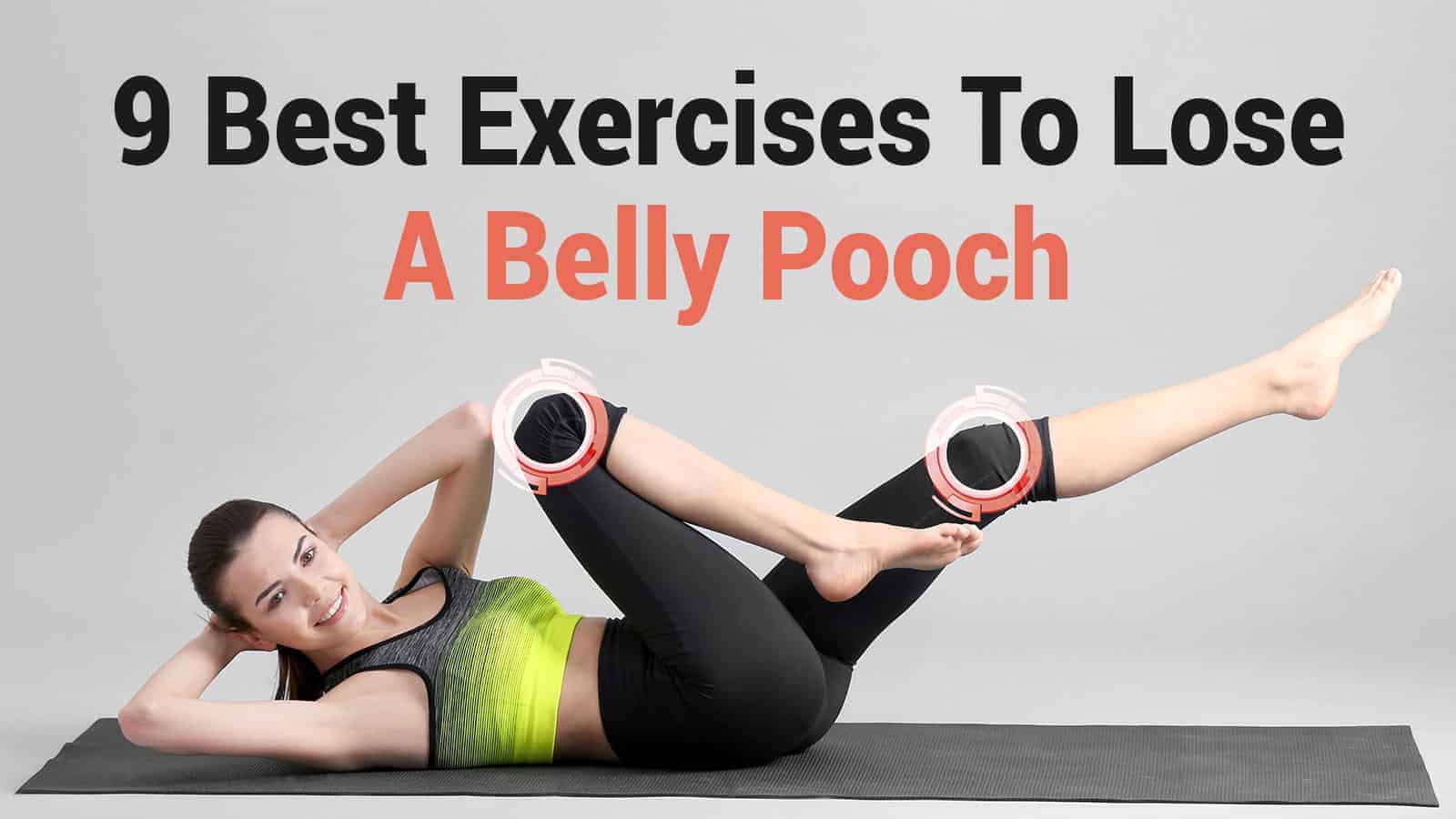
8. Bicycle Crunch

Lying on your back with your knees at a 90-degree angle and directly above your hips (the tabletop position again), put your hands behind your head, bend your elbows and point them out to the sides away from your body. Then, using your ab muscles, pull your head and shoulders up off the floor. This is the starting position and the position that you will return to between each rep.
workout for abs
Bend and twist to bring your right elbow toward your left knee (touching them together if you can), while also extending and straightening the right leg. Then, immediately bend and twist the other way to bring your left elbow toward your right knee and extending the left leg straight out. Continuing do this and rotating until you no longer can.

Final Thoughts On Workout For Abs That You Can Do At Home

Working out at home doesn’t have to be a hassle, and it is possible without any weights or other equipment. The best workout for abs at home can be done in less than 10 minutes, and there is a range of exercises to choose from. If you have extra time, you could even do multiple exercises at home that targets your abs.

A simple 10-minute workout for abs can allow you to work out and get your exercise in quickly before or after work, or even before bed each night. These exercises are perfect for when you have no time to get to the gym or you don’t like the environment of a gym.

There are always options for working out, and these options don’t have to involve a large amount of time or equipment. The key is to try many different exercises until you find the workout for abs that is best for you, and eventually add more of them to your exercise routine.


12 Yoga Poses to Reduce Neck Pain

Neck pain affects millions of Americans and is a common occurrence of daily life. Finding a natural method to reduce neck pain may seem nearly impossible, but you’ll be happy to hear that it is possible through yoga. Pain can occur for many reasons, but yoga can help with all types of pain in your neck.

While there are many treatment options for reducing neck pain, many come with unpleasant side effects and may not work long term. Not only will the pain come back once the medication wears off, but the pain can also work its way into your head, shoulders, and back.

Yoga, on the other hand, can reduce neck pain naturally, avoiding the negative side effects of regular medication. With regular practice, yoga can help with neck pain long term, allowing you a permanent reprieve from the issue.

Yoga Poses For Neck Pain

1. Standing Forward Bend

To do this pose, you will stand with your feet directly below your hips. Then, as you lengthen your body and keep your knees bent slightly, fold your body in half. You will want to touch the floor but if you can’t, you can touch your ankles or a block placed on the floor.

Once you’re in position, you will tuck your chin to your chest and fully relax your neck. While doing this pose, you can gently move your head around to further release tension in your neck. Hold this pose for one minute or longer, and then roll your spine back up, bringing your arms and head up last.

2. Triangle Pose

For this pose, you will begin standing with your feet hip-width apart. Then, you’ll take one step forward, making one foot leg distance apart from the other foot.

Next, you will turn one foot (the front one) so that the outside of your foot is parallel to the long side of your yoga mat. Your other foot (the back foot) should be turned so that it is at a 30 to 45-degree angle to your front foot. Then, make sure that both of your heels are lined up with one another.

Once you have both feet in place, you will inhale while reaching your arms straight out with one arm in front of you and one behind you. Then you will exhale and bend from your hip. Your right hip should be stretched over your right leg.

You aren’t done with that step, however. Next, you will reach the hand that is straight out in front down to your ankle, shin, foot, or toes. You could even put a block near your foot if that is easier. When you do this, you will want to slightly bend your front knee and rotating the thigh towards the same side little toe.

You will then rotate your head to look at your other hand, which should now be in the air above you. Once you’ve done this with one side of the body, rotate and do the exact same thing but in the opposite direction.

3. Cat Cow

You start this pose by getting down on all fours, making sure your hands are directly under your shoulders and your knees directly under your hips.

You will begin with the cow position, inhaling while filling your belly with air and lowering it towards the floor. As you do this, you will look up at the ceiling and let your head and neck relax for a few seconds while also stretching your shoulder blades outwards.

After that, you will move your body into the cat position while exhaling, pulling your belly in toward your spine and arching your back into the air. Lower your head so that you are looking at the floor, but be careful not to put your chin to your chest.

You will repeat these poses 5-20 times, inhaling into the cow pose and exhaling into the cat pose.

4. Cow Face

Begin by kneeling down, and then cross your right leg over the other, just above the knee. Put the top of your right foot on the floor next to your left ankle before exhaling and sitting back onto the heels of your feet. While keeping your thighs and feet together, focus on your breathing.

Sit as straight as you can, and lower your chin slightly. Then, inhale while lifting your head and tipping it back slightly. Roll your left shoulder forward and reach it behind your back. Place the back of your hand flat on your back.

While leaving your left hand where it is, you will roll your right shoulder backward, putting your hand over your shoulder, eventually clasping it together with your left hand. Once you’ve clasped your hands together, you will pull in opposite directions while breathing in and out. Hold this pose, continuing to pull in opposite directions for at least 30 seconds. As you release this pose, you will inhale and switch to the opposite side of your body.

5. Half Lord of the Fishes

Begin by sitting down and bringing one foot along the floor to the outside of the opposite hip. Then, cross your other leg over so that the opposite foot is flat on the floor. Sit up as straight as possible and twist the top of your body in the direction of the foot that is near your hip.

When you twist your body, look over each shoulder to stretch the muscles in your neck and upper back. Stay in this position for at least one minute, and then switch to the other side.

6. Sphinx

First, lie down on your stomach, bend your elbows, and put your hands flat on the floor next to your shoulders. Using your palms and forearms, lift your upper body and head while also tightening your back, butt, and thighs.

Be sure to keep facing straight ahead and lengthening your spine. You will hold this pose for at least two minutes.

7. Puppy Pose

Start by getting down on all fours, keeping your wrists below your shoulders and your knees under your hips. Move your hands forward to the edge of your yoga mat and lift your heels so that your toes are the only part of your foot on the mat.

Next, bring your butt down about halfway while resting your forehead on the yoga mat or floor. Stay in this position until your neck is completely relaxed. Then, press with your palms, stretch your arms and bring your hips toward your heels.

Hold this position for at least one minute before releasing.

8. Legs Up the Wall

This is a super simple pose, but that doesn’t mean that the benefits are any less effective. You can do this by pretending there is a wall against you, or you can actually use a wall as support.

Begin in a seated position and, if you are using a real wall, lie down while putting your legs up against the wall. If you are not using a real wall, simply put your legs straight up in the air while you are lying on your back. Hold this position for as long as you comfortably can, but no longer than 20 minutes.

9. Corpse

This pose is perfect for the end of the day when you need to let go of the stress and tension of the day. You will lie on your back and spread your feet slightly wider than your hips. Relax your feet and allow your toes to fall out to the side.

Next, you will lie your arms beside your body with your palms facing upward. Make sure that your body is aligned from your head all the way down your spine. Simply focus on deep breathing and releasing any tension for 5 or more minutes.

10. Child’s Pose

Similar to the puppy pose, child’s pose involves getting down on all fours to begin. As you exhale, you should lower your hips toward your heels while reaching along the floor with your hands. Your arms should remain in front of you the entire time.

Continue lowering your hips until you no longer feel comfortable. Do the same with your arms, extending your shoulders and lowering your forehead to the yoga mat.

11. Seated Twist

While sitting comfortably on the floor, extend your legs straight out. Bend your right knee and then cross the right foot over to the outside of your leg.

Sit straight, inhale, and place your left arm straight out. Then exhale while wrapping your left arm around your bent knee. Next, put your right hand on your yoga mat near your tailbone and turn your face in that direction.

While taking steady, deep breaths, twist your body gently. You shouldn’t feel discomfort while doing this pose, so if you experience any, you should adjust your position or try a different pose. Finish by repeating the pose on the other side.

12. Ear to Shoulder

As long as your spine is straight, you can do this pose either standing or sitting. You should look straight ahead and keep your arms at your sides. Take a deep breath and exhale as you lower your right ear to your shoulder. While inhaling, slowing raise your head to the center, and then repeat the process on the left side of your body.

neck pain

Final Thoughts On Yoga Poses to Reduce Neck Pain

Any kind of pain is awful, but having pain in your neck can be one of the worst kinds. Luckily, you can reduce neck pain in natural ways. Even better, with some poses, you can do it no matter where you are.

Through the use of yoga, neck pain can be instantly reduced. Over time, if you regularly practice these poses, you may even be able to eliminate neck pain entirely. Either way, you’re likely to see results!

Science Explains 9 Best Things That Improve Your Gut Health

“Gut health” is one of the biggest buzzwords in the wellness community. A quick visit to any holistic living blog or health influencer’s Instagram page will likely turn up several posts about this trendy topic. So, what exactly does it mean?

Tens of trillions of microbes, or bacteria, have been residing in our digestive system since the beginning of time. Most of these organisms reside inside the large intestine, with only about 10,000 populating the small bowel. Approximately one-third of the gut microbiome is the same across all humans, with the remaining portion being unique to each individual.

Of the portion of microbes that vary from person-to-person, the vast majority are genetic. The remaining 10% or so are influenced by our diet and other lifestyle factors such as environmental toxin exposure. However negligible that percentage might be, knowing there are things we can do to improve our gut health is incredibly promising news.

IMPORTANCE OF GUT MICROBES

So what are these microbes for? Well, basically everything. It’s a well-known fact that our gut bacteria aid in digestion. Each time we eat, they help us extract and assimilate essential nutrients from our food, turning the remnants into waste. What many people aren’t aware of, however, is just how many other hats these microscopic beings wear when it comes to shaping our overall health. Here are several of their many functions:

Immunity:

It is estimated that about 70% of our immune system originates in the gut. Microbes communicate with immune cells and control how the body responds to infection. (2.)

Brain health:

Emerging research suggests the central nervous system, which is in charge of brain function, and gut microbiome are closely related.


Blood sugar control:

A study revealed that less diverse gut microbiota are associated with type one diabetes in infants. It also discovered that certain gram-negative bacteria became more prevalent just before diagnoses. Additionally, postprandial blood sugar varies widely across the population even when the exact same food was consumed. This disparity could be due in part to differences in gut bacteria.

Mental health:

Most of our neurotransmitters, such as serotonin and dopamine, are actually located in the digestive tract rather than the brain. The two organs talk to one another via the gut-brain axis, which means our mental and gastrointestinal wellbeing have a very close relationship. Not only does the food we eat have a profound effect on our mental state, but psychological stress also negatively influences digestion.

Cardiovascular health:

The gut microbiome plays an integral role in promoting optimal levels of HDL cholesterol and triglycerides. Certain strains of bacteria convert nutrients found in red meat to TMAO, a chemical that contributes to blocked arteries. This molecule can be a catalyst for medical emergencies such as myocardial infarction or stroke. Conversely, other species such as Lactobacilli may lower LDL cholesterol when taken in probiotic form.

Weight control:

Many studies have shown an association between gut dysbiosis, or an unfavorable balance of good and bad microbes, and obesity. In rodent experiments, those implanted with an obesogenic microbiome gained more weight than those receiving bacteria from a lean person. This disparity occurred in spite of caloric intake being equated.

While this is by no means an exhaustive list, hopefully, it illustrates just how important the gut microbiome is for all facets of health. Now that we’ve established that, let’s move on to some of the worst things a person can do for their gut health.

SURPRISING THINGS THAT NEGATIVELY AFFECT YOUR GUT HEALTH

Eat a diet low in diversity.

A diverse microbiome is healthier than one with fewer strains of bacteria. This is because different microbes have their own defense mechanisms against harmful influences such as antibiotics.

Drink alcohol excessively.

Chronic overconsumption of alcohol is associated with gut dysbiosis. Beverages such as gin decrease the number of beneficial bacteria, but moderate red wine consumption actually improves overall digestive health. This is likely due to the polyphenols present in wine.

Take antibiotics.

While antibiotics are crucial for such illnesses as strep throat and urinary tract infections, they can have long-lasting repercussions in the body. These powerful drugs eradicate both good and bad microbes, and levels of beneficial bacteria can remain suppressed for years. In addition, antibiotic use can temporarily increase the population of harmful bacteria such as Clostridium. (3.)

Lead a sedentary lifestyle.

Regular physical activity has many health benefits, one being a positive alteration of the gut microbiome. Athletes’ microbiomes contain more organisms that produce butyrate, a short-chain fatty acid important for overall health. Active people also have higher levels of Akkermansia, a microbe that plays a key role in metabolism and obesity prevention.

Get inadequate sleep.

Much like the rest of our body, the gut also follows a circadian rhythm. Altering that biological clock via sleep deprivation can increase numbers of bacteria associated with weight gain, type 2 diabetes, and fat metabolism.

Stress excessively.

Stress is unavoidable in our fast-paced society, but finding ways to mitigate its effects is crucial for maintaining a healthy gut. In mice, high stress levels increase gram-negative bacteria while decreasing beneficial populations.

Clearly, the choices we make day-in and day-out have an overarching potential to influence our gut microbiome in either a positive or negative fashion. What we put on our plate is one of the most frequent decisions we face, so it’s time to zero in on the best foods for gut health.

9 OF THE BEST THINGS YOU CAN DO TO IMPROVE YOUR GUT HEALTH

Eat pre and probiotic foods.

Probiotics are the bacteria themselves, while prebiotics are the nondigestible carbohydrates they feed on. Fermented vegetables such as sauerkraut and kimchi, kefir, kombucha, miso, and tempeh are examples of probiotic foods. Alternatively, you can opt to take a probiotic supplement. Prebiotics can be found in asparagus, bananas, chicory, garlic, Jerusalem artichokes, onions, and whole grains.

Minimize sugar and artificial sweeteners.

Overconsumption of sugar and artificial sweeteners can result in an unfavorable balance between good and bad gut flora. Artificial sweeteners, especially aspartame, have been proven to increase the prevalence of bacteria associated with metabolic disease. This umbrella term refers to a group of medical conditions that can lead to diabetes and heart problems. Additionally, these fake sugars can increase blood glucose.

Reduce stress.

Stress comes in many forms, all of which can negatively impact our gut microbiome. Psychological or environmental stress, sleep deprivation, or circadian rhythm disruption can all wreak havoc on intestinal organisms. Consider implementing stress management techniques such as meditation, deep breathing, or yoga to mitigate any harmful effects. Getting regular exercise, consuming a diet primarily made up of whole foods, and sleeping well can also aid in stress reduction.

Minimize antibiotic use.

While antibiotics are vital in the case of certain infections, providers issue them unnecessarily about 30% of the time. Research suggests that up to six months after a course, several species of beneficial bacteria have yet to be replenished. The CDC recommends always discussing alternative options with your doctor before accepting a prescription for antibiotics.

Get regular exercise.

Moving your body frequently may help increase microbiome diversity. A study conducted in 2014 found that athletes had a much vaster array of gut bacteria species than their sedentary counterparts. Adults should participate in at least 150 minutes of moderate-intensity exercise per week, including at least two days of strength training.

Sleep well.

Getting enough good quality sleep can improve gut health, in addition to mood and cognitive function. An animal study found that irregular or disrupted sleep can negatively impact the microbiome. Plus, it increased the risk for inflammatory illnesses. Aim for at least seven hours of uninterrupted sleep per night and try waking up and going to bed at the same time each day.

Swap out your household cleaning products for cleaner alternatives.

Disinfectants, in particular, can disrupt the gut microbiota. A study found babies living in homes where these products where the household utilized these at least once a week had higher levels of Lachnospiraceae. This microbe is associated with type 2 diabetes and obesity. When these infants reached age three, they had a higher BMI than toddlers who hadn’t been exposed to disinfectant cleaners.

Don’t smoke.

Smoking negatively impacts whole-body health, including the gut. A research review found smoking contributes to gut dysbiosis or having more bad versus good bacteria. This can increase one’s risk of developing IBS or IBD (inflammatory bowel disease.)

gut health

FINAL THOUGHTS ON THE BEST THINGS YOU CAN DO TO IMPROVE YOUR GUT HEALTH

The trillions of bacteria residing in our guts have a profound impact that extends far beyond the confines of the digestive system. While many factors influence the balance of pathogenic and beneficial microbes within our intestines, diet is a crucial aspect. Plus, we have control over what we put in our bodies.


Overall, a diet high in fruits, vegetables, and essential fatty acids create the most favorable environment for a healthy microbiome. Foods such as yogurt, sauerkraut, olive oil, Brussels sprouts, and traditional sourdough bread provide prebiotics, probiotics, and polyphenols. This allows beneficial gut bacteria to flourish and inhibit the growth of gram-negative microbes.

5 Differences Between Conventional and Functional Medicine That Can Save Your Life

Despite revolutionary advances in disease management, America is sicker than ever – and the problem is only getting worse. Every state, save for Colorado, has an obesity rate of over 20%. In many Southern states, that number shoots up to 30% or higher. (1.) The current state of health continues to remain dismal despite the information we have about conventional and functional medicine.

So, what gives? TV commercials consist of nothing but weight loss programs and new, innovative medications. But, our health is still declining. This paradox is due in part to how the current system focuses on symptom management rather than treatment.

Functional, or holistic, medicine takes a more whole-body approach compared to its conventional counterpart. Several differences set the two healthcare models apart from one another, and these variances could prove lifesaving.

WHAT IS CONVENTIONAL MEDICINE?

Conventional, or allopathic, medicine is the dominant healthcare system in most developed countries, including the United States. Traditional medical schools teach this curriculum, and graduates of these programs practice it.

Drugs and surgery are the primary treatment modalities utilized by conventional medicine. Nutritional therapy, chiropractic care, acupuncture, and herbal supplements are not considered to be part of this model. (2.)

Symptom management with medication is the primary concern of conventional physicians. Rather than taking time to investigate why someone is feeling a certain way, providers take a band-aid approach. This method allows the person to feel better quickly while imbalance continues to fester beneath the surface. This contributes to a further decline in the person’s state of health.

WHAT IS FUNCTIONAL MEDICINE?

Functional medicine, on the other hand, is a bio-individual approach to health that focuses on discovering the root cause of disease. Specific diagnoses, such as depression or inflammation, can result from a variety of underlying issues.

A person’s genes, environment, and lifestyle all influence the prognosis of their illness. One root cause may look entirely different depending on each one of these factors, which is why looking deep beneath the surface is necessary.

Addressing the underlying problem is the only way to achieve true healing beyond merely the suppression of symptoms. This discovery is why functional medicine is the future of healthcare in America and all over the world. Below are vital variances between the two models that could be the difference between life and death.


DIFFERENCES BETWEEN FUNCTIONAL AND CONVENTIONAL MEDICINE THAT COULD SAVE YOUR LIFE

Conventional medicine

Takes a surface-level approach to managing the disease.

Care providers use medicine to suppress symptoms; however, the root cause remains untreated. Therefore, patients never truly heal and must rely on drugs for life. Additional health complications commonly arise from the underlying issue having never been addressed. This is why many Americans take several different medications and are still incredibly sick.

Compartmentalizes the body.

Conventional medicine has separate doctors for each body part. These physicians are not allowed to veer outside of their scope, so they view disease through a very narrow lens. Treatment must be confined to the symptomatic area, regardless of the origin of the health issue.

Treatments often have risks and side effects.

Since conventional medicine uses drugs manufactured in a lab, our bodies do not recognize them. Life-altering or even fatal side effects may ensue as a result.

Care is non-individualized.

Each disease has a cookie-cutter treatment course across the board. Patients do not receive customized plans tailored to their specific needs.

Patients do not play an active role in their treatment.

Conventional medicine frowns upon consumer education. Indeed, practitioners discourage patients from doing independent research and advocating for themselves. The doctors’ opinions should be taken as law and never questioned. Such a dismissive system causes people to lose touch with their bodies and outsource their health.

Options are limited.

Providers often do little for a patient beyond medication or surgery. This method often puts insurmountable pressure on people and forces them to make a decision that they may regret at a later date.

Providers largely ignore disease until it becomes serious.

Also, we may argue that conventional medicine is nothing more than palliative care. This phrase refers to an effort to prevent death and manage a severe illness. They deem subtle signs of health issues, which often manifest in the initial stages, as not problematic. As a result, diseases that could have been easily treated spiral into a complex web requiring drastic measures to unravel.

Treatment is reactive rather than proactive.

Adding to the previous point, conventional medicine focuses on managing disease when it has reached a point of no return. At this point, patients are stuck and have few choices concerning their course of action. (3.)

Less thorough testing.

Many of the diagnostic modalities utilized by conventional medicine are either not specific enough or inaccurate. “Normal” ranges for blood biomarkers are vast, meaning a person could be ill and think nothing is wrong.

Money matters above all else.

Conventional doctors receive money from pharmaceutical companies upon prescribing medications. This practice encourages them to write more prescriptions, which are not always necessary. The food industry also has an enormous influence on our healthcare system. As a result, they advertise things like corn and canola oil as being heart-healthy. In fact, though, they are very inflammatory and contribute to the poor state of health.


Functional medicine

Looks beneath the surface.

Rather than focusing on symptom management, functional medicine takes an investigative approach. By identifying and addressing the root cause, symptoms inevitably disappear. This method leads to long-lasting results and doesn’t see localized issues spreading throughout the body.

Sees the body as a whole.

Functional medicine doctors often do not specialize in one area of the body. This is because holistic practitioners understand how intricate our internal workings are. Health issues are usually not localized to one area, but rather have widespread implications. Everything about the human body is connected, and one malfunctioning part can affect the entire system. Recognizing this interdependence allows treatment to focus on repairing the machine rather than patching up defective pieces.

Treatments are safe.

Food, exercise, and stress management are true first-line defense mechanisms. Therapy also includes herbal supplements if a patient needs more aggressive intervention. Still, so many consider traditional medicine a last resort if all other options have been exhausted. This attention to daily habits differs vastly from the conventional model, which does not even consider lifestyle changes as a treatment approach.

Custom protocols.

There is no one-size-fits-all approach to functional medicine. If ten patients all have the exact same disease, they will likely each receive a different treatment. This is because one health issue can have a myriad of root causes which require unique healing modalities. Rather than focusing on the illness, functional medicine is patient-centric.

Is that the reason behind the current state of health in the US?

Takes an integrative approach.

Adding to point three, functional medicine views disease from a much broader lens than our traditional healthcare system. Diet and lifestyle, mindset, healing herbs, and conventional drugs are all on the table as treatment options. Patients get the best of both worlds and do not feel stuck or pressured due to limited choices.

Prioritizes restoring optimal function.

The primary goals of functional medicine are not to prevent death and manage symptoms. Instead, providers take great care to restore a person’s health fully. Our bodies perform optimally without the aid of drugs, and holistic doctors recognize this. Functional medicine gives the body the tools it needs to heal itself. Then, it steps back while the body it does its job of restoring to a good state of health.

Preventative instead of reactive.

Practitioners strive to resolve disease before it reaches an irreversible state. Additionally, they emphasize proper nutrition, regular exercise, and stress reduction as building blocks of a healthy lifestyle. This usually minimizes the number of supplemental treatments required after building the foundation.

Cutting edge testing.

Functional medicine has access to the latest diagnostics to identify subtle abnormalities. This includes stool, hormone, and even genetic testing, all of which serve as pieces to a complicated puzzle. Furthermore, functional medicine seeks to achieve optimal bloodwork values rather than striving for the broad “normal range” set by conventional labs. (4.)

Not influenced by corporations.

Functional medicine doctors don’t take pay offs by drug or food companies. Instead, they use evidence-based approaches from peer-reviewed medical journals.

state of health

FINAL THOUGHTS ON THE DIFFERENCES BETWEEN FUNCTIONAL AND CONVENTIONAL MEDICINE THAT COULD SAVE YOUR LIFE

In the words of Hippocrates, “let thy food be thy medicine, and medicine thy food.” Conventional medicine does not agree with this sentiment, believing that what goes on our plates has little to do with disease. In the world of holistic health, a preventative approach to health means that illness has no reason to manifest initially.

The current healthcare system has many pitfalls. Doctors are overprescribing medication and rewarded handsomely. And, they treat each part of the body as a separate entity. In functional medicine, the opposite is true.

In fact, integrative medicine involves recognizing the human body as a complex, interconnected system. Treatment focuses on discovering the root cause of illness and restoring optimal function rather than symptom management. By taking this approach, patients achieve true health instead of dependence on the revolving door that is conventional medicine. Only then can we begin to improve the current state of health in America.

5 Habits Self Help Gurus Practice Daily

Tony Robbins, Eckhart Tolle, Wayne Dyer, James Arthur Ray, Dale Carnegie, Jen Sincero, Maya Angelou—-what do all of these people have in common? They are noted self-help gurus and world shakers–and they have developed good habits. These are people who have made their imprint on life and on society in ways that the rest of us note as significant and life-changing.

Developing Habits to Help You Regain Control

If you have ever been on a quest to improve your life and regain control over aspects of your daily grind that are less than savory, congratulations! You are likely to know a few of these names listed. Who knows? You may have attended a talk, read a book, or even attended a seminar by one of these individuals. You might have found it life changing. Perhaps, even, you may have begun to implement good habits and make lifestyle changes to improve the quality of your life. Along the way, it is certain that you must have questioned the validity of the teachings before you. And you began to wonder what kind of process these individuals must have undergone in order to go from “mortal joe” to self help guru status?

Undoubtedly, the rise of any self help guru is no doubt fraught with danger, intrigue, despair, and a smattering of low self-esteem. Yet, each of them rose to the challenge, accepted their flaws, and tirelessly worked to overcome them. Establishment of good habits that were completely different from what they had known before became essential on their rise to glory.

The Rise to the Top

Tony Robbins was living in someone’s laundry room, writing affirmations on the bathroom mirror every morning. Yet, he refused to give in to limited thinking that kept others stuck in obscurity.

Eckhart Tolle suffered from severe depression until the age of 29. Then, he was forced to look inward for the answers to the peaceful life he sought.

Maya Angelou overcame a history fraught with rape, childhood trauma, and the challenges of being a single mother. But she rose to become one of the most influential women in American history. What do all of these people have in common? And what good habits and practices do they follow on a daily basis to keep making a difference in the world? Finally, what qualifies them to be labeled as “self-help gurus”?

Habits that Popular Self Help Gurus Practice

Simple. They refused to let their past, present, or future circumstances define who they were to become.

Overcoming adversity

The fact is, everyone has adversity in their lives; everyone has unsavory experiences as part of a past and perhaps present that they would rather forget. Many of us don’t know what to do with our mental and emotional baggage, and we carry it with us for years, allowing it to affect our choices, our careers, and even our relationships.The point of power that someone who is committed to self-improvement inevitably comes to is the moment when they decide that they are not the sum total of their circumstances, but their self worth lies in what they do from that moment forward. They begin to replace bad habits with good habits as they learn that true power for change lies within. Asking critical questions in an attempt to change their lives becomes critical as they evaluate

  • What choices and life events led them to this point
  • Which core beliefs were shaping their reality
  • What core beliefs were no longer serving them
  • How long they wanted to continue dealing with current limitations
  • What good habits can they create to sustain a life that is constantly improving

Asking and answering these questions honestly pointed them in a direction of learning to blast through limitations, shrug off limiting beliefs and bad habits, and to literally transform their lives, one positive choice at a time.

Have they arrived?

Asking any self-help guru if they feel as if they have “arrived”, or achieved everything they set out to, is almost laughable, given the ongoing transformation they have had to endure to keep life moving in the direction of their choosing. Most of them would tell you that self-improvement is an ongoing process; one that never stops, one that should never stop, and one that is well worth any turn and twist in the road to get to greater peace, happiness, and joy. They would likely all tell you that they practice several daily habits that contribute to their self-improvement plan, and it would be very wise of you to glean from this conversation those habits that they practice to attain their states of enlightenment. Just what do these self help gurus do on a daily basis, and how does it impact the quality of their lives?

They practice self-care

These self help gurus will tell you that they cannot give unless they are healthy and well themselves. So they eat well and meditate. Doing what they can to practice impeccable self care sends a message to their psyche that “they deserve it.” Indeed, they understand that they should care for themselves before tending to everything else in their lives. You too can begin these practices of self care. Starting small by making dietary changes can improve your mental and physical health in profound ways that impact not only you, but those around you. Making small and steady steps in the direction of improving your self care techniques will transform your inner world as well.

They visit the inner “teacher”

Our world is a very busy, chaotic, noisy place, filled with distractions that can take us away from our core issues. Being willing to turn inward and learn from the wisdom of the spirit fire living inside of you will tell you more about yourself than any self help book or seminar will, no matter how much you pay for it. Be quiet, be humble, and be willing to listen to what your inner spirit is saying to you about your life and your truest desire to express love and light on this planet.

They get things done

Whether it’s dropping the dog off at the vet or returning that list of phone calls that you put on hold the previous day, these go-getters get the job done consistently. They maintain organization and follow through with obligations, making sure that they improve their effectiveness on a daily basis. For those times when it’s not so easy to blast through a list of “to-do’s”, they practice compassion for themselves and others, realizing that part of growth is the realization that everyone has down days. Nevertheless, they persist.

They do things to improve the lives of others

There’s a compelling reason our self help gurus have risen to this status. And that is because they are willing to do what it takes to improve the lives of others. They realize that it’s not all about them, and that giving back is essential to creating a quality life and quality relationships on this planet. Connecting with others and providing services of value, no matter how insignificant they may seem to others, is where it’s at. This feeds the soul and makes the heart sing, and this is where true self-actualization finds its fullest expression.

They commit to learning something new each and every day

It doesn’t matter if they take time to read about world events, fostering a new skill or acquiring a new asset. A person who is committed to self-improvement will never stop learning, period. They are passionately committed to the health and development of their selves. And, they realize that this translates into their ability to help others as they cast off their limitations, their ignorance, and their past failures to become stronger and better equipped.

Knowledge is power. So learning to accept and assimilate new information becomes critical. And that fact is especially true in our fast-paced world where so much seems to be going haywire. Self-help gurus attend seminars themselves; they are avid readers, and they even enroll in courses designed to make them more effective at what they do. In addition, they acknowledge and play up their strengths. Additionally, they learn to downplay their weaknesses as they continue to learn more about themselves and the world around them. They are passionate advocates for change while at the same time practicing gratitude for the complexity of life.

good habits

Who will you become?

Are you someone who has recently begun a search for peace and happiness? Or have been you traveling the road to self-actualization for quite some time? If so, you are in the right place at this moment in time. Every event that has transpired in your life has led you to this place, to this point of power.
Who will you become? It doesn’t matter who you were, who you want to be, who you wish you weren’t. That’s because of this question. What are you going to do right now, today, to change and improve your life? Gather your inspiration from some of the best in the self help business who have risen out of adversity and obscurity to achieve levels of health, peace, and prosperity that is our divine birthright. You deserve every positive change that is coming your way, but you must make it happen. What good habits will you implement today to change your life? You have the power within you; choose your best life!

12 Remedies to Relieve Knee Pain at Home

If you want to relieve knee pain, there are a lot of things you can do. Everything from exercise and weight loss, to monitoring your diet, all of these have noticeable effects on the long term health of your knees and help relieve knee pain.

Keep in mind, this list of home remedies cannot fix a major medical emergency. If you have torn a tendon and experienced significant trauma to the muscle or cartilage in your knee, you need to seek out the help of a medical professional.

For all other chronic problems, consider these 12 home remedies for your knee pain.

Exercise

Regular exercise is a proven method for both prevention of chronic pain and alleviating already existing chronic pain with such conditions as osteoarthritis. (1)

Exercise prevents and helps chronic knee pain through strengthening the muscles surrounding the knee and improving the health of cartilage underneath the knee cap. As the muscles around the knee are strengthened, the knee is stabilized and the knee cap itself is able to track properly through the patella. Furthermore, exercise forces out excessive fluid buildup around the joint. This helps with joint stiffness and swelling. Consider the following common causes of knee pain and how exercise mitigates those problems:

– Unstable knee joint – mitigated through strengthening the surrounding muscle.

– Knee cap tracking improperly through the patella – mitigated through strengthening the surrounding muscle.

– Worn cartilage underneath the knee cap – mitigated as blood circulates through the joint and pumps settled fluid out.

A regular exercise routine is one of the best things you can do for the health of your knees.

Posture

Believe it or not, the way you sit in your chair makes a difference in the health of your knees. The three most common leg positions to avoid when sitting are the following:

– Legs pulled back underneath the chair.

– Sitting with your legs crossed.

– Sitting on your feet.

It is best to sit with your legs stretched out in front of you, with your knee caps unlocked.

Weight Loss

Obesity is a major predictor of chronic pain. Subsequently, research has demonstrated a credible weight loss program will improve knee health and offset chronic pain. Less weight on your knees will lead to a reduction in tension on the knee joint.

In a study conducted out of North Carolina, it was found that a loss of even 5% of body weight in obese adults experiencing chronic pain led to less pain. The recommended amount of weight loss, from the study, was 10%. (3)

Eat healthy food

Any pain in the body, especially pain in the knees, is caused by inflammation. Certain foods cause inflammation, while other foods are anti-inflammatory in nature. Therefore, you should avoid excessive amounts of inflammatory foods and consume anti-inflammatory foods. (4)

Inflammatory foods to avoid include:

– Added sugars in processed foods.

– Refined grains, such as white rice and white bread.

– Fatty acids.

– High fat red meats, such as beef.

Anti-inflammatory foods to consume:

– Fruits.

– Vegetables.

– Unsaturated fats.

– Fish.

– Low fat meats, such as chicken.

Adjusting your diet to whole foods will not only bring these anti-inflammatory benefits to your knees, but it will help in losing weight.

Medication

There are several over-the-counter medicines you can take to relieve pain in your knees. Note, however, that medication is NOT a fix for chronic pain. Medicine temporarily alleviates symptoms, rather than fixing the root cause of the problem.

The common medicines to take are Tylenol, Aspirin, Ibuprofen, and Naproxen. The differences between the drugs are slight, usually on the basis of overall strength of effect, but they all do the same basic thing. They all reduce inflammation.

If you are not a fan of taking oral medication, then capsaicin cream can help. Capsaicin cream works differently than other medications in that it blocks the chemical that sends pain messages to your brain, rather than reduces inflammation.

Massage

Massage therapy on the knee, particularly on the quadriceps muscles, has proven effective in improving the health of the knee. (5)

You can perform massage therapy on yourself at home. Simply take the heel of your hand, place it on the base of the quadriceps muscle (the group of muscles located around the top of the knee cap), and rock it back-and-forth while applying pressure. Be sure to thoroughly massage the inside and outside portions of the quadriceps muscles.

Natural Oils

The use of natural oils, also known as aromatherapy, reduces inflammation, stiffness, and pain. It does not fix the underlying causes of the inflammation or pain, but it does provide relieve knee pain. (6)

The following is a list of the natural oils to use for treating knee pain.

– Eucalyptus

– Frankincense

– Lavender

– Evening Primrose

– Ginger

– Turmeric

– Basil

All of these natural oils contain anti-inflammatory characteristics. As you apply the natural oil around your knee joint, the oil is absorbed into the skin and the affected muscles and tendons. A reduction in swelling around the knee will alleviate the stiffness and improve mobility temporarily.

RICE Method

If you are unfamiliar with the acronym, RICE, it stands for: Rest, Ice, Compression, Elevation.

The RICE method is one of the oldest methods of treating any type of injury. If your pain is the result of a sport-related injury, then RICE is where you should start. (7)

Rest allows the injured tendons, ligaments, and muscles surrounding your knee to recover. Ice freezes the muscle and tendons, which stops inflammation. Compression and elevation restrict excessive blood flow to the area temporarily, which would exaggerate pain symptoms.

Heat and Cold

Heat and cold are applied at different times to treat knee pain. It changes according to whether your pain is chronic or a temporary injury, and how far along you are in the recovery process.

If treating knee pain from an injury, cold should be applied immediately after the incident. Cold will stop the process of inflammation, providing a buffer for tendon and muscle recovery. Heat should be applied a couple of days after the initial injury, to allow blood to provide the needed nutrients for a speedy recovery.

knee pain

When treating chronic pain, it is best to ice directly before and directly after physical activity. This will reduce inflammation, which will improve flexibility and improve mobility.

If you are in the process of exercising to improve chronic pain, then applying heat to the area around your knee a few hours after the workout, to speed the recovery process from your workout, may help.

Compression Sleeves / Brace

Compression sleeves and knee braces serve different functions. These devices apply light pressure around the joint to trap in body heat. Essentially, a compression sleeve is like strapping a low-grade heater onto your leg.

A knee brace applies pressure to the knee to provide stability to the joint and additional support to the muscles and tendons.

A compression sleeve should be worn for a few hours during the day, to provide heat therapy to the knee, which may prove beneficial in relieving knee pain.

A knee brace should be worn during physical activity, particularly in the event of a sport related injury. It will provide additional support to the injured muscle or tendon, while also taking primary responsibility for stabilizing the knee itself.

Stretch

Stretching and rolling has long been a great method for alleviating pain for tired, achy muscles, which may affect the health of your knees. However, there is a proper method of stretching that should be adhered to.

Avoid cold stretching. Cold stretching is attempting static stretches before warming a muscle up. Cold stretching forces the elongation of muscle fiber, rather than opening the muscle up for increased blood flow.

Use an active stretch warm up. An active stretching warm up would be lunges or sitting in the bottom of the squat position.

After an active warm up, dive into a round of static stretches.

Tai Chi

Tai Chi is a form of Chinese meditation that combines meditation with slow continuous movements.

A study conducted in Boston found that Tai Chi has all the benefits of physical therapy, with a few additional improvements over physical therapy. Whereas physical therapy had shown a significant reduction in chronic pain for roughly one-year, Tai Chi demonstrated continued to progress beyond a single year. Furthermore, participants in Tai Chi experienced reduction in other things such as depression and anxiety.

If you lack the time or money to enroll in a lengthy physical therapy treatment process, Tai Chi may prove a suitable alternative.

The Best 5 Keto Breakfast Recipes

Sorting through all of the opinions and advice about dieting on social media and the web can be time-consuming and frustrating. After all, which of these contradictory claims should you believe? While many of the advertised diets are fads, only a few have medical science behind them. The keto, or ketogenic, diet is one of those diets developed by medical researchers.

And you will start every day with a healthy keto breakfast.

According to Healthline, the ketogenic diet comes with a variety of scientifically proven benefits: increased HDL or good cholesterol, decreased LDL or bad cholesterol, decreased appetite, increased weight and fat loss (particularly from the abdomen), lower triglycerides, reduced blood sugar, reduced insulin, lower blood pressure, improved acne, decreased symptoms of metabolic syndrome, and decreased symptoms of brain disorders such as epilepsy.

Most importantly, as a diet, the keto diet works well as a three to six month, short-term, weight-loss plan.

How Does the Keto Diet Work?

Eating less than 50 grams of carbohydrates in a day causes your body to have less quickly-available fuel. After three to four days of having less of this type of fuel, your body will begin to break down protein and fat to supply its energy instead. This state, known as ketosis, is what causes you to lose weight.

Carbohydrates

The science behind the ketogenic diet tells you to limit your intake of carbohydrates and instead get most of your calories from protein and fat sources. The diet requires that you eat less than 50 grams of carbohydrates per day and avoid carbohydrates such as sugar, soda, and white bread that are high on the glycemic index. Instead, you should choose complex carbohydrates.

Examples include the following:

  • brown rice
  • quinoa
  • oatmeal
  • yams
  • beans
  • lentils
  • legumes
  • nuts, and
  • seeds.

Low starch vegetables such as carrots, spinach, broccoli, onions, artichokes, tomatoes, and cucumbers are also low on the glycemic index.

Protein

Protein is an essential part of any diet, not just the keto diet. Our body needs protein, which is made up of smaller units called amino acids,  to function. We need the essential amino acids in protein so that our bodies can grow and repair muscle tissue. We also need protein so that we can keep our hair, nails, bones, skin, and internal organs healthy. Finally, protein helps us to create the hormones and enzymes necessary to our daily function.

The following are good protein sources:

  • shrimp
  • crab
  • salmon
  • sardines
  • mackerel
  • cheese
  • grass-fed meat
  • poultry
  • eggs
  • plain Greek yogurt, and
  • cottage cheese.

Fats

Not all fats are created equal. Despite the fact that the keto diet encourages eating more fat than many other diets, that doesn’t mean that any fat is good fat. Avoid processed, polyunsaturated fats such as canola, soybean, and peanut oil. You should also avoid processed trans fats which are found in processed foods, fast foods, and margarine.
There are many sources of good fats that you can eat, however.

Examples include the following:

  •  avocadoes
  • coconut oil
  • butter
  • ghee
  • cream
  • olive oil
  • olives
  • nuts / seeds
  • nut-butters, and
  • fish oil.

Keto Breakfast Recipes

There are many simple keto breakfast dishes that you can grab on the go without any preparation. A handful of roasted nuts, ham and cheese roll-ups, or hard-boiled eggs will all serve as a quick keto breakfast. However, if you are interested in varying your morning foods or need to satisfy specific taste urges, then here are five essential keto breakfast recipes to make, modify, and enjoy any time of the day.

1. The Keto Smoothie

Keto Smoothies are the perfect on-the-go keto breakfast food: easy to make, portable, and delicious. There are endless combinations of the ingredients that will satisfy your need for a variety and your cravings for good, tasty food. You will need a good quality blender.

Ingredients:

½ cup silken tofu
1 cup berries
1 cup greens
½ to 1 cup low fat, unsweetened coconut milk
½ cup ice (if using fresh fruits and veggies)

The Smooth
Tofu, a good source of protein with low net carbohydrates will put the “smooth” in your smoothie. Any of the following keto-friendly ingredients will also help your achieve this texture: avocado, ground oats, plain Greek yogurt, cottage cheese, cream cheese, nuts, or nut butters. Avoid nut butters or yogurts with added sugars.

The Sweet
Berries are a good addition to a Keto Smoothie because of their low carbs. Fresh strawberries, raspberries, acai berries, and blackberries will all add sweetness and texture. Blueberries are often your best bet if you are craving something really sweet.

The Healthy
There are countless good greens that you can add to increase the nutrients in your smoothie: spinach, kale, parsley, cabbage, cucumber, ginger, mint, cilantro, or celery.

The Liquid
You can use any form of unsweetened nut milk, whole cow’s milk, oat milk, or water. You will want to add more liquid or ice depending on how thick or thin you like your smoothies.

Once you have blended your smoothie to your desired consistency, don’t forgot to top it off with cinnamon, nutmeg, or maybe even a little turmeric.

2. Inside-Out Keto Breakfast Sandwich

Egg, meat, and cheese sandwiches are a breakfast staple, and these three ingredients are all extremely keto-friendly. However, the traditional breakfast sandwiches run afoul of the rules of keto dieting due to the bagel, English muffin, or biscuit. Keto chefs have a simple solution; do away with the bread.

Ingredients:
egg – scrambled or over easy
sliced cheese
2 cooked sausage patties
veggies

In order to assemble your keto breakfast sandwich, simply use your sausage patties as bread and your egg and cheese as the sandwich filling. Slices tomatoes, spinach, avocado, or any other veggies of choice make a nice addition to this tasty sandwich.

3. Keto Hash Skillet

Skillets are another fan favorite. They combine the appeal of diner food with a one dish simplicity. The Keto Hash Skillet offers endless variety, depending on which ingredients you put together.

Ingredients:
eggs – scrambled, poached, over easy, or sunny-side-up
veggies – onions, peppers, spinach, tomatoes, mushrooms, any other low starch veggies
meat – bacon, steak strips, ham, corned beef, or sausage
olive oil
shredded cheese

In a cast-iron skillet or another solid frying pan, cook your meat. Remove meat from pan and cover with foil to keep warm. If you are using bacon or sausage, the olive oil is not necessary; simply cook your vegetables in the bacon or sausage fat. Heat the olive oil over medium to medium-high heat. Stir in your vegetables and allow to cook until slightly tender. Add meat to vegetables and mix well. Meanwhile, in a separate smaller pan, cook eggs in the desired manner. Place meat and vegetable mixture on a plate and cover with eggs. Sprinkle with shredded cheddar cheese.

4. Keto Cakes

Pancakes, a weekend breakfast standard, may seem off-limits on a ketogenic diet since a typical serving of pancakes contains 37 grams of carbohydrate and a serving of maple syrup contains 13 grams. That one meal puts us at our carbohydrate limit for the day. However, it is possible to make delicious Keto Cakes with only 12 grams of carbohydrate.

Ingredients:
1 cup almond flour
¼ cup coconut flour
2-3 Tbsp erythritol or another sweetener (see substitute sweetener chart for proportions)
1 tsp gluten-free baking powder
5 eggs
1/3 cup unsweetened nut milk
¼ cup coconut oil
1 ½ tsp vanilla extract
¼ tsp salt

dark chocolate chips or blueberries

Combine all of the ingredients together in a bowl until blended. Heat a griddle to 300 degrees. Pour ¼ cup of batter onto the griddle for each pancake. Cook one to two minutes per side until cake is golden brown. Remove from griddle and top with your favorite toppings: butter, sugar-free syrup, berries, walnuts, nut butters, or breakfast meats.

keto breakfast

5. Keto Crunch

Last, but definitely not least, on your list of keto breakfast recipes should be a good granola. Use this basic recipe, combining different nuts and spices for a variety of flavors.

Ingredients:
nuts: almonds, pecans, walnuts, and/or pine nuts
seeds: pumpkin seeds, sunflower seeds, and/or sesame seeds
flaked coconut
monk fruit sweetener or other keto-friendly sweetener
spices: cinnamon, cloves, nutmeg, and/or pumpkin pie spice
salt
melted coconut oil
egg white
vanilla extract

Preheat the oven to 300 degrees.
Chop nuts. Then mix nuts, seeds, coconut, sweetener, cinnamon, and salt together in a large bowl. In a small bowl combine the melted coconut oil, egg white, and vanilla. Pour the oil mixture over the nut mixture and combine until the nuts and seeds are thoroughly coated.
Spread the mixture in a single layer onto a baking sheet covered in parchment paper. Bake for 25 to 30 minutes, turning the pan in the oven halfway through. Do not stir the granola.

Final Thoughts

Just as there is an endless number of diet options promoted through social media and the web, everyone has their opinions on the necessity of breakfast. Some tout it as the most important meal of the day; others swear by one-meal-a-day intermittent fasting. Some claim that breakfast is the first of the three essential square meals in a day, while others swear that they cannot eat in the morning. Regardless of which side of the breakfast debate you fall, there are many keto breakfast recipes that you can enjoy no matter what time of day you eat them.

Researchers Explain 13 Things That Make You More Attractive

Fair or not, the human species places much emphasis on physical appearance and being attractive.

Scientists argue that the survival of our species is highly dependent on physical attraction. So, that makes sense. Physical attraction means courting, which eventually leads to a becoming intimate. And of course, after love and marriage will often come the baby carriage.

In other words, it’s in the genes.

In this article, we’re going to discuss what some researchers state makes one more attractive to the opposite sex. But please allow for a few words of caution beforehand.

First of all, attractiveness studies are extremely fickle.

This probably speaks to the wide preference range of traits in humans with regards to their potential mates. Nevertheless, no attractiveness study is going to apply to everyone. In fact, it won’t even apply to most people.

Second, anytime an attractiveness study is the topic of discussion, there’s a risk. Some may take what we report the wrong way. Please understand that this is for entertainment purposes only. Seriously.

So with that being said, let’s get into what researchers say makes you more attractive. We’ll wrap things up by challenging the popular notion that “opposites attract.”

13 Things That Make You More Attractive

  1. Be kind

In a study published in the journal Personality and Individual Differences, researchers from China placed 120 participants (60 males and 60 females) into three groups of 40.

In the first part of the study, the research team then had the participants rate 60 facial images on attractiveness. After two weeks, the participants rated the images again. However, this time with “positive, negative, or [neutral] personality information.”

Researchers found that subsequent exposure to facial images with positive expressions was rated “significantly” higher.

  1. Dress in red

In a study published in the Journal of Experimental Social Psychology, researchers found a strong link between females wearing red and perceived attractiveness. The highlights from the study:

– Men see women in red as sexually receptive.

– Sexual receptivity is viewed as attractive.

– Perceived sexual receptivity explains the red-attraction link.

  1. Be yourself

In a study published in the Proceedings of the National Academy of Sciences (PNAS), a research team from Germany measured the importance of emotional transparency in perceived attractiveness.

To do so, the research team had participants watch people express a wide range of emotions. The better the participants were able to “read” the actors emotions, the higher they rated the actor on attractiveness.

While each participant rated their level of attractiveness, researchers simultaneously measured their brain activity. Brain images showed a spike in activity in the reward circuit, the area tied to the social attraction.

  1. Go au naturale

The global cosmetic product market was valued at over a half of a trillion dollars in 2017. That’s insane.

Unfortunately for women who splurged on the latest L’Oréal or Maybelline blush, men don’t care for makeup that much. According to a study published in The Quarterly Journal of Experimental Psychology, women “overestimate the preferences of men” concerning how attractive men find makeup.

  1. Don’t shave

How many times have we heard that women preferred clean-shaven, baby-faced men? Here’s yet another very common mix-up.

In a study published in the journal Personality and Individual Differences, researchers presented 60 women with 15 male faces. The pictures showed a combination of clean-shaven, light stubble, heavy stubble, light beard, and full beard facial hairstyles. The participants rated males with light stubble “to be the most attractive … [and] preferred for short- and long-term relationships.

The women perceived men with full beards as the most masculine and mature. And, they rated men with a light beard the highest.

  1. Get a dog

It should be no surprise that 22 percent of men who own a pet used it to attract a mate. But wait, there’s more.

In a 2008 study led by a French research team, women were three times more likely to give their phone number to a man with a dog. Researchers had the young Frenchman approach 240 women and ask them for their phone numbers.

When alone, just 10 percent gave ‘Antoine’ their digits. When accompanied by a small dog, that number jumped to 30 percent.

  1. Have a sense of humor

Nobody likes a stiff, especially in a mate. Both sexes rate a good sense of humor as a desirable quality in a partner. Women want a partner who can make them laugh, and men want a partner who laughs at their jokes.

Of course, this makes sense rom an evolutionary perspective. Producing humor requires cognitive skills like creativity and general intelligence. And such traits are heritable and provide genetic benefits to offspring.

  1. Clean up nice

Pretty basic, right? Proper grooming skills shows self-care skills and, well, self-respect. According to a study published in the journal Current Psychology, the most attractive features all fall under the ‘self-care’ umbrella. These include clean hair, good grooming, good posture, healthy weight, and good-fitting, quality clothing.

Evolution may play a role here as well. That’s because grooming skills and self-care habits demonstrate an ability and willingness to prioritize one’s health and wellbeing.

  1. Show some curves

Many women seem to think that men like skinny.

Not if a study published in the journal Archives of Sexual Behavior proves true. In the research study, scientists recruited 40 men and requested they rate the most attractive silhouettes. Each man viewed 26 images ranging in the weight-to-hip ratio (WHR) from .6 to .85.

Crunching the numbers, the team found that participants rated a .7 WHR  the most attractive. Besides this, multiple studies have confirmed this number to correlate the highest with perceived female attractiveness.

  1. Smile more (if you’re a woman!)

In an interesting study out of the University of British Columbia, women who smile were rated as more attractive. The same did not hold true for me, however. The reason? Expressions of happiness are associated with femininity, not masculinity. (Okay?)

And according to evolutionary biologists, smiling in females is a primordial sign of sexual receptivity and openness. Or, perhaps they’re just friendly?

  1. Ease up

“Stress isn’t sexy,” so says a study published in the journal Biology Letters. Prior studies, the research team states, have demonstrably shown that men who appear stressed are rated less attractive. Possibly because of stress’ effects on the immune system, which can impact testosterone levels.

In the 2013 study, researchers showed a group of Latvian men multiple images of female faces. They then rated the woman’s attractiveness. The team found a direct correlation between lower attractiveness ratings and circulating levels of the stress hormone, cortisol.

  1. Speak with a higher pitch (if you’re a woman); lower if you’re a man

A research team from the U.K. suggests that males associate a higher-pitched voice in women to smaller body size. In women, that’s a perceived sexually desirable trait. Conversely, in men, a lower-pitched voice signifies a perceived larger body size, an evolutionarily advantageous characteristic.

So, the pitch of voice, as well as body size, are “gender dimorphic” traits. Moreover, both sexes tend to seek out the opposing trait in the other gender.

  1. Have friends

In a study published in the journal Psychological Science, people tend to be perceived as more attractive in a group setting than alone. The University of California, San Diego research team state that observers “average out” the facial features of people in a group. In this case, averaging out is a good thing.

“Average faces are more attractive,” says psychological scientist and co-author, Drew Walker, “likely due to the averaging out of unattractive idiosyncrasies.”

attractive

Final Thoughts: “Opposites attract”

If you require any further evidence that attractiveness research is inconsistent at best, consider the whole “opposites attract” thing. For years, so-called dating and relationship ‘experts’ insisted that this rule was infallible.

Uh, yeah, about that.

In a massive 20,000-person study that tested for environmental factors on mate choice, a research team from Australia and the U.S. found the exact opposite to be true.

Among the traits analyzed were age, body mass index, height, income, personality, social attitudes, and religiosity/spirituality. According to the research team, “One pervasive finding is that romantic partners are similar to each other.”

Of all of the traits analyzed, they discovered moderate to high traits correlations between partners on age, education, general intelligence, physical attractiveness, religiosity/spirituality, and social attitudes.

Additionally, three traits – height, personality traits, and weight – had a weak correlation.

This study – and many others – speak to just how much we can claim to know about dating/mating preferences. Which is to say less than we thought.

5 Myths About Introverts and Extroverts (That Most People Think Are True)

If common stereotypes are anything to go by on the myths about introverts and extroverts, it’s that introverts are usually socially awkward loners while the extroverts love anything social and fun. We sometimes misunderstand these traits.

This misconception primarily arises from the lack of a simple distinction between extroversion and introversion. This particular piece aims at debunking the myths that revolve around introversion and extroversion traits.

Myth #1: Introverted people get energy from reflecting on their lives, emotions, and thoughts privately. Extroverts derive their energy from any sort of social interactions.

Fact: Both personalities enjoy social interactions with different reasons and for various timelines.

Many people believe that introverted people love solitude as a natural trait. However, introverts spend about the same amount of time with other people. And that is regardless if they are extroverts or introverted people. They also tend to enjoy spending time around people they love and argue well with. Both extroverts and introverted people experience increased energy when interacting as long as they share similar thoughts and feelings.

Another misunderstanding seems to describe extroverts as the more talkative and assertive counterparts. But that’s only partly true. In fact, researchers tend to base energy in terms of how comfortable an individual is around another. You could conclude that an introvert may also have as much energy as an introvert in certain spaces and timelines.

What’s the difference? Introverts often feel overstimulated by prolonged and intense social interactions. At this point, reflecting on your life and feelings will help you recharge. On the other hand, extroverts crave for energy-injected activities such as skydiving.

Myth #2: Extroverts make better leaders compared to introverted people.

Fact: Both introverted and extroverted people can make excellent leaders.

According to some studies, a significant percentage of leaders and managers admit to being extroverted. Another significant number of board members and executives admit looking into extroverted and introverted traits as a determining factor in selecting an ideal leader. Most see extroversion as an added advantage in leadership. Do extroverts make better leaders?

Leadership entails on delegating responsibilities to juniors, intense interactions with people, and frequent public speaking. It doesn’t sound like something an introvert would love to do, right? Wrong. The majority of people believe extroverts make better leaders due to their outgoing personalities.

Nonetheless, introverted people are equally successful when appointed into leadership roles. Introverted people thrive in leadership positions by validating initiatives, voicing suggestions, listing carefully to suggestions from juniors, and improving working processes. For instance, General Charles Krulak, formerly of U.S Marine Corps, convinced the public that introverted people are equally as capable of leading as extroverts(1).

Extroverts are favorites for leadership positions. That’s especially true in interaction-centered industries like entertainment or music. Extroverts are likely to get the best from passive employees looking for direction from above. Extroversion-oriented leadership possesses the enthusiasm and assertiveness to lead inactive followers into realizing their potential.

Depending on the type of followers, both extroverts and introverted people can make excellent leaders. Extroverted leaders get the best out of passive employees. However, introverted leaders succeed when paired with proactive followers. The key here to choosing the right leader is observing your employees.

Myth #3: Extroverts are better placed in taking public speaking duties.

Fact: Public speaking is more of a gift that doesn’t rely on an individual’s personality.

Myths about introverts being plagued by public speaking anxiety have long been engraved in many formal and informal spaces. We perpetuate the myth by proclaiming introverts as shy individuals who cannot stand performing in front of an audience. Most people assume that the perfect performance gift is automatically gifted to extroverts. And, they believe their introverted counterparts will fail on stage.

Unknown to the majority of people, public speaking anxiety is entirely unrelated to personality. Factors such as audience hostility, lack of preparedness, and lack of self-confidence play a significant role in contributing to public speaking anxiety. Extroverts are equally as likely to bomb a speech compared to their introverted counterparts.

Therefore, we should classify public speaking as a talent or gift that anyone possesses regardless of their introversion-extroversion trait. Speaking requires collected thoughts and emotions that anyone can display as long as they are confident about delivering the right message to an audience.

Other career paths such as sales work and customer care services are also linked to extroversion and introversion criterion. Employers favor extroverts in these careers. Most people forget that these careers don’t necessarily rely on public interactions only.

The correlation between sales performances and extroversion is nil. Every individual, despite their personality, needs to acquire a set of skills to get the job done. So, an introvert will make as good a salesperson as an extrovert.

Myth #4: Introverted people are more intellectually gifted and creative compared to extroverts.

Fact: Both personalities hold creative and intellects in various capacities.

As mentioned, both introverted people and extroverts thrive in different environments. Although the extroverted lot blends in more in stimulating environments. The myth about introverted people citing that they like to be alone is often a false statement. However, the introverted lot rarely finds the art of group brainstorming favorable.

Many introverted individuals confess to brainstorming, thinking clearly, and finding solutions quickly when in solitude and quiet spaces. After brainstorming in isolation, they are more than happy to extend their ideas to the team later. Does this mean introversion is directly linked to a higher intellectual capacity and creativity level?

The answer is no. Intellectual capacities and creativity levels are not linked to these personality traits. Instead, creativity and intellectual abilities depend on other factors. These include genetics, environment, educational background, and individual talent. Some extroverts are equally as intellectually gifted and creative as some introverts. The vice versa is true.

Smart extroverts will differ from intelligent introverted people with how they derive their brainstorming energies. A smart extrovert will thrive better in energized environments. And this explains why they are superior when it comes to group brainstorming sessions. Extroverts collect a lot of ideas from their surroundings. Then, the input allows them to process quickly and release information to their counterparts immediately.

Introversion traits require certain levels of concentration and calmness to process and release well-thought concepts. It’s safe to say that both classes of personality traits harbor the most brilliants thinkers. They only differ when processing information and ideas.

Myth #5: Introverts have more negative personalities, whereas extroverts have more positive personality traits.

Fact: Introverts have wonderful personalities but wrongly and harshly interpreted.

So we unfairly label introverted people as:

Usually, myths about introverts describe these individuals as negative-slanting.

This misconception mainly stems from the fact that introverts “like” being alone and derive their energy from solitude. Usually, this notion will come from an extrovert’s perception who gains his or her energy from social interactions, and they feel sad and insufficient when they spend less time with people.

introverts

When extroverts spend time re-energizing in an introverted and quiet space, they often report feeling depressed and sad. Because they interpret the experience as sad and lonely, most extroverts will build a mentality thinking that introverted people feel the same kind of sadness and loneliness. The myths about introverts being unhappy people may come as a genuine concern, but it is entirely untrue.

What most extroverts don’t know, it that introverted people interpret the quiet space as an ultimate re-energizing space. It is far from a depressive factor unless other factors such as stress-triggers are put into account. Introverted people are happy individuals who even partake in the most delightful activities. They have fun like any other individuals, including partying, adventures and creating merry, only that they do it in their own introverted ways.

On the other hand, we often perceive extroverted people as fun and happy lot. We rarely link depression and loneliness extroverted individuals. Many are the times you will come across this statement “He or she was an outgoing and happy individual. I wonder why he was that depressed?” Extroverts’ ability to go out and interact with the public for elongated hours is misinterpreted for being a non-susceptibility factor to being depressed.

Little known to people, depression affects anyone despite their personal traits. Both introverted and extroverted individuals can be happy people. We often define being happy differently depending on background and individuality.

A final note on myths about introverts

There you have it! Five myths about introverts and extroverts that need correction. Also, many people tend to think that introverted people take the minority of the population. On the contrary, introverted individuals make up for about half of the population. You might mistake an introverted individual for an extrovert because they are capable of living an extrovert’s life but for limited periods. This piece should help you understand both personalities with a clearer view.

Skip to content