Weekly tips, affirmations, and small actions to feel your best.

5 Mysteries Science Just Can’t Explain

Here’s a well-deserved nod to science. Scientific advances have improved every notable aspect of human existence. Of course, these range from our health and lifespan to air travel to the 5-inch computers we can fit in our pocket.

“The most beautiful thing we can experience is the Mysterious.” – Albert Einstein

But, as incredible as science is – and despite all the leaps forward – there are some things that science just can’t explain. Will science eventually be able to explain everything? Maybe. But for now, scientists worldwide remain genuinely puzzled about seemingly inexplicable phenomena.

In this article, we will talk about the five biggest mysteries facing science today. However, let’s start with a tip of our collective caps to the scientists, engineers, and inventors who made some incredible advances.

A Brief History of Science

So, as part of the nod to science, here are some important scientific and technological advances to date:

Date (or approximate)

Invention/Discovery

Paved the way for….

10 million years ago Humans make first tools Tools and machines
1-2 million years ago Humans discover fire Fuel, candles, engines
10,000 BCE Construction of first ships Boats, ships, sea craft


8000-9000 BCE Development of agriculture and construction techniques Buildings, aquafers, biofuels, housing


3500 BCE The wheel is invented Wheels and axles
3000 BCE Development of first writing tools Pens, typewriters
2500 BCE Production of early versions of paper (papyrus) Paper
2000 BCE Development of early lifting devices Elevators, escalators
1000 BCE The ‘Iron Age’ Iron and steel
c. 150-100 BCE Development of precision, gear-driven clockwork machines Clockwork
c. 50 BCE Design of the water wheel (turbine) Turbines
62 CE Development of steam power Steam engines
700-900 CE The invention of gunpowder and fireworks Ammunition, fireworks, detonation devices
1200 The invention of a flushing device Toilets
1450 Gutenberg develops the printing press Printing
1590 The first microscope is invented Microscopes, electron microscopes
1687 Newton develops laws of motion Motion, gravity
1703 Gottfried Leibniz pioneers the first binary number system Computer programming
1730s-1770s Development of chronometers Satellite navigation, quartz clocks, and watches
1814 George Stephenson engineers the first steam locomotive Steam engines
1830s William Sturgeon develops the first electric motor Electric motors
1840s Development of the electric telegraph Telegraph machines, telephones
1839 Charles Goodyear develops a durable firm of rubber (vulcanized rubber) Rubber, car tires
1850s Louis Pasteur develops pasteurization – a method of heating and killing bacteria Pasteurization
1860s Pioneering of the internal combustion engine by Etienne Lenoir and Nikolaus Otto Car engines
1870s Edison invents the phonograph Record players, sound
1880s Edison patents the incandescent electric lamp Lamps
1890s Louis and Joseph Lumiere patent movie projectors and open the first movie theatres Projection machines, cinema
1900s
The first radio wave signals are transmitted from across the Atlantic Ocean Radio
1908 Henry Ford launches the Ford Model T Automobiles, auto manufacturing
1920s Development of electronic television Television
1930s Robert Watson Watt leads the development of radar Radar
1940s The mass productions of penicillin; development of the first transistors Genetics, genetic research
1950s Jonas Silk develops and tests first polio vaccine Pharmacological research, aversion of disability
1960s Development of ARPANET, the predecessor of the internet Internet conception
1970s Voyager Program Solar System exploration
1980s Tim Berners-Lee creates World Wide Web Internet infrastructure
1990s Mapping of the human genome Genetic research, disease research, and prevention
2000s Stem cell research and programming Disease prevention, disease, and disability research
2010s IBM creates chips that mimic human brains Deep learning


By no means is this a comprehensive list. However, it shows us the inventiveness and intelligence of scientists.

Now, what hasn’t science been able to explain (yet)? Let’s go!

Mysteries that Science Can’t Explain

bermuda triangle

Read about one mystery SOLVED–the Bermuda Triangle

1 – Dark matter

Even the famed astrophysicist and genius Neil deGrasse Tyson has difficulty explaining dark matter. “Dark matter…I gotta ask what it is, and my best answer is ‘We haven’t a clue (laughs)’…We don’t know what it is.”

Tyson also notes that 85 percent of the Universe comes from the unknown source that is dark matter.

“We add up all the stars, galaxies, planets, comets, black holes, dark clouds, everything that we can (sense), and it doesn’t add up to give us the gravity that we see operating in this universe.”

So, what is dark matter? It’s a “hypothetical form of matter” that, as deGrasse Tyson states, is the “greatest unsolved mystery in the history of astrophysics.” The only thing that science proves is that this dark matter produces gravitational effects that impact galaxies and star clusters.

2 – Sleep

Why do we sleep? “It’s because we’re tired, duh!” Fair enough and, indeed, correct! If only science were that simple!

But what scientists are referring to is this: the need to sleep when you’re tired. In other words, why can’t you feel as tired as you want and stay awake? It’s probably accurate to say that most people would do exactly that if they could. Sleeping takes a big chunk out of our modest 70 to 80-year average lifespan.

Theories abound, of course. Jerry Siegel, a professor of psychiatry at UCLA in Los Angeles, California, explains his hypothesis: “Across species, energy savings is the main evolutionary impulse for sleep.” In the wild, animals that expend their energy quickly are more likely to perish. Well, if nature has taught us anything, it’s that human beings possess an innate and powerful survival mechanism. And, that’s a true fact among other species, also.

3 – Consciousness

Attempting to explain consciousness is akin to trying to sprint across an ice skating rink. We know we’re alive; we know that we exist, right? Right?

For all the advances in science, experts who research that the brain cannot state with any confidence that the brain causes consciousness. In fact, there is a multitude of evidence that points to consciousness existing, at least in part, outside of the brain.

Not only is the subject of consciousness perplexing. Also, it can get just plain weird. Russell Targ, a laser physicist by trade, was tasked by the U.S. intelligence community, including the CIA, Army Intelligence, Defense Intelligence Agency (DIA), and NASA to conduct research into remote viewing, the “practice of seeking impressions about a distant or unseen target” using extrasensory perception (ESP).

Targ and his partner, Harold Puthoff of Stanford Research Institute (SRI) successfully conducted remote spying operations for over 20 years. Targ and Puthoff’s research is published in numerous prestigious journals, including the Institute of Electrical and Electronics Engineers (IEEE).

How is one able to “sense” to “see” something without physically being present? Such a phenomenon is only explainable if awareness – an element of consciousness – exists somewhere outside of the body. “My opinion is that who you are is non-local awareness independent of space and time,” says Targ.

4 – Origin of the universe

Humans have been asking “Where did we come from?” since the beginning of time. As technology continues to evolve, demand for answers to this question is becoming increasingly vociferous.

The “Big Bang” theory is science’s answer to the question, though the theory leaves much to be desired for some. In simple terms, the Big Bang Theory proposes that the Universe began at a single moment in time and from one point. Eventually, it expanded to the Universe that we “know” today. Most scientists believe that the Universe evolved from a singularity – a “very hot, small, and dense super-force, with no stars, atoms, forms or structures.”

Unfortunately, the Big Bang Theory may never be proven. Then there’s the question, “Where did the ‘singularity’ come from?” But, for now, our collective head hurts.

5 – Intelligent Life (UFOs)

“E.T. phone home.”

With these words, our civilization’s interest in living forms that exist outside of our curious eyeballs reached its peak. Sadly, no Reese’s-Pieces-loving alien that misses home has been discovered.

That’s not to say that there haven’t been sightings. There’ve been plenty. Even some government spacecraft (read: astronauts) and pilots on top-secret excursions have seen weird things fly across the sky. Then there’s Area 51, but we don’t have all day.

We simply do not have any evidence of intelligent life outside of humans. Moreover, it seems that we need proof of everything nowadays. However, there may be a teensy-weensy problem with the whole “proof” thing.

The SETI Institute, which has been watching for alien activity for decades, uses high-powered, state-of-the-art technology in their mission.

The potential problem? Well, all the expensive observation equipment is designed for use by humans. In other words, humans have created it using what humans understand concerning the universe’s properties (e.g. physics). Any observation must be perceived through human senses and validated using human judgment. The problem? Well, the hypothetical aliens aren’t human!

If intelligent life exists, it’s probably a different species altogether. Such a hypothetical species may have different senses, technology, and means of observation and validation. If it’s an interplanetary species, their technology is probably light-years (pun intended) beyond ours. May be time to rethink our approach. Just sayin’.

science

The Future of Science

In short, we do not understand many things at this point in human development. Of course, who knows what tomorrow may bring? In the meantime, not understanding some of these things should not cause us to fear or worry. We can ponder. We can wonder. And we can even have some crazy theories and interesting discussions about the possibilities. So, embrace the truth that we don’t know everything. However, that fact should not keep us from living positive, full lives.


Oral Health Experts Share How to Care for Your Mouth After Wisdom Teeth Removal

Wisdom teeth removal is a common albeit serious surgical procedure. Every year, millions of people have their wisdom teeth removed, and if you are within the age range of 17 to 25, the chances are that you’re going to be visiting your dentist soon to have yours extracted as well. In addition to wisdom teeth removal, many other general dentistry procedures are available to maintain your oral health and prevent future issues. If complications arise, such as unexpected pain or swelling, seeking an emergency dentist in Adelaide can provide prompt care and relief, ensuring a smoother recovery. Recovering from wisdom teeth removal can be a harrowing and uncomfortable process, but having access to professional assistance makes all the difference.

However, by embracing good dental care practices and carefully adhering to the advice of your dentist or oral surgeon, such as the skilled team at Dentist Kew, you can speed up your recovery rate, reduce any associated pain and swelling. And, most importantly, you will prevent infections or complications during this recovery phase.

Here are some tips shared by the oral health industry experts at the American Dental Association.

wisdom teeth

1. Bring down the swelling and pain with ice or cold packs

Ice packs are usually the first resort when it comes to easing everyday pain and inflammation, and when it comes to wisdom tooth extraction, this is no exception. For the first 24 hours after dental surgery, apply ice packs to the cheek closest to the extraction site. However, remember to take a break from using the pack every 20 minutes or so.

It is best to use only pain medications as recommended by your dentist. However, some over-the-counter medications such as acetaminophen can prove adequate to help manage the pain after wisdom teeth removal. Be sure to ask your dentist about this before your procedure–so you may stock up the day before!

2. Eat right and drink lots of cold water

As your dentist or oral surgeon would inevitably tell you after your wisdom teeth removal, you must not consume solid foods for at least the first 24 hours after the procedure. No hot or spicy foods either. Alcohol, hot beverages, coffee, and caffeinated and carbonated drinks must be avoided.
You need to keep your body well-fed, nourished, and hydrated for quick and easy recovery.

Therefore, soft foods and cold water to reduce inflammation are highly recommended. Healthy smoothies, applesauce, or yogurts are excellent choices. After a while, if you feel up to it, you can start trying out semi-solid foods.

Some dentists suggest stocking up on cold coconut water. A more delicious alternative to standard, pure water, coconut water provides you with essential nutrients such as glucose and keeps you energized and satisfied. And the crispy coldness is just what the doctor ordered.

3. Don’t breathe through your mouth

Breathing through your mouth after a wisdom tooth extraction can be sorely tempting, but you’ve got to stay strong and resist that temptation. Why? When you breathe through your lips instead of your nose, your mouth dries off at a much faster rate. This dryness disrupts the normal alkalinity of your mouth, gives harmful bacteria ample opportunity to multiply, and increases the chances of contracting an infection.

4. Stay alert to prevent dry socket

Once the wisdom tooth extraction is complete, your body immediately starts the healing process by forming a blood clot over the incision created during surgery. This clot acts like a scab over the surgical wound and helps cover and protect otherwise exposed bone and teeth tissues. When this clot is dislodged, the bone and nerve endings are exposed and could cause you severe pain. This condition is often referred to as a dry socket and must be avoided at all costs.

To prevent dry socket:

  • Don’t sip liquids through a straw for at least a week after wisdom teeth removal.
  • Don’t spit, brush your teeth, or rinse your mouth with mouthwash for the first 24 hours after a wisdom tooth extraction.
  • After this compulsory period has elapsed, gently brush your teeth and be extra careful around the extraction site.
  • Then, use only warm salt water in rinsing your mouth every two hours and after each meal.
  • When replacing the gauze given to you by your dentist to stem the bleeding, ensure you soak the new dressing in water before putting it in your mouth. Dry gauze can stick to the clot and dislodge it at the slightest movement.

5. Elevate your head regularly using pillows

Keeping your head at the same height with the rest of your body ensures that blood continually flows towards the extraction site. Once this happens, the wound would naturally start to throb, and the area around it begin to swell. This means more pain and discomfort for you and a longer recovery time.

So, to hasten your recovery, for the first 72 hours after your wisdom teeth removal, use several pillows to position your head at a significantly elevated angle to the rest of your body. This way, the blood mostly flows downwards, away from the wound.

6. Gently massage your mouth muscles

During dental surgery, your mouth is kept open for an extended period, putting a severe strain on the muscles around your mouth and cheeks. Therefore, it is not uncommon for these muscles to feel sore, cramped, and tender after your wisdom teeth removal.

This sensation can add to the overall pain and make you uncomfortable. To ease your discomfort and release tension, gently massage the muscles for several minutes.

7. No smoking

Tobacco inhibits tissue repair and replacement. Therefore, smoking immediately after dental surgery is a surefire way to prolong your recovery and worse, leave yourself wide open for oral infections. If you must indulge, wait 72 hours after your surgery and not a minute before. If you prefer chewing tobacco, then a week should have elapsed before you indulge.

8. Most importantly, rest!

Take time out to recover. If you must resume work immediately, do so the day after your surgery. Give your body enough rest and do your utmost best to avoid strenuous activities.

wisdom teeth

Best wishes for a quick recovery from your wisdom tooth removal!

If you judiciously follow these tips along with your dentist’s instructions, then after a month or so of your wisdom teeth removal, you should have fully recovered. However, if you haven’t and notice unusual symptoms such as nausea, pus in your oral cavity, or persistent bleeding, pains, and swelling, it’s essential to consult a professional promptly. For those in the area, seeking care from a trusted dentist in Glen Burnie, Maryland can ensure you receive expert attention and guidance for a smooth recovery.

5 Types of Periodontal Disease Never to Ignore

As the name implies, Gum disease is a disease affecting your gums and other surrounding teeth tissues. Also known as periodontal disease, it exists in various types or forms. These diseases usually result from poor oral hygiene. Moreover, understanding the types of periodontal disease can help you prevent it.

In its mildest form, gum disease poses minimal health risks and can be treated quickly and effectively. However, it would help if you did not allow it to progress beyond this early stage. That’s because the condition causes eventual tooth loss and other severe health problems.

Never Ignore These Types of Periodontal Disease

build wellness meme1 – Gingivitis

Gingivitis is the very earliest stage of gum disease. It is pretty mild and easily treated. Any damage to your oral cavity at this stage can be reversed with proper medical care.

What exactly causes gingivitis? Leftover food particles and the bacteria in your mouth form a sticky, soft deposit called plaque on the surface of both your teeth and gums.

The Progression of Gingivitis

If this plaque is not removed by regular brushing and flossing, the bacteria build-up and release harmful toxins. Those irritate and inflame your gums, making them swollen and tender. Aside from gum inflammation, another critical symptom of gingivitis is the tendency for your gums to bleed when flossing or brushing your teeth.

However, it’s crucial to point out that significant damage to your gums or teeth isn’t permanent at this stage. Studies indicate that proper oral hygiene and professional cleaning can reverse your gingivitis and restore your oral health.

2 – Chronic periodontitis

If you don’t detect or treat gingivitis early on, it progresses into a more advanced and dangerous gum disease–periodontitis. If you have periodontitis, spaces or crevices form between your teeth and gums.

These spaces that you develop, called pockets, directly result from your gum and bone pulling away from your teeth. Food particles and other debris enter into these pockets and cause infections. Your body’s immune system immediately seeks to combat these infections and releases enzymes to this effect.

These enzymes eventually do more harm than good as they aggressively produce toxins that help destroy the infected gums and teeth tissues.

The Next Stages of Periodontitis

Your gums begin receding, and your teeth begin appearing longer than usual. Meanwhile, the bacteria in the plaque keep on breeding. Per the Centers for Disease Control and Prevention (CDC), it eventually spreads to areas below your gum line and begins to affect the underlying jawbone.

The pockets formed will eventually become more profound, and the disease worsens quickly. The bacteria also produce their own harmful toxins, which, when coupled with those produced by your body’s immune system, gradually and inevitably destroy your gums, bones, and other teeth, and oral tissue.

Since the disease eventually will kill the tissue anchoring your teeth in place and atrophy your jawbone, your teeth will likely become unstable and need to be extracted.

When gum and bone destruction happens at a slow rate, the gum disease is referred to as chronic periodontitis.

periodontal disease


3 – Aggressive periodontitis

Aggressive periodontitis is chronic periodontitis at a much more rapid pace. The transition from gingivitis to periodontitis is relatively fast and aggressive, with gum, bone, and tissue deterioration occurring at a very advanced rate. Ironically, aggressive periodontitis usually affects ordinarily healthy individuals.

Of the two, chronic periodontitis is the most common and occurs most times in individuals above the middle-age bracket. Despite these differences, sufferers of aggressive periodontitis have the same symptoms as those living with chronic periodontitis: receding gums, loose and shifting teeth, and eventual tooth loss.

Most times, the infected pockets between the teeth and gums contain pus. This infection is why most people who suffer from advanced gum disease have chronic bad breath, otherwise known as halitosis, and usually experience a persistent metallic taste in their mouth.

Both forms of periodontitis (chronic and aggressive) involve significant and irreversible tissue damage. However, the progression of these diseases can be halted using specific medical procedures and, if necessary, surgery.

Due to its rapid development, aggressive periodontitis is usually harder to block. A  2014 study shows that treatments consist of antibiotics, surgery, or both.

4 – Periodontitis resulting from systemic diseases

Systemic diseases lower your body’s resistance to infection and make you susceptible to gum diseases. So, if you suffer from systemic diseases such as diabetes mellitus, respiratory diseases, and cardiovascular diseases, your odds of periodontitis increase.

In this case, periodontitis usually results from the underlying systemic disease rather than as a direct consequence of poor oral hygiene. If the systemic disease in question is quite severe, you might face the aggressive form of periodontitis rather than the slower chronic type.

Here, gum disease treatment occurs in two stages. Your dentist must first control the underlying systemic disease. Then, they will implement therapy for periodontitis.

Here’s an essential point to remember. While diabetes, heart, and respiratory diseases are the most common systemic diseases related to gum disease, dozens of other systemic conditions could result in periodontitis. Among those, leukemia and Down syndrome being notable mentions.

Systemic periodontitis is one of those rare gum diseases that can affect young people. It also tends to result in more complicated health problems. It could lead to stroke, and if you’re already suffering from diabetes mellitus or heart disease, your condition worsens.

5 – Necrotizing periodontal disease

People who suffer from HIV, malnutrition, immunosuppression, and chronic stress are more prone to this type of gum disease. Of the five types of periodontal disease mentioned, necrotizing periodontal disease remains the rarest.

If you suffer from this disease, your gums, bones, and other teeth tissues would rapidly die off, leaving noticeable lesions. Unlike other types of this disease, teeth tissues are not destroyed by a bacterial infection. Instead, they are starved of necessary nourishment and die as a result. The term describing the process is necrosis. Unfortunately, it progresses rapidly.

signs of periodontal disease

The bottom line on knowing the types of periodontal disease

Although poor oral hygiene remains the most common cause of gum disease, several other factors could lead to this dreaded malady. As earlier established, certain conditions such as diabetes, cardiovascular diseases, and HIV, among others, can increase your chances of contracting gum disease.

Regular consumption of tobacco, vitamin and mineral deficiencies, contraceptive pills, certain medications for blood pressure and seizures, stress, genetic susceptibility, and even hormonal changes such as pregnancy and menopause can also contribute to periodontal disease.

Gum disease treatment is entirely possible with good oral hygiene habits, non-surgical therapy, and more advanced oral surgery cases. To prevent sensitive, bleeding gums, offensive breath, and eventual teeth loss, keep your gums and teeth healthy.

How?

  • Brush your teeth at least twice a day.
  • Floss at least once daily
  • Regularly rinse your mouth with an anti-bacterial mouthwash
  • Maintain a well-balanced diet
  • Taper down on your smoking habit. Eventually, please quit!

And, most importantly, visit your dentist or dental hygienist for regular check-ups and professional teeth cleanings.

Researchers Reveal How to Lower Estrogen Levels (Without Medicine)

Today, we live a stress-filled existence. And, we run continuously at a hectic pace. So, it’s little wonder that hormonal imbalance increases in prevalence! Many women suffer from an excess of androgens or estrogen. Unfortunately, an imbalance of either hormone triggers negative impacts

Estrogen dominance, in particular, is one of the main drivers behind painful periods. It can arise from a variety of factors, including inflammatory foods, environmental pollutants, prolonged stress, and more. Treating this condition naturally involves figuring out the root cause, which offers a much more long-lasting solution than symptom-masking medication.

SYMPTOMS OF ESTROGEN DOMINANCE

  • Weight gain, particularly in the hips, waist, and thighs
  • Menstrual irregularities such as uncharacteristically light or heavy bleeding
  • PMS
  • Fibrocystic breasts
  • Uterine fibroids
  • Fatigue
  • Loss of sex drive
  • Depression or anxiety

RISKS OF ESTROGEN DOMINANCE

  1. Hormonal cancer

Breast, uterine, and ovarian cancers can all result from chronic, untreated estrogen dominance. Breast cancer, in particular, increses at an alarming rate. In fact, one in eight women receive a diagnosis. As discussed previously, fat tissue houses estrogen. Fat cells trigger the strongest form of estrogen: estradiol. Because of its potency, estradiol is harder for the body to detoxify; this can lead to increased circulating estrogen and, consequently, harmful metabolites. (1.)

  1. Autoimmune disease

Drastic fluctuations in estrogen, such as during childbirth and menopause, can contribute to autoimmunity by increasing the body’s inflammatory response. These events cannot be avoided; of course, however, their effects may be minimized by taking care to avoid xenoestrogens in plastic, beauty products, food, and water.

  1. Thyroid dysfunction

Having too much estrogen increases levels of thyroid-binding globulin, a protein that allows thyroid hormones to circulate in the bloodstream. When these hormones are attached to TBG, they remain inactive. This prevents storage and conversion to active forms, which in turn disrupts metabolic processes.

  1. Candida overgrowth

A fungus that lives in the mouth and intestines, candida helps with digestion and nutrient absorption. This beneficial organism can become pathogenic when overproduced, breaking down the intestinal barrier and causing leaky gut. Studies have shown that candida becomes stronger when exposed to estrogen. Women taking birth control or hormone replacement therapy are more susceptible to yeast infections, and this connection may explain why.

9 POTENTIAL ROOT CAUSES OF ESTROGEN DOMINANCE

  1. Inflammatory foods

Conventional meat and dairy contain growth hormones which can disrupt the intricate balance in our bodies. Additionally, the pesticides, herbicides, and fungicides on most fruits and vegetables are endocrine-disrupting chemicals that alter hormone function and metabolism.

  1. Water

Today, our water supply is heavily contaminated with pollutants such as fertilizers and estrogens from both livestock and pharmaceuticals. Plus, countless industrial chemicals from plant runoff and the disposal of plastics in landfills contribute to pollution in water. Coal-burning refineries also emit more than 70,000 pounds of mercury into the air every year, which finds its way into the water. Many of the aforementioned compounds can have negative hormonal implications.

  1. Personal care products

The average person uses between 10 and 15 beauty products on a daily basis, with a total of about 130 chemicals! Makeup, lotion, shampoo, toothpaste, and soap usually contain xenoestrogens or chemicals with estrogenic activity. These are arguably more harmful than estrogens in food, as what goes on our skin can’t be detoxed by the liver. Be especially wary of the ingredient, “fragrance,” as it’s an umbrella term that can contain a number of different endocrine disruptors. Unfortunately, these products are internally regulated, so nefarious activity can slip by without question.

  1. Gut dysbiosis

Our gut microbiome is responsible for so many internal processes, including estrogen regulation. It does this via an enzyme known as beta-glucuronidase. When gut health is compromised, such as in the case of small intestinal bacterial overgrowth (or SIBO), estrogens cannot be properly metabolized. This malfunction can put women at greater risk for breast cancer and other ailments caused by estrogen dominance.

  1. BPA and other plastics

Plastic, no matter the source, contains xenoestrogens that can contaminate food and water stored in or touching it. Products marked “BPA free” are not safe either. Additionally, the chemicals they contain are not as well-studied. Heating or dishwashing plastic renders it even more estrogenic.

Even accepting a receipt after shopping could be compromising your hormone health!

Thermal paper is a major source of BPA, and people who handle it on a regular basis have significantly elevated levels in their urine.

  1. Heavy metals

Just like plastics, heavy metals such as cadmium, lead, and mercury have estrogen-like properties. These compounds are dispersed all throughout the atmosphere and have been suspected as a causative factor of early-onset puberty.

  1. Excess body fat

Storing too much body fat (namely around the hips, waist, and thighs), is one of the most commonly implicated causes of estrogen dominance. Estrogen is stored in fat cells, so being overweight keeps the hormone circulating in your bloodstream and vice versa. Fat tissue breaks down other hormones to create more estrogen, which can further the imbalance.

  1. Hormone-replacement therapy (HRT) and birth control

HRT and the majority of oral contraceptives only contain estrogen and not progesterone, which is necessary to maintain a balanced hormonal system. Progesterone is a vital hormone that reduces anxiety, increases focus, and improves PMS symptoms. It is only produced after ovulation, which doesn’t occur on birth control. Instead, the pill contains a synthetic version known as progestin. Progestin does not offer the same benefits as progesterone, and in fact is associated with an increased risk of depression.

Additionally, the hormones in these medications are usually toxic, synthetic versions of what our bodies produce. These unnatural compounds are not easily metabolized by the liver. This can lead to DNA damage and an increased risk for breast and endometrial cancers.

  1. Prolonged stress

Chronic stress leads the body to convert progesterone into cortisol. Low progesterone levels can lead to estrogen dominance.

HOW TO LOWER ESTROGEN LEVELS NATURALLY

  1. Clean up your diet. Minimize or eliminate conventional meat, dairy, and produce. Instead, opt for grass-fed, pasture raised, and organic to reduce your exposure to exogenous hormones and pesticides. If buying all organic fruits and vegetables isn’t an option, check out the EWG’s Dirty Dozen list. This way, you can eliminate the worst offenders at least.
  2. Invest in a water filter. Xenoestrogens are widespread in the water supply, so you’ll want to install filters on your taps and showerheads as well.
  3. Audit your personal care products. Scrutinize the ingredient lists of your shampoo, toothpaste, makeup, and other beauty products, looking out for the term “fragrance” in particular. If you don’t have time to be a detective, just use the EWG’s database to see how your favorite items stack up.
  4. Avoid plastic. Whether it’s BPA-free or not, plastic contains xenoestrogens that can negatively affect hormone levels. Use glass food storage containers instead.
  5. Consider alternatives to HRT and birth control. Both of these methods can contribute to estrogen dominance. If you absolutely must take hormones, the bioidentical versions are much more similar to what our bodies produce.
  6. Manage your stress. Adopt a yoga or meditation practice, and ensure you’re getting adequate sleep each night to prevent progesterone from turning into cortisol.
  7. Seed cycle. Seed cycling is a practice in which women rotate consumption of four different seeds throughout their menstrual cycle. Supporters of this protocol claim it helps naturally balance progesterone and estrogen: the two main female reproductive hormones. In a healthy cycle, estrogen is highest during the first half; progesterone during phase two. When this intricate hormonal dance becomes imbalanced, women may experience menstrual irregularities. This is because estrogen and progesterone have very different functions in the body and certain levels must be maintained for optimal function.(2.)

green tea

HOW TO SEED CYCLE

Days 1-14:

  • 1-2 tbsp of raw, organic, freshly-ground flax seeds daily
  • 1-2 tbsp of raw, organic, freshly-ground pumpkin seeds daily

Both flax and pumpkin seeds contain high concentrations of omega-3 fatty acids. These essential nutrients increase uterine blood flow and promote healthy cell membranes. Additionally, flax seeds have polyphenols called lignans, which bind to excess estrogen which is unopposed by progesterone during the follicular phase. Pumpkin seeds, on the other hand, are rich in zinc. This trace mineral supports healthy progesterone production when the second phase of your cycle rolls around. (3.)

Days 15-28

  • 1-2 tbsp of raw, organic, freshly-ground sesame seeds daily (or tahini)
  • 1-2 tbsp of raw, organic, freshly-ground sunflower seeds daily (or sunflower seed butter)

Sesame seeds also contain lignans, which block excess estrogen during a time when progesterone is supposed to be higher. Sunflower seeds contain selenium, a trace mineral that aids in the detox of excess hormones by the liver. This is an essential step because an overloaded liver can cause estrogen or progesterone to recirculate in the body.

  1. Ensure efficient liver detox Liver detoxification is how our bodies get rid of excess estrogen and prevent it from turning into harmful metabolites. Foods such as olive oil, walnuts, garlic, beets, citrus, turmeric, cruciferous vegetables, and green tea can improve liver detoxification. (3.)

estrogen

FINAL THOUGHTS ON HOW TO LOWER ESTROGEN LEVELS NATURALLY

Hormones, particularly those governing the female reproductive system, are extremely sensitive to factors such as diet, exercise, stress, and environmental toxins. Even the slightest changes can lead to an imbalance, which often manifests as excess male hormones.

Dietary modifications, stress management, gentle exercise, and ensuring adequate sleep are the pillars of a hormone-friendly lifestyle. Additional support such as supplementing with certain seeds and switching to natural beauty products can aid in the healing process.

Hawaii Becomes First State to Ban Toxic Pesticide Chlorpyrifos

Last year, Hawaii became the first state in the U.S. to ban the use of pesticides containing chlorpyrifos. That frequently used chemical may trigger severe developmental issues in children and other health problems.

More than a year earlier, the Trump administration denied a petition to ban the pesticide from commercial use. However, Gov. David Ige (D) signed Senate Bill 3095 into law about a year ago after the state legislature approved it without opposition. Starting on January 1 of this year, the new law prohibits pesticides containing chlorpyrifos. The law grants businesses a three-year extension, however. That time gives them leeway so they can find alternatives to products containing this chemical.

Besides being prohibited commercially, the law mandates that pesticides cannot be sprayed within 100 feet of schools during operating hours. Additionally, people who use pesticides containing chlorpyrifos must report annually to the state Department of Agriculture.

“This was a law that was years in the making. Its time had come.”

~Sen. Russell Ruderman (D-Puna, Ka’u), a sponsor of the bill.

Earlier versions of SB3095 only prohibited the spraying of pesticides at a few public schools. But the final bill enforced no-spray zones at all schools in response to public outcry about the lax approach. The bill is long overdue in Hawaii, where residents have been voicing their opinions about the use of chemicals and pesticides for some time now.

Banning Chlorpyrifos A Huge Win For Hawaii’s Residents

Three of the world’s biggest agrochemical companies, Monsanto, Dow, and Syngenta, grow genetically engineered crops in Hawaii. Most of these crops resist herbicides and pesticides due to engineering. So this means producers spray dangerous chemicals to ensure the crops can survive. These companies have many locations near schools, putting young children and the public in general at risk. Reported pesticide use data shows that these companies spray thousands of gallons of Restricted Use Pesticides (RUPs) in Hawaii annually.

“There is much to celebrate,” said Gary Hooser, president of the public interest group Hawaii Alliance for Progressive Action (HAPA). “This was a compromise in which everyone’s voice was heard, and most importantly, the community’s well-founded fears about their health were addressed. Our families have some much-needed protections against chemicals that we know are harming their health.”

What are short and long-term effects of exposure to this chemical?

Chlorpyrifos is a neurotoxin that’s been linked to severe developmental problems in children and several diseases in adults. According to the National Pesticide Information Center, exposure to small amounts of the chemical can cause nausea, sweating, and dizziness. Prolonged exposure can lead to abdominal cramps, twitching, loss of coordination, and weakness.

Studies have shown a link between prenatal exposure to the chemical and neurodevelopment issues in children, such as attention deficit problems, reduced IQ, and memory issues. A study of 50 farm pesticides revealed that chlorpyrifos was one of two chemicals found to be linked with higher risks of lung cancer among frequent pesticide users. The study also revealed that long-term exposure to the chemical leads to an increase in autoimmune antibodies, which are common in people who have autoimmune disorders. There is a strong link between chlorpyrifos and chronic illness.

Despite these health risks, the United States still uses this chemical widely. CNN reported in 2017 that chlorpyrifos was the most commonly used insecticide in the country.

Users spray the chemical on crops such as corn, apples, strawberries, cauliflower, citrus, and walnuts. Additionally, they use it in public places such as golf courses and in ornamental plants.

The EPA’s Take

The Environmental Protection Agency has been examining the risks of chlorpyrifos for decades. In 2001, the agency banned residential use of the chemical. However, recently, scientists at the EPA have been pushing for it to be made illegal altogether.

 chlorpyrifos

However, despite the EPA’s research showing the damaging effects of exposure to the chemical, it has not banned it in the U.S.

“With each year of delay in canceling food tolerances and agricultural and other uses of chlorpyrifos, more children are unnecessarily at elevated risk for problems in learning, social skills, motor function, and other developmental domains,” a group of environmental activists wrote in a letter to the EPA early this year. “We strongly urge EPA to finalize its assessment and cancel all remaining uses of chlorpyrifos as expeditiously as possible.”

In March 2017, EPA Administrator Scott Pruitt denied a petition filed by the Natural Resources Defense Council (NRDC) and Pesticide Action Network North America to ban chlorpyrifos. Pruitt stated that there were “considerable areas of uncertainty” about the health risks of the pesticide and said they required more research data.

Miriam Rotkin-Ellman, a senior scientist at the NRDC, said that Hawaii is showing the Trump administration that the states will take responsibility for children’s safety when Washington won’t.

California, Maryland and New Jersey have also considered statewide bans of chlorpyrifos since Pruitt took office in 2017.

(C)Power of Positivity, LLC. All rights reserved

Researchers Explain How High Estrogen and High Histamine Levels are Linked

When we hear the word “histamine,” antihistamines are the first thing that comes to mind. These are medications that provide relief from allergies by modulating the immune response responsible for them. 

Most people aren’t aware of just how many functions histamines play a role in. From digestion to mental health, these chemicals have the potential to either make us feel great or miserable. 

Hormones are one aspect of health in which we don’t often consider histamines. However, emerging research shows a surprising connection. High levels of histamine are implicated in estrogen dominance, providing women a promising new treatment avenue if all other efforts have failed.

WHAT IS HISTAMINE? 

Histamines are chemicals the immune system makes to ward off allergens. They cause the all-too-familiar springtime symptoms: sneezing, watery eyes, and itchiness. While these reactions are uncomfortable, they’re actually a sign that our bodies are trying to keep us safe. 

When we come across an allergen, a chain reaction starts in our immune system to protect us. Firstly, a signal is sent to mast cells located in the skin, lungs, nose, mouth, gut, and blood. These cells are where histamines are stored, so the immune system is requesting their release. (1.)

Upon exiting the mast cells, histamines increase blood flow to the surrounding areas. This leads to inflammation, which other chemicals from the immune system rally to take care of. Finally, the histamines settle at spots in the body known as “receptors”. 

This entire process causes thin walls of the affected areas, called membranes, to secrete mucus. A runny and/or stuffy nose, sneezing, coughing, and itchiness are all common symptoms as a result. 

TYPES OF HISTAMINE

Histamines cause different reactions in the body depending on where they are located and the specific receptors involved. They can be found from the brain all the way down to the gut, serving as both neurotransmitters and immunomodulators. 

  • H1

These histamines are found in smooth muscles. These muscles form the supporting tissue of blood vessels and hollow internal organs such as the stomach, intestines, and bladder. H1 causes typical immune responses such as hives, difficulty breathing, and asthma. 

  • H2

H2 histamines are located in the gastrointestinal tract. An increase in this type of histamine leads to increased stomach acid production. 

  • H3

This type of histamine inhibits neurotransmitters like dopamine, GABA, and serotonin. High levels of H3 histamines have been implicated in mental illnesses such as anxiety and ADD. 

  • H4

H4 histamines are primarily found on immune cells and tissues such as the spleen, bone marrow, thymus, and peripheral blood leukocytes. They are also located in the colon, lungs, liver, and epicanthus. Stimulation of the H4 histamine receptor results in the movement of eosinophils and increases molecular adhesion. (2.)

WHAT CAUSES HISTAMINE INTOLERANCE?

Humans naturally produce histamine, along with an enzyme called diamine oxidase (DAO.) DAO’s job is to break down the histamine we consume in foods. Oftentimes, what we call ‘histamine intolerance’ has nothing to do with histamine at all but is instead a DAO deficiency. Potential reasons for low DAO include: 

  • Foods that block DAO or trigger a histamine release 
  • Medications that prevent DAO from being produced or block its functions
  • Digestive disorders such as intestinal permeability or inflammatory bowel disease
  • Foods with extremely high histamine levels that cause DAO to perform incorrectly
  • Bacterial overgrowth in the intestines that causes histamine overproduction 

SYMPTOMS OF HISTAMINE INTOLERANCE

Despite what its name implies, histamine intolerance does not actually mean an intolerance to histamine – it simply indicates too much has been produced. When this happens, a variety of symptoms associated with allergic reactions can arise. These include: 

  • Headaches or migraines 
  • Nasal congestion or other sinus issues
  • Fatigue
  • Hives
  • Digestive distress
  • Irregular menses
  • Nausea
  • Vomiting
  • Insomnia
  • Brain fog

And, in severe cases: 

  • Abdominal cramping
  • Swelling 
  • High blood pressure
  • Irregular heart rate 
  • Anxiety
  • Difficulty regulating body temperature
  • Dizziness

WHAT IS ESTROGEN DOMINANCE?

Estrogen is the primary female sex hormone. Along with progesterone, it helps regulate a woman’s menstrual cycle and keep the entire reproductive system functioning as it should. 

Hormones in general, but especially sex hormones, are very sensitive. When balanced, everything runs smoothly. It’s when one asserts dominance over another that the intricate dance becomes out of sync. 

There are two types of estrogen dominance: frank and relative. The former refers to estrogen levels that are overtly high, above laboratory ranges. Frank estrogen dominance is treated by detoxing excess estrogen from the body. 

Relative estrogen dominance, on the other hand, simply means that estrogen is elevated compared to progesterone. In this case, treatment is centered around raising progesterone rather than lowering estrogen. 

SYMPTOMS OF ESTROGEN DOMINANCE

  • Weight gain, particularly in the hips, waist, and thighs 
  • Menstrual irregularities such as uncharacteristically light or heavy bleeding 
  • PMS 
  • Fibrocystic breasts
  • Uterine fibroids 
  • Fatigue
  • Loss of sex drive
  • Depression or anxiety 

As you can see, there is symptomatic overlap between the two conditions; especially noteworthy is that both may cause menstrual irregularities. This clearly shows that estrogen dominance and histamine intolerance are related, the mechanism behind which will be discussed later on. For now, the key takeaway is that a holistic approach is necessary when healing from either issue. Simply addressing one or the other will not provide lasting results because the entire feedback loop must be broken. 

RISKS OF ESTROGEN DOMINANCE

  1. Certain hormonal cancers

Breast, uterine, and ovarian cancers are all potential complications of untreated estrogen dominance. Breast cancer is increasing at an especially rapid rate; one in eight women will be diagnosed in their lifetime. The strongest form of estrogen, estradiol, is stored in fat tissue. Estradiol is harder for the body to get rid of due to its potency. This can result in more circulating estrogen and, eventually, harmful metabolites. (1.)

  1. Autoimmunity 

Significant changes in estrogen levels, such as during childbirth and menopause, can contribute to autoimmune disease due to increased inflammation. The risk of developing autoimmunity can be minimized by avoiding xenoestrogens in plastic, beauty products, food, and water. 

  1. Thyroid disorders

Excess estrogen increases levels of thyroid-binding globulin, which is a protein that releases thyroid hormones into the bloodstream. These hormones are inactive when attached to TBG, and unavailability of active thyroid hormones can disrupt metabolic processes. 

  1. Candida overgrowth

Candida is a fungus that lives in the mouth and intestines, and its role is aiding in digestion and nutrient absorption. Beneficial at normal levels, candida can become pathogenic when overproduced. When this happens, leaky gut can develop as the tight junctions lining the intestinal walls begin to break down. Candida multiplies when exposed to estrogen. This may explain why women taking birth control or hormone replacement therapy are more susceptible to yeast infections. 

CORRELATION BETWEEN ESTROGEN AND HISTAMINE

Estrogen and histamine operate on a feedback loop of sorts, meaning they reinforce one another. Excess estrogen triggers histamine release, which only increases estrogen even more. Estrogen has also been shown to decrease DAO levels. This may explain why many women experience allergies during the luteal phase of their cycle. (3.)

High circulating histamine levels tell the ovaries to secrete more estrogen. It does this by stimulating the release of luteinizing hormone (LH), which causes increased estrogen production at ovulation. When women consume foods rich in histamine, the problem is further compounded and estrogen dominance can ensue. 

RECOMMENDATIONS FOR LOWERING HISTAMINE LEVELS

  • Avoid histamine-rich foods. These include:
    • Alcohol and other fermented beverages
    • Fermented foods and dairy products, such as yogurt and sauerkraut 
    • Dried fruits
    • Avocados
    • Eggplant
    • Spinach 
    • Processed or smoked meats
    • Shellfish
    • Aged cheese

Some foods do not contain high amounts of histamine, but still trigger its release. These include: 

    • Alcohol
    • Bananas 
    • Tomatoes
    • Wheat germ
    • Beans
    • Papaya
    • Chocolate 
    • Citrus fruits
    • Nuts (walnuts, cashews, and peanuts especially)
    • Food dyes and other additives

Certain foods also block DAO production, thus rendering the body unable to break down histamine. These foods include: 

    • Alcohol
    • Green tea
    • Black tea
    • Mate tea
    • Energy drinks 

Incorporating low-histamine foods may help with symptom relief. These include: 

    • Freshly cooked meat and fish
    • Fruits other than citrus
    • Eggs
    • Freshly ground nut butters with no additives
    • Gluten-free grains such as quinoa, rice, and amaranth 
    • Dairy substitutes such as coconut and almond milk 
    • Fresh vegetables (excluding eggplant, tomatoes, avocados, and spinach)
    • Cooking oils such as olive 
    • Herbal teas
  • Consider a B6 supplement 

One of the many roles of Vitamin B6 is increasing DAO production. You’ll also find this crucial nutrient in foods such as chicken, beef, and sunflower seeds. 

  • Improve your gut health 

Two specific probiotic strains, Bifidobacterium infantis, and Bifidobacterium longum, modulate the histamine pathway and therefore reduce production. 

  • Support liver detoxification 

The liver is the body’s detox center. From alcohol to the near 80,000 environmental toxins we come into contact with, every toxin must be filtered through the liver. Histamines are not toxic, per se. However, they do enter the liver after passing through the intestinal wall.  You can support the liver’s natural detoxification abilities via consumption of the following: 

  • cruciferous vegetables 
  • coffee 
  • green tea 
  • healing spices such as turmeric and ginger 
  • herbs like milk thistle. 

histamine

FINAL THOUGHTS ON HOW HIGH ESTROGEN AND HIGH HISTAMINE LEVELS ARE LINKED

Rarely do we use the terms histamine and hormones in the same sentence. However, they have a closer relationship than most people realize. Estrogen dominance and histamine production operate on a feedback loop, meaning they reinforce one another. 

Reducing histamine production is a crucial aspect of lowering estrogen levels. Left untreated, it will only cause the hormone to be further secreted. The human body is one interconnected system and not a series of independent parts. This surprising connection provides a perfect example of this. Approaching illness from a functional rather than allopathic perspective is how we can achieve true healing.

Researchers Reveal How to Lower Androgen Levels Naturally

In the fast-paced, overly stressed, and toxic world we live in today, hormonal imbalance is becoming more and more common. Most women suffer from an excess of either estrogen or androgens, and both imbalances can cause many unpleasant symptoms.

High levels of androgens, or male sex hormones, can stem from a variety of underlying factors. These include metabolic disorders, menopause, and rare genetic conditions. Apart from the last one, most root causes of hyperandrogenism can be managed naturally without birth control or other medications.

ROOT CAUSES OF HIGH ANDROGENS

  1. PCOS

Polycystic ovarian syndrome is a complex endocrine disorder that causes the body to overproduce androgens, or male hormones. Cysts form on the ovaries as a result, which can impair or stop ovulation altogether. Insulin resistance, typically associated with diabetes, is also a factor in PCOS. Treating this is key to getting the entire hormonal dance back in sync.

  1. Menopause or perimenopause

When a woman is near the end of her reproductive years, estrogen production declines much more rapidly than testosterone. This can lead to androgen dominance and PCOS-like symptoms such as insulin resistance, hair loss, and unwanted hair growth. (1.)

  1. Congenital adrenal hyperplasia

Much rarer than the previous two conditions, CAH is a genetic disorder typically characterized by insufficient cortisol secretion and overproduction of androgens. The most severe cases are diagnosed in childhood. However, a milder, more prevalent form of CAH can lie dormant until adolescence or early adulthood. Symptoms of the latter type, also known as nonclassic CAH, include irregular or absent periods, masculine characteristics and acne. Also, early appearance of pubic hair and rapid growth during childhood (but shorter than average final height) may also occur.

*Please note that treatment of CAH always requires medical supervision and should not be undertaken without direction from a doctor.

HOW TO NATURALLY LOWER ANDROGEN LEVELS

Dietary modifications

The phrase “whole foods” refers to foods that are ingredients rather than packaged products that have ingredients. Whole foods do not contain any harmful additives, artificial sugars, or exogenous hormones. Fruits, vegetables, whole grains, and legumes are just a few nutritious options to bolster your diet with. Removing processed foods will allow for better blood sugar regulation. (2.)

  • Consuming a balanced diet.
  • Refined carbohydrates such as white rice and table sugar can spike insulin, which only makes PCOS symptoms worse. Choose carb sources low on the glycemic index, like berries and unprocessed grains, to prevent this from occurring. In addition, ensuring each meal is well-rounded with fat, protein, and fiber will further keep blood sugar in check.
  • Put emphasis on anti-inflammatory foods.

Emerging research has characterized PCOS as chronic, low-grade inflammation throughout a woman’s entire body. Consequently, adding anti-inflammatory foods to your diet can have remarkable effects on blood sugar regulation. A Mediterranean-style diet is a great place to start because it includes olive oil, leafy greens, and fatty fish. All of these help fight inflammation.

  • Increase your iron intake.

PCOS has the potential to cause heavy bleeding during menstruation, which increases a woman’s risk for iron deficiency or anemia. Adding in iron-rich foods such as spinach, eggs, and broccoli can help raise iron levels.

*Always speak with your doctor before actively increasing your iron intake. Overconsumption of iron can cause a host of other complications.

  • Eat more magnesium.

Magnesium has many proven hormonal benefits, such as reducing pain and inflammation, improving sleep quality, and relieving PMS symptoms. This powerhouse of a nutrient is especially helpful for women with PCOS because it may help alleviate anxiety and lower blood sugar. Almonds, cashews, spinach, and bananas are all rich in magnesium.

  • Increase your fiber intake.

Foods rich in fiber can help combat blood sugar dysregulation because they slow down digestion, which slows the secretion of insulin. Cruciferous vegetables such as broccoli, cauliflower, and Brussels sprouts, as well as beans, pears, and avocados are all high-fiber options.

  • Reduce caffeine consumption.

Drinking excessive amounts of caffeine can contribute to adrenal fatigue, otherwise known as HPA axis dysfunction. This condition worsens PCOS symptoms because it can increase blood sugar swings. Consider swapping your morning coffee out for decaf or trying an herbal blend with mood-boosting adaptogens. If you can’t give up caffeine altogether, green tea has been proven to help with insulin resistance and weight management.

  • Add soy to your diet.

Soy consumption is a controversial topic when it comes to women’s health, however, that confusion is entirely unwarranted. Although soy is a phytoestrogen, meaning it mimics estrogen in the body, its effects are between 100 and 1000 times weaker than our natural hormones. Research has shown that moderate soy consumption (a few servings per week) can actually improve PCOS symptoms.

Some of the purported benefits include reducing total and LDL cholesterol, triglycerides, inflammatory markers, blood pressure, insulin, and testosterone. Look for unprocessed sources of soy, such as tofu, natto, tempeh, miso, soy sauce, edamame, and soy nuts. Processed soy, like soymilk and cheese, textured soy protein, hydrogenated soybean oil, meat substitutes, and soy-based protein powders, are associated with negative effects on thyroid function.

androgen

Supplementation

Inositol is a B vitamin that many women with PCOS have trouble converting into its active form because the process is insulin-dependent. Supplementation has been proven to reduce blood sugar, cravings, and improve fertility. (3.)

  • Chromium

Supplementing with chromium can help with weight loss, which can improve PCOS symptoms. It also helps the body metabolize sugar more efficiently, which reduces insulin resistance.

  • Cinnamon

Cinnamon extract, derived from the bark of cinnamon trees, has been shown to have a positive effect on blood sugar levels and help regulate menstrual cycles.

One of the most powerful anti-inflammatory agents in nature, turmeric has been used for eons by many cultures as a healing agent. Its active ingredient, curcumin, may help improve insulin resistance.

  • Zinc

A trace mineral, zinc may help boost fertility. It can also reduce excess hair growth and improve male-pattern hair loss, both of which are PCOS symptoms. Zinc can also be obtained by eating more red meat, beans, tree nuts, and seafood.

  • Evening primrose oil

EPO has been used for centuries to help with irregular menstruation. It may also improve cholesterol levels, which are often high in the case of PCOS.

  • Vitamin D and calcium

The endocrine system requires Vitamin D to function properly, and women with PCOS are often deficient. Vitamin D supplements that also contain calcium may help regulate menstruation and improve a woman’s chances of ovulation, and as a result, conception.

  • Cod liver oil

Fish oil, particularly from cod liver, contains vitamins D and A in addition to anti-inflammatory omega-3 fatty acids. These essential nutrients can help regulate periods and get rid of dangerous belly fat that contributes to insulin resistance.

  • Berberine

This ancient Chinese herb helps to lower blood sugar levels, even outperforming the diabetes drug Metformin in several studies. It may help speed up metabolism and improve endocrine responses.

Adaptogens

These ancient herbs all have unique healing properties that help the body handle physical, mental, and emotional stress in different ways. Some of the adaptogens have been shown to improve PCOS symptoms are maca, ashwagandha, holy basil, licorice, Tribulus Terrestris, and chaste berry.

Probiotics

Known primarily for their gut-healing properties, probiotics can also greatly improve hormonal health by reducing inflammation and balancing estrogen and androgen levels. You can supplement or simply eat fermented food such as sauerkraut and kombucha.

Maintain a healthy weight

Keeping your BMI in the normal range can help decrease insulin resistance and regulate menstrual cycles, among other health benefits. Gradual weight loss is the best method of achieving a healthy weight, as crash diets can worsen blood sugar regulation.

Engage in regular exercise

It’s no secret that moving your body is crucial for overall health, however, too much exercise can have negative effects on hormones. Gentle movement such as yoga and Pilates can be performed more often but consider minimizing intense exercises like long-distance running and weightlifting.

Improve your sleep

Getting 8-10 hours of quality rest is vital for women with PCOS because it helps regulate cortisol. Establish a nighttime routine and avoid caffeine and heavy meals before bed.

Emphasize stress reduction

Cortisol and blood sugar are closely related, so managing stress is very important for keeping PCOS under control. In addition to sleeping enough, developing a yoga or meditation practice, minimizing caffeine, spending time outside, and scheduling in self-care activities can all reduce your stress levels.

Audit your personal care products

Endocrine-disrupting chemicals are rampant in beauty products, plastic, and canned food. These chemicals can mimic the effects of either female or male hormones in the body, disrupting our delicate reproductive systems. Look out for BPA, dioxins, phthalates, parabens, pesticides, glycol ethers, and the umbrella term “fragrance.”

androgen

FINAL THOUGHTS ON HOW TO LOWER ANDROGEN LEVELS NATURALLY

Hormones, particularly those governing the female reproductive system, are extremely sensitive to factors such as diet, exercise, stress, and environmental toxins. Even the slightest changes can lead to an imbalance, which often manifests as excess male hormones.

A variety of underlying conditions trigger high androgen levels. These can include polycystic ovarian syndrome, menopause, and rare genetic disorders. PCOS is by far the most common driving factor, and treatment of the complex condition has many moving parts but can absolutely be done naturally.

Dietary modifications, stress management, gentle exercise, and ensuring adequate sleep are the pillars of a PCOS-friendly lifestyle. Additional support such as supplementing with certain herbs and probiotics can aid in the healing process once a solid foundation is in place.

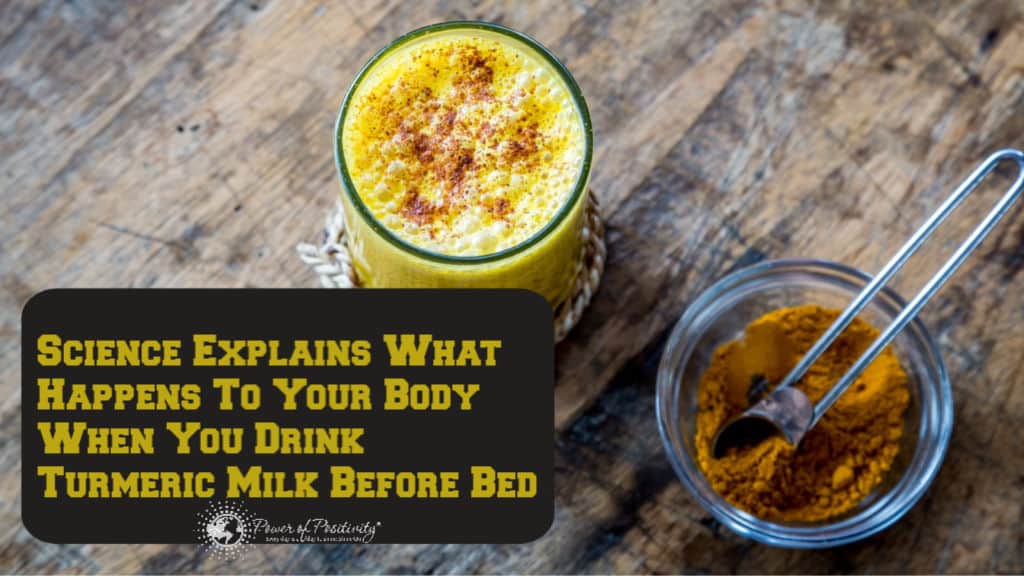
Science Explains What Happens To Your Body When You Drink Turmeric Milk Before Bed

Turmeric (Scientific: Curcumin) is a plant of the ginger family. Known as “the golden spice,” turmeric is well known in Ayurvedic medicine for having potent medicinal properties. For example, ancient healers used turmeric to treat skin and respiratory conditions all over India and its subcontinents. Moreover, today’s healers still utilize it today. In this article, we’re going to discuss what happens to your body when you drink turmeric milk before bed.

For centuries, turmeric has also been used in India as a culinary spice and an herb. Perhaps you’ve tasted turmeric in curry. It is the spice that gives the dish its yellow and orange color.

But it’s not just the cooking uses of turmeric that are noteworthy. As it turns out, combining turmeric with milk can create powerful changes in the body.

Let’s delve into what gives turmeric its health-boosting benefits.

Let’s get to it!

What’s the secret? Curcumin.

“Curcumin is a very powerful anti-inflammatory agent. It’s … the most powerful food that I know of for fighting inflammation in the body.”   ~ Manohar Garg, Professor of Nutrition at The University of Newcastle

Curcumin is the ingredient in turmeric, responsible for most of the spice’s health attributes.

Unfortunately, the curcumin content of store-bought turmeric is rather low: around 3 percent. For this reason, one should purchase either a concentrated form of turmeric or a nanoparticle form of curcumin.

There’s one rather unorthodox way to increase the absorption of turmeric: black pepper.

More on this later.

Here’s what happens to your body if you drink turmeric milk (“golden milk”) before bedtime:

It boosts your brainpower

There is evidence to suggest that golden milk may improve cognitive function. It may also help prevent dementia (e.g., Alzheimer’s disease and Parkinson’s disease) by reducing the substances beta-amyloid and tau protein. The accumulation of both is implicated in the development of dementia conditions.

In a 2018 study led by researchers at UCLA and published in the journal The American Journal of Geriatric Psychiatry, a twice-daily, 90 milligram (mg) dose of curcumin produced “significant memory and attention benefits.”

It improves your mood

Drinking turmeric milk before bedtime may help give your mood a boost. In fact, turmeric may even help alleviate symptoms of depression.

In 2014, researchers launched a study to determine the effects – if any – of curcumin on significant depression. The observed 56 people with Major Depressive Disorder (MDD). During the study, participants were given one gram (500 mg twice per day) over eight weeks.

The research was published in the Journal of Affective Disorders. Authors conclude that “curcumin was significantly more effective than placebo in improving several mood-related symptoms.”

It may help if you’re pre-diabetic

turmeric milk

Researchers have found that turmeric and curcumin help to lower blood glucose levels and other complications related to diabetes.

A double-blind, randomized study of 240 pre-diabetics was published in the journal Diabetes Care. The study participants were assigned to a curcumin or placebo group.

After nine months, 19 of the 116 placebo group patients was diagnosed with type 2 diabetes (T2D). Of the 124 patients who received curcumin, none developed the disease.

It reduces your LDL “bad” cholesterol

The synergistic effect of curcumin and phytosterols (PS) may be a powerful one-two punch for lowering the body’s levels of LDL (“bad”) cholesterol.

In a 2017 study published in The FASEB Journal, individuals with hypercholesterolemia participated in a double-blind, randomized, placebo-controlled trial. Participants received (a) a double placebo, (b) 2 grams/day of PS, (c) 200 mg/day of curcumin, or (d) a combination of PS and curcumin.

Group ‘d’ lowered their LDL cholesterol levels between 10 and 13.5 percent; ‘c’ by about 3 percent; ‘b’ by 8 percent, and ‘a’ by an average of about 1 percent.

It fights against – and protects you from – arthritis

Both turmeric and curcumin are potent natural anti-inflammatories. Inflammation is the root cause of numerous conditions and diseases, including rheumatoid arthritis (RA).

Two studies were carried out with potentially far-reaching implications for people with RA. In the first study, individuals who received 500 mg of curcumin experienced less pain than those who received a prescription-strength painkiller diclofenac sodium.

In the second study, researchers conclude “C. Domestica [curcumin] extracts are as effective as ibuprofen for the treatment of knee osteoarthritis.” Moreover, “fewer gastrointestinal” problems were reported by the curcumin group than the ibuprofen group.

It burns fat (and helps keep it off!)

Multiple studies demonstrate that turmeric may be an effective metabolism booster. Once again, scientists are pointing to curcumin as the catalyst.

In a 2014 review published in Indian Journal of Natural Products and Resources, researchers point to multiple weight loss mechanisms of curcumin. “[Curcumin] is effective against inflammation, oxidative stress … maintains the harmony of nutritional substances,” and therefore is “beneficial for the management of obesity.”

In a study published in European Review for Medical and Pharmacological Sciences, Italian researchers found that a more bioavailable form of curcumin facilitates weight loss. Versus the supplement phosphatidylserine, curcumin supplementation:

– more than doubled total weight loss

– increased body fat percentage burned, from .7 percent to around 8.5 percent.

– increased waistline reduction threefold

It lowers your cancer risk (and may even help treat it)

This is undoubtedly a big claim. Fortunately, there is a truckload of evidence to support it.

Multiple studies suggest that curcumin inhibits cellular proliferation and induces the critical mechanisms of cancer cell apoptosis (cell death) and mitosis (division and replication.)

If there is a caveat, it’s that one should take a more bioavailable form of curcumin (e.g., nanocurcumin) or a concentrated form of turmeric to realize these benefits.

Curcumin has shown to be a capable preventative and clinical treatment for multiple cancer types, including:

  • breast cancer
  • colorectal cancer
  • pancreatic cancer
  • prostate cancer

turmeric mask

How to make turmeric milk

Without further ado, here are the step-by-step instructions for preparing turmeric milk.

Ingredients:

  • 1 cup of Whole milk (you may also use almond, coconut, or soy)
  • ¾ teaspoon of turmeric powder
  • 1 teaspoon of honey (for sweetening; optional, but recommended)
  • ¼ teaspoon of black ground or black pepper (to increase the body’s absorption of curcumin – see ‘Final Thoughts’ section, below.)

Instructions:

  • Mix all of the ingredients and pour the mixture into a pan.
  • Bring the pan to a simmer.
  • Slowly sip the drink while still hot.

turmeric

“Turmeric, a spice … long (recognized) for its medicinal properties … aid sin the management of oxidative and inflammatory conditions … In addition, a relatively low dose of the complex can provide health benefits for people that do not have diagnosed health conditions.” ~ Hewlings, S.J. and Kalman, D.S.: “Curcumin: A Review of Its’ Effects on Human Health.”

Final Thoughts: How to Take Turmeric/Curcumin

As mentioned, there is not a high concentration of curcumin in most varieties of turmeric – just around 3 percent. While you will likely get some health advantages from the spice turmeric, it is necessary to purchase an alternative if you wish to gain the maximum health benefits.

To be more specific, you will need to take a turmeric extract that contains at least 1 gram of curcumin. Another option is to purchase curcumin supplements.

Another option would be to consume black pepper with turmeric. Black pepper contains piperine, a natural substance that can increase the amount of curcumin absorbed by as much as 2,000 percent.

Curcumin is also fat-soluble, meaning that much of the substance dissolves with lipids. This increases the amount of curcumin absorbed into and transported throughout the body. For this reason, it is a good idea to take curcumin with a meal containing healthy fats (e.g., fatty fish).

Besides purchasing a more concentrated form of turmeric, one may wish to consider taking nanocurcumin.

As mentioned, curcumin is a potent natural medical agent. However, it does have one significant drawback: poor bioavailability. Nanoparticle formulations of curcumin – also known as nanocurcumin, may enhance curcumin’s inherent medicinal properties.

In a study published in the Journal of Agricultural and Food Chemistry, nanocurcumin was found to be more a more potent antimicrobial (antibacterial). Per the study, nanocurcumin is “freely dispersible in water” – unlike typical curcumin.

But no matter how you take it, turmeric and its wonderful ingredient curcumin will undoubtedly make you feel better and more energetic. Take regularly, it may even provide one or more of the abovementioned benefits!

To your health!

Scientists Explain 10 Things That Happen to Your Body When You Eat Chickpeas Every Day

Chickpea is one of the healthiest foods in existence. An annual legume, chickpea originated in the Middle East and Asia. It is a key ingredient in popular Indian dishes such as chana masala and hummus. Also, chickpeas are a popular addition to foods like curry, salads, soups, and stews.

In this article, we’re going to discuss 10 things that scientists say happens to your body when you eat chickpeas every day. First, let’s delve a bit into the interesting history of the chickpea.

What are chickpeas?

Chickpeas are the earliest known cultivated legumes, dating back 8,500 to 10,800 years. Chickpeas are commonly referred to as garbanzo beans. Types of chickpeas include Egyptian peas and Bengal (India) grams.

The two families of chickpea are the Desi and Kabuli. The former is smaller and varied in color. The latter is the larger type and a light tan color. About 75 percent of global chickpea production is of the desi variety.

The chickpea plant grows upwards of 20 inches (50 cm) in height. The plant sprouts white flowers with veins that are blue, pink, and violet in color.

There are several varieties of chickpea, each growing in different parts of the world. The Cicer reticulatum, for example, grows only in southeastern Turkey. In contrast, a more abundant chickpea – the desi chana – is found throughout South Asia, Africa, and Mexico. (India produces approximately 61 percent of the world’s chickpeas.)

Slowly but surely, the chickpea “craze” that’s been going on for millennia overseas headed West. Per Google Trends, U.S. internet searches for “chickpea” reached 100 – the highest possible – in January of ’19.

Culinary Uses

Chickpeas are usually boiled in culinary settings. Dried chickpeas require a much longer cooking time (up to two hours) than other chickpeas. Other varieties can be pressure cooked or brought to a quick boil.

Cooking uses of chickpeas are various. Here are a few:

– South Asia (including India) considers chickpea a culinary staple. They utililize this legume in falafel, hummus, Dhokla (a steamed chickpea snack), and other dishes.

– Portugese dishes call for chickpea as an ingredient in the popular dish Rancho à Portuguesa. They also pair it with meat, pasta, rice, and sausage.

– In Spain, cold chickpea is used to make salads and tapas.

– Italian cuisine features chickpea as a flour and uses it as a batter.

– Egyptians use chickpeas as a garnish for a popular dish called kushari.

Chickpea Nutrition Facts

“Like other legumes, such as beans, peas, and lentils, chickpeas are high in fiber and protein, and contain several key vitamins and minerals.”~ Medical News Today (source)

Chickpeas are exceptionally nutritious. Just one cup of cooked chickpeas contains 15 grams (g) of protein and 13 g of dietary fiber.

The United States Department of Agriculture (USDA) shares  the nutrition information for chickpeas per 100 g serving (in grams):

  • Energy (kcal): 164
  • Protein: 8.86
  • Total fat: 2.59
  • Carbohydrate: 27.42
  • Fiber: 7.6
  • Sugars: 4.8

They are are also rich in iron (2.9 mg), Calcium (49 mg), magnesium (28 mg), phosphorus (168 mg), potassium (291 mg), and zinc (1.5 mg). Chickpeas also contain the minerals folate, copper, choline, manganese, and selenium.

10 Things That Happen To Your Body if You Eat Chickpeas

chickpeas

1) Lower risk of metabolic syndrome

Metabolic syndrome (‘MetS’) is an assortment of symptoms that increase the risk of chronic disease. And, these include type 2 diabetes and heart disease. Symptoms of MetS include abdominal obesity, dyslipidemia (a cholesterol imbalance), hyperglycemia, and high blood pressure.

MetS has become an epidemic, with an estimated 20 to 27 percent of adults in developing countries showing signs.

Chickpeas are very high in fiber, and fiber intake correlates with a lower risk of metabolic syndrome. Per a metanalysis of 14 studies published in the journal Nutrients, an inverse relationship was found between dietary fiber intake and all MetS symptoms.

The Dietary Guidelines for Americans recommends a minimum of 21 to 25 grams (g) of fiber per day for women and 30 to 38 g per day for men.

2) Better bone health

Normal levels of the minerals calcium, iron, magnesium, manganese, phosphate, and zinc support bone health. As detailed, chickpeas contain all of these minerals in varying amounts.

The proper bone structure requires a certain ratio of calcium to phosphorous. This ingredient strikes this balance quite well. Bone growth and development necessitates adequate levels of the minerals iron, manganese, and zinc.

Vitamin K is also necessary for bone health. Higher blood levels of vitamin K are directly linked to higher bone density. And that’s a critical component of bone strength.

The dietary guidelines for vitamin K is 90 µgm (micrograms) per day for women and 120 µgm for men.

3) Promotes normal blood pressure

Chickpeas are very low in sodium (7 g/100 grams). For this reason, including the legume as a side dish can help promote healthy blood pressure.

Chickpeas are also rich in potassium (291 g/100 grams). Potassium helps stabilize blood pressure as dilating the blood vessels. This is a process known as vasodilation.

Apparently, we Americans are quite bad at both regulating sodium intake and getting enough potassium. The dietary guidelines call for less than 2,300 mg of salt daily. According to the FDA, the average American eats about 3,400 mg.

The recommended daily intake for potassium is 4,700 mg per day. Most of us are nowhere close. Per a study published in The American Journal of Clinical Nutrition, Americans eat just 1,755 mg per day.

4) Aids Heart health

Adequate amounts of vitamin B-6, vitamin C, fiber, and potassium are crucial for a healthy heart. Chickpeas contain good fiber, potassium, and decent amounts of vitamins B-6 and C.

This bean also contains a substance called sitosterol, which inhibits the body’s absorption of cholesterol. This physiological mechanism helps to promote heart health and prevent cardiovascular disease.

Per a study published in Journal of Food Science and Technology, sitosterol possesses numerous other health benefits. Evidence suggests that sitosterol has anti-inflammatory and anti-cancer properties. It may also stabilize blood sugar levels and reduce blood lipid levels.

5) Reduces cholesterol levels

Per a 26-study metanalysis out of the University of Toronto, eating a single serving of pulses lowers LDL (“bad”) cholesterol by five percent. Researchers cite the low glycemic index and slow pulses digestion as two factors contributing to this effect.

Per a university news release, “most people in North America would have to double” their current meager intake of pulses to realize these benefits. Case in point: just 13 percent of Canadians consume pulses daily.

6) Lowers inflammation

Chickpeas contain a good amount of choline, a lipid synthesizing and transporting substance that reduces inflammation. Choline is also important for liver function, brain development, muscle movement, metabolism, and nervous system function.

Eggs yolks contain the highest choline concentration at 680 mg per 100-gram serving. Per a 2009 paper published in the journal Nutrition Reviews, the average intake of choline is “far below” the “adequate intake” levels as recommended by the Institute of Medicine.

Per WebMD, men and women require 550 mg and 425 mg per day, respectively.

7) Promotes digestion regularity

As already mentioned, chickpeas are rich in dietary fiber. A single 100 gram serving of chickpeas contains nearly 8 g of high-quality fiber.

One benefit of dietary fiber is that it regulates digestion. Chickpeas and other pulses also help to prevent constipation.

Finally, the legume stimulates the release of pepsin A in the stomach. Pepsin is one of the primary digestive proteins in the human body and is instrumental in healthy digestive function.

8) Helps maintain a healthy weight

So, if you have not guessed, chickpeas are great for keeping off the pounds. This is because the high dietary fiber content in chickpeas creates a feeling of satiety (fullness).

Additionally, the body digests chickpeas much slower than most foods. This slowed digestion means that this full feeling lasts longer. As such, one is less likely to experience cravings for sweets. This fact in important since chickpeas are so efficient in regulating blood sugar levels.

In a 2016 study published in the journal Nutrients, researchers note that chickpeas – among other foods – that are “high in fiber, low in energy density and glycemic load, and moderate in protein” are “particularly important for weight control.”

9) Reduces oxidative stress

Chickpeas contain a variety of antioxidants. These include beta-carotene, phytonutrients, and polyphenols. Per a 2008 study published in the journal Food Chemistry, the antioxidant makeup of chickpeas is remarkably effective at inhibiting oxidation. This means that they destroy the free radicals which damage our cells.

Antioxidants are irreplaceable in reducing oxidative stress, preventing chronic diseases, and safeguarding health.

10) Helps improve skin health

These are a good source of the mineral manganese. Because of this mineral, the legume enhances skin health and reduces the signs of skin aging. A natural antioxidant, manganese may work by negating the damaging effect of free radicals (e.g., pollution).

In a 2010 study published in the journal Nutrition Research and Practice, manganese and other antioxidant minerals were found to be imperative for proper moisturization of the skin.

chickpea face mask


Final Thoughts on Chickpeas

Eat your fill of this legume! Adding chickpeas to your diet has multiple benefits. Indeed, you’ll look great and feel even better.

Skip to content