Weekly tips, affirmations, and small actions to feel your best.

10 Exercises to Heal Back and Neck Pain

Neck and back pain can happen to anyone, and it often occurs at the most inopportune time. When it happens to you, you can do exercises to help alleviate the pain and find comfort.

You might wake up with back or neck pain, or it might set in toward the end of your day. Sometimes it’ll seem like it never goes away, making it hard to pinpoint the cause. When you experience back and neck pain, stretching and strengthening exercises can make a difference.

Consider doing dynamic stretches before your exercises and static stretches afterward. It’ll help ease the pain and prevent injury.

Six Frequent Causes of Neck and Back Pain

Your neck and spine contain bony vertebrae with flexible cartilage discs in between that work as shock absorbers. You also have nerves inside your spinal cord and various ligaments and muscles that support your neck and head.

When any of these areas gets injured, it can cause pain. Acute neck pain often heals on its own and goes away within a couple of weeks, but some conditions require treatment. If your injuries were caused by someone else’s negligence, an injury lawyer can help you seek compensation.

The average adult head weighs between 10 and 12 pounds when it’s in an upright position. However, looking down at a device (like your phone) can increase the load your head places on your neck by 60 pounds. It’s often called “text neck” since many feel pressure from looking down at their phones.
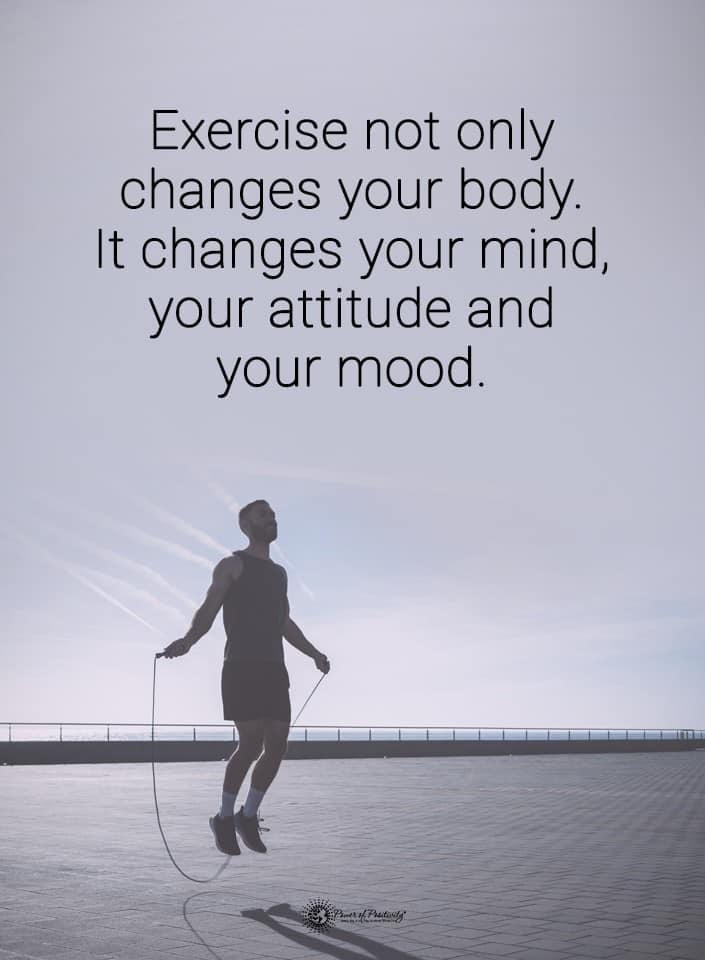
exercises

Some common causes of back and neck pain include:

  1. muscle strain from poor posture, overuse, or awkward sleep positions
  2. injury from sports, falls, or accidents
  3. wear and tear from aging
  4. herniated disc
  5. osteoporosis causing weak or brittle bones
  6. arthritis

Stretching and doing strengthening exercises to ease pain can be uncomfortable, but it shouldn’t cause more pain. If it does, stop immediately and consult a healthcare professional. They can suggest other exercises you can try, or they’ll help diagnose the cause of your pain.

Warming Up with Dynamic Stretching Exercises

Dynamic stretches help prepare your muscles, ligaments, and joints for performing exercises. Choose a couple of these before exercising and do each for 30 seconds to one minute.

Neck Roll

The neck roll stretches your neck and upper back. Here’s how to do it:

  1. Face forward and tilt your neck to the right until you feel the muscle pull.
  2. Hold it for a couple of seconds and roll your head counterclockwise.
  3. Once you reach your left shoulder, hold the position for a couple more seconds.
  4. Continue the counterclockwise rotation until you’re back to the starting position.
  5. Repeat the stretch but roll your head clockwise this time.
  6. Do it two to three times.

Shoulder Roll

The shoulder roll is good for stretching your upper back and shoulders. Here’s how to do it:

  1. Stand up straight and let your arms relax at your sides.
  2. Lift your shoulders toward your ears and squeeze your shoulder blades together.
  3. In a circular motion, roll your shoulders backward.
  4. Complete five rotations backward.
  5. Roll your shoulders forward in a circular motion another five times.
  6. Repeat each direction until your shoulders, back, and neck loosen.

Overhead Arm Reach

The overhead arm reach helps stretch your shoulders and upper back, preparing your body for exercises. Here’s how to do it:

  1. Sit down, face forward, and put your feet flat on the floor.
  2. Lift your right arm above your head.
  3. Reach to the left while bending your torso until you feel the pull of the stretch.
  4. Return to the original position and repeat the movement five times.
  5. Switch to your left arm and do the same thing another five times.

Note: After you master this gentle stretch, you can turn it into a full body stretch, like in this video:

Chair Rotation

The chair rotation stretch can help loosen up your upper, mid, and lower back. Here’s how to do it:

  1. Sit sideways with your right side resting against the back of the chair.
  2. Without moving your legs, rotate your torso to the right as you reach for the back of the chair, pushing further until your muscles loosen.
  3. Hold the position for ten seconds, and repeat on each side three times.

Exercises to Heal Back and Neck Pain

Exercises for back and neck pain can help strengthen the muscles and reduce and prevent pain. Some require simple equipment, but you don’t need anything for others. Choose a couple to start with to see what you like best, switching it up sometimes to try them all.

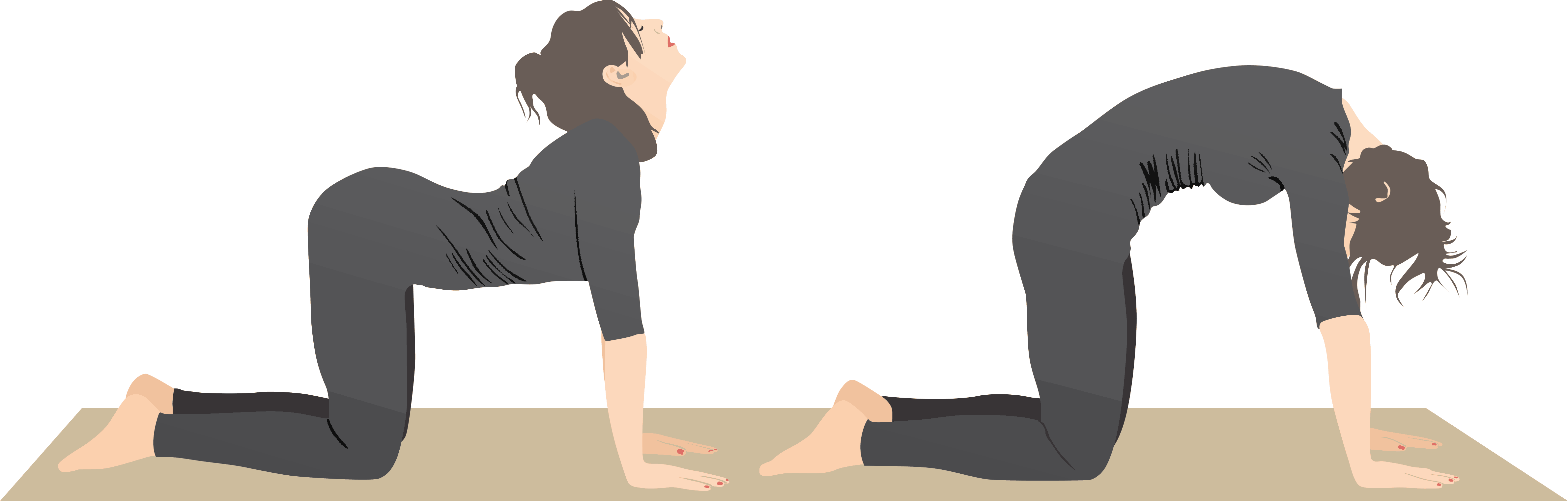
1 – Cat-Cow Yoga Pose

This exercise can help heal the pain in your back and neck. Here’s how to do it:

  1. Get on all fours with your palms beneath your shoulders and knees under your hips.
  2. Inhale and tuck your pelvis as you round your back, pulling your navel toward your spine.
  3. Lower your head until your neck relaxes.
  4. Hold the position for three to five seconds before exhaling and returning to the original.
  5. Look up toward the ceiling (or sky), letting your back sink to the floor.
  6. Hold that position for another three to five seconds before returning to the start position.
  7. Repeat the process five times.

back pain exercises

2 – Reverse Dumbbell Fly

The reverse dumbbell fly requires two lightweight dumbbells. It helps strengthen your upper back and shoulders while healing and preventing pain. Here’s how you do it:

  1. Hold two dumbbells with your arms hanging straight down.
  2. Hinge your waist at a 45-degree angle.
  3. Without moving your neck, raise your arms out and up.
  4. When you can’t lift any higher, squeeze your shoulders together.
  5. Do this for three sets of eight to twelve reps.

3 – Rowing Exercises (2 variations)

A row can help reduce pain in your upper back. It requires a resistance band or dumbbell. Here’s how to do it:

Using a Resistance Band

  1. Attach the resistance band to a stable surface or pole before grabbing each handle and extending your arms.
  2. Bend your elbows and keep them close to your body as you pull the handles straight back.
  3. Do this for two to three sets of eight to 12 reps.

Using a Dumbbell

Hold the dumbbell in your right hand and extend your left arm to brace yourself on a wall or other sturdy surface.

  • With the dumbbell hanging down, hinge your waist 45 degrees.
  • Keep your neck in place and pull the dumbbell straight up, bending your elbow.
  • Repeat for two or three sets of eight or 12 reps.

4 – Neck Flexion and Extension (Forward and Backward Exercises)

This exercise is simple and can help heal neck pain. One of the best parts is that you can do it anywhere you are. Here’s how to do it:

  1. Flex your chin toward your chest until you feel stretching in the back of your neck.
  2. Hold it for five to 10 seconds before returning to the original position.
  3. Extend your head backward, raising your chin toward the ceiling until you feel stretching in the front of your neck.
  4. Hold this position for another five to 10 seconds before returning to the original.
  5. Repeat each direction two to four times.

5 – Knee to Chest

This exercise is good for your lower back. Here’s how to do these exercises:

  1. Lie on the floor, face up.
  2. Bend your left knee and pull your leg up to your chest.
  3. Hold it for five seconds before releasing it and alternating legs.
  4. Alternate until you’ve done it three times each.

6 – Lat Pulldown

The lat pulldown can strengthen and alleviate pain in your upper back and shoulders. Here’s how to do it:

  1. Place a resistance band on a stable surface with space beneath for sitting, kneeling, or standing.
  2. Reach up with both arms and pull the resistance band down until your arms are parallel to the floor.
  3. Hold it for at least three seconds before releasing the resistance
  4. Do three sets of lat pulldowns, with eight to twelve reps in each.

7 – Face Pull Exercises

The face pull exercise is good for your upper back and requires a resistance band. Here’s how to do it:

  1. Secure a resistance band to a stable surface higher than eye level.
  2. Using an overhand grip, grab each handle and pull toward your face.
  3. As you pull the resistance band, flare your upper arms out and squeeze your shoulders together.
  4. After holding for a few seconds, repeat the exercise for three sets of twelve reps.

8 – Superman

These exercises can help alleviate pain in your mid to lower back. Here’s how to do it:

  1. Lie on your stomach and extend your arms straight out above your head.
  2. Raise your legs and arms simultaneously without moving your neck.
  3. Focus on using your back muscles and glutes while lifting.
  4. Hold it for a few seconds, return to the starting position, and repeat for three sets of ten reps.

superman exercises

9 – Lateral Neck Flexion (Side-to-Side Bends)

This exercise can help ease pain in your back and neck while strengthening your muscles. Here’s how to do it:

  1. Bring your ear toward your shoulder, and bend your head to the right.
  2. When you feel the stretching in your neck, hold this position for five to 10 seconds.
  3. Repeat the stretch on the opposite side.
  4. Do these two to four times in each direction.

10 – Wall Angel Exercises

The wall angel strengthens your neck and upper back, helping heal and prevent pain. Here’s how you do it:

  1. Stand against the wall with your back flat and your feet out slightly.
  2. Place our arms out next to you, making a “T” shape against the wall.
  3. Bend your elbows and move your arms 90 degrees until your hands are next to your head.
  4. Move your arms as if you were making a snow angel, keeping your back and arms flat against the wall.
  5. Repeat the wall angel exercise for three sets of 10 reps.

Post-Workout Static Stretches

Static stretches are best after a workout because you hold the position for a while. The prolonged static stretching can temporarily reduce your muscular strength, endurance, reaction time, and exercise performance. Doing it after your exercises can also help restore and maintain flexibility and range of motion.
exercises

Final Thoughts on Exercises to Heal Back and Neck Pain

Back and neck pain can be hard to live with, but many exercises can help alleviate the discomfort. Try a few each day, and switch them up until you try them all. Finding the ones that work best for you can motivate you to do them regularly, and you’ll feel good while doing them.

Talk to a healthcare provider if these exercises don’t help your pain. You should also contact your doctor if you experience pain after an injury or have other symptoms. Getting help will improve your life and well-being.

14 Positive Affirmations to Beat Negativity

Repeating positive affirmations can help you push away negative feelings and feel better about yourself and your life. You can shift your mindset by replacing negative thoughts with positive affirmations. It reprograms your thinking patterns and helps you beat negativity.

Negative thoughts can lead to stress about things that may never happen in real life. They can interfere with your happiness and well-being, holding you back when you could be achieving your dreams. Positive affirmations can help you shift your thought process, increase your self-worth, and live the life you’ve always wanted.

You’ll always encounter negative people with bad things to say. They’ll see the bad parts of every situation and fixate on what went wrong. Despite people like this, you can focus on positivity and look for the good around you.

The statements you often repeat to yourself or run through your mind become your reality. If you let negative thoughts take over, you’ll attract more negativity. Shifting your mindset helps you attract the things you want and need.

How Positive Affirmations Help

positive affirmations

Positive affirmations can help reduce the effects of stress, depression, and anxiety. They can also help boost your confidence, increase your chances of success, and calm your nerves.

Pushing away negative feelings and replacing them with positive thoughts can encourage you on your journey to success and happiness. The more often you use positive affirmations, the better you’ll get at recognizing negative self-talk. Recognition allows you to replace it with uplifting self-talk consciously.

Self-talk loops through your mind and often stems from childhood. The things you hear from your parents or caregivers can stick in your mind through adulthood. When you hear demeaning comments, it impacts your brain and affects your thoughts until you learn to reprogram your self-talk.

Reprogramming your self-talk takes time and effort. It took many years for those thoughts to become engrained in your mind, and it’ll take time to push them away. The more often you turn to positive affirmations, the easier it’ll be for you to make a permanent change.

Repeating positive affirmations is the best way to reprogram your brain, but you can also do the following:

  • record yourself saying the phrase and play it back whenever you need a boost of positivity
  • write it repeatedly
  • ask someone close to you to repeat it to you
  • write it in a place you’ll see often

Using positive affirmations repeatedly and deliberately can help reinforce chemical pathways and strengthen neural connections. It helps shift your thoughts to focus on positivity and resist negative thoughts.

Your thoughts will become more aligned with what you want in life. You’ll begin to believe your positive self-talk and attract the good things you deserve.

Start by choosing one or two positive affirmations to repeat and practice for a few weeks. Then, move on to other ones or add them to your routine.

Fourteen Positive Affirmations to Beat Negativity

Using positive affirmations can help you beat your negative feelings and live the life of your dreams. Some phrases to start with include:

negativity detox

1 – I am a good person.

Everyone makes mistakes, and it can make you feel lousy about yourself. However, even when you make a mistake, you’re a good person and can learn to do better next time.

Your past doesn’t define you, and innocent mistakes don’t make you a bad person. If your negative thoughts tell you otherwise, this affirmation can help you push the negativity away.

2 – I focus on the positivity around me to feel good about life.

No matter what you’re going through, there’s something good in your life at any moment. So you can focus on the weather, birds chirping, or anything else that makes you think positively. Deliberately focusing on things that help you push away negative feelings can help you habitually shift your thought process.

3 – I am overcoming everything that comes my way.

You’ve overcome everything you’ve been through so far in life, and you’ll continue to persevere. This affirmation reminds you that you can get through anything and that you’re capable of overcoming obstacles. Thus, it can help you push away negative self-talk that tells you you can’t pull something off.

4 – I embrace positivity even when I don’t enjoy how things happen.

Things won’t always go how you want them to, but that doesn’t mean you must focus on the negative aspects. You can find positivity in the situation or another part of your life and embrace it. When you embrace positivity, you’ll learn to adapt and accept things you can’t change.

5 – I have choices and am in control of my life.

You’re the only person in charge of your life and can choose whatever you want. If you ever feel like life is out of your control or that you don’t have a say in your emotions, repeat this positive affirmation. In fact, it reminds you that you can change something about your life if you don’t like it.

You can decide to change many parts of your life, including your feelings. When you can’t control a situation, you can still choose how to address it.

6 – I am grateful for new experiences and opportunities.

This affirmation helps you beat negative feelings because it reminds you that there are always new experiences. If you don’t like your situation or want a change, you can find a different opportunity to explore. Additionally, if something doesn’t work out, there’s always another method to try.

negativity

7 – I use determination and hard work to bridge gaps in my skills.

There’s always more you can learn, and everyone has gaps in their skills. Instead of getting frustrated with the gaps in your skills, you can work hard to bridge them. This affirmation encourages you to work hard and keep learning to achieve your goals.

8 – I am surrounding myself with wonderful people.

The people you surround yourself with make a difference in your life. Spending time with negative people will attract negativity to your life.

However, surrounding yourself with positive people can help you focus on the good parts of life. Plus, with positive people in your life, you’ll have good people to turn to for advice or uplifting encouragement.

9 – I am doing what’s physically and mentally best for me.

You know what’s best for you, and you should feel good about prioritizing yourself. When you put yourself first, others might not like it, but it only proves that the person isn’t good for you. People who care about you want you to do what’s best for you, and they’ll encourage you to do so.

This affirmation can make a difference if you’re struggling with prioritizing yourself. Repeat the phrase each morning to encourage yourself to do what’s best.

10 – I achieve anything I set my mind to.

When you want to achieve something, you can make it happen. Using this affirmation reminds you of your inner strength and ability to overcome any obstacle. It can motivate you to push forward no matter what as you keep your focus on the goal.

11 – I am not afraid of failures or hardships because they get me closer to where I want to be.

When things don’t work out as planned, you might feel like giving up. You might tell yourself that it’ll never happen and that you should give up. However, this affirmation helps you persevere and get closer to your goals.

This positive phrase helps you recognize that failure and hardship only show you how strong you are. It teaches you what you should do differently or still must learn. Failure and hardship get you one step closer to where you want to be, and positive thinking can make a difference.

12 – I am thankful for all the good parts of my life.

There’s always something good about your life. Thus, expressing gratitude can help you beat negative feelings. As you repeat this affirmation, think of what you love most. Some ideas include:

  • family and friends
  • food
  • shelter
  • clothing
  • good health
  • having a vehicle to drive
  • your job

Expressing gratitude for these things reminds you of the good in your life. It can also motivate you to do better and keep pushing.

13 – I am working toward my dreams no matter what happens.

Things might get hard, but this affirmation will help you persevere. You’ll experience obstacles, setbacks, and moments when you don’t think you can do it anymore. However, you can achieve your dreams despite anything, and this affirmation reaffirms it.

14 – I let go of feelings that don’t serve me so I can replace them with positivity.

You can make this affirmation more specific if you can identify your feelings. Consider whether you feel fearful, worried, angry, or anything else, and use it during your repetition. When you let go of negativity, you have space for positivity to move in and improve your life.

positive affirmations

Final Thoughts on Positive Affirmations to Beat Negativity

Using positive affirmations to beat negativity can help you on your journey to happiness and success. Of course, they can help you shift your mindset and feel more energized and confident. You’ll also feel less stressed or anxious.

Positive affirmations can help you enjoy life without negative self-talk ruining your moments of joy. Practice repeating the phrases daily, and you’ll notice that your life begins to reflect your thoughts.

8 Foods to Heal COPD (and 4 Things to Avoid)

Living with Chronic Obstructive Pulmonary Disease (COPD) can make you struggle to breathe, but focusing on eating healthy foods can make a difference. Improving your eating habits can help you feel better and manage your symptoms.

Improving your nutrition won’t cure COPD, but it does offer benefits like fighting off infections that sometimes lead to hospitalization. Plus, improving your nutritional health can also help you feel better overall.

Eating better to manage your COPD doesn’t have to be complicated or tedious. You can find simple ways to improve your diet and consume various foods you love.

You can eat healthier when you plan what you eat and balance your meals. With the right information, you can make healthy changes that help you improve your condition and feel better.

The Importance of Nutrition With COPD

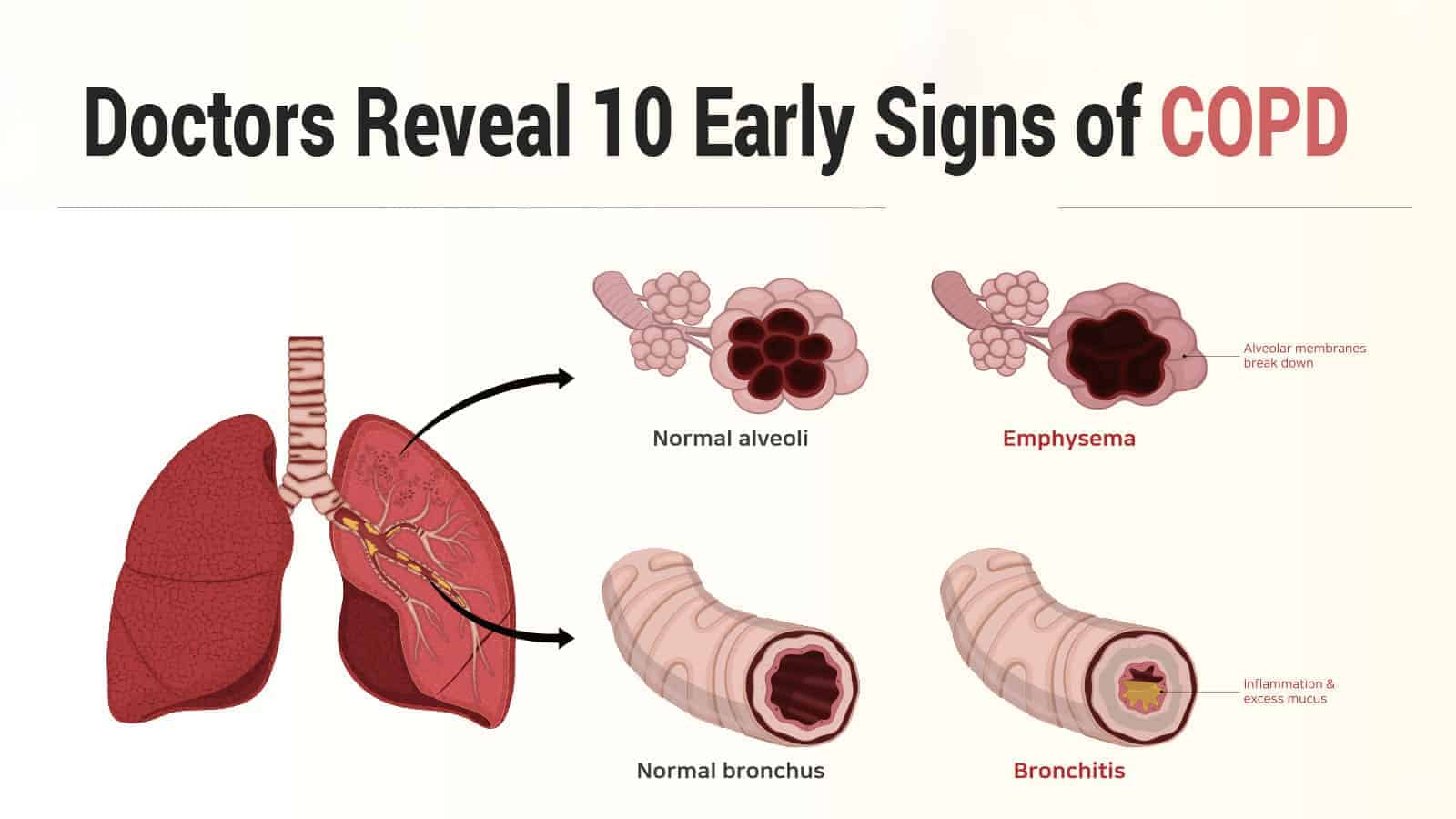
COPD, or Chronic Obstructive Pulmonary Disease, is a group of diseases that include emphysema and chronic bronchitis. It makes breathing hard because it blocks your airways, but good nutrition can help.

When you eat, your metabolism changes food into oxygen, energy, and carbon dioxide. You exhale the waste product or carbon dioxide and use the energy on normal body processes and daily tasks.

The nutritional value of the food you eat determines how much energy you get and how much carbon dioxide gets eliminated. If you don’t have enough energy or eat nutritious things, you won’t have the energy to eliminate carbon dioxide. When this happens, and too much waste builds up, it can make you feel weak.

Carbohydrates produce more carbon dioxide for how much oxygen they use, and fats lead to the least. Those with COPD often experience breathing improvements when they consume fewer carbohydrates and increase healthy fats.

COPD

How Nutrition Affects Breathing

Breathing requires using more energy for those with COPD than for others. Their muscles sometimes use up to ten times more calories than someone without the disease.

Chest infections can be typical for people with COPD and often lead to hospitalization, but good nutrition can help fight them. Your body requires energy from food for normal functioning, including breathing and sleeping. It’s also necessary for performing daily tasks, exercising, and doing anything else.

Eating healthy won’t eliminate your need for medication, but it can boost your energy and strengthen your lungs. It’ll also help you maintain a healthy weight to prevent symptom flare-ups, complications, and difficulty breathing.

You must include a variety of foods in your diet to consume all the necessary nutrients. Consider taking a supplement if you aren’t achieving enough vitamins and nutrients. Discuss it with your doctor first, but adding vitamins to your daily routine can be helpful.

The Importance of Managing Your Weight for COPD

Consume enough calories for energy, so you don’t experience wasting or diaphragm and muscle weakening. However, don’t consume so many calories that you gain excess weight.

Being overweight causes your heart and lungs to work harder and make breathing harder. On the other hand, being underweight can make you tired and weak, increasing your risk of infection.

Symptoms of COPD include a lack of appetite, depression, and feeling unwell in general. These symptoms can lead to becoming underweight, making you weak, tired, and at a higher risk of infection.

Maintaining a healthy body weight is essential, so work with a doctor to determine a healthy weight. They can also help determine how many calories you should consume and assess other dietary necessities. Healthy eating and regular exercise can help you achieve and maintain a healthy weight.

Eight Foods to Heal COPD

Some foods can help your COPD or reduce the symptoms. These include the following:

1 – Complex Carbohydrates

Limiting your carbohydrate intake is beneficial for COPD, but you can consume some complex carbohydrates. They are often high in fiber, improving your digestive system function and blood sugar management. Complex carbohydrates include:

  • whole-grain bread or pasta
  • fresh fruits and vegetables
  • bran
  • lentils
  • quinoa
  • potatoes with the skin
  • beans
  • barley
  • oats

2 – Omega-3 Fatty Acids

Experts indicate that consuming omega-3 fatty acids can help reduce lung inflammation and reduce symptoms of COPD. The benefits are likely due to the anti-inflammatory properties that help open your airways. Research shows that diets rich in this nutrient make you less likely to experience chronic cough and wheezing.

Omega-3 fatty acids also contain high-calorie levels, making them beneficial to those who have trouble eating enough. You can consume these essential fats in:

  • salmon
  • Atlantic mackerel
  • canned light tuna
  • sardines
  • cod
  • walnuts
  • leafy green vegetables
  • flaxseed
  • canola oil
  • eggs

3 – Foods Rich in Fiber

Fiber is essential because it helps food move through the digestive tract. It can help you avoid constipation or bloating, both of which make it hard to breathe with COPD. A fiber-rich diet also helps decrease cholesterol levels and your risk of heart disease.

If you need to increase your fiber intake, consider the following:

  • legumes, including beans, peas, and lentils
  • vegetables
  • fruits
  • whole grain cereals or pasta
  • oats
  • quinoa
  • whole wheat bread
  • brown rice
  • nuts or seeds

4 – Protein Rich Foods

COPD can make it hard to eat, causing weight and muscle loss. Consuming more protein can help you maintain stronger respiratory muscles and reach your suggested calorie intake. Skipping out on the essential protein intake can worsen your breathing problems because it weakens your respiratory muscles.

When you want to increase your protein intake, consider the following:

  • nuts
  • dried beans
  • milk
  • cheese
  • eggs
  • fish
  • meat
  • poultry

5 – Hydrating Foods

Staying hydrated helps your organs function properly. It also thins mucus in your airways, which is essential for those with COPD as they often experience an overproduction of phlegm. You can get hydration from healthy, caffeine-free fluids, fruits, and vegetables.

Some of the most popular hydrating foods include:

  • celery
  • cucumbers
  • watermelon

6 – Potassium

Potassium improves lung function, and a deficiency can cause breathing issues. Plus, some people with COPD take water pills and should increase their potassium intake. If you need to consume more potassium, you can consider consuming the following:

  • oranges
  • avocados
  • bananas
  • dark leafy greens
  • potatoes
  • beets
  • asparagus
  • tomatoes

unsafe foods

7 – Foods with Vitamin D

Experts indicate that many of those with COPD experience vitamin D deficiency. This issue could occur because many COPD patients take steroids that disrupt vitamin D absorption. Plus, if your breathlessness makes you tired, you might spend less time outside absorbing vitamin D naturally.

Without consuming enough Vitamin D, you might experience osteoporosis. It is a common disease in those with COPD, so increasing your Vitamin D intake is essential.

Increasing your Vitamin D intake can decrease your COPD flare-ups. Taking supplements can ensure you get the suggested amount, but talk to your doctor before trying them. Food sources of vitamin D include the following:

  • flounder
  • salmon
  • tilapia
  • light tuna
  • canned sardines
  • egg yolks
  • uncooked mushrooms
  • products fortified with vitamin d, including orange juice, milk, and yogurt
  • almond milk

8 – Mono- and Poly- Unsaturated Fats

These fats don’t contain cholesterol and come from plant sources like canola, safflower, and corn oil. They typically become liquid at room temperature, indicating a healthy option to add to your diet. Some of the best mono- and poly-unsaturated fats include:

  • nuts and seeds
  • coconut or coconut oil
  • olives and olive oil
  • avocados
  • cheese
  • fatty fish

Four Things to Avoid for Healing COPD

Now that you know what to eat to improve your COPD, it’s time to learn what to avoid.

1 – Sodium

Sodium can cause swelling and increase your blood pressure as it leads to retaining water. It’ll cause more trouble breathing, and your symptoms can worsen. Some ideas for avoiding it include:

  • removing the salt from your dinner table
  • Using natural herbs to flavor your food
  • read ingredient labels to avoid too much sodium
  • don’t add salt to your cooking, even when the recipe calls for it

2 – Not Getting Enough Fluids

Drinking water is essential to your well-being, and it’s even more important for someone with COPD. It can make mucus thinner, so you can get rid of it easier.

Consider filling a pitcher in the morning that you want to consume by the end of the day. Refill your water cup from the pitcher, so you know if you’re reaching your hydration goals.

3 – Foods That Cause Gas or Bloating

If you have COPD, avoiding foods that cause gas and bloating is essential. It can make you feel uncomfortable and worsen your symptoms. Some of the things that commonly cause bloating include:

  • fried or greasy foods
  • carbonated beverages
  • heavily spiced foods
  • brussels sprouts
  • cabbage
  • cauliflower
  • soybeans

4 – Alcohol and Caffeine

Alcohol can interfere with necessary medications and doesn’t add nutritional value to your diet. It can also disrupt your breathing and make it hard to cough up mucus. Caffeine can also interfere with medication, so it’s best to avoid it unless your doctor says otherwise.

copd

Final Thoughts on Foods to Eat and Things to Avoid for Healing COPD

Being mindful of what you eat can help heal COPD or ease your symptoms. Your nutrition plays a big part in how you feel and your body functions.

Consider using these tips to help plan your meals and snacks to manage symptoms and feel better. Remember that you must consume various foods to achieve your nutritional goals. You can feel good with COPD if you learn what to eat and avoid.

7 Signs Your Brain Sends You When Something May Be Wrong

The human brain is a complex and fascinating organ that controls every aspect of daily life. It regulates your memory, thoughts, emotions, and physical sensations. It constantly communicates with the rest of your body to ensure everything functions properly. When something goes wrong, the brain sends out various signals to alert you to the problem.

These signs can range from subtle changes in mood and behavior to more serious physical symptoms. One of the most common signs the brain sends when something is wrong is changes in mood and behavior. For example, someone experiencing high stress or anxiety levels may feel more irritable, impatient, or overwhelmed.

Struggling with depression or other mental health issues might make people feel more withdrawn, apathetic, or disengaged from their daily activities. Physical symptoms are another common way the brain communicates when something is wrong. For example, headaches, dizziness, or nausea indicate underlying health issues.

More severe symptoms, such as chest pain or shortness of breath, can be signs of a more serious medical condition. It is essential to recognize and respond to these signals promptly and effectively. Ignoring these signals or delaying medical treatment can lead to more severe complications.

For example, ignoring the signs of a heart attack can result in long-term damage to the heart or worse. So here are some signs you should be aware of if you want to ensure you stay on top of your health.

7 Signs Your Brain Sends You When Something May Be Wrong

brain

1.      Headaches Can Indicate a Brain Issue

Headaches are among the most common signs of something wrong with the brain. Many headaches are caused by stress or tension. But severe or persistent headaches can indicate an underlying medical condition. There are different types of headaches, which may show different underlying causes.

For example, tension headaches are usually caused by muscle tension or stress and can be managed with over-the-counter pain medications. However, migraine headaches are more severe and can be accompanied by other symptoms such as nausea, vomiting, and sensitivity to light or sound.

Headaches can sometimes indicate a more serious underlying condition, such as a brain tumor, aneurysm, or stroke. It is essential to seek medical attention if you experience persistent or severe headaches, especially when accompanied by other symptoms.

For example, brain tumors can cause headaches due to the pressure they exert on the brain tissue or surrounding structures. Depending on the location and size of the tumor, headaches can be accompanied by other symptoms. Amongst these are nausea, vomiting, seizures, and changes in vision or hearing.

2.      Mood Changes

Sudden changes in mood or behavior can also indicate something is wrong with the brain. Mood changes can include sadness or hopelessness, irritability, anxiety, or even unexplained episodes of anger or aggression. These mood changes can occur without any apparent cause or trigger.

Mood changes can be indicative of several underlying conditions. Depression is one of the most common causes of mood changes. And it is a serious medical condition that affects millions of people worldwide. Depression can cause feelings of sadness, hopelessness, and a loss of interest in activities that were once pleasurable.

Anxiety is another condition that can cause mood changes. It can cause persistent worry or fear, interfering with daily activities and relationships. Panic attacks, sudden and intense fear or anxiety, can cause mood changes and other physical symptoms.

Other medical conditions, such as thyroid disorders, can cause mood changes. The thyroid gland produces hormones that regulate metabolism and energy levels. If the thyroid gland produces too little or too much, it can cause mood changes, fatigue, and other symptoms.

3.      Memory Problems

Memory problems can be a sign that something is wrong with the brain. They can manifest in several ways. For example, you can have difficulty remembering new information or with language or visual-spatial tasks. Or you might be forgetting things that you used to know. Memory problems can be indicative of several underlying conditions.

One of the most common conditions associated with memory problems is Alzheimer’s disease. This is a progressive and degenerative disease that affects memory and cognitive abilities. Dementia is another condition that can cause memory problems. Dementia is a general term that refers to a decline in cognitive function that interferes with daily activities.

It can be caused by several underlying conditions, including Alzheimer’s disease, Parkinson’s disease, Huntington’s disease, and other conditions. Other conditions that cause memory problems include stroke, brain injury, and tumors. These conditions can cause damage to the brain tissue, interfering with memory and other cognitive functions.

4.      Vision Changes

Vision changes can manifest in several ways, such as blurry, double vision, loss of vision, or even visual hallucinations. The brain relies on information from the eyes to interpret the world. Any problems with the eyes or the visual pathways in the brain can result in vision changes. These changes may include blurred or double vision, loss of vision, or visual hallucinations.

One of the most common conditions associated with vision changes is migraine headaches. Migraines can cause a variety of visual disturbances, including flashing lights, zigzag lines, or blind spots. These visual disturbances are often accompanied by other symptoms such as severe headaches, nausea, and sensitivity to light and sound.

Sometimes, vision changes can indicate a more serious underlying condition, such as a brain tumor or an aneurysm. These conditions can cause pressure on the optic nerve, interfering with vision and other cognitive functions. Other neurological disorders like multiple sclerosis can also cause vision changes. They can also result from certain medications, such as steroids or antihistamines, or exposure to toxic substances.

memory

5.      The Brain Signals by Wreaking Havoc on Your Sleep Schedule

Trouble sleeping, such as difficulty falling or staying asleep, can also be a sign of more significant issues related to the brain. Lack of sleep or poor-quality sleep can cause various physical and mental health problems. These issues include depression, anxiety, memory problems, and impaired cognitive function.

Sleep disorders like insomnia, sleep apnea, or restless leg syndrome can also interfere with sleep quality and duration. These disorders are caused by disruptions in the brain’s sleep-wake cycle, which can lead to daytime sleepiness, fatigue, and irritability.

Erratic sleeping can be a symptom of an underlying medical condition, such as a neurological disorder or a mental health condition. For example, Parkinson’s disease, Huntington’s disease, and Alzheimer’s disease can all cause sleep disturbances. These disturbances include excessive daytime sleepiness and restless leg syndrome.

Mental health conditions like depression, anxiety, and post-traumatic stress disorder (PTSD) can cause sleep problems. Even some medications and substances can also cause sleep disturbances. For example, stimulants such as caffeine, nicotine, and some medicines used to treat ADHD can interfere with sleep. Similarly, alcohol and some medications used to treat anxiety and depression can cause sleep disturbances.

6.      Fatigue

It is normal to feel tired from time to time. But persistent or excessive fatigue can be a symptom of an underlying medical condition. Neurological conditions such as multiple sclerosis, Parkinson’s disease, and Alzheimer’s disease can all cause fatigue. In addition, other medical conditions such as anemia, thyroid disorders, and diabetes can also cause fatigue.

Mental health conditions such as depression, anxiety, and chronic stress can also contribute to feelings of fatigue. Fatigue can sometimes be a side effect of medication or poor sleep quality. For example, some medicines used to treat depression, anxiety, or high blood pressure can cause fatigue as a side effect. Poor sleep quality or sleep deprivation can also lead to fatigue.

Fatigue can impact daily life by causing a lack of energy, difficulty concentrating, and decreased overall productivity. You must seek medical attention if you experience persistent or severe fatigue. This is true, especially if it is accompanied by other symptoms such as dizziness, weakness, or unexplained weight loss.

7.      Physical Symptoms

Physical symptoms can mean a lot of different things. But some of these signs expressly point toward some more significant issues. Some common physical symptoms related to the brain include seizures, tremors, dizziness, balance problems, and difficulty with coordination or movement. These symptoms may be caused by neurological conditions such as epilepsy, Parkinson’s disease, multiple sclerosis, or a brain injury.

For example, seizures occur when the brain has abnormal electrical activity. They can cause various physical symptoms, such as convulsions, shaking, and loss of consciousness. Seizures may be caused by epilepsy, a neurological disorder that affects the brain’s electrical activity. Other conditions that can cause them include brain tumors, infections, or injuries.

Other physical symptoms related to the brain include changes in appetite or weight, digestive problems, chronic pain, and skin conditions. These symptoms may be caused by mental health conditions such as depression, anxiety, or other medical issues.

Physical symptoms may sometimes indicate a severe or life-threatening condition, such as a stroke or a brain tumor. You must seek immediate medical attention if you experience sudden or severe physical symptoms.

brain

Final Thoughts on Some Signs Your Brain Sends You When Something May Be Wrong

The brain is the most vital organ in the body. It coordinates various functions that help us interact with the world around us. It controls everything from our movements, thoughts, emotions, and senses.

Plus, it manages any issue that affects you and can significantly impact your health and quality of life. Thankfully, your brain often sends warning signs when something is wrong, and it’s up to you to recognize them and act. These symptoms can be headaches, changes in vision, dizziness, confusion, memory problems, changes in mood or personality, and more.

Recognizing the signs your brain may send is crucial to maintaining your health and quality of life. Knowing these warning signs and seeking prompt medical attention can help you detect and address potential health problems early. This can improve outcomes and prevent complications. Prioritize your health, pay attention to warning signs, and seek medical attention when necessary to maintain optimal health and well-being.

Strong People Don’t Give Explanations for These 20 Behaviors

Society often teaches that you should offer explanations for your behaviors. You’ll be happy to know that it’s unnecessary and that strong people don’t bother explaining themselves.

People will always question your decisions or judge your lifestyle, and that’s okay. You don’t have to try and make them understand because it’s your life, and you’re the only one who must be happy with it. Confidence in your decisions will help you feel good about your life, and you don’t have to justify it.

When you stop explaining yourself, you’ll experience freedom and worry less. Offering explanations makes you feel like people have the right to judge, making you question yourself.

You’ll experience times when an explanation would be ideal, but you don’t have to offer one for everything. Not every aspect of your life is another person’s business, and those things are what you don’t need to explain.

Why You Shouldn’t Offer Explanations for Every Behavior

You might think explaining yourself isn’t a big deal, and sometimes you’ll feel like it’s required. When dealing with an authority figure or boss, you might feel like you have no choice. However, explanations for everything you do can harm your life and well-being.

Explaining yourself for things that don’t affect others can hurt you because it gives the impression that you are indecisive. It can make others think your boundaries are weak and that they can push you to change your mind. Not explaining yourself can protect your time and energy because it makes it less likely that people will nag you about it.

strong people

Over-explaining can also be an issue because it sometimes confuses the situation. Your answer might be drowned out by other unnecessary information, interfering with communication.

Unnecessary explanations also interfere with your growth possibilities because they show that you require external approval. You get to choose what’s right for you, even if that means making a different choice than what others would do. Since you live with your decisions, external input shouldn’t affect your decision.

Behaviors Strong People Don’t Give Explanations for

You’ll know when keeping quiet is okay when those parts of your life don’t impact anyone else. An explanation is unnecessary if your behavior doesn’t threaten or harm anyone.

1 – Strong People Don’t Give Unnecessary Explanations if They Ask for Something

The best option is to ask directly without explanation when you need something. The person will know what you need, whereas explaining why might make it seem like there’s no obligation. You might not get what you asked for, leaving you in the same situation without your requirements met.

2 – Their Appearance

You’re the one who must live with how you look, so don’t explain yourself for it. If you like yourself, that’s all that matters, and you don’t need to offer explanations or apologies.

It goes for dying your hair, getting a tattoo, changing your style, or wearing the makeup you enjoy. You also don’t have to explain your weight or anything else about your physical appearance.

Your appearance is a masterpiece, no matter what it is. Stay true to yourself without explaining your reasoning to anyone else. The only thing that matters is feeling good and comfortable with your body.

3 – Your Living Arrangements

Everyone has different living situations, either because of personal preference or circumstances. Whether you live alone, with a partner, with friends, or with your parents, you don’t have to explain yourself.

If you want to ask someone for advice, you can feel free to do so. However, you don’t have to discuss it if you don’t want to, and you don’t have to give excuses.

4 – Strong People Don’t Give Explanations Regarding Religious  Beliefs

Differing religious beliefs can cause tension, even though everyone deserves to make their own choice on these topics. It’s part of your identity, and you don’t have to explain why you value those beliefs.

You can give as little or as much information as you want but don’t feel you must justify yourself. If someone can’t accept your beliefs, it’s their problem to handle.

5 – Working Toward Your Goals

No matter your goals, you don’t have to explain why you’re working toward them. It could involve your career, personal life, bucket list, or anything else.

All that matters is that your goals keep you moving forward and give you a sense of purpose. It doesn’t matter if someone else understands or would have made a different choice. This life is yours, so don’t waste time and energy forcing someone to understand.

6 – Where You Choose to Live

You don’t have to stay in your hometown if there’s something better for you. Likewise, there’s nothing wrong with choosing to stay in the area where you grew up. Either way, no explanation is necessary because you’re the one who must enjoy where you reside.

You might like the city, suburbs, or a secluded home in the country. Everyone’s preferences differ, and it’s okay if someone doesn’t understand.

7 – If They Want to Have Kids

Not everyone wants kids, while others want a big family, and some only want one or two kids. It’s your choice despite what others say about it. You don’t need to offer apologies or excuses for your decision because you’re the person who must live your life.

8 – Disagreeing

You don’t have to agree with everything someone says. Since everyone has different opinions, it’s natural not to have every thought as your friend. You don’t have to shy away from conflicting opinions, nor do you have to explain why you won’t agree.

9 – How You Raise Your Family

Everyone parents differently, and it’s okay if someone doesn’t understand why you handle things the way you do. What works for you and your family may not work for someone else. If someone questions your strategies or criticizes your parenting, ignore it and don’t waste your energy explaining.

10 – Strong People Avoid Explanations About Finances

Unless someone pays your bills, you don’t have to explain your finances to anyone. You might live paycheck to paycheck or have a hefty savings account, and either is okay if you’re happy.

People don’t have to know how much money you make or what you spend it on. They also don’t have the right to demand an explanation.

explanations

11 – Strong People Don’t Give Explanations for Saying No

Explaining why you don’t want to or can’t do something can make someone push you to change your mind. They’ll begin explaining why your reasons are invalid or detailing the benefits of changing your mind.

If you want to explain why you’re not going to do something, make it clear you won’t change your mind. However, don’t feel like you must tell anything.

12 – Being in a Relationship (or not)

You’re the only one who can decide if you want to be in a relationship. Plus, no one else should have input on who you choose to be with. It doesn’t matter if others agree with your decision, and you don’t have to explain yourself.

You know what you want and what makes you happy, and no one else should have a say. Even if you want to be single or haven’t found your match yet, you don’t have to justify it.

13 – Choosing a Line of Work You Enjoy

Whether you work at your dream job or do something else, it’s okay. You might have chosen a career based on location, benefits, or salary.

Whatever your reasoning, it doesn’t warrant justification. Offering reasoning can make someone think you want their input or opinions on your situation, causing you to question yourself. You don’t need that because you know what’s best for you and your life.

Likewise, if you want to switch careers, you don’t have to explain that either. Do what’s best for you without worrying about what others will think or trying to make them understand.

14 – Sexuality

As an adult, you don’t have to justify your sexuality to anyone. You get to decide how your life goes, and no one else has the right to question you.

15 – Not Wanting to Gossip

Gossiping has many consequences, but some people still love to join in. If you don’t want to gossip, you don’t have to explain why. You can shut down rumors or gossip without explanation, so don’t be afraid to let gossipers know you’re uninterested in the conversation.

16 – Strong People Don’t Give Explanations When They Need Some Alone Time

Taking time to yourself is essential to your well-being, and you don’t have to explain why you want it. You also don’t have to justify what you do when you’re alone.

Everyone enjoys different things, and all that matters is doing what you feel good about. Self-care is necessary for your mental and emotional health, and the people in your life should understand.

You also don’t have to explain if you want to skip social events to stay home alone. It doesn’t mean you’re antisocial or selfish, even if you enjoy alone time.

17 – Not Apologizing

You don’t have to apologize if you aren’t sorry or weren’t in the wrong. An insincere apology can cause people to form misguided ideas about your intentions. It can also make you question yourself, so stay true to yourself and don’t bother explaining your reasoning.

18 – What You Choose to Eat

If you don’t eat sweets, follow a vegetarian or vegan diet, or don’t eat something else, it’s okay. You can eat what you want or need without explaining your reasoning to others. Other people don’t have to live with it or choose the same eating habits, so it’s not worth your energy.

19 – For Not Wanting a Certain Friendship

You don’t have to be friends with people you don’t vibe with or who make you uncomfortable. Even if your friends or loved ones like the other person, you don’t have to explain why you don’t.

20 – Strong People Don’t Give Explanations About Being Positive

Some people don’t understand how you can be positive in certain situations. You might be a positive person or handle something better than others. Don’t explain why you maintain an uplifting mindset when others can’t because it can zap your positivity.

explanations

Final Thoughts on Behaviors Strong People Don’t Give Explanations For

Offering explanations for your behaviors can hinder your growth and happiness. Strong people don’t waste time and energy explaining themselves; you can follow suit. You’re strong and can live your life on your terms without justification.

If you explain these behaviors, remind yourself that you don’t have to. Your loved ones will understand, and others may try to interfere. Your well-being depends on staying true to yourself.

10 Warning Signs Someone is a High-Functioning Narcissist

Narcissism is a mental health condition involving an unreasonably high sense of importance. A high-functioning narcissist is good at hiding the signs by putting off an air of confidence.

Even when they seem confident, they are often unsure of their self-worth and become triggered by criticism. Their behavior affects their relationships, work, finances, and school matters. It often leads to unfulfilling and troubled relationships, causing people not to enjoy their company.

It’s sometimes easy to recognize narcissism, but it’s often harder to see than you’d think. A high-functioning narcissist often leads a good life and takes responsibility for their success.

What Is a Narcissist?

Many people think that a narcissist is someone who posts too many selfies on social media. They might also think of someone who constantly talks about themselves. However, that isn’t always the case because one factor is feeling superior to the point they believe they should receive special treatment.

high-functioning narcissist

Signs of Narcissism

According to the Diagnostic and Statistical Manual of Mental Disorders, a narcissism diagnosis requires meeting five of the following criteria:

  • having a grandiose sense of self-importance
  • requiring excessive admiration
  • feeling that they’re unique and should only associate with other high-status people
  • lacking empathy
  • being preoccupied with fantasies of power, unlimited success, brilliance, beauty, or perfect love
  • entitlement
  • showing arrogant behaviors or attitudes
  • engages in exploitative behavior
  • constantly being envious of others

The severity of someone’s narcissistic personality disorder (NPD) can vary compared to others. There’s a spectrum, with some showing signs more severely than others. Plus, they’ll show signs in some settings while being high functioning in others.

NPD is more common in males, but it can happen to anyone. Signs often begin during the person’s teens or early adulthood.

Ten Signs Someone Is a High-Functioning Narcissist

Knowing the signs of a high-functioning narcissist can help you watch out for and handle them appropriately. It’ll help you recognize when boundaries are necessary.

1 – Gaslighting

A high-functioning narcissist will blatantly lie, accuse others, and spin the truth to make you question your reality. If they worry they’ll get in trouble or be left behind, they’ll gaslight you to manipulate your emotions and thoughts.

Once their charm wears off, they will manipulate you for their benefit. They prioritize their needs no matter the expense to others.

Gaslighting is a way for them to gain superiority over you. Someone might be gaslighting you if you:

  • frequently make excuses for their behavior
  • no longer feeling like yourself, especially after spending time with them
  • feel anxious or less confident than before
  • feel like everything is your fault when something goes wrong
  • apologize more often than you used to
  • question your responses to your partner
  • notice that everything you do feels wrong
  • question if you’re being overly sensitive
  • sense that something’s wrong, but you can’t identify it

2 – The Narcissist Is Arrogant

People with narcissism often are arrogant and become abusive or rude when they don’t get treated how they think they should. Since they believe they’re superior to others, they condescend to those they think less of.

Their arrogance can make them believe they’re never wrong and won’t apologize for anything. If they offer an apology, it’ll be halfhearted and only as a last resort to win you again.

When arrogance is an issue, it’ll seem like the person doesn’t hear or understand you. They won’t take responsibility for anything, and they won’t be willing to compromise. Instead, they’ll keep pushing until you agree with them.

3 – Entitlement

Someone who acts like they deserve special treatment or something they didn’t earn might be a narcissist. They think everyone else should comply with their desires and that they can bend the rules without consequences.

4 – Seemingly Charming Behavior That Quickly Changes

A high-functioning narcissist often seems charming and charismatic early in a relationship. They don’t show their negative traits until later, and then they let their true personality show.

Some can maintain long-term marriages or relationships because of their false sense of charm. It often leaves their partners or friends feeling like they’re the problem, although that isn’t the case.

If you start a romantic relationship with someone like this, they’ll constantly compliment and love bomb you. You might think they come on too strong, and you shouldn’t ignore that gut feeling. Giving into this experience can leave you vulnerable to toxic behavior when your partner gets comfortable.

5 – A Narcissist Demands Frequent Compliments and Admiration

Narcissists often need constant admiration from those around them. They spend time with people who compliment them often and make them feel validated. Their lack of self-esteem leads to needing attention and admiration to feel better.

6 – Constant Teasing That Becomes Mean

A narcissist will be mean to you and play it off as teasing. Sometimes this behavior starts innocently, but before you know it, they negatively comment or react to everything you do or say.

They’ll say hurtful things to diminish your self-esteem and claim they were joking. It makes the person feel powerful because they know they can affect your emotional state. When you do something worth celebrating, they might say something rude or spew insults to make you feel better than you.

7 – They Won’t Let You Get a Word In

If you know someone who hogs the conversation and constantly discusses how great they are, they might be a narcissist. Their inflated sense of self-importance leads to exaggerating their achievements and one-upping everything you say. They want to feel more intelligent and self-assured, so they want to keep talking about themselves.

Narcissists won’t listen to others because they’re too busy thinking about what they can say about themselves next. They won’t want to talk about you, so they don’t ask follow-up questions or act interested when you bring something up. Instead, they’ll turn everything around and talk about themselves.

8 – They Make Unethical Decisions

Everyone makes mistakes, but when someone habitually makes unethical decisions, it could indicate narcissism. They often joke about the behavior and will try to encourage you to join in. Their unethical decisions might involve illegal behaviors, lying for monetary gain, or cheating.

high-functioning narcissist

9 – A Narcissist Is Often Unable to Keep Many Long-term Friends

Those with narcissism have frequent conflicts with others, making them unable to keep friends. They tend to be hypersensitive and insecure, leading to lashing out at those close to them.

Narcissists want to surround themselves with people who feed their egos and make them feel superior. It often leads to superficial relationships, contributing to their inability to maintain long-term friendships.

10 – The Narcissist Lacks Empathy

A narcissistic person experiences deep self-involvement and ignores the needs, wants, or feelings of those around them. They also don’t understand that their behavior affects others and dismiss other people’s problems. This lack of empathy is often a leading sign that someone has narcissistic tendencies.

Someone lacking empathy might make it seem like they don’t see, understand, or accept you and your feelings. They won’t care if you had a bad day, a disagreement with a loved one, or struggled with something else. Sometimes it’ll seem like they’re bored as you try telling them about your situation.

How to Handle a High-Functioning Narcissist

Recognizing the signs can help you address harmful relationships in your life. Once you identify the issue, you can look for ways to handle them without letting it influence you. If you don’t find healthy ways to address them, it can affect your mental health and well-being.
Set Clear Boundaries

Setting boundaries is the best thing you can do when dealing with a narcissist. Be clear about the behaviors you’re not okay with and enforce them without warning. Tell them the specific behavior you won’t tolerate and what you’ll do if they continue.

Build Your Self-esteem

Improving your self-esteem can help you cope with having this selfish person in your life. How they treat you is detrimental, so focus on positive self-talk and self-care to feel good about yourself. It’ll help you build resilience and gain confidence.

Rely on People You Trust

Building a solid support system can make a difference. Close friends, family, and professionals can help you overcome the experience. You’ll likely feel emotionally drained by the narcissistic treatment without a support system to turn to.

Consider rekindling old friendships and building new ones. You can also spend more time with close family.

Ask The Narcissist If They’re Willing to Seek Help

If you’re close to someone with narcissism, you can continue your relationship if they’ll get help. They might not want to do it because it requires admitting that they aren’t perfect. However, they may want to improve their lives and be better for those around them.

Walk Away

Sometimes it’s best to walk away from a narcissist if they won’t get help. That might be the case for you if you experience:

  • verbal or emotional abuse
  • physical abuse
  • manipulation or control
  • threats
  • isolation
  • harmful mental or physical health affects

high-functioning narcissist

Final Thoughts on Signs of a High-Functioning Narcissist

Dealing with a high-functioning narcissist is complex and can negatively impact your life. You might not realize the issue immediately, but identifying these signs can help. Once you know you’re dealing with narcissism, you’ll know which steps to take to handle it. It’ll help you improve your life and find satisfaction without detrimental interferences.

Science Explains What Happens to Your Body When You Quit Alcohol

Many people enjoy drinking alcohol because it helps them relax and unwind after a stressful day. It’s also popular because it makes people feel more uninhibited and confident in social situations, like parties or bars. While alcohol can temporarily alter your emotional state, it also has many downsides.

When you drink, you probably don’t consider the dangers of alcohol since you’re having a good time. Or, you might brush aside any possible negative consequences and believe they won’t happen to you. However, it’s worth considering the health risks of alcohol so that a drinking habit doesn’t develop into substance abuse or chronic conditions like heart disease.

Plus, many people don’t like having a crutch to help them forget the world’s stresses and daily lives. It may feel exhilarating and euphoric initially, but like any addiction, it eventually becomes a sweet poison. They realize they would rather face issues head-on than drown their problems in alcohol and other vices. In a way, giving up drinking feels freeing because your desires and bad habits no longer control you.

So, if you’d like encouragement to quit drinking and begin a healthier lifestyle, read on to discover the positive impact it will have on your mind and body.

7 Positive Mental and Physical Effects of Quitting Alcohol

drinking alcohol

1. You’ll enjoy deeper sleep.

Have you ever noticed you wake up groggy after a night of drinking? While alcohol may help you fall asleep faster, it also can cause insomnia later in the night. This occurs because alcohol spikes your insulin levels, initially making you sleepy but wired and restless later. It also negatively affects your circadian rhythm and prevents deep sleep, which is crucial for health and well-being. So, by quitting alcohol, you’ll feel more alert and rejuvenated each day, and you won’t have to deal with those awful hangovers any longer!
2. Quitting alcohol will help you think clearly.

You’ve probably noticed that alcohol causes brain fog and forgetfulness, especially if you’ve had more than a few glasses. It slows your reaction time and puts you in a haze, which explains why getting behind the wheel while drunk causes accidents or even death. Alcohol impairs several parts of your brain that govern memory and information processing, such as the hippocampus, frontal lobes, and cerebral cortex.

When you abstain from alcohol, you’ll notice an improved mood and mental alertness because you’ll feel less tired. Your memory will also bounce back, and your emotions will stabilize as your brain heals.

3. You may lose weight when you stop drinking.

Since alcohol slows your metabolism, it can lead to weight gain over time. Your body considers alcohol a toxin, so your liver metabolizes it before other nutrients. Therefore, drinking causes you to store more fats and sugars as your liver struggles to keep up.

Not to mention, alcohol is high in calories (around 160 calories for a glass of red wine and 210 or more for a pint of beer). In addition, many of the “fruity” drinks mixed with vodka or tequila are loaded with sugars.

All these excess calories get stored as fat, which can cause numerous health conditions. So, when you stop drinking, you may inadvertently lose weight without having to change anything else about your routine.

alcohol

4. Giving up alcohol will improve your digestion.

Alcohol impairs nutrient absorption and hinders digestion because it irritates the gastrointestinal tract and stomach lining. Also, drinking causes you to produce excess amounts of gastric acid, which can lead to indigestion and acid reflux. In severe cases, alcohol consumption can cause gastrointestinal disorders like esophagitis and gastritis. When you stop drinking, however, your stomach muscles will begin to relax, and your body can absorb more nutrients.

5. Your immune system will function more efficiently.

People who drink alcohol tend to get sick more often because of an impaired immune system. Drinking lowers your immunity by reducing antibodies that fight infections, increasing inflammation, and negatively affecting gut bacteria. But when you stop drinking, your body can recover, and your immune system will get better at detecting harmful bacteria and viruses.

6. You’ll feel more hydrated.

Alcohol is a diuretic that promotes water loss through greater urine output. You’ve probably noticed that you need to use the bathroom more frequently after a night of heavy drinking. That’s because alcohol causes a decrease in the antidiuretic hormone, or ADH, which signals your kidneys to retain water. So, your kidneys will increase urine output when your body produces less of this hormone.

Therefore, abstaining from drinking will help you feel more hydrated since you won’t lose as much water.

7. You’ll have a lower risk of cardiovascular disease.

According to an American Heart Association (AHA) study, heavy drinking increases the risk of heart disease, stroke, high blood pressure, and cardiomyopathy. That’s because alcohol weakens the heart muscles over time, constricts blood vessels, and causes water retention, all of which contribute to poor heart health. In addition, drinking increases inflammation in the body, which puts immense pressure on the heart and other organs.

But just a few weeks after you stop drinking, you’ll notice lower blood pressure and perhaps weight loss, which will also improve your heart health. Your heart rate will also decrease, making you feel more relaxed and allowing your nervous system to heal.

drinking alcohol

Final Thoughts on What Happens When You Quit Drinking

While light-to-moderate drinking likely won’t harm your health, excessive alcohol consumption can cause serious issues. For one, drinking leads to dehydration and insomnia, depleting your energy levels and causing electrolyte imbalances.

Also, alcohol abuse may lead to other alarming health problems like heart disease, diabetes, stroke, and digestive disorders. Some research has even shown that drinking can increase the risk of certain cancers like breast, liver, and esophageal cancers. Finally, heavy drinking can cause brain fog and contribute to neurodegenerative illnesses like Alzheimer’s.

You may reverse chronic conditions and have a new lease on life by giving up drinking. It may seem challenging initially, but a robust support system and healthy coping skills can ensure success. You can quickly transform your life if you keep your eye on the prize (positive mental and physical health).

Psychology Explains Why New Love Feels Like an Emotional Roller Coaster

Falling in love sends you on an emotional roller coaster that can leave you confused and exhilarated. It changes your brain chemicals, affecting the way you feel and behave.

During the beginning of your relationship, you often experience the honeymoon phase, which involves the most change. You’ll know something is different about your partner, and all the moments during that time can send you on a roller coaster.

The roller coaster of emotions isn’t simply a cliché about love. Instead, it’s a psychologist-backed phenomenon from going through so many ups and downs with someone new.

New love triggers a rush of overwhelming excitement, joy, and other positivity. It’ll make you want to return to experience those feelings repeatedly, encouraging the roller coaster of love.

What the Research Shows About New Love Feeling Like an Emotional Roller Coaster

Research shows that new love triggers areas of the brain that make them feel good. It also affects you mentally, emotionally, and physically. To determine this, experts took functional MRI images of brains to compare how they react when they see someone they romantically love instead of seeing an acquaintance.

emotional roller coaster

Dopamine

They used 2,500 images to determine that seeing someone you love romantically triggered the area of your brain rich in dopamine, a feel-good neurotransmitter. These areas include the ones associated with pleasure, attention, and motivation to seek rewards. The images showed that these areas stay lit up for various timeframes depending on the couple.

When feel-good chemicals flood your reward system, you might notice that your cheeks flush, your heart races, and your palms sweat. Plus, you’ll experience passion and anxiety simultaneously. These changes occur because it triggers the same reward center as alcohol or cocaine.

Cortisol and Serotonin

New love can also contribute to increased cortisol levels (a hormone associated with stress) and decreased serotonin. Low serotonin levels can trigger intrusive thoughts and behaviors that preoccupy you from other aspects of life. It leads to infatuation, making you want to keep experiencing the situation.

Oxytocin and Vasopressin

Romantic love also involves the chemicals oxytocin and vasopressin. These chemicals release during sex or skin-to-skin contact, so they’re high during loving relationships and for pregnant or nursing parents.

Oxytocin increases attachment and bonding, making you feel closer to your new partner. It also encourages feelings of security and contentment, deepening loving feelings.

Vasopressin also deepens attachment, encouraging you to stay loyal in a long-term, monogamous relationship. This chemical is why attachment grows the longer you’re with your partner, even when passion fades.

Neurological Pathways

Falling for someone deactivates neurological pathways responsible for fear, judgment, and other negative emotions. It can make it hard to assess someone you’re romantically interested in so you don’t see any flaws initially. Rather than seeing them imperfectly, you’ll think everything they do is cute and exciting.

How to Know if You’re Experiencing the Roller Coaster of New Love

There are signs you can watch for to verify if you’re on a roller coaster in your new romance. Some things to watch for include:

Difficulty Sleeping

Since being in love increases cortisol levels, you’ll feel too stressed to fall asleep sometimes. Even if you don’t feel too stressed, the hormone affects your sleep-wake cycle, making it hard to sleep no matter how you feel.

Voice Changes

Experts believe that women change their tone of voice around a romantic interest. One study shows that their voice gets higher and softer, showing affection for their partner. It can strengthen your bond and make your partner feel nurtured.

Other research shows that women match their partner’s pitch to show they’re connected. It also indicates that she desires affection from her love.

Changing Appetite

Early in a relationship, the surge of hormones and brain activity can cause you to lose your appetite. However, once you’ve fallen for someone, you’ll experience an increase in cortisol levels that increase your appetite.

Feeling Like You’ve Known Them Longer

You may feel like you’ve known your partner your whole life when you’re on an emotional roller coaster. With the shifts in oxytocin and vasopressin levels, you’ll experience a sense of calmness, security, and connection that builds a strong bond. It also encourages long-term attachment and planning, helping you continue into a long-term relationship.

Other Signs to Watch For on That Emotional Roller Coaster Ride

You may notice other changes that indicate you’re on a roller coaster, including that you:

  • feel addicted or obsessed
  • get flustered easily
  • become forgetful and stressed when they’re around
  • constantly want to be around your partner
  • feel anxious when you’re away from them

emotional roller coaster

The Benefits of Embracing the Roller Coaster of Feelings

An emotional roller coaster can be overwhelming, but choosing the right person makes it worth the adventure. The benefits include:

Learning About Yourself

As you go on the roller coaster ride, you’ll learn what hurts or makes you happy and how to prioritize your feelings. It’ll help you become more mature and move on from old relationships. You’ll also learn how to handle your current and future relationships, including those with friends and family.

Gaining Perspective

Falling for someone helps you recognize that things you may not think are a big deal are important to others. You’ll likely start to care about things you didn’t before because what upsets them will upset you too. This learning opportunity helps you recognize that your perspective isn’t the only one because others feel differently.

Increased Empathy

When you’re experiencing these intense feelings for someone, your empathy increases. You’ll become more relatable and open with others and can read them better. The skill increase goes beyond your romantic relationship and allows you to experience empathy toward all others.

Improved Ability to Face Emotional Challenges

Going through all the emotions involved in new love can help you face future challenges. You’ll know you can get through anything, making you more confident moving forward.

When the Emotional Roller Coaster Stops

The chemical changes in your brain when falling for someone can be intoxicating. However, the intoxication is momentary, and you’ll find calm and ease as your relationship progresses and evolves.

Long-lasting relationships don’t typically involve feeling like you’re on a roller coaster. Things calm down, and you’ll experience less stress and instead turn to your partner for a buffer from overwhelm. You’ll still have passion, but your serotonin and cortisol levels will stabilize and allow you to experience pleasure and reward without having a constant craving.

Additionally, you may experience deep, compassionate love without the overwhelming feelings of when the relationship was new. Things become routine, and you may form habits that don’t allow you and your partner to focus on one another as much. Plus, work, children, and other aspects of life can disrupt what you once had.

You might sometimes miss the spark you and your partner shared in the early days. However, the good news is that you can rekindle it no matter how long you’ve been together.

Studies show that couples married for decades can still be madly in love with one another. The same areas of the brain lit up for those couples, indicating high dopamine levels. This research proves that if you aren’t feeling the excitement of romance anymore, you can find ways to reactivate it.

However, rekindling the spark in your relationship doesn’t mean you’ll experience the roller coaster feelings again. Instead, you can embrace the excitement without apprehension.

How to Rekindle the Spark

There are many ways you can find excitement in your long-term relationship. Some ideas include:

  • Prioritizing sexual activity: Being intimate with your partner can increase oxytocin levels, activating the brain’s reward circuit. It’ll make you and your partner desire one another more, rekindling the spark in your relationship.
  • Talking to them without distraction: When you’re first falling for someone, you likely talk to them all the time to build a connection. As the relationship continues, you’ll talk less or focus on something else while talking. Communicating without distractions can make all the difference in bringing the excitement back.
  • Expressing gratitude and showing appreciation: During the early days of your relationship, you’re more likely to tell your partner that you appreciate them and what they do. Later on, you might assume your partner knows, but taking the time to express gratitude can make a difference.
  • Doing something new together: Trying something neither of you has done before can help you find excitement as you make new memories. You can always use adventure to rekindle your spark, and it encourages quality time.
  • Being affectionate: Physical affection is one of the best ways to rekindle your spark. It increases feel-good chemicals in your brain and makes you feel loved, safe, and cared for.
  • Prioritizing regular date nights: Life gets busy, and falling into a routine with your partner is bound to happen. However, even with your daily routine, make time for one-on-one date nights, even if you stay home and do something fun together.

emotional roller coaster

Final Thoughts on Why New Love Feels Like an Emotional Roller Coaster

Experiencing new love can make you feel like you’re on an emotional roller coaster. The ups and downs and overwhelming emotions can make the situation hectic, but it doesn’t last forever.

Embrace the excitement you feel in the moment because, eventually, it’ll calm down if the relationship continues. When you find yourself in a long-term relationship missing the excitement of the early days, don’t be afraid to rekindle the spark without the stress.

Psychology Explains Being in Love vs. Loving Someone

Most people have experienced being in love and use the term interchangeably with loving someone. However, loving someone and being in love differ and often depend on your relationship stage and depth.

Falling in love is exhilarating but eventually mellows out as emotions calm down. Exhilaration and later calmness are one part of the difference between the two. It evolves during a relationship, with emotional and behavioral aspects changing.

Understanding the differences between being in love and loving someone can help you recognize what you’re experiencing. It can also help you consider ways to improve your relationship and maintain passion and intimacy.

Psychology Explains the Differences Between Being in Love vs. Loving Someone

You may not realize it, but there’s a big difference between being in love and loving someone. Once you know the differences, you can interpret your feelings for your partner. It can help you determine your next steps in the relationship.

Seven Key Signs of Being In Love

When falling for someone, you likely experience infatuation, happiness, excitement, nervousness, sexual attraction, and lust. These experiences occur for the following reasons:

being in love

1 – The Relationship is Emotionally Charged

You’ll notice a strong desire for that person, with emotions constantly running high. There’s so much excitement and anticipation during this phase that you experience heightened emotions. Your hormones change, triggering intense emotional responses.

You’ll experience:

  • increases in dopamine and norepinephrine, encouraging pleasure, giddiness, and euphoria
  • decreases in serotonin, triggering infatuation
  • increased libido and lustful feelings due to changes in testosterone and estrogen
  • oxytocin and vasopressin increase, leading to more trust, empathy, and attachment

2 – You Want to See Them Constantly

If you want to see someone after they’ve just left, you might be in love with them. You’ll spend all day with them and then wonder what they’re doing or thinking, yearning for the next time you can be together.

Spending time apart is beneficial, but you may not want to do it. You’ll look for ways to see them before the next time you have plans together. Even when you’re busy, you’ll try to rearrange things so you can see them for a few minutes.

Your desire to spend time with them might even lead to you exploring their interests and hobbies. It gives you more of a chance to engage in their life, but you must be careful not to give up your interests. It’s common to want to see your partner, but don’t ignore the rest of your life to spend all your time together.

3 – It’s Fleeting

The feelings of being in love fade over time as the newness of your experience fades. The intensity you once experienced turns to indifference as daily stressors take precedence in your mind. You’ll develop a deeper connection or realize your romance isn’t strong enough to last long-term.

Eventually, you’ll notice your partner’s flaws and recognize your need for independence, even in a relationship. You can’t hold onto the idea of perfection in your partner forever, and you’ll eventually have to accept them.

Once problems occur, you’ll realize the excitement of being in love fades. You may begin to feel distant or question your partner.

4 – You’re Always Excited and View Things in a New Way

When you fall for someone, it can change the way you view the things around you. Your daily activities and tasks will seem more exciting, and you’ll enjoy even the most mundane experiences. It’s also easier to look at things differently, opening your mind to new experiences and opportunities.

5 – You Willingly Make Drastic Sacrifices

When you fall for someone, you often want to do anything to make them happier or improve their life. You’ll want to be there for them in any way you can, and your hormone fluctuations can affect your decisions. It can sometimes lead to making drastic sacrifices, uprooting your life, or sending you on a different path than you wanted.

While making sacrifices is part of any relationship, you must take the time to consider whether you’re doing it for yourself. You don’t want to give up on your dreams or goals to make someone else happy.

6 – Your Sex Life is Great

When your romance is new, your intense hormones can increase your sex drive. It can make intimacy more passionate, making your sex life great. You also want to explore each other’s interests more during this time, furthering the excitement and enjoyment of your experiences.

7 – You Think They Are Perfect

You’ll likely idealize your partner when you’re in love, focusing on their best traits and ignoring red flags. Remember to watch for deal breakers. It sometimes helps to listen to what people you trust say about them to help you notice anything you overlooked.

loving

8 Key Signs of Loving Someone

Romances change over time, and you’ll eventually go from being in love to loving someone. Some of the ways it differs are that loving someone includes:

1 – It Doesn’t Involve a Whirlwind of Emotions

Being in love can evolve into a mature relationship that doesn’t involve an emotional roller coaster. Rather than experiencing feelings based on passion and infatuation, your emotions come from deep-rooted attachment and maturity. Once the excitement and anticipation ease, you’ll find a sustainable romance that doesn’t involve overly heightened emotions.

2 – You Feel Secure

As your relationship strengthens, you’ll feel secure enough to be yourself and let loose a little. You won’t always need to present the best version of yourself because you know your partner won’t walk away. When you’ve reached this point, you’ll be comfortable showing your flaws around them.

3 – You Don’t Hold Back

When you have a deep connection with your partner, you won’t feel the need to keep quiet about your opinion. The emotions of the early days can make you agree with everything your partner says, but you won’t do that in a long-lasting romance.

You’ll share your thoughts and feelings without worrying your partner will leave you because of it. When you disagree, you either respect each other’s opinions or talk your way through the situation.

4 – It’s Long-Lasting

When you deeply care about someone, you’ll continue having feelings for them even when they make you angry or upset. It provides lasting joy and comfort based on respect, honesty, and trust. You and your partner can overcome problems together, sometimes deepening your bond as you work through them.

5 – You Accept Their Imperfections

As your relationship deepens, you’ll see your partner’s imperfections and flaws. You’ll experience their undesirable traits or habits. Even still, you’ll cherish them and their strengths and weaknesses, accepting them for who they are.

Sometimes you’ll even start to find annoying things about your partner that you used to like. Their quirks may have seemed cute, but now they get under your skin. However, you still accept and embrace them for who they are.

6 – Intimacy Isn’t Always a Priority or Desire

When you’re in a long-term, stable relationship, you may have sex less often than you used to. Other life demands can leave you tired or stressed, with intimacy the last thing on your mind. You can prioritize this aspect of your relationship and increase your sexual activity, but it is a common aspect of loving relationships.

7 – You Have to Put More Work into the Relationships

When the initial excitement wears off, and mundane daily tasks take over, it’s not as easy to prioritize your relationship. You want it to work out but can’t find the time or energy to spend quality time together. This stage of love often occurs, but you can change it by putting in the extra effort.

While you may not crave time with your partner as much, putting in the extra work is worth it. It’ll remind you why you enjoy time together and help you rekindle your relationship. Plus, it shows your partner you care and wants to make things work.

8 – Your Connection is Deeper

Forming a deep connection takes time and doesn’t happen right when you fall in love. It occurs after loving someone you trust long enough to develop a strong bond.

You’ll know you’ve reached it if you know what your partner likes and values and if you can quickly name their strengths. Another way to recognize if you have a deep connection is if you want to turn to them with your good news before going to anyone else. You’ll feel like a team, working through everything together.

Being in Love Can Lead to Loving Someone Long-Term

Despite their differences, being in love can lead to loving someone. You will build a deep connection as time continues, although the anticipation of a new romance fades. Couples who have been together for many years can still experience excitement, allowing them to rekindle their romance.

Being in love can help you identify if your partner is the person who will bring out the best in you. It allows you to see if the person fits into your life in a way that benefits you both. When you find the one, it’ll turn into a healthy, long-term relationship.

being in love

Final Thoughts on Being in Love vs. Loving Someone

The early stages of romance often involve infatuation and intense emotions. It indicates that you’ve fallen in love with your partner, but it’s different than loving someone. The two terms are similar but describe entirely different experiences.

Understanding the differences between being in love and loving someone can help you identify where you are in your relationship. It can help you evaluate if you’re with the right person and what you want your next steps to be. Being in love can lead to long-lasting commitment, so it’s worth seeing it through.

Skip to content