Weekly tips, affirmations, and small actions to feel your best.

7 Signs of Toxic Overload In Your Body

Toxin. Toxic. These are scary words. They have been used to elicit fear and anxiety in people around the world for the last few decades. But, what is a toxin? We all know they’re bad and harmful for us, but what exactly is a toxin? A toxin is a poisonous molecule, peptide or protein produced by an animal, insect, plant or microorganism. The easiest way for you to get these into your body is through a bee sting, snake bite, eating a poisonous plant, like hemlock, or by consuming food contaminated with something like salmonella or botulism. When the media says “toxin,” they are usually referring to something called a toxicant.

A toxicant is any toxic substance, but the word has been used to refer to anything artificially made by humans or introduced in the environment by humans. These can range from artificial chemicals in your food to chemical waste dumped into our water supply, as a byproduct of things like fracking, coal burning power plants and industrial manufacturing.

The human body has some wonderful mechanisms for filtering out most toxins that you ingest. The liver, kidneys and gastrointestinal tract will filter almost all toxicants and move them out of your body through your urine or feces. Materials toxic to the body can build up if one of those three organs are damaged or compromised through trauma, disease or the abuse of alcohol, drugs or cigarettes. You could eat and drink in moderation without any ill effects. The idea that your body could be overloaded with toxins, yet not contract a very serious illness or die, has become very popular in recent years. The idea of toxic overload has been associated with these seven signs.

7 Signs of Toxic Overload In Your Body

1. Insomnia

People with a damaged liver often experience insomnia because the liver affects the level of histamine in the brain. If you have ever taken an antihistamine for allergies and felt groggy or sleepy, it is because histamine regulates your sleep-wake cycles. If histamine levels are off, it could cause insomnia. People with liver disease also tend to suffer from obesity, hypertension and diabetes, all of which list insomnia as a symptom. Alcohol is a toxin produced when yeast turns sugars into energy and excretes alcohol and carbon dioxide as a waste product. Too much alcohol will damage the liver, as well as the brain and kidneys, over time.

2. Lethargy

Highly processed foods and fast food tend to be artificially packed with sugar in order to make them more appetizing. Our body needs sugar in order to function. Sugar is what powers us. It is our fuel. But, simple sugars derived from sugary drinks, candy bars and other highly processed foods tend to displace other foods rich in nutrients. We turn sugar into something useful through insulin. Unfortunately, we can become resistant to insulin. The lethargy you feel is the sugar crash after you have ridden the sugar high. Eating too much sugar leads to weight gain and high blood fats which both contribute to heart disease. Heart disease is the number one killer of Americans.

3. Headaches

Stress releases hormones into your blood stream in order to speed up or alter your body’s normal functions to make you better able to deal with the stressor. Your body normally filters these stress hormones out of your blood stream after a stressful incident. Stress over a long period of time can cause these stress hormones to build up in your system and will trigger headaches and even migraines. The easiest way to treat these headaches is to find a dark, quiet place to lay down and relax for a bit. Finding healthy ways to deal with long term stress is important, as stress is a contributing factor to things like heart disease and stroke.

4. Skin Problems

People have associated skin rashes and acne with the buildup of toxins in your system. Rashes stem from contact with toxins outside your skin (Poison ivy), your body’s attempt to fight off infectious diseases or fungus (Chicken Pox or Athlete’s foot), or from an allergy to something in your environment. Contrary to popular belief, when you sweat, the only things you excrete are water and salt from your sweat glands, and the salt is typically reabsorbed into the body. Acne is a condition when oil and bacteria clog up the oil glands attached to hair follicles and cause them to swell. When your body produces too much of this oil, and/or dead skin cells, they can plug the oil gland and create a breeding ground for bacteria.

5. White and/or Yellow Tongue

A discolored tongue is known as a sign of high levels of toxins in your body. In reality, a “white tongue” is a harmless buildup of dead skin cells, food debris and the mouth’s normal bacteria. But, a white tongue can be a sign of infection or certain precancerous conditions. Yellow tongue is associated with liver disease, if there is also jaundice of the skin and eyes, and could be an indicator of liver or gall bladder diseases.

6. Belly Fat

A recent study in Sweden found a link between the common environmental toxin PCB (polychlorinated biphenyl) and belly fat. This toxin is said to increase the rate at which the body stores belly fat. Belly fat lies close to the vital organs and floods the blood stream with free fatty acids. This contributes to insulin resistance, arterial dysfunction, liver disease and other issues. The best way to detox your body is to exercise regularly, eat healthier foods and smaller portions, get some sun, and get better sleep.

7. Feeling Hot

Hot flashes are due to hormonal changes most commonly associated with menopause. Fever is your body’s attempt to kill off invading microorganisms. Feeling hot is not due to a buildup of toxins. And, the idea that you could sweat toxins out of your system is simply untrue. Your sweat is almost entirely made up of water and salt. Using excessive sweating to try and detoxify your system will only cause your kidneys to retain water and, therefore, retain any toxins the kidneys were attempting to filter out of your body.

Related article: 10 Ways To Detox Your Life

The best way to detox your body is by eating a healthy diet of fruits, vegetables and lean protein, exercising four hours per week and getting plenty of rest and sunshine. The Mayo Clinic says that most people feel better after “detox diets” because they have eliminated unhealthy foods from their diet high in solid fats and sugar. They also advise that fasting, common of such “detox diets” can lead to vitamin and mineral deficiencies while colon cleansing can lead to nausea, vomiting, cramping and bloating, which could cause dehydration.

Your body is very good at filtering out toxins from your environment, but poor eating habits, little exercise and actual toxins, like alcohol and smoking, can cripple your body’s natural filtration system. If your body was truly overloaded with toxins, you would most likely be hospitalized or dead.
(C)Power of Positivity, LLC. All rights reserved

5 Signs You Aren’t Getting Enough Sodium

Your body is essentially a big bag of salt water that requires constant balance to keep you alive. Too much or too little sodium in your diet can adversely affect your health. If you eat too much, which most Americans do, it can lead to things like heart disease, stroke, and arteriosclerosis which is a big word for hardening of the arteries. The thing is, your body needs sodium to function. Sodium is integral to the well-being of your circulatory system and maintains the plasma in the extracellular fluid to allow for sufficient tissue perfusion. It essentially allows nutrients and other materials to move into your cells from the blood vessels and allows the cells’ waste products to pass into the bloodstream, where the liver and kidneys filter it.

Sodium and chloride ions are also involved with the functioning of neurons within our nervous system. They facilitate passing messages from one neuron to another, enabling us to walk, breathe, think and talk. Chloride ions are also involved in the body’s digestive processes by forming hydrochloric acid.

The recommended daily intake of sodium by the American Heart Association is 1500 mg of sodium, while the minimum necessary to maintain life is around 500mg. The average American consumes over 3000 mg, which is at least twice the recommended daily allowance.

If a true sodium deficiency occurs, it causes very specific symptoms of hyponatremia. You’ll likely experience the following symptoms if you have too little sodium in your body.

5 Signs You Aren’t Getting Enough Sodium

weight

Nausea and Vomiting

This is your body’s way of getting rid of some excess water causing an imbalance in your sodium levels.

Headaches

Your nervous system needs sodium to function, and when levels drop, it will cause headaches.

Confusion

Your brain needs salt to send messages through its neurons. Without the salt, your brain won’t function correctly and could confuse you.

Fatigue

If your blood sodium levels are off, then your blood’s ability to deliver nutrients and take away waste from your muscles is hampered. This could cause fatigue, as your muscles aren’t getting the energy they need to function.

Muscle weakness, spasms or cramps

If your muscles are not able to get rid of waste products, like lactic acid because of your low blood sodium levels, then those waste products stay in the muscles causing cramps, spasms and weakness.

Hyponatremia can be caused by drinking too much water, especially during endurance sports, which lower the overall level of sodium within the body. While engaging in endurance sports, you are also losing some salt through sweating, which further decreases the body’s sodium level. Dehydration can also cause low sodium levels, as you lose salt through sweat and urine without replacing it. So sip a sports drink with electrolytes or fruit and vegetable juices with salt content.

What Causes Low Sodium Levels?

Low sodium levels can happen from consuming diuretics, antidepressants, and pain medication, which could cause you to sweat or urinate more than normal. Heart, kidney and liver problems can cause you to retain fluid, thereby affecting the salt to fluid balance within the body. Hormonal changes through diseases like Addison’s, which affect the adrenal glands and help regulate the levels of sodium, potassium and water, can lead to low levels. Low thyroid levels can also cause low blood-sodium levels.

Ecstasy can cause fatal cases of hyponatremia when combined with drinking and dancing, which all affect blood sodium levels.

Acute Hyponatremia, where the blood sodium levels drop dramatically in a very short amount of time, can lead to brain swelling, coma and death.

salty foods

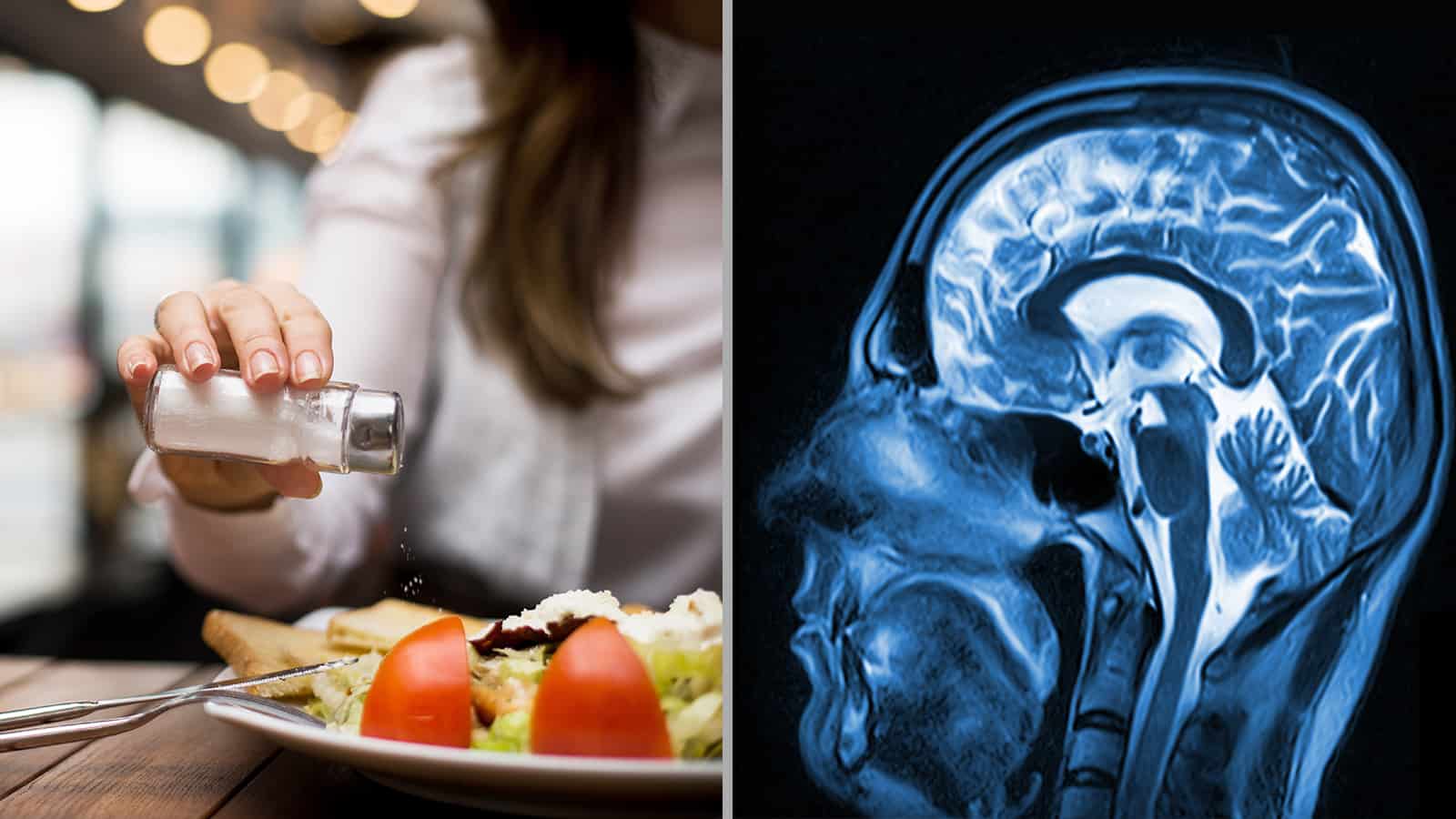
Eating salty foods may increase brain health, say researchers.

The best way to avoid this is to monitor how much salt you take in and how much water you drink daily. But that’s especially essential when engaging in endurance sports. If your urine is clear, you are drinking too much water and if you are engaging in strenuous endurance sports, drink a sports drink with electrolytes and your water to help replace any lost salt.

7 Reasons You Need Amino Acids For Good Health

The vital importance of amino acids cannot be overemphasized. Quite simply, amino acids are the basis – the building blocks – of all life processes. More specifically, amino acids act as catalysts, allowing the development of proteins within billions of individual cells.

The human body requires twenty types of amino acids to produce protein adequately. Amino acids are categorized as either essential or non-essential. Non-essential amino acids are those the body can naturally synthesize, requiring only sufficient amounts of carbon, hydrogen, nitrogen, and oxygen. Essential amino acids are acquired through food, as the body either cannot produce them or produces them at insufficient levels.

Amino acids play central roles both as building blocks of proteins and as intermediates in metabolism. – The University of Arizona, Department of Biology

What Are the Amino Acids?

Essential amino acids are: histidine, isoleucine, leucine, lysine, methionine, phenylalanine, threonine, tryptophan, and valine.

Non-essential amino acids are made up of the following: alanine, arginine, asparagine, aspartic acid, cysteine, glutamic acid, glutamine, glycine, proline, serine, and tyrosine.

A vast amount of research has confirmed indispensable health properties. Likewise, research has been conducted explaining the dangers of low levels. In terms of treatment, these nutrients improve various health conditions.

This article focuses on the health benefits of amino acids. Further, we’ll go over some good dietary sources of amino acids.

Seven Reasons You Need to Add Amino Acids to Your Diet

amino acids

1. Improves brain function

Amino acids – and thereby proteins – are critical to healthy brain function. The brain synthesizes arginine, histidine, tyrosine, and tryptophan to (among other things) balance various neurotransmitters (i.e. dopamine, serotonin, norepinephrine). Maintaining healthy balances of these chemicals helps promote normalized cognitive abilities, particularly during environmental and psychological distress periods.

2. Detoxifies the body

Our body relies on a healthy and functioning liver to eliminate harmful toxins. Amines such as arginine, ornithine, and glutamine help stimulate liver detoxification actions – eradicating toxins that threaten our overall health. These amines also help to promote the expedited healing of wounds.

(Important side note: overconsumption of amines can result in excessive production of liver enzymes – an inadvertency that can result in liver damage. When undergoing any detox regimen, it is recommended to seek the advice of a licensed medical professional.)

3. Enhances mood

Often, mood swings result from too much stress and insufficient recovery time. This often happens when we perform demanding work and process streams of information without allocating proper time for rest or sleep.

While this may sound oversimplified (and obvious!), it turns out that deficient amino acid levels may exacerbate such mood swing episodes.

Conversely, carnitine and other amines may help balance a brain that is often out of sync – a common byproduct of internal and external stressors. For example, GABA – an amino acid and ultra-popular supplement – inhibits erratic neurotransmitter activity in the brain. The result? Feelings of sedation and well-being.

4. Improves sleep quality

Certain amino acids help to promote sleep by counteracting the cellular toxin ammonia. The breakdown of proteins forms ammonia stunts cellular energy production and. Sleeplessness can result when this breakdown mechanism adversely impacts certain cognitive functions, disrupting our internal sleep/wake cycle.

The amines arginine, glutamine, and ornithine have properties that can assist the body in eliminating ammonia, which may improve sleep quality.

pop meme

5. Reduces or eliminates stress

Glutamine is considered among the most important amino acids. Experiments have demonstrated drastic reductions in glutamine levels during physical and/or mental episodes of tension, strain, and stress. Physiologically, ingestion or supplementation of glutamine stabilizes cells of the immune and gastrointestinal systems. This effect strengthens the body’s defense mechanisms, helping to prevent and counteract various symptoms of stress.

6. Promotes muscle growth

Since amino acids are protein’s foundational components, this benefit is no surprise. In addition to promoting muscle growth, they suppress mechanisms that cause muscle tissue deterioration.

One notable amino acid, glycine, has even been shown to help maintain muscle mass later in life. When satisfactory levels penetrate the muscles, overall endurance, strength, and other performance capabilities often improve. This is the primary reason elite athletes and bodybuilders prioritize the consumption of amino acids.

7. Slows and thwarts aging

Ah, yes…we can see your eyes getting extra wide now. And it’s true: regular, adequate ingestion of amino acids can slow the aging process.

The reasons for this are mostly cumulative, and here’s why. As mentioned, they play an essential role in preventing or countering the effects of stress, producing myriad benefits: sharper cognition, healthier skin, more defined muscles, better sleep, improved mood, etc.

Additionally,they strengthen the immune and digestive systems. As a result, we can ward off potentially-harmful health conditions – many of which indirectly age us, both in mind and body.

protein

Final Thoughts: Know Good, Healthy Sources of Amino Acids

There are plenty of foods that are high in amino acids. Odds are you can find something on this list that satisfies your palette.

Here are a few:

  • Plant-based sources: tofu, quinoa, soy, and soybeans. Bragg’s Liquid Aminos is also an excellent product for this.
  • Lean meat: ham, pork, and beef.
  • Poultry and seafood: chicken, turkey breast, halibut, cod, tilapia, flounder, and perch.
  • Eggs and low-fat dairy products.
(C)Power of Positivity, LLC. All rights reserved

7 Things You Need To Know About Being Friends With A Virgo

Virgo might make the best friend of all of the signs of the zodiac. So if you are lucky enough to know one, read this list of  seven things that can help or hurt your future friendship. Think of this list as a kind of care and feeding instructions for the Virgo friendship. In turn, you’ll be blessed by the kind of ‘bestie’ relationship that others will envy.

7 Things You Need To Know About Being Friends With A Virgo

Was your friend born between August 22 and September 22? If so, you have the pleasure of calling yourself a friend to a Virgo. In fact, you may have already know some of the unique qualities that set them apart from the rest of the zodiac. In this article, we will look at your role as a friend to Virgo and the seven things you need to know about being their friend.

Research on the effect of horoscopes on relationships conducted by the University of West England found that there was very little effect of daily love horoscopes on decisions that people make related to finding love. However, the research revealed some interesting facts about beliefs in astrology. 72% of the people surveyed believe that astrology is not just superstition, 89% read the horoscopes of people that they had relationships with (including close friends), and 85% feel that the description for their sign accurately reflects their personality.

pop quote

1. Virgo always wants to help you

With a Virgo for a friend, you will always be able to speak your mind and air your problems. Need help? Ask a Virgo. They are more than willing to help. Besides, they are so honored that you asked them that they will really shine for you by giving you advice, encouragement, or gluten-free homemade brownies made with a lot of love and locally grown, organic ingredients, which is of course, exactly what you really wanted.

2. Always keep their confidences

A Virgo is loyal, but only if you are too. Betraying the trust of a Virgo will get you sent to a special place on their list of people who no longer exist to them. Be true to your Virgo if you want to keep being friends with them.

3. You might have to pry them out of their comfort zone

One of the most frustrating things about being friends with a Virgo is that they are so comfortable in their home space that getting them to have an adventure with you might be like pulling teeth. Your Virgo friend will ask you a million questions about the fun event that you have planned before they even agree to consider going. Help them out by putting them at ease and telling them that you’ll be there by their side to keep them safe.

An Indian researcher looked at the correlation of depression and astrology and found several planetary influences that can be associated with symptoms of depression. Some of the personality traits of the zodiac that are related to depression include social isolation, family and employment problems, financial problems, childhood problems, stress and health problems, and a drive toward materialistic desires. For your Virgo friend, their tendency toward being homeward bound is just in their nature and shouldn’t be interpreted as depression.

4. Make sure that your Virgo friend feels appreciated

Virgo is sensitive to your actions, inactions, words, and what is left unspoken. You have to tread lightly when it comes to accidentally hurting their feelings. The good news is that you can usually get them to smile again with a small gesture of appreciation that is meaningful to them. Even buying a favorite candy for them is appreciated by Virgo for any gift-giving or spontaneous occasion.

5. Their loyalty is forever

Virgo will always be your friend and that’s one of the great things about having them for a friend. Of course, we have already mentioned the one exception to this rule in number 2 above. Do not betray your Virgo friend or they will forget that they ever knew you.

Related article: 11 Signs You’ve Met Someone From Your Soul Family

6. Virgo is your secret weapon

Do you need to know if someone is lying, need help to figure out a ridiculously difficult problem on your homework, or you need to build a time machine? Well, you are in luck! Virgo is probably your best bet for a well thought out solution. At the very least, your Virgo friend will have given it more time and effort than any other astrological sign.

pop meme

Related article: 10 Things You’ll Only Understand If You’re A Virgo

7. Virgo can be easily embarrassed

The sensitive nature of Virgo means that they often take things personally, even when that was not your intention. Also, they feel the gaze of people around them more than other people do. But they might take that personally too. Virgo is usually wondering if everyone is staring at them and assumes that they are. You can help your friend out by letting them know that they look perfectly normal to you.

(C)Power of Positivity, LLC. All rights reserved

10 Behaviors That Keep People From Finding Relationships That Work

Love, the elusive force that drives us, elates us, and leaves us longing for companionship. In the depths of our hearts, we yearn for a relationship that brings joy, understanding, and fulfillment. Yet, despite our fervent desire for love, could it be possible that our behaviors are unwittingly hindering us from finding that perfect partnership we seek?

As we navigate the intricate labyrinth of relationships, we must delve into the hidden patterns and subconscious actions that may sabotage our quest for lasting love. Join us on this captivating exploration. This article will uncover the ten behaviors that may unknowingly obstruct your path to a relationship that aligns with your deepest desires.

Prepare to unearth the truths about your attachment style. We will explore how your childhood experiences shape your adult relationships. Discover the profound impact your judgmental tendencies can have as we unravel the enigma of deal breakers and the art of fair evaluation. Dare to challenge the standards you set for yourself and others as we dissect the fine line between healthy expectations and unrealistic fantasies.

We’ll navigate the treacherous waters of jadedness together, exploring how the ghosts of past heartbreaks can cast a shadow over new connections. Delve into the depths of self-esteem and self-love. We will uncover these factors’ profound influence on our ability to attract and sustain meaningful relationships.

Finally, brace yourself as we confront the paralyzing fear that keeps you from embracing true love. We will also dive into your unspoken fears:

  • Fear of commitment
  • Fear of vulnerability
  • And the fear of what lies beyond the horizon of a promising connection.

10 Behaviors That Keep You From Finding A Relationship That Works

Is it possible that your behavior might be keeping you from finding a relationship that works?

Although you might think you are ready for love, there are some ways that we self-sabotage our desires regarding relationships. Let’s look at the ten behaviors that keep you from finding a relationship that will suit your needs.

14141984_10153748878042371_6031472862533118084_n

1. You’ve yet to heal from the hurt of your childhood

Psychologists call your adult relationship style your ‘attachment style’ and say that how you bond with a romantic partner is based on how you learned love as a child. If your childhood years were not happy, it takes a lot of healing to find a relationship that works.

Psychologists at Texas A&M University, who looked at 144 dating couples found that those with anxious or avoidant attachment styles had more negative emotions and fewer positive emotions in their relationships.

The partners with secure attachment styles were the ones who had the most positive emotions and the least negative emotions during their relationships.

2. You apply the deal breaker rule to every date

Man Hands, Close Talker, and the Double Dip were all reasons that characters on the TV show Seinfeld had to dump their dates. If you give your dates deal-breaker status based on their negative behavior, that is totally unfair.

Sure, we all have deal breakers that will get under our skin so we know to avoid those types of people, but you’re not perfect either. Labeling your partner’s negative behavior while ignoring their positive traits is not giving them a fair deal.

This may be one behavior that is keeping you from finding a relationship that works. Try focusing on the positive aspects of your next partner.

3. Your standards are too high

You are looking for a never-married lawyer in his forties who graduated from Yale and has a mansion, convertible, and perfect abs?

Looking for someone who is either out of your league or would have no reason to find value in you as a partner is one possible reason you haven’t found a relationship that works.

4. Love has made you jaded

You are stuck in the negativity, regret, and resentment about your past relationships, which is keeping you from finding a relationship that works. Who wants to be with someone who is only focused on the negative?

No one you should want to be with, that’s for sure. Try to find the lesson from these past loves, let go, grow, and open yourself up to only positives.

5. Low self-esteem

Low self-esteem is one possible trait that keeps you from finding a relationship that works. It’s hard to love someone else fully until you can say the same about your relationship with yourself. Let’s focus on you for a while and then look for romance.

6. You’re afraid of what would happen if you did find the right person

Fear is not uncommon for those who are single, and in this case it’s the fear of finding a relationship that works. Sometimes you fear losing your freedom, or losing the potential for another romantic partner who could be even better and who might come along when you aren’t available.

Sometimes, a fear of success keeps you from true love.

7. You’re pursuing someone who isn’t single

Maybe he or she will leave their spouse, but in the meantime, you’re tying yourself up with someone who isn’t available, which means you are also not available to find someone looking for you.

romantic quotes

8. You think you have to give up who you are to be in a relationship

You should never have to sacrifice your personality for a romantic partner, so resolve never to let that happen and be ready for a love where you can still be yourself AND be in a relationship that works.

9. You keep repeating the same behaviors in relationships

Similarly to your attachment style, if you are repeating old patterns of unhealthy relationship behavior, you may have some personal growth before you can be in a relationship that works.

Living in the past will not work for you in a relationship. Your partner wants you to live in the here and now with them, and if you can’t let go of old, negative habits that don’t serve you, you can’t have a healthy relationship.

Researchers at the University of Rochester and the University of Georgia looked at mindfulness and relationship satisfaction and found that ‘greater practice of mindfulness on a given day predicted improved relationship happiness, stress coping efficacy, and lower relationship-specific and overall stress.’

Letting go of the past, and avoiding worrying about the future, keeps you mindful and aware of the joy that is found in each moment with your romantic partner. Of course, that is a great way to have an emotionally healthy relationship that works well for both of you.

10. You find it hard to trust

We get it; putting yourself out there to potentially be hurt can be emotionally scary, but you have to take a risk if you want the big payoff. It’s better to have loved and lost than not to have loved at all. To have a deep love, you first must have trust, because that vulnerability to being hurt is a requirement of love. Otherwise, you share a closed heart with someone, keeping you from finding a relationship that works.

behaviors

Final Thoughts on Behaviors That Block You From Finding Loving Relationships

Finding a relationship that works can be a complex journey influenced by various factors. However, addressing certain patterns and behaviors can increase your chances of building a fulfilling and successful romantic partnership. Recognizing and addressing these potential obstacles can enhance self-awareness and improve your relationship choices. It will also increase the likelihood of finding a loving and compatible partner. Remember to be patient, kind to yourself, and open to the journey of love and growth.


These Things Happen to Your Body When You Stop Drinking Coffee For 7 Days

Coffee is an important part of the morning routine for many people, but some are making the choice to stop drinking coffee because of the healthy things that happen in your body when you quit for 7 days or more.

According to the Food and Drug Administration (FDA) , ‘In the U.S., 80 percent of adults consume caffeine every day – the average adult has an intake of 200 mg per day, the amount in two 5-ounce cups of coffee or four sodas. A study of 7th, 8th, and 9th grade students in Ohio found that students took in an average of 53 mg of caffeine per day, but almost one in five students took in more than 100mg of caffeine each day.’ The FDA also says that a 5 oz (small) cup of coffee contains 60-150 mg of caffeine, depending on the darkness of the coffee beans used to brew it.

It might seem like an impossible task to stop drinking coffee for 7 days, and that’s because you are likely addicted to it. In this article, we will look at the changes that happen to your body when you drink coffee and when you quit.

These Things Happen to Your Body When You Stop Drinking Coffee For 7 Days

Caffeine is both a drug and a food additive, according to the FDA, and coffee is one of the most common forms of caffeine consumption in the world. Although it is a drug, it has not been considered to be harmful, so there is no regulation on the quantity that can be consumed in a day.

However, caffeine withdrawal is a behavioral problem that, according to the American Psychological Association’s Diagnostic and Statistical Manual version 5, falls under substance use disorder. Using a stimulant, such as caffeine to such a degree that the person drinking coffee is affected by physical and mental symptoms could equate to a substance use disorder for the stimulant caffeine.

Some of the criteria for substance use disorder may apply to people who drink coffee consistently. According to psychcentral.com, these symptoms include:

  • Craving the substance
  • Worrying about stopping or consistently failed efforts to control one’s use
  • Continuing the use of a substance despite health problems caused or worsened by it.
  • Building up a tolerance to the drug and needing more of it to get the desired effect.
  • Experiencing withdrawal symptoms after stopping use, for example, anxiety, irritability, fatigue, or hand tremors.

How your body feels when you stop drinking coffee for 7 days

Here are just some of the self-reported health changes that one health-conscious yoga enthusiast reported after stopping coffee for 7 days:

  • No headaches
  • Reduced shoulder and back muscle tension
  • Improved concentration
  • Better sleep and feel more alert in the morning
  • More regular and healthy bowel movements
  • Return to regular sleep cycles
  • Increased awareness of hunger and fewer junk food cravings
  • More patient when confronted by stress

According to the American Society for Pharmacology and Experimental Therapeutics, the caffeine in coffee can affect sleep, mood, cerebral blood flow, your metabolism, your genes, and the neurotransmitters in the brain that affect memory processing and cognitive performance. Their caffeine research says ‘Peak plasma caffeine concentration is reached between 15 and 120 min after oral ingestion in humans.’ Also, caffeine takes time to leave the body and is at about half the peak blood plasma concentration after about three hours, completely leaving the body within about 6 hours.

The thorough review of caffeine in the existing research literature found that the stimulant can also cause changes in the expression of our genes. The researchers say ‘these results suggest that even a single, albeit high, dose of caffeine can induce changes in gene expression that could lead to adaptive changes in the brain.’

Speaking of brain functioning, many people believe that they are more alert and able to think better when they drink coffee, however, there is a balancing point to how much caffeine helps your performance. Their research found ‘An increase in arousal improves performance of tasks where relatively few sources of information have to be monitored, particularly under conditions when the need for selective attention is stressed by time pressure. When, on the other hand, multiple sources of information or working memory have to be used, an increase in arousal and attention selectivity has no apparent beneficial effect on performance, which may consequently even decrease.’

One of the metabolites of caffeine in the body is paraxanthine. Paraxanthine blocks the body’s adenosine receptors which then raises epinephrine levels in the blood and diastolic blood pressure. Basically, when you drink coffee, your body responds as if there is a threat and begins to respond with its’ fight-or-flight stress response.

There is no easy way to stop drinking coffee and most decide to cut off their use completely, or go cold turkey. If the thought of going without your morning cup is frightening to you, but you still want to gain the health benefits from quitting, try to first reduce your consumption. Then, try watering down your coffee more and more, until you are just drinking plain water in place of coffee. You can also try to substitute one cup with a decaffeinated green tea instead.

(C)Power of Positivity, LLC. All rights reserved

3 Differences Between Love and Attachment

Are you really in love, or are you settling for having someone?

There is a difference between love and just being attached. Being in love opens your heart and soul to another, surpassing all other forms of attachment. While attachment is the fear of being alone, love is the freedom to be all you can be. Attachment requires that you be in a relationship to function. You cannot handle the loneliness. Love is quite different. It brings out the very best in you.

So what does this mean regarding being in love and being attached?

Understanding the 3 significant differences between love and attachment can change your relationships:

You can start to identify your attachment style by getting to know the four patterns of attachment in adults and learning how they commonly affect couples in their relating.

1. How attachment plays in a relationship.

In their research, Dr. Phillip Shaver and Dr. Cindy Hazan found that about 60 percent of people have a secure attachment (which is a supportive attachment), while 20 percent have an avoidant attachment, and 20 percent have an anxious attachment.

As per Dr. Shaver and Dr. Hazan’s studies, the following are the different attachments in relationships:

14199768_10153753425467371_6065567805581854820_n

Secure Attachment – Securely attached adults are secure in their relationships. It stems from a secure and loving childhood. Secure adults help one another. They show support for their partners, and their relationships are based on love and trust. Secure attachment holds on for true love. They experience the supportive, empathetic, and affectionate desire to give of themselves to another.

  • Anxious Preoccupied Attachment – Unlike securely attached couples, people with an anxious attachment tend to be desperate to form a fantasy bond. Instead of feeling real love or trust toward their partner, they often feel emotional hunger. They’re frequently looking to their partner to rescue or complete them. Although they’re seeking a sense of safety and security by clinging to their partner, they take actions that push their partner away.
  • Dismissive Avoidant Attachment – People who attach dismissively tend to withdraw from their partners emotionally. They tend to live alternate lives that can keep them away from their attachment in a relationship. They may begin a relationship and then disappear.
  • Fearful Avoidant Attachment – A person with fearful avoidant attachment lives in an ambivalent state of being afraid to get too close to their partners, if they even allow themselves to get into a relationship. They will find excuses as not to participate with their mates.

Now, how does love play into these attachment behaviors?

Love requires security and the ability to give and take. A loving relationship is birthed through letting go and allowing another to be who they are. Attachment plays into a relationship through necessity, the need to fulfill emptiness, and sometimes, co-dependency.

2. Love is passionate. Attachment settles for the relationship without desire.

As you’ve read up above, attachments can be unhealthy unless it’s based on security. The secure attachment often stems from love. Passion ignites, and the person feels whole with another. Being attached is apathetic (as in anxious preoccupied attachment or dismissive avoidant attachment). The person only wants to feel needed, even if they know nothing is shared with their partner. In this type of connection, anger and remorse start to build. The person believed they could tolerate certain things, but it isn’t easy to swallow without love. The secret of falling in love is in a state of euphoria. A person who is only attaching can’t feel the depth of desire. They usually don’t like the person, but they fear being without anyone, like in fearful, avoidant attachments.

3. Love is selfless. Attachment is selfish.

Being in love is complete freedom. You want the very best for your mate. You provide the ability to give selflessly. Your partner’s needs come before your own. It’s a state of awareness and acceptance of who you are and what you are in each others’ lives. Love turns your world around. It magnifies other giving emotions. It wants the best for two people, and you want a future together.

A person who is attached to another is selfish. They want what they want when they want it. There is no compromising. They are in a relationship for their welfare. Love requires work, but it’s easy to give. The person who is with another due to attachment only feels the aches of separation when the attention isn’t on them. They want to be another person’s everything without giving a part of themselves. There is a toxic malice to attachment relationships.

love

Final Thoughts on the Differences Between Love and Attachment

Love is empowering, while attachment is about who has the power. If you find yourself questioning which type of relationship you are in, ask yourself these simple questions: Are you depleting yourself with someone who is not returning the same gestures? Are you staying in a relationship out of fear or because you genuinely love and support that individual? And, how different would life be without your partner? Sometimes it takes a little bit of retrospect to decide if love is the reason you are with another, or if fear of the unknown is dictating the relationship.

Scientists Explain Why Your Body Jerks When You’re Falling Asleep

Does your body ever jerk you awake as you are falling asleep.

One moment, we feel ready to sink into deep unconsciousness, and another, we’re being jolted back into reality. How rude of us to do that to…us.

Has this ever happened to you? Turns out that it’s happened to most of us; for some people, it occurs on an all-too-frequent basis. If you’re like most, you’ve probably wondered why this happens. Indeed, it is a strange (even frightening) spectacle.

“Hypnagogic Jerks”

That’s what our shrewd friends in white lab coats are calling this phenomenon: a hypnagogic jerk. The name is derived from the hypnagogic state – the transitional period between wakefulness and sleep. Hypnagogic jerks are often referred to as hypnic jerks.

Hypnic jerks generally involve sudden, erratic movement (i.e., twitches or spasms) of the arms, legs, or entire body. Most often, hypnic jerks occur while trying to drift off to sleep. Interestingly, many people experience the sensation of falling immediately before sudden muscle twitches and abrupt awakening.

Has Your Body Ever Jerked Suddenly Falling Asleep? Here’s The Meaning Behind It…


good night

Researchers are not entirely sure as to the physiological rationale of hypnic jerks, although there are plenty of accepted theories. Most scientists and physicians believe these jerks result from the brain transitioning to a lower frequency. Our brains produce high levels of activity from the moment we awake to the time we begin to “unwind” in the evening; hence, it seems plausible that the brain will, at times, attempt to regain this natural state of activity.

Another common theory is how the brain responds to bodily exhaustion. More specifically, when we’re highly fatigued, the brain will sometimes transition to the first stage of sleep too quickly instead of following a slower and more natural progression.

Usually, in the first stage of falling asleep, respiratory activity and heart rate slow down; the body “stills,” and our state of sleep is relatively light. According to the defense mechanism theory, when our bodies reach this state too quickly due to exhaustion, the brain may interpret it as a threat and initiate a jerking response.

What about that falling sensation?

As for the feelings of falling? Scientists are pretty confident these episodes result from the brain sensing equilibrium imbalance – a lack of stabilization. Ever leaned back too far in a chair and jerked forward to maintain balance? Felt faint when standing up too quickly? The brain can also signal the body to regain stability if it senses an imbalance. Similar to the prior theories, this also is an involuntary defense mechanism of the brain.

We all need quality sleep to be productive. As mentioned, our brains send and receive massive amounts of information throughout the day – and sleep is necessary for the brain to allocate, organize, process, and store this influx of information. Furthermore, sleep allows the brain to solidify and consolidate memories. This is particularly important when converting short-term into long-term memory. Hypnic jerks can disrupt our normal sleep pattern, mainly when they occur regularly.

Which leads to the question: can hypnic jerks be avoided?

The simple answer is both yes and no. Apologies, as that isn’t a simple answer. Here’s some elaboration. The human brain is a remarkably complex organ, producing stimuli that is sometimes unexpected (thus unexplainable). As is common knowledge, the brain operates typically at frequencies within specific ranges depending on the activity. For example, these predictable range frequencies allow us to maintain a regular sleep/wake cycle.

Sometimes, the brain involuntarily produces signals beyond normal, expected frequency ranges. We experience these anomalies in several ways (e.g. daydreaming, losing track of time), including in our sleep/wake cycles. Jet lag is another common sleep disruptor caused by involuntary, erratic brain activity.

That said, there are a few things scientists do know. First, sleep deprivation is a trigger of hypnic jerking. Not getting the recommended amount of sleep (seven to nine hours) frequently can lead to hypnic jerking. Pulling an all-nighter for work or studying is counterproductive and can result in jerking awake. Excessive consumption of alcohol or nicotine, especially before bedtime, can have us twitching ourselves awake.

doing nothing

Final Thoughts: Develop Good Habits for Falling Asleep

Granted, this is a humdrum and bland answer…but it’s very accurate. Practicing good sleep habits: going to bed and waking at the same time; abstaining from alcohol and nicotine; getting seven to nine hours regularly; putting the tablet/cell phone/laptop away; tackling complex tasks early; limiting the amount of light during sleep time; etc. etc. etc. will help limit those jerking episodes. More importantly, though, we’ll be our most productive selves.

In summation, hypnic jerks are annoying and even frightening, but they’re not dangerous. Heck, they’re not even a sleep disorder. The preeminent organization of sleeping behaviors – the National Sleep Foundation (NSF) – estimates that nearly seventy percent of people experience hypnic jerks at some point.

(Now, should these twitching episodes become a regular occurrence, it may indicate a disorder such as chronic insomnia. Of course, a doctor’s appointment would be wise in such cases. However, a sleep disorder originating from hypnic jerks is very rare.)

As one smart feller at NSF says: “There are no serious consequences, it won’t give you a heart attack or anything – the worst that can happen is you jerk so hard that you fall out of bed.”

So, if you should tumble from your delightful resting place, jump back under the covers and shut those eyes. You needn’t worry your little sleeping head about it.

Researchers Reveal How Parents Create Narcissistic Children

Most parents have had nightmares about their children, one of which may include producing a narcissistic child who then becomes a narcissistic adult let loose in the world. However, most parents want to raise a kind, mentally stable child who will become an upstanding citizen in their community.

Parents rarely act intentionally to harm their child’s future; mostly, they do the very best they can with the skills and knowledge they have. Knowing that you have good intentions in parenting your child should give you a sense of pride in your child-rearing so far. We want you to remain cautious about how much love, praise, and freedom you give your child. Like most things in life, too much of anything can become detrimental.

We will look at the one unhealthy parenting trait that plays the most significant role in producing a selfish child, according to research. Also, we will discuss how you can avoid this behavior while raising a child, along with signs of narcissism in children.

Researchers Reveal: This ONE Parenting Trait Produces The Most Narcissistic Children

Narcissistic children become narcissistic adults. Narcissistic adults tend to act out against their fellow man rather than being supportive members of the greater society they live in. Narcissists act aggressive and entitled because they see themselves as superior to others. Therefore, they don’t feel concerned about others’ needs and make themselves the priority in every situation.

Researchers at Ohio State University and Holland’s University of Amsterdam tested the theory that giving children too little warmth, comfort, and love would produce narcissism. The team found that praising children more than they deserve based on their effort, skills, and performance caused more harm than good.

The researchers found that narcissistic children tend to learn their spoiled behavior from parents who treat their children as perfect, superior, or more special than other children. So, if you want to avoid raising narcissistic children, avoid overly praising your child.

positive parenting meme

How to Recognize Narcissistic Children

A narcissistic child acts selfishly. They feel entitled to better treatment than other children or even entitled to better treatment than you. Selfish people base their self-esteem and worth on the recognition that others give them. An easily recognizable example of this would be a child or teenager who feels depressed when they don’t receive enough likes on their social media posts.

Narcissistic children also tend to act more aggressively than other children and have a higher risk of anxiety problems or drug addiction. When they don’t receive the praise they believe they deserve, they may self-harm or act out in violent ways. Therefore, the problem stems from their belief systems, which they learned from their parents.

The following behavioral problems may reveal narcissism in children:

•   Interpersonal relationship problems

Narcissistic children often display a lack of empathy in relationships with others. They will appear cold, mean, aloof to the needs of others, and even manipulative at times. Children with a heightened risk of narcissism will attempt to control others, believing they lack proper judgment. From the outside, it may seem as though they want to help others, but they want to display their intellect and superiority.

Relationships with others will seem one-sided because a narcissistic child can’t understand the needs of others. Their parents may have either coddled or neglected them, and these extremes can lead to self-centered behavior as a survival mechanism.

•   Problems in school

Narcissistic children may believe they know more than their instructors and frequently challenge them to debate or criticize their teaching style. They also tend to interrupt the teacher and speak without raising their hand first.

On the other hand, narcissistic children could also act aloof and uninterested in the material because of their inflated egos. For instance, they may appear bored because they have already learned the lesson or may pretend to know more than they do.

•   Impulsive behaviors and a low tolerance for frustration

Children who have a propensity for narcissism may have learned to scorn mediocrity from their parents. They never feel satisfied with their achievements and continually seek new ways to prove their worth. They may act impulsively and make rash decisions to feel some semblance of excitement. However, when they don’t get their way, they become easily frustrated or bored.

narcissistic children

•   Mood swings, irritability, and fluctuating self-esteem

A selfish child may appear confident, but they suffer from low self-esteem. Inside, they have no stable sense of identity, most often because of a turbulent upbringing. Therefore, the child tends to act out and becomes irritable at the slightest inconvenience.

•   Lying, stealing, or breaking rules

Narcissistic children believe they’re above the rules and don’t respect boundaries. They have no remorse and may engage in nefarious behaviors like lying or stealing from a young age. Children who grew up in households without clear rules may have a more challenging time understanding the laws in society. Therefore they do whatever it takes to maintain their inflated self-image, even if that means harming others.

•   Arrogance and constant need for attention

Inside, narcissistic children have very low self-esteem, but they put on a mask to protect themselves. Others see them as arrogant and haughty and may even fear the consequences if they get on their wrong side. The child will constantly seek attention and praise from others to keep up this image of superiority.

•   Self-doubts and intense envy of others

Narcissistic children will constantly compare themselves to others to see how they measure up. They never feel good enough because they require continuous attention and admiration from others. If they don’t receive this attention from others, they begin to question their self-worth. For instance, the selfish child may become intensely jealous when other students earn a higher test score. As a result, they may belittle their classmates to re-establish their dominance and superiority.

So, in summary, praising your children can help them learn which behaviors are desirable. However, too much praise can cause more harm than good, as they may believe they’re unique or better than others. Dr. Bleiberg, a child psychologist with over twenty years of experience studying narcissistic children, says they often appear lonely, angry, empty, and envious.

Hope for Narcissistic Children

If you have consciously or unknowingly been overly praising your children, you can still learn a different parenting style. Changing your parenting behavior moving forward will help instill healthy self-esteem in your child without leading to narcissism. Although frequently praising your child may seem like the correct course of action, you may have inadvertently given them an over-inflated ego.

Instead, create situations that allow your children to learn that they don’t always have to win. Let them fail at a sport or an exam that doesn’t affect their grade too much. Or, praise another child who shows traits of selflessness instead of honoring your child. Please encourage your children to make friends so that you aren’t inadvertently sheltering them from criticism from others. Even better, teach them empathy and kindness.

Above all else, teach your children that their self-worth shouldn’t come from achievements. Help them develop a loving relationship with themselves, and don’t put too much emphasis on their accomplishments. Praise them when they do well, but make sure they enjoy activities for their own sake, not just for their rewards.

Developing a personal identity, learning to set and honor boundaries, and balancing both independence and asking for help are all a part of growing up. These skills are lacking in the selfish child, but they can be taught.

When you change your behavior but don’t see results from your child, you may need to seek professional help. Learning healthy behaviors in childhood will allow your child to flourish into a well-rounded adult. They should receive therapy in childhood since a child can change more quickly than an adult, anyway.

narcissistic children

Final Thoughts on How Parents Create Narcissistic Children

Parents may unknowingly create narcissistic children by praising them too much for their accomplishments. The children may associate their achievements with love and believe that no one will like them unless they prove their worth. This sets them up for an unstable self-image and unhealthy desires for power and success.

Instead, teach your children that love comes from showing kindness and empathy for others. If you show them warmth and affection while also establishing rules, they will learn how to become a well-rounded adult. Children who grow into narcissistic adults have often been coddled or neglected from an early age. It’s best to find a balance in parenting where the child doesn’t feel too smothered or too rejected, on the other hand.

However, you could do everything right as a parent and still have a narcissistic child. When it becomes more than you can handle, seek professional help from someone experienced in child psychology. After all, it truly takes a village to raise a healthy, happy child.

Skip to content