Weekly tips, affirmations, and small actions to feel your best.

How Too Much Sugar Affects Your Brain And Body

“Brain functions such as thinking, memory, and learning are closely linked to glucose levels and how efficiently the brain uses this fuel source…Although the brain needs glucose, too much of this energy source can be a bad thing.” – Harvard Medical School, Department of Neurobiology

Sugar is a form of glucose, which serves as a primary source of energy for every cell in the human body. As the most nerve-dense organ in our body, the brain consumes a disproportionate amount of this energy. Approximately one-half of all glucose (and sugar) derived energy is required for the brain to function properly.

“The brain is dependent on sugar as its main fuel. It cannot be without it,” states Vera Novak, MD, PhD, and associate professor of medicine at Beth Israel Deaconess Medical Center – a teaching hospital of Harvard Medical School (HMS).

In short, without glucose, our brain cannot perform even the most basic of functions.

Too little glucose (or sugar) can lead to hypoglycemia, a common condition among pre-diabetics and diabetics. Also, glucose deficiency can interrupt neuronal production and transmission, which can manifest into various cognitive disorders.

As you’ll soon see, excessive amounts of sugar in the blood can also lead to a variety of cognitive problems. It is important, therefore, to determine what makes up a deficient and excessive amount of glucose in the brain, along with repercussions of each state. In this article, we focus on the latter: excessive glucose levels and the subsequent impact on the brain.

Besides describing the effects of inordinate glucose levels, we’ll also provide some helpful information pertaining to the appropriate levels of glucose in the body and brain – and how it can be healthily attained and maintained.

Why too much sugar is a bad thing

Simply put, too much glucose as sugar speeds up cellular aging and stunts cell growth. When cellular development is thwarted, a variety of medical problems may manifest.

Here are just some of the damaging effects of excessive sugar intake on the brain:

1. Faster cellular aging

Per a 2012 study at the University of California at Los Angeles (UCLA), research results “indicated a positive relationship between the consumption of fructose, another form of sugar, and the aging of cells,” according to HMS.

2. Memory problems

High glucose levels are linked to memory and cognitive deficiencies, according to a 2009 study by a team of scientists at the University Montreal and Boston College.

3. Same effects on brain as stress

Per a study by the University of New South Wales in Austria, high sugar intake is “as damaging the brain as extreme stress or abuse.” (Abuse? Really? Didn’t see that coming.)

4. Difficulty responding to stress

In another study, consuming too much sugar “led to lower expression of (brain) receptor that binds the major stress hormone cortisol, which may affect the ability to recover from exposure to a stressful situation.”

5. Shrinks hippocampus

Research shows that excessive sugar levels may shrink the hippocampus. Located within the brain’s medial temporal lobe, the hippocampus “forms an important part of the limbic system, the region that regulates emotions…(it) is associated mainly with memory, in particular long-term memory. The organ also plays an important role in spatial navigation.”

6. Increases risk for diabetes

Studies show that, although high levels of sugar aren’t solely responsible for developing type 2 diabetes, it increases the risk of the disease. Type 2 diabetes is a medical condition in which cells “become overwhelmed by insulin and fails to properly respond; they become resistant to insulin.”

Insulin is a hormone required to normalize blood sugar levels. When the body lacks this hormone, glucose levels spike within the brain and body. Per HMS, “High glucose levels can affect the brain’s functional connectivity, which links brain regions that share functional properties, and brain matter.” Brain atrophy and small-vessel disease – a condition which narrows blood pathways to the brain – can lead to several cognitive problems. One such problem is vascular dementia – a condition very similar to Alzheimer’s Disease .

Sugar and Kids

The damaging effects of sugar is extremely disturbing when one considers the largest consumers of sugar: children.

Per the USDA Economic Research Service, the average child under 12 years consumes 49 pounds of sugar per year. Adults? 46 pounds. This means that our most vulnerable demographic consumes more sugar than a full-grown man or woman – and with an undeveloped body.

Dr. Jennifer Shu, a board-certified pediatrician states: “Eating too much (sugar) can make kids gain weight, which then puts them at a greater risk for diabetes, high blood pressure, and high cholesterol – three major contributors to heart disease.”

In other words, parents should taper their child’s “sweet tooth.”

The above list is not exhaustive. It’s quite astonishing that medical experts have been warning about sugar’s negative effects on the waistline for years; yet these same experts had little to nothing to say about its effects on the brain.

The all-important question is “how much sugar should I be eating?”

According to the American Heart Association (AHA), recommended sugar intake is:

For men: 38 grams (9 teaspoons)

Women: 25 grams (6 teaspoons)

Children (ages 2 to 18): 25 grams (6 teaspoons)

Children (under 2 years): Zero added sugars

References:
Harvard Medical School. (2017). Sugar and the Brain. Retrieved from http://neuro.hms.harvard.edu/harvard-mahoney-neuroscience-institute/brain-newsletter/and-brain-series/sugar-and-brain

Mandal, A., M.D. (2014, January 14). Hippocampus Functions. Retrieved from http://www.news-medical.net/health/Hippocampus-Functions.aspx
Maniam, J., Morris, M. (2016, February 17). High-sugar diet is as ‘damaging to your brain as extreme stress or ABUSE.’ Mail Online. Retrieved from http://www.dailymail.co.uk/health/article-3450298/High-sugar-diet-damaging-brain-extreme-stress-ABUSE.html
Mercola, J., D.O. (2016, September 7). How High-Sugar Diets Speed You Toward an Early Grave. Retrieved from http://articles.mercola.com/sites/articles/archive/2016/09/07/recommended-sugar-intake.aspx#_edn7
Remnarace, C. Sugar Shock (n.d.) Parents Magazine. Retrieved from http://www.parents.com/recipes/nutrition/kids/sugar-shock/

10 Times You Need to Be Quiet In Life

Do you often feel the need to slip away for some quiet?

“There is time to be quiet and a time to talk.” – Aung San Suu Kyi

Odds are most people reading this do not recognize the name Aung San Suu Kyi. Ms. Suu Kyi is the first and current State Counselor and Leader of the National League for Democracy of Myanmar – formerly known as Burma. In 1991, “The Lady” as she is known by her compatriots, was awarded the Nobel Peace Prize. The committee that nominated Suu Kyi called her “an outstanding example of the power of the powerless.”

From 1948 to 2010, then-Burma had been engaged in a civil war consisting of approximately 30 insurgent groups (today, just five remain.) Suu Kyi spent most of the time throughout the late-80’s to 2010 in some form of “detention” for her vocal democratic views.

Now the country’s de-facto leader, Suu Kyi has made non-violence her priority. Citing her role models like Martin Luther King Jr. and Mahatma Gandhi, the leader understands – and steadfastly demonstrates – her strongly-held belief that quiet is as important, if not more so than talk.

Indeed, there are times when it’s more beneficial to remain quiet than speak up. (A lesson that many of our politicians at home could use.)

In our personal lives, we needn’t be a politician or another prominent figure to recognize the time and place for quiet.

Here are ten times we’d do well to be quiet in life:

introverts

1. When you don’t have the necessary facts

Harlan Ellison, one of history’s most prolific writers, once said “You are not entitled to your opinion. You are entitled to your informed opinion. No one is entitled to be ignorant.” You may or may not agree with Ellison’s sentiment, but speaking about a topic of which you have no facts or evidence may well be perceived as absentmindedness.

If it’s a sensitive issue, we’d do well to hold our tongue until we know all the facts.

2. When you have a feeling the words will hurt

In the midst of a heated discussion, most (all?) of us have said something that unfairly hurt someone else. Being honest with ourselves, we felt the aftereffects of the words before they were said. In other words, we knew the sting that those words would produce – and said them anyway.

When tempers are high, our talk-to-quiet ratio should be low. Speaking of which…

3. When you have a sense you’ll be ashamed

#2 and #3 are often inclusive. When we replace coolness and logic with hotheadedness and impulsivity, the changes of us hurting someone else and ourselves skyrockets.

Feeling ashamed of something that shouldn’t have ever been said isn’t worth it.

4. When it’s not our place to speak

The truth is that focused, fully attentive listening (i.e. active listening) is rare. Too many people would rather be heard than hear – and this is something that can kick us in the rear in every part of life.

Understanding and being skilled in active listening can lead to new insights, expand knowledge, and improve our relationships.

5. When we have nothing to say

It’s ironic that “uncomfortable silence” is unbearable, but small talk is a social skill. Chatter among friends is nice, but why should we feel obliged to say something when there is nothing?

(Silence)

silence

6. When you’re being taunted

Nobody is immune to not being liked for no good reason. Nobody is immune to bullying, even as we age. There’s not one good reason to respond to anyone whose objective is to taunt you. You have the self-control to end a conversation – use it.

7. When you’re trying to change a related behavior

Understanding and making an attempt to break a bad habit is a noble act. Changing our behavior can also be quite difficult at times. Habits often repeat themselves because we don’t actively watch and intervene.

When it comes to changing how we speak to ourselves and others, an influx of conflicting thoughts and feelings will arise. It is important to remain silent until we’re able to regain control.

8. When your negative emotions are high

Once again, there is no unwritten law that you must speak to people. There is certainly no unwritten law that says you must talk to people when in a bad state. As mentioned, negative emotions have a way of clouding our judgment – and this can lead us down a path we don’t want to go.

9. When you could be doing something productive

Why are you chattering 100 words a second about nothing-in-particular when you could more wisely invest this time? Unsurprisingly, engaging in a random conversation is a common means of avoiding responsibilities.

What could you be doing instead that will better your life?

10. When your words will poorly reflect on someone

Speaking about someone with intent to inflict harm upon their character is a foolish act. It’s a no-win situation. This is particularly the case when this “someone” is a spouse, relative, friend, or colleague.

If a problem exists between you and someone else or vice-versa, take it up with them personally. Rise above the negative talk and show some character.

(C)Power of Positivity, LLC. All rights reserved

Which One of the 16 Personality Types Are You?

Isabel Myers and her mother, Katharine Cook Briggs, are developers of the Myers-Briggs Type Indicator (MBTI). Cook-Briggs devoted her entire life to “(enabling) individuals to grow through an understanding and appreciation of individual differences in healthy personalities and enhance harmony and productivity in diverse groups.”

Upon the passing of her mother, Isabel Myers continued her mother’s important work. Myers efforts are commendable and have advanced her mother’s pioneering theories (based on Carl Jung’s observations) to millions around the world.

The MBTI instrument in its current form is the product of years of painstaking psychological research and testing. The groundbreaking psychological assessment has been officially translated into 30 languages.

The MBTI “describes differences in how people approach the world, take in information, and make decisions.” The MBTI instrument is currently implemented by numerous organizations, e.g., government, business, and academia.

Most importantly, the MBTI provides individuals with invaluable knowledge about how their mind works.

“The understanding of your (personality) type can make your perceptions clearer, your judgments sounder, and your life closer to your heart’s desire.” – Isabel Briggs Myers

Factors

The determination of one’s personality “type” – of which there are 16 possibilities – is the result of individual preferences in four areas (in their respective orders):

  1. Favorite world: Do you prefer to focus on the outer world or your inner world? This is labeled Extraversion (‘E’) or Introversion (‘I’).
  2. Information: Do you prefer to focus on the basic information you take in or do you prefer to interpret and add meaning? This is labeled Sensing (‘S’) or Intuition (‘N’).
  3. Decisions: When making decisions, do you prefer to look at logic and consistency or first look at the people and special circumstances? This is labeled Thinking (‘T’) or Feeling (‘F’).
  4. In daily life, do you prefer to get things decided or do you prefer to stay open to new information and options? This is labeled Judging (‘J’) or Perceiving (‘P’).

understand yourself

16 Personality Types

First, it is important to understand that no “best type” exists. MBTI doesn’t measure intellect or character – it’s simply a tool to help you understand your personality and how your brain operates.

Second, everyone has some degree of each of the four traits. The instrument is designed to measure your preference and is not an absolute.

Third, MBTI personality types are represented by four letters. For example, ESTJ, INTP – and so on.

Alright, let’s get to the fun stuff. Can you identify with one of these types? (For ease and fun, we’ve used descriptive words and potential occupations.)

Which One of the 16 Personality Types Are You?

Extroverts

– ESFJ: Happy, conscientious, loyal, harmonizing, “people-person,” sociable, tactful, warm.

Jobs: Elementary teacher, Child care provider, School Administrator, Health Care Administrator, Special Needs Teacher/Assistant.

– ESTJ: Logical, organized, assertive, practical, results-oriented, analytical, systematic, responsible.

Jobs: Military/Police Officer, Stockbroker, Sales Manager, Real Estate Agent, Chef, Office Manager.

– ESFP: Accepting, cooperative, friendly, passionate, commonsensical, loving, realistic, fun.

Jobs: Social Worker, Psychologist, Counselor, Mental Health Professional, Teacher, Scientist, Journalist, Physical Trainer, Nutritionist/Dietitian, Artist.

– ESTP: Energetic, flexible, spontaneous, “hands-on,” pragmatic, tolerant, hardworking, skillful.

Jobs: Carpenter, Mechanic, Building Inspector, Landscape Architect, Surveyor, Forester, Teacher (especially shop or home economics).

– ENTJ: Assertive, critical, logical, strategic, visionary, initiating, planner, organized.

Jobs: Accountant, Community Organizer, Loan Officer, Marketing Manager, IT Professional, Executive.

– ENTP: Practical, straightforward, decisive, quick-witted, outspoken, resourceful, analytical.

Jobs: Entrepreneur, HR Recruiter, Architect, Engineer, Geologist, Detective, Public Administrator, Director, Social Scientist.

– ENFJ: Sociable, expressive, enthusiastic, idealistic, imaginative, conscientious, warm, and tactful.

Jobs: Teacher, Counselor, Therapist, Administrator, Sales Representative, Politician.

– ENFP: Warm, enthusiastic, imaginative, appreciative, supportive, spontaneous, flexible, wordsmith.

Jobs: Counselor, Non-profit executive, Trainer, Human Rights Lawyer, Community Organizer, HR Director.

Introverts

ISTJ: Dependable, serious, quiet, realistic, thorough, logical, focused, orderly, traditional.

Jobs: Military/Police, Attorney, Accountant, Manager, Economist, Farmer/Rancher, Librarian, Mortician

ISTP: Flexible, tolerant, quiet, analyzing, practical, fact-oriented, efficient.

Jobs: Carpenter, Mechanic, Surveyor, Landscape Architect, Forester, Rancher/Farmer, Quality Assurance.

ISFJ: Conscientious, friendly, responsible, loyal, committed, stead, precise, sensitive.

Jobs: Dentist, Family Physician, Nurse, Speech Pathologist, Therapist, Veterinarian, Health Care Aid.

ISFP: Kind, friendly, creative sensitive, loyal, idealistic, conflict-averse, quiet, respectful.

Jobs: Artist, Chef, Cosmetologist, Interior Designer, Jeweler, Fashion Designer/Executive, Writer/Poet.

INFJ: Decisive, insightful, committed, clarity of mind, humanitarian, organized.

Jobs: Clinical Psychologist, Counselor, Speech Pathologist, Clergyman/Clergywoman, Social Worker, Poet/Writer.

INFP: Idealistic, curious, loyal, adaptable, flexible, accepting, understanding, promoting.

Jobs: Author, English Teacher, Counselor, Non-profit executive, Physical Therapist, Psychologist, Massage Therapist.

INTP: Abstract, logical, theoretical, adaptable, contained, quiet, skeptical, analytical.

Jobs: Computer Scientist, Graphic Designer, Musician, Editor, Photographer, Lawyer, Physician.

INTJ: Original, innovative, independent, skeptical, competent, driven.

Jobs: Accountant, Analyst, Statistician/Mathematician, Editor, Photographer, Technical Writer, Professor, Construction Manager.

In Closing

Plenty of free resources can “test” your personality type. If you feel that understanding your MBTI will help you in any way, please see the reference section immediately following this article.

We hope this information was fun and potentially useful! Cheers to your unique persona!

25 Weight Loss Habits of Healthy People

Suppose, for the first time, you wanted to look into a weight loss (diet) program to be healthy again. You hop on Google, type in “weight loss program” and hit ‘Search.” Immediately, you’re on sensory overload as you attempt to decide which on what link to click. (Heaven forbid you type in “easy/quick/fast weight loss.”)

The ability to lose (and gain) weight is determined by many factors:  genetics, hormones, metabolism, diet, environment (work/life, etc.), emotional state, active/sedentary lifestyle, etc.

Despite all of the information available out there, it can still be difficult to understand – much less “sign up”– for any weight loss “program” or “lifestyle.” There’s always some profit-driven company looking to sell you some B.S. product or program which, more often than not, is devoid of scientific rationale.

Individuals who are successful in their weight loss efforts (i.e. losing and maintaining a healthy weight) recognize two essential things. (1) Approaching the process of losing weight with a definite start/end date rarely works, and (2) the best “diet” program is one that fits your body, lifestyle, and tastes.

In other words: what works for you?

Answering this question is not always easy. So, we’ve taken it upon ourselves to devise a list of scientifically valid methods of weight loss from various sources – including doctors, dietitians, nutritionists, and people who’ve been successful.

Here are 25 things healthy people do to lose weight:

“Weight loss can change your whole character. That always amazed me: Shedding pounds does change your personality. It changes your philosophy of life because you recognize that you are capable of using your mind to change your body.” Jean Nidetch

healthy - deep breathing

1. Believe in eating a healthy breakfast

Various studies show that individuals who skip breakfast tend to be heavier than those who eat “the most important meal of the day.” Whole-grain toast, eggs, oatmeal, yogurt are all quick and healthy choices.

2. Serve from the stove

After the meal is prepared, leave the serving dishes on the stove as opposed to a table. Research shows people eat 10 percent less.

3. Single-serve

When eating on the go, put your snacks into single-serving baggies. This simple practice will help keep you from overindulging.

4. Protein. Every meal.

Losing weight can be arduous on your muscles. Consuming protein during every meal helps to maintain muscle mass. Leucine is the amino acid responsible for this protective effect.

5. Get a healthy dose of calcium

Calcium intake is one of the most overlooked aspects of losing weight. Research demonstrates that consuming three servings per day of calcium-rich foods can increase the rate of weight loss 50 to 70 percent!

6. Exercise

Knew this was coming, didn’t ya? Though weight loss is mostly about diet, exercise plays a vital role too. A regimen that mixes cardio with weight training is best.

7. Keep a journal

WebMD lists maintaining a record of your food intake as one of the best habits for weight loss. Aside from food, it’s also recommended to write down your daily physical activity, emotional triggers and habits that lead to inactivity and overeating.

8. Eat often

Skipping meals means lack of nutrition – a big no-no when trying to lose weight. Eating every 4-5 hours helps manage your appetite and ward off cravings.

9. Slow and steady

The research is in: binge dieting hardly ever works. The healthier, more sustainable weight loss rate is 1-2 pounds weekly; which also helps ensure you’re losing real fat, not muscle or water weight.

10. Have a support system

According to a study published in the Journal of the American Medical Association, people successful at losing weight have a workout buddy and a supportive circle of friends and family.

11. Reward yourself (without food)

Incentives are a powerful thing when losing weight. Write down weight loss goals in 5-10 pound increments – and then reward yourself with an activity you enjoy.

12. Buy a “future outfit”

Buy an outfit for your ideal size and hang it somewhere. This visual cue will help keep you motivated.

13. Feed the family healthy foods

If your partner/spouse or kids like to indulge, try buying snacks they like that you don’t.

14. Clench your fists

This one’s strange, but useful: studies show that clenching your fists for 30 seconds helps with impulse control.

15. Try some turkey

After the occasional “sweet treat,” eat a piece of deli-sliced turkey to keep from overindulging.

16. Set realistic goals

Instead of having a goal to “lose 20 pounds,” write the numbers 1-20 in a journal. After losing a pound, cross a number off and congratulate yourself!

17. Use a smaller plate

Forget about those large dinner plates. Get a set of smaller dishes and use them at each meal.

18. Eat that soup

According to researchers from Penn State University, you’ll consume 20 percent fewer calories by eating a bowl of healthy, low-calorie soup beforehand.

19. Oil up your bread

If you refuse to give up the occasional bread, we don’t blame you. Try this, though: use olive oil instead of butter. You’ll eat 20 percent less and consume 13 percent fewer calories.

20. Cut back on the meat

Lisa McRee, a former Good Morning America co-host who lost 30 pounds, has this advice: “Eat at least 80 percent things that grow and no more than 20 percent things that walk.” Makes sense.

21. Pump up the jams

Working out while listening to your favorite tunes will increase the tempo (thus intensity) of each workout.

22. Distractions are good

Well, they’re good when experiencing food cravings – which usually pass in a matter of minutes. During this time, distract yourself by reading, meditating, or going for a brisk walk.


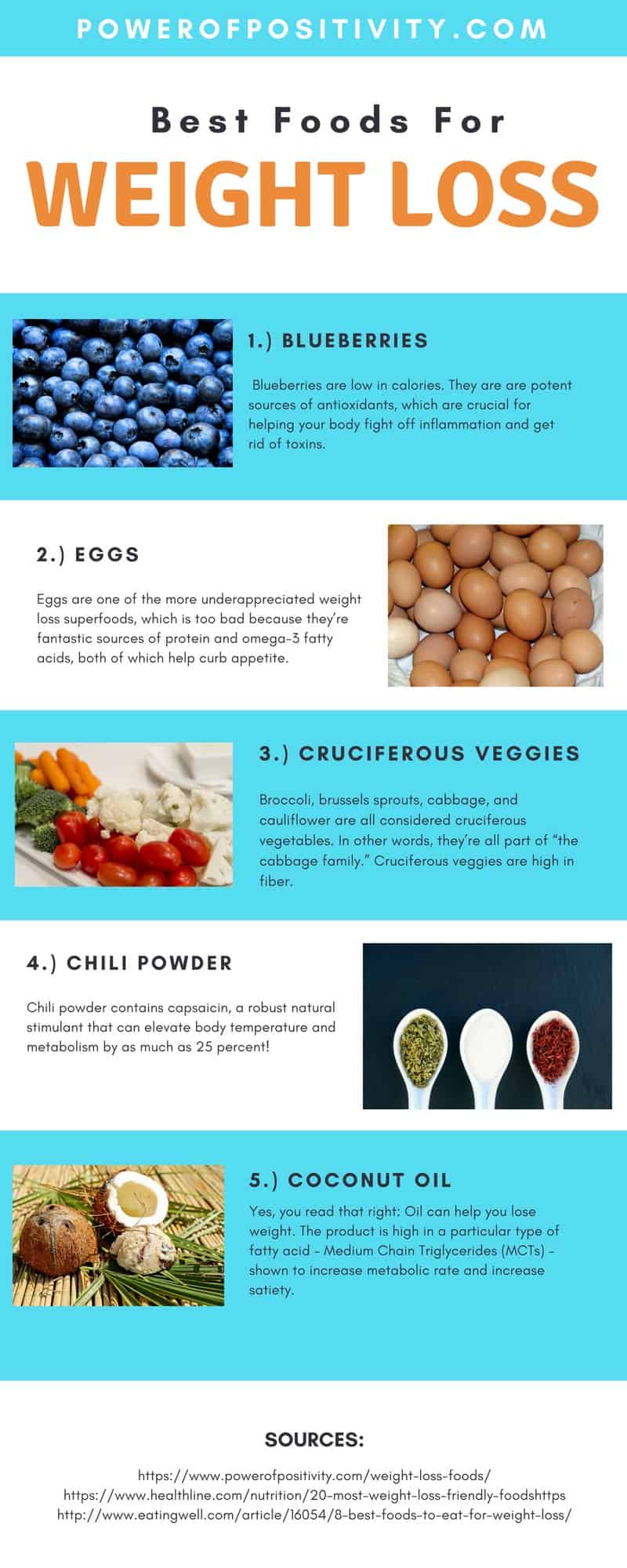
best food for weight loss infographic

23. Get in a healthy amount of fiber

Fiber helps normalize blood sugar levels, making it far less likely you’ll reach for some sugar-laden treat.

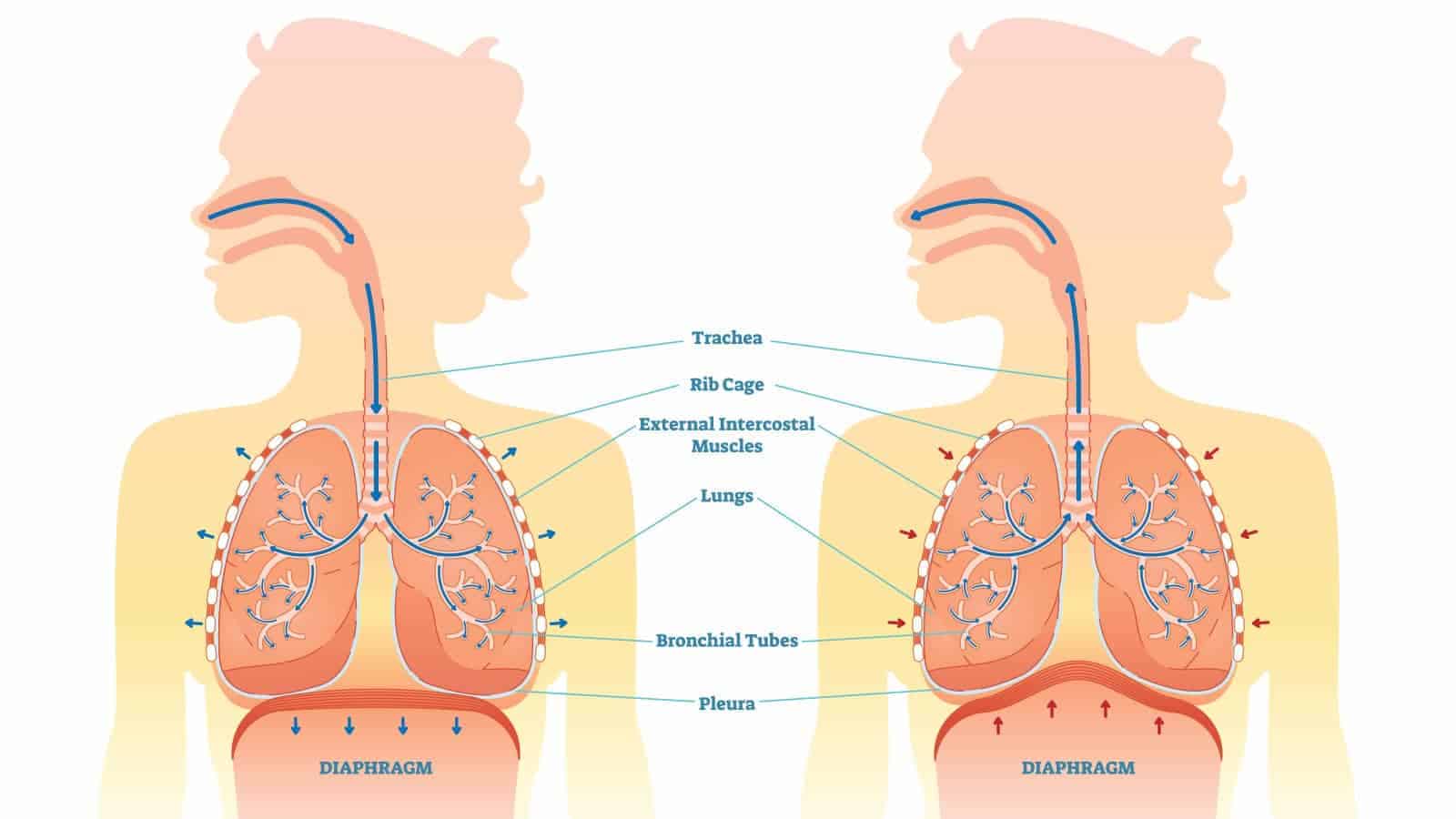
24. Deep breathing

Become familiar with and practice the art of deep breathing. Inhale through your nose to a count of four, hold for a count of five, and slowly exhale. Repeat this a few times when experiencing cravings or stress.

25. Shop outside the aisles

A simple “dieting” rule that’s been around for a while. Go around the aisles, not through them.

10 Signs Someone is Not An Authentic Person

We value authenticity in today’s society, and for excellent reason. When someone is not authentic, they betray themselves and others and are not afraid to show their vulnerabilities or flaws. However, not everyone is as genuine as they may seem. In fact, some people are skilled at masking their true intentions or putting up a facade. Spotting the signs of an inauthentic person can be crucial in avoiding potential pitfalls or forming meaningful relationships.

The High Value of an Authentic Person

First and foremost, being around authentic people can provide a sense of safety and security. When you are with someone genuine and sincere, you are more likely to feel comfortable and at ease, knowing that they have your best interests at heart. Authentic people are less likely to be judgmental or critical and more likely to offer a kind, listening ear or a shoulder to lean on. This kindness can help create a supportive environment that encourages growth and healing.

Furthermore, being around authentic people can inspire you to be your best self. Seeing others living authentically and pursuing their passions can motivate you to do the same. Authentic people often lead by example, showing that it is possible to live a fulfilling life by being true to yourself. An authentic person can help you discover your values and goals and confidently pursue them.

Surrounding yourself with authentic people can lead to deeper, more meaningful relationships. When people are authentic, they are more likely to be vulnerable and open, which can foster deeper connections and a sense of intimacy. Authentic people are also more likely to communicate honestly and respectfully, which can help build trust and respect in a relationship.

10 Signs Someone is Not An Authentic Person

“To be yourself in a world that is constantly trying to make you something else is the greatest accomplishment.” – Ralph Waldo Emerson

truth

1. Inauthentic people are people-pleasers

Inauthentic people may be people-pleasers for a variety of reasons. They may need to be liked or accepted by others and go to great lengths to avoid conflict or discomfort. Inauthentic people may also be more focused on external validation and on meeting the expectations of others, rather than on their own needs or desires. As a result, they may be more inclined to put the needs and desires of others before their own, even if it means compromising their authenticity or values. Inauthentic people-pleasers may also struggle to say no or set boundaries, which can lead to resentment or frustration.

2. Inauthentic people have their agenda

They may be motivated by personal gains, such as financial or personal advancement. They may also be motivated by a desire to manipulate or control others, or to further their beliefs or ideologies. Inauthentic people may use manipulation and deception in order to achieve their goals, and they may be willing to bend or distort the truth to do so. It is essential to be aware of these agendas and to be cautious of people who may be motivated by their interests rather than the interests of others.

3. Inauthentic people manipulate the truth

Inauthentic people can manipulate the truth in various ways, including omitting critical information, lying by omission, spinning, gaslighting, and presenting false or misleading information. They may also use tactics such as false equivalences to present two things as if they are equivalent or equally valid, when in fact they are not. Inauthentic people may use these tactics to deceive or mislead others or to further their agendas.

4. Inauthentic people are misinformed

Inauthentic people can be misinformed in a variety of ways. They may rely on unreliable sources of information, such as rumors or conspiracy theories, rather than seeking out reliable and well-verified sources. They may also be susceptible to confirmation bias, where they only seek information supporting their preexisting beliefs or biases. Inauthentic people may also be more likely to fall victim to propaganda or manipulation by others who seek to deceive them. Additionally, inauthentic people may be more prone to cognitive biases and logical fallacies, which can lead them to draw incorrect conclusions from their information.

5. Inauthentic people are irresponsible

Inauthentic people may be irresponsible for a variety of reasons. They may be more focused on their desires and goals and less considerate of their actions’ impact on others. Inauthentic people may struggle to follow through on their commitments or take responsibility for their mistakes, as they may be more focused on avoiding discomfort or conflict. Additionally, inauthentic people may be more prone to making impulsive or irresponsible decisions, as they may be less inclined to think things through or to consider the consequences of their actions.

authenticity

6. Inauthentic people are envious

Authentic people are encouragers – they motivate and support others to do their best and to “keep going.” One big failing of our society is the lack of individual accountability. Responsibility for oneself and the encouragement of others is critical if we are to evolve as a race and society. On the other hand, an authentic person does not need the approval of random masses on social media.

7. Inauthentic people are materialistic

Materialism refers to the belief that material possessions or wealth are essential values in life. Some inauthentic people may be materialistic because they value accumulating wealth or acquiring material possessions. They find motivation in the status or power of these things. Thus, they’re often willing to manipulate or deceive others to acquire them. Inauthentic and materialistic people may be more concerned with appearance and surface-level appearances than genuine connections or authentic relationships. However, it is vital to note that not all inauthentic people are materialistic and that many other motivations can drive inauthentic behavior.

8. Inauthentic people lack empathy

Inauthentic people may lack empathy due to self-absorption. They lack genuine connection with others. They’ll often have a limited understanding of other people’s feelings and experiences and insincerity in their interactions. These factors can make it difficult for inauthentic people to understand and connect with the emotions of others. That later leads to a lack of empathy. However, it is important to note that not all inauthentic people lack empathy and that many other factors can influence a person’s level of empathy.

9. Inauthentic people are closed minded

Inauthentic people may be closed-minded for a variety of reasons. They may resist new ideas or ways of thinking and may be unwilling to consider alternative viewpoints or perspectives. This closed-mindedness may be due to a lack of curiosity or a desire to hold onto preexisting beliefs and biases. Inauthentic people may also be more prone to confirmation bias, where they only seek information supporting their preexisting beliefs and ignore or dismiss information that challenges them. This closed-mindedness may also be due to a fear of change or uncertainty, as inauthentic people may be more comfortable with the familiar and known.

10. Inauthentic people forgo self-improvement

There are many possible reasons why inauthentic people may forgo self-improvement. These include a lack of awareness, motivation, or introspection. They might also stem from a fear of change or a lack of genuine connection with others. It is important to note that not all inauthentic people forgo self-improvement, and many other factors can influence their willingness to work on self-improvement. Some people may not see the value in self-improvement or may not believe that it is possible to change. Others may be resistant to change or uncertain about how to improve themselves. Some people may also fear failure or vulnerability, making it challenging to work on self-improvement. Additionally, some people may not have the necessary support or resources to work on self-improvement. Others do not have the motivation or discipline to take action.

authentic person

Final Thoughts on Breaking Close Ties to Someone Who Is Not an Authentic Person

Many factors can contribute to a person being inauthentic. Some people may be inauthentic as a coping mechanism to avoid difficult emotions or situations. Others may be inauthentic to fit in or to be accepted by a particular group or society. Some people may also be inauthentic to protect themselves or to avoid vulnerability. Inauthenticity can also result from past experiences or traumas that have left a person disconnected from their true self. Additionally, some people may be inauthentic due to societal or cultural expectations. Society encourages them to present a particular image or persona to the world.

Conversely, enjoying the company of an authentic person can bring many benefits to your life. From feeling safe and supported to being inspired to pursue your passions, building deeper relationships, and becoming more authentic, there are countless reasons to seek out and embrace authenticity. So, reflect on the people you surround yourself with. Consider whether they are an authentic person. If not, consider seeking new connections to bring positivity and authenticity to your life.

5 Secrets You Should Never Hide From Your Partner

Most marriage counselors believe in the importance of complete disclosure between partners. We must curb lying from “little white lies” to closeted skeletons. The rationale for full disclosure is relatively straightforward: all cards are on the table, and no secrets in our past life can come back to bite us. Putting everything out there in plain sight is an act of honesty, integrity, courage, and strength. The bottom line, the foundation of a healthy relationship relies on trust.

“Secrecy is the enemy of intimacy. Every healthy relationship is built on a foundation of honesty and trust.” – Dave Willis.

Never Hide These Five Things From Your Partner

Here are some shared secrets you shouldn’t hide from your partner:

1. Secrets from your past

There’s a time and place for everything; disclosing your past is an excellent example. This “talk” generally occurs during the early phases of a serious relationship – and certainly before marriage.

Your past may not define you, but it has molded you, and sharing these experiences with your partner helps them understand the person you’ve become. Abuse history, alcohol/drug history, family history, and sexual history are examples of past events.

good luck

2. Health-related secrets

“Through sickness and in health” is an oft-cited phrase in wedding vows, and for a good reason.

Most people who refrain from divulging health-related information do so with good intentions: they don’t want their partner to worry. Or, they believe, “I can handle it myself.”

We often imagine our health problems as a vast relationship barrier, but this is rarely true. If your partner loves and cares about you, they’ll walk by your side with unwavering support.

3. Financial secrets

Statistics show that 40 to 50 percent of all marriages end in divorce – and money problems are the leading causes. Two people with different money values, for example, if one is an impulse buyer and the other is a habitual saver, must reconcile these differences and come to an understanding.

Entering a partnership/marriage should end any “my money, your money” ways of thinking. It is no longer your money or their money but yours.

Financial transparency is crucial to relationship happiness and, quite possibly, relationship sustainability.

4. Relationship Secrets

Relationship experts differ on whether or not to discuss past relationships. Rationally, some guy or gal you dated – and any irrelevant details – needn’t be brought up.

Of course, if a “past” involving an ex still affects you, your partner should be made aware. Dr. Helen Fisher, the chief scientific advisor to Match.com, states:

“The brain really does remember (these effects), and it remembers this forever. (It’s) entirely possible that the brain is built this way so that you can remember why it didn’t work so that you can do it better the next time.”

5. Intimacy Secrets

Being in a relationship is a profoundly intimate experience that involves constant communication. Even long-married couples still have trouble sharing their true feelings about things. This is particularly true if one person feels their relational needs go unmet.

Avoiding communication – about emotional needs, goals, and dreams, sexual desires, anything at all – can, and likely will, create mounting problems in your relationship.

How to Reveal Your Secrets to Your Partner

Almost all couples have a least a few secrets they’ve kept from their partner. If you have kept anything from your significant other, it’s likely time to clear the air and get it out. However, that’s easier said than done, but some tips can help you vocalize the situation.

Step 1: Be Truthful

When you tell your partner about your situation, ensure you’re honest. If you reveal something but you’re not entirely truthful, it won’t help. Don’t bend the truth to spare your partner’s feelings or make yourself look better.

Be straightforward and get the truth out there right now. If you don’t, the truth could come out later, destroying whatever trust your partner had for you. It’s not worth the risk, and bending the truth won’t make you feel better.

Step 2: Determine What You Want the Result to Be

Spend some time thinking about how you want this situation to go. Decide what you want to happen, but prepare yourself for the worst-case scenario just in case. If you know what you want, you’ll better understand how you should handle the situation.

However, if you don’t know, you’ll go into the conversation without a result in mind, potentially hindering the process. You never know your partner’s response to your secret will be, even if you try to guess, and you may end up with the best or worst-case scenario. Since you never know, prepare for both situations, but keep your desired result in mind.

Additionally, start taking action immediately to get on track for your desires. It’ll show your partner that you’re serious about what you want, increasing the chances that they will react the way you want them to.

Step 3: Choose the Right Time and Place

Timing and location can make a difference when you divulge a secret to your partner. Sometimes waiting to tell bad news or have a difficult discussion is appropriate. Don’t divulge a secret during a holiday or special event because they’ll always associate the situation with the day.

Additionally, you’ll want to wait until you have your facts straight before beginning the conversation. However, don’t wait weeks or months to divulge the information. Wait until you have your partner’s undivided attention, too.

When it comes to choosing a place, avoid public locations. You never know how your partner will react; no one wants a public scene. Your partner also won’t want to break down or process important information with others staring at them.

Step 4: Plan How You Will Handle It

Describe what you will say or do when telling your partner your secrets. Thinking about how you want the situation to go is essential, but planning for either scenario is also important.

If the secret you must tell your partner involves a life change, come up with some solutions before telling them. Having solutions will lessen the impact of your news, even if it’s still not ideal. If you don’t have answers, give your partner a generalized plan about what’s coming next.

If your secret doesn’t involve a life change, it requires little planning. Consider what you will say to your partner, and plan how to respond to their reaction.

Step 5: Practice What You Want to Say

Don’t go into the situation without practicing what you want to say first. Rehearse what you plan to say aloud while looking in the mirror or to a trusted friend. Saying it aloud helps you recognize areas that need work or don’t sound how you wanted.

Suppose you have a friend who can help, ask them to give feedback on your speech. They can help you get it right, improving your chances of a beneficial conversation with your partner. Additionally, it’ll help you become more comfortable sharing your secret.

keeping secrets

Step 6: Stay Calm

You don’t want to panic when you tell your partner your secret. Take some time to calm down before beginning the conversation. Otherwise, your partner will be worked up, too, and they won’t be as likely to handle it well.

Even if you have the worst-case scenario in mind, take a few deep breaths to help calm down. Your energy will affect how the situation goes. Remember that you’re strong, and everyone makes mistakes.

Step 7: Take Responsibility

When you do something wrong, taking responsibility for it is essential. Own up to the situation and admit when you need to make some changes in your life. When you take responsibility, your partner will take the news much better than if you try to downplay the situation.

Don’t minimize your role or act like it’s not a big deal. Additionally, don’t blame anyone else or imply that it doesn’t have anything to do with your significant other. Taking responsibility shows you’re willing to do the work to grow and learn.

When you take responsibility, make sure you apologize, too. Apologizing is often overlooked but can make a difference in the outcome.

9 Reasons Why Honesty Strengthens Relationships

While everyone keeps secrets sometimes, they can stand in the way of a healthy relationship. Honesty is the best way to strengthen your relationship, so don’t hesitate to be forthcoming.

1. Helps Build a Healthy Foundation

Research shows that honesty in a relationship encourages a sense of strength and reliability. Being vulnerable enough to tell the truth, helps build a healthy foundation. Openness also promotes life satisfaction and self-control, increasing your chances of lasting relationships.

2. Encourages Healthy Communication

Anytime you keep a secret, it interferes with communication in your relationship. You will have to overthink before talking to avoid revealing the truth, and causing inorganic conversation. Healthy communication lets you say what comes to mind without filtering it first.

The person withholding the truth might become less receptive and emotionally distant. For the person who doesn’t know what’s going on, it can cause frustration. These feelings cause a disconnect, harming the relationship.

However, if you’re always honest, nothing will hold you back from communicating with your partner. You won’t be worried about saying the wrong thing because you aren’t hiding anything from them. It’ll also make it easier to overcome conflict and bring you closer together.

3. Makes You Both Comfortable

Honesty fosters a sense of safety and security, making both partners feel comfortable. Research shows that when you’re both comfortable, it boosts self-love and promotes positive mental health. You won’t waste time worrying about what your partner is up to, and you’ll feel confident that they won’t leave.

4. It Promotes Trust

The best way to build trust is by being honest, and research backs this theory. When someone keeps secrets, it causes their partner to become less trustful. It creates an endless cycle that damages the relationship, sometimes beyond repair.

However, honesty and trust encourage people to look for the good in you. If your partner trusts you, they’ll notice the positive things, repeatedly making them fall in love. They will also see that you’re considerate because you believe they deserve the truth.

5. Eases Stress and Anxiety

If you’re holding something back, your partner will likely pick up on it. They’ll spend their time worrying and wondering what it could be that you’re lying about. Rather than put your partner through the guessing games, you could reveal your secret.

Lying causes stress and anxiety in your partner. Telling them the truth frees them of those feelings, allowing them to feel secure in the relationship.

6. Allows You to Learn

Telling the truth helps you learn how to interact with people. When you make honesty a habit, it reveals what people appreciate knowing. Plus, it teaches you how you should phrase things when the truth isn’t positive.

You’re not the only person who will learn from your honesty. The other people around you will pick up on your habit and feel inspired to be more honest too.

7. Promotes Respect Within the Relationship

Being honest with your partner shows that you respect them, and they’ll likely return the favor. Show courtesy by telling them things without waiting for them to ask directly. Don’t hold back; you’ll likely have a healthy relationship.

When your partner feels respected, they’ll be more comfortable being themselves. They’ll show their best qualities and allow you to do the same.

8. Encourages Acceptance

Even if you and your partner have many things in common, you’ll still experience disagreements sometimes. Being honest with one another encourages acceptance in your relationship, making it okay to disagree.

Being open about who you are and your thoughts makes it so you never have to pretend. It allows you to have separate opinions without interfering with the integrity of your relationship.

9. Gives a Sense of Freedom

When you’re honest with your partner, it gives you the freedom to be yourself. You won’t have to worry about hiding things and keeping secrets to avoid upsetting your significant other. Plus, you’ll be free to know that you’re appreciated and loved for who you are.

family secrets

Final Thoughts on How Keeping Secrets from Your Partner Hinders Communication

Most experts consider a lack of communication the leading cause of unhappiness and discontent.

The solution to most problems within a relationship is effective communication. “Prevention is the best cure,” and communication – for all intents and purposes – is the key to preventing problems from snowballing during a relationship.

Make time and effort to communicate with your partner, even if the topic is uncomfortable. Keeping open lines of communication throughout a relationship will help preserve intimacy, love, and devotion to each other. On the other hand, maintaining secrets blocks communication lines, destroying trust and faith in each other.

6 Tricks That Help You Fall Asleep In Minutes

How is it that some people can hop into bed and fall asleep within a few minutes? This ability to fall asleep quickly (along with needing just a few hours of sleep to feel rested) is, unsurprisingly, a mix of genetics and sleep habits.

While this article may not turn you into a “snap sleeper” overnight, it will provide some useful, scientifically-proven ways of expediting your path to dreamland. It’s important to remember that sleeping habits are exactly that – habits. As such, the more often you practice these techniques, the quicker you’ll get rid of adverse sleeping habits and realize practical results.

Here are six tricks to help you fall asleep in minutes:

bed sleep

1. Turn those lights off

Have you ever lost power in your house or apartment? If so, the odds are you slept better that night. The reason is, despite all the incandescent, fluorescent, and LED lighting, your body’s internal clock still syncs with the sun (thanks, evolution!)

Of course, the typical household doesn’t care much about sunrise and sunset times. Instead, we’re inundated with artificial lights, gadgets and other innovations that have altered our natural sleep/wake cycles.

The solution: dim the lights and avoid blue light-emitting electronics for at least 60 minutes before getting into bed. Also, get rid of any light-emitting electronics from your sleeping space.

2. Breathe to help fall asleep

In an article published in The Journal of the American Medical Association, researchers concluded:

“Participants within the mindful awareness practices (MAPs) group showed significant improvement relative to those in (other groups). (The) MAPs group also showed significant improvement (in) secondary health outcomes of insomnia symptoms, depression symptoms, fatigue interference, and fatigue severity.”

The skill of quieting your mind can be irreplaceable for inducing sleep.

3. Forget about trying

Not being able to fall asleep can be incredibly frustrating – but it’s not a problem that can be willed away. Like hunger or thirst, sleep is a function of the body. We can (and should) make adjustments to our habits, but there will still be times when we’re just not ready to fall asleep.

Good sleep hygiene practices can help, according to the National Sleep Foundation. Regular exercise, regulating stimulants, a well-balanced diet, and limiting daytime naps can all make falling asleep more accessible.

4. Take a hot shower or bath

Not only is a hot bath or shower a blissful experience, but it also induces a sharp decrease in both cortisol (a stress hormone) and body temperature (a cool body temperature aids sleep). The sleep-inducing effects of a hot shower or bath may be one of the most underappreciated methods of assisting sleep.

For bath lovers, one recommendation is to increase heat in your home to around 80 degrees Fahrenheit (?27 degrees Celsius.) Then soak in the tub for about a half hour before hitting the rack.

5. Warm your feet to fall asleep comfortably

In a study conducted by German researchers, the team discovered a link between warm feet and the faster onset of sleep: “A hot-water bottle at the feet, while not acting on mechanisms in the central nervous system that underlie the regulation of sleep can rapidly induce vasodilation.”

Vasodilation is defined as “Widening of blood vessels that results from relaxation of the muscular walls of the vessels.”

Pharmaceutical and over-the-counter (OTC) sleep aids are both known to increase vasodilation to varying degrees. As it turns out, a pair of warm socks (or a heated water bottle?) may also help do the trick.

6. Let your mind roam as you fall asleep

As mentioned, mulling over how bad you’d like to be asleep is counterproductive. Redirecting your brain’s attention to sleep like you would some tedious task will only increase stress levels.

If your mind and body feel restless, just allow your mind to wander for a while. Imagine your dream vacation on some tropical island, or visualize some goal or aspiration you have yet to achieve. If you’re a daydreamer, this is a perfect time to engage in one of your favorite diversions. Call it “nightdreaming” if you will.

Positive, relaxing thoughts will help encourage sleep.

(C)Power of Positivity, LLC. All rights reserved

How Do You Manage Your Anger, According To Your Zodiac Sign?

All of us lose our temper at times. However, we can learn to deal with anger a bit better instead of allowing it to control our lives. In this reality, so many things can set us off, and each zodiac sign gets hot-headed about different issues.

Below, we’ll delve into the nitty-gritty of what makes each zodiac sign angry, and how they can best deal with their anger. We hope you will take something valuable away from this article, and learn to manage any anger issues you might have in a healthier way.

How Do You Manage Your Anger, According to Your Zodiac Sign?

anger

ARIES

As one of the three fire signs, Aries can definitely set you ablaze if you cross them. Sometimes, people feel as though they have to tiptoe in an Aries’ presence so as not to anger them because you don’t want to deal with an Aries when they lose their temper. When Aries gets mad, they tend to erupt just like a volcano, and anyone standing around them will get burned by their words. There is no middle ground with an Aries, as their emotions tend to get the best of them.

TAURUS

While Taurus doesn’t get mad easily, they do tend to hold grudges and give you the silent treatment if you hurt them. They usually keep their emotions to themselves and can get passive-aggressive if you rub them the wrong way. If you want to know if you’ve angered a Taurus, you’ll have to ask, because they won’t just admit that to you. They have a lot of pride in themselves and don’t like it when people get under their skin so easily.

GEMINI

Geminis don’t generally have a bad temper, but if you get on their bad side, you’ll definitely know it. It takes a lot for them to muster up the energy for a confrontation, however, so you might get the silent treatment if you make a Gemini mad. You’ll probably have to make the first move if you want to make amends with a Gemini. That’s because they tend to avoid reconciliation and instead may just write you off.

CANCER

As a water sign, Cancers are extremely sensitive and caring, but this aspect of their personality gets them hurt easily. If you make them angry, they will just hide their feelings until they eventually blow up. Cancers are one of the most passive-aggressive signs of them all, so if you cross them, you’ll have to chase after them just to get a response. They’ll go into recluse mode and hide inside their shell if you manage to penetrate their tough exterior.

LEO

Leos have a hot temper, just like any fire sign would. However, Leos get over the issue just as quickly as they got mad over it, mostly because they have the attention span of a child. They’re angry one minute about something you said, but then the next minute, they’re chasing after a pretty butterfly they saw behind you. Leos actually manage their anger quite well as a fire sign, because they don’t allow their tempers to get in the way of their zest for life.

VIRGO

Virgos don’t really anger easily and have one of the calmest dispositions of all the signs. They have an analytical, logical approach to emotions, and as such, don’t really allow them to overtake their lives. However, since Virgos doesn’t express emotions well, they do tend to hide how they feel at times just so they don’t burden others with their feelings.

anger

LIBRA

As the peacekeeper of the zodiac, Libras don’t really like to let their anger get the best of them. Actually, they’d rather just move on from whatever made them angry in the first place, but this can lead to bottling up their feelings and holding grudges. They have a habit of using their past mistakes against you and can grow resentful if an issue is swept under the rug.

SCORPIO

Scorpios can become hot-headed pretty easily, but they oftentimes won’t let you know it. Instead, they’ll plot revenge in their head, because they don’t like people toying with their emotions. Scorpios will retreat into their shell once angered. So you should let them cool off first before you try to make amends.

SAGITTARIUS

As the third fire sign in the zodiac, a Sagittarius will really let you have it if you make them mad. They don’t really know how to regulate their emotions and believe in expressing them as much as possible. Sagittarians tend to explode when they get mad and will bowl over anyone who stands in their way.

CAPRICORN

Capricorns, being an Earth sign, don’t tend to get mad very often. However, they also bottle up their feelings and explode months later about every issue that they haven’t dealt with since. Capricorns secretly get frustrated about little things, but don’t like to express that as it makes them seem very child-like. When they do get mad, many people don’t know how to deal with their fiery temper.

AQUARIUS

Aquarians don’t mind debating, but they really hate arguing with a passion. If you get mad, they’ll likely just walk away. They don’t really like to allow their emotions to run wild and present a composed, even-keeled disposition at all times. If someone makes them angry, they really will just avoid them rather than address the problem.

PISCES

As a water sign, Pisces’ emotions run deep. So, their anger can get the best of them at times, but they won’t let you know that. Instead, they’ll deal with their emotions in the peace and quiet of their room, and will come to talk to you when they’ve calmed down a bit. They do tend to hold grudges, but if you mean a lot to them, they’ll try their best to work things out.

(C)Power of Positivity, LLC. All rights reserved

7 Behaviors Someone Displays In A Relationship When They Want to End It

Any breakup – of a marriage, courtship, friendship, etc. – is not a “whim of the moment.” Breakups generally result from an underlying issue. They may also stem from a series of poor behaviors or problems, leaving one or both parties susceptible to feelings of incompatibility.

Relationship experts harp on the importance of communication, and for a good reason. Ineffective or poor communication commonly manifests into other relationship problems. In many scenarios, something that could be resolved with a mature conversation becomes a “winner take all” argument, often leading to resentment and distancing from one another.

This segues into the topic of this article: 7 things that lead to a breakup. Unsurprisingly, communication problems comprise the majority of items on this list. We sincerely hope that the advice and knowledge below will improve any relationships in your life.

While the article is written from the perspective of an intimate partnership, much of the context applies to most personal relationships.

Here are seven behaviors that lead to a breakup:

behaviors

1. Assuming or convicting with no rationale

We all know the famous adage about assuming: that it makes an “ass out of you and me.” This adage proves especially true when assuming something – and worse yet, irrationally verbalizing that “something” – about your partner without discussion or inquiry.

As a relationship unfolds, verbal and non-verbal communication is easier to decipher. Long-term couples, for instance, are quite adept at understanding each other’s idiosyncrasies without a word. That said, being presumptuous about a matter of significance is never a good idea.

Instead, relationship experts reiterate the importance of real and honest communication; this means not assuming any subject of significance without open dialogue.

2. Being overly critical

On the surface, refraining from excessive criticism seems simple. However, as a couple becomes more involved and spends more time together; including, moving in together, meeting one another’s family and so forth, both are inclined to be more “open.” In some ways, this openness is good. But in others, it’s not so good.

One example is being so comfortable with your partner that you become overly critical. After all, they “know” mostly everything as it pertains to each other’s chemistry.

However, if your partner is subject to unreasonable criticism; they’re more likely to become avoidant and distant.

The solution: if your partner constantly engages in unacceptable or damaging behaviors, a constructive conversation can be had minus extreme critiquing.

3. Not actively listening

The four “rules” of active listening are: (1) Seek to understand before you seek to be understood; (2) Be non-judgmental; (3) Give your undivided attention to the speaker, and (4) Use silence effectively.

Active listening is best practiced in a quiet setting free from distractions; this way, the listener can give the speaker his or her undivided attention. Active listening is vital to effective communication and should be practiced regularly.

Failing to listen to one another isn’t limited to intimate relationships; this widespread pervasiveness in modern life is quite troubling and equally harmful.

4. Acting contemptuously in public

Like “being overly critical,” insulting your partner can occur out of a perceived comfort level. When you’re out with friends (maybe having a drink or two), it’s easy to “pick on” your partner by making an ill-conceived joke, perhaps attempting to lighten up a group conversation, for example.

But one risks the possibility of going too far. Joking around at another person’s (true) expense does happen – and this can hurt both the person and the relationship. How we interpret certain types of humor (e.g., sarcasm) ultimately determines the interaction’s outcome.

5. Psychological projection

Psychological projection is defined as “a defense mechanism people subconsciously employ in order to cope with difficult feelings or emotions…(involving) projecting undesirable feeling or emotions onto someone else…”

Yes, psychological projection can take place between partners. Once again, this is a failure of communication. It is also a failure of self-awareness and an insufficient understanding of the other’s way of thinking.

fighting for love

As mentioned, an accusatory tone isn’t well-received. That’s especially true of the other half of a relationship. Own your feelings and withstand the temptation to project your feelings and behaviors onto anyone, especially your partner.

6. Favoring your inner circle too often

It’s normal for couples to want to hang out with other couples. In this sense, consideration should be given to how much time is being “allocated” to each’s social group. If your partner heavily insists – or is adamant about – being around their friends all the time, a reasonable conversation is an absolute necessity.

The willingness to spend time with one another’s social circle is a sign of compromise and selflessness. (Yes, it does suck when that one person who you despise will be there; but your partner will assuredly appreciate your sacrifice under the right conditions.)

7. Not allowing personal space

As much as we may love our other half, one of the healthiest behaviors is not spending time apart. On the other hand, insisting that you both do everything together can be detrimental. Why? Because we need a sense of individualism – a very humanistic element of novelty – that significantly impacts individual happiness or lack thereof.

If either person feels that they’re “required” to be somewhere all the time, they’ll feel deprived of their happiness; forced instead to embrace a co-dependent state of mind.

Skip to content