Weekly tips, affirmations, and small actions to feel your best.

10 Health Tips Your Butt Wants You To Know

Call it what you will: bum, buttocks, derriere, glutes, tushy. Our butts aren’t often a topic of discussion very often. But (no pun), our bottoms actually say quite a bit about our health.

There are three muscles main muscles “at work”: the gluteus medius, which is attached to the hip’s side; the gluteus minimus; and the gluteus maximus. In case you were wondering, the minimus is the smallest muscle of the group; while the maximus is the largest. Actually, the gluteus maximus is the largest muscle in the human body, and makes up the shape of the rear end.

We’re here to get to the bottom (ok, pun intended) about what our rears say about our health. We’ll discuss some interesting factoids based on research; while giving you some good information on how to keep your butt healthy.

Here are 10 health tips your butt wants you to know:

1. It is vital to strength and posture

Many movements involving our legs, thighs, hips and toes utilize our butt muscles. Without sufficient “butt power,” we couldn’t climb stairs, crouch, get up, stand tall or walk. When our glutes lack the necessary strength to execute these basic movements, other parts of the body must compensate. When this happens, extra and unnecessary stress it put onto areas of the body, which can cause poor posture or muscle imbalance.

2. Shape matters…a lot

More specifically, people who store fat in their waist – as opposed to the hips or butt – may have a higher risk for developing cancer. In a study published in the Annals of Internal Medicine, researchers discovered that “people with…central (abdominal) obesity had the highest risk for death overall from cardiovascular disease compared with people without central obesity, regardless of the BMI.”

3. Laxatives can be bad

When we’re, ahem, “stuffed up,” it’s so tempting to go to the market and buy some chalky-tasting liquid to help. As it turns out, laxatives do carry a risk of dependence; specifically, functionality of the colon can diminish after ceasing use of laxatives. Instead, try hydrating more; add some fiber to your diet; or just get up and exercise.

4. Sugar alcohols are terrible

How many of us sweet-lovers were excited when sugar-free cookies, cakes, sodas, etc. hit the shelves? *Raises hand* However, most products advertising “SUGAR-FREE” on the label are made up of sugar alcohols – mannitol, sorbitol, xylitol, and others – that are un-absorbable by the body. When these indigestible sugars reach the colon, bacteria within the digestive tract must dissolve them, leading to potentially-severe gas problems; watery bowels, diarrhea…etc.

5. Poop shape can indicate health problems

We didn’t want to go here. Really…we didn’t.

But poop that is ultra-thin may obstruct the colon or rectum, requiring the stool to “thin out” to exit. Sporadic cases probably indicates a bout with constipation. However, monitor the duration of these bowel movements. If they continue to occur over the period of a month, call a doctor.

6. Texting on the pot isn’t good

No, we don’t mean “that” pot…we mean the toilet bowl. Aside from the fact that it’s disgusting…

The problem is all about posture. When we’re tapping away on the phone, pressure is placed onto the lower part of the rectum. If this happens often, veins located around the anus can swell, multiply, and produce hemorrhoids.

7. A gentle wipe is all that’s needed

This can be tough when we’re a little (or a lot) itchy “down there.” But, as with all skin, the skin around the butt can get irritated. When we are being a little too strong with the TP, small tears can surface on the skin. The result: an itchy butt.

Also, stay away from scented or flushable wipes, as they often contain chemicals that can irritate the skin.

8. Frequent gas passing is (usually) not bad

Yes, we’re discussing farts. Foods that are high in fiber – beans, fruits, grains, veggies – are fermented by bacteria within the colon, forming gas. Someone that eats a diet high in fiber may pass gas over a dozen times a day – and that’s completely normal.

Related article: How To Flush Toxins From Your Fat Cells

9. Colonoscopies are important

Strangely, the idea of getting a colonoscopy remains a bit “funny.” Well, we’re here to say that they’re not. These examinations are crucial for detecting colorectal cancer – a fatal disease.

According to the American Cancer Society, everyone that reaches the age of 50 should undergo the procedure. Depending upon test results and risk categorization, the medical professional will then detail a screening plan with the patient.

10. Butt surgery is one of the most common

According to the American Society of Plastic Surgeons (ASPS), someone’s butt is being “sculpted” every half hour. Butt augmentation is among such procedures – fat is sucked from other parts of the body and implanted into the rear end. Butt lifts, butt implants…and…anal bleaching?

One may argue whether this last one belongs on the list, but come on! Even the ASPS states: “buttock augmentation surgery is right for someone who does not like the shape of their buttock or is looking to balance their body.

Is this really a good reason to go under the knife?

References:
American Cancer Society recommendations for colorectal cancer early detection. (2016, January 27). Retrieved December 04, 2016, from http://www.cancer.org/cancer/colonandrectumcancer/moreinformation/colonandrectumcancerearlydetection/colorectal-cancer-early-detection-acs-recommendations
Sahakyan, K., Somers, V., Rodriguez-Escudero, J., Hodge, D., Carter, R., Sochor, O., . . . Lopez-Jimenez, F. (2015, November 10). Normal-Weight Central Obesity and Mortality. Annals of Internal Medicine, 163(11). doi:10.7326/p15-9040
What is buttock augmentation? | Buttock Augmentation. (n.d.). Retrieved December 04, 2016, from https://www.plasticsurgery.org/cosmetic-procedures/buttock-augmentation

5 Responses To Use When Someone Is Having A Temper Tantrum

“Mommy, I want ice cream nooowww!!!” – a made-up child, tantrum at age 4

“Everyone in the car nooowww!!” – a made-up parent at age 44

A temper tantrum is simply an outburst of negative emotions: yelling, storming around, crossing arms, pouting, bawling, etc. Any behavior that can be considered “out of control” is a tantrum – and many of our fellow adults are guilty.

While the term ‘temper tantrum’ is most commonly used to describe toddlers, adults exhibit the classic signs (yelling, storming around, pouting) of “tantrum throwing” all the time. For good measure, some will also toss things across the room, hit the wall, and so on.

So, why do grown men and women throw a temper tantrum? Well, any underlying mental health disorder aside (which is sincerely unfortunate), the answer can be summed up in one word: impulsiveness.

The person(s) on the receiving end of an adult’s temper tantrum can be at a loss for words; not to mention feeling scared, threatened, or insecure. How to react to someone, be it an adult or child, throwing a tantrum can be useful knowledge to have.

In this article, we’ll discuss five ways of dealing with someone having a temper tantrum. We sincerely hope that this information will prove useful, should you ever find yourself on the receiving end of someone’s emotional tirade.

5 Ways To Deal With Someone Having a Temper Tantrum

1. Take a deep breath

If you’re suddenly confronted with someone on a tantrum, the brain will immediately and automatically kick into “fight or flight” mode. This is what the body does when faced with a real or perceived threat – and an adult throwing a tantrum fits this description.

Taking a deep breath will somewhat mitigate the “fight or flight” response. Inhaling and exhaling deeply, also known as diaphragmic breathing, helps to relax any sudden tension in the body. Furthermore, diaphragmic breathing delivers a quick supply of oxygen to the brain, which helps one remain rational in “fight or flight” mode.

In an article published in Harvard Health Publications, entitled ‘Relaxation techniques: Breath control helps quell errant stress response’:

“Breath focus is a common feature of several techniques that evoke the relaxation response. The first step is learning to breathe deeply.”

2. Acknowledge emotions

Adults who throw temper tantrums are often ineffective communicators. Children who throw temper tantrums (before the age of 7) have an undeveloped brain that’s incapable of both suppressing and constructively expressing emotions.

Whether you’re dealing with a child or adult, it is important to inquire about what it is that’s making them upset. The key is to remain patient, persistent, and polite. An example (adult):

“I see that you’re clearly upset, yet you say that there is nothing wrong. I can tell by your behavior that something is wrong. Please tell me about what’s going on so I can help, if at all possible.” If they refuse to communicate, simply say “Okay. If you don’t want to talk about it now, please keep in mind that I’m ready to discuss it with you.”

With a child, simple words and empathy go a long way. An example of a child who refuses to go to bed: “I know bedtime isn’t fun! It’s hard to go to bed for me too sometimes!” Empathy works better than rationalization, which kids at a young age can’t do too well; but an empathetic tone sometimes makes a child feel less rebellious.

3. Converse with a positive tone

As our intelligent readers assuredly know, tonality is everything in communication. The adage of “It’s not what you say, it’s how you say it” may not apply to all situations, but it most certainly does when dealing with a person in outburst mode.

A condescending or frustrated response will do nothing but escalate the person’s emotions. A neutral, unadulterated tone when speaking will help lower the person’s emotional guard – and, hopefully, any barriers.

Talking in such a way will not always “work,” but the odds are strong that the person walks away in a more positive state than before.

4. Display poise

Self-control, composure, balance, equanimity…poise. Doesn’t merely reading those five words bring about some positive feelings?

Now, imagine one of two scenarios – and choose which one is most applicable to you.

(1) You and your child are driving someplace when a car suddenly cuts you off in traffic and you swerve the vehicle in a reactive state. Do you: (a) Scream out expletive-laden words in frustration, or (b) Take a deep breath, suppress your emotions and carry on?

(2) Your boss sends you an e-mail highly critiquing some aspect of your job performance and demands that you meet him in his office. Do you: (a) Have an inner monologue about how much of a jerk he/she is, and walk to their office in anger, or (b) Take a minute to compose yourself with deep breaths, and walk to their office with a confident appearance?

The point is simple: how we look – not necessarily feel – can ultimately make all the difference in how we’re perceived, and may just change the outcome. Your child or boss will witness a poised, rational person, or someone who’s easily irked and angry. Choosing to remain poised, no matter the situation or how difficult, is always the more intelligent and beneficial decision.

5. Diffuse the situation

Through practicing the above-mentioned suggestions of dealing with a volatile person, we tilt the odds of both parties walking away better off highly in our favor. Sometimes, the “solution” is quite ambiguous and requires a different approach.

Bear in mind that attempting to diffuse a complex situation is more applicable to those closest to us. When interacting with a co-worker, for example, sometimes the wise decision is to walk away should our initial attempts fail. However, if the person throwing a tantrum is a spouse, child, other relative, or close friend, we may feel inclined to do something else.

Related article: 5 Anger Management Tricks That Make You Peaceful Again

With that in mind, here are a few other methods of diffusing the situation:

Give the person time and space: this gives them the opportunity to calm down, and they’ll be in a better state to talk.

Suggest deep breathing or meditation: difficult emotions can feel overwhelming. Gently suggesting the person focus on taking a few deep breaths or taking up meditation can make a big difference.

Ask if there’s something they need: often, a person experiencing a tantrum may require something even though they haven’t made it known.

Take a walk outside: a change in environment, especially from an indoor to outdoor space, can help alleviate some of the pent-up anger. Fresh air and sunshine can do wonders for someone experiencing high levels of distress.

References:
Benaroya, M., LICSW. (2017, February 26). Five Effective Ways to Respond to Tantrums and Meltdowns. Retrieved March 09, 2017, from http://www.heysigmund.com/how-to-respond-to-tantrums/
Harvard Health Publications. (2015, January). Relaxation techniques: Breath control helps quell errant stress response. Retrieved March 09, 2017, from http://www.health.harvard.edu/mind-and-mood/relaxation-techniques-breath-control-helps-quell-errant-stress-response
(C)Power of Positivity, LLC. All rights reserved

Researchers Explain What Biting Your Nails Says About Your Personality

Are you someone who gnaws on your fingernails throughout the day? If so, you certainly have a lot of company. It’s estimated that about one-third of adults continues to bite their fingernails.

Ever contemplated the psychology behind biting your nails? Most people view the act as a sign of nervousness and anxiety.

On the surface, this viewpoint makes sense…but it may not tell the whole story. According to a study published in the Journal of Behavior Therapy and Experimental Psychiatry, nail biting may be a sign of…perfectionism.

Psychology Today explains perfectionism as: “…an endless report card on accomplishments or looks. It’s a fast track to unhappiness, and…is often accompanied by depression..”

In this article, we’ll briefly discuss the study and its implications for the nail-biters among us. We’ll also talk nail-biting from a health perspective.

If You Bite Your Nails, Here’s What It Means About You

Body-focused repetitive behaviors (BFRBs) are described as “repetitive, injurious, and non-functional habits that cause significant distress or impairment, including hair-pulling, skin-picking, and nail-biting.”

The research team sought to compare the tendency to engage in BFRB using two models: emotional regulation (ER) and frustrated action (FA).

The ER model implies that BFRBs are triggered by negative emotions and alleviation of unpleasant effect. The FA model posits that BFRBs are triggered by and alleviate impatience, boredom, frustration, and dissatisfaction.

Researchers hypothesized that individuals who engage in BFRBs are more prone to actions under the FA model, as “they demonstrate maladaptive planning styles characterized by high standards and unwillingness to relax,” two inherent traits in perfectionists.

good enough

Results

After observing a ‘BFRB group’ and a control group, consisting of 24 and 23 participants, respectively, researchers concluded the correctness of their hypothesis. The study’s results include three observations:

(1) The BFRB group reported a considerably higher urge to engage in BFRBs than the control group across conditions.

(2) BFRB participants reported a considerably higher urge to engage in the boredom/frustration and stress environment than in the relaxation environment.

(3) Most tellingly, the BFRB group “presented significantly higher scores on maladaptive planning style, and maladaptive planning style was significantly correlated with difficulties in ER.”

The Study and Perfectionism

The lead author of the study, Dr. Kieron O’Connor, stated “We believe that individuals with these repetitive behaviors may be perfectionists, meaning that they are unable to relax and to perform tasks at a normal pace. They are therefore prone to frustration, impatience, and dissatisfaction when they do not reach their goals.”

In other words, nail-biting may have less of a correlation with nerves and anxiety than with frustration. This observation, along with the study’s demonstrated linkage of nail-biting and other perfectionistic traits – impatience, boredom, and dissatisfaction – provides further evidence to the idea that perfectionism may prompt the act of nail-biting.

Nail-Biting and Health

As the study makes clear, nail-biting is considered a body-focused repetitive behavior – a classification reaffirmed by the vast majority of the medical community. Any BFRD-related behavior is harmful to one’s health, and nail-biting is no exception.

Per WebMD, “Nail biting has both physical and emotional consequences.” Among the physical problems associated with nail-biting:

– Soreness and redness of nails and cuticles

– Bleeding and potential infection of skin surrounding nails

– Increased vulnerability to bacteria, infection, and viruses (via passage from finger-to-mouth contact)

– Weakening of teeth enamel

– Maladjusted teeth

– Giving a poor impression (through ragged-looking nails or by biting them in front of others)

Psychologically, WebMD associates fingernail biting with anxiety and stress; though it could potentially indicate a more serious psychological problem such as Obsessive-Compulsive Disorder (OCD). Relatedly, perfectionism is considered a risk factor for OCD.

Fingernail biting is a common but very unhealthy habit – a habit fed by counterproductive emotions and (potential) psychological problems.

Although being “diagnosed” as a perfectionist may understandably stoke feelings of pride in the uninitiated, it is an extremely unhealthy mental state. Studies have linked the personality trait of perfectionism with myriad psychological issues: personality disorders, eating disorders, social anxiety, social phobia, body dysmorphic disorder, self-harm, substance abuse and clinical depression.

Perfectionists may also develop chronic stress disorders, and are at an increased risk of developing heart-related conditions.

The relationship between nail-biting and perfectionism is one that demands further inquiry, and rightfully so. The study consisted of a relatively small sample of individuals, although the reported correlation between perfectionistic traits and nail-biting is sound.

Sources:
Ph.D., M. W., Sandler, L., Ph.D., S. K., & Ph.D., R. E. (n.d.). Perfectionism. Retrieved March 03, 2017, from https://www.psychologytoday.com/basics/perfectionism
Rettner, R. (2010, July 11). The Dark Side of Perfectionism Revealed. Retrieved March 03, 2017, from http://www.livescience.com/6724-dark-side-perfectionism-revealed.html
Roberts, S., O’connor, K., Aardema, F., & Bélanger, C. (2015). The impact of emotions on body-Focused repetitive behaviors: Evidence from a non-treatment-seeking sample. Journal of Behavior Therapy and Experimental Psychiatry, 46, 189-197. doi:10.1016/j.jbtep.2014.10.007
WebMD Medical Reference. (2015). How to Stop Nail Biting. Retrieved March 03, 2017 from http://www.webmd.com/beauty/stop-nail-biting-tips#1
(C)Power of Positivity, LLC. All rights reserved

What Does Your Favorite Ice Cream Flavor Reveal About Your Personality?

You might not think ice cream flavors and personality traits have anything to do with each other, but think again. Your ice cream of choice says a lot about your personality, according to a study by Dr. Alan Hirsch, a nationally recognized smell and taste expert and founder of the Smell & Taste Treatment and Research Foundation.

Hirsch uses psychiatric test results to make correlations with statistics about ice cream flavors, explaining that a part of the brain – the limbic lobe – controls both food preferences and personality traits. Hirsch goes on to say that your favorite ice cream flavor becomes set during childhood and tends to remain the same throughout your life.

So, no matter whether your favorite flavor is chocolate, vanilla, or something in between, here’s what your go-to sweet treat says about your personality!

What Does Your Favorite Ice Cream Flavor Reveal About Your Personality?

Vanilla

While most people think vanilla is plain and boring, vanilla lovers are actually likely to be idealistic, impulsive, easily persuaded individuals who “rely more on intuition than logic,” according to studies conducted by neurologist Dr. Alan Hirsch. Vanilla lovers also showed a higher likelihood of risk-taking, as well as the tendency to be expressive and successful in close relationships.

Strawberry

In the study by Hirsch for Baskin Robbins, strawberry fans tended to be tolerant, devoted, and introverted; in research done for Dreyer’s/Edy’s, he found strawberry lovers were also logical and thoughtful.

Chocolate

If chocolate is your go-to choice for ice cream, then you’re likely dramatic, lively, charming, flirtatious, seductive, and gullible.

Mint chocolate chip

If you prefer the delicious combo of mint and chocolate, then you’re probably ambitious, frugal, confident. Besides that, you might be a bit argumentative at times, according to Hirsch’s study for Dreyer’s/Edy’s. “[They] aren’t fully satisfied until they find the tarnish on the silver lining,” said Hirsch about mint chocolate chip fans. However, Hirsch found that mint chocolate chip fans are likely compatible with one another.

Rainbow sherbet

You’d think lovers of this flavor would be upbeat, bright, and cheerful to match the vibrancy of this ice cream, but the results are surprisingly opposite. “We found that people who prefer rainbow sherbet are more pessimistic than you would think,” says Hirsch, who found them to also be analytical and decisive.

Rocky road

If Rocky Road is your favorite, then you’re likely to be engaging and a good listener, but also aggressive, according to Hirsch’s Baskin Robbins study. The Dreyer’s/Edy’s panel found the Rocky Road lover to often be successful and goal-oriented, but their tendency toward aggressiveness can “inadvertently hurt the feelings of those that surround him.”

Coffee

If you’re attentive to details, conscientious, and a perfectionist, coffee ice cream is probably your favorite. Coffee lovers also tend to be dramatic and full of life, according to the study. Hirsch’s study for Dreyer’s/Edy’s found that coffee ice cream fans tend to not worry about the future and live in the “passion of the moment,” needing constant stimulation in a romantic relationship. Maybe all the caffeine from the coffee has something to do with that last fact? (Just saying.)

Chocolate chip

If you love chocolate chip ice cream, you’re probably generous, competent, and a go-getter, according to Hirsch’s survey for Baskin Robbins.

Related article: Pick A Color To See What It Reveals About Your Personality

Butter pecan

If this nutty ice cream is your favorite, then you’re likely to be devoted, conscientious, and respectful, according to Hirsch’s study for Dreyer’s/Edy’s. People that like this flavor have high moral standards and strongly dislike hurting others. They also are loving, supportive, and tend to avoid the spotlight.

Chocolate chip cookie dough

Last but certainly not least, fans of this popular flavor tend to be innovative, ambitious, and competitive.

Does your favorite ice cream flavor describe your personality? Let us know in the comments below!

4 Mixtures That Completely Remove Plaque From Your Teeth

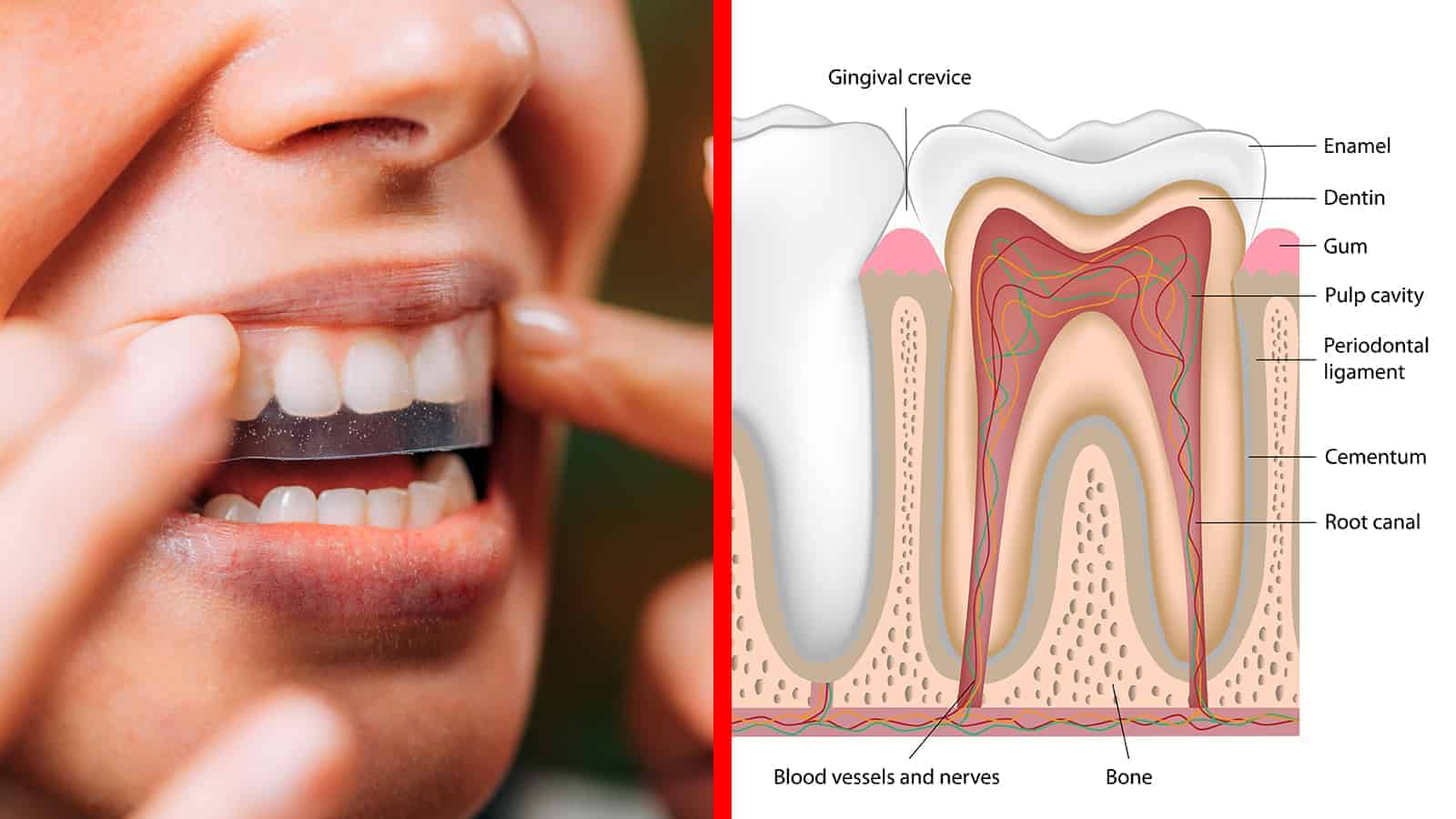
Plaque is a sticky film of bacteria that forms on teeth and can lead to many oral health problems if not removed regularly. When plaque builds up, it can cause tooth decay, gum disease, and bad breath. Over time, it can harden into tartar, which is even harder to remove and can only be removed by a dental professional. Removing plaque through daily brushing and flossing can help prevent these issues and maintain good oral health. It’s important to note that even with regular brushing and flossing, some plaque can still accumulate, so regular dental check-ups and cleanings are crucial for maintaining healthy teeth and gums.

Taking proper care of your mouth, i.e., teeth and gums, should be considered a health priority, as good oral hygiene can help prevent bad breath, gum disease and tooth decay. Good oral hygiene also helps to protect your teeth in your later years.

Research studies have linked poor oral health to some serious diseases. Here are three noteworthy discoveries:

  • In 2010, researchers from New York University discovered a link between gum inflammation and Alzheimer’s disease.
  • A Harvard University research team found strong evidence of a link between gum disease and pancreatic cancer.
  • A well-established correlation exists between dental hygiene and heart disease.

How plaque and tartar form in the mouth

Dental plaque is a sticky, colorless film that forms on the teeth and along the gumline. It is primarily composed of bacteria, food particles, and saliva. Plaque constantly forms on the teeth throughout the day and can accumulate within hours of brushing. If plaque is not removed regularly, it can lead to dental problems such as tooth decay and gum disease.

Tartar, or dental calculus, is hardened plaque mineralizing over time. When plaque is not effectively removed through brushing and flossing, it can mix with minerals from saliva and harden into tartar. Tartar is usually yellow or brownish and forms above and below the gumline. Unlike plaque, tartar cannot be removed by brushing and flossing alone. It requires professional dental cleaning by a dentist or dental hygienist to remove.

Tartar provides an ideal surface for plaque to adhere to, making it more challenging to maintain good oral hygiene. The presence of tartar also irritates the gums and can contribute to gum disease. Regular dental check-ups and professional cleanings are essential to remove tartar buildup and maintain oral health.

NOTE: This article acknowledges that you must remove the plaque buildup to prevent tartar. While we may use them interchangeably, it’s worth noting the differences.

plaque

What to do about plaque build-up

The first step is to start properly caring for the teeth and gums. Here are the teeth brushing basics, per the American Dental Association (ADA):

  • Brush your teeth twice daily. Take the time to do a thorough job (don’t rush).
  • Use proper equipment. Use good toothpaste with a soft-bristled toothbrush. Battery-operated and electric toothbrushes may reduce plaque and mild gum disease better than manual brushing.
  • Use proper technique. Hold the toothbrush at a slight angle – toward the area when the tooth meets the gum line. Brush the chewing surfaces, inside and outside of the teeth and the tongue.
  • Maintain your equipment. Properly rinse and store the toothbrush in an upright position until the next use. Don’t cover the brush with anything, as this can encourage the growth of bacteria.
  • Replace your brush. Replace your brush every three to four months, usually when the bristles frayed.
  • Floss your teeth daily.
    • Take about eighteen inches of floss and wrap the ends around your middle fingers, leaving about one to two inches of floss to work with.
    • Use your index fingers to guide the floss between your teeth, gently sliding it up and down against the side of each tooth and under the gumline.
    • Use a clean section of floss for each tooth, and be sure to floss both sides of every tooth, including the back molars.

Natural Ways to Remove Plaque From Your Teeth

Some people prefer using more natural methods for oral hygiene. For example, you can make your own mouthwash and toothpaste at home!

Preparing homemade mouthwash is simple and efficient. Additionally, self-made mouthwash isn’t loaded with alcohol and other chemicals. We’ve included four simple recipes for making your oral care products. As you’ll see, all of these ingredients are widely available, inexpensive, and healthy.

They’re also effective at helping remove tartar and other bacteria from the mouth. So, let’s get going!

teeth whitening stripsTartar removing recipe #1

  • Ingredients: anise, mint oil, lemon, water.
  • Mix a few drops of each ingredient in a glass of water and rinse four to five times daily.

Plaque and tartar Removing Recipe #2  (perfect for built-up plaque)

  • Ingredients: A half-cup of rosemary, one cup of fresh mint, and two cups water.
  • Bring the water to a boil, then add the mint and rosemary. Leave the mix for about fifteen minutes, and then drain. When the mix is cool, rinse your mouth thoroughly.

Tartar removing recipe #3 (natural toothpaste; good for plaque removal)

  • Ingredients: Seven tablespoons (tbsp.)  of coconut oil, seven tbsp. of baking soda, essential oil (tea tree oil and clove essential oil work wonderfully!), 1 ½ tbsp of Stevia.
  • A 2014 study discovered the following about essential oils: they efficiently inhibit plaque, can be used with dental implants, and also inhibit certain problematic bacteria strains.
  • Unrelatedly (but to our benefit!), the scent of lavender oil reduces anxiety and stress!
  • Mix all ingredients until the paste has a consistent texture. Use this natural mixture every day instead of regular toothpaste, if desired.

Tartar removing recipe #4:

  • Ingredient: coconut oil (that’s all!).
  • Dentists and other oral health practitioners have lauded coconut oil for its numerous benefits – fighting bacteria, cleaning the mouth’s orifices, preventing cavities, and whitening teeth.
  • Swish around a couple of tbsp. of coconut oil and allow the substance to melt for fifteen to twenty minutes. Rinse with coconut oil daily to improve and maintain oral health!

plaque

Final Thoughts: Removal of Plaque Is Essential to Lifelong Dental Health

Removing plaque from your teeth is imperative to keep your teeth shiny, white, and, most importantly, healthy. These homemade mixtures can help you have cleaner teeth and fresher breath. To your health!

5 Foods That Create Inflammation In Your Body

Inflammation is becoming one of the most prolifically studied conditions. In fact, doctors want to learn more for a good reason. Scientists and medical experts are linking chronic inflammation with a variety of other ailments. Think of everything from obesity and heart disease to depression and diabetes.

Acute (short-term) inflammation is a vital physiological response; helping protect us from illnesses, infections, and injury. When this reaction is compromised, however, a number of health problems can manifest. Therefore, it is important to understand what triggers chronic (long-term) inflammation – and how to counteract it.

We’re well aware by now that regular consumption of sugar; along with alcohol, dairy, and fried or processed foods, are among the main culprits of chronic inflammation. But there are other, lesser-known agents of chronic inflammation. We discuss five sources that fit this description.

Here are five things that cause chronic inflammation:

Chronic inflammation – this means long-term inflammation, which can last for several months and even years. It (results) from (failure) to eliminate whatever was causing an acute inflammation. (The) immune system attacks healthy tissues, mistaking them for harmful pathogens. Medical News Today

inflammation

1. Agave nectar

Agave nectar is (highly) marketed as a “natural” alternative to sugar; one that is “diabetic-friendly” and “helps” to maintain blood sugar levels. Astonishingly, agave is not uncommon on the shelves of natural “health food” stores.

But there’s a problem with these claims: they’re all false. Here’s why:

Agave is a natural plant that grows throughout Mexico and in some parts of the Southwestern United States. Mexicans have used the sap for several purposes, most recently as a sweetener. In the plant’s natural state, it does indeed have some health benefits.

But agave nectar is not a natural product – it usually undergoes rigorous processing. The processing of agave sap (the “sugary” fluid) exposes it to enzymes and heat; this kills most, if not all, of the plant’s health properties. The end product resembles notoriously-unhealthy sweeteners, including High Fructose Corn Syrup.

2. Frozen yogurt

Frozen yogurt contains two inflammatory ingredients: dairy and sugar. First is milk; which may boost hormone levels and is a common allergen. Sugar requires no further explanation relating to inflammation – it’s a potent trigger. Casein protein is another less-known inflammation trigger and is an ingredient in certain yogurt types.

However, some frozen yogurt varieties contain good stuff, such as probiotics and coconut milk. Typically, these will work fine for you. Just make sure to check the label.

3. Seitan

Seitan is a staple for vegetarians who crave a meat substitute. Unfortunately, we come bearing bad news – it’s made up almost entirely of wheat gluten. Melissa Wood, a nutrition expert in New York City, explains, “(Gluten) can trigger the immune system, causing inflammation in the intestinal tract.”

Inflammation in the GI tract can produce bloating, constipation, and even irritable bowel syndrome (IBS).


peanut for inflammation

4. Peanuts

Peanuts are more of a “consume at your own risk” type of food. For most folks, a handful of peanuts here and there is a welcome treat (and they can provide a good amount of protein and nutrients.)

Peanuts, however, are among the most common allergens. Young children are especially susceptible to the allergic properties of nuts, as their immune systems are still developing. The autoimmune response in the young and allergic escalates quickly, which may cause a medical emergency.

Further, peanuts not produced, stored or transported correctly are susceptible to fungus, which can produce inflammatory responses.

5. Aspartame

Proliferating medical research leads companies to reduce or eliminate aspartame from their products.

Why?

First, aspartame is a neurotoxin – it poisons and destroys nerve tissue within the brain. Second, some people are highly sensitive to aspartame’s chemical properties. As a result, their immune system perceives the substance as a foreign threat and attempts to eliminate it. This response, as noted, triggers inflammation.

(Anyone else wondering how the heck this product is still LEGAL?)

inflammation

Final Thoughts: Potential solutions to inflammation

Acute bouts of inflammation are usually easily treatable. Perhaps the most beneficial action a person can take is eliminating inflammation-producing foods. (There are many, so make sure to read up.)

Adequate exercise for at least three times weekly; thirty minutes each session. Besides that, maintaining a healthy weight helps keep inflammation at bay. Light exercise is fine – no intense training necessary.

Here is a list of common foods that make up an anti-inflammatory diet:

  • Beans: Heavy concentration of antioxidants and fiber.
  • Fish: Salmon, sardines, and tuna are rich in omega-3 fatty acids, which combats inflammation. Consume at least two servings of healthy fish per week.
  • Fruits and vegetables: Leafy greens, cabbage, and broccoli in the veggie aisle; also look for blackberries, cherries, and raspberries in the fruit aisle.
  • Nuts: Arthritis.org cites Almonds, pistachios, and walnuts as the best nuts to fight inflammation.
  • Whole grains: Ditch the flour and ditch the gluten if they’re causing problems. Instead opt for fiber-rich whole grains such as brown rice, oatmeal, whole-wheat products, or unrefined grains.

5 Reasons Your Body Retains Water (And How to Avoid It)

Water retention, or fluid retention, is the excessive fluid buildup in the body’s tissues, cavities, or circulatory system.

Our bodies mostly consist of water. Water is located in our blood, bones, muscles, and organs. While our bodies certainly need water to function, it can sometimes hold too much of it – this buildup of water in our body is called water retention. Water retention manifests physically. Thus, the body appears abnormally swollen.

In most cases, short-term water retention is not a serious problem, nor does it cause serious health dilemmas. However, water retention over the long term can produce unsafe effects on the body. Underlying health conditions that may produce fluid retention as a side-effect include liver cirrhosis, heart failure, kidney failure, preeclampsia (a dangerous, pregnancy-related condition), and premenstrual syndrome.

5 Reasons Your Body Retains Water (And How to Avoid It)

Water retention may result from several things. Here are the top five reasons we retain water (and suggestions on what to do).

1. Diet

Sodium (i.e. salt or table salt) is an essential nutrient that serves several important functions, but we only require small amounts. Too often, our foods have excessive amounts of salt, inducing fluid retention and weight gain.

Recommendation: First, know the recommended amount of sodium intake: 2,300 milligrams or less per day, according to the Food and Drug Administration (FDA); this may sound like a lot – but it’s only about a teaspoon of salt. Second, limit your salt intake by using alternatives, such as herbs and spices. Cumin, dill, garlic, ginger, oregano, onion, sage, and pepper are all viable choices. Lemon juice, mustard, and vinegar may add flavor without all the salt.

care for your body

2. Lifestyle

Sitting or standing for an extended period causes body tissue to hold water. Having a sedentary, inactive lifestyle can also cause water retention. Of course, either scenario produces physical symptoms, including swollen ankles and legs.

Recommendation: It is important to keep blood circulating throughout the body. If your job requires you to sit at a desk all day, use your breaks to get outside and move around a bit. Park further away from the building, so you can enjoy a refreshing walk in before a long day’s work. Take the stairs instead of the elevator. Don’t be afraid to get creative! If you’re inactive, it’s important that you first understand the benefits of exercise. You don’t need to train like Jillian Michaels or Gunnar Peterson – try getting 15 to 30 minutes of light to moderate exercise three times per week.

3. Medications

Many prescription medications list water retention as a side effect – and the National Library of Medicine agrees. They explain, “NSAIDs promote sodium and water retention…”

Rx meds that may increase fluid retention include antidepressants, beta-blockers, blood pressure medication, chemotherapy medication, and over-the-counter NSAIDs (non-steroidal anti-inflammatory drugs).

NSAIDs are worth paying particular attention to, as more than 30 million Americans use the drugs daily to relieve various kinds of pain. The most common NSAIDs are aspirin (Bayer, Bufferin, Excedrin), ibuprofen (Advil, Motrin), and naproxen (Aleve).

Recommendation: Tapering off Rx medication requires consultation with a physician. The reason for medical oversight is the withdrawal symptoms often experienced as the body adapts to lower amounts of the drug. A doctor’s visit may also be wise if you notice excessive swelling from NSAIDs or other pain-relieving medications.

4. Hormones

It’s widespread for women to experience severe bloating during perimenopause (early menopause) and menopause. In fact, Reproductive Sciences states that fluctuations in fluids may be a natural part of aging.

Recommendation: First, take a good look at your diet and eliminate or reduce foods that seem to cause bloating and gas (do some research here.) If this doesn’t solve the problem, it may be necessary to see a dietitian, who will likely test for allergies and food intolerances. In rare cases, hormone replacement therapy or hormonal rebalancing under the guidance of an OB/GYN may be necessary.

5. Heart problems

Fluid retention from a heart condition may be evident in the legs and abdomen swelling. While this is certainly a scary proposition, it is important to refrain from jumping to conclusions. Additional common symptoms of heart failure include lightheadedness, fatigue, rapid heart rate, weakness, and shortness of breath.

Recommendation: See a doctor right away. The risk of heart failure increases the longer medical intervention is delayed. The attending physician may order one or more tests, including blood tests, a chest x-ray, electrocardiogram (ECG), cardiac computerized tomography (CT) scan, and/or cardiac magnetic resonance imaging (MRI) scan.

Editorial Note 08/22/2023: Added links to updated research

10 Reasons to Stay With Your Partner (Even If You Want to Leave)

Note: There are relationship problems, and then there are relationship-ending problems. For example, a partner who occasionally forgets something important belongs in the former group. A partner who possesses a destructive habit, or is verbally or physically abusive – the latter group. For obvious reasons, the latter group is excluded from this article.

As an interdependent species, we survive via our predisposition for intimate relationships. Hopefully, in the right scenario, a romantic relationship will – at some point – transition from mere survival mode to one that creates times of exuberant joy.

There’s just one catch: this “surviving to thriving” transformation is hard work.

Linda and Charlie Bloom are both husband and wife of 45 years and experts in the field of relationships. Both are licensed social workers and have presented at multiple venues; from colleges and universities to small conferences and syndicated TV programs.

And they both had this to say about relationships and happiness:

“(Perhaps) it’s less important that you know exactly why relationships are often harder than you think they should be, than it is to know you’re not alone. If this is your experience; in fact, you’re in good company,” “(You’ve) been told that you get what you’re willing to pay for, and there’s no doubt that it’s going to cost something to pay the dues that great relationships require. Whether or not you make that choice is up to you.”

Here are 10 reasons why staying in a relationship may be your best choice:

“To love a human being is perhaps the most difficult of all our tasks.” – Rainer Maria Rilke

partner

1. Having a partner eases the turbulence in life

Life can be an arduous journey – and one that’s often easier to navigate with a partner. While your other half may not always have the solution to your problem, they can play an irreplaceable role in finding the answer.

2. Someone who “knows” you is a rare thing

The fact that your love “connects” with you on an internal/spiritual level is a beautiful thing. How many people can you honestly say, with conviction, “knows” your inner being? If you’re in a healthy and loving relationship, odds are that your partner does.

3. Life brings added enjoy when you share it with someone

Notwithstanding the occasional hermit, most of us are excited to share our life with others to some extent. There’s nothing wrong with being introverted and shy (I fill this description), but there is something wondrous in navigating life’s path with the person you love (which I do, as well).

4. Random acts of love are beautiful

Spontaneous acts of love from family and friends is a time of joy. A random act of love from your partner is beautiful. The “little things” take on a whole new meaning with your mate.

5. Four hands are better than two

As in, you can be more productive with a partner. Obviously, such circumstances require they carry their weight; in such a case, they’ll also help motivate and comfort you through various obstacles.

6. You are a better person

Love has a profound way of making you want to be a better person. In the movie As Good As It Gets, Jack Nicholson plays an obsessive-compulsive who manages to repel everyone with his misanthropy. In one moving scene, Nicholson can’t quite bring himself to compliment his date (actress Helen Hunt). Finally, after a long pause, Nicholson casually states “You make me want to be a better man.” Though a fictional example, it aptly helps explain the power of love.

7. Opportunities abound

A partnership can create more fun, money, and opportunity if a couple is responsible and in tune with each other. It helps to have a partner who willingly “pitches in” and continues toward self-improvement.

8. You’re a healthier person

In a study conducted at University College London, researchers state: “Generally speaking, people who are in stable marriages have better (mental and physical) health compared to those who have never been married.” The conclusion reads: “(It’s) not so much about being legally married as the benefits of being in a stable, long-term relationship.”

understand you

9. Emotions are created that wouldn’t be

“Of course, romantic relationships create new emotions,” you may think. Okay, fair enough. It is worth reiterating, however, the personal emotions experienced when we’re in love. We’re more compassionate, happier, and hopeful people when in a stable relationship.

10. “Reversing the course” may be easier than thought

Okay, “reversing the course” isn’t always possible, after all. But if you have a partner who’s at least somewhat open to self-improvement or seeking help, your relationship at least has a chance. More often than not, resentfulness and stubbornness are the two culprits negatively affecting your relationship – either are solvable if there’s mutuality.

(C)Power of Positivity, LLC. All rights reserved
References:
Bushak, L. (2015, April 02). Married Vs Single: What Science Says Is Better For Your Health. Retrieved June 9, 2017, from http://www.medicaldaily.com/married-vs-single-what-science-says-better-your-health-327878

Geddes, L. (2016, April 17). Couples are healthier wealthier…and less trim. Retrieved June 9, 2017, from https://www.theguardian.com/lifeandstyle/2016/apr/17/couples-healthier-wealthier-marriage-good-health-single-survey-research
Goldsmith, B. (2012, August 08). 10 reasons to stay together. Retrieved June 9, 2017, from http://www.smh.com.au/lifestyle/life/10-reasons-to-stay-together-20120808-23tn1.html
Wikiquote. (2016, December 02). Rainer Maria Rilke. Retrieved June 9, 2017, from https://en.wikiquote.org/wiki/Rainer_Maria_Rilke

5 Calming Techniques That Reduce Anxiety In Less Than One Minute

Per the National Institute of Mental Health, anxiety disorders affect approximately forty million adults in the U.S. alone, representing only the diagnosed. The actual number is likely around 65 to 66 million, or about thirty percent of the population.

Numbers only tell part of the story. People who struggle with anxiety often cannot understand what’s happening. Only those who have felt the fear of constant anxiety can relate.

Our goal in this article is to describe five quick ways of reducing anxiety. In this hustle-and-bustle world of ours, few can afford the time or resources necessary to undergo “proper” treatment.

Here are five proven ways to reduce anxiety in minutes (in no particular order):

“Do not dwell in the past, do not dream of the future, concentrate the mind on the present moment.” – Buddha

1. Meditation

anxiety reduction

“Research suggests that daily meditation may alter the brain’s neural pathways, making you more resilient to stress,” says Robbie Maller-Hartman, Ph.D.

Contrary to popular belief, one needn’t be a sage to experience meditation’s tremendous anxiety-relieving benefits. (Of course, additional practice only strengthens one’s ability to combat stress/anxiety.)

The method is simple. For instruction, we’ll assume you’re at work or parked in a car somewhere. Here’s what to do: sit up straight with both feet on the floor and close your eyes. Recite – silently or aloud – a mantra, such as “I am at peace” “or “I love myself.” Dismiss any distracting thoughts without prejudice or judgment.

2. Deep Breathing

When it comes to easing anxiety, focusing on the breath is (by far) the most efficient, timely method. All you need is a 5-minute break and some patience.

Again, the practice is simple. Sit up straight with your eyes closed. Place a hand on your belly as you slowly inhale through your nose. Feel the breath fill your abdomen and travel upwards as if the breath reaches the top of your head. Hold the breath for a couple of seconds, then naturally (and slowly) exhale through the mouth.

How refreshing is that? All in just five minutes!

3. Be Present

To “be present” is to notice all sensations as they surface – to exist for this moment and only this moment.

The beautiful thing about being present is that you can practice it anywhere, doing anything, at any time. Washing the dishes? Notice how the dishes’ surface feels in your hand as you apply the dish soap. Walking? Feel the air as it flows onto and past your face and body. Typing? Listen to the sound of each click of the keyboard as you work.

Being present is extraordinarily powerful, as the practice renders mute (or at least “muffles”) the brain’s money-minded antics. You’re focusing all of your awareness on your senses instead of impulse.

4. Prioritize Your Time

At the risk of sounding cliché, our time on this Earth is limited. The (sometimes uncomfortable) truth is that we don’t know how much of this precious resource we have. Sadly, too many people act as if they’re immune to time’s passing.

The founder of Apple, Steve Jobs, who would ultimately succumb to cancer, gave his perspective on time: “If today was the last day of your life, would you want to do what you are about to do today?”

The lesson? Evaluate how you spend your time. There is no “right” or “wrong” way – only your way. If you’re fortunate enough to work at a job you love, by all means, invest your time there. Consider creating a schedule if you feel your “work-life-other” balance is out of whack. If you’re happy just “going with the flow” and cherishing each experience.

To value time is to spend it enjoying your life while dismissing any external expectations.

5. Write things out

Journaling your thoughts is a powerful anxiety reliever. Stressful thoughts that are allowed to accumulate inevitably result in anxiety.

Writing down what you’re thinking and feeling can provide a profound sense of relief. You are no longer relying upon your cognitive faculties to store and interpret every little impulse.

Journaling, in essence, is transferring your thoughts to something tangible. In doing so, you’re freeing up your cognitive resources and neutralizing anxiety. As a result, you’re more relaxed – and a relaxed mind is a peaceful mind.

anxiety

5 Behaviors That Cause Anxiety

Even if you’re not genetically predisposed to the condition, certain habits and behaviors can contribute to anxiety. We will go over a few common causes of stress and how to avoid them below.

1.     Spending Too Much Time on Technology.

Modern life requires us to use technology to a certain extent. However, many of us spend far too much time scrolling through social media feeds, watching Netflix, or other mindless hobbies. That’s not to say you should never enjoy technology, but rather consume media more mindfully. Many studies link excessive smartphone use with higher rates of anxiety, depression, and stress, for example.

Our brains haven’t evolved to handle all the stimuli from technology, so the demands of modern life can seem threatening or overbearing. As a natural consequence, we feel anxious until the stimuli either goes away or we learn to manage these feelings better. However, even if you’re used to spending hours on technology, the sheer amount of smartphone information and apps can heighten baseline anxiety.

Therefore, it’s wise to limit your use or change how you view technology. If you look at technology as a tool to use when necessary, you will drastically cut back your time on smartphones, TV, and other devices.

2.     Lack of Exercise.

We’ve become more sedentary in today’s world due to technology and labor changes. Instead of manual labor, most of us perform mental labor behind desks, which gives our bodies a break from strenuous tasks. However, due to the lack of movement, diseases have become more common that didn’t exist in the past. Scientists have coined the term “diseases of modernity” to describe conditions such as diabetes, heart disease, strokes, and obesity.

Lack of movement doesn’t just impact our physical health, either; it has a disastrous effect on mental health. Our minds and bodies work together, so when our bodies become sick, our brains suffer in various ways. Anxiety, depression, and other mental disorders have skyrocketed in recent years due to the stresses of modern life.

As we said before, we still haven’t evolved to handle all the mental stresses with urban living. However, exercise can bolster our psychological and physical health, making it easier to deal with the burdens of daily life. Studies have shown that even a 10-minute walk can have a positive impact on anxiety levels. While it’s best to engage in exercises that get your heart pumping, such as running or swimming, any movement will improve your mental health.

Our bodies weren’t meant to sit all day, so get at least 150 minutes of moderate to intense exercise per week.

3.     Dwelling on Negative Thoughts.

How often do your thoughts make you anxious? Probably more often than you’d like to admit, but it happens to the best of us. We naturally have a negativity bias as a survival trait, but unfortunately, this doesn’t always benefit us in modern times. Focusing on negative thoughts and memories will only create more suffering in the present and make the world seem like a dark, depressing place.

But, despite all the stressors in life, we can still focus on the positives, which will naturally reduce anxiety levels. Many people with anxiety tend to think in terms of the worst-case scenario as a way to exert control over the world. They don’t necessarily want to think negatively, but they’ve conditioned their brains to anticipate catastrophes. That way, a disaster or adverse event won’t blindside them, and they will feel more prepared.

Unfortunately, this keeps them in fight-or-flight mode constantly, which isn’t healthy. If your mind wanders to negative thoughts often, try meditating or practicing mindfulness techniques to bring yourself back to the present. When you can train your mind to remain in each moment no matter what’s happening around you, you will start noticing your anxiety diminish.

4.     Drinking Excess Caffeine.

You probably don’t think twice about it when you pour your morning cup of joe. After all, most people enjoy their coffee in the mornings to wake up and feel refreshed for the day. However, drinking too much caffeine can exacerbate anxiety and make you feel jittery. If you’re sensitive to caffeine, either avoid it altogether or limit yourself to a tiny cup per day.

Coffee does have benefits, such as protecting heart health and providing powerful antioxidants. But for those suffering from anxiety, the costs may outweigh any benefits in the long term.

5.     Overworking.

When you look around the world and see how busy people have become, it’s no wonder why anxiety has reached epidemic proportions. We work ever-longer hours for less pay, have a very little downtime, and don’t know how to deal with all the stress. As a result, many of us deal with near-constant anxiety and other mental problems, making daily life more challenging to manage.

However, it’s important to remember that we still can control certain aspects of our lives, including how much we work. Most bosses will work with their employees to ensure they can adequately handle their workload. So, if you feel overwhelmed at work, make sure to have a talk with your boss. If you value you as an employee and care about your wellbeing, they will try to meet you halfway.

You could also look for other employment, if possible, or even start a side business that could grow into self-employment opportunities. You always have options, so don’t limit yourself if your job makes you overly anxious. No career or job is worth your mental health.

Of course, if you can’t get out of your job for whatever reason, you can still learn to manage anxiety. Exercise, mindfulness, healthy outlets, and supportive friends and family can make the stresses of work easier to handle. In addition to lifestyle changes and habits, medication, therapy, or a combination of the two reduces anxiety.

signs of social anxiety

Final Thoughts on Mastering These Calming Techniques for Anxiety

In recent years, mental health has become a massive topic of discussion, and for a good reason. Many people suffer in silence because of mental health stigma, but luckily, society has made significant progress. The stresses of modern life have made it difficult for many people to cope, and talking about their struggles with others provides much-needed support.

Just remember, if you’re suffering from anxiety, know that you’re far from alone. Millions of people deal with anxiety in today’s world and have found ways to manage it. Meditation, deep breathing, mindfulness, and practicing self-care can help reduce anxiety and make life enjoyable once again.

Skip to content