Weekly tips, affirmations, and small actions to feel your best.

How to Make a Home Spa to Treat Anxiety and Depression

The word ‘spa,’ helps you visualize the luxury of some me-time. Alone, it’s enough to help the tension in your shoulders start to relax. With minimal effort, it is possible to have a spa experience at home. So, you can naturally treat stress, anxiety, and minor depression.

1. Rid yourself of tech stress and set aside alone time

First, turn off your hand-held media devices, television, radio, and other information sources, before your home spa session. That’s right, all of them!

It is at times difficult to remove ourselves from constant connectivity, but this is necessary to reduce stress, which will help alleviate feelings of anxiety. Then, schedule a minimum of 30 uninterrupted minutes for your home spa time.

When you need to relax in your home spa for your anxiety or depression, interruptions are unacceptable. Make sure you tell your loved ones to leave you alone and tell them for how long. Schedule a minimum of 30 uninterrupted minutes for an effective home spa treatment for depression or anxiety.
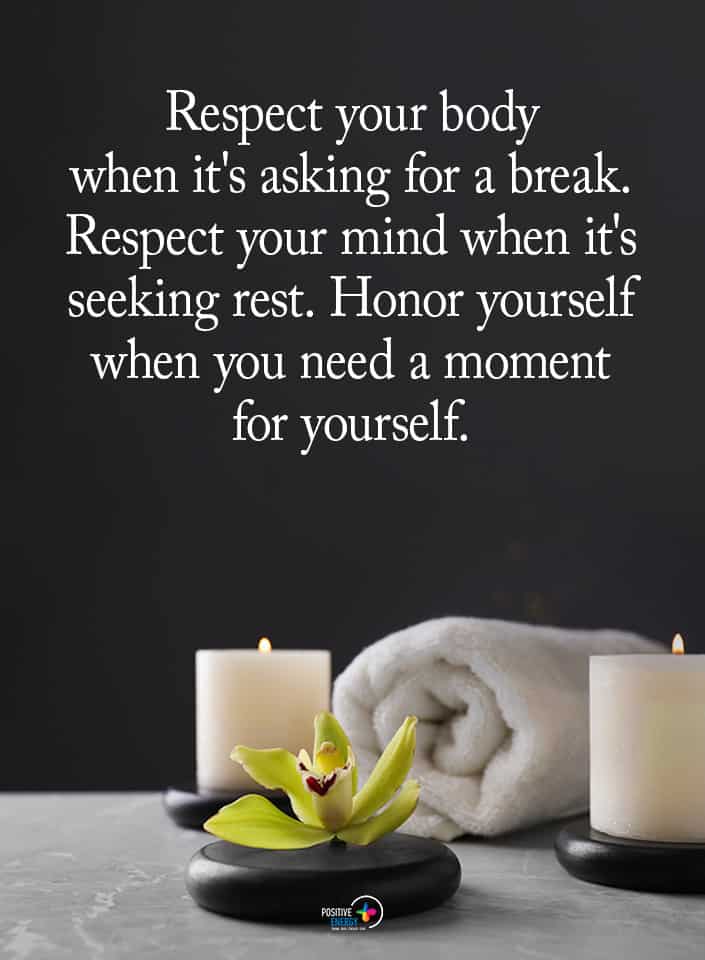
anxiety meme

2. Know what works for you

Think about these senses; smell, touch, and hearing. What pleases each of these senses for you is what you should be sure to add to your home spa treatment for your depression and anxiety. Making an at-home spa is about surrounding yourself with what you feel is tranquil and soothing.

For example, if lavender is not your favorite scent, it may not feel relaxing to you. Think about the scents that uplift you and remind you of pleasant times. Decide to do what feels the most comforting to your body; a self-massage, a warm or hot steam bath, a soft comforting robe to wrap up in. Relaxing classical music or something that feels spa-like to you is another way to treat stress during your spa session.

3. Keep the treatments short and simple

Researchers studied spa treatments for their effectiveness in treating stress and depression. Many of the techniques used in this research can be reproduced at home. The relaxation techniques studied included an underwater massage bath, a jet massage from a whirlpool spa tub, mud wraps or herbal wraps, and hydrotherapy.

The study found that spa therapies like these treatments induce mental relaxation, reduce anxiety, and help create a feeling of well-being. The spa research also indicates that treatments like these reduce pain progression and chronic disorders because they improve the quality of life.

4. Enjoy the present moment

Anxiety can be said to be worrying about things that haven’t yet happened, while depression is about reliving the past that can’t be changed. Improve your mood by focusing on here and now. Identify things you can see, smell, taste, hear or touch right now. Inhale for a count of four and exhale for a count of four. Do this for several breaths. Now increase the count to five.

5. Review your mood before and after a home spa

Consider some easy yoga moves or try a walk outdoors in sunlight to add these effective therapies to your home spa relaxation treatment. According to a study in the Canadian Journal of Psychiatry, exercise, light therapy, St. John’s wort, omega-3 fatty acids, SAM-e, and yoga were all found to be alternatives to medication to treat anxiety and depression.

If the spa treatment was helpful to reduce your anxiety or to improve your depressed mood, make a note of this. If an Epsom salt soak worked well to help you relax, would candlelight and music make it even more beneficial for you? How about adding aromatherapy? Tracking what you tried and how it helped will help you learn what works best to improve your mood.


(c)Power of Positivity, LLC. All rights reserved

5 Differences Between Choosing the Right and Wrong Words in Life

“The difference between the almost right word and the right word is really a large matter – ’tis the difference between the lightning-bug and the lightning.” – Mark Twain

As human beings, we have crafted the astounding ability to use language. Language allows us to communicate openly and honestly with those around us. Language also allows us to wield power, to ignite laughter, so cause wars and to make peace. The words we use every day make changes to everyone we speak to. Whether those changes we make are positive or negative largely depend on our choice of words, and the way we use those words. Sometimes, our honesty may come across as cruelty.

Other times, our tough love can be read as disheartening. Word choice matters, not only to those around us but internally, as well. The words we choose to say or repeat can have just as much of an effect on ourselves as they do on other people. Especially when we are in a position of power over other people, just as a leadership role, or the role of a parent or guardian. When you are in that leadership role, no matter what it may people, people will look to you for guidance.

Making the right word choice can change someone’s course of action, their decisions and their lives. Here are several ways that the words we choose matter, and how choosing the right and wrong words in your day to day life mean something.

5 DIFFERENCES BETWEEN CHOOSING THE RIGHT AND WRONG WORDS

  • MOTIVATION

Word choice can mean the difference between properly motivating someone to do their very best, and making them believe that they might as well not even try. This is true for all types of people, whether you are a leader talking to your workforce or a friend giving advice.

The words you choose can change a person’s internal drive and their ability to be properly motivated. Rather than allow your word choice to reflect negatively, you will want to take great care to make sure the words and phrases you use benefit someone’s motivation.

  • PERSPECTIVE

Someone’s worldview can’t always be easily shifted. However, the right choices of words can change someone’s perspective drastically if they are open to the idea of change. The right word choice can help change their perspective for better or for worse. You may be one word away from turning someone’s pessimistic outlook into a positive one, or vice versa.

Perspective is an important part of someone’s ability to make decisions, and make choices that are beneficial to both them and those around them.

  • EMOTIONS

Someone’s emotional state is just as important as their intellectual one. Emotions are what make us human, and someone who is in a positive emotional state is far more receptive that one who is in a negative state. Choosing your words carefully can help keep someone’s positive emotions to the forefront, or dreg up negative emotions.

A shift in someone’s feelings can lead to them either opening up to you, or closing themselves off- sometimes permanently. In the end, using your words in an uplifting, positive manner can do more good than letting yourself fall prey to the tempting use of “brutal honesty”.

  • INTERNAL PERSPECTIVES

Even the words we use to talk to ourselves have impact on our lives. You may be speaking to someone else, but your own words can still have an effect. When we interact with people, we reinforce what we already believe, whether we mean to or not. Changing the words you use can help shift your own personal perspective to a more positive, energetic one. If you allow yourself to wallow in negativity, you will have an effect on everyone around you, not just yourself.

Changing your internal mantra from negative words to more positive ones will inevitably give you a more positive outlook on life.

  • SELF-ESTEEM

Whether the self-esteem is someone else’s, or your own, the words we chose to use daily can have a great effect. Sometimes, this effect can be positive. Other times, it can be detrimentally negative. A snide comment from someone about your ability to work, or even something like the clothes you are wearing, can plummet your self-esteem and cause anxiety and second-guessing.

When you choose the wrong things to say, you are putting someone through the same pain and self-doubt that you would experience. Take your time to change your language and you can save both yourself and someone else a lot of grief.

Physical Therapist Explains The Body Part That Causes Most Pain (And How To Fix It)

When most of us have body pain, we usually attribute it to sore, tired muscles or bones. Perhaps we worked too long on the computer the previous day, which caused tension in the shoulder or neck muscles. Or, maybe we feel slight pain in our knees from picking up a box at work incorrectly. This motion may have put undue strain on the muscles and ligaments in our legs.

Since bodies are incredibly complex, pain can stem from almost anywhere, making it difficult to pinpoint a direct cause. However, not all pain results from certain movements or occurs suddenly after straining a muscle. You might feel pain for no apparent reason, making you wonder if you should see a doctor ASAP. Pains of this sort can leave you feeling unsettled and worried, justifiably so.

When you feel body pains with no obvious trigger, your fascia could be the culprit. This thin casing of tissue connects every bone, organ, blood vessel, nerve fiber and muscle in the body. The connective tissue not only provides an internal structure for the organs but contains highly sensitive nerves that respond to pain.

Below, we’ll talk more about this lesser-known body part and how it can cause pain. We will also discuss how to alleviate the pains by getting to the root cause of the problem.

The Single Body Part That Causes Most Pain (And How To Fix It)

Dr. Mary Ann Wilmarth, a world-renowned physical therapist and former head of physical therapy at Harvard University Health Services, believes many aches and pains stem from fascia complications. Even if you can’t feel it, fascia connects every internal structure in the body and plays a crucial role in mobility.

As you move, fascia stretches and conforms to your body during various activities. However, if it thickens for some reason, it can lead to painful joints and muscles.

According to Dr. Wilmarth, medical professionals and other experts in human physiology have been fascinated with this “mystery tissue” for many years. However, it wasn’t until around 2007 – at an “international fascia research conference” at Harvard – that they fully understood fascia’s importance. [Since then, numerous fascia conferences and other related events have been held at multiple venues, including Harvard Medical School.]

migraine pain

How Fascia Can Cause Body Pains

As mentioned, fascia consists of an intricate network of connective tissue. To comprehend how fascia impacts important physiological functions, we must understand its makeup, including a basic understanding of sensory neurons.

Sensory neurons transmit signals from a receptor, such as the eyes or ears, to the nervous system and brain. These nerve cells communicate information that they have received from external stimuli. For instance, if you touch a hot stove, your sensory neurons would transmit a pain response to the brain, activating pain receptors.

Now, consider that we have up to six times as many sensory neurons in our fasciae than in any other body tissue (besides the skin). This inordinately complex system allows communication between the brain and other areas of the body, including muscles. For instance, even having the urge to stand up and stretch occurs because of fascia communicating between nerve cells.

When you have lower back tension from sitting too long, you relieve it by arching your back. Without fascia communication, you would never get the signal from your brain to stretch your muscles. We tend to overlook this complex sensory organ, but perhaps it deserves more of our attention.

Keeping our fascia healthy improves our limberness and range of motion. When fascia become imbalanced, neural signals misfire and the brain may interpret this malfunction as pain. So, how can you fix this pain response and ensure the fascia functions properly?

How to Alleviate Fascia Pain

Below, we’ll discuss a few fascia-related aches and pains you may experience, along with how to fix them.

Muscle Stiffness/Cramping Upon Waking

When you wake up, you may feel a bit stiff or tense due to lying in bed for 7-8 hours. To relieve this feeling, slowly stretch out both arms and legs and roll your body from side to side. Next, sit on the edge of the bed, flex out and point your feet. This will help alleviate any leg or foot cramps that may occur as you get out of bed.

Activity-Related Injury

Just as fascia can tense up without sufficient movement, it can also become inflexible due to overactivity. This usually results from repetitive, strenuous movements that overwork one area of the body. To fix this, purchase a high-quality foam roller and roll your body over it to relieve tension. You can also use tennis balls to massage fascial layers, or even do yoga poses that target painful areas.

Subtle Tension

Muscles and tissues, including our fascial tissues, can become “tense” without adequate hydration. The simplest fix here involves drinking plenty of water throughout the day to keep your joints lubricated. Also, make sure that you stand up and stretch every so often to alleviate muscle tension. Going for walks during a lunch break or after work will also do wonders for body pain.

Preventing Fascia Injury

As they say, prevention is better than a cure in any situation. In order to prevent fascia injury from occurring, it’s important to remain physically active. Whether you enjoy lifting weights in the gym or going for brisk walks, any type of movement will have a positive effect on the fascia. Also, don’t forget to stretch before and after exercising, as this will improve flexibility and prevent injury. Finally, pay attention to your posture, making sure to sit up straight while using a computer or smartphone. Slumping over at your desk can put a strain on neck and shoulder muscles, possibly causing an injury.

heartbroken woman

Final Thoughts: See the Right Professional to Relieve Your Pain

If you’ve tried all of the above and still don’t feel better, consider getting professional help. The densely interconnected nature of fascia makes some aches, pains, and discomforts difficult to remedy. Massage therapists, physical therapists, and even acupuncturists can help find the source of your pain and employ the appropriate therapeutic method(s) for relief.

10 Behaviors Toxic People Display Before Revealing Themselves

The idea of letting go of “toxic people” in your life is a trending theme lately. And, for good reason. Recent studies show that healthy relationships lower stress and contribute to good mental, emotional and physical health.

On the flip side, in a long-term study done with 10,000 subjects over the course of over 12 years, researchers found that subjects with more negative, toxic relationships were at greater risk for heart disease than their counterparts with more positive relationships.

Toxic relationships can come in many forms. You might find parents, siblings, partners, friends, co-workers, to have these traits. Of course, no real relationship is 100% perfect at all times.

Labeling someone as “toxic” to you, doesn’t necessarily mean they are a bad person and in no way an attempt to associate a human being with contamination in the literal sense. It also does not mean that you should ditch people when they are going through hard times.

But, it does mean to evaluate the people in your life and how they make you feel on a consistent basis. Some people are just literally hardwired to be toxic. Unfortunately, that usually comes from years and years of negative rewiring. So, how do you know if someone is really a toxic person?

Here are 10 things to never ignore from toxic people:

toxic people

1. Toxic people apologize to no one.

Expecting a toxic person to apologize is like asking a petty dictator to embrace diplomacy: completely out of the realm of possibility.

They’ll construct an elaborate lie before admitting any fault, no matter how obvious. The cool thing is, as rational human beings, we don’t require some faulty rationale to move on. We can choose to realize and accept toxic manipulation. The action of letting go of this behavior enables us to move forward without regret.

2. They make you “prove your worthiness”.

Unsurprisingly, toxic people bear a stark resemblance to the narcissistic. They’ll make you choose between something that’ll benefit your life, or decide to hang around with them a bit longer. In the event that you choose the former, the dramatic firework show will undoubtedly commence.

Forget it. Move on. You have one person – and one person only – for which you need to prove anything. And that individual is yourself.

3. Toxic people project, not reflect.

Projection is nothing more than psychological manipulation. Rather than take ownership of their feelings, they’re more likely to blame you as the source. This may be as simple as “You’ve been in a bad mood all day,” or “Your attitude is really bringing me down.”

Remember, this psychological manipulation has nothing to do with you. It’s all about them. It always has been and will continue to be.

toxic people negative thoughts

4. They are hardwired for manipulation.

It isn’t uncommon for someone that’s been involved in a toxic relationship to reveal what they now recognize as deliberately manipulative acts.

Attribute such realizations to entitlement, lack of self-esteem, or outright selfishness. The chances are that this manipulation is so deeply ingrained that even the most selfless and benevolent among us are unable to appease such outrageous and devious behavior.

5. Their “true self” is never revealed.

One day, the person is loving and attentive; another, they’re distant and abusive. In fact, they rarely display their true selves upfront. That’s how they want it to be. That’s how they maintain control.

Good-hearted people will almost always attempt to understand someone else’s problems – and contribute to some kind of solution. The problem is that there is no real “problem,” and a “solution” is nothing more than a mirage. Most of the time, their thought process is filled with toxic thoughts.

6. They’ll ruin the occasion.

Have some great news to share? You’re better off not involving someone toxic. Did you receive a raise? Plan a vacation? Adjust your schedule to become more available?

Toxic people have a way of contorting any positive news into something negative. That’s their nature. It sucks. But again, you don’t have to participate.

7. Irrelevancy is irrelevant.

Solving a problem that involves more than one person requires cohesiveness. Unfortunately, toxic people are utterly incapable of reciprocating what is, to most of us, a natural and fair response.

Instead, they’ll (once again) deviate from any sense of responsibility while redirecting your attention to an unrelated matter that may (but probably did not) result from your actions. Solving a problem is not important to toxic people. They’re more at home creating one of their own.

8. Mannerisms matter all of a sudden.

On a related note, toxic people have a way of pointing out any and all acts of “division.” Sigh at the dinner table? Convey a frustrated tone over the phone? Anticipate and expect a toxic person to, all of a sudden, display memory of someone with a 160-plus IQ.

9. Disparagement…

Though you could likely allocate hours (days?) droning on about a toxic person’s offenses, you don’t. Why? Well, because you’re a decent human being with a good heart.

On the other hand, toxic people refuse to allow such “transgressions” to fall by the wayside. In their disillusioned sense of reality, they’ll insist on making any perceived shortcoming a pain point. Why? Well, to get their way, of course.

pop meme

10. Exaggeration…

How we could go on and on about this last one…but we’ll desist.

Shockingly, toxic people embellish their accomplishments while depreciating anyone else’s. It’s not about them…so they don’t care. (The previous sentence may indeed explain human toxicity in the most accurate, concise way possible.)

(C)Power of Positivity, LLC. All rights reserved

15 Psychology Tricks That Will Change Your Life

Hello there. It is Q&A time on Power of Positivity now. But these answered questions about psychology may just change your life…

15 Psychology Tricks That Will Change Your Life

1. How do I get more information out of someone?

You asked someone something but the other person is not very forthcoming with their answer, just keep eye contact and stay quiet. More often than not, you will get the other person to spill more beans and it will eliminate any awkwardness.

positivity

2. How can psychology make me feel confident in an instant?

The short answer is to take up as much space as you can with your arms and legs. A good example of this is the “power stance”, adopted by rockers such as James Hetfield of Metallica and Freddie Mercury of Queen. After just a couple of minutes, testosterone will flow through your body and you will feel confident within.

3. How do I know if someone is watching me?

Look at your watch, yawn, cough, or something like that. The chances are that if another person is watching you, they will normally do the same. As we all know, imitation is the sincerest form of flattery.

4. How can I take the sting out of a situation?

Should you believe that someone you know will be on your case at a social event or a business meeting, make sure you sit next to them. That way, that person will think twice about giving you a hard time.

5. How can I tell how closely-knit the group and its members is?

When everyone laughs within the group, have a look to see who is looking at whom while the laughter erupts. Whoever a person looks at first is the person with whom they feel the most affinity. It can also work while you use this very technique with yourself.

6. How do I get people to like me more?

Ask them to do a favour for you. Really? Is that it? Yes, that is it. The method behind the madness is that if you ask them a favour, it is because there is trust from you and you value that person highly. Naturally, the other person will oblige in your request because you have made them feel good about being trustworthy and valuable.

7. Here is a brainteaser, how do I convince someone to agree with me?

Nodding while speaking. It is a subconscious action towards the listener to make agreement in his/her mind more probable. This can be done in a whole host of situations, from asking for a raise at work to convincing someone that your start-up is worthy of the heavy investment needed to get it off the ground.

8. How do I be more memorable?

“Make a good first impression” is not a cliché for nothing. Actually, it is first AND last impressions that count because we remember them much better than everything else that happened in the middle. A good trick is to be first or last in anything where you want to be remembered for anything.

9. How can psychology improve my life?

Being our specialty at Power of Positivity, it is turning a frown upside down. Indeed, smiling impacts positively on our lives and others’. Your confidence is higher, you feel better, and you can induce the same sentiment in others. Time to blast some Bobby McFerrin – Don’t Worry, Be Happy into your life. I smile every time I hear that song.

10. Ok Smartypants, you will never have an answer to this: How do I make myself seem more important?

First of all, thanks for the “Smartypants”, I feel more important now. Secondly, people with good posture are seen as being more successful or commanding. Keep your back straight and your chin up. Lastly, you can enjoy this tip at any big-wig event, business or otherwise.

11. How can I build trust and comfort with someone through psychology?

For this, you can mirror that person’s body language, copying his/her mannerisms and poses. WARNING: Do not over-do it! After all, too much salt changes the taste of the food.

12. How do I keep everyone together in one place?

If one person is or a few people are getting up to leave somewhere and you want to stay, remain seated. The majority, if not all, of your party will sit down again.

13. How do I come off as being friendly and confident?

This is done by maintaining eye contact. If you decide to do it for the sake of maintaining eye contact, you may feel awkward, so pay close attention to eye colour or in between their eyes. This makes things seem more natural with the bonus pleasure of making good connections with the other person.

personality elements

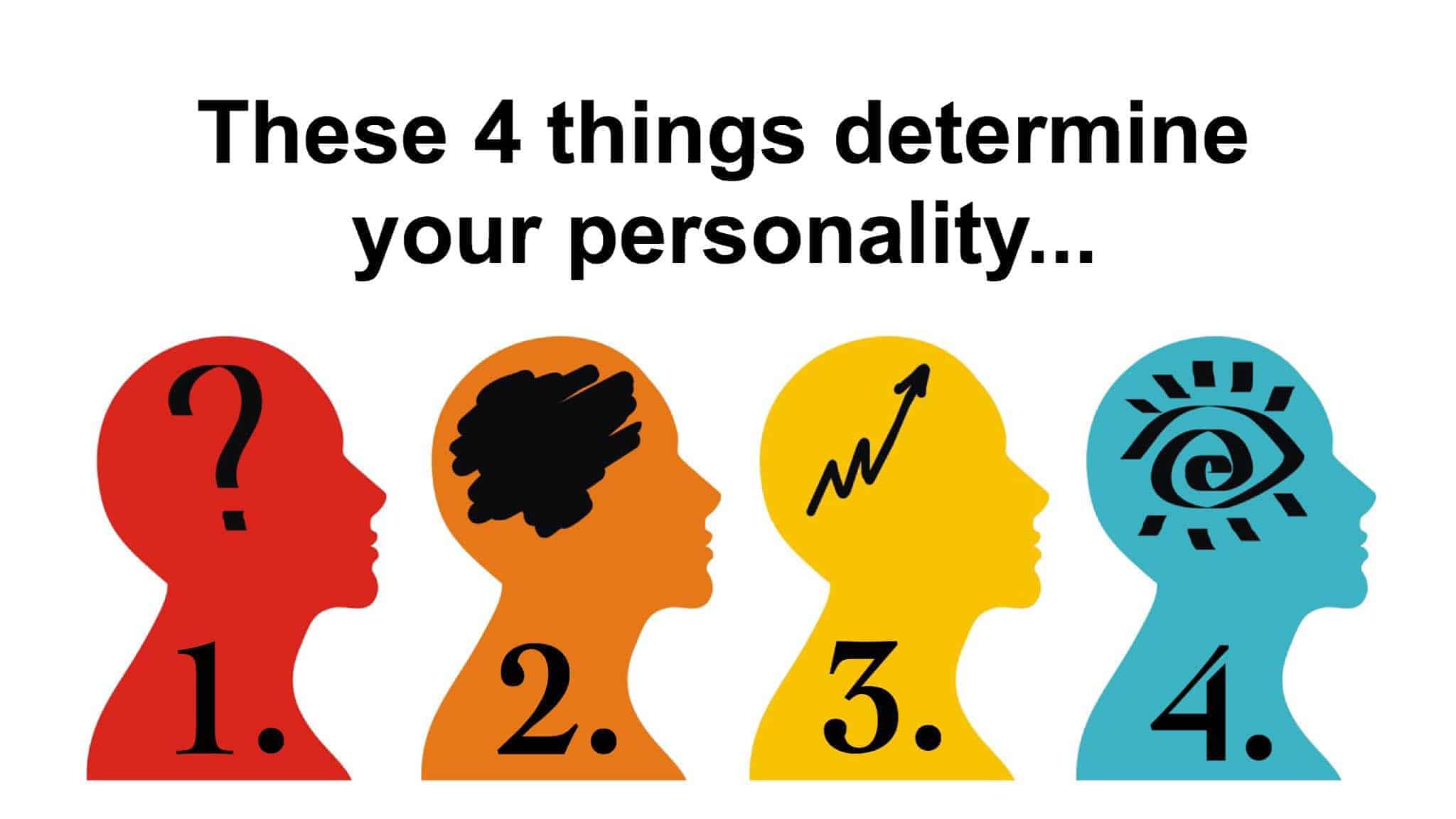
Related article: Psychologists Reveal the 4 Main Elements That Determine Your Personality

14. A biggie in business, how can I use psychology to negotiate in a more successful manner?

You have heard the phrase: “Silence is golden”, now use it to your advantage. The majority of people dislike silence and will want to break it in any way possible, even by giving ground. Silence is your friend!

15. How do I remember people’s names?

There was a general in the French Army called Napoleon Bonaparte. Napoleon was so revered by his troops in the French Army because he remembered the names of all of them. Napoleon said one day, “When you meet someone, make a point to repeat their name when you greet them the next time.” Be the general of your parties or office. Be like Napoleon.

(C)Power of Positivity, LLC. All rights reserved

What You Need to Remember If Your Partner Is Emotionally Unavailable

So you have a partner who, on the surface, seems perfect for you, like blue skies in the Caribbean. However, you have to think a little more challenging as you put the relationship under the microscope, not knowing where to turn. Your Trixie or Trevor may be emotionally unavailable.

At Power of Positivity, we promote happiness and love. Today, we give you a little food for thought with ten things to consider while helping your partner with their unavailability on an emotional level.

THE TOP TEN TIPS FOR DEALING WITH THE EMOTIONALLY UNAVAILABLE

emotionally unavailable

1. Be direct and honest from the get-go.

We know that these people will not just open up and start to talk. Tell Trixie or Trevor how being shut out is a non-starter and be clear about what you want out of the relationship. If they start reciprocating directly and honestly, feel free to move forward with what you have.

2. Find out why they are emotionally unavailable.

Some people believe putting themselves in a bubble will protect them from pain. On the contrary, you want to be with them and make them happy, as that makes you happy. Show that you accept them for who they are and let them know that having foibles is part and parcel of any relationship. Ask pertinent questions as to what happened to make them form the bubble in the first place.

3. Shift the focus if asking questions proves unfruitful.

Do not feel bitter if the last point did not hit the sweet spot. Instead, give Trixie or Trevor some space to think about what you said and squeeze the juice out of life with other people, though not another love interest. By sewing these seeds, you will be stronger and fresher as a person, and it will ripen the relationship.

4. Don’t try to fix them.

Nothing says “I love you” more than thinking that Trixie or Trevor is like a broken smartphone screen. Hands up. Who knew that was sarcastic? In all seriousness, there is nothing you can do. Also, if they do not see a problem, you know the saying about a certain creek without a paddle. Either accept them as they are or abandon ship.

5. Be patient.

A Czech proverb says that patience brings roses. Check in to the patient’s hotel because, should you decide this is the right person for you, your stay will be long. You must never lose your rag by checking out how to get those roses. By giving your partner the hairdryer treatment in the hotel room, the relationship will suffer by not disclosing more things to you. You both will thank the Czechs for this later.

6. Not take things personally.

It is one of those that is easier said than done, but when Trixie or Trevor shuts down, they are anxious and oppressing certain negative emotions. This has nothing to do with you. However, being objective in something so personal as a relationship is one of the most challenging things to do in life.

emotionally unavailable

7. Do not chase an emotionally unavailable partner.

If, after trying to do the above, they have decided to bolt, chasing after them is the worst thing you can do. Again, it is not the easiest thing to do, given your feelings. When you both calm down and start missing you, that will be your cue to try again.

8. Be understanding and aware of their feelings.

As we already know, these people want to avoid these harmful emotions. You may even unwittingly trigger a bad reaction, so be in tune with their emotions and your own. Let them do their own thing if that is what they desire. Remember, you can only control what you do and say.

9. Be as communicative as possible.

Being really gentle in your communication

Will be such a trial and tribulation.

But if the emotional mirror is you,

You’ll be sure to break through

And in this, there is a cessation.

10. Do not give up on an emotionally unavailable person until you need to let go.

Give it all until you feel you can no longer do so. Keep trying so that you know you have tried your best for the relationship. If you see that none of what you have done is enough, you must leave for your well-being.

11 Signs That Tell You Are Surrounded By Negative People


Emotional energy is all around us. The way we interact and connect with people has a lasting effect on our lives. Whether this effect is positive or negative dramatically depends on the emotional energy that we surround ourselves with. Every single person brings something different to a relationship. So the more positive the people that we let into our lives, the more confident and energized and connected with life we feel.

When most of our relationships involve surrounding ourselves with negative energies, our energies also risk becoming negative. Negativity affects the very way we see our life and the lives around us. A lack of positive thoughts and interactions can cause anxiety, depression, and isolation.

Sometimes, the negativities in another person’s personality can be very subtle. It might not be easy to detect when you’re in contact, or even surrounded, with negative people.

HERE ARE 11 TELL-TALE SIGNS THAT YOU’RE SURROUNDED BY NEGATIVE PEOPLE

positive people

  1. THEY ARE ALWAYS PESSIMISTIC

Negative people have trouble seeing the good in any situation, even one that hasn’t gone bad. A warm, sunny day will turn into a thunderstorm in the eyes of a pessimist, and there are very few ways to convince them otherwise.

  1. THEY ARE ALWAYS THE VICTIM

This goes almost hand in hand with being a pessimist. For negative people, bad things just happen to them, and there’s nothing they believe they can do to change this. They will always consider themselves the victim of whatever situation they find themselves in, even if they are the one that caused it. People who always play the victim will refuse to take responsibility for any of their actions. You are the one who is always in the wrong, and they are the ones who have been hurt.

  1. THEY CAN NEVER FIND TIME FOR YOU

Negative people will make excuse after excuse, and give any reason that they can do that they don’t have to extend any of their emotional energy on you. At the same time, they will demand you expend that same energy to them and become sullen when you are unable to do so. Friendship and positive relationships are a two-way street. If you find yourself surrounded by someone who only wants to hang out on their time, this is a red flag.

  1. THEY WILL USE YOU

This type of person will be known to give you the time of day only when they get something out of it. Whether they use you for money, transportation, emotional support or even sex, negative people will always seem to be around and giving you the validation and positive interaction you crave only when it garners a reward for them. For these people, nothing is done for free.

  1. THEY ARE COMPLAINERS

Negative people often have very little good things to say. No matter what, they will always find something to complain about. They will complain about sweat or sunburn if the weather is warm and sunny. Nothing is good enough for them. They will also complain about aspects of your friendship or your personality.

dealing with complainers

  1. BEING AROUND THEM IS PHYSICALLY AND EMOTIONALLY DRAINING

Friendships should be positive experiences, and you should always anticipate with positive emotions the next time you see someone you enjoy hanging out with. Negative people, however, will begin to make us anxious when we know that we will be spending periods of time with them. They begin to suck the energy right out of the very room they are in.

  1. THEY WANT TO CHANGE YOU

Nothing is ever good enough for these types of people, and that includes you. They might dislike your hair or your sense of style. Or, they may disapprove of something more intrinsic to your being. These dislikes might include your personality or hobbies, negative people will see something about you that they don’t like and they will try to change it.

  1. THEY GOSSIP

Exchanging social information isn’t always a bad thing, and it isn’t always gossip. However, negative people turn to schoolyard gossip. If you find out from someone else that someone who is supposed to be your friend has been saying cruel, gossipy things behind your back, then you are definitely surrounding yourself with negative people. You shouldn’t have to hear from the grape vine things that are being said about you by your friends.

  1. YOU FIND YOURSELF FEELING MORE NEGATIVE THAN YOU USED TO

Sometimes, the signs that you’re surrounding yourself with the wrong kind of people and energies comes from within. If your positive, upbeat personality has taken a turn into a more pessimistic, anxious type, you may be suffering from the negative energies of those around you. By hanging out with negative people, you may run the risk of becoming negative yourself, which will then start to affect the positive people around you.

  1. THE POSITIVE RELATIONSHIPS IN YOUR LIFE ARE SUFFERING

When you start to become negative due to the negative people in your life, the positive relationships that you surround yourself will begin to suffer as well. You may find that other people are starting to pull away from you because they are starting to feel the pull of your own negative energies.

  1. THEY ARE JEALOUS

Having envy is a human emotion, and we all feel it sometimes. However, a negative person’s jealousy of you will make them incapable of being happy for you no matter what good comes your way. Positive relationships involve affirmation and validation. A negative, jealous person will always be angry or sullen when something good comes your way. This may lead to them treating you poorly or trying to drag you down emotionally because they don’t have what you have.

“I think it’s important to get your surroundings as well as yourself into a positive state – meaning surround yourself with positive people, not the kind who are negative and jealous of everything you do.” – Heidi Klum

10 Commitments to Make to Your Partner Every Year

Doesn’t it seem like the years just fly by these days? Time certainly seems to move fast, and in a relationship, it’s important to make the most of every second you can spend together. So, if you’re looking for ways to connect with your partner on a deeper level and cherish every moment you spend with him or her, check out our list below of things to cross off your relationship bucket list this year.

10 Commitments to make to your partner every year:

emotionally intelligent partner

1. Every year, you and your partner should take a trip together, just the two of you.

A getaway without any other family members in tow can be a romantic way to reignite sparks with your partner. Even if you don’t have children, the uninterrupted time in a cozy hotel room gives you space to relax away from the things that need to get done. Just removing that constant ‘to do’ list will help both of you to connect.

2. Every year, you should give your partner a vacation away.

Researchers at the University of Utah studied couples who took time away from each other. They say that when they are separated, partners may not have as much enjoyment as they would if they were with their other half, but they also do not have as many opportunities for arguing as they would have if they were together. A brief separation of 4-7 days may allow both partners perspective for the bigger picture of the relationship as compared to daily arguments.

The researchers studied the cortisol levels of partners who spent time apart and found that stress related to separating from each other quickly reduced upon the reunion of the couple. They say that ‘partners in long-term relation- ships should feel and function better when they are regularly together than when they are regularly apart.’ And you both probably prefer it that way too.

3. Every year, you should make a big deal about your partner’s birthday and your anniversary

As a couple, you have a lot of time spent together doing things that you both enjoy, but there are special occasions that require a slightly bigger effort on your part. Birthdays and anniversaries are two big occasions that can mean big pressure.

When you are part of a long-term relationship, your partner has probably already either told you or shown you that they either don’t expect a gift or they might tend to get upset if you don’t. Make it a non-issue by always making a big deal about it. The thought is what counts here but the amount of money spent is less important.

In a study of love behaviors in relationships, both men and women considered behaviors like having a picnic, going for a moonlight walk or receiving flowers to be a sign of love, but women placed greater emphasis on these behaviors than men did.

4. Every year, you and your partner should have an elegant evening out

When was the last time you both got dressed up and headed out for a night of romance, dining and dancing? If your answer was back when you were dating, then it’s time to break out of your routine with an elegant evening out once a year.

pop meme

5. Every year, you should take over any of your partner’s regular chores

Your partner is responsible for a certain amount of household work in your home. Once a year, surprise them with a day off while you take over their duties. You shouldn’t suggest that they do the same for you, but we are hoping that maybe they reciprocate. Or maybe you’ll have a great night in bed together where your partner can show their appreciation for you.

6. Every year, you should visit the place where you first met your partner.

Your life changed the first time you met your soulmate and ever since then, you’ve been happy to have them in your life. Show your partner how much that day meant to you by going back to the place that you met every year. You can read your partner our article 5 Things That Happen When You Meet Your Soulmate and tell them other ways that your world has changed since you met them.

7. Every year, you should write your partner a love letter

Writing your feelings is easier than you might think. You can describe how you feel in your body when you see your partner smile or touch their skin. Write about what your partner does that gives you a sense of joy.

Need more ideas? Write about the first time you saw your partner, one thing that your partner did in the last week that you thought was sexy, or your hope for your future together with your partner.

8. Every year, you should create something special just for your partner

Even if you aren’t artistic, you can create a meal, a dessert, or a snack that has all the things that your partner loves to eat. You can call this their signature dish and the fact that you created it just for them is special.

9. Every year, you should learn something new about your partner

You probably learn something new about your partner more often than once a year but make an effort to ask your partner a question that you don’t know the answer to. Did they always have a good relationship with their cousins? What was their childhood dream of what they would be as an adult? Where do they see themselves in five years?

how to reconnect with your partner

10. Every year, you and your partner should meditate together.

Researchers have found that meditation, prayer, addiction and romantic love all share similar neuron pathways in the brain. These centers in the brain release dopamine, which has a pleasurable effect on our bodies and can become addictive.

If we meditated on and sent positive energy while focusing on our romantic partner, could we strengthen our romance into an addiction to love? The possibility might be worth a try.

20+ Uses for Coconut Oil

To date, there are over 1,500 studies proving coconut oil to be one of the healthiest foods on the planet. Coconut oil benefits and uses go beyond what most people realize. – draxe.com

Wherever and whenever a natural alternative to “traditional medicine” (read: drugs, insurance claim revenues) is presented, the idea – whatever it may be – is promptly scrutinized. Various applications of coconut oil, though proven through science, is one such natural alternative.

Coconut oil is an exceptionally healthy byproduct of mature coconuts – and it has a variety of everyday uses.

In this article, we discuss 20+ everyday applications of coconut oil. To concisely explain these numerous benefits, we’ve categorized them into five groups.

With so much to cover, let’s get going!

20+ Amazing Ways to Use Coconut Oil

Beauty uses

– Anti-dermatitis solution. Regular use of the oil has been shown to improve a condition called atopic dermatitis – a condition that produces dry, itchy, and oozing skin patches.

– As a body scrub. Combine a tablespoon of this oil with a tablespoon of ground coffee, and you’ve got a great body scrubbing mix! Alternatives to ground coffee are coconut shavings, ground sea salt, grits, and sugar.

– Lip balm. Oil from coconuts has demonstrated potent skin healing properties. The substance can alleviate chapping, and replenish the skin of the lips.

– Eye creamer. People can reduce wrinkling around the eyes by applying the  oil around the affected areas prior to bedtime.

– Dandruff solution. Coconut oil possesses strong anti-drying properties. Overnight application of the product to roots of the hair can effectively decrease the prevalence of dandruff.

– Repairing damaged hair. Rubbing the product into hair roots, and dispersing it through the length of the hair may repair any damaged hair. Keep the mixture in your hair for 30 minutes to an hour, then wash with shampoo.

Cooking uses

– Prolonging egg shelf life. Oil extracted from coconut is a potent antibacterial substance. Applying a thin layer of the product to eggshells can increase shelf life.

– Frying and baking alternative. Plant oils derived from animal fat and vegetables quickly lose their health properties once heated. Coconut based oil maintains these properties despite the application of heat.

– Homemade mayo. Instead of using a different oil source, use this oil. It will not only enhance the taste of mayonnaise; it will do so without increasing bad cholesterol levels.

– A healthy, energy-laden smoothie. Are you a smoothie drinker? Good. Coconut oil possesses energy-producing properties – and without the added sugar.

Health uses

– Bone health. The methods of strengthening your bones are: (1) onsumption (a smoothie, for example!), and (2) massaging the product into painful joints.

– Hangover cure. In a study published in The Journal of Nutrition, healthy saturated fats like this oil may reduce the dehydration and pain-inducing effects of heavy alcohol consumption.

– Inflammation cure. Study after study has reaffirmed the anti-inflammatory effects of coconut oil. Practical uses for the product include application to burnt skin or swelling from an insect bite.

– Fever reduction or painkiller. As an antioxidant and anti-inflammatory compound, it comes as no surprise that coconut oil may relieve fever and pain.

– Improves thyroid health. Health professionals adamantly recommend the consumption of health fats to improve thyroid function and reduce glucose levels. Coconut based oil contains lauric acid, which is known to boost HDL (“good cholesterol”) in the body; this physiological effect is good for thyroid health.

Pregnancy and motherhood uses of coconut oil

– Breast health: During the breastfeeding phase, it is common for the skin surrounding the nipples to crack. The oil remedies this symptom healthily – for both baby and mother.

– Baby skin protection: As mentioned, coconut oil has numerous properties which enhance skin health. A baby’s skin is extremely delicate – and this oil, in study after study, has confirmed it is the best skin care product for babies. Diaper rash – an acute, common skin condition in babies – is a condition treatable by coconut oil.

–  Stretch marks: Gently applying  oil twice a day to stretch marked areas is effective both pre- and post-pregnancy. Coconut oil has powerful skin healing, moisturizing, and soothing qualities – and is safe to use during pregnancy and following delivery.

General daily uses

– Flame ignitor. Don’t purchase some overpriced “fire starter” product. Soak a cotton ball in coconut based oil and drop it into some wood or charcoal.

– Furniture shining. You can prevent material deterioration of furniture by applying oil to a part of cloth and evenly wiping it along the piece’s surface. Coconut oil is particularly effective against cracking and drying of wooden furnishings.

– Lubricator. Who hasn’t been frustrated over a stuck zipper on a jacket, purse or bag? Applying a small dab of the oil to the zipper (not the thread) may take care of this problem.

– Sharpening blades. Kitchen “blending” appliances are designed with sharpened blades; using coconut oil can help maintain sharpness of the blade while protecting them from rust.

– Shining leather. Leather lovers appreciate some well-shined bags, gloves, shoes, or purses. Proper, evenly distributed amounts of this oil can restore some of that gloss.

(C)Power of Positivity, LLC. All rights reserved
Skip to content