Weekly tips, affirmations, and small actions to feel your best.

Kind Barbers Help Autistic Kids Feel Safe By Cutting Hair Anywhere

“Autistic children (can) often find having their hair cut extremely distressing because of sensory challenges associated with the condition. This means that when (they) are having their hair cut, the feeling of hands running through the hair landing on the face or body and the noise of scissors can cause distress.” – Meleri Thomas, National Autistic Society

For parents with an autistic child, routine parental responsibilities can prove exceptionally difficult. One such routine? Getting their children’s hair cut.

Per the UK National Health Service, autistic children display the following behaviors:

– “reacting unusually negatively when asked to do something by someone else”

– “not being aware of other people’s personal space, or being unusually intolerant of people entering their own space”

– “preferring to have a familiar routine and getting very upset if there are changes to this routine”

These are perhaps the biggest problems when a parent takes an autistic child to the hairdresser. A regular haircut usually takes about 15 to 20 minutes while remaining still in a chair – something that autistic children have an exceptionally difficult time doing.

For hairdressers, there’s also an inherent risk. After all, cutting hair requires the use of scissors – and a sudden jerk can injure the child. The difficulties and risks a hairdresser must deal with have led to many within the profession turning away autistic kids.

Fortunately, there are some hairdressers with the patience, heart, and skill to tend to these special children’s needs.

Donncha O’Connell: “We do have a few kids with special needs coming in. You take your time. (I) find that if you’re relaxed around them then they generally don’t have an issue.”

autism

(Picture: Facebook/Evan O’Dwyer)

As with many autistic children, 16-year old Evan O’Dwyer has his “safe places” – one happens to be the backseat of his Mother’s car, where Evan enjoys eating and even getting dressed.

When the young man objected to getting his hair cut in the shop, barber Donncha O’Connell was unflappable. He grabbed his tools while following Evan to the back of the car. Apparently, Mr. O’Connell’s kindness and warmth left a lasting impressing on young Evan.

“Evan for the last 14 years has gone back to the same place. I just found there was something about Donncha. He’s so laidback. He’s so good,” says Evan’s mother, Deirdre.

Mr. O’Connell just takes it all in stride: “I’ve never cut anyone’s hair in the back of the car. (It’s) not a huge deal. Obviously, it’s a big thing for Deirdre. You do what you have to do.”

“Evan can decide where and when he wants to get his hair done, but we go with it.”

James (Jim) Williams: “I want barbers and hairdressers to understand autism. (It) changed my whole aspect of the world.”

James Williams, the owner of a barber shop in Wales, Great Britain, says “Some hairdressers refuse to cut the hair of autistic children. That’s because they will scream and respond badly, but I’m trying to get the message out there that they shouldn’t be turned away.” He adds “One of the biggest arguments I have with other hairdressers is when they make someone with autism sit in a chair to have their hair cut.”

Mr. Williams has cut a child’s hair in some interesting places: lying on the floor, sitting on a desk, on a windowsill, and in a car. How does he do it? “I try to pick up on the child’s emotions.”

One of William’s clients, a 5-year old boy named Seb, had a bit of a hard time at first. “To start with, he would walk around the salon with James following him cutting it when he could. Now he sits in a chair with his iPad and, for the most part, allows Jim to do it,” explains his mother Claire, “Although Seb still grumbles Jim will joke with him.”

Mr. Williams plans to create a map of hairdressers where autistic children “are actively welcome” and publish it online.
Web Sources:
http://www.independent.ie/irish-news/news/this-cork-barber-went-the-extra-mile-to-help-one-of-his-regular-customers-who-has-autism-35771015.html

http://www.insideedition.com/headlines/23723-kind-barber-helps-calm-teen-with-autism-by-cutting-his-hair-in-familys-car
http://www.nhs.uk/Conditions/Autistic-spectrum-disorder/Pages/Symptoms.aspx

Why Your Body Needs A Hug Every Day

“It is a great day to give someone a hug. Isn’t that every day?” At Power of Positivity, we think it is every day.

Do you want to feel on top of the world today? Give a hug to a loved one. The tighter, the better. “Mental hugs” do not count; they must be physical! Now we know that a hug can make us feel great, but why does the body need this?

Why Your Body Needs A Hug Every Day

“A number of studies now showing that this simple act of kindness may have benefit to those who give, and those who receive,” affirms Liz Bonis, medical reporter of Local 12 News Cincinnati.

It sounds grand! However, what are these benefits? It increases the body’s production of oxytocin, which explains why hugs make us feel great, as mentioned previously. Let us examine what oxytocin is and what its bodily benefits are. Oxytocin is a neurotransmitter which helps the emotional centre of the brain with feelings of happiness and reduction of stress and anxiety. Look lively, ladies – it has been shown that oxytocin makes men more affectionate and bond better.

hugs

Do you want better sex, fellas? Hugging has also been proven to increase sexual performance, so it is the body’s very own viagra. The Big O – that is Oxytocin in this case, brings to the table far more than just making you bond more or enjoy quality sex. It aids the curtailment of cortisol, the hormone to deal with stress which can harm the body if it is present for long periods of time. So this combination can lead to better sleep. One other way the Big O and hugging combine so well is that helps protect against heart disease, according to research by the University of North Carolina. This happens because those who do not hug their romantic partners have a raised heart rate by ten beats per minute.

A Study Proves it

One such study that Bonis from Local 12 News Cincinnati describes is the one by Carnegie Mellon University (CMU) in Pittsburgh, Pennsylvania. It suggests that hugging and social support will make you less likely to be ill due to stress. CMU conducted an experiment to prove this on 404 healthy adults. For each of these test subjects for fourteen evenings without fail, questionnaires were on the pulse for social support and interpersonal conflicts and hug frequencies were noted by the team via telephone interviews.

After those two weeks elapsed, they were all intentionally exposed to the common cold virus and monitored in quarantine to look at the infection as a whole, signs and symptoms. The results showed a lowered risk of infection associated with aforementioned conflicts due to social support. Hugs made up roughly 33% of the total protective social support, a considerable amount by all accounts. Among those infected with the common cold, symptoms were milder for those who received social support and engaged in frequent hugging, regardless of whether or not they endured any conflict. Unlike pills and other forms of medication, hugs cost nothing in terms of your wallet. How is that for a great feeling?

In brief, hugging makes you feel positively happy, healthy, sexy, and smiling with help from our Big O, without leaving a hole in your pocket in terms of having to buy medication. Unfortunately, we are not able to give you a hug to say thanks for reading, but what we can do is encourage you to go hug crazy with friends and family and even people you do not even know. If you wish, you can blame Power of Positivity for your sudden enthusiasm for a simple, everyday act that creates so many feel-good vibes. Go on, catch the Hug Bug and release the Big O into the world!

References:
Bonis L., “Health Alert: The benefits of hugging”
YouTube video
Local 12 News Cincinnati
https://www.youtube.com/watch?v=MXubcPyZ0-Q
Rea S., “Hugs Help Protect Against Stress and Infection, Say Carnegie Mellon Researchers”

Carnegie Mellon University
https://www.cmu.edu/news/stories/archives/2014/december/december17_hugsprotect.html
Linser S., “Hug Therapy: 6 Little -Known Benefits of Hugging”

True Stress Management
http://truestressmanagement.com/hug-therapy/

5 Mistakes You Will Regret Making in 10 Years

We make hundreds of decisions throughout our lives that can greatly change the situation of our circumstances. We also don’t make decisions. That is to say, we let things continue the way they are without deciding to do something to change our situation, even when we want to. Sometimes, we make the wrong decisions, even when they seem right at the time. Life isn’t complete without making mistakes.

Mistakes are how we learn and grow as people. Sometimes, though, mistakes we make in our lives will lead us to regret those seemingly good decisions. Sometimes, the mistake is choosing not to act at all. The effects of our choices, or lack thereof, could lead to regrets down the line. You will find yourself asking, “What if?” and unable to come up with the answer. Here are five mistakes that you will inevitably regret in ten years.

5 MISTAKES YOU WILL REGRET MAKING IN 10 YEARS

“Don’t do something today you know you will regret tomorrow; think before you act.” – Unknown

1. WAITING FOR THE “PERFECT” TIME

There is no such thing as the “perfect” time to make a move. Whether it be starting a new job, going back to school, sitting down, and finally writing that book you have been promising to write, there will never be a “perfect” time. The perfect time is now. There will always be difficulties and hardships no matter what choices you make. Bumps in the road are normal. If you wait for everything to be perfect, you will be waiting forever. If you wait too long, you may not be able to take the leap you have been waiting to take. Before you know it, it’s far too late, and you regret not starting that drastic change in your life sooner.

2. BEING AFRAID TO TRY

Life is full of attempts. Sometimes, those attempts lead to failures. However, you will never see success if you are too afraid of failure even to try. Whether you are just too comfortable with your life now or too afraid of change to leap, you will regret not allowing yourself to try. Don’t let yourself become full of regret and “What ifs”. Years later, you may be distraught and plagued with questions about what would have happened if you weren’t afraid to try and achieve your goals. If you try, you will never wonder; you will know.

3. CONSTANTLY LOOKING FOR APPROVAL FOR YOUR DECISIONS

If you find yourself looking for your choices to be validated by others and not acting on those choices when they are not, you will be living someone else’s life. It can be hard to make decisions on your own. It’s human nature for us to want our choices to be validated. However, if you are only making decisions that have been pre-approved by family, friends, and significant others, then you are not living the life you want to be living. It’s okay to get input from your loved ones and even to take some advice. In the end, however, the choice has to be yours.

4. GIVING UP

When the going gets tough, it can be tempting to give up. There’s nothing you will regret more, however, than throwing in the towel too soon. Even though things may seem more than you can handle, you will be surprised by your tenacity and strength if you keep moving forward. If you give up too soon, you may never know what you are truly capable of. Years later, you may wonder what would have happened if you gave your goals one more try.

don't give up

5. NOT LEARNING FROM YOUR MISTAKES

If you constantly find yourself in the same unsatisfactory situation repeatedly, you may fail to learn from your past errors. Perhaps the pattern of the mistakes is hard to see, or maybe you are just unwilling to realize you are making the same bad decisions. Once you can open yourself up to see the paths you have taken, and how they have gone wrong, you can take better control of your life. You are the only one who can exercise any authority over your life, and you are the only one who can break the pattern of mistakes. As the saying goes, those who do not learn from history are doomed to repeat it. Don’t be afraid to admit to yourself that something isn’t working. Once you do, you will be relieved by how many more options open up to you.

(C)Power of Positivity, LLC. All rights reserved

What is Dry Drowning? Symptoms, Treatment, and Prevention

Dry drowning is an emergency that requires immediate medical attention. This emergency occurs after spending time in the water and might not be evident right away. It can result in death, but knowing the symptoms can lead to getting treatment right away.

Most people know what it looks like when someone starts drowning in the water. However, many people don’t know what dry or secondary drowning looks like and how to treat it or prevent it. Since the threat of drowning doesn’t end after leaving the water, it is essential to be vigilant.

Dry drownings are rare, but you never know when a terrifying situation can occur. Taking steps to prevent it and knowing the signs are essential and can save a life. This drowning situation typically occurs when someone has submerged underwater, and the risk increases if they’ve been saved from drowning.

Don’t let worry hold you back when you want to enjoy the water, but keep water safety in mind. Once you know the signs, treatments, and how to prevent dry or secondary drowning, you’ll feel better and worry less. Remember that this type of drowning is rare, so don’t let the fear overwhelm you.

What Is Dry Drowning?

Dry drowning is a type of drowning that happens when someone takes in a small amount of water, and the water causes a spasm. The muscle spasm makes the airway close up, resulting in this dangerous situation. The muscles constrain to protect your lungs, but it poses further issues rather than alleviating the event.

Dry and secondary drowning, or what doctors call post-immersion syndrome, is rare. It causes the vocal cords to close up over the windpipe, resulting in a laryngospasm. The laryngospasm could be severe, preventing oxygen from getting in or out, or it could be mild, resulting in difficulty breathing.

Laryngospasms increase pressure in the lungs and heart. It also reduces the ability to take in oxygen and circulate it. Even a few droplets of water hitting the larynx can trigger a laryngospasm, and it can occur from high-speed submersion on a water slide or from jumping or falling into the water.

A lack of oxygen to the brain is the main cause of death or injury during drowning, and this applies to dry drowning, too. Sometimes, if there is fluid in the lungs, an infection can set in and cause death, however.

This type of drowning is more likely to occur when a person has had a water drowning incident. For children, it most frequently happens after they’ve been underwater because they don’t know to avoid water inhalation. No matter how long someone was submerged, seek medical advice immediately to be safe.

What Are the Symptoms of Dry Drowning?

While dry and secondary drowning is scary, there will be visible and noticeable warning signs. If you notice the signs of dry drowning soon enough, there is time for medical treatment. Some symptoms might not be as evident, and young children might be unable to communicate a problem.

Be vigilant and keep an eye on your child. If you notice any differences, pay attention and watch for the following symptoms:

  • Persistent and Unexplained Coughing: Anytime someone has a persistent cough after swimming and didn’t have one before, they should get medical treatment. If the cough continues for more than 30 minutes, it is a sign of difficulty breathing or water in the lungs. The cough will be dry and won’t ease even after drinking water.
  •  Difficulty Breathing: If a person has trouble breathing after water inhalation, it isn’t a good sign. They might exhibit rapid, shallow breaths and feel like they aren’t getting enough air.
  •  Increased Effort to Breathe: Flaring nostrils and seeing the space between the ribs when someone inhales shows an increased effort to breathe. When these symptoms occur, it is a sure sign that they aren’t receiving enough oxygen.
  •  Fatigue, Low Energy, Or Sleepiness: One of the first symptoms that people experience is low energy after swimming. While sleepiness often occurs due to overexertion from swimming, it could also indicate that oxygen circulation is cut off. Avoid sleep for a while after being in the water, especially after a water incident.
  • Vomiting: Throwing up indicates a lack of oxygen. When vomiting occurs after getting out of the water, it is a sign that medical attention is necessary. If vomiting accompanies other symptoms, treatment should begin immediately.
  • Chest Pain: When chest pain occurs with other symptoms, it is a sure sign of issues with the airways. Chest pain typically occurs with coughing and difficulty breathing. The chest pain starts as mild discomfort, and the pain worsens until the condition is treated.
  • Irritability: When the brain doesn’t get the oxygen it needs, it can cause irritability and sudden mood swings. The irritability will likely occur with fast breathing and a racing heart.
  • Difficulty Speaking: Dry drowning causes the vocal cords to close, so speaking will be harder or impossible. When they can’t talk, it means that oxygen likely isn’t getting through, either. If this symptom is present, the victim should seek medical care right away.
  • Unusual Behavior or Forgetfulness: If someone’s behavior changes after swimming, pay attention to them and watch for other symptoms. They might also exhibit forgetfulness when they typically don’t have that problem. In some cases, the victim will be confused and unable to acknowledge verbal instruction.
  • The Person Required a Water Rescue: If someone gets pulled from a pool or body of water after a water incident, they might experience dry or secondary drowning. Anytime someone has a near-drowning experience, the person should receive a professional examination from a medical provider.

 What’s The Difference Between Dry Drowning Vs. Secondary Drowning?

Dry and secondary drowning are similar, but there are some differences.

Dry Drowning vs. Secondary Drowning
Symptoms typically begin with an hour Symptoms can start up to 24 hours later
Water never reaches the lungs Caused by accumulated water in the lungs from swimming
Causes vocal cords to spasm and blocks airways Typically causes pulmonary edema

How Is Dry Drowning Treated?

Dry and secondary drowning each requires emergency treatment, so getting help right away is essential. Don’t wait to see if the victim’s condition improves, and call for emergency medical assistance rather than having someone else drive. Medical treatment can begin as soon as paramedics arrive, and every minute counts.

If you can, as you wait for medical help, ensure that the victim:

  • Remains calm to avoid further muscle tension
  • Stays in a supine position, lying with their face upwards
  • Turns their face slightly to the side to allow water to drain from their mouth or nose

Once the victim gets help, the following treatments will occur:

  • Stop the process by removing water from the airway or lungs
  • Stabilize vital signs by opening the airway
  • Increasing blood flow to the lungs
  • Ventilator or respirator
  • Medical observation to ensure regular breathing resumes

In severe cases, the following treatment might be necessary:

  • Resuscitation
  • Oxygen treatment
  • Breathing tube

Can Dry Drowning Be Prevented?

While you can prevent dry or secondary drowning, accidents can still happen. The victims of most drowning deaths each year are children younger than 15, so many prevention methods apply to kids. Prevention tips are the same as those for regular water drowning, with a few exceptions.

Here are essential tips on how to prevent dry drowning:

  • Supervise children in the water and after they get out, even if they know how to swim
  • Sign yourself and your kids up for swim lessons and learn to avoid breathing in water
  • Practice water safety and use flotation devices in deeper water
  • Never leave standing water where children are unsupervised
  • Learn CPR in case an incident occurs in your presence
  • Don’t swim alone
  • Pay attention to the weather if you are swimming outside
  • Look for hazards in the swimming area before entering
  • Don’t leave children alone around water, even for a minute
  • Be aware of waves in a lake or ocean
  • Don’t drink alcohol around water, whether you’re going in or watching others.
  • Avoid entering the water when you’re injured.
  • When in natural water, know the depth, temperature, and if any dangerous currents exist
  • Keep approved flotation devices on all boats and watercraft
  • Don’t swim while you’re fatigued
  • Make sure pool gates remain closed at all times

Final Thoughts on Knowing the Dry Drowning Symptoms, Treatment, and Prevention

Dry drowning is a scary accident, but recognizing the symptoms and seeking treatment right away can prevent death. Plus, knowing how to prevent dry or secondary drowning can help you avoid the situation altogether. Even with the best prevention methods, though, you should learn to recognize the symptoms.

After water submersion, watch for symptoms, and as soon as one occurs, call for emergency services. Don’t try to wait it out, and don’t assume that it’s nothing. It is always best to be safe and seek treatment for dry drowning, even if you aren’t sure.

Don’t let the fear of dry or secondary drowning keep you away from the water, even if it is worrisome. It is a rare situation, and if you stay vigilant, the risk is low. Enjoy a day in the water and rest easy knowing that you understand the symptoms, causes, and ways to prevent dry drowning.

A Powerful Thank You Letter to My Soulmate

Dear Soulmate,

We’ve been through some hard times together, but we’ve also made amazing memories that will last a lifetime. You lift me up when I fall, listen to my ramblings about life all night, make breakfast when I don’t feel like getting out of bed, and you stick around even when I’m at my worst.

The ride together thus far hasn’t been easy, but we’ve strengthened our bond immensely through all the tough times we’ve faced. No one gets me like you do, and you give me the freedom and space to be myself. Life seems a little less dark and scary with you around, and I really don’t know what I’d do without you. You give me hope, strength, and confidence to tackle my dreams head on and not worry what the rest of the world may think.

You believe in me even when I don’t believe in myself, and you see the light shining within me when all I can see is darkness. You know me inside and out, and it feels so good to finally have someone understand me. I know I’m not the easiest person to love, and I know I can get distant sometimes, but just know that I will always love you and stand in the lion’s den with you no matter what we might face. Nothing in this world can tear us apart as long as we keep loving each other and building each other up. As long as we keep trying to understand one another, listening to each other, laughing together at this crazy world, and creating a life we love, I have no doubt we can make it despite all the odds.

The love we share means the world to me, and I will stick around for as long as you’ll have me. I know times are confusing and we’re still trying to figure things out, but that’s the beauty of it all…the unfolding of life throughout the ups and downs. We’ll look back on all the struggles years from now and laugh at how far away it all seems, and how far we’ve come since then. We can accomplish anything we set our minds to, as long as we support each other and never give up.

I won’t ever give up on you, because you have a beautiful heart and soul, even if you don’t always see it. I love everything about you, even when you get on my nerves sometimes. (I know I get on your nerves at times, too). At least we can laugh about it later, and we never stay mad at each other for too long. I feel that you just get me on the deepest level possible, even if I don’t always express my emotions and thoughts clearly. I could just sit in silence with you for hours and enjoy being with you, without needing to fill the space with conversation.

We’re both complicated souls, but that’s why I love you so much. I like people with depth who aren’t easy to figure out, who don’t always lay everything out on the table. I have always been attracted to quiet people, because they have the most to say. I just love hearing what’s on your mind and having conversations that last for hours, just forgetting about the rest of the world and connecting with the most important person to me.

You make me feel safe, understood, loved, and cared for, and that’s all I could ever ask of you. I know our relationship isn’t perfect, but that makes it beautiful. It’s like watching a flower grow through the concrete and flourish into a garden. That’s how I think of our relationship, and I wouldn’t want it any other way.

relationship quote

I believe in you 150%, and I have absolute faith that you can become whatever you want in life. I see your potential, and I will stand by you every step of the way on your road to becoming the best version of yourself. But, remember that I also love you exactly as you are, and I will love you no matter who you decide to be.

Related article: 6 Ways to Find Your Way to Your Partner’s Heart

You’re amazing, and I hope you know that. Life’s so confusing nowadays, and I don’t have any more answers than when I started this journey, but as long as I have you around, I think I can make it through.

Thanks for being you, babe, and I love you with all my heart.

Sources: my heart.

What Are Your Choices When Something Bad Happens?

One inescapable truth of life is suffering. You’ll experience suffering, as will the people you love. We see bad things happen daily – in person, on TV, in the newspaper, or elsewhere – it seems inescapable.

“If you expect your life to be up and down, your mind will be much more peaceful.” – Lama Yeshe

Maybe one day, humankind will evolve to a point when we can alleviate all of the sorrow in the world – we’d all love that to happen. For now, it’s up to each one of us to acknowledge the current reality while working for a better future.

We have two options when something bad happens: to accept it or suffer. That’s it – there is no option (C). No third curtain. While this proposition may sound harsh, it is anything but. We’ll explain why.

(Note: while this article makes several references to Buddhism, it’s not intended to be a religious or spiritual piece. The tenets of Buddhism, in many ways, are calibrated into man’s moral compass. Buddhism approaches acceptance and suffering from a very humanistic perspective. This fact, in conjunction with self-acquired knowledge on Buddhist teachings and practices, greatly helped for purposes of instruction.)

Here Are Your Choices When Something Bad Happens

bad

Option #1: Acceptance of the Bad

Toni Bernhard, a longtime Buddhist practitioner and three-time author, writes:

“Upekkha means equanimity (in Buddhism). It refers to a mind that is calm and steady in the face of life’s ups and downs. This is a tall order because it means opening our hearts and minds not to pleasant experiences but to unpleasant ones too. Resisting the latter just adds to our own stress to what is already difficult.”

Mrs. Bernhard is a former attorney, law professor, and dean at the University of California-Davis (UCD). After 22 years at UCD, Bernhard was forced to retire because of a rare and chronic viral condition. Instead of dwelling on her circumstances, Bernhard has written three award-winning books on Buddhism and Mindfulness.

People all over the world experience unexpected pain. Some are forced to deal with difficult circumstances every day.

To see the ubiquitous suffering in our world can be depressing and heart-wrenching. Since the dawn of man, people have been stricken with disease, hunger, and poverty. Countries wage stupid wars and kill their own people. Tyrants rule over countries wherein the people have no freedom or rights.

As a result, we (naturally) feel angry, depressed, guilty, helpless, and sad. We weep, mourn, and feel wounded.

We ask ourselves “why?” “Why would this happen to me, I’m a good person.” “What did they ever do to deserve such a thing?” And, in most cases, we can’t explain it. So, we’ll pray, send good thoughts, and ask the Universe to put things in balance.

Then you have to ask yourself: what can you do about it? Send a check, or volunteer your time or skills? Sometimes, there is something you can do; sometimes, there is not.

Acceptance is not indifference. Instead, it is recognizing the situation as it is and not dwelling on negativity. Acceptance is truth and observation. Acceptance is being open to the actual thoughts and feelings we’re having in each moment, whether anxiety, anger, fear, heartache or happiness – and not try to control what’s uncontrollable.

acceptance

Option #2: Suffering the Bad

The first noble truth of Zen Buddhism reads: ‘To Live Means To Suffer.’ This truth, in various ways, is recognized and taught across all religions and spiritual practices.

The story goes that when Prince Siddhartha (Buddha’s birth name) stepped out of his palace for the first time, he saw the following: a new born baby, a crippled old man, a sick man, and the corpse of a dead man. Buddha, until age 29, was completely oblivious to the suffering all around him.

Instead of making a U-turn and heading back into the lap of luxury, the Prince instead left. He gave up his life in search for truth – something that had been hidden from him for nearly three decades.

Various forms of Buddhism are taught today, including secular varieties. All forms adhere to Buddha’s four noble truths:

– ‘To Live Means To Suffer’

– ‘The Origin of Suffering Is Attachment’

– ‘The Cessation of Suffering Is Attainable’

– ‘The Path To The Cessation of Suffering’

All four noble truths have one word in common: suffering. We will suffer. We will see others suffer. Finally, we will experience heartache and pain.

The all-important question is this: will we approach suffering with acceptance, or will we permit suffering to dictate our lives?

Other questions to consider:

Will we realize that some things are beyond our control?

Will we do our part when we witness suffering, or will we sit idly by as bad happens?

The betterment of our world depends on what we choose moment-by-moment. May you and yours experience peace, dear reader.

11 Thoughts to Remember When Your World Is Falling Apart

“When you think your life is falling apart, it’s usually falling together in disguise.” – Charlotte Eriksson

Life can get overwhelming. The world can throw so many things at us, and often times it can feel like everything is crumbling around us. Jobs, money, family, friends – all these things can contribute to the stress of life. When problems and new challenges arise, it may feel like life is throwing more at us than we can possibly, conceivably handle.

Sometimes, that may be true. But being able to slow down and assess every new situation will make all the hardships in your life shift into a new perspective. When it feels like your whole world is falling apart, you have to learn how to stop, assess, and evaluate.

Here are all the things you need to remember when everything is falling apart:

1. THIS PAIN IS TEMPORARY

No matter what you’re going through right now, whether it be money troubles, family problems or an emotional break up, remember that the pain you’re feeling is only temporary. It will not last forever. It may not even last the rest of the day. If you’re able to remember that there was a time where you weren’t feeling emotional pain, you’ll be able to more easily handle it now, instead of becoming overwhelmed.

2. WORRY LESS

Worrying only causes anxiety and makes focusing on what needs to be done harder. If you find yourself worrying over something that you can do nothing about, try to focus on the steps that need to be taken to fix whatever problem or challenge has arisen. If you’ve lost your job, worrying about how you’re going to pay your bills is not going to put more money in your bank account. Instead of worrying, make a plan on how to move forward. Put positive energy forward and don’t let yourself get weighed down by negativity.

3. OTHER PEOPLE’S PROBLEMS ARE NOT YOUR RESPONSIBILITY

While your own life feels overwhelmed with issues, you need to remember to take a step back from trying to shoulder the weight of other people’s problems as well. Being open and available to help others when they need it is a good and positive quality. However, you need to make sure that you’re asserting boundaries and not allowing other people’s problems to become your responsibility on top of your own.

4. JUST KEEP MOVING FORWARD

When your life feels like it’s falling apart, the only possible direction is to move forward. Even when it feels impossible, you need to remember that it’s okay to get back up and keep trying. One failure or bump in the road doesn’t mean that all your plans should be derailed. Life can be tough, but you are stronger than the challenges that life throws at you.

keep going

5. DO WHAT YOU’RE AFRAID TO DO

If your life feels like it’s in shambles and that you’re stuck in this situation, maybe the only way to move forward is to do exactly what you’re too scared to do. Being afraid of change is natural, but being too afraid to actually change can hold you back. Even if it feels impossible, take a deep breath and leap. You’ll be surprised how often you land on your feet.

6. IT’S OKAY TO CRY

Bottling up how you feel, especially when those feelings seem enormous, can cause more stress and anxiety than good. Sometimes, it’s okay to cry when you need to. When things go wrong, or when grief becomes overwhelming, it’s natural to want to cry. Giving into your emotions doesn’t make you weak. Often, you’ll find that after you let yourself have a good cry, you’ll be more clear-headed and be able to take the next logical step forward in your journey.

7. PRACTICE GRATITUDE

When things are falling apart, it can be hard to see all the things in your life that aren’t going wrong. Take a moment to think about the things in your life that are stable, and that you’re grateful for. Being able to think positively will help you put your problems into perspective. If you’ve lost your job, be grateful for a supportive network of family and friends. If you’re having family troubles, take time to appreciate your significant other.

8. YOU HAVE POWER OVER YOUR LIFE

Even though it may not seem like it at times, you are not being controlled by the stars. You have an amazing about of influence and control over your own life, even when everything feels like it’s out of your hands. If everything feels like it’s starting to become too overwhelming, you have the power to make a change.

9. EVERYONE HAS PROBLEMS

Sometimes, it’s nice to know that you’re not the only one who is going through challenges. Remembering that there are people who have weathered the same storms as you can give you strength to keep moving forward. You can find community, validation and solidarity with other people who are going through the same challenges as you.

10. LOOK FOR THE GOOD IN EVERY SITUATION

When life is crumbling around you, it can be hard to continue to see the optimistic side of a situation. Try to look for the silver lining in everything. If you’re going through a bad break up, try to see it as a new opportunity to find your soulmate. When you lose your job, see it as a change to begin your life anew with a career you love. Don’t allow yourself to be bogged down with pessimism. A positive outlook can completely transform your situation.

11. TAKE TIME TO PRAY

Or, if you don’t pray, you can take a moment out of your day to focus on your positive energy. This can double as a moment to re-center yourself so that all that you’re experiencing doesn’t completely overwhelm you. You’ll be surprised how much calmer and focused you feel after forcing yourself to take a minute to focus on all of the positive energy around you and inside of you.

Stephen Hawking’s Powerful 100 Year Prediction

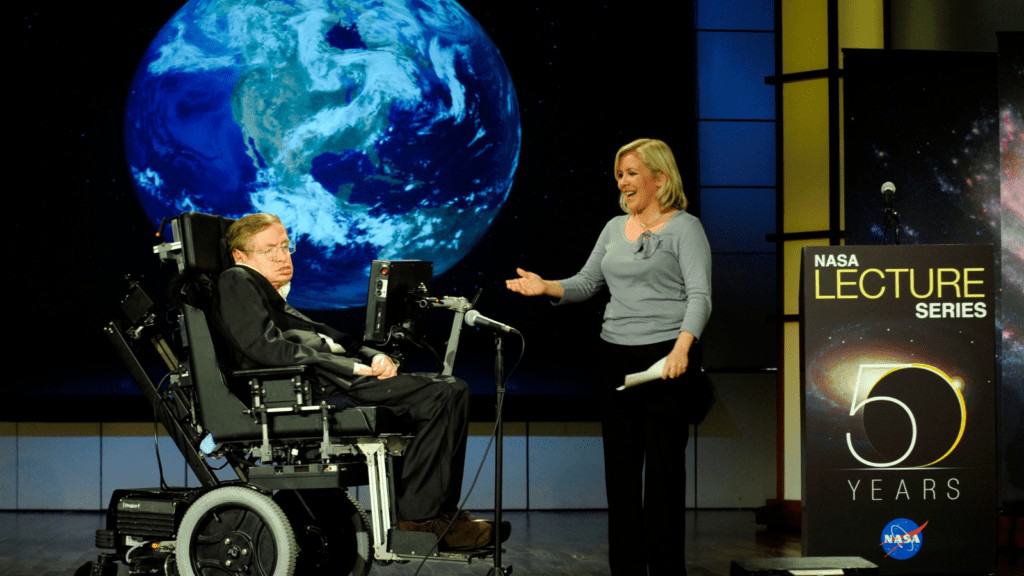
Stephen Hawking is one of the most well-respected scientists in history. To celebrate his 75th birthday, the BBC channel will air a new documentary titled “Stephen Hawking: Expedition New Earth.”

According to a press release, Hawking explains humankind’s “precarious” situation, including “his predictions that the human race only has 100 years before we need to colonize another planet.”

Unsurprisingly, Hawking is taking a bashing for – what some consider to be – an extremely radical perspective. The fact that Hawking initially predicted 1,000 years for colonization is only adding to the scrutiny.

In this article, we’ll discuss a bit about Professor Hawking and his work. To the best of our ability, we’ll contextualize the genius’s predictions.

“With climate change, overdue asteroid strikes, epidemics and population growth, our own planet is increasingly precarious.” – Professor Stephen Hawking

Who is Stephen Hawking?

If you were to pose this question to anyone in the scientific community, you’d likely be mocked, perhaps relentlessly.

Hawking is a graduate of both Oxford and Cambridge University (two of the most prestigious institutions in the word), where he majored in Physics and Cosmology, respectively. He graduated near the top of his class despite “not very much work.”

Dr. Hawking was diagnosed at Oxford with a rare form of amyotrophic lateral sclerosis (ALS), also known as motor neuron disease or Lou Gehrig’s disease. The condition has rendered Hawking wholly paralyzed. He can communicate and give lectures via cutting-edge technologies developed by many companies: Lenovo, Intel, Speech Plus, and SwiftKey.

stephen hawking

Professor Hawking is best known for his work on gravitation, gravitational radiation, black holes, and wave functions. His book, A Brief History of Time (published in 1992), made accessible his elaborate theories to non-specialists. The book ultimately became a bestseller, and has sold more than 10 million copies in 20 years; the work has also been translated into 35 languages.

Where Hawking “ranks” among the best physicists of all time is a matter of fierce debate – a debate that Hawking himself never wanted.

In many ways, Hawking doesn’t fit the traditional “mold” of a scientist. He downplays his intelligence (“People who boast about their IQ are losers”),  has an unabashed sense of humor (“It is not enough for me to wear dark sunglasses and a wig. The wheelchair gives me away”), and is stoically optimistic (“Where there is life, there is hope.”)

Hawking, despite his stubborn opposition, has been called “The most influential physicist since Einstein.” (Which Hawking says is “Rubbish.”) With this kind of clout, people listen when the Professor speaks.

Famous Scientist Says Humans Move to a New Planet in 100 Years

In November of 2016, Hawking’s warnings were three-fold: artificial intelligence, global warming, and nuclear war could destroy the Earth. “Although the chance of a disaster to planet Earth in a given year may be quite low, it adds up over time, and becomes a near certainty in the next thousand or ten thousand years.”

The phrase “next thousand or ten thousand years” is a source of pause for many. There’s a sizable difference between one to ten thousand years and one hundred. What possible reason can explain the physicist’s sudden “100 years” theory? Hawking lists explicitly climate change, possible asteroid strikes, population growth, and epidemics as the biggest threats. (Nuclear war seems more plausible to many.)

Is colonization of another planet the answer? Is it possible, now or ever? And is it even necessary – in a thousand years or beyond?

Should I pack my bags?

First, let’s examine the scientific rationale of Hawking’s “culprits” for extinction:

1. Climate change: Per NASA, 97-plus percent of actively publishing climate scientists concede that “Climate-warming trends over the past century are likely due to human activities.” Few scientists deny the climate is changing, and that climate change following the Industrial Revolution has expedited this warming effect.

2. Overdue asteroid strikes: The last “civilization-ending” asteroid hit Earth over 65 million years ago. As Professor Hawking suggests, some scientists believe we’re “overdue,” but “NASA’s Planetary Defense Coordinate Office does not expect a major asteroid impact in the near future.”

3. Health epidemics: Throughout the 20th and 21st centuries, we’ve had five epidemics that have each resulted in more than one million fatalities – all of them occurring in 1889, 1918, and 1957, 1960, and 1968. The most recent epidemic, the Ebola Virus, was extinguished after just three years.

4. Artificial Intelligence (AI): Hawking is not alone in his warnings about the adverse effects of AI. Elon Musk, the brain behind Tesla, SpaceX, and other ventures, also articulated his stance: “I think we should be very careful about artificial intelligence. If I had to guess at what our biggest existential threat is, it’s probably that. So, we need to be very careful,” Musk continues, “I’m increasingly inclined to think that there should be some regulatory oversight, maybe at the national and international level, just to make sure we don’t do something very foolish.”

stephen hawking

Putting it all together

There is no denying that Stephen Hawking is a genius of the highest order. He is undoubtedly one of the most influential physicists since Albert Einstein. Still, others question his motives, methodology, and even his mental stability (Hawking is now 75.)

That said, a few facts are hindering Hawking’s hypothesis. First, we are nowhere close to achieving the technological capabilities required to colonize another planet. Second, we don’t know if human beings can live on a distant planet; we’ve evolved over hundreds of thousands of years on Earth. Third, many “powers that be” still deny the dangers that Hawking, Musk, and other great minds have articulated.

With all of that said, is colonizing another planet really the answer? Shouldn’t science and rational thinking prevail over the whims of vested interests? It has in some advanced countries. Sadly, the United States cannot claim to be one of them.

The bottom line: we must educate and inform ourselves and future generations of the potential perils this planet faces. Human logic must prevail over ignorance.

20 Habits That Improve Mental Health

Some argue that mental health is just as important as physical health; fair enough, but one could make a strong case that the former supersedes the latter. Without proper mental faculties, no level of physical prowess will overcome this weakness.

“Out of suffering have emerged the strongest souls; the most massive characters are seared with scars.”Khalil Gibran

Our mental health state is dynamic in that it affects everything in every experience. For example, when our mental health is good, our job performance, relationships, and overall quality of life are also good. When we suffer, we cannot effectively navigate our daily life.

As important as mental health is, it’s pretty easy to take for granted. It is easy to succumb to social pressures that place physical attributes (e.g., appearance, body weight) over the mental. Furthermore, those seeking consolation for any mental health problems fear being stigmatized, perceived as “weak,” or otherwise being negatively judged.

The truth is that mental health problems are not a character weakness – they are a chemical imbalance in the brain. Plain and simple. Nothing less and nothing more.

Whether we realize it or not, we are responsible for maintaining our mental health. This responsibility should be second-to-none.

This brings us to the topic of this article: ways to maintain and improve your mental health. We sourced these ideas from the expert team at the University of Michigan University Health Service.

Ten Habits That Improve Mental Health

Try these new habits to help boost your mental resilience.

mental health1. Value yourself.

It’s natural to be our “own worst enemy” at times, harshly criticizing any (real or perceivable) mistake and continually punishing ourselves psychologically.

Despite this default mechanism, make every attempt to practice some self-compassion (there are many ways of doing this, meditation among them.) Allocate time for the things you enjoy, such as your favorite hobbies.

Put: do things that make you feel good about being you!

2. Care for your body.

The connection between physical and mental health is well-established. As such, it is essential to take care of your body. Here are some things you can do:

  • Do not smoke
  • Drink a lot of water
  • Get at least 30 minutes of exercise
  • Sleep at least 7 to 9 hours per night
  • Eat a well-balanced diet, avoiding high-fat and sweet foods and drinks.

3. Watch your social circle.

Not everyone is blessed to have solid family ties, which (unsurprisingly) helps with mental development. However, it’s our responsibility to allow the “right kinds” of people into our life. This means supporting family members or friends and searching for social events that can bring good people into your life.

4. Give what you can.

You don’t need to give away half your paycheck to reap the mental health benefits of generosity. Volunteer your time and energy to help someone else; find a worthy cause you can fully support and stick with it.

5. Understand and practice stress management.

Here’s an uncomfortable truth: some of us are atrocious at managing stress. These types of people face significant disadvantages in physical and mental well-being.

Several structured stress-management systems exist, and many of them are pretty compelling. Dr. Jon Kabat-Zinn’s Mindfulness-Based Stress Reduction (MBSR) program is worth mentioning. There are also plenty of simple stress-reduction techniques that can help, such as moment-to-moment mindfulness.

6. Silence your mind.

Our minds possess exceptional powers. Unfortunately, our minds can also be a liability. We can develop habits such as overthinking that threaten our mental states. As such, it’s important to practice techniques to counteract our “monkey mind.” Among them: mindfulness, prayer, deep breathing, relaxation techniques.

7. Look at your job

Job-related mental health problems are attributed to their inherent stressful requirements. Certain professions, according to health.com, are associated with higher levels of depression. Think of the jobs that work with the public–nurses, teachers, salespeople.

Should you suspect that your job is taking a dramatic toll on your mental health, it may be time to consider your options. Not many jobs are fun, but they shouldn’t be stressful as to threaten your mental stability.

8. Get rid of alcohol and other drugs

Sure, booze and pills can offer some temporary stress relief. However, when this behavior becomes habitual, it manifests into other severe problems.

The challenge lies in making people “see the light” regarding alcohol and drug use. More specifically, the long-term consequences of their use are NOT worth it.

9. Shake things up

Monotony is an inductor of stress. When we do the same thing, accumulated stress can pose a (sometimes severe) threat to our mental health daily. Find a way to mix in something enjoyable, or find ways to “switch up” your approach to work, hobbies, and other routine activities.

mental health meme10. Get some help

Many employers in the United States offer an employee assistance program or EAP. EAP helps employees “with personal problems and/or work-related problems that may impact their job performance, health, mental and emotional well-being.” Other advanced countries offer something similar.

Regardless of whether it’s a board-certified psychiatrist or someone you look up to, find an outlet. Remember: getting help is not a sign of weakness. It is a sign of strength and courage.

11. Get outside

You’ll feel happier and less stressed outside into the sunlight and fresh air. Being outside causes your brain to release serotonin, a natural mood-stabilizing chemical. It’s a healthy escape to recharge your brain and get energized. Try getting out doing an activity such as:

  • Going for a walk
  • Gardening
  • Swimming
  • Having a picnic
  • Birdwatch
  • Taking a bike ride

12. Get enough sleep

People who get enough sleep have less depression and other mental health problems. Sleep recharges your body and mind. It boosts your mind and body, including the following:

  • It helps your ability to learn
  • Boosts your memory
  • Protects your heart
  • Improves your ability to decide
  • It helps you avoid weight gain

13. Eat well

Your mental health connects directly to your physical health. When you eat well, you feel good physically and boost your positivity. Choose whole foods rather than processed. Eat lots of crunchy veggies, fresh fruits, lean meats, and whole, fibrous grains to experience your best health.

14. Read

Reading is an inexpensive way to improve your mental health. It strengthens your brain function lowers blood pressure and heart rate. A study conducted with college students found that the students who read daily felt less stressed. It reduced their psychological distress and improved their overall mental health. It’s thought that reading fiction is the most effective genre to reduce stress. When you’re fully engaged in the story, your muscles relax, and you concentrate. Your breathing and heart rate slow down similarly to when you meditate.

 15. Laugh

Laughing lightens your mood and relieves your anxiety levels. Spontaneous and even “fake” laughter make you feel more positive about life. Laughter is a natural activity that boosts your mental health and relieves stress in your life. Watch a funny movie, read a funny novel or listen to your favorite comedian’s podcast.

16. Express gratitude

When you are grateful, it can reduce your stress. Gratitude helps you to let go of negativity. It allows you to be thankful to the people around you. As you express gratitude to others, you’ll be surprised at how it improves your outlook on life and mental health.

17. Look for the good

Focusing on your life’s bad things makes you feel weighed down. It harms your mental health. Try focusing less on your problems. There’s always some good, even in the most challenging situations. Take some time today to look for the good that’s going on around you.

18. Be creative

Did you know that creativity can improve your mental health? As you focus on your creative activity, your mind is stimulated, lowering your stress. Creativity helps you solve problems.  Studies found invention produces positive emotions and can give you a greater sense of well-being. Individuals who practice creativity say they feel happier and have more energy.

19. Get some exercise

Exercise increases the health of your mind and body. Taking time to exercise relieves your anxiety, helps you sleep, and reduces overall stress. On average, strive to get around 30 minutes of exercise at least three times a week. You don’t need to do the thirty minutes all at once. Break it up with different activities, such as:

  • Yoga
  • Walking
  • Strength training
  • Push-up
  • Swimming
  • Biking

mental health

20. Get a pet

Owning a pet gives you a sense of purpose and reduces stress and anxiety.  Dog owners get more exercise because their dog needs to go for walks. You’ll have a better sense of security and feel less lonely when you have a pet. Pets boost your self-confidence and give you a chance to meet new people in your neighborhood.

Final Thoughts on Developing Habits That Improve Mental Health

If you struggle with depression or anxiety, try incorporating some of these suggestions into your daily routine. Of course, these won’t remove all your issues, but they can help lower your anxiety and boost your overall well-being. Remember, you’re not alone in your struggles. If you struggle with depression, be sure to see your doctor.


(C)Power of Positivity, LLC. All rights reserved
Skip to content