Weekly tips, affirmations, and small actions to feel your best.

Researchers Reveal The Causes of Balding and Gray Hair

What began as a study to investigate the mechanisms of a rare genetic disease may have uncovered instead the root cause of balding and hair greying.

“Although this project was started in an effort to understand how certain kinds of tumors form, we ended up learning why hair turns to gray and discovering the identity of the cell that directly gives rise to hair.” ~ Dr. Lu Le

Dr. Lu Le and colleagues were looking into a disorder called neurofibromatosis type 1 (‘NF1′), a genetic condition whereby tumors grow on nerve tissue in the brain and spinal cord. While this research remains ongoing, the team may have discovered a breakthrough in the cause and, possibly, treatment, of baldness and greying.

Grey hair, hair loss, and balding are natural and heavily influenced by genetics. While losing or greying of hair is not harmful, it can induce psychological stress (which, BTW, is not related to greying or baldness!) To this end, Dr. Le and colleagues believe that their research will eventually produce new treatment options.

Quick Stats About Balding And Graying

According to a study published in the Journal of Dermatology, 74% of people between the ages of 45 and 65 display some degree of greying. 6 to 23% of adults worldwide have 50 percent gray hair coverage by the age of 50 years.

Contrary to popular belief, a higher percentage of women display noticeable hair loss than men. The website statisticbrain.com cites that 80% of women will have noticeable hair loss by age 60, compared to 65% of males.

More data is available on men than women regarding hair loss. 40% of men will have noticeable hair loss by age 35; 65% by age 60, and 70% by age 80.

gray hair

The Study

Dr. Le and colleagues found that an abnormality or absence of one of two proteins – ‘KROX20’ and stem cell factor (SCF) – “play(s) a significant role in hair loss and graying,” respectively.

Previous studies show that hair follicles (openings from which hair grows) contain specialized cells that aid hair growth. Le and his team observed that when SCF cells are transported to the base of the follicle, KROX20 activates in turn, which permits hair growth.

When SCF cells were removed from the genes of mice, the rodents grew gray hairs. When KROX20 were removed, the mice grew no hair at all.

In short, Le’s study shows:

– The molecules involved in hair loss: KROX20.
– The molecules involved in greying: SCF
– The manual transfer and integration of SCF and KROX20 stimulate hair growth with ‘natural’ pigmentation and tone.

The Implications

At the study’s conclusion, Dr. Le notes:

“With this knowledge, we hope in the future to create a topical (applied) compound or to safely deliver the necessary gene to hair follicles to correct these cosmetic problems.”

Let’s break down Le’s answer into two parts: (a) Potential treatment implications for hair loss/balding, and (b) Potential treatment implications for greying.

In one study of 984 people, researchers set out to answer the question “How effective is rogaine?” Of the 984 participants, 62% reported a reduction in hair loss. As far as hair regrowth, the drug was rated as “effective” in 48% of the cases, and “ineffective” in 16% of the cases. All told, the product works at about a 50/50 clip (Rogaine advertises this number as well.)

Dr. Le, it is assumed, seeks to improve on products such as Rogaine by implementing his findings from the study. A topical hair product is traditionally expensive (a 2-ounce supply of rogaine is $30), and – should the product prove effective – the person must continue to use it to see results.

Part (b) of Le’s response is a bit more intriguing; “…to safely deliver the necessary gene…” implies a type of hair gene therapy. As the name all but gives away, gene therapy is an expensive procedure.

Per the American Hair Loss Association, “(gene therapy) is a medical treatment still in its infancy.” As such, there exists few documented cases of the therapy working.

Of course, plenty of hair coloring products exist on the market, and there is no shortage of hair stylists. However, as anyone who has dealt with greying hair can attest, coloring and recoloring is not only expensive, but time-consuming.

When experts refine the gene therapy process for treating hair loss and greying, which is inevitable, they may just find a multitude of participants for their studies.

(C)Power of Positivity, LLC. All rights reserved
Sources:
http://www.americanhairloss.org/hair_loss_research/gene_therapy.asp
https://www.healthline.com/health/does-rogaine-work
https://www.medicalnewstoday.com/articles/317372.php
https://www.ncbi.nlm.nih.gov/pubmed/22716034
https://www.statisticbrain.com/hair-loss-statistics/

Stanford Scientist Reveals How to Feel Motivated (Even If You Feel Lazy)

Addressing What Lazy Is (And What It Isn’t)

This part will be quick: We are all hardwired to be lazy. And we are all guilty to some degree.

Scientists believe that this “laziness” is actually a lingering trait from the days of yore when our distant ancestors needed to conserve every ounce of energy for the next hunt.

A study published in the journal Current Biology states that when we’re in motion, the body automatically adjusts to the most efficient (read: non-fat-burning) way possible. The body is inherently lazy.

“What about the brain,” you ask?

Read on.

The brain consumes 20 percent of our total energy – despite weighing just over three pounds. Neuroscientists estimate that the average brain generates up to 50,000 thoughts per day, at a speed of over 260 miles per hour. Like a car, the brain must conserve fuel – and it does so by shutting down, or being “lazy.”

Daniel Kahneman, Nobel Prize Winner and author of Thinking Fast and Slow, says:

“The evidence is persuasive: activities that impose high demands (on the thinking brain) require self-control, and the exertion of self-control is depleting and unpleasant.”

In other words, the brain and body are designed to be efficient as to conserve energy. Unfortunately, our default mode for saving energy may involve a soft recliner, Netflix, and some Baskin Robbins.

Do you know how many “logical” people there are in the world? Take a guess, but know that the answer may surprise you. Got it?

The answer is zero. Give or take zip.

Bad joke aside, human beings are somewhat illogical creatures. Our brain – the apparatus that controls just about every thought, feeling, and behavior – doesn’t “do” absolute logic. Adding to Mr. Dachis’ above points, if we were entirely logical, we’d be robotic; for the be 100 percent logical, we must be zero percent emotional.

In other words, emotions influence our decisions. Even the most disciplined people in history have made poor decisions under the influence of heavy emotions.

“If we were entirely logical, we’d be able to abandon our bad habits, curb temporary moments of insanity, and practice self-control. Our logic is paired with emotion, however, and sometimes our emotions motivate us to make poor decisions.” ~ Adam Dachis

The Importance of Mindset

As emotions influence our decisions, they indisputably affect our habits. Think of a bad habit that you have. Got it?

Now ask yourself: Why do you keep doing it? You know the habit is bad, after all. (There goes logic.)

Well, if you look at the same data that scientists look at, you’ll see that your mindset is overwhelmingly the most significant factor to your continued “deviance.”

Carol Dweck, a Stanford University psychologist and author of the book Mindset, writes, “in decades of research on achievement and success – a simple idea makes all the difference.” The simple idea? Mindset.

The central findings of Dweck’s work can be explained in a few bullet points:

– Smarts and talent alone don’t bring success.

Praising smarts and talent does not encourage accomplishment and self-esteem; it jeopardizes them.

– “Overachievers” value their dedication and hard work over their inherent abilities. (Kind of like Einstein saying “I’m not a genius,” or Edison boasting that he failed 99 times, but found the one time that worked.)

– Love of learning and resilience are crucial for high accomplishment.

– All of these things are teachable.

At the crux of it all: the fixed mindset and the growth mindset.

Stanford Scientist Explains How to Stay On Track (Even If You Feel Lazy)

new mindset growth mindset

Fixed vs. Growth Mindsets

Individuals with a fixed mindset believe that their fundamental qualities, like their intelligence, talent, and resilience, are set in stone – or fixed traits. These folks believe that talent – or worse, luck – determines one’s success in life. (Luck certainly plays a part, but the reason for most people’s success? Get outta here.)

The vast majority of scientific literature (like Carol Dweck’s) burst these peoples’ bubble quick, fast, and in a hurry. Not only is the fixed mindset empirically disproven and categorically false, but it’s also typically a one-way ticket to failure.

Contrast the absurdity of the fixed mindset beliefs with those of a growth mindset. In a growth mindset, people believe that their most basic abilities can be developed through dedication and hard work. Smarts and talent may supply bricks and mortar; dedication and hard work build and maintain the foundation.

Unsurprisingly, according to Dr. Dweck, virtually every great person has had a growth mindset.

Adopting a Growth Mindset

When it comes right down to it, one’s ability to stay on course in achieving a particular goal – whether it’s losing weight, improving grades, saving money, eating healthier, exercising more, whatever – comes down to whether or not they have, or are working towards, a growth mindset.

Too many people think that the answer lies in motivation. It doesn’t – not one iota. Motivation is fickle and unreliable. Motivation will let you down because it isn’t always present. You won’t always feel like doing what you need to do. What you need is to adopt a different mindset.

Nobody reading these words has to be a victim of his or her circumstances, no matter how unmotivated they may feel. The brain can be trained like any other muscle: if we want to develop a growth mindset, we teach ourselves to think that way one step at a time.

Here is the A-B-C method for developing a growth mindset:

Acknowledge and embrace your weaknesses:

We must always begin in the spot we stand. Human frailty is inevitable; it’s whether or not you acknowledge and work towards converting them into a strength that counts.

Begin seeing challenges as opportunities:

The best piece of advice here is to know that self-control is hard yet rewarding. By continually exercising restraint, you strengthen your self-discipline. In every moment that you don’t give into temptation or weakness, your character is becoming stronger.

Change one habit at a time:

The unfortunate truth is that our energy, attention, and willpower are limited resources. (See Daniel Kahneman’s quote above.)

So, focus on taking concrete steps and change one habit before moving on to the next. And never, ever give up!

Resources:
http://time.com/4027942/lazy-walking-exercise/
https://bebrainfit.com/human-brain-facts/
https://www.developgoodhabits.com/fixed-mindset-vs-growth-mindset/
https://lifehacker.com/5802572/how-self-control-works-and-how-to-use-it
Kahneman, D. (2012). Thinking, Fast and Slow. United Kingdom: Penguin Random House Publishing.

Science Explains 10 Things Proven to Make You Happy

Scientific research suggests that all of us are born with a certain innate level of happiness. What this means is that others are born, well, “less happy” than others.

So give the grumpy guy or gal in your life a break! The good news is that there are scientifically validated ways to make you a happier person!

“Folks are usually about as happy as they make their minds up to be.” ~Abraham Lincoln

Let’s dig in!

Here are 10 things that can make you happy:

happy

#1 Meditation is best for overall happiness.

Yes, meditation is numero uno for a reason!

Shawn Achor, the author of The Happiness Advantage, says:

“Studies show that in the minutes right after meditating, we experience feelings of calm and contentment, as well as heightened awareness and empathy. And, research even shows that regular meditation can permanently rewire the brain to raise levels of happiness.”

In a study undertaken by researchers from Massachusetts General Hospital, scientists compared the before and after brain scans of individuals who participated in an eight-week course on mindfulness meditation. After completing the course, the 16-person group showed considerable growth in the brain regions linked to self-awareness and compassion.

#2 Shorten your commute.

If able, you should consider moving closer to your workplace. Or maybe finding a new place to work. Really.

Also, you can forget about that better-paying job “compensating” for that long trek to work. Scientists say it doesn’t.

In a study conducted by Swiss economists, commuting’s cumulative negative effect outweighs the benefits, such as “having a bigger house or a better job.”

Perhaps Harvard psychologist Daniel Gilbert said it best: “Driving in traffic is a different kind of hell every day.”

#3 Help others – just read this.

In our consumer-driven culture, everything revolves around “me, me, me.” That’s why it may seem counterintuitive that the most successful, happiest people are often the most generous.

Adam Grant, a professor at the University of Pennsylvania’s Wharton School of Business, recommends one of his favorite techniques, the “Five-Minute Favor”:

“What if I just took a couple minutes every day to try to help someone in a way that it’s a small commitment to me, but could be of large benefit to them?”

#4 Forget the latest gizmo. Buy yourself some time.

In a joint study by researchers from Harvard Business School and the University of British Columbia, scientists discovered that using funds to purchase time leads to more happiness than purchasing ‘stuff.’

The dual team surveyed more than 6,000 people from Canada, Denmark, the Netherlands, and the United States. The survey comprised two simple questions: How much money do you spend each month to increase your free time? How many times per month?

People who spent more than the average more frequently reported the highest life satisfaction.

Also, the amount of income the participants earned did not influence the results.

#5 Get enough sleep. You’ll be less grumpy.

Okay, so you probably knew this one already!

But check this study out:

“In one experiment…sleep-deprived college students tried to memorize a list of words. They could remember 81% of the words with a negative connotation, like “cancer.” But they could remember only 31% of the words with positive or neutral connotations, like “sunshine” or “basket.”

Some scientists posit that sleep deprivation targets the hippocampus, which is responsible for processing positive or neutral memories, is responsible for such effects.

#6 Take 30 seconds.

Do you see someone struggling with something that you can help with? Maybe it’s who looks as if they may need a hand with something.

Science shows that taking as little as 30 seconds to help someone will instantly flood your brain with feel-good chemicals – and set you up for a great rest of the day!

#7 Practice the power of gratitude.

Brene Brown, Ph.D., says, “In 12 years of research, I have never interviewed a single person with the capacity to really experience joy who does not actively practice gratitude.”

Those who engage in a regular gratitude practice (mine is closing my eyes and picturing the smiling faces of three loved ones) report:

– feeling happier and less depressed
– having better sleep quality
– being more likely to engage in healthy behaviors, such as exercise

gratitude meme#8 Embrace adversity – and learn its valuable lessons.

People who’ve experienced adversity in their life are happier overall than those who haven’t. According to research, the perspective gained following periods of trial benefits us by:

– shaping and reinforcing our identity
– coping better with current and future stressors
– increasing our resilience
– making us more optimistic about the future.

So, the next time you meet an obstacle – blast through that sucker!

#9 Understand what constitutes happiness

According to science, happiness is a combination of two things: how satisfied you are with your life and how good you feel on a day-to-day basis.

Contrary to popular belief, we adapt to our circumstances over time, so they don’t play much of a role in our overall happiness levels. (The only exception, apparently, is commuting!)

Also, about 50% of happiness is genetically determined, actions, behaviors, and thoughts control 40%, and your circumstances determine just 10%!

This is some empowering knowledge – and might be a good reason to pause and reflect on our life.

#10 Happiness can be hardwired – so do it!

Forget the percentages for now. If you’re willing to devote some time and put forth the effort in implementing some of these recommendations, you can will your way to being a happier person.

Happiness isn’t feeling “smiley” all of the time; it isn’t having all the money in the world or refusing to see the troubles that are out there. Happiness is contentment. Happiness is satisfaction.

Also, happiness is your birthright–you deserve it. Claim the happy life that is yours for the taking!

Scientists Explain What Happens to Your Body When You Drink Green Tea Every Day

When we think of tea, most of us may picture a refreshing drink to cool us off in the summer. However, we aren’t talking about sweet tea here. We’re talking about the herbal variety in the form of green tea.

Green tea has a high concentration of polyphenols, a powerful antioxidant. This is the basis of why green tea is so beneficial to human health, because our cells face a lot of damage due to environmental, genetic, and dietary factors, to name a few. Free radicals, or cell-damaging molecules, can result in many health problems, but green tea can help to fight off the free radicals that cause them.

The benefits of green tea have been studied extensively, and we will go over some of the research from these studies below. Once you read about the wide range of benefits green tea can provide, you may want to start brewing some right away!

Tea has been cultivated for centuries, beginning in India and China. Today, tea is the most widely-consumed beverage in the world, second only to water. Hundreds of millions of people drink tea, and studies suggest that green tea (Camellia Sinensis) in particular, has many health benefits. Mount Sinai Medical Center

Green Tea Has a Delightful Flavor

This tea has a light, fresh, and pleasant taste. It is less bitter than black tea and often has a mild, grassy, or sweet flavor. The aroma is subtle and delicate, some describe it as floral, herbaceous, or grassy. The taste and aroma of green tea can vary depending on the type and quality of the leaves and the brewing method used.

Here are five popular green teas that millions around the world enjoy sipping:

  1. Japanese Sencha: Sencha is a classic type of drink that originated in Japan. It is made from the first flush of tea leaves steamed and then rolled into thin needles. Sencha has a mild, grassy flavor, a slight astringency, and a sweet aftertaste.
  2. Chinese Dragonwell: Dragonwell is a prized green tea from Hangzhou, China. It is made from pan-fried tea leaves, which gives it a distinctive nutty, buttery flavor and a rich, toasty aroma.
  3. Indian Darjeeling: Darjeeling green tea is grown in the Darjeeling district of India. It has a light, floral flavor and a bright, crisp aroma. Darjeeling green tea is known for its delicate taste and smooth finish.
  4. Vietnamese Longjing: Longjing, also known as Dragonwell, is a green tea grown in the Hangzhou region of China. It is famous for its delicate, nutty flavor and fragrant, floral aroma. Longjing is considered one of the best teas in the world.
  5. Korean Sejak: Sejak is a green tea grown in South Korea. It is made from the first flush of tea leaves and has a light, grassy flavor, and a fresh, floral aroma. Sejak is known for its clean, bright taste and its high levels of antioxidants.

health quote

Nine Healthful Benefits of Drinking Green Tea

Here’s what happens when you drink this delicious concoction daily:

1. Lowers blood sugar

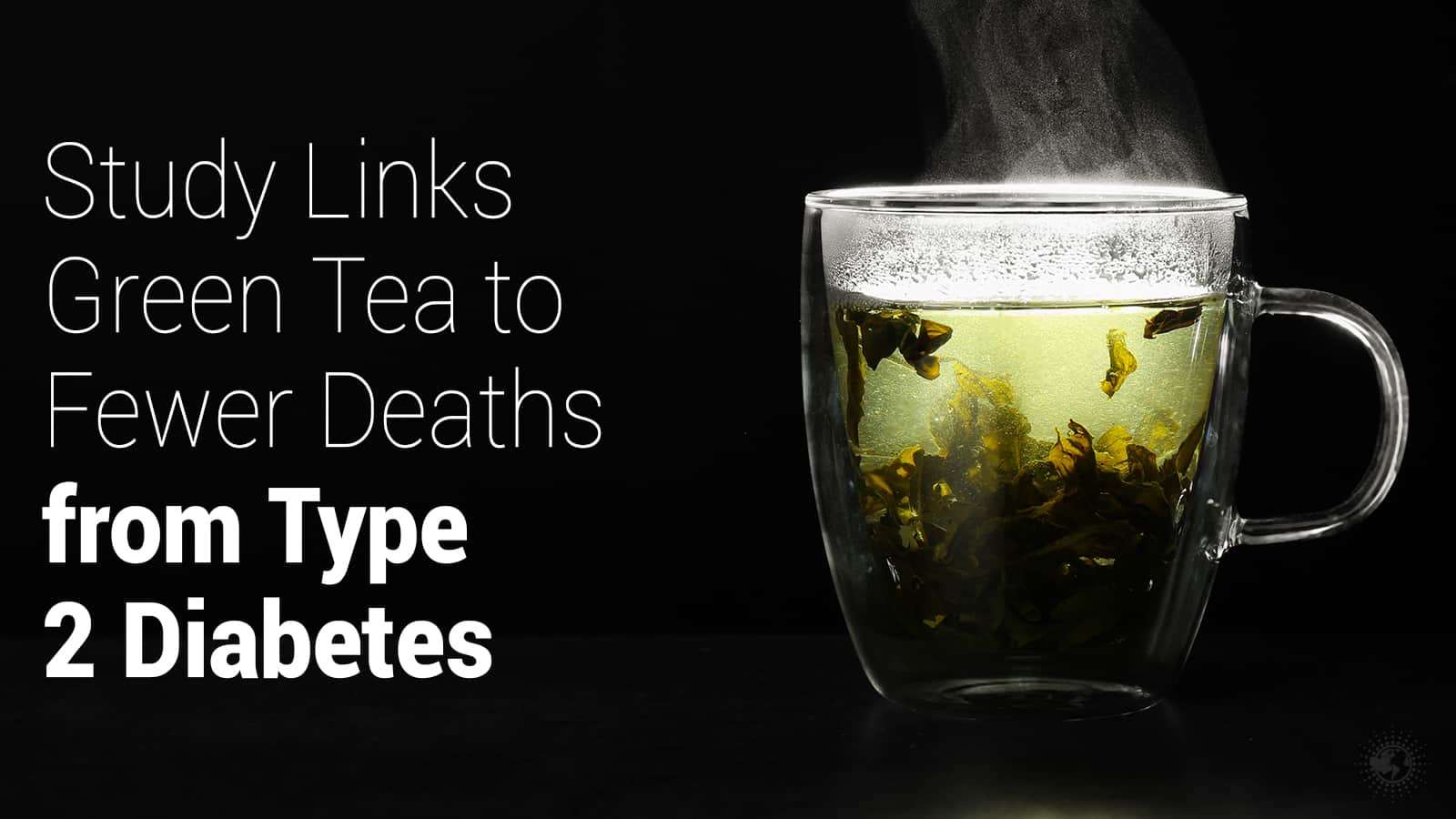
Worldwide, about 400 million people have Type 2 diabetes. That number is likely rising due to stress, poor diet, and lack of exercise. However, this drink can help counteract poor lifestyle choices and lower blood sugar.

A Japanese study found that participants who drank the this type of tea had a 42% lower chance of developing Type 2 diabetes.

Additionally, a review of 7 studies with a total of 286,701 participants revealed that green tea drinkers had an 18% lower risk of developing diabetes.

2. Improves digestive health

Because these leaves are a potent anti-inflammatory, it helps to reduce symptoms of digestive issues related to inflammation, such as Inflammatory Bowel Disease (IBD), ulcerative colitis, and Crohn’s disease.

3. Can help prevent cancer

Cancer, in large part, is due to oxidative damage of cells, and green tea’s high concentration of antioxidants can help fight cancer. Here are some astounding statistics for you:

  • Breast cancer: An analysis of many studies found that women who drank this beverage had a 20-30% lower risk of developing breast cancer, the most common cancer among women.
  • Prostate cancer: One study found that men who drank it had a 48% lower risk of developing prostate cancer, the most common cancer among men.
  • Colorectal cancer: An analysis of 29 studies revealed that green tea drinkers were 42% less likely to develop colorectal cancer.

This healthy drink might help other cancers such as lung, bladder, esophagus, skin, stomach, and pancreatic cancer.

4. Lowers cholesterol

The antioxidants in green tea may prevent cholesterol absorption in the intestines and protect LDL particles from oxidation, contributing to heart disease and stroke. Furthermore, tea considerably raises good cholesterol (HDL) in humans.

5. Lowers risk of heart disease

Heart disease is one of the leading causes of death worldwide. Studies indicate that green tea’s abundant antioxidants may slow down or even prevent atherosclerosis, which is the build-up of fats, cholesterol, and other substances in the arteries. Studies show that green tea drinkers have up to a 31% lower chance of developing cardiovascular disease and a ten percent lower chance of having a heart attack.

green tea

6. Improves liver health

The liver also benefits from the consumption of green tea. Green tea drinkers can reverse the effects of alcohol on the liver and protect against liver tumors. Scientists attribute this to plant chemicals called catechins, which are plentiful in this tea.

7. Helps with weight loss

Some studies indicate that green tea boosts metabolism and helps burn fat. Studies showed that green tea and caffeine sped up weight loss in moderately obese and overweight demographics. Green tea contains a phytonutrient called EGCG which helps to increase a hormone that promotes feelings of fullness.

8. Increases cognitive function

According to a study at the University of Basel in Switzerland, drinking green tea “enhances memory performance, a finding that researchers suggest may have important implications for the treatment of neuropsychiatric disorders, including cognitive impairment.” Studies are ongoing regarding possible treatments for dementia and Alzheimer’s using green tea.

9. Other benefits of green tea

Other studies suggest that this healthy drink can help with the following:

  • Prevention of dental cavities
  • Treatment of arthritis
  • treatment of genital warts
  • Treating various skin conditions
  • Prevention of cold and flu symptoms

NOTE: Before trying herbal or natural supplementation, inlcuding teas, please consult your doctor or pharmacist for guidance.

How to Steep and Serve Green Tea

Traditional brewing methods vary depending on the type of tea and the culture consuming it. Here is a general guide for brewing while also paying honor to ancient Eastern cultural traditions:

  1. Water temperature: The water temperature for brewing green tea should be between 160-180°F. Using boiling water can result in a bitter taste, so it’s best to allow the water to cool slightly before brewing.
  2. Amount of tea: For a traditional cup of tea, use about one teaspoon of tea leaves per cup of water. Adjust the number of tea leaves based on your taste preference.
  3. Steeping time: Steep the leaves for two to three minutes. Overly steeping the leaves can produce a bitter taste, so remove the tea leaves as soon as the desired flavor is achieved.
  4. Serving: Traditional tea is served plain, without added sweeteners or flavorings. It is often consumed in small cups and is typically served in a tea ceremony in many cultures, such as the Japanese tea ceremony.
  5. Utensils: Brew and serve this hot beverage using a teapot and tea cups. The teapot should have a heat-resistant material, such as glass or ceramic, and the tea cups small, allowing the beverage to be enjoyed in several sips.

By following these traditional brewing and serving methods, you can experience this delicious beverage’s full flavor and aroma, just as ancient cultures–and millions today–enjoy it.

green tea

Final Thoughts on How Green Tea Supports a Healthier Life

Ancient healers from Eastern cultures have long understood the potent benefits of this delicious, healthful drink. So now the West has finally caught on. Honor those who healed for centuries by following time-honored rituals while reaping numerous healthful benefits.

We wish you all good health and happy green tea drinking!

25 Ways to Show Your Partner You Love Them (Without Leaving The House)

Many of us today are on tight budgets due to rising costs of, well, pretty much everything. So, naturally, this means we spend less on entertainment and other “frivolous” expenses so that we can cover our basic needs. This might sound depressing, but hear us out.

Just because you don’t have much disposable income doesn’t mean you can’t still show your partner you love them at home! In fact, after a long day at work or school, a quiet night in might be just what the doctor ordered.

Relationships benefit from this one-on-one quality time as well, because it allows two people to bond and have fun without the strain of spending money, getting from point A to point B in traffic, etc.

So, if you’ve been looking for some unique things to do with your partner that don’t require you to go anywhere, look no further!

Here are 25 ways to show your partner you love them (without going out):

1. Give them a massage.

I mean really, who would ever object to that?! You can even add in their favorite massage oil or lotion for extra relaxation.

2. Have a movie night (with awesome snacks, of course).

It is as easy as 1, 2, 3.

  • Grab your favorite movies, or look up some on Netflix
  • Prepare snacks such as popcorn or candy.
  • Cuddle up and enjoy!

3. Make a blanket fort.

Who says adults can’t have a little fun, too?! Better yet, bring your laptop and snacks in the blanket fort to have movie night!

4. Cook a new recipe together.

What better way to show your partner you love them than create a delicious meal together from scratch?

5. Set up your tent and go camping!

No one said you can’t go camping in your living room, so why not pretend you’re in the great outdoors with all the comforts of modern living?

6. Make your hunny breakfast in bed.

Pancakes, an omelette, french toast…the possibilities are endless, and your partner will surely appreciate the gesture.

7. Color!

Ever seen those “adult coloring books” that have all sorts of cool designs in them? They are meant to be meditative and get you to focus on one thing at a time, and you’ll get to relive a part of your childhood all over again!

8. Have a candlelit dinner.

Put that delicious meal from point #4 on a table with a couple lit candles and maybe put on some romantic music. This makes for a nice ambiance and will really set the mood as well.

9. Take a relaxing bath together.

Add in your favorite essential oils or maybe some Epsom salt, and both of you can destress and smell great, too!

10. Buy some body paint and turn each other into works of art!

They even make glow in the dark kinds now!

11. Play boardgames!

I’m sure you have a few boardgames lying around, so why not wipe the dust off them and get to playing?!

12. Bake dessert together.

You can’t really cook a nice meal without having a sweet treat to wash it all down with. Even if it’s just pre-cut cookies, that’ll do the job just fine.

13. Do a puzzle.

Go to the boardgame section of any big store, and you’ll see dozens of choices ranging from 150 to 1,000+ piece puzzles. Take your pick!

14. Have an at-home karaoke night!

You don’t even need a microphone; just put on some music and sing your heart out.

15. Write your partner a poem.

Nothing says “I love you” like a handwritten poem straight from the heart.

16. Do yoga together.

Just search “couples yoga” on YouTube, and pick whichever one you’d like. There are tons to choose from.

17. Have an at-home spa day.

Grab some face masks, pedicure and manicure items, foot and hand scrubs, and massage oil beforehand, and enjoy some pampering together!

18. Learn something new together.

You can use YouTube to get ideas – maybe you both want to learn how to draw, sew, play the guitar, etc. Spend the evening learning together and show off your newfound skills!

19. Play card games.

If you have an old deck of cards somewhere, grab them and play poker, blackjack, or whatever card game you like.

20. Play video games.

Call of Duty, Mario Kart, Donkey Kong; whatever floats your boat!

21. Make hot chocolate, grab some blankets, and stargaze.

What a romantic evening indeed.

22. Do crafts together.

Maybe make something that you need around the house. You’ll feel good about it because you made it yourself!

23. Order in food.

Not in the mood for cooking? Just get some takeout and take away the hassle.

24. Just cuddle and talk.show your partner you love them

No need to get fancy; just make things simple and enjoy each other’s company.

25. Plan a trip together.

Get out a pen and paper and start planning a big adventure!

Sources:
https://collegelifemadeeasy.com/50-budget-friendly-creative-stay-at-home-date-ideas/
https://www.huffingtonpost.com/entry/coloring-benefits-meditation_us_55b7c9c1e4b0074ba5a6724f

Nervous Breakdown Symptoms: Experts Reveal 7 Warning Signs Of A Nervous Breakdown To Never Ignore

What is a ‘nervous breakdown’?

The term “nervous breakdown” was considered a medically legitimate condition. It was once used to describe an array of mental illnesses, including acute stress disorder, anxiety, and depression.

Today, the term “nervous breakdown” describes intensive symptoms of stress and an inability to cope with life challenges. Often, these symptoms stem from an underlying mental health disorder (e.g., PTSD, chronic anxiety.)

A Nervous or mental breakdown is a term used to describe a period of intense mental distress. During this period, you’re unable to function in your everyday life.” ~ Healthline

If individuals lack internal and/or external means of coping with stressors, they are more prone to a severe anxiety-related disorder. Severe anxiety disorders (e.g., panic disorders and some phobias) and their symptoms can feel as if one is experiencing a “nervous breakdown.”

7 Early Signs of a Nervous Breakdown

nervous breakdown

Prolonged periods of stress will eventually inhibit one’s ability to function normally. Higher stress levels over a protracted period will almost certainly have psychological effects. Of course, the earlier one detects symptoms and takes appropriate action, the better. Sans treatment, the risk of developing a lifetime mental illness increases drastically.

Obviously, we don’t want this to happen. It benefits us, then, to understand some early signs of a “nervous breakdown.” Here are seven:

1. Abusing Alcohol or Drugs

Mental breakdowns and substance abuse often go hand-in-hand. Both are used as a method of coping, and both serve only to exacerbate the problem. Chronic abuse of drugs or alcohol will rewire the brain, damage the body, and intensify all other symptoms.

2. Sleeping Too Much or Not Enough

Sleep, like alcohol and drugs, is often used as a coping mechanism. While excessive sleep may not be as dangerous as illicit substances, it reinforces avoidance behavior (used as an “escape.”) Insomnia-like symptoms may surface for many reasons: overthinking, substance abuse, and hormonal changes are three common ones.

3. Constant Fatigue

The body and brain are not designed to withstand neverending stress. Continuous distress saps our cognitive energy, draining our bodily energy. Fatigue may also show up as a noticeable physical weakness. This may make it hard to do the things we need to do.

4. Anxious or Depressive Symptoms

No surprise here; anxiety and depression are two catalysts of a nervous breakdown. As mentioned, doctors used to refer to both as a nervous breakdown, and they are indeed similar. Mental breakdowns, like anxiety and depression, are slow to form. For example, one may first notice a slight inability to concentrate or a bit more difficulty getting out of bed.

5. Brain Fog

Brain fog, also referred to as ‘clouding of consciousness,’ is an unofficial medical term denoting an abnormality of the overall level of consciousness. The brain’s executive functions – attention, planning, self-control, decision-making, and memory – are regularly the first to experience the brunt of brain fog.

6. Panic Attacks

A panic attack is a terrible experience that involves a sudden urge of overwhelming anxiety and fear. The patient/victim may feel like they’re losing their mind, perhaps even dying. Symptoms comprise difficulty breathing, a racing heartbeat, chest pains, and extreme dizziness.

7. A Sense of Overwhelm

Dr. Heather Monrow, MSW, LCSW, a director of mental health treatment at Newport Academy in Connecticut, says, “Even small everyday tasks begin to feel like too much to cope with, and social situations seem overwhelming.” Monroe attributes this overwhelming sense to an “ongoing buildup of worry and stress.”

worries and tensions

Final Thoughts on Getting Help for a Possible Nervous Breakdown

It’s common for someone to feel unable to deal with life’s stressors at some point. If you suddenly experience a sense of overwhelm, panic, or any of the abovementioned symptoms, please seek the advice of a medical doctor.

Your doctor will treat the physical symptoms and may refer you to a psychologist or psychiatrist, who will then decide the best course of action in addressing your behavioral, emotional, and mental symptoms. Caregivers should also contact a doctor as soon as possible if they’re worried about a loved one’s behavior or psychological state.

Altering one’s lifestyle may help prevent a nervous breakdown. Good lifestyle habits lessen the severity and frequency of symptoms and increase the likelihood of recovery. Here are a few ideas:

– get regular exercise: at least three times a week, for 30 minutes
– learn about and practice mindfulness meditation (perhaps the best self-help advice!)
– avoid drugs, alcohol, caffeine, and other stress-inducing substances
– set a regular sleeping schedule and stick to it (even on weekends)
– get 6-8 hours of quality sleep per night
– learn instant relaxation techniques (e.g., “the relaxation response.”)
– incorporate deep breathing into your daily routine
– pace yourself, take mini-breaks, organize your environment and daily activities, and keep a daily to-do list
– stretch or take a brisk walk during break times
– delegate or get someone to help with taxing work

Per mentalhealth.gov, trained crisis workers can talk 24 hours a day, 7 days a week at 1-800-273-TALK (8255).

A live chat option is available at https://suicidepreventionlifeline.org – or you can dial 988 for immediate help.

Researchers Reveal 4 Triggers of Stress Eating (And How to Stop It)

It turns out that “emotional eating,” or “stress eating” is a very real phenomenon.

“The problem that we’re trying to address is that the success rates for long-term weight loss are not (good) … Stress eating may be one reason why people don’t do as well in behavioral weight loss groups, because (they) don’t address stress eating or any of its contributing factors.” ~ Temple University

(A quick note: the contents of this article do not pertain to medically-recognized eating disorders – a potentially severe health condition. If you feel that you may fall into this category, please seek professional help immediately!)

The hormones released during periods of stress, combined with the mental and biological effects of eating high-fat, sugary “comfort foods,” causes many of us to overindulge.

Strangely enough, feelings of hunger are suppressed by the stress response in the short-term. Hormones released by brain and kidneys create an excited physiological state that often results in delayed eating. The same cannot be said of chronic stress, however.

During prolonged periods of stress, the body churns out the stress hormone cortisol, which can create intense feelings of hunger. If the body is unable to “switch off” the stress response, as is the case with chronic stress, then cortisol continues to be produced.

Numerous studies have shown that emotional or physical distress increases the consumption of foods high in sugar, fat, or both. Researchers attribute this response to the body’s overproduction of cortisol, insulin, and ghrelin – another “hunger hormone.”

“Comfort” foods really do create feelings of comfort.

During and shortly after the consumption of fat- and sugar-laden foods, the part of the brain associated with stress is restrained. In other words, these foods really are “comfort” foods in that they do counteract the brain’s stress response – something that contributes to a habit of overeating.

Several studies demonstrate the link between repeated intake of comfort foods, elevated stress levels, and obesity. Additional research shows that individuals who engage in this cycle are more likely to suffer from diabetes, heart disease, obesity, and stroke.

Additionally, stress eating can undermine weight loss. Per the Mayo Clinic:

“Stress eating can sabotage your weight-loss efforts. It often leads to eating too much, especially of high-calorie sweet and fatty foods. The good news is that if you’re prone to stress eating, you can take steps to regain control of your eating habits and get back on track with your weight loss goals.”

It’s worth keeping the nasty effects of “comfort” foods in mind going forward.

Stress eating study

It’s apparent by now that negative emotions encourage stress eating. Understanding this is the first step; the second is being able to identify the triggers of stress eating.

A 2010 study points to certain emotions and moods that most often precede stress eating. The rationale given for the study is as follows:

“Obesity prevention is a number one public health research priority. It is clear that stress eating may play a significant role in the (development) of obesity … it is necessary to study potential determinants of behavior leading to weight gain (to) identify methods of prevention … stress eating poses a good point of intervention because it appears to be a (changeable) risk factor.”

The researchers anticipated that all negative emotional and mood states are associated with stress eating and that females are more likely to eat emotionally than males.

Here’s some background on the research:

– Total of 666 participants, of which 74 percent were females.

– Data were gathered via a paper-and-pencil survey.

– Stress eating was measured using a 13-item, 5-point Likert scale, in which participants reported how often they engaged in said behaviors, from “never” to “very often.”

After analyzing the data, researchers found the following triggers to be strongly related to stress eating behaviors:

1. Perceived Stress

Perceived stress is defined as “the uncontrollability and unpredictability of one’s life, how often one has to deal with irritating hassles, how much change is occurring in one’s life, and confidence in one’s ability to deal with problems or difficulties.”

Some of the items included on the survey: “Had to keep secrets from my friends or parents,” “Have been worried about my social life,” and “I just have too much work to do.”

2. Worries

Worries, as measured in the survey, are similar to those of anxiety and stress. Researchers inquired as to how frequently the person had worried about things such as self-image, relationships, and performance.

3. Tension and anxiety

The study determined a correlation between anxiety, tension, and stress eating. It is unclear as to why the authors included tension along with anxiety, though one can reasonably assume they did so because anxiety often evokes the feeling of tension, and vice-versa.

4. Confused mood

Stress eating stemming from confused mood is more likely to occur in males than females, according to researchers. A more “diffuse” state of mind, confused mood involves an overall lack of clarity rather than a distinctly reactive psychological episode.

How to stop stress eating

Fundamentally, the act of stress eating hinges on (a) an individual’s sense of self-control, and (b) identifying psychological states that induce stress eating.

Try these easy tips for changing emotional eating habits:

– Keep a food diary: Jot down what, when, and how much you eat; along with your mood. Over time, you may see a pattern to change.

– Lower your stress levels: Try managing stress with something like deep breathing, meditation, or yoga.

– Remove temptations: The best advice here is to keep comfort foods out of your cupboards. Don’t go shopping while hungry either.

– Snack healthy: If the feeling that you must eat arises, choose a low-fat, low-calorie food like fresh fruit, vegetables with low-fat dip or unbuttered popcorn.

– If necessary, seek help: Eating disorders can be a severe medical condition, particularly if caused by a mental health condition. Often, such a case can not be resolved using self-help methods.

A mental health disorder is not your fault. Don’t be ashamed to ask for help!

7 Differences Between A Good Friend And A Bad One

“Friends are the siblings God never gave us.” – Mencius

Ever wonder what the difference between a good friend and a bad one is? We are often surrounded by friends every day, but the level of friendship varies from person to person. There are going to be things that a good friend does differently than just a regular run-of-the-mill friend, or even a bad friend. You will most likely see the differences in all kinds of ways, from the way they talk to the way they interact with you and your loved ones. If you’re looking to figure out the difference between a good friend and a bad one, here are some of the best signs.

Here Are 7 Things A Good Friend Does Differently

1. They accept you – flaws and all

They accept you for who you are, no matter what, even if you’re really bad at showing up on time, or if you tend to accidentally say the wrong things. “Trying to change a person never works. People know when they are not accepted in their entirety, and it hurts.  A real friend is someone who truly knows you, and loves you just the same,” says coach and author Marc Chernoff.

They’re going to adore you even if you have a couple of flaws that need to be worked on. They won’t ever make you feel bad for being human, and they’ll even help you work on your flaws by being so kind and compassionate to you in the first place.

2. They help you move forward

They’re always going to be there to support you in all of your endeavors. They’re going to push you forward toward your goals no matter what. Even when things seem tough, you never have to worry about a good friend leaving you behind. They’re always going to be your number one cheerleader and they’re always going to help you move forward.

3. They never judge you

They may try to give you advice and guide you, but they’re never going to judge the choices that you ultimately decide to make. You’ll know a good friend from anyone else because you will always feel safe telling them the things going on in your life.

You won’t ever have to worry about being judged secretly, because a good friend cares about you enough not to judge you for what you do. Good friends know that “they are not in your shoes and may have no idea what you are experiencing,” adds life coach Sharon L. Mikrut.

friends-quote

4. They’re there through the hard times

When things get tough and life stresses you out, you can always count on a good friend to be there for you when you need it.

Pastor Justin Jahanshir says, “… a good friend aligns their schedule with the priority of friendship. Developing meaningful, lasting friendships is not a by-product, but is built through intentional, purposed time and energy. Thus, the starting point for any ongoing friendship will simply be time invested into the relationship.

Even if you end up getting into a disagreement, you’ll know that a good friend is going to be there for you after it’s all over. You don’t have to be afraid of arguments ruining your friendship. They’ll stick it out through the good times and the bad times.

5. They’re honest

Little white lies don’t exist between good friends.  “… a true friend doesn’t simply support our every action, but will challenge us to greater ways of thinking and action. This means there will be times for tough conversations,” adds Pastor Jahanshir.

A good friend is going to always be honest with you, even when it’s not something that you want to hear. However, they’re always going to be kind and compassionate with their honesty. You won’t feel bad after having a real talk with a good friend. Their honesty is going to be something that you always value from them.

If it’s a superficial friend or a new friend, they’re not going to say anything that may be off-putting. But if it’s a real friend — someone you truly trust — they know they can tell you exactly what’s on their mind. People who are open and straightforward are some of the most important types of friends to have,” says psychiatrist Robert Rowney, D.O.

6. They’re a good listener

We all know those friends who seem to be listening with one ear while ignoring you with the other. They will listen to you and really, really hear what you’re saying.

Whether you are relating a good or bad experience, friends listen. They don’t interrupt or try to make suggestions or recommendations. They simply listen, letting you get everything off your chest,” says Mikrut.

You won’t ever have to repeat yourself or feel like you’re just being humored when you talk about your feelings or the things going on in your life. A good friend will listen to you and you will feel listened to.

7. They always make you smile

When life gets you down, you know exactly who to go to when you’re looking to get a pick me up. They will always be the person that you’re not afraid to talk to when things are getting tough. They will know just how to make you smile when it feels impossible.

Final thoughts

Having a good friend in your life is truly an amazing experience. Thankfully, everyone has at least one person in their life that they can consider a good friend, even if that person is also their significant other, their sibling, or their parent. These are the kind of things that a good friend will do that regular friends or acquaintances won’t do. You will be surrounded by so much love and support when you have a good friend in your life.

(C)Power of Positivity, LLC. All rights reserved
References:
http://www.marcandangel.com/2012/04/23/15-things-real-friends-do-differently/
https://jamesriver.org/blog/friendship
http://www.huffingtonpost.in/entry/qualities-of-real-friends_n_5709821
http://www.selfgrowth.com/articles/top_eight_characteristics_of_true_friends

9 Signs You’re A Shy Extrovert

“I loved being in groups of people and sought acceptance, but I did not like talking or being the center of attention. I was very introspective, but I loved to share my thoughts with other people.” ~ A Shy Extrovert

What Is an Extrovert?

According to Isabel Briggs-Myers, founder of the widely-used Myers-Briggs Type Indicator (MBTI), “Extraverts orient their energy to the outer world.” In other words, extroverts recharge their energy by interacting with people, going places, and doing things. By contrast, introverts renew their reserves through solitude. While extroverts tend to be sociable or outgoing – and introvert shy or withdrawn – this is not always the case.

It is essential to understand that introversion and extroversion affect how one increases their energy. Extroverts gain their energy by being “out and about.” This doesn’t necessarily mean that they are social butterflies, however.

Shy extroverts are a rare breed. They also tend to be highly conscientious, intelligent, diplomatic, and friendly!

Are you a shy extrovert?

Here Are Nine Signs That Reveal a Shy Extrovert

extroverted intuitive

1. You’re outgoing but not a big talker

Unlike other extroverts, the shy variety doesn’t mind some peace and quiet. While an ‘outgoing extrovert’ (‘O.E’) may feel the need to keep the convo flowing, their shy counterpart doesn’t. The shy extrovert (‘S.E’) feels no discomfort if a conversation isn’t flowing, while this delay may just drive O.E nuts.

2. You’re a better listener than most extroverts

S.E’s are very interested in those around them and what they have to say – something that enables them to listen attentively. Additionally, the shy person understands the frustrations of not being heard and tries hard to let the person know that they’re listening to their words. “Sorry, O.E’s, but your eyes dart around way too mu—” …And now you’re walking away.

3. You dislike small parties

S.E’s are observers in every sense of the word. They love being where the action is, but they’d rather people watch, satisfied knowing they’re “part of things.” The shy aspect of their personality renders them uncomfortable at smaller, quieter gatherings where people are more likely to engage in personal talk.

4. You love deep conversation

O.E’s have the “gift of gab” that allows them to connect with darn near everybody. It’s an exceptional talent that helps explain why they’re among the most gifted politicians, executives, and salespeople. The shy ones often don’t fit this bill. S.E’s take a page out of the introvert playbook in that they detest small talk. (“Please don’t comment about the weather…”)

5. You want to be alone…until you don’t

Shy extroverts can play the introvert exceptionally well…for a little while. If they’ve had a long week, the SE may just lock themselves in their bedroom for few hours. Actually, a few may be a bit too long. Two (and a half?) hours are a bit more like it. Then they’ve got to get the hell out of there.

6. You detest being C.O.A.

Ah, the Center of Attention – something that our outgoing extroverts relish. By the way, this is a good thing. While introverted folks are kind and loving, they’re typically quite terrible at entertaining a crowd. Anyways, S.E’s play part-time introvert in this respect too. Straight-up wallflowers, baby!

7. You’re an introvert’s party buddy

Extroverts love parties. Introverts do, too, albeit for a (much) shorter period. Innies are also prone to feeling all types of awkwardness, which creates a dilemma. They’d hang out with other innies, but they’d already left. They’ve already said “hey…” to the loud people and – oh, there you are!

8. You’re a great confidant

Shy extroverts have great empathy. They love listening to other people and, as mentioned, don’t need to be at the center of attention. That means that people (introverts included) confide in them. When engaging in an authentic, deep conversation, nobody may be more up to the task than our shy extroverts.

shy extrovert


9. You’re the perfect friend

Regarding personality traits, you’re about as perfect an in-betweener as it gets. While there are plenty of smart extroverts to hang with, you may not feel like keeping up with the conversation. No problem, your innie friend wants to talk about a book she hasn’t finished. An hour later, your O.E. buddy comes along and wants to do a jello shot and go work out. Wait, what?

Sources:
http://www.lifehack.org/315307/9-signs-that-you-are-actually-shy-extrovert
http://www.lovepanky.com/my-life/better-life/shy-extrovert
http://www.myersbriggs.org/my-mbti-personality-type/mbti-basics/extravert-and-introvert.htm
Skip to content