Weekly tips, affirmations, and small actions to feel your best.

5 Ways to Be Fearless This Year

The time is now to live a fearless life.

The world we have built contains a lot of dangers, and we should have a healthy fear of certain things. In a sense, fear keeps us alive. If we walked through the world in a fearless state and didn’t have awareness of our surroundings, we wouldn’t last very long. However, this fear shouldn’t overtake your life. When it interferes with your daily life, that’s when the fear becomes a problem.

In life, you’ve just got to take the bull by the horns and stare fear down in order to overcome it. Many things that we fear won’t ever actually happen, so it’s important to discern real danger from the fabricated fears in our minds. If you’ve been wanting to live more fearlessly this year, then the tips below will help you do just that.

Here are 5 ways to make this your fearless year:

“Too many of us are not living our dreams because we are living our fears.” – Les Brown

fearless woman

1. Do the things you fear.

It might seem counterintuitive to run straight toward fear instead of hiding from it, but how can we ever conquer the beast in our mind if we don’t face him? Actually, doing what you fear has a lot of basis in psychology – in cognitive behavioral therapy (CBT), a psychologist calls this “exposure therapy.” Exposure therapy means taking small steps to conquer your fears, and when you start feeling more comfortable, doing the thing that you fear the most.

People fear many different things, and oftentimes, exposing ourselves to our greatest fears will put them to rest because we see that our minds blew that fear out of proportion. Ruminating over what we’re afraid of makes fear far worse than it really is, so action is the key to “unlocking” those anxious thoughts and becoming more fearless..

2. Believe in yourself.

Many of us fear failure, and because of this, we avoid trying to accomplish things. We don’t want to disappoint ourselves and others, so we let our dreams die before we even start to chase them. Courage is the enemy of fear, and it all starts with the thoughts you choose to pay attention to every day.

If you want to get rid of fear, you have to start up positive conversations with yourself and learn to master your mind. Of course, this is no easy feat, but it begins with just becoming aware of your thoughts. Once you identify negative thinking patterns, you can start transforming them so that fear takes a backseat in your life rather than steering the wheel.

3. Think of the journey, not the destination.

Time will pass anyway, so why not make each day worth living? If you think about it, most of us are gambling with our lives each day, thinking that one day when we have enough money or retire, we’ll be able to live our dreams. What if that day never comes, though? Sure, it might be a morbid thought, but it’s one we have to consider. The fact that all of us have an expiration date on our lives should propel us into action, but too many sit idly by just waiting for life to happen.

We focus on getting to the future, rather than enjoying the present moment. This means that most of us are never really living, but rather, waiting to live. One way to stop fear in its tracks is to immerse yourself in the now, and enjoy the ride. You have to get off at some point, so you may as well make the most of your experiences.

4. Remind yourself how good it will feel to overcome your fears.

Instead of thinking of all the negatives that fear brings, try to keep the positives in mind. Fear gives us an opportunity to build character and inner strength. Focus on how you will feel after facing your fears rather than how you feel thinking about facing them. If you keep in mind how you want to feel rather than how you currently feel about running toward your fears, it will make it that much easier to face them.
fearless

5. Build from the basics.

Anxiety and fear help to keep us alive, but at some point, they become counterproductive. We tend to spend a lot of time focusing on things out of our control, but not enough on the things we can control. A few things you can control are your diet, exercise, and sleep regimen. These three things can make or break your mental health, because our mind and body work in tandem. Research continues to show a strong link between sleep deprivation and mental disorders, and many studies have correlated poor diets to higher anxiety and stress due to an imbalance of gut bacteria. A sedentary lifestyle can also contribute to feelings of anxiety and depression, not to mention, poor overall health.

One great way to become more fearless is to prioritize good sleep, a healthy diet, and a regular workout routine. Without these three working together, anxiety can build up in your body, which will only exacerbate your fears.

Final thoughts

To make this your fearless year, try to focus on the areas of your life that you can control, and getting your health in order. Then, start chipping away at your fears one day at a time, and before you know it, you’ll forget what you were even afraid of in the first place. We believe in you!


Experts Reveal 7 Simple Life Changes To Boost Self-Esteem

What is self-esteem? Why is it important?

Self-esteem: confidence in one’s own worth or abilities; self-respect.   ~ Oxford English Dictionaries

In short, self-esteem is how we perceive and value ourselves. People with high self-esteem feel:

  • confident
  • decisive
  • self-aware (they recognize their strengths and weaknesses)
  • likable
  • responsible
  • happy
  • loved (by self and others)

We all want to be well-liked and respected among family, friends, and/or co-workers. Above all else, we want to feel the same things about ourselves. Psychologists argue that the latter is a requisite of the former – and research backs up this hypothesis.

The truth is that without some degree of self-esteem, you are far more likely to present a less-than-worthy version of yourself. When you do this, you sell yourself (and society) short!

Having low self-esteem can have a negative impact on your ability to lead a happy, satisfying life.. These adverse effects include: developing anxiety and depression; failing to reach one’s potential; tolerating abusive situations and relationships, among others.

The Self-Esteem Framework

self-esteem

In the future, it will benefit us to understand the foundations of self-esteem or the self-esteem framework. The four pillars are:

  1. Achieving a sense of belonging: “The affiliation and satisfaction (that) people experience within groups contribute to feelings of security and support.”
  2. Developing a sense of personal power: “(People) who have a sense of power believe they have the ability to affect their own lives and the lives of others. Armed with this power, they are able to take charge and make changes.”
  3. Having and imitating positive role models: “(People) need standards to give direction and meaning to their lives. These standards are developed through experiences within the family and peer groups and with other people who are significant in their lives.”
  4. Recognizing and accepting one’s strengths: “Each person has special abilities and traits. These strengths make an individual unique.”

Understanding this framework is half the battle. You could stop reading now and, armed with this knowledge, immediately recognize and improve upon your self-worth. But we’re going to dig a bit deeper!

Boosting Self-Esteem: 7 Simple Changes

Here are seven ways you can work on increasing your self-love.

1. Connect With Those Who Love You

Make a conscious effort to spend more time with people who love you. Firstly, the world – as we all know – is not fair, and there is no shortage of people who try to bring you down.

Trusted family and friends will challenge negative self-perception. They’ll remind you of your strengths and give you a healthy dose of confidence!

2. Challenge Negative Self-Talk

The Stoic Philosopher, Seneca, once said: We suffer more in imagination that in reality.” It’s true, and we needn’t let our imagination get away with it.

It’s essential to be aware of and challenge negative ruminations. It’s well-known that the human brain has an innate negativity bias: we will pay more attention to the bad unless we intervene.

3. Keep a “Cookie Jar”

David Goggins, a world-class ultramarathon runner and Navy SEAL, grew up in the segregated south. As a black man, such an experience could have crushed Goggin’s will – it didn’t (see: Navy SEALs, ultra-marathon running).

Goggins began keeping a “cookie jar” – pieces of paper reminding him of his accomplishments. When he started thinking negative thoughts, he’d reach inside the jar and pull out a ‘cookie.’

“Positive self-talk made the biggest difference,” Goggins says.

self-esteem

4. Learn to be Assertive

This one is quite simple: stand up for yourself. Forget about trying to please someone who only wants to take advantage.

To boost your assertiveness and confidence, try the following:

  • Learn to say “no”: There’s nothing wrong with assuming you do so with honesty and politeness.
  • Establish boundaries: Guard your personal space and limit how much you’re willing to do for others.
  • Take back control: If you feel that your decisions are out of your control, it’s time to nip this in the bud. Take back your control, and you take back your life!

5. Practice Self-Care

If you have low self-esteem, it can be hard to find the motivation to care for your mental and physical well-being. It’s essential to recognize that self-worth and self-care are two peas in a pod.

Exercise, stress management, proper diet, and quality sleep are the big four of self-care. While the specifics of each are beyond the scope of this article, here are some quick tips:

  • Get thirty minutes of exercise daily (taking the stairs, a brisk walk, or a yoga session all count!)
  • Eat a balanced diet of whole grains, fruits, vegetables, and lean proteins. Eliminate or cut back on sugar and drink plenty of water!
  • Aim for six to eight hours of quality sleep per night. (Keep the phone and TV off!)
  • Consider taking up mindfulness meditation to help manage recurring stressors.

6. Set a Goal

Notice the letter “a” in that sentence. Having goals is great; the problem is that taking on too much at once quickly leads to overwhelm.

Instead, give yourself one challenge to accomplish every once in a while. Make sure the goal is SMART: specific, measurable, achievable, realistic, and time-bound!

positive-thought

7. Get Some Support

Life, as we all know, can be downright overwhelming. The truth is that we all need help at some point. No one goes through this journey alone; nor should they.

Final Thoughts on Increasing Your Self-Esteem

So whether it’s some form of therapy, mindfulness meditation, or other means, don’t be afraid to get help. Get some good-hearted people in your corner!

3 Simple and Effective Ways to Build Your Willpower

Willpower, or the control exerted to do something or resist impulses, doesn’t come so easily to some of us. In many ways, our culture directly contributes to our difficulty in maintaining willpower; for example, delicious, cheap, greasy fast food available on every street corner, ads for the latest flashy car or cell phone bombarding us everywhere, and thousands of shows available on streaming services with the click of a button. Why the heck would we want to control our will if we can get instant gratification from almost anything?!

Well, it seems quite obvious, but choosing to not exert our willpower can have disastrous consequences. Eating too much fried, fatty, sugary food can lead to severe health problems, buying too many things can deplete our bank account pretty quickly, and sitting on our butts for hours on end will just compound said health problems from our junk food diet.

However, with so many things working against us in the modern world, how can we have more willpower so that we can feel better, get more done, and have more success? We have a few ideas for you below.

“Strength does not come from physical capacity. It comes from an indomitable will.” – Mahatma Gandhi

Here are 3 great ways to build your willpower:

willpower

1. Treat yourself

Wait….what?? Isn’t the whole point of willpower to not give in to temptation?? Well, to an extent. However, resisting temptation for too long can actually have the opposite effect desired. Some experts have actually compared willpower to a muscle that can get fatigued if not given proper rest.

Roy Baumeister decided to test this theory in one early study where he brought participants into his lab with the smell of fresh-baked cookies in the air. There was a table in the room with two plates of food – one with cookies and the other with radishes. Some subjects were asked to eat the cookies, and others the radishes. After eating, they were given a difficult geometric puzzle with 30 minutes to complete it.

Baumeister and his team found that people who ate the radishes gave up on the puzzle after about eight minutes, while the cookie-eating group kept at it for 19 minutes, on average. By using their willpower to resist the cookies, the first group had less mental stamina to complete a task, the researchers concluded.

So, science shows that treating yourself every once in a while can help you stay on track with your goals, as long as you don’t go too far overboard, of course! Willpower is a finite resource, so you have to “refuel” every once in a while to keep it going.

2. Develop a good relationship with yourself

If you don’t think very highly of yourself, you’ll probably engage in more unhealthy behaviors, such as bingeing on fast food or alcohol, or staying up too late and not prioritizing sleep. However, if you learn to treat yourself with love and care, you will only want the best for yourself. You will start to look at yourself like you would your best friend, because you wouldn’t want to do anything to harm someone you care about, including yourself.

People who have more willpower tend to exercise self-love and compassion, which makes it a lot easier to resist temptations and stick to a healthy lifestyle. Willpower doesn’t just apply to eating healthy and exercising, however. Maybe you want to start your own business but need the motivation to complete all the tasks to get you there. Well, having a better relationship with yourself also helps in this regard because you’ll realize that you deserve success just as much as anyone else.

willpower

3. Understand that no person or organization can take away your power

…Without your consent, of course. If you see a billboard for a $1 hamburger at McDonald’s, this doesn’t mean you have to go buy it. You might feel tempted after a long day at work, but ultimately, you have the power to say no and drive home to cook a healthy meal. We know, easier said than done, but if you practice resistance long enough, it will become second nature. Though we live in a world that seems to profit from our unhealthy habits, we don’t have to keep fueling that machine with our poor choices.

Final thoughts

We have the power within us to choose what we feed our minds, bodies, and souls, and though it seems impossible to rise above at times, we can persevere with practice, consistency, and compassion towards ourselves. Yes, life is short, and you should eat the cake and drink the wine, but remember: everything in moderation!

20 Things Your Dreams Say About Your Personality

“We are more curious about the meaning of dreams than about things we see when awake.” – Diogenes

Have you always wondered what dreams mean? If you’re always looking for the meaning of dreams, either for your health or personality, we have something for you. Dreams are the manifestations of your subconscious. They represent your emotions and thoughts, as well as your personality and even the state of your health. The meaning of dreams isn’t always straightforward, but here are some things your dreams might reveal about your health and personality.

Here Are 20 Things Your Dreams Reveal About You

1. Your relationship ties

As dreams mirror your emotional ties to people, the ones you feel closest to will appear in your dreams more often.

2. You’re not in tune with your emotions

Experts say that dreams are how your brain tries to make sense of what you’re experiencing in real life. A recurring dream can indicate that there hasn’t been much change in your experiences, leading to emotional turmoil. Dreams happen when your psyche has trouble handling this. Analyzing how the dreams make you feel might help resolve the conflicts you are going through in your waking life.

3. Your way of dealing with problems

Those who are asleep yet very much aware they are dreaming are better at dealing with life’s problems. Experts in a study on the Dreaming journal said that if lucid dreamers are aware of their state, they might have a better understanding of what to do with a problem when they are wide awake.

4. You’re a workaholic

People who do not have a proper work/life balance manifest their stress in their dreams. Workaholics tend to dream more because the pressure they put on their selves affects their psyche.

5. Your views on politics

Liberals apparently have more bizarre and distorted dreams with an element of fantasy, according to a paper presented at a 2005 Conference of the International Association for the Study of Dreams. On the other hand, conservatives dream of commonplace stuff involving normal people, activities, and setting.

6. Your creative tendencies

The more creative you are, the more likely you’ll dream of unusual moments and obstacles involving natural elements. For instance, you might dream of a tree that blocks the road you’re driving on, or there’s a rock in front of you but you can’t seem to go around it.

7. You have an anxiety disorder

Recurring bad dreams could be a sign of an anxiety disorder, according to a study published in the journal Behavioral Sleep Medicine. Experts learned that older adults who have frequent sleep disturbance and vivid nightmares suffer from anxiety in their waking life. If this sounds familiar, it might help to see a therapist to resolve how your brain is digesting your emotions and learn some tricks to facilitate positive thinking.

8. You have a heart condition

Frequent nightmares might also be a way for your body to signal that you suffer from a health problem, like chest pains or an irregular heartbeat. So, it’s best to see a doctor as soon as possible to get yourself tested and assessed for a heart condition.

heart

9. You have sleep apnea

Bad dreams about drowning or suffocation might also be your body’s way of telling you there’s an actual sleep condition you have to get checked. Of the participants in a study published in the Canadian Respiratory Journal, 91 percent stated they no longer suffered this after getting their sleep apnea treated.

10. You’re in avoidance

Is someone chasing after you in a dream? Do you often dream about running away from a tidal wave or an animal? It could be an indication of your avoidance of a pressing issue in your waking life. You might not want to confront a person or an issue about it but it has been bugging your subconscious.

11. Your ability to recover from a divorce

If you’re having frequent dreams about previous relationships, then it’s how your brain could be processing your emotional trauma. As dreaming is a coping mechanism, this is a positive sign that you are bouncing back from this experience.

12. Your relationship with a higher being

Church-goers who hear mass or attend services regularly have fewer dreams and better sleep quality because their faith or religion supplies the answers to the questions they have about life, according to a study on Sleep Health. The non-religious, on the other hand, dream often because this is where they gather insights to life.

13. Your smoking habits

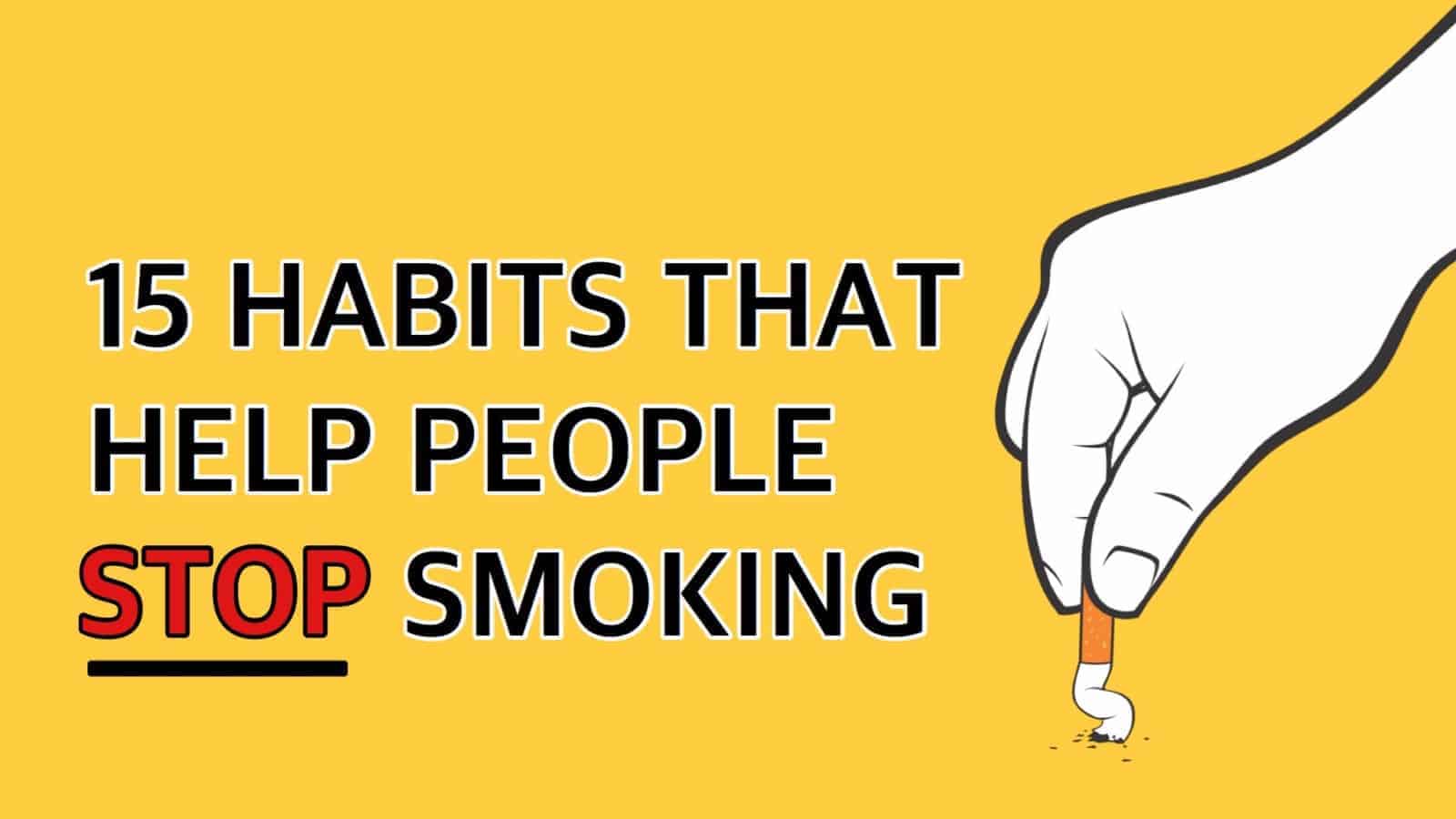
If you dream about quitting smoking often, you are likely to end the habit in your waking life, according to a study from the Journal of Abnormal Psychology. One year after the study took place, 63 percent of those who stopped smoking recalled they often had smoking-related dreams during that time period.

stop smoking

14. A Parkinson’s disease risk

Individuals with violent dreams where they are yelling, punching, or kicking someone could signify a sleep disorder. It can also be an indication of the onset of Parkinson’s disease.

15. Your labor and delivery

Pregnant women who dream about going into labor might ease their actual birth delivery in real life. The dreams manifest their emotional preparedness, so they may experience a relatively easy labor.

16. Your monthly period

There are women who experience wild and intimate dreams just before the start of their period. It’s not surprising to experts because women biologically have days of hormonal flux before their menstruation that can affect their sleep state.

17. Your medications

Some medications you’re taking, such as antibiotics, antihistamines or antidepressants, could bring bad dreams as side effects. You might need to ask your doctor for a change in medication if this has been bothering you.

18. Your relationship status

Dreaming about jealousy or your partner’s infidelity could signify your dissatisfaction in your relationship in real life, according to a study in the Social Psychological and Personality Science journal. Participants of the study showed that their state of mind, borne by issues they have with their relationship, reflected in their dreams.

19. Your migraine triggers

Believe it or not, your dream could tell you when you’re going to have a migraine. In a study on Behavioral and Brain Functions, 37 people who constantly suffered from migraines said that they usually have dreams about anger or aggression the night before an attack. Experts theorized that the onset of pain could have caused the nightmares.

migraines

20. Your life could be changing

Sometimes, what dreams mean could be a prelude to a change or challenge that you will soon face in your life. Your brain is helping you so that you will be able to deal with this change better when you’re awake.

Final Thoughts

Since many psychological issues and physical problems occur in dreams, treat them as a “wake-up call” to manage your waking life better. See a therapist or medical professional for help if you’re trying to understand the meaning of your dreams.

https://www.youtube.com/watch?v=z9YkSejn2fo

Motivational Experts Explain 5 Exceptional Ways To Turn Your Dreams Into Reality

We all have dreams that keep us going throughout the day. There is always something that we long to do, but can’t ever seem to get started. Maybe you have dreams of learning how to play the piano, or writing a book or learning to paint a masterpiece.

All of these things come from inspiration deep inside of us – but how do we go about letting it out? How do we turn that inspiration into reality? It’s way easier than you think.

The key is harnessing that spark of inspiration—whatever it may be—to alter your conduct. It starts with a decision followed by immediate action, which when sustained over time, can improve your life in ways you couldn’t possibly predict,” says author and vegan ultra-marathoner Rich Roll.

Turning inspirations into reality just takes a little time, and some key things to remember. Here are ways to turn all of that bubbling inspiration into reality.

“Success is liking yourself, liking what you do, and liking how you do it.” – Maya Angelou

Here Are 5 Exceptional Ways To Turn Your Dreams Into Reality

precognitive dreams

1. Focus on goals that excite you

Sometimes, there are things that you give yourself to achieve that you just don’t feel passionate about. Maybe you have a goal to become the CEO of your company – and if that doesn’t make you feel excited, then there’s no reason to keep pursuing it. Check out this expert’s guide on how to set goals and keep your focus on the goals that light your inspiration on fire and make you feel full and excited.

Whatever your goals are, they need to inspire you. They should cause a well of longing or excitement at the mere mention or thought of them. If you’ve got goals that make you about as excited as getting your teeth cleaned, then it’s time to get some new ones,” says author and musician Christina Sarich.

Allow yourself to enjoy the goals that make you happy, even if that goal is something niche like starting a succulent garden, or learning to whittle soap. They’re your inspirations, and if they make you feel happy, then that’s all that matters. If you focus on goals that don’t make you feel inspired, then you’ll have less time to focus on the goals that do.

2. Don’t overthink your dreams

Just like anything, overthinking your inspirations will probably stall you from actually getting anything done! Overthinking is “… neither productive nor healthy. There is a proven connection between rumination and depression, and another word for rumination is overthinking—the kind of thinking that doesn’t move you forward,” says author Sophia Dembling.

Don’t think too hard about what achieving your inspirations means – just get out and do it! Don’t focus on what people will think of your inspirations, or what your family will think. All you need to do is focus on how it makes you feel, and what you want to do with your inspirations. Once you stop letting yourself overthink it all, you’ll be amazed by how easy it is to turn all of that inspiration in your veins into reality.

3. Take a break from social media

How do you feel when you see other people posting on social media and their life looks perfectly tailored? Sometimes, seeing the perfect Instagram posts from our friends can make us feel like we aren’t achieving our dreams the way we should. Or, being on social media can make us feel like we should be sharing every second of our inspirations with the world. Don’t fall into the feedback loop.

In many ways social media, “… can be a ‘false reality’ – simply a window through which you see a snapshot of another person’s life. As such, when seeing others though social media it’s natural to make assumptions about how their life might be and you might believe that they, and others, are all having a great time while you’re missing out,” says director of psychological services, Dr. Mark Winwood.

Take a break from social media and focus on your inspirations. You’ll be amazed by how much more focus and drive you will have when you’re no longer competing with people on social media. Once you’re happy and content, go back and share the things you’ve done!

4. Tell someone about your dreams

When you get ready to turn your inspiration into reality, you may not want to tell someone for fear of letting them or yourself down. However, it’s proven that once you have some accountability, you’re far more likely to follow through with your goals. So, tell someone! Or tell a lot of people.

Find a support group of people who share your inspirations and do it with them! When you tell people, you’ll be more likely to follow through, especially if they’re someone that you love and trust to support you no matter what. When you have a support group, there won’t be anything to fear from having setbacks or reaching stumbling blocks.

follow your dreams

5. Don’t be afraid to fail

Fear of failure keeps us from doing all kinds of things! When we stop fearing failure, we become absolutely unstoppable! This isn’t to say that you’re going to fail – in fact, you’re much more likely to succeed than fail! But the fear of failure can stop you in your tracks before you even realize what’s happening!

If you are going places, failure is just part of the deal, but that’s OK. You can fix failure. You can’t fix the things you never tried.  If you stop trying, you’ll always wonder about what could have been,” says author and independent public board director, Jill Griffin.

So, kick that fear of failure to the door. Failing at things is just a part of life, and you’ll never know if you’re going to fail or succeed if you never try.

Final thoughts

Everyone has inspiration inside of them that is waiting to turn into reality. The only difference between you and someone else is taking those extra steps to explore that inspiration and make it into something that you love. These are ways to turn your inspiration into reality and make your dreams come true.


5 Foods That Detox Your Blood

Very few people think about just how important blood is on a day-to-day basis. Blood is the main source of transportation in our bodies – it helps move nutrients to where they’re needed most and remove toxins as quickly as possible. So naturally, blood needs to be as clean as possible. Toxins in the blood can cause problems such as acbloodne and other skin issues. Not to mention that some of the most important organs in our bodies, such as the kidneys and the liver, bear responsibility for blood detoxification. Failure to detox regularly and keep a healthy diet can lead to many unpleasant blood disorders.

But, you might say, I’ve seen so many positive detox tips on Instagram and they all seem useless. Well, to solve this, we need to first understand what a detox is. It’s not just about diet – it’s about regular exercise and body vitality too – but the addition of high-nutrient foods helps flush toxins out of your system. Summer is normally the best time to detox, as a lot of the foods that help with it are fruit and vegetables, and summer is the best season to obtain these foods. In addition, If you manage to lose weight, you get yourself ready for the beach, too! Here are some foods you need to focus on if you’re looking to detox your blood.

Here Are 5 Foods That Help You Cleanse Your Blood

“Food changes into blood, blood into cells, cells change into energy which changes up into life … food is life.” – Vertamae Smart-Grosvenor

1. Green leafy vegetables

Even if you’re not their biggest fan, green leafy veggies are a great source of iron, antioxidants, and other great nutrients. We’re talking about veggies such as spinach, kale, mustard greens and lettuce. It’s always best to eat them fresh – like in a salad – but if you feel like it, sauté them in a pan with other vegetables. Leafy greens increase enzymes, which in turn help with blood detox and reduce the possibility of infection.

2. Lemon and/or cucumber water

Water is generally very important for cleansing your blood. You need to drink at least two liters of water daily to feel healthy. But the addition of lemons or cucumbers will make your water infinitely healthier and tastier to drink! Both lemons and cucumbers are great for digestion, and improving that is key to all detox diets. You can do this in several ways. Just drop some lemon and cucumber pieces in your regular water bottle and go ahead with drinking – some water bottles even have a special section for such additions – or have a cup of warm water with lemon juice in it every morning. Either way, it’s certain to be effective.

3. Avocados

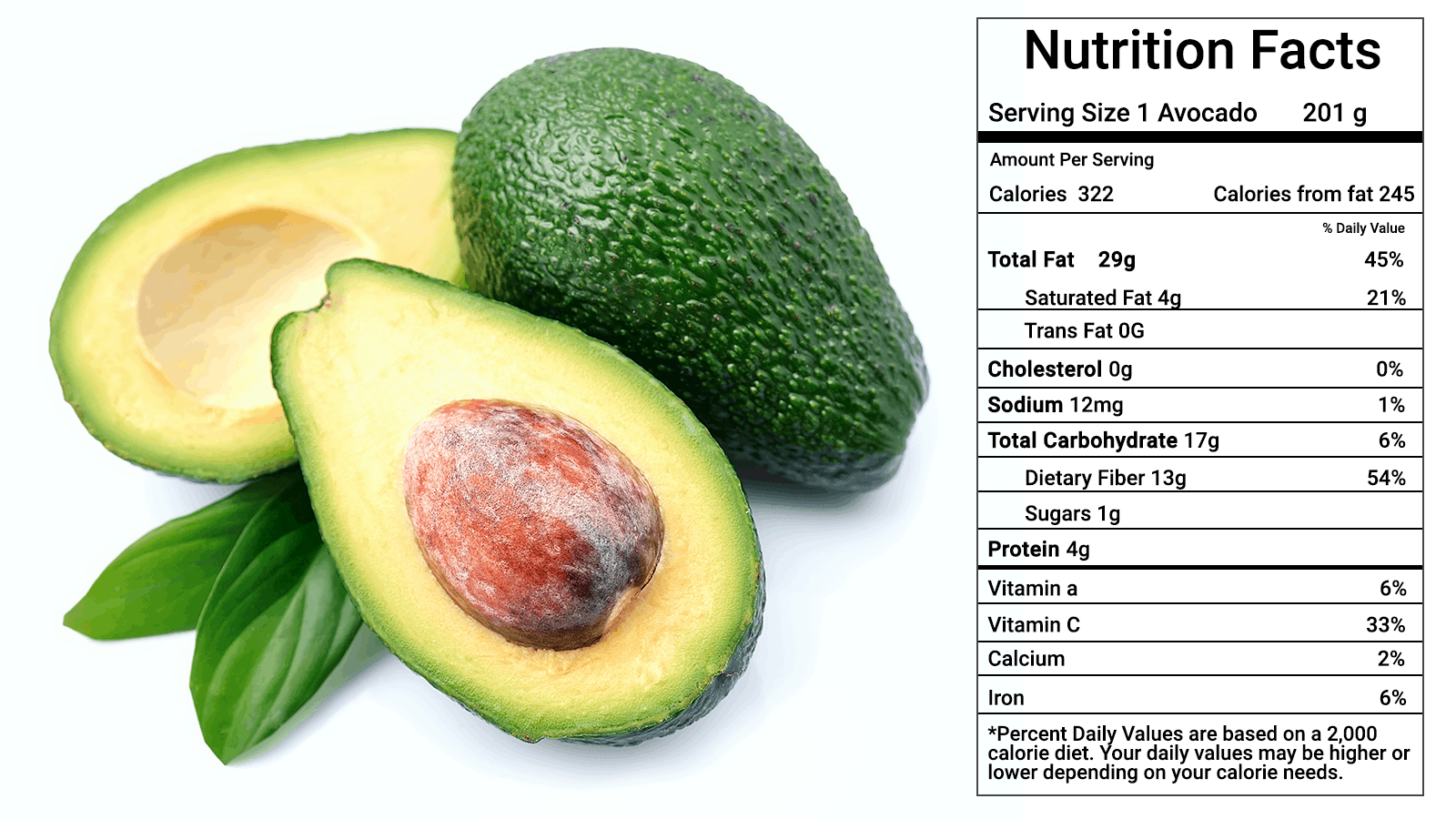
Not just a trendy millennial treat, avocados are also very rich in Omega-3, a friend to digestion, and an enemy to all inflammation. Whether you have them in guacamole or on toast or in a salad, avocados are certain to bring you some great health benefits. Make sure to not cook them in pasta or bake them in the oven, though – heat tends to destroy Omega-3 and make avocados taste not that great. Always keep your avocado in the fridge before eating it.

4. Cruciferous vegetables

It would be too long to list all of them, but this goes for broccoli, cauliflower, Brussels sprouts, and cabbage. They all have wonderful health benefits that you can reap if you include them in your diet more often. Not only are they really nutritious, but they also significantly reduce the risk of a lot of types of cancer. Furthermore, you can eat them in any form – steamed, sautéed, roasted or boiled – and they just need a little pinch of salt to taste wonderful.

5. All fresh fruit

No matter whether you’re a fan of apples or you prefer oranges, make sure to include as much fresh fruit as you can in your diet for a natural detox. Fresh and raw is always the best way, but if you want you can always juice them or add them to your favorite breakfast smoothie. Fruits are a very rich source of fiber, antioxidants, as well as pectin. So, during the summer, when a lot of fruit is in season, don’t doubt yourself; eat as much fruit as possible. Not only will they help cleanse your blood, but as a bonus, their high-water content will help with your hydration!

Final thoughts

Detox doesn’t need to involve expensive food or juices. You can detox with delicious fruit, vegetables and other ingredients that are healthy and will increase your overall body tone while helping you with your positive thinking, too. So, don’t put off your detox another day – start now, and you’ll be surprised how easy it is to keep it going!

https://youtu.be/KKB0jThAfnQ

(C)Power of Positivity, LLC. All rights reserved

Therapists Reveal 5 Hidden Dangers Of Using Social Media (And How To Avoid Them)

“There are a lot of pros and cons about social media; it’s just how you choose to handle it and how you have to be prepared for the negatives as well.”

~ Aubrey Peeples

Pros and cons, folks, pros and cons. Humans use social media as they have with nearly every other technology before it: for good and bad.

On the one hand, social media brings people together: family, friends, and those who could not otherwise communicate. We create powerful movements, fight injustice, and help those less fortunate.

On the other, social media continues to play an ever-increasing role in our daily lives – even reaching the workplace – to the point where it could be detrimental to how individuals and society, as a whole, live.

For this article, we’ll focus on the latter aspect of social media usage – and how to “avoid” misusing Facebook, Twitter, Instagram, and other media platforms.

Here are five hidden dangers of social media:

1. Sleep

Many of us are guilty of using our smartphones and tablets to wind down before bedtime. Psychologists and other experts reveal that this overuse of technology is affecting how well we sleep.

“Being potentially addicted or using these devices too much will make us stay up late as well and stop you from getting quality sleep,” says Stephanie Lau, developmental psychologist based in the United Kingdom.

“The main problem that occurs with taking your electronics to bed is the blue light they emit,” adds Jamie Bloch, a clinical psychologist and founder of MindMovers Psychology in the U.K., “The blue lights of electronics send signals to our brain telling us it is daytime.” This releases stress hormones, which keep us in an alert, wakeful state.

Fix: Stop using electronics at least an hour before bedtime; use a blue light filter if tech use cannot be avoided.

2. Social Interaction

The accelerating pace in which people are using social media is fundamentally impacting human interaction. When we’re always staring at a screen, we’re less mindful of the people whom we are with.

Daniel Goleman, an author of several books on the subject of emotional intelligence (EI), says that the expanding hours spent with gadgets and digital devices effectively lowers social intelligence.

Merely having a phone in arm’s reach is enough for some to divert their attention from the person they’re speaking with. “We’re always on standby for the next notification and alert – and this takes time away from the people who are with us,” adds Ms. Lau.

Fix: Power off the phone and stash it in your pocket or purse; educate yourself on the damaging effects of excessive social media use.

3. Attention

Technology-induced distractions are also a common complaint among both parents and teachers. Teachers and college professors – already contending with the limited attention span of most kids – must now work extra hard to keep smartphones from taking over the classroom.

James M. Lang, a college professor of British Literature, writes in The Chronicle of Higher Education:

“Like every faculty member these days — and like most high-school and even middle-school teachers — I am in a constant battle with cellphones and laptops for the attention of my students in the classroom.”

But college professors aren’t the only ones who must contend with gadget-induced attention deficit. Technology distractions cost workplaces billions of dollars in lost productivity every year.

Fix: If you have kids, monitor the content they’re accessing and when. At work, put your phone in your desk drawer, or leave it in your vehicle.

4. Body Image

“Being bombarded with images of perfection: perfect bodies, perfect makeup, perfect faces … (leaves) people feeling quite down about themselves,” Lau explains, “You’re misled to believe that this is reality.”

Of course, those who produce social media content spend hours touching up blemishes and imperfections. While adults innately understand that what they see on social media isn’t reality, these images can still have a subtle – yet still adverse – psychological effect.

Perhaps no demographic is more vulnerable to the false stereotyping of social media than adolescents – especially teenage girls. “With age comes perspective and wisdom,” says Lau, “(But) young people … need guidance from adults and for them to monitor their use of technology.

Fix: Monitor the content that your child is accessing. Educate them on the false nature of what they see.

social media hidden dangers

5. Feelings of Overwhelm

Human beings want and need to connect with other people. Social media, despite all its potential shortcomings – helps many of us keep in touch with the people we love – especially from afar.

However, the pressure of always having to be available or responsive – which we’re seeing now in the workplace – produces the harmful effects of anxiety and overwhelm. Some workplaces force their employees to bring their devices home with them; further enhancing an already-stressful situation.

“We are constantly walking the tightrope to deliver content, respond to others, be responded to, (and) to monitor and manage what we’re sharing,” adds Bloch.

This constant balancing act of checking and thumbing out messages, replying to emails, answering calls; in short, the always-present nature of technology in our personal and professional lives, is capable of creating intense anxiety, depression, and stress.

Fix: Limit your work and social media usage whenever possible. Follow only individuals and groups that you must to get work done, and don’t feel obligated to follow anyone you don’t know well.

https://youtu.be/lFdcCXmGpy4

(C)Power of Positivity, LLC. All rights reserved
Sources:
https://www.chronicle.com/article/The-Distracted-Classroom/239446
https://www.care.com/c/stories/4275/5-dangers-of-social-media-to-discuss-with-you/
http://www.dailymail.co.uk/femail/article-5310021/Psychologists-explain-social-media-effecting-lives.html

7 Ways to Relieve Boils Naturally At Home

There’s nothing more annoying to have to deal with in the summer months than skin conditions such as boils. Normally caused by sources of infection such as hair follicles or oil glands, boils can develop very quickly and before we know it, we’ll be looking for excuses to stay home and wondering why our skin decided to act up.

Normally, boils are tender, red lumps, which can be painful if pressed on. With time, the boil gets a white pus-filled head as the infection progresses. Most boils can heal within two or three days of the pus head forming.

As a rule of thumb, never try to force a boil open, because it will inevitably scar and spread the infection. For most boils, you wouldn’t need to see your doctor, as they can heal by themselves. If you think you have a cluster of boils – also known as a carbuncle – or a painful eye boil, then do go and see your doctor. But if you’re just dealing with one boil, there are several home remedies you can turn to make sure the infection heals quicker. Here are some of them that you can turn to – and the best thing is, they use ingredients you can find in almost any household pantry.

Here Are 7 Ways to Relieve Boils Naturally at Home

“If you have a boil or stye, resist the temptation to squeeze it. This will prevent the infection from spreading and help prevent or minimize scarring.” – Nada Elbuluk, MD

1. Over-the-counter antiseptic cream

The main thing about healing a boil is to keep the spot clean and dry and to protect it from any other bacteria that may form. Neosporin is by far one of the best antiseptic ointments you can get. You’ll find that within days of applying it, it will soothe the redness and relieve the pain as well. Apply the antibacterial cream twice a day – morning and night – after cleaning and carefully drying the boil. It might make some of the pus leak out – but that’s okay. Just remember not to touch it and try not to spread it.

2. Heat

Whether it’s a heat pad or something simpler like a warm towel, heat is a cheap and easy way to relieve pain and redness from boils. Apply heat to the area to help with blood circulation – this moves white blood cells to the area of infection and helps it dissipate quicker. Don’t overheat though, only use about 20 minutes of heat at a time, three or four times a day. You’ll see the difference almost straightaway.

3. Raw onion and fresh garlic

Both onion and garlic have an antioxidant effect that can really help with all infections. Cut onion in big slices or press garlic into a fine paste and juice. Apply either (or both) onto the boil once or twice daily and the effects will be noticeable almost immediately. Additionally, if you decide to eat more garlic and onion, that will also be a great way for your body to fight the infection from the inside.

4. Epsom salts

You might consider them an essential ingredient for your bath, but Epsom salts are actually really effective against boils, too. They cause the pus to dry out, helping the process of draining. The best way to apply Epsom salts to a boil is through a hot compress 20 minutes at a time every day.

5. Tomatoes

Did you know that tomatoes have great antioxidant qualities and can be highly effective against boils? They’re also easy to find as pretty much everyone has a few in their fridge nearly all the time. Mash the tomatoes into a fine paste or blend them in a blender – like you would to make pasta sauce – and apply it directly onto the boil. Don’t use pre-bought tomato sauce, as some of the additives can stop the healing process. Fresh tomatoes always work best.

6. Turmeric

There’s a reason why a lot of Indian cooking uses turmeric as one of its main spices. Turmeric has wonderful healing properties and you can use it both on the outside and the inside. If you feel like it, have a cup of hot milk with some turmeric dissolved into it just before bed for its excellent antioxidant qualities. It’s very good for anyone struggling to fall asleep and it doesn’t taste half bad either! Additionally, if you mix some turmeric with milk cream and apply it directly over the boils that will really help too.

turmeric - boils

7. Water

You weren’t expecting that one, were you? Well, it’s a well-known fact that hydration is great for you, but when your body is at risk of infection, that’s even more relevant than before. Drinking over two liters of water a day will help your immune system ward off the infection and help your blood flow as well. Additionally, after you are healed of the boils, don’t abandon your water drinking. Drinking lots of water throughout the day helps keep your skin healthy and prevents the possibility of more boils forming.

Final thoughts

No matter how positive you are, let’s admit that boils are never very pleasant to have to deal with. Fortunately they rarely cause any serious damage. However, if you feel like you’re developing a fever, nausea, or any other symptoms, or if the boils last for longer than two weeks, it’s time to visit the doctor! They might have to prescribe you some antibiotics to help keep the infection in check. Additionally, to prevent getting more boils, to keep your skin clean and use antibacterial rinse whenever you can. Any broken or damaged skin can turn into an unpleasant boil, so always keep wounds clean, too. And remember positive thinking – boils are not the end of the world!

5 Reasons Why You Don’t Need To Get Married To Get Ahead In Life

“Marriage is a wonderful institution, but who wants to live in an institution?” – Groucho Marx

For a lot of people, marriage seems like the end all, be all of life. Society seems to agree: to get ahead in life, you have to get married. Well, that isn’t altogether true.

According to the National Campaign to Prevent Teen and Unplanned Pregnancy, “Delayed marriage has elevated the socioeconomic status of women, especially more privileged women and their partners, allowed women to reach other life goals, and reduced the odds of divorce for couples now marrying in the United States.

Getting married should be something that happens to you if you’re in love, not something to make as a life goal. Here are some of the best reasons that marriage isn’t required for you to get ahead in life.

Here Are 5 Reasons You Don’t Need to Be Married to Get Ahead in Life

1. You don’t need someone to complete you

As a society, we tend to put a lot of emphasis on finding your soulmate and getting married. The idea is that everyone is one half of a whole, and that there is someone out there just for them. While that’s nice to think about, it doesn’t have to be true for you, especially if you don’t want it to be!

Marriage is nice, but you don’t need someone to complete you. You are a full person, two halves of your own whole. Focusing on enjoying your life as it is doesn’t make you any less amazing than someone who chooses to get married. Don’t worry about looking for someone to complete you. You’re already complete.

2. Focusing on your career is valid

According to Richard Settersten and Barbara E. Ray, authors of ‘Not Quite Adults’, “Young adults today are not ready to get married until they get all their ducks in a row.” For some people, their work is their life. For people who have high-demand jobs like lawyers and doctors, trying to find time to get married seems like just too much work. And that’s fine!

Having friends or casual, romantic partners to fill your life is a valid choice to make. Sometimes, your career is the thing that brings you the most joy in life. If you love your job and want to focus on doing the very best you can every single day, then you don’t have to worry about getting married. If marriage isn’t for you, it won’t hold you back in life.

3. There’s more to life than just marriage

Some people are led to believe that the end goal in everyone’s life should be marriage. We all know, however, that there are so many more things in life to strive for. Marriage can be one of your goals, but it doesn’t have to be your only goal. If your goal in life is to climb a mountain, or paint a masterpiece, or learn the piano, that’s okay! Of course, always have back up goals for when you finally achieve your life’s work.

4. Marriage doesn’t always last forever

No one likes to think about divorce. But the truth of the matter is, people change throughout their lives. Two people who got married may not feel the same way about one another ten years down the line. That’s normal, and something a lot of people experience. If you think that you’re not going to be happy in your marriage forever, it’s okay not to get married. You don’t need to have a marriage to make your life perfect. Getting ahead in life doesn’t require that you tie yourself to a marriage you’re not 100% sure of.

5. Marriage is just a piece of paper

Marriage can be an amazing and wonderful joining of two lives into one. Marriage can be the start of a family. That is true for a lot of people, but not true for everyone. For some people, marriage is just a piece of paper that declares tax benefits.

Don’t be afraid of living your life without marriage. You don’t need it to get ahead in life – you can do that all on your own. Taking charge of your life is possible even without marriage. All you need is to create goals and take steps to achieve them. Don’t be afraid if marriage isn’t one of your goals – you can live a fulfilling life without it.

love

Final thoughts

For some people, marriage is the dream. For others, marriage just isn’t on their radar. Society may have you believe that marriage is what you need to get ahead in life, but that isn’t true. Marriage should be something that you should do only if you are truly ready to get married. If you think your life would be better off surrounded by friends, family and work, then that’s a perfectly valid way to live.

https://youtu.be/lO-TMrAyth4

(C)Power of Positivity, LLC. All rights reserved
References:
http://nationalmarriageproject.org/wp-content/uploads/2013/03/KnotYet-FinalForWeb.pdf
https://www.amazon.com/Not-Quite-Adults-20-Somethings-Adulthood/dp/0553807404
Skip to content