Weekly tips, affirmations, and small actions to feel your best.

A Caregiver’s Guide to Finding Strength and Positivity When It Feels Impossible

There are seasons when positivity doesn’t come naturally, no matter how hard you try.

Some days your mind feels heavier, your heart feels tired, and hope seems distant.

These moments don’t mean you’re failing or losing your strength. They simply reveal that you’ve been carrying more than you realize.

When life feels overwhelming, positivity isn’t about pretending everything is fine.

It’s about giving yourself permission to pause, breathe, and acknowledge the weight on your shoulders.

Sometimes the most powerful step forward is simply admitting that today is hard and still choosing not to give up.

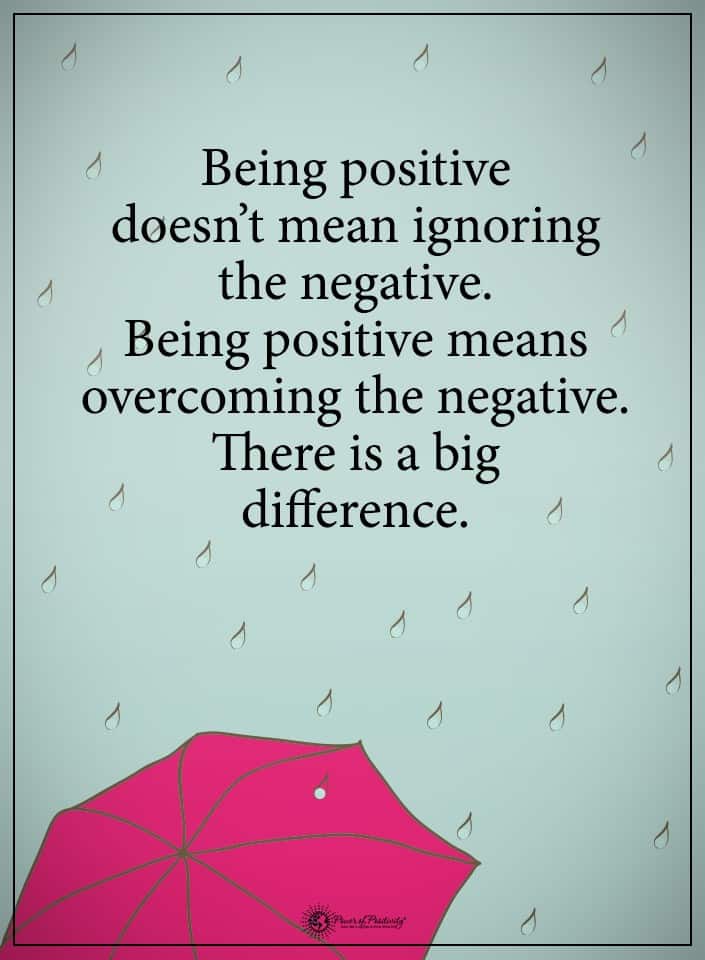
being positive


💛 The Hidden Emotional Weight You’re Carrying

When life feels impossible, it’s usually because you’ve been holding more than anyone can see.

Responsibilities, expectations, and unspoken worries build silently in the background until they feel impossible to manage.

Most people underestimate how deeply emotional exhaustion affects their mindset.

It’s not just fatigue; it’s the sensation of being overextended while still striving to be present for everyone around you.

Acknowledging this weight isn’t weakness. It’s self-awareness.

When you finally recognize what’s draining you, you can begin releasing the pressure you’ve been quietly carrying.

Naming the struggle is often the first step toward finding your strength again.

💫 “Even on your hardest days, you are still showing up. That is strength.” — Unknown

🔄 How to Reframe Negative Thought Patterns

When life seems overwhelming, your mind instinctively gravitates towards the most dire possibilities.

Negative thoughts often appear before you’re even aware of them, creating a loop that makes everything feel heavier.

But reframing isn’t about forcing yourself to “think positive”.

It’s about gently shifting the way you interpret what’s happening.

Instead of assuming the situation is hopeless, you pause, breathe, and ask yourself if there’s another angle you’re not seeing yet.

This simple shift creates emotional space.

It helps you move from panic to perspective, from overwhelm to clarity, and from feeling stuck to recognizing that you still have options.

🌱 Micro-Steps That Make Positivity Feel Possible Again

When positivity feels out of reach, big changes can feel impossible, but micro-steps create momentum without overwhelming you.

These tiny shifts don’t fix everything, yet they help your mind breathe again.

It might be stepping outside for two minutes of fresh air, grounding your feet on the floor, or drinking a glass of water to reset your body.

It could be sending one honest text to someone you trust or writing down a single thing you handled well today.

Small steps matter because they remind you that you’re still moving, still trying, still reaching for light even in a heavy season.

🧘‍♀️ Finding Strength in Stillness and Slowing Down

When life feels impossible, your mind often speeds up, trying to solve everything at once.

That mental rush makes challenges feel even heavier.

Stillness works in the opposite direction. It creates space for clarity, calm, and emotional reset.

Slowing down doesn’t mean giving up.

It means giving yourself room to breathe so you can respond instead of react.

A few quiet minutes with your eyes closed, a gentle stretch, or simply sitting without forcing productivity can reconnect you to your center.

Stillness reminds you that strength isn’t always loud or busy. Sometimes it’s the quiet pause that helps you find your way forward.

🌿 “Stillness is not a pause in your strength — it’s where your strength begins.” — Unknown

✨ Practical Ways to Nurture Your Spirit Each Day

When life feels overwhelming, nurturing your spirit becomes one of the most important ways to steady your mind.

These practices don’t have to be big or time-consuming. Even small moments of spiritual care can lift your mood and reconnect you with hope.

Whether it’s starting your morning with prayer, reading a brief devotional, or stepping outside for a moment of sunlight, these simple rituals create emotional grounding.

They remind you that even in difficult seasons, you can still make space for peace.

Below are a few gentle practices and the emotional benefits they bring.

Daily Spiritual Practice
Emotional & Mental Benefit

🙏 Morning Prayer
Centers your mind before the day begins and creates calm and direction.

📖 Reading a Devotional
Provides grounding truth and encouragement to counter emotional overwhelm.

☀️ Stepping Into Sunlight
Boosts serotonin and lifts your mood, helping you feel lighter and more energized.

💗 One Kind Sentence to Yourself
Softens self-criticism and builds emotional resilience from within.

🤝 Ask for Support Before You Hit Your Breaking Point

You were never meant to carry everything alone, yet so many people wait until they’re overwhelmed before reaching out.

Asking for support isn’t a burden,  it’s an act of wisdom.

When you share what you’re going through, even with one trusted person, the emotional weight becomes lighter and far more manageable.

Support doesn’t always mean deep conversations; sometimes it’s a short message, a quick prayer with a friend, or letting someone help with one small task.

Reaching out early protects your mental and emotional health.

It reminds you that connection is a lifeline, especially when positivity feels out of reach.

🔥 How to Hold Onto Hope During Your Hardest Moments

Hope isn’t always a bright, bold feeling. Sometimes it’s faint, quiet, and barely noticeable, but still present.

The hardest moments often test your belief in better days, yet this is where hope becomes a choice rather than an emotion.

Holding onto hope can look like reminding yourself that challenges are temporary, leaning on your faith, or returning to one uplifting truth you trust.

It may also mean giving yourself permission to feel your emotions without believing they define your future.

Even the smallest spark of hope can guide you through darkness. You don’t need to feel strong to follow the light,  just willing.

Bible Verses to Build Inner Strength

Read the Full Guide

🕊️ What to Do When You Can’t “Think Positive” Yet

There will be days when positivity feels out of reach, and forcing it only adds more pressure.

In those moments, you don’t need to “snap out of it”. You simply need a softer approach.

Instead of trying to change your thoughts immediately, focus on calming your body and acknowledging what you feel.

Acceptance is not defeat — it’s the first step toward clarity.

You might take slow breaths, sit quietly with your emotions, or choose one small comforting action.

These gentle responses create space for your mind to settle. When positivity can’t lead you, compassion can.

And compassion always opens the door for hope to return.

🌟 Signs You’re Becoming Stronger Than You Realize

Strength doesn’t always look bold or confident.

Most of the time, it shows up quietly in the background of your life.

You may not notice it, but it’s there each time you get up on a hard day, take a deep breath before reacting, or show yourself compassion instead of criticism.

You’re growing every time you slow down, ask for support, or choose rest instead of pushing past your limits.

These small shifts are signs of deep resilience.

They reveal that you’re becoming steadier and more grounded, even if you haven’t fully recognized your progress yet.

Here are a few signs you might be stronger than you think:

💪 You Keep Showing Up

Even on days when you feel drained or discouraged, you still take the next step. Consistency in hard seasons is one of the strongest signs of resilience.

🧘 You’re Learning to Pause

Instead of reacting out of stress, you’re starting to breathe, reflect, and respond with clarity. That emotional maturity is a sign of real inner growth.

💗 You’re Kinder to Yourself

You’re beginning to replace self-criticism with compassion. Even small shifts in how you speak to yourself reflect powerful emotional healing.

🌱 You’re Improving in Small, Quiet Ways

Growth doesn’t always feel dramatic. Sometimes it’s sleeping better, setting boundaries, or feeling a little steadier than last week — all signs of increasing strength.

FAQs

What should I do when positivity feels completely out of reach?

Start with compassion, not pressure.

When positivity feels impossible, focus on calming your body, grounding your thoughts, and taking one small supportive action.

You don’t need to “feel positive”; you just need to stay open to relief.

How can I stay hopeful during overwhelming seasons?

Hope grows through small anchors: prayer, gratitude, rest, honest conversations, and gentle routines.

These practices build emotional stability even when circumstances remain difficult.

Why does my mindset get worse when I’m exhausted?

Emotional and physical fatigue make your brain more reactive and less resilient.

Rest, hydration, and quiet moments aren’t luxuries; they’re essential for clear thinking and emotional balance.

How do I stop negative thoughts from spiralling?

Interrupt the spiral with a pause.

Breathe deeply, question the thought instead of accepting it, and remind yourself there may be another perspective you can’t see yet.

train your mind

🌈 Final Thoughts

Positivity isn’t something you force. It’s something you gently return to, especially in the seasons when life feels heavy.

Every moment you slow down, breathe, and give yourself compassion becomes a step toward emotional strength.

You don’t have to have everything figured out to move forward; you just need to stay open to small pieces of light.

Over time, those small moments build into resilience, clarity, and renewed hope.

Even if you can’t see it clearly yet, you’re growing through this chapter.

And the strength you’re building right now will guide you into calmer, brighter days ahead.

How Faith Transforms Your Mindset: 15 Bible Verses to Meditate On

There comes a time in every woman’s life when she realizes that real peace doesn’t come from changing her circumstances.

It comes from changing her mindset, and that shift grows strongest when it’s rooted in faith.

Faith quiets inner battles, steadies anxious thoughts, and reminds you that God is working within you even when life feels uncertain.

When you let faith guide your thinking, you begin to see your life as something sacred, filled with lessons and purpose.

In this article, you’ll explore how faith transforms your mindset and discover simple ways to renew your thoughts, strengthen your spirit, and walk through each day with deeper peace.

just breathe and have faith

🌷 Understanding a Faith-Transformed Mindset

Every woman faces moments that test her strength.

Doubt rises, fear whispers, and life can feel heavier than her heart can carry.

In those moments, what matters most isn’t the situation itself but the way she chooses to contemplate it.

A faith-transformed mindset begins with a higher perspective.

It’s the gentle shift from “Why is this happening to me?” to “What is this teaching me?” Instead of letting worry take control, faith invites calm and clarity.

With faith guiding your thoughts, challenges become opportunities to grow.

You start trusting that a divine purpose is unfolding, even when the path isn’t clear. Faith doesn’t remove the struggle, but it helps you walk through life anchored in hope, confidence, and peace.

🔑 Why Faith Is the Catalyst for Lasting Change

Lasting change begins in your spirit, then reshapes your thoughts, and eventually transforms the choices you make each day.

Faith is the spark that starts this inner shift.

When you believe God is moving on your behalf, your inner dialogue softens, your courage strengthens, and your next step becomes clearer.

Faith also rewrites the stories you tell yourself. Instead of thinking, “I’m not enough,” you begin to say, “I am guided, I am growing, and I am loved.”

This change in mindset affects how you face stress, how you speak to yourself, and how you show up for others.

You stop carrying everything alone and begin walking with grace instead of pressure.

Here are five ways faith fuels real transformation for women in everyday life:

💗 Identity:
Faith reminds you who you are, so comparison loses power and confidence rises.
🧠 Thought life:
Prayer and Scripture nudge your thoughts toward peace, gratitude, and possibility.
🧭 Decisions:
Trust in God’s timing reduces rushing, second-guessing, and fear-based choices.
🤝 Community:
Faith invites accountability and encouragement, which helps new habits stick.

Mini practice for today: Place one faith-filled truth where you will see it often: your mirror, phone lock screen, or planner.

Read it out loud in the morning and at night. Let it guide your self-talk and your next small step.

🌻 5 Heart-Centered Ways Faith Shifts Your Mindset

Faith doesn’t just transform your beliefs. It softens your reactions, strengthens your patience, and fills your mind with peace instead of pressure.

When faith leads, fear begins to lose its voice.

Here are five simple yet powerful ways faith begins to shift your mindset and open your heart to lasting change:

🌞 1. Begin Each Morning with Scripture

Starting your day with God’s Word helps anchor your thoughts before the world can overwhelm them. Even one verse can remind you that you are supported, loved, and capable of facing whatever comes your way.

💌 2. Journal Gratitude and Answered Prayers

Write down what you’re thankful for, even on the hardest days. Faith deepens when you start noticing how often God has already shown up for you. Gratitude turns ordinary moments into quiet miracles.

🌿 3. Surround Yourself with Faith-Filled Community

The people you spend time with shape your mindset. When you surround yourself with women who pray, believe, and encourage you, faith becomes contagious.
Their light will help you keep shining through your storms.

💖 4. Speak Life Over Yourself

Your words hold power. Replace self-criticism with declarations of truth. Say, “I am chosen,” “I am capable,” or “I am walking by faith, not fear.”
The more you affirm God’s promises, the more your mind aligns with peace.

🕊️ 5. Turn Worry into Prayer

When anxiety rises, stop and pray. Release every “what if” into God’s hands.
Faith transforms stress into surrender, reminding you that you were never meant to carry it all alone.

📖 15 Bible Verses to Meditate On for a Renewed Mind

✨ Renewing Your Mind Through Faith

Meditating on Scripture is one of the most powerful ways to let faith transform your thoughts.

Each verse below carries a message of peace, strength, and clarity for the moments when life feels uncertain or heavy.

As you read, breathe slowly, and let these words sink deep into your heart.

“Do not conform to the pattern of this world, but be transformed by the renewing of your mind.” – Romans 12:2

This verse reminds you that transformation starts with your thoughts. When you choose faith over fear, your heart begins to align with God’s purpose.

“Whatever is true, whatever is noble, whatever is right, whatever is pure… think about such things.”  – Philippians 4:8

Faith teaches you to focus on what uplifts your spirit and helps you see goodness in every moment.

“You will keep in perfect peace those whose minds are steadfast, because they trust in you.” – Isaiah 26:3

Peace grows when you trust God’s timing instead of trying to control the outcome.

“For we walk by faith, not by sight.” – 2 Corinthians 5:7

Faith assures you that God is already there, so you can walk confidently even when you can’t see the way.

“Trust in the Lord with all your heart and lean not on your own understanding.” – Proverbs 3:5–6

When you release the need to have every answer, you make space for divine guidance.

💖 Strength and Courage in Times of Challenge

These verses remind women that faith is the foundation of courage and resilience.

When life feels uncertain, these promises keep your spirit steady and hopeful.

🕊️ Psalm 46:10

“Be still and know that God is in control.” When life feels heavy or uncertain, faith calls you to pause and breathe. Stillness isn’t weakness — it’s sacred strength. In the quiet, peace begins to bloom again.

💪🏽 Joshua 1:9

“Be strong and courageous; you are never alone.” God walks with you in every battle, every worry, and every moment of doubt. Faith turns fear into bravery and isolation into divine companionship.

🌟 Ephesians 3:20

“God can do more than you could ever imagine.” Faith expands your vision and allows you to dream beyond your limitations. God’s plans for you are often far greater than what you’ve been praying for.

🔥 James 1:2–3

“Trials grow your strength and perseverance.” Every challenge refines your faith and teaches your heart resilience. What once felt like breaking points become building blocks of grace.

🌈Psalm 37:4

“Delight in God, and your heart’s desires align with His plan.” When your joy flows from your connection to God, your dreams and His divine will move in perfect harmony.

💕 Living the Verses – Applying Faith Daily

Faith is meant to be lived, not just believed.

When you carry Scripture beyond Sunday mornings and weave it into your everyday moments, it begins to shape the way you think, speak, and respond to life.

Here are some gentle ways to incorporate your faith into your daily life, allowing it to transform your mindset from within:

1. Begin each morning with gratitude

Before reaching for your phone, take a quiet moment to thank God for one simple thing – the sunrise, your breath, your family, or a fresh start. Gratitude opens your heart to peace before the world has a chance to rush in.

2. Keep a Scripture close to your heart

Choose one verse each week to meditate on. Write it on a sticky note, set it as your phone wallpaper, or keep it in your journal.

Let that truth anchor you whenever doubt or worry tries to steal your calm.

3. Turn moments of stress into prayer

When anxiety rises, pause. Whisper a short prayer instead of reacting. Turning your thoughts toward faith shifts your energy from tension to trust.

4. Speak life and encouragement

Use your words as instruments of light — both for yourself and for others.

Compliment someone sincerely, speak kindly to yourself, and choose hope-filled words, even when life feels uncertain.

5. End your day in reflection

Before sleep, take a few minutes to reflect on how faith showed up in your day. This could include a kind word, an answered prayer, or the strength to keep going.

Recognising these moments helps your faith grow stronger and steadier over time.

Faith transforms your mindset most effectively when it flows from your heart into your daily habits.

Each small act of trust, gratitude, and kindness becomes a step toward a life that reflects peace, purpose, and divine confidence.

FAQs

How can I strengthen my faith when I feel distant from God?

Start small. Whisper a short prayer, read one verse, or pause to breathe. God meets you right where you are.

What should I do when negative thoughts keep coming?

Counter them with truth. Choose one verse and repeat it when negativity rises. Over time, your mind shifts toward peace.

Can faith really change how I see myself?

Yes. Faith reminds you that you are loved, supported, and created with purpose. Scripture reshapes your self-talk.

How long does mindset renewal take?

It’s different for everyone. Some changes are quick, others gradual. Small, consistent steps create lasting transformation.

have faith in what will be

🙏 Final Thoughts

Faith has the power to gently reshape your mindset, your confidence, and the way you move through life.

When you let God guide your thoughts, you step into each day with more clarity, more peace, and more purpose.

Even small moments of trust, such as a single verse, a brief prayer, or a quiet pause, can lead to enduring transformation.

Remember, you don’t have to have everything figured out.

You only need to take one faithful step at a time.

With each step, your mind grows steadier, your heart grows stronger, and your spirit grows more aligned with the woman God created you to be.

You are loved. You are guided. You are growing every day.

Faith Over Fear: Choosing Hope in Times of Struggle

When life feels heavy, hope can feel far away, yet it’s often the thing that helps a man keep moving forward.

In times of struggle, hope reminds us that what we’re facing right now isn’t the final chapter, just a difficult page.

It tells us that something better is still possible, even when the next step isn’t clear.

Hope doesn’t remove the pressure or the challenges, but it steadies a man’s heart so he can face them with courage.

And when fear tries to take over, choosing hope becomes a deliberate act of strength.

That small shift is often where clarity returns, healing begins, and a renewed sense of purpose starts to rise again.

let your faith

🌈 What “Hope in Times of Struggle” Really Means

Hope in times of struggle isn’t about pretending everything is fine or forcing yourself to act strong when you’re drained.

It’s the quiet belief that even in uncertainty, there’s still a way forward.

It’s the inner strength that helps a man take one more step and trust that this moment won’t last forever.

Hope grows right in the middle of the challenge, not outside of it.

It’s the reassurance that healing is possible, solutions exist, and you have what it takes to move through what feels overwhelming.

Hope becomes the anchor that steadies your heart as life shifts around you.

🌤️ “Faith isn’t just believing that your dream will happen. It’s believing you were built to make it happen.”

⚔️ The Hidden Battle Between Fear and Hope During Hard Seasons

When life becomes overwhelming, fear is usually the first to surface.

It tells a man to brace for the worst, pull back, and protect himself from more hurt. Hope works differently.

It encourages you to stay open, trust your strength, and believe something good can still grow from what you’re facing.

These forces collide hardest in tough seasons.

Fear tries to shut you down, while hope pushes you to keep moving.

Understanding this inner battle shows that choosing hope isn’t weakness — it’s a powerful choice to rise above what scares you and believe better days are ahead.

🧩 Common Struggles That Make Hope Feel Hard to Hold

Even the strongest man can feel his hope fade when life gets too heavy.

Certain challenges make it hard to stay centered, and acknowledging them helps you realize you’re not alone.

Grief can drain you in unexpected ways.

Financial setbacks create pressure and fear about the future. Relationship conflicts shake the stability you rely on.

Health struggles make simple tasks feel overwhelming, and loneliness can make you question your worth.

These moments don’t mean you’re losing strength, they show that hope needs gentler care and extra support during life’s hardest chapters.

Type of Struggle
How It Impacts Hope

💔 Grief & Loss
Deep emotional pain can make the future feel unclear, heavy, and exhausting.

💸 Financial Stress
Money worries can create constant pressure, fueling fear about stability and the future.

⚡ Relationship Conflict
Tension or distance with loved ones can shake your sense of security and emotional grounding.

🩺 Health Challenges
Physical limitations and ongoing symptoms can drain energy and make everyday life feel overwhelming.

🌧️ Loneliness & Isolation
Feeling disconnected from others can lead to self-doubt and a sense that no one truly understands what you’re carrying.

🌿 How Faith Strengthens Hope When Life Feels Uncertain

Faith becomes a steady anchor when life feels unstable, something a man can lean on when everything hits at once.

It reminds you that even in your darkest seasons, you’re not carrying everything alone.

Instead of relying solely on what you can control, faith encourages you to trust that a greater purpose is unfolding, even when the path feels unclear.

This foundation loosens fear’s grip and creates space for hope to rise.

When you lean into faith, your questions shift from “Why is this happening?” to “How am I being guided?”

That shift brings peace, clarity, and the courage to keep moving.

🔧 Practical Ways to Build Hope in Times of Struggle

Hope grows through small, steady actions that support your emotional and spiritual well-being.

Here are a few practical practices that gently lift you when life feels heavy:

🔹 Start with One Grounding Ritual a Day

A slow breath, a short walk, or a quiet moment can reset your mind and steady your heart. These small interruptions soften overwhelm and keep you centered when life feels heavy.

🧠 Shift Your Inner Dialogue

Replacing fear-driven thoughts with compassionate reminders like “I’m doing the best I can today” helps restore emotional balance and rebuilds the belief that better days are still possible.

🌼 Practice Simple Gratitude

Noticing one good thing each day gently reconnects your mind to what’s still working, even in difficult moments. Gratitude shifts your focus from fear toward possibility.

🤝 Allow Others to Support You

Reaching out isn’t weakness—it’s strength. Letting trusted people walk alongside you reduces emotional weight and makes hope easier to access again.

🕯️ Turn to Prayer, Meditation, or Reflection

Spiritual practices provide grounding, clarity, and peace. They strengthen your connection to something bigger than the moment, helping hope rise gently within you.

📖 Real-Life Examples: Moments When Hope Made the Difference

Hope often shows its strength when a man feels unsure of what comes next.

Think of the person overwhelmed by grief who found comfort in a friend’s unexpected message,  a reminder he wasn’t alone.

Consider the father who was worried about financial collapse and received one small opportunity that changed everything.

There’s the man who battled loneliness until the right people helped him reconnect, and the one facing health challenges who rediscovered his strength through quiet faith and daily intention.

Hope rarely arrives loudly; it comes in small, meaningful moments that help a man keep going when giving up feels easier.

🌅 Signs You’re Beginning to Regain Hope (Even If Life Still Feels Heavy)

Hope doesn’t always return in big, dramatic ways.

Most often, it shows up quietly through small shifts that tell a man he’s healing, even while the struggle continues.

You might notice slightly more energy or clarity than before.

Maybe you start imagining the future again or spotting solutions where everything once seemed impossible.

You may feel more patient, more grounded, or more open to support.

These subtle changes are proof that hope is rebuilding inside you, strengthening your spirit one steady step at a time.

Faith Over Fear: Rise With Strength

Read the Full Article

🛡️ What to Do When You Feel Like Giving Up

It’s normal for a man to reach a point where he questions how much more he can handle.

In those moments, the most important thing you can do is pause and breathe.

Give yourself permission to rest instead of pushing through with empty strength.

Reach out to someone you trust; even a short conversation can remind you that you’re not alone.

If your mind spirals into fear, ground yourself with a simple truth like “I don’t need to solve everything today.”

Remember, taking a break, slowing down, or shifting direction is still progress. Hope often returns when you make space for it.

💬 Bible Verses or Inspirational Quotes for Hope in Times of Struggle

Words of truth and encouragement have a way of steadying the heart when fear feels overpowering.

Whether you lean on scripture, uplifting quotes, or spiritual reminders, these messages can anchor your spirit and gently guide you back toward hope.

Read them slowly and let the meaning settle; each one offers strength, clarity, and reassurance for the moments that feel the heaviest.

📖 Joshua 1:5

“I will never leave you nor forsake you.” This verse offers deep reassurance that even in your hardest seasons, you are not journeying alone.

🌤️ John 1:5

“The light shines in the darkness, and the darkness has not overcome it.” This verse serves as a powerful reminder that hope can emerge even in the midst of darkness.

🌻 Isaiah 43:2

“When you go through deep waters, I will be with you.” This message brings comfort for overwhelming days and seasons of uncertainty.

🌙 Martin Luther King Jr.

“Faith is taking the first step even when you don’t see the whole staircase.” This statement serves as a gentle reminder to trust the process, even when the path isn’t yet clear.

🌄 Encouraging Reflection

“You are stronger than you know, braver than you feel, and more capable than you realize.” A grounding message that brings strength and steady reassurance for the journey ahead.

🔥 How to Let Go of Fear and Choose Hope Daily

Letting go of fear doesn’t happen all at once. It happens through small, consistent decisions a man makes each day.

Start by noticing when fear starts driving your thoughts, then intentionally shift your focus toward what you can influence and control.

Hold on to one grounding practice that brings you back to center, whether it’s prayer, slow breathing, or journaling your thoughts out.

When fear rises, remind yourself that you don’t need every answer right now.

Choosing hope is a daily commitment to trust your strength, lean into your faith, and take one solid step forward, even if it’s small.

FAQs

How can I stay hopeful when everything feels overwhelming?

Start by focusing on one small step instead of the entire situation.

Grounding practices like deep breathing, prayer, or journaling can help calm your mind and make space for hope to reappear.

Why does hope feel harder to access during difficult seasons?

Stress, uncertainty, and emotional exhaustion can cloud your perspective.

This doesn’t mean you’re losing strength; it simply means you’re human and in need of gentler support.

What helps when hope feels impossible to hold onto?

Reach out to someone you trust, even briefly.

Sometimes hope grows through connection, reassurance, or a reminder that you don’t have to face everything alone.

you cant control everything

🌟 Final Thoughts: Your Hope Is Stronger Than This Moment

Even in your hardest seasons, hope is still working within you.

It may not feel bold right now, but every small act of courage and every choice to keep going is proof it’s alive.

Struggle doesn’t define you ; it shapes you and reveals your strength.

Trust that you’re growing through this, not just enduring it. And even on the days when fear feels louder, hope is never out of reach.

It’s already rising inside you, guiding you toward steadier, brighter days ahead.

A Single Conversation Can Save a Life: How to Talk About Mental Health on World Suicide Prevention Day

Starting a conversation about mental health can feel intimidating, but it’s one of the most powerful ways to support someone you care about.

Many people struggle quietly, hoping someone will notice, listen, or simply ask how they’re truly doing.

When you open the door with compassion, you create a safe space for honesty, relief, and healing.

Learning how to discuss mental health isn’t about having perfect words.

It’s about showing up with empathy and reminding someone they’re not alone.

One conversation can offer clarity, comfort, and even life-saving support.

never apologize


🧠 What Makes Mental Health Conversations Difficult

Talking about mental health can feel overwhelming because many people were never taught how to navigate emotional topics with confidence.

There’s often a fear of saying the wrong thing, triggering discomfort, or crossing boundaries.

Others worry they might make the situation worse or won’t know how to respond if someone opens up deeply.

These hesitations are normal. What matters is your intention to show care.

When you approach the conversation with gentleness and curiosity rather than pressure or judgment, the experience becomes safer for both people.

Understanding why these talks feel challenging helps you move forward with more clarity and compassion.

“Most people aren’t silent because they don’t want help. They’re silent because they’re afraid no one will understand. Your willingness to listen can change that. 💗”

🪴 How to Talk About Mental Health: Key Principles to Guide Every Conversation

Learning how to discuss mental health begins with creating a sense of emotional safety.

The most supportive conversations happen when the other person feels seen, not judged or rushed.

Start by approaching them with genuine curiosity rather than assumptions.

Keep your tone soft, your body language open, and your intention rooted in care.

Use simple, grounding phrases like “I’m here for you” or “You don’t have to go through this alone.”

Give them space to express their thoughts at their own pace, and avoid trying to fix their feelings immediately.

The goal is connection, understanding, and reassurance.

When someone feels accepted exactly where they are, they’re far more willing to open up and share what’s really going on inside.

👀 Signs Someone May Need Mental Health Support

Sometimes people don’t openly say they’re struggling, but their behavior, energy, or mood quietly reveals it.

You might notice they’ve become more withdrawn, overwhelmed, or unusually irritable.

Others may appear worn out, disconnected, or unable to enjoy things that once brought them comfort.

These shifts don’t always mean there’s a crisis, but they are gentle signals that someone may need extra care.

Pay attention to changes in sleep, appetite, communication, or motivation.

When you approach these signs with compassion instead of judgment, you create room for honesty.

Often, the simple act of noticing someone’s emotional state makes them feel less alone and more willing to open up about what they’re facing.

Build Healthier Mental Habits

Read the Mental Health Habits Guide

🗝️ How to Start the Conversation

Starting a mental health conversation doesn’t require the perfect script; it only requires sincerity.

Begin with a calm, supportive tone and a simple observation.

You might say, “I’ve noticed you haven’t seemed like yourself lately, and I care about you,” or “I’m here if you ever want to talk about what’s been on your mind.”

Keep your words soft and open-ended, inviting them to share at their pace.

Please refrain from urging them to respond right away. The goal is to gently create space, not force a confession.

Even a statement like “How are you holding up today?” can become the bridge someone needs to start sharing their truth.

Your kindness sets the tone for a safe and meaningful conversation.

❤️ What to Say During the Conversation

Once someone begins to open up, the most powerful thing you can offer is steady, compassionate presence.

Let them speak without interruption, and use gentle phrases that help them feel understood.

Statements like “That sounds really hard,” “I’m here with you,” or “Your feelings make sense” create emotional safety.

If they express confusion or overwhelm, try saying, “Thank you for trusting me with this,” or “You don’t have to figure everything out right now.”

Avoid jumping into advice unless they ask for it. Instead, reflect back what you hear and allow silence when needed.

Occasionally the quiet moments help someone feel truly seen.

Your calm, nonjudgmental support can make the conversation feel lighter, safer, and deeply validating.

🚫 What Not to Say When Someone Opens Up

When someone shares their mental or emotional struggles, certain phrases, even if well-intentioned, can make them feel dismissed or misunderstood.

Avoid saying things like “Just think positive,” “It could be worse,” or “You’re overreacting.”

These statements minimize their experience and can cause them to shut down.

Also steer clear of rushing them with “You’ll be fine” or pushing solutions they aren’t ready for.

Instead of trying to correct or compare, focus on listening.

Your goal is to honor their feelings, not redirect or invalidate them.

When you remove pressure, judgment, and quick fixes, you create a space where real honesty can unfold, a space where healing begins simply because someone finally feels heard.

🤍 Be Fully Present

Put away distractions, slow your breathing, and give the person your full attention so they feel truly seen and valued.

🫶 Hold Space Without Rushing

Let them share at their own pace. Silence is not a problem—it’s often where trust deepens and emotions settle.

💛 Validate Their Feelings

Gentle reassurance like “Your feelings matter” helps someone feel grounded, accepted, and safe to express more.

🌙 Listen Without Judgment

Create a calm environment where they don’t fear being criticized, corrected, or misunderstood. This is where healing begins.

⚠️ When the Situation Is Serious: How to Respond to Suicidal Thoughts

If someone shares that they’re having thoughts of self-harm or suicide, your calm, steady presence becomes even more important.

Start by thanking them for trusting you. Opening up about something so vulnerable takes tremendous courage.

Avoid reacting with shock or fear. Instead, say something grounding like, “I’m really glad you told me. You’re not alone.”

Ask gentle, direct questions such as, “Are you considering hurting yourself?” or, “Do you feel safe right now?”

If they’re in immediate danger, stay with them and contact local emergency services or a crisis line.

Never promise to keep suicidal thoughts a secret.

The priority is safety, connection, and guiding them to professional support.

Your response can be the lifeline that helps them hold on when everything feels heavy.

🤝 How to Support Someone After the First Conversation

Support doesn’t end once the first conversation is over.

Often, the follow-up matters just as much as the moment someone opened up.

A simple check-in text, a warm voice note, or a quiet “How are you doing today?” can help them feel remembered and valued.

Encourage them to seek ongoing help from a therapist, counselor, or support group if they’re open to it.

You don’t need to take on the role of a professional; your job is to walk with them, not carry them.

Celebrate small improvements, offer patience on hard days, and remind them that healing is not a straight path.

Consistent, gentle presence builds trust and helps them feel less alone as they move through their challenges.

🌿 How to Take Care of Yourself While Supporting Others

Supporting a struggling person can be rewarding, but it can also be draining if you neglect self-care.

It’s important to acknowledge your limits and honor your emotional capacity.

Take breaks when you need them, lean on your support system, and practice grounding habits that help you stay centered.

Remember, you can’t pour from an empty cup; your well-being matters too.

Set healthy boundaries around time, energy, and availability. If you ever start to feel overwhelmed, it’s okay to step back and encourage them to connect with a professional.

Caring for yourself protects your mental health and allows you to show up with steady, genuine support.

FAQs

How do I know if someone is struggling with their mental health?

Search for noticeable changes in mood, energy, sleep, communication, or behavior.

Withdrawal, irritability, overwhelm, or losing interest in things they once enjoyed can also be meaningful signs.

How can I bring up mental health without making it awkward?

Start gently. Use caring observations like, “I’ve noticed you don’t seem like yourself lately, and I care about you.”

Keep your tone calm and open.

What if the person shuts down or doesn’t want to talk?

Give them space without pulling away your support. Let them know you’re available whenever they feel ready.

Sometimes people simply need time to process.

your mental health is more important

🌟 Final Thoughts: A Single Conversation Can Truly Save a Life

Every meaningful change begins with a moment of courage, and sometimes, that moment is simply starting a conversation.

When you speak gently, listen deeply, and show up with compassion, you create space where someone feels safe enough to share what they’ve been carrying.

These conversations don’t require perfect words or expert knowledge.

They require presence, empathy, and the willingness to see someone fully.

Mental health struggles can feel isolating, but connection reminds us we were never meant to face life alone. Your voice matters. Your care matters.

And your willingness to reach out may become the light someone desperately needs on their hardest day.

Beginner’s Biohacking: 7 Simple Tweaks to Your Day for a Major Energy Boost

Most people believe they need a major lifestyle overhaul to feel more energized, but the truth is far kinder.

Consistently practicing small, intentional habits prompts your body to respond quickly. A tiny shift in your morning, a small upgrade in your afternoon, or a simple reset before bed can create a ripple effect that transforms your entire day.

These “energy tweaks” work because they support your natural rhythm instead of fighting against it. And when your routine feels doable, not overwhelming, you’re far more likely to stay consistent.

Think of these tweaks as little acts of support you give your future selves. These simple changes help you feel clearer, lighter, and more capable, without adding stress or pressure.

today I will not stress


🔍 What Are ‘Daily Energy Tweaks’?

Daily energy tweaks are small, practical adjustments you can make throughout your day to support your mind, body, and natural energy systems.

Think of them as tiny upgrades, not complicated routines.

These tweaks work in the background, strengthening your focus, mood, and stamina without requiring extreme effort.

They help regulate your circadian rhythm, balance your blood sugar, reduce mental fatigue, and keep your nervous system grounded.

Most importantly, they’re designed for real life—busy mornings, unpredictable schedules, and all the moments when you don’t have an hour to meditate or hit the gym.

When you make these adjustments part of your everyday flow, your body begins to respond with more clarity, steadiness, and vitality.

Small changes add up, and over time, they create the kind of energy that feels natural and sustainable.

⚡ The Hidden Reasons You Feel Low Energy

Feeling drained isn’t a personal flaw; it’s usually a sign that your body is working harder than you realize.

Most people underestimate the extent to which small, everyday factors influence their energy.

Long stretches of sitting, unbalanced meals, and constant digital stimulation can quietly drain your vitality throughout the day.

Even emotional stress or decision fatigue can make your body feel heavier, slower, and less motivated.

The good news is that once you understand what’s pulling your energy down, you can make simple adjustments that lift it back up.

You don’t need more willpower or motivation.

You just need supportive habits that work with your physiology instead of against it, and that’s precisely what the upcoming tweaks are designed to do.

💤 Sleep Disruptions

Poor-quality sleep or irregular sleep patterns make your brain and body work harder the entire next day. Even one night of disrupted rest can affect mood, motivation, and clarity.

📱 Digital Overload

Constant notifications, multitasking, and screen time overstimulate your nervous system, leading to mental fatigue and a subtle energy crash as the day goes on.

🔧 The 7 Simple Daily Tweaks That Boost Your Energy

Before diving into each one, it’s helpful to understand that these tweaks are designed to be small, doable, and beginner-friendly.

You don’t need supplements, fancy tools, or a strict routine.

These shifts work because they support your body’s natural energy systems,  helping you feel clearer, lighter, and more awake throughout the day.

Now, let’s explore each tweak one by one so you can start applying them right away.

🌞 Tweak 1: Morning Light Exposure

Step outside or sit by a bright window within the first hour of waking. Natural light tells your brain it’s time to wake up, supporting your circadian rhythm and making your energy feel clearer and more alert.

💧 Tweak 2: Hydrate Before Coffee

Drink a full glass of water before your first cup of coffee. Rehydrating your body first helps reduce grogginess, supports focus, and keeps your caffeine from causing a sharp spike and crash.

🚶‍♀️ Tweak 3: Mid-Morning Micro-Movements

Every 60–90 minutes, stand up, stretch, or take a short walk. These small movement breaks improve circulation, wake up your muscles, and prevent that heavy, sluggish feeling from long periods of sitting.

🥗 Tweak 4: Balanced Midday Meals

Build your meals with protein, fiber, and healthy fats instead of quick sugary snacks. This steadies your blood sugar, helping you avoid the classic afternoon crash and keeping your energy more stable.

☕ Tweak 5: Smart Caffeine Timing

Save your second cup of coffee or tea for late morning or early afternoon, not late in the day. This supports alertness when your energy naturally dips while still protecting your nighttime sleep.

🧘‍♀️ Tweak 6: One-Minute Nervous System Reset

Pause for 30–60 seconds of slow, deep breathing when you feel stressed or scattered. Calming your nervous system helps your mind feel clearer and frees up energy you were spending on tension.

🌙 Tweak 7: Gentle Evening Wind-Down

Create a simple pre-bed ritual: dim lights, limit screens, and do something calming like reading or stretching. Better sleep quality at night becomes one of your strongest energy boosters the next day.

🚫 Habits That Quietly Drain Your Energy

Some of the biggest energy drains are the habits you barely notice.

They slip into your day so easily that you often don’t connect them to the fatigue, fogginess, and irritability you feel later.

Things like scrolling late at night, skipping meals, multitasking, relying on quick sugar boosts, or pushing through the day without pauses can slowly overload your nervous system.

These habits don’t just tire you physically. They drain your mental clarity and emotional resilience too.

The goal isn’t to eliminate everything at once but to simply recognize what’s pulling your energy down.

Awareness alone helps you replace draining patterns with small, supportive choices that make your day feel lighter, steadier, and more energized.

⚠️ Common Habits That Drain Your Energy

  • • Late-night screen time—disrupts melatonin and sleep quality.
  • • Skipping meals—causes blood-sugar crashes and afternoon fatigue.
  • • Frequent multitasking—overwhelms your brain and drains mental clarity.
  • • Long periods of sitting—reduces circulation and increases sluggishness.
  • • Relying on sugar for quick energy—leads to spikes, crashes, and cravings.
  • • Over-caffeinating late in the day—disrupts sleep and weakens next-day energy.
  • • Not taking mental breaks keeps your nervous system in stress mode.

🔄 How Small Tweaks Create Lasting Change

One of the most encouraging parts of boosting your energy is realizing how quickly small actions compound.

When you add just one supportive habit to your routine, it creates a ripple effect.

Morning light improves your sleep, which improves your mood, which increases your motivation to make healthier choices the next day.

Hydrating before coffee helps your focus, which makes your work feel easier, which reduces stress, which frees up even more energy.

These tiny shifts stack together, making your day feel lighter and more manageable.

You don’t need perfection; you just need consistency in small, gentle steps.

Over time, those steps transform the way you feel from morning to night.

FAQs

How quickly will I feel a difference from these tweaks?

Many people feel a noticeable shift within the first 24 hours, especially from morning light, hydration, and micro-movements.

Others experience bigger improvements within a week of gentle consistency.

Do I need supplements to boost my energy?

No. These tweaks are designed to support your natural energy rhythm without supplements.

They rely on simple daily habits your body already responds to.

What if my schedule is busy or unpredictable?

These tweaks are intentionally small and flexible. Even doing one or two per day can help you feel clearer, steadier, and more energized.

Which tweak makes the biggest impact?

Morning light exposure and hydration often create the fastest change, especially if you wake up groggy or struggle with afternoon fatigue.

Are these tweaks safe for beginners?

Yes. Everything here is gentle, accessible, and beginner-friendly. There is no need for advanced biohacking tools or extreme routines.

What if I have a medical condition that affects my energy?

These suggestions are supportive for most people, but extreme or persistent fatigue is worth discussing with a healthcare professional.

dont use your energy to worry

🌟Conclusion

You don’t need dramatic changes or complicated routines to feel more energized.

Your body responds quickly to the small, supportive habits woven into your day.

When you give yourself light in the morning, hydration, moments of movement, balanced meals, and a calming evening routine, your energy becomes steadier and more reliable.

These changes help you think clearly, move through your day easily, and feel in control of your health.

With just a little consistency, these simple choices start adding up, and before you know it, your days feel lighter, brighter, and more manageable.

You deserve to feel energized, and these gentle steps make that feeling possible.

Wild Swimming: The Cold-Water Trend That’s Boosting Moods and Building Resilience

Cold water swimming, wild swimming, and ice baths have quickly grown from niche habits into a major wellness trend.

More people are stepping into chilly lakes, rivers, oceans, or backyard tubs to lift their mood and strengthen their resilience.

The practice feels simple, yet it delivers a powerful shift in how you think and feel.

One reason it is so popular is the need for grounding in a fast, stressful world.

Cold water forces you to be present, breathe deeply, and reconnect with your inner strength.

Social media has helped the trend grow by showing real people using cold water to reset their minds, improve their mood, and feel more balanced.

exercise not only changes your body

😊 How Cold Water Exposure Boosts Your Mood

Stepping into cold water creates an immediate shift in your body and mind.

The temperature change activates your nervous system and triggers the release of endorphins.

These natural “feel good” chemicals can brighten your mood within minutes and create a clear, grounded feeling that cuts through stress.

Cold water also reduces tension by encouraging slow, steady breathing.

This helps your brain relax and eases anxious feelings. Many people describe the experience as a quick reset that supports emotional balance throughout the day.

Even short sessions are enough to make a difference.

With consistency, the practice becomes a simple way to feel calmer, clearer, and more centered from the inside out.

Mood-Boosting Effects of Cold Water Exposure

  • 🌟 Natural endorphin release that lifts your mood
  • 💆‍♀️ A calmer nervous system through slow, intentional breathing
  • 🧠 A sharper, clearer mindset that lasts for hours
  • 🌬️ A noticeable drop in tension and emotional overwhelm
  • ⚡ A refreshed sense of motivation and energy

🧗‍♂️How Cold Water Builds Resilience (Mind + Body)

Cold water exposure builds resilience by helping your body and mind stay steady during discomfort.

When you step into cold water, your system reacts quickly, yet slow, controlled breathing teaches you how to move through the sensation with calm and focus.

Over time, this response becomes more familiar, and your body learns to adapt instead of panic.

This simple practice strengthens emotional endurance.

Challenges that once felt overwhelming start to feel more manageable because you have trained yourself to stay steady under stress.

Even brief sessions create a sense of accomplishment that boosts confidence and inner strength.

With consistency, cold water becomes a gentle form of mental training that supports resilience in everyday life.

🏊‍♀️ Wild Swimming vs. Cold Plunging: What’s the Difference?

Wild swimming and cold plunging offer similar benefits, but they create different experiences.

Wild swimming takes place in lakes, rivers, or the ocean, where movement, fresh air, and natural surroundings add a calming, grounding effect.

Many people find it feels like a full-body reset that reconnects them with nature.

Cold plunging is more structured.

It usually happens in a tub or plunge pool where you can control both temperature and time. The stillness helps you focus on your breathing and inner state, making it easy to fit into a busy routine.

Both practices boost mood and resilience. The best choice is the one that feels accessible and enjoyable for your lifestyle.

🔬 Science-Backed Benefits of the Cold Water Trend

Cold water exposure is gaining attention because many of its benefits are supported by research.

One well-known effect is the increase in endorphins, which naturally lifts your mood and creates a clearer, more balanced mental state.

Studies also show that cold water can stimulate the vagus nerve, helping regulate stress and support emotional calm.

The temperature shift encourages healthy blood flow, which may reduce muscle soreness and improve recovery.

Many people also report feeling more energized and focused after each session.

There is growing evidence that regular cold water exposure can support the immune system as the body becomes better at adapting to stress.

These combined benefits help explain why the trend continues to grow and why many people use it to refresh their mind and mood.

⚠️ The Risks You Should Be Aware Of

Cold water immersion is a powerful practice, and understanding how your body responds to temperature shifts helps you enjoy it in a steady and confident way.

The first few sessions often bring a strong physical reaction, which is completely normal.

What matters most is paying attention to your breathing and allowing your body to adjust at its pace.

Many beginners find that short, intentional exposures help them build comfort while keeping the experience positive.

It is also important to prepare your environment before you begin.

Checking the water conditions, having warm layers ready, and setting clear time limits can make the entire process smoother.

These simple habits help you stay in control and give you the freedom to enjoy the uplifting effects of the cold water trend in a safe and grounded way.

Risk
What It Means
❄️ Sudden Cold Shock
Ease in slowly to help your body adjust safely.
❤️ Heart or Circulation Issues
Consult a doctor before starting cold immersion.
⏱️ Staying In Too Long
Short sessions are safest, even in mild temperatures.
🌊 Unpredictable Open Water
Choose calm, familiar locations for safer entry.
🚶‍♂️ Swimming Alone
Always have support and warm up gradually afterward.

🧭 How to Start Safely: A Beginner’s Guide

Starting cold water immersion can feel exciting and a little intimidating, which is why a simple routine matters.

Begin with slightly cool water to help your body adjust without feeling overwhelmed.

A short session of 30 to 60 seconds is enough for beginners, and you can slowly increase your time as you grow more comfortable.

Slow, steady breathing is the key to easing the initial shock.

Focusing on relaxing rather than resisting the cold helps your body settle into the experience.

After you finish, warm up gently with dry clothes, light movement, or a warm drink.

This basic routine keeps the practice safe, positive, and empowering as you build confidence.

🔁 Building a Routine That Strengthens Mood and Resilience

Cold water immersion becomes most effective when it is part of a routine.

Consistency teaches your mind and body how to stay steady during stress, which strengthens emotional resilience.

Even a few short sessions each week can create noticeable improvements in mood and focus.

Choose times when you can be present, and keep each session simple.

Focus on slow breathing and allow your body to adjust gradually. Many people pair cold water with grounding habits like journaling or stretching to deepen the benefits.

With time, the routine becomes a steady reminder of your inner strength and your ability to stay centered.

Explore the Healing Power of Water

Discover Swimming’s Health Benefits

📈 What to Expect (Realistic Results Over Time)

Every person responds to cold water a little differently, yet many people notice benefits sooner than they expect.

The first few sessions often bring a quick boost in energy and a clearer state of mind.

As you continue, your body becomes more familiar with the sensation, and the practice starts to feel more grounding than shocking.

Within a few weeks, many people find that their stress tolerance improves.

Challenges that once felt overwhelming begin to feel more manageable.

Your breathing becomes steadier, your reactions become calmer, and your overall mood stays more balanced throughout the day.

With long-term consistency, cold water immersion becomes more than a wellness habit.

It becomes a mindset shift. You learn how to stay centered in discomfort, trust your body, and tap into your inner strength in new ways.

These changes create lasting resilience that supports every area of your life.

Timeframe
What You May Experience

🌅 First Sessions
You may experience a quick boost in mood, increased alertness, and a noticeable lift in energy during your first session.

📆 Weeks 1–4
Calmer breathing, a better stress response, and a more balanced emotional baseline.

🏔️ Long-Term
Stronger resilience, deeper confidence, and the ability to stay centered in a challenge.

FAQs

How cold does the water need to be to feel its benefits?

You do not need extreme temperatures. Cool to moderately cold water is enough to activate your nervous system and create a positive mood shift.

Most beginners start with water between 50°F and 60°F (10°C to 15°C).

Is wild swimming better than cold plunging?

Both offer similar benefits. Wild swimming adds the calming effect of nature, while cold plunging gives you full control of time and temperature.

The best option is the one you can practice consistently.

How long should a beginner stay in?

Thirty seconds to one minute is a fantastic starting point. Your comfort will grow with time. Short, steady sessions work better than pushing too hard.

Who should avoid cold water immersion?

People with heart, circulatory, or severe respiratory issues should talk to a doctor before trying it.

Anyone who feels dizzy, numb, or uncomfortable should exit the water immediately and warm up slowly.

if you improve

💡Final Thoughts: Why This Trend Is More Than a Fad

The cold water trend is becoming so popular because it offers something many people are searching for.

It is simple, natural, and deeply grounding. Every session reminds you that you can meet discomfort with calm and clarity.

The more you practice, the more you discover your strength and the resilience that has always been within you.

Cold water does more than lift your mood for the moment. It teaches you how to breathe through stress, stay steady in challenge, and trust your ability to handle what life brings.

Whether you prefer wild swimming or a quick plunge at home, each experience helps you reconnect with your body, your mind, and your inner courage.

When practiced safely and consistently, cold water becomes a powerful tool for healing, growth, and a more balanced emotional life.

The Gut-Brain Connection is Real: 9 Foods That Can Positively Impact Your Mood

You’ve probably heard the phrase, “you are what you eat.”

But what if your meals could also influence how you feel? Science shows that the gut and brain are in constant communication, meaning what’s on your plate doesn’t just feed your body; it feeds your mind too.

When you choose foods that positively impact your mood, you’re nourishing this powerful gut-brain connection.

The nutrients you eat send chemical messages that shape your emotions, energy, and even resilience to stress.

Whether you’re craving more calm, clarity, or everyday happiness, the good news is that your kitchen can be part of your self-care routine.

With the right foods, you can support both your digestive and emotional health, one bite at a time.

eating well

🧬 The Gut-Brain Connection and How It Affects Mood

The gut and brain are in constant communication through what scientists call the gut-brain axis.

This pathway allows your digestive system and nervous system to exchange signals that influence emotions, energy levels, and overall mood. In simple terms, when your gut feels positive, your mind often follows.

Inside your gut lives a vast community of bacteria known as the microbiome.

These friendly microbes help digest food, produce essential vitamins, and even release neurotransmitters like serotonin, often called the “feel-good” chemical. In fact, the gut produces nearly 90% of the body’s serotonin.

Balanced gut bacteria promote emotional stability and resilience to stress.

Processed foods or high stress can disrupt them, leading to inflammation and mood changes.

Caring for your gut is one of the most effective ways to support a happier, calmer mind.

💡 Did you know? Nearly 90% of your serotonin, the hormone that stabilizes mood and promotes happiness, is made in your gut, not your brain. Nourishing your gut means nurturing your joy too. 🌿

🥗 What to Look for in Mood-Supporting Foods

Not all foods affect your mood the same way.

Some can lift your energy, ease anxiety, and help you think more clearly, while others can leave you feeling sluggish or irritable.

The key is learning which nutrients support your emotional well-being and which foods quietly work against it.

Focus on whole, nutrient-dense foods that feed both your body and brain.

Omega-3 fatty acids, fiber, probiotics, B vitamins, and magnesium all play vital roles in mood regulation.

These nutrients help balance brain chemistry, reduce inflammation, and keep blood sugar steady—three essential ingredients for a calm and positive mind.

Equally important is knowing what to limit. Highly processed foods, refined sugars, and artificial additives can disrupt your gut health and contribute to mood swings.

By choosing foods that positively impact your mood, you’re giving your brain steady fuel to feel positive emotions more often.

🌞 Tip for Today: Add at least one colourful fruit, leafy vegetable, or probiotic food to your next meal. Small daily changes lead to lasting mood improvements. 💛

🍫 9 Foods That Positively Impact Your Mood

When it comes to boosting your emotional well-being, what you eat matters just as much as how you think.

Below are nine powerful foods that positively impact your mood by nurturing your gut-brain connection and fuelling your mind with natural feel-good nutrients.

🍽️ Food
💫 How It Supports Your Mood

🍫 Dark Chocolate
Contains antioxidants and serotonin-boosting compounds that enhance focus and happiness.
🥛 Fermented Foods
Yogurt, kimchi, or sauerkraut restore gut balance and promote natural stress relief.
🫘 Beans & Lentils
Packed with B vitamins and fiber that help regulate mood and steady blood sugar.
🍓 Berries
Rich in antioxidants that protect brain cells and reduce oxidative stress linked to sadness.
🌰 Nuts
Provide healthy fats that improve brain function and reduce anxiety.
🍗 Lean Poultry
Contains tryptophan, an amino acid used to produce serotonin for emotional balance.
🍌 Bananas
Provide vitamin B6 and natural sugars for steady energy and improved mood.
🥬 Legume-Based or Grain-Free Alternatives
Help maintain stable blood sugar and keep your energy and emotions balanced.
🩵 Omega-3 Sources
Support brain health and lower inflammation that can trigger low mood or fatigue.

🥣 Build a Mood-Boosting Plate: Sample Meal Ideas

Eating foods that positively impact your mood doesn’t have to be complicated.

It’s about small, mindful choices that add up to big emotional benefits. When you create a balanced plate, you’re not just fueling your body,  you’re calming your mind.

Aim for meals that combine protein, healthy fats, fibre, and colourful produce.

This mix keeps your blood sugar steady and provides steady energy for your brain.

Pairing these nutrients also supports serotonin and dopamine production, which naturally improves focus and joy.

Below is a simple guide to help you design your own mood-supporting meals:

🍽️ 3-Step Mood-Boosting Plate Guide

🥕 1. Start with a Calm Base: Choose complex carbs like beans, lentils, or legume pasta instead of refined grains to keep energy smooth and stable.

🥬 2. Add Protein Power: Include lean poultry, eggs, or plant protein to help your body create mood-balancing neurotransmitters like serotonin.

🌈 3. Brighten with Color: Top your plate with berries, leafy vegetables, or nuts for antioxidants and a natural emotional lift.

🍋 Example: Grilled chicken over lentils with spinach, berries, and a sprinkle of almonds makes a perfect lunch to fuel both your gut and your mood. 🌿

🌞 Lifestyle Habits That Strengthen the Gut-Brain Connection

Your gut health thrives not only on food but also on how you care for your body and mind.

Everyday habits like sleep, hydration, movement, and mindfulness play a vital role in keeping your digestive system and brain in sync.

Prioritize consistent sleep, because your microbiome repairs and regenerates overnight.

Aim for seven to eight hours of rest to help balance stress hormones and improve emotional stability.

Movement also matters. Gentle activities like walking, yoga, or stretching stimulate digestion and release endorphins that boost mood naturally.

Staying hydrated supports nutrient absorption and flushes toxins that can interfere with gut balance.

Pair water with high-fiber foods to support healthy digestion and mental clarity.

Lastly, practice mindful eating—slow down, breathe between bites, and savor each meal.

This simple awareness helps your body digest better and teaches your mind to stay grounded in the moment.

FAQs

How quickly can food affect my mood?

Some effects, such as an energy boost from natural sugars or hydration, manifest within hours.

But long-term mood improvements happen gradually. After a few weeks of consistently eating gut-friendly foods, most people notice more stable emotions and higher energy.

Can supplements replace mood-supportive foods?

Not completely. Whole foods contain various nutrients, enzymes, and fiber that supplements can’t replicate. Think of supplements as a backup plan, not the main source of nourishment.

What foods should I avoid if I want better mood balance?

Try to limit processed snacks, refined sugar, and foods with artificial additives.

These can trigger inflammation, irritate the gut, and create energy crashes that affect your mood.

Is gut health really connected to happiness?

Yes! The gut communicates directly with the brain through the vagus nerve.

When your gut bacteria are healthy, they produce more serotonin and support a calmer, more positive mindset.

What’s one small change I can make today?

Start simple. Add one probiotic-rich food, like yogurt or kimchi, and one colorful fruit or vegetable to your next meal. Small changes build powerful momentum for emotional wellness.

always trust your gut

💛 Conclusion: Nourish Your Gut, Lift Your Mood

Your mood is shaped by more than thoughts and routines. It is influenced every day by the foods you choose and the way you care for your inner world.

When you nourish your gut with foods that positively impact your mood, you provide your mind the steady support it needs to feel calm, clear, and resilient.

Small decisions are important. A bowl of berries, a serving of lentils, or a handful of almonds may seem simple, but together they help create emotional balance that lasts.

Every meal presents a chance to bolster your overall health from within.

As you move forward, let your plate reflect the care you wish to incorporate into your life. Our bodies feel it. Our minds respond to it. And your mood rises as a result.

You deserve to feel positive, energized, and supported.

Begin with one nourishing choice today, and let it lead you into a brighter, more balanced tomorrow.

Can Spiritual Beliefs Help Cultivate Lasting Positivity? How?

There comes a point when motivation alone isn’t enough.

You can repeat positive quotes and try to stay upbeat, but if your foundation is shaky, it shows the moment life becomes heavy.

Lasting positivity is different. It’s grounded. It comes from having a perspective that holds steady whether things are going well or not.

For many of us, that stability comes from believing there is purpose in our experiences.

When I stopped viewing challenges as problems to escape and started seeing them as part of my growth, everything shifted.

I no longer asked, “Why is this happening to me?” but instead, “What is this teaching me?”

That change didn’t just improve how I felt in the moment – it changed how I moved through life itself.

That’s the beginning of real, lasting positivity.

dont take stuff personal

🌿 Defining Spiritual Beliefs in Everyday Life

When people hear the word “spiritual,” they sometimes picture rituals, ceremonies, or religious rules.

But spirituality can be much simpler and more personal than that.

At its core, spiritual belief is the understanding that life has meaning beyond what we can see.

It means knowing there is purpose in your journey, even when the path is unclear.

It is trusting that there is something guiding you, strengthening you, and walking with you.

You do not need to follow a specific religion to be spiritual. You are not required to possess all the answers. You do not need to be perfect.

Spirituality shows up in the quiet moments.

When you feel peace, you cannot explain it. It manifests when you choose to hold onto hope, even when it would be easier to give up.

You persist despite the challenges you face.

“Spirituality isn’t about perfection. It involves remembering that you are guided, supported, and continuously growing stronger from within.

💙 How Spiritual Beliefs Shape Mindset and Emotional Well-Being

When a man believes in something greater than himself, it changes the way he experiences life.

Spiritual belief provides a sense of direction and inner stability, especially when circumstances feel uncertain.

Instead of seeing challenges as setbacks or proof that something is going wrong, spirituality reframes them as part of personal growth.

This perspective helps build emotional resilience, because difficulties are no longer viewed as random or pointless.

They become meaningful steps in becoming stronger and more capable.

Spirituality also influences identity. When you believe that your life has purpose and intention, you stop comparing yourself to others or trying to rush your journey.

You become more grounded and intentional in how you speak, act, and make decisions.

Over time, this creates a steady, calm form of positivity, not the kind that depends on everything going well, but the kind that remains present even when life is unpredictable.

It becomes a way of living, not just a momentary feeling.

🌸 The Core Mechanisms: How Spirituality Cultivates Lasting Positivity

Spiritual beliefs don’t create lasting positivity by accident.

They shape the way we think, interpret, and respond to life.

Here are the core ways spirituality strengthens a positive inner state that endures over time:

🙏 Gratitude and Appreciation

Spiritual belief shifts your focus from what’s missing to what’s meaningful. It trains you to recognize progress, growth, and small moments of good that are easy to overlook when life feels busy or intense.

🌄 Awe and Connection to Something Greater

When you believe there is more to life than the immediate struggle in front of you, stress loses some of its power. Perspective returns. You remember that difficulty is temporary and growth is continual.

🤝 Compassion and Empathy

Seeing life as a journey for everyone softens judgment and defensiveness. You understand people are learning, just like you. Relationships become steadier, and communication becomes more respectful and sincere.

🏛 Supportive Community and Shared Belief

Spiritual spaces often bring men into circles of encouragement, accountability, and shared strength. Having others who speak hope and stability into your life reinforces your inner foundation.

🧠 The Science Behind It: What Research Shows

Research consistently shows that spirituality is linked to higher levels of emotional well-being, resilience, and life satisfaction.

Studies in psychology and neuroscience have found that when a person holds a belief in meaning, purpose, or a higher presence, the brain responds differently to stress.

Cortisol levels tend to lower more quickly after difficult experiences, and the mind becomes more adaptable when facing change.

Spiritual practices like prayer, meditation, and mindful reflection also activate areas of the brain associated with calm, focus, and emotional regulation.

This isn’t about “blind faith.” It’s about the way belief systems influence how the nervous system processes life.

When you feel supported by something larger than your circumstances, your body and mind naturally relax into steadier patterns.

In other words, spirituality doesn’t just shape how you think. It shapes how you physically respond to the world, and that’s where lasting positivity begins to take root.

🌧️ When Spiritual Beliefs Feel Heavy: The Shadow Side

Spiritual beliefs can support growth, but they can also feel heavy when they are misunderstood, pressured, or rooted in fear instead of trust.

Many people were taught that spirituality means being perfect, always positive, or never having doubts.

When a man struggles or falls short, he may feel guilt or believe he’s “not spiritual enough.” This can lead to frustration and self-judgment rather than strength.

There are also moments when faith feels distant. Life gets loud. Pain gets real.

Answers aren’t clear. In these times, it’s important to remember that struggle does not mean you’ve lost your connection.

It means you are being stretched into a stronger version of who you’re becoming.

Spirituality is about feeling encouraged occasionally. It’s about having something solid to return to when you do.

The most meaningful belief systems are not rigid or punishing.

They make space for questions, mistakes, and the process of becoming.

Spirituality fosters a grounded, honest, and resilient positivity by supporting growth rather than demanding perfection.

💙 Simple Spiritual Practices That Grow Authentic Positivity

Lasting positivity isn’t something you “try to feel.”

It’s something you practice through consistent, grounded habits.

These small, repeatable actions reinforce resilience, clarity, and emotional steadiness over time.

🕯 Daily Gratitude Check-In

Take one quiet moment each day to acknowledge what supported you—strength you showed, progress made, or a small moment of peace. Gratitude becomes powerful when it’s specific and honest rather than forced or generic.

🌬 Mindful Breathing or Prayer

Even sixty seconds of slow breathing or quiet reflection helps regulate the nervous system. This creates space between your thoughts and your reactions, allowing clarity and calm to return.

📓 Journaling With Purpose

Write to understand what you’re learning, not just what you’re feeling. Reflection helps you recognize growth and see meaning in experiences that once felt random or overwhelming.

🤝 Acts of Service and Kindness

Supporting others strengthens your sense of purpose. Even small gestures can reinforce confidence, connection, and the feeling that your presence makes a meaningful impact.

🔥 How to Make Positivity Last: Turning Beliefs Into Daily Embodiment

Lasting positivity develops when your beliefs and your daily actions work together.

It’s not the result of a single insight or motivational moment, but rather the way you choose to respond to life over time.

When you believe growth has purpose, you become more patient with yourself during difficult periods.

When you trust that you are supported, you’re less likely to assume the worst when challenges arise.

This alignment between what you believe and how you behave strengthens emotional stability.

Consistency matters more than intensity. You don’t need to make dramatic changes all at once.

Small, steady actions practiced daily have a cumulative effect. Notice how you speak to yourself, how you approach obstacles, and how you treat others.

These patterns shape your mindset.

As your decisions begin to reflect your core values, positivity becomes less of an effort and more of a natural byproduct of how you live.

FAQs

Do I need to follow a specific religion to benefit from spirituality?

No. Spirituality can be expressed within religion, but it does not depend on it.

What matters is having a sense of meaning and a belief that your life is guided and purposeful.

It is up to you to connect with that in your own way.

What if I struggle to believe in something greater?

Doubt is normal. Belief often grows over time through experience, reflection, and noticing moments of clarity or support.

You don’t have to force anything. Staying open and curious is enough to begin.

Can spirituality help during stressful or painful times?

Yes. Spiritual beliefs can soften the emotional impact of stress by providing perspective.

When you see challenges as part of growth, you handle them with more resilience and less panic.

The situation doesn’t immediately change, but your response to it does.

Is positivity the same as ignoring difficult feelings?

No. Lasting positivity is not denial.

It includes acknowledging frustration, sadness, or confusion, but choosing to move through those emotions with patience and purpose rather than avoidance or collapse.

train your mind


🌟 Final Thoughts

Lasting positivity isn’t about being cheerful all the time.

It comes from having a solid foundation within yourself.

Spiritual beliefs help create that foundation by giving your experiences meaning and direction.

When you believe your growth has purpose, challenges feel less like obstacles and more like opportunities to strengthen who you are.

Over time, this mindset becomes steady and dependable. You don’t have to force it. You simply live it—one grounded choice at a time.

You’re already becoming the person you’re meant to be. Keep moving forward with intention.

5 Financial Habits That Reduce Stress and Build Peace of Mind

Financial stress can weigh on your heart, but you are not alone and you have options.

You have real strength and the ability to create more peace in your life.

Sometimes all it takes is a few gentle habits that bring clarity and a sense of control back to your day.

These habits are not about strict budgets or pressure.

They are about supporting yourself, feeling more confident in the choices you make, and giving your future a steady foundation.

As you learn to approach your finances with calm awareness and kindness, things begin to shift. You feel more grounded.

Decisions feel easier. And life starts to feel a little lighter.

You deserve to experience that ease, and you are fully capable of achieving it one step at a time.

what money can buy

🌿 Why Financial Stress Impacts Your Peace

When money feels uncertain, it often affects more than just your bank account.

It can show up in your sleep, in your focus, and even in the way you feel about yourself. Our sense of safety deeply connects the mind and body.

When finances feel unclear or unpredictable, your nervous system may remain on high alert, attempting to protect you from potential dangers.

That constant worry can be exhausting.

Fortunately, our financial situation does not solely determine our peace.

It is shaped even more by how we relate to our money. When you have simple habits that help you see what is happening, make thoughtful decisions, and feel prepared for what comes next, your stress begins to soften.

Clarity creates calm. Routine creates confidence. And even small steps build a feeling of steadiness that supports your emotional well-being.

By learning to approach your finances with awareness and kindness, you give yourself something essential.

You create a sense of inner safety. And that is where real peace begins.

🌟 Clarity Brings Comfort

Understanding where your money goes helps reduce the fear of the unknown. Even small clarity steps can bring a sense of ease.

🌿 Peace Grows with Routine

When you create gentle habits with your finances, your mind feels safer because it knows what to expect.

💫 Small Steps Make a Big Difference

Your peace does not depend on making huge changes all at once. Progress grows from small, steady actions.

🌈 You Are Capable

You are not behind and you are not starting from zero. You are beginning from today, and today is a powerful place to start.

✨ The Habits That Help Reduce Financial Stress

These supportive habits are simple, gentle, and realistic.

They are designed to help you feel more grounded with your money, even if you are starting small.

Each habit strengthens your sense of clarity, confidence, and emotional peace one step at a time.

💛 Habit 1: Create a Simple and Supportive Spending Plan

A spending plan is not about limiting your life.

It is about helping you feel calm and informed with your money.

Knowing what is coming and where it is going reduces fear of the unknown.

You gain clarity, which creates emotional comfort.

You can keep your plan very simple by grouping your spending into three categories:

  • Needs: Essentials and responsibilities
  • Wants: Enjoyment, comfort, and life experiences
  • Peace-of-Mind Savings: Even small amounts can help you feel protected

Your goal is not to track every detail perfectly. Your goal is to build awareness.

When you understand your spending patterns, you make decisions based on confidence rather than stress.

Over time, this creates a grounded sense of control and steadiness.

You deserve to feel supported by your finances, not overwhelmed by them.

🧾 Habit 2: Track What Comes In and What Goes Out

Tracking your income and spending is a powerful way to create emotional clarity.

When you can see what is happening with your money, you remove the guesswork that often leads to stress.

Awareness helps you make choices with confidence instead of reacting from worry or uncertainty.

Consider checking in once a week and observing, like apps, while others prefer a simple notebook or notes on their phone.

What matters most is consistency, not perfection.

Please consider checking in once a week and simply observe what feels aligned and what does not.

A helpful question to ask during your weekly review is: “What surprised me this week?” This gentle reflection helps you understand your habits without judgment.

The goal is to build understanding. When you know how your money moves, you can guide it with care.

And that is where a calmer relationship with money starts to grow.

💰 Habit 3: Build a Small but Steady Emergency Cushion

An emergency cushion is more than a savings account.

It is a sense of security. Knowing you have something set aside, even if it starts very small, can soften your stress in a noticeable way.

It sends a message to your mind that you are cared for and prepared.

You do not need a large amount to begin.

Start with what feels realistic. Even setting aside a few dollars each week creates momentum.

The habit matters more than the size. Over time, these small amounts add up and begin to form a foundation of support.

You can make this easier by automating your savings so it happens quietly in the background.

Think of it as creating a gentle financial safety net that grows with time.

This habit restores confidence. It allows you to breathe a little easier. And it reminds you that you are capable of providing stability for yourself step by step.

Build Money Harmony Together

Read the Guide for Couples

📉 Habit 4: Make a Kind and Realistic Plan for Paying Down Debt

Debt can create a heavy emotional burden, especially when it feels confusing or out of control.

The key is to approach it with kindness and clarity rather than pressure.

You are not defined by your debt, and you are not behind. You are simply in the process of improving your situation.

Choose one compassionate strategy to guide your progress.

Many people find success in the Snowball Method: paying off the smallest balance first to build confidence and momentum.

Others prefer the Avalanche Method, focusing on the highest interest rate first to save money long-term.

Both approaches work. What matters is choosing the one that feels supportive to you.

Create a simple plan you can maintain. Even small payments create real change over time. Celebrate each step forward, no matter how small it may seem.

This habit is about empowerment. You are taking back your sense of control and creating room for peace.

📅 Habit 5: Have a Weekly “Money Check-In” to Stay Grounded

A weekly money check-in is a gentle way to stay connected to your finances without letting them overwhelm you.

Think of it as a moment of care, not a chore.

When you check in regularly, you prevent small worries from turning into bigger stresses. You stay aware, calm, and in control.

Choose a day and time that feels relaxed for you. Make the environment soothing. Light a candle, play calm music, make tea, or sit by a sunny window. This is a supportive moment, not a stressful one.

During your check-in, simply ask yourself:

  • What went well this week?
  • What felt challenging?
  • What small step can I take next?

There is no need for criticism or perfection.

This is about building trust with yourself.

Over time, these weekly moments help you feel more grounded, confident, and emotionally supported in your financial life.

You are learning to guide your money with intention and self-compassion. That is powerful growth.

🌟 Bringing It All Together: Your Path to Financial Peace

You have just explored five supportive habits that help reduce financial stress and create more ease in your day-to-day life.

Each one works gently on both your mind and your money, helping you feel more grounded, confident, and in control.

Here is a quick recap to keep the journey clear and steady:

Financial Habit
How It Helps You Feel

💛 Supportive Spending Plan
Creates clarity and reduces anxiety about money decisions.

🧾 Track Income and Spending
Replaces uncertainty with awareness and confidence.

💰 Build an Emergency Cushion
Provides a sense of safety and emotional grounding.

📉 Kind Debt Repayment Strategy
Restores control, self-trust, and emotional relief.

📅 Weekly Money Check-In
Helps you stay grounded, present, and in control.

FAQs

What if money is really tight right now?

Start small. Even tiny steps, like tracking spending or saving a few dollars, begin to reduce stress and build confidence.

How long until I feel less stressed?

Most people feel relief once they gain clarity and a weekly routine. Consistency matters more than speed.

What if I made financial mistakes in the past?

You are learning now. Growth begins the moment you choose clarity and self-compassion.

think long term

💖 Final Thoughts: You Are Capable of Creating Financial Peace

You are not starting from lack. You are starting from strength.

Every habit you choose, no matter how small, is a powerful step toward greater security, confidence, and peace of mind.

Financial calm is not built through perfection.

It is built through steady awareness and compassionate consistency.

You have already demonstrated your courage by learning, pausing, reflecting, and choosing to grow. That matters.

You deserve to feel supported by your money. You deserve to feel steady and grounded in your financial situation. And you are fully capable of building that reality for yourself.

The progress you make may feel quiet at first, but it is real. Trust your steps. Trust your growth. Trust yourself.

Your peace is not something you have to chase. You are learning how to build it from within.

Keep going. You are doing beautifully.

Skip to content