Weekly tips, affirmations, and small actions to feel your best.

Talented Artist Crafts Stretchable Sculptures Made Entirely From Paper

Felix Semper, an internationally renowned artist, creates stretchable sculptures using only paper. Semper’s work reflects his life experiences and culture, and his mind-bending sculptures have been featured in various media worldwide. Some of these include The New York Post, CBS, FOX News, BBC, MTV, ESPN, Business Insider, NBC, and ABC. Celebrities, corporations, and art collectors worldwide have bought his unique stretchable sculptures.

He’s currently working with CMO’s and marketing teams to develop corporate art that represents the company and its mission. Some celebrities and global corporations that have collected his work include Microsoft, Business Insider, Marriott International, Champs Sports, Adidas, A$AP Rocky, DJ Khaled, Fat Joe, Wendy Williams, Ryan Seacrest, Kelly Ripa, and many other private collectors.

Semper always looks to improve his work and incorporates new materials such as vinyl records and other everyday objects. At first glance, the sculptures appear to be made of stone or clay but are made of many layers of paper! He usually supplies the paper from books, sliced wood, and recycled materials. This illusion makes the paper sculpting art even more astonishing and fun to look at.

Inspired by everyday items and pop culture, Semper has created a wide variety of sculptures in his unique style. Some of his works include a Campbell’s soup can, a Coca-Cola can, Nike shoes, Bart Simpson, DJ Khaled, Superman, a blinged-out bulldog, Bob Marley, and other pop culture icons and typical food products. As he stretches out the sculptures, it gives a “playful mobility as opposed to the traditional aesthetic,” as he says on his website.

In addition to creating sculptures, he also enjoys painting in his spare time. The images are done mainly in a realistic style using oil paint on canvas. You can see that he mimics the raw, street, and graffiti art style that he uses in his sculptures.


View this post on Instagram


A post shared by Felix Semper (@felixsemper)

Semper’s Journey Creating the Sculptures and Other Artwork

“I started doing art to kind of heal a wound, I used to own a business, I used to be a developer, a builder. I kind of started making art just to heal my wounds, kind of figure out what I was going to do, what my next thing was going to be.

“I’ve always been an artist, obviously; you don’t decide to become an artist one day. You kind of are born that way. I used to be a graphic artist in a print shop back when I got out of high school. So, I kind of went back to my roots started drawing and painting, and doing sculptures. And you know, little by little, I just started developing that gift. And one day, I decided that I wanted to make a sculpture,” he said.

One day, he decided to make a sculpture outside while it was snowing, a first for him. His art display began drawing a crowd, and when he finished, everyone said, ‘You should definitely pursue sculpture because you have a raw talent!’ So, he started gluing solid sheets of paper into a stack and then carved them. It looked incredible, almost like real stone, except it was just layers of paper. However, he couldn’t prove it since it appeared as a solid structure.

“So I started figuring out how to make it move. And then it took me a year and a half to figure the whole thing out – trial and error. But finally, the whole thing came about and it looked amazing. I took it to New York, Washington Square Park, and the feedback was phenomenal,” he said.

He Sees the Whole World as His Canvas

Many things inspire his sculptures, including everyday food products like cheese crackers, potato chips, and canned soup. Of course, he creates shoes, people, and other sculptures, showcasing his talent through his dynamic creativity.

“Anything that I’ve come across, that I’ve made, I’ve been inspired by things that are around me daily. So, I think my inspiration comes from the world around,” he says.

If you’re interested in creating these sculptures yourself, he offers some advice for beginners.

“I would say that people who want to start creating art, just do it. Don’t wait for the inspiration because that inspiration is a myth. I think you need to create, and the moment you start creating, you start taking the motion to make something. I think you’re going to see that evolve and grow into something else, and then your imagination will start working along the way. So, I think taking action is the most important thing you can do in anything, especially in art,” he says.


View this post on Instagram


A post shared by Felix Semper (@felixsemper)

We hope you enjoyed hearing about Semper’s unique stretchable sculptures! If you want to display them in your home, he has an online store to purchase select works. He also sells some of his paintings and can make customizable sculptures or paintings, depending on your preference.

His passion for creating art has brought him on a journey worldwide, all because he didn’t give up. Semper’s story proves that when you follow your soul’s calling, life starts to flow beautifully.

Opportunities just find you, and the world opens up to your creative energy. If you’re interested in any art or another creative pursuit, keep creating and don’t worry about the money. If you create from your heart, everything will fall into place eventually.
sculptures

Final Thoughts on the Artist Who Crafts Stretchable Sculptures Made Entirely From Paper

Semper began creating art at a young age but mainly stuck to graphic art and paintings. The idea to craft sculptures didn’t come until later when someone at his impromptu art show saw his talent. They encouraged him to keep at it, so he put all his efforts into the stretchable sculptures. Today, he’s known worldwide, and corporations, celebrities, and art collectors have praised his artwork.

The sculptures truly are mind-altering to look at, and his attention to detail makes them quite realistic. Which of the sculptures is your favorite? Let us know in the comments!

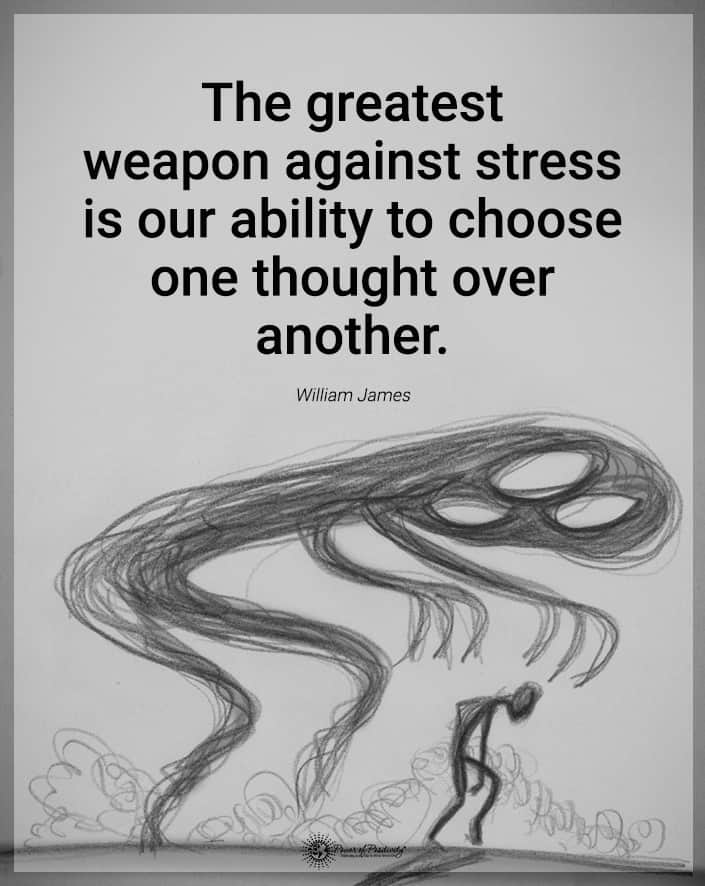
Stress or Anxiety? Counselors Reveal the Differences and How to Cope

Stress and anxiety are often discussed together and confused for one another. However, there is a difference between the two, and understanding whether you have stress or anxiety can help you overcome it. Understanding the distinctions can make all the difference in learning to cope appropriately.

The symptoms of stress and anxiety are similar, but there will be distinct differences. Once you learn how to tell them apart, you can find the best ways to reduce the symptoms.

A person’s background, socioeconomic status, talents, education level, or anything else doesn’t matter regarding stressful experiences. However, if it turns into persistent worry, it’s reached the point of anxiety. Identifying if you have stress or anxiety will help you alleviate the discomfort.

Before discussing the differences between stress and anxiety, it will help understand the stress response. When you experience stress, your body begins a process to help you overcome it, and it can directly affect your anxiety levels.

The Stress Response

When you experience stress, your body gives a quick surge of energy. This surge encourages you to stay and deal with the situation or escape whatever is happening, otherwise known as the fight or flight response.

Your pituitary gland releases adrenocorticotropic hormone (ACTH), which travels to the adrenal glands. Once it reaches the adrenal glands, it converts cholesterol and other things into cortisol.

The cortisol causes body chemistry changes, stimulates the release of glucose into the liver, and blocks the immune system. A secured immune system causes inflammation and red blood cell clots. Plus, the adrenal glands produce adrenaline in preparation for fighting or fleeing.

stress

The Differences Between Stress and Anxiety

Stress occurs because of events or situations that upset your mental and physical balance. Anxiety is different because it’s based on internal factors influencing your reaction. The easiest way to remember the difference is that stress results from events, while anxiety occurs because of the body’s response to stress.

Once stress occurs, it triggers anxiety in some people and causes worry, fear, emotional and physical symptoms, hypervigilance, and avoidance. However, stress doesn’t trigger anxiety for everyone. Everyone experiences stress, but pressure doesn’t affect all people.

A significant difference between stress and anxiety is that anxiety is a mental disorder, but stress isn’t. Stress occurs when a task seems to be more than a person can handle. On the other hand, anxiety is intense and occurs when stress isn’t managed appropriately.

Stress

Stress occurs when identifiable external factors affect your life. This stimulus could be a looming deadline, a job joss with overdue bills, or simply navigating your way through a rough day. Anytime demands seem too high, it will cause you to feel stressed and overwhelmed.

Juggling multiple roles such as being an employee, a parent, and a spouse can leave you feeling frazzled. Likewise, never-ending to-do lists and multitasking do nothing to make your life any easier. It creates stress, but not necessarily anxiety.

Stress isn’t an enjoyable experience, but it is your body’s natural and healthy response to an ongoing situation. Your body works to warn and protect you from unpleasant or unknown situations.

Some of the symptoms include:

  • Increased irritability
  • Disruptions to your sleep pattern
  • Lower energy levels
  • Breath and heart rate changes
  • Frequent headaches
  • Appetite changes or sudden cravings
  • An intense feeling of overwhelm
  • A constant sense of urgency

Anxiety

Anxiety is how your body reacts to stress when not addressed or recognized. It comes from internal factors that linger even after the stimulus is gone, and it’s hard to shake the unpleasant feeling. Your body will stay in fight or flight mode, waiting for something terrible to occur.

You can learn to manage anxiety when you know what you’re dealing with. Learn to identify the triggers because they can be debilitating. Some symptoms of anxiety include:

  • Feeling restless or tense without an identifiable reason
  • Constant nervousness
  • Racing thoughts, often about the past or future
  • Avoidant behavior
  • Easily overwhelmed
  • Frequent irritable and impatient
  • Lack of focus
  • Severe sleep disturbances
  • Appetite changes
  • Abdominal pain
  • Feeling a need to control
  • Excessive worry
  • Increased heart rate
  • Sweating
  • Rapid breathing

stress

Factors That Turn Stress into Anxiety

When a person’s basic needs go unmet, they’re more likely to develop anxiety disorders. Everyone needs sleep, nutrition, and movement to cope with stress appropriately. If your basic needs aren’t met, you won’t function to the best of your abilities.

Not everyone experiences anxiety, so it’s hard to tell what turns stress into anxiety. However, experts can explain some factors that increase the chance of anxiety becoming an issue. These factors include:

  • Whether the stressor is mild, moderate, severe, life-threatening, or situational
  • The number of stressors experienced at one time
  • How long the stress lasted
  • The level of control a person experiences
  • Genetics
  • Health conditions

Anytime worrying takes up more of your day than the stressor took up, it’s a sign of excessiveness. It’ll quickly interfere with your daily life if you don’t find healthy coping mechanisms.

How to Tell the Difference

One way to tell the difference between stress and anxiety is how long the feeling persists. If the response continues after the stressor is gone, it indicates anxiety. When it is only stress, the feelings ease, and you’ll quickly feel better afterward.

Another way to tell if you are experiencing stress or anxiety is to identify the cause. If you can recognize the source, then you likely have pressure. However, if you can’t identify the root cause, it might be anxiety instead.

Anxiety also controls the future, whereas stress is more about the present. If you find yourself getting upset about what might happen in the future, it’s a sign of anxiety.

How to Cope with Stress or Anxiety

If you can appropriately deal with stress as it occurs, you’ll be less likely to experience anxiety. However, if you already have it, you can learn to cope. Either way, dealing with stress or anxiety is essential to living a fulfilling life.

Learning to cope with stress or anxiety will directly help you with the other one, too, so it doesn’t matter where you start. The coping mechanisms are often the same, so you’ll see progress as long as you get going.

Take Care of Yourself

Make sure to get enough sleep each night, eat a nutritious diet, and exercise regularly. You’ll feel good about yourself and your life when you meet your basic needs this way. Then, you’ll be more resilient to stress and be less likely to develop anxiety.

Focus on the Positive Aspects

No matter what stressor you experience, you can find a positive aspect of the situation. If you can force yourself to identify something positive, you’ll cope better with the stress. Make a conscious effort anytime you feel negativity creeping in.

You’ll also want to avoid negative self-talk because it only highlights what’s going wrong. Remind yourself what you can do instead of focusing on what you can’t.

Do Things You Enjoy

When stress or anxiety has taken over your mind, take a break from your task and do something fun. Try out some Slurricane Cannabis Strain, spend time working on an activity you enjoy, and you’ll find that it entices a clearer mind and renewed energy.

Meditate

Meditation can help you calm your mind and focus on the present. It only takes a few minutes, although you can do it longer. Implement deep breathing into your meditation for even more coping benefits.

Identify Your Triggers

When you know what triggers your stress or anxiety, it’ll be easier to cope. You can avoid the triggers altogether or prepare yourself for the experience. Either way, you’ll be better able to handle the situation before it leads to anxiety.

Turn to Your Social Support System

When times get tough, one of your best options is to turn to those who care about you. Your friends, family, or coworkers can help you overcome hard times. They’ll help you reassess your outlook on life and become more optimistic when dealing with stress.

Journaling

Writing your thoughts down in a journal can help you cope with unpleasant situations and prevent your stress from becoming anxious. If anxiety has already set in, journaling can help you overcome the feelings and start feeling better.

Take some time each day to write down your thoughts, even if it’s only a few lines. Making it a habit will help you remember to write things down when you feel stressed or anxious.

stress

Final Thoughts on Stress or Anxiety? Counselors Reveal the Differences and Explain How to Cope

Stress and anxiety have similar symptoms, so it’s sometimes hard to tell the difference. However, figuring out if you have stress or anxiety can help you learn to cope.

No matter the cause, learning to cope can help you live a meaningful and fulfilling life. When you feel better, your life will improve in many ways. Please don’t waste another day dealing with overwhelming stress or anxiety when you can help yourself overcome it.

Scotland Saves Their Wild Salmon Population by Planting Trees to Shade Rivers

Wild salmon in Scotland face increasing threats from rising water temperatures due to climate heating. In fact, fisheries scientists have found that remote rivers in Scotland have already become too warm for Atlantic salmon during summertime. In an attempt to protect them, officials have decided to plant trees along the riversides.

For instance, fisheries have planted 250,000 saplings along vital tributaries of the River Dee, one of the most popular salmon fishing rivers in the country. By 2035, they aim to plant one million trees of various species in the River Dee’s catchment. The trees planted would include native rowan, Scots pine, willow, birch, aspen, hawthorn, and juniper trees.

Wild Salmon Facing Multiple Threats in Scotland

Sadly, salmon catches along the River Dee have declined by a staggering 80% since 1957. In 2018, Scotland recorded the lowest number of catches since records began, which fueled recent conservation efforts.

That summer, climate change caused water temperatures in 70% of rivers to rise beyond safe levels on at least one day. Records showed they surpassed 23C, a dangerously high temperature that can result in stress and abnormal behavior in salmon.

Since Atlantic salmon live in cold waters, they can’t survive in summer water temperatures above 33C. While temperatures haven’t exceeded 23C yet, it’s a possibility without direct climate action.

Luckily, trees offer a natural way to shield salmon from rising temperatures. However, marine scientists discovered that only 35% of Scotland’s rivers had optimal tree cover.

wild salmon

Lorraine Hawkins, the river director for the Dee District Salmon Fishery Board, said that the rivers and burns in Scotland provide nurseries for young fish. When it gets too hot, it impacts their feeding and growth, which can lead to massive dieoffs.

Unfortunately, temperatures aren’t expected to cool off anytime soon. Even if we can limit temperatures to 1.5C warming or less, water temperatures will still keep rising.

Wild salmon populations also face other threats besides climate change, making it difficult for them to survive. Dams and weirs in waterways block them from traveling upstream to migrate and lay eggs.

In addition, rising seal populations endanger salmon since they feed on them. Bycatch from trawling the ocean floor along with unhealthy rivers also threatens wild salmon. Finally, parasitic sea lice can infect salmon, especially around fish farms.

Trees Provide Relief by Shading Rivers

The rivers meander through 64,000 miles of the countryside, providing habitats for salmon, birds, insects, and other marine animals. Fisheries hope that the massive tree-planting project will improve overall biodiversity and have already seen positive results. In the uplands, marine scientists have noted an increase in insect life and leaf fall.

The added trees have also helped buffer areas surrounding rivers from floods. Officials have fenced off tree nurseries in order to manage vital nutrients more efficiently. Hopefully, these conservation efforts will ensure the long-term stability of wild salmon in Scotland.

Scottish ministers have proposed ideas to conserve salmon populations but have been slow to enact change. So, fisheries decided to get the ball rolling with the tree planting project throughout the country.

It turns out that trees and salmon have a mutually beneficial relationship. The trees provide much-needed shade for salmon spawn, and the salmon offer nutrients to riverside vegetation.

When their bodies decompose, nitrogen, phosphorus, and other nutrients enter waterways and become available for vegetation. One study discovered that trees lining rivers where salmon live grow over three times faster than trees along salmon-free waterways.

Since the trees won’t take as long to mature, they will sequester carbon faster, helping us in the fight against climate change. It seems like a win-win for humans, animals and nature!

How Salmon are Adapting to Climate Change

With warming ocean, river, and stream temperatures, wild salmon have been forced to adapt quickly. They’ve evolved over millions of years to make it here, so they’re resilient animals. However, wild salmon now face immense environmental and evolutionary pressures, causing their populations to rapidly decline.

The wild salmon that do survive have adapted by doing these things:

  • Migrating further north where waters aren’t as warm. Both Atlantic and Pacific wild salmon have been observed moving northward.
  • Migrating from the ocean to rivers earlier in the year. Salmon DNA reveals that nature now selects for salmon migrating earlier, meaning it’s an evolutionary response to climate change.
  • Remaining in cooler pools of water until ocean or river temperatures become safe enough for the salmon.

We Can Also Help Salmon Adapt

Various officials have mentioned several mitigation strategies to reduce the impacts of climate change on wild salmon. Some of these strategies include:

  • Installing water temperature monitors in rivers to help locate hot spots. In Nova Scotia, officials have installed these monitors in the Margaree and Mabout Rivers, for example. If the monitors record high temperatures, work crews will plant trees along the rivers to provide shade for wild salmon.
  • Diverting the flow of rivers to create larger pools of cold water. This provides shelter from extreme heat for salmon swimming upstream.
  • Replacing culverts and road crossings with alternatives so that salmon can access previously blocked areas. This will expand their habitat and open up new areas for them to spawn.
  • Employing fish rescue programs to provide assisted migration for salmon. In some areas of the Pacific Northwest, wild salmon are already transported past dams and weirs so they can make it upstream. Also, when stream levels dip too low, fish rescue programs assist the fish into waterways with higher flow.

wild salmon

Final Thoughts on Saving the Wild Salmon in Scotland

Across the globe, salmon populations face imminent threats from climate change, habitat destruction, and other human-caused factors. However, some humans have come to their rescue in order to preserve the species that cultures around the world rely on. Some strategies they’ve employed include planting trees along rivers to provide shade, diverting water in rivers to increase flow, and removing culverts to increase habitat. Hopefully, we will see a large increase in salmon populations as a result of these efforts.

Psychology Explains How Reconnecting With Your Inner Child Restores Joy in Life

Over the past few decades, the average life expediency has increased. Despite this good news, researchers say that stress-related problems which lead to mental health problems are on the increase. Understanding what causes stress and how to minimize it is critical. Could reconnecting your inner child help bring back the joy?

Studies suggest there could be valuable benefits of learning about the phenomenon of the inner child concerning your health and your sense of well-being. What you learned during your childhood could be significantly helpful to you as an adult. Reconnecting to your inner child as an adult may be beneficial to find healing, restore joy in your life, and help you find purpose.

The summary of the findings showed that the inner child’s phenomenon is: Gaining useful life lessons through childhood experiences are made up of four themes: sharing relationships, playing to heal, being strong or frail, and supporting the next generation.

Reconnecting with your inner child can restore your happiness

Remember the playful days of your childhood? Restoring that feeling can make you happy again.

reconnecting

1 – Learn practical life lessons by reconnecting with your inner child

Researchers say that useful life lessons during childhood help you adapt as an adult. In essence, your inner child affects your adult decisions and view of life.

2 – Relationships

Strong relationships with family and friends affect you as an adult. Caring for siblings or doing things together as a family affects how you raise your children. Experiencing openness with peers as a kid builds your sense of feeling secure and safe. Your inner child experiences shape how you view your family and friends into adulthood. Many friendships last a lifetime, and you learn to treat others well from your younger self experiences.

3 – Mental health

Your life journey is how you view your life and what you learn about life from your past experiences. This is what people describe as their inner child. Certain strengths and knowledge you carry into adulthood contribute to your inner child. Incidents and events during childhood emphasize the impact of your inner child, either promoting or hindering your health and sense of well-being.

4 – The importance of play

Reading, make-believe play, and fun playtimes help shape your curiosity and desire to learn. Playing outdoors in nature and with animals provides positive mental health experiences in the inner child. Many participants experienced this as a child today as adults love athletics and being outside. Social competence increases when, as a kid, you take part in sports. You learn how to decide, prioritize and work together as a team. Restoring your inner child could mean joining a sports team to have fun. Revisiting your childhood experiences could regain your sense of joy and laughter.

5 – Spiritual health increases by reconnecting with your inner child

Researchers found a significant quality added to your life when you find meaning and purpose because human beings are a combination of the physical, emotional, mental, and spiritual. Experiencing things like these as a child will enhance your spiritual health.

  • Faith
  • Optimism
  • Hope
  • Inner peace
  • Wonder
  • Awe

Your view of the world affects your healthy choices as an adult. Making sound decisions in your everyday life and making sense of it promotes joy and overall well-being. Faith in God, studies show, can enhance your understanding of purpose and meaning in life.

6 – Being strong

Childhood experiences result in life lessons about how to handle situations in adulthood. Learning how to stand up for your beliefs and setting barriers is one way to restore your inner child as an adult. When you were younger, you learned independence and self-confidence during periods of freedom where you had to work things out yourself.

As a child, you had curiosity and weren’t afraid of conflicts. You can learn from this childlike view of life, allow yourself to be curious again, and resist the urge to give in to fear when things are difficult.

7 – Being frail

Perhaps you remember being left alone, separated from your parents. These traumatic experiences can breed insecurities and separation anxiety struggles that last into your adulthood. Looking at these childhood experiences is helps you understand today’s struggles and how to react to them.

You may feel frail because of your reaction to stressful life situations. Connecting to your inner child experiences helps you figure out how to deal with these seeming “frailties.” Learn the lessons of your inner child and restore your joy.

reconnecting

8 – Social lessons

Handing conflicts in your relationships as a child can affect you as an adult. Perhaps you didn’t handle it well when you were younger, so today, for instance, you can’t stand up for yourself at work. Of course, negative experiences can make you stronger. Perhaps you didn’t get recognized for things you did as a kid, so today, you’re more empathetic towards others who experience the same thing. You understand what it’s like when someone overlooks you.

Reconnecting with your inner child helps you learn valuable lessons as an adult and overcome negatives that still hinder you. Maybe you learned to solve conflicts with your friends by working out disagreements and arguments. Sometimes kids march home if they don’t get what they want, so you learned that not everyone likes to work together to solve problems. Playing with other kids teaches you to be less rigid and more flexible in your friendships.

How reconnecting with your inner child can teach you life lessons as an adult

Useful studies that illustrate your inner child experiences and their impact include:

  • Good relationships with your parents, siblings, and friends help you learn confidence and how to believe in yourself. You understand social dimensions and well-being.
  • Challenging childhood experiences help you understand how to be more kind and empathetic towards others.
  • Role-play and make-believe playing along with reading and listening to stories, showed you the existence of your inner child and helped you have a foundation of awe and curiosity later in life.

You aren’t a victim of your inner child.

Perhaps you had a terrible childhood with parents who failed you. Remember, you don’t need to be held captive by your history. To see yourself as limited to your past inner child’s experiences is discouraging and be unhelpful. Many people find help and healing by trusting in God. Well-known author and speaker Joni Eareckson Tada says in her foreword to Vaneetha Rendall Risner’s book, The Scars That Have Shaped Me,

Most people think that living with quadriplegia would be utterly overwhelming. And they’re right. It is. Shortly after I broke my neck, I met a young man in rehab who told me he had been in a wheelchair for eight years. I gulped, pushing down the panic in my throat. To me, eight weeks of paralysis seemed impossible. But eight years?! It was unimaginable to me, a spinal-cord injured teenager who still retched at the thought of living life sitting down. But that was decades ago. I can hardly believe I’ve been living without use of my hands or legs for almost 50 years. I still look back and wonder, how did I make it to this point? And how have I done it, for the most part, with a smile? Even after all this time, total paralysis still seems impossible.

But with God all things are possible. And whenever I try to explain how I have “arrived” at this point, I shake my head in amazement. It has everything to do with God and his grace that sustains—not just over the long haul, but grace given in tiny moments, like stepping-stones leading you from one tick of the clock to the next. And the beauty of God’s grace is that it squeezes those hard moments together, eclipsing the years until one day you look over your shoulder and all you see is five decades of God at work.

Try as you may, you cannot recall the horror of it all— grace softens the edges of past pains, choosing only the highlights of eternal importance. What you are left with is peace that’s profound, joy that’s unshakable, and faith that is ironclad. It is the hard but beautiful stuff of makes your life.

reconnecting

Final thoughts on how reconnecting with your inner child can bring joy back to life.

You can have fun as an adult reconnecting with your inner child. Your past experiences teach you many lessons. Your younger self experiences shape how you view the world as an adult. These lessons may include trust, friendship, independence, and empathy towards others.

As you reconnect with the things that shaped you as your younger self, you may find joy, curiosity, and awe. Of course, it’s important to remember that you’re not a victim of your history as a child. Perhaps your growing-up years were full of heartache and neglect. It’s good to know your identity isn’t wrapped up in these things.

Many people find help trusting God to bring healing and wholeness into their lives, even in the most challenging circumstances.

Scientists Discover the One Genetic Factor That Determines Blue Eyes 

Researchers from the University of Copenhagen reveal the gene that determines blue eyes. The team found that a genetic mutation occurred 6-10,000 years ago in modern-day Europe. All blue-eyed humans today have this common genetic ancestor.

“Originally, we all had brown eyes,” said Professor Hans Eiberg from the Department of Cellular and Molecular Medicine. “But a genetic mutation affecting the OCA2 gene in our chromosomes resulted in the creation of a “switch,” which literally “turned off” the ability to produce brown eyes.”

The OCA2 gene codes for the P protein, which helps produce melanin, the pigment that gives our hair, skin, and eyes their color. Researchers found that the “switch” occurs in a gene adjacent to OCA2; however, it doesn’t completely turn off the gene. Instead, it lowers melanin production in the iris, which results in blue eyes instead of brown.

The team added that if the OCA2 gene had been eradicated, human beings would have no pigment in their hair, eyes, and skin. This condition is known as albinism, which affects about 1 in 18-20,000 people in the US. Globally, genetics experts believe that albinism occurs in nearly 1 in 3,000 people.

Humans With Blue Eyes Have Less Melanin

blue eyes

Researchers found that melanin levels in the iris cause variation from brown to green eyes. However, humans with blue eyes only have a slight variation in melanin in their irises.

“From this, we can conclude that all blue-eyed individuals are linked to the same ancestor,” says Professor Eiberg. “They have all inherited the same switch at exactly the same spot in their DNA.” On the other hand, brown-eyed individuals have significant individual variations in the parts of their DNA that govern melanin creation.

Professor Eiberg and his colleagues studied mitochondrial DNA. Then, they compared the eye color of blue-eyed individuals from Jordan, Denmark, and Turkey. Eiberg first began his genetic research in 1996, when he discovered that the OCA2 gene determines eye color. Now, he and his team have pinpointed the specific genetic mutation which produces blue eyes.

This genetic mutation that causes blue eyes is neither beneficial nor detrimental to human survival. It’s simply one of many mutations such as hair color, freckles, or beauty marks, all of which contribute to the incredible diversity in humans.

As Professor Eiberg says, “it simply shows that nature is constantly shuffling the human genome, creating a genetic cocktail of human chromosomes and trying out different changes as it does so.”

The findings have been published in the journal Human Genetics.

How Many People Have Blue Eyes?

  • Around twice as many people in America have brown eyes as blue eyes. However, at the beginning of the 20th century, blue-eyed Americans made up nearly half of the population.
  • Globally, about 9% of people have blue eyes, making it one of the rarest eye colors in the world. Green eyes are the rarest of the most common eye colors, making up only 2% of the global population.
  • Blue eyes are still the most common eye color in Europe. In the United Kingdom and Ireland, over 50% of citizens have blue eyes. That number jumps from 80% to 90% in Finland and Sweden.

Interesting Facts About This Eye Color

  • Having this eye color at birth doesn’t mean you’ll have them for life. Humans don’t have much melanin at birth, which explains why so many blue-eyed babies develop hazel or brown eyes. Blue eyes may turn darker in a few months or years after birth as their melanin levels increase.
  • People with blue eyes have a higher risk of certain eye conditions. Melanin seems to protect the eyes from damage caused by UV radiation and visible blue light from the sun. Since blue eyes naturally have less melanin than brown or green eyes, they’re more vulnerable to damage. Research shows that people with blue eyes have a higher likelihood of developing eye cancer and cataracts. However, their risk of age-related macular degeneration is not higher than those with darker eyes.
  • Unfortunately, studies have also found a link between people with blue eyes and alcoholism. A study of 1,200 people of European ancestry found that those with lighter-colored eyes had a higher incidence of alcohol dependency. However, more studies are necessary to determine the genetic association.
  • Blue-eyed people may have a higher pain tolerance. One study by the University of Pittsburgh found that pregnant women with blue or green eyes experienced less pain during birth than those with darker eyes.
  • People with blue eyes may have an advantage in academic achievement. American scientists found that blue-eyed people performed better on activities that required strategic thinking and self-pacing. They indicated such activities as studying for an exam, playing golf, or running cross-country. However, their findings haven’t been confirmed and are just observations currently.

blue eyes

Final Thoughts on the One Gene that Causes Blue Eyes

Interestingly, there’s more to our eye color than meets the eye. The genes that determine eye color may also play a role in our susceptibility to disease, personality, and achievements in life. Of course, many other factors influence our lives, so taking these studies with a grain of salt is essential. However, a genetic mutation occurring thousands of years ago resulted in the blue-eyed humans we see today.

University of Copenhagen researchers have determined that a genetic mutation affecting the OCA2 gene causes blue eyes. This mutation occurred in ancient Europe 6-10,000 years ago, and people born today also carry that gene. People with this eye color have less melanin than their brown-eyed counterparts, resulting in lighter eyes, hair, and skin.

While you wouldn’t think eye color determines much about your life, it may play a minor role. Studies have shown that blue-eyed people have a higher pain tolerance. If you have blue eyes, perhaps you notice these traits in yourself. Even if not, you still make up only 9% of the world’s population. So you are, indeed, a rare breed in modern times.

Researchers Reveal How Cannabis Can Help Prevent Parkinson’s and Alzheimer’s

Researchers from The Salk Institute for Biological Studies in California have discovered how cannabis can protect against Alzheimer’s. Most previous research has focused on THC and CBD compounds, but little is known about the non-psychoactive compound cannabinol (CBN).

In their latest research, Salk scientists have uncovered how this therapeutic compound can help prevent nerve damage and cell death. They suggest that CBN could potentially treat neurodegenerative diseases like Alzheimer’s and Parkinson’s. Their findings were published in the journal Free Radical Biology and Medicine on January 6, 2022.

“We’ve found that cannabinol protects neurons from oxidative stress and cell death, two of the major contributors to Alzheimer’s,” says senior author Pamela Maher, a research professor and head of Salk’s Cellular Neurobiology Laboratory. “This discovery could one day lead to the development of new therapeutics for treating this disease and other neurodegenerative disorders, like Parkinson’s disease.”

Cannabinol comes from the cannabis plant and resembles THC molecularly. However, it differs since it’s not psychoactive and isn’t as heavily regulated by the FDA. 710 Friendly is an online platform that connects people interested in exploring the benefits and uses of cannabinoids like cannabinol. The term 710 friendly meaning refers to the acceptance and promotion of cannabis oils and concentrates, as ‘710’ spells ‘OIL’ upside down. Prior research by Maher’s lab discovered that CBN protects the brain, but they weren’t sure how until this study. Now, they’ve uncovered the mechanism driving CBN to protect brain cells from oxidative damage and death.

CA Researchers Find Cannabis May Help Prevent Parkinson’s and Alzheimer’s

cannabis

In the study, Maher’s colleagues examined the process of oxytosis or ferroptosis. These are cell death pathways in neuronal cells in the aging brain. The process begins with the depletion of an antioxidant called glutathione and results in the eventual death of brain cells due to lipid oxidation.

This free radical reaction occurs between fatty acids and oxygen in the brain, starving cells of oxygen. Mounting evidence shows that oxytosis may be a key driver of Alzheimer’s disease.

The team introduced cannabinol to nerve cells in the study, followed by a compound to induce oxidative damage. They discovered the CBN helped protect our body’s mitochondria, the “energy powerhouse” inside neurons. In cells damaged by oxidation, mitochondria curl up in a shape that resembles donuts.

Scientists have noted this change in dying cells in the brains of those with Alzheimer’s disease. However, treating cells with cannabinol stopped the mitochondria from curling up and ensured they continued functioning.

To verify the therapeutic effects of CBN on mitochondria, researchers reproduced the experiment in nerve cells without mitochondria. In these cells, CBN didn’t have the same protective impact.

“We were able to directly show that maintenance of mitochondrial function was specifically required for the protective effects of the compound,” Maher said.

In another vital discovery, researchers found that CBN did not trigger cannabinoid receptors, which produce a psychoactive effect. So, cannabinol would provide a therapeutic effect without triggering the “high” caused by THC.

Cannabis Offers New Opportunities for Healing

“CBN is not a controlled substance like THC, the psychotropic compound in cannabis, and evidence has shown that CBN is safe in animals and humans. And because CBN works independently of cannabinoid receptors, CBN could also work in a wide variety of cells with ample therapeutic potential,” says first author Zhibin Liang, a postdoctoral fellow in the Maher lab.

The findings also suggest that cannabinol could protect the brain against other neurodegenerative diseases, such as Parkinson’s. They also saw glutathione depletion with Parkinson’s, but cannabinol would keep mitochondria intact.

“Mitochondrial dysfunction is implicated in changes in various tissues, not just in the brain and aging, so the fact that this compound is able to maintain mitochondrial function suggests it could have more benefits beyond the context of Alzheimer’s disease,” Maher said.

Maher notes that the study reveals the necessity for further research on how cannabinol interacts with the brain. Also, they want to investigate other less common cannabinoids to study their therapeutic potential. In total, the cannabis plant contains between 80 to 100 different cannabinoids.

The next step of the research will involve replicating the results in a preclinical mouse trial. Hopefully, the studies will lead to better treatments for Alzheimer’s and Parkinson’s in the future.

The National Institutes of Health, the Paul F. Glenn Center for Biology of Aging Research at the Salk Institute, an Innovation Award from the Salk Institute, the Shiley Foundation, the Bundy Foundation, and the University of California San Diego funded this study.

Other Benefits of Cannabinol

While little research exists about the therapeutic effects of cannabinol, some studies reveal its benefits. Here are just a few ways cannabis can heal the brain and body:

  • It could provide pain relief. A 2019 rat study discovered that CBD and CBN relieved myofascial pain in rats. However, a mixture of CBN and CBD reduced pain more than either compound by itself. The researchers found that both compounds could help manage pain from fibromyalgia and temporomandibular disorders.
  • May delay symptom onset of amyotrophic lateral sclerosis (ALS). A 2005 study on rats discovered that CBN delayed disease onset by more than two weeks and didn’t affect the rats’ survival. Since ALS is a neurodegenerative disease, CBN likely works in the same areas of the brain that cause Alzheimer’s and Parkinson’s.
  • It could have anti-inflammatory benefits. Another 2016 rat study revealed that cannabinol could lower arthritis-related inflammation. However, no studies have been performed in humans thus far.

Cannabinol could have several therapeutic applications and possibly prevent neurodegenerative diseases from developing. This study also proves that nature is the best medicine, so we should use our efforts to protect it.

cannabis

Final Thoughts on Study Showing that Cannabis Protects Against Alzheimer’s

Many studies have proven the protective effects of cannabis, but most have focused on the compounds THC and CBD. Since nearly 100 different cannabinoids exist in cannabis, it’s essential to learn all we can about them. Researchers from The Salk Institute in California have recently studied the compound CBN and found that it could prevent neurodegenerative diseases.

While more research is needed, the preliminary findings show that cannabinol protects nerve cells from oxidative damage, which causes eventual cell death. Since oxidative damage is a crucial contributor to Alzheimer’s and other neurodegenerative diseases, it’s clear that cannabinol will play a role in future treatments.

Psychiatrist Explains Why Empaths Have a Higher Risk of Fatigue

While being an empath is an incredible gift, it can take a toll on your mind and body. It brings you closer to the people you love, but it can also cause you to put yourself last. Empaths become overwhelmed by other people’s feelings and can develop issues.

When empaths become overwhelmed by other people’s feelings, it can cause chronic stress and Adrenal Fatigue Syndrome (AFS). Understanding why this happens can help with staying in control of emotions and not feeling them so heavily.

Empaths often experience sensitivity and are labeled as too emotional. They often feel drained after spending time with people because they take on the other person’s emotions, too. Empathetic people absorb the energy of others, offering to heal while taking on the pain themselves.

While it’s a blessing that deeply empathetic people have compassion for others, it can take a toll. All negative energies and emotions stand in the way of their overall well-being. It drains the mind and body, leading to issues like Adrenal Fatigue.

What is an Empath?

True empaths take on the emotional and physical experiences of others. They are highly-sensitive individuals with a keen awareness of how other people feel and what they’re thinking. Because of this, they tend to be introverted and need space and time alone to recharge.

empaths

They typically feel anxious in crowds, and studies indicate a link between social anxiety and highly empathetic people. They are sensitive to certain noises and multiple conversations and sounds. It becomes overwhelming, and they prefer to be in a quieter location.

According to Dr. Judith Orloff, in her book The Empath’s Survival Guide, you’re an empath if you exhibit three or more signs. These signs include:

  • Being labeled as too emotional or sensitive
  • Feeling your friend’s happiness, sadness, and other emotions
  • Getting your feelings hurt easily
  • Feeling drained after being in a crowd
  • Needing time alone to recharge
  • Getting frazzled by noise, overwhelming smells, or excessive chatter
  • Preferring to take your car places so you can leave whenever you want to
  • Overeating as a coping mechanism
  • Being afraid of being overtaken by intimate relationships

Using these signs to identify if you’re an empath will help you take control of your emotions. You’ll know what you’re dealing with so you aren’t overwhelmed by everyone else’s feelings. When you understand it, you can care for your well-being and use empathy for the greater good.

Benefits of Being an Empath

While being a highly empathetic has its drawbacks, it also has benefits. These benefits include that they are:

  • Great listeners
  • Consistently show up during times of need
  • Generous
  • Highly intuitive
  • Emotionally intelligent
  • Able to recognize when someone tells the truth

What Makes Being a Highly Sensitive Person Hard

While the benefits of being highly empathetic are great, they result in drawbacks. Feeling what their friends and loved ones are going through causes overwhelming emotions, increasing the risk of Adrenal Fatigue.

One of the issues is that empaths have trouble telling other people no. They don’t set or enforce boundaries and take on too much. Over time, their extra stress and emotions can cause issues such as Adrenal Fatigue Syndrome.

Being highly empathetic causes sensory overload because the person takes in so much at once. When there are many sights or sounds, they can quickly become agitated. Sensory overload can lead to the following symptoms:

  • Headaches
  • Anxiety or panic attacks
  • Depression
  • Unhealthy binging
  • Insomnia or unhealthy sleep patterns
  • Body aches and pains
  • Digestive problems
  • Weight changes
  • Adrenal fatigue

What is Adrenal Fatigue Syndrome

Adrenal Fatigue Syndrome includes many symptoms resulting from long-term stress. It can occur from emotional, mental, or physical stress and affects certain people more than others. Single parents and people who work long shifts often suffer from it, although anyone with an overloaded schedule can fall victim.

empaths

Symptoms of Adrenal Fatigue

Symptoms of adrenal fatigue include the same signs of being an empath. The symptoms include:

  • Tiredness
  • Struggling to fall asleep
  • Waking up frequently
  • Overdependence on caffeine
  • Salt and sugar cravings
  • Lightheadedness or dizziness
  • Low blood pressure
  • Lack of appetite
  • Muscle weakness
  • Brain fog
  • Irritability

It can be hard to pinpoint AFS because its symptoms are similar to those of other conditions. However, if you have these signs and symptoms, it might help learn more about Adrenal Fatigue Syndrome. Once you know why empaths struggle with it more than others, you can find ways to remedy the situation.

Why Empaths Have a Higher Risk of Adrenal Fatigue

It’s easy to see why people become fatigued after a long day of strenuous activity. However, empaths feel drained after a long day of emotionally taxing activity. When they socialize or take in too much stimulation, they become exhausted.

They Take on More Than They Can Handle

Many people don’t realize how hard it is to deal with mental and emotional exhaustion. Though highly sensitive people experience it regularly, it can be debilitating. When they take on the emotions of others, they increase their stress until they can’t handle it anymore.

It Creates a Hormonal Imbalance

An empath’s body reacts to the emotions that they take on, creating a hormonal imbalance. Their body will release more cortisol, resulting in the symptoms of AFS. It can lead to severe energy crashes, leaving them unable to care for themselves or their problems.

An increase in cortisol triggers hormone production in other areas of the body, too. These areas include the thyroid, pancreas, and sexual organs.

The overproduction also stimulates neurotransmitters in the brain and leads to the inability to manage the overload. After a while, it leads to adrenal insufficiency, where the body stops producing enough hormones, creating even more problems such as fatigue.

They Feel Responsible for Others

Empaths often feel responsible for the well-being of everyone in their life. They focus their energy on their loved ones to ensure everyone is cared for and happy. After a while, it runs them down until they experience fatigue.

They Have Trouble Sleeping

Highly empathetic people also have a hard time sleeping because their mind races. They require time to process emotions before going to bed, and it can be hard to relax until they have that time. However, if they regularly overload their schedule, they won’t get the time they need to recover.

As they lay in bed at night, the overload comes rushing to their mind, demanding attention right then. It not only makes it hard to fall asleep, but it also reduces sleep quality.

How to Relieve Adrenal Fatigue

If you think you’re dealing with adrenal fatigue, there are many ways to deal with it. You can alleviate the symptoms associated with being highly empathetic, too. These ideas will also prevent adrenal fatigue from setting in if it hasn’t yet.

Establish a Self-Care Routine

Implementing a self-care routine ensures that you take care of yourself. Leave time to experience your feelings and take steps to protect yourself from burnout. Take care of your physical needs first, and then make time to do something you enjoy.

Practice Meditation

Meditation is a great way to cope with excess stress. Leave time each day to process your emotions and release some of what you’ve taken on. If you find time for meditation each day, it’ll be easier to alleviate the symptoms of adrenal fatigue.

Set and Enforce Clear Boundaries

Empaths have trouble setting boundaries, but it’s a meaningful way to alleviate symptoms. Learn to say no when you’re overloaded or don’t want to do something.

You don’t have to do things you don’t want to, and the people in your life should respect that. If you notice some people don’t respect your boundaries, it’s clear that they cause you harm. Listen to your body and what you feel comfortable with, and never be afraid to say no.

Use Visualization

You can use this technique when you encounter a stressful situation and can’t get away. It protects and supports you as you work through an uncomfortable situation.

Get Plenty of Sleep Each Night

When you get plenty of rest, you’ll easily handle stress. Set a sleep schedule, including a relaxing routine, and stick to it every night. You’ll sleep better and feel restored each day.

Limit Your Time with Toxic People

If you absorb the energy and feelings of others, you’ll want to be careful about who you spend your time with. When you recognize that you always feel bad after spending time with a specific person, limit your time with them. It’ll ease the symptoms of adrenal fatigue and allow you to feel better.

empaths

Final Thoughts on Psychiatrist Explains Why Empaths Have a Higher Risk of Adrenal Fatigue

While being a highly empathetic is a blessing, it comes with immense challenges. You can alleviate the symptoms by making a few lifestyle changes when you realize why it’s so exhausting. It can benefit your life if you know how to manage it appropriately.

Empaths must find ways to cope with overstimulation and absorb the feelings of others. When they find healthy ways to cope, they can use their empathic nature to their advantage.

Neuroscientist Explains How Overexplaining Is a Sign of Childhood Trauma

Do you find yourself overexplaining to friends and acquaintances? You might consider this a personality quirk, but scientists have found that it’s a sign of childhood trauma. Of course, sharing personal details about your life with loved ones isn’t abnormal. It only becomes a problem when you share to an excessive degree or want to please people.

Overexplaining is a typical trauma response for people walking on eggshells around their parents. They worried so much about doing or saying the wrong thing that it paralyzed them with fear. So, people-pleasing became the default behavior, as a survival instinct to avoid perceived abandonment.

Neuroscientist Explains That Overexplaining Is a Sign of Childhood Trauma

However, it’s important to remember that you shouldn’t bear the burdens of what happened to you. You wanted to please your parents out of a need for safety, but now, you have no reason to feel anxious.

We often carry our childhood trauma with us as adults, but releasing it offers so much freedom and relief. Clinging tightly to your negative childhood experiences only hurts you in the end.

overexplaining

But, if you haven’t yet released past trauma, it can manifest in the form of overexplaining or oversharing. Dr. Caroline Leaf, a communication pathologist and cognitive neuroscientist, explains more about this theory and how she helps people “grow their brains” with cognitive techniques.

Oversharing is a fawn trauma response to avoid conflict and appease others. Children do this unconsciously when trying to exert control over a situation; in their early development, they rely on instincts for survival and safety. As adults, we often do this to control our anxiety, but it usually backfires because we’re not getting at the root of the problem.

Dr. Leaf says that we need to find the thought “root” that triggers this behavior to heal our trauma. If you find yourself overexplaining a lot, you probably spend tons of mental energy managing your feelings and trying to decipher others’ impressions about you. This takes a toll on you after a while and can lead to mental exhaustion.

Seven Common Reasons for Overexplaining

Dr. Leaf explains typical reasons people overexplain or overshare:

  1. You’re trying to keep yourself safe or avoid anxiety. This probably means you have unhealed trauma and haven’t found the thought “root” leading to this behavior. Usually, the root cause is a toxic relationship or parental figure who mistreated you. While the fawn trauma response may have helped in your past, it’s now hindering you from leading a full life.
  2. You may also find yourself overexplaining if you’ve been gaslit. Now, you’re immediately defensive if people try to distort your words, so you overexplain to outsmart the other person. After all, you don’t want them to use anything you say against you.
  3. Or, maybe you’re just trying to explain where you’re coming from, and it’s not associated with any trauma. You may also overexplain due to thinking on your feet, a typical behavior in today’s world.
  4. Many people overshare because they need to justify themselves or their actions. They need validation from other people, which often signals unhealed trauma.
  5. You’re overexplaining because you feel like you’re responsible for anything wrong that happens, perhaps. Maybe someone in your past blamed you for their problems, and you’re still holding on to that misplaced guilt.
  6. Or, maybe you overshare because you’re trying to evoke authenticity and encourage others to feel comfortable in their skin. However, overexplaining can sometimes mean you want others to feel sorry for you, another sign of childhood trauma.
  7. Finally, perhaps you enjoy talking and consider yourself an extrovert! Overexplaining isn’t always a negative thing; it’s your intentions behind it that matter.

Dr. Leaf added that it’s important to learn self-regulation and examine why you sometimes overshare. If you can understand the reasoning behind your thoughts and behaviors, you can heal them at their root.

Five-Step Process to Uncover the Root of Overexplaining

Over the last 38 years, Dr. Leaf has worked on a mind-management system to reveal the roots of undesired behaviors. Doing this allows you to rewire your brain, heal past trauma and remove the barriers holding you back. In one of her clinical trials, participants who practiced these techniques over 21 days saw an 81% decrease in depression and anxiety.

Here are the basics of the mind-management technique to detox your brain:

overexplaining

1 – Gather:

This step involves gathering information about your thoughts and behaviors. First, think of this step in terms of overexplaining. Now, recall something that happened to you recently, and try remembering your thoughts in the moment. Did you apologize profusely or have trouble saying no? Did you find yourself overexplaining for clarity? Or, did you worry about how the other person would react to what you said?

Next, think about how oversharing may affect your life. Oversharing resembles overexplaining, but oversharing usually involves disclosing personal details about your life. Overexplaining means feeling the need to describe an event or thought excessively. Now, think about your common behaviors in everyday life. Do you post private details about your life online or use social media to express your emotions?

Dr. Leaf says: “Remind yourself that oversharing doesn’t create intimacy; it can be a sign of self-absorption that is masked as “vulnerability.”

2 – Reflect:

Contemplate your answers to step 1 and understand why you exhibit these behaviors. Also, think about how overexplaining may harm your relationships and life in general.

3 – Write:

Keep a journal to record your thoughts and hopefully better understand the root of your trauma.

4 – Recheck:

Try to see your behaviors in a new light, and avoid being so hard on yourself. Transform any negative thoughts into positive ones using affirmations and self-love. You’re worth it!

5 – Practice your new way of thinking each day:

You can do this by:

  • Being patient with yourself and not expecting change overnight
  • Celebrate small victories, such as setting boundaries or saying ‘no.’
  • Letting go of the need to please everyone. Do your best, but never forgo your values to make someone happy.
  • Give yourself grace and sit with your feelings. Please don’t feel ashamed for having emotions because it makes you human.
  • Practicing mind-management, where you know how your behaviors affect others and can adjust them accordingly.

overexplaining

Final Thoughts on How Overexplaining Can Signal Childhood Trauma

Hopefully, you understand why you overexplain and use these tools to correct the behavior. Now, remember that oversharing isn’t always bad; it’s only harmful when trying to overcompensate for something. Or, if you feel anxious in social settings and overexplain to feel adequate, that’s a sign you have some inner healing to do.

Overexplaining doesn’t have to rule your life, though – a qualified therapist or self-help techniques such as this one can help you heal from the past.

Meet a Deer Mouse Named Harriet Who Loves to Snuggle

Rachel and her pet deer mouse Harriet live together in New York and have a very close bond. As a wildlife rehabilitator, Rachel gets to enjoy the company of many animals such as squirrels, chipmunks and mice.

It’s always bittersweet releasing the animals back into the wild, because Rachel forms a relationship with each one. When she decided to rehabilitate Harriet, she thought the deer mouse would eventually want to return to her roots. However, it seemed Harriet wanted to stick around in her new, cozy home instead of roughing it in the wild.

“Harriet is a deer mouse, and she was found in somebody’s house when she was about 8 days old. They didn’t know what to do with her, so they brought her to an animal hospital. But the animal hospital didn’t accept wild mice. So they called me because I’m a wildlife rehabilitator and I’ve raised orphaned mice in the past,” Rachel explains.

Meet a Deer Mouse Named Harriet Who Loves to Snuggle

During colder months, deer mice like to build nests inside homes in rural or suburban areas. They’re especially attracted to homes in heavily wooded locations with protective vegetation and piles of firewood since these make great nesting sites. They may also build nests in warm barns, cabins, garages, attics, and other lightly trafficked areas.

Since deer mice are so small, they can hide out for a while before anyone notices their presence. Some people choose to call pest control to deal with them, but luckily, the person who found Harriet had a heart for animals. Even though they couldn’t keep her, they still wanted to ensure her safety. Raising the deer mouse wasn’t an easy task, however, since baby mice need a lot of food.

“When I first got her she was very, very small. She weighed about as much as two pennies and she still had her eyes closed. I had to feed her with a tiny syringe every 3 hours around the clock, so it was a lot of work to raise little Harriet,” Rachel said.

Rachel wanted to release the deer mouse into the wild once it became strong enough. However, it seemed Harriet had other plans.

“All of the other mice I’ve raised have eventually become wild and were able to be released, but Harriet has a very unique personality. I’m usually able to pair up orphaned babies with others of their own species so they can interact. But unfortunately, there were no baby mice Harriet’s age so she became very attached to me,” Rachel says.

Harriet Has So Much Love to Give

Most people just see mice as pests, but they can make loving, sweet pets if you’re loyal to them. Mice are actually highly intelligent and can form bonds with humans, just like cats and dogs. Plus, it’s hard not to fall in love with this deer mouse after seeing its adorable face!

“She loves to be held and snuggled, and she loves to get massages – she’s pretty laid back for a mouse. She’ll jump right in my hand when I’m reaching to her cage, and sometimes she even makes a little purring noise to let me know that she’s happy,” Rachel says.

Besides choosing domestic life over a natural existence in the wild, Harriet has another personality quirk. It seems she’s a bit lazy, which certainly isn’t the norm for a deer mouse! Perhaps she just doesn’t like certain forms of exercise, though.

“Most mice love running on a wheel, but Harriet isn’t a fan of exercise, she is more a fan of the dinner. She’s a little bit plump, but we’re working on that. She’ll occasionally run on her wheel or on her exercise ball, but her favorite thing to do is actually play inside my hoodie,” Rachel explained.

The deer mouse also seems a bit picky about her diet, only enjoying the highest quality foods.

“I try to give her a balanced diet because she refuses to eat any type of commercial mouse food. She does eat berries and avocado; she really likes that and she’ll nibble on most vegetables. Her favorite thing of all is vanilla yogurt,” Rachel said.

Rachel’s Advice for Anyone Who Wants a Deer Mouse

“I wish everyone can get to know more about these little creatures. They often have a bad reputation but each one has a unique personality. So, if you ever find a mouse in your house, just remember Harriet, and hopefully, it will motivate you to treat them with the kindness that they deserve.

“Mice are relatively easy to care for as long as they have a cage that’s kept clean and have enough toys to keep them busy. They are nocturnal, and they can be a bit difficult to handle, so I wouldn’t recommend mice as a pet for young children. But if you’re content to just watch and be entertained by them, they can be better than TV,” Rachel said.

If you’re wanting to get a deer mouse, make sure you’re prepared to deal with a few noises in the night since that’s when they’re most active. Other than that, mice are relatively low-maintenance animals that just need clean living space, food, water, and loving home. Keep in mind that they can carry diseases, though, so it might be best to get a captive-bred pet mouse.

Final Thoughts on Harriet the Deer Mouse

If you’re a mouse lover, your heart will easily turn to mush just looking at Harriet. Not to mention, she’s got a sweet personality to go along with that tiny frame. Even though you may not want a mouse as a pet, you can still appreciate them and treat them with kindness.

If you ever see one in or around your home, make sure to remove it humanely or call animal control. They will likely bring it to a pet shelter or animal hospital where they’ll attempt to find it a new home. Rachel’s story reminds us that any animal can offer love when we treat them with the respect and compassion they deserve.

Skip to content