Weekly tips, affirmations, and small actions to feel your best.

If You See a Black Butterfly, This Is What It Means

If you see a black butterfly, you might wonder what it means. Rest assured, you shouldn’t be afraid if you see one in your home, flying around your garden, or even landing on you.

As part of the Erebidae family, black butterflies help pollinate plants. They consume fermented fruit juice and prefer to take refuge in the shade. If you see one in your home, you’ll likely notice that they stay in the doorways and corners where it’s darker.

While often thought of as gothic and mysterious, many positive symbols are associated with a black butterfly. They signify positive change, gracious aging, and many other beneficial aspects of life.

What It Means When You See a Black Butterfly

Butterflies signify growth and transformation, as their life cycle relies heavily on both aspects. Their change takes time and isn’t easy, but it leads you to something beautiful. Black butterflies have many other symbols, too.
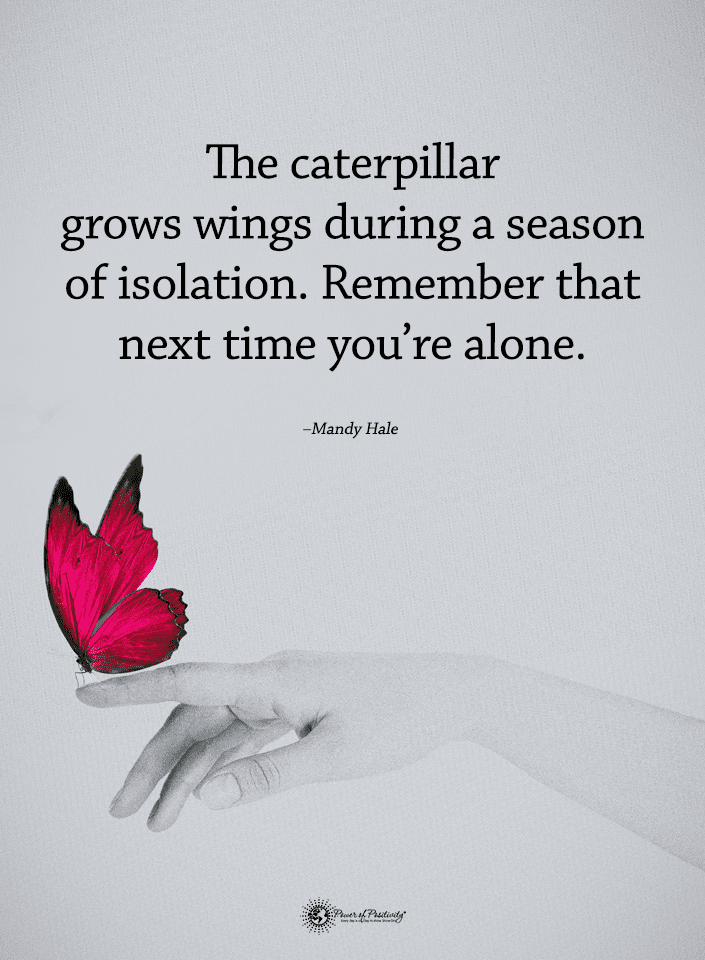
black butterfly

1 – A Black Butterfly Signifies Spiritual Awakening or Positive Life Changes

As a symbol of renewal, this butterfly species signifies spiritual awakening or positive life changes. If you encounter a black butterfly, it indicates that you will soon embrace rebirth and life transformation.

They represent a shift and encourage you to embrace change. Even when the change is beneficial, it can surprise you and cause uneasy feelings. However, if you see a black butterfly, you can find comfort knowing that the shift is for the best.

Don’t try to avoid the change, even if it isn’t easy. Instead, face the challenges that come your way because it’s the only way to grow and develop.

2 – You Might Experience Good Luck

Seeing a black butterfly means good luck will come your way. You might win a prize or the lottery, so keep an open mind if you see one in your home.

3 – A Black Butterfly Promotes Healthy Relationships

Black butterflies can guide you to new romances and friendships and deepen family relationships. They are guides to lead you to healthy relationships that enhance your well-being.

If you’ve recently had a dispute with a close friend or loved one, a black butterfly could be a sign to address it. It indicates that you should be compassionate and remember how meaningful the relationship is.

4 – Forgiveness

If you are holding a grudge, it implies that you should let it go and release your anger. When you release the negative feelings, it creates a shift that improves your relationship and benefits your life.

Forgiveness is life-changing, and you’ll be glad you left your grudges behind. Don’t hesitate to make amends, especially after seeing a black butterfly.

5 – The Black Butterfly Represents Mysterious Wisdom

The color black is associated with mystery and wisdom, and the black butterfly is the same. If you encounter one, it hints that you’ll be receiving insight into something beneficial. Be ready for the mysterious wisdom, and keep an open mind whenever you hear something. It could mean much more than you realize.

6 – Freedom and Following Your Path

Some urban legends explain that black butterflies were saved from death, indicating freedom. They represent a free spirit unconfined by anything. It implies that you should follow your path, regardless of what anyone else wants for you and your life.

Abandon herd mentality and the opinion of others for something aligned with your skills, values, and dreams. You don’t have to do what everyone else does, so stop listening to what society tells you. The black butterfly reminds you that you must redefine what success and happiness mean to you.

7 – A Black Butterfly Tells You to Dig Deeper

If you see a black butterfly, think about if there are any topics you need to look into. There might be a specific issue in your life that you must think about a little more. Take a step back to fully comprehend the steps you need to accomplish to resolve an issue.

Don’t give up if you feel you’ve reached a dead end and are all out of options. Dig deeper and see if there’s anything you missed or anything left to discover. Let go of limiting beliefs and develop a growth mindset to avoid missing out on opportunities.

Seeing a black butterfly is a reminder, so don’t ignore it. If you do, you will surely miss something because it tells you you must seek additional information. Use whatever you have right now to dig deeper, researching to fill in the things you don’t know yet.

8 – The Black Butterfly Encourages You to Cope with Aging

You can’t control getting older, which often causes anxiety and other issues. Don’t ignore the signs if a black butterfly comes to you in your dreams, subconscious, or real life. Instead, view it as a symbol of the beauty of aging.

Spend time reflecting on the passage of time because seeing the butterfly is a sure sign that there is a vital lesson for you to learn. As you reflect on your situation, remember that aging comes with developing the heart, mind, body, and soul.

It signifies a life well-lived, full of knowledge and experience. This butterfly is also a reminder to live in the moment, cherish each moment, and find a passion for life, learning, and growth.

9 – Let Go of Anxiety and Worry if You See a Black Butterfly

A black butterfly could imply that you are experiencing too much stress. If you see one, take a moment to reflect and re-evaluate the stressful situations in your life.

See if there’s anything you can let go of, allowing you some time to breathe and take care of yourself. It can also be a sign that you should stop ruminating and focus on living your best life right now. Plus, you should stop worrying about an uncertain future and use your energy to learn and grow.
butterfly cocoon

Besides a Black Butterfly, Here is the Symbolism of Other Species

Black butterflies aren’t the only symbolic butterfly species. All butterflies symbolize growth, transformation, rebirth, and change, but each species offers other insights, too. The symbolism of butterflies runs much deeper than you may realize.

Monarch

Monarch butterflies symbolize strength, spirituality, trust, endurance, staying true to values, and transformation. They travel from Canada to Mexico, making them a strong representation of evolution and spiritual connection. Monarchs encourage you to connect to your inner self, allowing you to reflect on who you are and what you want.

If you see a monarch, it could mean that you’re in a season of growth and transformation. Keep an open mind and discover your inner truth because your life is likely changing. It reminds you to be strong and persevere while embracing your journey.

Don’t fear a new stage in your life journey because it means you’re growing and becoming a better version of yourself. If the monarch lands on you, it implies that you’re heading down the right path, so find comfort in the experience.

Red Admiral

A Red Admiral butterfly signifies life-changing news, so something big could be heading your way. Important things will happen for you, and red butterflies are a good omen. The changes will be positive and offer prosperity, so look forward to a new job, relationship, or beginning.

If a red butterfly lands on you, it could mean you have the solution to a current problem. Your life-changing news will come from discovering the answer you’ve been searching for. You already have the solution in mind, so spend time reflecting and focusing on growth and spiritual alignment.

As you wait to figure out the change, be aware of how you speak, think, and behave. Life is changing, and you must actively improve your characteristics. Hone in on your listening skills and ability to act with grace while accepting things you can’t change.

Viceroy

The Viceroy butterfly is a sign that you’re manifesting things quickly. Your spiritual being is in tune with the universe, and you’ll soon start getting everything you’ve wanted and needed. If you don’t currently feel like things are going your way, it’s a sign that some changes are coming that’ll get you there.

The Viceroy butterfly serves as a reminder of all the good in the world around you. It encourages you to be grateful for what and who you have right now.

Swallowtail

Swallowtail butterflies represent grace, free nature, hope, endurance, change, and a good life. These butterflies are also symbols of innovation and encourage growth and reflection.

This butterfly helps you see yourself for you who you are right now. The Swallowtail encourages you to embrace your life and live in the moment, seeing life as a miracle of hope, love, and joy.

White Butterflies

If you see a white butterfly, it symbolizes spiritual change and transformation. It also signifies purity and innocence. It is the universe’s way of telling you that there is a message for you and that you should keep an open mind.

If you encounter this butterfly, take some time to clear your mind and open your heart, allowing the universe to reach you.

butterfly

Final Thoughts on the Symbolism of a Black Butterfly

If you encounter a butterfly, don’t ignore the symbolism it could offer. A black butterfly can help pave the way for your next steps in life. It can also signify what you should focus on or do to improve your mind.

Black butterflies aren’t the only species that offer signs and symbolism. The symbolism of butterflies is relevant for all species, although they may mean different things. Use this information to help you recognize the signs that come your way.

15 Ways to Stop Procrastination

Procrastination happens to all of us, but it can interfere with our success. Constantly putting things off doesn’t help your journey but can make the whole experience more stressful. Learning ways to stop procrastinating is essential if you want to get anything done promptly.

If you can stop procrastination, you’ll notice increased productivity. You’ll also experience less stress than before. It improves your mental health and makes your life better overall.

These ways to stop procrastination can make a difference in your life. You can overcome the urge to slack off while getting more done. You’ll have more time for fun when you get things done ahead of time.

The Difference Between Procrastination and Laziness

Many people think procrastination and laziness are the same, but that isn’t true. When you procrastinate, you work long and hard before your deadline. Being lazy would mean that you wouldn’t get it done at all.

Since being a procrastinator doesn’t indicate laziness, you can find ways to overcome it. Once you find the methods that work for you, you’ll have less stress getting your work done.

How to Stop Procrastination

Procrastination is a bad habit that stands in the way of your success. It can cause unnecessary stress and failing something you could have done well on. Learning to stop avoiding essential tasks can immensely improve your life and well-being.

procrastination

1. Acknowledge the Procrastination

The first step to stopping procrastinating is recognizing that you are doing it. If you put things off indefinitely or avoid doing something, it’s time to admit the problem.

Some other signs that you might be procrastinating include:

  • Filling your day with low-priority tasks
  • Leaving things on your to-do list for an extended time
  • Putting off dealing with emails
  • Avoiding making decisions
  • Starting essential duties and then immediately taking a break
  • Waiting for the right time

2. Figure Out Why

Once you acknowledge that you’re putting things off, it’s time to figure out why. Determine the reason before tackling the problem so that you know what to work on. If you avoid something because it’s boring, make it a point to do it first and get to the enjoyable tasks. You might procrastinate because you’re unorganized, so that’ll be the issue that you address.

Another reason people avoid doing things is that they fear failure. If things don’t go well, they default to the excuse that they didn’t have time to do a better job. Procrastination can even stem from underlying health issues or stress. If you think that’s why you should seek help from a professional.

There are many reasons for putting things off, and it’s up to you to figure out your motivation. You can’t stop doing it if you don’t know the root of the problem.

3. Work on Developing New Habits to Replace Procrastination

Since procrastinating is a habit, you must develop new ingrained behavior patterns. You can’t break habits overnight, and being patient with yourself is best. Find positive actions to replace your old habits, and it’ll become easier soon enough.

4. Find an Accountability Partner

Sometimes it’s easier to stop putting things off with an accountability partner. Ask a friend to check-in or join a self-help group that can encourage you.

5. Minimize Distractions

Distractions make you put off your essential tasks, so minimize them. Think about your biggest distractions and plan to avoid them.

If email is a problem, log out during your most important tasks. When social media keeps you from getting things done, turn off your notifications for a while. You must control whatever distracts you if you want to stop procrastinating.

6. Forgive Yourself

You might guilt-trip yourself for procrastinating in the past, which can interfere with your life today. If you haven’t forgiven yourself, it can lead to further procrastination.

Research shows that forgiving yourself can make you feel good about your life. It also reduces the chance that you’ll continue to put things off now and in the future.

7. Instead of Procrastination, Do Things as They Come Up

One of the best ways to stop procrastinating is to do things as soon as they arise. Take care of a task as soon as it arises. This habit prevents stuff from building up and making you feel overwhelmed. Plus, it stops you from putting things off, and you’ll quickly realize how good it makes you feel.

8. Get the Unpleasant Tasks Done First

You know the tasks you dread each day, and you likely put them off for the end. However, you’re more likely to procrastinate when you only have dreadful things to look forward to at the end of the day. You don’t want to do that task, so you won’t be in a hurry to get to it.

Change this habit by doing the most unpleasant task first. Then, you have the most challenging part, giving you more to look forward to. You’ll feel relieved each time you accomplish the task early in the day.

Doing the most unpleasant task early in the day can be a form of active procrastination, delaying a job to focus on urgent things. Make the unpleasant tasks the urgent ones on your list, purposely putting off the more enjoyable things. Not only will you get it over with, but you’ll also feel motivated to get things done.

procrastination

9. Reference a To-Do List

If you put things off because you’re unorganized, it’s time to make a change. Keeping a to-do list can help you prioritize and focus on what needs done. It’ll stop you from forgetting about or ignoring the task.

When you make a to-do list, place the most important tasks at the top of your list. Prioritize everything, and don’t start on the lower tasks until you’ve finished the other ones.

10. Commit to What You are Working On

Whatever task you’re working on, commit to it and focus on getting it done. Specify a time for accomplishing the essential activities, helping you work proactively.

If you can’t seem to get started, commit to a small task. Whatever task you choose, please write it down and get started. Once you finish, you’ll feel motivated to move on to the next item on your list.

Committing to the task and seeing it through gives you confidence and reminds you that you can get things done. Force yourself to finish the job no matter what happens. You’ll begin to trust yourself more, breaking your habit of putting things off.

11. Think About Your Procrastination and Set Long-Term Goals

When nothing else seems to work, think long-term. You’re less likely to put things off when considering the long-term benefits of getting it done. Think about the consequences of not accomplishing the task, too.

Having your long-term goals in mind will keep you motivated. It promotes positivity, productivity, and happiness. Remember that the most important thing is learning and achieving, not simply rushing to get things done.

12. Schedule and Plan

When you plan your time effectively, you can get more done and reduce stress. Schedule specific dates to complete tasks, and continually track your goal. It’ll motivate you to reach those milestones, helping build confidence and accomplish things.

Each night, spend time planning for the next day. By planning, you avoid figuring it out at the start of your workday. Schedule everything you need to accomplish so you know what you must do.

You can choose one big thing that you must do, and then make sure to include your daily habits. If you exercise every day, add it to your plan. Then, plan whatever else you’d like to accomplish.

Planning in this order ensures getting the most important things done first. You also give yourself time for daily habits, ensuring you don’t forgo your to-do list to exercise or read a book. You always know what you must do when you schedule and plan everything.

13. Reward Yourself

Reward yourself when you accomplish a difficult task or one you dislike. Make the reward something you love, like a piece of chocolate or a latte. It doesn’t have to be big, but it does have to motivate you.

14. Rephrase Your Thoughts

Negative self-talk won’t help you get things done. Instead, it’ll hold you back and cause you to put things off. Switch your thought from negativity to positivity, and you’ll notice a difference. It might help if you use positive affirmations each morning.

Stop using phrases that begin with “need to.” These phrases cause a lack of motivation because it makes you feel like you have no control over your situation. Instead, say “I want to” or “I choose to.”

15. Break Your Tasks Down to Avoid Procrastination

When you think of a large project, it might feel overwhelming. If that’s the case, you’re more likely to put it off. Instead of focusing only on the desired result, you must focus on what you can do now.

Break your goal down into manageable tasks, and put them on your to-do list as smaller milestones. Make the first task or two easy ones, gaining momentum by crossing things off your list. Accomplishing these small milestones will make you feel better about tackling the larger ones.

procrastination

Final Thoughts on How to Stop Procrastination

Procrastination can hinder your progress in life, interfering with your goals and happiness. Delaying essential tasks might be easy at the moment, but it causes problems later on. Overcoming procrastination is necessary for your success and well-being.

Procrastinators may act like they’re okay with the lifestyle, but you know it’s stressful. These tips can help you stop putting things off. When you stop, you will surely notice an improvement in all areas of your life.

14 Things That Prove You’re on The Right Path in Life

Have you ever felt a bit lost in your world? If you’ve ever asked yourself why you were here and what’s your purpose, you’re in good company. Pursuing the right path in life has been a human endeavor since the beginning.

You’ll be disappointed if you wait for a personal message on a giant billboard to direct your paths. You may receive general guidance from spiritual leaders, but they don’t get the final say as you control your destiny.

Most people grow up with a list of accomplishments that pinpoint their success. You finally live the good life when you do this or have that. However, it’s not usually so obvious.

Will you have a unique feeling, or will it come to you in a dream? Must you be a certain age or earn a specific salary? Maybe the realization will hit you on top of the head like Newton’s mythical apple.

Fourteen Ways to Tell You’re on the Right Path

The irony of discovering your destiny is that you’ll only find it when you stop searching. That doesn’t mean you stop trying to improve yourself or curb your curiosity about life’s mysteries. The Universe and your inner voice will enlighten your steps.

All you need to do is listen to your heart and look for the signs. Some of them are more obvious than others. Fourteen signs prove you’re traveling the life path meant for you.

right path

1. Experiencing Profound Life Changes

As you travel the right path, you’ll often experience monumental changes. Be they positive or negative, they will become your life’s touchstones. The positive ones may include your firsts, like your car, job, diploma, apartment, etc.

These are the changes that you build on for your life’s goals. Other positive changes include relationships and having children. These are beautiful moments that leave indelible signatures on your heart.

On the other hand, you’ll also encounter negative changes like loss and grief. You learn to turn the pain into a tool that helps you. While nobody likes change, it defines learning, maturing, and progressing.

2. Craving More Solitude Can Reveal You Are on the Right Path

You often crave more time alone when you’re on the right path. It doesn’t mean that you dislike people. It’s just that you need solitude to recharge. According to an article from the Journal of The Theory of Social Behavior, isolation has many benefits.

Spending quality alone time may boost your creativity and self-awareness. Unlike loneliness, solitude is usually a positive experience.

3. Distancing Yourself from Materialism

Everyone likes to have nice things. It’s not a moral deficit to want a lovely home, sharp vehicle, and a lucrative career. However, the more confident you are on the right path, the less material-minded you are.

The good news is that you needn’t renounce the world and become a hermit. You’re discovering actual values, such as health, love, and relationships with family and friends. No amount of money in the world could buy these intangible treasures.

4. Taking More Risks

As you mature, you learn to trust your intuition more. Consequently, you may be willing to take more risks. There’s a nugget of truth in the old saying that nothing ventured is nothing gained.

It takes self-confidence and faith to step into unfamiliar territory. Perhaps you’ve contemplated a career change or freedom from a toxic relationship. It could be the first step on the right road to your destiny.

5. You Are on the Right Path if  You Find Your Niche

It’s not easy to find where you fit into this world. Be assured that the Universe has your best interests at heart and will gently guide you. If you follow your intuition, your life’s path will align with the purpose you feel in your spirit.

Some people instinctively know their niche even when they are children. That could be you, or maybe you’re destined to have more experiences and soul searching. Either way, your heart will “know” your role when you find it.

6. Noticing More Motivation

Have you always been a highly motivated person? You know how to set reasonable goals and achieve them. Then, you use these achievements to set your bar higher.

When you’re traveling the right path, you eventually realize no stopping point. You won’t announce that you’ve “arrived.” Instead, you are continually motivated to seek, knock, and ask.

7. Dreaming Vividly about Your Future

Dreams and goals are used interchangeably because people often have literal dreams about their future. Do you consider yourself a dreamer? Have you experienced vivid night visions about your life’s purpose?

You might consider keeping a dream journal on your nightstand. Write down details about these visions so you’ll remember them. You may be surprised how the Universe will use them as signposts that you’re on the right path.

right path

8. Asserting Yourself More Often

There is a difference between aggression and assertion. While aggression threatens others’ rights, assertion protects your rights as an individual. You can make a stand for yourself firmly and politely without even needing to raise your voice.

You have every right to expect others to treat you with respect and dignity. As an individual, you have skills and talents that are valuable. You know that you’re worthy of love while walking your life path.

9. Learning from Failure Helps You on the Right Path

In his article published by the National Library of Medicine, Dr. Joseph Loscalzo takes a unique perspective on failure. Loscalzo urges people to embrace failure instead of avoiding it at all costs. Per the article, it can be a great teacher for self-improvement and self-esteem.

There are inevitable stumbles even when you’re on the right road. Instead of quitting, you get back up, dust yourself off, and move forward. As Dr. Loscalzo emphasizes, your only fundamental mistake is one that you make without learning anything from it.

10. Accepting Responsibility on the Right Path

Isn’t it astounding that you don’t have to teach young children to play the blame game? Even toddlers with limited vocabulary instinctively know how to point the finger at another kid. It may be cute for a toddler but ceases to be amusing when adults play this childish game.

Not only is shifting the blame a sign of immaturity, but it can also signify a toxic personality. As a mature person who knows where you’re going, you own your mistakes. Your ego isn’t too big to apologize for an offense and make proper amends.

11. Cultivating a Tighter Circle

Both extroverts and introverts have paths that are right for them. Some people are social butterflies with countless friends and acquaintances. Others are more reserved, with a few tight relationships with family and friends.

While making new friends is always great, your circle often gets tighter as you realize you’re on the right road. You value friendship, and you emphasize quality over quantity. As difficult as it can be, you learn to end relationships you’ve outgrown or are toxic.

12. Giving Back to Others

Although your destiny is a singular path, it’s not solitary. There have been many folks in your past who’ve been loving mentors. They reached out to you and shared their knowledge and resources. In honor of their sterling example, you learn to give to others who are finding their way.

Whether it’s being an after-school tutor or a volunteer in your local food pantry, you want to make a difference. This perpetual circle of giving and receiving is what makes future leaders and world influencers.

13. Allowing Yourself to Let Go More

Have you ever noticed how travel experts recommend that you pack lightly? When you pack only the necessities, the journey is so much lighter. You’re not paying a fortune for extra baggage and lugging them through the airport.

Likewise, traveling on the right path requires light packing. After a few miles, you start to discard heavy burdens like grudges and regrets. You trade them for necessities like love, joy, peace, forgiveness, and happiness.

14. Questioning Your Beliefs

Consider doing an honest internal inventory as you’re discarding some extra baggage. You may have blindly accepted these assumptions and beliefs in the past. Ask yourself which of these resonates with truth in your spirit or fall short.

Any of these that don’t pass this honesty test can be tossed. Why cling to hurtful beliefs that aren’t based on truth and reality? Instead, keep only those that agree with your heart that point to the right path.

right path

Final Thoughts on Proving You’re on the Right Path

Even though the Universe is the sum of all power, you still have free will to design your life. When you learn to trust your intuition and Higher Power, they’ll guide you on the right road.

Fulfilling your destiny is the journey of a lifetime, so don’t be in a big hurry to get somewhere. Just take your time and enjoy each step embracing the freshness of each day and experience.

12 Signs You’re Making an Emotional Decision

Decision-making is an unavoidable part of life. It’s natural to become emotionally invested and feel sentimental reactions toward things, but you’ll regret letting it impact your decision. By identifying the signs you’re making an emotional decision, you can learn to avoid the mistake.

Decisions are everywhere, from what you eat or where you shop to what you post online. You also have to choose who you spend your time with, where you will work, and whether you’ll let your child go to their friend’s house later. As an adult, you can’t avoid making decisions, and even small ones can seem overwhelming when they pile up.

Watch for the signs that your emotions are interfering with your decision-making skills so that you can make a logical decision instead. It’s often difficult to make a decision, and that’s because of the worry that comes with potentially picking the wrong choice. There’s no sure way to make the right choice every time, but controlling your emotions can help.

The next time you must decide something, take some time to reflect and check for the signs discussed below. If you identify with any, it might not be the best time to make your final choice.

What Science Says About Emotional Decisions

Scientists say that your brain uses two systems in collaboration to make a choice. The first system is the one that produces automatic responses, and the second system is for more complex decisions.

When you finish a common saying, you use the first system. However, computing math formulas require a more complex system. When you must make a decision, the two systems work together, so the decision-making process takes less effort.

When you lack energy or mental focus, it leads to making emotional decisions. It happens when you experience burnout, lack of sleep, or overthinking. Making an emotional decision during this mindset leads to regret later on.

Once you’ve had time to reflect on your decisions, you might realize you could have chosen a better alternative. Making decisions in the heat of the moment rarely works out long-term.

Additionally, experts discovered that emotions affect more than the situation they regard. If you’re experiencing intense emotions on any topic, it can affect your decisions in other areas of your life.

Signs You’re Making an Emotional Decision

emotional decision

1. You’re Acting Impulsively and Making an Emotional Decision

Impulsive behavior is often emotional, and taking a step back is best. If you choose to use this mindset, the intense emotion can lead to something you later regret. You subconsciously tell yourself that your feelings control your life.

Resist making an impulsive decision so that you can make the best one for your life. Once the tense emotion subsides, you can find a creative solution to your problem.

2. You Make Decisions with Personal Relationships in Mind

While personal relationships are essential, you can’t allow them to sway your decisions. You might find yourself doing things you don’t want to do because of personal relationships. Likewise, you’ll pass on the opportunity to do something you’d love to experience.

Your decisions with personal relationships in mind can cause issues in your life. They could harm your well-being or interfere with your success.

3. You Might Make an Emotional Decision if You Are You’re Settling

When you’re sad or experiencing intense emotions, it might cause you to settle. You’ll set lower goals, devalue your sense of self-worth, and set the bar low for yourself.

While people often settle, hoping that achieving their minimal goal will improve their mood, it tends to have the opposite effect. It prevents you from becoming the best version of yourself and living the best life possible. Settling can make you miss out on opportunities or cause you to feel like you shouldn’t even try.

4. You Don’t Know Why You Made the Decision

When you think you’re ready to make a final decision, take a moment to reflect. Consider your reason, allowing you to see if it’s justifiable. If you can’t come up with a reason, you are likely making an emotional decision.

5. You’re Making High-Risk Decisions

Intense emotions can lead to high-risk decisions that likely have a low payoff. Research shows that feelings like anger and embarrassment can interfere with your self-regulation skills, and you don’t want to make a rash decision.

Give yourself time before deciding so that you don’t regret anything. You don’t want to choose a self-destructive path during a moment of intense emotion. It won’t pay off, and your negative feelings will likely intensify.

6. You Won’t Let Go of Your Ideas

Favoring your ideas is normal, but you can’t disregard other thoughts. You won’t often listen to or consider other ideas. Likewise, you won’t be willing to budge on any aspect.

When your plan doesn’t go the way you hoped, you still won’t let go of the thought. You’ll want to keep your process in place, making excuses for the lack of success.

If this happens to you, try deciding by looking at the data from an outside perspective. Stay objective and trust the numbers, letting go of your fear of a plan gone astray. If fear of judgment keeps you from letting go, you must also stop worrying about societal pressure.

emotional decision

7. You Haven’t Taken Time to Feel Your Emotions

Frequently suppressing your emotions can lead to emotional decisions that you’ll regret later on. Suppression often intensifies the feelings you worked to push away.

Ignoring your feelings or refusing to deal with them can create an unhealthy situation. You’ll find that you won’t make the best decisions for your life.

8. Nobody Else Understands Your Thought Process and Rationale

You don’t need everyone to agree with your decisions, but they should at least understand it. If no one in your life can wrap their heads around why you chose something, it could be a sign. Don’t rely on others to make your decisions; open yourself to new, alternative perspectives.

If no one else understands, it likely means that you’re making an emotional decision. Take some time to consider what influenced your decision and if there is any emotion attached.

9. You Make Decisions Based on Other People’s Desires

Many people spend their lives listening to the expectations and desires of other people. Children learn to obey and do the things expected of them. They think they must be how society implies a child should be, plus they also deal with parental expectations.

As children get older, they become adults who continue feeling pressured to be a certain way. You might think you have to do things the same way others do, but that’s not true. If you find that you’re deciding what will fit in and please others, it is likely the wrong choice.

Instead, learn to make decisions that align with your value and help you become a better person. Don’t let the fear of judgment or rejection stop you from living the best life for yourself.

You must know yourself if you want to stop making emotional decisions based on what other people want. Spend time reflecting on your values, desires, dreams, and feelings. You can also ask yourself if you’d still make the same choice if you were alone with no outside influences.

If you don’t make your own decisions, it’ll lead to frustration and resentment. You’ll quickly regret your choices, causing you to miss out on other opportunities.

10. You Go Back and Forth on Your Thoughts

One minute you might be sure of your decision and then question it the next minute. When a decision is hard to make, this back-and-forth is normal. However, it could also indicate that your emotions are influencing your thoughts.

If you feel pessimistic, you’ll lean toward the easier option. On the other hand, if you feel optimistic, you’re more likely to choose the option with a higher potential payoff. If you keep going back and forth, give yourself more time before making the final call.

11. You’re Overly Excited, Which Can Lead to Emotional Decision Making

It’s easy to make an emotional decision when you’re overly excited. It causes you to overestimate your chances of success, causing you to jump into things you aren’t ready to handle.

Plus, excitement can make you willing to splurge and do things you typically wouldn’t. You underestimate the risks, causing you to make decisions you’ll regret.

12. You’re Listening to Your Self-Fabricated Mental Stories

You can’t escape your thoughts, and they aren’t always reality. If you’re prone to intense and obsessive thinking, it’s a good sign that you make emotional decisions.

Sometimes you’ll make the wrong decisions because you believe something untrue. These false beliefs often stem from fabricated thoughts that your mind processed as the truth.

Many times, these stories that you tell yourself happen regarding the future. You don’t know how things will work out, so your mind fills in the blanks rather than dealing with uncertainty. Before you know it, you believe what you made up in your head.

Take a step back if you’re using fabricated thoughts to make your decisions. You’re sure to make an emotional decision if you don’t wait, causing regret later.

emotional decision

Final Thoughts on Making an Emotional Decision You’ll Regret Later On

It’s hard to disregard your emotions when deciding, but It’s sometimes essential. Try to focus your decisions on logic, allowing you to make choices that benefit your life. While emotion will always play a role, you shouldn’t allow it to become the determining factor.

If you think you might regret an emotional decision later, take a step back. Don’t decide until you’ve calmed down and reflected on the situation. You’ll be glad you waited as it helps you live the best life possible.

12 Signs of Verbal Abuse Never to Ignore

People endure many types of abuse every day, but they don’t all occur within the confines of a romantic relationship. Verbal abuse is one of those sneaky types of maltreatment that isn’t always easy to detect. These words are used to manipulate, control, or hurt another person. It often accompanies other forms of abuse, such as physical or emotional.

Being abused verbally can come from prominent places like a spouse to the more not so obvious, like your boss. So many people pass off verbal abuse because it isn’t always so cut and dry. There are some evident examples, like a coworker shouting and calling you names, but some other forms, like gaslighting, aren’t always as easy to identify.

You must know that verbal abuse is about nothing more than taking control and gaining power over you. The abuser wants to keep you submissive, so they use these verbal tactics to manipulate you into doing what they want. If you don’t comply, they will turn up the heat to get you to be submissive.

Of course, you must distinguish between spouting things off in the heat of an argument from actual abuse. Many people say things they shouldn’t know when they’re mad. Though this behavior isn’t proper, it’s not the same as verbal abuse.

Actual verbal abuse happens in an unprovoked setting and can make someone change their behavior. Things said in the heat of the moment result from temper flares, though they too can be damaging.

Twelve Warning Signs of Verbal Abuse

Since verbal abuse isn’t always easy to identify, you should familiarize yourself with the red flags. Here are some easy ways to tell if you’re partner, friend, parent, coworker, or anyone else is verbally mistreating you.

verbal abuse

1. Backhanded Comments Are the Most Common Verbal Abuse

Verbally abusive people often use backhanded comments to destroy your self-esteem and make you feel less than you. Remember, this doesn’t happen during an argument, but this person is calm and acts like they’re trying to help you.

They may create a problem in trying to appear as offering constructive criticism, but often it’s an issue you didn’t know you had. You don’t need this person’s help as it’s not for your benefit.

2. Savior Complex

Many abusers use the “savior complex” to make them feel important. They want to appear necessary in your life, so they seem helpful and try to have all the answers. Their goal is to make you think that they can help, and you will start to believe them.

Be careful when taking advice from someone who seems to know everything, as their ill intentions will soon shine through. They only want you to see things through their eyes and push their agenda onto you.

3. Deflecting Guilt

Whether it’s abusive parents or a boyfriend/girlfriend doesn’t matter, the blame game is something that people of all ages play. Someone who resorts to verbal mistreatment likes to deflect blame, so they always turn it around to make someone else responsible.

When a person cannot own what they’ve done and apologize, it shows narcissism and selfishness. They are never wrong, even when faced with hard evidence.

4. Threats

Making any threats toward someone is abusive. An abuser may threaten your safety, job, family, or anything they feel will influence you. They may threaten your relationship, demanding that they end things with you if you don’t do something particular.

Some narcissistic folks may go as far as to say they’re going to end their life if you don’t comply. It’s manipulation and abusive, and you don’t have to stand for it.

5. Isolation Is a Sneaky Form of Verbal Abuse

Verbal abuse can isolate you from your inner circle, and they know it’s easier to gain control. For instance, the abuser may start to object when you hang out with your family and friends because it takes you from the protective circle of manipulation they’ve built. They don’t want anyone to influence you or make you think that what they’re doing is wrong.

They want to isolate you from your discernment or the ability to see when you’re outside of their control. Even if you go out with friends or family members, they may call or text numerous times to ensure things are okay.

6. Screams, Rants, and Argues

Every couple has arguments, and they’re considered a part of a normal, healthy relationship. According to Robert W. Levenson, a psychology professor at Berkley University, you can argue with your partner healthily. He states that while couples will always have disagreements over some issues, they should never let it affect their health.

Arguments that include yelling, cursing, screaming, or name-calling cross the line. It’s very frightening to the other party, and it’s a tactic used to instill fear in them. They want to manipulate you by being louder and crasser in their speech, so their goal is for you to back down. However, abusive parents can also use these tactics to get their children into control, but it’s pretty counterproductive.

Take into consideration that there could be an anger issue under the surface too, and not every person is trying to manipulate you. You must decipher if it’s abuse or anger in these instances.

verbal abuse

7. Blatant Insults

Insults occur when you attack someone’s character or personal things about them. Perhaps, the abuser doesn’t like your makeup, hair, or the way you dress. They will use abrasive language that will cut you down in an instant. Be careful here because the verbally abusive person will use this to gain control.

8. Gaslighting Can Be Verbal Abuse

Gaslighting is another form of abuse that abusers employ to play mind games. It’s an attempt to make someone doubt themselves. Common phrases used by gaslighters are:

  • “You’re so dramatic.”
  • “You’re losing your mind.”
  • “That never happened.”
  • “I guess I’ll repeat myself since you can’t remember.”
  • “Why do you take everything I say so seriously.”
  • “You’re being irrational.”

A gaslighter is verbally abusive and wants to question you to the point where you doubt your sanity. When they use these phrases to make you submissive, they slowly gain control. If they make you think your mental health is at risk, you internalize it and don’t accuse them.

9. Allegations Are Verbally Abusive

Accusations are also abusive, especially when you haven’t done anything that warrants such suspicions. How often have you heard of a cheater accusing their spouse of cheating, as it helps ease their guilty conscience?

They need to create a rationale in their mind that allows them to cheat without feeling guilty. So, if they can put the blame over on you and try to catch you in something, then they don’t feel nearly as bad.

10. Passive-Aggressive Behaviors

You’ve probably heard the term passive-aggressive, but do you know it? According to Dr. Daniel K. Hall-Flavin of The Mayo Clinic, these people do not want to deal with things bothering them, so they express them indirectly. Often, there’s a disconnect between two people, but the other person will use passive tactics to get their point across rather than addressing the situation.

Passive-aggressive tendencies are another way to manipulate you. They will insist that everything is fine even though their body language and speech show otherwise. They like to use things like the silent treatment to show they’re upset, but the manipulative undertone in this behavior makes it verbal abuse.

11. Gut Feeling Something is Off

You have an innate sense inside you that lets you know when something is off. It’s a feeling that you can’t shake that makes you unsettled. Often, someone is abusing you without realizing what’s going on, but your intuitive side is there to protect you. When something doesn’t feel right, always trust your gut.

12. Finding Fault with Everything

No matter what you do, it’s never good enough for your abusive partner. Even when you try your hardest, they still have something negative to say. This can be a common scenario when dealing with abusive parents or romantic relationships.

The abuser expects perfectionism, and there’s no way you can measure up. They’re destroying your self-esteem one insult at a time, and you need to get out before things escalate. Since verbal abuse often accompanies other forms, things only worsen.

verbal abuse

Final Thoughts on the Signs of Verbal Abuse

Many people don’t think they’re in a verbally abusive situation because the classic signs of name-calling and violent outbursts aren’t there. However, many types of verbal mistreatment can’t be ignored. It may be discreet in the initial phases, but it only escalates with time.

Remember that abusive relationships do nothing but cause pain, and they’re never worth it. When you have that intuition on the inside that’s telling you that something isn’t quite right, you need to trust in your feelings. These little feelings can save you from a lot of misery.

12 Red Flags a Child Is Having a Mental Health Crisis

Mental health issues have skyrocketed over the past couple of years. Sadly, children are not exempt from a mental health crisis. Most parents seem to find themselves stuck in the daily cycle of juggling work and family life. They might even forget that their child’s problems are just as real as theirs in that rush.

The CDC states that for the year 2019, one in three teenagers experienced overwhelming sadness indicative of depression. You can only imagine that the numbers have increased since then. Additionally, the same report states that one in six children attempted to take their life.

With overwhelming statistics, it’s time for parents to educate themselves on mental health and the red flags regarding a crisis. The stigma of thinking that it’s weak to have a mental issue is not helpful, as being proactive can save their life. Plus, there’s no reason to suffer in silence when there are so many things to do to treat these conditions.

Many mental health issues can improve by balancing the brain’s chemicals. Indeed, they can achieve this with interventions such as meditation, healthy eating, and herbal supplements. Parenting kids today is not easy, but you can help them by being realistic about mental health struggles. It doesn’t help you or them push these issues under the rug and hope they go away, as they often get worse.

Twelve Red Flags of a Childhood Mental Health Crisis

Identifying the signs of anxiety and depression in your children isn’t always easy, especially when you may be dealing with your issues. However, there are some hallmark signs that something is amiss, and you need to get your child help.

mental health crisis

1. Isolation May Reveal a Child in Mental Health Crisis

While it’s normal for teenagers to spend time in their room, isolating takes things further. They won’t come out of their room for long, avoiding family and friends. They prefer the company of themselves and like to retreat to the four walls of protection where they dwell.

Be careful of isolating behaviors as nothing good comes from a child who continuously wants to close themselves in a small room.

2. Changes in Weight

Have you noticed that your child’s weight has gone up or down? Anything over a ten-pound fluctuation needs your immediate attention. Eating disorders such as bulimia and anorexia are often commonplace during the teen years, and the desire to fit in can cause them to take drastic measures.

According to John Hopkins Medicine, your child may binge and purge, or they may be obsessed with exercising. If you notice your child becoming a fanatic about getting healthy and losing weight, it may cause concern.

3. Overly Emotional

Everyone has days when their emotions run high, and your child is not exempt. However, it’s a red flag if you notice that they’re crying a lot more than usual. Sure, hormones can do all sorts of things to kids, but constant tears are nothing that should go unnoticed. One of the hallmarks of a mental health crisis is crying a lot.

4. Sleep Disturbances May Indicate Childhood Mental Health Crisis

Teenagers sleep a lot, but how do you know if they’re sleeping too much? According to John Hopkins Medicine, teens are going through a second developmental stage of their mental maturation, requiring more rest. However, they shouldn’t be sleeping more than 9.5 hours at most.

Sleeping too much can make you feel just as horrible as if you didn’t sleep enough. On the other hand, if your child is barely getting any sleep and suffering from insomnia, it can be that they have too much on their mind that’s preventing rest. Sleep disturbances are a sign of a mental health crisis, and while a couple of nights of issues aren’t alarming, persistent issues prove something else is going on.

5. Rage

One would expect some irritability from a teen during these hormonal years, but how do you know when they’re crossing the line? It’s often challenging for parents to know when their child’s moods indicate another problem.

A child that was once respectful might begin slamming doors, busting holes in the walls, fighting with siblings, getting suspended from school, and just acting out of character. Parenting teens is not an easy job, but you can’t let this behavior go under the radar. A child with a hot temper like this has some underlying issues that they need help dealing with, even if it’s just anger problems.

6. Mood Swings

Mood swings are another hallmark of the teen years, but are they crying one minute and raging the next? When a child is rapidly cycling through their moods, it’s often the case that they’re having a mental health crisis. An imbalance of brain chemicals can cause a child to act erratic, but it can also be part of the hormonal shifts that occur with puberty.

It’s essential to have a doctor evaluate any severe mood swings to ensure there’s no serious underlying cause.

mental health crisis

7. Confused Thinking or Irrational Thoughts

While children think they know everything, it’s apparent that they have a lot of maturing to do. You expect the “know it all” attitude during these light-years, but what you don’t expect is them to be confused or to have irrational thoughts. Your teen may have delusions of grandeur, where they overestimate their abilities.

For instance, they may think they can drive their car going 90 mpg with the headlights off and be fine, as everyone else is doing it. Risk-taking behaviors are somewhat normal during the teen years, but you must watch for any indications that their thought processes are disturbed and not rational. Poor impulse control can be a sign of ADHD, but it can also indicate a mental health crisis.

8. Making Threats Can Reveal a Mental Health Crisis in Kids

How many times have you made idle threats when you’re upset? Your teen is no different. However, you need to realize if those threats are a well-thought-out plan or are they just blowing off steam?

According to the CDC, one death per suicide occurs every eleven minutes. At least 1.2 million will attempt suicide and seek medical help, but this doesn’t account for the unreported attempts. In 2020 alone, 46,000 people took their life, and most of these people had a treatable underlying mental health issue.

If you even suspect that your child is considering taking their life, you need to confront them and ask serious questions. Don’t just let these fears and suspicions go unnoticed. As a parent, you must find out what’s going on in their mind and find the resources to get them help.

You can often manage a mental health crisis. But it’s unfixable once someone takes their life or someone else’s. Pay attention to their statements and note them saying things like “I want to die” or “I will kill someone.” While many times these are veiled threats, some children are serious about suicide and may even have a plan. Frequently it’s severe depression that’s driving these feelings.

9. Loss of Pleasure

When teens slip into depression, they will often stop going out and doing things with their friends. They lose interest in things that once brought them much joy. This also goes along with isolation, as they will prefer to spend their days in their room rather than enjoying childhood.

Never let your kids sit behind four walls all day because if there is a mental health crisis, it will only worsen. Please encourage them to take a long walk, see a movie, visit a restaurant, or do their favorite things. You might have to force your hand a bit. But when you get them out and do something, it will help their depression.

10. Hallucinations or Delusions

If your child tells you that they see or hear things that aren’t there, you need to get them the appropriate help. This behavior can stem from many things, including some mental health issues like schizophrenia. Additionally, it’s not uncommon for children to experiment with drugs or alcohol during their teen years, which can also cause these occurrences.

11. Paranoia

When someone goes through a mental health crisis, they often become quite paranoid. They may think that everyone is out to get them or even feel that someone is watching them. Many things, including poor self-esteem, cause these feelings. However, it can be a red flag of a mental health problem, often schizophrenia or borderline personality disorder.

12. Rapid Speech Can Show a Mental Health Crisis in Kids

Is your child talking so fast that you must ask them to repeat themselves? Rapid speech can come from anxiety, or it can indicate bipolar disorder. According to the Children’s Health Network, the pressure of speech may indicate ADHD, a neurological problem, or it can be associated with the mania stage of bipolar. While it’s not the most troubling of symptoms, it can certainly help you uncover what’s going on.

mental health crisis

Final Thoughts on Mental Health Crisis in Children

Parenting is never an easy journey, and it seems the older your children become, the more significant their problems are. Your child will likely experience a mental health crisis at least some point in their life, and you can help them when you know the red flags of such conditions and get them help.

11 Behaviors an Emotionally Supportive Partner Displays

There are many kinds of support, and all of them are necessary for you to thrive. You may need physical help if you have trouble walking or you feel dizzy and can’t see straight. Having an emotionally supportive partner is also essential, as this is the kind of aid that helps you thrive psychologically.

Your friends, family members, coworkers, and others around you help to give you the strength you need to face another day. Support can mean many different things, but it’s encouragement, reassurance that you’re making the right choices, and compassion when you’ve made the wrong ones. It might also include things like a hug, signs of sympathy when you’ve lost a loved one, or a word of encouragement.

There are many different sources of emotional support, and they come from places you least expect it. According to studies, Pet owners know the strength they find in their beloved fur babies. According to the American Kennel Club, an animal can help ease anxiety, depression, and specific phobias.

Some people are naturally supportive, while others must work hard to develop this ability. However, it’s vital to have support to maintain physical and mental well-being.

Eleven Behaviors of an Emotionally Supportive Partner

emotionally supportive

When you fall in love, there are specific characteristics that you look for in a person. Some folks have a proverbial checklist to ensure that this individual makes the mark. However, supporting your partner and having someone be there for you when things are rough makes everything work.

Romance and intimacy are vital parts of a relationship, but the physical stuff will fall along the way if the mental support isn’t there. Here are some things that an emotionally supportive partner provides.

1. An Emotionally Supportive Partner Builds You Up

There are times when you will be rejected and feel down on yourself. These periods of self-doubt can be devastating psychologically. However, your supportive partner offers compliments to help build you up.

They say things to you that pinpoint where you are in life and how you can make it better. They don’t want you to be so hard on yourself, so they try to help in any way to improve your outlook.

2. They Avoid Minimizing Behaviors

An emotionally supportive person would never minimize your situation. You will face many challenges in life, and some will be much worse than others. However, they’re not going to downplay your pain and try to make it irrelevant. While they won’t lie or sugarcoat things to you, they will see the situation and try to be a supportive tower for you so you don’t fall to pieces.

3. An Emotionally Supportive Partner Will Check on You

Once you talk to your emotionally supportive person about all your troubles, they’re not going to let it go. They will check back on you and talk with you until you’re okay. Sure, life and responsibilities may get in the way, but they’re not going to think it’s a one-time and done situation.

This person knows that it takes time to heal, and you’re not going to recover from a significant situation overnight, so they will give you extra attention and support until they know you’re okay.

4. They Validate Your Feelings

As you go through life, you will encounter difficult times. During these struggles, you want a shoulder to lean on and someone to talk to. It’s not that you like this person to fix everything, but you want someone to validate your feelings.

Venting is only therapeutic if you get some acknowledgment from them. They don’t try to put a spin on things as they see them, but they say something like, “I am so sorry you’re going through this, and I understand why you’re so stressed.

5. They Care About Your Mental State

Emotional support means that you care about someone on a much deeper level. You have good intentions towards them, and you want to ensure that their state of mind is good. They may ask you if you’re anxious, depressed, or overwhelmed.

These questions are not meant to be intrusive but rather to see if you need any additional support from them. This partner will use phrases like “You seem a little down today; do you want to chat about it?”

emotionally supportive

6. An Emotionally Supportive Person Has Your Back

It doesn’t matter who comes at you, what the situation is, or how bad you’ve messed up; you can always count on them to have your back. They’re emotionally supportive of you in all areas, and your life is better because they’re beside you.

They’re willing and prepared to help or defend you at a moment’s notice, and they will dare anyone to come against you. This person will go out on a limb to protect their partner, as they love you.

7. They Listen Empathetically When You Speak

Communicating is about so much more than speaking. Supporting your partner means that you listen empathetically to them when they talk. You can always tell if a person is doing this by body language. They will turn their bodies toward you and avoid distractions like their cell phones.

8. They Support Your Solutions

Loving someone gives them the freedom to make decisions even if they’re not the right ones. Even if your partner doubts the effectiveness of your solution, they will still support you as it’s what you feel is right. They won’t point out flaws in your plan, nor will they chastise you. Instead, they will offer gentle guidance to help you succeed.

9. They Lighten Your Burden

Sometimes the burdens of life can get quite heavy. Emotional baggage can be the worst to handle, as it seems ever-present. However, an emotionally supportive person will do everything to lighten your load.

If it means picking up the kids, cleaning the house, or paying all the bills, they will do whatever it takes to give you a break. In marriages, you often see this where one person falls apart because of stress, and the other person steps up to the plate to take charge.

They may bring you flowers, make you dinner, or run errands for you. They want you to be mentally well, so they try everything to make your burden lighter.

10. They Don’t Give Advice Unless You Ask for It

An emotionally supportive person knows how they would fix the issue, but they don’t offer their advice unless you ask for it. There’s no way two people will resolve a situation in the same manner, so they want you to do what feels natural. When they speak, it’s a natural expression of concern that shows that they genuinely for you.

11. They Give Plenty of Physical Affection

While physical affection isn’t everything, it feels good to have arms wrapped around you when you feel down and out. Supporting your partner means holding them, giving hugs, kissing them, and allowing them to handle your warmth through intimate touches. These can have a profound effect on your mental well-being. These are ways they wordlessly emphasize their feelings of support.

emotionally supportiveFinal Thoughts on Emotionally Supportive Partner Behaviors

It’s hard for some folks to understand and be emotionally supportive, as this type of support isn’t tangible. It’s not something you can hold, feel, smell, or even taste, but it’s a powerful force that you need in your life.

When you’re struggling or facing hard times because of your choice, they don’t judge or put you down. Instead, they become the shoulder to cry on and a source of strength and comfort. They remind you and others that they have your back, see your value, and love you deeply.

You, too, should offer this support to your partner, as life is a challenging journey. When you have a strong support system, it significantly impacts your mental and physical health.

10 Signs Someone Wants to Hurt Your Energy Field

Have you ever been around someone in a bad mood, and it wasn’t long until their negativity rubbed off on you? You’re like an emotional sponge that absorbs the atmosphere around you, so you must be careful about the places you go and the people you allow into your energy field.

Another problem that folks often face is allowing the judgment of others to affect their self-worth. It’s toxic to enable a person’s negative influence to affect you. They’ve achieved power over you if they can change how you think, feel, and behave.

Now, some folks don’t mean to have such control over you, as they’re just being themselves and know no different. Still, you must be selective about who you allow in your inner circle. Whether they mean to or not, toxic behavior can profoundly affect you.

The Effect Others Have on Your Energy Field

Assume you went to the grocery store on a crowded weekend to shop. You used your turn signal to indicate you would park in a spot once the other vehicle exited. You waited patiently for a few minutes. Consequently, as soon as the other car left, another car pulled before you and took the spot.

You’re mad, and you felt rage rising with you as parking spots were hard to come by that day, and you lost your cool. You rolled down your window, yelled, honked your horn, and revealed your anger. Regrettably, you didn’t consider you had passengers in the car watching how you behaved, and you now regret what you’ve done.

The other party knew you were waiting and acted rudely by ditching you to get this spot. But when you lose your cool, they get the best of you. They hold their power over your thoughts and actions and manipulate your emotions by coming into your energy field, and you allow it.

energy field

Ten Red Flags Someone Wants to Hurt Your Energy Field

Every day you make a choice. Just like in the example of the stolen parking spot, you choose to let that person get the best of you. You gave away your power and didn’t realize how their actions affected you until it was too late. Here are some other signs that someone wants to hurt your energy field, and you must stop these toxic influences.

1. Their Opinion Dictates Your Self-Worth to Drain You of Your Energy

As the old saying goes, you can please some people sometimes, but you will never please everyone. Individuals have opinions, and many of these beliefs won’t align with your views. While you must be courteous of the opinions of others, you cannot allow them to dictate how you feel about yourself.

For instance, you got a new haircut and color that you’ve wanted that’s trendy and cutting edge. However, a coworker hates your fresh cut and doesn’t care to tell you that you’re too old for this style. If you let this negativity penetrate you, you’re giving them control.

Their opinion on such a frivolous matter doesn’t even count, and you might second guess your choice if you allow them to get into your head.

2. They Try to Dictate Your Schedule

You have free choice, and you don’t live under the confines of another person. However, they’re getting into your energy field when they start to dictate where you will go, who you will see, or if you will attend that family gathering.

A controlling person likes to ensure that those around them align with their guidelines. Remember that you make the decisions for yourself, and never let anyone else tell you where you can go or what you can do.

3. They Have Past Resentments, Depleting Your Energy Field

No one is perfect, but when someone harbors ill feelings from the past, they can be passive-aggressive rather than deal with it. Holding anger allows this person to take up space you don’t need in your life. According to the National Library of Medicine, passive-aggressive behavior is related to borderline and narcissistic personality disorders.

These people want to punish you for your actions by using snippy comments to show they’re angry. For instance, you overdrew the checking account and caused $200 in overdraft fees. Rather than telling your partner how upset they were, they keep saying everything is fine.

Yet, they keep mentioning it when discussing finances and your lack of money management. There’s an issue under the surface, but they use it to affect your energy field rather than clearing the air.

4. They Don’t Recognize Your Potential

The people in your life should uplift you and try to help you reach your potential. However, when life hits you hard, your manager overlooks you for a promotion, or you lose your job, they only add to the injury. You don’t need this in your life.

Don’t give up and allow them to control your self-worth, as you can do anything you want. You stumbled and fell, but you will get up and try again. Remember, the only actual failure is not trying.

5. A Person Who Zaps Your Energy Will Bring Out the Worst in You

Some people bring out the best in you, while others always bring out the worst. These folks may provoke and pressure you into things you wouldn’t usually say or do. Even when faced with strong opposition, you must hold to your values and not allow their toxic influence to control you.

energy field

6. They Put You on Guilt Trips

Both men and women know how to manipulate people. You say something that pulls at their heartstrings until they have no choice but to agree. This is a way for them to gain control over you, and bringing your emotions into the situation is a dirty trick.

It would help if you spoke up when someone tried to take you on this journey and be a person of your word. No matter what they throw up in your face and try to make you feel, you can’t give into them. Emotional games like this are pretty dangerous, as you’re like a puppet on a string trying to be manipulated by your feelings.

7. They’re Always Trying to Prove You Wrong

It doesn’t matter what you say or do; this person always tries to prove you wrong. They think everything you say should be altered to match their opinions. You don’t have to convince anyone else of your statements’ worth or validity, as you don’t have to prove yourself to anyone. Don’t let this toxic person destroy your energy field with chronic negativity.

8. You Become Focused on Pleasing Them

Your focus is to be happy; if you can spread a little sunshine along the way, it’s a good life. However, never live your life to please someone else, no matter how much you love them.

Each minute of the day you spend thinking about how to please this person is another 60 seconds they’ve stolen from you. When you dwell on these negative people, they dominate your mind.

9. An Energy Vampire Will Make Everything a Big Issue

Have you ever heard the old saying that someone makes mountains out of molehills? When you’re with this person, they exaggerate matters and turn everything into a dilemma. It’s very exhausting trying to manage someone who is so high-strung.

People who always tend to make everything a crisis have a drama-prone personality, which according to the National Library of Medicine, is also a histrionic personality disorder. These folks exaggerate even the simplest things and live a chaotic life. The article further states that these folks engage in attention-seeking behaviors, classifying them as a “Cluster B” psychological disturbance.

10. They Don’t Have Healthy Boundaries

Everyone has boundaries or limitations they set to protect themselves. Once you make your boundaries known, respectable folks will stay within these parameters. However, someone who wants to destroy your energy field will push these limits and go beyond them without a second thought. Never allow anyone to drive your economic, emotional, or physical boundaries as they’re there to protect you.

energy field

Final Thoughts on Those Who Want to Hurt Your Energy Field

Is there a person(s) trying to influence your energy field negatively? Are they trying to control or dominate you by changing your thoughts, feelings, or behavior? Today is the day to take control once again of your life to reach your true potential.

Once you remove the toxic folks from your life, you will be impressed with how you can soar and achieve those goals you’ve been unable to conquer. Are you ready to make some changes?

10 Signs of Fibromyalgia to Never Ignore

Fibromyalgia is a long-lasting condition best known for causing widespread muscle pain or weakness throughout the body. It also causes other issues, including fatigue and cognitive problems, amongst many other symptoms. The signs of fibromyalgia interfere with your ability to function at work or home, and it’s often a misunderstood issue.

Research shows that women are more likely to suffer from this condition than men, but it can happen to men. Most patients become diagnosed between 35 and 45, although signs of fibromyalgia start much sooner.

The signs of fibromyalgia often begin after physical trauma, infection, surgery, psychological stress, or another significant event. There isn’t a cure for the condition, but you can work with a professional to control your symptoms. Stress management, relaxation, and exercise are all helpful ways to lessen the pain.

Ten Signs of Fibromyalgia

If you experience any of these signs of fibromyalgia, consider reaching out to a medical professional for an official diagnosis. You don’t have to let the symptoms control your life, as there are ways to manage them.

signs of fibromyalgia

1. Pain

This condition causes constant dull pain that feels like it’s starting in your muscles. Professional testing will show no damage to the tissues despite the never-ending pain. People with this condition are often more sensitive to pain, experiencing a painful sensation when most people would feel mild discomfort.

The pain acts as an aching, burning, or throbbing feeling. It is commonly felt in the following body parts:

  • Legs
  • Chest
  • Arms
  • Head
  • Buttocks
  • Back
  • Abdomen

The pain from this condition will be intense and constant. Sometimes it’ll be severe enough to stop you from going to work or living a social life. Many people diagnosed report experiencing pain most or all days of their lives.

2. Migraine Attacks or Tension Headaches

Research shows that more than half of the people with fibromyalgia experience migraine attacks or tension headaches. When you have a migraine, your head will throb, and you might experience nausea and vomiting.

Migraines might also cause light and sound sensitivity, making you want to lie in a dark room. These headaches can occur from painful muscles in your head, neck, or shoulders.

3. Unexplainable Tiredness and Fatigue

Being extremely tired even after you get rest is one of the signs of fibromyalgia that you should never ignore. You might wake up tired, even if you went to sleep at a decent time the night before. Additionally, you might have trouble falling or staying asleep because the pain disrupts your sleep cycle.

When you fall asleep, you will experience less REM sleep, which is the stage of body restoration. Sometimes you’ll also develop sleep disorders such as sleep apnea.

Fatigue is one of the most difficult symptoms to deal with because it significantly impacts your life. Experts explain that it affects more than 90% of people diagnosed with fibromyalgia. You’ll lack energy, have decreased endurance, and your exhaustion will be draining and debilitating.

4. Brain Fog aka Fibro Fog

Sometimes referred to as fibro fog, this symptom describes cognitive issues that can occur with the condition. Not everyone develops brain fog, but many report the struggle.

If you have fibro fog, you might struggle with focusing your attention. It leads to distraction, forgetting or losing things, and not keeping up with conversations. You might feel like you can’t clear your head, leading to confusion and concentration issues.

5. Mental Health Issues

This condition leads to mental health issues, including anxiety, depression, and mood problems. Because it causes constant pain, it affects the central nervous system. With that area being affected, depression and intense emotional symptoms are common.

If you aren’t getting enough sleep or feel tired even after resting, it’ll only contribute to mental health issues. It can make you irritable, quickly leading to unpredictable moods.

6. Restless Leg Syndrome

Many of those diagnosed with this condition experience restless leg syndrome. It is an uncomfortable feeling that feels like a crawling feeling in your legs at night.

When you feel the sensation, you’ll want to keep moving your legs, preventing yourself from getting good sleep. It can sometimes wake you up, further hindering your sleep cycle.

7. Sensory Sensitivity

If you often experience sensory overload, it could be one of the signs of fibromyalgia. Research shows that it causes uncomfortable or painful feelings that other people don’t feel. This situation occurs because your brain processes the sensations differently.

The sensitivity might occur from touch or pressure, loud sounds, temperature changes, flavors, or unpleasant smells. It makes your environment seem noisy, bright, and painful. If you experience touch sensitivity, even slight pressure can cause pain.

8. Irritable Bowel Syndrome

Irritable Bowel Syndrome, or IBS, is a gastrointestinal disorder that causes digestive discomfort. Research shows that between 40 and 70% of people with fibromyalgia have also been diagnosed with IBS.

These conditions are similar because they cause your brain to be hypersensitive to stimuli. IBS affects your large intestine and can cause abdominal pain, nausea, bloating, gas, diarrhea, or constipation.

9. Rash or Itchy Skin

This condition sometimes causes a rash or itching. There aren’t many outward signs, so this is one of the visual ways you will know. It can cause dry skin and excess sweating, too.

10. Temporomandibular Joint Syndrome

Temporomandibular Joint Syndrome, or TMJ, causes pain near your jaw. As one of the signs of fibromyalgia, you don’t want to ignore it. You might notice that your jaw makes a popping or snapping noise when you open or close it.

If it gets bad enough, it could become hard to open your mouth fully to speak or chew. Additionally, TMJ can cause headaches and pain near your ears.

signs of fibromyalgia

Causes of Fibromyalgia

Experts aren’t entirely certain of what causes the condition, but they are working on learning more. So far, they believe that this condition affects how your brain and spinal cord process pain, causing an increase in chemicals that signal pain. After a while of this increase, it causes your brain to remember the pain and experience pain from nonpainful signals.

This condition can also be genetic as it tends to run in families. Researchers believe that environmental factors also contribute, including too much stress and poor eating habits.

Some diseases increase your risk of developing this condition, too. These diseases include:

  • Rheumatoid Arthritis
  • Lupus
  • Ankylosing Spondylitis
  • Osteoarthritis
  • Chronic Back Pain

You’ll likely have some periods where you feel better, but there will always be triggers. These triggers can begin your journey or cause a flare-up, and they include:

  • Traumatic life events
  • Abuse
  • Accidents
  • Viral infections or other illnesses
  • Anxiety or depression
  • PTSD
  • Lack of exercise
  • Poor sleep

Diagnosis of Fibromyalgia

For a diagnosis, you must experience widespread pain for at least three months. The pain must occur in at least four of five areas. These areas include the left or right upper region, left or right lower region, or the axial region.

The left and right upper regions include the shoulder, arm, or jaw, while the lower include the hip, buttock, or leg. Axial region pain occurs in the neck, back, chest, or abdomen for the axial region.

Your doctor might want blood tests to rule out other conditions with similar symptoms. They might also recommend a sleep study to check for sleep apnea.

Fibromyalgia Treatment

While there is no cure for fibromyalgia, you can treat it to improve the symptoms. Many self-care strategies and lifestyle changes can minimize symptoms and improve your well-being. One treatment won’t ease all complications, so it’s best to try a few and see what helps.

Therapy for Fibromyalgia

Those who suffer from signs of fibromyalgia can benefit from a few kinds of therapy. Physical therapy will help improve strength, flexibility, and stamina, with water exercises being most helpful.

Occupational therapy helps you adjust the way you perform tasks so that it causes less bodily stress. You’ll also learn how to change your work area to ease symptoms.

Counseling can help build self-esteem, resiliency, and strength. You’ll believe in yourself and your abilities to deal with stress.

Develop Stress Management Techniques

Give yourself time to relax each day, and plan to avoid overexertion of emotional stress. One effective way to do this is learning to say no without feeling guilty. Don’t drop all activities, but do give up things that no longer serve you.

Other stress management techniques are also beneficial, such as deep-breathing exercises. You can also try meditation to clear your mind and bring yourself to the present.

Set a Sleep Schedule and Stick to It

Practicing sleep hygiene is essential to getting good quality sleep. Set a sleep schedule, going to bed at the same time each night and waking up at the same time in the morning. Additionally, limit daytime napping to protect your nighttime schedule.

Exercise Regularly if You Have Fibromyalgia

You might think that exercise will increase your pain, but it decreases your symptoms. Try walking, swimming, biking, or aerobics. You can do these exercises comfortably, easing into more intense movement.

Yoga and Tai Chi

Yoga and tai chi involve slow movements, meditation, relaxation, and deep breathing. Both can help control your symptoms, allowing you to feel better each day.

signs of fibromyalgia

Final Thoughts on Signs of Fibromyalgia Never to Ignore

The signs of fibromyalgia can be debilitating, so don’t ignore them. The sooner you receive a diagnosis, the sooner you can seek treatments to minimize your symptoms. Once you get control of your symptoms, you can live a better life. You’ll experience fulfillment and meaning as pain and discomfort will no longer consume your thoughts.

Skip to content