Weekly tips, affirmations, and small actions to feel your best.

12 Behaviors a Loyal Partner Will Display

It’s normal to question if you have a loyal partner. They’re all heavy words– faith, honesty, truth, and loyalty. You may have some basic concept of these things, but it’s not until you’re in a fully committed relationship that you truly understand them.

You can be loyal to your favorite restaurant, your faith, or a sports team. Even these things take your time to develop that respect. Your favorite eatery earned a special place in your mind because of all the good experiences while dining with them. One thing you cannot do is force someone to be loyal to you. These are things that someone earns over a period.

Twelve Signs of a Loyal Partner

When you first start a relationship, you can’t expect this person to have the kind of devotion a couple of 25 years has developed. Just like your love blossoms and grows, so does your dedication. How do you know if you’re dating someone who is a loyal partner? Here are some signs of a dependable and devoted person that you should see from early on.

loyal partner

1. Their Phone and Email Accounts Are Not Hidden

It’s an honest person who leaves their phone on the table with you while they go to another room. They don’t try to hide texts, phone calls, or email messages. They’re transparent with their phone and don’t mind you going through them.

People who have something to hide will be very secretive with their phones. They will take calls in the other room, downplay texts, and act suspicious every time it rings. Someone who never deletes their history and is trustworthy with their phone is a keeper.

2. A Loyal Partner Maintains Appropriate Boundaries with Others

One of the biggest signs of a loyal partner is maintaining proper boundaries with others. Are they flirtatious with people when they’re with you, or are they sending nonverbal cues while in your presence? These are disrespectful actions that show they’re not loyal or committed.

You can bet this person has a wandering eye and won’t be faithful to you. Save yourself the heartache and move on. Someone in the relationship 100 percent will only have eyes for you. Even if someone flirts with them, they will politely turn them down.

3. They Show Consistency

Consistency is a part of loyalty. Your partner shows up daily and proves how devoted they are to you. You don’t have those games of hot/cold behavior where you can’t decide if they’re on today or off.

You know where you stand with them. They’re consistent in everything they do. You look forward to those cheesy texts each day because you know that you’re the first thing on their mind when they get up.

This person knows that the foundation of loyalty and faithfulness is consistency, and they’ve mastered it.

4. A Loyal Partner Will Keep Their Word

If someone tells you that they’re going to be at your front door to pick you up at six pm, you expect them to be there. You’re only as good as your word, and a loyal partner knows how to say what they mean and mean what they say.

You can count on this person to do what they promised they would do. When there are little broken promises every day, it puts a wedge between you. However, if you can count on them as you count on the sun to come up in the morning, you’ve found a loyal partner you should hold onto.

5. They Manage Their Emotions Effectively

If someone can manage their emotions, it shows they’ve matured. They know how to be empathetic towards you and the situations you find yourself in, and they’re loyal because they’re not constantly being spastic. Coping with stress is a constant battle in life, and you can’t have someone loyal to you unless they learn effective ways to cope with daily stressors.

Mental Health America warns that people who don’tknow how to manage their emotions will turn to things like bullying, self-harm, and substance abuse. You don’t want any of those things in a relationship, so ensure they can manage their stress effectively.

6. They’re Proud to Show You Off

There’s nothing worse than being stuck in the friend zone in a relationship. You want someone who isn’t afraid to show you off, as they’re proud you’re with them. They won’t hesitate to post your pictures on social media and declare their love publicly.

They want you to go to all their social events with them, as they can’t imagine one night without you. When someone is proud that you’re their other half, it shows loyalty and devotion.

7. They’re the Rock You Can Lean On

Your home is built on concrete footers, ensuring it’s not going anywhere. Wood is a vital building material but put into the ground can rot and decay over time. However, laying the solid rock foundation behind it makes it a tower of strength.

You want your partner to be as strong as you and your home’s foundation. They hold you up when everything around you seems to fall apart. They’re faithful, steadfast, and supportive. They know the right words to say to make even the darkest night seem brighter.

loyal partner

8. They Always Tell the Truth

What most people wouldn’t give to have a partner who tells the truth! Some people seem to have a problem with the very concept of the word. However, the truth is not a problem if you’ve found a loyal partner. They’re honest and transparent, qualities you want in any person.

9. They Embrace Routine and Change

If you know one thing about life, it’s constantly changing. What’s here today may be gone tomorrow. You want someone who can embrace change as well as routine.

There will be seasons in your life when everything seems mundane and boring, but these are the times you should relish the most. It won’t be long before everything turns upside down, and the foundation is the only thing you have remaining in your relationship. Being flexible is an admirable quality that helps you weigh out the ebbs and flows of life.

10. They Guard Your Secrets

A loyal partner is someone with whom you can be vulnerable without the fear of them telling your embarrassing stories. You know that you can tell them anything, and it will never go beyond the two of you.

They’re fiercely protective of you and won’t dare betray your trust. This is one of the impressive signs of loyalty in a relationship, and it’s a sign that this person is a keeper.

11. A Loyal Partner Displays Physical and Emotional Intimacy

Many people get hung up on physical intimacy, but the truth is that you need emotional intimacy too. Sometimes it’s things like wrapping your arms around them in a tight hug or patting their shoulder that mean so much. You don’t always have to connect intimately, as there are many other needs in a relationship.

12. They Always Talk Positively and Tell the Truth About You

Someone who is a loyal partner will say the same things to your face that they say when you’re not there. You don’t want someone who kisses you and then sticks a knife in your back when you turn around. Talking trash about your partner is not classy, and it just shows that they’re not a loyal person to you.

Your devoted partner should talk about you positively to others and be the first one to jump to your defense. Not only is this a sign of a healthy relationship, but it also shows that they’re 100 percent devoted to you.

truth

Final Thoughts on Recognizing the Truth and Kindness a Loyal Partner Will Display

The truth is that a loyal partner is not always easy to find. Even the princess had to kiss a few frogs before one turned into a handsome prince. You want someone with whom you can grow individually and as a couple.

They should enhance your life and not further complicate it. Together, you can grow into a potent force that can stand the test of time.


7 Habits to Build a Healthier Relationship

Perhaps you’ve recently hit a few roadblocks in your love life and want to create a healthier relationship. Most of us desire a stress-free, happy romantic life full of kindness and empathy. But things don’t always work that way.

Life comes with many problems and challenges we must navigate, including in our relationships. However, we can learn to fortify our relationships, so external stressors don’t affect them as much.

7 Habits to Build a Healthier Relationship

Below, we’ll review a few essential habits that ensure a more fulfilling relationship–one filled with empathy for each other and compassion.

relationship

1.     Practice Mindfulness With Your Partner.

To have a healthier relationship, you and your partner need quality time for each other. This isn’t always easy to accomplish with life’s pressures and demands. However, no relationship can survive if couples don’t try connecting and listening to one another. Being mindful means shutting out distractions so that your full attention goes to your partner.

So, to create a healthier relationship, turn off the TV, smartphones, and other devices in your partner’s company. This shows them that nothing will come between your time together. Your company email or Facebook feed will still be there later, but your partner needs your empathy now.

You don’t have to plan an elaborate date to enjoy each other’s company. Just sitting and talking with them could help you reconnect. In today’s world, many relationships have fallen victim to the digital revolution, with more people distracted than ever. However, we can begin restoring our relationships by being present for one another.

2.     Allow Time For Fun Activities.

You may feel restless or bored if you’ve been with your partner for many years. Daily life is an endless cycle of commuting, working, making meals, and doing chores. Any relationship will lose its luster after a while, so making time for fun is essential.

Some studies indicate that even planning an exciting activity with your partner can spice things up. Doing something spontaneous, like taking a last-minute weekend trip, could reignite the spark you’ve been missing.

So, to build a healthier relationship, put aside work and chores for a while and have some fun! Go to a theme park, plan a trip to an exotic country, or even try a new restaurant in town. This will help you feel more satisfied in the relationship and let go of worries for a while.

3.     Practice Active Listening and Respond With Empathy.

Sadly, many people today don’t make time to listen to one another truly. We have become human doings rather than beings, rushing from one place to the next. We have forgotten the art of slowing down, telling stories, and showing empathy for one another. You can see this in almost every interaction, not just romantic relationships.

So, if you want to repair communication with your partner, set down the devices and practice active listening. This involves looking your partner in the eyes when they speak and turning your full attention to them. It means not interjecting and listening until they have finished speaking. In essence, it means listening to understand rather than reply. When you respond, do so with empathy and kindness to convey the depth of your love.

People need to feel heard and seen to find happiness in relationships. So, show your authentic self and share your deepest thoughts with your partner. And give them the space and permission to do the same with you.

4. Approach Problems In the Relationship as a Team.

Many people would have healthier relationships if they had a team mentality. When problems arise, most people in relationships naturally go on the defense and get into arguments. They’re seeing issues from a “me vs. you” mindset instead of approaching them as a couple. However, finding a solution that benefits you both will strengthen the relationship.

relationship

5. Express Gratitude For Your Partner.

How often do you tell your partner “thank you” for something they’ve done? If you want a healthier relationship, it’s important to remind your SO of everything you love about them. You may not say it enough if you’ve been with them for many years. However, expressing gratitude about minor things, such as making coffee or washing your car, can make them feel appreciated.

5.     Have a Nighttime Routine Together.

This one might seem strange, but having a nightly routine could help build a healthier relationship. If you have to do chores anyway, why not make it more fun by getting your partner involved?

It also offers bonding time, especially if you’ve both been at work all day. Brushing your teeth or making tea together may not sound all that exciting, but it’s another opportunity to connect.

Going to bed simultaneously can also benefit couples, as studies have shown it can boost REM sleep. So, to create a happier relationship, make time to unwind with your partner at night.

6. Turn the Negatives Into a Positive.

Every couple gets under each other’s skin at some point, but fighting over petty matters creates tension. For example, perhaps your boyfriend or husband isn’t pulling his weight regarding household chores. You may feel resentful or passive-aggressive if his behavior continues and he seems indifferent about it. However, instead of lashing out, take a more constructive approach by expressing your needs clearly and calmly. Rather than getting upset at them for their behavior, explain what would make you happy. They’ll be more receptive if you express what you want rather than what you hate about their behavior.

7. Speak Your Relationship Partner’s Love Language.

Love language refers to the ways your partner expresses and receives love. Marriage counselor Dr. Gary Chapman came up with five love languages that describe how couples experience love. These include acts of service, words of affirmation, gift giving, quality time, and physical touch.

Some people respond more strongly to kind words or affirmations of love, while others would rather receive love through actions. To know your partner’s love language, ask them directly how they prefer experiencing love. Understanding your SO’s needs will help build a healthier relationship.

empathy

Final Thoughts on What Creates a Healthier Relationship

In today’s world, we’ve overcomplicated relationships and perhaps expected too much from our partners. At the end of the day, we’re all imperfect humans just trying to make it in life.

Our relationships can provide comfort and happiness, but problems will always arise. It’s how we approach them and weather the storms that determine the outcome of our relationships, though. So, if you want a healthier relationship, remember to look at it as a team effort and have realistic expectations.

5 Reasons Why Highly Intelligent People Often Have a Messy House

Have you ever heard that creative people tend to have a messy house? Many creative people also possess the superior intellect and thrive in chaotic environments. Highly intelligent people emphasize solitary pursuits like research and contemplating solutions to life’s problems.

They don’t feel as concerned with keeping up appearances and maintaining a spotless household. Simply put, they don’t have time for trivial matters like cleaning when they’re trying to solve world hunger or develop a life-saving technology. People with high intellect tend to focus on one subject, making it challenging to meet other responsibilities.

5 Reasons Why Creative, Intelligent People Have A Messy House

In some cases, having a messy house implies laziness, but not when it comes to brilliant folks. They’re some of the most energetic people on the planet, but they use their energy wisely. Below, we’ll explain why intelligent, creative people tend to have cluttered households.

messy house

1.     An Unkempt House Can Encourage New Ideas.

A study by researchers from the University of Minnesota found that a messy house could encourage creativity and novelty. They discovered that a cleaner environment does have its perks, such as promoting generosity and healthy eating. However, a disorderly environment makes people more likely to think outside the box.

“Prior work has found that a clean setting leads people to do good things: Not engage in crime, not litter, and show more generosity,” psychological scientist and lead author of the study Kathleen Vohs explains. “We found, however, that you can get really valuable outcomes from being in a messy setting.”

For example, the researchers asked participants to brainstorm new uses for ping pong balls in one experiment. They divided participants between a messy room and a clean one. Both groups generated the same number of ideas. But, impartial judges rated ideas from people in the unkempt room as more enjoyable.

“Being in a messy room led to something that firms, industries, and societies want more of: Creativity,” says Vohs.

Next, the researchers asked participants to choose between a novel product and an existing one. They found that most people in the messy room chose the new product, indicating that a disordered environment encourages non-conventional thinking. However, most participants in the tidy room chose an established product.

“Disorderly environments seem to inspire breaking free of tradition, which can produce fresh insights,” Vohs concludes. “Orderly environments, in contrast, encourage convention and playing it safe.”

2.     They Don’t Adhere to Social Norms.

Some people prefer a messy house because it stimulates new ideas and views of the world. Highly intelligent people also dislike authority and have a propensity for independence.

Therefore, they may not clean their house as often because they don’t see the point in following the herd. To them, a messy house doesn’t say anything negative about their character, so they have no problem with it.

They don’t care about being accepted by others, so they make up their own rules. Intelligent, creative people only clean when they can’t take the mess any longer. They’d rather spend a day tidying up than doing a little each week like most people do.

messy house

3.     Intelligent People Use Their Energy For Other Pursuits.

People with high intelligence spend most of their time reading books or researching interesting subjects. They’re so immersed in their passions that cleaning rarely crosses their minds. That’s why they prefer to clean once a month or when they get around to it.

They might use their energy for developing new technologies or running a large company that requires much of their attention. Highly intelligent people focus on complex ideas such as quantum physics or other scientific subjects. They don’t have the bandwidth for trivial matters like having a messy house.

4. They’re Lost in Their Thoughts, Not Caring About the Messy House.

Creative people often get so lost in their thoughts that they don’t notice their surroundings. They’re off in their own world, contemplating our universe’s existence and nature. They get so immersed in these ideas that they hardly pay attention to anything else. Relationships and eating take a backseat to their brainstorming sessions because they require so much mental stimulation.

Unlike most people, they don’t get excited by everyday events like eating at a new restaurant or buying the latest gadgets. Intelligent people come alive by discussing ideas rather than people or places. So, it makes sense why a messy house wouldn’t bother them if they’re contemplating the bigger picture.

5.     They Have A Messy House Because Cleaning Seems Boring.

As we hinted at in the point above, geniuses find cleaning quite monotonous and uninteresting. They only clean when necessary but have a higher threshold for messiness than most people. Intelligent people require more mental stimulation than cleaning can provide, so it’s not on the top of their to-do list. After all, they’ve got companies to run and scientific endeavors to pursue.

Everyday tasks seem dull compared to envisioning a better future and taking steps to achieve it. That’s why intelligent people seem to lack the common sense of regular folks, but they think on a different wavelength. Ordinary people may enjoy the reward of a clean home, but a genius will see it as punishment.

intelligent people

Final Thoughts on Why Intelligent People Usually Have a Messy House

If you have astute friends or family, you may find that they keep a messy house. Perhaps it bothered you in the past, and you immediately wanted to tidy things up for them. Now you know why they live in a disorderly environment and don’t seem phased by the clutter. Of course, many people with average intellect also live in chaos, so a person’s environment doesn’t tell the whole story.

However, some of the brightest people in history seem to have put cleaning on the backburner. Do you know any brilliant people who also have a messy house? Let us know in the comments!

10 Ways to Celebrate When You Have a Broken Heart

You rarely associate sadness with a special occasion to celebrate. But sometimes, life throws you a curveball, bringing unexpected heartbreak. While everyone else happily enjoys the celebrations on special occasions, you may feel disconnected and lost. Life is rarely like the Hallmark movies portray it. There’s death, sickness, and pain. Sadly, if you live long enough, you’ll experience suffering.

While you may feel the raw emotions of loss, others in your family might be ready to move on–and they invite you to celebrate with them. So, if you feel sad because of losing someone or experiencing heartbreak during a special occasion, here are ten ways to get through.

How to celebrate a special occasion, even if you are brokenhearted

If you choose to mark special occasions during your loss, keep these tips in mind.

celebrate

1. Look to God or your higher power to help you celebrate life

Life can hit you out of nowhere. Many people get help from looking to God during sadness and grief. Bring your heartache to him, asking for strength to get through another day. God wants your honesty, so you tell him how you feel. You may want to pray something like this prayer of St. Augustine of Hippo.

Lord, our God, we are in the shadow of your wings. Protect us and bear us up. You will care for us as if we were little children, even to our old age. When you are our strength, we are strong; but when we are our own strength, we are weak. We now return to you, O Lord, that we may never turn away again. Amen –St. Augustine of Hippo

2. Don’t believe all you tell yourself

It’s easy to fall into negative self-talk. Resist the urge to believe everything you’re saying to yourself. Accept that your sense of what’s true is skewed right now by your heartbreak. Life may look bleak, but instead of seeing everything as hopeless, try to tell yourself it won’t always be this way. Whenever you try to tell yourself something negative, counter it with a tiny positive thing. Even the slightest positive statement can help alter your perspective.

3. Keep a routine

When you’re struggling with grief and sadness, keeping a routine will help you. It allows you to have a predictable pattern of eating, working and sleeping, which can bring a sense of calm. Fight to maintain your routine even if you don’t feel like keeping one. Get out of bed each morning, eat something during the day, do a little work. These small attempts at a routine will help you get through this challenging season.

4. Acknowledge your feelings, even as you celebrate life’s occasions

Losing someone you love is extremely difficult. It’s normal to feel sad. Don’t feel pressured to act happy during special occasions. Your close friends and family who know what is going on won’t expect you to fake happiness. Ask them to pray and support you during the special occasion. It may be good to ask if they wouldn’t mind hanging out with you at the celebration to push away people who don’t understand what you’re going through. They can help you quietly slip out of the get-together if you’re struggling.

5. Avoid social media

You may want to avoid checking your Instagram or TikTok for a while. Social media can be complex when you’re grieving. It’s hard to see all the happy posts of smiling people. As you scroll through, you may be tempted to feel like everybody else’s life is perfect. You may resent their seemingly carefree life. Remember, no one has a perfect life. For your own sake, take a break from your social media sites until you feel better and have a better perspective.

6. Celebrate life’s milestones but also remember your self-care

Be sure to take care of yourself. Try to eat well, get some sleep, and exercise. Even if you don’t feel like doing it, get outside for a walk around your neighborhood. The sunshine will help you feel a bit better. Avoid bad habits that will hurt your health, like smoking or drinking too much alcohol. Getting into these habits will only make things worse for you.

7. Volunteer to help the host or hostess

Studies found that when you help others, it reduces your depression and anxiety. After losing someone, you may want to offer to help at a celebration or a special occasion. Helping could be a way for you to honor your loved one. They would be proud of you for attempting to help even in your grief.

8. Take breaks when needed

Be sure to take breaks when you need them. You may want to try doing something you love, like painting, visiting a museum, or going to sporting events. It’s okay to give yourself some space. Find ways to reduce stress and clear your mind, especially before attending a special occasion.

9. Join a grief group before the special celebration

If you know the special occasion is around the corner, it may be helpful to join a support group before the celebration to prepare yourself for it. Perhaps there’s a wedding coming up that you must attend. The people in your support group can give suggestions about what they did when facing something like this. Their encouragement and support can help you get through the celebration.

10. Be patient with yourself

Remember to be patient with yourself. You’re going through a lot right now, dealing with heartbreak. It’s common to feel many emotions right now. Don’t worry about not feeling happy at the special occasion celebration. That you show up is enormous, so be content with that. You may not feel like a celebration, but being with people can be helpful amid your grief.

celebrate

What are the stages of grief?

There are five stages of grief, but not everyone goes through each stage similarly. The main thing is that you move forward through the stages and find peace.

Denial

Denial may help you buffer the shock of your hurtful situation. When a heartbreaking situation happens, it’s hard to believe. The reality of the loss is overwhelming. You may feel emotionally numb for a while. Life may feel unsafe and out of control.

Anger

At some point, you’ll feel angry about what happened. It may surprise you at the intensity of your anger. You don’t need to fear your anger if you use it constructively and not against people. This is also the stage when you might question why the particular happened. Often when people are angry, they blame God for allowing it. Your anger may not be rational, but it’s real and part of the grieving process. If you’re in this stage of grief, it may not be a good idea to join in celebrations of special occasions for fear that you erupt in anger at someone at the celebration.

Bargaining

This stage of grief gives you a glimmer of hope. You might think that you can restore what was lost. You long for life to return to “normal,” meaning what your life was like before the event happened. You may have conversations with God or yourself mulling over what happened and what life could have looked like. You may feel guilty about something you did or didn’t do. As emotionally difficult as this stage is, it’s necessary to work through the reality of your loss.

Depression

This stage is different for everyone. There isn’t a wrong way to go through this stage. This stage isn’t a sign that you have mental health issues, but one of the typical five stages everyone goes through in grief. Now the reality is setting in, and you feel it emotionally. You feel unfortunate and may experience despair. Other things you may encounter in this stage include:

  • Extreme tiredness
  • Confused
  • Distracted and unable to focus
  • Vulnerable
  • Loss of appetite
  • Not wanting to get out of bed
  • Not able to enjoy the things you used to

If you’re in this stage of grief during a special occasion, have a friend or family member stick with you during the celebration. You may need a hand to hold while everyone else around you celebrates.

Acceptance

Once you’ve reached this stage, it doesn’t mean you’re feeling good again. You may never be the same because of your loss, but you will come to where you’ll have acceptance of the situation. Acceptance means you acknowledge your loss and are ready to learn how to live with your loss. It’s believing that you can readjust your life. In this stage, you’re more able to reach out to friends and family, but you may set boundaries. If you’re in this stage during a special occasion celebration, you may feel you want to go for a short time with someone else. You’ll still feel grief and sadness, but the pain may be less than at first.

celebrate

Final thoughts on learning to celebrate special occasions with family, even when you suffer a loss

Being part of a celebration during a special occasion is hard when grieving a loss or experiencing heartache. There’s no right or wrong way to get through this time, but understanding the five stages of grief can help you understand your feelings. Be sure to have trusted friends and family members around you to listen and support you during each stage of your grief. Be sure you’re not alone when you put on a brave face and celebrate special occasions.

Nurse Promised to Adopt the Son of a Terminally Ill Single Mom

After being diagnosed with liver cancer, a terminally ill single mom worried about what would happen to her son. Tricia Somers had an 8-year-old son named Wesley, so her main concern was finding someone to care for him.

Unfortunately, both of her parents died many years ago. Moreover, she didn’t believe any other family members could take on the responsibility of looking after Wesley.

Thankfully, her oncology nurse, also named Tricia, stepped up to the plate and offered to adopt Wesley. Somers felt a close connection with Tricia Seaman and knew she could trust her with her son.

While Somers realized the gravity of the situation, she intuitively felt that Tricia would agree to adopt Wesley. So, she worked up the courage to ask her right before being discharged from the hospital.

Somers and Seaman had gotten close during the ten days Somers spent at Pinnacle Health Hospital. Located in Harrisburg, Pennsylvania, Somers underwent many diagnostic tests and a procedure to treat cancer.

After learning she was terminally ill with liver cancer, the single mom only had one thought in her mind. So, on her final day in the hospital, she presented Seaman with her last dying wish.

She asked her favorite nurse, “When I die, will you and your husband raise my son?”

Initially, Seaman didn’t know what to say to such a big request. After all, they had only met ten days earlier and didn’t know each other well. But Somers just had a gut feeling about the situation. She described the nurse as an “angel” and felt an instant bond with her.

Somers added that as soon as her cancer nurse walked into the room, she felt comforted. Seaman didn’t have to say a word for her to feel surrounded by love and support.

She called her an angel because she had never felt that way around anyone before. Somers felt like someone had covered her with a warm blanket, a sign that she was in good hands.

The Terminally Ill Mom’s Wish Came True

terminally ill

However, the nurse didn’t say “yes” to the request immediately. While she genuinely wanted to help, she told Somers she should take time to think it over.

Of course, the nurse felt flattered that the terminally ill mom would trust her in caring for Wesley. However, she wanted to take a diplomatic approach and ensure everyone involved would feel comfortable.

It seemed like fate that Seaman and Somers met at the hospital. Seaman and her family had recently gone through the process of becoming foster parents. They’d also been approved as adoptive parents and completed the first step in that process. So, it seems the universe was on Somers’ side after all.

After asking the nurse to adopt her son, the terminally ill mom and Wesley started visiting Seaman’s family. At first, the nurse came to Somers’ apartment to get to know the pair better.

The next step involved inviting Tricia and Wesley to Seaman’s house. She wanted to see how they would get along with her husband and four children. Besides that, it would help Wesley get acclimated to a new environment.

The first time Somers visited the Seamans’ home, Tricia made sure to ask her opinion. She wanted to know if everything looked okay and if it lived up to her standards. Thankfully, Somers couldn’t have been happier with the house and said everything seemed “perfect.”

Now, the only thing left was to get Seaman’s husband’s approval, Daniel. That evening, she sat down with him and asked how he felt about adopting Wesley. Surprisingly, he had no reservations about the idea. He told her someone needed to help the terminally ill woman, and they were in the best position to do so.

The Oncology Nurse Cared For Both Wesley And Tricia in Her Final Days

Seaman and Somers grew closer while the 45-year-old terminally ill mom underwent chemotherapy. However, the intense treatments made it difficult for Somers to walk, and eventually, she couldn’t take Wesley to school. Even walking to her car or leaving bed seemed like a monumental task for which she no longer had the energy.

When she became too weak to keep up with daily tasks, Somers entered hospice care. But Seaman couldn’t bear to watch her beloved friend spend her last days in a hospital. So she decided to bring Wesley and Tricia into her home to make her more comfortable.

She told Somers that she wasn’t just her nurse any longer – she was family. After inviting her to stay at her home, Somers broke down in tears and wholeheartedly agreed.

When Tricia arrived at the Seaman’s home, doctors believed she only had one month to live. However, with proper treatment and healing, Seaman reported that the cancer gradually improved. She even began walking without a cane and could perform basic tasks independently.

Before Tricia’s death, Seaman and her husband signed adoption papers to become Wesley’s legal guardians. That summer, they took Wesley and Somers on a family vacation with their three teenage daughters and 10-year-old son. Wesley enjoyed having siblings to hang out with, and Tricia savored every last moment with her new family.

On December 7, 2014, Tricia passed away at 45 years old. However, the oncology nurse will never forget her favorite patient. She described her as being “larger than life,” and luckily, Wesley inherited his mom’s fun personality.

Somers had such an impact on Seaman’s life that she wrote a book about her called God Gave Me You. The kind nurse said even though Tricia passed away, she would always be a part of their lives.

cancer

Final Thoughts on Nurse Who Adopted a Terminally Ill Mom’s Son

When a terminally ill mom learned she had liver cancer, she only felt worried about her son. Who would take care of 8-year-old Wesley after her death? Thankfully, she met an angel during her time in the hospital who agreed to adopt him. Tricia Seaman, a longtime oncology nurse in Pennsylvania, felt God brought the two women together for this specific reason.

Now, Wesley lives with his loving adoptive parents and four siblings and feels grateful for them every day. Wesley may have lost his biological mother, but her spirit lives on through the love of his new family.

Japanese Research Reveals How Many Words Cats Can Understand

Dogs and cats are the most popular pets worldwide. Cats have been hanging out with humans for thousands of years. There’s lots of research on how dogs communicate with humans, but very little on this topic regarding our feline friends. With this goal in mind, a researcher in Japan sought to understand how many words cats can understand. Here’s what they found out about feline vocalizations.

Read my lips

In this study, Atsuko Saito, a biologist at the University of Tokyo, believed that felines understood human words just like dogs. Earlier studies found that felines recognize their owner’s voice, but she wondered if felines could understand human words. The research involved 78 felines exposed to four neutral words similar to the cats’ names. They measured the cats’ reactions when calling their names or neutral words. When the felines heard the neutral words, they ignored them, but when the cats listened to their name, they perked up. Their ears twitched, and heads turned. They did this same study at a cat cafe but with fewer positive results. It was thought that too many visitors called the cats’ names.

Observers suggest the study doesn’t entirely prove felines understand their name as a label themselves. They offer that when the cats hear this word, they know they’ll get food or cuddles as a reward. This is called associative learning, which all animals do.

Still, it’s thought that felines learn just as well as dogs. They’re just not as quick to show off what they’ve learned. Researcher Saito says even her kitties don’t always come when she calls them. She finds their indifference cute.

In other words, the responsiveness of our feline friends varies and connects closely to their perception of facial and environmental cues. However, some feline experts estimate that your kitty can learn between twenty and forty words.

cats

What do cats say?

As a kitty owner, you learn the meaning of your cat’s vocalizations, actions, and other sounds. Here are the intentions of the ordinary things cats do.

Purring

Purring isn’t understood, but it’s usually how your kitty expresses contentment. Some kitties purr when they’re hurt, feeling hungry, or nervous. It could be that there are different purring frequencies for each scenario. Because of the frequency ranges, it’s thought that purring is a cat’s way of self-soothing.

Meowing

Meowing is a unique form of communication cats use only with humans. Kittens do meow when they’re hungry. Otherwise, cats don’t meow around other cats. Your cat meows in different pitches and loudness. One meow is a greeting, while another is asking you to cuddle them. Felines meow when they’re hungry or feeling scared. Scientists believe that a cat’s meow is a somewhat manipulative behavior cats use to get what they want. Kitties learn what noises are the most effective to get their owner to do what they want.

Certain cats meow more than others.

The loudest and most profuse meowing breed is the Siamese. Of all breeds, these beauties take meowing to a new level. Besides meowing for water and food, Siamese will meow about everything under the sun. They’re regular chatterboxes. It’s their way of communicating with you. If you own a Siamese, you may feel overwhelmed by their capacity to meow.

Growling, Hissing, Spitting, and Yowling

Cats don’t meow at other cats but use different vocalizations to communicate with other felines. If your kitty is angry, it’ll growl or hiss. Sometimes they even spit. Felines do this to other cats to warn them to stay away. If your kitty makes a yowl, it’s to show distress. Male cats use this sound when a female is in heat.

Ears

How your cat positions their ears is another way they communicate its feelings. When they point their ears forward, it shows they’re alert and curious. If your feline is happy if they point their ears up. Flattened ears show fear or irritation.

Tail

Your cat’s emotions are fully displayed in how they hold its tail. An upright tail usually means friendly, but a stiffly held tail shows your feline is on alert. When your cat tucks their tail, it shows fear or submission. Cat puffs out their tail when they’re angry or upset. They do this to intimidate. Twitching their tails like a whip is a sign of irritation. When your pet wraps its tail around herself, she feels loved and happy.

Do you talk to your cats?

It would seem that cats can learn some human words. The more you communicate with your feline, the quicker they’ll remember. If you use a raised tone in your voice when you talk to your feline friend because a lower voice tone is associated with aggressiveness or displeasure. Here are some simple ways to talk to your cat.

Listen

Watch and listen to what your cat is saying or doing. Does the meow sound upset or happy? Different meows include:

  • Short little meow: Greeting
  • Several meows in a row: Excited greetings
  • Drawn-out meows: This is a demand
  • Low-pitched meow: Your cat is unhappy; they’re mad
  • Low-pitched or drawn out meow: Begging

Watch

It’s essential to learn your cat’s body language. Watching your pet, you’ll learn what they’re trying to tell you through specific vocalizations and body movements. Watch for

  • Tail movements
  • Dilated pupils
  • Blinking eyes
  • Staring eyes
  • Ear movements
  • Rubbing against you
  • Head movements
  • Kneading with their paws
  • Sniffing
  • Licking

How do you speak the cat language?

vocalizations

As a cat owner, it’s essential to know how to speak in a way your pet understands. Your words to your cat aren’t as important as your tone and body language. If you’re saying “No” in the same tone as “Good kitty,” they won’t understand. Be consistent. Be sure your tone matches your words.

Correct

If you need to correct your cat’s behavior, use the correct tone and body language. For instance, if your cat is biting you, say, “No!” and give your feline a stern face. You can point your finger at them, too, for emphasis. Your kitty will get the message loud and clear.

Praise

To praise your feline, use a high-pitched smiling voice to call them. You can use your hand to motion for them to come simultaneously.

Go away

If your feline is bothering you for attention, but you’re busy, you may need to let them know they need to stop. You can say, “Stop!” and gently nudge your cat away. Because your cat doesn’t respect your space, they may keep trying to get your attention, so you may need to repeat this several times. Your cat will eventually take the hint and stalk away. Be sure you communicate you’re not interested in your tone and body language. Otherwise, you’ll send mixed messages that your cat will interpret as affection.

When all else fails, use cat words to communicate with your feline. Your kitty will respond to you hissing or making a spitting sound when you say, “No.” They’ll understand that you aren’t happy about what they just did.

Most of all, be consistent. Use the right tone, hand gestures, and facial expressions to go with your words. Don’t confuse your pet with mixed messages. The more you communicate with your cat, the better your relationship will be.

What words can you teach your cats?

Teaching your feline simple words isn’t a trick. It takes consistency and repetition. Your pet can learn many words. Here are a few words all kitty parents can teach:

  • No
  • Stop
  • Down
  • Good kitty
  • Come (pet’s name)
  • Treat
  • Dinner

Keep your words simple and direct to your feline friend. When they do what you say, show them praise. Be sure to use the exact words over and over. If you change the terms, it will confuse your pet. Be sure your tone goes along with the words you’re saying. Practice over and over. Before you know it, your pet will obey these commands. Other tips for training your pet include the following:

  • Don’t punish your kitty for not coming: It takes lots of practice. Pets, like humans, get distracted and confused. Be sure you’re clear and make coming worth their while by giving them a treat when they obey. Punishing your pet will backfire and make them afraid of you.
  • Reward them: When your cats do what you ask. Give them a big cuddle or a treat.
  • Make these commands fun: If you use these commands correctly. Your feline will love obeying.
  • Keep your training times short: If you practice too long, a kitty will lose interest. Keep these times short and fun.
  • Practice: It’s worth repeating…practice over and over.

cats

Final thoughts on how cats can understand a few human words

Even though kitties learn as well as dogs, there’s been little research on how well kitties understand human communication. This study in Japan is just the beginning of learning about their vocalization and ability to understand human words. Of course, felines communicate with their ears, tails, body movement, and eyes. Your pet gets their message across loud and clear, especially when they want food or a cuddle.

So, how many words does your cat understand? Probably more than you know, but that’s the beauty of these fluffy felines. They always keep you guessing.

How to Do a Scalp Massage for Faster Hair Growth

A scalp massage is a luxury many people forget they can indulge in. Not only does it feel good, but it also promotes hair growth and other beauty benefits. If you already use hand cream, facial moisturizer, and other beauty products, then it’s time to learn about a scalp massage.

A massage for hair growth is a pleasurable experience that has many perks. A few presses of your fingertips or using a scalp brush can do so much for your well-being, including:

  • releasing tension
  • loosening buildup
  • encouraging healthy growth
  • relieving stress
  • promoting relaxation

It only takes about five minutes to do a massage for hair growth, so it’s well worth it. Stress tightens the scalp and interferes with circulation, causing growth to slow. A massage alleviates these issues, delivering oxygen and nutrients to the hair follicles.

When these properties reach the follicles, it promotes hair growth and thickness. If you want to reap these benefits, you can incorporate a massage into your routine.

What is a Scalp Massage? And How Does It Help Hair Growth?

hair growth

A massage stimulates your scalp, similar to when you get a massage on your neck, back, or body. However, it requires gentler motions than other types of massages. Some people use coconut or almond oil, but others do it without, and both have beneficial results.

A massage focuses on stimulating the hair follicles. It also dilates the blood vessels beneath the skin on your scalp. They promote circulation, leading to healthier and faster hair growth.

What the Research Shows About Promoting Hair Growth with Scalp Massage

Studies show that regular massages can promote thicker hair. One study required a four-minute massage every day, while another study required them twice each day. Both studies showed the same results that it reduces hair loss.

Massages promote thicker hair and hair growth because it focuses on the hair follicles. A massage stretches the follicle cells, stimulating and dilating blood vessels. As this happens, it strengthens the strands and prevents growth.

How to Do a Scalp Massage for the Fastest Hair Growth

You don’t have to book an appointment or leave your house to get a massage. All that you need is to use your fingertips or a scalp brush to give yourself a massage.

There are a few ways to give yourself a massage. Each method stimulates hair growth, so it’s all about personal preference. You should enjoy the experience, so experiment with different ways of doing it.

Some people do it in the shower, massaging shampoo into their scalp. Other people do it after conditioning, detangling their hair as they go along. Those aren’t the only ways to do it, though, because some people do it before they shampoo to promote circulation as they cleanse their scalp.

Step One:

Start by massaging your shoulders, neck, and the base of your head a little. This step isn’t essential for a massage, but it can help you loosen up before you begin. If you follow this step, keep massaging as you work your way up using both hands.

Step Two:

If you want to use oil, this is the time to do it. Use your fingers to massage the oil into your scalp for three to five minutes. You can choose from options like lavender and peppermint, but use jojoba or coconut oil as a carrier.

If you don’t use oil, skip that part, but use your fingers to massage your scalp. Massage each part of your head gently with your fingertips.

As you massage your scalp, use different movements with your fingertips. Try to target varying pressure points for the most benefit.

Step Three:

If you use a scalp brush, use it for three to five minutes after applying the oil and following the previous steps. Make semicircle motions, and move all around the head. Make sure to use the brush on every portion, and take your time as you do so.

Without a scalp brush, follow the same path, but it might take longer. Make sure to massage every area of the head as you go along.

Step Four:

Suppose you used oil, shampoo, and condition as usual once you finish massaging. You might have to shampoo a few times to get all of the oil out. If you didn’t use oil, you could skip this step.

Other Ways to Promote Faster Hair Growth

Massage isn’t the only way to promote growth. There are other options you can try, including:

scalp health

Collagen and Biotin Supplements for Hair Growth

These supplements have high amounts of amino acids that make keratin. Keratin provides the building blocks of hair growth, making it a helpful way to achieve your results. These supplements also support scalp health and reduce or prevent irritation.

Avoid Excessive Shampooing and Brushing

If you shampoo or brush your hair too much, it can cause your hair to fall out.

For the Fastest Hair Growth, Avoid Chemical Treatments

Chemical treatments weaken your hair cuticles. When this happens, it interferes with scalp health and hair growth.

Check Your Nutritional Intake

If you’re not taking in enough nutrients, it can interfere with your hair growth. Restrictive dieting often leads to this issue, causing problems with your hair. It can also interfere with the structure of your hair, causing bald patches and other issues.

Some nutrients that can affect hair growth include:

  • vitamin d
  • folate
  • zinc

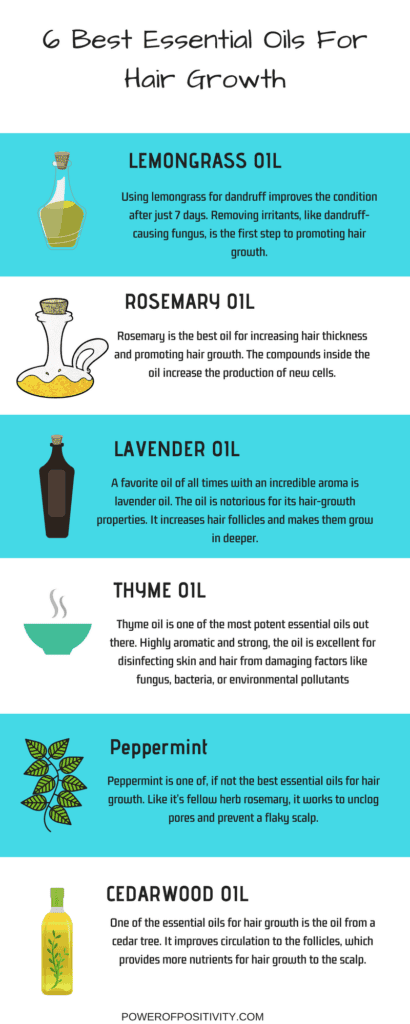
Use Essential Oils

Essential oils are beneficial for many things, including hair growth. Studies show that some essential oils, including pumpkin seed oil, increase growth and reduce baldness. Another study shows that rosemary oil can be as effective as the active ingredients in hair regrowth treatments.

Further research shows that other oils can help, too. These oils include:

  • peppermint
  • jojoba
  • lavender

Take Hair Growth Supplements

Studies show that some supplements can improve hair growth and protect against hair loss. These supplements include omega-3 and omega-6 supplements. You can also use accessories for any vitamins you don’t get enough of.

Stop Dying Your Hair

Dying your hair with chemicals can change the texture and restrict hair growth. It can also cause breakage, making your hair thinner. If you stop dying your hair, it won’t break as often and will grow quicker. Studies show that some hair dye removes natural fatty acids from the hair, causing permanent damage.

Use Antioxidants

Research indicates that antioxidants reduce hair loss and improve your scalp health. They work by protecting the scalp barrier.

Prevent Breakage

Dryness and hair breakage can prevent growth and cause thinning. The strands that hold your hair together get damaged and fall apart. Some things you can do to alleviate breakage include:

  • consuming enough iron, zinc, and folic acid
  • shampoo your scalp rather than your hair strands
  • use a high-quality conditioner
  • blot your hair when drying it with a towel instead of rubbing it vigorously
  • avoid using a blow dryer
  • don’t overbrush

Get Regular Trims

Many people think trimming your hair will hinder growth, but that’s not true. Instead, getting a trim every few months promotes hair growth by repairing split ends. If you don’t get rid of the split ends, they’ll spread further and cause breakage.

Protection While You Sleep

Start by making sure you get enough sleep. Research shows that your body doesn’t produce enough melatonin if you don’t get plenty of rest. Aim for seven to nine hours each night.

While you sleep, use a silk or satin pillowcase to prevent tangling, friction, and tugging that causes breakage. Using silk or satin is especially important if you have long hair. Additionally, don’t sleep with wet hair because it can weaken your strands and cause breakage.

Stress Management

Experts say that chronic stress can cause hair loss because it forces your follicles into a resting phase. During this phase, the follicles stop growing new strands and only shed hair. Finding ways to manage stress will improve your overall well-being while promoting faster hair growth.

How Fast Does Hair Usually Grow

When you’re born, you already have all the hair follicles you’ll have your entire life. As you get older, some of the strands will stop producing hair. This situation causes hair thinning and can eventually lead to baldness.

If hair comes out of the follicle, it can take anywhere from two to six years to grow back. How quickly hair grows depends on several factors, including:

  • hair type
  • age
  • health conditions
  • general health
  • cellular regulation
  • genetics

What to Do If You Experience Excessive Hair Loss

If you try these methods and continue to notice hair loss, it might be best to talk to a doctor. You could be experiencing nutrient deficiencies, including zinc, iron, and biotin. Sometimes you can make dietary changes to speed hair growth and reduce hair loss.

essential oil hair growth

Final Thoughts on How to Do a Scalp Massage for Faster Hair Growth

A scalp massage promotes hair growth while offering other benefits like stress relief. It allows you to relax and refocus as you pause and take time for yourself. Remember to use different movements and embrace this moment of self-care.

There are other ways to promote hair growth, too. You can use multiple techniques to figure out what works best for you.

12 Habits That Beat Sadness Naturally

Depression is commonplace today. The overwhelming sadness you feel can be life-altering. Thankfully, you can overcome this sorrow and reclaim your life. While some people cannot function during a depressive episode, many folks have functional depression, a fundamental disappointment in many aspects of life.

They go about their life and still work and do everything they’re supposed to do. The only problem is that no one can see all the sleepless nights and tears behind closed doors. High-functioning anxiety and depression are genuine problems, but you can treat these symptoms with natural remedies.

Twelve Ways to Naturally Treat Your Sadness

According to the National Institute of Mental Health, more than 17.3 million adults have depression in this country. Everyone needs coping strategies and ways to get through those dark days.

Mother Nature is an excellent provider of herbs and supplements that can help heal the body from within. Here are some of the best ways to combat this sadness in a holistic way that doesn’t have all the dreaded side effects.

sadness

1. Quit Looking at the Disappointment of Your Past

It could have everything to do with your past if you’re miserable in the present. Do you constantly look at what’s behind you and blame yourself for your mistakes? The pain and disappointments of yesterday don’t help you when you already feel sad and down.

Shift your focus to the here and now and mindful living. How can you enjoy the wonderful fragrance after the rain or the beauty of a flower in full bloom when preoccupied with the past?

2. Get Out in Nature More

When’s the last time you sat outside and let the sun’s rays penetrate every fiber of your being? If you must stop and think about it, then it’s been way too long. Nature is so healing, and so many people don’t spend time outdoors.

They’re stuck behind a desk, and the only fresh air they get is walking to and from their car. Why not go for a walk, let your feet dig deep into the soil, and connect with the Universe?

3. Change Your Diet

Is it any wonder that people who switch to the Mediterranean or Keto diet suddenly have a boost in their mental health? When you stop ingesting harmful simple carbs and fast food, it makes vital changes to your body. If you’ve noticed some of the processed food lately, it states that it may contain a bioengineered product.

According to Non-GMO Project, the government has a new way of classifying food with GMOs. What is a GMO? This modified genetic material helps with insects, weeds, and weather.

It enhances how your food tastes and provides shelf stability, but it’s not good for you. These genetic alterations can cause health issues, like digestion, in people with sensitive systems. Since there’s a direct connection between the gut and brain, is it any wonder why people are so depressed and have issues with their diet?

4. Break Free of the Negative Things That Cause the Sadness

Some sadness can be circumstantial. Perhaps you’re in a job that you despise. Sure, it pays the bills and puts food on the table, but you dread that you must get up each morning. Think of it this way; life is too short to do things that make you miserable.

When you come to the end of your life, you’re never going to lay on your death bed and wish you had worked just a little bit longer. No! You’ll want more time to do the things and be with the people you love. Don’t let a bad job or poor relationship suck the life right out of you. Start living today by cutting the chains that hold you back.

5. Exercise More to Overcome Sadness

One of the first things that any mental health doctor will tell you is that you can’t underestimate the power of exercise. Not only does moving your body keep you healthy, but you’re also increasing the serotonin and dopamine in your brain when exercising.

Every time you move and groove, your heart beats harder, reminding you there’s still life in your body. If you’re not getting enough exercise, it could be the very reason why you’re so sad.

6. Visit a Trusted Friend or Mentor

Disappointment and pain are inevitable in this life. However, it’s always nice to talk to someone who seems to see things from a different view. Remember the Star Wars series? Yoda is one of the most popular and beloved characters.

During his 900 galactic years, he observed and learned many things. The others loved him because he could impart wisdom. According to Entrepreneurship, Luke Skywalker turned to Yoda in his time of need for guidance. Yoda taught him how to use the power of the Universe and his inner strength wisely.

Now, chances are that you have a Yoda in your life. It can be a loving grandmother, a friend, or your partner. Whoever it is that can help you see things at face value and help you gain strength is the one you should seek.

sadness

7. Hit the Open Road When You Feel Sadness Creeping up on You

Sometimes you need a change of scenery to help you gain some perspective. It could be your job, toxic living situation, or family troubles contributing to the pain you feel in your heart. Getting away for a while can be refreshing, and it can help you to change your views.

It’s challenging to be upset when you’re sitting at the beach with the waves crashing against you. Get out and see some beautiful sites, which cannot help but improve your sadness.

8. Get Counseling

Cognitive-behavioral therapy has shown great success in helping with mental health disorders. Sometimes it takes a person who’s talked to many people and understands things differently to help you make sense of your feelings. The pain and disappointment you feel are not unique to you, as many people are struggling too.

Knowing that you’re not the only one in this boat can be very therapeutic and help you see that you’re not alone. Plus, great counselors can offer tools to help combat the overwhelming sadness you’re experiencing.

9. Try a Change of Pace and Volunteer

Nothing will change your perspective and heal your heart more than giving back. Around the holiday season, people get all sentimental and want to help those less fortunate. However, there are starving people and those down on their luck all year round.

It can certainly change your heart when you see how hard others have it. It makes you look at your life differently, and the disappointments you beat yourself up over seem to pale in comparison. No, volunteering isn’t going to cure depression and make all your mental health issues go away.

However, it can help you realize your blessings and have the strength to keep going. Nothing can put a smile on your face like hearing someone say, “thank you.” It makes your sadness melt just a little when you see their gratitude.

10. Use Your Higher Power

A study shows that more than 90 percent of people believe in God or a higher power. When you feel disappointment and hopelessness, you must turn to this source for strength.

Why not delve into prayer, meditation, or reading uplifting books? You need this positive source of strength in your life. So if you believe someone is watching over you, turn to them for guidance and help.

11. Cut Toxic Friends from Your Life

If you’re experiencing more than your share of sadness, you might want to examine those in your inner circle. Some people are energy vampires that drain you of your resources and leave you feeling empty.

These feelings can happen when you’re in toxic relationships and have people who use you as a doormat. Sometimes, solving your depression issues can be as easy as changing those you hang out with the most.

12. Try Sadness-Reducing Herbal Supplements

There are many herbal supplements on the market that can help with depression. Things like St. John’s Wart, fish oil, milk thistle, and lavender all have a calming effect on the body. These herbs can help you combat the sadness that overwhelms you.

Of course, you should check with your doctor or pharmacist before you try these therapies to avoid negative interactions.

disappointment

Final Thoughts on Beating Sadness Naturally

Don’t kick yourself because you feel sad and down. You’ll go through many seasons in life that change just like the wind. One day you’ll be on top of the world and feel like you can conquer Mount Everest, and the next day you will feel such sadness that getting out of bed is a struggle.

You need to learn coping skills and habits to improve and help you through your disappointment and sadness. Once you discover ways to get through the rough patches, you can use your wisdom to help others going through the same thing.

10 Reasons Why Optimistic Women Live Longer 

Research reveals that optimistic women live longer than pessimistic people, on average. Of course, other factors, such as genetics and lifestyle, play a role, but a positive attitude can make a big difference. Viewing the world through rose-colored glasses may not seem easy, but optimism can contribute to longevity.

A study by Harvard T.H. Chan School of Public Health researchers connected positivity to a longer lifespan in women. The study authors revealed that optimistic women had a longer life, with many living beyond age 90. This belief proved true across various racial and ethnic groups. The Harvard researchers analyzed data from 159,255 participants in the Women’s Health Initiative. The women enrolled in the study from 1993 to 1998 were aged 50-79. Researchers followed them for 26 years.

NOTE: We acknowledge that optimism also benefits men and cover how it impacts males in a companion article.

Study Finds That Optimistic Women Have a Longer Life

Among the participants, 25% of the most optimistic women had a 5.4% higher chance of living longer. They also were 10% more likely to live past age 90 than the 25% least optimistic women. Also, the researchers found no association between optimism and any specific race. The trends held even after accounting for factors such as mental health and chronic conditions.

Lifestyle factors like diet and exercise didn’t impact longevity as much as previously thought. They accounted for less than 25% of the connection between optimism and longer life. So, it seems that mental fortitude matters more in the long run.

“A lot of previous work has focused on deficits or risk factors that increase the risks for diseases and premature death. Our findings suggest that there’s value to focusing on positive psychological factors, like optimism, as possible new ways of promoting longevity and healthy aging across diverse groups,” Hayami Koga, a Ph.D. student in the Graduate School of Arts and Sciences Population Health Sciences program and lead author of the study said.

The study was published in the Journal of the American Geriatrics Society on June 8, 2022.

optimistic women

10 Reasons Why Optimistic Women Live Longer

So why to joyful women outlive their more pessimistic counterparts?

1.     They Experience Less Stress in Their Daily Lives.

Optimistic women take things in stride and don’t let stressful events ruffle their feathers. A 2013 study by Concordia University found that optimists regulate stress better. During especially stressful situations, optimists had more stable cortisol levels than pessimists. The researchers believe that having a positive attitude helped the participants buffer the detrimental effects of stress.

2.     Optimistic Women Have Higher Resilience.

As we stated above, women with optimistic attitudes tend to have superior coping skills. They experience stress and anxiety like everyone else but don’t allow it to overwhelm them. By falling back on their stress-management skills like mindfulness, they remain calm in the storms of life.

Other strategies they may use to combat negativity include the following techniques:

  • positive affirmations
  • deep breathing exercises
  • yoga/meditation
  • showing kindness and gratitude
  • positive self-talk
  • self-care such as aromatherapy, massages, and warm baths
  • exercise
  • focusing on positive news and media only

3.     They Have Higher Energy Levels.

The most optimistic women have consistently elevated energy levels because of their upbeat attitude. Since they don’t allow negative energy in their life, it helps them remain focused on the silver lining. They also have clear goals in life and believe they can achieve them. Simply put, they use their energy to build themselves up rather than self-criticism.

4.     They Don’t Let Trivial Matters Bother Them.

Women who find happiness in life create it themselves by blocking out negativity. They turn off the news, keep a smile, and don’t allow themselves to dwell on depressing matters. They realize that life will have problems, but they ride the waves instead of drowning in them. By remaining calm within, they learn not to sweat the small stuff.

5.     They’re More Motivated To Maintain Good Health.

Optimistic women tend to have better health than their pessimistic counterparts. Since negative mindsets weaken the immune system, this comes as no surprise. But, happy women also have more energy to devote to their health. They realize they must put in the effort to maintain a balanced mind and body—yoga, meditation, a healthy diet, exercise, and proper sleep all matter regarding well-being.

optimism meme

6.     Optimistic Women Empower Themselves and Others.

Positive women build themselves and others up by focusing on their noble qualities. By seeing the best in ourselves, we will also see that reflected in everyone we meet. Therefore, optimistic people empower themselves with positive thoughts and active, meaningful life. When others feel this uplifting energy radiating, it inspires them to change.

7.     They Challenge Any Negative Thoughts or Beliefs, Replacing Them With Optimism.

If a negative thought pops into their minds, they immediately challenge it. Better yet, they watch the ideas without reacting to them. Optimistic people practice positive self-talk and only surround themselves with motivating friends and media sources. They live a joyful life by becoming what they want to see in the world.

8.     They’re Not Afraid to Expand Their Worldview.

The happiest people like to get outside their comfort zone often. They have open minds and hearts and enjoy getting to know people from all walks of life. Optimistic people don’t subscribe to extremist beliefs that drive a wedge between themselves and others. They offer love and kindness and have a growth mindset. Life is a school, and they’re not afraid to learn new things.

9.     Optimistic Women Feel Excited About New Opportunities.

Positive women don’t shy away from opportunities that could allow them to grow. Whether in their relationships, career, or spiritual life, they remain open to the possibilities. This ties back into a growth mindset, where they don’t build walls between themselves and life. Instead, they tear down any walls holding them back from becoming their best self.

10. They Feel Grateful For What They Have in Life.

Perhaps most importantly, optimistic women live longer because they express gratitude in life. Even if they have little materially speaking, they’re rich in love and spirituality. They know what’s truly important in life: family, community, and making a positive impact on others.

So, they feel thankful for what they have and work hard to make life better for others. By doing this, they become wealthy in heart and spirit, which matters more than anything money could buy.

optimistic women

Final Thoughts on Reasons Why Happy Women Enjoy Longer Lives

A Harvard T.H. Chan School of Public Health study shows optimistic women live longer. Researchers found that women with positive attitudes across all cultures and ethnicities had a 10% higher chance of living beyond 90. Seeing the world through rose-colored glasses lowers their stress, makes them more grateful and deepens their connection. Optimism can take you farther in life, as the studies above reveal.

Skip to content