Weekly tips, affirmations, and small actions to feel your best.

15 Things to Remember When You Don’t Believe in Yourself

Even the most positive people need encouragement and support. No one is immune to periods of self-doubt, so here are quotes to help you believe in yourself.

15 things to remember when you don’t believe in yourself.

1. Belief in yourself begins within.

“A successful man is one who can lay a firm foundation with the bricks others have thrown at him.” – David Brinkley

There will always be haters and naysayers in life, and they become more apparent when we are feeling down. Don’t look outside for approval or validation, all we need to do is look inside our heart.

2. You are not your successes or failures.

“Remember that failure is an event, not a person,” – Zig Ziglar.

Who we are as people is based on our character, not on an outcome. We should make a point to remember the times you helped someone in need, cheered up a friend and hugged your kids. These are the acts that shape us.

3. It’s your life. Live your truth.

“I know where I’m going, and I know the truth, and I don’t have to be what you want me to be. I’m free to be what I want.” – Muhammad Ali

It’s hard to believe in ourselves when we spend our time trying to live up to other people’s expectations. Living your truth is the ultimate belief in yourself.

4. Keep moving forward.

“Opportunity does not knock; it presents itself when you beat down the door.” – Kyle Chandler

There are always times when giving up seems to be the only option. However, it rarely is. Trust that you are where you are meant to be and keep taking small steps forward.

5. You are closer than you think.

“Many of life’s failures are people who did not realize how close they were to success when they gave up” – Thomas A. Edison

There will always be tests on our way to doing something great. It’s as if the Universe wants to see how badly we want it. Success is found when we persevere.

6. You can become better.

“Big shots are only little shots who keep shooting.” – Christopher Morley

It’s hard to be the best at something right out of the gate. People become the best because they keep working at bettering their skill.

7. Do not define yourself by one moment in time.

“The first step toward success is taken when you refuse to be a captive of the environment in which you first find yourself.” – Mark Caine

Who we are and what we are capable of is not reflective of our current circumstances. Let’s not allow what happens in any given moment shape how we think of ourselves.

8. You are evolving.

“It is never too late to be what you might have been.”  George Eliot

The beautiful thing about life is it gives us opportunities to evolve and continue to grow into our best selves. Know that every day contributes to the process of becoming who we are meant to be.

9. Break the big goals down.

“The man who moves a mountain begins by carrying away small stones.”  -Confucius

Self-doubt can creep in when we are overwhelmed by big goals. Big goals seem unattainable but when we break them down and focus on one thing at a time, they become achievable.

10. Find the courage.

Man cannot discover new oceans unless he has the courage to lose sight of the shore.” — Lord Chesterfield

We have to want to move through what is causing our self-doubt more than we want to stay where we are. Don’t dwell in the moment and instead, find the courage to face the fear that is holding us back.

11. You control the narrative.

“I can be changed by what happens to me. But I refuse to be reduced by it.”  Maya Angelou

Our internal dialog handles how we look at ourselves and how we feel. Be thoughtful in your response to current circumstances and begin a dialog that is supportive and nurturing.

12. To win at life, you must get in the game.

“You can’t expect to hit the jackpot if you don’t put a few nickels in the machine.” – Flip Wilson

Just remember you win at life in one day, but the actions you take today will affect how you’ll look at tomorrow. Do something, anything, to stay in the game.

13. Focus on the good.

“I honestly think it is better to be a failure at something you love than to be a success at something you hate.” – George Burns

Always seek out a good lesson. Then, you can live your truthful, more authentic life. When we choose to do things that make our heart sing, success will find its way to us.

14. Find the lessons.

“Character cannot be developed in ease and quiet. Only through the experience of trial and suffering can the soul be strengthened, ambition inspired, and success achieved.” – Helen Keller

When we focus on the lessons, we can move forward confident in our abilities and knowing we are learning what we need to learn to keep living our best life.

15. Celebrate your uniqueness.

“Be yourself; everyone else is already taken.” – Oscar Wilde

Let’s allow ourselves to be who we are without comparison to others. Celebrate all that makes us who we are because there is only one of each of us and our gifts are needed in the world.


10 Surprising Health Benefits of Walking Barefoot

Also called “earthing” or “grounding,” the simple act of walking barefoot offers so many benefits that often get overlooked by mainstream society pushing the importance of wearing shoes at all times. According to Dr. Mercola, walking with your feet directly touching the soil allows your body to absorb negative electrons through the Earth, which helps to stabilize daily cortisol rhythm and create a balanced internal bioelectrical environment.

We have lost much of our connection with Mother Earth due to modern living. But making an effort to spend more time barefoot in nature can provide more benefits than you would think.

Here are 10 more health benefits of walking barefoot:

walking-barefoot

1. Walking barefoot can reduce pain and inflammation.

In this study, twelve people slept on a conductive mattress pad that mimicked the effects of sleeping directly on the Earth for eight weeks straight. All the participants complained of pain, stress, and trouble sleeping. After the test period, scientists discovered a considerable reduction in their cortisol levels. Furthermore, all subjects reported that their pain, stress, and sleep troubles had either been greatly reduced or disappeared entirely.

2. It can help improve your sleep.

Another study in PubMed revealed that earthing influences physiologic processes and induces relaxation. The Journal of Alternative and Complementary Medicine also reported that people who had been exposed to grounding had a better night’s sleep compared with those who did not walk barefoot regularly. Earthing is believed to stabilize circadian rhythms. Perhaps that explains why many people experience a better night’s sleep.

3. Walking barefoot strengthens the immune system.

In this comprehensive report published in the Journal of Environmental and Public Health, researchers found that walking barefoot can actually decrease white blood cell count and increase red blood cell count. This outcome indicates a positive immune response.

4. Walking barefoot can reduce the risk of heart disease.

According to a study published in the Journal of Alternative and Complementary Medicine, earthing increases the surface charge of red blood cells. This results in the reduction of clumping in the cells, which therefore decreases blood thickness. Since high viscosity has been directly linked as a risk factor in heart disease, earthing therefore reduces the risk of heart disease significantly.

5. Walking barefoot regulates the nervous system, decreasing feelings of anxiety and stress.

Going outside, in general, can help regulate emotions and balance the nervous system. However, letting your body come in contact with the soil directly decreases anxiety and stress even more. That’s because the Earth carries a negative charge with it. And we have a positive charge due to all the electromagnetic waves we come in contact with daily, spending time connecting with Earth is vital to your emotional and physical health.

6. It helps normalize biological rhythms.

In the book Earthing by Clint Ober, Dr. Stephen Sinatra MD, and Martin Zucker, the authors explain that “…the biological clock of the body needs to be continually calibrated by the pulse of the Earth that governs the circadian rhythms of all life on the planet.”

Earthing helps to reestablish regular sleeping patterns and resets the biological clock within us all. Environmental pollution, including lights, chemicals, and other factors, greatly affects our sleeping patterns, so coming in contact with Earth’s negatively charged electrons can help immensely with your body’s circadian rhythm and other biological processes.

7. Walking barefoot can even lessen the severity of menstrual cramps!

Because grounding reduces overall pain, it should come as no surprise that walking barefoot can ease menstrual cramps, as well. In a sense, all pain we feel within the body first begins in the mind and manifests as stress, which can greatly impact menstrual cramps. Going outdoors and letting your bare feet grace the Earth does wonders for the body, mind, and soul. Pharmacies sell many pain pills specifically for women with cramps. But earthing provides the same benefits without the side effects. Plus, you’ll save a lot of cash!

8. Walking barefoot helps loosen tense muscles and even eliminate headaches.

A pilot study found that earthing can prevent delayed onset muscle soreness from occurring after engaging in physical exercise, so this can certainly apply to other situations that cause tense muscles, such as working at a desk all day, for example. Migraines have been linked in some instances to prolonged exposure to radiation, and since earthing literally grounds the body and reduces free radicals, it can alleviate headaches as well.

9. Earthing boosts energy levels.

This one might seem obvious by now, but it’s still worth mentioning. Any time you immerse yourself in the natural world, you pick up on the higher frequencies emitted from nature. Therefore, you increase your own energy levels. Exposure to modern society can definitely affect your vitality. So make sure to spend as much time in nature as you can!

10. It protects the body from dangerous EMFs (electromagnetic fields).

As we have touched on previously, earthing can reduce the electromagnetic charge within the body. Plus, it may prevent you from the harmful effects of EMF’s. For more information on the incredible ways that walking barefoot can improve your health, consider reading the book Earthing: The Most Important Health Discovery Ever?

In it, you will find studies and other information from doctors, an electrical engineer, and a cardiologist. Also, you will find first-hand stories about the benefits of earthing.

10 Signs Someone Is Depressed

Depression is a troubling illness, both for the afflicted and those that care about them. Many times, the depressed doesn’t know why it’s happening; sometimes they think that it’s a personal failing or weakness.

Nothing could be farther from the truth.

Depression is a very complex disease that is often linked to biological, environmental, genetic, and psychological factors. In simplest terms, depression is a disorder of the brain. Imaging technologies such as Magnetic Resonance Imaging (MRI) and positron emission tomography (PET) have discovered that the depressed brain is different in various functionalities than the normal brain.

The brain areas that are affected by depression include the Amygdala, Thalamus and the Hippocampus. The amygdala is associated with emotions such as anger, fear, pleasure, sorrow and sexual arousal. Studies have shown that the amygdala registers higher activity when a person is sad or clinically depressed; this likely accounts for the episodes of mania that people experience in manic depression.

The hippocampus is another limbic system structure that is responsible for processing long-term memory and recollection. Some studies have shown that the hippocampus is smaller in some depressed people and that continuous exposure to stress hormones can impair the growth of nerve cells in this region of the brain.

What causes this shift in the chemical functioning of the brain?

Many things, including psychological or physical trauma, relationship difficulties, loss of a loved one, or any other stressful situation may initiate these brain changes.

Regardless of the cause, it is important to be able to recognize depression – for your own health and those that you love and care for. There are certain behavioral traits that are quite common in depressed individuals and are worth being aware of.

Here are 10 common signs someone is depressed:

#1…Aloofness

When someone is depressed, they’re often reluctant to be in the company of others. Part of this is a lack of interest, and part is the fear of being the Debbie Downer of the group. There is also a fear of being rejected by others, which increases the reluctance to engage socially.

Here are some symptoms of aloofness:

– Few or no friends

– Labeled as newly “anti-social”

– Canceling social events at the last minute

– Avoiding face-to-face contact with others

– Friends, family, and others are concerned with lack of interaction

– Pessimism

– Low self-esteem

#2… Loss of Interest

This is a big one. Activities that used to bring such joy and fulfillment to the person no longer do. Needless to say, this is painful for both the individual and those who care for them. The afflicted person can even lose interest in their spouse or children, often leading to bigger problems.

It’s also worth mentioning that necessary but less engaging tasks (work, chores, etc.) become more arduous and are often ignored or done hastily.

#3…Increased Alcohol or Drug Use

Navigating the ups and downs of life is difficult enough, but for the depressed it is nearly impossible at times. To escape this trap, they often turn to the use of alcohol or drugs. Understandably, alcohol and drug use occurs because the person is seeking to numb their pain or feel the happiness that they long for. However, this only works for a short while and as tolerance increases so does the likelihood of addiction.

#4…Mood Swings

Chemical imbalances in the brain often lead to abrupt changes in mood. A depressed person can go from happy to crying to something else within a short span of time. Things and events that used to cause little to no reaction – a sarcastic joke, for example – now cause fits of anger or irritability. If someone you care about is demonstrating these sorts of changes, understand that it can be due to depression. Don’t judge too hastily, however; normal changes in hormones can lead to mood swings as well.

#5… Changes in Appetite

This is a tricky one because “changes in appetite” can be a depressed person not touching food on a plate (“are they not hungry?”) or someone scarfing a gallon of ice cream (“maybe they just feeling like binging…”) until it’s gone. The former doesn’t have the willingness to eat, as they are too busy attending to their thoughts while the latter uses food as much-needed source of comfort. Either way, drastic changes in appetite is often a clear sign of depression.

#6…Excessive Tiredness

A lethargic approach to many of one’s responsibilities is only natural for people lacking enthusiasm. People with depression constantly deal with the internal chatter of their minds, which is exhausting in itself. It is no wonder then why they have very little energy for anything else. Excessive states of tiredness could indicate the presence of depression.

#7…Sleep Problems

You may think that because of #6 a depressed person would have no issue with sleeping. As with many other depressive symptoms, however, sleep problems can vary widely. Some will sleep the majority of the day while others will skimp by on maybe a couple of hours if that. A drastic change in sleep patterns is often one of the more obvious signs of depression.

#8…Cognitive Problems

Depression is notorious for having an impact on cognitive function. Concentration, decision making and memory are often less adept than before the depressive state. Further, cognitive impairment is often very noticeable to the depressed and makes it more difficult for them to believe that they’ll ever be well again.

#9…Self Harm

At times, the pain that builds up in one’s mind becomes so intense that inflicting pain actually becomes a relief. Of course, this is a very serious sign of depression and one that requires immediate intervention.

#10…Suicidal Ideations

Unfortunately, this is one that needs to be discussed. Repetitive bouts with one’s inner self and the conflict that their depression creates have led the individual to believe that there truly is no way out, no matter how untrue those beliefs may be. Thought of suicide almost always indicates the presence of depression and professional help becomes absolutely necessary for their protection.

Witnessing someone that you love go through depression can indeed be a difficult experience. Exacerbating this difficulty is the feeling of helplessness that loved ones of depressed people often feel. Fortunately, there are indeed things that you can do to help the person get better and provide some emotional relief for yourself.

The Mayo Clinic, perhaps the most prestigious health organization in the world, recommends the following:

Talk to the person about what you’ve noticed and why you’re concerned.

Educate the person about depression. Explain that it is not a personal failing, flaw or weakness, but a medical condition that often gets better with treatment.

Suggest that the person see a professional – a medical doctor or mental health providers, such as a licensed counselor or psychologist.

Offer to help the person create an outline of what to talk about, including questions to ask during the initial appointment with the doctor or mental health provider.

Express your willingness to aid the person with appointments. For example, help them with scheduling the appointment or going with them to see the doctor.

6 Ways to Open Your Heart and Love Again

No matter how many times you have been hurt in the past, you probably still wonder when your next boyfriend or girlfriend will walk into your life. Why? Well, humans were born to love. We were born to connect with others and share a deep emotional and physical bond. Love can hurt, but it also is crucial for our well-being.

Studies have proven that love releases feel-good hormones, eases depression symptoms, increases your lifespan, reduces anxiety and stress, and much more.

After a few failed relationships, though, you might feel like throwing in the towel on love. Don’t worry; many people feel this way after just leaving a serious relationship, but if you’re looking to leave the past behind and give love another try, these tips can help.

Here are six ways to open your heart to love again:

love

1. Let go of past heartache.

As they say, you can’t get to the future if you remain fixated on the past, so release any feelings of resentment or pain and realize that you had to go through those experiences to evolve and learn. Simply ask the universe for help in moving on from the relationships that have caused you grief and accept the past for what it is: necessary stepping stones on your path to enlightenment and self-development.

Also, remember that only you can decide how you feel; others have power over your emotions only if you let them. Of course, everyone needs time to recuperate after a serious relationship emotionally, but just allow those feelings to move through you without judgment, and move on. Just try to enjoy living in the moment instead of ruminating on the past; after all, this moment is all we truly have.

2. Forgive others who have hurt you.

“When you hold resentment toward another, you are bound to that person or condition by an emotional link that is stronger than steel. Forgiveness is the only way to dissolve that link and get free.” – Katherine Ponder

Remember that holding a grudge is like injecting yourself with poison over and over again and expecting the other person to suffer. Resentment only affects the person who feels it, and it will hold a dark cloud over your head until you resolve those feelings.

Part of letting go of the past is forgiving those who have caused you pain, so either in person, in writing, or just in your head, offer your forgiveness to those people. Thank them for what you learned during your relationship, and wish them the best in their future. Then, you can finally free yourself from those emotional chains and truly open your heart to love again.

3. Don’t have any expectations going into future relationships.

Life hardly ever goes as expected, so having any anticipations about how it will unfold can lead to huge disappointments later on. No relationship will ever offer perfection, so don’t go into relationships with preconceived ideas about how your partner will react to a certain situation or how long the relationship will last. You can never entirely predict anything, from people to the weather, to what your life will be like even 5 minutes from now.

Just enjoy the ride and take life as it comes rather than wishing or demanding certain situations from life; remember, the universe will always give you what you need, even if that differs from what you want at the time.

4. Focus on loving yourself first, and you will attract others of the same vibration.

The actual first step to attracting someone who will love you is to cultivate that feeling within yourself. How can you expect others to love you if you don’t even feel that way toward yourself? We all give off a certain vibration, and others either become attracted or repelled to that energy based on their own frequency.

So, to attract those with a higher, more loving vibration, you must give off that energy yourself. You attract what you are, so keep this in mind when you feel ready to open yourself to love once again.

5. Don’t compare everyone you meet to your exes.

When you do meet a potential partner, you might feel inclined to figuratively put them beside your ex and compare every aspect of them to one another. However, this will only lead you to either harbor bitterness about your past relationship or believe that no one can ever offer you what your ex did. Both of these ways of thinking will only lead to despair, so save yourself from the unnecessary heartache by avoiding comparison altogether.

Every person offers something unique and valuable to the world, so just accept people as they are without needing to size them up and critique every part of them. Your ex will probably have traits you desire in a future partner, but instead of fixating on that, just focus on the possibilities that the future holds. Based on your vibration, you will eventually find your way to someone who deserves you.

6. Choose to see the positive aspects of people instead of putting all your attention on the negative.

One surefire way to close yourself off to love is to believe that everyone has bad intentions with you; remember, hate and negativity contract, while love and positivity expand. After a rough breakup, you will probably go through a phase of anger toward the person, which could lead you to see the worst in everyone you know and meet. However, try to remember that other people carry their own vibration and have a personality completely different from your ex’s.

Just because you had one bad relationship, doesn’t mean that this will repeat infinitely into the future.

Smile and focus on the beauty present in all human beings, and you will attract more people set on seeing the best in their fellow man and woman, as well.

10 Signs You May Have a Vitamin D Deficiency

Measuring Vitamin D levels only became available about 15 years ago and until then there wasn’t much concern around its levels. Once the studies and testing began, it became apparent that this deficiency was a common concern among the general population.

One of the country’s leading researchers on vitamin D, Dr. Michael Holick, reports that at least 50% of people are at risk for vitamin D deficiency. His claim is further substantiated by The Center for Disease Control and Prevention (CDC) which states that 32% of people in the United States are vitamin D deficient. The CDC goes on to say that this estimate is probably low because the recommended levels are not sufficient to promote optimal health.

The obvious first choice in getting proper nutrients is through diet, but it can be difficult to get appropriate Vitamin D levels through diet alone. Here’s a visual example of great food sources that can help you get Vitamin D:

vitamin-dThe good news is exposure to sunlight can make up the difference that your diet alone doesn’t provide.

It is important to note that sunscreen will prevent your skin from absorbing this nutrient from the sun and this is just one reason the Vitamin D deficiency rates are climbing.

A deficiency is often misdiagnosed because its symptoms can mimic other ailments. It is important to become aware of what may lead to a deficiency so you can ask the right questions of your wellness provider.

Here are 10 signs you may have a vitamin D deficiency.

1. You are overweight.

Your body fat collects vitamin D, so your body can process it into its usable form. The more fat you carry, the more of this valuable nutrient you will need.

2. You have high muscle mass and low body fat.

Similar to being overweight, too little body fat hinders your body’s ability to collect the necessary amounts of vitamin D, this time because you don’t have an adequate body fat supply.

3. You have dark skin.

The pigment in your skin acts as a natural sunscreen preventing your body from absorbing vitamin D from the sun. The darker the skin, the more pigment in the skin which means more time in the sun is needed to produce adequate levels of this essential nutrient.

4. You’re over 50.

As you get your older your skin doesn’t produce as much vitamin D from exposure to the sun and your kidneys are not as efficient in converting it for use in the body.

5. You are experiencing aches and pains.

A vitamin D deficiency works against calcium getting to your skeletal system. Thus, being deficient might be the cause of some of your common aches and pains.

6. You sweat excessively from your head.

An excess of sweat is often one of the first and classic signs of a deficiency of this nutrient.

7. You live in a geographic location with long periods of darkness.

If you live in the extreme north or south, and there are long periods without sunlight or your exposure to the sun is limited, be aware that your vitamin D levels may be suffering. This might also be one explanation for the prevalence of certain conditions in certain geographic regions.

8. You are experiencing a decrease in mood.

A 2011 study stated that exposure to the sun and bright lights have a direct correlation to elevated mood levels. It found that the participants with the lowest levels of this essential nutrient were eleven times more likely to show signs of depression.

9. You suffer from digestive problems.

Digestive problems can affect your body’s ability to absorb fat that directly impacts your levels of fat-soluble vitamins such as vitamin D.

10. You are never outside without sunscreen.

There is a conflict with many regarding sunscreen and vitamin D. Should you expose your skin to the sun or use sunscreen which will prevent vitamin D absorption?

There are studies that support the use of sunscreen and studies that support the need for some skin exposure to the sun. For the purpose of this article, just know that always using sunscreen while outside may actually lead to a nutritional deficiency.

A vitamin D deficiency might be common but it is relatively easy to get under control. Just know that more vitamin D is not always better. Higher than recommended nutrient levels do not show any benefits. In fact, it can even lead to premature hardening of the arteries.

The best course of action, if you are concerned about being deficient, is to consult your wellness provider. Becoming aware of your vitamin D levels is important and will help you devise a nutrition plan that will support your overall health goals.

Note: This article is intended for informational purposes only and is not meant as a diagnostic tool. If you think you might be vitamin D deficient or are experiencing any unexplained symptoms, please consult your wellness provider immediately.

5 Essential Oils That Replace Toxic Cleaning Products

The smell of a clean home might give us a sense of comfort. But that smell often comes at the cost of exposing our loved ones to the harsh chemicals found in most name-brand cleaning products. There is a safer way to clean our homes, and it all begins with common pantry items and some essential oils.

A few simple recipes can help ditch the toxic cleaners and replace them with cost-effective and equally disinfecting alternatives.

A little bit about essential oils

A few things you should know about essential oils before implementing them into your cleaning routine.

  • Essential Oils are plant-based. In fact, it takes tons and tons of plants to make a small bottle. This makes them very potent and often just a few drops is all you will need.
  • Fragrance oils are not the same product! Look for labels that use the words “essential oil.” If you see fragrance or perfume, these are chemically derived and do not provide the same benefits of the natural ingredients.
  • Do not use undiluted on the skin. While there are some botanical extracts that can be applied directly to the skin, it is best not use them this way unless directed by an expert in the field. And you should never use undiluted oils directly on babies and children.
  • If you are pregnant, do your research before introducing these products into your home. Some oils are not recommended for use by pregnant women. As a note: the oils included in this article are considered safe for pregnant women.
  • Natural ingredients do not mean pet-safe. Just as some botanicals and plants are poisonous to pets, so are their derivatives. Know what you are using!
  • Most bottles of this product will remain effective for up to five years.

The majority of essential oils are high in antibacterial, antifungal, and antiviral properties, making them excellent candidates to replace the commercial, toxic cleaners we are used to using.

There are some common and easy-to-find essential oils that all households should have on hand to help green their cleaning…

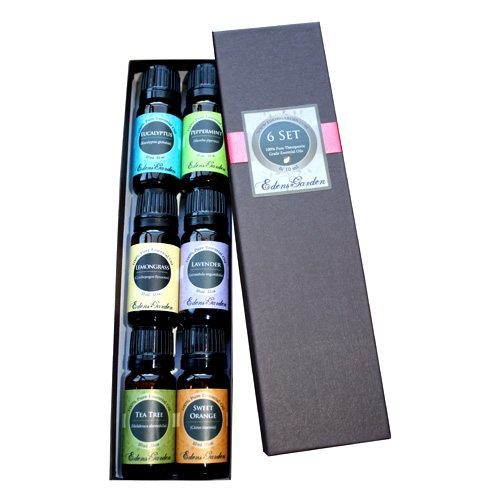
essential-oils-aromatherapy

The best 5 essential oils that replace toxic cleaning products include:

1 – Tea Tree Essential Oil

Tea tree is the powerhouse of essential oils. It is an antimicrobial, antifungal, antiseptic, antibacterial, and insecticidal oil that is the perfect choice for cleaning high-traffic areas like the kitchen and bathrooms. The smell of this product can be a bit strong, so it is common to pair it with another fragrance like lemon or lavender (both on this list) to create a smell that is more appealing.

2 – Lavender Essential Oil

Known as one of the seven polyvalents (effective against many toxins) and its antiseptic, antiviral and antibacterial properties make it very effective for cleaning. Research shows that lavender also has relaxing effects on our body making it an especially good choice for cleaning in bedrooms and other places that will benefit from some calm.

3 – Lemon Essential Oil

Lemon has a long history of being used around the house as a natural cleaning aid and is a good choice for our household cleaning arsenal. Not only does it have antiseptic, antimicrobial, and antibacterial properties, studies show it can improve mood.

4 – Peppermint Essential Oil

Peppermint is all around us and is often used in our food because of its effects on our digestive system. It also boasts strong antiseptic and astringent properties that help with mental clarity, alertness and work performance making it a perfect choice for cleaning the home office or other work areas.

5 – Sweet Orange Essential Oil

A recent study showed that sweet orange extract inhibited E.Coli and Salmonella making this a perfect oil for cleaning the kitchen, especially during raw food preparation. It is a known antiseptic, antifungal and antibacterial ingredient that also enhances mood, similar to that of lemon.

hydrogen peroxide

How to clean your home with hydrogen peroxide.

Some Common Green Cleaning Recipes Using Essential Oils

All of the products that we list in this post are great for all-purpose household cleaning, and feel free to use any of them in the following recipes.

Choosing the right product often comes down to where it will be used. These products are very powerful and potent so use sparingly when first creating your recipes.

Mix these oils together to a create a unique and pleasant scent.

Kitchen & Bathroom Counter Spray

  • Vinegar: ½ cup
  • Water: ½ cup
  • Essential Oil: 20 drops

The recommended essential oils include sweet orange, tea tree, and/or lemon.

Disinfecting Spray

  • Vodka: ½ cup
  • Water: ½ cup
  • Essential Oil: 75 drops

The recommended ingredients include lavender, peppermint, and lemon.

Window Cleaner

  • Water: 2 ounces
  • Essential Oil: 10 drops

The recommended products include either lavender or lemon.

Toilet Cleaner

  • Water: ½ cup
  • Essential Oil: 50 drops

We recommend tea tree oil.

dryer sheets

Learn why you should pass up on chemical-laced dryer sheets.

Dried Gum or Sticky Residue

Apply sweet orange, undiluted, to a cotton ball and massage until removed. It won’t stain cloth items but wash immediately. For gum or sticky residue on furniture, test first on a small, hidden piece of furniture before using.

Essential oils can be used for much more than just cleaning. Because they are plant-based, each botanical can be linked to specific health benefits, often affect mood, and can heal internal and external injuries.

There is a lot of information out there on the uses of essential oils. Do your research and you will soon learn all the ways essential oils can benefit you and your home.

Related article: 3 Ways to Add Positive Energy to Your Home

This Is What Happens to Your Cells When You Experience Negative Emotions

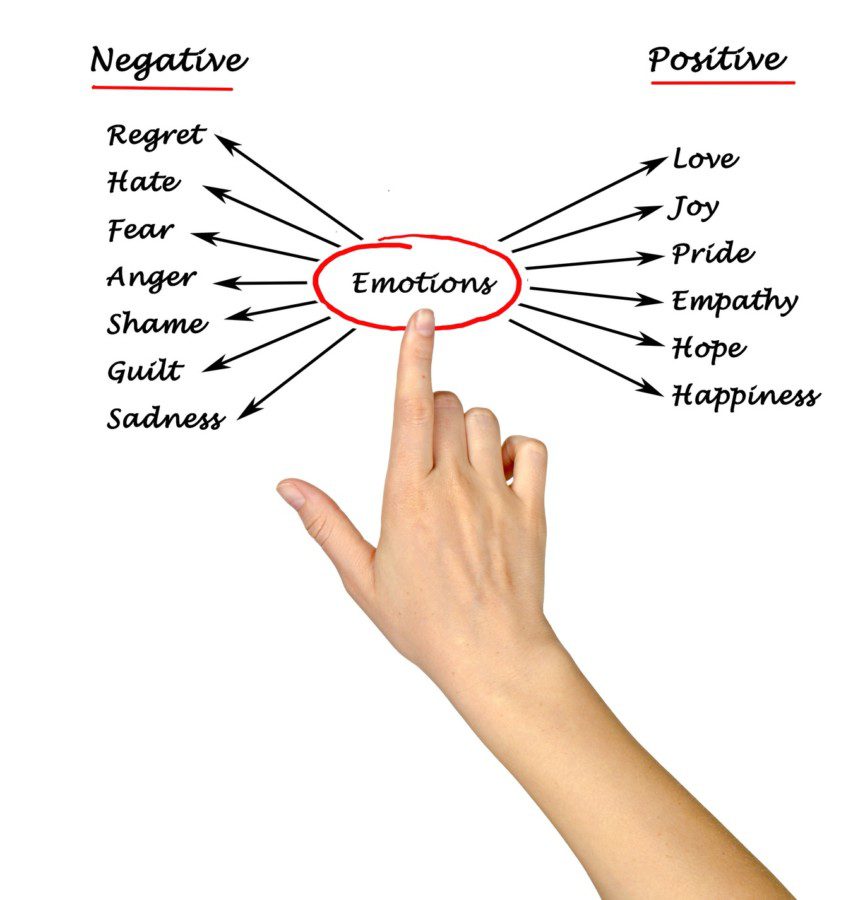
There is an overwhelming amount of research coming out about how negative emotions can damage the body’s cells. This abundance of data lends much credibility to the belief that your mind does indeed create all matter. What you regularly think becomes your reality. So poisonous thoughts show up as disease, unfortunate events, and other negativity in one’s life. Positive energy expands the cells, while negative energy contracts them.

If you have heard of the “placebo effect,” you know that even fake treatments. That’s because they heal people due to the mind believing that the drug given in the study can actually heal the body of disease. However, the opposite is also true. Called the “nocebo effect,” this occurs when one believes a negative outcome will occur. And, the person actually manifests that in his or her reality.

Those negative thoughts and emotions can actually get lodged in your cells. Therefore, it creates a slew of ailments and diseases in some cases.

positive-negative-emotions

The impact of negative thoughts on our brains

Karen Lawson, M.D., says that when we express our emotions without any attachment or judgment, we give them the freedom to flow out of our bodies and release the weight of this heavier energy. However, trapping them inside ourselves and holding onto these toxic thoughts can cause a variety of problems. Such conditions include high blood pressure and digestive troubles.

Chronic stress can actually decrease your life span by shortening your telomeres. Those are the “end caps” of DNA strands, which have a massive impact on aging.

So, how does the brain actually react when you think negative thoughts? Well, each time you have a thought, your brain creates more synapses and pathways in alignment with your thought process at the time. So thinking predominantly negative thoughts will only breed more of them. However, the reverse is true as well. According to many scientists, negative thinking and emotions inhibit signals from being transmitted between the central nervous system and the brain. In turn, this creates a “brain fog.”  And that condition can compromise your immune system, memory, sleep patterns, and much more.

Negative feelings cause stress

When you experience negative emotions, the stress hormone cortisol is released into the body to help it cope with the immediate stressors. Reacting to a dangerous situation is a normal part of being human, but allowing the stress to continue after the event has occurred can lead to many health problems, including migraines, muscle and chest pains, and sleep disruptions.

Feeling afraid, which so often occurs when we focus too much on the future, can actually decrease activity in your cerebellum, which impedes the brain’s capability of processing new information and hinders creative problem-solving skills. Also, fear can affect the left temporal lobe, which controls everything from mood to memory to impulse control.

Your frontal lobe, particularly your prefrontal cortex, plays a big role in orchestrating thoughts and actions based on your internal goals and beliefs. Therefore, when you replay negative thoughts and feelings in your brain, you initiate the expansion of this thought process as more synapses and neurons are created to replicate your predominant thoughts.

So, now that you know just how your thoughts and emotions can affect your health, how can you ensure that your thoughts stay positive?

First of all, make sure to release your negative emotions in some manner. This can be a conversation with a friend, writing, drawing, or some of the other artistic expressions. The longer you ruminate on negative thoughts, the more you will see them manifest in your brain. Ultimately, you’ll change your reality.

Secondly, meditation helps immensely to dispel negative thinking and rewire your brain for positive thoughts. If you haven’t yet established regular meditation practice, make sure to read our article about meditation tips for beginners to get you started.

Also, make sure you surround yourself with positive influences, because energy is contagious. Allowing negative people into your life will only bring down your own energy levels. Therefore, you’ll be exposed to toxic energy on a regular basis. And that circumstance can do great damage to the spirit. Keep the company of those who inspire, uplift, and encourage you to live the best life possible!

Finally, make sure you take enough time for self-care and commit to living the life you love. Don’t compromise your own happiness for someone else’s. So the only way to evolve into your highest self is to follow your own heart. Trust it to take you where you need to go. Negative emotions and thoughts can’t survive in a heart and mind full of life, love, and true happiness.

10 Things to Learn From Failure

Golly…we are a success-driven society, aren’t we? Society seems to judge how successful one is by a number of superficial factors: your income, car, home, profession, etc. One of the last things any of us wants to be considered is a failure, right? Just the word failure creates a negative undercurrent of emotion within us. Being labeled as “failing” is one of the harshest critiques of one’s personal worth…according to modern society, anyways.

Let’s try an experiment:

Try and see if you recognize any of these names: Abraham Lincoln, Thomas Edison, Winston Churchill, Steven Spielberg, and Albert Einstein; how about Henry Ford? Nobody would argue that these are some of the best, brightest minds to have ever existed and that they’ve all made tremendous contributions to society. Nobody would ever attach the word failure to any one of them. But that’s exactly what they were at one time.

Failure is a matter of perspective, plain and simple. Let’s just take Abraham Lincoln, for example.

The 16th President of the United States may just go down in history as the best leader the United States, perhaps the entire world, has ever had. What the history books will often omit, however, is the number of failures that Lincoln experienced, among them: losing his jobs, failing in business, losing multiple runs for office (eight in total), and numerous rejections by colleagues and constituents; this all before being elected president in 1860. The rest is history.

Lincoln’s story alone is enough to demonstrate how failing can be a driving force towards success. The fact is that many of life’s important lessons are learned through these types of setbacks.

“My great concern is not whether you have failed, but whether you are content with your failure.”    Abraham Lincoln, 16th President of the United States

Here are 10 lessons we can all learn from failure:

1. Failing can build character

There is a lesson to be learned from everything, including failing. Perhaps the greatest benefit earned from failure is strength. Think about it: if life were perfect and every endeavor ended in seamless success, what sort of person would you be? The truth is this – failure teaches us more about ourselves and builds character better than success ever could.

2. Failure creates an opportunity

Think about this: how many times in your life have you failed at something only to discover another opportunity? Maybe it was a failed relationship that led you to someone great. Maybe it was a job that didn’t suit you and brought you a better one. Regardless of what your circumstance was, the sweetness afterward was much better as a result.

3. Failure is a great teacher

Failure has a way of showing what your strengths and weaknesses are while motivating you to correct them. In any area of life – academics, work, play, relationships, etc. – failure is often the driving force behind success. For example, Michael Jordan, arguably the greatest basketball player in history, failed to make his high school basketball team. When asked about his early failures, Jordan said:

“I’ve failed over and over and over again in my life and that is why I succeed.”

4. Failure instills courage

As should be clear by now, most people are scared of failure. Many of us are unwilling to take the uncertain path; we’d just prefer to stay in the same boat and not rock it too much. After all, we have responsibilities and people that depend on us. In short, failure requires courage. Whether the failure experienced was anticipated or not, you’ll need to toughen up a bit to get through it.

5. Failure teaches perseverance

When experiencing failure, it’s very easy to just roll over and give up. “What’s the use?” you say to yourself. It takes guts and determination to keep driving forward. Take J.K Rowling, author of the enormously successful Harry Potter series. Rowling said that she received “loads” of rejection letters over a five year span before finding a publisher for one of the most successful book (and movie) series ever. Wow.

Related Article: 5 Ways to Bounce Back Better

6. Failure spawns creativity

If necessity is the mother of invention, failure is the father. Nothing spurs creativity like failure. Artists and creators of all stripes know that if something doesn’t work out, they must tap into their large reservoir of creative talent to create something truly unique.

7. Failing requires motivation

Winston Churchill once said “Success is your ability to go from failure to failure without losing your enthusiasm.” The most successful people are simply the ones who didn’t give up. Finding the motivation to believe in yourself and press on is paramount.

8. Failure is acceptable

While a simple concept, accepting failure can be difficult to truly embrace. In the midst of experiencing failure, it is never a good feeling. In fact, this feeling can be downright gut-wrenching. But just remember that failure is acceptable…lack of effort is not. Here’s Michael Jordan again: “I can accept failure, everyone fails at something. But I can’t accept not trying.”

failure

9. Failing encourages exploration

Steve Jobs knew that the corporate world was not for him. In fact, many things were not. He disliked college, societal norms, and the stiffness of businesspeople. Before founding Apple with Steve Wozniak, Jobs could have been labeled as a failure…he didn’t care. Jobs said: “Remembering that you are going to die is the best way I know to avoid the trap of thinking you have something to lose. You are already naked. There is no reason not to follow your heart.”

So explore and don’t let anything, especially fear of failing, stop you.

10. Failure teaches resilience

Along with making us better people, failing both teaches and strengthens resilience. Through the discomfort and uncertainty of an epic fail, one will be better able to take on any of life’s challenges as they come. Resilience is something required of all successful people, and there is no better teacher of resilience than failure.

What lessons has failure taught you in life?  Add to the conversation below:

How To Fall Asleep In Under 1 Minute Every Night

Have you ever wished you could fall asleep faster? You would be in good company if you answered yes.

There is no doubt; we are a society of sleep-deprived citizens. In fact, according to a recent Gallup report, a whopping 41% of Americans aren’t getting the recommended 7-8 hours of sleep per night.

By now, you’ve undoubtedly heard that proper sleep affects all aspects of our life, including mood, decision-making, productivity, and even our weight. Lack of sleep can also affect your physical well-being. Last year, a study was published showing that sleeping less than six hours per night for just one week resulted in changes in 700 genes in the human body.

And while the researchers don’t quite understand the full ramifications of these changes, they have been able to determine that there is an impact on our immune system, stress response, and an increase in inflammation.

One contributing factor to our lack of sleep is finding effective ways on how to fall asleep. Our over-scheduled, over-worked, and over-burdened lives have us hitting the sheets with a lot on our minds. All of the chatter running through our heads has us lying awake in bed, wondering why sleep eludes us.

It can be challenging to clear the clutter from our minds allowing sleep to come, but according to Dr. Andrew Weil, it can be as natural as breathing. Dr. Weil says that a relaxing breathing exercise can help calm the mind in preparation for sleep. He recommends the 4-7-8 breathing technique as a natural tranquilizer for your body.

How The 4-7-8 Breathing Technique Teaches You How To Fall Asleep

  1. Make sure your posture is such that you are not restricting your ability for deep breathing.
  2. Place the tip of your tongue on the roof of your mouth behind your front teeth. Try to keep it there through the entire breathing sequence, even during the exhale.
  3. Begin by exhaling completely.
  4. Inhale through your nose to a count of four.
  5. Hold your breath for a count of seven.
  6. Exhale through your mouth to a count of eight.
  7. Finally, complete the sequence three more times.

This breathing technique may cause you to feel light-headed at first but becomes a powerful sleep and relaxation aid with practice. It is not only useful at bedtime. Indeed, this method is appropriate to use during times of stress and anxiety throughout the day.

So why is this breathing technique a natural tranquilizer? The slowing of your breath, filling your body with oxygen, and forcing you to focus on your breath at the moment allows your body to relax enough to welcome sleep. Doing so reduces the stress and anxiety we often feel when we can’t fall asleep.

When we start to worry about what the lack of sleep will do to our day, our breathing goes into panic mode and becomes more shallow. This, in turn, elevates the heart rate that will move us further away from the sleep we crave. So, breathe it out to get back on track.

Related article: 10 Rituals to Guarantee a Good Night’s Sleep

While many claim that this breathing technique will help you fall asleep quickly, there are other things you can do to help you prepare for and honor your sleep. It is all about setting the expectation by giving your body notice that rest is coming so it can physically make for it.

More Tips on How to Fall Asleep Faster

  • Create a sleep only environment. When you keep work, television, and other digital devices out of the bedroom, you are sending a signal to your body that your day is done.
  • Turn down the thermostat. In several sleep studies, it has been shown that people sleep better when their bedroom is on the cooler side.
  • Write it down. Spend a few minutes before slipping under the covers to write down anything that is lingering in your mind. Writing it down sends the message to the brain that it is okay to let those thoughts go because they are taken care of.
  • Quiet your space. Eliminate annoying noises from your room. And if you can’t get rid of your snoring partner, try noise-reducing earplugs.
  • Create a routine. Do you remember hating having a bedtime routine as a kid? Well, it seems as if our parents knew what they were doing. Going to bed at the same time every night and waking up naturally before your alarm every morning is the best way to honor your sleep. Your body responds well to routine, so give it one.

At the end of the day, there is nothing our body needs more than sleep to reenergize us so we can live our best life every day. We owe it to ourselves to get proper rest and, unfortunately, that doesn’t often happen on its own.

Do yourself a favor and create an environment where sleep is inviting and then use your breathe to bring yourself back into the moment and calm your mind. You have nothing to lose and everything to gain. So get to it, a good night’s sleep awaits – sweet dreams!

Skip to content