Weekly tips, affirmations, and small actions to feel your best.

5 Morning Habits For The Most Positive Day Ever

Morning habits and rituals are needed to sustain a good mood and positive vibes throughout the day.

These rituals can be done anywhere. Studies published in the Society for Personality and Social Psychology Journal showed that 40% of people’s morning day-to-day activities are beneficial for the rest of their day. Starting your day with a few good habits can make you more productive, less stressed, and happier. The first few hours of waking are sacred to the spirit. These morning habits will give you a healthy and solid foundation for the rest of your day. But why is that so important?

Why It’s Essential to Mental Health and Productivity to Implement Good Morning Habits

A positive morning routine can significantly impact one’s mental health and productivity. Here are five reasons why cultivating a positive morning routine can be so beneficial.

1 – Your Morning Habits Set the Tone for the Rest of the Day

A positive morning routine can help to set the tone for the rest of the day. You can promote a positive mindset and greater well-being by starting the day with healthy habits like exercise, meditation, or journaling. This can help to reduce stress and anxiety, which can, in turn, boost productivity.

2 – You Will Rely on the Structure and Routine

A positive morning routine can help to establish a sense of structure and routine in your life. Having a consistent morning routine can provide a sense of stability and help you to feel more in control of your day. This can be particularly helpful for those who struggle with anxiety or depression, as it can help to reduce feelings of overwhelm.

emotionally intelligent


3 – Your Physical Health May Also Benefit From Positive Morning Habits

A positive morning routine can help to improve your physical health. Taking the time to exercise or stretch in the morning can help to boost energy levels and increase focus. This can lead to greater productivity throughout the day and promote a more positive outlook on life.

4 – You Will Sleep Better at Night

A positive morning routine can help to promote good sleep habits. You can promote healthy sleep patterns by establishing a consistent wake-up time and engaging in calming activities, such as meditation or stretching. This can help to reduce feelings of fatigue or lethargy throughout the day, which can improve both mental health and productivity.

5 – Your Morning Habits Can Increase Your Self-Compassion

A positive morning routine can help to foster a greater sense of self-care and self-compassion. By engaging in activities that promote well-being and self-reflection, you can prioritize your needs and promote a more positive relationship with yourself. This can help reduce self-doubt and increase feelings of self-efficacy, which can boost productivity and mental health in the long term.

5 Morning Habits to Have the Best, Most Positive Days of Your Life

Here are five-morning habits that will create the most optimistic day ever:

morning habits

Read tips on how to wake up in a good mood every day.

1 –  Wake up early (morning habits that get you a jump on your day).

In 2010, a biologist from Harvard, Christoph Randler, found that people who woke early were more proactive than others who slept in. After a good night sleep, the brain is charged to make healthier decisions and get things done in a quiet time. When you begin to wake up earlier, your mental health releases the stress of being rushed in the morning. Studies have shown that early risers have a more positive attitude.

2 –  Conscious deep breathing.

breathing for self-care

This may sound simple, but we tend to hold our breaths when awake. A study by Dr. Herbert Benson, who wrote The Relaxation Response, states that there are three parts to our breathing: “(1) inhaling deeply through the nose for a count of five or so, making sure that the abdomen expands, (2) holding the breath for a moment, and (3) exhaling completely through the mouth for a count longer than the inhalation.”

As you wake, make a mental note to take a few deep breaths. Inhaling deeply and exhaling fully. Close your eyes and allow for the quietude to bring you present into this new day.

3 – Meditation, prayer, and contemplation.

morning habits

Regardless of your faith, these small acts of faith and silence will alter your mood for the day. Whenever you pray or meditate, the activity of your brain shifts from the right frontal cortex (where stress is held) to the calmness of the left frontal cortex. The best prayer to enter the day is to be in full gratitude: you have been given another day in this life journey.

Meditation is the art of silencing the mind. Prayer is the art of asking. Contemplation joins both and provides you with the calmness needed to move through the busyness of the day. You do not have to do this for an hour. Sitting for fifteen minutes creates a sense of peace in your mind, body and spirit.

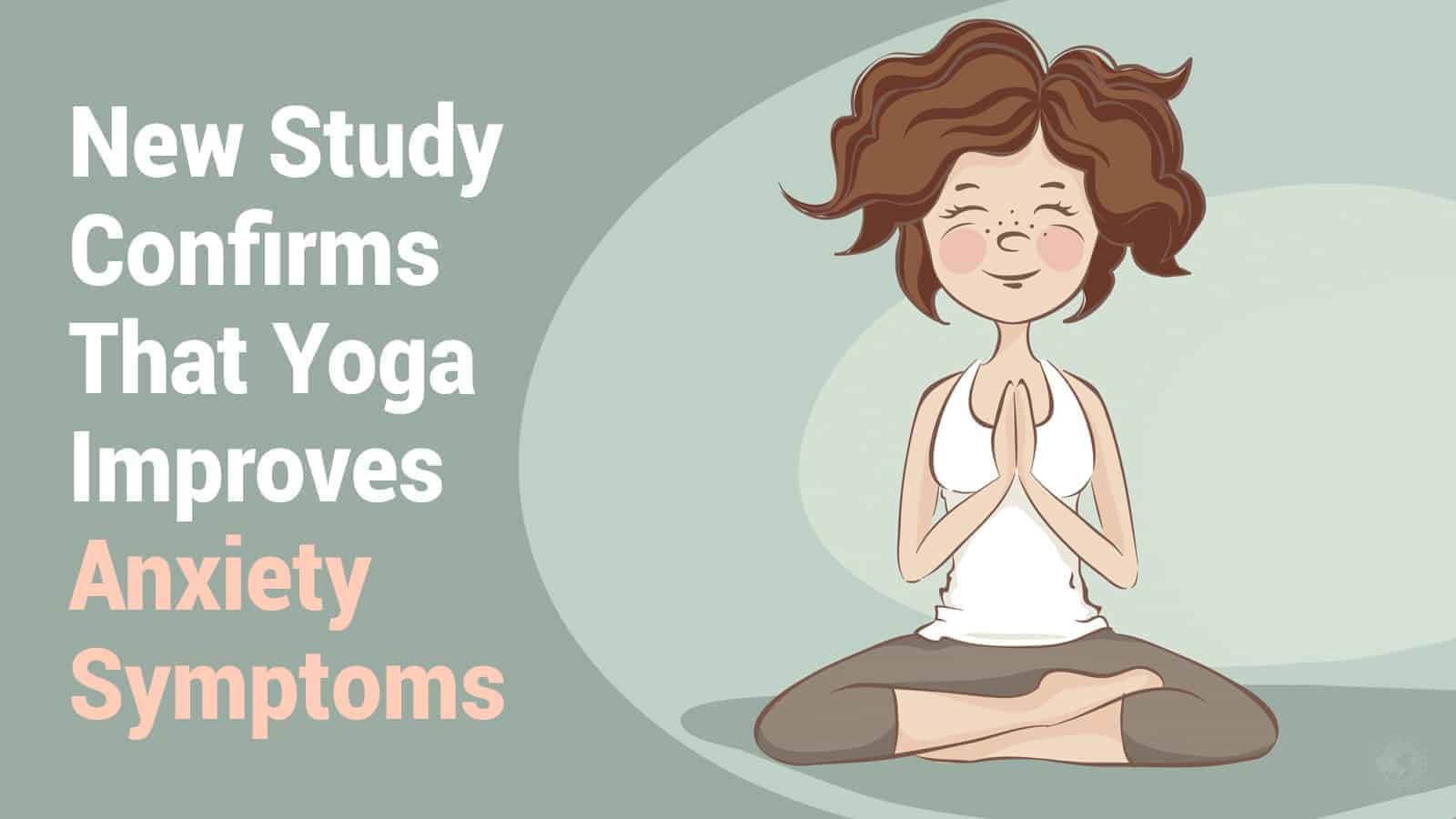
4 – Yoga or gentle exercising.
anxiety symptoms

Stretching first thing in the morning is vital for your mind and body. The benefits of yoga can provide tremendous stimulation, like drinking a cup of espresso. Yoga exercises make your body tighter and lighter. These gentle movements raise the serotonin levels and your endorphins. These are the feel-good chemicals that are produced in your body.

Starting the day with stretches and deep breathing will ensure a calm state of being, thus providing you with an incredible energy boost.

5 – Eat a healthy breakfast.

overnight oats

Overnight oats are an easy way to eat a satisfying, wholesome breakfast on your way out the door.

Food is what fuels you for the entire day. Breakfast is the most critical meal for your body as it helps reduce crankiness, provide stimulation, and energize. A healthy meal can consist of a smoothie or fruit and toast. A lean breakfast prepares you for entering the day with energy. A study in 2010 in the American Journal of Clinical Nutrition stated that people who skipped breakfast were more likely to have higher cholesterol, elevated insulin levels, and higher risk factors for heart disease.

Final Thoughts on How Good Morning Habits Set the Tone for the Rest of Your Day

These morning habits will give you a healthy and solid foundation for the rest of your day. Once you begin implementing them, the lighter and happier you will feel.

We become what we repeatedly do.” ~ Sean Convey

What Does Your Birthstone Reveal About Your Personality?

Most people know what a birthstone is, but they don’t realize that it can reveal quite a bit about their personality. Once you find your birthstone, you can figure out what it means about you. If you identify any of the characteristics in yourself already, you can use them to your advantage.

A birthstone is a gemstone associated with your birth month or zodiac sign. Birthstones were discussed as far back as the Bible and continue to play a role in society. The modern gems differ from the original ones, but they can still hold deep meaning.

Some people are drawn to other birthstones, and if that’s true for you, make sure to read about that one and your actual stone. The stones you are attracted to can also say things about your personality, so don’t ignore them.

What Your Birthstone Reveals About Your Personality Traits

Many people base their gem on their birth month, but others match them to astrological signs. Either way, they can say so much about your personality.

birthday quotes

January or Capricorn (December 21 – January 20): Garnet

People born in January likely have an ambitious personality but struggle with overthinking. They are usually intelligent, outgoing, generous, and courageous, too. Women with a garnet stone tend to be motherly as they are always there for support.

Additionally, people born in January are often calculating and analytical while still compassionate and loving. These characteristics make them an intense force to go up against. These people are loyal and do whatever they can to protect their loved ones.

However, they are also hard to get to know but are easy to spend time with. People with a garnet gemstone are often emotional. They can feel confused and make irrational decisions when emotions are running high.

February or Aquarius Personality Traits (January 21 – February 20): Amethyst

Those born in February are often known for being pure and positive. They have a calm and mellow personality, and they tend to be more spiritual than others. These people are courageous and can shield others from evil and negativity.

People who identify with the amethyst stone prefer peace and do whatever they can to keep it. Because of this, they tend to be non-confrontational. Their stone is also associated with protection, victory, intelligence, and wise business knowledge.

Those with February birthdays like to think of the big picture and view the world on a greater level. However, they can come across as flaky, but it’s only because they feel much more long-term than others. They aren’t great at opening up to others, but they care deeply for the people they love.

March or Pisces (February 21 – March 20): Aquamarine

Aquamarine indicates calm and peace and is associated with luck, love, and happiness. They prioritize harmony and always look for ways to overcome hardships within their relationships.

People born in March tend to be purifying because they are healthy, youthful, and loving. They lighten the mood and prevent situations from becoming too intense.

Those with an aquamarine gemstone are good at communicating their thoughts and feelings. They open up quickly and value the strength it takes to be vulnerable. Plus, they are honest, even when it isn’t an easy feat.

April or Aries (March 21 – April 20): Diamond

A diamond is tough and valuable, just like those born in April. These people are strong and resilient, overcoming any adversity in their life. They are courageous and don’t give up no matter how many times they fail.

People born in April tend to be committed to their romantic relationships and prioritize love, happiness, and forgiveness. They represent unconditional love and loyalty, even as they value independence.

Those with diamond gemstones are also stubborn and stick to their beliefs and opinions no matter what. They are driven and desire success over anything else, so they always look for ways to grow.

May or Taurus (April 21 – May 20): Emerald

People who associate with emeralds tend to have a good memory and public speaking skills. They are ambitious, intelligent, optimistic, patient, passionate, and honest. Plus, they typically have witty responses and accurate observations of every situation.

People with May birthdays are often known as the person that holds a group together. They unify people and can bring many different personalities into the same group.

These people love unconditionally and are compassionate, allowing people to be themselves. They are also faithful and loyal, so their friends and loved ones know they can count on them.

June or Gemini Personality Traits (May 21 – June 20): Pearl

Pearls signify health and protection, and those that identify with them are often patient, loyal, and thoughtful. People born in June are incredibly unique, making it hard to pinpoint just a few characteristics. However, they are known for innocence and naivety, and they don’t always recognize their self-worth.

Those with a pearl gemstone are in tune with nature and value positive morals. They aren’t afraid to speak up when they don’t agree with something, but they don’t force their opinions on others.

People with a June birthday often have a barrier with other humans but share a special bond with animals. These people try hard to be perfect and take their mistakes to heart. Plus, they value stability, allowing them to be a calming presence.

personality

July or Cancer (June 21 – July 20): Ruby

Rubies are the birthstone for those born in July, and they indicate courage, insightfulness, and clarity. People who identify with the ruby gemstone take action and focus on achieving their goals. They also tend to be confident and never back down from a challenge of confrontation.

While they are confident, those with ruby gemstones are also fragile. They often keep moving forward without paying attention to the present until something terrible happens. Then, it’s too late, and their lack of focus holds them back, causing them to start over.

However, even with setbacks, people with a July birthday keep trying until they find success. When they say that they’ll do something, you can count on them to get it done. They follow through no matter what, but they can be dramatic when they become overly passionate.

August or Leo (July 21 – August 20): Peridot

Peridot is associated with happiness and hope for the future. Those drawn to it tend to deflect negativity and bring joy to unhappy situations. They’re also energetic, outgoing, and enthusiastic.

People with August birthdays enjoy taking risks and aren’t afraid to put themselves out there in the world. They are friendly and talkative, having an easy time befriending anyone they meet. When making friends, the other person’s background or situation doesn’t matter, either.

Those who identify with the peridot gem are easy to get along with. They are known to be charming and can quickly solve problems with those around them.

September or Virgo Personality Traits (August 21- September 20): Sapphire

A sapphire indicates wisdom and honesty. Those who identify with it are usually calm and relaxed no matter what situation they wind up in. They’re also intelligent and often find themselves in authoritative positions.

People born in September have difficulty opening up to others, and it takes time to earn their trust. They are complex and like to spend time alone, even on solo adventures. However, they also struggle with prioritizing their happiness.

October or Libra (September 21 – October 20): Opal

Those drawn to opal tend to be enthusiastic, spontaneous, and intelligent. They quickly become restless, so they always look for something to do. However, it’s easy for them to fool you because they give off a calm and quiet vibe.

People born in October try to remain inconspicuous but often attract attention anyway. They don’t fear newness, so they’re always moving forward and willing to take on the unknown.

Those with an opal gemstone are also compassionate and optimistic. They see the good in those around them, even allowing it to get them into trouble sometimes. However, they quickly overcome adversity and continue moving forward despite anything else.

November or Scorpio (October 21 – November 20): Topaz

Those with a November birthday often appear creative, peaceful, energetic, and joyful. They’re also compassionate, hopeful, and thoughtful. These people are strong but feel things deeply.

People with a topaz birthstone take everything to heart. They struggle to let go of things, even when it’s become clear that they should. However, other people don’t see the struggle because they put up a front to hide their pain.

December or Sagittarius (November 21 – December 20): Turquoise

Turquoise is associated with peace, and those drawn to it tend to be healthy, positive, graceful, and generous. They exhibit humility while remaining confident in who they are. These people are also supportive and protective of the people they care about.

People with a December birthday are loyal, but they don’t forgive easily. When someone does them wrong, it is hard for them to trust again. However, they love to make those closest to them smile and laugh.

crystals

Final Thoughts on What Your Birthstone Reveals About Your Personality

Learning about birthstones is fun and exciting. When you identify your birthstone and the personality traits, you’re sure to have some of them. Don’t forget to read about other gemstones that you are drawn to, though, because there’s a reason you’re attracted.

You might not have all of the qualities discussed for a specific gem, but find the one that best describes you. Incorporate it into your life, and you can focus on all of your best qualities and learn to make them work for you.

5 Signs You’re An Overthinker

Do you find yourself obsessing and overanalyzing everything? Do you feel fatigued or anxious during those times? Overthinking has become a world epidemic that leads to severe depression and anxiety disorders. Through extensive research, psychology professor Susan Nolen-Hoeksema of the University of Michigan found that overthinking is prevalent in young and middle-aged adults, with 73% of 25-35 year-olds identified as overthinkers. There are also more women (57%) than men (43%) as overthinkers.

Here are 5 signs that you are an overthinker:

pop meme

1. Do you have trouble detaching from your thoughts before going to sleep?

Overthinkers cannot separate from the obsession of worrying. Insomnia is very common. You spend the night over-analyzing the issue without getting to a solution. The thoughts replay themselves over and over until you feel paralyzed. Because you don’t rest, you are prominent to depression.

A healthy suggestion is to write your thoughts down before retiring. Keep a journal with your feeling and allow that to also be a way to release the nervous energy. Creating, painting or doing a hobby in the evening allows for the mind to detach from the thoughts while keeping your emotional body focused on something positive.

2. Do you live in fear of what might happen?

The overthinker feels paralyzed with anxiety worrying about the “what if’s” instead of living in the moment. In the research Nolen-Hoeksema found that this is the reason overthinkers are more likely to turn to alcohol and drugs in order to drown the constant worrying.

A good advice in dealing with those future fears is to give yourself a time everyday to overthink. If you are going to overthink give yourself permission to have an appointment with the thoughts. Use 15 minutest and time the session. During that time you can document the thoughts or speak out loud to yourself. Creating a habit and ritual will eventually break the other habits of overthinking all day long. It’s replacing one negative reinforcement with a positive action.

3. Do you constantly over analyze?

Overthinkers are quite exhausted and stricken by anxiety. Depression is always hanging over them. The overthinking mind feels out of control. They cannot grasp any solution. Dr. Pene Schmidt from the University of Melbourne’s School of Behaviour Science, suggests, “Remember, while we may not be able to control different situations in our lives, we can control the way we respond to them.”

She also suggests that when the mind starts to create negative thoughts to ask yourself, “What are the effects of these thoughts? Is there a solution that can be reached right now?”

When you find yourself over analyzing try to take deep breaths. Close your eyes and meditate for a few minutes. Think of a special place that you love and brings you joy. Stop projecting yourself in the future. You cannot manage what has not happened.

4. Are you a perfectionist and take things personally?

Do you worry about failing? The overthinker usually has low self-esteem full of doubts. The mind goes on overdrive thinking about how others will view you. Realize that no one is perfect. The imperfection is magnified in giving up without even trying to accomplish whatever is swirling in the mind. Striving for perfection is always a recipe for disaster. Take baby steps. See the big picture and shift those emotions from: “I can’t do this because I will be ridiculed” to “I am incredibly brave for doing this.”

overthinking too much

5. Do you second guess yourself?

Overthinkers are indecisive and tend to live with many regrets. Overthinking is not a genetic disposition. It is a learned behavior. Therefore, when the mind starts to go to a place of unstructured thoughts it is because of past experiences. The overthinker believes that they will repeat the same mistake over and over through different scenarios. Panic then dictates every possible decision.

Avoid situations that can lead to the stressors of overthinking. You can determine what causes you to stress over a particular decision. If you did something one way in the past then try doing it another way now. Work on goals and map out how you will get there without second-guessing every move. Do your research. Researching dissipates the fear of the unknown.

Forming positive thoughts and actions diminishes the fears of stress. In order to stop the overthinking mind, keep yourself busy with positive reinforcements: exercise, creating, sharing, being outdoors, and reaching out to friends and family. Having a support system helps eliminate the negative thought pattern.

We are dying from overthinking. We are slowly killing ourselves by thinking about everything. Think, think, think. You can never trust the human mind anyway. It’s a death trap.”~ Anthony Hopkins

If You Wake Up At The Same Time Every Night, This May Be Why

 “The breeze at dawn has secrets to tell you. Don’t go back to sleep. You must ask for what you really want. Don’t go back to sleep.” – Rumi

Waking up at the same time every night without an alarm clock might be a sign that you need to pay attention to. You are a human being with energies flowing through your body that you may be unaware of.

Previous articles have explained energy meridians that are used in Traditional Chinese Medicine. These energy meridians are essential for the practices of acupuncture and acupressure.

The body’s energy meridians are also connected to a clock system that, according to ancient Chinese medicine, energizes different parts of your body at different times of the day. Waking between 3am and 5am every night is a sign that energies in that corresponding part of your body are blocked or weak.

Trouble sleeping between 9:00pm and 11:00pm

Between 9 and 11pm is typically bedtime for most people. Difficulty falling asleep during this time is a sign of excess stress and worries from the day. Positive mantras, meditation, or successive muscle tension and relaxation exercises are recommended to help you sleep.

Waking between 11:00pm and 1:00am

According to ancient Chinese medicine, this time frame is when the energy meridian of the gall bladder is active. Waking up at this time frame is associated with emotional disappointment. Practice unconditional self-acceptance and forgiveness of others to get back to sleep.

Waking between 1:00am and 3:00am

The energy meridian is associated with the Chinese medicine body clock and the liver. Waking up at this time is associated with the emotions of anger and excess yang energy. Try drinking cool water and taking ownership of the situation that caused you to feel angry in order to rest peacefully through the night.

Waking between 3:00am and 5:00am

Waking up between 3am and 5am is associated with the energy meridian that runs through the lungs and the emotion of sadness. To help yourself get back to sleep, try some slow, deep breathing and express faith in your Higher Power to help you.

If the time you awaken is between 3:00 am and 5:00am, it could also be a sign of your Higher Power alerting you to pay attention to messages that are being sent to align you with your higher purpose. Read more below about this critical time frame for wakefulness.

Waking between 5:00 am and 7:00 am

The energy flow is in the large intestines during this time of the morning. Emotional blockages are also associated with this time of the early morning. Try stretching your muscles or using the restroom to help yourself get back to sleep.

If You Wake Up At The Same Time Every Night, This May Be Why

Brain Function and Waking Up in the Middle of the Night

Our brains are not quite fully awake when we suddenly awaken at night. According to The NewYorker.com ‘One of the consequences of waking up suddenly, and too early, is a phenomenon called sleep inertia. First given a name in 1976, sleep inertia refers to that period between waking and being fully awake when you feel groggy. The more abruptly you are awakened, the more severe the sleep inertia.’

When we suddenly wake in the night, the prefrontal cortex part of the brain involved in decision-making and self-control is not awake yet. We are not capable of intelligent thoughts when we wake in the night so we avoid making any critical decisions.

Waking Up and Fulfilling Your Higher Purpose

Your sleep cycle is a time when you dream. Thus, you can also receive messages from the Divine about your path. Dreams can reveal details about the spiritual journey that you are on. As a human being on a spiritual journey, you need to be aware of your Higher Power’s signs to you.

In the same way that emotional problems can manifest in the body as pain, your spirituality can also manifest in bodily form as well. The divine inner spark that we all posses is being called upon at the time that you are waking up. This signal from your Higher Power is something to tune into.

Many people believe that we are here to learn and develop our being and to become the best versions of ourselves. Some people call this process of moving to a higher level of awareness or consciousness an ascension. Being aware of your higher purpose is part of this process.

Related article: 5 Ways to Prepare Yourself for an Energetic Shift

Whether or not you believe in an ascension, when you wake repeatedly between 3:00am and 5:00am, the pattern is something that is clearly not normal for you. Your Higher Power needs you to pay attention at this time so tune in to the messages that are being sent to you. So take action to align yourself with the Divine.

25 Things That Happen To Your Body When You Drink Lemon Water Every Day

The first thing we do in the morning usually determines how the rest of our day will transpire. Normally, many of us rush out the door on our way to work, not giving much thought to our bodies or what we put into them. As we wake up, our bodies require hydration to eliminate toxins and rejuvenate our cells. However, that glass of water you drink each morning can be made even more effective and healing by adding a couple slices of lemon to it!

Lemon contains many antioxidants and can boost the immune system naturally with its high levels of vitamin C, bioflavonoids, citric acid, calcium, magnesium, pectin, and limonene.

Warm lemon water provides the body with oxygen and hydration while also stabilizing our pH levels.

Obviously, we all need hydration to survive, but adding lemon can make water even more beneficial to the human body. Experts recommend drinking half your weight in ounces of water each day, but just adding lemon to your morning glass of water can set you up for great digestion and energy for the rest of the day.

Many of us reach for cold water in the morning, but warm water actually helps to get our systems flowing much more easily since it takes less energy to process. Once you have your water, simply add half a squeezed lemon to it. The rest of the day can include hot or cold lemon water – whichever one you like best.

Our bodies contain about 60% water, but unfortunately, many of us don’t drink enough of it. Adding this fruit to your water intake provides nutrients like vitamin C, iron, calcium, potassium, and fiber. Plus, since the bright citrus flavor adds interest to the water, it might encourage you to up your water consumption!

To give you even more good news, many people have successfully used hot lemon water as a substitute for coffee. So if you’ve been trying to find a sustainable way to give up caffeine, drinking warm lemon water could do the trick.

Here Are 25 Things That Happen To Your Body When You Drink Lemon Water Every Day

lemon water

1. Lemon water can lessen your chance of having a stroke, according to the American Heart Association

2. It can give you clear skin and reduce signs of aging, including diminishing the signs of fine lines and wrinkles

3. Detoxes and cleanses the system according to a study on lemon water’s ability to improve the natural function of the liver

4. It can improve your mood and stabilize emotions

5. Balances your body’s natural pH levels

6. Lessens joint inflammation and relieves pain

7. Lemon water can help with hangovers

8. Keeps you fuller longer, staving off hunger

9. Eliminates constipation

10. Lemon water keeps your breath fresh

11. It keeps your respiratory system functioning optimally

12. Lemon water prevents urinary tract infections

13. It keeps you hydrated and prevents adrenal fatigue

14. Regulates your metabolism

15. Lemon water enhances brain power

16. It strengthens your immune system

17. Reduces mucus buildup

18. Cleans out your intestines

19. Enhances digestive health

20. Increases your overall health

21. It can get rid of a high fever

22. Lemon water can prevent kidney stones

23. It helps you breathe better

24. Lemon water can alleviate headaches

25. It literally makes you feel lighter and healthier overall

lemon water

In addition to these facts, here are some lesser-known tidbits about lemon.

  • Lemon is one of nature’s top seven potassium sources. Potassium is a mineral that promotes clear thinking and aids in normalizing blood pressure, and when paired with sodium, it can regulate the body’s water balance.
  • Lemon has been known to act as an insect repellent.
  • Gargle with the juice of one lemon plus an equal amount of hot water for an antibacterial mouthwash.
  • A tablespoon of fresh lemon juice has only four calories.
  • Christopher Columbus brought citrus trees to Haiti in 1493.
  • Lemon trees can grow up to 20 feet tall.
  • In the Victorian age, lemon trees were a sign of wealth and prestige.
  • Fully grown lemon trees can produce up to 600 pounds of lemons per year.
  • Fashionistas from the Renaissance era used lemon juice to redden their lips.
  • Cattle will choose to eat lemons rather than oranges, grapefruits, apples, and peaches.

In a time when many people are going back to eating natural, healthier food that nourishes their bodies, there is no better food to add to your nutrition plan than lemon. One of the best and easiest ways to add lemon into your diet is in your water.

Many people want to improve their health, feel more energized, and look younger and more vibrant, and what better way to achieve this than by adding a little fresh lemon to your water in the mornings?

The disease-preventing properties of citurs and the hydration benefits make this a powerful healthy duo. If you don’t already drink warm lemon water in the mornings, make tomorrow your day to add this small but life-changing habit to your daily routine!

Here’s What You Need To Know About The First Lunar Eclipse of 2016

The first lunar eclipse of 2016 is coming up with important scientific and astrological implications. As rare events, lunar or solar eclipses are fascinating to watch. An eclipse can also remind us of our small place in this vast cosmos.

In astrology, the impact of the relative position of the planets, moon, and sun on us here on Earth has meaning for our lives. Some people do not believe in astrology, but they do believe in science and observable evidence.

The supporters of astrology can point to observable evidence to back up their theories. For example, the energetic pull of the tides as the Earth spins and the moon appears to travel across the sky is one observable change that is indisputable.

As humans are made of mostly water, then, is it not possible that our bodily fluids feel the pull of the moon in response as the ocean tides do? And if we can feel the moon’s pull, even in the slightest way, is it also impossible to feel the effects of other planetary motion?

Astrologers say that these small changes in energy result in big changes in our emotions, thoughts, health, and, consequently, our actions. A lunar eclipse is a significant astrological event that means big changes.

Here’s what you need to know about the first lunar eclipse of 2016.

The shifting energies before a lunar eclipse can begin in the weeks leading up to it.

lunar eclipse

A lunar eclipse is significant for astrology because it is a rare event and always occurs with a full moon. A full moon has more effect on us than a crescent moon.

What astrology has to say about the coming lunar eclipse

The effect of a lunar eclipse is stronger than that of a full moon. So what is the effect that we can look forward to? Change. Change can be stressful, but this change will be an improvement.

For example, you might have a job change, but it will be an increase in pay or some benefit to you than your prior circumstances. In some way, this change will be a loss of something that you once had, which is no longer important to your happiness.

It’s time to let go and begin anew.

Releasing something from your current situation will make it easier to make room for the good new change that is coming. After all, you can’t be ready to catch a gold coin if your arms are holding bags of pennies.

The best advice you can heed with the coming lunar eclipse is to mentally and emotionally prepare yourself for an upheaval. Expect the worst and hope for the best. Be open to whatever possibility is coming. Think about prior changes that you have experienced that have been good for you, like breaking up with a horrible relationship.

time travel

The Scientific Facts of a Lunar Eclipse

This will be a penumbral lunar eclipse which is different from a total lunar eclipse. During a penumbral eclipse, the moon will appear foggy and darker colored, but there will not be a definitive line across the moon’s surface.

During this lunar eclipse, Australia, Asia, and North and South America will have a view. The eclipse will begin March 23, 2016, at 6:47 am Central time zone and will last for 4 hours and 15 minutes.

The sun will rise around the time of the lunar eclipse. So it will be even more difficult to see any change in the face of the moon. Catch this eclipse early, if possible to see the maximum difference in the face of the moon. You will notice a darkening of the moon, like an unseen cloud, has passed over it.

In a penumbral eclipse, the moon is moving through the Earth’s shadow but at the weakest outer edge of our shadow. That is why there is no defined line of shadow on the face of the moon with this type of lunar eclipse.

5 Telling Signs Your Relationship Is Meant To Last

Despite the fleeting moments of our lives, we all want a relationship with someone special to last. But how do you know if yours will?

Between adult responsibilities, raising kids, and taking care of ourselves, staying in a relationship seems to have more challenges than ever before. So, what makes the difference between relationships that only last a few months and those that stand the test of time? Trust, respect, and true love must exist for it to last, of course, but you can go by the signs listed below to know if you have a serious relationship.

The ten best benefits of a long-term relationship

Why would you do all the necessary work for a long-term love? Here are some significant benefits:

relationship

  1. Deep Emotional Connection: Over time, partners in a stable, long-term relationship develop an irreplaceable bond that stems from shared experiences, trust, and mutual understanding. This profound connection offers a sense of belonging and can be a consistent source of emotional support.
  2. Consistent Companionship: With a long-term partner, there’s always someone to share life’s ups and downs, from significant milestones to everyday moments. This companionship can ward off feelings of loneliness. It can also provide a sense of continuity in one’s life.
  3. Improved Mental Well-being: Individuals in healthy, long-term relationships often experience lower stress levels, depression, and anxiety. The emotional stability derived from a dependable partner can significantly enhance mental health.
  4. Financial Stability: Two people sharing resources, costs, and responsibilities often find it easier to achieve financial goals. The combined financial strength can lead to more significant investments and shared expenses. Thus, they have the potential for long-term financial growth.
  5. Growth and Personal Development: Being in a committed relationship offers opportunities for personal growth. Partners challenge and inspire each other, pushing both to become their best versions.
  6. Physical Health Benefits: Those in stable relationships often benefit from enhanced physical health. Emotional support and care can lead to better habits, early detection of health issues, and a generally increased motivation to stay healthy.
  7. Shared Responsibilities: From day-to-day chores to significant life decisions, sharing responsibilities can make tasks more manageable and decisions more balanced, reducing individual burdens.
  8. Trust and Safety: A long-term relationship provides a secure environment where vulnerabilities can be exposed without judgment. This foundation of trust ensures that both partners feel emotionally and often physically safe, knowing they have someone who genuinely has their best interests at heart.
  9. Shared Memories and Experiences: Partners build a reservoir of shared memories over time, from vacations to personal achievements. These memories strengthen the bond and provide a sense of shared history and identity.
  10. Resilience in Difficult Times: Having a stable partner offers a safety net in moments of adversity. Together, couples can navigate challenges, pooling their strengths and offering support when one is weak, making them more resilient in the face of life’s unpredictabilities.

Stable, long-term relationships offer myriad benefits that enhance quality of life. They also provide both tangible and intangible rewards. Finally, they serve as a foundation for individuals to build a fulfilling, harmonious life.

Here are 5 telling signs your relationship is meant to last:

Now that you know the benefits of cultivating a long-term romance, let’s look at the signs that you are on the right track.

completes you

1. You have virtually the same outlook on life.

In the “talking” phase of your relationship, you probably talked to your partner about your hobbies, interests, favorite memories from childhood, and what your family is like. Sharing these things with your partner helps them get to know a little bit about you as a person and likely sets the stage for a second date.

Somewhere down the road, you probably wanted to know them deeper and understand their core values and morals. If both of you have very different interests and hobbies but connect on a deeper spiritual level, you will have a higher chance of making a lasting connection than two people who have no core values in common. In other words, how you choose to live your life should match how your partner chooses to live theirs. Suppose both of you have the same outlook on how to handle finances, how to raise children, where to live, have similar spiritual practices, and have the same general outlook on life. In that case, you will probably be able to maintain the relationship in the long term.

The main point to take from this is that hobbies and interests change, while core values and beliefs usually don’t. Having these in common is key to making relationships last, according to a study by Michigan State University researchers.

2. You still laugh and have fun with your partner

If you can still crack jokes and roll on the floor laughing with your partner after months of being together, your relationship will definitely stand the test of time. The key is that you two don’t get bored of each other after extended periods. Even if life gets in the way of you spending time together, the time you share is spent laughing, having fun, and simply enjoying the world’s beauty together.

3. You love one another unconditionally

This one should go without saying, but we thought we’d include it anyway because it’s a key ingredient to a lasting relationship. You can love each other’s flaws and perfections equally. Besides, you have each other’s backs no matter what. In other words, you don’t put conditions on the love you share. Furthermore, you don’t stop loving your partner if they gain fifteen pounds or lose their job or anything else temporary. You love and support and stand beside them through life’s storms and sunny days.

4. You accept one another wholeheartedly

You don’t try to change each other, no matter what. Indeed, you accept them with all of their little annoyances and habits. That is true even if they get on your nerves sometimes. You understand that no one can be perfect. So, instead of continuing to search for something that doesn’t exist, you accept your love without question and focus on the positive traits. Also, you help them work on the “negatives” if they choose. You don’t want a plastic relationship – you want the real deal. Therefore, you choose to accept everything about your partner and not try to force change upon them.

5. You have no desire to be with anyone else

If you think about being with other people, it immediately disinterests you. You feel so happy and complete in your relationship now that you wouldn’t dream of being with anyone else. You feel satisfied, alive, and thrilled about your relationship. In fact, you want to stick things out for the long haul to see where it all leads. You see endless opportunities in your partner’s eyes, and everything feels right with them around.

relationship

Final Thoughts on Finding a Relationship That Will Last

The potent blend of mutual understanding, shared joy, and unwavering commitment is at the heart of any enduring relationship. A partnership rooted in shared perspectives on life’s fundamentals offers a foundation to weather many of life’s unpredictable storms. The ability to find humor and joy, even in the routine or mundane, injects vibrancy into the relationship, ensuring it remains fresh and alive.

However, unconditional love and acceptance are the true pillars of any lasting bond. Loving someone for who they are, imperfections and all, and choosing them daily without hesitation is the essence of genuine commitment. When we reach a stage where we can’t imagine our lives without our partner, when the very thought of another feels out of place, it’s clear that the relationship has depth and longevity potential. In essence, the journey of love isn’t about finding the perfect person. Indeed, it is about seeing an imperfect person perfectly. Every day in such relationships becomes a testament to love’s enduring power. It also showcases love’s ability to enrich our lives in countless ways.


10 Signs You Have a Thyroid Disorder

The thyroid gland is one that not many people pay particular attention to. The brain, lungs, heart, liver, and other vital organs generally demand more concern. However, this gland is enormously important to our health, until we develop a thyroid disorder

The gland is no longer than 2 inches and is located in the front of the throat, slightly below Adam’s apple. It consists of two sides (lobes) that lie on both sides of the windpipe, connected by a strip of tissue called the isthmus. The thyroid produces two primary hormones: triiodothyronine (T3) and thyroxine (T4). When either hormone levels are too high or too low, adverse health conditions can surface.

So, what does the thyroid do exactly? Well, many different things. The butterfly-shaped thyroid gland plays essential roles in breathing, body weight, muscle strength, central and peripheral nervous systems, body temperature, cholesterol levels, heart rate, menstrual cycles, etc.

Since the symptoms of a thyroid disorder can be inconspicuous, it is sometimes necessary to check its hormonal levels through tests available at most health clinics. That said, there are sure signs that can indicate a thyroid disorder.

Ten Signs You Might Have a Thyroid Disorder

thyroid disorder

1. Fatigue

Fatigue is a symptom that generally encompasses feelings of tiredness and exhaustion. Hypothyroidism – low levels of hormones in the blood – may be a potential cause of fatigue. Consistent feelings of tiredness are often diagnosed as symptoms of chronic fatigue, which may also be a symptom of a thyroid disorder. In other cases, fatigue as a symptom may be quite subtle in nature.

2. Weight gain

A sudden, unexplainable gain in weight can be a telltale sign of a thyroid condition. Generally, weight gain is the byproduct of low levels of hormones (hypothyroidism). Conversely, elevated levels of thyroid hormone, called hyperthyroidism, may cause unanticipated periods of weight loss. Of the two disorders, hypothyroidism is far more common.

3. Irregular heart rate

As mentioned, thyroid hormones affect several vital organs. When thyroid hormone levels are too low, this may cause the heart to beat too slow. When hormonal levels are elevated, the heart rate may become uncharacteristically fast. As a result, one’s blood pressure levels often become erratic. Sometimes, alterations in heart rate create noticeable sensations, such as a pounding heart or heart palpitations.

4. Swelling of the neck

Contrary to most signs of a thyroid disorder, neck swelling is often a very noticeable symptom. This is one particular sign that demands immediate attention, as it may be the result of cancer or nodules, small lumps that grow within the thyroid. Of course, other conditions exist that may be responsible for swelling of the neck.

5. Depression

Surprisingly, depression may be one sign of a disorder. The reason is that hypothyroidism can impact levels of the brain’s “feel-good” chemical, serotonin. Also, low levels of thyroid hormone can trigger other areas of the body to decrease activity, which may indirectly impact overall mood.

6. Anxiety or jitteriness

This is one sign that may be due to hyperthyroidism – when this gland produces an excessive hormone level. When this occurs, our metabolism and other parts of the body may become hyperactive, creating feelings of anxiety or general “jitteriness.”

7. Brain fog may reveal thyroid disorder

When functionality diminishes, a cognitive ability often does as well. Hyperthyroidism often makes it difficult to concentrate, while hypothyroidism may create memory lapses and decreased awareness. Notably, some women had attributed such signs to menopause when the root cause was a thyroid condition.

8. Decreased sex drive

This sign can be a standalone or a cumulative symptom. Low libido can directly result from hypothyroidism. But other signs – low energy, body aches, weight gain – caused by hypothyroidism may also be to blame.

9. Dry skin

In addition to neck swelling, dry skin may be another noticeable sign of a disorder. Hypothyroidism often slows metabolism, which can initiate skin texture and appearance changes. Further, an inactive metabolism often reduces sweating, limiting the amount of skin moisture, causing flakiness or dryness. Also, nails may become brittle as well.

10. Irregular digestion

Those with hypothyroidism often complain of constipation, a likely result of decreased digestive activity from lowered hormonal production. On the flip side, hyperthyroidism or an overactive thyroid may result in bouts of diarrhea or more frequent bowel movements.

thyroid disorder

How Can You Prevent Thyroid Disorder?

Approximately 1 out of every 20 Americans twelve years of age and older has an underactive thyroid. A smaller number have an overactive thyroid. About 1 in every 100 people have a thyroid condition called hyperthyroid. Women are at a greater risk of this disease. If you have any family history of similar disorders, it also increases your risk.

1. Stop smoking

Smoking puts you at a greater risk for many diseases. So it’s no surprise that nicotine can decrease your iodine levels which affect your thyroid function correctly. Smoking also causes your thyroid hormones to become inactive.

2. Avoid too much alcohol

Heavy alcohol use reduces your hormones T3 and T4. Drinking too much alcohol is associated with risk and is the world’s 3rd most significant risk factor for disease, causing 60 diseases and contributing to at least 200 others.

3. Get screened regularly

Getting regular checks up is vital to prevent glandular disorders. If you have a family history of this disease, be sure to mention this to your doctor. They can do regular blood tests to monitor your hormonal function.

4. Eat fewer soy products

Another preventative measure you can take to avoid thyroid disorders is to eat less soy. Soy contains isoflavone links to disorders such as hypothyroidism and goiter.

5. Protect your thyroid gland during x-rays

When you get an x-ray, ask for a thyroid collar to safeguard your thyroid gland from radiation. This collar fits around your neck to keep exposure to a minimum.

6. Increase your selenium

Selenium plays a vital role in sustaining the health of your organs. It helps your thyroid produce enough hormones. Selenium deficiency affects your thyroid, causing

  • Hypothyroidism
  • Grave’s disease
  • Thyroid cancer
  • Goiter
  • Hashimoto’s disease

You need selenium in your body to synthesize iodine properly into thyroid hormones. Add these selenium-rich foods to your diet to help prevent a thyroid disorder

  • Brazil nuts
  • Fish
  • Ham
  • Oatmeal
  • Leafy greens
  • Milk and yogurt
  • Lentils
  • Cashews
  • Brown rice
  • Bananas

7. Avoid extreme diets to avoid thyroid disorder

Extreme diets may help you drop a few pounds, but they’re hard on your overall wellness. Extreme diets that restrict calories also reduce your T3 levels. T3  is the active thyroid hormone that speeds up your metabolism. Starvation diets cause your body to convert as much as 50% of your hormones into metabolic waste. These diets also cause a spike in cortisol. Diets that have you eating from one food group stress your thyroid. For instance, a ketogenic diet reduces the number of carbohydrates you eat, lowering your thyroid hormone levels.

8. Use iodized salt

The trend to use special salts from the Himalayan mountains seems attractive and healthy, but good old table salt is best for a healthy thyroid. This is because regular table salt contains iodine. Iodine is an essential mineral. Your thyroid gland uses it to produce hormones to help control your growth, support your metabolism, and repair your damaged cells. You can also get iodine from eating fish and dairy products.

9. Reduce your stress

Stress can trigger thyroid disease. If you’re under a lot of pressure, your body releases extra cortisol into your body. Too much cortisol harms it. It overworks your thyroid gland to produce hormones and leads to an imbalance in your thyroid.

10. Avoid processed food

Processed foods contain many bad fats, sugar, and chemicals. These affect your health and can lead to a thyroid disorder over time. These foods also contain a lot of sodium, which isn’t good for your glandular health.

thyroid disorder

What Foods Can Help Avoid Thyroid Disorder?

Certain foods improve this gland’s function and protect it from disease. The foods you should add to your diet include the following:

  • Seaweed-Kelp contains natural iodine. This is beneficial to your thyroid function. You can eat seaweed in sushi or packaged seaweed snacks.
  • Nuts-Eating salted nuts such as hazelnuts, Brazil nuts, or macadamia nuts are all excellent sources of selenium that support your thyroid.
  • Fish-Fish is high in Omega-3 fatty acids and selenium, both of which help your thyroid function well.
  • Dairy-Your body needs iodine to work properly. Dairy foods like yogurt, milk, and ice cream contain iodine.
  • Eggs-Eggs are rich in selenium and iodine, which help your thyroid gland work properly.

5 Words To Avoid Saying In Your Relationship

When you meet the one you want to be with forever, you’ll want to make sure you say and do the things that will make your relationship last. And on the same token, you want to make sure you don’t say and do the things that might make your relationship end.

With an average of 40-50% of relationships ending in divorce, you owe it to your partner to avoid the pitfalls of settling in for the rest of your life.

Excellent relationships take work by both partners to establish trust and cooperation. Communication is often the most likely place for relationship failure. A lack of intimacy is another relationship killer, as you read in 5 Things That Kill the Passion in a Relationship.

Fortunately, healthy communication is also the easiest place to make relationship improvements that affect intimacy as well. Let’s look at 5 words that you should avoid saying in your relationship.

5 Words To Avoid Saying In Your Relationship

In a study of hurtful words and relationships, researchers found that ‘people who judged something an individual said to them as intentionally hurtful felt the comment had more of a distancing effect on their relationship with the individual than did those who perceived the message as unintentionally hurtful. Furthermore, those who viewed the comment as intentionally hurtful tended to be less satisfied with the relationship they had with the person who hurt them and felt less close to the person than did those who saw it as unintentional.’

Hurtful words cause distance between ourselves and those we love. They also cause unhappiness in our relationships. You might have noticed that t+9-he research mentions the difference between the groups was ‘those who perceived the message as unintentionally hurtful’ and those who did not.

Avoiding hurtful words is best, but when your partner says things that hurt, you have another choice as well. Changing your perception of hurtful words could help take the sting out of them. You could just as easily say to yourself ‘My partner is just having a bad day. They didn’t really mean to hurt me.’ Let’s look at five of the most hurtful words that you should avoid saying in your relationship.

1. Busy

The person you are in a relationship with should be your number one priority. As difficult as that may be to accept, you can’t prioritize your job and still have a partner who is happy that you put them second. Similarly, you can’t put your children first, because they need a supportive, healthy adult relationship to be healthy and happy themselves.

You and your partner should never say that you’re too busy to do anything for each other. You can, however, question the importance of what your partner needs from you and negotiate for what you also need. There’s almost always a solution that will prevent hurt feelings.

For example, if your partner asks you to stop at the dry cleaner to pick up their suit, you could respond by saying you’re too busy or, you could find a way to make it a win-win. You could say ‘I’m scheduled with work up until 5:00 today so I can make it there by 6. Will that work?’ or ‘Since you’ll be closer to the dry cleaner, why don’t you get the suit and I’ll pick up dinner on my way home.’

2. Can’t

Again, declining to help your partner is hurtful. If you or your partner responded by saying ‘I can’t,’ it shows an unwillingness to help. The reason that ‘can’t’ hurts so much is that it is usually a lie. The truth is that you are unwilling, not unable, to help.

A study of hurtful words used in a humorous context compared to non-humorous communication found that the use of humor made people feel less hurt. If you can find a humorous way to communicate your message, the effect is more likely to be joyful.

3. Blame

Even if the word ‘blame’ is avoided, you should never blame your partner. Even if they made a mistake in the past, you are choosing to be with them now, so you can’t hold previous wrongs against them.

Sometimes people say ‘You always/never do ___’ which is also a generalization about your partner’s behavior that is untrue and also implies blame. Blame can get very tricky in a relationship because it tends to demonstrate that one partner does not trust the other.

4. Hate

The word ‘hate’ should never be used in a loving relationship unless you’re saying ‘I hate anchovies on my pizza, but you can have them on your half.’ You might dislike your partner’s behavior, but the word ‘hate’ should stay out of your vocabulary if you want to keep a healthy relationship.

5. Divorce/Breakup

A close, loving relationship should be focused on what each person needs to do to be sure that the two partners stay together. Mentioning, without even threatening to, break up with your partner is like holding a threat over their head.

There may be times when your partner’s behavior is unacceptable. If that’s the case, say those words without threats of a breakup. ‘Your behavior is unacceptable. I need you to ___’ is better than ‘If you don’t ___, I’m going to break up with you.’

Skip to content