Weekly tips, affirmations, and small actions to feel your best.

8 Signs You May Have Depression

Depression is a serious medical attention that afflicts millions of individuals worldwide. Contrary to popular belief, depression’s symptoms are not limited to feelings of sadness. In fact, the illness encompasses a wide range of symptoms – some of which are described below – that negatively affect everyday life.

“In 2014, an estimated 15.7 million adults aged 18 or older in the United States had at least one major depressive episode in the past year. This number represented 6.7% of all U.S. adults.” – National Institute of Mental Health

One of the essential aspects to understand about depression is that not everyone will experience the same symptoms. Depression is an enigmatic illness, and one that even the most brilliant medical minds don’t yet satisfactorily comprehend. Depression is also a very individualistic illness, and a symptom that arises or don’t arise often depends on each person’s brain chemistry.

Furthermore, some people will experience one symptom while other’s more than one. Also, the illness will range in duration, from acute (short-term) to chronic (long-term). People may experience short or long episodes, take or not take prescription medication, etc.

It is our sincere hope that the following list and description of eight common signs of depression may help someone understand their possible condition. Should you or someone you love suffer from such an illness, it is our intention to provide hope…even in such difficult circumstances.

Here are 8 signs you may have depression:
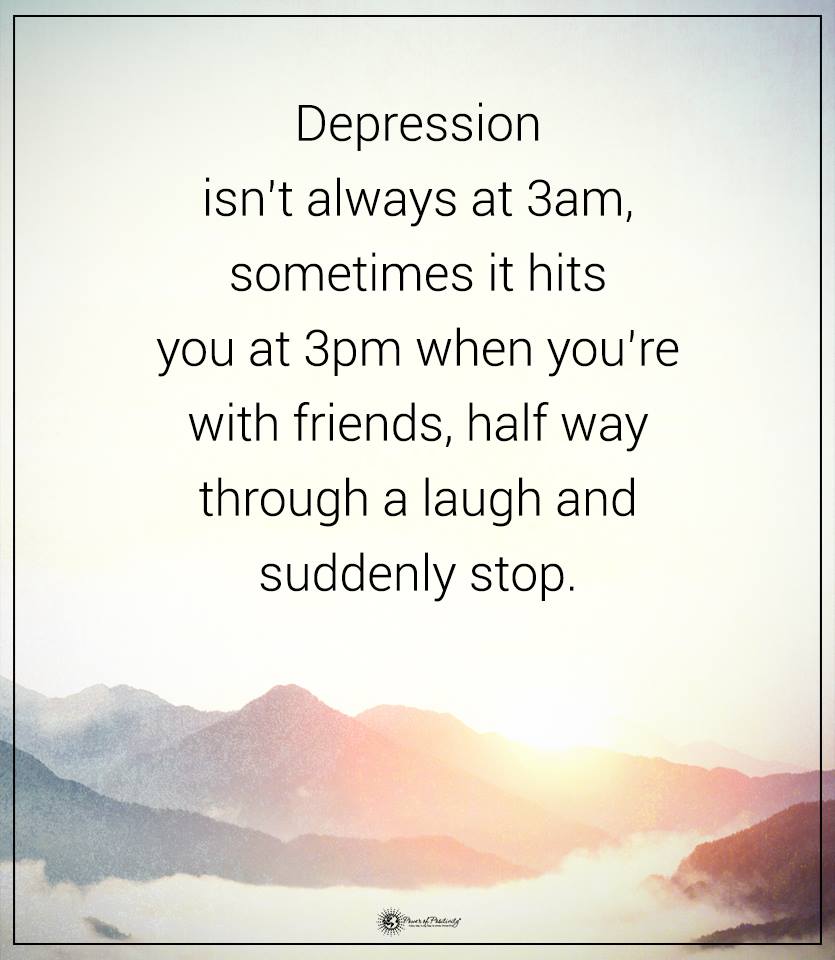
depression

1. Frequent feelings of sadness

They call it “depression” for a reason, and that’s because it is, well, depressing. Occasional sadness is usually temporary and fleeting. Frequent, inexplicable feelings of sadness are a likely indicator of depression. Medical professionals believe that a chemical imbalance of the brain, specifically a lack of the neurotransmitter serotonin, is to blame for the frequent sadness that often accompanies depression. Doctors are more likely to diagnose a patient with depression if that person has frequent (daily) feelings of sadness over at least a two week period.

2. Loss of interest may reveal depression

Most people that suffer with depression have hobbies or activities that interested and engaged them prior to the onset of depression. The illness has a diabolical way of “clouding over,” or masking feelings of activities that once sparked feelings of engagement and joy. Those that experience this symptom generally have feelings of apathy towards activities that once created joy. Further, they generally recognize their newfound feelings of indifference to once-enjoyable activities.

3. Fluctuations in weight

This symptom can be experienced in one of two ways: a noticeable tendency to eat more or a limited desire to eat at all. The former usually results in some degree of weight gain, while the latter predictably results in weight loss. It is not uncommon for those with depression to unintentionally gain or lose more than 5 percent of their body weight in a month.

4. Insomnia or excessive sleepiness

Similar to the third sign, this symptom is also experienced to one of two extremes: excessive sleepiness or excessive wakefulness. Depression effectively manipulates the chemical activity in the brain, including in regions that control sleep/wake cycles. As such, it is very common for those with depression to have either prolonged periods of insomnia or prolonged, frequent periods of sleep. Fortunately, natural remedies exist that can aid with re-attaining normal sleep patterns.

5. Fatigue may come from depression

An unexplainable lack of energy is another all-too-common symptom of depression. In attempts to regain energy, those with depression may attempt to sleep more, although this is a rather counterproductive measure that generally results in oversleeping.  Fatigue is a far-reaching symptom of depression, affecting one’s emotional, cognitive, physical and social elements.

6. Brain fog

Since depression counteracts multiple brain chemicals, it’s unsurprising that cognitive ability is often interrupted. Unfortunately, focus and concentration is also impaired, which affects the ability to think clearly. It is also quite common for those suffering with depression to produce work that is below their traditional standards of quality, so trouble in the workplace or at school is a common occurrence. Individuals with depression frequently report that a type of fogginess is noticeable in their thinking patterns, commonly referred to as “brain fog.”

7. Suicidal thoughts

One of the more tragic outcomes of depression is suicide – approximately 60 percent of those with depression have suicidal thoughts, of which about 15 percent take their own lives. 60 percent is quite a significant number, although unsurprising given depression’s often damaging psychological impact. Usually, those with suicidal ideations have low levels of self-esteem and an unnaturally distorted outlook on life’s prospects.

If you need someone to talk to right now, you can call 988 for help right away.

depression

8. Substance abuse may result from having depression

The abuse of drugs or alcohol is a key escape mechanism for those who suffer from this disease. Sadly, these individuals need something…anything…that will relieve the continuous thoughts that are the source of distress, even temporarily. Most at risk are those who have an underlying substance abuse disorder combined with depressive symptoms. It’s worth mentioning that substance abuse can breed those dark emotions and vice-versa.
5 Signs You May Want To Stop Eating Bread Immediately

Most bread is unhealthy for various reasons, but the way the product is processed is a significant factor. Years ago, bread was predominantly created using whole ingredients and prepared in a homemade style with a sourdough culture that took days to prepare. Now, bread is heavily processed and contains far fewer natural ingredients and probiotics for a healthy gut.

Inexplicably the “food pyramid,” published by the United States Department of Agriculture, hasn’t changed. This pyramid is often taught in schools as a reference to what types of food we should eat in what quantities. It is plausible that such misguided information is contributing to the obesity epidemic in the United States.

Here are five signs you should stop eating bread immediately:

bread

1. Your blood sugar rapidly spikes

The way that bread processes during digestion allows glucose to enter the bloodstream much quicker. This process occurs because the flour contained in bread comes from a powder, which is much faster to digest. The result is that blood sugar spikes and plummets, a physiological dynamic that causes hunger pangs and cravings for sweet and salt foods.

Unreal as it may sound, bread’s Glycemic Index (G.I) is higher than many types of candy – definitely not an inherent property of bread that many are aware of. The higher the G.I index is, the more likely fat will form. This characteristic, combined with the cravings that bread induces, leads many to a cycle of eating a typical meal, only to feel hungry a short time later.

2. Brain fog

Disregarding the multitude of adverse health properties, bread is not a very nutritious food, especially compared to other sources – such as eggs, meat, fruit, fish, and veggies. But bread consumption is a double-edged sword: not only is it non-nutritious, but it also reduces the absorption of other food’s nutrients. When this occurs, our brain often does not receive the necessary supplementation required to function normally.

An example: we’ve decided on a good-sized portion of fish for dinner to add some essential fatty acids into our diet – a terrific habit for our brain. To “balance” out the meal, we bought some freshly baked bread from the local convenience store. What is the result? Well, we’ll indeed digest some fatty acids, though not nearly as much as we’d like since the bread essentially blocked and reduced the absorption of fatty acids and other brain essentials. The result is a decrease in cognitive ability.

3. High cholesterol levels

Whole wheat bread increases LDL cholesterol by up to 60 percent over a 12-week period. LDL is the “bad” cholesterol type linked to various heart conditions, including heart disease. This surprising statistic results from high amounts of wheat and flour in most bread types. Wheat and flour have a direct connection to an increase in cholesterol levels.

Bread is an excellent example of a food’s ability to raise cholesterol levels without technically being high in fat. Breads impact on bad cholesterol levels is currently igniting a debate between nutritionists and other medical professionals. Some nutritionists continue to argue that fat has the most significant effect on bad cholesterol levels, while research continues to indicate otherwise.

4. Intolerance to gluten

Gluten is the substance that gives dough its elastic texture. Consisting of two different types of proteins – gliadin and glutenin – gluten can cause an adverse immune response, damage the intestines, and reduce nutrient absorption. These are prevalent symptoms of both gluten intolerance and Celiac disease.

Gluten intolerance affects nearly 1 in 140 people. In addition to experiencing the symptoms described above, those intolerant to gluten – including those with Celiac disease – might experience bloating, digestive system damage, constipation, and extreme fatigue.

5. Weight gain

While rather self-evident by now, bread isn’t the preferred food for maintaining a healthy weight. Excessive amounts of flour, gluten, preservatives, and other unfavorable substances contribute to the weight gain many experiences when eating bread.

Bread is a somewhat deceiving food, nutrition-wise. Most bread is low in fat and moderately low in calories – two properties conducive to weight loss. However, the counterproductive properties of bread. Think low nutritional value, diminished absorption of nutrients from other foods, rising cholesterol levels, and high glycemic content. Of course, these are not beneficial to maintaining a healthy weight.

If you want to continue eating bread, we highly recommend those with sprouted grains and as few ingredients as possible.

The 5 Most Effective Methods To Get Rid of A Double Chin

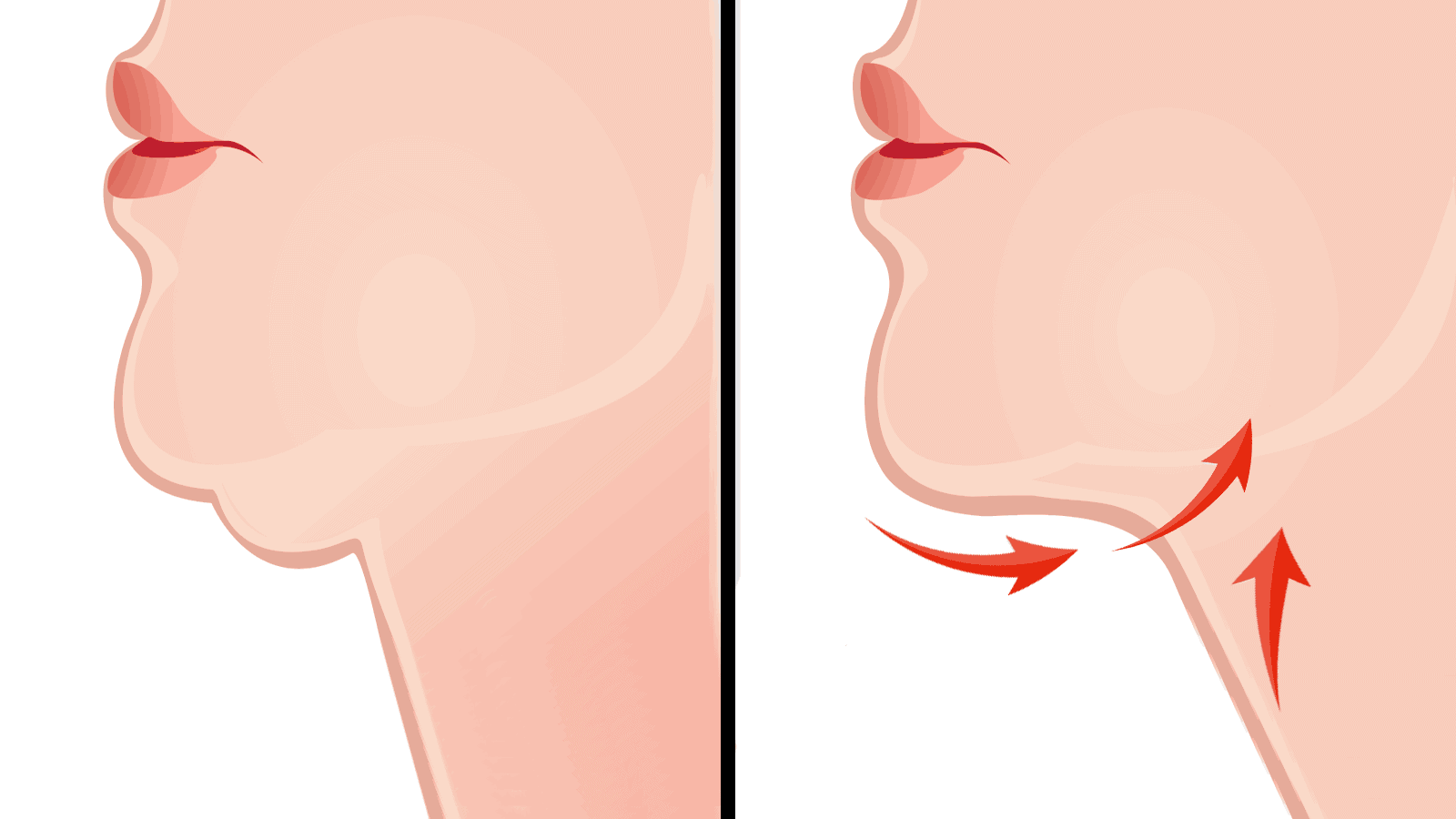
Your double chin may have you deleting more selfies than usual and trying to find ways to lose it. Fortunately, we have five solutions for helping you firm your extra chin.

Your face is the first thing people notice about you; it stares back at you every time you see a mirror. If you aren’t friends with your image in the mirror because of a double chin, it can be an annoying reminder of the aging process at best and hurtful to your self-esteem at worst.

You don’t have to have plastic surgery to see results that rid you of a double chin. Advances in technology and some simple exercises can help you see the return of your younger jawline.

Why skin loses firmness

Advanceddermatology.com says: ‘Youthful skin has an abundance of collagen and elastin to keep the skin smooth, firm and plump. But, in your twenties, collagen decreases, elastin breaks down, and cells don’t turn over. By age thirty, your skin loses half its collagen. Once collagen breaks down, the skin loses firmness and elasticity, resulting in wrinkles, crow’s feet, loss of firmness and dullness. At the same time, the layer of skin beneath dermis begins to thin.’ Let’s take control of aging gracefully with five ways to lose a double chin.

5 Ways to Lose A Double Chin

lose double chin

1. Near-infrared skin tightening

Low levels of infrared light waves applied to the skin of the chin can achieve excellent results and help you lose a double chin. Applying heat to the deeper layers of the skin while keeping the upper layers cooler, appears to trigger the skin’s ability to renew the collagen beneath the skin’s surface layers.

Changes in skin thickness, elasticity, and tightness were all visible changes that patients noticed when their double chin was treated with infrared light. These near-infrared devices are handheld systems that a dermatologist or physician can apply in an outpatient procedure with little pain. These treatments cost around $1600.

In a study evaluating the effects of several different near-infrared delivery systems, the researchers concluded, ‘The results have’a remark-able ‘natural look,’ which plastic surgery rarely can match. With further refinement of the technology and treatment algorithms, non-ablative tissue tightening may represent a tool of growing importance to the future of facial rejuvenation procedures.’

2. CoolMini Coolscuplting

A quick outpatient procedure with little pain and big effects on double chins is the Coolscuplting CoolMini handheld device. A physician can deliver the treatment for between $700 and $1500 per treatment.

The technology applies cold to the fat in the layers of the skin below the surface. Once the fat is frozen, it is massaged to break it up. Results are not immediate but patients see a noticeable improvement in losing a double chin over 12 weeks following the treatment.

3. Velashape III

Initially a cellulite treatment, Velashape III is approved for fat under the neck that appears as a double chin. The treatment delivers fat-melting heat to the layers of the skin below the surface. The melted fat results in a smoother surface skin texture. The procedure also helps with the appearance of tighter skin. The procedure costs around $500.

4. Peptides

Ingredients in some anti-aging creams really can make a difference in lifting and firming the skin around the chin. Peptides and their anti-aging effects seem to combine to make the skin permeable. Indeed, they can have significant improvements in the appearance and tightness of the skin.

One of these useful peptides is Syn-Ake, a synthetic peptide made to mimic the properties of the temple viper’s venom. Syn-Ake results are similar to those seen by using botox injections.

Both synthetic peptides and natural ones worked in multiple studies reviewed by researchers. Look for anti-aging products with peptides to use these practical cosmetic technological developments.

cleopatra

5. Exercise

Cynthia Rowland, anti-aging facial exercise pioneer and owner of Facial Magic has several facial exercises that can significantly reduce the appearance of a double chin. Ms. Rowland has sold millions of her exercise programs to men and women looking to lose a double chin and fix sagging skin.

Cynthia’s exercise also tones the face and neck muscles to improve the face’s youthful appearance. Here are moves that you can do to tone your chin.

  • Tilt your head back and lift your chin
  • Jut out your lower jaw
  • Press the tip of your tongue to your lower gum line
  • Hold for 10 seconds, release, and repeat two more times
  • Cynthia recommends doing her series of exercises daily until the desired results are achieved. After that, you can reduce your exercise to three times weekly to maintain muscle tone.

5 Things Strong Women Do Differently In Relationships

Strong women don’t need a relationship to validate their self-worth, and can get by on their own in this world. However, in relationships, a strong woman brings her own positive traits into the partnership, and acts as the glue holding everything together. Strong women seem to get mislabeled and improperly judged in today’s world, but they have a place in society and don’t back down just because other people feel uncomfortable with them.

Even though they have a tough exterior, strong ladies know how to express their feelings and love deeply, and they make wonderful partners in a relationship.

Here are 5 things strong women do differently in relationships:

Related article: 21 Things To Expect When Dating A Strong Woman

1. They take ownership of their feelings.

Strong women don’t blame their partner for how they feel; they take charge of their own emotions. Of course, this doesn’t mean they allow their partner to walk all over them, but rather, strong women don’t play victim. If they have an argument with their significant other, a strong woman will sit down and have an open, honest discussion without causing more turmoil. They don’t run from their feelings, but they don’t wallow in self-pity, either. They’ve dealt with many challenging situations in their life, and therefore, know how to handle the roadblocks in relationships.

No matter if their partner made them feel a certain way or not, they check in with their emotions first before they lash out at their partner unnecessarily.

2. Strong women accept their partner wholeheartedly.

A strong lady doesn’t try to change their partner – they love and adore them just as they are. Strong women love themselves, and therefore, can love others just as easily. They feel comfortable with themselves, so they allow their partner to have that same sense of self-assurance. A strong woman likely went through hell and back learning how to feel at ease with themselves, and realize that their partner deserves someone who will love them despite their flaws.

Strong women recognize the beauty in everyone, and see someone’s self-worth even if they don’t always see it themselves.

3. They express their feelings openly.

A strong femals feels comfortable sharing their deepest secrets and darkest emotions with their partner. In a relationship, expect a strong woman to ask you about your feelings regularly. Not only does she pay acute attention to her own feelings, but she keeps her partner’s emotions in mind as well. A strong woman realizes that for a relationship to work, both people must feel totally comfortable communicating openly and honestly about their feelings, as this builds trust in the relationship.

4. They don’t rely on their partner for acceptance or validation.

Most importantly, strong women don’t need anyone else to accept them in order to feel happy with themselves. A strong woman already has done all the inner work necessary in order to feel complete within herself, and she understands that self-development never ends. She practices self-love and self-care every day in some way, because she realizes that in order to have a successful relationship, she must clear out any negative energy in her life first. A strong woman validates herself by doing everything in life out of love and compassion for both her and others.

Because she accepts herself so thoroughly, she can easily accept others as they are, too.

5. Strong women take care of their partner.

A strong woman puts her partner’s needs first, no matter how busy life gets. She cares deeply for her significant other, and will do anything to make him or her happy. Strong women don’t consider it a weakness to enjoy taking care of someone or letting someone into her life in such an intimate way – they crave a deep connection with someone, and actually love having someone to look after.

Strong women don’t care about the stereotypes associated with being an independent, confident person in today’s world. They simply feel comfortable in their own skin, and therefore, make better lovers and friends in general. Strong women, contrary to what you might think, are deeply in tune with their emotions, and have bigger hearts than you could ever imagine.

Related article: 10 Life Lessons To Learn From A Strong Woman

7 Things Extroverts Can Learn From Introverts

Oftentimes, introverts feel that they must “correct” their personality in order to fit in with an extroverted world.  To the introvert, the outside world can seem highly exhausting, overwhelming, and unnecessarily fast-paced. Our livelihood, politics, and how quickly and easily we make friends (among others things) often depends on us at least acting extroverted in order to mark our place in the world. Introverts often feel like they don’t fit in with this world where endless self-promotion supercedes quiet reflection. However, introverts certainly have an important role to play in our society, and have a lot of value to add to businesses, friendships, and the world in general.

Introverts can sometimes be mistaken for being shy, uncaring, or otherwise uninterested in their surroundings, but their brains are simply wired differently than that of extroverts. Introverts feel most energized alone, whereas extroverts obtain their energy from external sources. Researchers estimate that extroverts make up anywhere between 50-74 percent of the population.

Extroverted people seem to have the upper hand in many situations, but they can learn valuable lessons from their introverted counterparts.

Here are 7 things extroverts can learn from introverts:

Related article: 5 Recharging Techniques for Introverts

1. Listen more, talk less.

While we don’t want to pigeonhole the two personality types, in general, introverts make the better listener. Why? Well, simply put, they don’t talk nearly as much as extroverts. They spend more of their time observing their environment quietly rather than engaging with it directly. We don’t mean to suggest that extroverts should change their entire personality, but they could do well to listen to people more thoroughly before responding. Extroverts live in the outside world more than the inner world, so they may not pay as much attention to the feelings and social cues that others give off.

Extroverts, next time you go to a social gathering, try talking to a quieter group of people and notice how deeply they listen to you. Then, by emulating that behavior, you can deepen your relationships with others.

2. Take time to recharge.

In their means to find solitude from the outside world, the introvert enjoys spending time alone. They obtain their energy from quiet time by themselves rather than from being around tons of other people. While extroverts might initially find alone time incredibly boring and unstimulating, extroverts can greatly benefit from unplugging from reality for a while. Extroverts tend to move quickly and forget about their need for self-care, so they can learn self-awareness and taking time to recharge from introverts.

3. It’s okay to spend time alone sometimes.

In our society, spending time alone comes with a huge stigma. In the work environment, being able to work well with others is greatly stressed, and desiring to work alone is often seen as unsociable and unagreeable behavior. However, the truth is, learning how to love your own company is vital to living a healthy, happy life. If you never learn how to love yourself and form a relationship with yourself, it makes it difficult to have a deep, meaningful relationship with others.

Extroverts can learn that spending time by themselves can lead to a richer, more fulfilling life, and to make sure to always take time for themselves.

4. Engaging in deep conversations allows for more meaningful relationships.

Introverts live inside their minds more than in the “real world,” and have a lot of great conversation to share because of this. They might not be the life of the party, but if you want to have a stimulating conversation, an introvert can always deliver. They know that by getting past the small talk and really delving into important topics, they can get to know others on a deeper level. While extroverts are certainly capable of this kind of connection, they generally tend to keep conversation on the light, fun side.

Extroverts can learn from introverts to really dig deep and bring up the normally uncomfortable topics that most people tend to avoid because of social norms.

5. Think before you speak.

Introverts always think about what they’ll say before the words leave their mouth. This might be seen as a weakness or something to correct by some, but to introverts, it simply means they choose their words carefully. Extroverts normally let the words flow uninhibited, and while there isn’t an apparent problem with this, they could learn to slow down a bit and really think about their words so as not to say something they’ll regret later.

6. Quiet reflection keeps things in perspective.

Introverts go within in order to stay balanced in this crazy world. Extroverts might not need as much time alone to recharge, but paying attention to our thoughts and feelings helps us to figure out what we do and don’t want. For instance, if you feel tired, you probably shouldn’t go to that big party tonight, right? Well, extroverts would probably attend the party anyway, because they don’t pay as much attention to their inner world as introverts do.

Quiet reflection can also help you to slow down and remain grateful for all your blessings in life, something that extroverts could greatly benefit from.

7. Spending time in nature is healing.

Lastly, introverts tend to spend more time alone in quiet environments, such as out in nature. Extroverts can learn from introverts to explore more of our world alone, without the chaos and noise that accompanies most social situations.

 Related article: 5 Ways To Be An Extroverted Introvert

7 Things You Need To Know About Your Future

“The challenge of leadership is to be strong, but not rude; be kind, but not weak; be bold, but not bully; be thoughtful, but not lazy; be humble, but not timid; be proud, but not arrogant; have humor, but without folly.” – Jim Rohn

While Jim Rohn’s quote was more directed towards leadership, the saying is profound in its depth and is applicable to anyone. When we exhibit these traits, people will likely see us as leaders, but that shouldn’t be the primary goal. As we read through each part of the quote, it becomes clear that these are simple yet powerful ways to live.

Of course, not everyone is given such a lesson in life. We witness many people that continuously reveal the character flaws described in the quote: rudeness, weakness, bullying, laziness, timidity, arrogance and folly. Many of these people will continue to live in such a manner, not making any conscious effort to attain new, more respectable traits.

Our future is determined by how we presently live. Cliché as it may sound, life is a marathon, and people who “win” in life make a habit out of living each day moment-by-moment while exuding a certain strength of character.

Complicated as life may be, embodying strong individual traits is not as difficult. When we make a conscious effort, our respective futures will naturally bear fruit. We’re strong, capable, and influential human beings, but we must first realize, and most importantly believe such. Our future demands that we have such awareness and belief.

Here are 7 things you need to know about your future:

1. Love conquers everything

Love is the strongest, most meaningful, deepest emotion that we can feel. The ability to love people in the face of even the more dire conditions is what makes human beings truly unique creatures.

Gandhi once said “Where there is life, there is love,” a simple, profound quote from someone that lived his life with love and compassion to the very end. The most admired people in history often embraced love in ways that allowed them to persevere in the face of hardship, loss, and hopelessness.

We are no different. The only constant in life is change, and the ability to love through the ebbs and flows of life is both a gift and a necessity.

2. Dreams are worth the risk

Helen Keller once said “Life is either a daring adventure or nothing.” When we cut right through the irrelevance of life’s shallow concerns, what ultimately matters is our purpose… our dreams.

Much of society has a “security mindset,” in that people want to live comfortably and with minimal turbulence. Many of us want to wake up, go to work, come home, and attempt to carve out some time for fun along the way.

The problem with such an outlook is that it often comes from a place of fear – a strong enough emotion to render many people incapable of taking risks. Something that is important for all of us to understand is that fear is normal – everyone is afraid. However, most people don’t understand we can use fear, instead of fear using us.

Accomplishing our dreams requires risk. Risk invokes fear. Use that fear.

Related article: 5 Things You Need To Release If You Want to Follow Your Dreams

3. Honor and respect are paramount

If we all embraced honor and respect as necessary behaviors, our world would be far a less contentious place. Unfortunately, society has embraced a cut-throat, “no holds barred,” “24/7” mentality that often pits human beings against one another. This is not an indictment on competition, which by itself is valuable. However, when we forgo common courtesy to best each other it is a stain on the fabric of society.

The concepts of honor and respect are taught. The acquisition of honor and respect are earned. We earn them by embracing a character of high esteem.

4. The present moment is all we have

Time is our most valuable asset. Consider this: the average lifespan of a person in America is around 79 years (76 for men, 81 for women). Anyone that has reached middle age can attest to the “Time flies” adage. The longer we live, the faster time goes.

It’s odd to realize that many (most?) people don’t embrace the present moment, instead always working, leaving, searching, and reaching – often for nothing in particular. Thankfully, schools of thought pertaining to mindfulness, awareness and meditation are beginning to permeate a society that desperately needs to rediscover the importance of the present.

5. We’ll never “have the time”

Sort of piggybacking off the prior lesson, so many of us use the excuse “I don’t have the time,” in some form or another.

Now, granted, there are instances where one truly doesn’t have the time. However, this saying has been mindlessly uttered by countless individuals as an excuse. Where this mindset does its most damage are to things that are important to us – relationships, goals, dreams and health just to name a few.

For such important things, wouldn’t it behoove us to make the time, instead of it making us? After all, we’ll never really “have the time” unless we do so.

6. Circumstances don’t define us

One of the definitions of responsibility is the ability to choose your response. We can’t pretend to know the difficulty of some people’s circumstance – these are often circumstances that are often not of their own doing. Yet, some of the most influential people have overcome even the direst of conditions.

The innate tendency to blame circumstances for troubles in our life is universal, and it is uniquely human. However, once we take (take!) control of our response to any circumstance, regardless of the negative emotions it evokes, we realize true empowerment.

The ability to focus on response rather than circumstance is extremely valuable to one’s future.

7. Self-control is our ally

Emotions are powerful enough to detract even the most resolute among us. Differentiating the resolute from the wavering is the ability to collect themselves and control their thinking…and, in doing so, controlling their emotions.

Few traits are as powerful as the ability to control our minds through focus, attention and awareness. While the development of such ability is often painstaking and littered with setbacks, the possibilities become endless when attained. This is truly one of the best lessons to learn while navigating towards one’s destiny.

6 Reasons People Choose To Stay Single

While many people prefer to have a significant other in their life, others enjoy the benefits that go along with staying single. Sure, it might feel nice to cuddle up with your lover after a long, hard day at work.

But according to a Gallup poll, over 60% of people ages 18 to 29 identify as single. It seems the trend is to steer clear of relationships with others, and instead, work on the relationship with the self. While to some, this might seem like a lonely path to take, others find it totally liberating and fulfilling to live without a partner.

Society seems to push the idea that we must have relationships to feel content in life, but plenty of people prove this theory dead wrong.

Here’s why some people choose to stay single:

love single

They feel happier being single.

Not everyone desires to have a serious relationship – in fact, some people actually feel more comforted and fulfilled by being single. Relationships don’t always equate to happiness, anyway, and that is evidenced by the high divorce rate nowadays. Single people might see relationships as overrated, and don’t want to put in the work required only to have things end later on down the road. Single people can cultivate a relationship with themselves on a deeper level, and for some, that’s all they need to be happy.

They want to work on themselves.

In a relationship, you can certainly work on yourself, but you have more of an opportunity to do so when you’re single. Self-development allows you to build character and strengthen your weaknesses, which actually can make you a better partner down the road, should you choose to get into another relationship. Even if you don’t desire a significant other in your life, bettering yourself is never a negative thing. Without having someone to answer to, you can take that extra time to work on your fitness, on a business idea, or on your meditation/yoga practice. You get to choose how you spend your time, which is a major reason why some people choose to stay single.

They want to dedicate time to their future.

These are uncertain times, and with an unstable global economy, many millenials want to secure their place in the world both financially and career-wise. Many people choose to stay single in order to go back to school, finish their degree, start an internship, or devote more time to their careers. After all, it takes money to survive in this world, and since we have to spend the majority of our lives earning it, choosing a career we feel passionate about is of utmost importance.

They don’t want a serious commitment.

Some people choose the single life so they can explore relationships with many people, and not have to commit to just one. While this might seem like an easy way out of relationships, some people just don’t want to have a serious commitment in their life, and that’s perfectly fine. As long as everyone feels comfortable with the idea, exploring different relationships with multiple people can actually help you grow as a person in a variety of ways. Single people would rather get to know several people than put all their eggs in one basket, so to speak.

They feel content with the people in their lives already.

Did you ever think that maybe single people don’t feel the need to add another person into their life? Plus, according to a study published in the Journal of Social and Personal Relationships, researchers found that single people had more active social lives than their partnered-up counterparts. Also, people in relationships tend to feel isolated from their friends since they spend the majority of their time with their partners. Sometimes, all you need in life is great friends and family to get you by.

single people

They had bad relationships in the past.

Yet another reason some people stay single is that they are scarred from past relationships. Maybe they don’t want to take a chance on someone else for fear of having a broken heart once again, and if you haven’t walked their path, you really can’t judge them for this decision. Maybe they just got out of a toxic relationship and don’t feel ready to get back into one. They might never want to have another relationship, and that’s their personal preference, of course. What works for one person won’t always work for another, and single people might simply want to protect their heart and enjoy life without all the drama for a while.

Getting Tattoos May Actually Be Good For You. Here’s Why…

People get tattoos for many reasons, such as expressing themselves or commemorating a particular person in their lives. Others may get them spontaneously during a night out with friends or give off a ‘tough’ vibe. However, studies show that tattoos can make you stronger on the inside.

A 2016 study published in the American Journal of Human Biology found that people with tattoos generally have a robust immune system. The study included 24 women and five men aged 18-47 who had an upcoming appointment. The University of Alabama researchers gathered saliva samples from participants before and after they received the procedure.

Next, they tested their Immunoglobulin A (IgA) levels, an antibody that floods the immune system when you have an infection. They also measured cortisol (a stress hormone that weakens your immune system over time). Common knowledge reveals that a weakened immune system increases the risk of infections, colds, and viruses.

The research team found that people with no prior tattoos experienced a decline in immunity. They believe this occurred due to perceived feelings of stress, which heightens cortisol. In response, this group showed a more considerable decrease in IgA levels.

Why Tattoos Are Beneficial For Health

However, those who had two or more tattoos experienced increased IgA levels immediately following their session. Since they already knew what to expect, they probably didn’t feel as nervous as the group without body art.

While the study included small sample size, it still proves how tattoos can boost the immune system.

The researchers explained two possible explanations for the results of the study. Firstly, people who already had tattoos knew what to expect, so their cortisol remained lower. Because their bodies were used to the process, their immune system didn’t perceive the ink as a threat.

Think about a cashier who must stand for long hours every day at work. Sure, they probably feel sore and tired at first, but eventually, they become acclimated. People who get body art have similar immunity after a while.

Of course, this doesn’t mean that you’re immune from colds or flu if you have tattoos. However, they may strengthen your immunity over time if you get enough of them. This immune boost also explains why people who get inked for the first time may feel sick during the session. Their immune system isn’t primed for the experience and doesn’t know what to expect.

Getting tattoos offers other mental and physical health benefits as well. We’ll go over a few different reasons to book a tattoo appointment ASAP!

Other Benefits of Getting Tattoos

semicolon tattoo

Here’s what it means if you see someone with a semicolon tattoo…

They Boost Self-Esteem

One study discovered that women with four or more tattoos have significantly higher self-esteem. This counteracts the stigma surrounding tattooed women, proving that tattoos can promote body positivity. It’s believed that tattoos can boost confidence by allowing for self-expression and a means to cover perceived flaws.

For instance, someone with scars from self-injury may want body art representing their resilience. A person who had surgery may wish to hide their spot with a beautiful scene or message. Tattoos can also enhance self-esteem by accentuating muscles, curves, and other body areas. In general, getting inked makes a person feel more attractive, giving them instant self-confidence.

Tattoos Help Heal Trauma

People suffering from PTSD, depression, and other mental health disorders can benefit from getting tattooed. Studies show that body art can provide a powerful way to revisit and heal past trauma. Expressing oneself with body art allows the wearer to tell their story creatively.

By doing this, the person can gain a new perspective on their trauma, perhaps seeing it in a positive light. For instance, they may see how their experiences made them more robust and commemorate this newfound feeling with a tattoo.

Increases Your Chances of Getting a Job

It took a while, but tattoos have become widely accepted in many workplaces nowadays. A study from the University of St. Andrews found that having tattoos may even help you land specific jobs! For instance, the researchers discovered that people with facial art had a higher chance of being hired as a bartender.

Managers of a skateboard firm and a trendy pub chain also said they would hire tattooed employees. They believed having tattooed staff would appeal to their younger customers. Other pop culture industries, such as fashion, have become increasingly receptive to tattoos.

Of course, some employers may not feel as open to tattoos as those in corporate jobs. However, customer service and retail jobs have become increasingly accepting of inked staff.

Helps Cancer Survivors Recover Emotionally

Tattoos may also help people in remission from cancer recover from trauma, according to a University of Washington study. The researchers found that getting “survivor tattoos” helped the wearer process their experience. It also facilitated their changed self-perception and outlook on life by assisting them in reclaiming their bodies. Similarly to those who have been through abuse, it’s a way for cancer survivors to reconnect with themselves.

In addition to the reasons above, getting a new piece of artwork releases feel-good hormones that boost your mood. If you’ve ever gotten inked, you know how cathartic and euphoric it feels afterward!

tattoo meanings

Final Thoughts on Reasons to Get Tattoos

Getting some ink isn’t a decision you make most of the time spontaneously. It requires careful planning and thought to create a design that conveys the message you wish to express. People get these works of art for many reasons, such as wanting to honor a loved one or heal from trauma.

With endless possibilities for body art, you can choose anything from a classic butterfly to an intricate nature scene. The tattoo options are as unique as the reasons for getting them and vary depending on the wearer’s story.

While tattoos offer a way to share yourself with the world, they also have incredible healing powers. So, if anyone questions your tattoo obsession, let them know about the health benefits of getting inked. Perhaps they will want a tattoo as well!

8 Ways To Increase the Endorphins In Your Brain

Endorphins are classified as an “endogenous opioid neuropeptide.” In other words, these brain chemicals boost our overall mood and outlook, similar to morphine and other more powerful (and harmful) drugs. The bottom line: we can trigger enhanced endorphin production, which, in turn, will help us feel much better without the nasty side effects and risk of dependence.

To aid in this endeavor, we will describe eight different ways to boost endorphins in the brain. We can all experience an elevated mood and a more positive outlook on life by following these recommendations.

Eight Ways to Increase Endorphins

Here are eight ways to boost endorphins in the brain:

eat chocolate

Endorphin booster #1: Laugh

Laughter truly is powerful. Various research has shown that laughter can help: boost immunity, reduce stress hormones, produce a sense of well-being, and, of course, release endorphins. The depressing side of this is that we laugh much less frequently as we get older. Children laugh upwards of three hundred times a day, while most adults laugh about five times daily. It’s time that we adults help to narrow this gap.

Endorphin booster #2: Get intimate

Evolution places a premium on reproduction, although it’s not necessary to reproduce to enjoy the health benefits of intimacy or sex. Research shows how acts of intimacy – touching, massaging, and intercourse – help to drastically reduce levels of stress hormones. Such intimate moments are not only essential to a close, loving relationship but our health and sense of security. Furthermore, intimacy stimulates the release of “feel good” endorphins in the brain.

Endorphin booster #3: Eat some chocolate

If we needed any more reasons to enjoy a piece of delectable chocolate, we’ve added another one to the list. In addition to the myriad health benefits of chocolate – promoting heart health, lowering cholesterol, reducing inflammation, etc. – chocolate also initiatives the release of endorphins. Other positive news is that we only need a small amount, about one or two small squares a day, to realize these benefits.

Endorphin booster #4: Eat spicy food

Do you ever wonder why some of us continue to engorge on spicy food despite the runny nose and watering eyes? Well, it may be due to the release of endorphins. The “pain” produced by spicy food is somewhat offset by the feelings of well-being created by the rapid discharge of endorphins in the brain. In addition, spicy food assists in the killing of pathogens and other bacteria while enhancing immune system function.

Endorphin booster #5: Listen to some music

Music has a distinct way of boosting our mood, and now we understand the scientific reason behind this phenomenon. Playing our favorite jams helps us feel better because of the quick release of endorphins in the brain. This effect is far more pronounced when we listen to music that matches our preferences. Those that love country music probably won’t experience an intense release of feel-good chemicals while listening to 2Pac, in other words.

Endorphin booster #6: Swallow some ginseng

Recently, the benefits of ginseng have manifested in several scientific and medical studies. Those who are fatigued and stress-ridden have continuously sung ginseng’s praises. Physiologically, ginseng supports various organs through the measured release of stress hormones, increasing endurance. In addition, ginseng may aid concentration and cognitive performance, treat certain cardiovascular conditions and stimulate the release of certain feel-good chemicals, including endorphins.

Endorphin booster #7: Inhale vanilla or lavender

It turns out that there is something behind the “aromatherapy” thing after all. Some aromas can help lift people’s moods by releasing endorphins into the body. In one particular study, patients that were ordered to undergo MRIs who inhaled vanilla reported a reduction in anxiety by 63 percent. It turns out that a proliferation of research exists that further supports the benefits of aromatherapy. “Don’t knock it ‘till you try it” is what we always say.

Endorphin booster #8: Workout with others

For those who prefer solo workouts, this may come as somewhat of a surprise. There is no doubt that exercise triggers the release of endorphins, but recent studies have shown that those who participate in group workouts may receive a bit extra endorphin boost. Regardless of one’s preferences, any exercise – with or without a group – causes the release of endorphins and other happy brain chemicals. For those still reluctant about participating in group cycling sessions, a solo period of jogging, aerobics, calisthenics, or weight lifting will still do the trick.

What Causes Low Endorphins?

The brain produces endorphins in the pituitary gland and hypothalamus during pleasurable activities or to counteract pain. They’re opioid transmitter that acts through five types of receptors. Endorphins aren’t just a feel-good hormone; they also help regulate thirst, appetite, blood pressure, and temperature.

Healthy endorphin levels result in a stable, cheerful mood, relaxation, and an enhanced ability to handle pain or stress. A person with an endorphin deficiency will have a greater risk of developing migraines, substance abuse, depression, and other mental problems. While scientists are still studying the exact causes of low endorphins, the following conditions or habits may play a role.

endorphins

1.     Lack of Exercise.

Since exercise releases endorphins naturally, a sedentary lifestyle will inhibit these feel-good hormones. When the body isn’t engaged in regular exercise, it can lead to depression, anxiety, and other mental health problems. Some doctors have even started prescribing exercise as a natural antidepressant and mood booster. Studies show that exercise may improve symptoms of depression as much as psychiatric medications.

Also, in 2008, researchers used positron emission tomography (PET) for the first time to scan athletes’ brains before and after exercise. They discovered an increase in endorphins in some brain regions following training, also known as a “runner’s high.”

So, a sedentary lifestyle could cause an endorphin deficiency simply because the hormone isn’t triggered by a stimulus such as exercising.

2. Mental Disorders Such as Depression.

When you have depression, it’s a catch-22 since it can cause endorphin levels to decline, which contributes to a low mood. For people with clinical depression, lifestyle changes such as exercise, proper sleep, a healthy diet, and meditation may not alleviate symptoms entirely. Low endorphins may cause mental disorders like depression, anxiety, or more severe conditions such as borderline personality disorder (BPD).

In treatment-resistant depression, doctors may recommend opioid treatments as a last resort, according to the American Journal of Psychiatry. Another study found that higher levels of opioid β-endorphin may positively impact people with depression due to its impact on the reward system. Higher endorphin levels can also reduce symptoms of PTSD and other stress-related psychiatric disorders.

3. High Levels of Stress.

When you don’t have a healthy outlet for stress, your body won’t produce enough endorphins to regulate your mood. Over time, chronic stress could cause mental disorders such as depression or anxiety and physical conditions like heart disease. Keeping your stress low in the modern world may seem challenging, but specific techniques can help you manage it. For a natural endorphin boost, try out these stress-relief methods below:

  • Meditation: People have been meditating for millennia to lower stress, realize their true selves, and decompress from daily struggles. Best of all, you don’t need a gym membership or anything outside yourself to practice. Simply sit in a quiet, comfortable room with your legs crossed and back straight. Pay attention to your breath as you slowly inhale and exhale. Close your eyes and simply be, without judging or reacting to any stimuli. The more you practice, the greater happiness and inner peace you will feel.
  • Deep Breathing: You can practice this along with meditation or by itself. Many different breathing techniques exist, but all of them positively impact stress. To start, you could try the 4-7-8 breathing method, which involves inhaling for 4 seconds, holding your breath for seven counts, and exhaling for eight seconds. It’s best to practice breathing techniques in the morning or before bed to induce a calming effect.
  • Watch Your Thoughts: Have you ever paid attention to what’s happening inside your head? Our thoughts profoundly affect our mental health, but we often don’t slow down enough to focus on them. However, it’s essential to have a positive outlook to manage stress and maintain overall well-being. Practice positive affirmations or gratitude to shift your thinking and, therefore, your reality.

4. Medical Conditions.

Certain medical conditions have been associated with lower endorphin levels. For instance, one study found that people with fibromyalgia may have lower than average endorphin levels. They measured endorphins before and after exercise and found that people with fibromyalgia had lower levels than the control group. Other research indicated that increases in endorphin levels led to pain relief in people with fibromyalgia.

Chronic headaches also connect to low endorphin levels. Some studies show that this endorphin deficiency also occurs in depression, suggesting an association.

As with stress, these medical conditions can be treated with natural remedies such as relaxation techniques and exercise. Of course, other medical interventions may be necessary for more significant relief.

5. Genetics.

Due to genetics, lifestyle factors, and environmental stress, everyone’s brain functions differently. However, genetics can play a significant role in regulating hormones such as endorphins. A genetic endorphin deficiency has been indicated in several conditions such as drug addiction, exercise dependence, eating disorders, and alcoholism, for example.

Many people believe that drug and alcohol addiction occurs due to a lack of willpower. However, current research shows that addictions arise due to altered neural pathways, which contribute to the disease of addiction. Perhaps in the future, pharmaceutical drugs that target endorphin levels can help alleviate the dependence for those suffering.

endorphins

Final Thoughts on Increasing Endorphins

Low endorphin levels have been observed in depression, anxiety, substance abuse, and chronic stress. Some of these ailments require medical assistance to treat, but many natural remedies exist to increase endorphins.

Exercise, laughter, spicy foods, dark chocolate, meditation, deep breathing, and close relationships with others can enhance our well-being. In addition, getting outside in nature, aromatherapy, healthy eating, and self-care, in general, can help increase endorphins and feel-good hormones.

It takes work to feel our best in the modern world, but the rewards make an effort well worth it. Health is true wealth, and we all deserve to be abundantly rich in well-being.

Skip to content