Weekly tips, affirmations, and small actions to feel your best.

5 Behaviors That Make People Give Up On Love (And How To Heal From Them)

Falling in love is the most amazing human experience. Unfortunately, not all relationships are destined to last forever. Failed relationships leave us with a sense of rejection and the inability to give of ourselves again. The end of a union happens for many reasons, which can turn into a source of tremendous psychological trauma and anguish.

Here are 5 behaviors that make people give up on love (and how to heal from them):
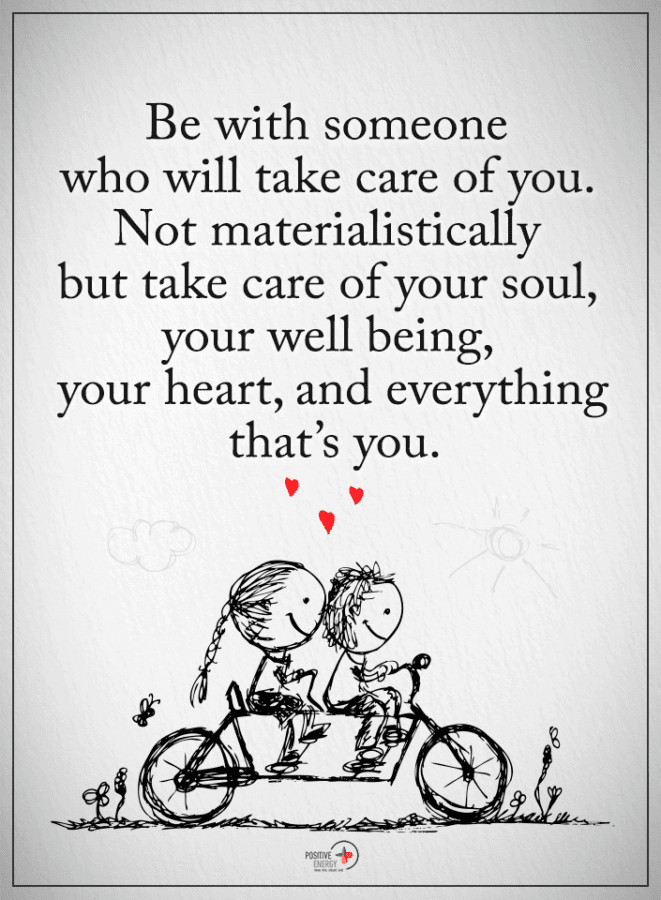
be with someone who will take care of you

1. Rejection and feelings of unworthiness.

Relationships based on selfishness leave us feeling rejected and unworthy. Some unions leave us drained. They kidnap our emotional bodies and hold them for ransom. It takes years of therapy and regaining our worth to trust again. The trauma remains even when we entertain the idea of falling in love again. When we allow another to hold our worth, we have basically stopped living.

Begin to pamper yourself. Make time for yourself to do things you enjoy. You are worth more than anyone could possibly know. Get to know that amazing person. You cannot stop loving yourself. You cannot stop living. Sure, things are tough, but you get to decide how much of that story will dictate your future.

2. Being controlled and abused.

It takes an extremely insecure person to control and abuse another. And, the trail of destruction that it leaves, physically, spiritually, and emotionally, is astronomical. It may take years of not looking over your shoulder, or stop questioning your motifs to yourself. It can take decades of not trusting another individual. But, until you face the story, you will continue to attract similar situations into your life. It might not be a lover, it might be a co-worker. These events can catapult you into setting healthy boundaries.

Sometimes we excuse the behaviors and don’t even know that it’s actually abusive. In an article in PsychCentral, Marni Feuerman shares that there are many forms of abuse: “Domestic violence is once again in the forefront of the news. This is in part due to abusive incidents with sports figures or celebrities that have become very public. Abuse is not always as obvious as being hit or shoved, called degrading names or cussed out. In fact, it can very well be underhanded or subtle.”

Abuse is intolerable. It’s inexcusable. No ways around it. A controlling person is someone who is narcissistic in nature and cannot deal with anything that they can’t control. It’s a mental disorder. Do not take this on for the rest of your life. You have survived. You have moved past craziness. Get help. Talk about it. The stories we keep inside make for monsters in the dark. You are not alone.

3. Cheating.

“More than 90% of Americans believe infidelity is unacceptable, yet 30-40% of people engage in it. Infidelity is associated with adverse outcomes such as depression, domestic violence, divorce, even homicide” via Psychology Today. Why do people cheat? They cheat for various reasons such as circumstances, lack of communication, loss of self-esteem, narcissistic behaviors, and challenges. It’s inexcusable, but it’s never impossible. Just because you’ve been cheated on does not mean you’ve done anything wrong. This person has decided to go off and destroy the relationship. We can partake only so much on that blame. In many cases, cheaters tend to enjoy the secret double lives. It’s a rush not to get caught.

You can’t avoid what has happened. You can trust again. Not everyone cheats. When you look back at your relationship you might see red flags that weren’t there at the time. You have become wise about this type of behavior and, therefore, you won’t be attracting it again. Do not let one cheater ruin your chances to find happiness in love again. You will be wiser. However, you also don’t want to be controlling or apprehensive in your new relationships. You don’t want to be Sherlock Holmes looking at every text or checking social media. Trust!

Letting go means to come to the realization that some people are a part of your history, but not a part of your destiny.” ~Steve Maraboli

4. Personality conflicts.

Let’s face it – not everyone should be together. We meet people. We fall in love, and then we learn that they aren’t compatible with us. Personalities clash. It’s not right or wrong. It could be education, careers, family, or motivation. Some people seem one way, and once you are in the intimate stages of a relationship they get comfortable and show who they really are. It’s okay.

You can be more selective about who you open yourself to, but you don’t have to shut down completely. Love is meant to be shared and given chances. Every relationship that you’ve experienced has taught you something about yourself. If you care to look at it with an open mind and heart, you will notice that each one of those individuals handed some power lessons. Allow for those lessons to move you to show you the next love of your life.

5. Judgment and criticism.

You’ve been judged, scrutinized, called names, and criticized. You don’t ever want to be in that type of relationship again. You don’t have to! You’re not responsible for their behavior. You are only responsible for how you have reacted to that behavior. You don’t have to own the past judgment. We are what we carry and give thought to.

Not every person will be nasty. There are loving, generous and compassionate souls who want to share a life with you. Just because you were in a bad relationship it doesn’t mean they are all going to be putting you down. You’ve evolved from that. Take notice that by sheltering yourself or isolating your greatness you are stopping another person from meeting a fantastic soul. You’re not allowing another person who has been hurt to experience goodness. You can fall in love again. You can show another how to truly love by providing the examples of you.

As you move through all the trauma and hurt, remember that forgiveness is the greatest healing factor in moving on. You forgive yourself for being in that relationship. You get to forgive the situation so you can be free and start over.

If you spend your time hoping someone will suffer the consequences for what they did to your heart, then you’re allowing them to hurt you a second time in your mind.” ~ Shannon L. Alder

8 Behaviors That Create Anxiety (And How To Avoid Having Them)

As per the American Psychology Association, anxiety is defined as “an emotion characterized by feelings of tension, worried thoughts and physical changes like increased blood pressure. People with anxiety disorders usually have recurring intrusive thoughts or concerns. They may avoid certain situations out of worry.” There is a difference between worrying about something and anxious thoughts. Anxiety circles around and around creating challenges to every situation. About 18% of our population struggles with anxiety. So how can we get a handle on this disorder?

Here are 8 behaviors that create anxiety (and how to avoid having them):

anxiety

1. Avoidance

By avoiding the issue that causes stress, you are actually creating more anxiety. Avoidance is shoveling dirt under a rug and then wondering why you keep tripping over the mount every time you walk near it. The issues are still there. The more you fight to shut them out of the mind, the stronger they become.

It may seem reasonable to avoid the fears, but if you gently address the situation, you could put it aside. When we avoid one fear, we create another in its place. The best advice is to handle the fear, gently addressing circumstances, and slowly try to handle what is causing them. When we finally face our demons, they can’t hurt us anymore.

2. Denial

Are you aware that you are suffering from anxiety? Denial causes other underlying disorders such as Obsessive Compulsive Disorder (OCD) or other phobias. It can lead to severe depression. Denial is a psychological mechanism that we use when things are too uncomfortable to face. Many psychoanalysts have come to believe that denial is perhaps the first stage of coping with a situation, event, trauma, or experience.

Ask yourself if you are indeed inflicted by fears and phobias that control your thoughts. Denial is often the first step to acceptance. But, until you face the truth, you cannot heal from it.

3. Expectations

Expectations are strong beliefs that something will happen in the future. We place them as targets, and when they don’t happen, we spin out of control. An expectation is a controlled instrument. We utilize it as a safety net for what should happen. However, we have little control on what will happen in the future. So, we are crushed when our expectations get tarnished. This causes tremendous anxiety. We were sure that the plan was going to happen just as we had envisioned.

Expectations are anomalies. They serve as nothing but disappointments. What you continue to put forth as assurance is not always going to come out the way you want. Stop putting expectations in your life. Anxiety arrives in those times that we don’t get what we want. You had a set plan. It didn’t happen, and now you are depressed and stressed because you cannot find another solution. There is always another way. Nothing in life is set in stone.

4. Reassurance

If you are constantly needing the reassurance from others, you most likely suffer from anxiety. By asking and rechecking in with other people, you are reinforcing an irrational mindset that’s affecting your core understanding. Reassurance leads to an unhealthy belief in your own worth and esteem. If you are constantly worrying about what others think, your anxiety will always be elevated.

Trust in your own opinion. If you have to make a decision, believe in yourself to acquire the best plan of action. It’s good to share your thoughts with others, but living by what they judge, criticize and tell you is not healthy. It causes stress and escalates anxieties. You have all the answers within you. Trust in that!

5. Relying Only On Medication

Medication is helpful, but to rely only on a magic pill is irresponsible. Eventually the medication can stop working and the fears will still be there. Commonly prescribed medications such as Xanax, Valium, and Ativan provide a calming effect by boosting the brain’s neurotransmitters. These are called gamma-amnobutyric acid (GABA) and they work in the same way that opioids (such as Heroin) works. These neurotransmitters create a sense of gratification caused by hormones such as dopamine. It’s a false sense of dealing with the anxiety.

Medication helps with stress and anxiety disorders, but it’s no substitute for the long term behavioral programming. In order to live a healthy life, you must rely on positive reinforcements to help ease those thoughts. Exercise, spending time outdoors, meditation, or even listening to music help in reestablishing healthy manners of dealing with the doom of fears. Taking care of yourself while loving and respecting your health will help reprogram the brain. When you are happy, you release natural feel-good hormones.

6. Drugs and Alcohol

Drugs and alcohol can provide a momentary sense of ease with anxiety, but its long term effects are deadly. Substance abuse escalates through depression, anxiety and other mental disorders. Most people numb themselves through these substances and then become addicted to them in order to function.

Using alcohol and drugs to aid with anxiety causes other problems and imbalances your mental state. If you find yourself already dependent, please get help. You are masking the phobias with another issue. Addiction becomes a permanent problem for a temporary solution.

7. Helplessness

The negative self-talks, feeling as if you are insane, sleep disturbances, and believing something is wrong with you are all part of the helplessness that arrives with anxiety. If these behavioral issues are not addressed, they can turn into severe depression and even lead to suicide. Helplessness becomes a spiral-down staircase to hell.

In order to combat this monster, you must let go of the future. You must learn to live now. Helplessness is deteriorating. It’s just like expectations in that you are bound to be hugely disappointed. For a person suffering from anxiety, it’s difficult to hear, “Just let it go.” It’s not that easy. The brain creates scenarios and confirms the disasters. But, when the anxiety kicks in you have the power to substitute the mindset with something positive. Go create, paint, write, or dance. Do something that brings you joy.

8. Psychoanalysis

Anxiety is a faulty activation that becomes your fight or flight system. It’s healthy to have therapy. It’s important to examine the issues from trauma and past circumstances. The overuse of psychoanalysis can sometimes hinder your healing. In many instances, environmental factors and genetics play a huge role in anxiety. It’s important to address the issues that are going now and not get stuck in the past.

We learn from our behaviors and past experiences. We can be guided to make better choices and work towards a healthy lifestyle. Behavior modification is important when dealing with anxiety. The over dosages of psychoanalysis, returning to those painful events, stumps your process. The constant re-examining of past events do not allow for you to see your present situation.

“Our anxiety does not empty tomorrow of its sorrows, but only empties today of its strengths.” ~ Charles Haddon Spurgeon

Related article: 10 Things People With Anxiety Wish You Would Do

(C) Power of Positivity, LLC. All rights reserved

If You Have Dreams About Falling, This Is What It Means

Dreams about falling are terrifying, but when you learn what it means, it is a little less frightening. You wonder if you will wake up before you hit the ground or not. Not to worry, that part about dying in your sleep is not true.

Sigmund Freud was the father of psychoanalysis. He created the field of dream interpretation as a way to understand the deep workings of the mind. Freud believed that we could learn to understand unconsciousness by examining our dreams. He also believed that dreams held the key to understanding mental illness.

Dream analysis is a way to explore the ways that your mind works and how you create memories and feelings. Dreams are not usually literal in their meaning. But a memory of when you fell or a prediction of a fall. The dream about falling can represent other things that are going on in your life.

In this article, we will look at some of the standard interpretations for dreams about falling so that you can understand the meaning behind your scary dreams.

If You Have Dreams About Falling, This Is What It Means

People fear dreams of falling due to the urban myth that if you don’t wake up before you finish losing, then you will die in your sleep. Obviously, this is not true because we would have statistics on the news telling us about the latest sleep casualty numbers.

Many people dream of falling, and it is one of the most common dreams. The reason is that our bodies are sort of literally falling asleep, as you will read more about below.

dreams

Losing control

If you have dreams about falling, then this is what it means; fear of losing control, or a feeling that recently things have been out of your control is likely an explanation for a dream about falling.

Evaluate your life and finish this sentence: ‘I wish I could do more about _____.’ The situation that you name is likely the reason that you are feeling a little out of control lately and had a dream about falling.

Once the situation is resolved, you will not have the dream anymore. Search your other dreams for clues about how to resolve the problems that you are experiencing. Some people who study the brain believe that our dreams are ways for our brain to process the information that we take in during the day. Thus, they help us to solve problems creatively as we sleep.

You are in a depressed mood

It’s a hole that you’re falling into after all, right? It means your mood is lower than before when you dream about falling. Allowing yourself to drop into a lower emotional state will not make these dreams disappear.

Researchers in the journal Dreaming found that a group therapy session with a counselor who could help people interpret dreams was helpful for the self-esteem of those who participated. The study subjects went through a difficult divorce and found that the counseling helped resolve their changing self-image at a transitional point.

Needing the support of another person

No one wants to fall. But with things being out of your control, you need to ask for help to avoid falling into the hole in front of you. Ask someone you love for their assistance, and you will stop having these dreams of falling.

We are very suggestible when it comes to dream interpretation and our memories. Researchers studying the ‘malleability of memory’ found that when subjects were given ‘a highly personalized suggestion about what probably happened in their childhood’.(e.g. being harassed by a bully) before the age of 3, they were ‘more likely to increase their belief that they had the critical experience, and approximately half of these also produced concrete memory reports.’ It seems incredible that half of the people believed that they had been bullied and created their own memories of it when the researchers made up a story about what their dreams meant.

Your body glitches

Especially at the beginning of your sleep cycle, you are more likely to experience a dream of falling, sliding, or tipping, and it’s perfectly normal to jerk wide awake and then realize you are fine and drift back off to sleep again. The author had dreams as a child of mice tipping her bed and often awakened from the sensation of tipping out of bed.

Our bodies are trying to relax, which can bring on muscle twitches involuntarily deeply. This muscle twitch is what you feel your body doing, which mimics the feeling of part of your body sinking lower into the bed ‘because it probably did as your lower back muscles relaxed after being tensed all day.

You can reduce a dream about falling if your muscles are tight before lying down. Try some deep breaths, focus on tensing, relax your muscle groups and then lie down to sleep. The extra few seconds you give to relaxing your muscles should help keep you from dreaming about falling.

7 Ways To Respond To People Who Gossip

People who gossip are like people who don’t know how to care about others’ feelings, but the good news is that there are at least 7 ways to respond to them. According to Yale University researcher, we spend at least 60% of our adult conversations talking about people who are not with us at the time.

Spending time pointing out others’ flaws when they aren’t there to defend themselves is not a positive way to have a conversation. Rather than wasting time on negative talk, let’s look at some ways that you can respond to people who gossip.

7 Ways to Respond to People Who Gossip

Gossipers are people who do not have the best interests of others at heart. They say the mean things that no one else will say. The hurt they inflict is often unknown by the object of their gossip but it hurts the rest of us who hear it.

Gossip is a negative conversation, usually with bad intentions, that is spread by others and it is a source of much hatred in our society. When we gossip about others, we belittle their worth to increase our own. Speaking at the expense of our fellow man only makes the people who gossip look smaller in our eyes.

Talking about others is not always gossip, but when the talk turns negative, look for ways to bring it back to a positive focus that is not belittling to others.

1. Talk about your openness to people from diverse backgrounds

Yale researchers believe that gossip may serve a function for us socially. We hear tales about other people and their struggles and by hearing these stories, we learn about what types of behavior are acceptable, and what types of behavior are not acceptable to those in our social groups.

When you deal with a gossiper, rather than continuing to pile on to the conversation about someone’s bad points, let the gossiper know that you are very accepting of others, no matter their appearance, or whatever the gossip was commenting on. Talk about the skills and abilities of the person who is being gossiped about.

2. Boost the self-esteem of the gossip with something you like about them

People who gossip may talk badly about others because they lack self-esteem or self-worth. People who gossip say bad things about other people to make themselves feel better by comparison.

Related article: 6 Signs Your Partner Is Emotionally Draining You

Remind the person who is gossiping about something good that they did for another person. This will remind them of their kind heart and to make them feel better about themselves. The positive shift in perspective could be enough of a change in how they feel about themselves to get them to stop gossiping.

3. Talk about cultural differences

When a person gossips about someone from another culture, it may be because they do not understand their customs. Not understanding leads to curiosity, but that level of interest can just as easily be misplaced by gossip, which includes negative statements about the other person. Gossip can easily turn into racist remarks when you use negative statements about the person’s heritage.

One effective way to respond to people who gossip in this way is to point out other cultural differences that you are aware of and which are positive. Remind the gossiper about the diverse world that they are a part of where we have pizza, tacos, hummus, hamburgers, and latkes all peacefully coexisting.

4. Say how it makes you feel

Even researchers disagree on definitions for gossip. Mostly they have come to the conclusion that we know it when we hear it. A Yale University review said ‘when gossip occurs within conversations, it is often very subtle, sometimes too subtle for an outside observer, such as a researcher, to decode.’ Much of gossip involves inside jokes or small details of expected behavior that go unnoticed by others. No wonder it is hard to study.

But we know how gossip makes us feel when we hear it. Maybe you feel a thrill at the thought of a secret being revealed to you about another person, or maybe you feel uncomfortable when the person who is gossiping tells you something negative about the other person.

5. Avoid having a conversation that includes gossip

‘You know, I’d love to chat but…’ might be the easiest way to respond to people who gossip. By avoiding them, you leave them without an ear to hear their negativity.

6. Confront the gossip

Another more direct way that you can respond to people who gossip is to say, ‘This conversation is starting to feel like gossip to me, which makes me uncomfortable, so let’s talk about something else.’

Related article: If You Have A Hard Time Standing Up For Yourself, This May Be Why

7. Turn the gossip into hope and help

A gossiper will tell you something horrible about another person and you can respond by saying ‘I hope you might be willing to help them feel more included in our community. What do you think you are willing to do to help?’

(C) Power of Positivity, LLC. All rights reserved

Buying This ONE Thing Will Make You Happier Than Anything Else

In life, we all just want more happiness at the end of the day. However, we struggle to find it (or create it) in many cases. What does it take to become happier? Should we buy a bigger TV, house, or car to fulfill our needs? Or, should we spend our hard-earned money on a vacation instead?

Logically, the material possessions make more sense to buy. After all, we can go out and buy it today, and it should last us a while. With the vacation, we have to wait months to obtain it, and we don’t get to experience it for very long. After the trip, we will have some pictures and souvenirs to show for it, but other than that, our memories will have to do.

Most people would choose material possessions over the trip, because they see them as having a higher value than the vacation. After all, you get to experience it for a longer period of time, and you can obtain it relatively easily. However, science says that our assumptions about what will make us truly happy have been dead wrong.

“One of the enemies of happiness is adaptation,” Thomas Gilovich, a psychology professor at Cornell University, told Fast Company. “We buy things to make us happy, and we succeed, but only for a while. New things are exciting to us at first, but then we adapt to them.”

Buying This ONE Thing Will Make You Happier Than Anything Else

While money can make us happy to a certain extent, it doesn’t have much effect on us after we have our basic needs met. However, how we choose to spend our disposable income can make a huge difference in our happiness levels.

After studying what makes people happy for over 20 years, Gilovich discovered that using our money to buy experiences, such as travel, concerts, movies, and classes, will make us happier than buying material items.

Sure, the new car or iPhone might bring us happiness temporarily, but that quickly wears off the longer we use the gadget.

For one of his many studies, Gilovich asked people to rate their happiness in regards to both material items and experiences. Initially, they rated them about the same. However, over time, they reported less satisfaction with material items, and MORE satisfaction with experiences.

Gilovich explains the reasoning behind this: we hold experiences closer to our hearts than material items.

“Our experiences are a bigger part of ourselves than our material goods,” says Gilovich. “You can really like your material stuff. You can even think that part of your identity is connected to those things, but nonetheless they remain separate from you. In contrast, your experiences really are part of you. We are the sum total of our experiences.”

Even negative experiences can give us satisfaction over time, even more than material goods.

Gilovich found that people became happier after talking about negative experiences, even when the experience conversely affected their happiness. Why? Because even the most unsatisfactory of experiences can build one’s character or turn into a funny story or memory, he says.

Also, we feel more connected to people based on shared experiences rather than shared items. Why? Simply because experiences create less jealousy and separation, and bring us together more than possessions. We get more excited talking about a trip we took to Central America rather than our new TV, especially if others can relate.

“It certainly bothers us if we’re on a vacation and see people staying in a better hotel or flying first-class, but it doesn’t produce as much envy as when we’re outgunned on material goods,” Gilovich said.

Also, the act of waiting for a future event can bring us just as much happiness as looking back on a past one.

While both material items and experiences can result in anticipation, you already know pretty much what you’ll get with the possession. However, in regards to the experience, there’s much more mystery and excitement surrounding something totally new and unknown.

“You can think about waiting for a delicious meal at a nice restaurant or looking forward to a vacation and how different that feels from waiting for, say, your pre-ordered iPhone to arrive. Or when the two-day shipping on Amazon Prime doesn’t seem fast enough,” Amit Kumar, one of Gilovich’s colleagues, told The Atlantic.

Finally, the researchers found that just waiting in line for an experience provides much more happiness than awaiting a possession.

Why? Well, for starters, the excitement and possibilities surrounding an experience bring far more happiness than material goods, but also, experiences involve much less competition than possessions. Let’s look at what happens on any given Black Friday, for example.

“You sometimes hear stories about people rioting, smashing windows, pepper-spraying one another, or otherwise treating others badly when they have to wait,” Kumar said in a news release.

“Our work shows that this kind of behavior is much more likely in instances where people are waiting to acquire a possession than when they’re waiting for tickets to a performance or to taste the offerings at their city’s newest food truck.”

Related article: Study Proves Experiences, Not Things, Make People Happy

In addition to increasing happiness, the researchers have found that spending money on experiences makes people more social. The research Gilovich and his colleagues have done could affect not only personal spending, but also how state and federal governments spend their money.

“Our research is important to society because it suggests that overall well-being can be advanced by providing an infrastructure that affords experiences — such as parks, trails, beaches — as much as it does material consumption,” Gilovich said.

Another study performed by researchers in California had similar findings. One of the researchers in the study, San Francisco State University Associate Professor of Psychology Ryan Howell, reported this about interviewing study participants before and after making a purchase:

“Prior to the purchase, respondents said they believed a life experience would make them happier but a material item would be a better use of their money. After the purchase, however, respondents reported that life experiences not only made them happier but were also the better value.”

In this study, however, researchers found that experiential purchasing relates in part to one’s sensitivity to rewards, emotional connection to events, and perception and appreciation of the world’s beauty. While experiences may affect each person differently, at the end of the day, most people will feel happier by purchasing something to do rather than something to collect and store on a shelf.

At the end of our lives, we won’t look back on how many cars or homes we purchased, how much money we had left in our bank, or what size TV we had. We will think back on the people who touched our hearts, who we got to share invaluable experiences with that changed us forever, and the beautiful places on this Earth we got to explore with them.

It might seem tempting to compare yourself to others who seem to have more material items than you, and feel jealous of them, but remember that you don’t own the stuff; it ends up owning you. Any big ticket item you buy means lots of debt you’ll have to pay back, which equates to added stress and strained finances. Of course, an experience can cost a lot if you choose, but at least you will have made memories and possibly new friends in the process.

In short, material objects build our egos, but experiences build our character. Which one sounds more important and more likely to make you happy?

The next time you get paid, consciously think about where you’d like your money to go before you blow it all on a big ticket item that will just sit in your house and lose value. An experience will sit in your heart for years to come, making you feel more connected to yourself and others, and most of all, happy. We all deserve happiness, and now that we can prove where it comes from, hopefully more people will rush out to buy a skydiving session or excursions in foreign countries rather than a mansion or the latest iPhone.

Remember, you don’t get to go back in time and redo the choices you made, so commit to living in the present and doing things that truly make you happy.

https://youtu.be/r227riVSmUE

(C) Power of Positivity, LLC. All rights reserved

What Does Your Birth Generation Reveal About Your Personality?

Many things affect one’s personality. But did you know that your birth generation also says a lot about your characteristics and tendencies?

For example, multiple studies done on people born in Generation Y have found them to require more “me” time and flexibility on the job and put more emphasis on extrinsic rather than intrinsic values. While many regard them as narcissistic, lazy, and unproductive, others see them positively. Other words and phrases to describe people from this generation include “upbeat, liberal, open to new ways of living, and open-minded.”

No matter your opinion on this generation, people born between 1981-2000 have certain characteristics that, in some ways, define them. In the same way, other generations have traits that also describe the group as a whole. To find out what your generation of birth says about you, keep reading below.

What Does Your Generation of Birth Reveal About Your Personality?

generation

Traditionalists (1900-1945)

People born during this period may have experienced much hardship growing up due to the Great Depression and World Wars I and II. However, they later relished their prosperity. They value family and community and believe in hard work, respecting authority, and doing a good job no matter what.

Core values:

Adhering to rules, conforming, contributing to society positively, dedicated, delayed rewards, discipline, don’t question authority, duty before pleasure, family, giving back to the world, hard work, following the law, loyalty, patriotism, patience, respecting elders and authority, responsibility, saving money, stable living, trust in government

Attributes:

Committed, competent, confident, conservative, dedicated, making the most of the situation, ethical, frugal, hard work, value history, honor, linear thinking and working, loyal to company and duty, patriotic, organized, respecting authority, following rules, sacrifice, strong work ethic, task-oriented, thrifty, saving money, trusting hierarchy

Baby Boomers (1946 – 1964)

People born during this time believed wholeheartedly in “The American Dream,” and wanted to work hard to achieve their goals. Many saw them as greedy, ambitious, and materialistic. WWII influenced their beliefs and values and made them more skeptical of blindly following authority.

Core values:

Anti-war, anti-government, anything is possible, equal rights and opportunities, loyal to family, involved in the community, optimistic, personal gratification, personal growth, question authority, spend generously, don’t think about the future, teamwork, transformational, don’t trust authority, youth, work, make a difference

Attributes:

Able to handle a crisis, ambitious, anti-establishment, challenge authority, competent, competitive, consensus leadership, consumerism, ethical, great communication, idealist, loyal to career and employer, most educated generation thus far, multi-tasking, rebellious, life/work balance, optimistic, politically correct, strong work ethic, responsible

Generation X (1965 – 1980)

This generation grew up amid hard times. That’s because they were the first generation NOT to do as well financially as their parents did. They also had to watch many political scandals unfold, and financial crises arise, and they usually grew up in a household where both parents worked. They questioned authority and governments more than any previous generation.

Core values:

Balance, diversity, entrepreneurial, fun, highly educated, high career expectations, independent, informal, no loyalty to companies or workplace, pragmatic, self-reliant, skeptical, cynical, non-conformity, technologically literate, global thinking

Attributes:

Adaptable, angry for no reason, anti-establishment, anti-government, anti-corporations, the big gap with baby boomers, can-d0 attitude, make a difference in the world, independent, confident, competent, flexible, ethical, focus on results, free agents, the highest amount of divorced parents, brand loyalty, ignore leadership, self-reliant, self-starters, pampered, results-driven, entitled, not impressed by authority, willing to take on responsibilities, flexible work/life balance, willing to work hard

generation

Millennials (1981- 2000)

Much negativity exists in the world in regard to this generation. But they have grown up in turbulent times (ex. 9/11, The Great Recession, school shootings, etc). The greatest technological expansion happened during their childhood, which shaped their future and ways of looking at the world. Their parents sheltered them greatly from the evils of the world. This generation wants to make a big difference as they see how many things need fixing in our world today.

Core values:

Achievement, consumerism, civic duty, confidence, fun, high morals, tolerant, competitive, enjoy self-promotion and attention, self-confident, sociable, globally conscious, most educated generation, techno-savvy, spiritual, instant gratification, wanting more from life, realists, street smart, optimistic

Attributes: ambitious but scatterbrained, look to the workplace for direction in life, teamwork, attached to personal items and gadgets, sheltered by parents, well-educated, confident, diverse, multicultural, the computer age, techno-savvy, fiercely independent, family-focused, wanting to change the world, scheduled life, globalism, seeking out fun experiences, short attention span, politically savvy, optimistic, “me first” attitude, self-absorbed, digital generation, open to new ideas, sociable, makes friends easily,  consider parents as heroes, innovative, patriotic, non-conformists, question authority, free-spirited, question everything, entitled

Generation Z (1997-2012)

Generation Z is the most tech-savvy of any generation. Their world has always included computers and smartphones. They cut their teeth on social media sites, spending time on a personal screen since they were old enough to hold a device. They’re multi-taskers, able to switch back and forth between apps to watching movies to sending a quick text to their friends while doing their homework. Interestingly, their ability to do this has resulted in them having shorter attention spans than Millenials.

Diversity is important to Gen Z, and they have little patience for race, sexual orientation, or gender inequality. They’re activists pushing for justice and social equality, similar to the Boomer generation. Generation Z struggles more with mental health problems than prior generations. Many in this group say they struggle with moderate stress, anxiety, and depression. Some say that FOMO (fear of missing out) heightened by social media contributes to this generation’s stress.

Generation Z individuals are products of the post 9-11 world, political polarization, foreign wars, and economic erratic changes. They see negativity, failures of former heroes, and idolized figures fall, scandals erupt within the church, public and private schools, and the legal system. Their world has never felt safe.

On the other hand, they saw a tremendous change. They saw the swearing-in of the first African American president and the legalization of gay marriage. Their parents used technology to track them and their academic progress without seeing actual papers. It’s no wonder this generation is skeptical of authority and established traditions.

Gen Z students prefer a do-it-yourself (DIY) style of learning because they have multiple places where they can get their information. Information is just one hyperlink away for them. But this makes it harder for this generation to distinguish facts from online opinions.

Core values:

Generation Z’s characteristics: are hardworking, value social equality and justice, independence, value authenticity. They’re pragmatic, less apt to take risks, especially financially, entrepreneurial, enjoy being with people, and are competitive. Genz likes change and wants to be heard by others. They’re inclusive of others, super health-conscious activists, and extremely private. This generation is a more diverse group of people. More plans to enroll in college than any other generation. But they also say they are lonely more than any other generation. When asked, a Gen Z individual says climate change is the number one problem they want to fix.

Other names for Generation Z:

iGeneration, Homeland Generation, Net Gen, Digital Natives, Neo-Digital Natives, Pluralistic Generation, Internet Generation, Centennials, Zoomers, or Post-Millennials.

generation

Final Thoughts on How Your Birth Generation Impacts Your Personality

Everyone worries about whether the next generation will do a good job of caring and contributing to the world.

10 Things You’ll Only Understand If You’re A Cancer

For having the sign with the worst name in all of astrology, only a Cancer will understand that being born under the astrological sign with the same name as a scary disease kind of suits us.

Cancerians do have an awful lot of fears and anxieties anyway, so hearing our sign’s name all over the news in connection with the latest developments in chemotherapy is pretty on par for how Cancer feels a lot of the time. If scared-anxious-worried-frustrated was a word, it might sum up Cancer’s generally shellfish worldview. Let’s look at 10 other things that you’ll only understand if you’re a Cancer.

10 Things You’ll Only Understand If You’re A Cancer

The research on how we use zodiac love sign compatibility to choose a mate seems to point to astrology being most useful for knowing oneself and also for finding someone who has a compatible personality. Researchers find a general lack of significant data to show that either marriage or divorce is affected by choosing a partner with a compatible or incompatible zodiac sign, but there is a slight difference for marriage success. Cancer’s most compatible partner matches are Taurus, Virgo, Scorpio, and Cancer.

1. Cancer gets awfully tired of being called a crab

People who clearly do not understand your sign often accuse Cancerians of being crabby, but you just don’t see yourself that way. You might make frequent suggestions that people do things differently, but you’re not nitpicking or micromanaging, you just know how to do it better and are trying to show them.

2. People want to cry on a Cancer’s shoulder, but you need the tissues instead

As a water sign, with the Moon as your ruling celestial body, Cancer unfortunately has a whole lot of experience with the salt water of tears. It’s just because you are so emotional yourself, but also because you make such a good listener. Everyone else wants to pour out their hear to Cancer’s excellent ears.

3. Your friends have given up asking you to go out, and you are just fine with that

Cancer is a homebody, and if your friends aren’t, they have tried to drag you away to social gatherings several times but you resist with all the strength that you have in your sturdy claws. No thank you and do you even know Cancer?

Related article: How To Use The Law Of Attraction To Find Love

4. Your patience is nonexistent

If Cancer has something to tell you, you will hear it now, but in a very passive-aggressive way. If they need something, they need it now. And if they love something, they must share it with you now. Patience is not something you’ll understand if you’re a Cancer.

5. Cancer can be fun, said no one ever

If your friends would only catch you on a full moon Friday or Saturday night, you are much more likely to suggest a fun night out for just your three best friends. Well, maybe just your one friend to start out with.

6. Cancer is not good at letting things go

Only a Cancerian will understand that everything you said, how you said it, what you were wearing when you said it, and the look on your face is permanently burned on our brains and can be repeated back to you. The crab can hang on to a grudge like it’s the shell they carry around with them.

7. Love is the only thing keeping you happy

Cancerians are emotional, and mostly have negative emotions like anxiety, frustration, and disappointment. Cancer will hold on to the hurt of a breakup for a long time, but they also have so much love to give and are excellent at maintaining a long-term relationship. The love that Cancer has for their few close friends and family is the bond that holds their fragile shell together, which is something you’ll only understand if you’re a Cancer.

Related article: 10 Things You’ll Only Understand If You’re A Taurus

8. You have to earn the trust of Cancer

You are so loyal to your friends that you’ll only understand that the friend-selection process can be daunting for a Cancer. There’s the initial gut feeling meeting, then the sizing you up part of the process, over-analyzing your every inflection and gesture, computing your trustworthiness factor and, of course, your lifetime of behavior to consider. This may take a while.

9. Are you the only one working around here?

Only Cancer will understand that sometimes being such a motivated, hard-worker means that everyone else looks like a slacker by comparison. Unfortunately for Cancer, you feel resentful that others don’t step up like you do.

10. You’ll only understand selective generosity if you’re a Cancer

Cancer will give and give because they love being generous. But you may not ever borrow our own personal stuff because it was carefully selected especially for our very particular needs. Touch it and die, but let me buy you lunch instead.

(C)Power of Positivity, LLC. All rights reserved

If You See Someone Wearing This Small Black Circle, This Is What It Means

Unfortunately, domestic violence and sexual crimes happen to many men and women across the globe daily.  Many women worry about going out alone at night and carrying protective items such as mace or a whistle to prevent someone from harming them. We would like to think that no harm will ever befall us. But truthfully, everyone should take preventive measures against sexual crimes. While in an ideal world, we wouldn’t have to worry about such things and we really shouldn’t have to, carrying around something that will protect you from a possible crime can make the difference between life and death in some cases.

To give an example of the seriousness of this problem, the Boston Globe reported on “forcible sex offenses” at large universities between 2012 and 2013. They found that sexual assaults had increased by 40% in just one year. While this may sound alarming, the solution presented in this article to combat sexual violence will hopefully provide you with some comfort and help you to keep yourself safe.

If You See Someone Wearing This Small Black Circle, This Is What It Means

Because of the increasing number of sexual assaults worldwide, Yasmin Mustafa and Anthony Gold founded a company called ROAR with the mission to end sexual crimes against women by arming them. However, they did not equip them with guns or other dangerous weapons. While many women have used mace or worn whistles traditionally, this device that ROAR created can go one step further in preventing attacks. They designed an emergency alert device, which they named “Athena” after the Greek goddess of strength and justice, that women can wear as a fashionable necklace.

How does it work? Women simply hold down the button on the necklace for three seconds, at which point an alarm will sound. Simultaneously, it sends a text message to loved ones in order to inform them of the wearer’s location, as well as an option to call the woman or 911 with one simple click.

Finally, a device that truly empowers women (and men) worldwide and makes them feel safe and protected. From looking at it, it really just resembles a fashionable necklace. So it’s discreet enough that an attacker won’t even notice it disguises an alert system. We hope that this genius device will go a long way in protecting people worldwide from domestic violence and sexual crimes. The Athena necklace doesn’t take up much space and actually looks quite fashionable. The company recommends that women especially, from middle school age and up, should wear the necklace.911 pizza

Keep these violence prevention safety tips in mind as well:

1. Pay attention to your surroundings, including your location and who is in your immediate area. Don’t get lost in your cell phone while walking.

2. If you go somewhere alone, make sure to have your phone in your hand with 911 ready to go. Walk to your car with your keys in your hand, look around, check underneath the car, get in, and promptly leave.

3. If you see a suspicious-looking vehicle parked next to your car with people just sitting in it, get in on the passenger side.

4. If you walk to your car and notice a flat tire, go back into where you came from and wait for help inside.

5. When you go out and must reveal personal information (ex. at a hotel, pharmacy, or bank), lower your voice and pay attention to your surroundings.

6. Pour your own drinks at parties. If you go to a bar, keep your drink with you at all times, or ask a trusted friend or family member to watch it for you.

7. Stay in a group when you go out to a bar or club.

8. If you need to, use your elbow to defend yourself – it’s one of the strongest parts of your body!

9. If you do get attacked, fight back with all your power, and scream for help. Do not give up.

10. Simply use caution and common sense to prevent violence. If someone asks to borrow your cell phone or asks you for directions, use your best judgment in the situation.

(C) Power of Positivity, LLC. All rights reserved

5 Signs You Have An Intimidating Personality

Some people have a naturally intimidating, strong personality.

“I know I have great inner strength … I can blank things out, cut people out, and I know that I can go and live in a cave on my own if necessary.” – Charlotte Rampling

If you’ve never heard of Ms. Rampling, she’s a prolific English actress. She has enjoyed a successful career as an actress and model for over 50 years. She’s also an exceptional figure that segues into a discussion on inner strength – an aspect of the personality some consider intimidating.

Charlotte Rampling’s life off the screen and out of the public eye could be what demonstrates her exceptional character. Divorced twice, she raised two sons on her own. After finding love and staying in a relationship for over seventeen years, her partner passed away unexpectedly in 2015. She showed tremendous strength in admitting her battle with depression.

Those who know Ms. Rampling attest to her tremendous strength. What is it, exactly, that makes a strong or “intimidating” personality? From how some of us converse to creating opportunities where others may see impossibility, a common set of attributes can determine the strength of a personality.

Here are 5 signs you have an intimidating personality:

intimidating

1. Simplistic conversations are annoying

It isn’t surprising that strong people detest simple banter. They welcome conversations that invite intellectual curiosity, while they find small talk revolting.

People with strong personalities generally let people know exactly what they think, including their take on irrelevant questions. If dialogue accomplishes little to nothing, they might tune out completely. This is particularly true when they are concentrating on some other important task. Strong personalities simply don’t have the time or inclination to engage in trivial conversations.

Needless to say, small talk is a big part of daily life in America. This is part of the reason that those who are repulsed by it can been seen as intimidating.

2. Ignorant attitudes are repulsive

Generally speaking, strong people are well (often self) educated. They possess a wide breadth of knowledge. This open-minded attitude often invites curiosity and promotes acceptance. They strive to learn as much as possible, and are willing to maintain an open mind to the differences of others. At the same time, strong people rarely accept ignorant attitudes in others.

The strong among us dislike judgmental or artificial comments and behaviors. They acquire knowledge in order to understand people and the world on a deeper level, and are irked by those who do not. Most notably, these people don’t require the consensus of others to determine whether or not their outlook is valid.

personality

3. Opportunities are forcefully created

Strong people have a way of making opportunities without needing much assistance from others. This tremendous work ethic can intimidate the less motivated, which can invite hostility. Whether or not they’re viewed as intimidating for being ambitious is irrelevant to strong people. The hostile attitudes of those around them, even more. Strong individuals are willing to recognize and work towards opportunities where others may not. They make no apologies for this.

4. Others’ attention is not important

In a society that craves attention, strong people couldn’t care less. While their strength of character may invite attention – positive or negative – from the people around them, strong personalities rarely notice. They won’t spend precious time and effort seeking attention. Instead, strong people simply do what needs to be done. These folks are happy and secure without attention. They epitomize the old axiom, “Your actions speak so loudly, I can’t hear what you’re saying.”

5. Excuses are not acceptable

Strong people forge ahead – regardless of the fallout. It’s no surprise that people who waste time whining and complaining about trivialities fail to interest them. When a problem arises, someone with a strong personality will simply focus on fixing it. Why agonize over a problem or situation one cannot control? As those who continuously strive to do their best, they quickly turn away those who try to use them as a sounding board for meaningless complaints and pointless banter.

(C) Power of Positivity, LLC. All rights reserved
Skip to content