Weekly tips, affirmations, and small actions to feel your best.

If You Have Dreams About Being Chased, This Is What It Means

A dream of trying to get away from someone when you are being chased is a fairly common one, and what it means is not as frightening as the reality that you might be running from.

Dream interpretation as a psychological field is attributed to Sigmund Freud, the father of psychoanalysis. Freud saw the field of dream interpretation as a way to understand the inner thoughts of the mind. Freud saw dreams an the key to healing people from mental illness.

Unfortunately for the mentally ill, dream analysis is not yet a science that can cure the sick. More likely, we dream as a way to process memories, thoughts, emotions and sensory information while we sleep.

The images of dreams are often just symbols for things that are going on in our lives. In a dream of being chased by a man, for example, the man is not necessarily a literal male person who you know that you are running from. Instead, the person chasing you represents your problem.

In this article, we will look at some of the common interpretations for dreams about being chased, so that you can better understand the meaning of these visions in the night.

If You Have Dreams About Being Chased, This Is What It Means

What you are being chased by can be different in a dream about being chased. Sometimes, you may not even know what, or who, is chasing you, only that you are running away from it in fear. Fear, in a psychological sense, means that you need to confront something, but you lack the faith in your own abilities to do it.

Look at your dreams as a message that is being sent to you from the Universe via your brain to help you with whatever you are dealing with right now. Let’s look at some of the things that you might need to confront and what a dream about being chased might mean to you.

Related article: If You Have Dreams About Your Partner Leaving, This Is What It Means

Needing to solve a difficult problem

Dream interpretation can be complex, and you should remember that nothing like this dream about being chased really happened to you in your past memories; not even in your partially forgotten childhood memories.

Memories can be a part of a dream, but a dream is more likely just a series of symbols for what your brain is currently processing while you sleep. Memories get made at night while your brain makes the connections between the person you saw for the second time at the store today and the previous time that you saw that person, what they were wearing, the scent of the frozen foods section, etc.

While the brain puts away all of this information, it is also making the connections that you need to solve problems in your life. For example, the brain might remember that Cynthia, who you saw at the store, can do taxes for you and you just got that letter from the IRS, so no wonder you had a dream about being chased.

Needing to leave behind old patterns

Trying to break away from old habits and old patterns of behavior can be what your dreams about being chased mean. Let go of your old, worn out ways and move on to being happy, accountable and focused on your best future.

Holding on to old ways of acting, like envy, jealousy, frustration, and patterns of anxiety are holding you back from becoming a better person. When you can acknowledge that you need to change and you decide to try, you will stop having dreams about being chased.

Researchers in the journal Dreaming who studied divorce recovery programs found that a dream-interpretation group therapy session helped the women to increase feelings of self-worth at a time when they needed it.

Needing to act, urgently

Sometimes your dreams about being chased means that you need to be far away from where you are now and heading in a future direction. That could mean a physical move, or it could just mean making progress toward your goals, whatever they are.

Something is literally driving you to go, but you are fearful of making the change. This dream could be a way of seeing the Universe as pushing you to say ‘Yes’ to whatever it is that you were resisting.

Remember, people are suggestible when it comes to dream interpretation, or at least their memory is. Researchers studying the ‘malleability of memory’ found that when subjects were given ‘a highly personalized suggestion about what probably happened in their childhood’.(e.g. being harassed by a bully) before the age of 3′ that they were ‘more likely to increase their belief that they had the critical experience, and approximately half of these also produced concrete memory reports.’

That’s right, HALF of the people believed what they were told, even though the researchers planted the idea about being bullied.
6 Signs It’s Time To Take Your Life To The Next Level

You’re the only person holding yourself back from achieving your dreams and if you notice these signs, it’s time to take your life to the next level. Your destiny is out there if you have the courage to take hold of it.

Bravery will be required of you on this journey to self-fulfillment, and when you succeed, you’ll know what you are truly capable of.

6 Signs It’s Time to Take Your Life To The Next Level

life

1. You haven’t been inspired by your current surroundings

Continuous learning is part of our life as a human on this planet and it is a fact that gives us joy and motivates us to keep learning. If you haven’t been inspired by some new wisdom lately, go find it.

Read a new book, take a class, try a new place to buy your groceries, talk to someone you would usually avoid. If you haven’t branched out lately, this is a good time to challenge yourself to a new experience.

Learn about yourself by doing some personal exploration. Challenge your own thinking anytime you say to yourself ‘I can’t because ____.’ Are you really not capable, or are you limiting yourself in some way? Is fear the only thing holding you back from doing what you want?

2. You feel like you deserve more

Your sheer volume of talent could fulfill the staffing requirements of a small entrepreneurial business and then some. The knowledge that you have to share with the world is tremendous. You feel like you should have been a shaman instead.

When you feel a disconnect between what you have now and what you feel like you are capable of giving to the world, it’s a sign that you need to challenge yourself more. We are not talking about material possessions, we are talking about lacking the opportunity to maximize your full potential.

This is a great time to ask yourself:

What would I do if money and time were no object?

Now, ask yourself why you haven’t been working toward this goal yet and decide to take one step toward achieving your dream by challenging yourself.

3. You feel the need to grow through experience

When people you know talk about travelling, you have more places that you want to go than places that you’ve been. When people talk about the cultures and languages that they’ve experienced, you only know the one you were born into.

You need to diversify your portfolio of life experiences by challenging yourself more. Think of your life as an investment; invest your time, money, and energy into the activities that give you the biggest return. If it doesn’t feed your soul in some way, or help you grow into who you were meant to be, find what does.

4. You don’t understand anxious people

When you challenge yourself, you force yourself out of your comfort zone. This creates some anxiety about the new situation. If you aren’t sure you understand the emotion of anxiety, it’s time to challenge yourself more.

Fear of failure when we undertake a new challenge is normal. What is not normal is avoiding any new challenges out of fear of failure.

5. You like the fact that your life is easy

Unfortunately, when your life is easy, it’s a sign that you’ve fallen into a routine and that you need to challenge yourself more. Sure easy is hard to argue with, but it’s not what sucking the marrow of life is about.

Related article: 8 Things A Strong Woman Should Never Apologize For

Life and living it include both joys and pains, difficulties and times of ease and relaxation. If you are living it easy, you can be sure that a challenge will present itself to you soon, because nobody has it easy all of the time.

Rather than life happening to you when you aren’t prepared, get ready for it. Get physically and mentally fit. Be ready to take on the challenges that life is about to throw at you. Prepare for a mental assault and resolve to stay strong in your faith in your capabilities.

Challenge yourself to be physically strong enough to survive a significant illness. Even if you are healthy now, push yourself to be the strongest you can be so that if your body suffers a setback, you can handle it easily.

6. You can sleepwalk through your job

Obviously your career is not challenging you if you feel like either a trained monkey could do it or like you could fall asleep and everything would turn out fine.

Researchers in the Journal of Small Business Management studying reasons that women leave the workforce found that ‘women’s most important entrepreneurial motivations were the desire for challenge and self- determination and the desire to balance family and work responsibilities.’ Women want to be able to control their career path, have flexibility for family, and they want challenging work that helps them build a resume of skills.

How To Make an Apple Cider Vinegar Detox Foot Soak To Flush Toxins and Heal Your Body

A good foot soak can be a relaxing way to end the day. And if you soak your feet in apple cider vinegar, the results will amaze you! Foot washing and soaking is a soothing act of self-care that you can indulge in. In fact, it will benefit you especially if you feel the effects of some health conditions that the vinegar will help you with.

Soak Your Feet In Apple Cider Vinegar. The Results Will Amaze You!

Ah! Relax those tired toes in a warm or cool bath of apple cider vinegar at the end of a day to clean, exfoliate, and heal your feet. Vinegar is a mild acid that can help slough off dead skin and refresh your feet, and apple cider vinegar is one of the kinds of vinegar with the most pleasing scent.

Teresa J. Kelechi, Certified Nursing Specialist, and Sally Stroud, Nurse Practitioner explains how apple cider vinegar is made; ‘Vinegar, or acetic acid, is produced by the fermentation of natural sugars to alcohol and then secondary fermentation to acetic acid. Apple cider vinegar is a weak acid and usually contains 4 percent to 8 percent acetic acid. For centuries, healers used apple cider vinegar as a cleanser and sanitizer. Hippocrates expounded on its medicinal properties, and the Bible contains references to its soothing and healing qualities.’

apple cider vinegar

How To Make an Apple Cider Vinegar Foot Soak

When you shop for apple cider vinegar, there are different varieties. But make sure to purchase one that has some of the ‘mother’ floating around at the bottom of the bottle. This stuff that looks like it should have been filtered out is actually a highly beneficial part of the vinegar.

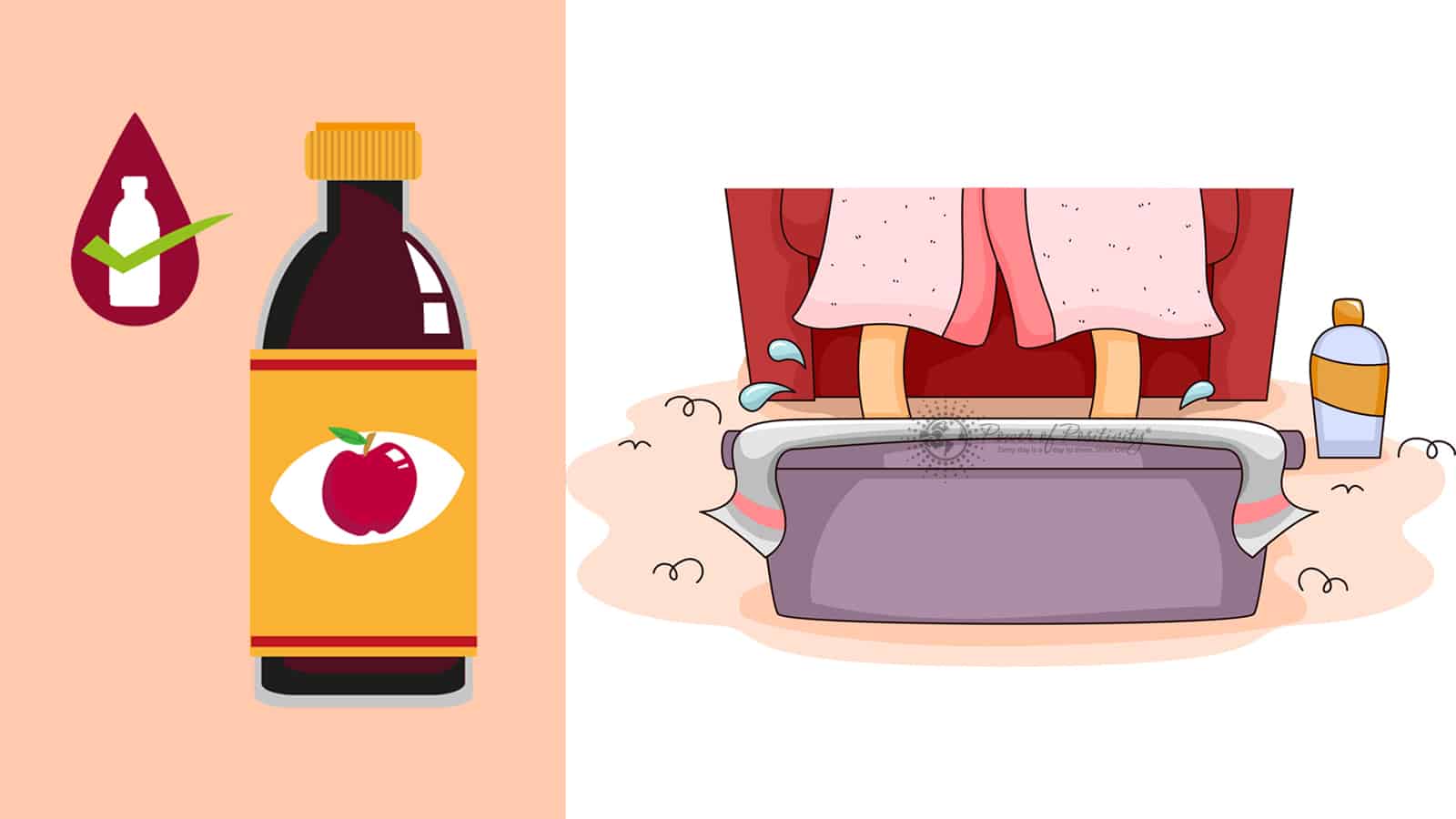
Use a tub that your feet fit comfortably in and fill it about two-thirds full with warm water from the tap; warm enough that you feel comfortable, but not too hot for your skin. If it is a hot day and you need to cool down, you can use cool water as well for the foot soak. Use only a half-cup to 1 cup of apple cider vinegar to the amount of water in a typical footbath tub.

Soak your feet for up to 30 minutes. Apple cider vinegar has a faint scent that fades after you take your feet out of the foot soak, you can rinse them with cool, clean water or you can let them dry naturally.

Health Problems That May Improve By Soaking Feet In Apple Cider Vinegar

  • Soothe a bee sting
  • Sore feet muscles
  • Relieve pain from minor sunburn
  • Heal dry skin
  • Callus treatment
  • Toenail fungus
  • Remove corns and warts
  • Prevent or treat foot odor
  • Fade age or liver spots
  • Treat athlete’s foot
  • Cracked skin on heelsapple cider vinegar

Teresa J. Kelechi, CNS, and Sally Stroud, NP, also say ‘Research shows that 2 percent to 3 percent acetic acid in vitro inhibits the growth of Pseudomonas aeruginosa, Staphylococcus aureus, Proteus mirabilis, and Streptococcus pyogenes.’ Killing bacteria that we may carry into our homes from our feet is also a great reason to try a foot soak in an apple cider vinegar solution.

Kelechi and Stroud also say that ‘Vinegar solution is mentioned descriptively in medical and nursing literature as a treatment for toenail fungus, athlete’s foot, and for use as an exfoliant for dry, flaky skin. The most often recommended mixture is one part vinegar to two parts warm water. Instruct patients to soak their feet for 15 to 20 minutes daily, rinse well and pat dry. Long-term use is contraindicated due to the potential for skin irritation.’

Because apple cider vinegar is a mild acid, you need to be careful of how your skin will react to being in contact with it. Remove your feet from the bath and rinse them with water if you begin to have a skin reaction that feels like it is burning or itching.

Other Possible Health Benefits of an Apple Cider Vinegar Foot Soak

Can we absorb apple cider vinegar through our skin and get health benefits from it? We do absorb many things through our skin, including oils, cosmetics, toxic substances, and vitamins. The beneficial minerals and enzymes of apple cider vinegar may also absorb the skin of our feet.

Talking about the health benefits of apple cider vinegar, researchers in Life Science Journal say ‘Apple cider vinegar has been traditionally used since many years ago to treat a certain number of diseases including hyperlipidemia which is known as a risk factor for atherosclerosis. Early prevention and treatment of atherosclerosis can prevent complications of cardiovascular diseases.’

Whether or not absorbing apple cider vinegar through a foot soak will help reduce your risk of heart or artery disease is unlikely. But you can also read this related article for more on the health benefits of drinking it instead.

What Does The Shape of Your Face Reveal About Your Personality?

You will be amazed to learn that facial pattern reading can reveal things about your personality, future, and your health. Facial pattern reading is an ancient Chinese technique, but it is as easy to learn as reading below to see what your facial features tell others about your personality.

Researchers examining people’s beliefs about the attractiveness of certain facial features say that ‘Chinese face reading is based on a philosophy held by Chinese people all over the world that expresses itself in contemporary daily life and practices by coloring people’s choices, likes, and dislikes.’

What Does Your Facial Pattern Reveal About Your Personality?

Traditional Chinese Medicine uses the ancient technique of face reading to map one’s true nature, health, and inherited potential. It is a technique of reading the past, present and future by the facial patterns that can be seen at first glance.

Facial reading can be used for matchmaking, choosing successful business partners, and detecting a person who is more likely to conceal or deceive you. Knowing what to look for is key to interpreting facial pattern personality.

Being able to study this art can help you learn quickly about the tendencies that others are born with at first glance rather than having to get to know them. Are they trustworthy? Will they be a hard worker? Will they be a good partner or parent to your children?

Facial Pattern Reading Is an Ancient Practice

A practitioner of Traditional Chinese Medicine uses a facial map and looks at the elements of earth, metal, wood, water, and fire as they are represented in the face.

Physiognomy is the practice of reading facial features to understand the true nature of the self and the destiny that you are meant to have. The color of the skin, shape and placement of facial features all have a role in the facial pattern reading and what it reveals about your personality.

In the book Reading in Chinese Medicine that she learned face reading from her grandmother and that these ancient Chinese facial pattern readings can predict illnesses long before tests show the health problems.

Bridges says that facial pattern reading can reveal details about your past and future. She tells a story of her Grandfather being able to know that someone he had just met had almost died as a young adult by what he saw on his forehead. The man was astonished that this detail of his past was evident to someone who knew about facial pattern reading.

zodiac

1. Eyes – Your perspective on the world

A narrow-lidded person is more likely to be less emotional and businesslike. A person with a deep-set eye and a large upper eyelid is more open emotionally.

The lower eyelid curve either represents honesty if it is a deeper curve or defensiveness if it is straight across.

Wide apart eyes mean that the person is a visionary. Eyes that are close together mean that the personality is very detail oriented.

2. Eyebrows – Quality and quantity of thoughts

Thicker eyebrows = more ideas

Thicker at beginning of eyebrow = good at starting things

Height of eyebrows above the eyes

Higher = more patient

Lower = impatient

3. Ear size – Listening ability, learning and conformity

Larger ears = better listening to others

Smaller ears = better at listening to self

Ears higher up on head = faster learning

Ears that stick out far = rebelliousness

4. Nose – Drive

Larger nose tip = better at planning

Smaller nose tip = not interested in money

Turned up = impulsive

Larger nostrils = less careful with money

Opening of nostrils is larger toward tip of nose = more likely to spend money on others than self

Nose thickness = thicker noses are more socially inclined

Long nose = leadership

Short nose = hard worker

5. Cheek bones – Your Personality Reveals You as a Leader

Chubby cheeks = more likely to draw people to you

Larger cheeks = leadership

Prominent cheek bones = boldness

Wider cheeks = more confidence

Small jaw = health issues, sensitive stomach

6. Jaw and chin – Desire and Stamina

Wide jaw = good negotiator

Jaw size = stamina

Chin size = larger is more aggressive

Narrow chin = physically weaker

Rounder chin = more people and emotion oriented

Angular chin = more controlling and introverted

7. Mouth and teeth – Expressiveness Is in Your Personality

Larger mouth = a talker who is outgoing

Licker lips = more persuasive and sensual

Thinner lips = may conceal secrets, withholds information

Crooked teeth = conflicted thoughts

Smaller teeth = more generosity

Overbite = more introverted

What Do Your Dominant Facial Features Reveal About Your Personality?

Looking in the mirror, some of our feature appear larger and out of proportion to others, unless we are as symmetrical in our facial features as a supermodel.

A dominant forehead indicates a big thinker.

A dominant mouth means a sensual person.

Dominant noses means a large ambition.

Prominent ears tend to be introverted listeners.

Larger eyes and eyebrows are charismatic and naturally attract people.

What You Need to Know If Your Partner Has Anxiety (And How To Help)

Unfortunately, many people in the U.S. and worldwide suffer from some sort of anxiety disorder.

In the U.S. alone, approximately 18.1% of people age 18 and older have anxiety, which equals 40 million people. If you have never had anxiety, you may not understand what people who do suffer from it go through on a daily basis.

Anxiety can affect every aspect of someone’s life, and treatment doesn’t totally eliminate the symptoms, in some cases.

People with anxiety can often feel very alienated and misunderstood, as the percentage of the population without anxiety often make incorrect assumptions about them. If your partner suffers from anxiety, you’ll want to know the following facts so you can do your best to support them in the relationship.

HERE ARE 5 THINGS YOU NEED TO KNOW IF YOUR PARTNER HAS ANXIETY:

anxiety

1. They suffer physically, mentally, and emotionally from anxiety.

Anxiety doesn’t just affect one’s brain and how they process information; it can actually affect them on an emotional and physical level, too. Anxiety occurs due to a combination of genetics, personality, environment, diet, and chemical imbalances in the brain.

All of these factors can make anxiety feel like a burden on the physical body and can induce headaches, cold sweats, flushing of the face, insomnia, stiff muscles, and more.

Mentally, anxiety can cause so much strain and stress due to constant racing thoughts and an overwhelming feeling of fear. Make sure you tune in to how your partner feels frequently so that you can try to understand their perspective and offer support.

2. They might also suffer from depression.

According to the Anxiety and Depression Association of America, about one-half of people with an anxiety disorder also suffer from depression. Having both of these disorders feels like being pulled in two different directions, to explain it simply. Anxiety tells your partner to get up and go, while depression says to stand still.

Managing both of these disorders can overwhelm your partner at times, and according to the Mayo Clinic, anxiety often occurs as a symptom of depression.

3. Your partner will need a lot of alone time.

Anxiety can make it difficult to stay social and keep up with others, and it drains one’s energy even further. Your partner might not want to go out on the weekends with you all the time, so respect their needs. Anxiety drains them of their energy, and socializing can easily overwhelm them when they already feel depleted and exhausted.

Your partner loves your company, of course, but even that can seem tiring if they don’t get a break. Just give them their alone time in order to recharge so that they can continue to be a good partner to you and a good caretaker of their own needs.

4. Anxiety doesn’t make your partner weak or incapable of loving you.

Many people think that those with a mental illness don’t have the capability to love others or sustain a relationship, but this stigma surrounding mental disorders needs to end. People with mental disorders have simply been too strong for too long, and anxiety and depression can occur as a result.

The most important thing to keep in mind when dealing with a partner with anxiety is to always keep an open ear and heart, and try your best to support them and help them grow.

Anxiety might make your partner seem distant and preoccupied some of the time, but just know that they fight a battle in their mind every single day. This takes up a lot of time and energy, but that doesn’t mean they don’t love you or care about you.

anxiety

5. Your partner doesn’t just want attention.

Many people, unfortunately, believe that those who claim to have a mental illness just want attention; however, this couldn’t be further from the truth.

If your partner suffers from anxiety, just know that all they crave is love and compassion, not attention. They don’t want you to throw them a pity party or bow at their feet; they just want you to listen and understand.

Remember that they didn’t ask for anxiety, and although it can be managed, sometimes figuring out what works best for you takes time. Some people respond better to meditation, others yoga, others to a cleaner diet, and still others may find a different path.

Just help your partner figure out what makes them feel better, and don’t try to condemn them for having the disorder. Compassion and a shoulder to cry on can go a long way in helping your partner with their anxiety.

Oftentimes, people with anxiety have a higher sensitivity to energies than others, and therefore, have a harder time processing our increasingly chaotic and stressed out world. They don’t want the disorder but have to learn how to live with it and overcome it anyway. And this makes them some of the strongest people you will ever come across.

(C) Power of Positivity, LLC. All rights reserved

If You Feel Emotionally Detached, This May Be Why…

Do you feel emotionally disconnected from yourself often, and have no idea how to tune back into just “being you”? It feels as though you live in your head too much, and feel cynical about the world around you. You feel disconnected from your body, and don’t have a true, meaningful relationship with yourself.

You just feel a bit lost and detached from your body and spirit, and may reject all spiritual notions simply because you can’t see past the illusions presented to you in this reality.

If this sounds like you, you might have a blocked crown chakra. The crown chakra, or the seventh and final chakra, is located at the top of the head or slightly above the head. This chakra represents your connection to Spirit, or the realms beyond this earthly plane that we currently live in.

Below, let’s talk a bit more about the crown chakra, and what you can do to get it unblocked.

If you feel emotionally detached, this may be why…

The Sanskrit name for the crown chakra is “Sahasrara,” which means “Thousand petals.” It’d most commonly represented by the color white, which symbolizes our connection with the Divine, God, Source, or whatever you prefer to call it.

Characteristics of the crown chakra:

  • Consciousness
  • Awareness of higher consciousness, wisdom, of what is sacred
  • Connection with the formless, the limitless
  • Realization, liberation from limiting patterns
  • Communion with higher states of consciousness, with
  • Ecstasy, bliss
  • Presence

Ultimately, the crown chakra represents our ability to transcend our limitations, and believe in things beyond our sight or comprehension. It also represents our ability to connect with all of life, and become fully aware of ourselves and how we fit into the bigger picture.

The crown chakra blends the functions of all the chakras below it. When balanced, we will feel totally connected to the Universe and all its inhabitants, and trust in our hearts and intuition that something out there will come to our aid when we need it most.

A second function of the crown chakra deals with opening ourselves up to higher states of consciousness, which can be done in part by healing our pineal gland.

SIGNS OF A BLOCKED CROWN CHAKRA:

A blocked crown chakra can make you feel disengaged from life and disconnected from yourself. It can also make you feel cynical and wary of any sort of spiritual notions. Being out of sync with the crown means that you have either an underactive or overactive seventh chakra. You either feel totally disconnected from your body and spirit, or feel so connected to your higher self that you lose touch from reality. If you have an overactive crown chakra, you might appear to others as flighty, or not grounded.

The following are symptoms of an imbalanced crown chakra:

  • Disconnected from Spirit, and cynical about all spiritual matters
  • On the contrary, an overactive crown chakra could manifest as a disconnection from reality
  • Paying too much attention to your thoughts and not feeling connected to your body or spirit
  • Too attached to the spiritual world (if you have an overactive crown)
  • Closed-mindedness
  • Greed and materialism
  • Boredom and frustration
  • A sense of elitism
  • Sleep disorders
  • Learning disabilities

A blocked crown chakra can seriously inhibit your ability to enjoy life to the fullest, while also connecting to the higher realms. A crown chakra blockage can make it difficult to believe in anything beyond what you see before you, which might make you cynical and narrow-minded in terms of other people’s beliefs and experiences. This blockage usually means that some of your other chakras have blockages, as the energy of these moves upward through our crown chakra.

Upon opening this chakra, you will find that you can connect successfully to the higher realms, and will gain comfort from the messages you receive. This will make you more grateful and aware of your current life here on Earth.

Physical signs of a blocked crown chakra

Some common physical symptoms of blockage include:

  • Neurological disorders
  • Nerve pain
  • Thyroid and pineal gland disorders
  • Alzheimer’s
  • Recurring headaches, migraines
  • Schizophrenia and delusional disorders
  • Insomnia
  • Depression

Emotional signs of crown chakra blockage

  • Isolation and loneliness; inability to connect with others
  • Lack of direction
  • Inability to set or maintain goals
  • Feeling disconnected spiritually

An imbalanced crown chakra can lead to two extremes; either being totally uninterested in this reality because you have found connections in higher realms, or being out of touch with yourself and your body, which leads you to feel cynical and depressed. If you feel that you have a blocked crown chakra, read on to find out how to clear this blockage so you can enjoy life to the fullest, and really get a sense of belonging in this world and beyond.

What to do about a blocked crown chakra

Clearing the crown chakra involves a lot of energy healing and learning to tap into the higher realms through your intuition and connection to yourself.

A few beginner steps to clear the crown chakra include:

  • First, you need to work on opening the other chakras, so that you can remain balanced throughout your spirit. Then, once you have done this, meditate or use positive affirmations such as “I am Divine” in order to open your crown.
  • Reconnect with nature as much as possible. We have lost our connection with ourselves because we have turned our backs on nature, so try to spend as much time with Her as possible.
  • Incorporate white colors into your life to help boost this chakra’s energy. Wear white clothing and place white objects around the home.
  • Do different types of energy healing, such as aromatherapy, sound therapy, crystal healing, etc.
  • Turn off electronics and other distractions as much as possible so you can really tune into yourself and listen to what Spirit is telling you.

5 Warning Signs Of Chronic Anxiety You Should Never Ignore

“Anxiety disorders are a category of mental disorders characterized by feelings of anxiety and fear, where anxiety is a worry about future events and fear is a reaction to current events.” – Diagnostic and Statistical Manual of Mental Disorders

Anxiety can easily take over your whole life if you don’t know how to effectively handle it.

Unfortunately, it affects approximately 18% of our population, and this figure only accounts for those who have actually reported their anxiety.

Anxiety feels like a neverending black hole. You might think you’ve been sucked in and can’t begin to search for the way out. You want to escape, but you don’t know where to start.

If this sounds like you, then you probably have some sort of anxiety.

However, you shouldn’t feel too discouraged, as we will suggest a few ways to combat anxiety before it gets too unbearable.

Of course, knowing the signs of anxiety is the first step to conquering it in the first place, so read on to find out more about the signals to look out for.

HERE ARE 5 WARNING SIGNS OF CHRONIC ANXIETY YOU SHOULD NEVER IGNORE

chronic anxiety

1. FATIGUE

The stress created from anxiety weakens the entire immune system, resulting in fatigue and lethargy. If you feel tired even after getting a full night’s rest, and this feeling occurs quite often, you might be seeing the early signs of chronic anxiety.

2. CRAVING SUGARY OR STARCHY FOODS

Many times when we feel stressed, we reach for a source of quick calories, usually in the form of sugary or fattening foods, in order to overcome this feeling. For someone with chronic anxiety, food often serves as a source of comfort during intense episodes or attacks.

If you find yourself reaching for sugary or starchy foods often, you may be developing a form of this disorder.

anxiety quotes

3. DIGESTIVE PROBLEMS

Anxiety can easily wreak havoc on the digestive system. This is because our gut is linked to our brain directly through something called the vagus nerve. This nerve sends signals to our brain based on the types of bacteria located in our gut. So, the better we eat, the better mental health we will have.

Related article: How our gut health determines our mental health

For someone with anxiety, their gut bacteria might not serve their mental health properly. This imbalance sometimes leads to feelings of distress and worry. Development of irritable bowel syndrome or other types of stomach issues can often stem from chronic anxiety.

4. SLEEPING PROBLEMS

People with anxiety have difficulty relaxing, and getting ready to go to sleep can feel like a nightmare when the mind just doesn’t want to quiet down. Those with chronic anxiety may have developed insomnia somewhere along the way and might resort to sleeping pills in order to get a good night’s rest.

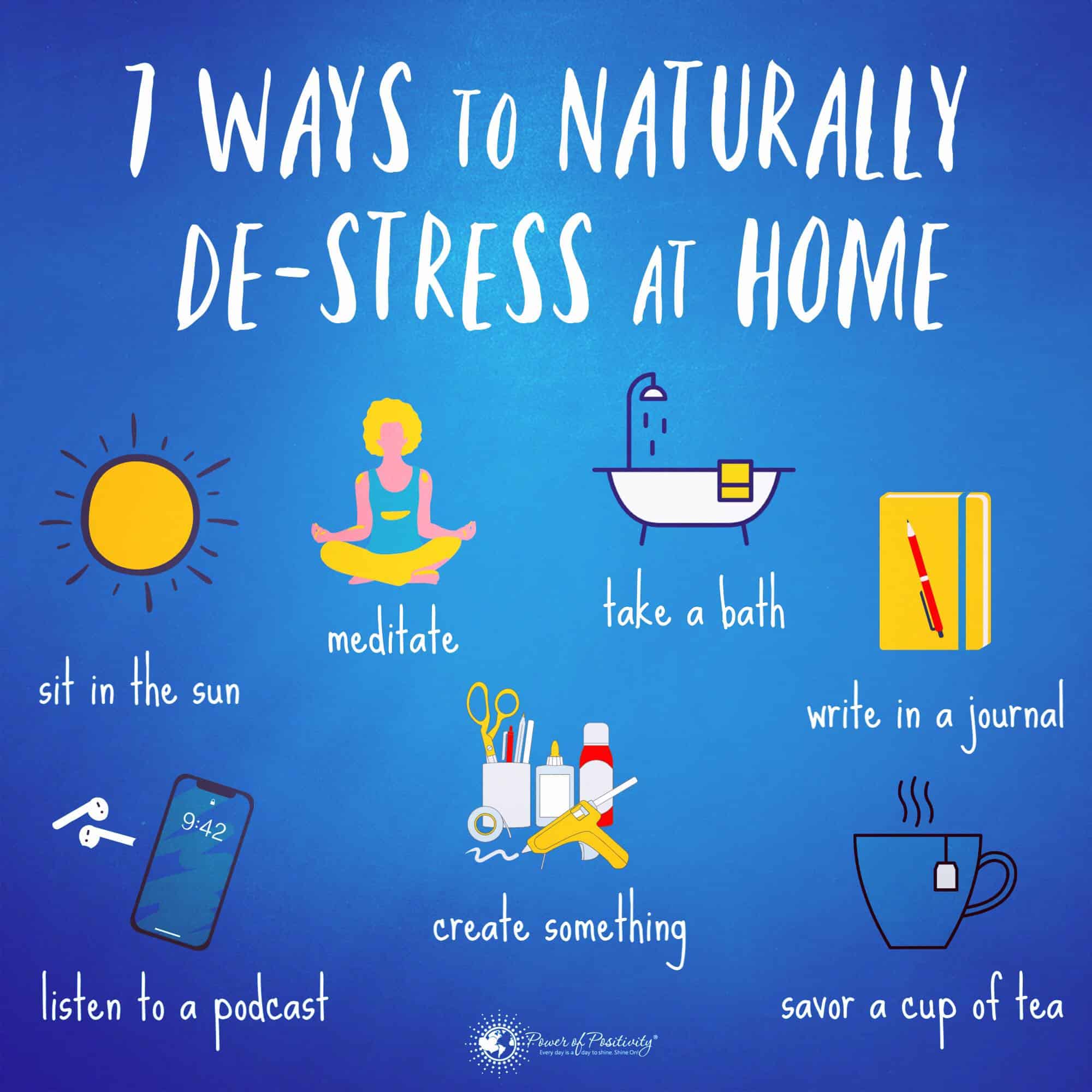
Does this sound like you? Try alternative therapies such as meditation, yoga, relaxing music, a warm bath, essential oils, a cup of tea, or some other natural way to wind down before bed. These will help you to create lasting routines and cultivate real change in your life as opposed to relying on medicine.

5. FOCUS/CONCENTRATION PROBLEMS

Since anxiety wreaks havoc on the brain, focusing or concentrating on just one task can prove very difficult. The mind doesn’t know how to stay quiet and remain engaged during an activity, so it flits from one thing to another constantly. Neurons in the brain fire rapidly, leaving one feeling very depleted and frazzled after a particularly intense episode of distress or panic.

Although anxiety seems like a never-ending black hole at times, one can take certain measures toward preventing, or at the very least, lessening the effects of anxiety.

THESE TIPS CAN HELP WITH CHRONIC (OR GENERAL) ANXIETY:

  1. Eat right – make sure to get plenty of raw fruits and veggies in your diet, as well as whole grains, nuts, and seeds.
  2. Get exercise – one of the greatest ways to combat anxiety is to get your body moving–just do something you enjoy.
  3. Establish a schedule – try to stick to a regular routine; oftentimes, not planning or going blind into something can exacerbate anxiety symptoms.
  4. Stress management – develop a mindfulness routine; get into meditation, yoga, breathing exercises, or something else helpful for stress and anxious feelings.
  5. Sleep – get the recommended amount of sleep each night for your age group. Try melatonin, yoga, meditation, or breathing exercises before bed to help regulate and ensure adequate sleep.

Related article: 8 Behaviors That Create Anxiety (And How To Avoid Having Them)

(C)Power of Positivity, LLC. All rights reserved

How To Train Your Brain To Stay Stress Free

Stress is a shared life experience. Work, school, and family responsibilities produce a lot of stress, but when you add the adrenaline-producing events of the world, your stress levels can soar. Learning to deal with stress is critical to protecting your brain. Even amid your stressful life, there are ways to train your brain to deal with stress. Here are some valuable tips on how to train your brain to be stress free.

What events make a stress free life feel nearly impossible?

Many things make your life stressful, but specific life experiences trigger a high level of stress. These include:

  • Death of a child or spouse
  • Divorce
  • Moving
  • Major illness or injury
  • Marriage
  • Loss of a job
  • Retirement

How does long-term stress affect your body?

stressWhen you’re experiencing stress, you may not even be aware of how it affects your body. You may have physical symptoms that you don’t attribute to stress. It’s worth considering whether stress causes some of your physical problems. Stress can produce physical symptoms, such as the following conditions:
  • Stomach problems
  • Autoimmune problems
  • Inflammation
  • Insomnia
  • High blood pressure
  • Headaches

If you have any of these physical symptoms, talk to your doctor about the possibility of stress being the root cause. Practice some of these suggestions to relieve your stress.

Why a stress free life is essential to brain health

You may be familiar with the effects of stress on your body, but stress can harm your brain. According to studies, stress messes with the structure of your brain. Chronic stress can atrophy your brain and shrink the area of your brain that affects your memory and learning. These facts are compelling reasons to live a more stress-free life.

How to train your brain to be stress free

Stress harms your brain. Here are some suggestions on how to have a more stress-free brain and reduce the adverse effects.

1 – Get More Sleep

Getting enough sleep is known to be essential for you to function in daily life. But according to recent studies, lack of sleep can make stress worse. It also interferes with your brain’s ability to get rid of toxins such as beta-amyloid, which has been found to attribute to brain disorders such as Alzheimer’s disease. One of the first ways you can train your brain to be stress-free is by getting a good night’s sleep. It’s recommended that you get anywhere from 7 to 9 hours of sleep per night. Try these things to help you sleep better.

  • Wind down before bedtime
  • Don’t exercise too close to your bedtime
  • Limit your caffeine during the day
  • Create a bedtime routine and stick to it
  • Keep your bedroom cool and dark
  • Limit your use of electronic devices a couple of hours before bedtime

2 – Yoga

Yoga uses a combination of physical poses and breathing methods to enhance relaxation. Studies reveal that yoga has mood-enhancing abilities, which slows down the physiological effects of stress. Yoga also can change the chemical reactions in your brain, so you feel less stressed. It’s thought to be as effective as taking anti-depressant drugs for anxiety and depression. Overall, if you regularly practice yoga, you can have a more stress-free brain and body. The five best stress-relieving yoga poses include

  • Child pose
  • Easy pose
  • Happy baby pose
  • Stand forward and bending pose
  • Seated forward bend

spiritual benefits3 – Don’t procrastinate

You may not feel that procrastination is that big a deal but having a bunch of open-ended tasks attributes to brain stress.  Procrastination makes you think you can’t catch up. You may not sleep, or you can’t focus during the day. Here are some ways to break your procrastination habit to relieve stress.

  • Make a to-do list and check off things as you accomplish them
  • Give yourself deadlines and stick to them
  • Create chunks of uninterrupted time to finish tasks
  • Set simple daily goals
  • Take breaks to clear your mind
  • Reward yourself when you complete a goal
  • Stop multi-tasking-stick to one thing at a time

4 –  Find faith

According to studies, having faith in God helps you deal with stress. Researchers say people who profess to be religious have lower levels of depression. Having faith in God enables you to find peace even during stressful situations because you believe someone is overseeing your life and helping you get through tough times. Researchers say that faith has a buffer effect between stressful life events and depression in the same study. Devout people have fewer symptoms of anxiety and depression and can cope better with stress. It’s thought that some religious practices can change your brain to boost your mental health. How does faith help your brain deal with stress? Here are some ways, including

Faith gives you a sense of purpose for your life, giving you a sense of purpose that enhances your life.

  • Let go of trying to control it all: You can let go of those things that are out of your control when you cede to a higher power.
  • Network of support: Having faith gives you a sense of community. You don’t feel alone.

5 – Change how you view stressors

Another way to train your brain to deal with stress is to change how you think about it. Seeing pressure as all bad leads to unhealthy activities such as overeating, drinking too much alcohol, or lack of exercise to relieve the stress. Stress isn’t always harmful. It can motivate you, increase your focus, and help you be more productive. Embracing it strengthens you, happier and more intelligent. Viewing stress positively encourages you to find specific ways to cope with it. So, instead of getting rid of all stress, you can figure out how to have healthier responses to stress.

6 – Exercise for a stress free life

Regular exercise is a natural way to relieve stress in your life. Whether you take your dog for a brisk daily walk, play a game of tennis, or take an exercise class at your local gym, exercise has many benefits for your body and mind. People who regularly exercise are less prone to anxiety than those who don’t exercise. What happens when you exercise?

  • Release of stress hormones: When you get your body moving, stress hormones are released, which improves your mood.
  • Builds your confidence: Regular exercise boosts your confidence because you feel stronger.
  • Helps you slim down: If you incorporate regular exercise into your life, you’ll lose weight and trim down.
  • Sleep better: Exercise has been found to promote better sleep, which reduces your stress levels.

7 – Try supplements

Using certain supplements helps you train your brain to be stress-free and reduce anxiety. Here’s a list of some of the best stress-relieving supplements.

  • Lemon balm: This herb is a member of the mint family. Use lemon balm to make tea, eat in salads or add it to soups.
  • Green tea: Green teas contain antioxidants that help your body heal and reduce stress. Add it to your smoothies or drink it as warm.
  • Valerian: This herbal remedy might help you sleep and thus, lower anxiety. An NIH fact sheet found valerian to be helpful for some people but not for others. However, it is worth a try.

8 – Aromatherapy

Aromatherapy is made of natural plant extracts or essential oils to enhance healing and a sense of well-being. They have proven it to promote emotional health and relaxation. It’s gained a lot of popularity over the past few years as people have found it helpful to reduce stress. Some of the health benefits include

  • Relieves anxiety and stress
  • Improves your sleep
  • Improves your quality of life
  • Can ease the effects of cancer treatment for things like pain and nausea

9 – Journal your way to stress free living

Writing your thoughts and feelings in a journal gives you a positive outlet for your senses. When you’re in a stressful situation, you must understand what you’re feeling, and writing your thoughts helps you sort out your feelings. Writing gives you clarity on details and enables you to decide your next move. Journaling can have a positive effect on your stress reduction.

10 –  Learn to say no

Sometimes you need to say “no” to relieve the stress in your life. It’s easy to get pulled into commitments like being the parent who always brings snacks to your child’s class or the person at work who always helps when there’s a deadline. If that’s you, maybe you need to learn to say no. You may be your own worst enemy by over-committing or feeling guilty when there’s a need. It’s okay to refuse to help. Take control of your stress. Be selective about what you commit to, and you’ll be surprised how hit helps you train your brain to be more stress-free.

12 – Laughter

Laugher lessens your stress. It gets your focus off your problems, frees up chemicals in your brain that make you feel happier, and improves your view of life. Laughing is a simple way to train your brain to let go of stressful things. It doesn’t change your circumstances, but it gives you a break from them. You can laugh or cry when things turn stressful. So, why not choose to laugh?

stressFinal thoughts on how you can train your brain to be stress free
Stress is a genuine part of life. It can be a helpful motivation to accomplish things or damaging to your brain and body. How you view stress and react to it determines its effects on you. As you train your brain to be stress-free, you can have a stress-free life. Whether you choose to relieve your stress through regular exercise, journaling, or growing your faith, you’ll feel more relaxed and happier about your life. Stress reduction isn’t hard, but it’s a choice you can make for a better life.

5 Differences Between Stress and Anxiety

Stress and anxiety are similar. People often use these two words interchangeably, but there is a difference between these two emotional responses. It’s time to eliminate the confusion. Here are five differences between stress and anxiety.

What is stress?

Stress is a normal emotional response to a demand put on your brain or body. When you experience a challenge at work or school or have a significant life change, you will feel stressed. Some people cope better with stress than others. Stress can affect your health, so you must pay attention to the cause and reduce it. Examples of stress include:

  • Stressors related to school, work, or your family.
  • Stress from a sudden negative experience or change such as a divorce, death in the family, losing your job, or illness.
  • Stress from an event such as an assault, war, major accident, or natural disasters like a hurricane, tornado, or earthquake. This type of traumatic event can produce physical symptoms and temporary emotional ones.

anxietyWhat is anxiety?

They describe anxiety as a natural response to stress. It involves feeling fearful or apprehensive about the future. You may feel anxious on your first day at work or when you have a job interview. Anxiety causes these emotional reactions:

  • Worry
  • Nervousness
  • Concern
  • Uneasiness

If your anxiety continues longer than six months and interferes with your life, you could have an anxiety disorder. Anxiety disorders make you feel fearful all the time. Sometimes these fears are intense or debilitating. Everyday things can become difficult for you because of your constant worry about what could happen. Left untreated, your condition may get worse.

What are anxiety disorders?

Anxiety disorders are a widespread type of emotional disorder. They affect people of all ages. Common anxiety disorders include the following:

  • Panic disorder
  • Phobias
  • Social anxiety disorder
  • Obsessive-compulsive disorder
  • Separation anxiety disorder
  • Illness anxiety disorder
  • Post-traumatic stress disorder

Who’s most at risk for an anxiety disorder?

Researchers suggest there are genetic and environmental factors that can contribute to who develops an anxiety disorder. General risk factors include the following:

  • Individuals who are especially shy or had inhibitions as a child
  • Exposure to a stressful or negative experience in early childhood or early adulthood.
  • Biological relatives who have a mental illness or other mental health issues
  • Physical conditions like thyroid problems, heart problems, or certain medications can cause anxiety disorders

Five differences between stress and anxiety

It may be hard to decide if you’re struggling with stress or anxiety. But there are noticeable differences between the two of them. Here are the five significant differences between stress and anxiety.

1 – Different in how long they last

Stress is a reaction to an external cause. It could be a test at school or your first day at work. Usually, your feelings of stress go away once you finish the test or complete your first day of work. Anxiety reacts to an external, but it doesn’t go away when you remove the stressor.

2 – Different in how they affect your body

If your conditionspersists, it can get so severe that it turns into an anxiety disorder. Anxiety can affect your body in a variety of ways, including

  • Having trouble concentrating
  • Your mind goes blank
  • Fatigued all the time
  • Muscle tension
  • Can’t control your worry
  • Sleep problems
  • Unsatisfying sleep

Stress is a physical or emotional response to the demands and pressures of your life. Some people don’t process stress well, resulting in health problems such as the following:

  • Digestive disorders
  • Headaches
  • Sleep disorders
  • Heart problems
  • Asthma
  • Overeating
  • Alzheimer’s disease

3 – Stress has a known cause, but anxiety may not have a noticeable trigger

You usually know what makes you feel stressed out. You know your job is a source of stress for you. But it may be hard to pin down where your triggers originated. You may not remember an unpleasant childhood experience or not know that you have a genetic tendency toward a specific mental health disorder. That’s why it’s essential to see a professional counselor who can help you find the cause of your anxiety.

stressed loved one4 – Stress is manageable, but anxiety may not be
Most of the time, when you have stress, you can figure out how to manage it or get rid of it. Long-term anxiety can become unmanageable, so that you can’t do your regular daily tasks.

5 – Different emotional responses

Anxiety and stress cause different physical and emotional reactions. Here are some differences and similarities between the two emotional responses.

Anxiety Stress Both
restless moodiness racing heartbeat
nervous anger or irritability fast breathing
tense dizziness diarrhea
sweating unhappiness constipation
feeling of dread overwhelmed higher blood pressure
uneasy loneliness fight or flight response

Primary causes of stress

There is a wide assortment of reasons for feeling stressed. These include the following triggers:

  • Unhappy at work
  • Too much responsibility at work
  • Working too long of hours
  • Unclear expectations of you at work
  • Dangerous work
  • Lack of security at work
  • worried about being fired
  • Death of a loved one
  • Divorce
  • Financial problems
  • Getting married
  • Moving
  • Illness
  • Emotional problems
  • Caregiving of elderly or sick family member
  • Causes of anxiety

Anxiety is part of your life, but after several months, if you’re still experiencing intense fear about everyday situations, you could have an anxiety disorder. Anxiety symptoms can start in childhood or teen years and can continue into your adulthood.

Causes of anxiety disorders

  • Stress from illness: Serious health conditions cause you to worry or worry about your treatment.
  • Trauma: If you experienced abuse or witnessed a traumatic event as a child, you’ll be at risk of an anxiety disorder.
  • Stress buildup: A big event or smaller stressful life situations can trigger your anxiety. If there was a death in your family, plus work stress plus financial problems-these can pile up on you. You may end up with extreme pressure.
  • Personality: Some personality types are more apt to experience this than others.
  • Drugs and alcohol: Misuse of drugs and alcohol and withdrawal can make your anxiety worse.
  • Having family members with mental illness: Anxiety disorders run in families.

How to manage problems of stress and anxiety

Anxiety and stress are normal reactions to difficult situations in your life. They provide the fight-or-flight response that keeps you safe if you’re in danger. Generally, stress is your body’s reaction to a threat. But this outcome is your body’s reaction to stress. You need to figure out what stressors are setting off your anxiety and stress. Then you can better deal with them. Here are some things to help you manage them.

Exercise

According to studies, regular exercise has a positive impact and heals your mind. Some activities that can help you with your stress or anxiety include:

  • Running
  • Biking
  • Tennis
  • Dancing
  • Swimming
  • Fast walking
  • Talking

Seek counseling for your anxiety

Talking with a trusted friend, your pastor, or a family member is essential to help you reduce overthinking. Talking about your worries, fears, and stressors can help relieve them.

Setting boundaries

Set boundaries for yourself on what you will take on at work, home, or school. Know what causes your stress or anxiety, and eliminate it from your life. Of course, not everything can be taken away, but there are many things you can do to find relief. Perhaps it’s time to find remote work instead of staying at a job where you need to commute to work. Maybe you need to pull out of some of your responsibilities at church or school.

Setting boundaries is just one positive management tool for reclaiming your mental health.

Relaxation

Relaxation techniques are another way to improve your mental health. Try some of these techniques:

  • Deep breathing exercises
  • Visualizing a tranquil scene or the beach
  • Practice yoga
  • Practicing Ta Chi
  • Slowly counting to 10
  • When do you need to see a doctor?
  • If you find you can’t deal with your mental illness, it could be time to see a doctor. Warning signs you need to see a doctor include things like
  • Excessive worry makes it hard for you to do your everyday daily life
  • Irrational fears
  • Significant changes to your sleep patterns
  • Important changes to your hygiene habits
  • Feeling moody and low
  • Thinking about self-harm

Other things you can do to deal with your stress and anxiety include these:

  • Accept the stuff you can’t control
  • Figure out what triggers your reaction
  • Limit your caffeine and alcohol
  • Settle to be good, but don’t aim for perfection
  • Eat nutritious foods
  • Get enough sleep

anxiety disordersFinal thoughts of beating stress and anxiety

Some stress and anxiety are typical in your life. You may have a hard time distinguishing the difference between stress and anxiety since they are similar. Stress typically has limits, and stressors cause it. Once the causes of stress are removed, your stress will go away. The reasons for anxiety are harder to nail down. Plus, if it continues, you may end up with an anxiety disorder. Fortunately, you can manage and improve your mental health by setting boundaries, exercising, and relaxation techniques. If none of this helps, or if your symptoms get worse, it could be time for you to speak to a doctor to get relief.

(C)Power of Positivity, LLC. All rights reserved
Skip to content