Weekly tips, affirmations, and small actions to feel your best.

People Who Experience A Vibrational Shift Do These 7 Things

We are at a crossroads in a spiritual movement. We are desperately trying to make sense of the ever-changing world. People have grown tired of shopping, eating out, purchasing expensive homes and cars, or traveling to fill the void inside. Therefore, we find that the desire to experience a positive shift in vibrational energy is on a rise these days. People are actually enriching their lives while being on a faithful quest with spiritual perception.

We are taking better care of ourselves while trying to connect with a higher vibrational energy within our physical body. There is a divide between religion and spirituality. When asked what he believed in, Albert Einstein responded, “My religion consists of a humble admiration of the illimitable superior spirit who reveals himself in the slight details we are able to perceive with our frail and feeble mind.”

Here are 7 ways to experience a positive vibrational shift:

1. Reconnect with your soul.

Within our busy lives, we forget what’s important. We forget the dreams from childhood. We forget to nourish our souls while creating more of what brings us joy. The first step to increase your spiritual awareness is to unlock all the passion and desires that you have been putting away for another time. There is no assurance of tomorrow. You do yourself a great injustice when you keep putting your soul on hold. You are required to love you before anyone else.

You hold the secrets to your future by tapping into your dreams. Speak to your inner child. You can reach these moments of awareness through writing, music, painting and any other form of creating. Your imagination is a direct source to consciousness. When you connect to yourself in a loving and playful manner, your vibrational energy expands and evolves.

2. Connect with nature.
13895171_10153699265672371_4679664660603292383_n

Naturalist and author, John Muir, expresses it beautifully when he wrote, “The clearest way in the Universe is through a forest wilderness.” Being in nature allows for connection to the self, to the world, and to the expansion of space and time. If you want to increase your spiritual awareness, spend time alone outdoors. Go for walks, hikes, and study the greatness of this earth. Trees, the ocean, mountains, valleys and rivers show us how things move without expectation or pretenses. In nature, everything moves at its own rhythm. There is a invaluable quality to the way seasons change and nature reacts. There is an incredible presence of awe-stricken greatness.

3. Laugh often.

Laughter heals us. When we are in a moment of joy, our biological composition changes. Hormones are released. We are elevated to a state of higher consciousness. Laughter brings us into a deeper awareness of our own greatness. UCLA professor of cognitive neuroscience, Sophie Scott, has explained the psychology behind laughter. She starts off by explaining “how during states of high emotional arousal (whether joy or pain) we often use non-verbal sounds to communicate our feelings.”

When neuroscientists look into our brains while we laugh, they find a lot of neural activity that suggests our brains “get ready to laugh whenever we hear it. This suggests that laughing may be something that is supposed to be shared between individuals.” Laughter opens us up to raise our awareness in a physiological, emotional and spiritual way.

4. Meditation, contemplation and prayer.

Whenever we spend time alone in meditation, contemplation or prayer, we are connecting to something outside of ourselves. We get out of our own way. It is during these channels of communication and solace that we find inner peace. In a state of harmony, grace and assurance are birthed. Meditation allows for the mind to release the chit-chatter so we can listen. Prayer asks the questions that we long for answers. Contemplation is the union of the two. Making time for these personal moments increases your spiritual awareness and expands your soul’s yearning for tranquility.

5. Get plenty of sleep.

It is important to have a sleep routine so that your body can relax every day. Your body requires 6 to 8 hours a night of peaceful sleep to regenerate. When you have a restful night, you can function accordingly with your day. You can also feel at ease with your thoughts. Our thoughts need rest, and sleep allows for this to happen. We have become a society addicted to our every thoughts. A good night of restful sleep helps adjust our thoughts and emotions. Spiritual awareness arrives when we are in tune with our thoughts, rather than manipulating them. Our dreams are also messages from consciousness. Dreams can be doors into other spiritual connections.

6. Embrace humanity.

Whenever we leave our own drama and help another, we enter into a state of spiritual awareness. We shift our perceptions and allow for something greater than ourselves to take over. Helping another soul is an instant form of connection with divinity. Compassion, kindness, empathy and love raise our vibrational frequency. Selfless acts of humanity help us identify with grace. Spiritual richness comes from acceptance and allowing humanity to join together. Strangers become friends, because we see divinity looking through their eyes.

7. Become aware of your awareness.

We place expectations in everything we do, even in trying to reach a higher spiritual awareness. When you become mindful of your thoughts and actions, you start to see the world in a different manner. You start to not care about rationalizing everything. Spiritual awareness has no need for control. The analytical mind drops off, and you accept things as they are, not as you want them to be. You begin to live by synchronicity and serendipity. You recognize space as present. Your awareness increases with the level of conscious shifting. It happens slowly, but being mindful of your breath and thoughts helps reduce stress and anxiety. You recognize that fear is an illusion of control.

Related article: 6 Signs The World Is Experiencing A Spiritual Awakening RIGHT NOW

The greatest reward of choosing to live a life of spiritual connection is allowing and accepting things without the need to push and pull them to fit the ego. Your mind, body and spirit live in harmony. We are still human. We will still be exploring the deepest corners of the mind and emotions, but it becomes easier to navigate this world when we are aware of something greater than ourselves.

“To begin to understand your Soul as an integral part of yourself and begin to connect with your Soul as a part of your full being and your true nature, is the beginning of wisdom and the portal to true joy.” ~ Genevieve Gerard
5 Life Lessons To Learn From Batman

“A hero can be anyone. Even a man doing something as simple and reassuring as putting a coat around a little boy’s shoulder to let him know that the world hadn’t ended.” – Batman (Christian Bale), The Dark Knight Rises

“Who is Batman?”

Well, this question – asked repeatedly by his nemeses for over 80 years – is a complex one. Batman is a (fictional) character, with the man Bruce Wayne playing the part. It is that latter person’s life events that really begin to sketch-in the finer details of who Batman is, and more.

Bruce Wayne is just a young boy – around 8 years old – when he witnesses his parents murdered outside of a movie theatre. The murder of Bruce’s parents was, and remains, the defining moment of his human life and that of his alter-ego. In fact, young Bruce is so deeply wounded by seeing his parents killed, that he eventually makes the commitment to fight injustice wherever it may present itself.

After years of travelling the globe, in which he painstakingly sculpts his mind and body, Bruce Wayne eventually finds his way back to Gotham City – home to a vast criminal underworld and myriad other shady characters.

Using his vast wealth, provided by his father’s successful business ventures, Wayne begins to design and construct Batman’s crime-fighting arsenal. Wayne’s genius-level intellect, nearly-limitless resources, and savvy crime-fighting skills molds that character that is Batman.

The character Batman is truly transcendent, in that he is considered a hero by adults and children alike. Perhaps the most appealing thing about Batman is that he has no superpowers – he is fully-human. As such, he – perhaps more than any other ‘superhero’ – is the most relatable.

One needn’t be a Batman fanatic to appreciate the tenets by which he lives. His mission, in its broadest sense, is to promote good and leave the world a better place.

Here are 5 life lessons to learn from Batman

1. Devote Yourself to an Ideal

To protect his identity and those of whom he cares for, Bruce Wayne often exudes a certain type of arrogance and brashness. Of course, the man himself is not any of these things; in fact, it’s very difficult to find fault in his true character.

Financially, Wayne donates vast amounts of money to a number of philanthropic causes: foster homes, homeless shelters, hospitals, and a number of other institutions. Personally, despite the (often numerous) imperfections of those he encounters, he almost always attempts to impart a sense of dignity and respect – even if such efforts are in vein.

It goes without saying, but he is fully devoted to his crime-fighting activities. But there is certainly more to the character than beating down bad guys.

The lesson: find something you’re passionate about in the arena of service. In other words, devote yourself to something that is bigger than any one person.

2. Defend Those Who Can’t (or Won’t) Defend Themselves

Batman’s primary goal in life is to prevent injustice wherever it should present itself – to protect the innocent. He has fought off thieves, murderers, kidnappers and the like, countless times. Batman does these things because he himself understands the extreme pain and damage such things can do to its victims.

There are even instances of Batman saving the lives of criminals. Despite being a prolific crime-fighter, Batman does not kill under any circumstance. Of course, he is not always successful in saving and/or bettering the lives of people he encounters, but he makes every attempt to do so.

The lesson: firstly, to always assert yourself, no matter how uncomfortable it may be. Second, after you develop the capability of assertion, be willing to stand up for others who may not know how.

3. Use the Right Mix of Fairness, Toughness and Compassion

13934756_10153691779177371_2186068257966189681_n

Make no mistake: Batman is a physically-imposing, tough character. His altercations with criminals often leaves them lying unconscious with broken bones – along with a deep sense of regret for having tangled with him. While he may not kill, he doesn’t shy away from using his violent capabilities when they become necessary.

On the flip side, Batman is a deeply-compassionate character. It has already been mentioned that he, as Bruce Wayne, gives away sizeable amounts of his fortune. As a studied criminologist, Batman strongly believes in criminal rehabilitation, as opposed to repeating the cycle of beat-down, restrain, detain and repeat.

Another interesting thing about Batman’s character is that he doesn’t give up on people – even those that have caused him harm. Despite all evidence to the contrary, the “Dark Knight” believes strongly in the value of human rights, no matter the person’s past.

The lesson: in addition to being able to stand your ground, exhibit the traits of fairness and compassion whenever possible. Believe in the good of people, and encourage the advancement of the disenfranchised or downtrodden.

4. Remain Grounded and Humble in Everything

While Bruce Wayne may provoke feelings of envy in efforts to protect the identity of his alter-ego, the term “selfless” does not begin to describe the character Batman. The crime-fighter does not only shy-away from attention, he detests it.

Using phrases such as “I’m no hero” and “A hero can be anyone,” Batman absolutely refuses to be labeled as a hero, despite everyone’s insistence that he is just that. Instead, Batman deflects this adoration back onto the people, with the ultimate hope that his admirers will realize the good that they, themselves, can do in the world.

The lesson: practice everything that you do with humility. Refuse to take undue credit, and – on the flipside – give credit to people who are truly deserving. Additionally, believe in the power that you have to make a lasting difference in the world.

5. You can be “perfectly imperfect” and make a difference

Bruce Wayne, the man, is what makes the character of Batman so compelling. Wayne is not, by any stretch of the imagination, a perfect human being. Psychologists have studied Batman since he first became an iconic American figure – a testament to the reach of Batman’s character on society.

In a fascinating article published in Psychology Today, Dr. Robin Rosenberg examines the state of Batman’s mental health. The psychologist lists five different disorders that Batman may have – including depression and Posttraumatic Stress Disorder (PTSD).

Indeed, Batman’s imperfections are apparent to anyone that’s seen the movies and/or read the comic books. He’s brooding, impatient, and – of course – obsessive about his “hobby” of fighting crime. He has a volatile temper, and often refuses to take the advice of people who care about him.

The lesson: forget the notion of being a perfect person. This is very important to read, but also to understand: every great person has had faults, some faults being quite severe. People that strive for excellence often focus upon the things – traits, knowledge, capabilities, etc. – that they don’t possess. Instead, focus on the things you do, and practice continuous self-improvement.

Related article: 5 Things People With Integrity Do Differently

Which Tattoo Is Perfect For You, According To Your Zodiac Sign?

Have you ever thought about getting a tattoo, but just didn’t know what design you wanted? With literally thousands of designs to choose from, it seems a bit daunting when it comes down to choosing what you want. We only have so much skin to work with, so some people spend months figuring out what exactly they’d like tattooed on them before visiting a studio like Modern Markings. Plus, you have to figure out where you want the tattoo, what colors you’d like, the size you want, and much more.

On top of that, figuring out what artist you want to use adds to the decision-making process, so at the end of it all, you want something that makes you feel good inside and out, but also looks visually appealing.

So, how do you choose what you want?

You don’t always have to pick the most original thing out there, so you might want to start with something simple, like your zodiac sign, for example. While you might want the actual symbol for your zodiac sign tattooed on your body, you can always choose an animal or other symbol that represents your zodiac sign. For example, maybe you want a tattoo of a lion, and you happen to be a Leo. Or, maybe you’d prefer a crab if you’re a Cancer.

Tattoos can tell a story, or just symbolize something important to you. Or, maybe you just want one for aesthetic purposes, but no matter the reason, a zodiac sign tattoo can make a great first tattoo, or an addition to the ones you have already. If you still feel a bit apprehensive or skeptical of getting a tattoo, did you know that getting tattooed can actually boost your immune system? Yet another reason to get inked!

So, if you’d like to get some ideas for your next (or first) tattoo, here’s twelve ideas for you.

Which Tattoo Is Perfect For You, According To Your Zodiac Sign?

Aries (March 21 – April 19)

Aries have a strong independent streak, and a headstrong attitude to boot. As an Aries, you could get something that represents courage and a strong will, such as a ram (your sign’s animal), a lion, or another fierce animal such as a tiger.

Taurus (April 20 – May 20)

Taurus loves the outdoors, so something nature-related would perfectly represent you. Taurus loves to take their time and not rush through life, and have a grounded, down-to-earth personality. So, maybe a tree, a river, or something else “rooted” to Earth would make a good tattoo idea.

Gemini (May 21 – June 20)

Gemini, you love to express yourself, so why not get a tattoo to do just that? Geminis don’t hide their personality from anyone, so a loud and proud tattoo would work well.

Cancer (June 21 – July 22)

As a water sign, you could do an endless number of designs with nature that includes a body of water. Cancers’ emotions run deep, so you want to get something very personal and sentimental to you.

Leo (July 23 – August 22)

Leo, you have confidence for miles and love to show off. You need to get a bold, colorful tattoo that represents your personality – vibrant and full of life. Maybe a colorful lion tattoo would suit you well.

Virgo (August 23 – September 22)

Virgos love to pay attention to details, so you might want to go for an intricate, thoughtful piece. Virgos also have a logical, analytical personality, so a tattoo of an important date, or something in the science realm would work well for you.

Libra (September 23 – October 22)

Libras stand for harmony, peace, and justice, so maybe you should get a tattoo that represents a cause you feel strongly about. Also, Libras love to connect with others, so matching tattoos would be perfect.

Scorpio (October 23 – November 21)

Scorpio, you have a courageous, yet mysterious personality, so maybe get a tattoo that makes perfect sense to you but remains a mystery to others.

Sagittarius (November 22 – December 21)

Sagittarius are deeply philosophical, contemplative people. Yet, they also love adventure. Maybe one of your favorite quotes plus a nature scene would be right up your alley.

Capricorn (December 22 – January 19)

Capricorns don’t like to show off too much, so a smaller tattoo would suit you well. Like all Earth signs, Capricorns have a logical, analytical personality and wouldn’t get a tattoo unless it meant something to them. You might go for a small tattoo on your finger or neck, such as a flower, anchor, or butterfly.

Aquarius (January 20 – February 18)

Aquarius love anything intellectual, plus they have an insatiable appetite for travel and culture. Combine these three things and you have a winning tattoo idea. You have a creative and unique outlook on life, so use this to your advantage.

Related article: Getting Tattoos May Actually Be Good For You. Here’s Why…

Pisces (February 19 – March 20)

Like other water signs, Pisces’ emotions run deep, and they have a craving for anything natural and outdoorsy. Think of animal or nature tattoos when getting your next piece.

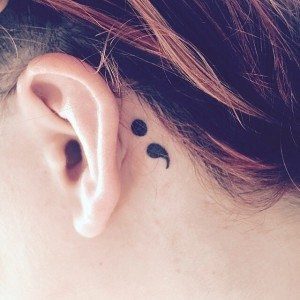
semicolon tattoo

(C)Power of Positivity, LLC. All rights reserved

What Do The Emojis You Use Reveal About Your Personality?

What is your emoji personality? You might not think twice about the emojis you use in text and other messaging platforms. However, they say more about your personality than you might realize. Emojis, or emoticons, serve several purposes when it comes to communication.

For one, they help to reinforce emotions so that you can provide clarity to the recipient of the message. For another, they provide a fun, easy, fast way to communicate. Thirdly, many people need visuals in order to fully comprehend a message. Thus, emojis can help eliminate confusion and unnecessary words through texting.

Whether you know it or not, the emojis you use tell others a lot about you as well. In a way, emojis reflect our dominant personalities and moods. For example, if you use sad-faced emojis frequently, you might have a more pessimistic personality. Conversely, you might use happy faces to share your joy. To prove this, several researchers decided to perform an experiment about emojis and personality. Read on to find out what your most used emojis say about you.

What Is Your Emoji Personality?

Referring back to the study referenced above, the researchers first asked students to complete a questionnaire about themselves, and then have a text conversation with another participant using emojis.

They also asked about the frequency of emoticons they used and why they chose them for communication. Finally, they took screenshots of the students’ Facebook profiles and recorded a 10-minute conversation between them and another unknown student through Facebook messenger.

Not surprisingly, they found that people who rated themselves as likable and agreeable had a higher likelihood of using emojis on social media and in messaging. Also, they found that people who didn’t worry so much about how others perceived them used sad faced emojis more.

Obviously, people use emojis that correspond to their individual personalities. People who have an outgoing, friendly, positive personality will likely use those emojis more often, and those who have the opposite personality will likely frequently use sad emojis.

Emoticons Are Part of Your Communication Strategy

While not everyone uses emojis, they do offer a unique way of communicating with others. They can especially help with communication where people talk about a wide range of subjects, and the interactions have a higher degree of complexity than just a simple text message. Facebook, Tumblr, and similar platforms offer great examples of this.

Other findings about the use of emoticons show how certain virtual environments seem more appropriate for their usage. Participants in the first study we discussed said that they used emoticons mostly in text or on social media, and less through email, likely because this mode of communication calls for a greater level of professionalism in most cases.

Some of the participants couldn’t use emojis in all environments. However, they still reported that they enjoyed this way of communication and found it useful in conveying their messages. Some studies have even found that emojis can help those with poor social skills or a learning disability communicate with others better in a virtual environment.

Going back to the study where students filled out questionnaires, the researchers then asked another group of people to study the conversations and profiles of the participants, and give their interpretation of the students’ personalities. They found that the more smiley faces the student had used, the more they seemed agreeable, conscientious and open to new experiences.

However, this didn’t always match up with how the students actually saw themselves. This means that while people may use a variety of emojis, you can’t always figure out their personality through just pictures in texts or other messages. Sometimes, people have an entirely different online persona. But in most cases, you can catch a small glimpse of their personality in messaging.

Final Thoughts on Your Emoji Personality

So, what does all of this mean? In a nutshell, your usage of emojis can usually provide a small snapshot of your personality. Don’t take it too seriously though; your real-world personality matters much more than people’s perceptions of you through messaging and social media.

This Simple 3 Ingredient Mask Will Literally Change Your Skin

Both women and men are constantly seeking beauty products and cosmetics to make our skin as soft as the day we were born and to protect us from environmental damage. But the good news is that you can stop wasting your money with this three-ingredient face mask that you can easily make at home.

This THREE Ingredient Face Mask Will Soften and Protect Your Skin Better Than Most

We know that the sun’s radiation can damage our skin, but other environmental hazards are attacking our skin. These hazards can be anything from pollution to x-rays that you get at the dentist’s office.

Removing the damage and revealing softer, more youthful skin is a goal of those who have already started to see damage on their faces. Let’s look at a gentle, three-ingredient recipe for a soothing face mask that will soften and protect your skin from further damage better than most other products on the market.

cleopatra

Why these three ingredients are the best for softening and protecting skin

The first ingredient of this face mask treatment is apple cider vinegar. We have already told you about the health benefits of apple cider vinegar in our previous arti. Thisthis gentile, all-natural acid is an effective way to remove the top layer of dead skin cells. When you use apple cider vinegar, you slough off the dead, dry layer of skin and reveal the fresh, new, soft skin underneath.

The second ingredient in this three ingredient face mask is plain, all-natural yogurt. Yogurt is a wonderful way to add the exfoliating power of natural enzymes to soften your skin and make it look younger. There are probiotics in cultured yogurt that can work internally when you eat it and externally when applied to the skin.

Probiotics can help protect the body from harmful bacteria and the use of yogurt to treat acne and seborrhea (patches of itchy, scaly dead skin) has been around since the time of Cleopatra. Researchers studying the link between skin health and gut bacteria also looked at the use of yogurt as applied to the skin rather than taken internally as food and they say ‘the lactic acid bacteria Streptococcus thermophilus, a species found in most yogurts, may increase ceramide production when applied to the skin as a cream for seven days.  This is important because some ceramides protect against acne by reducing the inflammation of the skin.

The third ingredient is one you may never have thought of before. But fresh parsley is an effective anti-inflammatory and antioxidant. Parsley is a traditional skin treatment. Ancient healers used it as a mash of the green herb to treat burns, bruises, insect bites, and itching. The protective and healing effects of parsley have been overlooked for too long and this simple face mask recipe will help you become one of its biggest fans.

Before you decide to use this three ingredient face mask, test your skin for parsley sensitivity. In an analysis of the active compounds in parsley, researchers found that there are natural plant chemical compounds in fresh parsley called furocoumarins. One of these compounds is Oxypeucedanin, and it was found to be the major component in parsley.

Oxypeucedanin is a natural plant chemical that can make some people’s skin sensitive to sunlight exposure. If you can avoid sun exposure or use a good sunscreen daily, this should not be a problem for you. In other people, parsley can cause a minor skin rash or irritation.

Related article: Eliminating This ONE Ingredient Can Completely Clear Your Skin

To do a skin sensitivity test, rub a small amount of crushed parsley leaves on an area about the size of a nickel on the skin inside your elbow. Check for sensations of burning, itchiness, redness, or irritation over a period of 20 minutes. If you begin to notice irritation, rinse the area immediately with warm water. Then use soap to wash the area and rinse again. If you experience skin irritation, use the mask with just yogurt and apple cider vinegar and leave out the parsley.

The THREE ingredient face mask recipe

Since you happy this mixture to your skin, use the highest quality ingredients you can buy. Organic is always best so you avoid contact with any pesticides or chemical additives.

Mix the following in a small bowl:

  • 1/2 cup of chopped fresh parsley
  • 2 Tablespoons of apple cider vinegar
  • 3 Tablespoons of plain yogurt

Apply this mixture to your face, avoiding the sensitive eye area. Leave it on for about 20 minutes. Rinse immediately with warm water. Use the mask two times per week for a month. Soon, you will be amazed by how this three-ingredient face mask will soften your skin. In fact, you will swear it’s better than most other products you have tried.

If you go outside after using this face mask treatment, remember to wear sunscreen. That’s because you must protect your fresh new skin from the harmful effects of ultraviolet radiation.

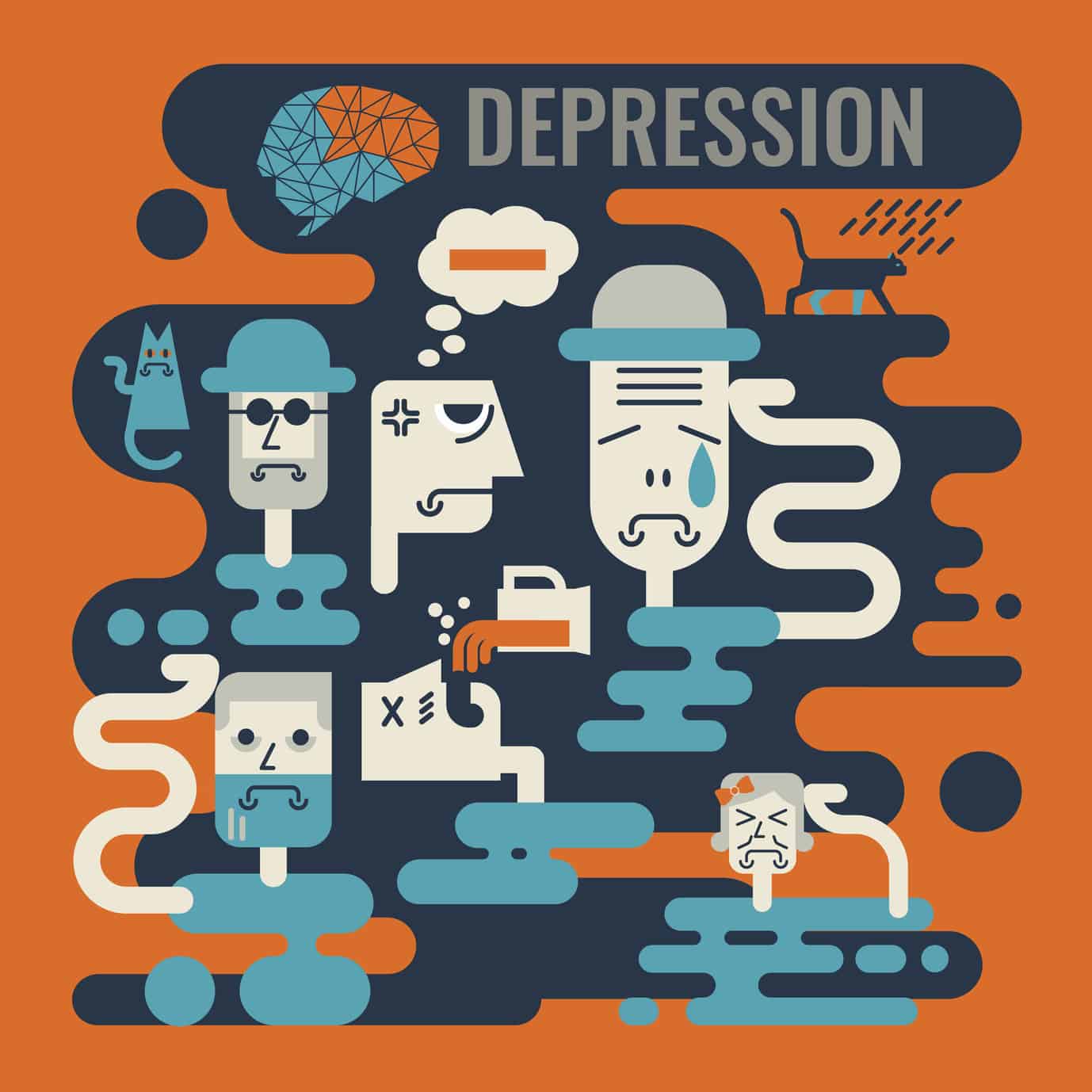
How Depression Changes Your Brain (And Ways to Reverse It)

It seems that more people live with depression than ever before.

In fact, according to the World Health Organization(WHO), an estimated 350 million people of all ages worldwide suffer from this mentally debilitating disease.

Depression can change your brain, altering the neural pathways and synapses and shrinking the size of your hippocampus, an area of the brain that regulates emotions and memory. Mentally, you probably feel foggy and exhausted, as your brain must work harder to process information and feelings. If you don’t feel well mentally, it can take a toll on every other area of your life.

Depression can make you feel disconnected from the world around you, helpless to make any change, and paralyzed by the thoughts inside your head. To combat all of these feelings, many people, unfortunately, turn to prescription drugs as a quick answer, but we still don’t know the long-term effects of these powerful drugs. Instead of medicating ourselves, we can turn to more natural remedies that often work better than even pills can.

Today, we’ll go over how exactly depression alters your brain and ways to reverse the damage naturally. It takes willpower and determination, but you CAN take your life back with a few simple lifestyle changes and ways of thinking.

How Depression Changes Your Brain (And Ways to Reverse It)

depression

One groundbreaking study involving an international team of researchers discovered that people with depression generally have a smaller hippocampus.

The research team used brain magnetic resonance imaging (MRI) data on nearly 8,930 people worldwide, 1,728 of which suffered from major depression. The remaining 7,199 individuals did not suffer from depression.

They found that 65% of the depressed patients had a smaller hippocampus; however, those just experiencing their first episode of depression did not have this shrinkage. These findings suggest that recurring bouts of depression might cause the shrinkage of the hippocampus.

Previous studies have found evidence of hippocampus shrinkage. However, this study aimed to determine if the shrinkage caused the depression or vice versa. They got their answer: first comes the depression, then the brain damage.

According to co-author Professor Ian Hickie:

“[The] more episodes of depression a person had, the greater the reduction in hippocampus size. So recurrent or persistent depression does more harm to the hippocampus the more you leave it untreated.

This largely settles the question of what comes first: the smaller hippocampus or the depression? The damage to the brain comes from recurrent illness…

Other studies have demonstrated reversibility, and the hippocampus is one of the unique areas of the brain that rapidly generates new connections between cells, and what are lost here are connections between cells rather than the cells themselves.

Treating depression effectively does not just mean medicines. If you are unemployed, for example, and then sit in a room doing nothing as a result, this can shrink the hippocampus. So social interventions are just as important, and treatments such as fish oils are also thought to be neuro-protective.”

On the topic of hippocampus shrinkage, we’d also like to mention other groundbreaking research from scientists and the Institute of HeartMath. This organization studies the connection between the heart and the brain. Our feelings become coded into our heart’s electromagnetic field, and the heart can send signals to the brain that tell it how to react. So, the researchers found that when you experience negative emotions, this can create chaos in the brain.

Now that you know that your emotions play a massive part in how your brain reacts to stimuli, we thought we’d bring up another common misconception when it comes to depression. Like most people don’t realize that their feelings play a huge part in their mental health, many of them likely don’t know that the “chemical imbalance” theory regarding depression doesn’t add up when it comes to science.

What other experts say:

According to a paper by Jonathan Leo, an Associate Professor of Neuroanatomy at Lincoln Memorial University:

“the cause of mental disorders such as depression remains unknown. However, the idea that neurotransmitter imbalances cause depression is vigorously promoted by pharmaceutical companies and the psychiatric profession at large.”

Furthermore, according to Dr. Joanna Moncrieff, an author, and British psychiatrist:

“Of course, there are brain events and biochemical reactions occurring when someone feels depressed, as there are all the time, but no research has ever established that a particular brain state causes, or even correlates with, depression. . . . In all cases studies yield inconsistent results, and none have been shown to be specific to depression, let alone causal. . . . The fact that more than 50 years of intense research efforts have failed to identify depression in the brain may indicate that we simply lack the right technology, or it may suggest we have been barking up the wrong tree!”

Do drugs help relieve depression? Some doctors say no.

Most drugs that aim to treat depression advertise that low serotonin levels in one’s brain cause depression. However, no research in the past came to this conclusion. Many pharmaceutical companies use people’s misconceptions about the illness to their advantage.

“The serotonin theory is simply not a scientific statement. It’s a botched theory – a hypothesis that was proven incorrect.” – Dr. Joseph Mercola

So, the chemical imbalance theory doesn’t explain depression, but do drugs treat it? A review by the University of California in 2009 found even more damning evidence against pharmaceutical companies. The study found that one-third of people treated with antidepressants do not improve, and many of them stay depressed.

Now, we know that many people report feeling better with antidepressants. However, we have no way of telling if this is just a placebo effect or not. In summary, we know that depression causes a smaller hippocampus in the brain, but we can reverse this damage. In many cases, our thoughts and emotions play a massive role in our mental health, but conventional medicine doesn’t seem to guarantee a recovery or even a small breakthrough.

So, if no scientific evidence indeed supports the chemical imbalance theory, then why do we continue to take drugs that claim to alter our brain chemistry in the first place? Maybe we should focus elsewhere on areas where we can take action in our lives that can bring about fundamental changes in our mental and physical health without dangerous side effects.

How To Reverse Depression

13879223_10153670140947371_6646904327773959615_n

1. Change your thoughts.

The brain can change and adapt based on our thoughts, emotions, and perception of stimuli. Highly malleable and changeable, the brain can form new synapses and pathways based on new knowledge, skills, or thought processes. In other words, what we think matters greatly, as these thoughts create our brain chemistry and therefore, our reality. The mind contains great power, as demonstrated by the following study.

A study from the Baylor School of Medicine published in 2002 in the New England Journal of Medicine took patients with severe knee pain and divided them into three groups. Most surgeons don’t believe in placebo effects as a substitute for surgery, but this study proved them wrong. The surgeons shaved the damaged cartilage in their knees for the first group. The surgeons flushed out the knee joint for the second group, removing anything that might cause inflammation. People with severe arthritis in their knees typically go through one of these procedures when they go to the doctor for help.

However, the third group received a “fake” surgery; the doctors sedated the patients, made incisions, and splashed salt water on the knees just like they would do in actual surgery. Then, they sewed up the incisions just like usual. All three groups went through a rehab program together, and upon completion, researchers found that the placebo group had improved just as much as the others had.

So, if the brain can make us think we just had knee surgery to correct the pain in our knees, why can’t we utilize this power in treating depression? We can. It just takes willpower and dedication to change our brains. However, changing just a few of your thoughts per day by focusing your attention on them will go a long way in helping you reverse depression.

2. Eat healthily

In general, stay away from processed, GMO, or highly refined foods. Stick to nature to get the most health benefits from your food; go for raw, organic fruits and vegetables and raw, unsalted nuts and seeds, if possible. Eliminate or significantly reduce sugary, processed, altered foods to keep your brain healthy. Also, try to limit white flour, sugars, bread, and other grains consumption. Your brain and stomach have more to do with each other than you’d think. So if you want a clean mind, focus on adopting a clean diet.

3. Exercise

Exercise is one of the most effective yet underutilized treatments for depression. Studies have shown how lack of exercise can cause depression. In fact, according to an article from Dr. Mercola,

“Women who sat for more than seven hours a day were found to have a 47 percent higher risk of depression than women who sat for four hours or less per day. Those who didn’t participate in any physical activity at all had a 99 percent higher risk of developing depression than women who exercised. Indeed, exercise is perhaps one of the most effective yet underutilized treatments for depression.”

4. Adopt a mindfulness practice

Finally, you have to care for your mind if you want it to work correctly. Countless studies have found the link between positive mental health and meditation or some other type of mindfulness exercise. By focusing your attention on the present moment and just sinking into the bliss that each uninterrupted second of meditation allows, you can restructure your brain and eliminate depression. Many studies have found meditation to rival medication in treating depression.

(C)Power of Positivity, LLC. All rights reserved

7 Behaviors That Keep People From Making Personal Connections

Avoidant Personality Disorder: People that experience long-standing feelings of inadequacy and are extremely sensitive to what others think about them…leads the person to be socially inhibited and feel socially inept.

Our collective society is one that embraces people with good social skills, especially in more extraverted countries (e.g. the Western World). The reason is quite simple: humans encounter social exchanges in a number of areas – family, work, school, and so forth – early on in life. Therefore, it is important that we’re – on some level – able to effectively communicate with those around us.

That said, many people are unable or unwilling to engage others, despite any internal and external pressures they may face. The reasons behind such behaviors are quite complex – ranging from inherent shyness and withdrawal, to harmful and antisocial ideations.

Psychologists have studied social behaviors since the advent of modern psychology; there is even an entire discipline devoted to studying human interaction. As science has advanced, psychologists and other experts have been able to further substantiate the rationale that some people simply don’t have the capabilities to effectively interact with other human beings.

Why is this? Well, as one can imagine, human interaction is a complex topic – and is, in many ways, as enigmatic as psychology itself. This reading focuses upon seven behaviors and conditions that result in one’s inability to associate or connect with other human beings.

Quick note: You may realize, as you read through this article, that certain behaviors/conditions are indeed involuntary. As with myriad psychological conditions, many people simply remain unaware of their peculiarities. It is important to make such distinctions, as the perceptions we have of other people directly affect their life.

Here are 7 behaviors that keep people from making personal connections:

13921074_10153694304262371_5568285490856321473_n

1. Apathy

Apathetic people simply don’t have the inclination to engage with others around them. There are a number of reasons why this is the case. Certain medical conditions, such as depression, alter a person’s brain chemistry in a way that evokes withdrawal behavior. Of course, this is not the individuals fault, as the perceived apathy ties directly into their psychological state.

Introverted people (who make up 40 percent of the population) are wired to predominantly focus on their own thoughts and feelings; often, introverts are unaware of misperceptions that others may have concerning their lack of sociability. The degree to which one is introverted (most are a mix of introvert and extrovert), strongly correlates with supposed apathy.

Then, of course, there are individuals that simply don’t like people. And that’s an entirely different thing,

2. Egotism

Egotistic people, by definition, place a disproportionate value upon themselves. Specifically, those with high degrees of egotism often believe that they’re “the smartest person in the room,” the most beautiful, or (ironically) desired by most. Egotists strongly believe that others want to be them, regardless of evidence to the contrary.

Needless to say, 99 percent of us find egotists repulsive. Not many people want to be around someone that drones on upon themselves while showing little interest to anyone or anything else. Truly, there are people among us that think they’re simply “better” or “more deserving” than the next.

There is another term for individuals that display egotism to a strong degree: narcissists.

3. Self-absorption

A close cousin of egotism, self-absorption is the tendency to believe that “the world revolves around you.” In simple terms, self-absorbed people think of themselves first in almost every perceivable way. An example: your car breaks down and the self-absorbed “friend” is too, er, “busy” watching their favorite TV show to bother helping.

While not as outwardly apparent as egotism, self-absorption is nearly as damaging – to the person and their circle. It goes without saying, but others – at certain times – should come before our own needs and wants.

4. Inadequacy

Feelings of inadequacy can certainly be labeled as an “involuntary” behavior. As with many behaviors on this list, inadequacy can be the byproduct of a number of things – trauma, disorders, shyness, etc. Feelings of inadequacy are often rooted early in one’s life; perhaps they were an outcast in kindergarten, have a physical disability, or have problems learning, for example.

Sadly, these feelings have the tendency to remain – at some level – throughout life. It is too bad, since these people are often among the most kind-hearted, generous, and loyal people to associate with. The few close friends that know them best will often attest to this fact.

5. Aloofness

If self-absorption is a close cousin to egotism, aloofness is the second cousin of apathy. By definition, aloofness is the state of “being distant, reserved or indifferent.” Shy people that are difficult to know are more likely to be labeled as “aloof” than “apathetic”; they simply remain within themselves, as this is part of their personality.

Contrary to popular belief, aloof individuals are not “uncaring” or something similar. Aloofness does not have any ulterior motive, and doesn’t correlate with any negative disposition.

Again, some people are simply difficult to understand – nothing less, nothing more. Einstein was an aloof individual, for example.

6. Reclusiveness

To be “reclusive” is, by definition, to voluntarily avoid other people. At an extreme degree, some people will remain in their home (or room) for months – even years – on end.

Of course, this type of behavior is complex; it is not considered “normal” (or healthy) to remain in one constricted space for a long duration of time. That said, it is not always an easy (voluntary?) choice. Those that have become disfigured, for example, feel shame and/or embarrassment when facing others.

For other recluses, their behavior is the direct result of some psychological abnormality or trauma. Some victims of rape, for example, find it nearly impossible to withstand the constant fear when in an unsecure environment.

7. Intolerance

Certain people, for whatever reason, hold wide-scale, intolerant attitudes towards others. Often, this outlook develops throughout the stages of childhood and adolescence. Some “socially awkward” people, for example, innately feel inferior to others throughout their lives. However, some of these individuals learn intolerance of their own. Inded, they often direct it towards innocent people whom they know little-to-nothing about.

Of course, an intolerant worldview doesn’t get someone far in the social sphere. Intolerant people often hold negative attitudes, which most people despise.

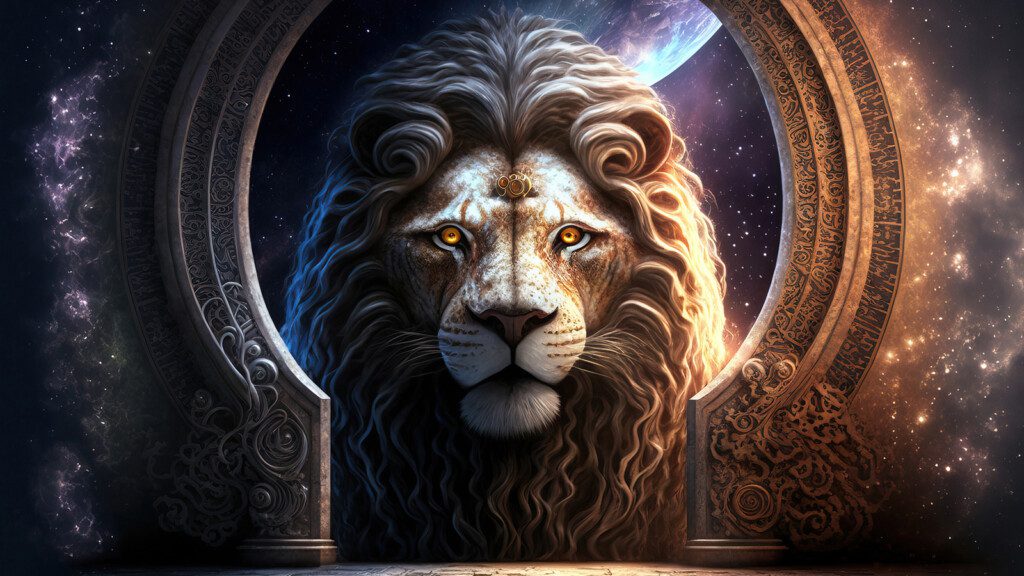
Lion’s Gate Opening In Leo: Get Ready for The Shift On August 8th

Speaking in spiritual terms, today marks a very important day for us all energetically. Every year, the Lion’s Gate Portal, a star gate, opens from July 26 to August 12, and peaks exactly today, August 8.

However, this year, the portal offers even more potent energy in terms of numerology, as today is 8/8.  Plus, 2016 is divisible by 8, making today a sign of balance in all areas. So, we now have a triple 8 stargate, capable of catapulting Leo into big changes.

The Lion’s Gate opening provides a great burst of energy, so if you’ve been feeling a bit anxious, on edge, or unable to fall asleep at night, this might explain why.

Even though this happens during the sign of Leo, every astrological sign can reap the benefits of this portal opening. We’ll talk about what you can expect during this grand astrological event below.

Lion’s Gate Opening In Leo: Get Ready for The Shift On August 8th

dating a leo

You might wonder what exactly makes the number eight so powerful and special. Well, according to numerology.com, 8 provides a balance between the material and immaterial worlds. It indicates prosperity, success, ambition, great leadership, self-confidence, intelligence and discipline. It also brings about harmony, peace, and abundance. Also, an interesting fact about the number 8 is that when you turn it on its side, it looks like the infinity symbol.

Symbolically, we could take the number 8 to mean infinite energy, wisdom, power, and prosperity.

So, on this day in history, remember to remain open to new possibilities, and keep on the lookout for opportunities headed your way.

Want to hear another interesting fact about today’s astrological event? Well, you’ll want to pay attention to the skies, since Sirius, the brightest star in the sky, moves closer toward Earth and directly aligns with the pyramids of Giza. In very clear areas, you might get the chance to see this happening tonight in your corner of the world!

Keeping with the theme of abundance, we can expect another interesting occurrence dealing with nature and the stars. In Egypt around this time of year, the Nile River usually rises significantly, which might have something to do with the Lion’s Gate portal opening and the influx of energy this provides.

This huge rise in energy levels on the planet might help you to become more spiritually awakened, and may even help open your third eye if you tune into your higher self today. Take some time to do so today, as the opening of the portal in the galaxies offers an opportunity for us to open new portals within ourselves.

Also, with this incredible surge in energy, the sun feels an upgrade in vibration as well. With the sun’s extra power, you might feel this in your own center – your solar plexus. We have our own sun within us, shining light onto the darkest parts of ourselves and providing warmth, life, and comfort. You will likely feel an expansion of awareness and energy today, and you might even feel a bit cocky with the huge flow of Leo energy. Don’t let this trip you up, however, as the energy of 8 will help balance you. Embrace both your ego and your softer side, as you need both in this lifetime.

Plus, a little added confidence never hurt a Leo.

Furthermore, if you’ve been wondering how long this portal will remain open, it will close on August 14. However, if you cultivate the right mindset and habits now, they will easily carry over long after the portal closes. During this time, find your inner balance. Seek the dark and light within you, and find the area where these energies merge. Here you will find the truest version of yourself, the self that seeks to find harmony in this world. Take the time you need during this grand cosmic event and tune into yourself.

Ask yourself what you’d like to see more of in your life, and align yourself with that vibration. Keep your eye turned toward the future, and make sure you have a positive mindset toward your goals and dreams. If you’ve been feeling a bit depressed or discouraged lately, this surge of energy could very well help you out of that slump.

Today marks the midpoint of summer as well, which means we have another half of summer ahead of us. Don’t let this powerful energy burn you; rather, stand strong in the face of what it will bring, and dedicate yourself to become the best, truest version of you. To move into authenticity, it requires strength, bravery, and ambition, and this historic time will allow you to do just that, if you embrace it fully and openly.

Before the portal closes on August 14, try your best to tap into this abundance of energy. You might wonder how to do that exactly, so we’ll cover that now.

How To Harness The Lion’s Gate Energy

  • Show up fully in every moment. Pay attention totally with all your senses, and do your best to remain in the present. Don’t allow your mind to wander to the past or future; just enjoy the now.
  • Focus on your goals, but don’t become lost in them. Trust the subtle energetic flow of the universe, and follow your intuition. These guiding lights will not lead you astray.
  • Channel your inner bravery, like the lion does. Make your voice heard, and don’t back down. Don’t compromise on something if you don’t truly want to; speak your truth.
  • Don’t replay events in your mind, wondering what should’ve or could’ve happened. This portal opening wants us to take action in our lives, and stop sitting on the sidelines (or in our minds) passively. Keep moving forward, and release anything in your life that no longer serves you.
  • Keep good company. Hang out with friends and family who support you, encourage you, and make you feel good about life.
  • Finally, make sure that everyday, you do something that truly makes your heart sing. Don’t let your spirit die in the midst of what we have to do in the adult world; release your inner child and remember to have some fun!
  • Take care of your mind, body and spirit. Eat wholesome foods, have a mindfulness practice, drink plenty of water, exercise, get rest, and think positive thoughts. Love yourself, and the universe will love you right back.

Related article: 7 Things You Need To Know If You’re Friends With A Leo

Why You Will Marry The Right Person

It’s a daunting task to know you are absolutely choosing the right person to marry, but you don’t have to worry that you might choose wrong. There are many cases that prove marriage isn’t about finding the one perfect person to “fit you”, and how you can have a happy, successful partnership no matter who you fall in love with.

Why You Will Marry The Right Person

In this article, we will look at some of the reasons why you can feel comfortable that you will marry the right person. Trust yourself, take a leap of faith, and realize that you have the power to love deeply long-term inside you with these lessons that you have learned.

You don’t let negative childhood experiences shape your relationships

Our earliest relationship was the one that we had with our parents. Psychologists say that we tend to find someone who resembles the parent that we did not get enough love from because we still want that love as an adult. We may try to find a partner who is like our parent and we try to get what we were missing in our parental relationship from our romantic relationship. This is a tendency to be insecure about receiving enough love and being aware of that quest for the missing parental love can help us to marry the right person.

13872897_10153670771567371_7883807147013973848_n

Researchers studied couples who were secure in their attachment style to a romantic partner and found that partners who were not anxious about their partner’s level of commitment had the best relationship satisfaction in marriage. They also found that spouses who scored lower on anxiety had higher marriage satisfaction, and that couples in which husbands were comfortable with emotional closeness were also happier.

You are self-aware

Self-awareness is key for solving problems in a relationship. Arguments will result from not understanding your own tendencies to be frustrated and how you tend to respond to your partner. People who harness the power of positivity in their lives practice self-awareness. This is key to understanding your emotions so that you can control how you respond to your partner when you are frustrated, tired, worried or upset.

You have learned from previous relationships

You know what you DO want in the partner that you will marry because you’ve found out already what you don’t want from a relationship. Your previous experiences with love and loss have prepared you to master this next relationship, and that’s another reason why you can feel sure that will marry the right person.

You’ve learned these important relationship skills that you will use in your marriage:

  • Communication
  • Collaboration
  • Compromise
  • Compassion

You accept your own faults and you don’t blame others

Sometimes, we are guilty of the illusion that we are infallible; that we are perfect, and that our partner is at fault for the problems. But people who are positive they will marry the right person know that there really is no perfect human on the planet and that we all are flawed in our own ways.

Taking responsibility for your own actions that are causing disharmony in your relationship and working to fix them, for example, by being a better listener, is one of the reasons why you will marry the right person. Your marriage will be a success because you will be able to identify, accept, understand, and take ownership for your flaws and work to better yourself. This will in turn benefit your marriage.

You are excellent at communication

One of the most important reasons why you will marry the right person is that you know how to communicate your wants and needs, your worries and joys, your frustrations and your love. Talking openly and honestly about your emotions and needs is key to building trust with your partner and feeling fulfilled in a marriage partnership.

Researchers in the Journal of Consulting and Clinical Psychology looked at how couples interacted with each other and used that data to predict their future relationship satisfaction. They found that the couples’ communication patterns and the intensity of their problems led to the development of relationship distress later in the marriage.

Related article: 3 Signs It’s Time To Take Your Relationship To The Next Level

You aren’t willing to settle for someone who isn’t a good fit versus being alone

You know that you are a valuable person who deserves to find the right person to marry, and settling just isn’t in your vocabulary. Just because Mr. or Ms. Right hasn’t come along yet doesn’t mean that you are willing to settle for Mr. or Ms. Good Enough. Patience is indeed a virtue and finding that nugget of gold in a mountain of dirt is indeed possible, if you give it enough time and make the effort to sort through all the worthless stuff to find the priceless stuff.

Related article: 6 Habits of Happily Married Couples

Skip to content