Weekly tips, affirmations, and small actions to feel your best.

6 Habits of Toxic People (And How to Avoid Having Them)

Ladies and gentlemen, ready to perform on stage with her hit single “Toxic”, please welcome – BRITNEY SPEARS!

Well, that was a nice dream; now let us get down to business about what it says on the tin, the Six Habits of Toxic People – And How to Avoid Having Them).

Toxic people drive us crazy, do they not? Oops, I did It again… I wanna scream and shout and let it out that toxic people have these six awful habits, and we tell you how to best avoid them yourself.

6 Habits of Toxic People (And How to Avoid Having Them)

All eyes on this!

toxic people

1. Pick on insecurities of their chosen victims

Instead of helping people and listening to people while vulnerable, they use these touchy subjects to their sadistic advantage by reminding you of what it was and everything that went on in the lead up to it, during it, and the result of the event. Sorry, ladies, but the whole fashion industry preys on your insecurities, according to Arnold Wolf of the Monterey Herald. “The constant renewal of desire depends on several elemental aspects of human nature. The tribal instinct makes us want to conform,” he argues. He later states that if you don clothes considered out of fashion, it leads to negative feedback from others more suitably attired socially. The whole idea is to make you seem out of touch with today.

Here is an off-the-top-of-my-head example: “Get with the times, square Sam! That coat is so last year, get a scarf.” Sam, do not be bullied into wearing a scarf if you do not want one. Remember, you wear the clothes, the clothes do not wear you. Does anyone remember the movie called “Loser”? It is the same with other toxics, like an emotionally abusive partner, using whatever they have to hand against you. If it is status, they will tell you how they are well-connected and how they can use those connections. If it is power, they will talk about how they can use that position. The buzzword here is one Wolf used, conform.

Hit me baby one more time, NOT! The show must go on…

2. Take your seats; it’s showtime!

On the subject of shows, not unlike Britney, toxics love audiences, too. They want to make sure you know they are the ones who matter and they do this in the form of grandstanding. To the toxics, it does not matter if their audience is street full of people or just one person, all that matters is that SOMEONE is listening. Anyone can grandstand, at any time, in any place, in any situation. Britney Spears herself does it as a job, but she also does it with the lyrics in her songs. I, myself, am doing it right now by using her lyrics in this article to help raise awareness about toxic people, but that’s my prerogative.

She’s so lucky, she’s a star. But she cry, cry, cries in her lonely heart thinking: “Why does it always happen to me?”

3. Points scoring and one-upmanship

The point of this petty exercise for toxics is to feel superior. Note the word “feel” because they are anything but. Anything and everything is considered competition and, naturally, they have to win. If you told your toxic significant other that you just won a camera, they will have told you that they won a state-of-the-art professional Canon in the past, instead of congratulating you. This is a put-down, a master manipulator technique. They also use nasty little comments and destructive criticisms. An example of this is: “How can anyone like that Adele? Her music is so boring and you are a giant douche for listening to it. I love rock ‘n’ roll!”

Just tell them to hush, just stop because now you are stronger than yesterday.

4. Marginalisation – out in the cold

Another tactic they use is this one to make the victim a VUP – a very unimportant person. Social exclusion is very damaging to the VUP, saying things like: “You are not invited, VIPs only.” The VUP can be excluded because of “social class, race, skin color, educational status, childhood relationships, living standards, and personal choices in fashion (see above in Number 1)”, according to the Wikipedia page devoted to social exclusion. It is a psychological form of bullying, where the VUP feels left out of the clique. A small trick here, the “I” and the “U” are next to each other on your keyboard, remember that.

No, they were not born to make you happy, just themselves.

5. Hardball bedlam

Their way or the highway. All or nothing. No in between, and the gloves are off now. Where is the fun for them if you are not fully compliant? So their way is “do as I say or I walk away”. Then come all your foibles in one long, fat list bigger than your arm to make you feel bad and make the atmosphere shaky, with suspense unfolding before you apologise and start shaving your head – at their request! Enjoy doing thy bidding for thine master/mistress.

You are not a slave for them.

6. Mind games

14718687_10153891017597371_9067478148531148882_n

Toxic mind games everyone should know:

Everyone knows mind games when they are taking place. There are seven normal types of mind games people play, as assessed by Gerald Schoenewolf, PhD, of PsychCentral:

a) Disqualifying: This is a method of saying something hurtful to someone and then, when they become hurt, doing a double-whammy by making it seem you didn’t at all mean what they thought you meant.
b) Forgetting: Passive-aggressive personalities play this game. Basically they forget important things like appointments, promises, paying back loans and the like. You wait for them to remember but they don’t, and when you bring it up they reply, “Oh, I’m so sorry, I forgot.” After having to bring it up several times you start to get annoyed. Then they reply, “Oh, I’m really sorry. Are you angry? You seem angry.”
c) Persecuting: Sometimes people project their hatred onto others and persecute them. They are either unaware of their own hatred or they think it’s justified. Once they begin projecting, they look for reasons to persecute.
d) Guilt-tripping: The game here is to make someone feel guilty unless they do what you want them to do. A wife calls her husband a “sexist,” and at first he may protest, but eventually, in order not to be a sexist, he tries to be the kind of husband she wants. A husband tells his wife she’s frigid because he wants her to feel guilty about not having sex with him.
e) Gaslighting: The term “gas-lighting” comes from the classic movie with Ingrid Bergman, in which her husband tries to make her think she’s going crazy because she’s seeing things (such as the gas lights going on and off). When she sees the lights going on and off, he says he doesn’t see that at all. Some very disturbed people use this technique on a hated relative. They say and do things and then deny they ever said them.
f) Shaming: People who play the shaming game express their anger by looking to catch people they don’t like saying or doing something they consider inappropriate. It is the opposite of idealizing someone; it is demonizing someone.
g) Pretending: Pretending can take various forms. A man can pretend to be interested in a woman in order to get laid. A woman can pretend to be attracted to a man in order to lead him on, thereby acting out anger. People can pretend they’re not angry when in fact that are very angry. People can pretend to be your best friend in order to get you to trust them while they hide their real motives. Good pretenders are good actors. Sometimes they even convince themselves that they’re sincere.

Sometimes you run, sometimes you hide, when they come out to “play” day or night.

How to avoid toxic feelings and the bad vibes they bring:

The best way to deal with them is to ignore and avoid if you can. As it is easier said than done, they will push you to the limit and try your patience. If you stay the course, the toxic will just get bored and move on to their next target. It is nothing personal to do with you, they are fighting their own demons and taking it out on you. You can try talking to the toxic tactfully, and explain to them that what they do hurts you. Whether they listen to you or not is another kettle of fish.

Now that you are stronger than yesterday, we hope that you are addicted to us because you know we are not toxic.

Here’s Why You Need to Stop Using Antibacterial Soap

What are your thoughts on the soaps? No, not like “Days of Our Lives” in the USA or “Coronation Street” on the other side of the pond – antibacterial soaps.

They may be the mainstay in bathrooms in Salem, Illinois or Weatherfield in Greater Manchester these days, but do they do what it says on the tin or are they not worth the drama?

According to the Food and Drug Administration (FDA) in the USA, soaps with antibacterial agents, such as triclosan and triclocarban, “do little or nothing to make soap work any better, while the industry has failed to prove they are safe”. Triclosan alone is utilised in more than nine out of ten liquid soaps, with over 2,000 different products said to contain the chemical agent in the USA, say the FDA, with many more throughout the world.

The FDA has stated that there is no scientific evidence to suggest that antibacterial soaps kill germs more effectively normal soaps, despite the industry’s claims. The governing body even goes as far as to say that these agents can do more harm than good. Understandably, this has led to manufacturers pulling hand soap and body wash products containing triclosan and triclocarban from supermarket shelves (toothpastes will continue to use them, especially triclosan).

Why You May Want to Stop Using Antibacterial Soap Immediately

This has not as yet extended to other chemicals like benzalkonium chloride, benzethonium chloride, and chloroxylenol, but the FDA has given makers of antibacterial soap twelve months to show that these do kill germs effectively and are harmless to humans. These will still be available to the general public while data is gathered throughout the year. Also under the microscope will be hand sanitizers and products used in hospitals. The recommended hand sanitizer, according to the US Centers for Disease Control and Prevention, is alcohol-based with at least 60% alcohol content.

So what can happen if you continue to use these soaps over a prolonged period of time? Joseph Stromberg of The Smithsonian Magazine has the inside track:

1. Antibacterial soaps are no more effective than conventional soap and water (already mentioned here).
2. Antibacterial soaps have the potential to create antibiotic-resistant bacteria.
3. The soaps could act as endocrine disruptors.
4. The soaps might lead to other health problems, too.
5. Antibacterial soaps are bad for the environment.

Here’s more info on each of the points we made above:

1. See above.

2. These chemicals, especially triclosan, can mutate the bacteria, making them resistant to antibiotics. Heavy usage of such chemicals will kill most germs, but leave behind the mutated ones to reproduce and wreak havoc, making treatment a lot more difficult.

3. Triclosan also interrupts the regulation of the thyroid hormone of rats and frogs, which could mean the following problems for humans: infertility, artificially-advanced premature puberty, obesity, and cancer.

4. High exposure to triclosan can increase a child’s chances of developing allergies due to the lesser amount of bacteria that a child has to deal with, according to scientific speculation. Evidence has shown that the chemical agent can interfere with muscle contractions in human cells. It is also understood that it can penetrate the skin and enter the blood stream faster than originally thought.

5. Because of the vast quantities of triclosan used in soaps, the chemical can remain after treatment in sewage plants, thus disrupting algae’s need to photosysthise. There is also the risk of the chemical being stored within different food chains in seas and vessels of fresh water globally.

Related article: Here’s Why You Need To Stop Using Hand Sanitizer

We must use extreme caution with whatever we consume, and we must ask questions regarding the safety of products and not just take someone’s word for it. You have the right to buy chemical-free soap and not expose your body to any harmful chemicals. After all, there is no dress rehearsal for life. Lights, camera, action!

(C)Power of Positivity, LLC. All rights reserved

5 Things You Should Never Be Afraid to Ask For

Many of us have trouble asking people, even people we love and trust and are vulnerable with, to give us anything. Maybe it is part of the great American self-reliance mythology where we should never be forced to ask for help from others. Maybe it is a a part of the modern disconnection between neighbors. For whatever reason, we have trouble asking others to give us things. We don’t want to be dead weight in any relationship, whether it is at work or intensely personal. But there are some things you should never be afraid to ask for in any relationship, not just romantic ones.

5 Things You Should Never Be Afraid to Ask For

Friendships, family relationships, or even just working relationships with coworkers all should have these five basic things and you should never be afraid to ask for them.

1. Truth

The truth is a powerful thing and everyone should ask for the truth when in any kind of relationship. No one likes being lied to. We face enough deception on the internet and in the media in general. We should always tell the truth to our friends, significant others and family members. Sometimes the truth hurts or it fundamentally changes the way we see someone, but we should never be afraid to ask for it. We may not even want to hear it but we always need the truth if we are to make sound judgments. You cannot make an informed decision without as many of the facts as possible. The truth, as much as it pains us, will set us free.

2. Respect

Every single human being on the planet deserves a basic minimum level of respect, no matter how much you disagree or even abhor each other. You deserve to have your personal space respected to include freedom from physical harm or harassment. You deserve to be free from emotional or verbal abuse by others. Never be afraid to ask someone to respect your personal space or to leave you alone if they cannot. But respect is a two-edged sword and cuts both ways. If you demand respect for yourself, then you must be respectful of others.

3. Acceptance

You are who you are. People in a relationship with you should accept you for who and what you are. You cannot fundamentally change who you are, so if they want to have a relationship with you then they need to accept you for who you are and not try to change you. On the flip side, you should accept your partner for who they are as well. Many people get into relationships with the false notion that they can change the other person or fix them somehow. You can decide that you want a change in your own life but you cannot make that decision for others, nor should they make that decision for you. If you love and care for someone, you will accept them for who they are even if you don’t like a particular feature of their personality.

4. Time

Whether you need time alone or time with your partner, you should never be afraid to ask for time. We have a finite amount of time in this life and we can never get it back once it is spent. Being in a relationship requires some time spent together, and each couple or group of people will have to determine what best works for them. But if you feel that you aren’t getting enough time with them, then don’t be afraid to ask for some more time. Time helps us bond and heal.

Related article: 6 Signs You Deserve More Respect In Your Relationship (And How To Get It)

But people also need their alone time to recharge or to de-stress after a long day. If you need time alone or away from the daily grind, then don’t be afraid to ask for some time apart. It doesn’t mean you care for each other any less, but is a natural part of many relationships.

5. Forgiveness

None of us are perfect and we will screw up from time to time. No one should keep a running tally of our mistakes only to throw them back into our face at a future date. It is at best counterproductive, and at worst, destroys a relationship. Forgive and move on. Don’t hold onto the pain from a mistake; it only holds you back from meaningful change and growth.

Psychologists Reveal Why You Don’t Want to Stay Friends With Your Ex

Most people are like Kevin Hart when he says, “I don’t have EX’s, I have Y’s. Like Y did I date you?”

You, however, maintain a platonic relationship with your former significant other. How amicable is the relationship these days now that you are no longer romantically involved with them?

According to an Associated Press we-TV poll, which was carried out in 20th-23rd November 2015:

– More than half stayed friends with an ex.
– Forty-five percent listened to a song that reminded them of an ex.
– Forty-two percent admitted to visiting their ex’s Facebook page.
– Thirty-six percent had ex-sex.
– Just over a third tried but failed to stay friends with an ex.
– Thirteen percent continued to stay under the same roof as their ex, whereas the same percentage went on holiday with them.

Interestingly, in the same poll:

– Just under 6 in 10 said it was not worth the trouble in staying friends with an ex.
– Thirty-two percent stated that their feelings get it the way of starting over with someone else.

happy with yourself quote

Those are the statistics, but what do the scientists say on the matter?

Psychologists Reveal Why You Don’t Want to Stay Friends With Your Ex

Basing their article on the findings of an Oakland University study, the Daily Mail newspaper in the UK has affirmed that “while keeping an ex as a friend may not be the most practical option, the main reasons people wanted to stay friends was because their ex was reliable, trustworthy or if there was a strong sentimental attachment.” It adds, “For men, pragmatism and sexual access were rated slightly more important than for women, on average…”. The plot thickens somewhat, with darker personality traits brought to the forefront, “which include elements of narcissism, pyschopathy, and Machiavellianism – they were more likely to choose practicality and the chance of hooking up” as to why those traits want to remain friends with an ex.

Due to their experience in the field, experts are calling for people not to continue seeing an ex. Pyschologist Juliana Breines stated that those who remain friends have not broken their dependency from the broken relationship, which can open up more of the same negative feelings towards that person. So what are we supposed to do? Relationship expert Lindsay Kriger thinks exes should be completely deleted from our lives, where you should have a bigger divide between the two of them than the USA and the USSR during the Cold War. Delete, block, ignore, get a new number. Rinse, wash, repeat.

Here are some quotes from other experts:

Life always waits for some crisis to occur before revealing itself at its most brilliant.
– Paulo Coelho

I’ve come to believe that all my past failure and frustration were actually laying the foundation for the understandings that have created the new level of living I now enjoy.
– Tony Robbins

Sometimes people let the same mistake make them miserable for years when they could just say “So what?” That’s one of my favourite things to say: “So what?”
– Andy Warhol

You can’t connect the dots looking forward; you can only connect them looking backwards. So you have to trust that the dots will somehow connect in your future. You have to trust in something – gut, destiny, life, karma, whatever. This approach has never let me down, and it has made all the difference in my life.
– Steve Jobs

14642498_10153877927112371_303262416769567284_n

I believe that everything happens for a reason. People change so that you can learn to let go, things go wrong so that you appreciate them when they’re right, you believe lies so you eventually learn to trust no-one but yourself, and sometimes good things fall apart so better things can fall together.
– Marilyn Monroe

What does all this mean? It means we should steer clear of the ex like vampires should keep away from garlic.

(C)Power of Positivity, LLC. All rights reserved

5 Ways to Tell If Someone Has High Functioning Depression

High functioning depression, or persistent depressive disorder, is similar to major depression, but the signs and symptoms are less severe. It causes a change in sleeping and eating habits, fatigue, hopelessness, difficulty concentrating, and low self-esteem. A person with high functioning depression struggles almost every day and will experience constant low moods.

With this persistent depressive disorder, people function normally for the most part. They will still go to work or school, perform well at their tasks, handle responsibilities, and engage in social activities. People close to them often don’t even realize they are struggling as they do so internally.

While the signs and symptoms of high functioning depression aren’t as severe as major depressive disorder, it can still have serious consequences. If left untreated, persistent depressive disorder decreases the quality of life.

Five Signs Of High-Functioning Depression

Knowing the signs of high functioning depression can help you decide on a therapeutic approach to feeling better again soon.

1. They Are Extremely Critical

When someone is highly critical of themselves and others, it’s a sign of high functioning depression. Sometimes they will disguise the criticism as a joke, but it still hurts well-being. This negative mindset causes them to view everyone critically and judgmentally, including their boss, partner, and friends.

It will seem like nothing is good enough for them and that the world is against them. The person doesn’t typically notice their criticism because they’re trying to suppress their emotions. This behavior often develops as a result of lacking self-confidence and a cycle of negative self-talk.

pop memeHow To Fix It

If you struggle with being extremely critical, you can make a beneficial life-long change. Start paying attention to your thoughts and the way you criticize others. As you recognize this behavior in yourself, make a conscious decision to change your thought process.

Practice positive affirmations and eliminating negative thoughts to help change your mindset. Every time you have a negative thought, replace it with a few positive ones. After a while, it will become a habit, and you will become less critical.

2. They Immerse Themselves in Work

Someone with high functioning depression might look like they are sailing through their work, but that isn’t true. People with depression often beat themselves up over their work efforts and workload. They tend to be overachievers as they go through the motions and find comfort in the next task.

A depressed person often feels like work is a distraction from negative thoughts and feelings. They can ignore the issues in their life when they consume themselves with work-related tasks. Eventually, though, this unhealthy coping mechanism leads to stress and burnout.

How To Fix It

Start by considering how much time you spend at work. If it has been an extreme amount, think about the reason for working so much. Maybe it was just that you had too much on your plate, but if that isn’t the reason, it could be due to high-functioning depression.

To remedy this unhealthy coping strategy, you must assess and reflect. Once you realize you’re suffering from your emotions, you must address those problems before moving forward. By handling the issues, you can work to overcome your depression.

3. They Turn To Unhealthy Survival Strategies

People that turn to unhealthy coping mechanisms to survive likely have high functioning depression. Sometimes they use narcotics or alcohol to help numb their depression. Other times, they become addicted to online games, gambling, or other distractions from their pain.

Depressed people might also gain or lose weight as overeating or restricting food could be a survival strategy. Anytime someone begins turning to methods that don’t improve the situation, it is an unhealthy survival strategy. These methods can come in any form, even being as simple as binge-watching movies or shows.

 How To Fix It

If you find yourself doing any activity to numb the negative emotions, it could be an unhealthy survival strategy. When you feel that temptation, don’t give in. Instead, address your emotions head-on and work to figure out the cause.

As you address the reason for your depression, you can make beneficial changes in your life. These changes will lead to life-long improvement and overcoming your depression.

4. They Are Often Angry And Irritable

When someone gets angry or snaps over a small mistake, it could be a sign of depression. Minor inconveniences such as a change of plans often trigger anger in a depressed person, too. They will always seem cranky and prone to angry outbursts and disproportionate reactions to events.

 How To Fix It

If you struggle with this, you can easily make a change. Anytime you feel like you are going to explode, take a deep breath and walk away.

Give yourself time before you react, and you will likely have a more reasonable reaction. When you respond appropriately, you won’t experience feelings of guilt or rumination later, helping to decrease your depression.

5. They Are Always Doing Something

Even when they have accomplished everything they aimed for that day, a depressed person will still feel like they are wasting time. They can’t pause their mind or spend time relaxing.

A person with high-functioning depression might feel the need always to stay busy. This habit indicates that they are trying to avoid dealing with the real issue and having unpleasant thoughts. Depression causes them to be uncomfortable with slow periods because of the mindset that follows.

How To Fix It

Rather than filling every second of your day with activity, force yourself to experience downtime. As you do, allow your thoughts and feelings to flow freely, even if it is painful at first. When you recognize your emotions, you allow yourself to heal.

After you feel your emotions and think things through, switch your mindset to positive thoughts. Remind yourself that you can do anything you set your mind to, including overcoming depression. Then, create a plan for what you can do to fix your triggers.

happy with who i am

6 Healthy Habits to Prevent High-Functioning Depression

Adopting some of these positive new habits can help you beat the blues.

1. Yoga

This gentle exercise incorporates meditation and physical movement. Yoga focuses on deep breathing and stretching and relieves symptoms of depression.

Not only does breathing and stretching help, but yoga can lead to an increase in serotonin levels, helping you feel happier. Plus, it decreases monoamine oxidase, an enzyme that breaks down cortisol and neurotransmitters.

2. Meditation

Meditation is a mental exercise and involves deep breathing or repeating an affirmation with a benefit in mind. While the Buddhist tradition of meditation focuses on spiritual enlightenment, there are other benefits, too. Now, meditation practice can focus on stress relief and relaxation, resulting in fewer symptoms of depression.

3. Healthy Eating

A healthy diet is a sure way to improve your overall well-being, including preventing high functioning depression. Start by cutting out junk food and limited foods with high levels of refined sugar and saturated fats. Implement more foods rich in vitamins, minerals, amino acids, and antioxidants into your diet.

Include foods rich in omega fatty acids such as fish, nuts, fruits, vegetables, and olive oil. Other foods you should regularly eat include:

  • meat (or another source of amino acids)
  • dairy products
  • whole grains
  • legumes

4. Exercise Regularly

Regular exercise helps prevent depression by increasing your body’s natural production of antidepressants. Studies show that exercising three to five days each week for at least 30 minutes can alleviate depression symptoms without medication. Not only does it increase the release of mood-boosting chemicals, but it also helps you sleep better, furthering the benefits.

5. Implement a Healthy Sleep Routine

Getting enough sleep is essential to preventing high functioning depression. Create a bedtime routine that makes you feel calm and helps you unwind before laying down. Follow the same sleep schedule to help your body naturally develop good sleeping habits.

It is essential to mention that you shouldn’t include technology as part of your bedtime routine. The lights from electronics can disrupt your sleep routine and the quality of your rest.

6. Spend Time with People You Love

Spending time with the special people in your life can help prevent depression from setting in. Enjoying time with your loved ones will boost your mood even when you feel like isolating yourself. Make sure the people you choose have a positive mindset and support you.

Be open with these people and keep an open mind if they give feedback. Their insight can help you cope with or address your life situations.

high functioning depressionFinal Thoughts on Ways to Tell If Someone Has High Functioning Depression

While the symptoms of high functioning depression aren’t as severe as other forms, it still poses a serious problem. When left untreated, the depression can manifest into something even worse, hindering a person’s functioning ability. Additionally, there is also always the risk of suicide, so treating depression right away is essential.

If you notice any of these signs in yourself or someone close to you, don’t ignore them. Even if it doesn’t seem to interfere with life goals, it does more damage than you might realize. Seek help, and then try some lifestyle changes to ease and prevent depression.

10 Ways Your Brain Makes You Gain Weight

“People are more susceptible to the temptations of this food environment and consequently make predictable errors in judgment. These cognitive biases lead to craving and overeating thereby contributing to weight gain and obesity.” – Jansen A., Houben K., Roefs A., “A cognitive profile of obesity and its translation into new interventions.”

Our society is one filled with highly convenient food. We need only to drive a few minutes in order to find some fast food joint offering fat-ridden delights on the cheap. As a consequence, we’ve become attuned to what scientists call the stimuli of our food environment. More exactly, our brains have become attuned to the prolific outlets offering to feed us for little more than a dollar.

The human brain is a creature of habit – any habit, good or bad. Once our brain is entrenched in a certain way of thinking, it can be very difficult to redirect our neuronal networks to some other way. Perhaps this is an evolutionary defense mechanism that accounts for our brain’s limited resources. Anyways, we digress.

The point of this particular article is to convey a basic understanding of the brain’s relationship to food. Further, why the brain – by its very design – makes it difficult to lose those excess pounds. We hope that this article can provide some practical insight to those which it applies; perhaps even leverage the power of this knowledge to make some needed changes in their eating habits.

Here are 10 ways your brain makes it hard to lose weight:

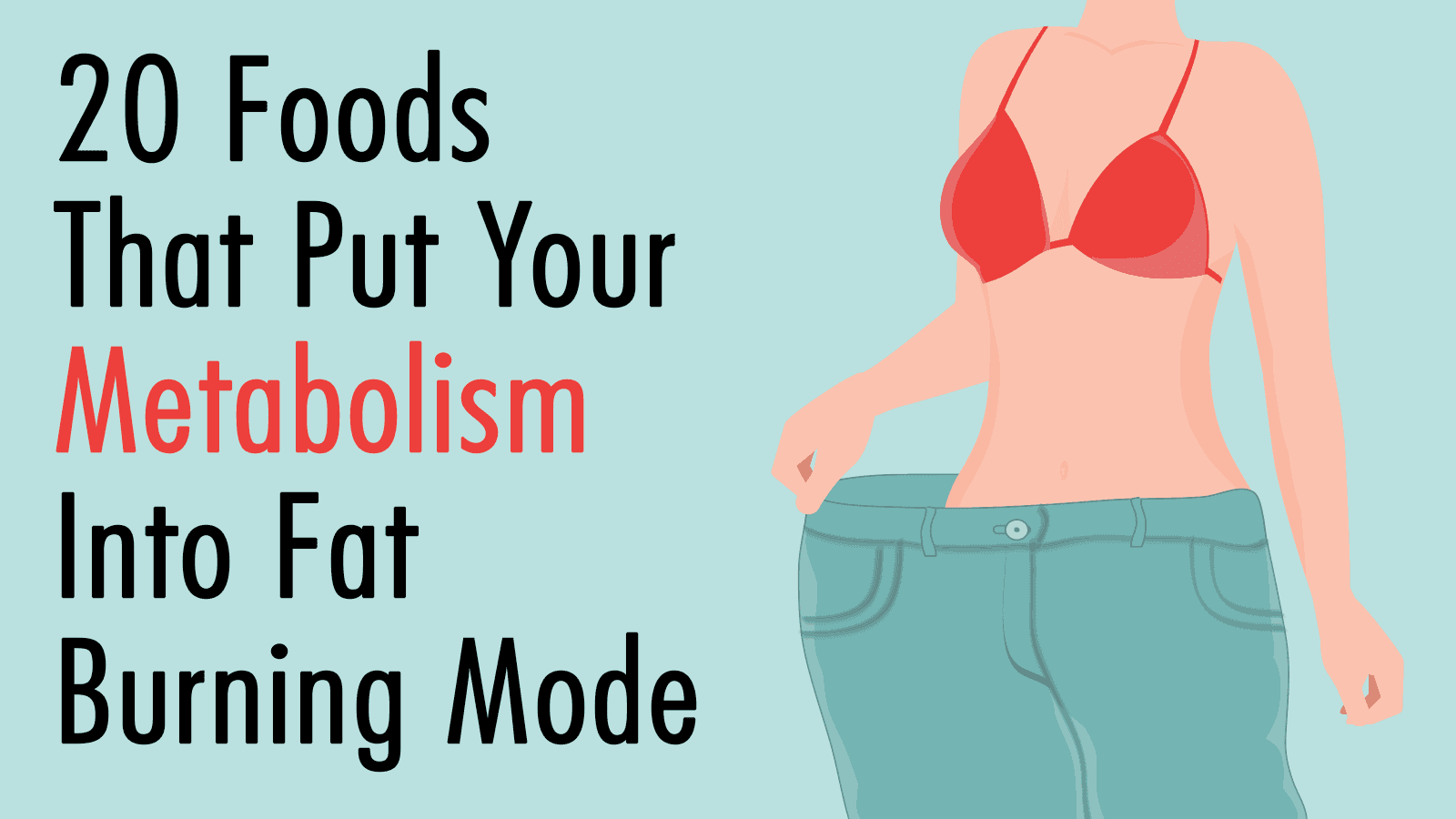
metabolism

1. Working memory overwork

Our brain’s working memory permits us to focus our attention on relevant tasks. Without a proper working memory, we’d succumb to far more distractions than we do. Given the function of working memory, it is no surprise this process also plays a vital role in achievement of goals. A good working memory is generally found in disciplined dieters, as they are able to ward off tempting thoughts (e.g. eating something unhealthy).

2. Impulsiveness

An impulsive brain is one that will concede to food temptations much easier than a non-impulsive brain. The level of our brain’s impulsiveness directly influences our ability to delay gratification; such as that delicious-looking dollar cheeseburger.

Interestingly, scientists have developed an intervention program called episodic future thinking; whereby one is taught to visualize the future health goals. This process is thought to be effective against impulse eating.

3. Weakened willpower

As mentioned, our brain’s resources are limited. Making decisions that involve any feelings of inner-conflict deplete our willpower reserves even further – a problem for the brain when need to resist food. This may help explain why most diets are broken in the evening, when our cognitive tank is running on low.

The good news is that proper sleep and relaxation replenishes our brain resources.

4. Release of self-focus

Obesity has been tied directly to mental conditions such as depression and anxiety. People who tend to overeat may also suffer from acute feelings of boredom, loneliness and stress. To release this stressful internal state, people will often consume foods laden with sugar and fat, as this can provide a temporary emotional escape.

5. Abdication of self-control

Similar to impulsivity, self-control can quickly vanish when we eat even the smallest amount of junk food. In order to appease the guilt that often arises when eating unhealthy foods, we will make an excuse to temporarily abdicate our sense of control. Something along the lines of “I’ve eaten a small piece, already. Another one won’t hurt. I’ll get back to my diet tomorrow.”

6. Projection bias

During moments of relative emotional stability, we underestimate the propensity to overeat or eat unhealthily. This is known as projection bias. When one is overconfident regarding their ability to resist temptation, they’ll often place themselves in enticing situations only to succumb to them due to their misplaced overconfidence.

7. Alcohol bias

Alcohol lowers our inhibitive ability to resist all types of adverse health behaviors, which includes overeating. Lowered inhibition manifests into a both a lack of self-awareness and lower self-control. In this state, we often don’t possess the mental faculties to resist temptation.

Unsurprisingly, weight loss programs promote an abstinence or minimization of alcohol consumption. This is partially due to alcohol bias.

8. Self-licensing

It’s been found that humans are more likely to engage in unhealthy eating behaviors after achievement of a goal. For example, a runner having completed his first marathon may allow themselves to indulge in a fatty meal to account for his success.

We allow (or “license”) ourselves a temporary release on account of our successes.

9. Food cuing

Food cues are the brain’s responses to the presence of food stimuli and can occur even without the presence of hunger. For example, the smell of pizza from the local pizza shop can lead you to waltz in for a slice even though you’ve already eaten. Exposure to food cues can also divert the attention from a nearby food to the cue’s source.

10. Attention bias

Attention bias is simply our tendency to focus our attention onto foods of preference. As our attention cues are exponentially stronger for certain food types, we are more likely to seek out the food if we’re lacking in self-control or depletion of willpower.

Of course, the best way to mitigate the power of attention bias is to limit exposure (e.g. ice cream in the freezer) to unhealthy foods.

5 Rules Every Couple Should Live By

Have you wondered the secrets of those couples who stay in long-term relationships that last not years–but decades? You’re not alone in that curiosity.

I don’t know the first real thing about the dating game. I don’t know how to talk to a specific person and connect. I just think you have to go to person by person and do the best you can with people in general. Jason Schwartzman

The funny Jason Schwartzman is not the only man or woman confused about the “rules of relationships.” Relationships bring many different emotions to the surface: attraction, joy, novelty, fun…repellence, frustration, boredom, and anxiety.

One underlying factor that contributes to the wide spectrum of emotions in a relationship is uncertainty. From the very first date, it is almost assured that one or both people will experience perplexing thoughts and emotions at some point.

There do exist certain “rules” that may help lessen the emotional turbulence experienced in a relationship. In addition to that, being knowledgeable about these “rules” will positively impact the dating experience.

Here are five rules every couple should live by:

relationship

1. Do not force intimacy in your relationships

Us humans are intimate creatures; it is a necessary trait for procreation brought about by evolution. As such, it can be very tempting to transition into a physical relationship quicker than what is healthy. Intimacy can mean holding hands, caressing, kissing, and sex.

Both men and women are guilty of breaking this important rule, which can be a deal-breaker. The first couple of months are where both people need to tread carefully. The reason is simple: making a move too quickly can potentially undo any previous chemistry.

The act of intimacy should be the pinnacle of two people’s feelings for each other. While we cannot – and should not – advise about knowing the “right time,” it is a good idea to think of the stages of intimacy as chronological, from holding hands to intercourse, based solely off the level of mutual chemistry.

2. Trust your instincts

The second “rule” on this list appropriately follows the first. Often, only one’s instincts can guide what to do next in your process as a couple. Furthermore, keen instincts can protect the emotions of each person involved.

If something appears to be “off” about the other person, it at least warrants further investigation. If this feeling should persist after a couple of months (maximum) it is best to cut ties and move on simply.

Do not fall into the trap of making excuses for someone you’ve just met. Look at it this way, if your instincts are right, then you save time while limiting the potential damage done to the other person. If you’re wrong, plenty of people out there won’t raise a red flag.

3. Do not settle

The unofficial credo of early stages of a relationship: “Of a couple, to be in the early stages of a relationship where they go out on dates to find out what each other is like, as a prelude to actually being a fully-fledged couple.” We can thank “Saucy” over at Urban Dictionary for that.

“Saucy” is right on. Especially with the phrase “to find out what each other is like,” and “as a prelude to being a (couple).” Really, dating is supposed to be fun. Getting to know another person is (usually!) an entertaining experience.

But some people jump the gun way to early and settle down with the first person whom they have any meaningful chemistry. Needless to say, this is often a poor decision that will probably end up hurting both people in the end.

Choose the right person for you.

14670833_10153888801152371_3304920302491094084_n

4. Do not be “overly available” in your relationships

Not being “overly available” isn’t some sophomoric mind game that one plays with another – at least, it shouldn’t be. Do some men and women manipulate their “availability” in some calculated attempt to attract the other person? Yes, but the true rationale for not being overly available is far more benevolent and deliberate.

Simply put, managing your availability is about setting boundaries and safeguarding emotions.

During the “honeymoon phase” of a relationship, the thought of abdicating what you’re doing to meet up with the other person can be enticing. But it’s a certain mistake, and one that may inflict a heavy emotional toll should the relationship go south.

Instead, carry out your day as usual. Hopefully, you or the other person will know when to reach out.

5. Do not reveal too much, too quickly

As mentioned, a relationship’s fundamental purpose is getting to know someone and gauging chemistry. This is a process that requires time and communication.

In the early stages of being a couple, two people know very little about one another. As time elapses, the mutual conversation will naturally reveal additional information about each person at the right time. As such, going on a diatribe about personal details early in being a couple is a poor use of judgment.

Immaturely revealing personal information is not only poor judgment but also incredibly unattractive. No one should possess the amount of personal information by the end of the first few days or weeks together that one would have by their first-year anniversary. Where is the mystique in that?

Allowing time to take its course also includes courting each other. Engaging naturally in conversation, allowing time to pass, and the remaining patient will always reap more dating fruit.

(C)Power of Positivity, LLC. All rights reserved

The 20 Top Problems Of Highly Intelligent People

Very smart people are very good at the things they are focused on. This is usually work-related, as their social life can slightly stunt them due to their high intelligence. On the one hand, the media highly touts intelligent people for their accomplishments. But at the same time, they sometimes receive ridicule for their perceived social awkwardness. They see the world in a fundamentally different way than everyone else. Things that are obvious to them might be an alien mystery to the rest of the planet. Their very intellect, which sets them apart, prevents them from really integrating into the rest of society.

Surprising Problems That Highly Intelligent People Often Encounter

Despite their intellect, there are five common problems that highly intelligent people often face daily:

intelligent

1. The Opposite Sex

Because of their smarts and focus on school and learning their specialty, they tended to be neglected or were often forced out of social interactions with opposite-sex peers. Because of a lack of practice in the social arena, they find the opposite sex intimidating and sometimes confusing. They haven’t been given enough training in interacting with the opposite sex, so people see them as socially awkward. This tends to become a negative feedback loop as more and more less-than-optimal interactions push them further into solitude. Compound this with the desire to find someone as smart as they are so they can at least connect on a mental level, and they set themselves up for disappointment.

2. Pressure to Succeed

Not only do their parents, teachers, and peers push them to compete and succeed in a very demanding field, but they expect it of themselves. They tie their career and monetary or academic success with their self-worth. They might pass up enriching and entertaining social activities to study a little bit more or work on a project for school. If they fail to achieve their very lofty and demanding goals, they might fall into depression and anger. This intense pressure to succeed might also drive them to use drugs to enhance their mental performance or boost their physical endurance to do better on tests or get a project done ahead of schedule.

3. Analysis Paralysis

Because they are so bright, they will try to look at the pros and cons of any decision. A decision as simple as what to eat for dinner or whether or not to call someone back for a second date can lead to a metal lock as they try to decide what to do. They get caught up in the cost-benefit analysis and end up overanalyzing everything. Things that we take for granted or make a quick decision for, they find difficult. The time spent analyzing creates a mental paralysis where they see making a decision as overly tricky.

4. An Alien Among Us

Highly intelligent people find it difficult to relate to others. Other people may find intelligent person pretentious when they are just stating the facts as to how they see them. They find it challenging to teach someone else something that may come naturally to them in a way the other person can understand. Something that might seem simple to them, even pedestrian, could sound incredibly complex to the average person. Concepts that are fun and challenging might seem like an alien language to us. And just like an alien, they might find communicating and relating to the rest of us a complicated undertaking.

5. Ignorance is Bliss

A very intelligent person can see connections and patterns in the world and history that might elude the rest of us. They can see century-long cycles grinding to their inevitable conclusion while the rest of us are glued to who will win the sports-ball championships this year. Because they can see those underlying forces at work and can more or less predict the outcome, they find it hard to find happiness like the rest of us. Imagine that you could see the future and something terrible was going to happen, but no one would understand you if they did listen.

6. There’s a Substance Abuse Likelihood

People often stigmatize alcohol and drug addiction and the folks who face these issues. However, it’s much more prevalent in those with higher IQs as they usually have difficulty fitting in with society. These individuals are often “novelty junkies,” where they have a conflicting reality and fight inner demons. Individuals with high intelligence are more likely to face alcohol and methamphetamine addiction, among other things.

7. Lies a lot

Did you know that there’s a direct link between executive functioning and lying? Some of these folks require a complex deception, and since their minds can keep their lies neatly categorized, they have no problem telling and keeping track of all their tricks. One of the main reasons they lie so much is that they often feel like fish out of water.

They will say and do just about anything to fit in. While they know they’re different, part of them still longs just to be accepted and loved by others.

8. Talking About Yourself

Those with a higher IQ than others tend to dominate conversations by talking about themselves. They love to use yes/no or multiple-choice questions to engage people in their latest adventures. This person often has a high sense of self-worth because of their abilities, but they usually just cannot relate to others. The only thing they know about for sure is their life, so it tends to dominate their conversations.

9. Book Smart but Lacking Street Smarts

Having book smarts but not street smarts is a massive problem among the intelligent. They know all about quantum physics, but they often miss social cues from those around them. They can quote facts and statistics about things that you couldn’t even imagine, yet they will miss the punchline of a simple joke that a kindergartener can catch.

10. Workaholism

Did you know that knowledgeable people are more apt to be workaholics? Take, for instance, the citizens of Japan. They’re a country where the citizens have the third-highest IQ in the world. They have the highest number of hours worked at 1714, averaged annually per person.

According to Business Insider, only 33 percent of people in this country take any vacation days. Having a good work-life balance is often an issue for the highly intelligent, and it can cause burnout and relationship issues. One thing a smart person knows how to do well is work, so they often bury themselves in their jobs.

intelligent

11. Are Easier to Scam

One would think that all those smarts would protect them from scams, but it’s just the opposite. Those with a higher IQ are more likely to be cheated, particularly with financial investments. Some think it’s the combination of greed and ego that get in the way, but they’re easy targets for Investment ploys.

12. Premature Aging

There are four fundamental reasons why an intelligent person ages faster than a traditional individual, they are:

  • Little to no stress management
  • Late nights and little sleep leads to circadian rhythm mismanagement
  • Mycotoxins from a poor diet
  • Alcohol and substance abuse

The poor diet and late nights catch up with a person. Additionally, being under constant stress is another killer. The stress levels of those with high IQs are noteworthy, directly impacting their aging process.

13. Likely to be an Atheist

The highly intelligent person deals with things that are concrete and scientifically based. This makes any religion seem far-fetched to them. This person will likely deny any spiritualism in their life, and they believe that it’s evolutionary psychology that encourages folks to believe in God.

Sadly, many families and people at work have deep religious beliefs, which makes it another area that is hard for a higher IQ person to fit in.

14. Doesn’t Find Happiness Easily

Some say that intelligent people have a curse of being themselves. Part of the problem is that they overthink, and all this overthinking causes them to be quite unhappy. They’re often jealous of those around them who seem bright enough and have a good life, but all this excessive knowledge does not burden them.

There are many instances where they pretend to lack knowledge, and they do so that they come across to others as everyday people. However, it won’t be long before their intelligence comes shining through, as their thought processes are just a bit superior.

15. Technology Addiction

An intelligent person is likely to turn to technology to fill their days and nights. They might be video game buffs, IT experts, and all-around techno people. As a child, they would take apart computers, DVD players, and other electronic devices because they wanted to see how they all worked.

While their parents might have seen these behaviors as destructive, it was more about their desire to learn and satisfy their craving for knowledge.

16. People Take Credit for Your Ideas

You can have the best idea in the world, but it’s meaningless if you can’t implement this concept. The intelligent may find that their thoughts are stolen by those who know how to implement them and make them profitable. They may be a little too free with their views to fit in, which could get high-dollar concepts they failed to work stollen by others.

17. Being a Night Owl

Some people function better at night than they do during the day, which is true of intelligent individuals. Part of this could be because they often don’t fit in with the crowd and tend to be loaners, so they choose to flourish when most of the world is in bed.

Those with high IQs often have a hard time shutting down their brain, so they will toss and turn until they exhaust themselves and collapse in fatigue.

18. Perfectionist

Being average is not an option for the intelligent person, and they demand this high level of achievement of themselves. They are the kind of person that starts writing a paper and deletes it ten times before they can make it right. They don’t mind going back to the beginning and starting over time and time again until they do something right.

19. Likely to Be a Psychopath

Here’s one fact that’s kind of hard to swallow. Did you know there’s a correlation between high IQs and psychopathy? According to a study published by Guilford Press, psychopaths often show superior intelligence.

After analyzing 370 men, they concluded that those with a higher IQ tend to be more apt to have psychopathic tendencies. These people often can’t empathize with others, and they don’t have the emotional intelligence to comprehend the pain others feel.

20. Going too Deep with People

The intelligent person is a loaner for a good reason, as many people don’t understand the depths of their minds. It often creates “intellectual loneliness” as they can’t seem to find a crowd they fit into, as many people don’t know how to handle them. It’s as if they’re off in their little world, and it’s hard for the ordinary person to understand them truly.

intelligent

Final Thoughts on the Unlikely Problems Intelligent People Have

Happiness comes from accepting that the universe is the way it is, and there is nothing we can do about it, but a very intelligent person can’t help but try and affect the outcome. This knowledge and ability to see the results of very complex and long-term conditions when everyone else can’t sometimes leads to intense frustration. As a result, brilliant people might lack patience for those who cannot think or connect on the same level.

7 Excuses A Cheater Will Try to Give You

Cheating during a relationship is, unfortunately, a common occurrence in modern society. But how often does someone encounter a cheater?

According to a study published in the Journal of Social and Personal Relationships, it is estimated that anywhere between 30-60 percent of individuals cheat on someone else. Sadly, many relationship experts believe this percentage to be on the conservative side.

“It is better to lock up your heart with a merciless padlock, than to fall in love with someone who doesn’t know what they mean to you.” – Michael Bassey Johnson.

Cheating in a committed relationship is an act of cowardice, one committed when a person lacks the resolve to take more appropriate actions. Instead of seeking out relationship counseling, engaging in dialogue with their partner, or ending the relationship like an adult, the cheater gives themselves to someone else whilst forgetting the hurt – known or unknown – that their infidelity inflicts.

Perhaps worse than the actual act of cheating is the deceptiveness that encompasses the act. Cheaters will often invoke many of the same excuses – even to themselves – to hide and justify their behavior. The underlying motive remains the same: an unwillingness or fear of navigating the relationship responsibility.

Leading us to the topic of this article: 7 Common Excuses of cheaters.

Let’s get to it!

Seven Lame Excuses a Cheater Gives You

Here is some of the language to watch out for:

forgive a cheater

1. “I’m unhappy…why should I stay unhappy?”

It is normal for some romance to dissipate the longer a relationship endures. Sex, intimacy and spontaneity are more likely to be lacking in both quality and quantity. Not surprisingly, all three are frequently-cited reasons why someone is unhappy with their significant other.

At its core, this excuse is a defense mechanism. The common rationale for the “unhappy” excuse is to dampen any underlying sense of responsibility or guilt. This self-serving emotional manipulation increases the likelihood that one will engage in an inappropriate relationship.

2. “I’m just bored.”

Similar to feelings of romance, it is natural for novelty to wane during a relationship. Citing boredom as an excuse is simply a manifestation of “out with the old, in with the new.” Using this excuse to cheat on someone is both shallow and disturbing; nothing more than textbook narcissism applied in the context of a relationship.

Boredom is a fair excuse for personal disengagement in the initial stages of dating when two people are attempting to “feel each other out.” After all, sometimes the ever-enigmatic sense of chemistry just isn’t there. In pretty much every other scenario, however, it’s a poor excuse at best.

3.“You’re not the person I met.”

Serious alterations to personality aside, this likely isn’t an excuse rooted in merit. Even then, it should be obvious that more effective means exist to end a relationship. Cheating really accomplishes nothing in this regard; instead, it simply serves as a welcome distraction.

Many times, people cite this excuse if someone’s physical appearance changes. Weight gain, lack of grooming, and a perceived lack of self-care are often motivating factors for one to cheat.

4. “We’re always fighting…”

When the complex dynamics that make up a relationship (e.g. sex, finances) are out of balance, frustrations mount and arguments almost always ensue. Of course, the elevated anger that often accompanies arguing has a unique way of suppressing our logic. We’re far less likely to heed the wise axiom “Don’t say now what you’ll regret later.”

Fighting of any sort is an emotionally-draining event. After a certain period of time, incessant arguing can skew one’s perception of someone else…even people they love. Too often, men or women use this is an excuse to cheat.

5. “I can always come back to her/him.”

One way to separate guilt from cheating is to justify it by citing the “benefits” of such; by rationalizing a potential return to the other person. All will be well and good, right? Not really, no. Many people that contemplate this unlikely scenario are guilt-ridden even before committing the act of cheating. You probably see where this is going…

Ironically, some people rationalize the act as a way to come back a better version of themselves; all while engaging in one of the most selfish actions possible.

6. “I’m just ‘designed’ to cheat.”

We’re not here to extrapolate on any genetic predisposition to monogamy or polyamory. Many credible, research-intensive studies have been done on the topic, and one can draw their own conclusions.

However, the notion that any existing genetic influence negates relationship choice – hence, responsibility – is devoid of substance.

Most of us will agree that some individuals are better suited for long-term relationships than others. Most of us will also concede that entering into a relationship for which one is not ‘designed’ is a conscious choice. Nonetheless, many cheaters have faulted their biological makeup as a reason to cheat. It is not.

serial cheater

7. “I don’t know why I cheat.”

The psychology of infidelity is a foreign topic for most of us. Suffice to say that myriad conscious and subconscious factors are likely at play when someone decides to cheat on their partner.

However, abdicating responsibility for cheating is no different, say, then abdicating responsibility for overeating. While genetic factors almost certainly have a direct influence on each potential behavior, it is within the control of each person make a deliberate choice to engage or not.

One may not know why they have a predilection for cheating, but they should know the reason for such…a conscious choice was made.

(C)Power of Positivity, LLC. All rights reserved
Skip to content