Weekly tips, affirmations, and small actions to feel your best.

How to Release Worry (in Under 5 Minutes)

Here are five easy techniques to stop worrying.

In a fast-paced, rapid-fire, fast-changing society, the sensation of worry has entrenched itself as a constant presence in the lives of countless individuals. But what causes worrying?

The relentless pace of technological advancements, the pressures of social media, and the demands of balancing personal and professional lives have all contributed to this heightened state of concern. 

Concerns about job security, the intricacies of personal relationships, financial stability, and the unpredictable twists and turns that life often throws our way can lead to a cacophony of distressing thoughts that dominate our minds.

Why You Should Release Worry

These persistent thoughts can take a toll, both mentally and physically. Sleepless nights, a racing heart, and a clouded mind are just a few of the manifestations of this pervasive anxiety. The weight of such concerns can sometimes feel insurmountable, making many wonder if relief is within reach.

Here are some of the consequences of worrying too much:

worry

Mental Health Impacts:

  • Anxiety Disorders: Chronic worry can lead to generalized anxiety disorder, which often includes excessive, uncontrollable worry about various aspects of life.
  • Depression: Persistent worries can contribute to feelings of hopelessness and sadness, potentially leading to depression.
  • Decreased Cognitive Function: Worry can cloud judgment, impair decision-making, and reduce the ability to concentrate or focus.

Physical Health Impacts:

  • Sleep Disturbances: Worry often leads to insomnia or disrupted sleep patterns, resulting in fatigue and reduced energy levels.
  • Digestive Issues: Chronic worry can cause stomachaches, nausea, diarrhea, or constipation.
  • Weakened Immune System: Constant stress and anxious thoughts can weaken the human immune system. As a result, it makes one more susceptible to infections.
  • Cardiovascular Problems: Increased heart rate, high blood pressure, and an elevated risk of heart disease can result.

Behavioral Changes:

  • Avoidance: Individuals might avoid situations or people that trigger their worries, leading to social isolation.
  • Substance Abuse: Some might use alcohol, drugs, or other substances to cope with their constant worry.
  •  Overcompensation: In an attempt to control outcomes, some people might overprepare or overanalyze situations, leading to burnout.

Relationship Strains:

  • Misunderstandings can lead to misinterpretations of others’ intentions, causing conflicts.
  •  Withdrawal: Those who overanalyze everything might pull away from loved ones, leading to feelings of isolation.
  • Overdependence: Conversely, some might become overly reliant on loved ones for reassurance and support.

Reduced Quality of Life:

  • Missed Opportunities: Due to fear and apprehension, individuals might miss out on experiences or opportunities.
  • Decreased Enjoyment: Persistent worry can overshadow positive experiences, making it hard to enjoy the present moment.
  • Financial Strain: Worry, especially about finances, can lead to impulsive decisions or avoidance, further exacerbating financial problems.

What Causes Someone to Worry?

The worry response is a natural emotional reaction to perceived threats or uncertainties. While it can be a regular part of the human experience, excessive or chronic worry, especially in the absence of external stressors, can indicate an underlying anxiety disorder. It is, therefore, essential to recognize the signs and seek appropriate support when needed.

The worry response is closely related to stress and anxiety. Both are emotional responses, but they have distinct triggers and manifestations:

Stress:

An external trigger typically causes stress. These triggers can be short-term, such as a looming work deadline or a disagreement with a loved one, or long-term, like chronic illness, discrimination, or inability to work. When under stress, individuals might experience various mental and physical symptoms, including irritability, anger, fatigue, muscle pain, digestive issues, and difficulty sleeping.

Anxiety:

By contrast, anxiety comes from persistent, excessive worries that persist despite no apparent external stressor. Anxiety symptoms closely mirror stress symptoms, including insomnia, difficulty concentrating, fatigue, muscle tension, and irritability. One of the most common forms of anxiety disorder means a person experiences excessive, hard-to-control worry on most days for six months. This worry can shift from one topic to another and may accompany other physical symptoms of anxiety.

It’s worth noting that while mild stress and anxiety can often be managed with similar coping mechanisms, such as physical activity, a balanced diet, and good sleep hygiene, more severe or persistent forms might require professional intervention.

If stress or anxiety starts to interfere with daily functioning or mood, it’s advisable to consult a mental health professional. They can provide additional coping tools and determine if an individual might be suffering from an anxiety disorder. These disorders differ from short-term feelings of anxiety in their severity and duration, often persisting for months and negatively impacting mood and daily activities.

According to the American Psychological Association (APA), 31% of Americans will have to confront an anxiety disorder at some point within their lifespan. Treatments for anxiety disorders can include psychotherapy, medication, or a combination of both. Cognitive behavioral therapy, or CBT, which focuses on changing maladaptive thought patterns related to anxiety, is one of the most widely used therapeutic approaches.

Five Methods to Release Worry in Under Five Minutes

worrying

Worry is an unwelcome companion for many. Whether it’s about work, relationships, or the myriad uncertainties of life, these nagging thoughts can be overwhelming. But what if you could release your concerns in under five minutes? It might sound too good to be true. Still, it’s entirely possible with a blend of psychology and mindfulness.

The best part about each of these science-backed techniques is that you can use them anytime, any place, and in under five minutes. 

1. Grounding Techniques

Grounding techniques are a set of strategies used to distract the mind from distressing thoughts and bring attention to the present moment. One popular method is the “5-4-3-2-1” technique:

  • 5: Identify five things you can see around you.
  • 4: Touch four things.
  • 3: Identify three sounds you can hear.
  • 2: Identify two things you can smell.
  • 1: Identify one thing you can taste.

Institutions like Harvard Medical School suggest that grounding techniques and similar exercises can help divert attention from distressing thoughts and anchor the mind in the present.

2. Deep Breathing to Release Worry

Deep breathing is more than just a relaxation technique; it’s a powerful tool to combat worry. When anxious or worried, our breathing becomes shallow. We can activate the parasympathetic nervous system by taking deep breaths, which promotes relaxation.

How to do deep breathing: 

Inhale deeply through your nose for a four-count, then hold the inhaled breath for a four-count. Finally, you will exhale slowly through your mouth for a count of six. Repeat this cycle for a few minutes.

An article from Michigan State University agrees that deep breathing exercises can reduce cortisol levels, the body’s primary stress hormone.

3. Reframe Your Thoughts

Cognitive restructuring, a core component of cognitive-behavioral therapy, involves identifying and challenging negative thought patterns. When you catch yourself worrying, ask yourself these questions:

  • Is this thought based on facts or assumptions?
  • What’s the worst that could happen? How likely is it?
  • Can I cope with the worst-case scenario?

By answering these questions, you may shift your perspective and reduce the intensity of your worries. Cognitive restructuring can significantly decrease anxiety levels.

4. Mindfulness Meditation

Mindfulness meditation is about observing your thoughts without judgment. It’s not about clearing your mind. Instead, it’s all about acknowledging your worries and letting them pass.

How to do mindfulness meditation:

Find a quiet spot, close your eyes, and focus on your breath. When your mind wanders (and without a doubt, it will), gently bring your attention back to your breathing.

Countless research shows how regular mindfulness meditation can reduce the brain’s worry pathways. Thus, it becomes a potent tool against those intrusive thoughts.

5. Visualize a Worry Box

Visualization is a powerful tool in psychology. Imagine a box in your mind. Whenever you have a worrying thought, visualize placing that thought in the box. At the end of the day, you can close the box and leave the worries alone. Or, you can toss them in the trash bin.

The Ohio Chapter of the American Academy of Pediatrics explains that this technique is highly effective in children. However, it’s also worth a try as an adult.

worry

Final Thoughts on Learning to Release Worry in Under Five Minutes

Worry is a natural part of the human experience. But that does not mean it has to control your life. By incorporating these scientifically-backed techniques into your daily routine, you can release your worries in under five minutes. Remember, it’s not about eliminating worry but managing it. With practice and patience, a calmer mind is within your grasp.

Give it a try today – you have nothing to lose…but those nagging thoughts!

 

Do You Need a Negativity Detox?

Here’s the key to harnessing the Power of Positivity.

If you feel stuck in one place, negative, or unable to grow or achieve all of your dreams, you will benefit from a negativity detox.

What’s a negativity detox? So glad you asked. 

Imagine your mind as a lush, verdant garden. In its prime, it’s filled with vibrant flowers, each representing joy, hope, and contentment. But like any garden, it requires regular care and attention. Without it, insidious weeds of negativity begin to sprout. These weeds, fueled by daily stressors, relentless negative news, and personal challenges, multiply. They intertwine with the blossoms, choking out their vitality and overshadowing their beauty. 

Now, consider this: every gardener knows that simply plucking out the visible weeds from the surface isn’t enough. Their roots run deep, and if left unchecked, they’ll resurface time and again. The battle against these invaders is ongoing, demanding vigilance and the right tools to eliminate them. 

The same goes for our minds. It’s not just about removing negativity once; it’s about consistently nurturing our mental garden, ensuring it remains resilient against the persistent weeds of pessimism and doubt. 

This is where the transformative power of a Negativity Detox comes into play. It’s not just a one-time solution but a lifelong commitment to cultivating a mind that blooms with positivity, even in the face of adversity.

The Impact of Negative Thinking

Negative thinking doesn’t just dampen our mood; it has tangible, harmful effects on our overall well-being:

  • Physical Health: Chronic negativity can lead to stress, which releases cortisol, a hormone that, in high levels, can cause health issues like heart disease, obesity, and diabetes.
  • Mental Health: Negative thoughts can spiral, leading to anxiety, depression, and other mental health disorders.
  • Relationships: Pessimism can strain relationships, as it’s challenging to be around someone who constantly sees the glass as half empty.
  • Career: A negative mindset can stifle creativity, reduce productivity, and lead to job dissatisfaction.

negativity detox

The Power of Positivity Can Banish Those Encroaching Negative Thoughts

On the flip side, positivity offers a myriad of benefits:

  • Physical Health: Positive emotions mean a lower disease risk, longer life, and better overall health.
  • Mental Health: Optimism can reduce the risk of depression, lower levels of distress, and improve psychological well-being.
  • Relationships: Positive individuals often have stronger relationships, better interpersonal skills, and a more extensive support network.
  • Work: A positive attitude boosts job performance, fosters creativity, and enhances job satisfaction.

15 Signs You Need a Negativity Detox

From the daily stressors of life to the constant barrage of social media squabbles, it’s no wonder many of us feel overwhelmed, anxious, and drained. But what if there was a way to detox from all this negativity and embrace a more positive, fulfilling life? 

Enter the concept of a negativity detox.

If you recognize any of the following signs in yourself, it is time to let go of negative thoughts and embrace a new, optimistic mindset:

1 – Constant Worrying

If you always expect the worst, it’s a sign your mind is trapped in a negative cycle. This perpetual state of anxiety can stem from past traumas, fear of the unknown, or a pattern of negative experiences. Over time, this can lead to a conditioned response where the brain automatically assumes the worst outcome, even in benign situations. This affects mental health and can lead to physical symptoms like increased heart rate and digestive issues.

2 – Fatigue and Frequent Headaches

Frequent headaches, stomach issues, or fatigue can be linked to chronic negativity. The mind and body are deeply connected; prolonged stress or anxiety can manifest as physical ailments. These symptoms are the body’s way of signaling that something is amiss. Ignoring these signs and failing to address the root cause can lead to more severe health issues later in life.

3 – Social Isolation

Avoiding social interactions or activities you once enjoyed can indicate a negative mindset. When someone feels ensnared in a cycle of negative thinking, they may withdraw from social situations for fear of judgment or further emotional pain. Over time, this isolation can exacerbate feelings of loneliness and depression.

4 –  Frequent Overreactions (even to the little things)

Blowing minor issues out of proportion is a classic sign of negative thinking. This often stems from an accumulation of unresolved emotions or past traumas. Even minor triggers can result in disproportionate reactions when these emotions aren’t addressed, further straining relationships and personal well-being.

5 – Unfair and Harsh Self-Criticism

Constantly belittling or doubting yourself can erode your self-esteem. This internal negative dialogue can result from past criticisms from others, unmet personal expectations, or societal pressures. Over time, this can lead to a diminished sense of self-worth and potential mental health issues.

6 – Blaming Others

If you always find someone else at fault for your problems, you might be stuck in a negative thought pattern. While it’s easier to point fingers than to take responsibility, this mindset prevents personal growth and can strain relationships.

7 – Feeling Overwhelmed

A constant sense of dread or feeling that things are out of control can be linked to negativity. This often arises from an inability to set boundaries, prioritize tasks, or manage time effectively. Over time, this chronic state of stress can lead to burnout and other health issues.

8 –  Trouble Falling Asleep and Staying Asleep

Trouble falling or staying asleep can be a result of a troubled mind. Negative thoughts or unresolved emotions can keep the mind active at night, preventing restful sleep. Over time, sleep deprivation can exacerbate negative feelings and impact overall health.

negativity detox

9 –  An Unexplained Lack of Motivation

It’s time to assess your mindset if even simple tasks feel monumental. A lack of motivation can stem from feelings of hopelessness, past failures, or a fear of judgment. This can hinder personal and professional growth.

10 – Jealousy

Constantly comparing yourself to others and feeling envious can indicate a need for a negativity detox. This mindset stems from a lack of self-worth. But worse – it leads to resentment and strained relationships.

11 – Perfectionism

Striving for perfection and never feeling satisfied can be exhausting. This relentless pursuit often stems from a fear of judgment or needing external validation. Over time, this can lead to burnout and feelings of inadequacy.

12 – You Think Cynical Thoughts

If you’re always skeptical and distrustful, it might be time for a mindset shift. While it’s essential to be discerning, constant cynicism can hinder personal connections and opportunities.

13 – You Always Feel Like You’re Playing Defense

Taking everything personally and always being on the defensive can be draining. This often stems from past traumas or a heightened fear of criticism. As a result, you may feel strain in personal and professional relationships.

14 – You Feel Unwanted, Undervalued, or Unappreciated

If you constantly feel undervalued, it might be your negativity speaking. This can arise from a lack of self-worth or from being in environments where your efforts aren’t recognized. Over time, this can diminish motivation and self-esteem.

15 – You Lack of Joy

If you can’t remember the last time you felt genuinely happy, it’s time for a change. Continual feelings of sadness or indifference can be a sign of chronic negativity, potentially leading to more severe mental health issues.

By recognizing these signs and taking proactive steps, such as enrolling in a negativity detox program, individuals can break free from these harmful patterns and embrace a more positive, fulfilling life.

Take Our Online Course: The Negativity Detox: Let go of the Negative, Pick up the Positive

Here are the benefits of taking Kristen Butler’s latest course, The Negativity Detox: Let go of the Negative, Pick up the Positive.

Embarking on The Negativity Detox journey is more than just a course; it’s a transformative experience. Here are the concepts you will master under the guidance of Kristen Butler:

  • Mind Mastery: Learn techniques to identify and uproot negative thought patterns, replacing them with empowering beliefs.  
  • Holistic Healing: Understand the interconnectedness of mind, body, and spirit and how positivity can enhance overall well-being.  
  • Effective Tools: Gain access to practical exercises, meditations, and strategies to maintain a positive mindset.  
  • Join a Supportive Community: You will be part of a vast network of like-minded individuals on their journey to a more positive life, offering mutual support and encouragement.  
  • Personal Growth: Discover deeper self-awareness and improved self-esteem. You will also have a renewed sense of purpose and direction in life.  
  • Lifelong Skills: The lessons you’ll learn aren’t just for the duration of the course. They’re skills and habits you’ll carry forever, ensuring a lifetime of positivity and resilience.

By the end of this course, you will not only manage negativity but thrive in positivity, equipped with the knowledge and tools to navigate life’s challenges with grace and optimism.

negative thinking

Final Thoughts on Embarking on a Negativity Detox

Recognizing the signs of chronic negativity is the first step towards a more positive, fulfilling life. By detoxing from negativity and embracing positivity, you can improve your physical and mental health, relationships, and overall well-being.

If you are ready to commit to change, consider joining our course, The Negativity Detox: Let go of the Negative, Pick up the Positive. When you register for this course, you will embark on a transformative journey towards a happier, healthier you.

Doctor Explains 10 Ways to Reduce Chronic Pain (Without Medicine)

Do you suffer from chronic pain? No question – experiencing musculoskeletal pain can be debilitating both mentally and physically. Even mild pain experienced consistently can push the strongest person to their breaking point. And then, to make matters worse, options often offered include substances that can become habit forming and negatively impact an individual’s health long term. Then, perhaps it is time to leave the prescription drugs on the pharmacy shelf.

Instead, it is time to focus on creating a new path to pain-free!

Managing chronic pain without pharmaceuticals often requires a multilevel approach. These may include lifestyle changes, alternative therapies, and psychological strategies. The effectiveness of these strategies can vary from person to person. Still, the best thing about natural approaches to managing pain is that, over time, they will improve your pain and potentially transform your life!

This article focuses on strategies for you to take control of your pain that allow you to decrease your reliance on traditional OTC medicine or a prescription. Instead, you can have a holistic approach to pain management. I’ll focus on three categories for pain management: restorative therapies, behavioral health approaches, and complementary health approaches.  

Restorative Therapies That May Reduce Chronic Pain Without a Prescription Medication

Restorative therapies are those interventions designed to optimize an individual’s function to maintain or improve overall physical health. Some of these therapies you can do yourself. Still, others require the help of trained practitioners. 

chronic pain

1 – Cold and heat

Cold and heat are the yin and yang of pain management; while they are entirely different, they work together to provide outstanding results. Cold is a natural anti-inflammatory. Utilizing cold, especially when experiencing a pain flare, is helpful to decrease swelling and pain by decreasing blood flow. In contrast, heat increases blood flow and allows nutrients to circulate more freely to the affected area.

Heat is good for morning stiffness or warming the body before strenuous activities. At the same time, cold therapy is good to use after an acute injury or heavy physical activity. When you use cold therapy, be sure to have a barrier between your skin and the ice pack to avoid skin damage. When utilizing heat, be mindful of the potential for burns to the skin with excess temperatures or duration of use.

Whether you are using cold or heat, apply the therapy for fifteen to twenty minutes at a time. Repeat the cycle several times throughout the day as you need to. 

2 -Transcutaneous electrical nerve stimulation (TENS) machine

The TENS machine uses low-voltage electrical currents to relieve pain. This device is typically battery-operated and uses electrodes placed on the skin to deliver electrical impulses to specific areas. Many people are first introduced to transcutaneous electrical nerve stimulation by a healthcare provider. However, the general public can also safely use these fantastic devices with guidance. In fact, while transcutaneous electrical nerve stimulation can be obtained over the counter, a healthcare professional may also write a prescription for one.

The mechanism of action of a transcutaneous electrical nerve stimulation machine is not fully understood. However, theories include:

  • 1) stimulating the nerve to change how pain is perceived
  • 2) increasing endorphins that unleash the body’s ability to fight pain. 

3 – Aquatic therapy

Aquatic therapy refers to activities done in the water for relaxation, rehabilitation, and other therapeutic benefits. This form of physical therapy is often more gentle than land-based therapy. Water’s buoyancy decreases resistance, reducing stress on the joints and muscles. If you’ve tried traditional physical therapy in the past and did not have success with improved pain management, consider this modality instead!

Behavioral Health Interventions That May Ease Chronic Pain

Exploring various behavioral health interventions can offer innovative and holistic approaches to managing chronic pain. These proven therapies blend psychological strategies with physical symptom management to enhance one’s overall well-being.

4 – Cognitive behavioral therapy

Cognitive behavioral therapy is a type of talk therapy in which an individual works with a mental health counselor to become more aware of feelings, emotions, and negative thinking. It helps one appraise challenging situations better and respond to them more effectively. In the case of chronic pain, cognitive behavioral therapy provides a structured approach for participants to learn tools to better cope with and manage physical symptoms.

This approach requires multiple sessions to be effective. However, it provides you with skills that will be with you no matter where you are. 

5 – Biofeedback

Biofeedback is an intervention carried out by a practitioner in which electrical pads are attached to the body to capture important information about bodily functions like heart rate, blood pressure, respiratory rate, muscle tension, and skin temperature. When the body is under stress or in pain, bodily functions like heart rate change.

Biofeedback is used to help strengthen the mind-body connection so that slight changes can be made over time to relax muscles and reduce pain. This technique gives individuals tools to control their bodies and self-manage pain. 

6 – Mindfulness Meditation

Mindfulness meditation is a blanket term that refers to several meditation practices that can enhance cognitive control, emotions, and positive mood. Specifically, mindfulness meditation focuses on being attentive and intentional, all while being non-judgmental. Mindfulness practices allow people to focus on the moment and reduce the intensity of the negative feelings associated with pain; while the feelings associated with pain are normal, they can cause anxiety and increase pain sensations; therefore, coping mechanisms can help improve a person’s response to pain.

Mindfulness practices can be completed alongside trained professionals. Still, resources are available on platforms like YouTube and applications like Headspace that give you a mindfulness practice at your fingertips. 

prescription

Complementary Health Approaches That May Ease Chronic Pain

Complementary health approaches are where traditional and alternative practices intertwine. These therapies offer a spectrum of options that can reduce chronic pain for some individuals.

7 – Acupuncture

Acupuncture is a practice derived from traditional Chinese medicine and focuses on Qi (pronounced chee), the body’s natural energy source. Different medical conditions are thought to occur because of a disruption of our Qi. Acupuncture uses thin needles placed strategically along different body areas on pathways called meridians. By applying acupuncture to specific points, it is thought to help restore the natural flow of our energy and improve medical conditions.

Acupuncture can be used for different types of pain. However, it is essential to go to a licensed practitioner. That’s because needles placed improperly can cause complications. A professional will also sterilize needles before use to prevent infection. 

8 – Chiropractic care

A chiropractor is a practitioner that focuses specifically on the musculoskeletal system. Similarly to orthopedic providers, chiropractors manage joint and back injuries. However, they do not issue prescription medications or carry out surgeries. Chiropractors utilize physical manipulations carried out over multiple sessions to realign the body and allow the body to heal itself.

A chiropractor might require that you have x-rays or other imaging modalities to rule out processes that cannot be managed with chiropractic care and cause harm with their manipulations. This intervention is beneficial for back pain by way of spinal manipulation. While spinal manipulation is a big part of chiropractic care, they may offer other interventions, like stretching, soft tissue therapy, and kinesiology taping. A perk of chiropractic care is that there is also the potential to use your medical insurance to offset the cost. 

9 – Tai Chi and Yoga

Tai chi originates from ancient Chinese martial arts and yoga from ancient Indian philosophical and spiritual practices. Both combine meditation, breathing exercises, and physical postures to improve the overall well-being of its participants.

What makes yoga special is that while there is a goal to improve physical fitness and capability, it also builds mental fitness. There are different types of yoga practices, and the postures, all called asanas, have varying intensities that can be modified and advanced over time as mobility and flexibility improve. Similarly, tai chi is low impact but also slow, unlike some yoga practices.

The tai chi movements allow for stretching and strengthening of the muscles while also helping participants bring awareness to the body. Both tai chi and yoga require regular practice to lower chronic pain.

10 – Herbal remedies

Herbal teas, topical preparations, and supplements have been used for centuries by civilizations all over the globe to manage pain and are still a practical intervention now. There are a few options that are commonly used and well-understood.

Turmeric is a root related to ginger and is most famous for the deep yellow-orange color that it gives delicious dishes like curry. While turmeric looks and tastes terrific, curcumin is the active component in turmeric that gives it its superpowers. Curcumin is an anti-inflammatory and may reduce pain and inflammation, especially in conditions like arthritis.

You might know omega-3 fatty acids most for their ability to help users improve cholesterol. But they can also help with pain and inflammation. In fact, research shows that compared to non-steroidal anti-inflammatory drugs like ibuprofen and naproxen, omega-3 fatty acids provide equivalent pain-reducing effects in participants with arthritis.

You can find these over-the-counter at your pharmacy. However, you should check with your pharmacist to ensure it will not interact with any other prescription medications you might take.

How a Healthy Lifestyle Can Lead to Less Chronic Pain

The life that we live can also contribute to health conditions like chronic pain. Eating habits, activity levels, and sleep hygiene can all contribute to pain. Exchanging fried foods and highly processed foods for a diet rich in anti-inflammatory foods such as fresh fruits and vegetables and fatty fish can dramatically improve pain.

Physical exercise releases endorphins – the body’s natural painkillers. It can improve not only conditions like fibromyalgia and arthritis but also anxiety and depression, which may contribute to chronic pain.

Also, don’t forget that sleep is more extensive than just getting your beauty rest. Sleep disturbances can exacerbate chronic pain. Therefore, maintaining a consistent sleep schedule and comfortable sleep environment can improve overall chronic pain management. 

Non-pharmaceutical approaches to pain management offer many techniques and therapies that can effectively relieve pain while decreasing the potential risks and side effects of prescription drugs. Restorative therapies, behavioral health interventions, complementary health approaches, and lifestyle modifications all play a role in a holistic pain management strategy.

prescription

Final Thoughts on Managing Chronic Pain Without Relying on Prescription Painkillers

Most importantly, it is essential to remember that we all pay the cost to be the boss in our healthcare management; the choice of non-pharmaceutical interventions should be individualized to suit your needs and preferences. Therefore, a multidisciplinary approach with you at the center is imperative. Involving providers from various disciplines may be necessary. But ultimately, you make the final determination on your medical interventions.

Many individuals want to approach pain management without taking a prescription drug. In that case, you can work collaboratively with healthcare professionals to alleviate chronic pain. You may also improve your quality of life and promote overall well-being. These approaches empower individuals to take an active role in pain management. They also foster a sense of control and self-efficacy in dealing with this complex and pervasive human experience.

Are You in Your Comfort Zone? Find Out

What if everything you learned about leaving your comfort zone to achieve growth was wrong?

In the vast world of self-help, a phrase has been echoed for years: “Leave your comfort zone to get what you want.” As you probably heard, many experts have long touted that advice as the key to growth, success, and happiness. But what if everything we heard about leaving a comfortable space was, in fact, a myth?

Misinformation?

Flat-out wrong?

Or even worse – a lie all along?

What if the real key to success wasn’t leaving your comfort zone but enlarging it?

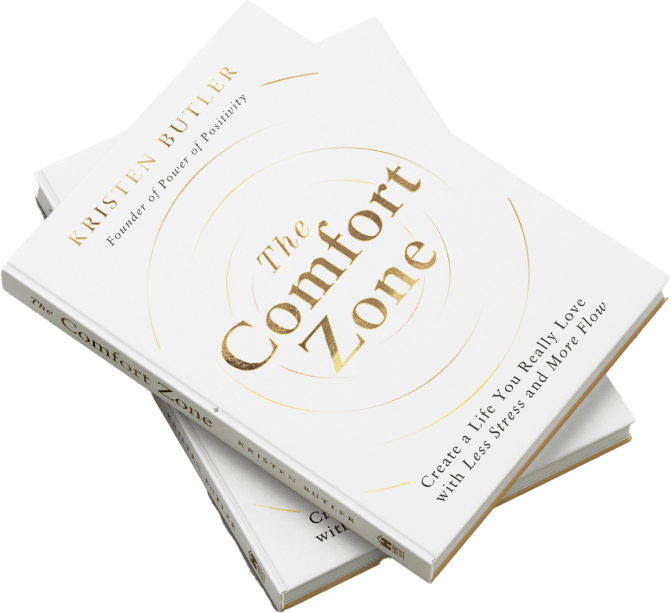
Kristen Butler, founder and CEO of Power of Positivity and the author of the groundbreaking book, “The Comfort Zone,” challenges this age-old advice. She presents a fresh perspective that might change how you view your personal and professional journey.

The Real Comfort Zone

Kristen proves how actual growth doesn’t come from abandoning our comfort zones. Instead, it’s about stretching it, making space for new skills and experiences while maintaining comfort. Of course, striking this balance is essential for mastering new challenges and expanding our horizons.

When you’re genuinely in your Comfort Zone, the signs are clear:

  • Happiness: A deep sense of contentment and joy in what you do.
  • Success: Achieving your goals and feeling fulfilled.
  • Gratitude: Appreciating the journey and the lessons along the way.
  • Abundance: Recognizing the wealth of opportunities and blessings in your life.
  • Balance: Making time for work, play, and family contributes to happiness.

comfort zone book

The Misconception of Leaving the Comfort Zone Leads You to the Complacent Zone or Survival Zone

While the intention behind the advice to “leave your comfort zone” might be well-meaning, it often leads individuals into two detrimental spaces: the Complacent Zone and the Survival Zone.

  • The Complacent Zone: Here, you might feel trapped in the monotony of life. You have a nagging feeling of dissatisfaction, complacency, and longing for something more. As a result, you might find yourself stuck in a rut, constantly comparing your life to others and slightly jealous.
  • The Survival Zone: This is where ambition turns toxic. In the survival zone, you’re constantly on the go, pushing yourself to the brink. But it’s not practical or efficient. So you live fueled by stress, sometimes anxiety, and a feeling that no matter how hard you try, you’re just treading water. It isn’t growth; it’s mere survival.

Here Are Illustrations of Each Zone

Here are some examples of living in each space: the Comfort Zone, Complacent Zone, or Survival Zone.

Liz’s Life in the Comfort Zone

The sun streamed through the sheer curtains, casting a soft golden hue over the room. Liz stretched, feeling the warmth of the morning sun on her face. As she sat up, her thoughts wandered to the day ahead, and a smile spread across her face. She was genuinely in her Comfort Zone, and every aspect of her life was a testament to that.

Liz’s apartment was a cozy haven adorned with souvenirs from her travels. A beautiful tapestry from India hung on one wall, and a collection of postcards from various European cities adorned a corkboard near her desk. Each item told a story of adventure, exploration, and the joy of discovering new cultures. Travel was her passion, and she saved up for her trips while enjoying the present.

Her mornings usually began with a healthy breakfast – a bowl of oatmeal topped with fresh berries and a drizzle of honey today. As she ate, she thought about her courses at the local community college. Learning was another passion of hers. Whether it was a language class or a course on digital marketing, Liz believed in constantly upskilling. This boosted her confidence at work and enriched her personal life.

Work was another source of joy for Liz. She had a sales job at a reputable company, which was everything she had hoped for. The pay was good, allowing her to live comfortably and save for her travels. Her colleagues were supportive, and she had formed genuine friendships over the years. The company’s gym membership benefit was a bonus. After work, she would head to her yoga class twice a week. The deep stretches and meditative moments were therapeutic, and she had made some of her closest friends in that class.

Liz’s personal life was equally fulfilling. She was engaged to a kind-hearted and supportive partner. They had met during a trekking trip in Nepal and shared a love for adventure. Their wedding was just around the corner, and the excitement was palpable. They often spent evenings planning their honeymoon, a mix of relaxation and exploration.

As she finished her breakfast, Liz received an email notification. It was from her manager, reminding her of the upcoming meeting to discuss her promotion. She felt a surge of gratitude. Her company noticed her diligence, and she was on the path to even greater success.

Later that evening, as Liz celebrated her best friend’s birthday, she couldn’t resist a slice of the delicious chocolate cake. After all, she believed in balance.

Liz took a moment to reflect as she laughed and chatted with her friends. She had come a long way from college, where she had graduated with nothing but a student loan. But with determination, planning, and a positive attitude, she had built a life she was proud of.

Liz was the embodiment of someone in their Comfort Zone. She had found the perfect balance between work, passion, and personal life. As a result, Liz was happy, successful, and grateful for every moment.

comfort zone

Maddy’s Stagnation in the Complacent Zone

The rhythmic hum of the welding machine was a familiar sound to Maddy. She worked hard day in and day out, fusing metals with precision. The sparks flying from her torch contrasted with the dullness she felt inside. 

Maddy’s apartment was neat and well-furnished, a testament to her stable income. Her car, parked outside, was one of the latest models. To an outsider, Maddy had it all – a good job, financial stability, and independence. 

But beneath the surface was a yearning, a quiet longing for something more.

Growing up, Maddy had watched her mother, a dedicated math teacher, juggle the responsibilities of single parenthood with grace and determination. Money was tight, but they always had just enough. The warmth of their home wasn’t just from the heater; it was from the love and bond they shared. 

But Maddy also saw the sacrifices her mother made. Mom’s dream of a Master’s degree and a career in school administration was shelved – a silent reminder of the choices one makes for their loved ones.

This sense of sacrifice became ingrained in Maddy. She had dreams too—vivid and full of possibility. Her secret passions were her vibrant colors of paint, the soft brushes, and the joy of creating art. She had envisioned herself in a classroom, teaching young minds the beauty of expression through creativity. But reality had other plans. One evening, while scrolling online for ways to make extra money, she came across a discussion about the best uitbetalende casino in Nederland — platforms known for their high payouts and potential quick wins. For a moment, the idea of taking a chance lingered in her mind, a stark contrast to her pragmatic nature. Ultimately, Maddy stayed true to her practical path, choosing a career that promised stability over fleeting opportunities. Yet, the fleeting thought of risk sparked something within her—a reminder of the boldness her art once represented.

Her decision to pursue welding was logical. The vocational program in high school opened doors to a well-paying job immediately after graduation. But as the years passed, the weight of unfulfilled dreams grew heavier. She watched her friends, one by one, head off to college, their lives filled with new experiences, challenges, and growth. Social media was a constant reminder of the paths not taken, and with each post, the green-eyed monster of jealousy reared its head.

Maddy felt trapped in her hometown, which held cherished memories and stifling limitations. The resentment towards her parents, especially her absent father, bubbled beneath the surface. She often wondered if things would have been different if he had been around and if they had had the financial means to pursue their dreams.

Every evening, as Maddy returned to her apartment, she would pass by a local art school. Seeing students with their sketchbooks and easels was a painful reminder of the path not taken. She was stuck in the Complacent Zone, the comfort of the known overshadowed by the longing for the unknown and a lack of motivation to try.

Maddy had achieved comfort in her life. But that came with a strong dose of dissatisfaction and a lack of motivation. 

The question haunted her was: Would she ever break free from this complacency and chase her dreams of teaching art? Or would she remain trapped in a life that was comfortable but unfulfilling? 

Jordan’s Life in the Survival Zone

The city lights shimmered in the distance, casting a glow on the tall skyscrapers. From the 25th floor of his luxury apartment, Jordan had a panoramic view of the bustling city below. But as he stood there, staring blankly at the cityscape, he felt an overwhelming sense of emptiness.

Growing up in the suburbs, Jordan’s life was defined by his parents’ relentless pursuit of providing more for their children. They weren’t wealthy. Still, they ensured their children never felt the pinch. The annual road trips, the special dinners at the town’s best restaurant, and the latest gadgets and sports equipment symbolized his parents’ love and sacrifice. But beneath the surface of these material comforts was a void – the absence of quality time and genuine connection.

Jordan had internalized this “more is more” philosophy from a young age. To him, success was synonymous with hard work, long hours, and material abundance. So, when he moved to the city, he threw himself into his job with a fervor that bordered on obsession. 

The paychecks were hefty, and the accolades kept pouring in. But at what cost?

His days were full of meetings, deadlines, and endless hours staring at a computer screen. The stress was taking a toll on his health. The sharp, gnawing pain in his stomach constantly reminded him of his ulcer. His diet consisted of greasy takeouts and caffeine, and exercise was a distant memory. The city was at his doorstep with its vibrant culture and endless opportunities. But he barely had the time or energy to step out and enjoy it.

His relationship with his partner, who was supportive and understanding, was also suffering. They had moved to the city together, dreaming of a life filled with love, adventure, and success. But now, their conversations were merely hurried phone calls and occasional dinners. Jordan could sense the growing distance between them, which weighed heavily on his heart.

One evening, as he sat on his balcony, a thought crossed his mind: Was this what success looked like? Was he living authentically, or was he just a cog in the machine, endlessly spinning without purpose or direction? The city lights once symbolized opportunity and excitement; now, they seemed cold and distant.

Jordan lived in the Survival Zone. The pressure to achieve more, to constantly push himself, had overshadowed the true essence of life. As a result, he yearned for balance, genuine connections, and moments of stillness and reflection. He realized that success wasn’t just about material wealth or accolades but about living a life filled with purpose, love, and contentment.

Jordan made a silent promise to himself as he gazed at the city lights. He also wondered how he could discover a balanced and fulfilling life.

Discover if You Are in the Comfort Zone

So, where do you stand? Are you, indeed, in your Comfort Zone already, or have you unknowingly wandered into the Complacent Zone or Survival Zone?

Here’s some great news – you can find out right now! Kristen Butler crafted a unique, complimentary quiz, “What Zone Are You In?” to help you pinpoint your current position. 

This quiz is more than just a set of questions; it’s a tool to guide you toward genuine growth, happiness, and self-discovery.

comfort zone quiz

Final Thoughts: It’s Time to Learn What Zone You’re In

Your journey to success and happiness doesn’t have to be uncomfortable. So remember – it’s about stretching your comfort zone, not leaving it. Embrace new challenges, master new skills, and expand your horizons while maintaining a sense of comfort and balance.

So are you ready to discover where you truly stand? Take Kristen’s “What Zone Are You In?” quiz now. Afterward, you’ll be ready to embark on a journey to genuine growth and happiness.

10 Behaviors That Reveal a Narcissistic Mother

Psychologists and relationship experts provide insights into the telltale behaviors revealing a narcissistic mother.

A narcissistic mother often feels entitled, manipulates and belittles others, and lacks empathy. You might experience abuse and volatile behavior from her. And feel like you must give her the attention she wants as a narcissist.

A mother like this can’t give their child the attention and validation that leads to emotional security. Her children often won’t feel loved, affecting their mental health, behaviors, mindset, and development. It interferes with the family dynamic and triggers issues between other people in the home.

If you have a problematic relationship with your mother, it’s worth learning about the actions of a narcissist to discover if it’s the issue. Recognizing the behaviors of narcissists can help you identify the situation and find ways to overcome the effects. It’ll help you understand that the experience is unreasonable and you’re worth more than how she treats you.

NOTE: We recognize that a father could also be a narcissist. Because males display somewhat differing behaviors (with some overlap), we cover them separately.

Understanding Narcissistic Personality Disorder (NPD)

Narcissistic Mother

While children should be able to look to their parents to meet their emotional and physical needs, not everyone can. Those with a parent with narcissistic personality disorder (NPD) don’t typically have the chance.

NPD is a personality or mental health disorder that manifests in personal relationships in many ways, involving harmful behaviors and symptoms.

Some of the NPD symptoms to watch for include the following:

  • feeling entitled and thinking she should get special treatment
  • exploiting her children for personal gain
  • making every conversation about her
  • controlling in private but acting kind in public
  • criticizing or belittling others
  • frequent guilt tripping
  • bragging about your achievements without acknowledging you
  • believing she is more important than others
  • talking about how much she does for you
  • negatively reacting to criticism
  • blaming others
  • lacking empathy

To receive an NPD diagnosis, a person must meet five diagnostic criteria. This criteria includes these behaviors:

  • grandiosity or entitlement
  • exploiting others for personal gain
  • lacking empathy
  • arrogant behavior
  • thinking others are jealous of them or being overly envious in return
  • exaggerating accomplishments or status
  • fantasizing about power, success, or wealth
  • needing constant attention or admiration

Lack of Empathy

A narcissistic mother tends to lean toward emotional neglect in her parenting. She may favor invalidating feelings, leading to many consequences for children. Some of the effects of this involve not meeting a child’s needs or considering their feelings. She won’t acknowledge or try to understand her child’s emotions, instead only thinking of herself.

You might also notice self-centeredness that impacts the overall family dynamics. It can cause a lack of loyalty, supporting, and understanding in your home. This situation also interferes with developing healthy bonds.

Overemphasis on Status and Appearance

A narcissistic mother wants to appear perfect and overemphasizes status and appearance. She’ll be image-conscious and status-oriented, doing whatever it takes to look better to those outside the home. A woman like this also focuses on materialism because she thinks it’s one of the best ways to show her status.

She’ll rave about her parenting skills and children’s accomplishments while leaving out disappointments or shortcomings. Typically, the narcissist won’t care how things go at home, but she wants others to think she’s doing a great job.

Image-conscious behavior negatively impacts children, including not learning how to be their authentic selves. These children may also believe they can only get valued for what they can give others or how they look.

Manipulation and Control

Manipulative behavior can indicate narcissism, and it often involves control tactics. A mother like this might control your hobbies, activities, and who you spend time with. Plus, she’ll want you to dress, behave, and speak a certain way.

She’ll use fear to fuel her psychological manipulation of you and undermine your opportunities if she doesn’t like them. Some examples of manipulative behavior to watch for include:

  • giving the silent treatment
  • guilt-tripping
  • blaming others
  • gaslighting
  • isolating
  • blackmailing

A Narcissistic Mother Loves Playing the Victim

A narcissistic mother often has a victim mentality and engages in guilt-tripping and blaming others. She’ll manipulate situations to get sympathy and attention from others, making them feel bad for her. You might notice that she enjoys the drama and complications stemming from adverse events.

Mothers who do this often think they can gain something from making people feel bad for them. She’ll portray herself as a victim to gain attention and other benefits from those around them.

Children who grow up with a mother that often plays the victim tend to feel inadequate. They tend to struggle with maintaining and implementing boundaries. If you grew up in this situation, you might have trouble voicing your needs as an adult.

Boundary Violations

A narcissistic mother doesn’t respect boundaries and often engages in privacy invasion. It shows a lack of respect because it indicates that her need for control trumps your limits. This behavior also shows that she cares more about what she wants than what makes you uncomfortable.

She might ask inappropriate questions or make uncomfortable comments. When you state your boundaries, she might get angry about it and push back. Despite her boundary crossing, continue setting and implementing them to protect yourself and your well-being.

narcissists

Favoritism and Scapegoating

Your mother might be narcissistic if she creates family roles, including the golden child and scapegoat. The golden child is the favorite and gets more attention and praise than others in the family. On the other hand, the scapegoat gets blamed for everything and often experiences emotional rejection.

Favoritism and scapegoating can cause tension between siblings. It can trigger physical and emotional abuse and create a toxic environment. Other effects may include:

  • diminished self-esteem
  • unhealthy relationships
  • emotional trauma

A Narcissistic Mother Engages in Emotional Exploitation

Narcissistic mothers engage in emotional exploitation that causes long-term effects on a child’s well-being. She might make you feel unsafe or on edge because you don’t know when she’ll get angry or break boundaries.

Gaslighting is a common tactic for a narcissist, and it involves making you question your reality. It’s a form of psychological or emotional abuse that can make a child feel crazy for having thoughts and feelings. One example is saying something mean or hurtful and, when called out, claiming it was a joke or saying they never said it.

Other examples of gaslighting include:

  • giving the silent treatment
  • trying to shift your memories
  • blaming other people or situations
  • denying things that happened
  • dismissing other people’s need
  • isolation
  • making sarcastic comments
  • lying

If you have a narcissistic mother, she’ll also likely engage in emotional abuse through criticizing and belittling her children. Sometimes, she’ll fixate on what she thinks are failures and flaws, continually bringing them up. She may degrade and devalue you in the presence of others or publicly.

A mother like this also might engage in emotional blackmail, especially for her adult children. She’ll do this to maintain control and uses pressure, threats, sulking, and withholding to get her way.

Children who experience this from their mothers deal with long-term effects on their well-being, self-esteem, and behavior. It often makes you feel like your feelings are inaccurate or dramatic, and you might even think you’re imagining things. This situation leads to self-doubt and a sense of inferiority.

Emotional exploitation can also lead to unhealthy enmeshment or blurred lines between your and your mother’s identity. It’s an emotional rollercoaster revolving around control and manipulation.

Seeking Professional Help if You Grew up With a Narcissistic Mother

Growing up with a narcissistic mother can cause long-lasting issues for kids, including:

  • insecure attachment with their mom
  • lacking emotional intelligence
  • sacrificing their needs to keep others happy
  • undeserved self-blame
  • struggling to set and maintain boundaries

Dealing with this experience is hard, but it can make a difference in your life as it improves your well-being. While you can’t control your mother, you can care for yourself and get help. Seeking professional help from counseling, family therapy, and support groups can help you overcome and reverse the problems.

You can find support groups for victims of narcissistic parents or see a therapist for individual counseling. It helps you recognize and address the trauma so you can begin healing.

A professional can help you learn to replace the negative thoughts left by your mother with positivity that allows you to move forward. Some of the other things they can help you with that help you deal with the situation include:

  • learning about narcissism and the subtypes
  • finding social support
  • stopping self-blame
  • improving self-esteem
  • staying calm when provoked
  • implementing boundaries
  • prioritizing yourself
  • minimizing communication with your mother when necessary

Narcissistic Mother

Final Thoughts on the Behaviors of a Narcissistic Mother

Recognizing the behaviors of a narcissistic mother can help you protect yourself and heal from the effects. Seek support and prioritize your mental health so you can live a fulfilling life, free of the fallout narcissists caused in your life.

Moving past growing up with a narcissistic mother is freeing and helps you make sense of things. You can reflect on your past and see situations for what they were rather than how your mother manipulated them.

Growing up this way isn’t your fault, and you deserve to live a happy, fulfilling life. Getting help will allow you to recognize your worth, protect yourself, and heal from the past harms of the narcissist.

21 Benefits of Positive Thinking Most People Ignore

Here’s how positivity leads to a happier, healthier life.

Positive thinking isn’t just a buzzword. Instead, it’s a transformative tool with many scientifically-backed benefits. Building a life brimming with positivity and optimism is not just a means to happiness but can support a longer, healthier life. 

21 Benefits of Positive Thinking You Probably Never Considered

Before we look into the numerous benefits of positive thinking, let’s ground our understanding in scientific research. Numerous studies from reputable institutions such as the National Institutes of Health (NIH) and various universities have shed light on the tangible effects of a positive mindset.

For instance, one NIH article notes that individuals with a positive outlook had a significantly lower risk of dying from several major causes, including heart disease. Similarly, Harvard University revealed that optimism could extend one’s lifespan, living longer than their pessimistic counterparts.

positive thinking

1. Positive Thinking Can Improve Heart Health

The intricate relationship between the mind and the heart has been a subject of interest for many researchers. Positive thinking seems to play a pivotal role in supporting cardiovascular health. 

According to studies, individuals who consistently exhibit optimistic tendencies are at a reduced risk of developing heart diseases. While the exact mechanisms remain a topic of ongoing research, some doctors suggest that optimistic individuals are more inclined to adopt healthier lifestyles. 

For instance, they might be more proactive about diet and exercise regularly. They might also avoid excessive alcohol or tobacco use. 

2. Enhanced Immune Function

The immune system, our body’s primary defense against pathogens, is influenced by our mental state. A positive mindset, characterized by optimism and hopefulness, can amplify our immune responses’ efficacy. 

Research consistently shows a correlation between optimism and a more robust immune function. The underlying theory is that a positive outlook can improve overall health behaviors. As a result, it may boost immune function. 

Furthermore, optimism might reduce the production of stress hormones, which can suppress immune responses. Therefore, by maintaining a positive outlook, individuals might be equipping their bodies with a more robust line of defense against illnesses.

3. Positive Thinking May Reduce Stress Levels

Stress, often dubbed the “silent killer,” has pervasive effects on our mental and physical well-being. 

However, positive thinkers seem to have an innate ability to navigate stressful situations more resiliently. An optimistic perspective doesn’t necessarily eliminate stressors. However, it alters the way one perceives and reacts to them. 

Instead of viewing challenges as insurmountable threats, positive thinkers see them as temporary hurdles or growth opportunities. This shift in perception can reduce the intensity of the body’s stress response, leading to fewer stress-related symptoms. 

Moreover, optimism equips individuals with confidence and control, allowing them to devise effective coping strategies and navigate challenges more easily.

4. Better Pain Management

Acute or chronic pain can be a debilitating experience, affecting every facet of an individual’s life. However, how one perceives and responds to pain can significantly influence its intensity and impact. 

Individuals with a positive outlook often find themselves better equipped to manage and cope with pain. 

According to research from the NIH, the power of positive thinking extends to pain management. Optimism can influence the brain’s pain pathways, potentially reducing pain sensitivity. 

Moreover, a positive mindset can help individuals adjust and adapt to living with chronic symptoms, making them less likely to succumb to feelings of hopelessness or despair. By focusing on the brighter side and seeking proactive solutions, they can lead fulfilling lives despite their pain.

5. Enhanced Coping Skills

Life is replete with challenges, both big and small. How one copes with these challenges can determine their overall well-being and happiness. Armed with an optimistic perspective, positive thinkers often find themselves better prepared to face life’s adversities. 

Research has shown that optimism fosters the development of resilient coping strategies. Instead of getting overwhelmed by problems, optimistic individuals approach them as puzzles to be solved. Thus, they are more likely to seek solutions, ask for help when needed, and view setbacks as learning opportunities. 

This proactive and solution-oriented mindset allows them to navigate hardships gracefully and resiliently. Positive people bounce back stronger from every challenge.

positivity-journal-3

6. Improved Sleep Quality

Sleep is vital to overall health, affecting everything from cognitive function to emotional well-being. Their mental state can significantly influence the quality of one’s sleep. 

Optimism can pave the way for better sleep with its calming and reassuring nature. Individuals with a positive mindset often find it easier to let go of the day’s worries, allowing them to drift into a peaceful slumber. Their minds, unburdened by excessive worry or negativity, are more conducive to restful and rejuvenating sleep. 

Furthermore, optimism can lead to healthier sleep habits. Positive thinkers might be more inclined to maintain a consistent sleep schedule, practice relaxation techniques, or create a sleep-friendly environment. Each of those healthy habits may contribute to improved sleep quality and duration.

7. Positive Thinking and Increased Creativity

Creativity is not just about artistic expression. Indeed, it’s a way of thinking, approaching problems, and viewing the world. Positive thinkers, with their innate openness to new ideas and experiences, often find themselves at the forefront of creative endeavors. 

Their optimistic mindset allows them to see possibilities where others might see limitations. By embracing a world full of potential, they naturally become more receptive to unconventional ideas and solutions. As a result, their receptiveness fuels their creative juices, enabling them to think outside the box. 

So, their creative approach often leads to groundbreaking and innovative outcomes in the arts, sciences, business, or daily life.

8. Stronger Relationships

Relationships form the bedrock of human experience, and the quality of these relationships can significantly influence one’s overall well-being. At the heart of solid and meaningful relationships lies positivity. 

An optimistic outlook acts as a magnet, drawing people towards the warmth and assurance it offers. Individuals who consistently exude positivity often find themselves surrounded by genuine connections. 

Their cheerful demeanor fosters trust, understanding, and mutual respect. Therefore, they lay the foundation for deep and lasting bonds. Moreover, their ability to see the good in situations and people means they are more forgiving, understanding, and supportive. These qualities can strengthen and enrich relationships.

9. Increased Productivity

Productivity is not just about doing more. Instead, it’s about achieving more with the time and resources at one’s disposal. Optimistic individuals often achieve more in less time with their boundless energy and motivation. Their positive mindset acts as a catalyst, driving them to set clear goals, prioritize tasks, and stay focused on the task at hand. 

Whether in personal projects or professional assignments, their optimism ensures they remain undeterred by minor setbacks, always looking forward to the end goal. This forward-looking attitude and intrinsic motivation often translate to higher productivity levels and superior outcomes.

10. Positive Thinking and Enhanced Problem-Solving Abilities

Life is replete with challenges. But the lens one views these challenges can make all the difference. 

For positive thinkers, problems are not dead-ends. Instead, they puzzles waiting to be solved. Their optimistic mindset reframes challenges, viewing them as opportunities for growth and learning. 

This perspective shift is incredibly empowering, allowing them to approach problems with a solution-oriented mindset. Instead of getting bogged down by the magnitude of the challenge, they dissect it, looking for patterns, solutions, and alternative routes. 

Their ability to remain calm and composed, even in the face of adversity, ensures they can think clearly. As a result, they become adept problem solvers in both personal and professional spheres.

11. Greater Resilience

Resilience is the ability to recover after setbacks, adapt to change, and keep going despite adversity. Positive thinkers embody this trait. In fact, they often have an uncanny ability to bounce back from challenges. 

Their optimistic perspective allows them to see setbacks not as insurmountable failures but as temporary obstacles on the path to success. Instead of dwelling on what went wrong, they focus on what they can learn from the experience. 

This approach transforms failures into valuable lessons, equipping them with the insights and knowledge to navigate future challenges more effectively. Over time, this cycle of facing challenges, learning, and adapting fortifies their resilience. That makes them more robust in the face of life’s uncertainties.

12. Improved Decision Making

Every day, we face myriad decisions, from the mundane to the life-altering. The quality of these decisions can shape the trajectory of our lives. Optimistic individuals have a clear and positive mindset. Therefore, they often find themselves making better decisions. 

Their optimism is a clarifying lens, allowing them to see situations objectively. They can weigh the pros and cons, consider alternative perspectives, and anticipate potential outcomes. 

This comprehensive approach ensures that their decisions are well-informed and align with their long-term goals and values. Essentially, their positive mindset acts as a compass, guiding them towards choices that enhance their well-being and success.

13. Lower Rates of Depression

Mental well-being is as crucial as physical health, and a positive outlook can play a pivotal role in safeguarding it. Optimism, with its forward-looking and hopeful nature, can act as a bulwark against feelings of despair and depression. 

Positive psychology states that optimistic people focus on possibilities, solutions, and the brighter side of situations. Moreover, their ability to see challenges as temporary and surmountable reduces the impact of adverse events on their mental state. 

Over time, this optimistic perspective can act as a protective factor, promoting overall mental well-being and reducing the risk of depression.

14. Positive Thinking May Lead to Increased Longevity

The quest for a long and healthy life is as old as humanity. While numerous factors contribute to longevity, positive thinking holds a special place. Positivity man means longer life spans with its stress-reducing and health-promoting properties. 

Positive thinkers often lead balanced lives, making choices that benefit their physical and mental health. They might be more proactive about dieting, exercising regularly, and maintaining a balanced work-life dynamic. 

Optimism can contribute to a longer life and a life filled with vitality and purpose by reducing stress, fostering healthier habits, and promoting a sense of purpose.

15. Improved Communication Skills

Communication is the bridge that connects individuals, fostering understanding, collaboration, and mutual respect. With their clear thinking and open mindsets, positive thinkers often excel at communicating. 

Their optimism allows them to approach conversations with an open heart and mind, actively listening and valuing the perspectives of others. They tend to articulate their thoughts clearly and constructively, avoiding blame or negativity. 

This approach ensures that their message is effectively conveyed and fosters an environment of trust and mutual respect, making collaborations more fruitful and relationships more harmonious.

16. Positive Thinking Might Mean Better Conflict Resolution

Conflicts are an inevitable part of human interactions. However, their outcomes can be significantly influenced by one’s mindset. Individuals with a positive outlook approach conflict not as battles to win but as challenges to tackle. 

Their solution-oriented attitude ensures they focus on finding common ground rather than accentuating differences. They are more likely to seek compromise, understand the underlying causes of the conflict, and work collaboratively towards a resolution. This proactive and constructive approach often leads to more effective and lasting solutions, benefiting all parties involved.

positive thinking optimism

17. Positive Thinking and Increased Energy Levels

Energy is the fuel that drives our daily activities, and optimism can act as a potent energy booster. Positive thinkers, with their hopeful and forward-looking perspectives, often find themselves invigorated and motivated to tackle their tasks.

Their optimism is a natural stimulant, reducing feelings of lethargy or procrastination. Whether pursuing a passion, working on a project, or simply going about their daily routine, their positive mindset ensures they do so with zest and enthusiasm.

18. Enhanced Learning Abilities

The innate ability to learn and adapt is crucial in our ever-evolving world. Individuals with a positive outlook often have an advantage in this domain. Their optimism makes them more receptive to new information, curious about the world, and willing to step out of their comfort zones. 

They view challenges as opportunities to adapt, learn, and grow, making them more adaptable and versatile. This mindset enhances their learning abilities and ensures they remain relevant and valuable in various spheres of life. 

19. Greater Emotional Intelligence

Emotional intelligence is someone’s ability to identify, understand, and manage one’s emotions and perceive those of others. This skill is a critical skill in today’s interconnected world. Positive thinkers often display heightened levels of emotional intelligence. Their optimism allows them to approach situations with empathy, understanding, and patience. They are adept at reading emotional cues, gracefully navigating social situations, and building strong, genuine connections. Emotional intelligence ensures they lead more fulfilling personal and professional lives.

20. Boosted Self-Esteem

Self-esteem, the regard, and respect for oneself, plays a pivotal role in overall well-being. Positive thinking can significantly bolster one’s self-esteem. Positive thinkers cultivate a strong sense of self-worth by focusing on their strengths, celebrating their achievements, and viewing challenges as growth opportunities. 

This confidence permeates every facet of their lives, from personal relationships to professional endeavors, ensuring they lead fulfilling and successful lives.

21. Positive Thinking May Reduce Anxiety

A positive mindset may help mitigate anxiety, a pervasive challenge in today’s fast-paced world. 

Studies suggest that optimism can act as a buffer against feelings of anxiety. Positive thinkers focus on solutions, possibilities, and the brighter side of situations, reducing feelings of uncertainty or fear. 

Their ability to remain hopeful, even in challenging situations, promotes a sense of calm and security. As a result, they navigate life’s challenges with grace and poise.

optimism

Final Thoughts on the Benefits of Positive Thinking

Life is full of ups and downs. But the power of positivity can shape our experiences in profound ways. As we’ve explored, positive thinking isn’t just about feeling good; it’s also about enhancing our physical, emotional, and social well-being. 

By embracing a positive mindset, we don’t only help ourselves. Instead, we enrich the lives of those around us. So, the next time you must take on a challenge, remember the numerous benefits of positive thinking and let optimism guide your way.

10 Yoga Ball Exercises to Build Strength

Incorporating a yoga ball into a fitness routine offers a myriad of benefits, particularly when it comes to building strength. Yoga ball workouts for strength training have gained popularity due to their effectiveness in targeting various muscle groups. By incorporating yoga ball exercises into a fitness routine, individuals can improve their strength, balance, and stability.

Whether you are a fitness enthusiast looking to diversify your workout routine or a beginner seeking to build strength gradually, the yoga ball can be an invaluable tool in achieving your fitness goals. So, let’s dig into the world of yoga ball workouts for strength training and unlock their incredible potential for transforming your body and overall well-being.

Importance of Yoga Ball Exercises

The importance of yoga ball exercises extends far beyond typical strength training routines. These exercises offer a holistic approach to fitness, focusing on core strength, balance training, and flexibility enhancement. The yoga ball’s instability challenges the body to engage multiple muscle groups simultaneously, improving balance and coordination. The dynamic movements involved in yoga ball exercises promote flexibility, helping to alleviate muscle tension and enhance the range of motion.

yoga ball exercises

1. Ball Push-Ups

Ball push-ups are a fantastic exercise that targets upper body strength while simultaneously engaging core muscles and providing stability training. To perform ball push-ups, assume a traditional position with your hands on the floor and your shins resting on the yoga ball.

As you lower your body towards the floor, the ball will roll forward, requiring your core muscles to work harder to maintain balance. Pushing back up, you’ll feel the engagement of your chest, shoulders, and triceps as you return to the starting position. Incorporating ball push-ups into your workout routine can be a rewarding and effective way to take your upper body strength and stability training to new heights.

2. Plank on the Ball

Plank on the ball is a dynamic core exercise that offers a refreshing variation to the traditional plank. Place your forearms on the floor and start the plank by resting your shins on the yoga ball. As you engage your core muscles, the ball will create an unstable surface, challenging your stability and requiring your abdominal muscles to work harder to maintain balance. It’s essential to understand how much protein needed per day to support muscle recovery and strength development, especially when engaging in core-intensive exercises like stability ball workouts

This plank variation not only strengthens the core but also targets other muscles throughout the body, including the shoulders, back, and legs. The stability challenge the yoga ball provides intensifies the workout and helps improve posture and body awareness. Consistent plank practice on the ball can enhance your core strength, stability, and overall balance.

3. Ball squats

Ball squats are an effective lower-body workout that adds an element of challenge and balance to the traditional squat. To perform ball squats, stand with your feet shoulder-width apart and place the yoga ball between your lower back and a wall. As you bend your knees and lower your body into a squat position, the ball will roll along the wall, creating instability and engaging your leg muscles more intensely.

The ball squat variations target the quadriceps, hamstrings, and glutes, improving balance and enhancing mobility in the hips and knees. By incorporating ball squats into your lower body strength training routine, you can reap the benefits of a full-body workout and balance exercises. This exercise is particularly beneficial to improving functional strength and overall lower body stability, leading to better performance in various activities and reducing the risk of injuries.

4. Stability Ball V-Pass

The stability ball V-pass is an excellent core workout that combines abdominal strength and coordination. To perform this exercise, lie on your back with the stability ball between your hands and feet. As you lift your arms and legs, pass the ball from your hands to your feet, forming a V-shape with your body.

Lower your limbs back down while still holding the ball, and then repeat the motion by passing the ball back to your hands. This coordination exercise engages the core muscles to maintain stability throughout the movement. As you progress with this exercise, you’ll notice improved core stability and greater control over your body’s movements, making it a valuable addition to any workout regimen.

5. Ball Hamstring Curl

The ball hamstring curl is a highly effective exercise that targets lower body strength while presenting a balance challenge. To perform this exercise, lie on your back with your feet resting on the yoga ball. Support your body with your arms at your sides. Slowly lift your hips off the ground as you bend your knees, rolling the ball towards your glutes.

As you extend your legs back out, the ball will roll away from your body, engaging your hamstrings and glutes throughout the movement. This ball hamstring curl strengthens the hamstrings and improves stability and balance, making it an excellent addition to any lower-body strength routine. Embrace this exercise to challenge and strengthen your hamstrings while mastering the art of balance and stability.

6. Yoga Ball Pike

The ball pike is a highly effective stability exercise that targets core strength and provides an intense upper-body workout. To perform the ball pike, start in a plank position with your hands on the floor and your shins resting on top of the yoga ball. As you roll the ball toward your hands, remember to engage your core muscles when lifting your hips toward the ceiling. This movement forms a pike position, resembling an inverted V-shape.

Adding this exercise into your fitness routine can effectively engage your abdominal muscles, enhance shoulder stability, and develop overall core strength. The ball pike is an excellent addition to any workout regimen, offering a challenging and dynamic exercise that contributes to a strong, stable, and toned upper body.

7.  Yoga Ball Wall Squat

The ball wall squat is a potent squat variation that is a compelling strength exercise for the quadriceps. To execute a ball wall squat, stand with your back against a wall, positioning the yoga ball between your lower back and the wall. With feet shoulder-width apart, gradually descend into a squat position. That will ensure proper alignment of your knees and ankles. This exercise targets and fortifies the quads and enhances stability while engaging the core muscles.

Following this quad workout leads to the development of robust quadriceps, overall lower body strength, and enhanced stability. Make the ball wall squat an indispensable part of your leg day routine to attain greater strength, stability, and equilibrium for a comprehensive lower body fitness program.

8.  Ball Jackknife

The ball jackknife is a dynamic core workout that doubles as an effective balance exercise and strength training. To perform the ball jackknife, begin in a plank position with your hands on the floor and your shins resting on the yoga ball. Engage your core muscles as you pull your knees towards your chest, rolling the ball towards your hands. This movement resembles a jackknife, with your body forming a V-shape.

As you extend your legs back out, the ball will roll away from your body, leaving you with a challenge to balance and coordination. This exercise is an excellent way to challenge your stability and enhance overall body strength. Incorporating the ball jackknife into your workout routine can effectively engage your core muscles, improve balance, and develop coordination while building a stronger and more stable body.

9. Ball Bridge

The ball bridge is a highly effective glute exercise that targets hip strength and is a stable workout. To perform the ball bridge, lie on your back with your feet resting on the yoga ball. Lift your hips off the ground by using your arms at your sides for support. Your body should form a straight line from your shoulders to your knees.

While holding this position, squeeze your glutes and engage your core for a few seconds before lowering your hips. The ball bridge strengthens the glute muscles, improves hip mobility, and builds lower back strength. Incorporating the ball bridge into your fitness routine can effectively target and strengthen your glutes, enhance hip stability, and develop lower back strength for improved overall stability and functional movement.

10. Ball Dead Bug

The ball dead bug is an excellent abdominal workout that focuses on core stability and acts as a coordination exercise. To perform the ball dead bug, lie on your back with your arms towards the ceiling and your legs lifted. That will form a tabletop position. Hold the yoga ball between your hands and knees.

As you extend your right arm and left leg away from your body, the ball will move with them. Then, place your arm and leg back to the starting position. Repeat the movement on the opposite side. Throughout the exercise, engage your abdominals to maintain stability and control.

This exercise challenges the body to maintain balance and control while moving both the arms and legs, improving coordination. Incorporating the ball dead bug into your fitness routine can effectively engage your abdominals and enhance core stability. You may also develop better coordination for a more well-rounded and effective workout.

Final Thoughts on Strength Exercises Using a Yoga Ball

In conclusion, we have explored building strength with yoga ball exercises. Each exercise targets different muscle groups while providing the added challenge of balance and core stability. Incorporating a yoga ball into your fitness routine offers many benefits. These rewards include improved strength, enhanced balance, and a more stable core.

These exercises offer diverse movements for a well-rounded workout, from the yoga ball push-ups that strengthen the upper body to the ball wall squats that work the quadriceps. So, why wait? Take on the challenge and try these exercises to witness firsthand how incorporating a yoga ball can elevate your fitness journey and assist you in achieving your strength-building goals.  With dedication and consistency, you’ll soon discover the incredible benefits of how to build strength with yoga ball exercises.


20 Ways to Keep a Positive Attitude When Everyone Is Negative Around You

Use the Power of Positivity to Keep Negative Thinking at Bay

There are profound moments in life when we must face the looming shadows of negativity. These shadows often manifested as doubts, criticism, or outright pessimism from others, can be overwhelming. Yet, imagine if your spirit and mind were like a magnet, selectively pulling in the best of energies while repelling the undesired. A positive attitude can attract the best experiences, people, and opportunities like this magnet. Positivity acts as a beacon, pulling us in when surrounded by the upheaval of negativity. 

This article will shed light on the strength of maintaining a positive attitude. It will also offer tips to help you to attract positivity and repel negativity during challenging times.

Five Benefits of Having a Positive Attitude

positive attitude

1. Enhanced Problem-Solving Skills:

When we approach challenges optimistically, our minds become more agile and equipped to find solutions. A negative mind may stifle an otherwise agile mind. Moreover, it tends to magnify problems rather than seek resolutions.

2. Better Physical Health: 

It’s no secret that a positive attitude supports better overall health. The science is clear. People who maintain an optimistic outlook often have lower levels of stress hormones, improved cardiovascular health, and a more robust immune response.

3. Improved Relationships:

Positive individuals often attract like-minded people, fostering healthier relationships built on trust and mutual respect. Their resilience and hopeful perspective can often be a balm to interpersonal conflicts, leading to more harmonious connections.

4. Increased Resilience:

Positivity builds resilience. When faced with setbacks, positive thinkers are less likely to give up. They see failures as temporary and believe in their ability to bounce back.

5. Boosted Productivity and Creativity:

A positive mindset allows for more unrestrained thinking. As a result, it empowers individuals to approach tasks with innovation and efficiency.

Five Things That Can Happen When Negativity Creeps In

Negativity, much like a persistent weed, can take root quietly. It often begins subtly, perhaps with a critical comment from a colleague or a series of unfortunate events. Over time, these seemingly insignificant seeds of doubt can germinate, leading to:

1. Cognitive Distortions:

These irrational, inflated thoughts or beliefs distort a person’s perception of reality. Examples include overgeneralization (believing a single adverse event will continue indefinitely) and catastrophizing (anticipating the worst possible outcome).

2. Stagnation:

When surrounded by negativity, individuals may find themselves stuck in a cycle of inaction. The fear of failure or criticism can halt personal and professional growth.

3. Increased Stress and Anxiety:

Negative thoughts can increase cortisol levels, leading to heightened stress, anxiety, and physical ailments.

4. Strained Relationships:

Constant negativity can erode trust and mutual respect in relationships, creating a chasm between individuals.

5. Loss of Opportunities:

A negative mindset might prevent someone from taking risks or pursuing new ventures, leading to missed opportunities and regrets.

Understanding the roots and ramifications of negativity is crucial. However, the journey doesn’t end here. Read on as we’ll explore twenty strategies to harness the magnetic pull of positivity, even when negativity is all around you. 

20 Tips to Have a Positive Attitude (Even When Those Around You Do Not)

May these positive attitude strategies guide you towards maintaining a positive attitude. Implementing even a few of them can create a significant ripple effect. The power of positivity can impact your outlook and the quality of your life experiences.

negativity detox

1. Cultivate a Morning Ritual:

Every day is a fresh canvas, and how we start our morning often sets the tone for the rest of the day. Begin with a morning ritual that prioritizes self-care and mindfulness. 

This habit could be anything from a calming meditation session, a gratitude journal entry, or even a rejuvenating exercise routine. When we dedicate the first moments of our day to positive actions, we arm ourselves with a shield of optimism that can deflect the arrows of negativity we might encounter.

2. Surround Yourself with Positive Influences:

Just as a single candle can illuminate a dark room, surrounding yourself with positive individuals can bring light into your life. These people uplift you, believe in your potential, and encourage your aspirations. 

By consciously choosing your company, you ensure you’re absorbing energies that resonate with your positive frequency, making it easier to maintain a constructive outlook even when faced with challenges.

3. Limit Exposure to Negative Media to Support a Positive Attitude:

In an age of information overload, it’s easy to be bombarded by negative news, pessimistic perspectives, and distressing images. While staying informed is essential, striking a balance is equally crucial. 

So, designate specific times for news or social media consumption and be selective about the sources. Infuse your reading or viewing list with motivational books, podcasts, or videos that inspire hope and offer constructive viewpoints.

4. Practice Affirmations and Visualization:

The power of the spoken and imagined word cannot be understated. By regularly verbalizing positive affirmations – statements that promote self-belief and positivity. These can rewire your brain to adopt a more optimistic perspective. 

Combine this with visualization: picture yourself achieving your goals, overcoming obstacles, and thriving. This combination acts as a mental rehearsal, training your subconscious mind to believe in the possibility of success.

5. Embrace the Power of Nature to Keep a Positive Attitude:

Nature can be a potent antidote to negativity with its boundless beauty and tranquility. Whether it’s a leisurely walk in the park, tending to a garden, or simply sitting by a serene lakeside, connecting with nature has a therapeutic effect. 

The rhythmic cadence of waves, the whispering of autumn leaves, and birds chirping can each act as gentle reminders of the world’s innate harmony and balance. By immersing ourselves in these moments, we tap into a primal source of positivity and peace.

6. Embrace Challenges as Opportunities for Growth:

Every challenge carries within it the seeds of opportunity. When confronted with obstacles, shift your perspective from seeing them as insurmountable problems to viewing them as chances to learn and grow. 

By treating difficulties as lessons rather than setbacks, you’ll find that your approach becomes more proactive, solution-oriented, and resilient. Remember, diamonds form under pressure.

positive attitude

7. Cultivate a Habit of Gratitude for a Positive Attitude:

Gratitude has the incredible power to shift focus from what’s lacking or harmful to what’s abundant and positive in our lives. Begin and end each day by listing three things you’re grateful for. This simple act realigns your mindset, emphasizing life’s blessings over its burdens. 

Over time, this practice enhances positivity and enriches overall life satisfaction.

8. Set Boundaries with Negative Individuals:

While it’s vital to surround oneself with positive influences, setting boundaries with those who consistently emanate negativity is equally essential. That doesn’t mean cutting ties. 

Instead, it means limiting your time and energy in these relationships. Setting clear boundaries protects your mental and emotional space, ensuring it remains a sanctuary of positive energy.

9. Engage in Regular Physical Activity:

The mind-body connection is profound. Whether you try a brisk walk, yoga, or high-intensity training, regular physical activity releases endorphins – the body’s natural mood elevators. 

So when you dedicate even a small portion of your day to exercise, you boost your physical and mental health. This physiological uplift can act as a bulwark against external negativity.

10. Dive into Continuous Learning and Personal Development:

Knowledge empowers. When you commit to continuous learning, you expand your horizons and fortify your self-belief. By immersing yourself in personal development books, attending workshops, or even enrolling in courses that pique your interest, you’re constantly reinforcing the belief in your potential to grow and evolve. 

This continual growth trajectory naturally fosters a positive attitude, for it’s hard to be negative when constantly evolving.

11. Practice Mindfulness and Meditation to Preserve a Positive Attitude:

In the noise of modern life, finding moments of stillness is essential. Mindfulness and meditation anchor you to the present, allowing you to observe thoughts and emotions without judgment. 

This practice of centered awareness helps discern between transient negative thoughts and your authentic inner voice. Over time, meditation fosters a sense of calm, equipping you to respond to negativity with equanimity rather than reactive emotion.

12. Foster Creative Expression to Keep Your Positive Attitude:

Creative expression is an outlet for emotions, whether through painting, writing, dancing, or any other art form. By channeling your feelings into art, you not only find a therapeutic release but also transform negativity into something beautiful and tangible. 

This cathartic process can shift your perspective, turning challenges into inspirations.

13. Seek Support for a More Positive Attitude When Needed:

It’s crucial to acknowledge that we all need support at times. If negativity becomes too burdensome, seeking external help from a trusted friend, mentor, or professional therapist can make a difference. 

These individuals can offer fresh perspectives, coping strategies, or a listening ear. Remember, seeking support isn’t a sign of weakness; it’s a testament to your commitment to maintaining a positive attitude.

14. Create a Positive Physical Environment:

Your surroundings can profoundly impact your mindset. A cluttered space often mirrors a cluttered mind. Take time to organize your personal and workspaces, infusing them with elements that uplift your spirit—inspirational quotes, pictures of loved ones, or plants. 

A harmonious environment acts as a reservoir of positive energy, continuously rejuvenating your spirit.

15. Set and Celebrate Small Achievements:

While having lofty ambitions is commendable, the journey towards these goals, dotted with smaller milestones, truly matters. Set achievable targets and celebrate when you reach them. 

No matter how minor, these moments of recognition create a cascade of positivity. They affirm your capabilities and fuel motivation, making it easier to overlook negativity and focus on the larger picture.

16. Practice Active Listening:

In a world dominated by ceaseless chatter, the power of active listening stands out. You open yourself to diverse perspectives and deeper understanding by truly tuning in to others. 

This attentiveness enriches your interactions. It also helps in identifying and mitigating any underlying negativity. Simply feeling heard can often transform a negative conversation into a constructive dialogue.

17. Embrace Change with a Positive Attitude and Open Arms:

Change is an inevitable part of life. While it can be daunting, embracing change rather than resisting it can be a source of rejuvenation. With every change, personal or professional, come new opportunities, lessons, and growth avenues. 

By viewing change as a positive force, you naturally cultivate a more adaptable and optimistic mindset.

18. Limit Overthinking for a More Positive Attitude:

Overthinking is a common trap many fall into, turning molehills into mountains. By ruminating on negative events or outcomes, you amplify their impact. 

Practice techniques to break the cycle of overthinking, such as setting designated “thinking times” or engaging in distraction activities. You can also consciously tell yourself to stop overthinking and redirect your focus.

19. Give Back to the Community:

Generosity and kindness breed positivity. By volunteering or simply helping others, you generate a sense of purpose and satisfaction. No matter how small, these acts of goodwill radiate positive energy. 

Thus, you create a ripple effect that touches those you help and reinforces your sense of self-worth and happiness.

20. Remind Yourself of Past Triumphs:

Reflecting on past achievements can be a source of inspiration during challenging times. These memories serve as tangible proof of your resilience, capabilities, and inner strength. 

By revisiting them, you gain perspective and reignite the self-belief needed to navigate current challenges with a positive outlook.

positivity

Final Thoughts on How a Positive Attitude Helps You Get Ahead in Life

A positive attitude isn’t just about seeing the world through rose-tinted glasses; it’s about actively choosing hope over despair, solutions over problems, and growth over stagnation. By cultivating and maintaining a positive mindset, especially in the face of adversity and negativity, you lay the foundation for personal happiness and tangible success in all spheres of life. 

It’s essential to remember that a positive attitude isn’t a destination but a journey. Of course, like all journeys, there will be ups and downs. However, armed with the right strategies and a resilient spirit, you’ll find that the path always leads to brighter horizons, no matter how winding. Embrace positivity as your trusted companion, and watch as doors of opportunity, happiness, and success swing wide open in welcome. Shine on!

7 Behaviors That Reveal Psychopathy, According to Psychology

In the intricate realm of psychology, few subjects are as compelling and enigmatic as psychopathy. Psychopathy can be indicated through specific behaviors. They can aid in understanding and managing interactions with individuals exhibiting these traits. The psychopathic personality trait, often marked by a distinct lack of empathy, guilt, and remorse, has long fascinated researchers and the general public.

While the term “psychopathic” has been sensationalized in popular culture, its genuine relevance lies in its profound impact on understanding human behavior. Understanding psychopathy as a clinical construct requires delving into the darkest corners of the human mind. While it remains crucial to remember that psychopathy is a clinical diagnosis requiring professional assessment, researchers have identified specific behaviors that can provide valuable insights into recognizing and comprehending this intriguing phenomenon.

Understanding psychopathy through observable behaviors provides a unique perspective into the minds of individuals who possess these traits. By exploring seven key behaviors that can reveal psychopathy, we unravel the intricacies involved. By unmasking these revealing behaviors, we embark on a journey toward better understanding the complexities of the human mind. Additionally, it is necessary to foster a more compassionate and informed approach to those who grapple with psychopathy’s complex realities.

Understanding Psychopathy

Understanding psychopathy, a perplexing personality disorder characterized by antisocial behavior, is paramount in psychology. By conducting in-depth psychological analysis, we gain invaluable insights into the intricacies of human nature. Identifying the characteristics of psychopathy allows us to contextualize its role in psychology. Thus, we shed light on the underlying factors contributing to its development.

As we look into the nuances of this enigmatic disorder, we equip ourselves with a deeper understanding of the complexities that drive psychopathic individuals to exhibit their distinct patterns of behavior. Ultimately, such knowledge empowers us to develop more informed and empathetic approaches when interacting with those who possess psychopathic traits, paving the way for effective interventions.

We possess this comprehensive understanding and are equipped to embark on a collective effort toward shaping a society that fosters compassion. It extends unwavering support and implements timely interventions for individuals grappling with psychopathic tendencies.

Behaviors That May Reveal Psychopathy

psychopathy

1. Superficial Charm

Superficial charm is a captivating personality trait in psychopathy involving manipulative behavior and deceptive charisma. Psychopathic individuals often possess a disarming charm. Thus, they can effortlessly create a favorable impression on others. However, beneath the surface lies a calculated and cunning nature. That’s because they adeptly mask their true intentions while skillfully manipulating those around them.

This trait is a potent tool for psychopaths, enabling them to gain trust and exploit others for personal gain without arousing suspicion. The allure of superficial charm can be disarming, as it conceals the darker motives lurking within, making it challenging for unsuspecting individuals to discern the true nature of the psychopath. Understanding this trait is pivotal in recognizing and protecting oneself from the potential harm of engaging with individuals who exhibit this behavior.

2. Lack of Remorse or Guilt May Indicate Psychopathy

The lack of remorse or guilt is a defining personality trait in psychopathy, characterized by emotional detachment and antisocial behavior. Psychopathic individuals exhibit a disturbing indifference toward the consequences of their actions, disregarding the impact they may have on others. Their unapologetic nature becomes evident as they ignore social norms and display a startling insensitivity to the feelings and suffering of those around them.

This absence of remorse allows them to act without constraint, manipulating situations for personal gain while remaining impervious to the ethical implications of their choices. The lack of guilt, combined with emotional detachment, enables psychopaths to navigate through life with a callous disregard for the well-being of others. This makes it crucial to recognize this trait to safeguard ourselves and society from potential harm.

3. Grandiose Sense of Self-Worth

The grandiose sense of self-worth is a prominent feature in psychopathy, characterized by extreme egoism and narcissistic behavior. Individuals with psychopathy tend to harbor an inflated and unwarranted perception of their abilities and accomplishments, often overestimating their talents and accomplishments. This delusional self-perception leads them to adopt an air of arrogance and entitlement, firmly believing themselves superior to others.

Their grandiose self-view manifests in various aspects of their lives, from their interactions with peers to their professional endeavors. This self-aggrandizing belief empowers psychopaths to manipulate and exploit others, as they see themselves above the moral constraints that govern society. Recognizing this trait is essential to safeguard against falling prey to their deceptive charms and to understand the motivations behind their manipulative actions. It contributes to a more informed approach when dealing with individuals displaying this grandiose sense of self-worth within psychopathy.

4. Pathological Lying and Psychopathy

psychopathy

Pathological lying is a pervasive behavior often associated with psychopathy, characterized by a penchant for deception, manipulative behavior, and dishonesty. Psychopathic individuals display an uncanny ability to misrepresent the truth, skillfully manipulating reality to suit their agendas. Pathological lying extends beyond occasional fibs; it becomes an ingrained and compulsive habit for psychopaths.

They effortlessly weave fictitious scenarios and narratives, presenting themselves in a manner that garners trust and admiration while concealing their true intentions. This deceitful behavior allows them to exploit others for personal gain, often leaving a trail of emotional devastation. Recognizing pathological lying as a hallmark of psychopathy is crucial for safeguarding against falling victim to their deceptive charm. It aids in understanding the depths of manipulation psychopaths may employ to achieve their objectives.

5. Impulsivity

Impulsivity is a common and defining trait in psychopathy, marked by recklessness, risk-taking behavior, and a notable lack of control. Psychopathic individuals tend to make hasty decisions without carefully considering potential consequences. This impulsive nature often leads to unpredictable, erratic behavior driven by immediate desires and gratifications. The inability to exercise restraint in the face of temptations can result in engaging in dangerous or harmful activities without any regard for the potential risks involved.

Such impulsivity may further manifest in disregarding societal norms, displaying a penchant for instant gratification while neglecting the potential consequences of their actions. Understanding this trait in psychopathy is vital to recognize and anticipate the unpredictable behaviors that may arise. Ultimately, it aids in implementing suitable strategies for managing and interacting with individuals who exhibit this impulsive aspect of psychopathy.

6. Failure to Accept Responsibility

Failing to accept responsibility is a prevalent behavior commonly observed in psychopathy, characterized by denial, blame-shifting, and avoidance. Psychopathic individuals often exhibit a remarkable aversion to acknowledging their actions or accepting accountability for the consequences of their behaviors. Instead of owning up to their wrongdoings, they frequently blame others. They might also distort facts or create elaborate justifications to absolve themselves of culpability.

This consistent refusal to accept responsibility allows them to evade the consequences of their actions. Consequently, they perpetuate a cycle of manipulation and deceit. By recognizing this behavior in psychopathy, we gain valuable insights into the complex dynamics at play when dealing with individuals who are reluctant to admit their mistakes. Additionally, we acknowledge the harm they may have caused. That emables us to approach such interactions with a discerning and informed perspective.

7. Lack of Empathy Goes Along With Psychopathy

The lack of empathy accompanies psychopathy, epitomized by emotional detachment, insensitivity, and a notable social disconnect. Psychopathic individuals struggle to comprehend or resonate with the feelings and emotions of others, displaying a stark difficulty in understanding the perspectives or predicaments of those around them.

Their interactions often lack genuine emotional response, perplexing others with indifference or callousness. This emotional disconnection is a root cause of their insensitivity towards the suffering of others, as they fail to recognize the impact of their actions on those they interact with. Furthermore, this lack of empathy leads to a detachment from societal norms, as they exhibit a profound disregard for the ethical and moral considerations that guide most individuals’ behavior.

Recognizing the absence of empathy as a hallmark of psychopathy is pivotal in comprehending the intricate dynamics involved in their relationships. It allows us to approach such individuals with a cautious awareness. We also develop strategies for fostering more empathetic and understanding interactions where appropriate.

psychopathic

Final Thoughts on Identifying Behaviors of Psychopathy

Exploring the seven behaviors that reveal psychopathy offers profound insights into this intricate personality disorder from a psychological standpoint. Understanding these key traits significantly impacts well-being and the broader societal context.

To recap, we equip ourselves with valuable tools for navigating interactions with individuals who exhibit psychopathic tendencies by recognizing the following:

  • Superficial charm
  • Grandiose behaviors
  • Lack of guilt or remorse
  • Pathological lying
  • Impulsive actions
  • Failure to accept the blame
  • Lack of empathy.

This knowledge protects against potential manipulation and exploitation. As a result, we make more informed decisions in our personal and professional lives. Moreover, we can contribute to a more supportive and understanding society by fostering empathy and compassion in our approach to individuals displaying these behaviors.

While these traits are indicators of psychopathy, they also underscore the complexity of human nature. They prompt us to separate the individual from their condition. Therefore, they encourage a compassionate response rather than judgment. Promoting awareness of the psychological traits of psychopathy and its associated behaviors is not only beneficial on a personal level but also on a societal level. By creating a more informed and empathetic society, we create an environment that fosters early detection and intervention. Only then can we support and understand individuals grappling with psychopathic tendencies.

Therefore, we can reduce harmful actions and behaviors, potentially mitigating the negative impact psychopathy can have on society. By utilizing this understanding to inform our interactions and reactions to those who exhibit these behaviors, we contribute to a society that values empathy, compassion, and support for all individuals, regardless of their psychological traits. Let’s build an empathetic and inclusive world that welcomes all.

Skip to content